TV Pilots That Looked Nothing Like the Show
Television pilots serve as the introduction to a series, but sometimes what viewers see in episode one barely resembles what the show becomes.
Networks order pilots months or even years before greenlighting full seasons, giving creators time to rework characters, replace actors, and completely change direction.
Some shows found their identity only after scrapping major elements from their debuts, while others evolved naturally as writers figured out what worked and what didn’t.
Here are some series that transformed dramatically after their first episodes aired.
Seinfeld
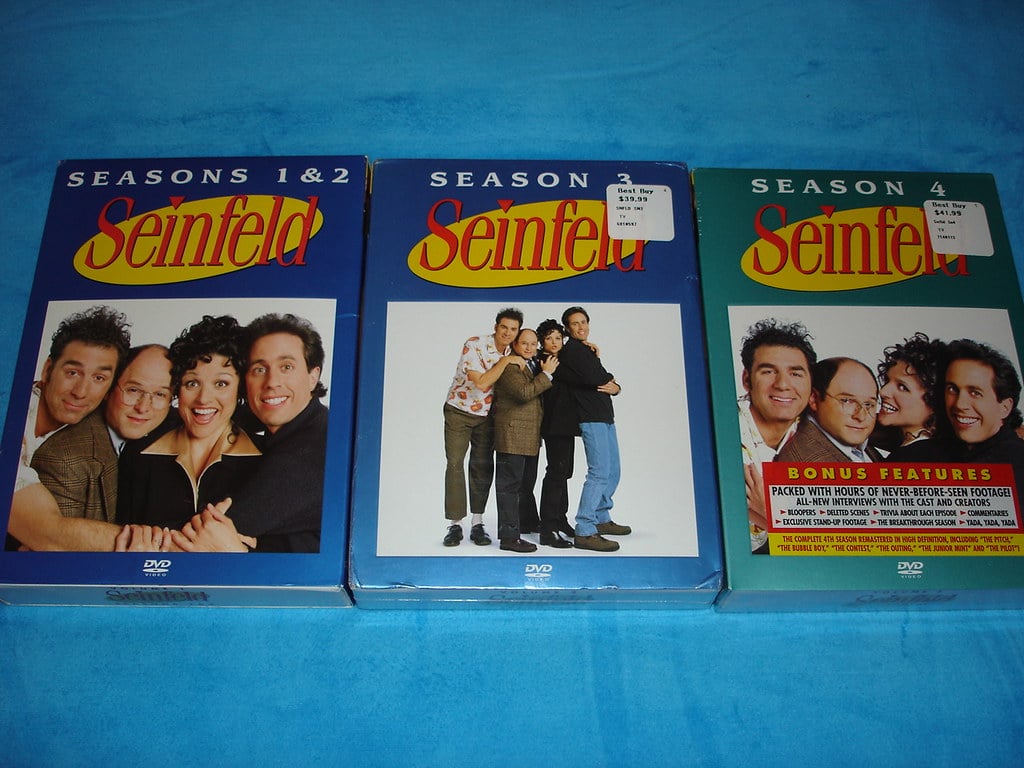
The original pilot called ‘The Seinfeld Chronicles’ featured a waitress named Claire instead of Elaine, and the whole vibe felt stiff and awkward.
Viewers who watch it today can barely recognize the show that would become one of the biggest sitcoms in history.
NBC executives hated it so much they almost didn’t order more episodes, and when they finally did, Larry David and J. Seinfeld retooled nearly everything.
Elaine Benes joined the cast and brought a dynamic that was completely missing from the pilot.
The chemistry among the four main characters took time to develop, and the early episodes featured way more traditional sitcom plotting than the show about nothing it would become.
Parks and Recreation
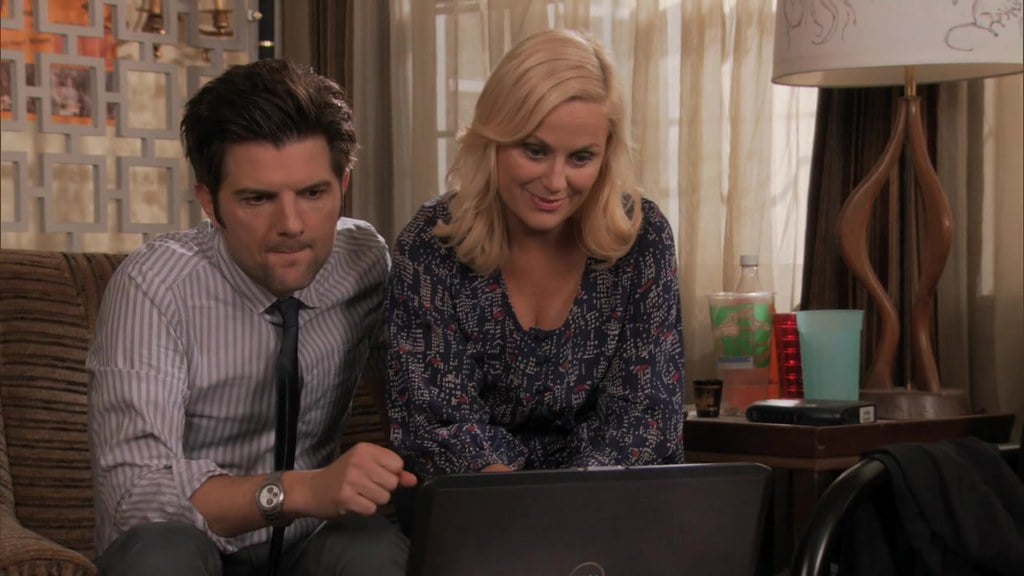
The first season tried to make Leslie Knope into a female Michael Scott, playing her as incompetent and delusional rather than optimistic and capable.
Amy Poehler fought to change the character because the original version just didn’t work and made Leslie hard to root for.
The show found its footing in season two when they transformed Leslie into someone who genuinely cared about her job and was actually good at it.
Rashida Jones and Paul Schneider left after a couple seasons, and the writers brought in Adam Scott and Rob Lowe, which shifted the entire energy.
The pilot’s mockumentary style and mean-spirited humor gave way to something much warmer and more optimistic.
The Office

The American version’s pilot was almost a word-for-word remake of the British original, and it felt completely wrong for a U.S. audience.
Steve Carell played Michael Scott as cruelly as Ricky Gervais played David Brent, making him nearly unwatchable.
The writers quickly realized they needed to make Michael more sympathetic and give him some redeemable qualities or viewers would bail.
They softened his character and let the supporting cast develop their own personalities instead of copying the UK versions.
By the second season, The Office had found its own voice and became something distinct from its predecessor, with storylines and character development that went in totally different directions.
It’s Always Sunny in Philadelphia
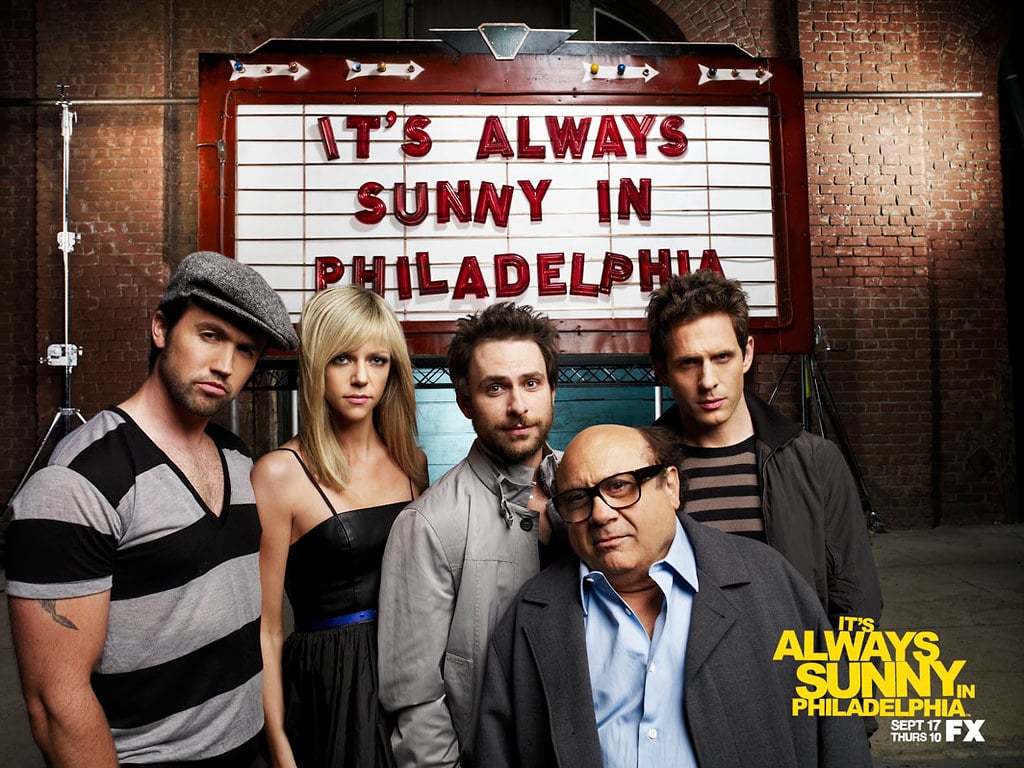
The pilot episode was shot on a tiny budget with Danny DeVito nowhere in sight, and the show looked rough around the edges.
FX executives suggested adding a big name to anchor the cast, so Danny DeVito joined as Frank Reynolds in season two.
His arrival changed the entire dynamic of the group and gave the show a boost in visibility and creative possibilities.
The first season’s humor was darker and more grounded than the completely unhinged comedy the series became known for.
The gang’s apartment looked different, the bar had another layout, and the characters hadn’t yet descended into the total moral bankruptcy that defined later seasons.
Family Matters

This show started as a straightforward family sitcom about the Winslows, with Steve Urkel appearing as a one-time guest character in episode twelve.
Jaleel White’s nerdy neighbor was supposed to show up once and disappear, but audiences loved him so much that he became the star.
The show shifted from a family-oriented series to the Steve Urkel show, with increasingly absurd storylines involving cloning machines and time travel.
Characters who were central in the pilot gradually faded into the background as Urkel’s presence dominated every episode.
By the end of its nine-season run, the show looked nothing like the pilot promised.
Happy Days

The pilot and first season portrayed the Cunninghams as a typical 1950s family with Richie as the clear protagonist, while Fonzie was barely in it.
Henry Winkler’s character was supposed to be a minor recurring role, a tough guy who popped in occasionally at Arnold’s.
Audiences connected with Fonzie so strongly that producers kept expanding his part until he became the show’s breakout star.
The early episodes had a completely different feel, focusing on wholesome family lessons rather than Fonzie’s coolness.
By the middle seasons, the show had transformed into a vehicle for Winkler, even moving the Fonz into the Cunninghams’ garage to justify his constant presence.
Buffy the Vampire Slayer

The unaired pilot featured a different actress playing Willow, and the tone was much campier than the series that followed.
Joss Whedon reshot scenes and recast the role with Alyson Hannigan, whose chemistry with the rest of the cast felt natural.
The early episodes treated vampires as simple monsters of the week, but the show quickly developed complex mythology and season-long story arcs.
Buffy transformed from a girl who resented her calling into a hero who embraced her destiny, and the show got progressively darker.
The pilot’s relatively light approach to vampire hunting gave way to episodes dealing with death, depression, and genuine trauma.
Friends
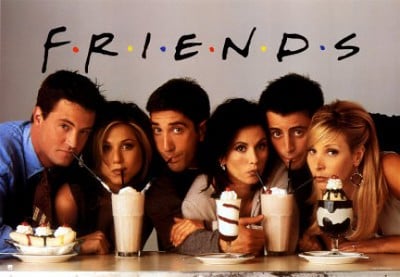
Monica was supposed to be the main character, and the pilot focused heavily on her reconnecting with high school friend Rachel.
The writers initially conceived the show as being about Monica’s love life and her relationships with her friends.
Once the six actors started working together, it became clear that Ross and Rachel’s chemistry would drive much of the series.
The character dynamics shifted dramatically, with Chandler and Joey’s friendship becoming central and Phoebe getting weirder as Lisa Kudrow made the role her own.
The first episode’s Monica barely resembles the neurotic control freak she would become by later seasons.
Married with Children
The pilot presented the Bundys as a slightly edgier version of typical sitcom families, not the complete disaster they would become.
Al Bundy had more dignity in the first episode, and Peg wasn’t quite as lazy or demanding as she’d be later.
The show pushed boundaries gradually, getting cruder and more controversial as it figured out its identity.
Fox let the writers go further than any network would have allowed, and the series became infamous for its raunchy humor.
By the middle seasons, the show had transformed into something that made the pilot look tame by comparison.
Star Trek: The Next Generation

The first season featured different uniforms, different sets, and a much stiffer version of Captain Picard than Patrick Stewart would eventually play.
Wesley Crusher got way too much screen time in early episodes, and the writers hadn’t yet figured out how to balance the ensemble cast.
Tasha Yar left after one season, and her replacement Worf gradually became a central character rather than just standing tactically.
The show hit its stride in season three with new showrunners who understood the characters better.
The stilted, overly serious tone of the pilot gave way to nuanced storytelling that dealt with philosophy and ethics.
Saved by the Bell

This show was actually a retooled version of Good Morning, Miss Bliss, which took place in Indiana and featured a completely different cast except for Zack, Screech, and Lisa.
NBC moved the action to California, brought in Kelly, Jessie, and Slater, and changed the entire format from a teacher-focused show to a teen comedy.
Miss Bliss herself was written out, replaced by Mr. Belding who had been a minor character in the original.
The transformation was so complete that most viewers have no idea Good Morning, Miss Bliss ever existed.
The Saturday morning time slot and broader humor made it into something totally different from its predecessor.
South Park
The pilot was animated with construction paper cutouts and featured cruder animation than even the low-fi style the show is known for.
Cartman’s character was less developed, and the show relied more on shock value than the sharp social satire it would become famous for.
Trey Parker and Matt Stone figured out how to use the show as commentary on current events, eventually creating episodes in less than a week to stay topical.
Kenny’s deaths were played for simple laughs in early episodes before the show added layers of mythology and continuity.
The pilot’s simple premise of kids encountering aliens evolved into one of the smartest political satires on television.
The Big Bang Theory
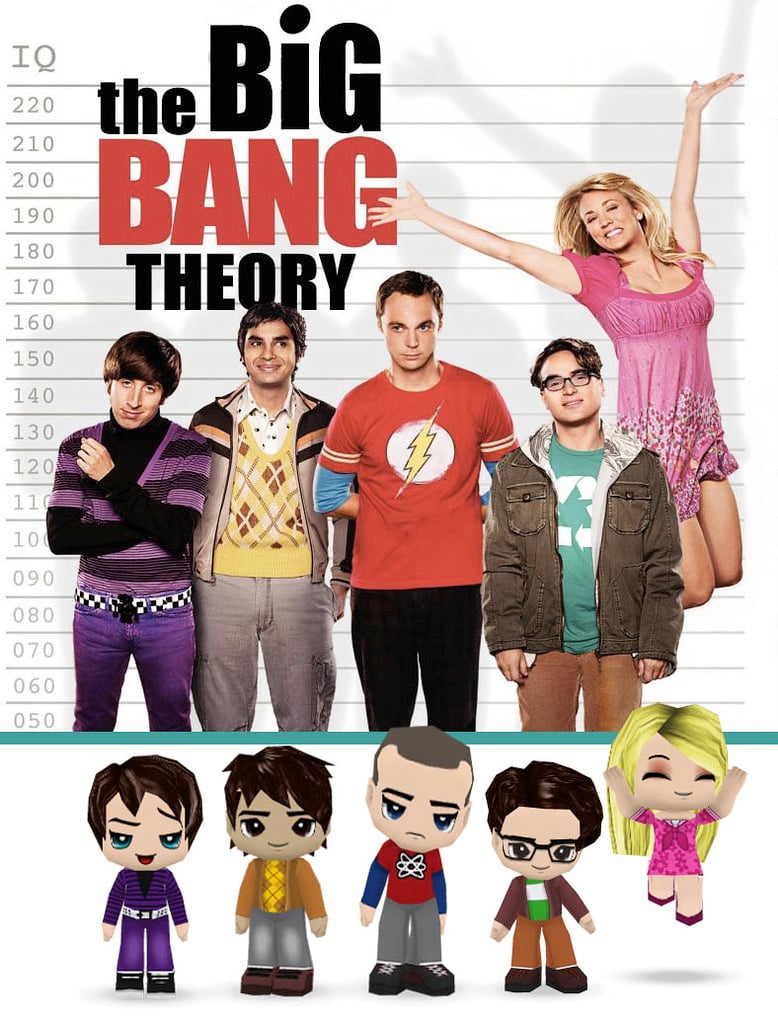
The unaired pilot featured a different actress playing a character named Katie instead of Penny, and she was much meaner and more sexualized.
Test audiences hated the dynamic between the guys and this woman who seemed to mock them constantly.
The creators reshot the pilot with Kaley Cuoco playing a sweeter, more genuinely friendly waitress who cared about her nerdy neighbors.
They also toned down Sheldon’s characteristics in early episodes before Jim Parsons and the writers found the specific quirks that made him work.
The pilot’s setup suggested a show about Leonard’s crush on a neighbor, but it became much more of an ensemble comedy.
The X-Files

The pilot established Mulder and Scully’s partnership but hadn’t yet developed the complex mythology that would define the series.
Early episodes were mostly monster-of-the-week stories before the alien conspiracy storyline took over.
Scully was much more skeptical in the beginning, constantly dismissing Mulder’s theories rather than becoming a believer herself.
The chemistry between David Duchovny and Gillian Anderson took time to develop into the partnership that fans loved.
The show’s visual style also evolved, getting darker and more cinematic as the budget increased.
Cheers

Diane Chambers was supposed to be a temporary character who appeared in a few episodes, but Shelley Long’s performance made her integral to the show.
The pilot focused on Sam’s womanizing and his recovery from alcoholism, which became less central as the ensemble developed.
Coach was a major character in early seasons until Nicholas Colasanto’s death led to Woody Harrelson joining the cast.
The bar itself felt different in the pilot, with fewer regulars and less of the community atmosphere that made the show special.
Norm and Cliff weren’t yet the constants they would become, appearing less frequently in early episodes.
Supernatural

The pilot presented a show about two brothers driving around solving ghost stories, with a season-long arc about finding their missing father.
Nobody expected it to run for fifteen seasons and expand into angels, demons, heaven, hell, and literally fighting God.
The early monster-of-the-week format gave way to increasingly complex mythology and world-ending stakes.
Sam and Dean’s relationship became the emotional core rather than the supernatural cases themselves.
The tone shifted from horror to dark comedy as the actors and writers figured out that taking things less seriously actually made the show more engaging.
Brooklyn Nine-Nine

The pilot established Andy Samberg’s Jake Peralta as more of a goofball than the genuinely talented detective he would become.
The show initially leaned heavily on Jake’s immaturity and his conflict with Captain Holt, making both characters more one-dimensional.
As the series progressed, every character gained depth and the writers found better balance between comedy and genuine police work.
The ensemble’s chemistry improved dramatically after the first few episodes when the actors became comfortable with each other.
The pilot’s sitcom feel evolved into something that dealt with real issues while maintaining its humor.
What Viewers Actually Got

Pilots serve as rough drafts that show the bones of an idea without the polish of a fully developed series.
The best shows recognize what works and what doesn’t, willing to make drastic changes even if it means abandoning the original vision.
Networks, writers, and actors all learn from those first episodes, adjusting course to create something better than what they initially planned.
These transformations prove that staying flexible matters more than sticking to a rigid plan, and sometimes the best version of a show looks nothing like what anyone first imagined.
More from Go2Tutors!

- The Romanov Crown Jewels and Their Tragic Fate
- 13 Historical Mysteries That Science Still Can’t Solve
- Famous Hoaxes That Fooled the World for Years
- 15 Child Stars with Tragic Adult Lives
- 16 Famous Jewelry Pieces in History
Like Go2Tutors’s content? Follow us on MSN.