25 Toys That Were Recalled or Banned
Every toy on a store shelf has passed somebody’s idea of a safety check. Sometimes that idea turned out to be wrong, and the proof arrived only after millions of units were already in playrooms, backyards and fast food bags.
The products below were recalled, banned or formally pulled from sale in the United States. Some were obvious hazards in hindsight. Others looked harmless until a magnet came loose or a factory changed its paint supplier.
Lawn Darts With Weighted Metal Tips
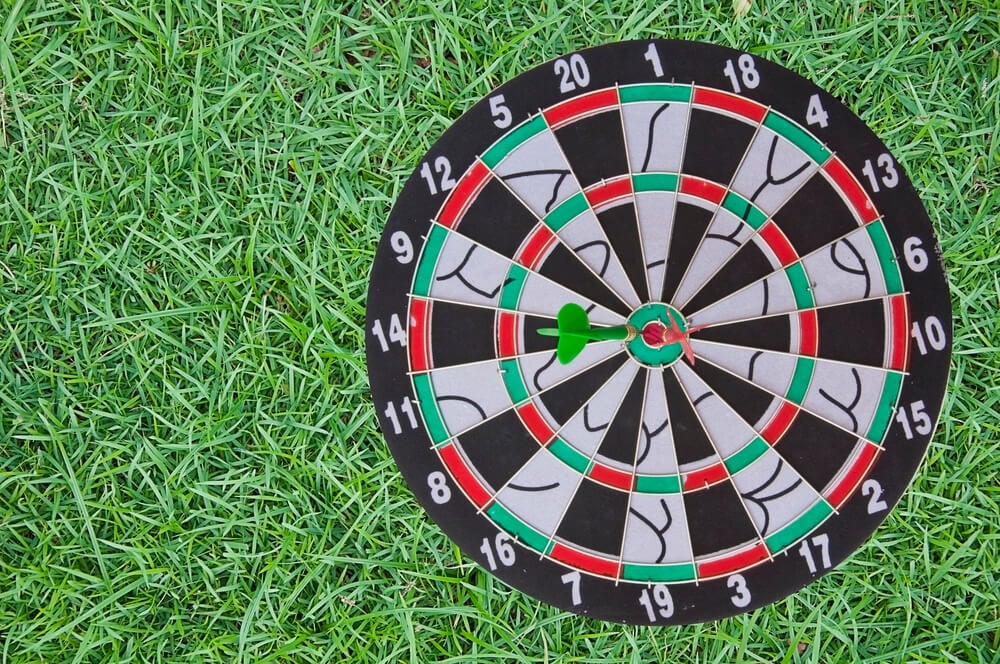
Backyard dart sets, sold under names such as Jarts, asked players to lob foot-long darts with heavy metal points toward a plastic ring on the grass. A 1970s federal rule allowed them only if they were sold as adult sporting goods and kept out of toy departments, a restriction that was widely ignored.
After seven-year-old Michelle Snow was killed by a stray dart in Riverside, California, in 1987, her father David Snow lobbied Washington for a complete ban. The Consumer Product Safety Commission voted for one in 1988, and it took effect that December.
The agency still urges owners of old sets to destroy them.
Clackers on a String
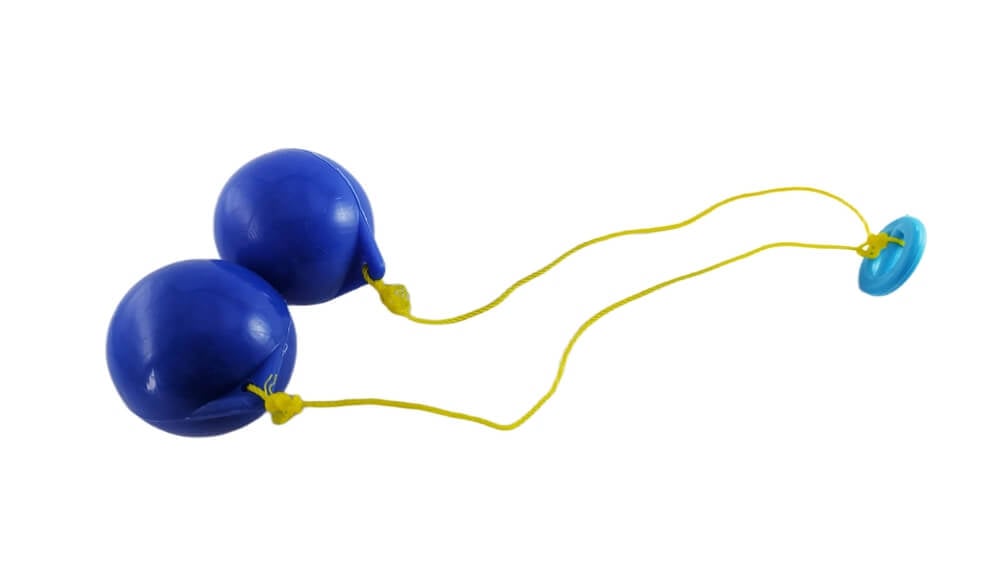
Two hard acrylic spheres hung from a cord with a ring or tab in the middle, and the trick was to swing them so they smacked together above and below the hand with a loud crack. Clackers were a schoolyard craze around 1970 and 1971.
The trouble was that the acrylic could chip or shatter on impact and send fragments flying. The Food and Drug Administration, which handled toy safety before the Consumer Product Safety Commission existed, issued a public warning in 1971, citing injuries from flying fragments, and versions that failed its safety testing were later treated as banned hazardous products.
Later revivals used softer plastic and rigid arms in place of string.
Easy-Bake Oven, the Front-Loading Model
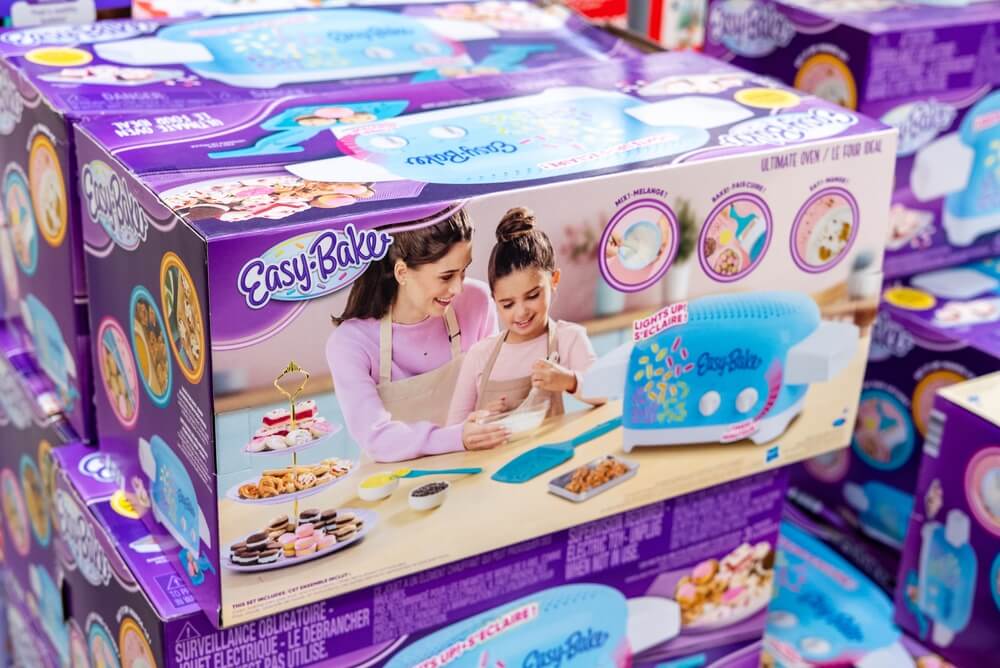
Hasbro redesigned its famous toy oven in 2006, replacing the old light bulb with a heating element and adding a front-loading door. Small hands could reach into that front opening and get caught against the hot interior.
In February 2007 Hasbro and the Consumer Product Safety Commission recalled about 985,000 of the purple and pink ovens and offered a free retrofit kit. Reports of burns kept coming, some of them serious, and that July the recall was announced again with a stronger instruction to stop using the oven and return it for a voucher.
The brand survived and later models were redesigned.
Aqua Dots Craft Beads
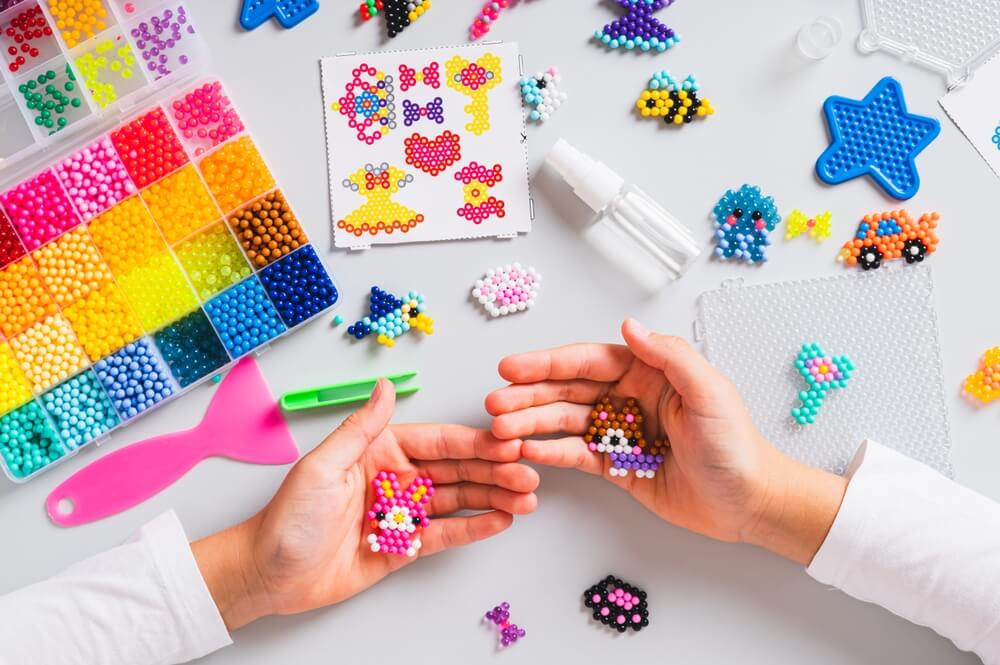
Sprayed with water, these small colored beads fused into designs without heat or glue, which made the kit one of the hot gifts of late 2007. Spin Master distributed it in North America, and the same product was sold in Australia as Bindeez by Moose Enterprises.
Testing found that the factory had used a coating chemical that the body converts into the sedative GHB if the beads are swallowed. Several children were hospitalized after eating them, and in November 2007 the Consumer Product Safety Commission announced a recall of roughly 4.2 million kits.
A reformulated version with a bitter coating returned under the name Pixos.
Sky Dancers Flying Dolls
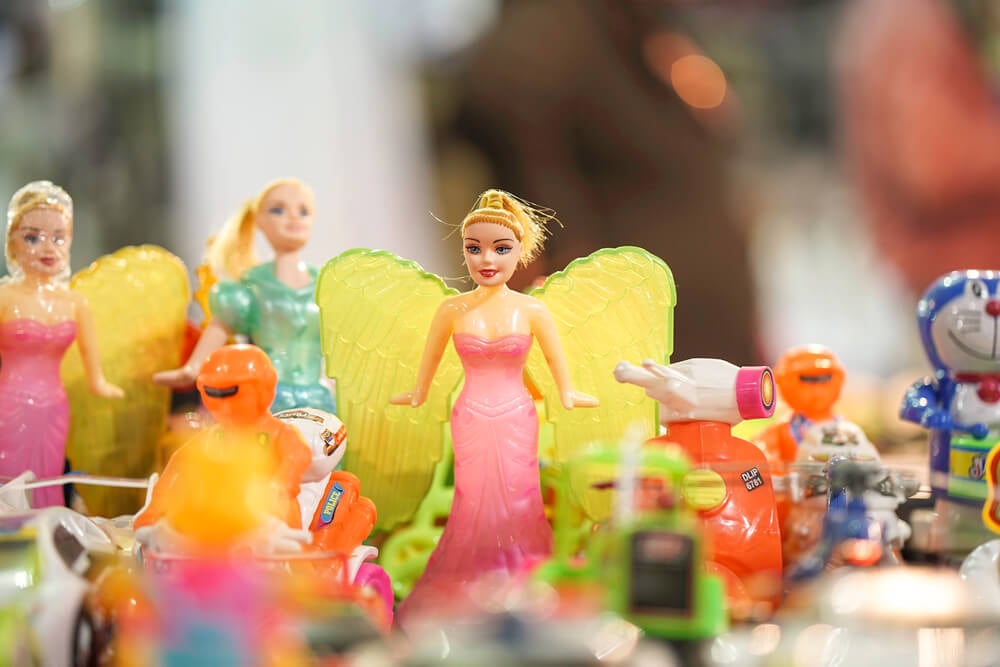
Galoob introduced Sky Dancers in 1994, and the idea was simple. A doll with foam wings sat in a hand-held launcher, a pull cord spun her up, and she flew off like a small helicopter.
Where she flew was anyone’s guess. By June 2000 the company had received about 170 reports of dolls striking children and adults, 150 of them involving injuries that included scratched corneas and broken teeth.
Galoob, by then part of Hasbro, recalled about 8.9 million of the dolls with the Consumer Product Safety Commission. Sky Dancers have since been reissued by other companies in modified form.
Cabbage Patch Snacktime Kids
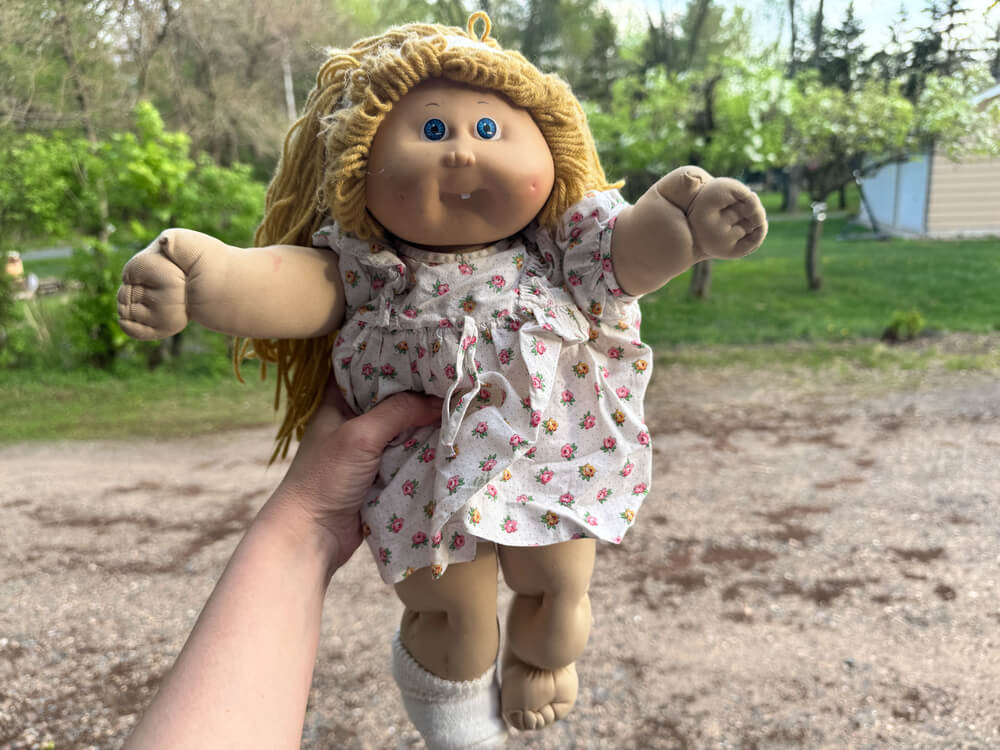
Mattel’s big Cabbage Patch doll for Christmas 1996 could chew. Motorized rollers behind the rubber lips pulled in the plastic french fries and carrot sticks that came in the box, and the food dropped into a backpack.
The mechanism could not tell a plastic carrot from a child’s hair or fingertip, and it had no off switch. The only way to stop it was to pull the backpack off the doll.
After dozens of reports of hair and fingers being caught, Mattel reached an agreement with the Consumer Product Safety Commission in January 1997 to withdraw the doll and offered buyers a refund of 40 dollars.
Magnetix Building Sets
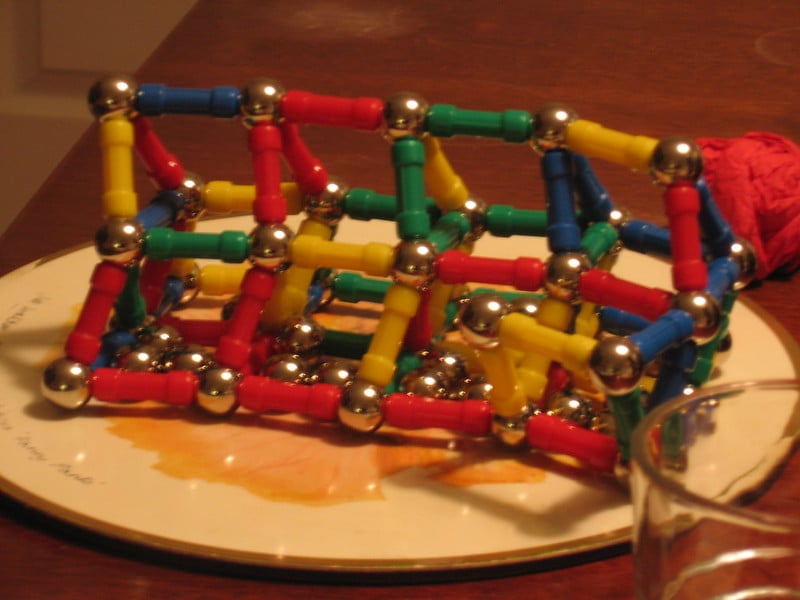
Rose Art’s Magnetix sets let children snap plastic rods and steel bearings into geometric shapes, held by small powerful magnets embedded in the pieces. Those magnets could fall out. When a child swallowed more than one, they could attract each other through intestinal walls and cause severe internal injuries.
The Consumer Product Safety Commission announced a recall of about 3.8 million sets in March 2006 after the death of a toddler and several serious injuries, and the recall was expanded in 2007 under parent company Mega Brands. The case changed how regulators and toy makers thought about magnets in anything a small child might handle.
Polly Pocket Quik-Clik Play Sets
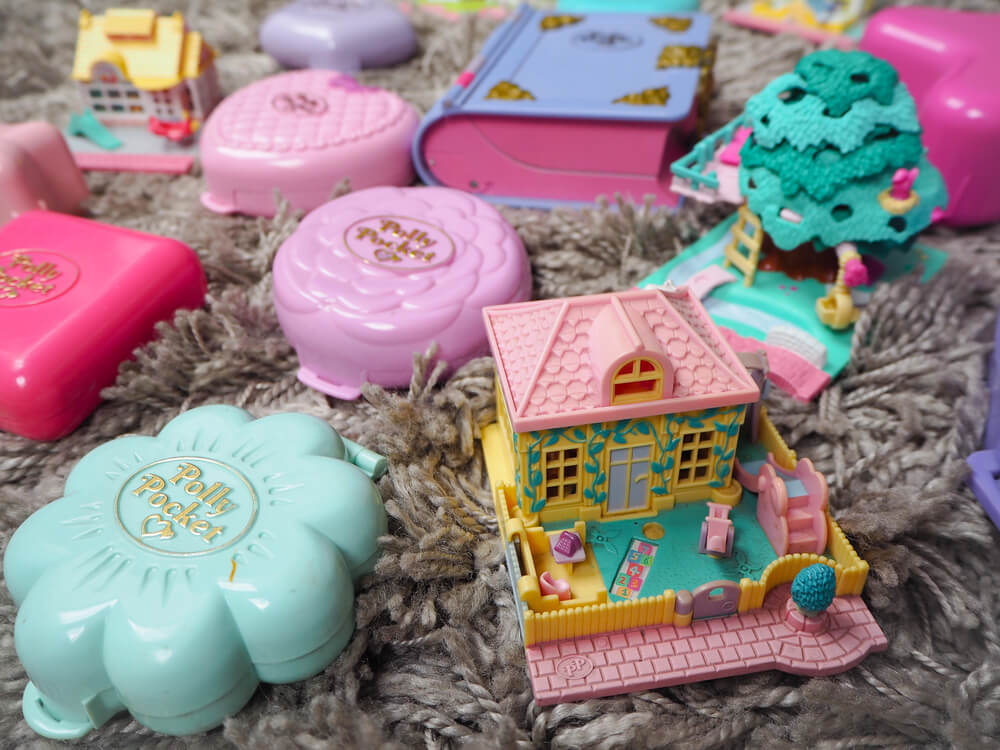
Polly Pocket dolls of the mid-2000s wore outfits and accessories that clicked on with tiny magnets, a clever answer to the problem of dressing a doll barely three inches tall. The magnets, about an eighth of an inch across, could work loose from the plastic.
Mattel recalled about 2.4 million of the magnetic play sets in the United States in November 2006 after reports that children had swallowed magnets and needed surgery. The company widened that recall dramatically on August 14, 2007, adding millions more sets made before a design change.
Newer Polly Pocket magnets were locked more securely inside the plastic.
Thomas and Friends Wooden Railway
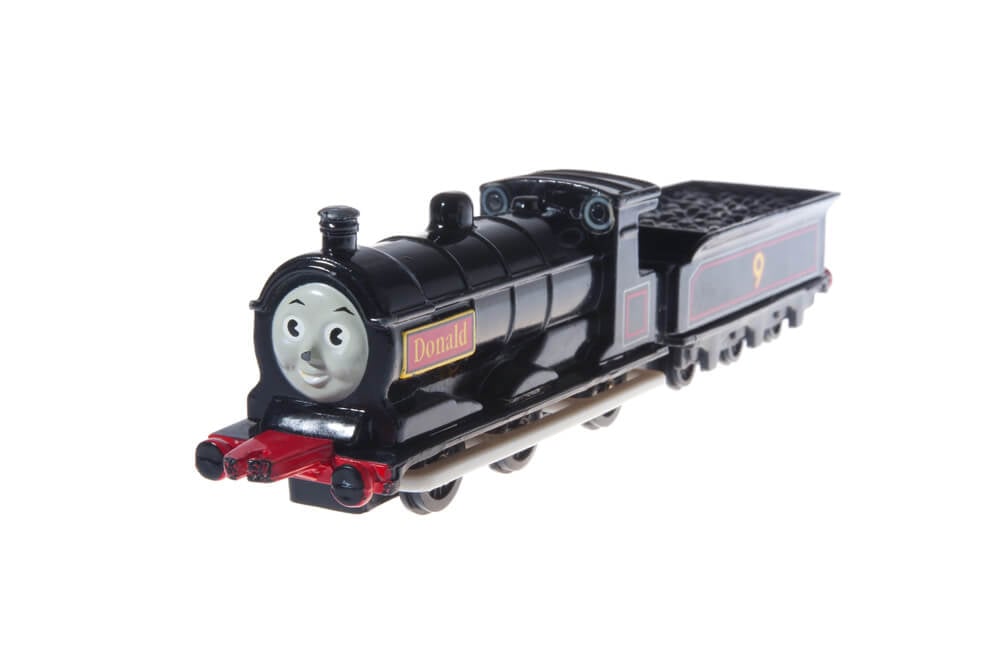
Parents paid a premium for these painted wooden trains, partly because wood seemed safer and sturdier than plastic. In June 2007 RC2 Corporation of Oak Brook, Illinois, recalled about 1.5 million Thomas and Friends Wooden Railway vehicles and set pieces after the surface paint on some of them was found to contain lead.
The affected items had been manufactured in China between 2005 and 2007, and red and yellow pieces were among those named. The recall was one of the first in a summer of lead paint cases that pushed Congress toward the Consumer Product Safety Improvement Act of 2008.
Mattel’s Sarge Die-Cast Car
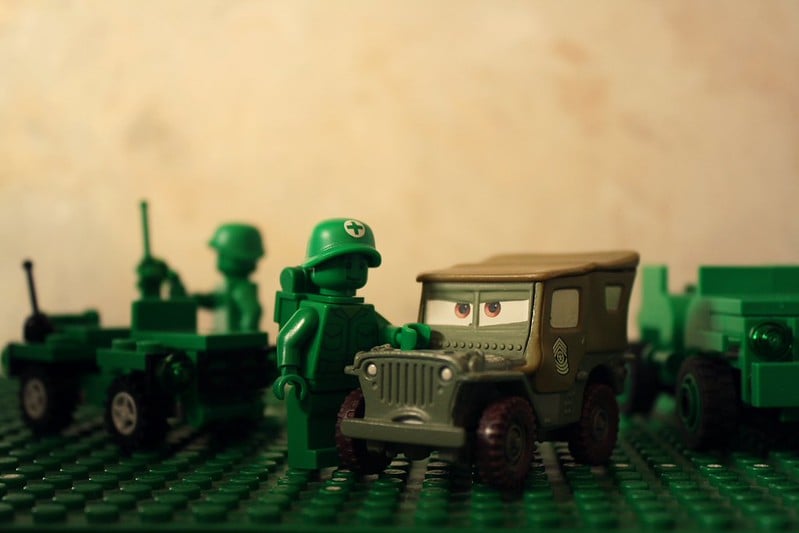
Sarge was the olive green army jeep from the 2006 Pixar film Cars, and Mattel sold him as a small die-cast vehicle. On August 14, 2007, the company and the Consumer Product Safety Commission recalled about 253,000 of the cars in the United States because the paint contained lead above the federal limit.
Mattel said a subcontractor in China had used unauthorized paint. The announcement came less than two weeks after a far larger Fisher-Price recall, and Mattel’s chief executive, Robert Eckert, issued a public apology to parents.
Sarge returned to stores afterward in properly tested paint.
Fisher-Price Sesame Street and Nickelodeon Figures
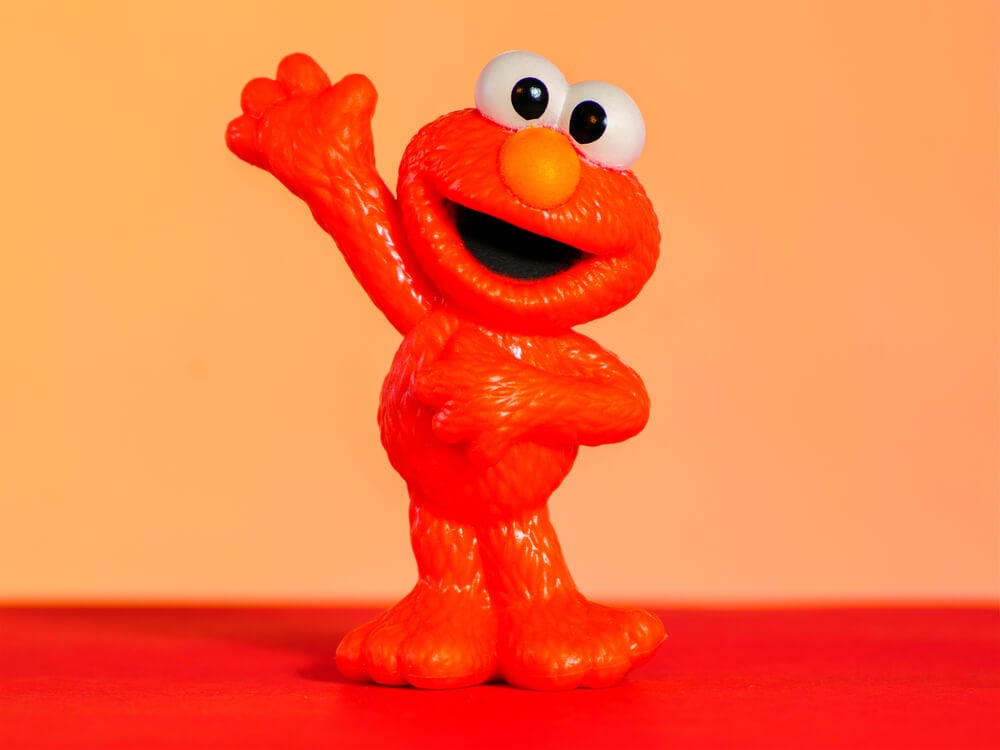
Elmo, Big Bird, Dora the Explorer and Diego were among the characters caught up in the recall that Fisher-Price announced on August 2, 2007. About 967,000 plastic preschool toys sold in the United States were covered, more than 80 different items in all.
The cause was lead in the surface paint, traced to a contract manufacturer in China that Fisher-Price’s parent, Mattel, had used for years. No injuries were tied to the toys in the announcement.
The damage was to trust, since these were toys designed specifically for children young enough to chew on them.
Self-Balancing Hoverboards
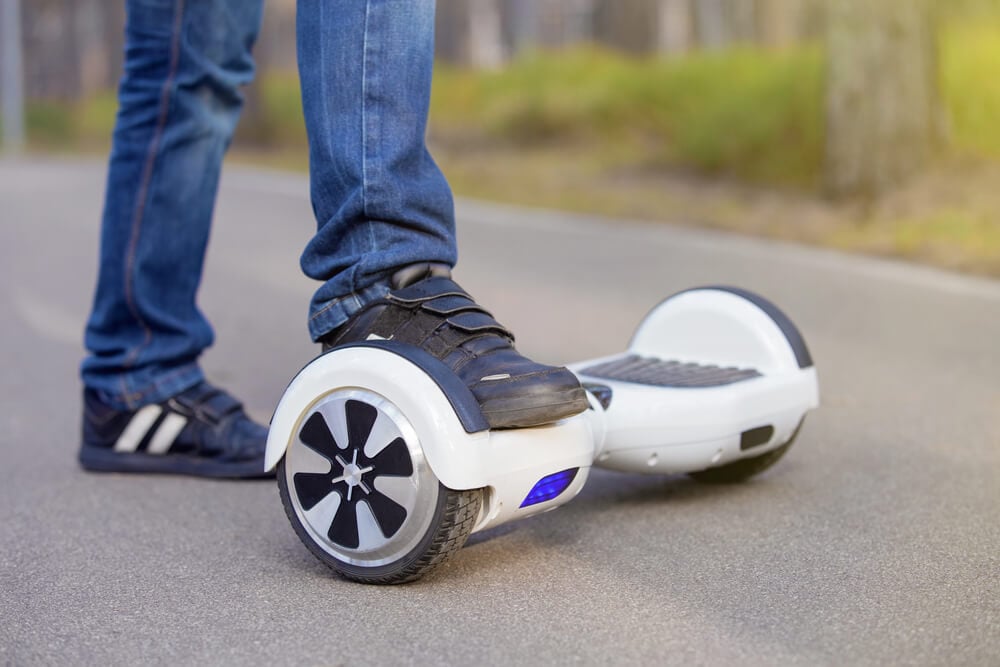
The two-wheeled scooters were the gift of the 2015 holiday season, sold by dozens of brands with almost identical parts. Then the lithium-ion battery packs began overheating, sometimes while charging and sometimes while someone was riding.
Airlines refused to carry the boards and several large retailers dropped them. In July 2016 the Consumer Product Safety Commission announced recalls covering more than 500,000 units from ten companies, with Swagway accounting for the largest share.
The agency told manufacturers that future boards should meet a new electrical standard known as UL 2272. Certified models are still sold, usually with that mark on the box.
Battlestar Galactica Missile-Firing Ships
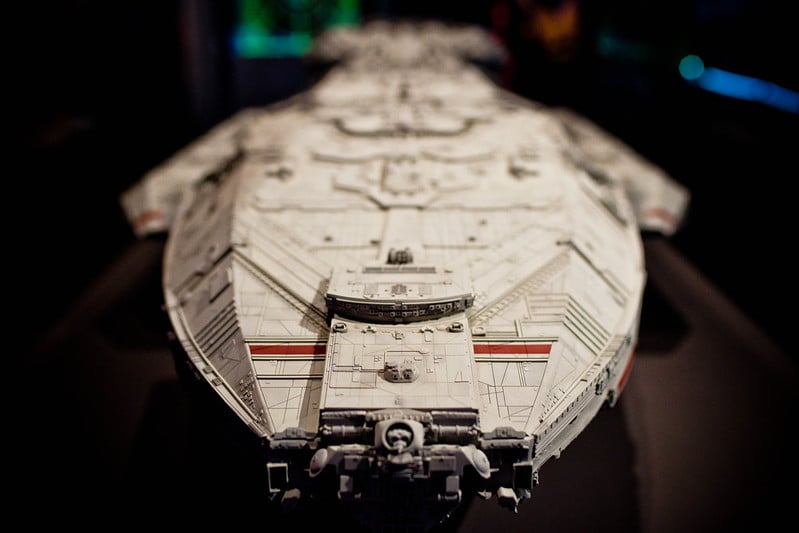
Mattel’s toy ships from the 1978 ABC series fired small red plastic missiles from spring-loaded launchers. Around the end of 1978 a four-year-old died after swallowing or inhaling one of the missiles.
Mattel announced a replacement program with the Consumer Product Safety Commission on January 11, 1979, offered a free Hot Wheels car to anyone who mailed in the missiles, and reworked the ships so the projectiles stayed fixed in place. The effects reached well beyond one toy line.
Kenner dropped the firing rocket planned for its mail-away Boba Fett figure, and spring-fired small projectiles largely vanished from American action toys for years afterward.
CSI Fingerprint Examination Kit
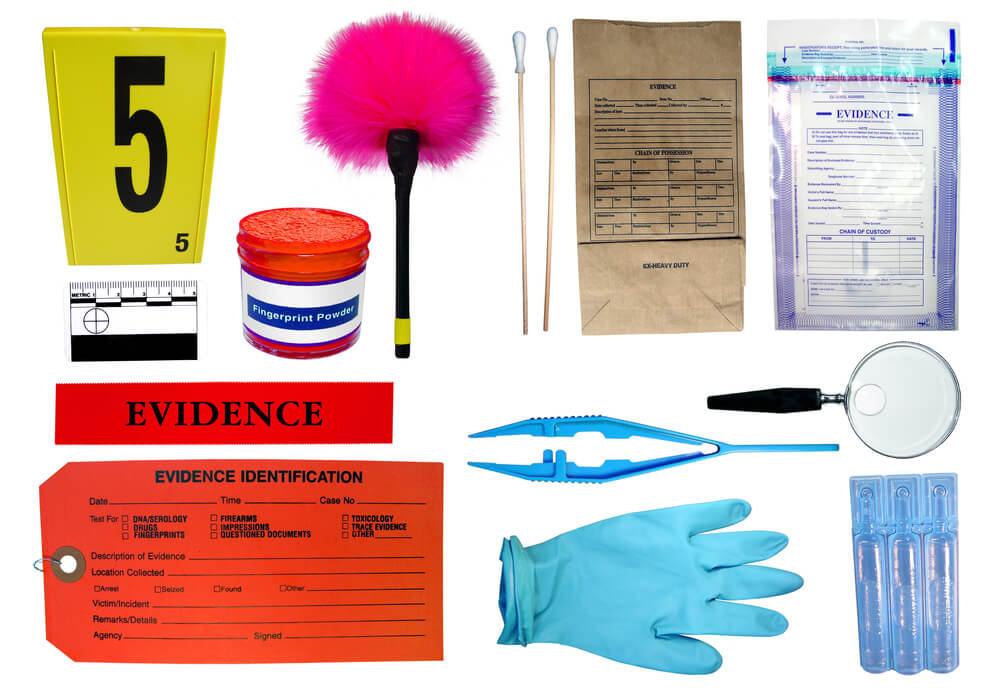
A licensed tie-in to the CBS crime drama, this kit from Planet Toys came with brushes, a magnifier and jars of dusting powder so children could lift prints the way the television investigators did. In late 2007 the Asbestos Disease Awareness Organization released laboratory results reporting that the powder contained asbestos fibers.
That December CBS asked Planet Toys to pull the fingerprint kit and a companion field kit, a step the manufacturer described as a stop sale and not a recall. Lawsuits followed, and a later settlement offered refunds to buyers.
Of the many recalls and withdrawals that year, this one stood apart because the hazard was neither lead paint nor loose magnets.
Kinder Surprise Eggs
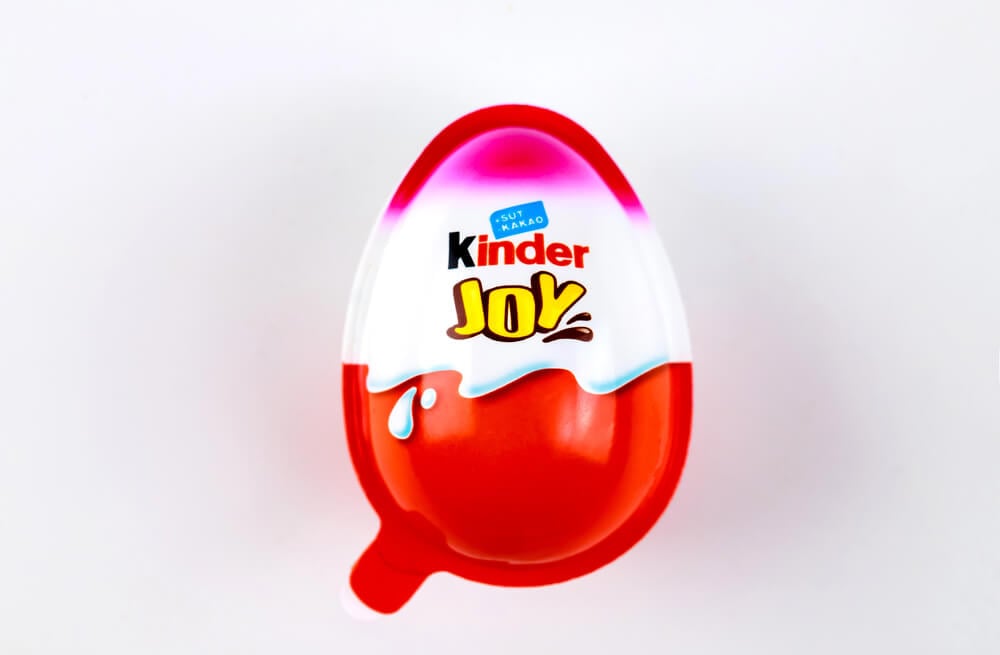
Ferrero has sold these hollow chocolate eggs with a toy capsule inside since 1974, and they are ordinary checkout candy across Europe and Canada. In the United States they have never been legal.
The Federal Food, Drug, and Cosmetic Act of 1938 prohibits candy with a non-nutritive object embedded inside it, and the Consumer Product Safety Commission has also objected to the toys’ small parts. Customs officers have confiscated eggs from travelers at the border for years.
Ferrero’s workaround, Kinder Joy, keeps the toy and the sweet in separately sealed halves and reached American stores in late 2017, first at Walmart.
Hasbro’s Flubber
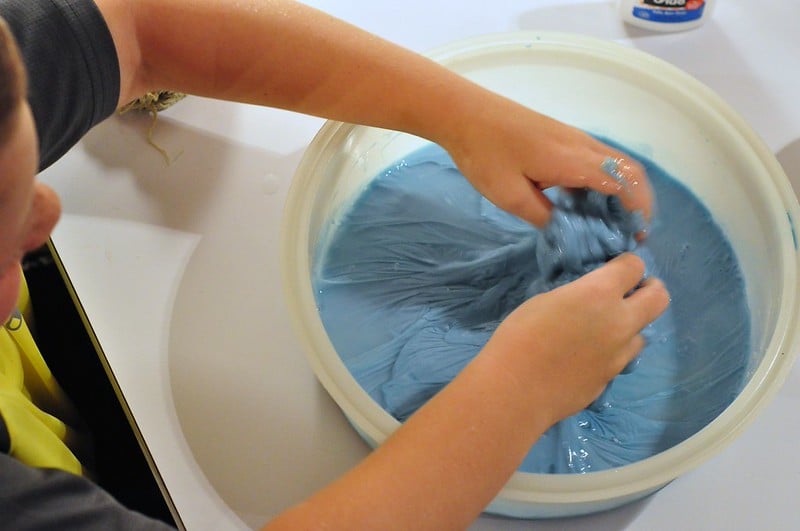
To promote the 1963 Disney film Son of Flubber, Hasbro sold a bouncy, stretchy compound, by most accounts made largely from synthetic rubber and mineral oil, beginning in late 1962. Reports soon arrived of children and adults developing rashes and sore throats after handling it.
The Food and Drug Administration began looking into the complaints in March 1963, and Hasbro recalled the product that spring. Disposal proved awkward.
According to a story long repeated at the company, the returned Flubber would not burn cleanly or sink at sea, so it was buried on Hasbro property in Pawtucket, Rhode Island, and paved over. The tale has never been confirmed.
Wham-O Water Wiggle
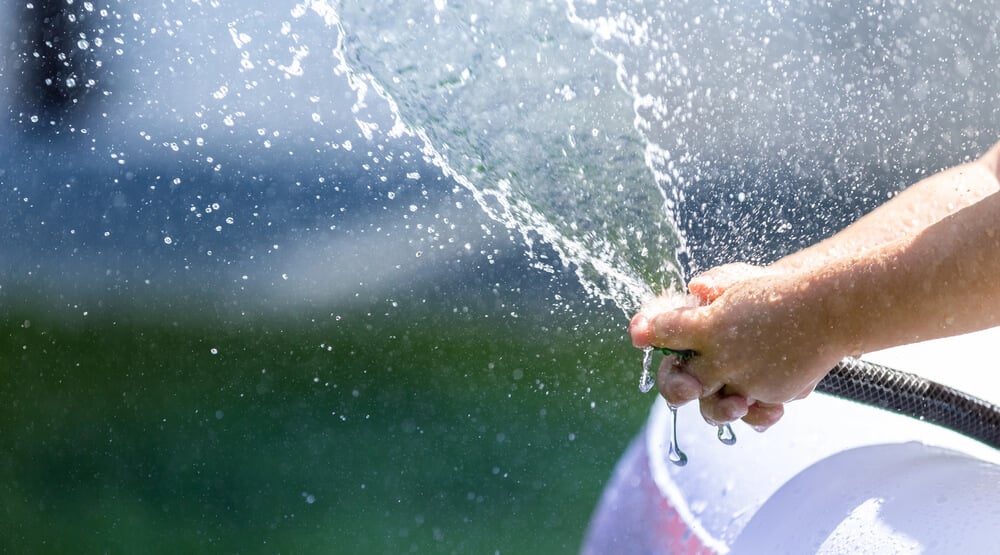
Attached to a garden hose, the Water Wiggle was a bell-shaped plastic head with a grinning face that whipped around the lawn on water pressure and soaked whoever was nearby. Wham-O began selling it in the early 1960s.
Inside the head sat an aluminum nozzle, and if the plastic cover came off, the exposed nozzle on a pressurized hose could become lodged in a child’s mouth.
Two young boys died that way, one in 1975 and one in March 1978. That April Wham-O and the Consumer Product Safety Commission recalled about 2.5 million Water Wiggles, and the company stopped making the toy.
Rigid Pool Dive Sticks
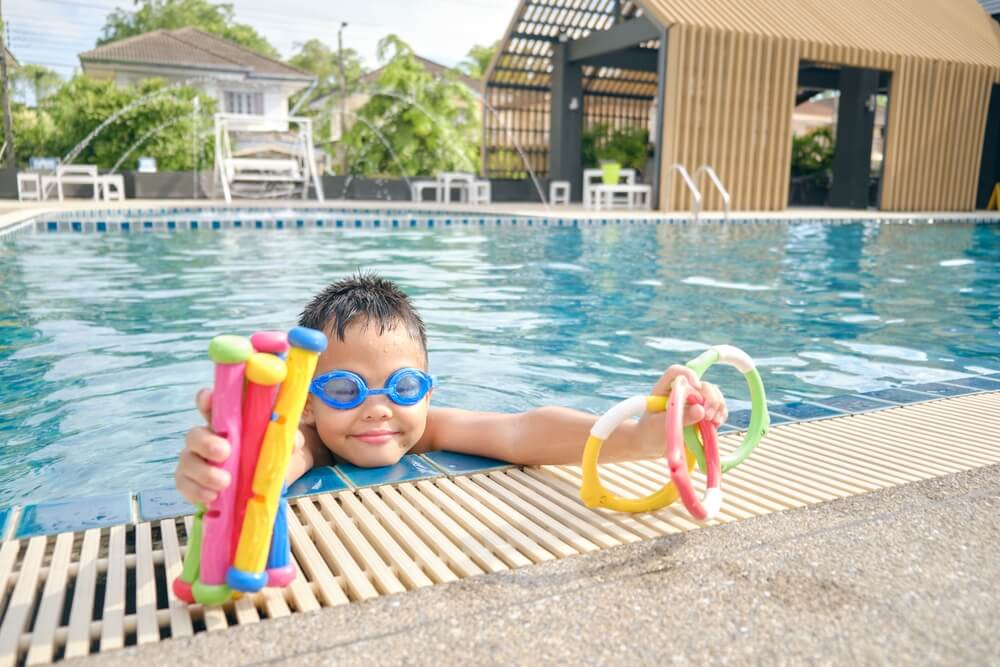
Dive sticks were weighted plastic batons that sank and stood upright on the bottom of a pool so children could swim down and retrieve them. In shallow water that upright position was the problem.
A child jumping or sitting down onto a stick could suffer a serious impalement injury. In June 1999 the Consumer Product Safety Commission announced a recall of about 19 million dive sticks from more than a dozen companies.
Two years later the agency went further and banned rigid sticks that stand vertically. Replacement designs either bend on contact or come to rest lying flat.
Power Wheels Ride-On Cars
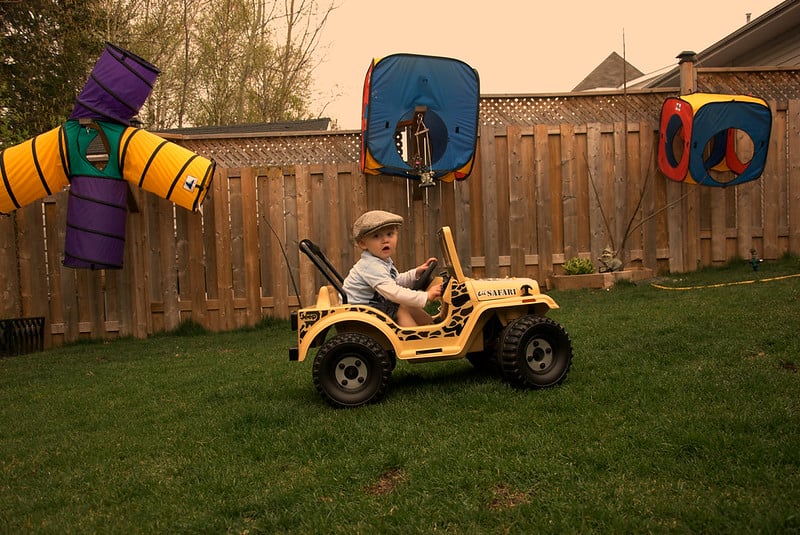
Fisher-Price’s battery-powered Jeeps, Barbie cars and pickup trucks had been driveway fixtures since the mid-1980s. In October 1998 the company agreed with the Consumer Product Safety Commission to recall up to 10 million of the vehicles.
Electrical components could overheat and catch fire, and the agency cited about 700 reports of failures, including roughly 150 fires, some of which damaged houses and garages. Dozens of other reports described vehicles that kept moving when they should have stopped.
Owners were told to take the vehicles to service centers for free repairs. In 2001 Fisher-Price paid a civil penalty of 1.1 million dollars for reporting the defects late.
Burger King’s Pokemon Containers
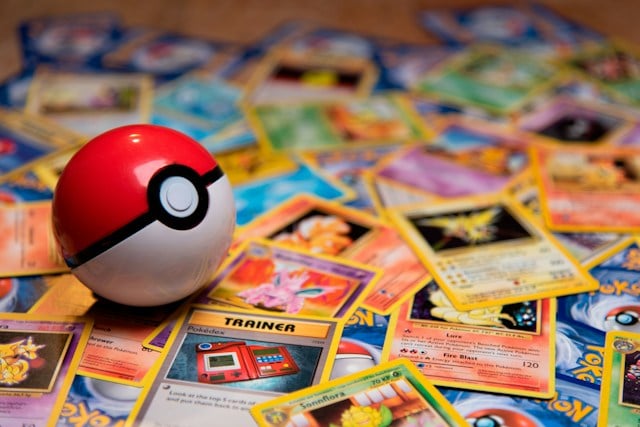
In November 1999 Burger King tied its kids’ meals to Pokemon: The First Movie with a promotion of 57 different toys. Each came inside a red and white plastic container about three inches across that pulled apart into two halves.
A half could fit over a small child’s nose and mouth and form a seal. After a 13-month-old girl suffocated in December 1999, the chain and the Consumer Product Safety Commission recalled about 25 million of the containers.
Burger King asked families to throw them away or bring them back in exchange for a small order of fries. The toys themselves were not part of the recall.
Zen Magnets Desk Sets
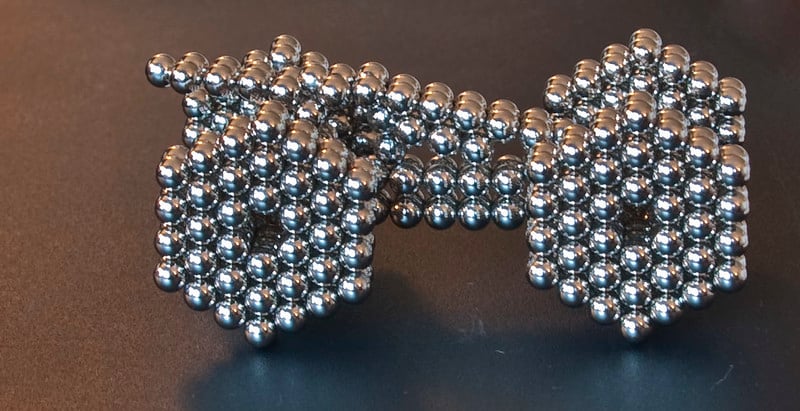
Sold as desk toys for adults, these sets contained hundreds of tiny rare-earth magnets that could be shaped into chains and sculptures. Doctors reported cases in which children and teenagers swallowed two or more and needed surgery.
The Consumer Product Safety Commission filed complaints against sellers in 2012 and issued a rule in 2014 that effectively banned the sets. Zen Magnets, a small Colorado company run by Shihan Qu, fought back and won when a federal appeals court threw out the rule in 2016.
A mandatory recall of the company’s magnets came in 2021, a new federal strength limit followed in 2022, and the same court declined to overturn that rule in 2025.
Chuckle and Roar Water Beads
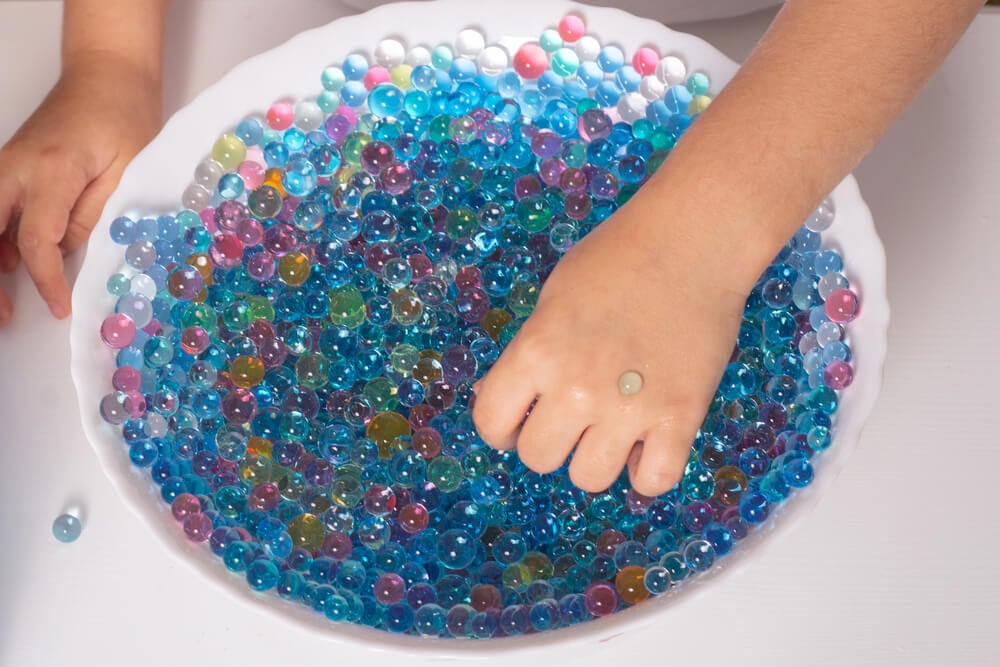
Water beads are pellets of superabsorbent polymer that swell to many times their size when soaked, and they were marketed widely as a sensory toy for young children. Swallowed, a bead can keep expanding inside the body and block the intestines.
In September 2023 the Consumer Product Safety Commission and Buffalo Games recalled about 52,000 Chuckle and Roar Ultimate Water Beads Activity Kits, sold only at Target, after the death of a 10-month-old in Wisconsin. Within months Target, Walmart and Amazon said they would stop selling water beads marketed to children.
A federal safety standard for water bead toys, short of an outright ban, took effect in March 2026.
Mini Hammocks Without Spreader Bars
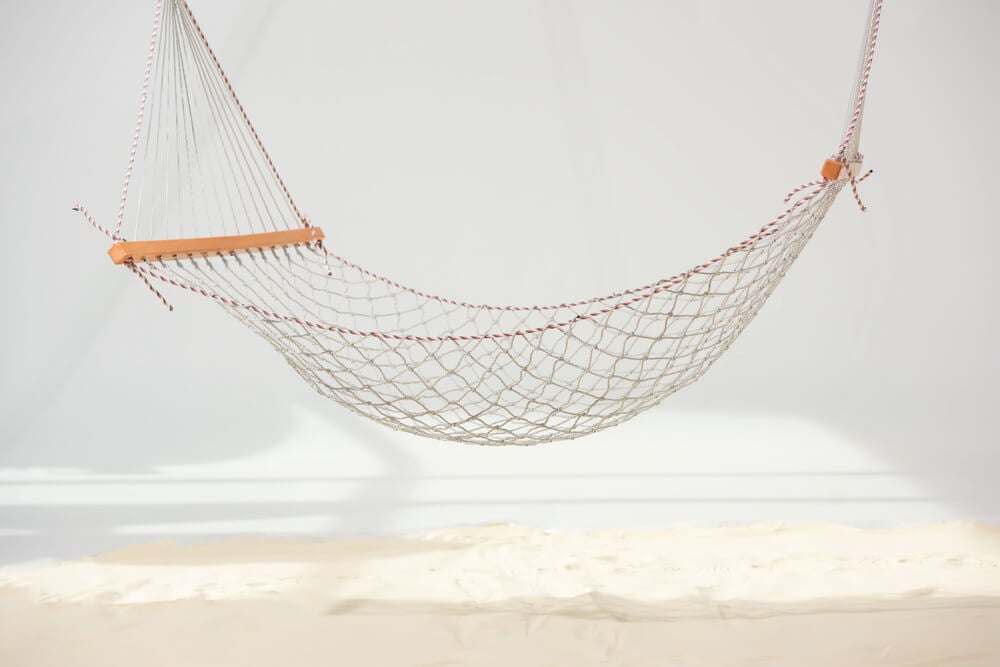
Lightweight net hammocks made of thin nylon or cotton cord were cheap, packed down to the size of a fist and were sold for backyards and camping trips. Unlike full-size hammocks they had no wooden bars at the ends to hold the netting open.
The bed could twist around a child climbing in or out and tighten at the neck. In 1996 the Consumer Product Safety Commission and ten manufacturers and importers recalled more than three million of them after reports that 12 children had died in them between 1984 and 1995.
Hammocks made since then generally have spreader bars or a solid fabric bed.
Barbie and Tanner Play Set
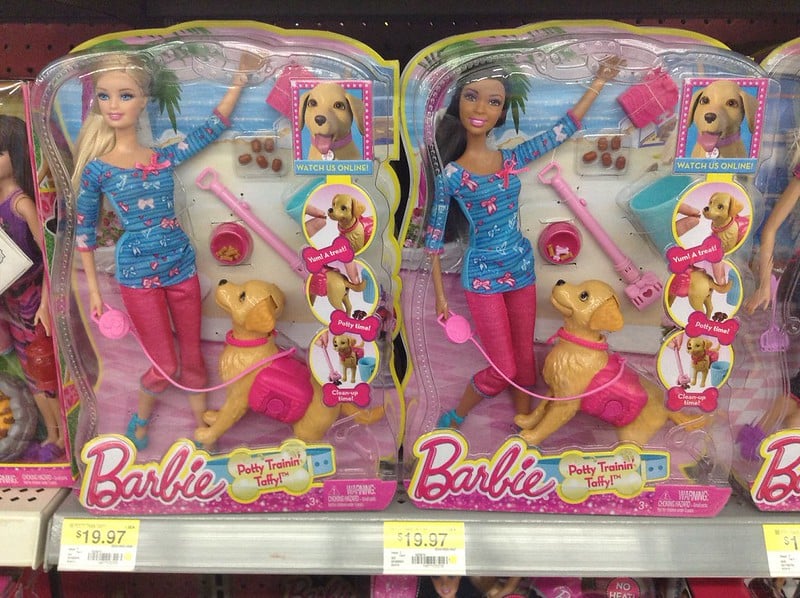
This 2006 set gave Barbie a golden dog named Tanner who ate brown plastic pellets and, a moment later, required cleaning up after. Barbie did that with a magnetic scooper.
The magnet inside the scooper could come loose, and a loose magnet small enough to swallow carried the same internal injury risk that had already forced other recalls. Mattel included about 683,000 Barbie and Tanner sets in the magnet recall it announced on August 14, 2007.
No injuries from this particular toy were cited in the notice, and Mattel offered owners a replacement product.
Playskool Team Talkin’ Tool Bench
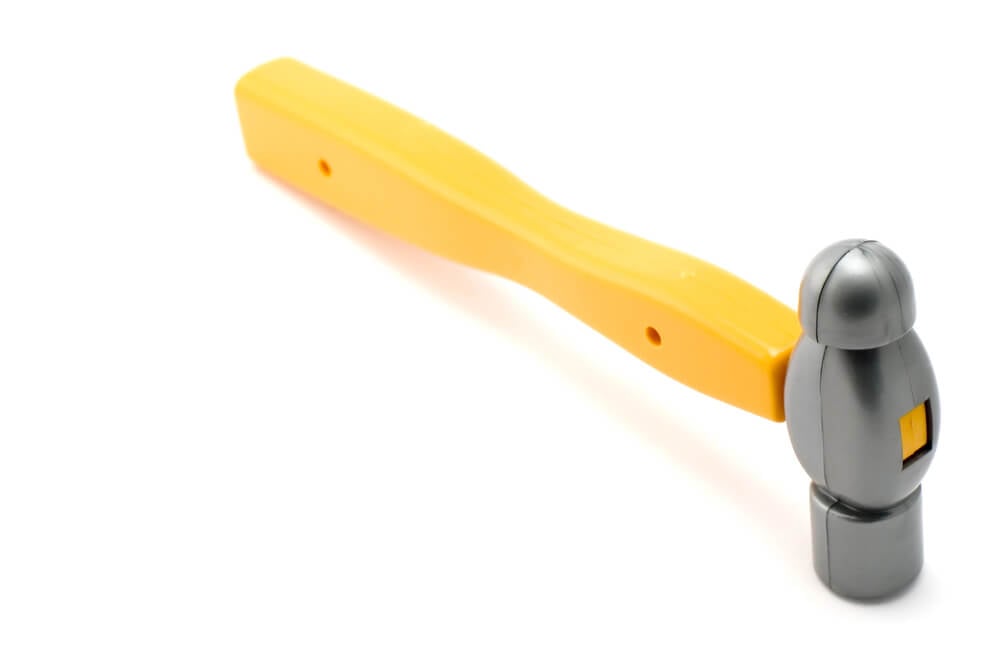
Hasbro’s Playskool division sold this talking workbench for toddlers with a toy hammer, a saw and two oversized plastic nails about three inches long. The nails were far too big to count as small parts under federal rules, which is one reason the hazard went unnoticed.
Two toddlers died after a nail became lodged in the throat. In September 2006 Hasbro and the Consumer Product Safety Commission recalled about 255,000 of the benches and told parents to take the nails away immediately.
The agency used the case to remind families that size alone does not make an object safe for a young child.
Warnings Written After the Fact
Almost none of these products were sold by careless fly-by-night outfits. They came from Mattel, Hasbro, Fisher-Price and other companies with testing labs and legal departments, and most passed the standards in force on the day they shipped.
The standards were the weak point. Rules about magnets, lead in paint, projectile size and battery packs exist largely because one of these toys showed where the old rules ran out.
That is the uncomfortable pattern in toy safety. Regulation tends to follow harm instead of anticipating it, and the families who filed the first reports usually had no idea they were writing the next rule.
A recall notice is a few dry paragraphs with a model number and a phone line. Behind each one is a household that learned about the hazard before anyone else did.
More from Go2Tutors!

- The Romanov Crown Jewels and Their Tragic Fate
- 13 Historical Mysteries That Science Still Can’t Solve
- Famous Hoaxes That Fooled the World for Years
- 15 Child Stars with Tragic Adult Lives
- 16 Famous Jewelry Pieces in History
Like Go2Tutors’s content? Follow us on MSN.