Ways To Wake Up Without Caffeine
That groggy feeling when the alarm goes off can make reaching for coffee seem like the only option. But your body has other ways to shake off sleep and feel alert.
Some work faster than others, and what helps one person might not work as well for the next. Still, breaking the caffeine cycle—or just having backup options when you run out—means knowing what actually works.
Get Moving Right Away

Your body knows how to wake itself up through movement. Even five minutes of activity gets blood flowing and oxygen moving through your system.
You don’t need a full workout. Jumping jacks, a few pushups, or walking around the block sends signals to your brain that it’s time to be alert. The effect hits faster than you’d expect.
Cold Water on Your Face

Splashing cold water on your face triggers something called the diving reflex. Your heart rate changes, blood flow redirects, and your nervous system snaps to attention.
It’s not comfortable, but it works in seconds. Some people keep ice cubes by the bathroom sink for this exact reason.
The shock to your system is immediate and effective.
Bright Light Exposure

Light tells your brain to stop producing melatonin, the hormone that makes you drowsy. Opening curtains or stepping outside for a few minutes can make a real difference.
If natural light isn’t available, a light therapy lamp works too. Your circadian rhythm responds to light more than almost anything else.
Getting that exposure early sets the tone for the rest of your day.
Drink Cold Water

Hydration affects how alert you feel more than most people realize. When you wake up, you’re already slightly dehydrated from hours without water.
Drinking a full glass—especially cold water—perks up your system. The temperature matters.
Cold water requires your body to work harder to process it, which burns a tiny bit of energy and helps you feel more awake.
Take a Cold Shower

A full cold shower takes the cold water concept further. You don’t need to stay there long.
Even 30 seconds of cold water at the end of a regular shower gives you a jolt. Your breathing deepens, your heart rate increases, and you feel more alert almost immediately.
Some people swear by this method and won’t start their day any other way.
Eat Protein for Breakfast

What you eat in the morning affects your energy. Protein digests slowly and keeps blood sugar stable, which prevents that mid-morning crash.
Eggs, Greek yogurt, or even a protein shake give your body fuel that lasts. Carbs alone spike and drop your energy too fast.
You want something that sustains you without making you feel sluggish.
Listen to Upbeat Music

Sound has an impact on alertness and mood. Playing your favorite music can change your energy level, especially if it has a faster tempo.
Your brain reacts almost instantly to melody and rhythm. It is easier to get up in the morning when you have a playlist that you truly enjoy.
In just three minutes, the right song can completely alter your mood.
Do Breathing Exercises

Controlled breathing brings more oxygen into your system and can snap you out of grogginess. Try breathing in through your nose for four counts, holding for four, and exhaling for six.
Do this five times. Your body responds by increasing alertness.
Some breathing techniques work better than others, but even basic deep breathing helps more than you’d think.
Stretch Your Body

Gentle stretching wakes up muscles that have been inactive for hours. You don’t need yoga expertise.
Simple movements like reaching your arms overhead, touching your toes, or rotating your shoulders get things moving. Your body feels less stiff, and the movement signals to your brain that it’s time to be active.
Five minutes makes a difference.
Get Some Natural Scents Going

Certain smells trigger alertness. Peppermint, citrus, and eucalyptus all have reputations for being energizing.
You can use essential oils, scented soap, or just keep fresh mint leaves around. The olfactory response happens fast.
Your sense of smell connects directly to the parts of your brain that regulate wakefulness and mood.
Snack on Something Crunchy
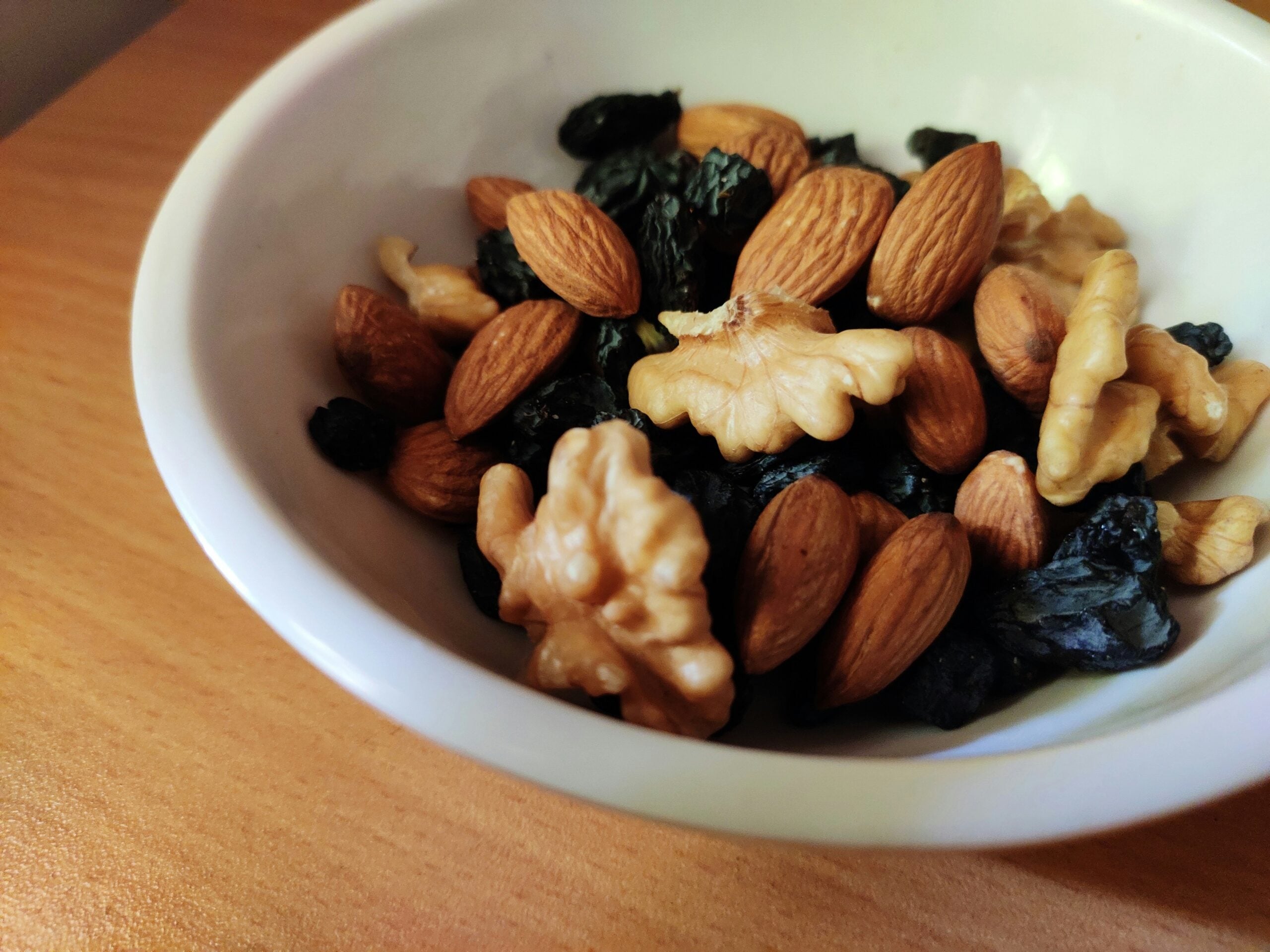
Your brain receives signals that you are awake and engaged when you chew. You can use nuts, apples, or carrots. Just as important as the nutrition is the texture.
Eating crunchy foods takes more work, which keeps you interested. Additionally, fruit’s natural sugars provide a slight energy boost without the crash of processed sugar.
Have a Conversation

Talking to someone—even if it’s just a phone call or a quick chat with a roommate—activates your brain differently than passive activities. Your mind has to engage, process, and respond.
This social interaction pulls you out of that half-awake fog. If nobody’s around, even talking out loud to yourself about what you need to do that day helps.
Step Outside for Fresh Air

Indoor air feels heavy by morning. Head outdoors – even just briefly – for a breath of fresh air plus a new setting.
Cold weather? Perfect, the chill jolts your system awake quicker.
Swap inside air for outside, toss in some daylight along with walking around – this combo hits harder than caffeine ever could.
Use the Power of Routine

Your body picks up habits. When you repeat the same steps every morning in sequence, your mind begins expecting what comes after.
Just that sense of expectation makes waking easier. The exact actions don’t matter – what counts is doing them regularly.
Eventually, the routine acts like a signal telling your system to get active.
Finding What Works for You

Every approach isn’t right for everyone – or every day. Sometimes a chilly splash wakes you up; on others, pulling open blinds and sipping water helps enough.
What matters? Trying things besides caffeine to start the day.
You’ve got your own built-in energy system – just give it cues that fit. When you learn what clicks, getting going feels smoother than struggling.
More from Go2Tutors!

- The Romanov Crown Jewels and Their Tragic Fate
- 13 Historical Mysteries That Science Still Can’t Solve
- Famous Hoaxes That Fooled the World for Years
- 15 Child Stars with Tragic Adult Lives
- 16 Famous Jewelry Pieces in History
Like Go2Tutors’s content? Follow us on MSN.