29 Inventions Women Created That Changed Life
Some of the most useful objects in daily life began as one person’s irritation with a clumsy problem. A cracked dinner plate, a rainy drive, a smudged typing error, and a lumpy cup of coffee all led someone to build a better way.
The inventors on this list rarely had a lab budget, a famous name, or anyone cheering them on. What they had was a sharp eye for what was broken and the stubbornness to fix it, and the results ended up in kitchens, cars, hospitals, and pockets around the world.
Kevlar Came From a Cloudy Liquid Most Chemists Would Have Tossed

In 1965, DuPont chemist Stephanie Kwolek noticed that a batch of polymer solution looked thin, cloudy, and strange, which usually signals a failed experiment. She persuaded a technician to spin it into fiber anyway, and the strands turned out to be extraordinarily strong.
The material became Kevlar, which is roughly five times stronger than steel by weight. It now shows up in bulletproof vests, tires, helmets, and fiber-optic cables.
Windshield Wipers Began With a Cold Day on a Streetcar

Mary Anderson, a resident of Birmingham, Alabama, watched a streetcar driver in New York City repeatedly open his window to clear sleet from the glass. She sketched a swinging arm with a rubber blade that the driver could operate with a lever from inside, and she received a patent in 1903.
Car owners of the era were skeptical that anyone would want such a thing. Within a couple of decades, wipers were standard equipment on automobiles.
The Dishwasher Was Built to Save Fine China
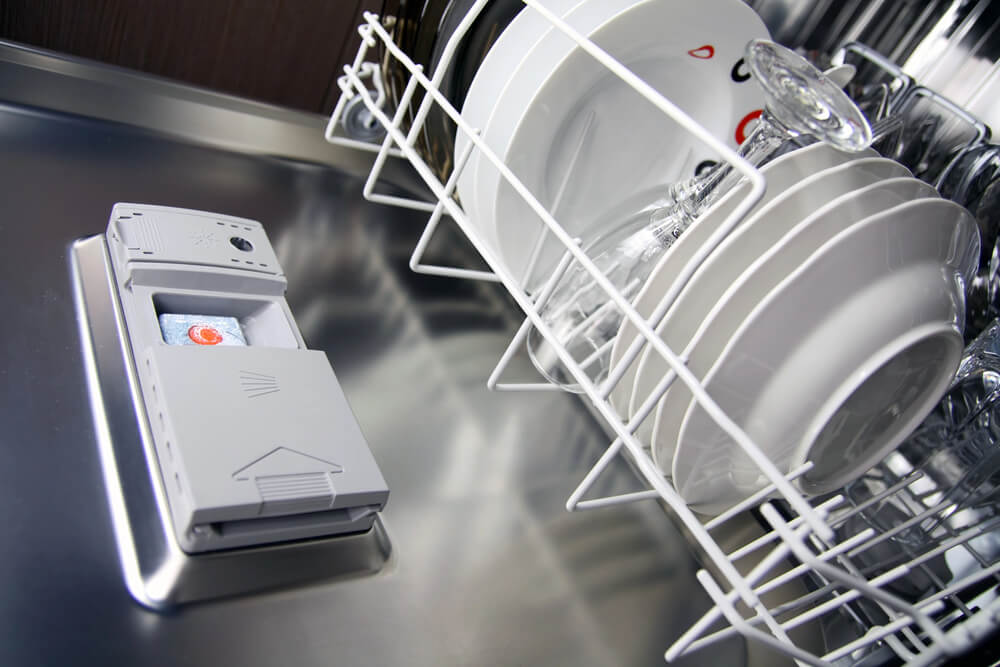
Josephine Cochrane, a wealthy hostess in Illinois, grew tired of seeing her servants chip her heirloom dishes, so she designed a machine that would clean them more gently. Her 1886 patent described wire compartments shaped to hold plates, cups, and saucers while hot soapy water was sprayed over them.
Hotels and restaurants became her first big customers, and the machine drew attention at the 1893 World’s Columbian Exposition in Chicago. She was also the great-granddaughter of steamboat pioneer John Fitch, so tinkering ran in the family.
The Coffee Filter Was Made From a Child’s School Notebook
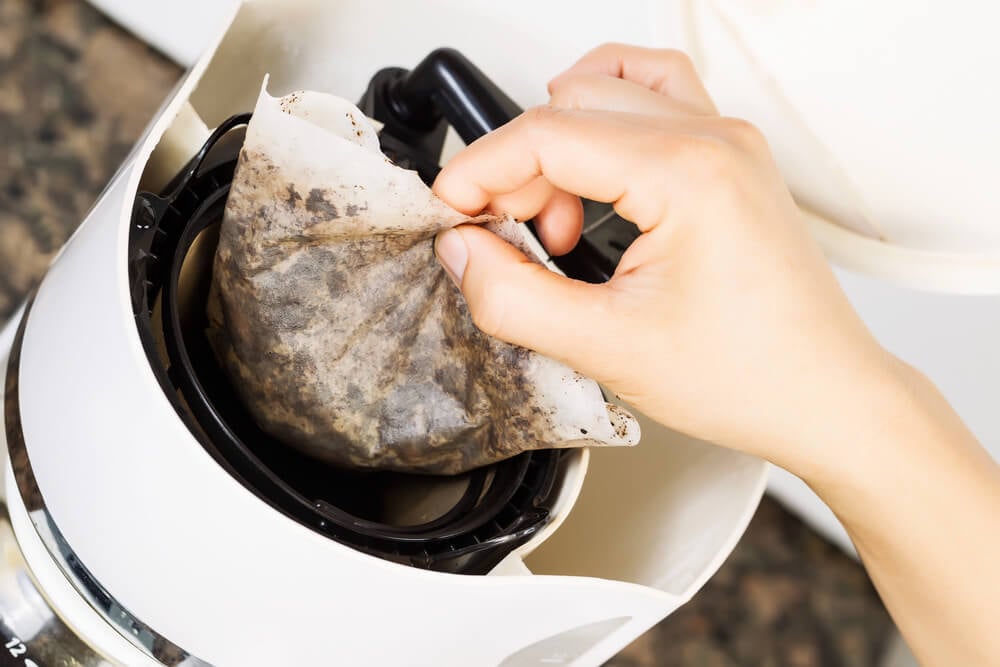
In 1908, Melitta Bentz of Dresden, Germany, was fed up with bitter coffee full of grounds. She punched small perforations into the bottom of a brass pot with a nail and lined it with blotting paper taken from her son’s school exercise book.
The result was a clear, smooth cup, and she patented the idea the same year. Her company still sells filters under her first name.
The First Compiler Taught Computers to Read Something Like English
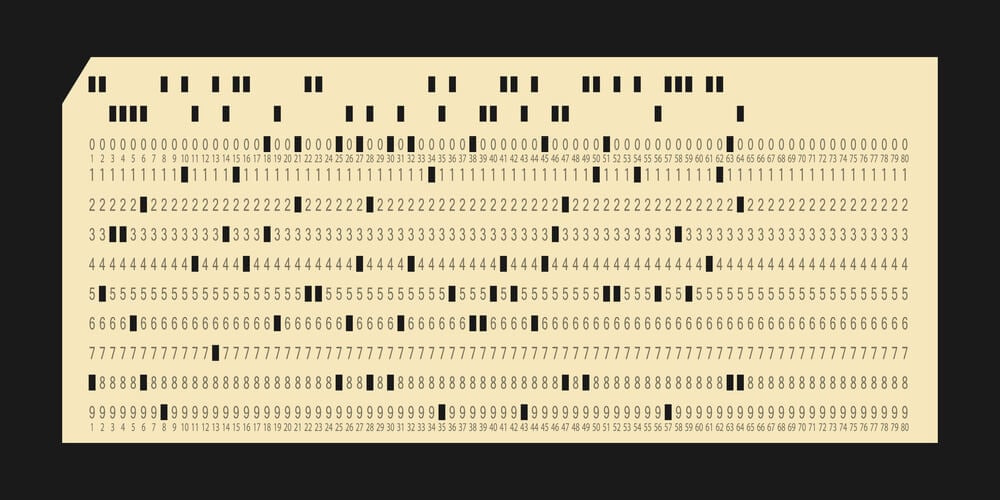
In 1952, Grace Hopper completed the A-0 system, an early compiler that translated written instructions into machine code. Colleagues told her it could not be done, since computers were supposed to do arithmetic and nothing else.
She kept pushing for programming languages that resembled plain English, an effort that fed into the creation of COBOL. Hopper eventually retired from the Navy as a rear admiral.
A Movie Star and a Composer Patented Frequency Hopping

Actress Hedy Lamarr and composer George Antheil received a patent in 1942 for a secret communication system that jumped between radio frequencies to prevent enemy jamming. Their design used 88 frequencies, matching the number of keys on a piano, and borrowed the paper-roll mechanism of a player piano to keep sender and receiver in sync.
The Navy did not adopt it at the time. The core idea of hopping between channels later became part of modern wireless technology.
Flat-Bottomed Paper Bags Needed a Machine, and a Court Fight
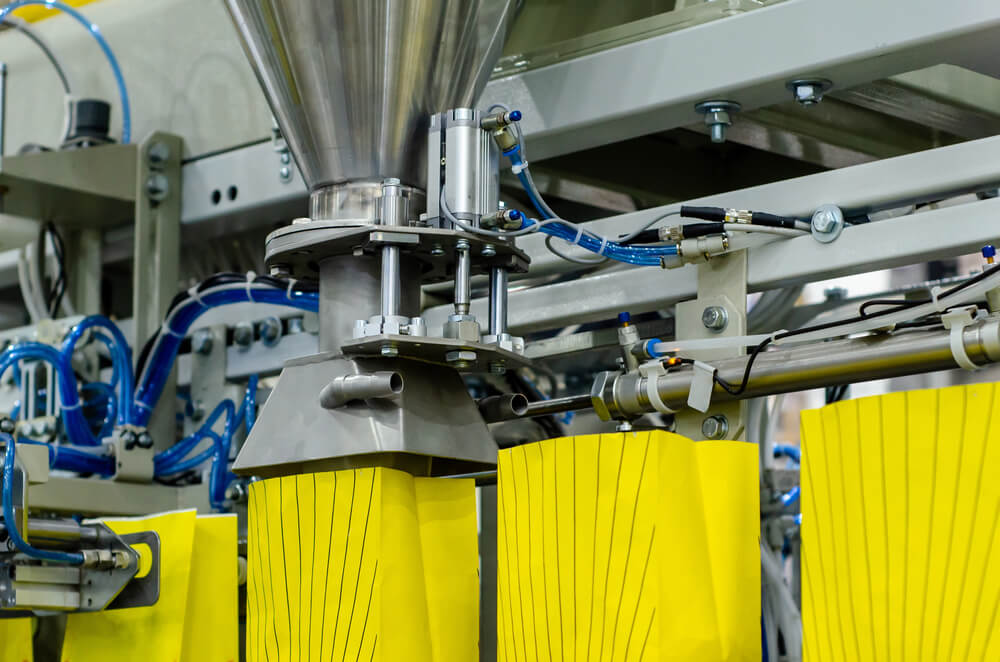
Margaret Knight designed a machine in the 1860s that could fold and glue paper into bags with flat bottoms, which could stand upright and hold far more than the old envelope-style sacks. A man named Charles Annan saw her working model and tried to patent the idea himself.
Knight took him to court and won, using her detailed drawings as proof that the design was hers. She received her patent in 1871.
Liquid Paper Was Mixed in a Kitchen Blender
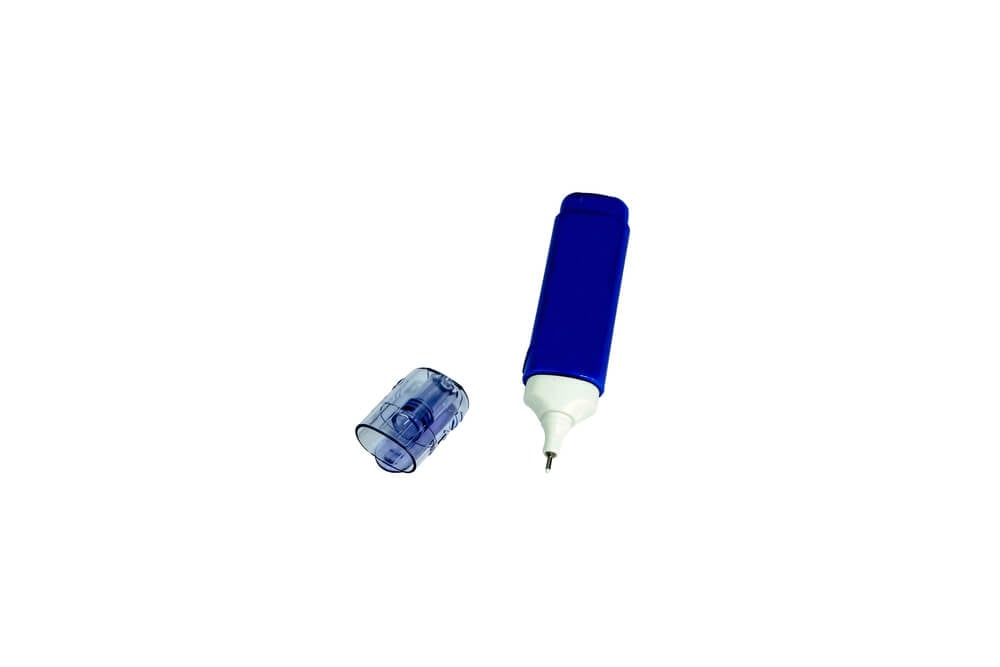
Bette Nesmith Graham, a Dallas secretary, grew frustrated with typewriter errors that could not be erased cleanly. She blended white tempera paint in her kitchen and used a small brush to paint over her mistakes, and coworkers soon begged her for bottles of their own.
She built the business into a company that Gillette bought in 1979 for $47.5 million. Her son, Michael Nesmith, went on to fame as a member of the Monkees.
The Home Security System Was Designed by a Nurse in Queens

Marie Van Brittan Brown worked as a nurse with irregular hours in Queens, New York, and she felt unsafe waiting for police response times that were often slow. With her husband, an electronics technician, she designed a system with a camera that could slide to look at visitors of different heights, a monitor, a two-way microphone, and a button to unlock the door remotely.
The patent was granted in 1969. Many modern doorbell cameras follow the same basic recipe.
The Waterproof Diaper Cover Was Cut From a Shower Curtain
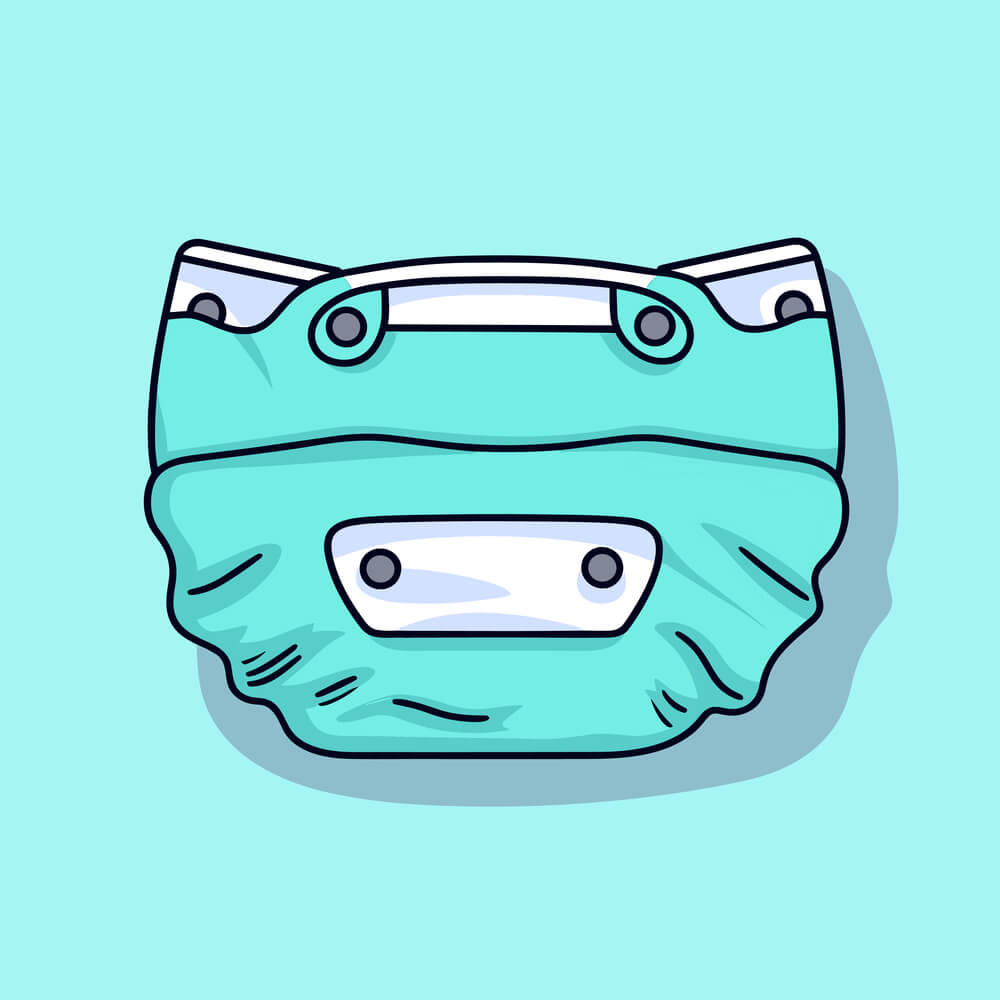
Marion Donovan was tired of changing soaked sheets and clothes, so in 1946 she sewed a waterproof cover for diapers out of a shower curtain. She called it the Boater, and she added snaps instead of dangerous pins.
Manufacturers turned her down, so she sold the product herself, and it reached shelves at Saks Fifth Avenue in 1949. She received her patent in 1951, and her work paved the way for the disposable diaper.
Scotchgard Grew Out of a Spill on a Tennis Shoe
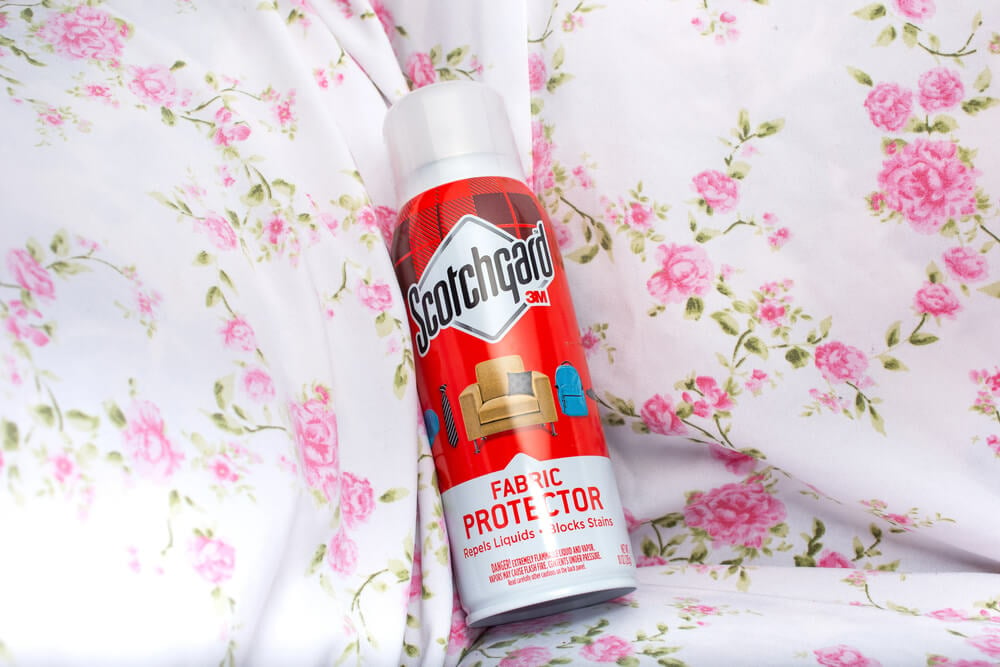
At 3M in the 1950s, chemist Patsy Sherman was working on a rubber that could resist jet fuel when a spill landed on a lab assistant’s tennis shoe. The liquid would not wash off, and water and oil simply beaded up on the stained area.
Sherman and colleague Samuel Smith realized that this stubborn behavior could protect fabrics, and Scotchgard reached the market in 1956. It has since been sprayed on furniture, carpets, and clothing worldwide.
The Fire Escape Gave Tenants a Way Out

Anna Connelly of Philadelphia patented a fire escape in 1887, using an iron balcony with railings that tenants could use to leave a burning building. At the time, fires in crowded city housing killed many people who had no safe route down.
Cities began requiring outdoor escapes in the years that followed. Her design is the ancestor of the zigzag metal stairs that still cling to older apartment buildings.
Monopoly’s Ancestor Was Created to Teach a Lesson About Land
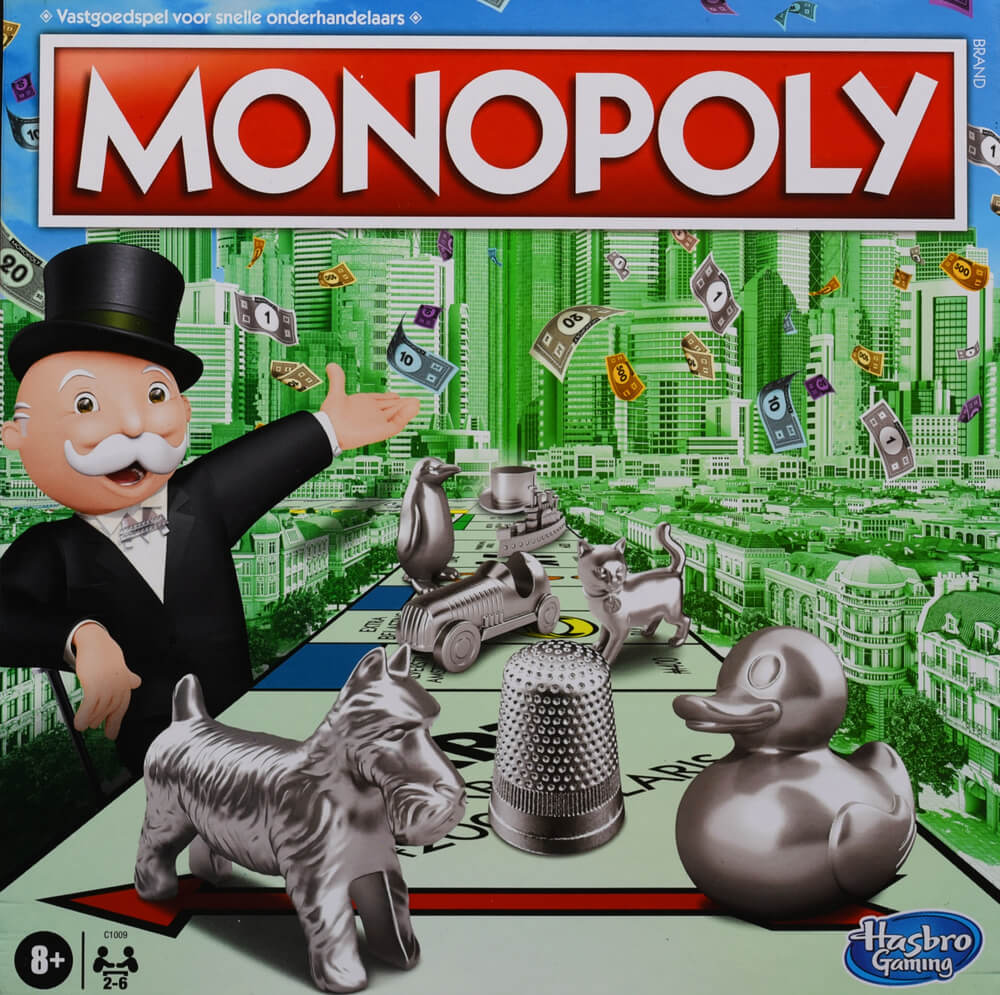
Elizabeth Magie patented The Landlord’s Game in 1904, years before Monopoly appeared. She meant it as a tool to show how rent and land ownership concentrate wealth, and she included two sets of rules, one that rewarded cooperation and one that rewarded driving opponents into poverty.
Parker Brothers later bought her patent for $500 and no royalties. Monopoly’s familiar loop around the board follows the layout she devised.
The Laserphaco Probe Gave Sight Back to Cataract Patients
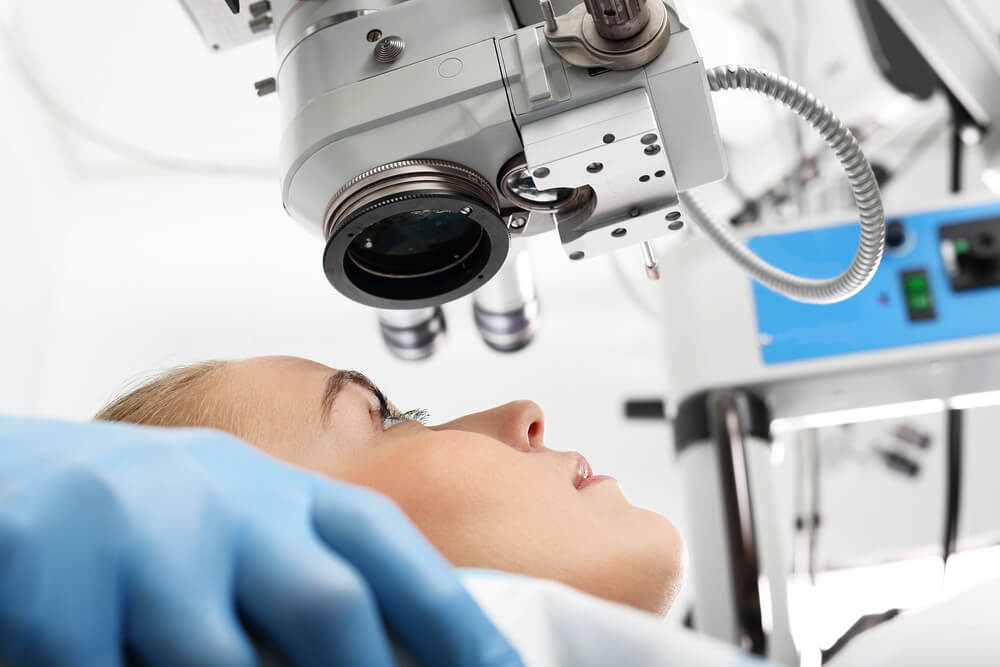
Ophthalmologist Patricia Bath developed the Laserphaco Probe, a device that used a laser to break up and remove cataracts, and she received her patent in 1988. She was the first African American woman doctor to receive a patent for a medical invention.
Her device made the surgery more precise and helped restore vision to people who had been blind for years. Bath also cofounded the American Institute for the Prevention of Blindness.
The Modern Bra Was Made From Two Handkerchiefs and a Ribbon
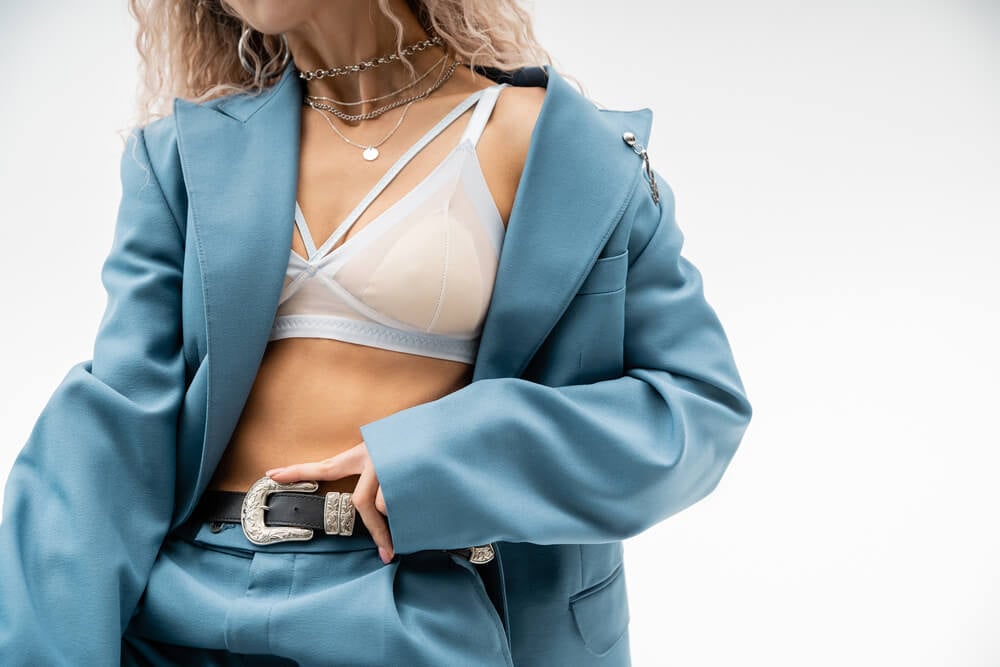
Preparing for a party in 1914, New York socialite Mary Phelps Jacob found that her stiff corset showed through her sheer evening gown. She joined two silk handkerchiefs with pink ribbon and cord, and friends immediately asked for copies.
She patented the backless brassiere that year and later sold the rights to the Warner Brothers Corset Company for $1,500. Jacob later cofounded the Black Sun Press with her husband.
Barbie Was Inspired by a German Doll Spotted on Vacation
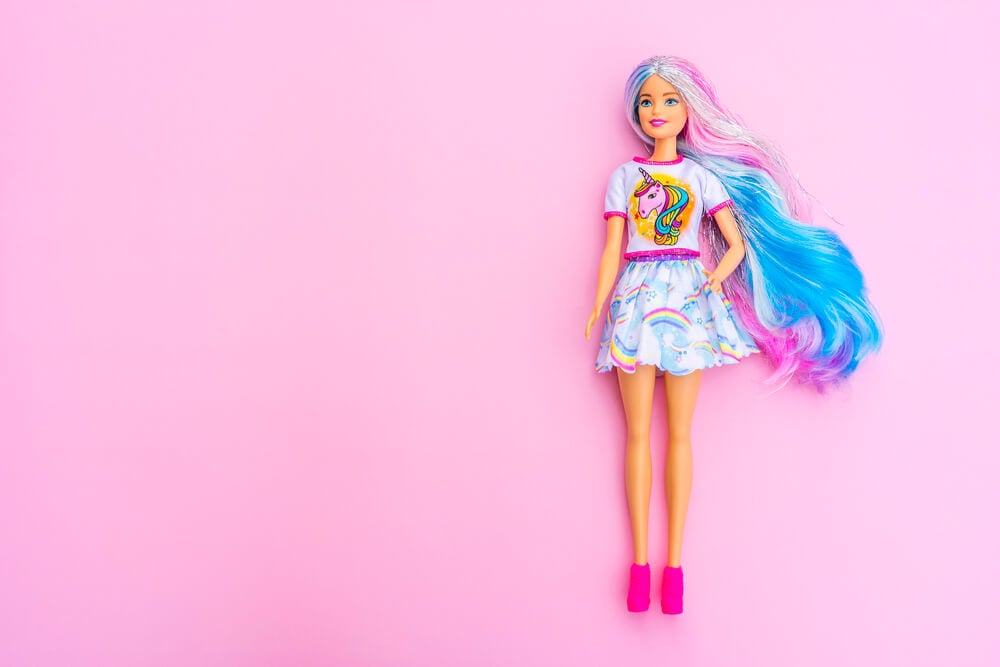
Ruth Handler, cofounder of Mattel, noticed that her daughter Barbara preferred playing with adult-shaped paper dolls over baby dolls. While traveling in Europe, she came across a German doll called Bild Lilli, which gave her the model for a three-dimensional adult fashion doll.
She named it Barbie after her daughter and introduced it at the 1959 Toy Fair in New York. The doll went on to become one of the best-known toys ever made.
Invisible Glass Came From Layers of Film Thinner Than Light
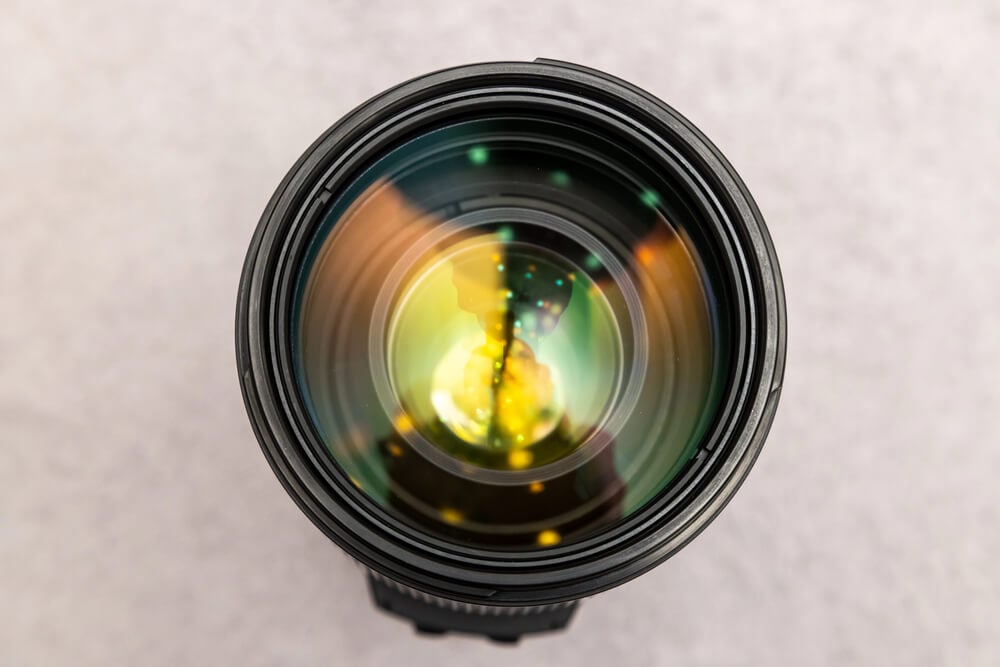
Katharine Burr Blodgett, a scientist at General Electric, developed a coating in 1938 that eliminated most of the glare reflected from glass. It worked by laying down transparent films so thin that reflected light waves canceled each other out.
The glass seemed to disappear, which made camera lenses, eyeglasses, and projectors far sharper. Blodgett was also the first woman to earn a doctorate in physics from the University of Cambridge.
Gertrude Elion Built Medicines Without a Doctorate
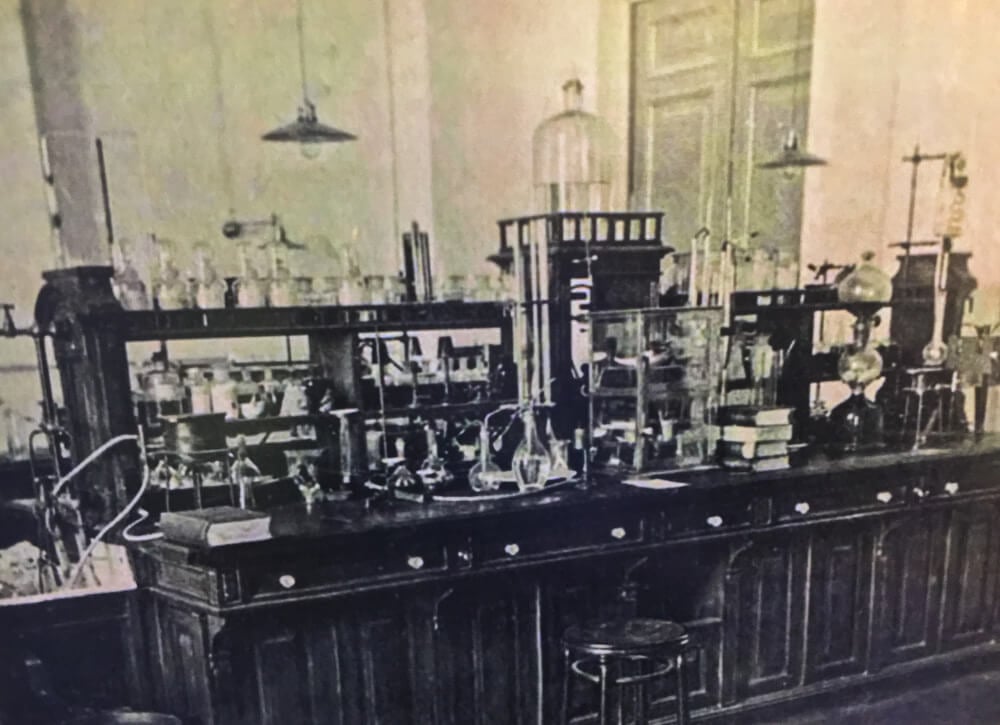
Gertrude Elion worked at the Burroughs Wellcome laboratories alongside George Hitchings, and the two designed drugs by studying the differences between healthy and diseased cells. Her work produced treatments for leukemia, helped organ transplant patients avoid rejection, and led to acyclovir for herpes infections.
She never earned a doctoral degree, yet she shared the 1988 Nobel Prize in Physiology or Medicine. Her approach to rational drug design influenced pharmaceutical research for decades.
The Spanning Tree Protocol Keeps Networks From Looping Forever

In 1985, Radia Perlman, working at Digital Equipment Corporation, created the spanning tree protocol, which lets network bridges automatically avoid endless loops of data. Without it, a single misplaced cable could make a network collapse under its own traffic.
She explained the concept in a short poem called Algorhyme, which she wrote as a playful tribute to the idea. Her work earned her the nickname Mother of the Internet.
Phone Calls Stopped Jamming Thanks to a Philosopher
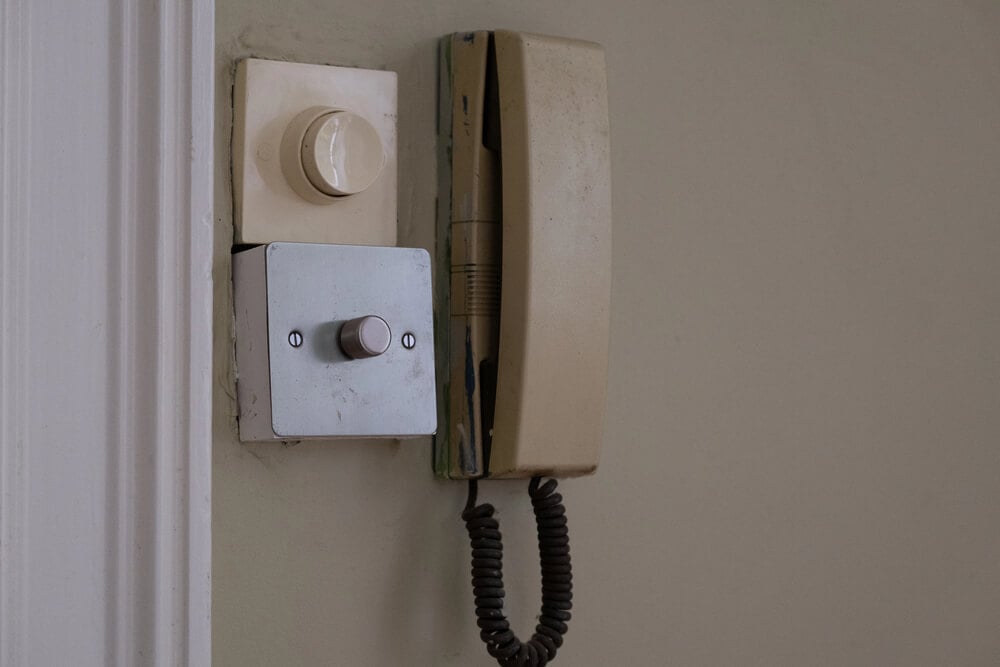
Erna Schneider Hoover, a Bell Labs researcher with a doctorate from Yale in philosophy and the foundations of mathematics, designed a computerized telephone switching system in the 1960s. Her design monitored call traffic and adjusted how the system handled incoming calls, so a flood of dialing would not freeze the network.
She received a patent for the method in 1971. Her work helped phone networks stay up when everyone tried to call at once.
Ice Cream Became Easier to Make at Home
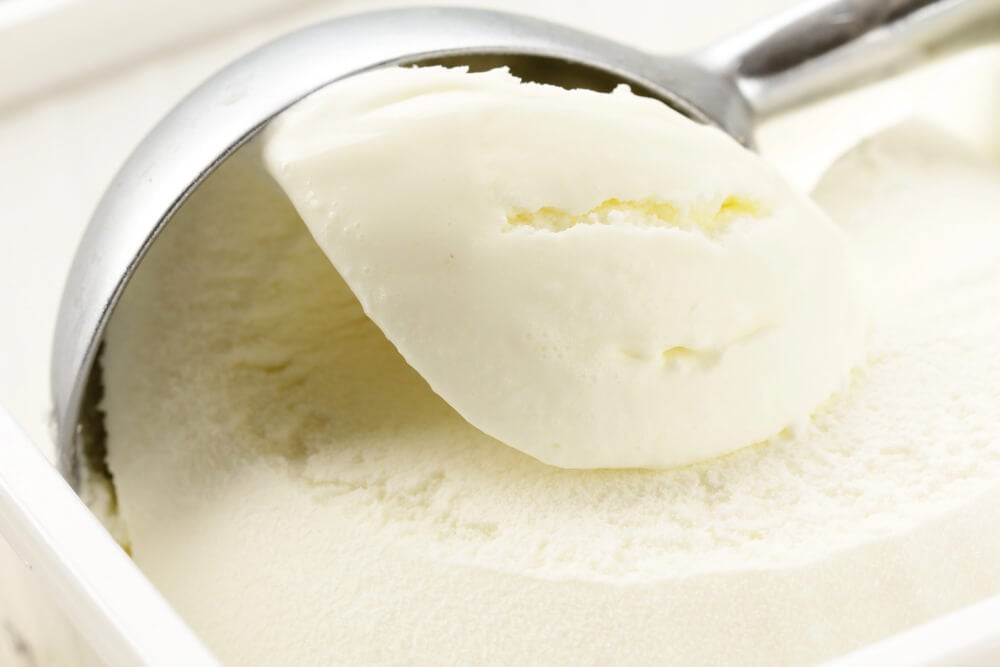
In 1843, Nancy Johnson patented a hand-cranked ice cream freezer, with a paddle that turned inside a container surrounded by ice and salt. Before her design, making ice cream meant long and tiring stirring by hand.
She later sold her patent rights, and versions based on her design became staples of summer gatherings. The basic principle is still used in countless home ice cream makers.
Wrinkle-Resistant Cotton Came From a Government Lab in New Orleans
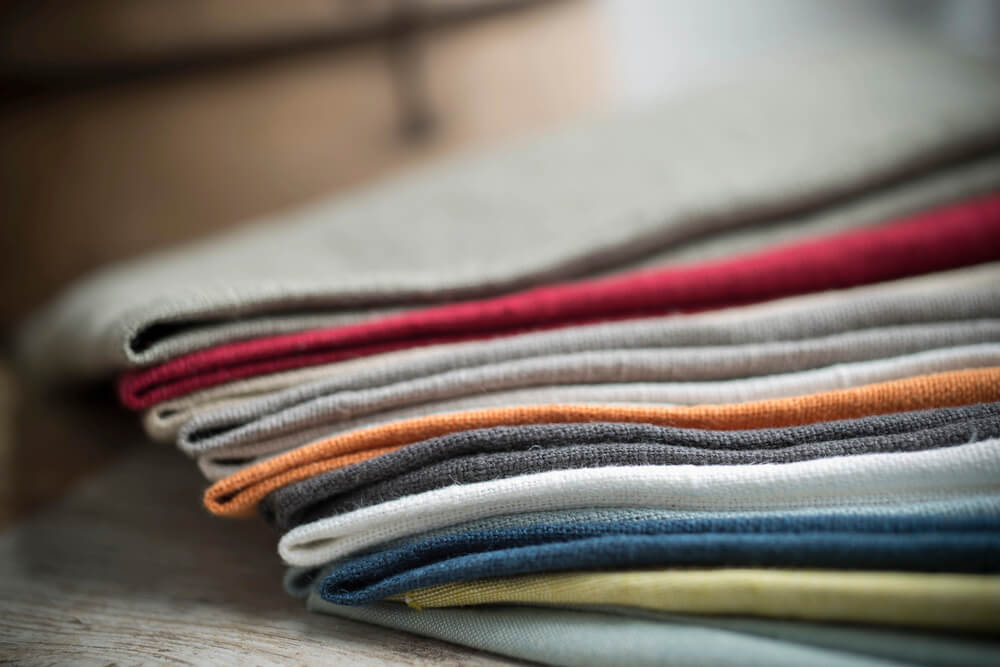
Chemist Ruth Benerito, working at the USDA’s Southern Regional Research Center in New Orleans, found a way to treat cotton so it resisted wrinkles and dried quickly. The process helped create the easy-care shirts and sheets that spared people from constant ironing.
She also developed a technique for feeding fats intravenously to patients who could not eat, a method that saved the lives of many severely wounded soldiers. Benerito held dozens of patents over her career.
A Self-Cleaning House Was Built by Someone Who Hated Housework
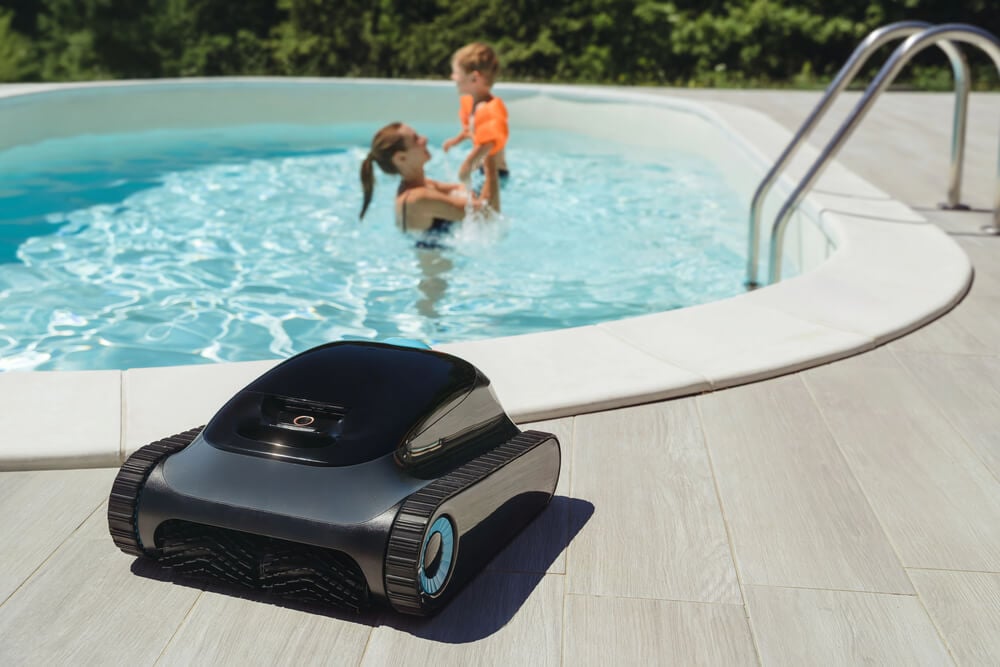
Frances Gabe of Newberg, Oregon, designed a house that cleaned itself. A ceiling-mounted nozzle sprayed soapy water around each room, then rinsed it, and warm air dried the interior, while cabinets doubled as dishwashers.
She patented the concept and lived in her creation for decades. Gabe argued that people should spend less of their lives on chores.
Nystatin Was Developed by Two Scientists Who Mailed Samples in Jars
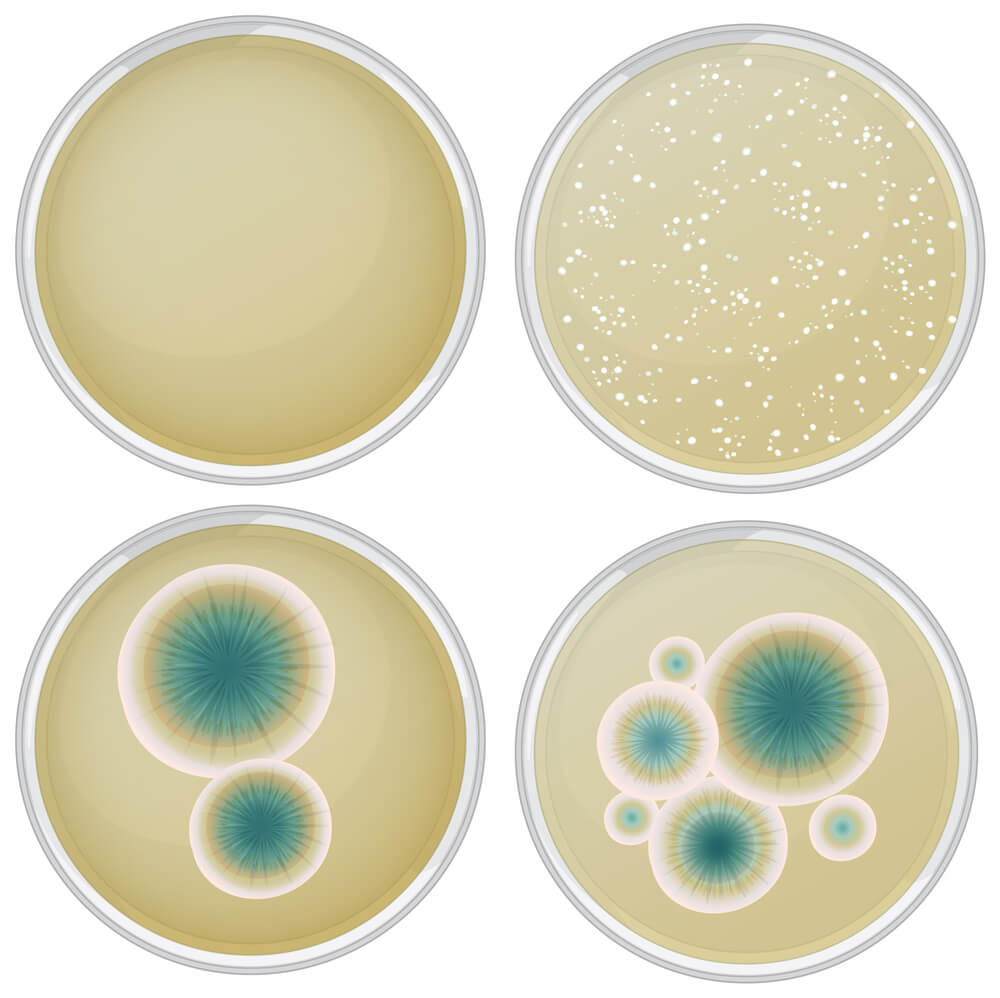
Elizabeth Lee Hazen in New York City and Rachel Fuller Brown in Albany worked together by mail to find a medicine that could fight fungal infections. They passed soil samples and results back and forth in mason jars, and in 1950 they produced the first effective antifungal antibiotic, nystatin, whose name honors New York State.
The two women donated their royalties of roughly $13 million to fund scientific research, especially for women. Nystatin is still in use today.
Dipstick Tests Turned Urine Into Quick Medical Information
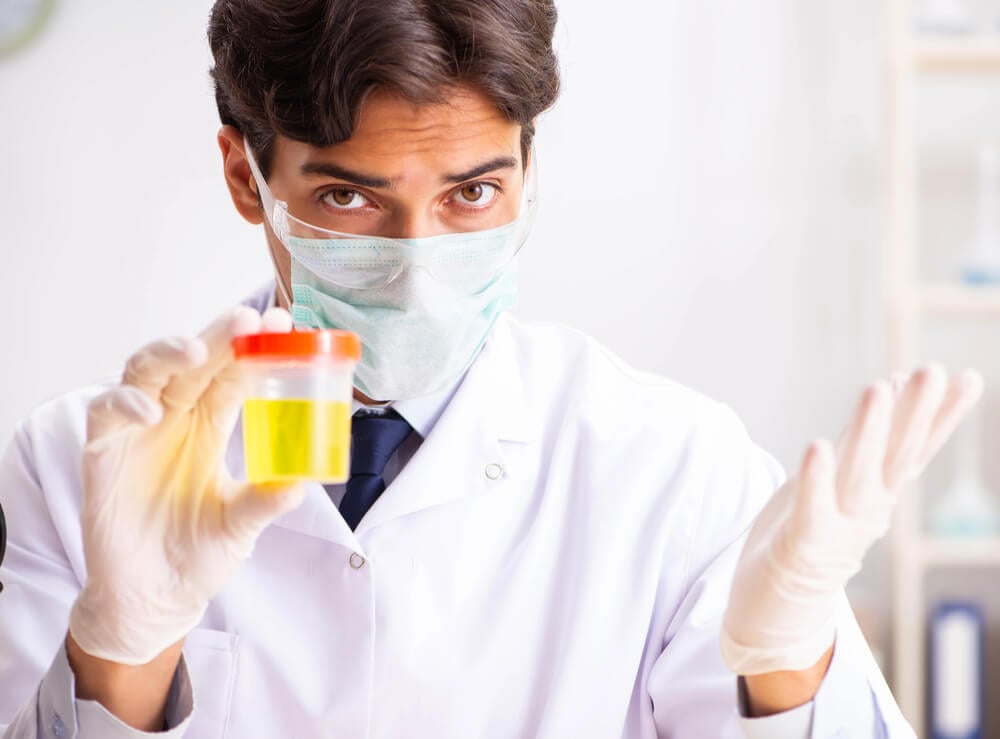
Helen Free, a chemist at the Ames Company in Elkhart, Indiana, helped create paper strips that change color when dipped in urine, giving a fast reading of glucose levels. The tests replaced slow lab procedures that required heating chemicals in test tubes.
Free developed the technology with her husband, Alfred, and Clinistix reached the market in 1956. In 1990, she became president of the American Association for Clinical Chemistry.
Artemisinin Was Found in a 1,600-Year-Old Recipe
In 1967, China launched a secret program to find a cure for malaria, and researcher Tu Youyou combed ancient texts and tested hundreds of plant extracts. A fourth-century manual recommended sweet wormwood, and she realized that heat was destroying the active ingredient, so she switched to a cooler extraction method.
She volunteered to take the compound herself during early safety testing. The drug, artemisinin, has saved millions of lives, and Tu won the 2015 Nobel Prize in Physiology or Medicine.
The Word Processor Was Designed by a Woman Who Had Already Built Airline Computers
Evelyn Berezin first designed a computerized reservation system for United Airlines, which allowed agents to track seats in real time. In 1969 she founded Redactron, and two years later the company introduced the Data Secretary, an early word processor that let office workers edit typed text without retyping entire pages.
The machine altered the daily routine of secretaries across the country. Berezin ran the business through years when few women led technology companies.
Spanx Began With a Pair of Scissors and Some Pantyhose
Sara Blakely, then a fax machine salesperson in Atlanta, cut the feet off a pair of pantyhose to wear under white pants. She became convinced that others would want the same smooth look, and she launched the company with $5,000 in savings.
She pitched hosiery mills until one agreed to make the product. Spanx grew into a global brand and turned Blakely into a billionaire.
The Snugli Was Inspired by Mothers in Togo

Ann Moore, a nurse in the Peace Corps in Togo, saw local women carrying their babies close to their bodies in lengths of cloth. After she returned home, she and her mother sewed a soft carrier based on what she had seen.
The Snugli carrier let parents keep their hands free while holding an infant against their chest. It helped launch the baby carrier industry in the United States.
Problems Noticed From the Inside

Many of these inventions came from people who felt a problem directly, whether it was a messy kitchen, a risky commute, or a hospital with no good answer. They noticed gaps that others tolerated, and they proposed practical fixes.
Several inventors built products from whatever was nearby, such as a shower curtain, a handkerchief, or a blender. Credit did not always follow the work, and some inventors sold rights for small sums or watched others profit from their ideas.
Still, the patents, products, and medicines they left behind shape ordinary routines every day. Drive in the rain, drink a filtered coffee, or send a message across a network, and chances are a woman’s idea is already doing the job.
More from Go2Tutors!

- The Romanov Crown Jewels and Their Tragic Fate
- 13 Historical Mysteries That Science Still Can’t Solve
- Famous Hoaxes That Fooled the World for Years
- 15 Child Stars with Tragic Adult Lives
- 16 Famous Jewelry Pieces in History
Like Go2Tutors’s content? Follow us on MSN.