Music Videos That Shaped Fashion Trends
Music videos haven’t just been about the songs—they’ve been fashion runways on steroids, launching trends that rippled through high school hallways, shopping malls, and eventually even haute couture collections. Since MTV launched in 1981, artists have used the medium to create visual moments that stuck with us long after the final note faded.
From red leather jackets to bedazzled bodysuits, these videos turned musicians into style icons and gave us permission to experiment with our own wardrobes. Here is a list of music videos that didn’t just entertain us—they changed what we wore.
Michael Jackson – Thriller
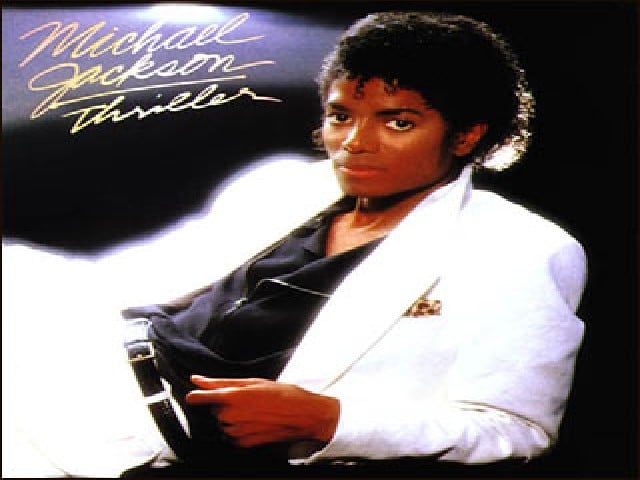
The red leather jacket with black stripes became an instant icon when Jackson moonwalked his way through this 1983 horror-inspired masterpiece. Vincent Price’s narration and those zombie dance moves grabbed headlines, but it was that jacket that sent people scrambling to their local leather shops.
The look combined rebellious rock energy with a polished pop sensibility, proving that outerwear could make a statement all on its own. Even today, you’ll spot tribute versions at Halloween parties and vintage shops, a testament to how one music video outfit can transcend generations.
Madonna – Material Girl
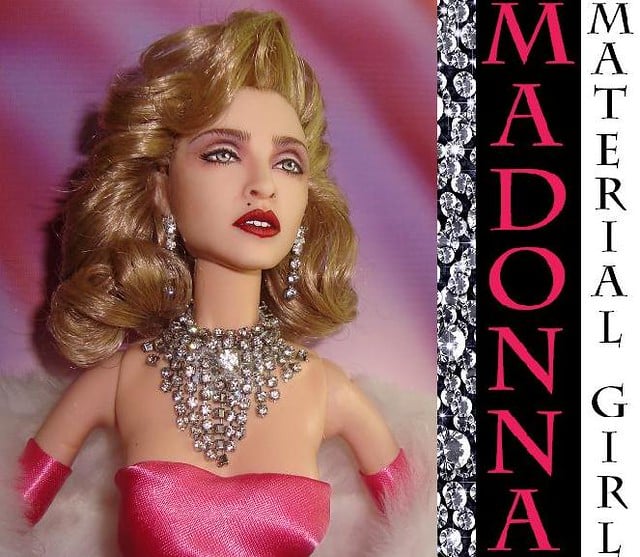
Channeling Marilyn Monroe’s pink satin gown from “Gentlemen Prefer Blondes,” Madonna created her own iconic moment in hot pink. The video’s glamorous aesthetic, complete with choreographed dancers in tuxedos, gave us permission to embrace unapologetic femininity and luxury as aspirational concepts.
That pink dress became shorthand for a certain kind of confident, money-savvy woman who knew what she wanted. The look influenced everything from prom dresses to bridesmaids’ gowns throughout the late 80s and early 90s.
Cyndi Lauper – Girls Just Want to Have Fun
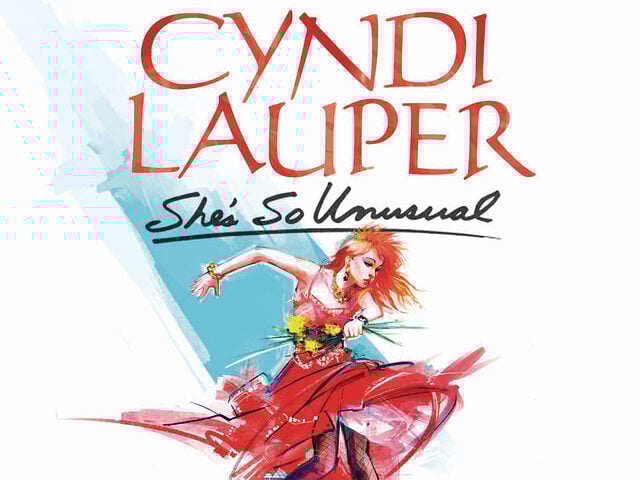
Lauper’s 1983 video was a kaleidoscope of clashing patterns, neon colors, wild hair dye, and tulle galore. She wore mismatched earrings, piled on the bracelets, and proved that fashion didn’t need to make traditional sense to make a statement.
The video captured the 80s excess mentality perfectly, encouraging viewers to mix prints, stack accessories, and generally ignore any rulebook about coordination. Lauper’s fearless approach to color and texture gave permission to an entire generation to dress like their closets exploded—in the best possible way.
Nirvana – Smells Like Teen Spirit

Kurt Cobain’s striped shirts, ratty cardigans, and Converse sneakers in this 1991 video launched the grunge aesthetic into mainstream consciousness. The deliberately anti-fashion stance—thrifted clothes, unwashed hair, and a general air of not caring—became the most copied look of the decade.
Suddenly, looking too polished seemed try-hard, and designer labels took a backseat to flannel and denim. The video proved that rejection of fashion norms could itself become a powerful fashion statement, influencing designers who started creating intentionally distressed and oversized pieces.
Britney Spears – Baby One More Time

That knotted pink button-down shirt, gray pleated skirt, knee-high socks, and pigtails became an instant cultural phenomenon in 1999. The schoolgirl aesthetic sparked a trend of belly-baring tops and plaid skirts that dominated teen fashion for years.
Shopping malls filled with variations on this look, from Hot Topic to Limited Too, as young women everywhere tried to capture Britney’s mix of innocence and attitude. The video’s hallway choreography became as iconic as the outfit itself, cementing Britney’s status as a fashion force from her very first single.
Britney Spears – Oops I Did It Again

The red patent leather catsuit from this 2000 video remains one of the most recognizable outfits in pop music history. Set on Mars, the video’s futuristic aesthetic made head-to-toe vinyl and latex suddenly seem wearable rather than costume-like.
Britney’s athletic physique and confident attitude in the skintight suit inspired a wave of body-conscious fashion that prioritized fitness and bold color choices. The look influenced everything from club wear to Halloween costumes, proving that sometimes the most outrageous choices become the most memorable.
TLC – Waterfalls
Left Eye’s signature baggy pants with a condom safety-pinned to her clothing brought hip-hop fashion and important social messaging together in 1994. The video showcased oversized sportswear, bright colors, and a relaxed silhouette that contrasted sharply with the form-fitting looks dominating pop music at the time.
TLC’s style—mixing athletic pieces with feminine accessories like hoop earrings and bandanas—helped establish the athleisure trend decades before it had a name. Their influence on streetwear remains visible in how women’s hip-hop fashion balances comfort with style.
Missy Elliott – Work It

Missy’s 2002 video featured a black leather outfit that looked like an inflated garbage bag—and somehow made it cool. Her willingness to experiment with unconventional silhouettes and avant-garde shapes challenged beauty standards and expanded what hip-hop fashion could be.
The video’s futuristic aesthetic, combined with Missy’s confident swagger, proved that fashion innovation didn’t require revealing skin or conforming to traditional ideas about femininity. Her impact on streetwear and high fashion continues, with designers regularly citing her as inspiration for boundary-pushing designs.
Beyoncé – Single Ladies

Three women in black leotards and heels against a white background became one of the most imitated videos of all time in 2008. The minimalist aesthetic put all focus on the choreography and the dancers’ bodies, making the simple black bodysuit an aspirational item.
Suddenly, leotards weren’t just for dance classes—they became legitimate fashion pieces worn with jeans, skirts, or on their own. The video’s stripped-down approach proved that sometimes less really is more, influencing a wave of minimalist fashion that prioritized clean lines and powerful silhouettes.
Lady Gaga – Bad Romance

Gaga’s 2009 video was a masterclass in avant-garde fashion, featuring everything from structured shoulder pieces to bizarre eyewear and architectural costumes. She collaborated with designers like Alexander McQueen to create looks that blurred the line between fashion and performance art.
The video’s theatrical approach to styling encouraged mainstream audiences to view fashion as creative expression rather than just clothing. Gaga’s influence made it acceptable—even admirable—to take fashion risks and embrace the weird, opening doors for artists who followed to experiment with their visual identities.
Lady Gaga – Poker Face

The disco stick and geometric sunglasses from this 2008 video launched countless knockoffs in mall kiosks everywhere. Gaga’s metallic fabrics, architectural accessories, and robotic movements created a futuristic aesthetic that felt both retro and forward-thinking.
The video popularized statement sunglasses as essential accessories rather than occasional add-ons, with oversized and unusually shaped eyewear flooding the market. Gaga’s commitment to never appearing in anything ordinary pushed fashion boundaries and made viewers expect visual spectacle from every pop star who came after.
MC Hammer – U Can’t Touch This

Those impossibly baggy “Hammer pants” in 1990 became a phenomenon that defined early 90s hip-hop fashion. Inspired by traditional harem pants, Hammer adopted them because they allowed freedom of movement for his energetic choreography.
The trend caught on so quickly that suddenly everyone wanted pants three sizes too big with a dropped crotch. While the trend eventually faded into punchline territory, it represented an important moment when hip-hop fashion influenced mainstream style on a massive scale, paving the way for oversized silhouettes that would return in different forms.
Janet Jackson – Rhythm Nation

Jackson’s 1989 video featured sharp military-style uniforms with structured jackets, snapback hats, and hoop earrings that made a powerful statement about unity and equality. The androgynous styling—with its emphasis on tailoring, epaulets, and monochrome black—influenced how women approached power dressing in the 90s.
The video’s choreography, performed in perfect unison by dancers in identical outfits, showed how fashion could reinforce a message of collective strength. The military jacket trend it sparked continues to resurface, with designers regularly revisiting structured, uniform-inspired pieces.
David Bowie – Life on Mars

Bowie’s powder blue suit and electric eye makeup in this 1973 video defined glam rock aesthetics for the decade. His willingness to embrace traditionally feminine makeup and flamboyant styling challenged gender norms in fashion and opened creative possibilities for male performers.
The video’s theatrical approach to masculine dress—with its emphasis on color, texture, and drama—influenced everyone from Prince to contemporary artists who blur gender lines in their styling. Bowie proved that men’s fashion didn’t have to be boring or conventional, creating a legacy that extends far beyond the glam rock era.
Olivia Newton-John – Physical

Leg warmers and pastel spandex became workout wear staples after this 1981 video hit MTV. Newton-John’s athletic aesthetic, complete with headbands and sweatbands, rode the aerobics craze wave and turned gym clothes into acceptable streetwear.
The video’s influence on activewear fashion was enormous, helping establish the idea that workout clothes could be stylish rather than purely functional. The 80s fitness fashion boom contributed to laid groundwork for today’s athleisure trend, proving that athletic and fashionable don’t have to be mutually exclusive.
Kanye West – Stronger

Those geometric shutter shades West wore in 2007 became an instant must-have accessory despite being wildly impractical. The futuristic aesthetic of the video, filmed in Tokyo, brought Japanese street fashion influences to Western audiences and made experimental eyewear suddenly cool.
The shades appeared everywhere from music festivals to fashion runways, showing how a single bold accessory choice in a video could launch a trend. West’s influence on sneaker culture and high-fashion collaborations started gaining serious momentum around this era, with his video aesthetics playing a crucial role in establishing his credibility as a fashion force.
The Visual Legacy Lives On
Music videos transformed from promotional tools into cultural touchstones that dictated what people wore to school, work, and parties. These sixteen examples represent just the tip of the iceberg—there are countless other videos that launched trends, sparked conversations, or simply made us reconsider what was possible in our own closets.
The relationship between music videos and fashion continues evolving with platforms like TikTok and Instagram, but the core truth remains unchanged: when artists combine great music with unforgettable visuals, they create moments that transcend entertainment and become part of how we express ourselves through clothing.
More from Go2Tutors!

- The Romanov Crown Jewels and Their Tragic Fate
- 13 Historical Mysteries That Science Still Can’t Solve
- Famous Hoaxes That Fooled the World for Years
- 15 Child Stars with Tragic Adult Lives
- 16 Famous Jewelry Pieces in History
Like Go2Tutors’s content? Follow us on MSN.