26 Schwinn Bikes Collectors Want
Schwinn built bicycles in Chicago for most of the twentieth century, and a surprising number of them are still hanging in garages, barns, and basements. Some turn out to be ordinary kid bikes with a lot of sentimental value.
A few are the sort of find that makes a seasoned swap-meet regular stop mid-sentence. The difference usually comes down to model, color, and how much of the bike is still original.
A tired survivor can be worth a modest sum, while a clean, unrestored example of the right model can be a very different story. These are the Schwinns that keep collectors hunting.
The Black Phantom, Chrome and All
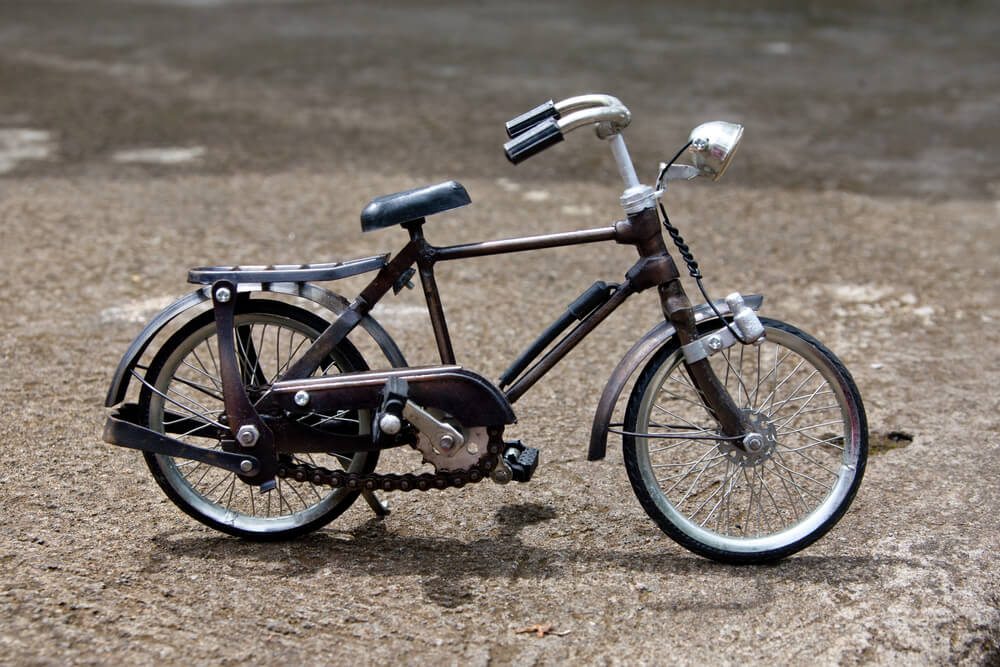
The Phantom is the bike most people picture when they think of a classic Schwinn cruiser. Its dressed-up look came from a faux fuel tank, bright chrome, and a spring-loaded front fork that gave it the air of a motorcycle in miniature.
The black version is the one that earns the nickname, and examples with original paint and original accessories draw the most attention. Value swings hard with condition, since a repainted frame with swapped parts is worth far less than one that still carries its factory finish.
The Aerocycle’s Streamlined Dream
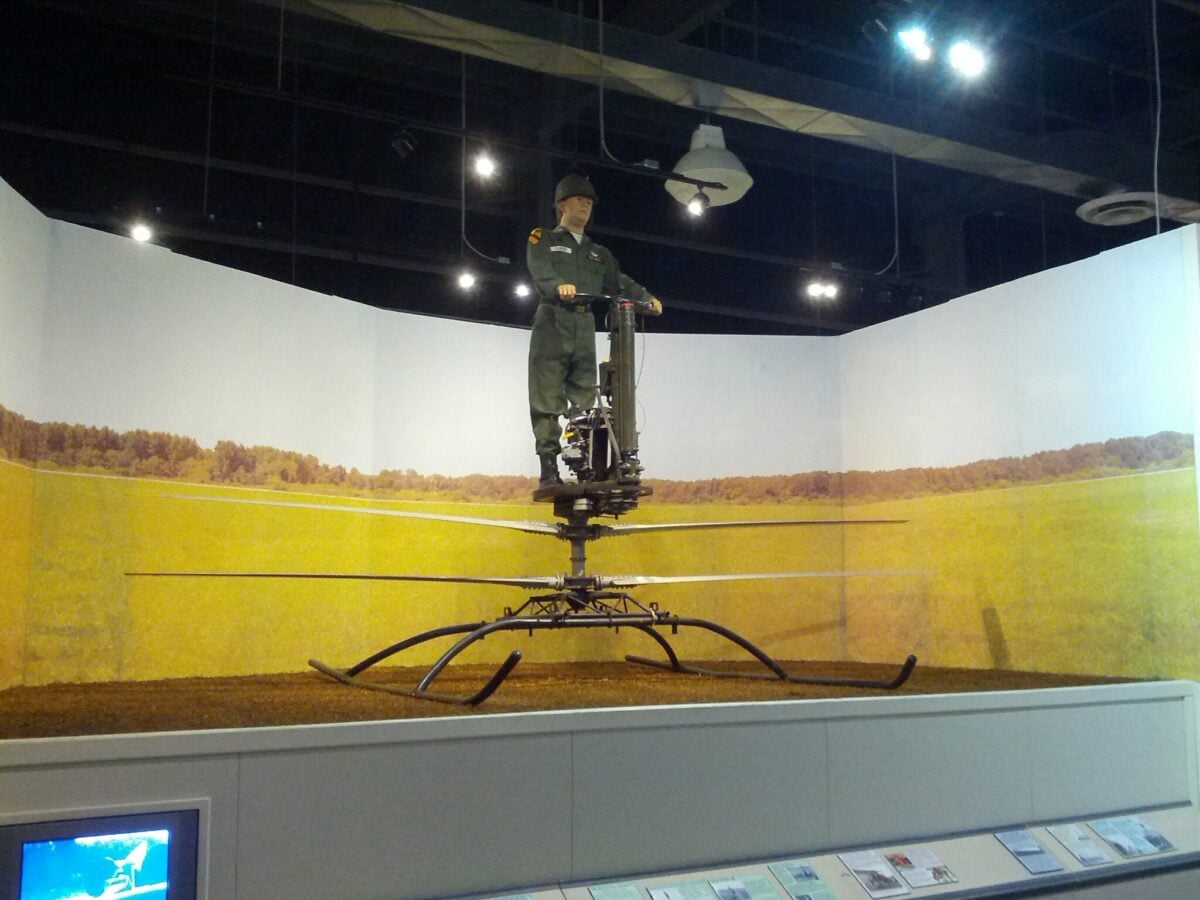
The Aerocycle came out in the mid-1930s, when streamlining was the look of the future and designers applied it to everything from trains to toasters. Its fat, tank-like frame and sweeping lines made it look like it was moving even when parked.
Because it was built in relatively small numbers and many were used hard, a complete survivor is a rare sight. Collectors pay close attention to whether the original lights, tank, and paint remain intact.
The Autocycle and Its Motorcycle Ambitions
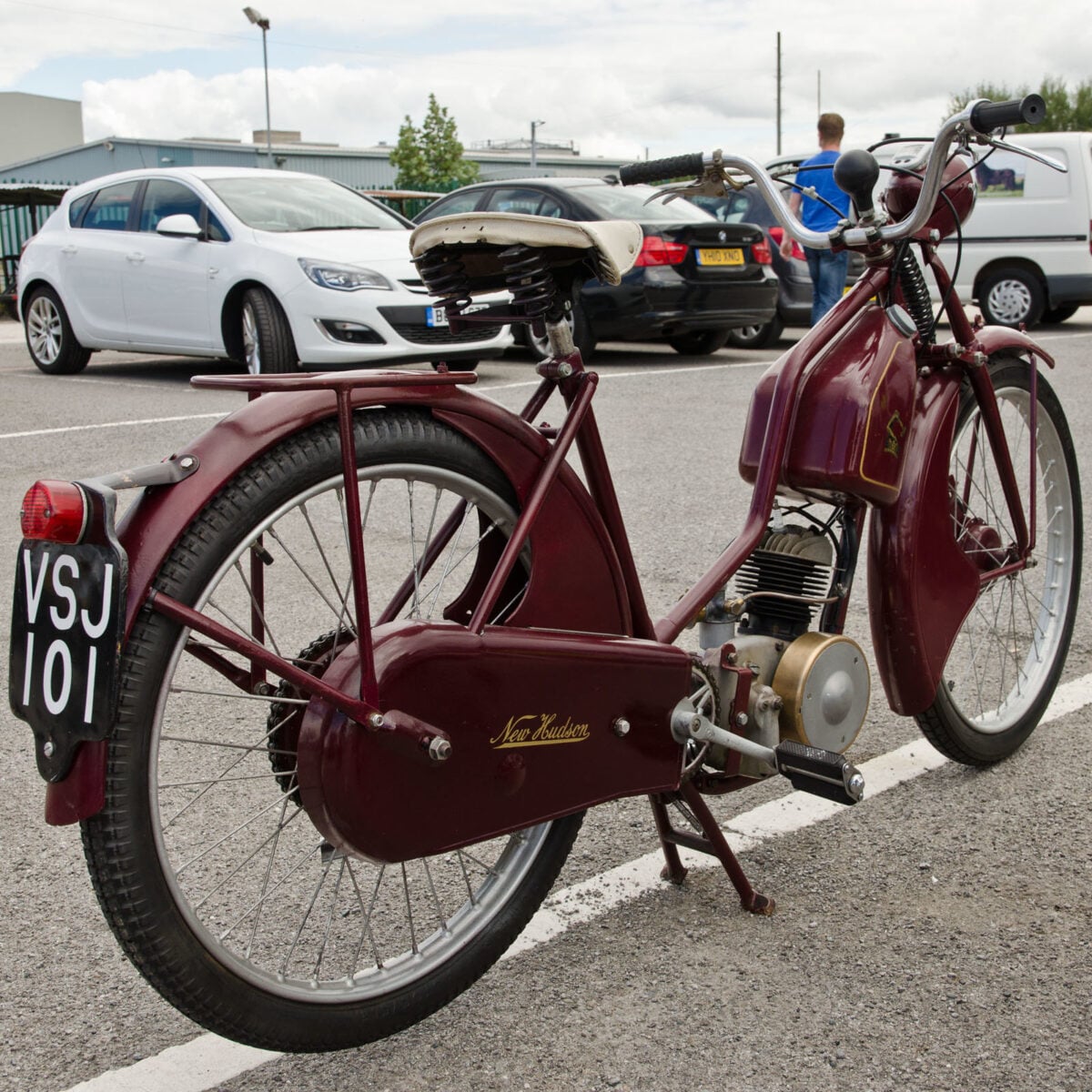
Built in the late 1930s, the Autocycle borrowed heavily from motorcycle styling, with a prominent tank, a sprung front end, and a swept look that suggested speed. Its run ended before the war, which means supply is thin and demand is steady.
Many of the details that make it special, such as the tank and the original accessories, are the very parts that tend to go missing. A complete bike with original finish stands far above a project that has been rebuilt from mismatched pieces.
The Original Sting-Ray
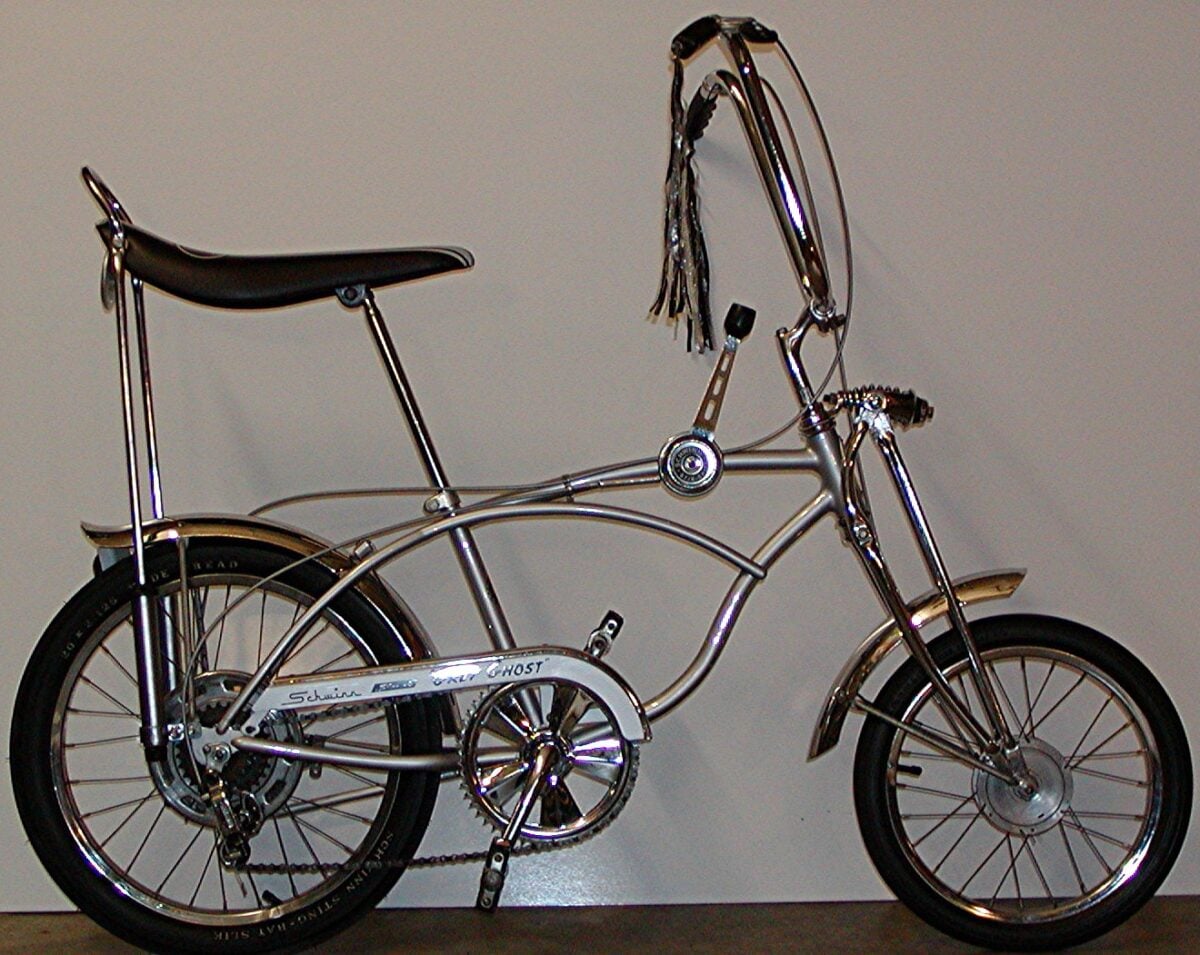
The Sting-Ray arrived in 1963 with a banana seat, high-rise handlebars, and small 20-inch wheels, and it changed how American kids thought about bikes. Designer Al Fritz was inspired by the customized bikes that California kids built in their garages.
The first-year bikes sit at the top of the Sting-Ray pile, and collectors look closely at original paint, grips, and seat condition. A bike that survived childhood without being repainted or stripped for parts is a real prize.
The Fair Lady Sting-Ray
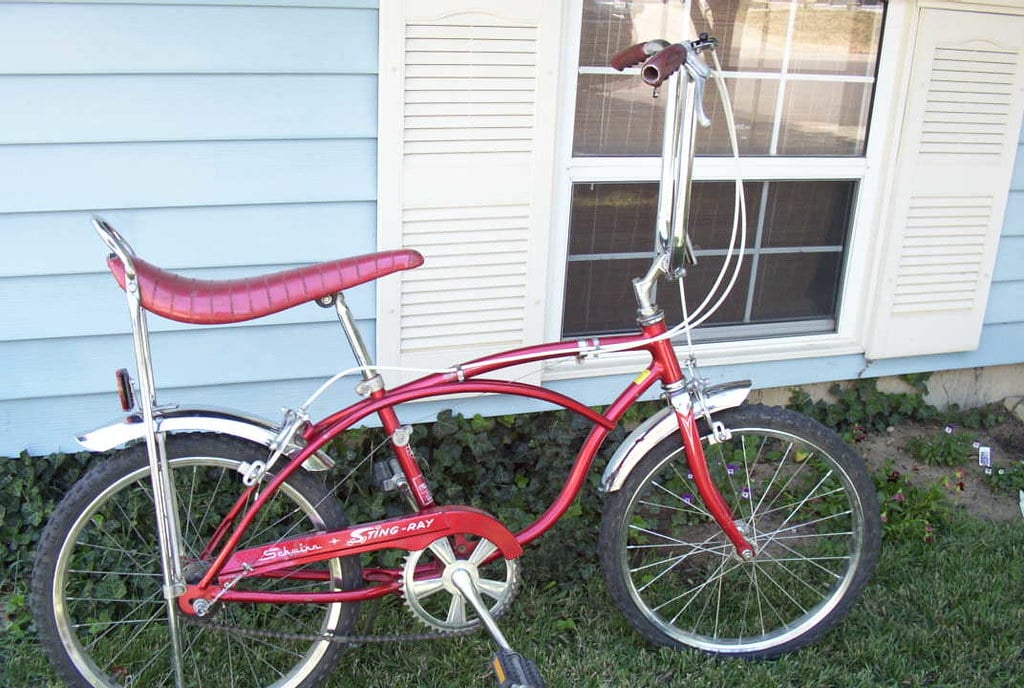
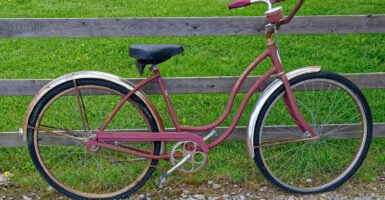
The Fair Lady was the girls’ version of the Sting-Ray, with a step-through frame and the same banana-seat attitude as the boys’ bike. It often gets overlooked by buyers who chase the boys’ models, which can make it a smart pick for a collector who wants something distinctive.
Many were ridden hard, so clean originals are scarcer than the production numbers might suggest. Original paint and a matching saddle matter a great deal when it comes to value.
The Sting-Ray Fastback
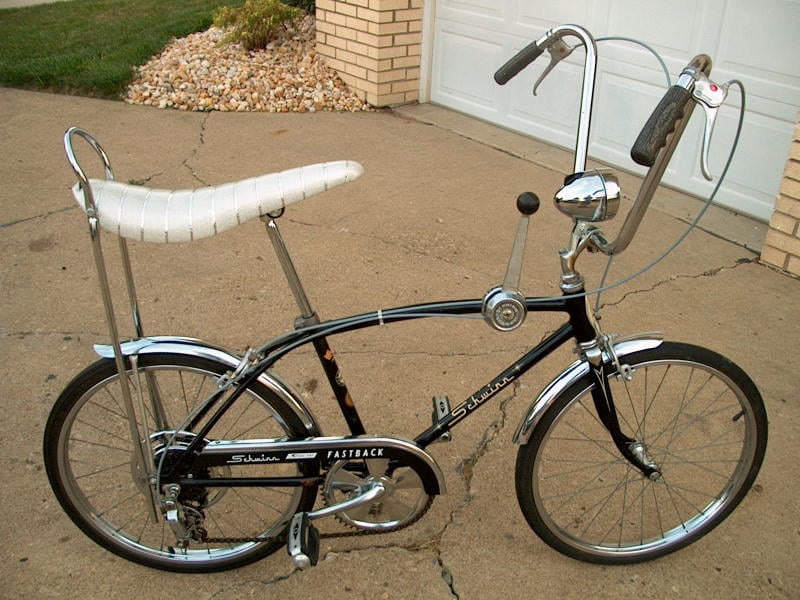
The Fastback added a stick shifter on the top tube and a multi-speed drivetrain, giving the Sting-Ray a more serious, muscular look. The shifter was the feature kids bragged about, and it is also the part collectors check first.
A bike with a worn or replaced shifter, or with the wrong rear tire, loses a chunk of its appeal. Original examples that still have their factory drivetrain parts are the ones that get the attention at auction.
The Orange Krate
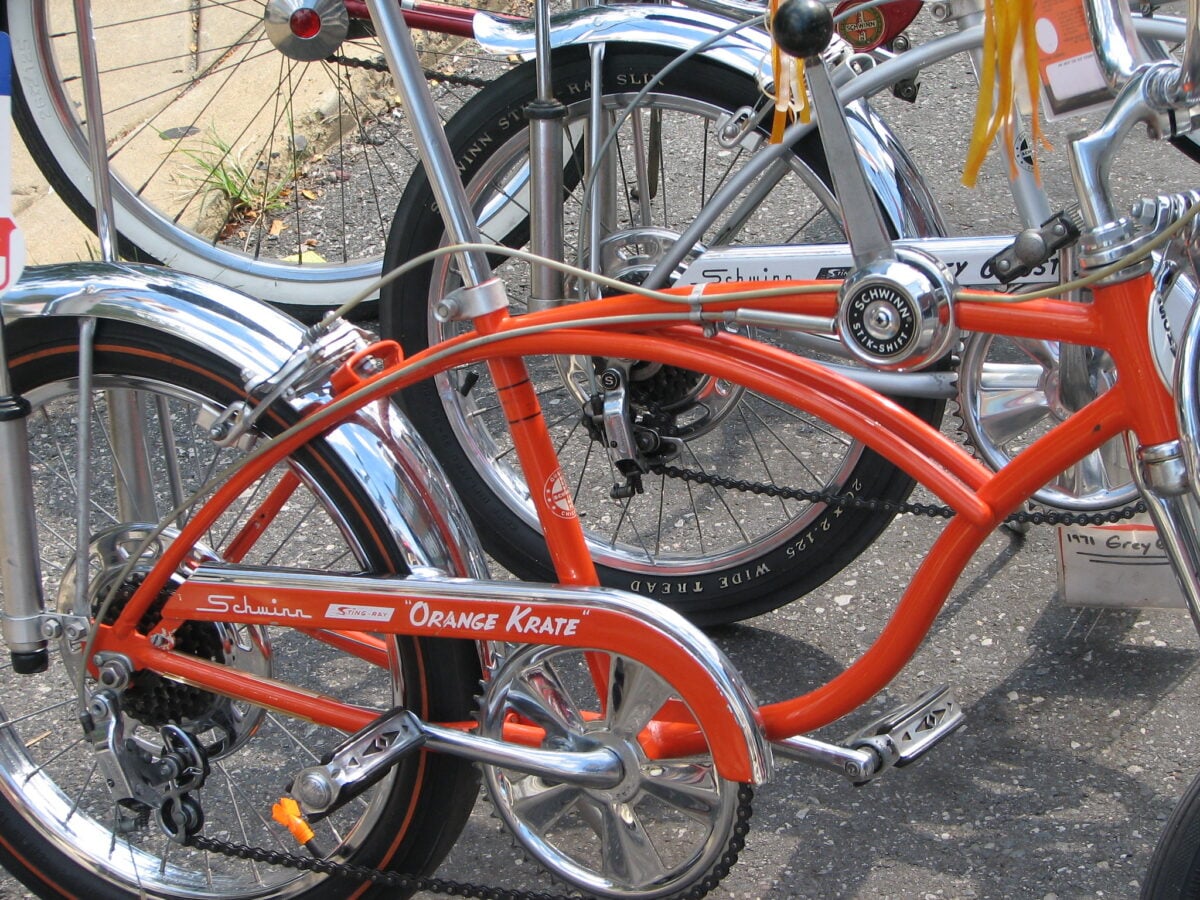
The Orange Krate is the bike that launched the Krate craze, and it shows up on nearly every collector’s wish list. It combined a bright orange frame with a front drum brake, a stick shifter, and a fat Slik rear tire that looked ready to burn rubber.
The drum brake and the wide rear tire are signature details, and bikes missing them are not worth the same as complete examples. Values depend heavily on original paint and whether the correct parts remain on the frame.
The Apple Krate
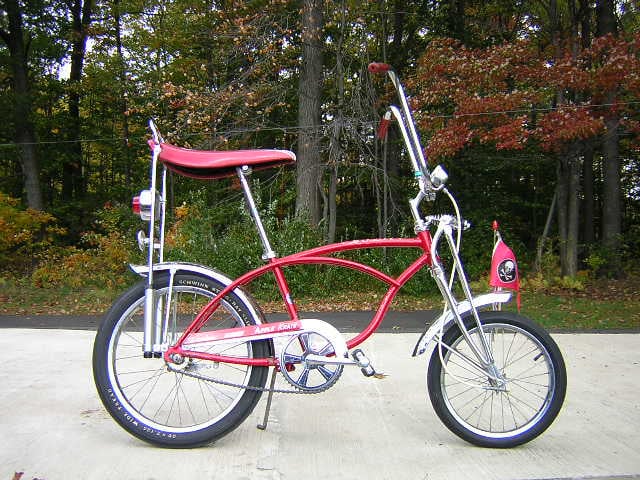
The Apple Krate wore a bright red finish and followed the Orange Krate with the same muscle-bike formula. It kept the front drum brake, stick shifter, and chunky rear tire that made the series famous.
Many were played hard on sidewalks and in vacant lots, so a complete, original bike is harder to find than the name recognition might suggest. Paint condition and original equipment drive the price more than almost anything else.
The Lemon Peeler
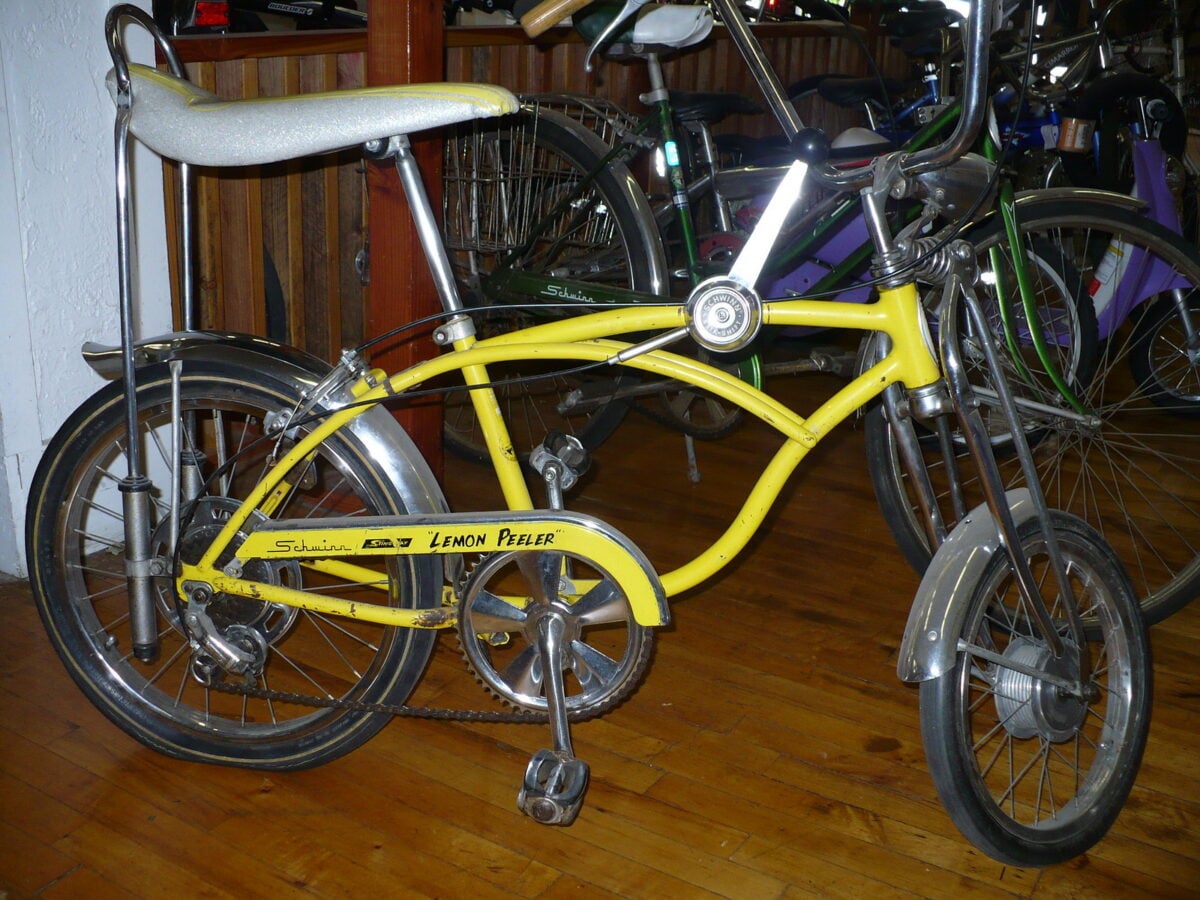
The Lemon Peeler brought a bright yellow finish to the Krate lineup, and the color alone was enough to turn heads on a suburban street. Like the other Krates, it paired a drum brake up front with a fat rear tire and a stick shifter.
The yellow paint is known for fading and chipping, which makes a well-preserved original especially desirable. A bike repainted in a close match still sells for less than one with its factory finish.
The Pea Picker
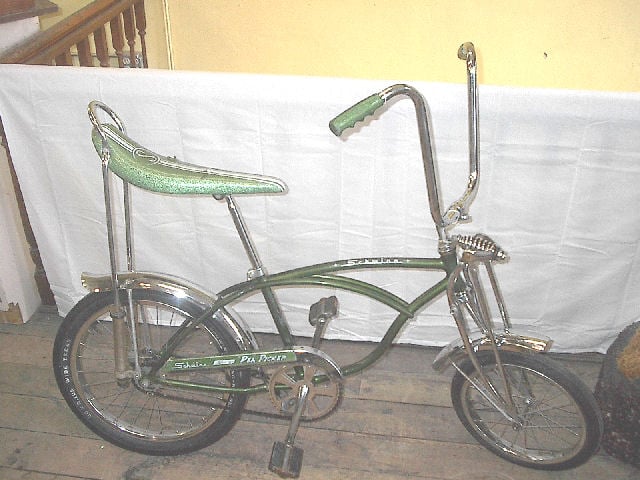
The Pea Picker is the green member of the Krate family, and it tends to be one of the harder ones to find in strong condition. Its factory finish and original parts set it apart from the many bikes that have been refreshed over the years.
Collectors who want a full set of Krates often struggle to track down a clean one. As with the rest of the group, price depends on originality and how much of the bike has been touched up or replaced.
The Cotton Picker
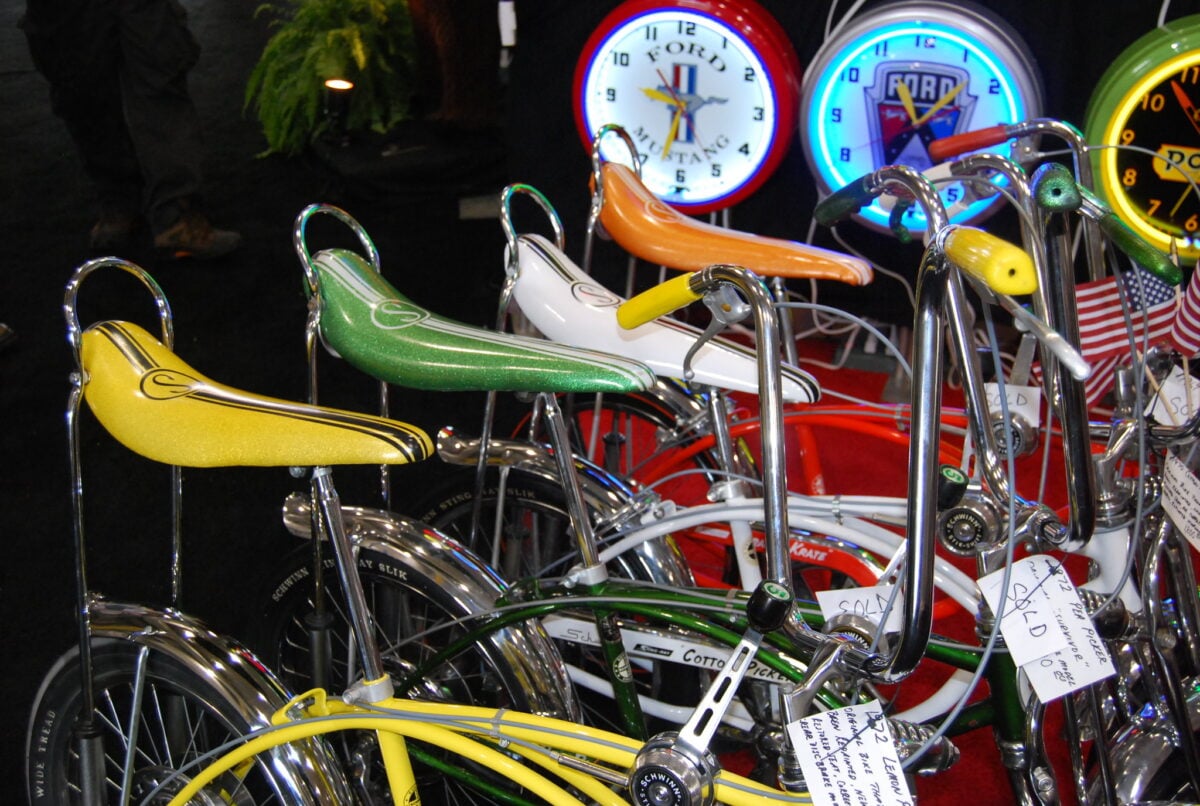
The Cotton Picker came in white, a color that shows every scuff, stain, and chip, which makes unrestored examples especially hard to find. It carried the same muscle-bike hardware as the rest of the Krate series, including the front drum brake and the oversize rear tire.
A bike that stayed white and clean for decades usually spent a lot of time indoors. Condition and original parts matter more here than on almost any other Krate.
The Grey Ghost
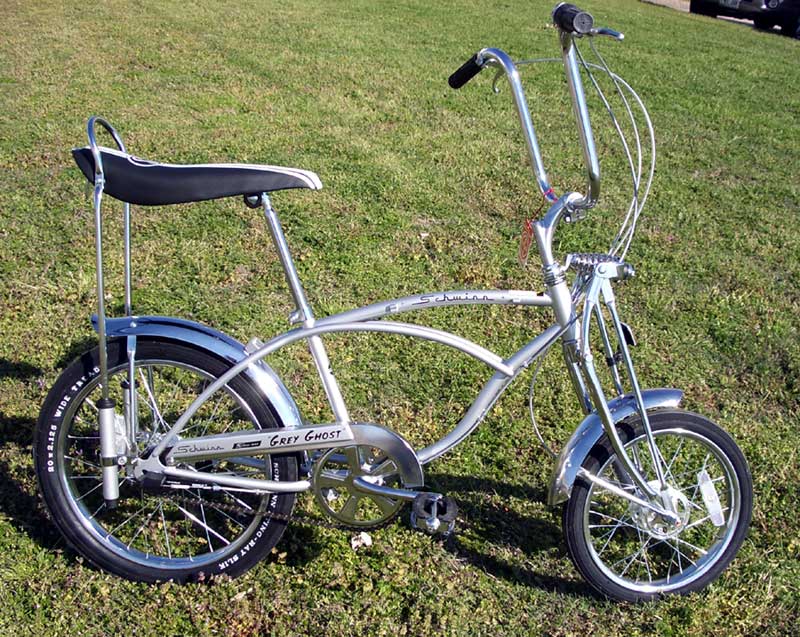
The Grey Ghost wore a flat gray finish that stood out among the loud colors of its time, and its subdued look gave it a cult following. It was part of the same Krate-era muscle-bike family and shared the stick shifter and drum brake setup.
The understated paint has become a selling point, and original examples are chased by collectors who like something a little different. A bike with its original finish and parts intact is far more desirable than a repaint.
The Lil’ Tiger
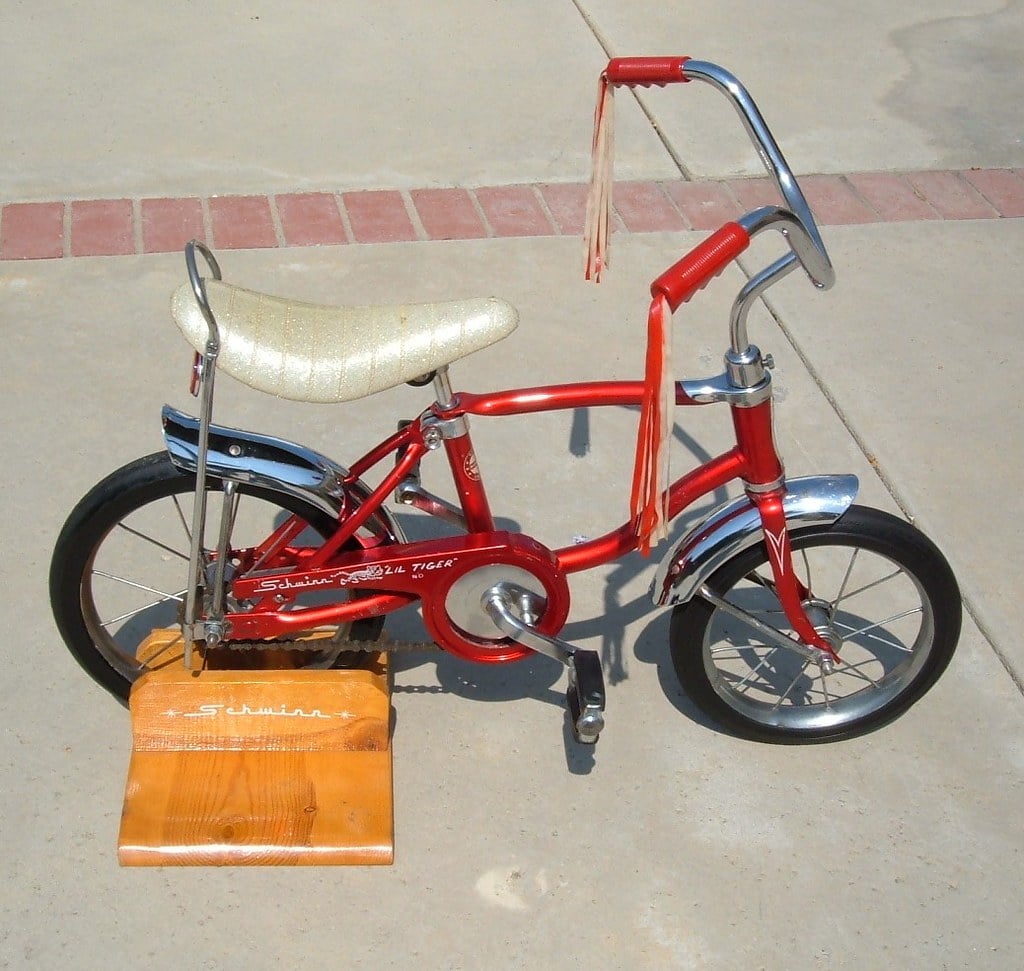
The Lil’ Tiger shrank the Sting-Ray formula down to a size for younger children, complete with a banana seat and high handlebars. Parents bought them for kids who were not yet ready for the full-size model, and many were outgrown and passed along or thrown out.
Survivors in clean condition are scarce, which gives the model a following among collectors who like the smaller scale. Original paint, grips, and seat condition decide how much one is worth.
The Scrambler
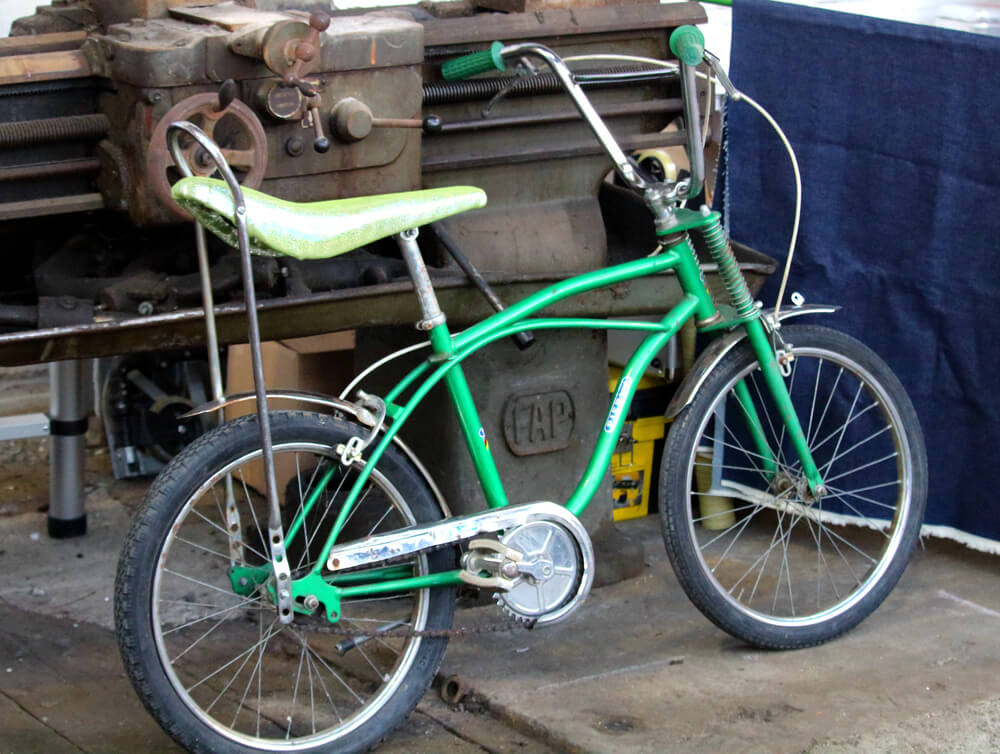
The Scrambler brought the Sting-Ray look to the dirt, with knobby tires and a rugged setup meant for kids who wanted to ride off the pavement. It helped bridge the gap between the banana-seat era and the BMX craze that followed.
Many were ridden hard and abused, so clean examples are not common. Collectors look for original paint, tires, and parts rather than a bike that has been rebuilt around a bare frame.
The Cycle Truck
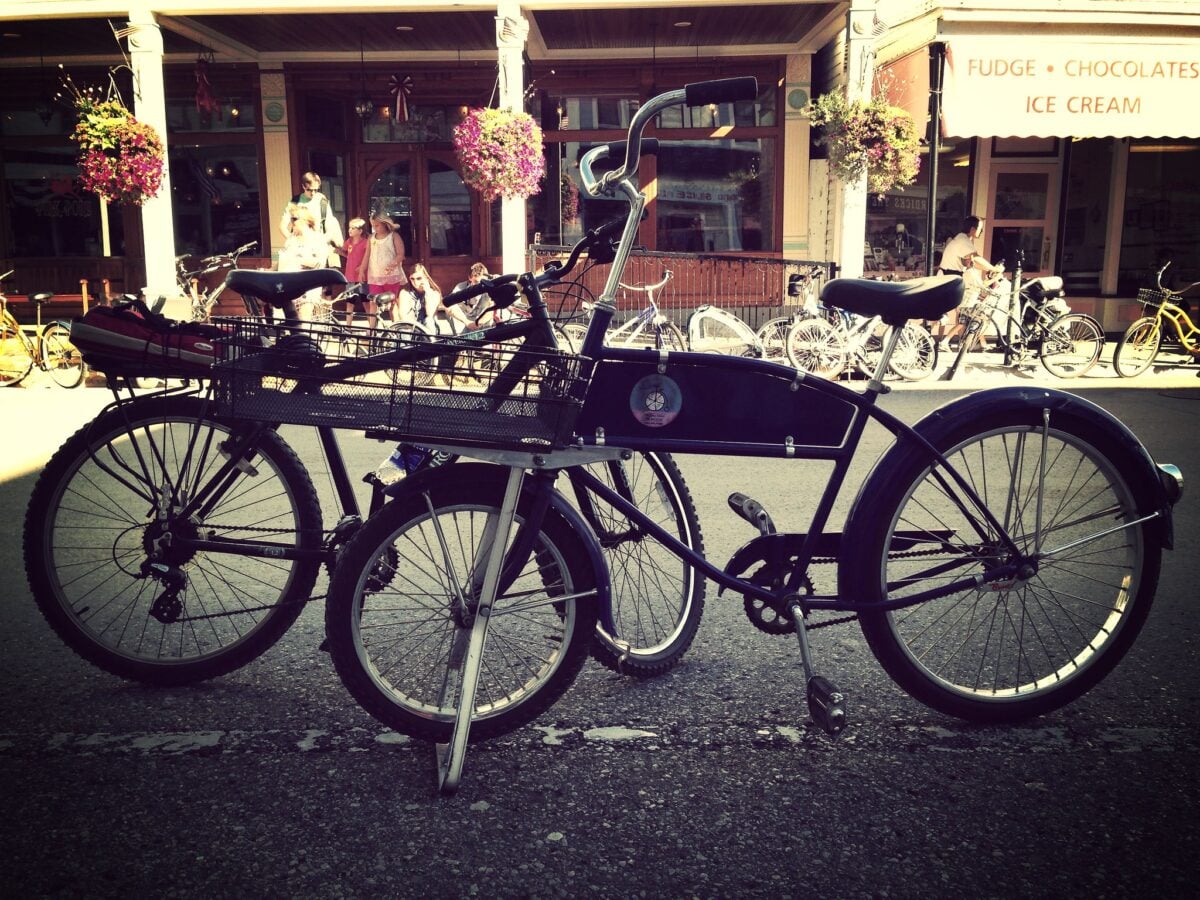
The Cycle Truck was a working bike, built with a small front wheel and a large front rack for hauling goods. It was a familiar sight for delivery riders and shop workers, and its heavy-duty construction has made it a favorite of collectors who like their bikes to look like tools.
The quirky proportions give it a personality that no cruiser can match. Original racks and signage add value, and restored examples vary widely in price based on how faithful the work is.
The Hornet
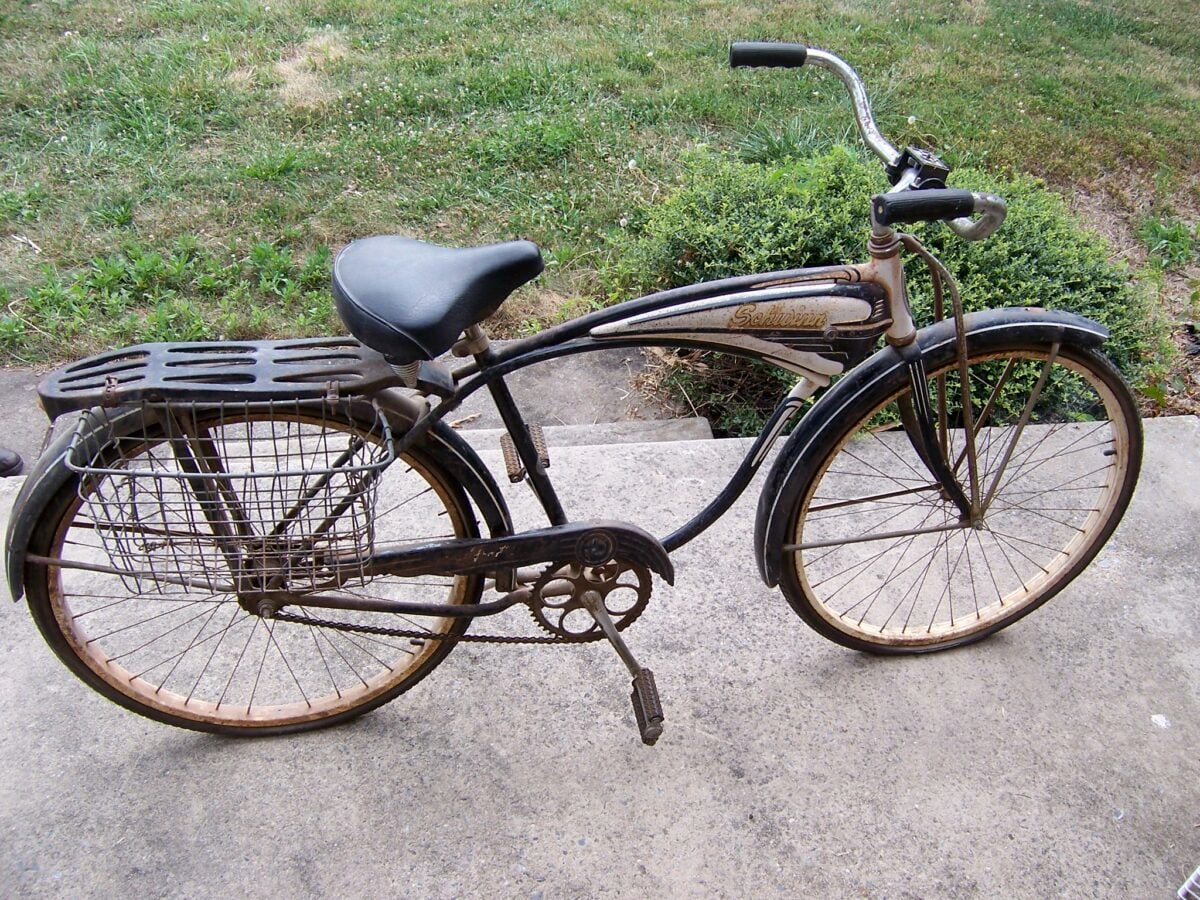
The Hornet is a middleweight cruiser with the kind of tank-style styling that made postwar bikes so appealing. It sits below the Phantom in prestige, which makes it a more accessible entry point for collectors.
A clean Hornet with original paint and accessories can be a satisfying find. As with most cruisers, the original finish is where the real value lies.
The Panther
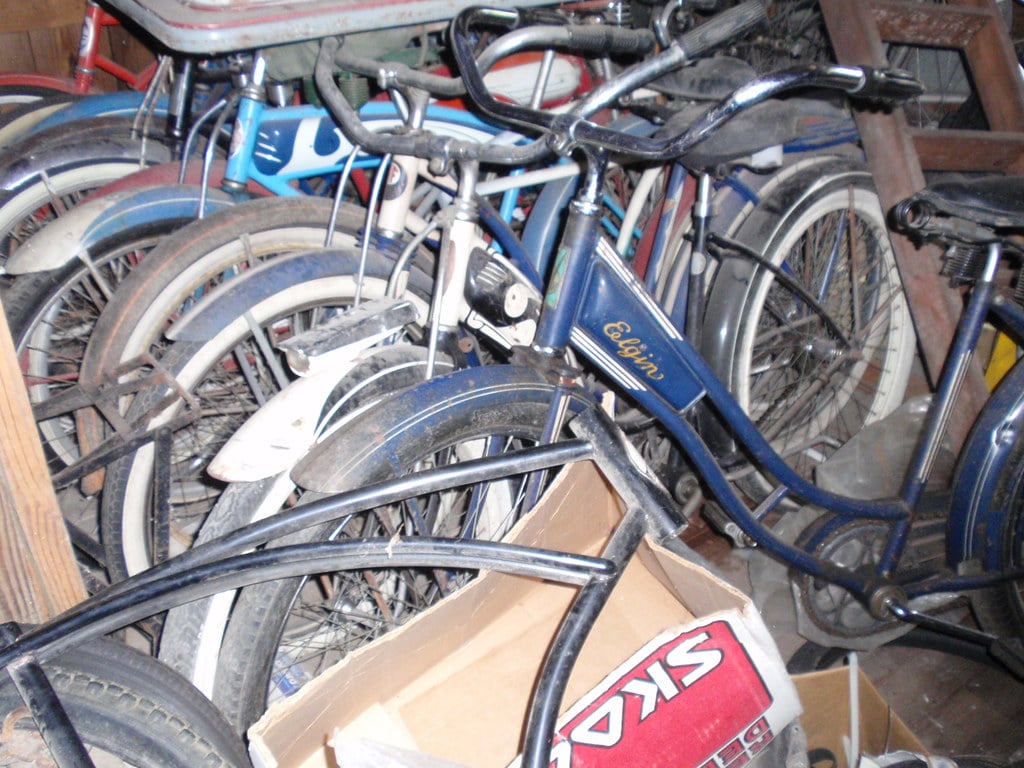
The Panther is another dressed-up cruiser from Schwinn’s mid-century stable, with the streamlined styling that defined the era. It tends to turn up less often than the Hornet, which gives it a bit of extra appeal.
Collectors look for original paint, matching fenders, and the correct equipment. A bike that has been restored carefully is worth considerably less than one that still has its factory finish.
The Spitfire
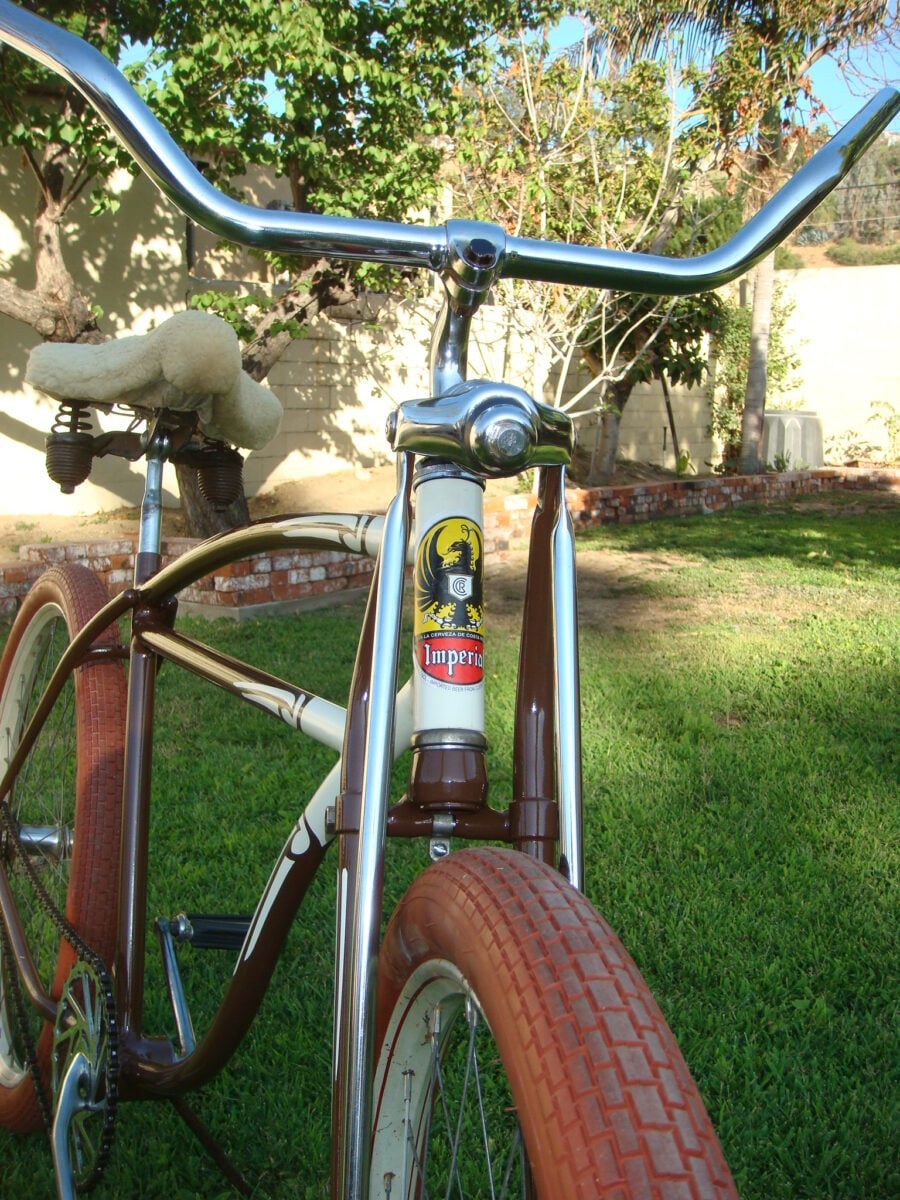
The Spitfire belongs to the family of tanked cruisers that Schwinn sold at a time when kids wanted their bikes to look like motorcycles. Its dressy look and chrome trim made it a showpiece in neighborhood bike racks.
Many were used up and discarded, so good examples are harder to find than the sales volume might suggest. Originality of paint and parts is the biggest factor in what one sells for.
The Typhoon
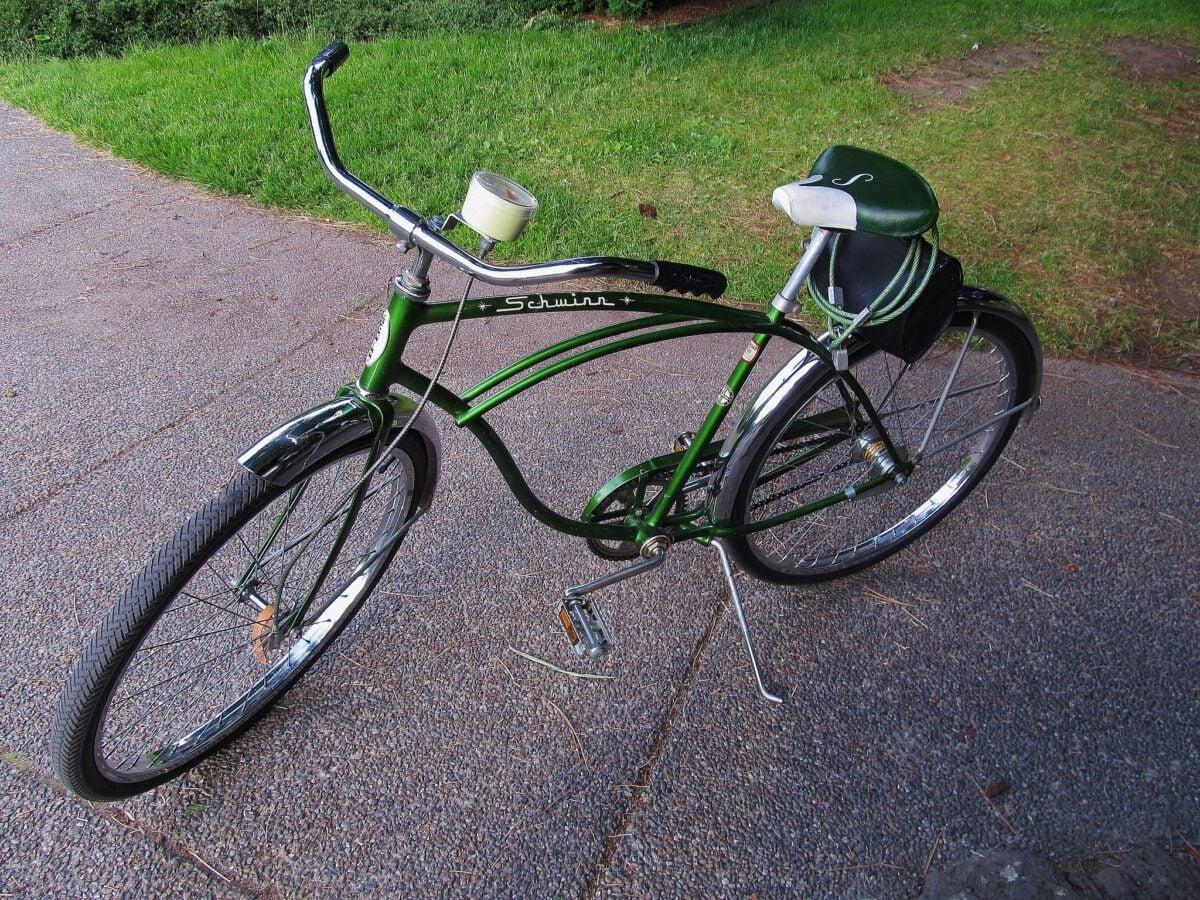
The Typhoon was a fat-tire cruiser built for comfort and durability rather than speed. Its big tires, sturdy frame, and relaxed riding position made it a staple for riders who wanted a simple, reliable bike.
It does not carry the glamour of a Phantom, but it offers a lot of classic Schwinn character for less. A clean original with its factory paint and tires is the version collectors prefer.
The Paramount, Schwinn’s Hand-Built Racer
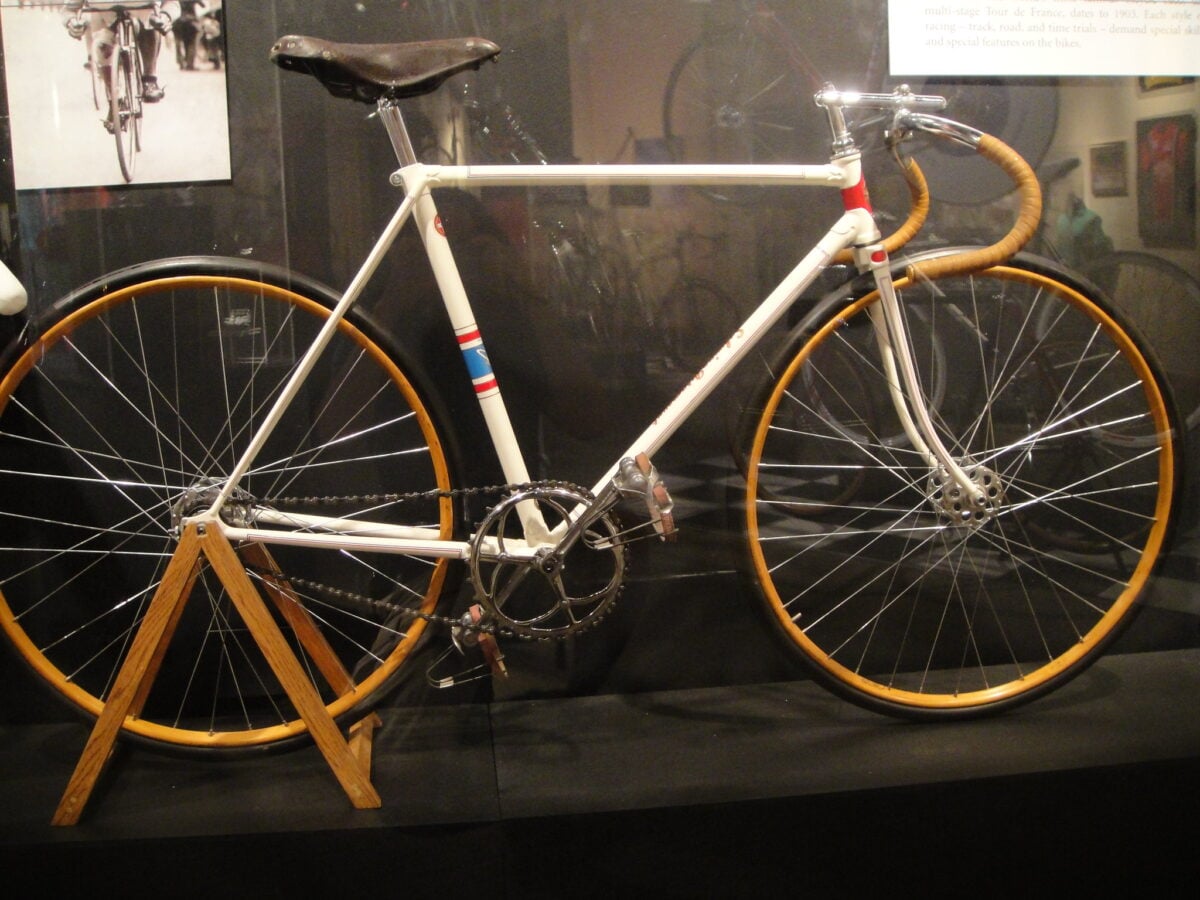
The Paramount line was Schwinn’s answer to the custom lightweight, built from lugged steel tubing and assembled by hand in a special shop in Chicago. It was offered in road and track versions, and the best ones were built for serious racers.
Later production moved to Waterford, Wisconsin, where the line carried on in a smaller shop. A Paramount in original condition, with its decals and components intact, is a prized find, and the frames themselves are sought after even when the bike is incomplete.
The Continental
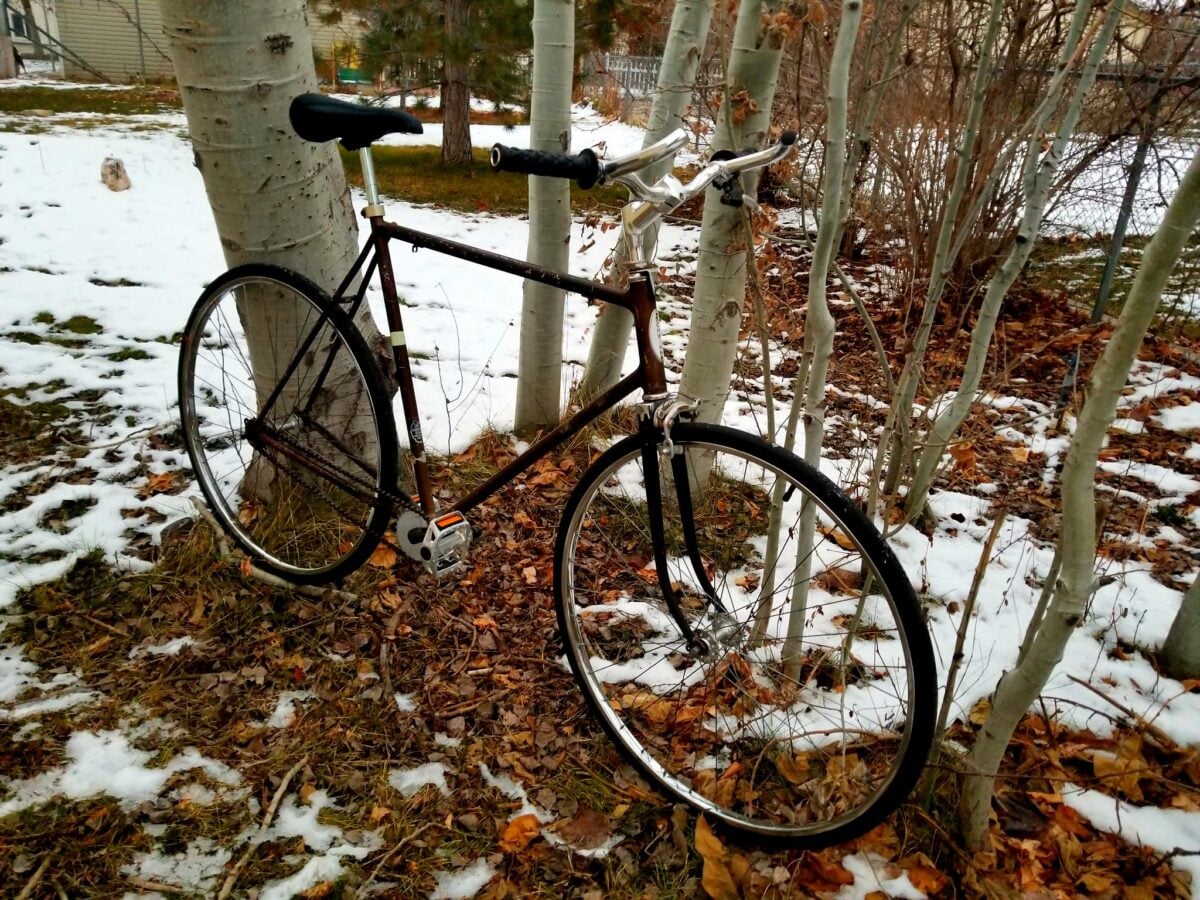
The Continental was a step up from the entry-level lightweights Schwinn sold to the American market in the early 1960s. It offered a more refined frame and better components than the Varsity, and it appealed to riders who wanted a nicer machine without going full racer.
Collectors like it because it represents the point when the American bike boom began to take hold. Originality of paint, decals, and parts determines how much a surviving example is worth.
The Varsity
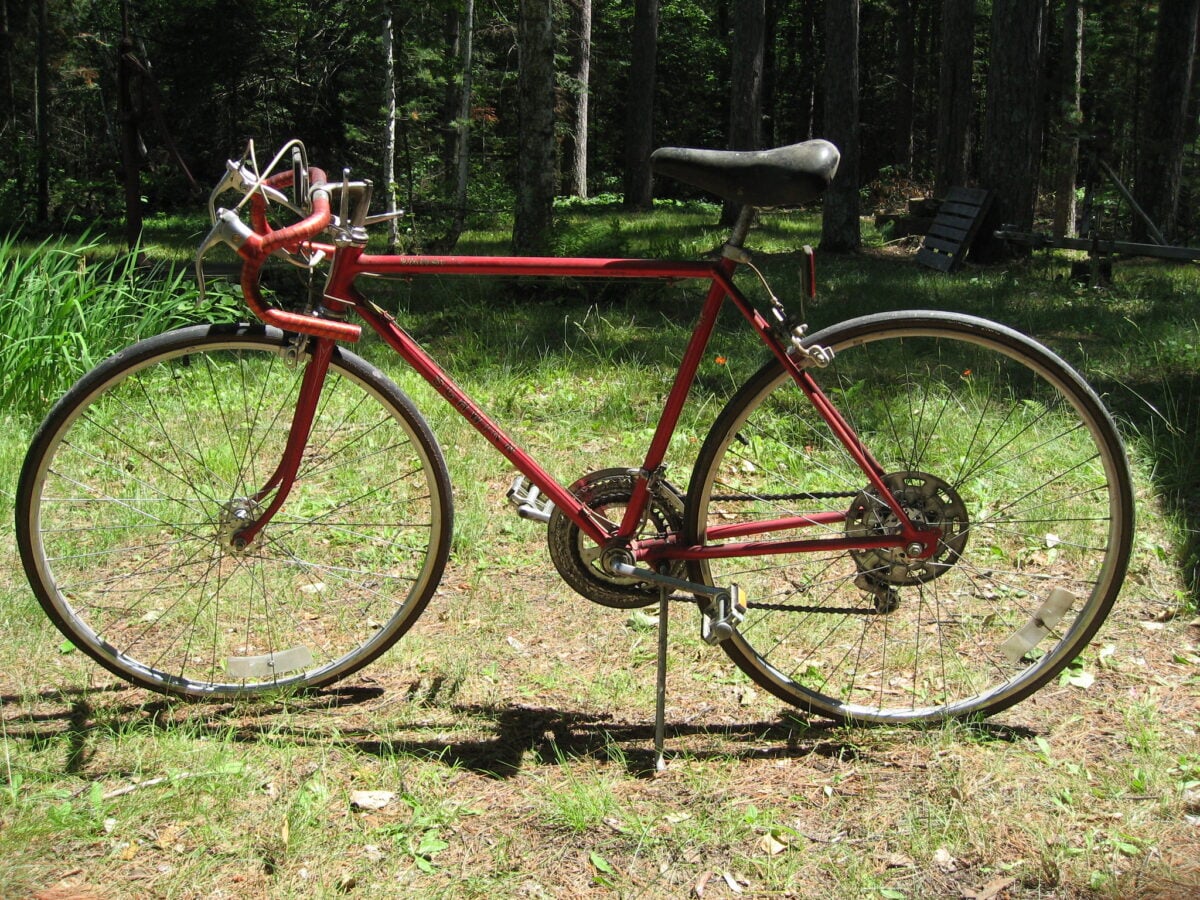
The Varsity was a 10-speed that Schwinn sold in huge numbers, and it became the first serious bike for a generation of American kids. Because so many were built, plenty of them survive, which keeps the price low for common examples.
The ones that command attention are the cleanest originals, with unrestored paint and all of the correct parts. It is a good model for anyone who wants a nostalgic classic without a big investment.
The Super Sport
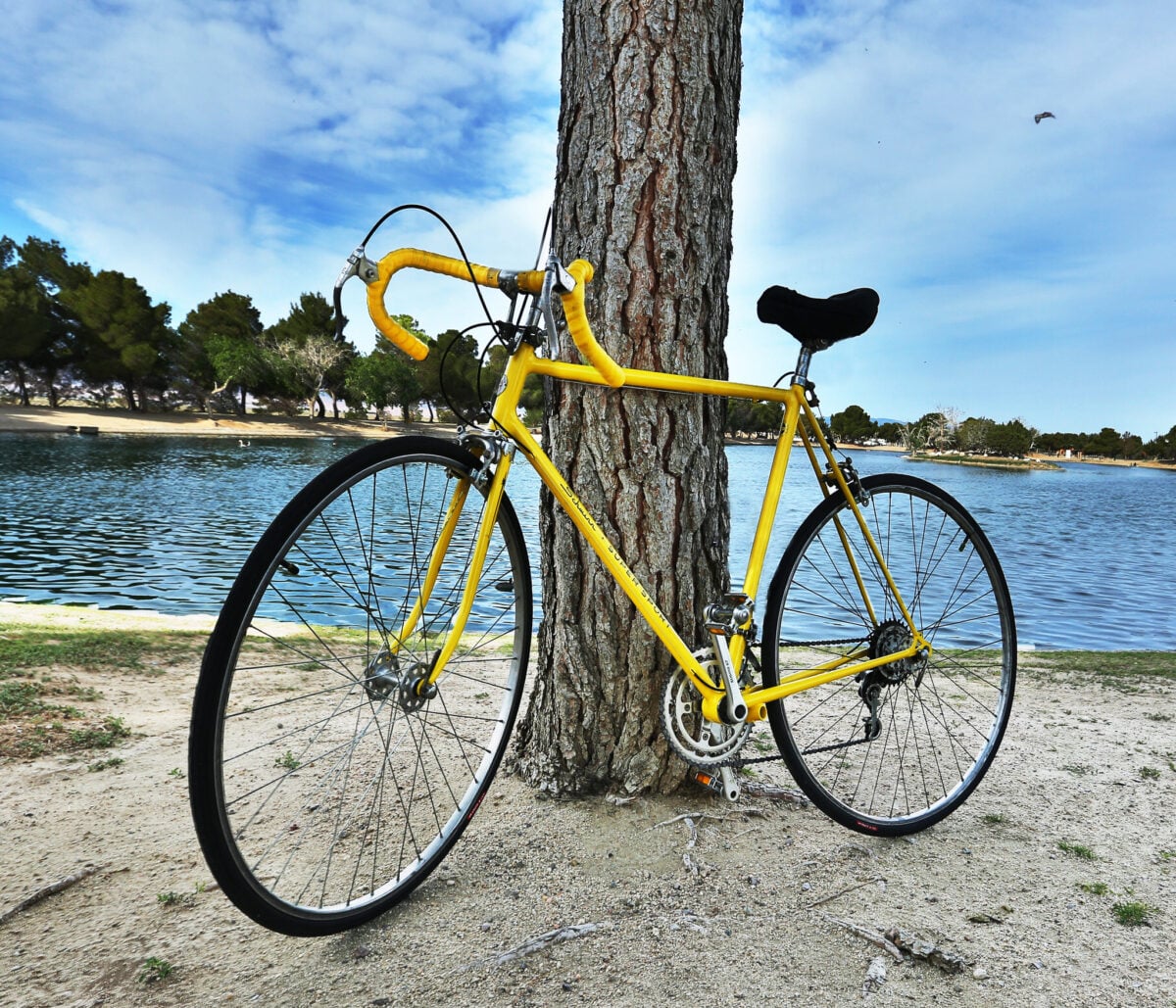
The Super Sport was a lugged-steel road bike that gave Chicago-built Schwinn a respectable place among the lightweights of the 1970s. It offered a livelier ride than the Varsity and was aimed at riders who wanted more performance.
Collectors who prize Chicago-built steel often seek out original examples with their factory paint and components. A bike in clean condition with the correct parts is the one that earns the premium.
The Sports Tourer
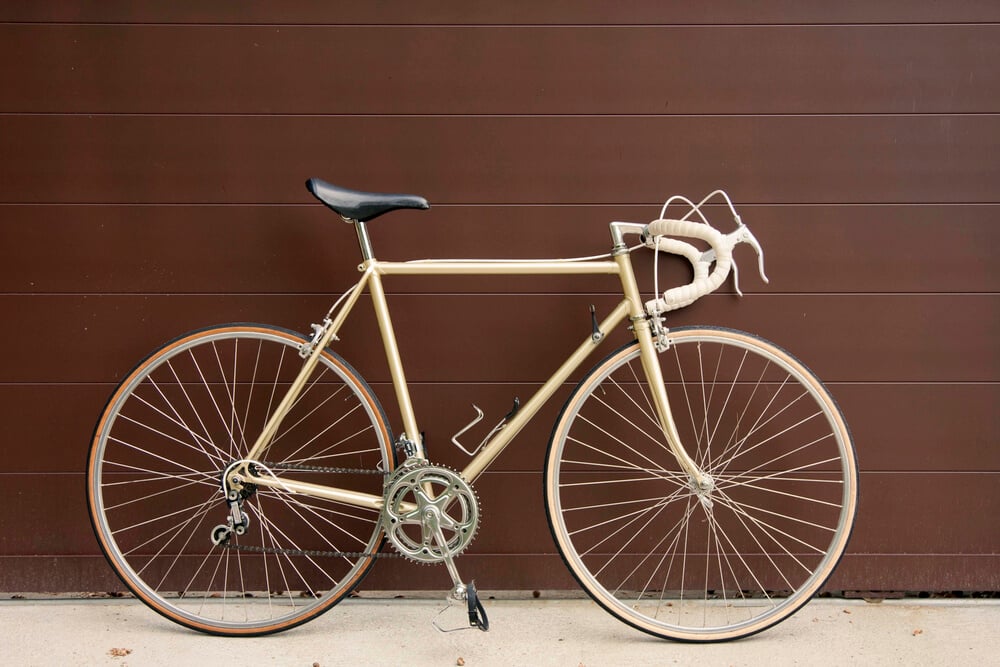
The Sports Tourer was built for riders who wanted to cover long distances in comfort, with a frame and gearing suited to touring. It has a following among cyclists who appreciate steel frames and want a practical classic they can actually ride.
Examples with original paint and components are the ones that draw attention. Condition and originality matter more than the badge on the head tube.
The World Tourist
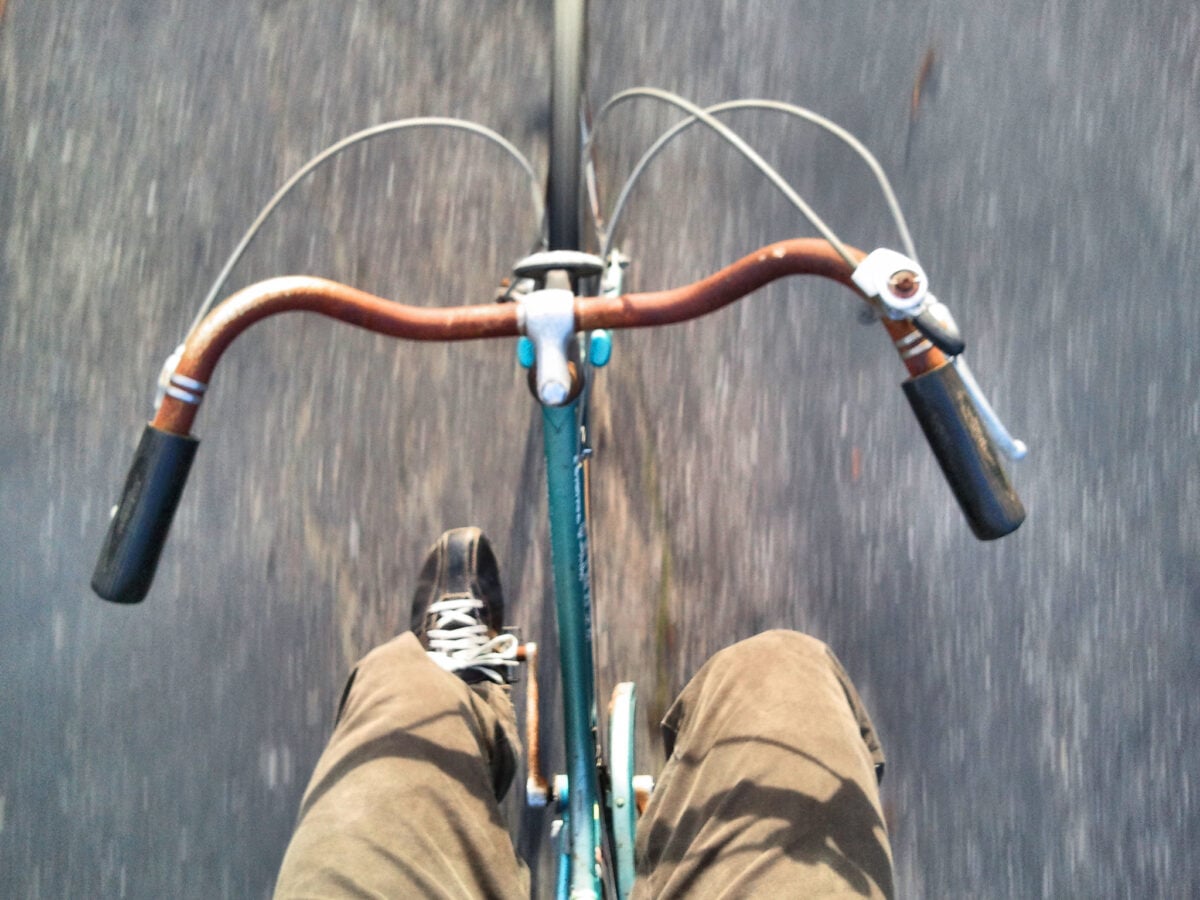
The World Tourist was Schwinn’s higher-end touring offering, built for riders who wanted something more serious than the entry-level models. It has become a favorite among collectors who value steel touring bikes and the era in which they were sold.
Clean, original examples with correct components are the ones that get noticed. A bike that has been heavily modified or repainted loses much of what makes it appealing.
The Twinn Tandem
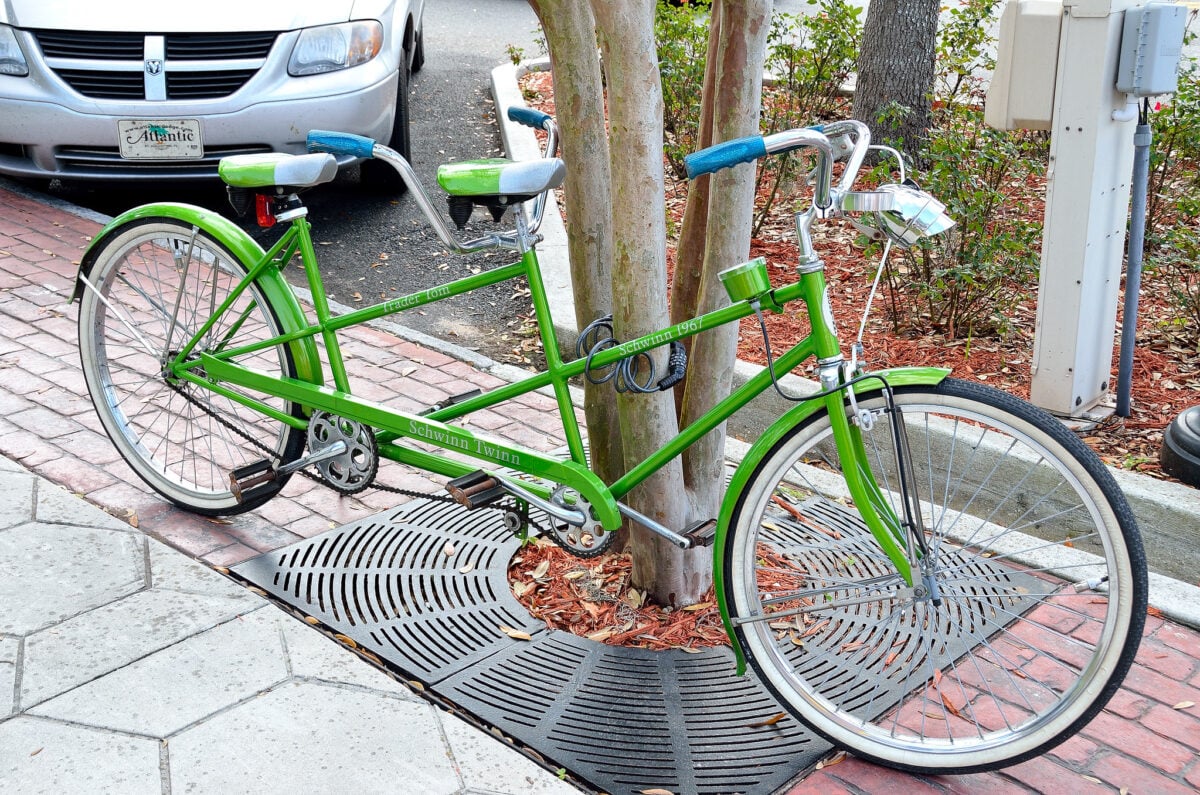
The Twinn was Schwinn’s tandem, built for two riders and a long stretch of road. It appeals to collectors who like the unusual and to couples who want a bike they can use together.
Tandems are bulky to store and ship, which keeps many of them out of the collector market and makes a good original harder to find. A clean example with original paint and components is worth the effort to track down.
What the Hunt Is Really About
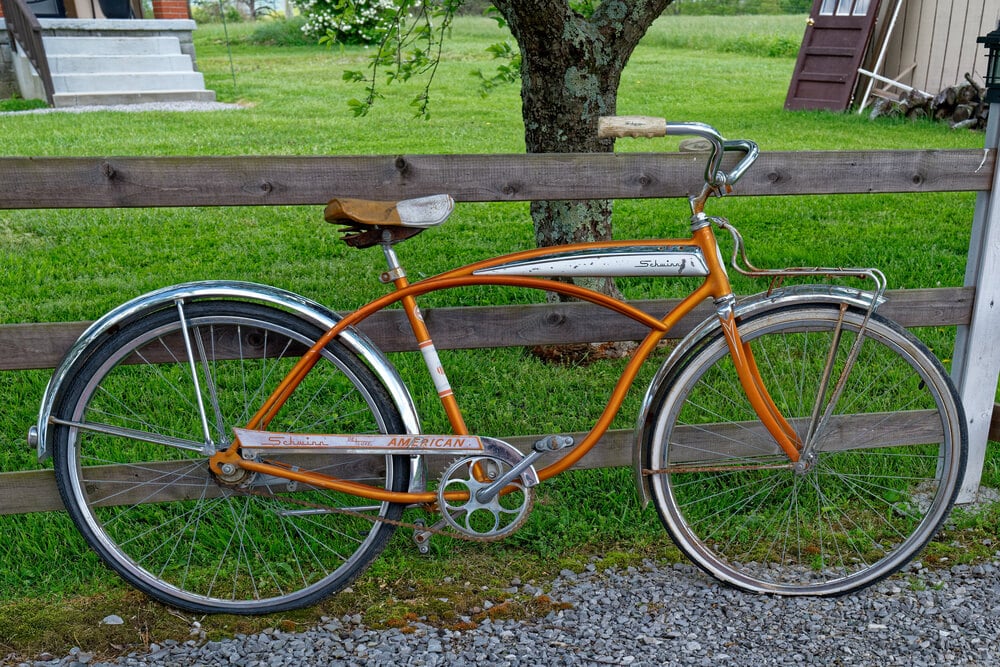
Collectors chase Schwinns for the same reason people chase old cars: the bikes carry a time and a place with them. A Sting-Ray recalls a street in 1965, a Phantom recalls a paper route, and a Paramount recalls a racer pushing through a hard season.
The models on this list were not all the most expensive or the most advanced, but each one captured something that people still want to hold on to. The best advice in the hobby is to buy the most original bike that fits the budget.
A bike that still has its factory paint, decals, and parts will almost always be worth more than one that has been rebuilt, however skillfully. Condition is the single biggest factor in value, and an honest survivor tells a better story than a flawless repaint.
More from Go2Tutors!

- The Romanov Crown Jewels and Their Tragic Fate
- 13 Historical Mysteries That Science Still Can’t Solve
- Famous Hoaxes That Fooled the World for Years
- 15 Child Stars with Tragic Adult Lives
- 16 Famous Jewelry Pieces in History
Like Go2Tutors’s content? Follow us on MSN.