Facts About the World’s Most Decorated Spies
When most people think of spies, they picture shadowy figures slipping through darkness, exchanging secrets in smoky cafes. The reality is often even more remarkable.
Some of the most celebrated intelligence agents in history received formal recognition from the very governments they served, wearing medals that told stories of extraordinary courage. These weren’t just people who gathered information—they were individuals who changed the course of wars and saved countless lives through their wit, bravery, and sheer determination.
Here is a list of 15 facts about the world’s most decorated spies.
Odette Sansom became the first woman awarded the George Cross while alive
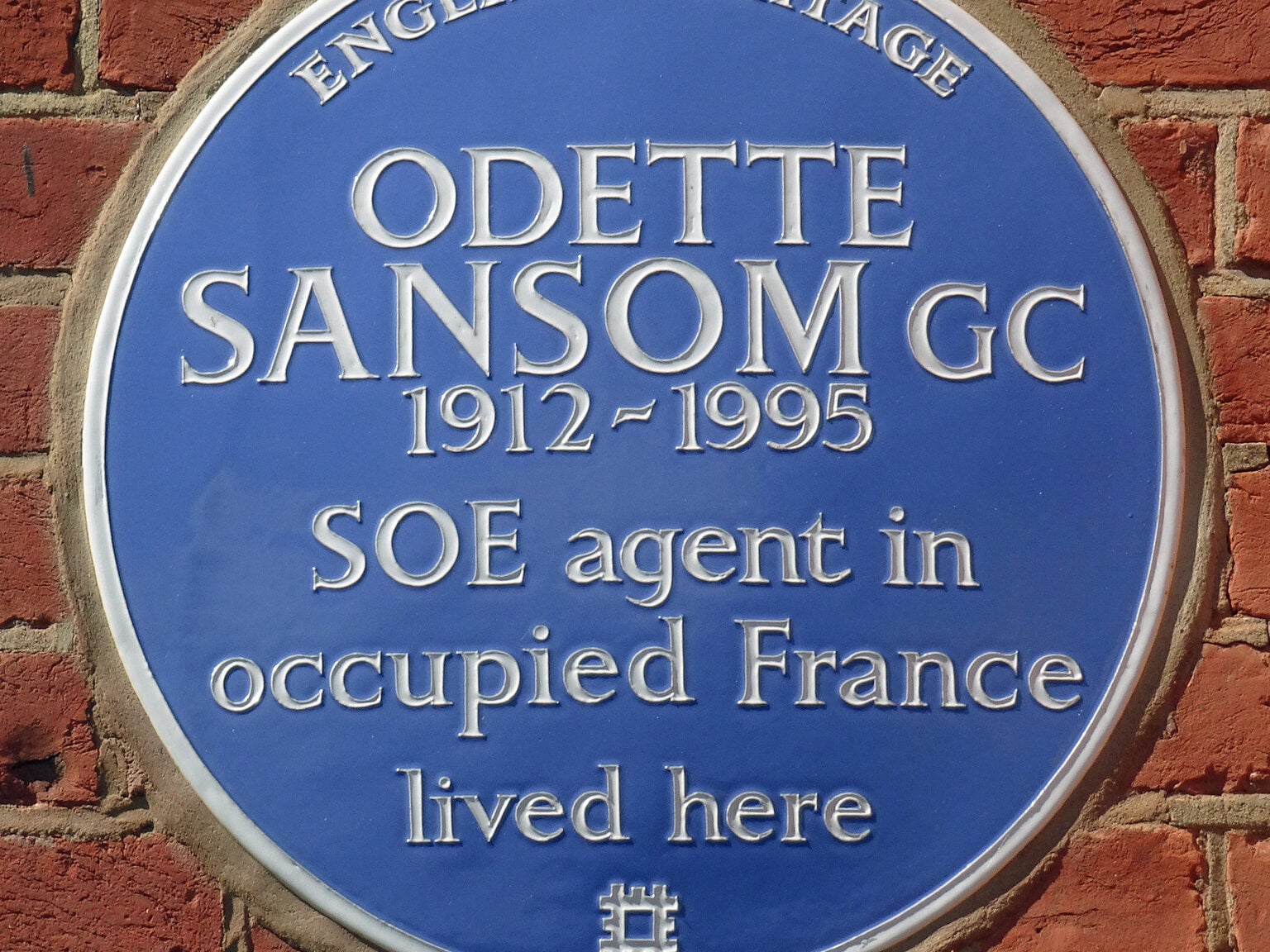
Odette Sansom collected an impressive array of honors including an Order of the British Empire, Chevalier de la Légion d’Honneur, George Cross, and five additional medals. What makes her George Cross particularly significant is that she was the first woman to receive this prestigious British honor while still living.
The George Cross ranks as Britain’s second highest decoration for valor. Her collection of awards came from both Britain and France, recognizing her incredible work with the Special Operations Executive during World War II.
Virginia Hall was the only woman to receive the Distinguished Service Cross in WWII

Virginia Hall earned the Distinguished Service Cross as the sole woman to receive this honor during the Second World War, along with a Member of the British Empire award and a nomination for the French Croix de Guerre. She accomplished this despite having a prosthetic leg, which she nicknamed ‘Cuthbert.’
The Germans considered her one of the most dangerous Allied spies and desperately wanted to capture her. Hall operated in occupied France, coordinating resistance activities and transmitting vital intelligence back to London while constantly evading Nazi capture.
William Donovan held all four of America’s highest military awards

William Donovan is thought to be the only individual who received all four of the United States’ most prestigious honors: the Medal of Honor, the Distinguished Service Cross, the Distinguished Service Medal, and the National Security Medal. He founded and led the Office of Strategic Services, which would later become the CIA.
His combination of awards represents an unmatched achievement in American military history. Donovan earned these decorations through both his battlefield heroics in World War I and his leadership of intelligence operations during World War II.
Nancy Wake collected honors from five different nations
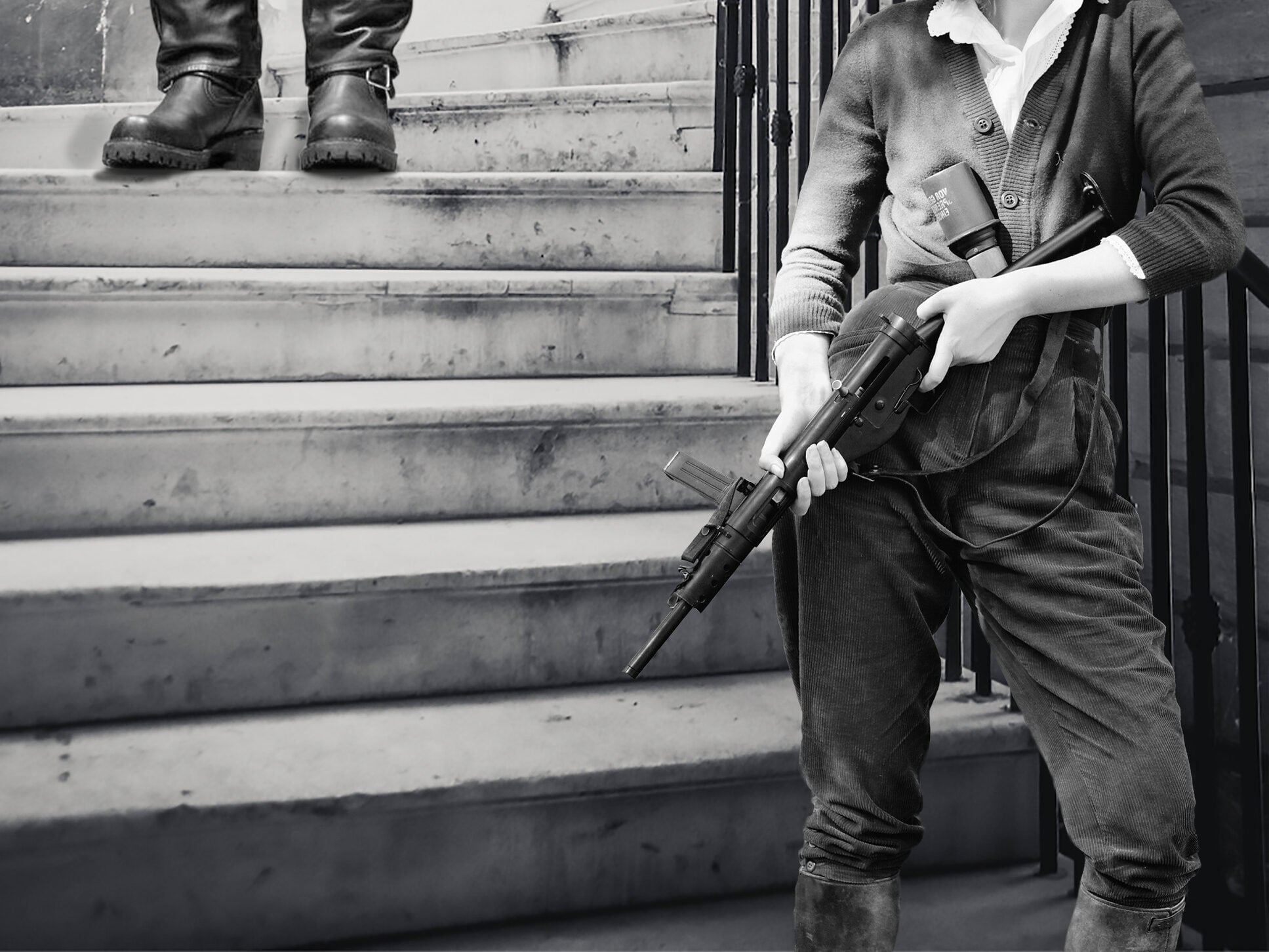
Nancy Wake received the George Medal from the United Kingdom, the Medal of Freedom from the United States, the Légion d’honneur from France, a Companion of the Order of Australia, and the Badge in Gold from New Zealand. The Germans placed a five million franc bounty on her head, earning her the nickname ‘The White Mouse’ for her ability to evade capture.
Wake led guerrilla warfare operations in France and reportedly once killed a German sentry with her bare hands when a weapon would have made too much noise.Her courage under fire made her one of the most decorated servicewomen of World War II.
Krystyna Skarbek inspired Winston Churchill to call her his favorite spy

Krystyna Skarbek received the George Medal and an OBE from Britain, plus the Croix de Guerre from France, earning enough ribbons to make any general envious. Churchill remarked that Skarbek was his favorite spy after her achievements, which included securing the defection of an entire German garrison.
She operated under the name Christine Granville and became Britain’s first and longest-serving female special agent. Her most famous exploit involved saving SOE agents from execution by meeting with a Gestapo commander and successfully negotiating their release.
Duško Popov received honors from both sides of the war

Dušan Popov was awarded the OBE by the British for his double agent work, but his story gets more interesting. He earned the title OBE from the British King for stopping Nazi divisions during the Allied invasion of Normandy in 1944.
Popov worked as a triple agent, feeding false information to the Germans while actually serving British intelligence. His glamorous lifestyle and espionage career likely inspired Ian Fleming to create James Bond.
Popov’s intelligence work was so convincing that he maintained his cover throughout the entire war.
Juan Pujol García fooled Hitler into awarding him the Iron Cross

Juan Pujol García earned the distinction of receiving military decorations from both sides of the war—being awarded the Iron Cross and becoming a Member of the Order of the British Empire. He created an entire fictitious spy network of 27 imaginary agents that he reported controlled from Portugal and later England.
Hitler himself awarded García the Iron Cross Second Class while King George VI made him a member of the Order of the British Empire. His fabricated intelligence was so convincing that the Germans never attempted to recruit additional spies in Britain, believing they already had comprehensive coverage.
Noor Inayat Khan became one of only three women to earn the George Cross

Noor Inayat Khan received the George Cross, Britain’s highest civilian honor, posthumously for her bravery while operating undercover in German-occupied France. She also received a French Croix de Guerre with Gold Star.
As the first female wireless operator sent into occupied France, she faced one of the most dangerous jobs in the field. After her colleagues were arrested, Khan was given the option to return home but chose to remain at her post.
She continued transmitting vital intelligence for three months while constantly evading the Gestapo.
Operation Fortitude relied heavily on decorated double agents

Multiple highly decorated spies played crucial roles in Operation Fortitude, the massive deception that convinced Hitler the D-Day landings would occur at Pas de Calais rather than Normandy. Juan Pujol García’s fictional network sent steady streams of credible reports warning of an imminent invasion at Calais, and even after troops stormed Normandy beaches, Hitler withheld Panzer divisions believing the real attack was still coming.
This deception saved thousands of Allied lives and significantly shortened the battle for Normandy. The success of this operation earned several agents their most prestigious honors.
Some decorated spies came from surprising backgrounds

Not all celebrated spies started with military training or intelligence experience. Juan Pujol García worked as a chicken farmer and hotel manager before becoming Agent Garbo. Noor Inayat Khan was a gentle writer and musician before becoming an agent.
Virginia Hall was a diplomat who turned to espionage after being rejected for Foreign Service positions due to her prosthetic leg. These unconventional backgrounds often proved to be assets, as these individuals brought unique perspectives and unexpected skills to intelligence work.
Churchill personally recognized multiple decorated spies

Winston Churchill took a particular interest in successful intelligence operations and personally acknowledged several decorated agents. He called Krystyna Skarbek his favorite spy after the vital intelligence she smuggled across borders in 1941.
Churchill understood better than most how intelligence work directly contributed to Allied victory. His personal recognition of these agents helped ensure they received appropriate honors after the war, though many decorations came posthumously or after years of official secrecy.
Several decorated spies received awards decades after the war
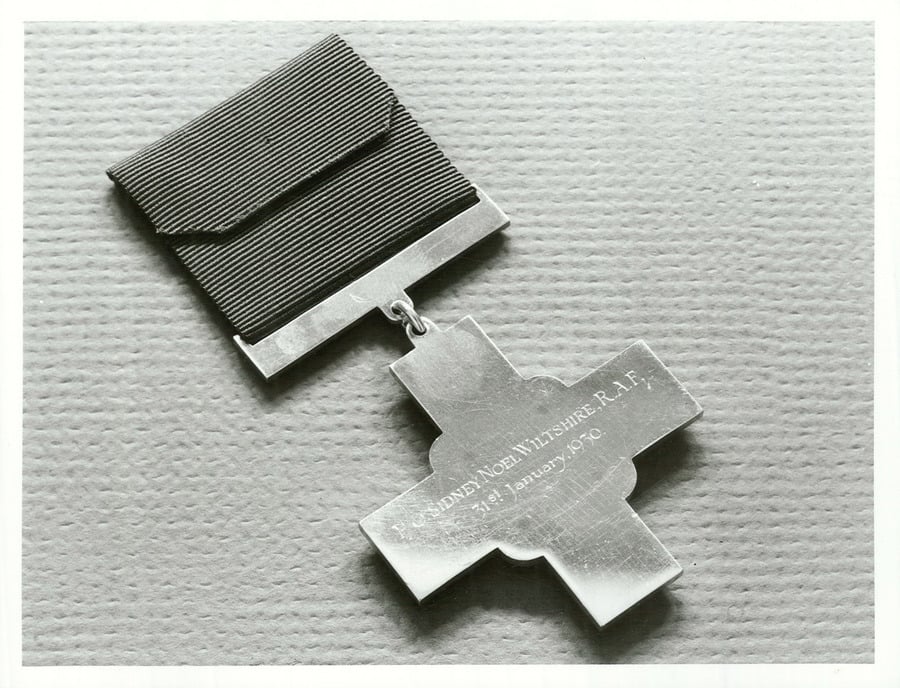
Intelligence work often remained classified for years, delaying official recognition. Noor Inayat Khan was posthumously awarded the George Cross in 1949, five years after her execution.
Many agents lived anonymous lives after the war, their achievements known only to a handful of intelligence officers. Some faked their deaths to avoid reprisals from surviving Nazis, only emerging decades later when their stories could finally be told.
These delayed honors reflected both security concerns and the difficulty of acknowledging covert operations.
The George Cross and Medal of Honor represent the highest civilian recognitions
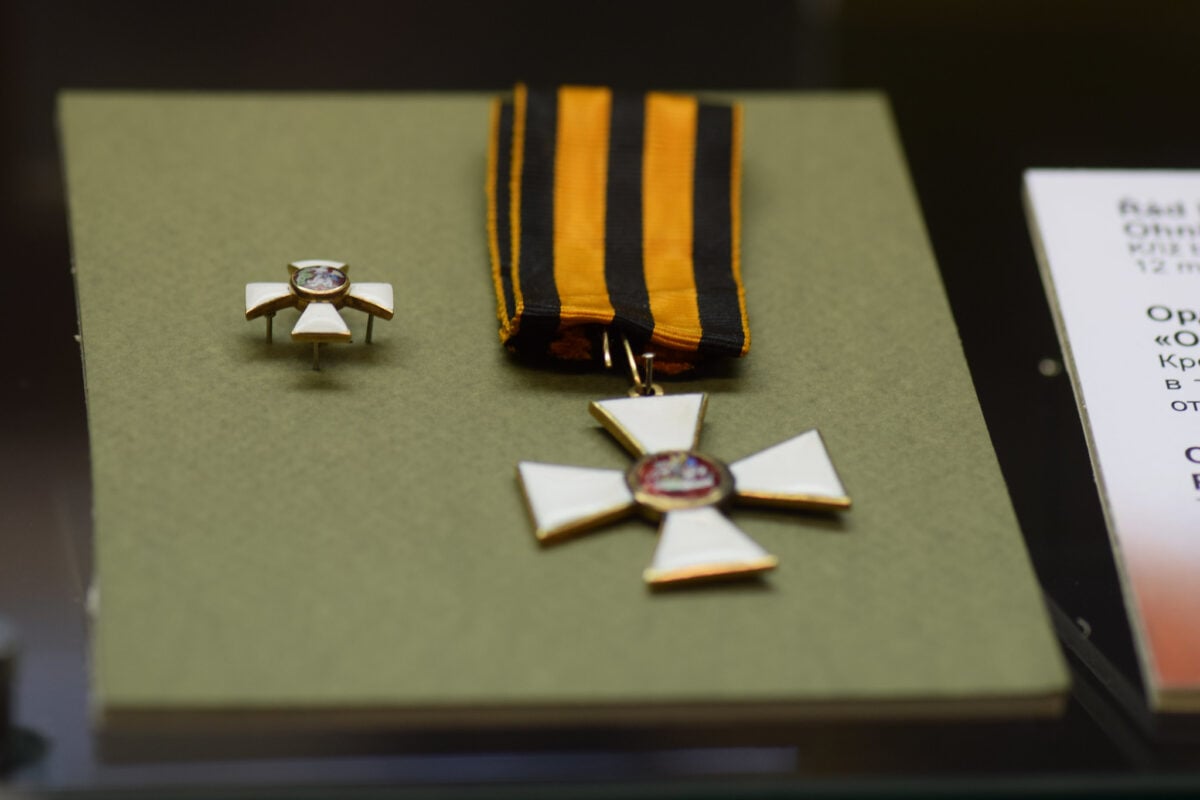
The George Cross stands as Britain’s highest award for civilian gallantry, equivalent to the Victoria Cross for military personnel. The citation for Noor Inayat Khan’s George Cross noted she displayed the most conspicuous courage, both moral and physical, over a period of more than 12 months.
The George Cross is Britain’s second highest honor. These awards required extensive documentation and multiple witness accounts, making them particularly meaningful recognitions of extraordinary service under extreme conditions.
Radio operators faced especially high decoration rates

Wireless operators working behind enemy lines received disproportionately high numbers of decorations because their work was extraordinarily dangerous. Noor Inayat Khan was the first woman radio operator to be flown into occupied France and did one of the most dangerous jobs in the field.
German detector vans could locate radio transmissions within minutes, forcing operators to transmit quickly, frequently change locations, and constantly risk capture. The technical skill required, combined with the constant threat of detection, meant that radio operators who survived earned the highest respect and most prestigious awards.
Some decorated agents maintained cover so well they were never suspected

The most successful double agents received decorations from both sides precisely because they maintained such convincing covers. The Nazis never realized they had been fooled by Juan Pujol García, and he earned the distinction of being one of the few to receive decorations from both sides during World War II along with Eddie Chapman.
The Germans rated Garbo as their best spy in England and awarded him the Iron Cross, something that amused Pujol to no end. These agents walked a knife’s edge, knowing that any slip could mean exposure, torture, and death.
The Legacy Lives On
The decorated spies of World War II set standards for courage and ingenuity that continue to inspire intelligence services today. Their stories remind us that wars are won not just on battlefields but in the shadows where brave individuals risk everything for causes larger than themselves.
Historians estimate that Operation Fortitude saved thousands of Allied lives and significantly shortened the battle for Normandy, demonstrating the tangible impact of intelligence work. The medals these agents earned weren’t just symbolic—they represented lives saved, battles won, and freedom preserved through exceptional acts of valor in the most dangerous of circumstances.
More from Go2Tutors!

- The Romanov Crown Jewels and Their Tragic Fate
- 17 Halloween Costumes Once Considered Taboo
- Famous Hoaxes That Fooled the World for Years
- 15 Child Stars with Tragic Adult Lives
- 16 Famous Jewelry Pieces in History
Like Go2Tutors’s content? Follow us on MSN.