30 Early Innovations Documented In Ancient Egypt
Most people picture ancient Egypt as pyramids, gold masks and gods with animal heads. The record left behind on papyrus, limestone flakes and temple walls tells a quieter story about people solving ordinary problems.
They needed to know what day it was, lock a storeroom, set a broken nose and prove who owned a field after a death.
Those answers were written down, and many of them survive in museum cases today. Some are the earliest known examples of their kind anywhere, and a few are still being used, in modified form, thousands of years later.
A Calendar With 365 Days
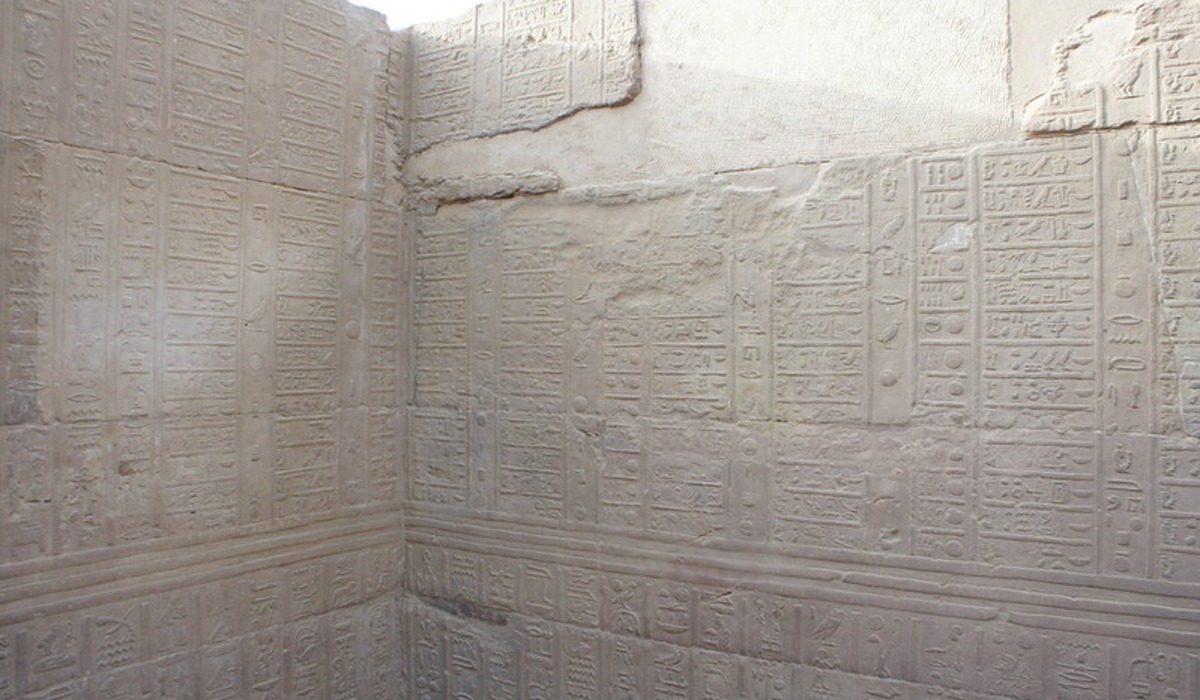
Egyptian scribes ran their civil year on 12 months of 30 days each, with five extra feast days tacked on at the end to reach 365. The system was in place by the Old Kingdom, and it tracked the annual rise of the star Sirius just before dawn, which signaled the coming Nile flood.
Because the year ignored the extra quarter day, it drifted slowly against the seasons, taking roughly 1,460 years to come back around. Even so, the structure proved durable.
When Julius Caesar reformed the Roman calendar in 46 BCE, his astronomer Sosigenes of Alexandria drew on Egyptian calendar traditions, which helped inform the 365-day year with periodic corrections that remains in use today.
Splitting Day and Night Into Twelve Hours Each
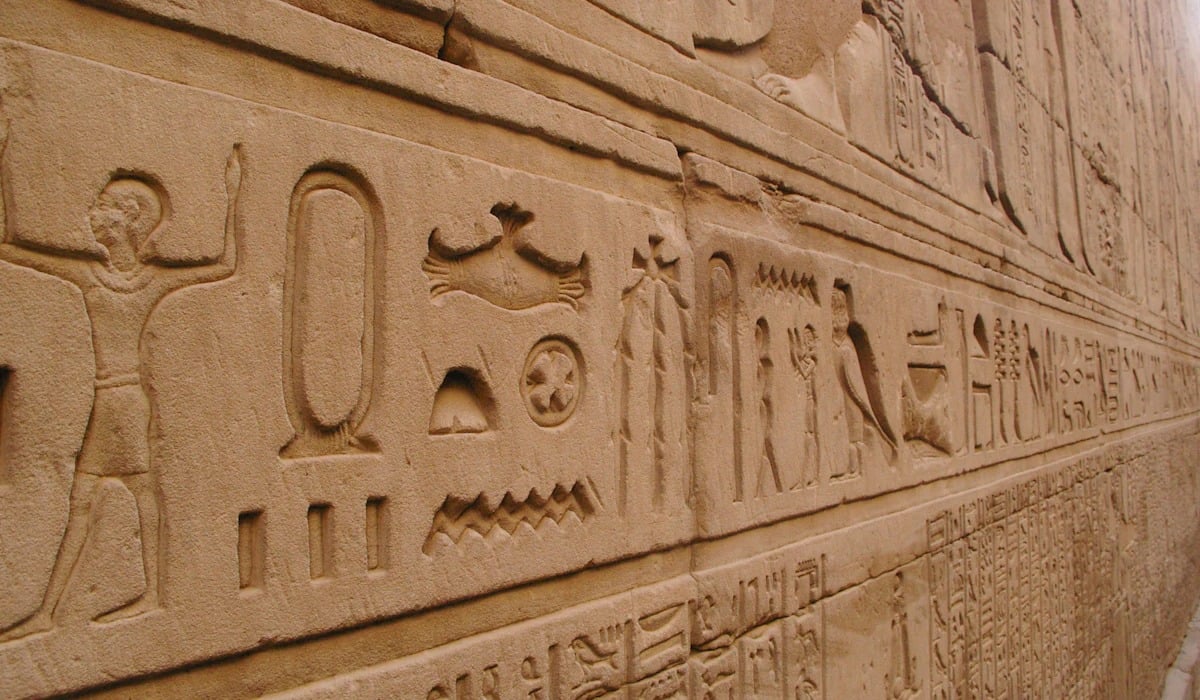
Astronomers in Egypt divided the night by watching groups of stars called decans rise in sequence, and by the New Kingdom they had settled on 12 divisions for the dark hours and 12 for daylight. Tables of these star risings were painted on coffin lids in the Middle Kingdom and on the ceilings of royal tombs at Thebes.
The hours were not equal in length, since summer daylight hours stretched longer than winter ones, but the 24-hour framework developed through ancient Egyptian timekeeping. Greek astronomers later helped establish the use of equal-length hours.
Egyptian systems of dividing day and night helped shape the history of timekeeping.
Paper Made From a Marsh Reed
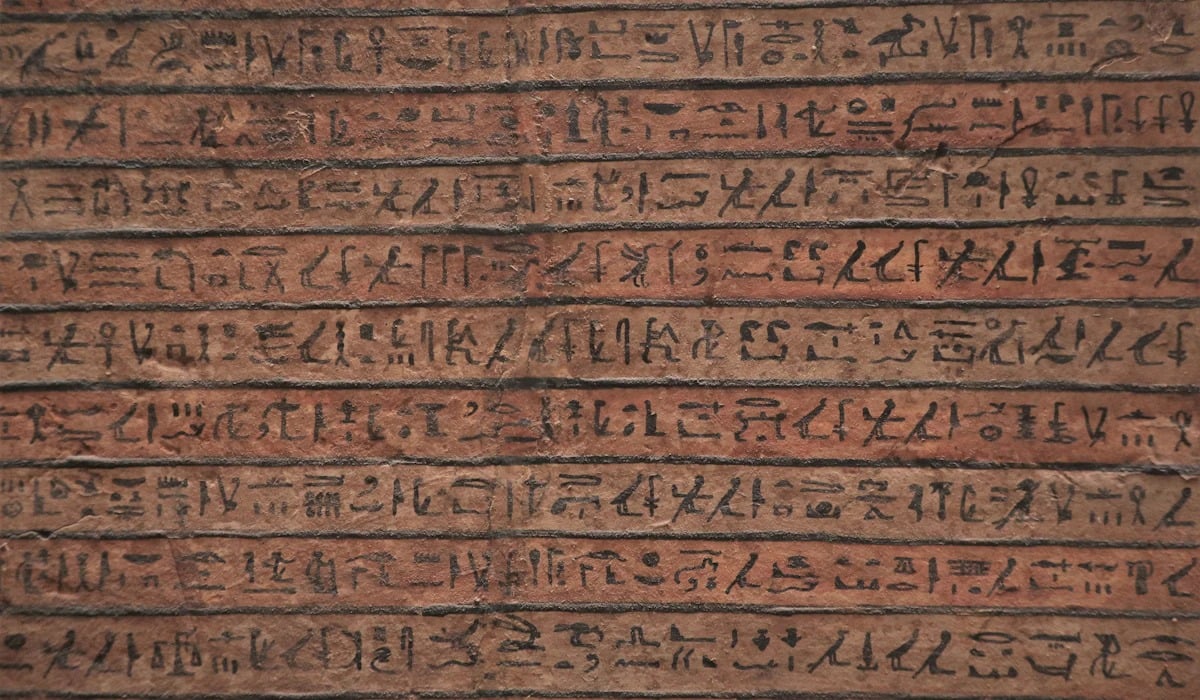
Papyrus sheets were made by slicing the pith of the Cyperus papyrus plant into strips, laying them in two crossed layers and pressing them until the plant’s own sap bonded them. The result was light, smooth and could be glued into rolls many meters long.
The earliest inscribed papyri yet found come from Wadi al-Jarf on the Red Sea coast, excavated by a French and Egyptian team led by Pierre Tallet beginning in 2011. Among them is the logbook of an official named Merer who hauled limestone for the Great Pyramid during the reign of Khufu, around 2560 BCE.
The material gave its name to paper and was exported around the Mediterranean for thousands of years.
Carbon Ink and the Reed Pen
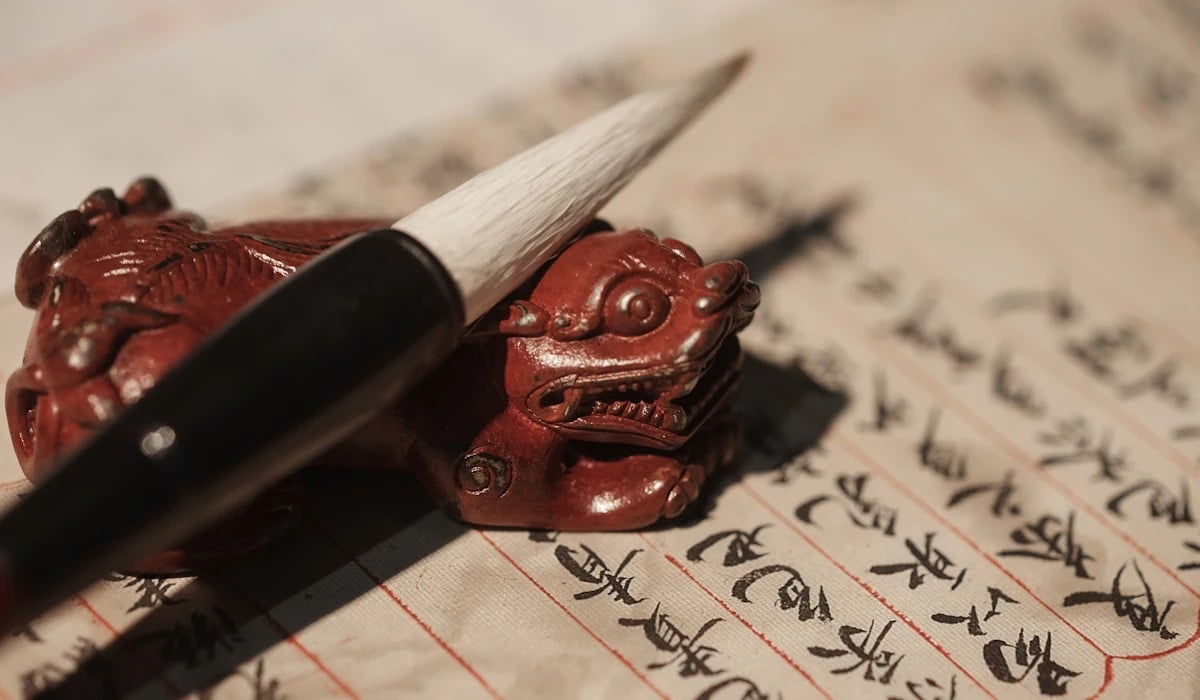
Scribes wrote with black ink made from soot or charcoal mixed with water and a binder, plus a red ink based on ochre for headings and dates. Both colors sat in round wells on a wooden palette with a slot for pens, a design so standard that the hieroglyph for “scribe” shows one.
Early pens were slender rushes with the tip chewed or frayed into a tiny brush, and split reed pens with a nib came later in the Greco-Roman period. Carbon ink can remain legible for millennia under favorable preservation conditions, which is why text written thousands of years ago survives on ancient papyri.
Letters Borrowed From Hieroglyphs
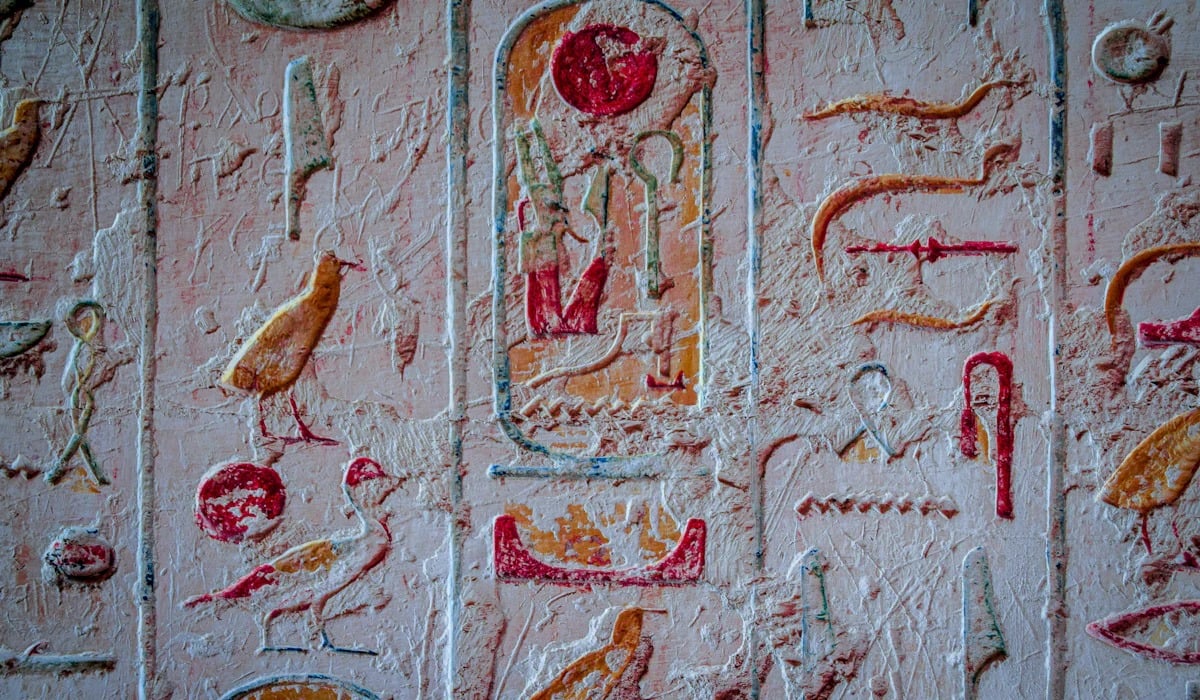
Workers in the turquoise mines at Serabit el-Khadim in the Sinai left short inscriptions around 1850 to 1500 BCE in a script now called Proto-Sinaitic. Flinders Petrie recorded them in 1905, and Alan Gardiner later argued that the signs were simplified hieroglyphs reused for their first sounds, so a picture of water stood for the sound “m.”
Related scratched inscriptions on a desert road west of Luxor may be older still. These marks are among the earliest known examples of alphabetic writing.
The script was developed by speakers of a Semitic language using signs influenced by Egyptian hieroglyphs. Its descendants include the Phoenician alphabet, from which the Greek and Latin alphabets ultimately developed.
Surgical Case Notes on the Edwin Smith Papyrus
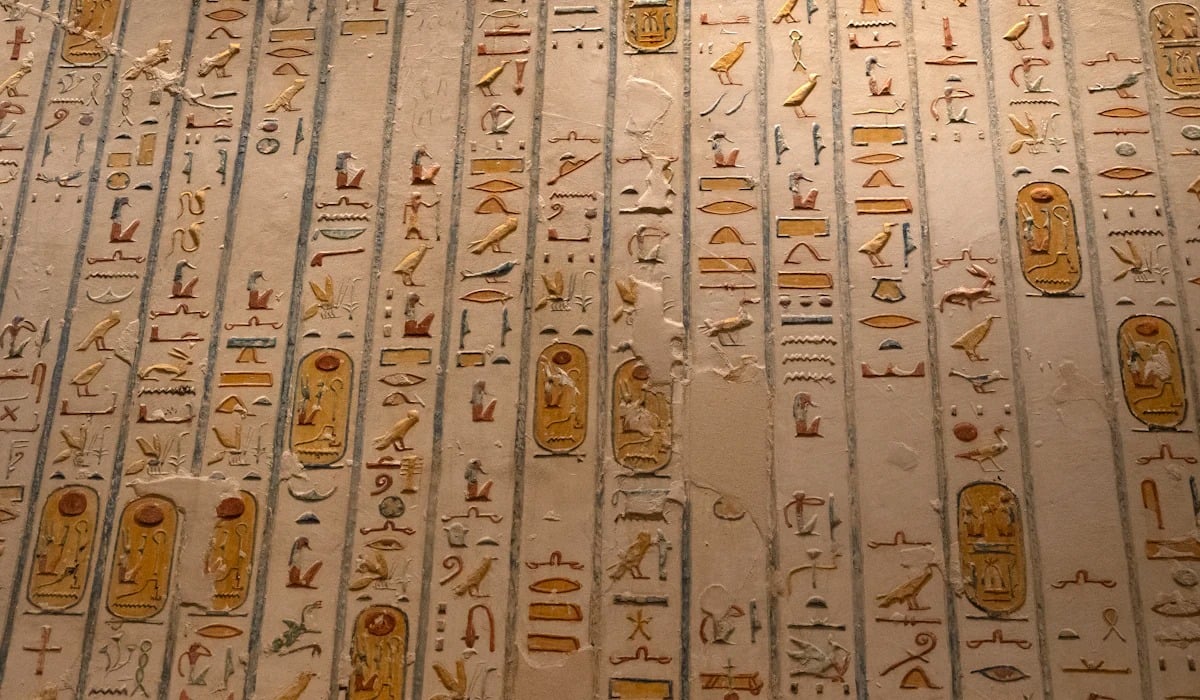
The Edwin Smith Papyrus, bought by an American dealer of that name in Luxor in 1862, is a copy made around 1600 BCE of a much older text. It describes 48 injury cases working downward from the skull, each with an examination, a diagnosis and one of three verdicts, including the blunt admission that some conditions are not to be treated.
It contains one of the earliest known written descriptions of the brain and notes that damage to one side of the head affects the opposite side of the body. James Henry Breasted published the translation in 1930.
The papyrus is held by the New York Academy of Medicine.
Medical Reference Twenty Meters Long
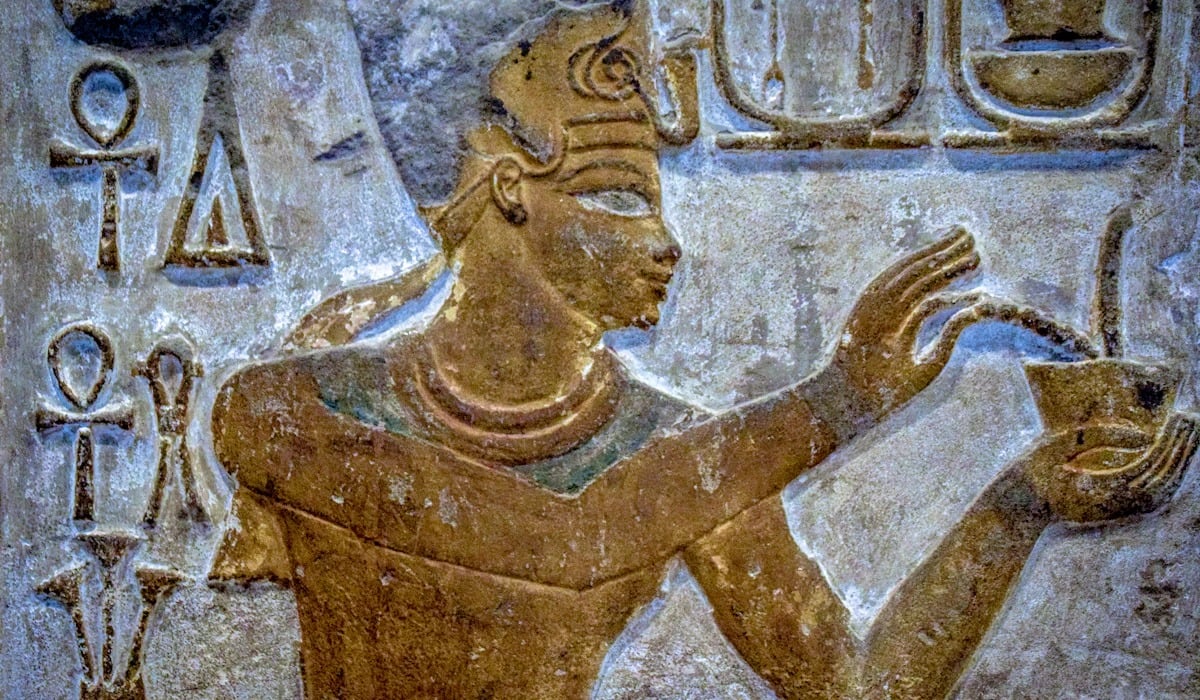
Dating to around 1550 BCE, the Ebers Papyrus runs to more than 100 columns of text on a roll about 20 meters long, making it one of the most extensive surviving medical documents from the ancient world. It gathers several hundred remedies and incantations for complaints ranging from intestinal worms to mental distress, and it includes a section on the heart that describes vessels running to every part of the body.
Georg Ebers, a German Egyptologist, bought it in 1872, and it has been kept in the Leipzig University Library since. Many of its plant ingredients, such as castor oil and willow, have medicinal uses or historical medical applications, while honey has long been used in wound care.
Pregnancy Testing With Wheat and Barley

Medical papyri from Egypt describe a test in which a woman urinated daily on bags of wheat and barley. If the grain sprouted, she was considered likely to be pregnant, and the text even claimed the faster-sprouting grain predicted a boy or a girl.
The procedure appears in an ancient Egyptian medical text and survives in later accounts. Laboratory trials in the twentieth century found that urine from pregnant women did encourage sprouting more often than urine from women who were not, likely because of elevated hormones.
However, the test could not reliably predict a baby’s sex. The Kahun gynecological papyrus, found by Petrie at Lahun in 1889 and dated around 1800 BCE, is one of the earliest known medical texts devoted to women’s health.
A Working Prosthetic Toe
A woman named Tabaketenmut was buried near Luxor, at Sheikh Abd el-Qurna, sometime between about 950 and 710 BCE, with an artificial big toe strapped to her right foot. Carved from wood and fitted with leather, the piece has a joint and shows wear along the sole, which suggests she walked on it rather than receiving it as a burial ornament.
Researchers at the University of Manchester made replicas and had volunteers test them in Egyptian-style sandals, and the design worked. Known as the Cairo Toe, it is one of the strongest candidates for the earliest known functional prosthesis and is displayed at the National Museum of Egyptian Civilization in Cairo.
Toothpaste Recipe on a Vienna Papyrus
A papyrus in Vienna, written in Egypt during the fourth century CE, contains an early known formula for a tooth-cleaning powder. It calls for rock salt, dried mint, dried iris flower and grains of pepper, crushed and mixed into a powder that the writer promised would leave the teeth clean and the gums bright.
Dentists who tried a reconstruction when the text was presented at a dental congress in 2003 reported that it foamed and worked, though it made the gums sting. Earlier Egyptian powders reportedly used ashes of ox hooves, burnt eggshell and pumice, which cleaned teeth by abrasion.
The Pin Tumbler Lock
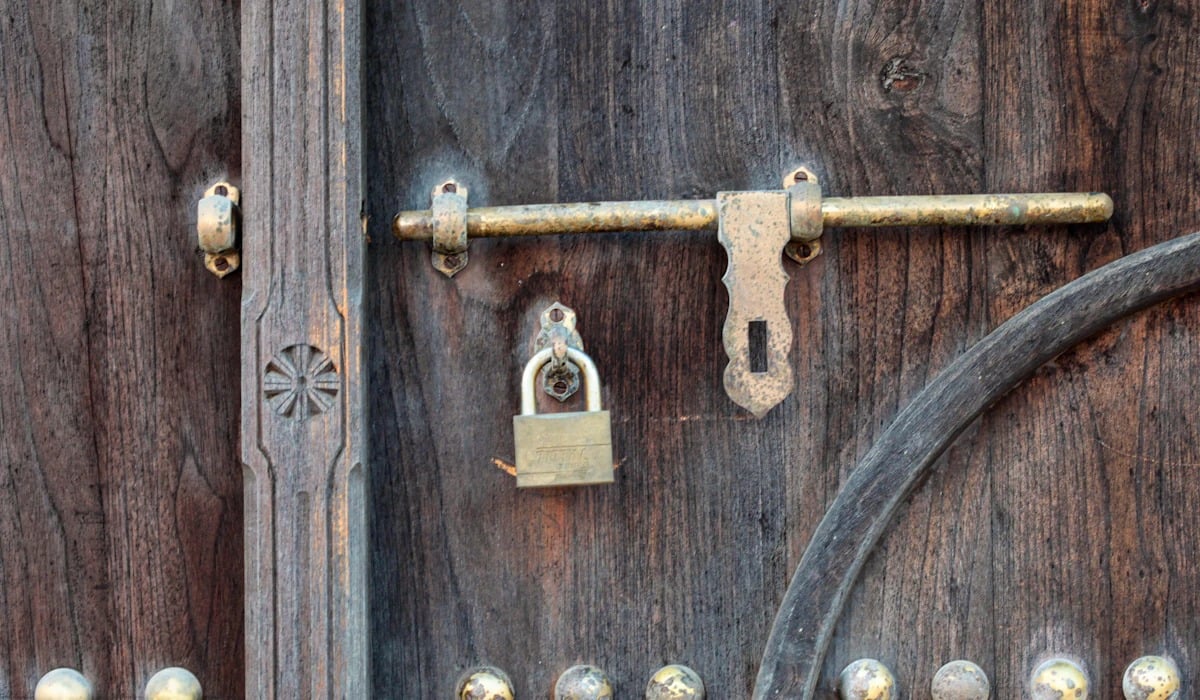
Egyptian carpenters produced a wooden lock in which a bolt slides through a bracket and is held in place by loose pins dropping from above. A long wooden key with matching pegs lifts the pins clear so the bolt can slide.
This mechanism is an early form of the pin lock, a principle later used in modern cylinder locks. The oldest surviving examples of this type of wooden lock have been found in the ancient Near East, while Egyptian reliefs and temple doors show related devices in use.
Variations of the wooden lock remained in use in Egypt for centuries.
Glass Made From Raw Materials
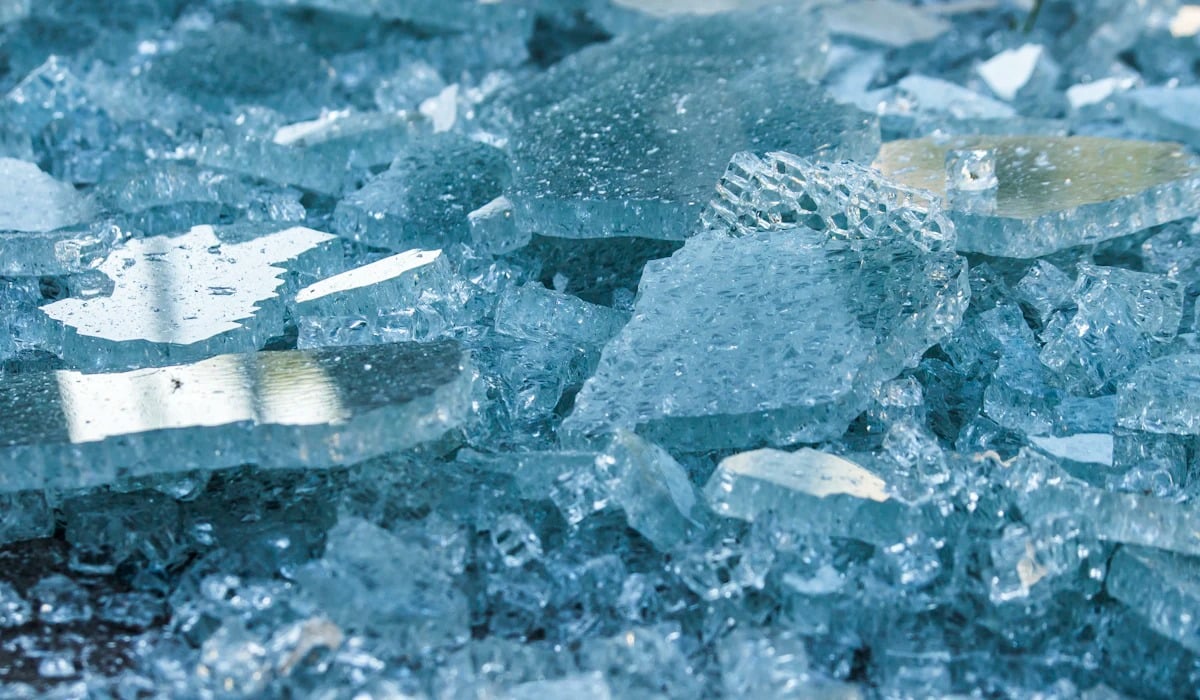
For decades, scholars assumed Egypt imported raw glass from Mesopotamia and merely shaped it. Excavations at Qantir, the site of Ramesses II’s capital Pi-Ramesses in the Nile Delta, changed that view.
Edgar Pusch and Thilo Rehren identified crucibles, furnace fragments and colored ingots there, providing evidence of local glass production around 1250 BCE. Egyptians fused crushed quartz and plant ash into glass from scratch, coloring it with copper or cobalt and casting it into forms for further working and export.
Similar ingots were found in the Uluburun shipwreck off Turkey. The workshops at Amarna a century earlier show the industry already running at scale under Akhenaten.
Faience, the Dazzling Blue Ceramic
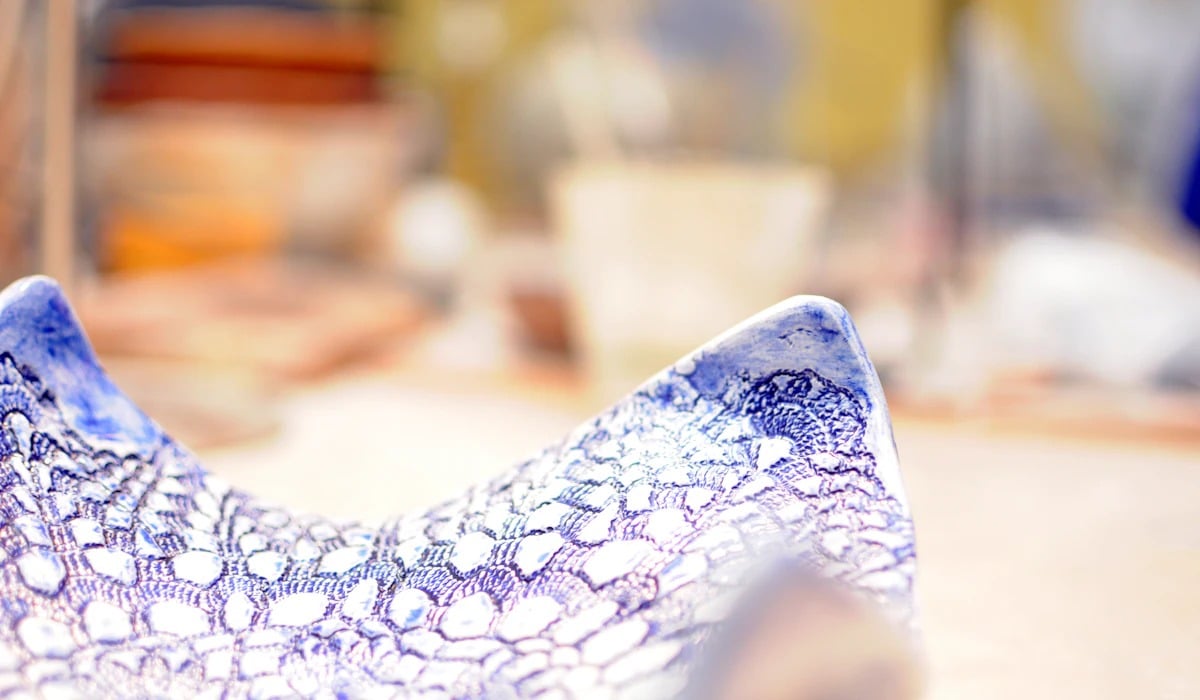
Long before true glass, Egyptians were firing a paste of crushed quartz with small amounts of lime and plant ash so that a bright blue-green copper glaze rose to the surface during firing. They called it tjehenet, meaning something like “brilliant” or “dazzling,” and it was in production in the predynastic period before 3000 BCE.
Beads, amulets, tiles and small figures were made by the thousand, and the material lined the underground galleries of Djoser’s Step Pyramid in blue-green tiles. A faience hippopotamus from Meir, nicknamed William, has become the unofficial mascot of the Metropolitan Museum of Art in New York.
Plywood, Three Thousand Years Before the Patent
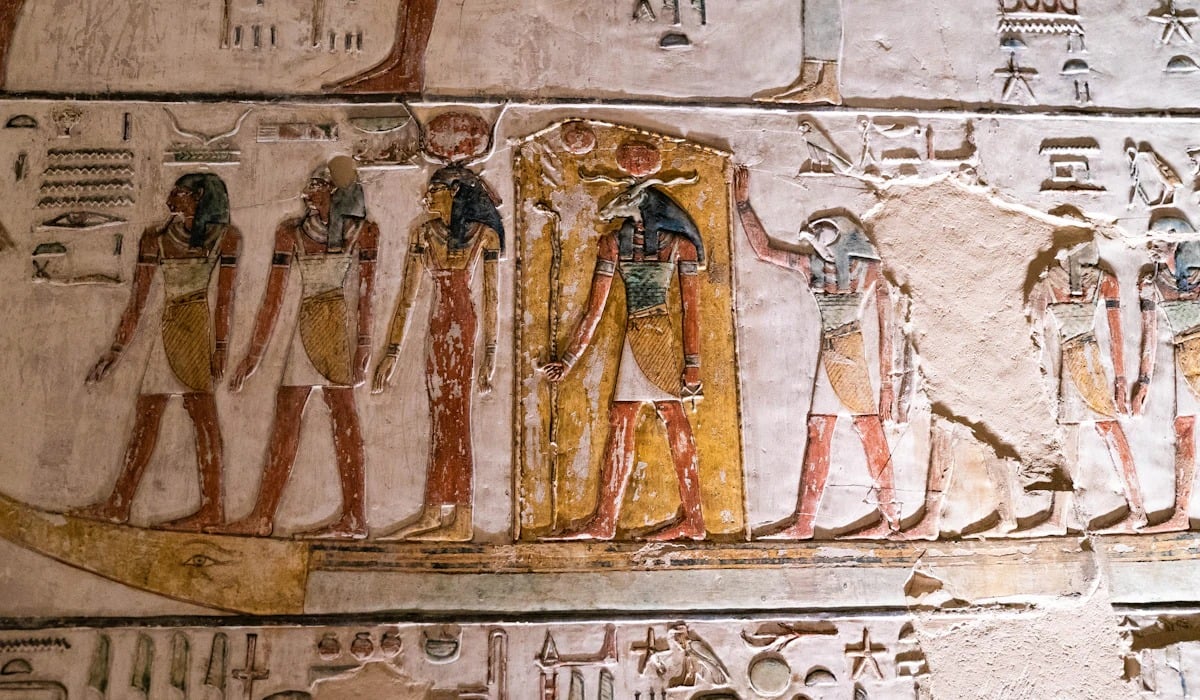
Excavators working beneath the Step Pyramid at Saqqara found the remains of a coffin built from six thin layers of wood glued and pegged together, with the grain of each layer running crosswise to the next. The piece dates to the Third Dynasty, around 2600 BCE.
Egypt had little good timber of its own, so craftsmen stretched imported cedar and local sycamore fig by laminating thin sheets, which also resisted warping in the dry climate. Modern plywood works on the same idea and was patented in the nineteenth century.
Egyptian joiners also used dovetails, mortise and tenon joints and veneer on furniture from the same period.
Monumental Building in Cut Stone
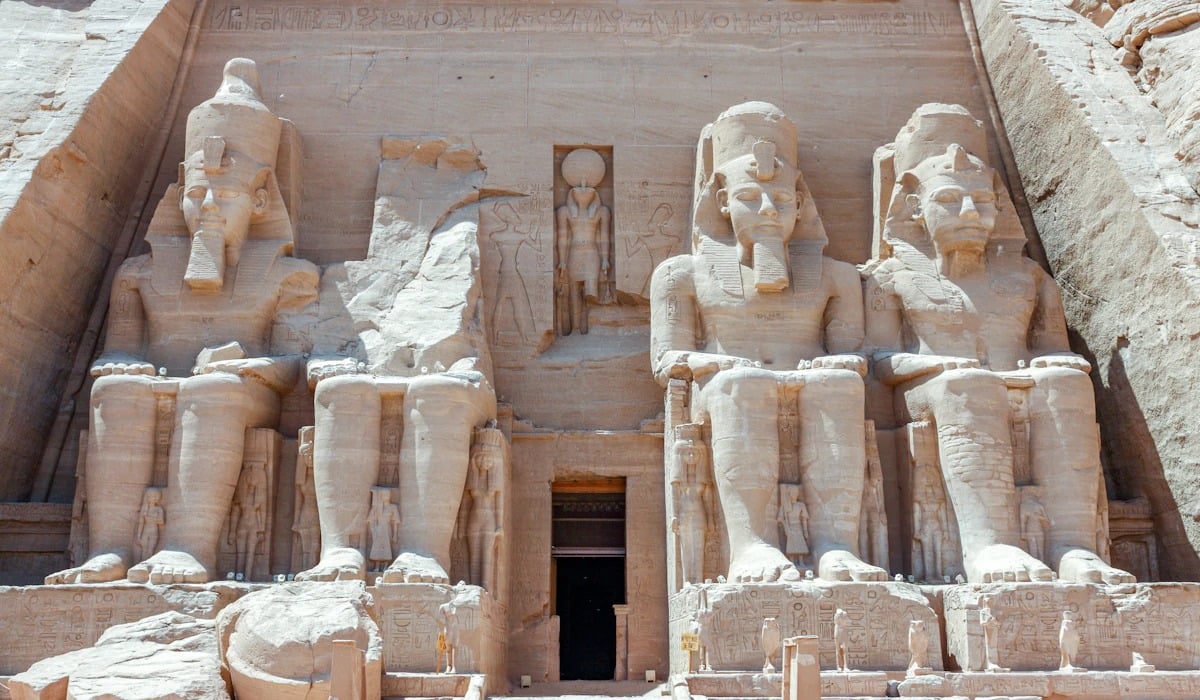
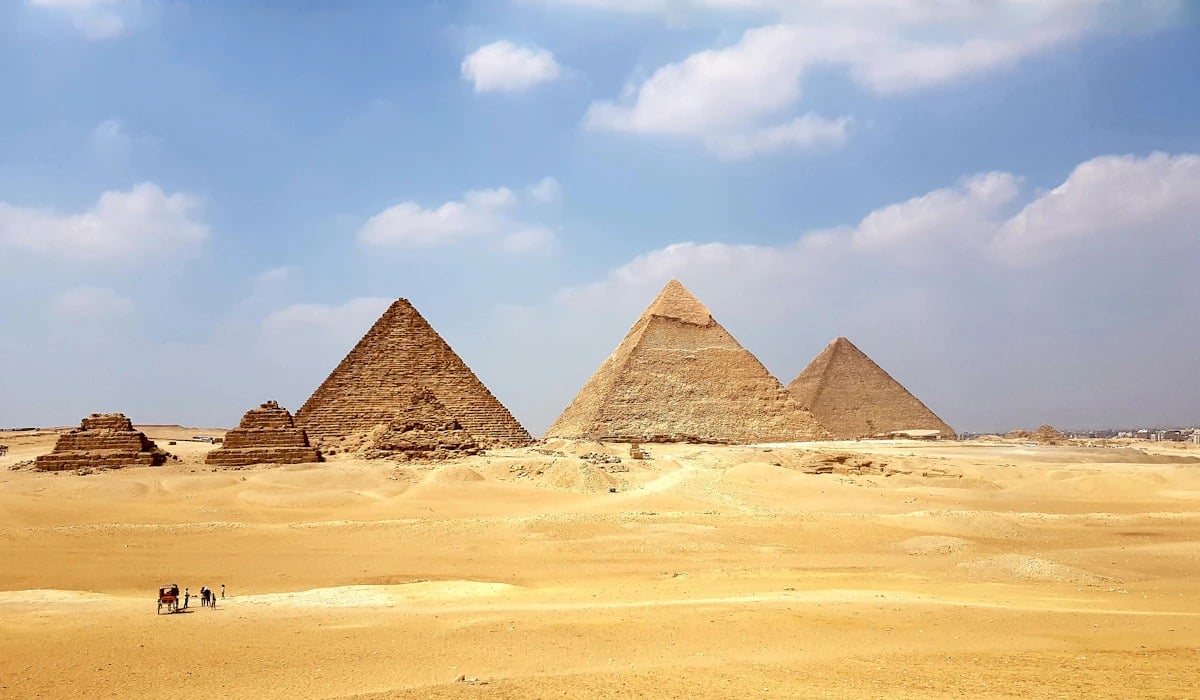
Before Djoser, royal tombs in Egypt were mud brick. His architect Imhotep built the Step Pyramid at Saqqara around 2650 BCE in limestone masonry, stacking six mastabas of decreasing size to a height of about 60 meters inside a walled compound roughly 15 hectares in extent.
The complex includes stone columns carved to look like bundled reeds, stone doors carved permanently half open and stone ceilings cut to resemble palm logs, because the builders were copying familiar forms in a new material. It is widely regarded as the earliest large-scale monumental structure built with dressed stone in Egypt and one of the earliest of its kind.
Imhotep was later worshipped as a god of medicine and wisdom.
Obelisks Cut From a Single Block
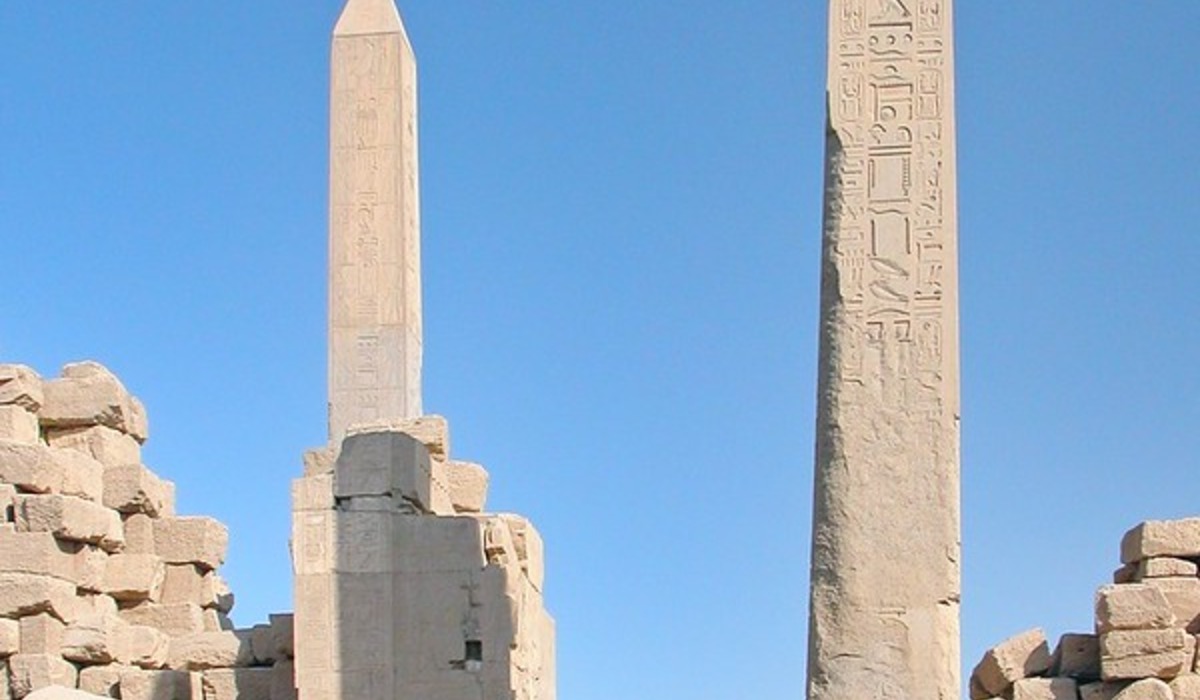
An obelisk is a tapering four-sided shaft topped by a small pyramid, and the Egyptians quarried each one as a single piece of granite. The Unfinished Obelisk still lying in the quarry at Aswan would have stood around 42 meters tall and weighed more than 1,000 tons had a crack not forced the workers to abandon it.
The tallest standing example, raised for Thutmose III and later moved to Rome, is the Lateran obelisk at about 32 meters. Hatshepsut’s surviving obelisk at Karnak reaches close to 30 meters.
Workers pounded the stone free with hard dolerite hammerstones, since iron tools were not yet in common use for this kind of monumental stoneworking.
Ramps, Sledges and Water for Hauling Stone
In the tomb of Djehutihotep at Deir el-Bersha, a wall painting from around 1900 BCE shows a large team of men dragging a colossal statue on a wooden sledge while a man at the front pours water onto the ground ahead of the runners. Wetting the sand in the right proportion can substantially reduce friction, as physicists at the University of Amsterdam demonstrated in 2014.
In 2018, an Anglo-French team at the Hatnub alabaster quarry uncovered a steep ramp flanked by stairways and sockets for wooden posts, dated by inscriptions to Khufu’s reign, which may have helped crews haul heavy stone blocks up steep slopes using ropes and posts.
Sun Clocks for Keeping Work Hours
Shadow clocks in Egypt took the form of a horizontal bar with a raised crosspiece at one end, laid out so the shadow fell on marked intervals through the morning and was then reversed for the afternoon. In 2013, a University of Basel team excavating near the Valley of the Kings found a flattened limestone disk, dated to the thirteenth century BCE, with a half circle divided into 12 segments and a central socket where a stick once stood.
Found near workers’ huts, it probably timed shifts in the royal tombs. It is among the earliest known Egyptian sundials and shows that the hour was already a practical unit on a construction site.
The Water Clock of Karnak
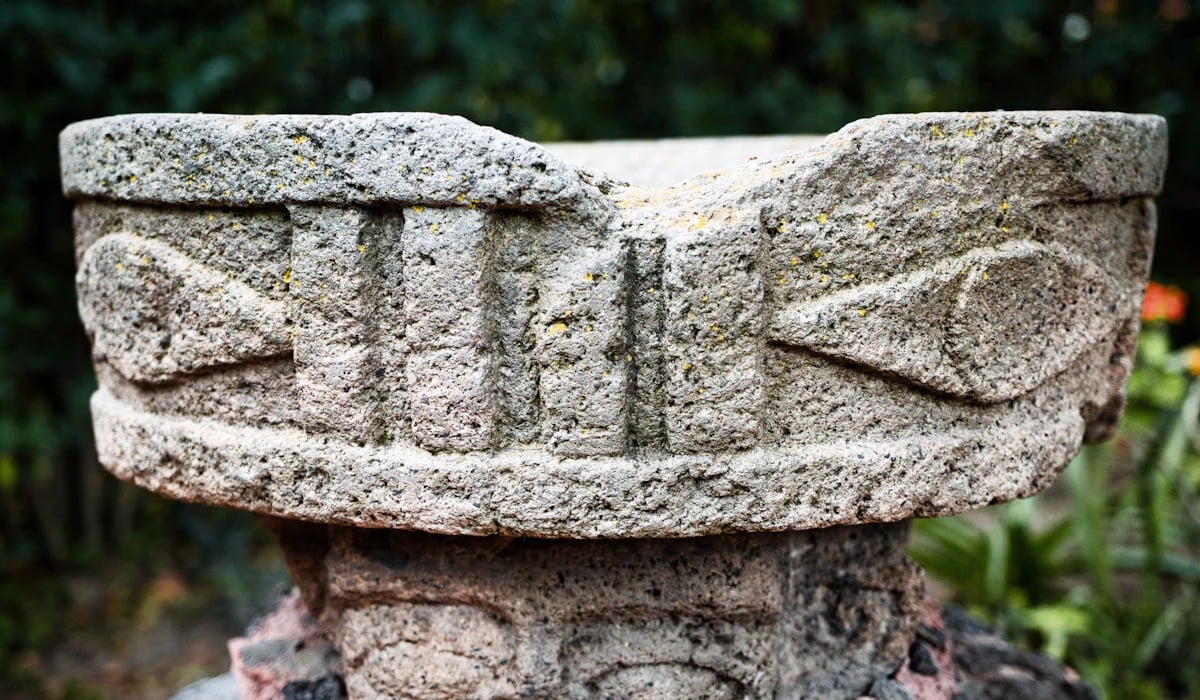
Shadows are useless at night, so Egyptian priests measured the dark hours with water. A conical alabaster vessel found at Karnak in 1904 and now in the Egyptian Museum in Cairo bears the name of Amenhotep III, placing it around 1390 BCE, and it is among the earliest surviving water clocks.
Water drained through a small opening near the base while 12 inner scales, one for each month, marked the hours as the level fell, since night hours were longer in winter. Its outer surface is carved with the gods of the months and decans.
A later inscription credits an official named Amenemhat with developing a similar device.
Rhind Papyrus Math With Pi Inside
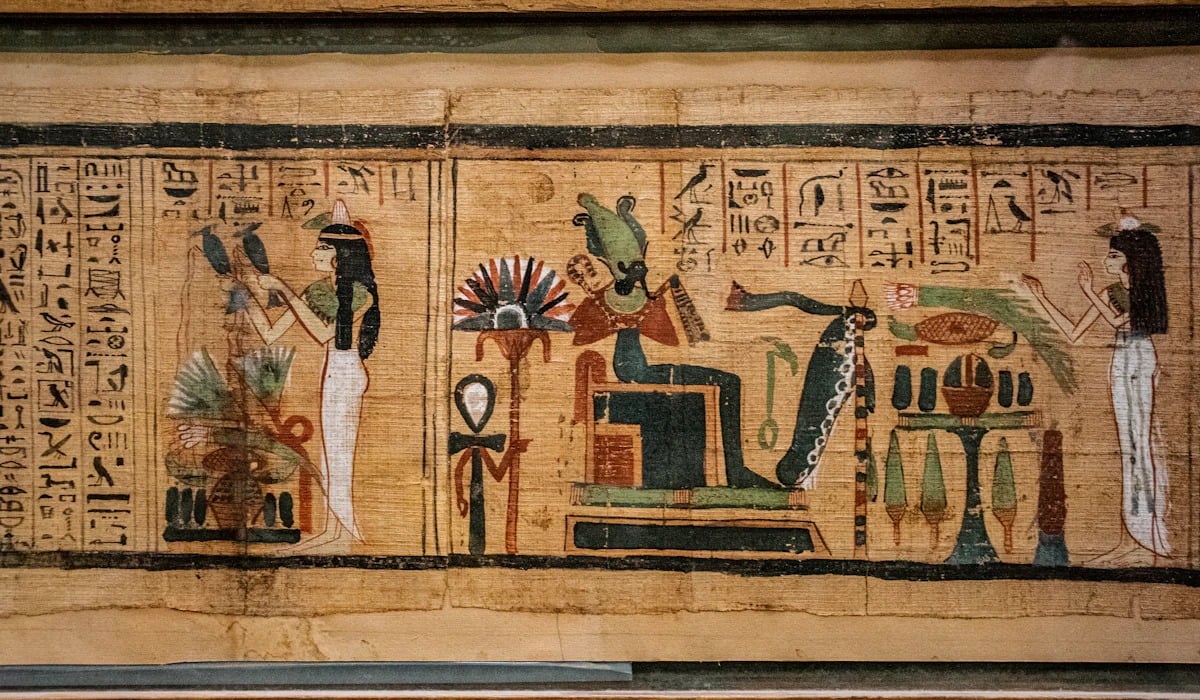
The Rhind Mathematical Papyrus, copied by a scribe named Ahmes around 1550 BCE from an older original, sets out 84 mathematical problems in arithmetic, fractions, geometry and bookkeeping. One problem calculates the area of a circle by squaring eight ninths of its diameter, which amounts to a value for pi of roughly 3.16.
The scroll was bought by the Scottish antiquarian Alexander Henry Rhind in Luxor in 1858 and is now in the British Museum. Egyptian arithmetic relied heavily on unit fractions, so a problem dividing loaves among workers reads like a puzzle in modern eyes but was routine for a government clerk.
Calculating the Volume of a Cut-Off Pyramid
Held in the Pushkin State Museum of Fine Arts and dated around 1850 BCE, the Moscow Mathematical Papyrus contains 25 problems, and the fourteenth is the one mathematicians still talk about. It gives the correct method for the volume of a truncated pyramid, a shape with a square base and a smaller square top, using a formula that demonstrates a sophisticated understanding of geometry long before the surviving Greek mathematical texts.
The text was acquired by Vladimir Golenishchev in the 1890s. Another problem on the roll appears to calculate the surface area of a curved basket or hemisphere, though scholars still argue over what shape the scribe meant.
Workers Walking Off the Job
In the twenty-ninth year of Ramesses III, around 1157 BCE, the artisans who cut and painted the royal tombs at Deir el-Medina had not received their monthly grain rations on time. They put down their tools, marched out of the village and staged work stoppages at nearby temples, telling the officials who met them that hunger had driven them there.
The scribe Amennakhte recorded the episode on what is now called the Turin Strike Papyrus. Rations arrived, then fell late again, and the walkouts resumed more than once.
It is widely described as the earliest documented labor strike, and the workers’ protest prompted official responses.
Peace Treaty Still on Display at the United Nations
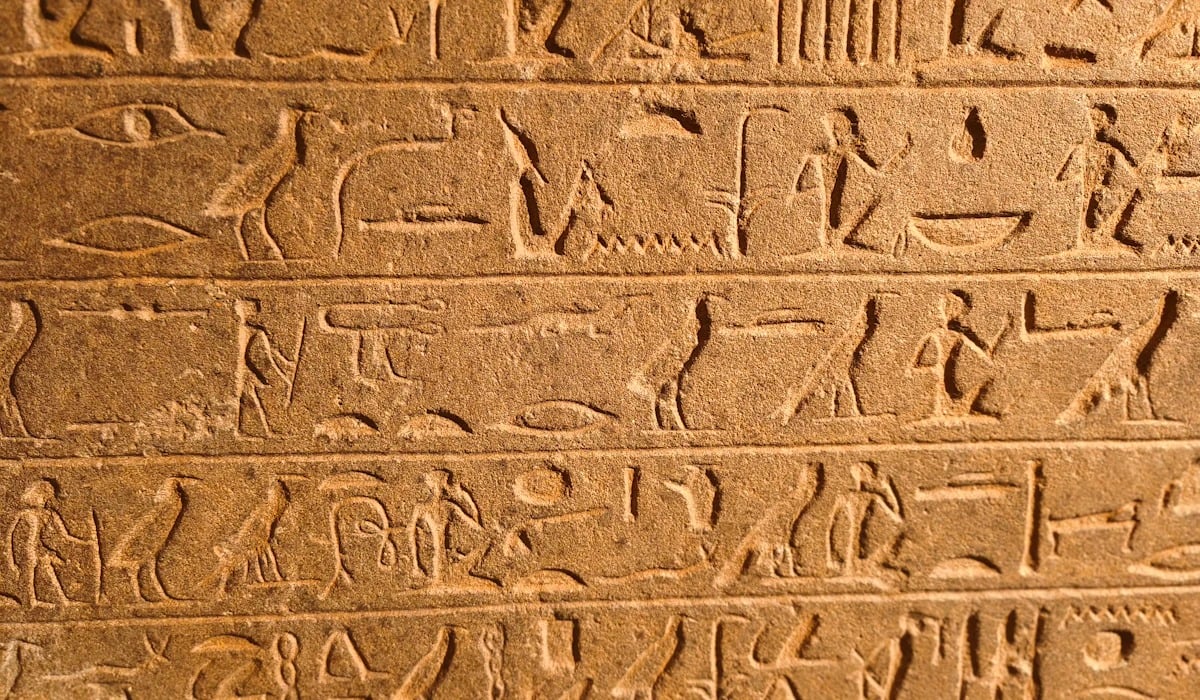
Around 1259 BCE, some 15 years after the battle of Kadesh, Ramesses II and the Hittite king Hattusili III agreed to end their war, establish mutual assistance and address the return of fugitives. The original silver tablets are lost, but the Egyptian version was carved on the walls of Karnak and the Ramesseum, and cuneiform clay copies turned up in the Hittite archive at Hattusa in Turkey.
The agreement is commonly regarded as the earliest surviving written peace treaty between major powers. A replica was presented to the United Nations in 1970 and is displayed at its headquarters in New York.
Policing by the Medjay
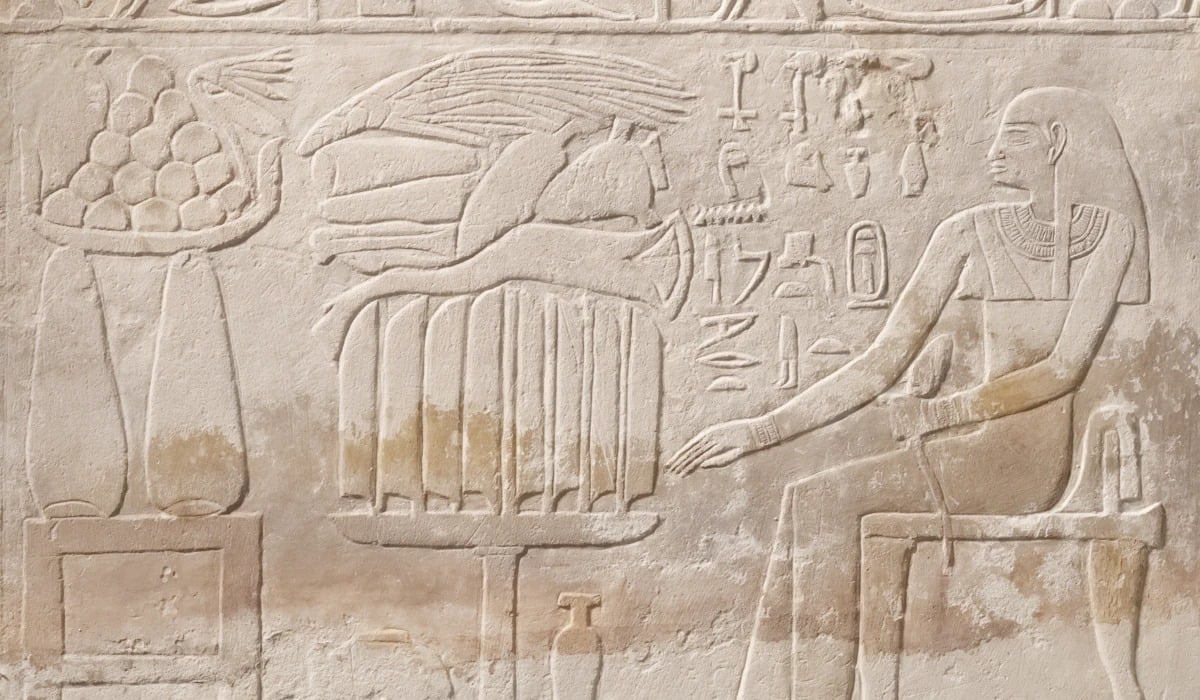
The Medjay began as a nomadic people from the Nubian deserts who served Egypt as scouts and mercenaries during the Middle Kingdom. By the New Kingdom, the name no longer meant only an ethnic group but also a role, and the Medjay served as guards and security personnel who patrolled the Theban necropolis, guarded royal tombs, kept order at Deir el-Medina and escorted shipments of grain and gold.
Court records from the village show them arresting suspects, standing watch at tomb entrances and giving testimony in theft trials. Their work makes them an early example of organized security and law enforcement, although comparing them directly with modern civilian police is an oversimplification.
Counting Cattle, People and Grain for Tax
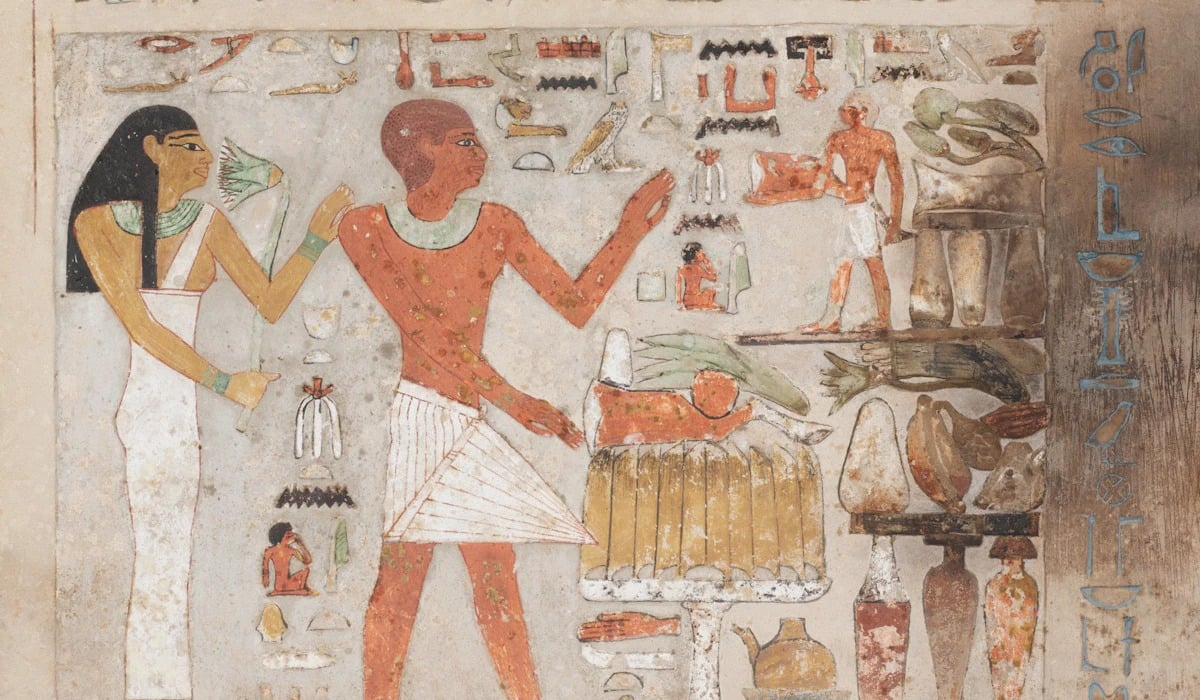
Old Kingdom scribes dated the years of a reign by a recurring royal event called the cattle count, in which officials tallied livestock across the country so that the crown knew what it could tax. The Palermo Stone, a fragment of a Fifth Dynasty annal, lists these counts year by year.
Harvest tax was influenced by the height of the Nile flood, read off gauges called nilometers, and assessors measured fields with knotted ropes after the water receded. Papyri from later periods list households, servants and property in detail.
These records show how early Egyptian governments used organized surveys and written accounts to administer taxation.
Sails on the Nile

A painted pot from the Naqada II period, around 3300 BCE, shows a boat with what most scholars read as a square sail on a mast, among the earliest known depictions of sailing anywhere. The Nile made the idea almost unavoidable, since the river flows north and the prevailing wind often blows south, so a boat could drift downstream and sail back up.
The hieroglyph for traveling south is a boat with its sail raised, and the sign for traveling north shows the sail furled. By the Old Kingdom, Egyptian ships were making long-distance voyages, including expeditions to the Red Sea and trade journeys to Byblos for cedar.
Beekeeping in Clay Hives
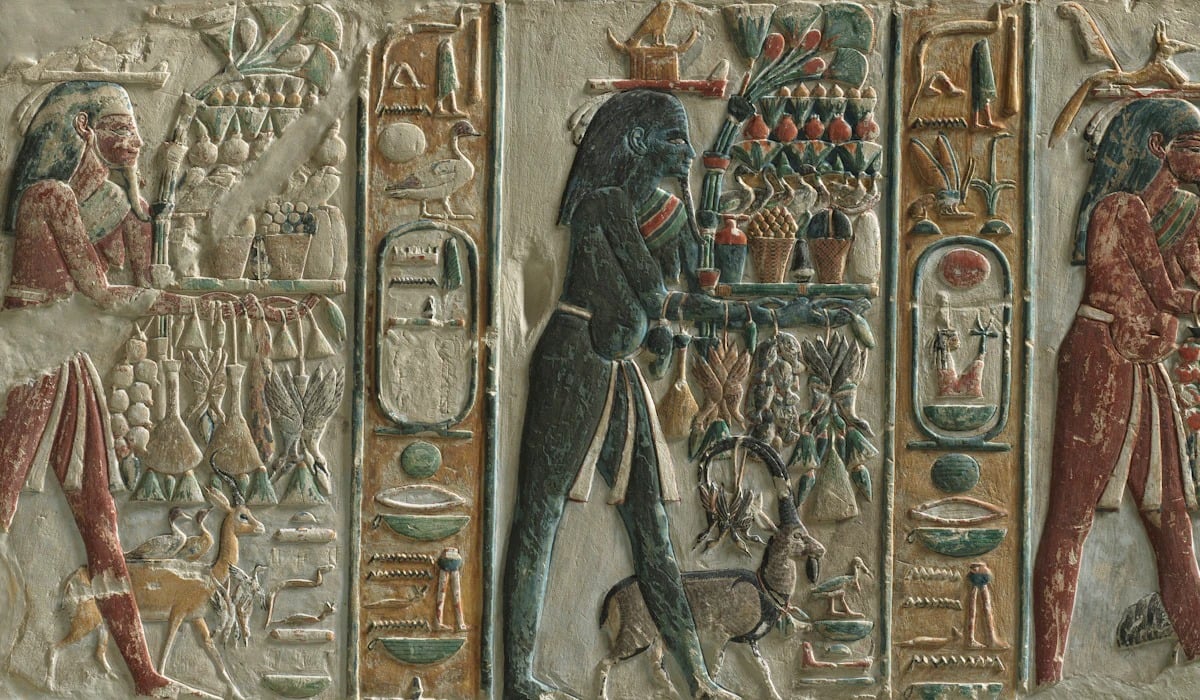
Built around 2400 BCE, the sun temple of the Fifth Dynasty king Niuserre at Abu Ghurab carries a relief that shows a beekeeper kneeling beside stacked cylindrical hives, with workers pouring honey into jars and sealing them. It is among the earliest known depictions of organized beekeeping.
Egyptians kept bees in long clay tubes stacked in rows and may have moved hives by boat along the Nile to follow flowering crops. Honey sweetened food and served as a wound dressing in the medical papyri, and beeswax sealed coffins and bound pigments.
The bee was also the symbol of Lower Egypt in the royal titulary.
Embalming as an Organized Science
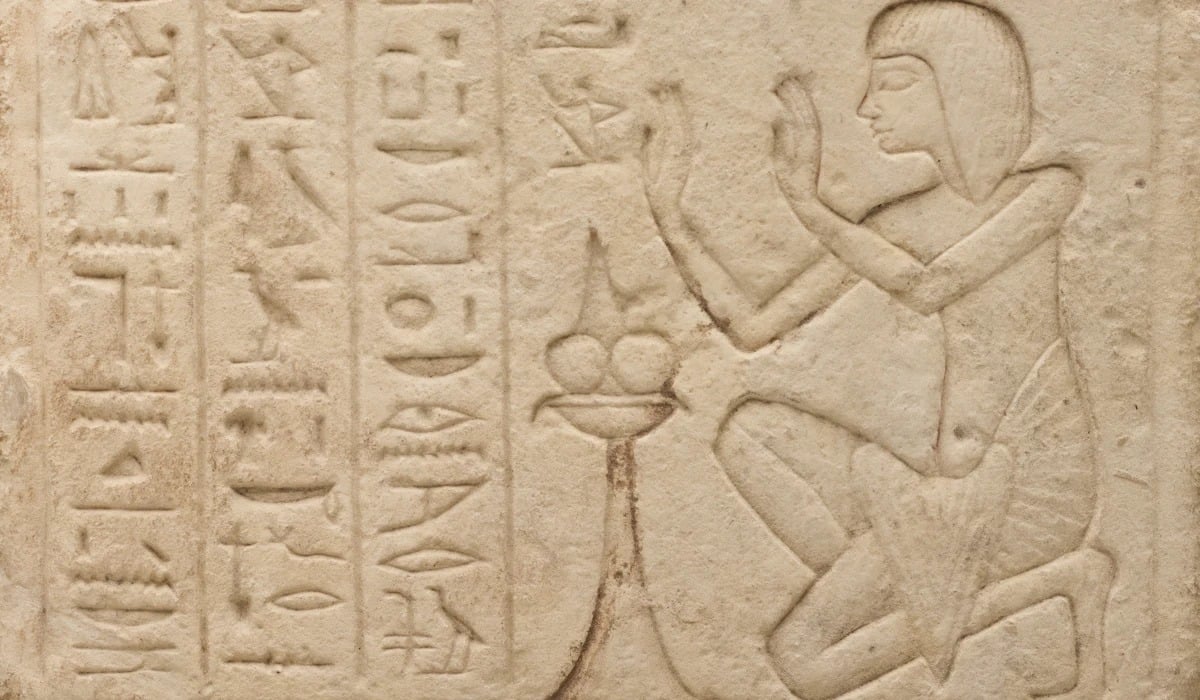
Egyptians were not the only ancient people to preserve their dead, but they developed the practice into a trade with recipes, specialists and a set procedure. Embalmers removed the internal organs, dried the body in natron salt for weeks and wrapped it in resin-soaked linen.
A 2018 chemical study of a prehistoric body in the Museo Egizio in Turin found plant oil, heated conifer resin, aromatic plant extract and a plant gum on its wrappings, dated around 3600 BCE, providing evidence of an early, complex embalming recipe. Later workshops kept many of the same techniques in use for more than two thousand years, although methods and materials varied over time.
Wills and Contracts Written Down
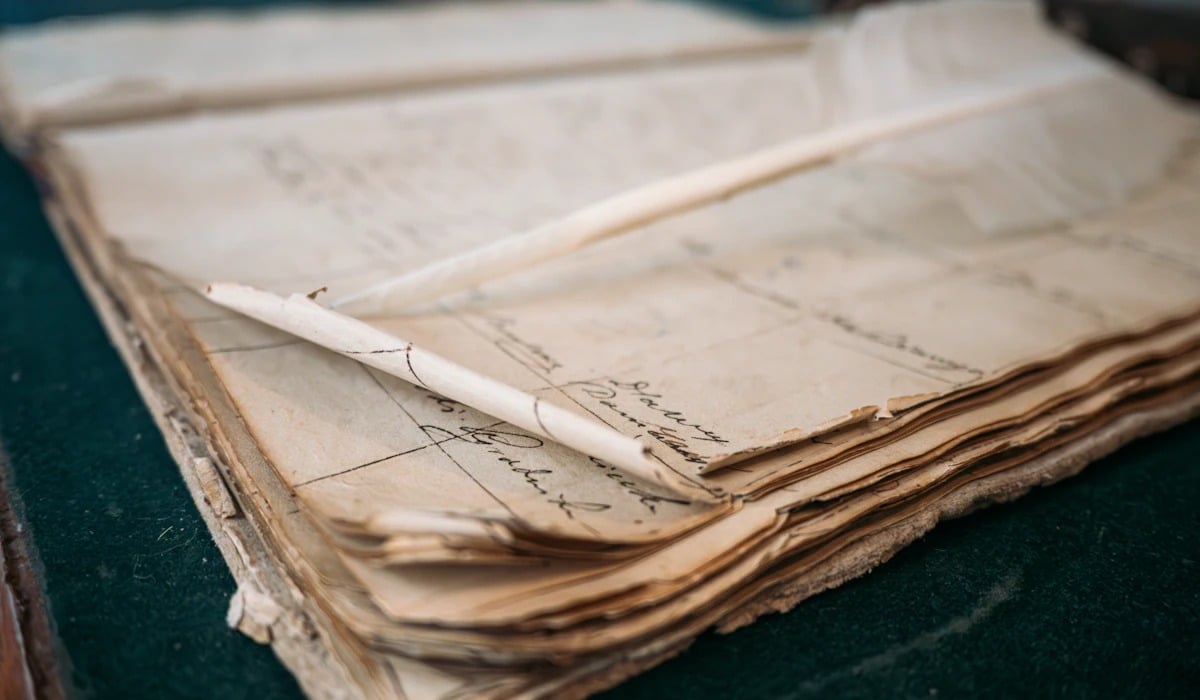
One papyrus found by Petrie at the Middle Kingdom town of Lahun records a man named Wah leaving his property to his wife, naming the children who would inherit after her, with witnesses listed at the bottom. Dated around 1800 BCE and kept in the Petrie Museum in London, it is an early surviving example of a written will.
Egyptian scribes also drafted sale deeds, loan agreements, marriage settlements and adoption contracts, usually with a date, the names of the parties and a list of witnesses. These records show the development of formal written agreements, although modern contracts differ considerably in their legal systems and requirements.
Disputes over such documents went before local courts.
Wigs Built on Woven Foundations
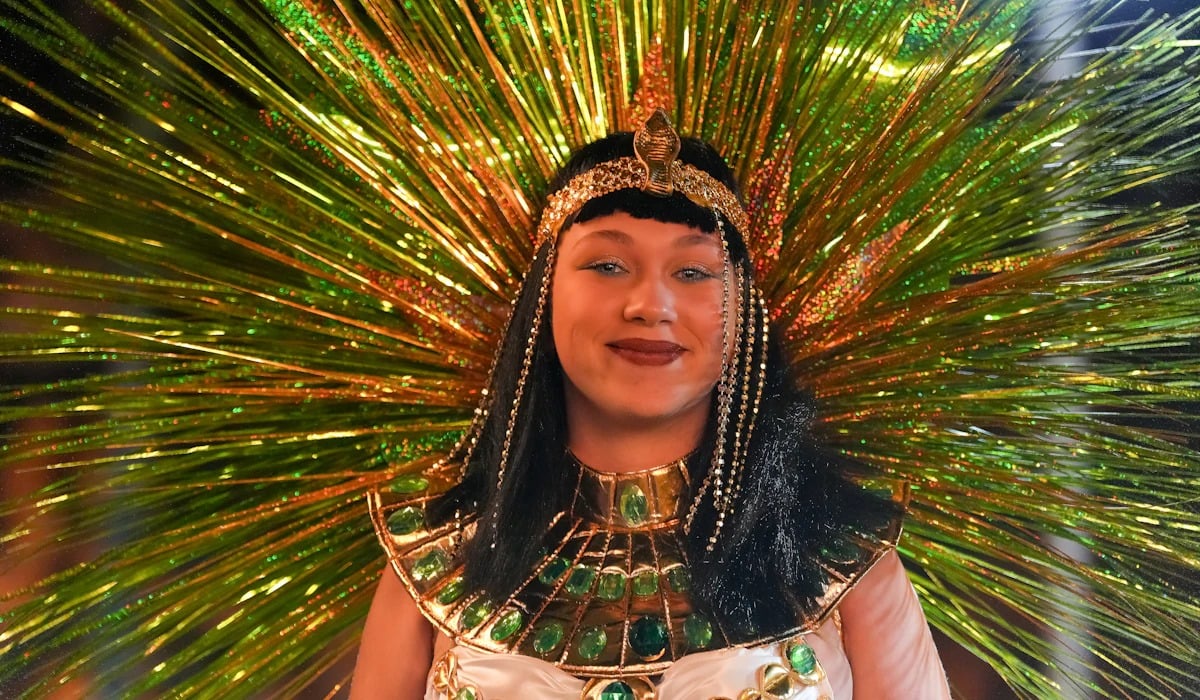
Egyptian wigmakers were producing elaborate hairpieces by the New Kingdom, and surviving examples show how the craft worked. A wig in the British Museum from Thebes, dated to about 1550 to 1300 BCE, is made of hundreds of plaited human hair strands fixed to a netted foundation with a mix of beeswax and resin, which helped keep its shape.
Wigs were worn by both men and women, and they were stored on stands in their own boxes. Hair extensions braided into a person’s own hair appear in burials at Hierakonpolis dating well before 3000 BCE, so the technique is among the earliest known examples of elaborate hair styling and the use of false hair.
Scribes Who Kept the Receipts
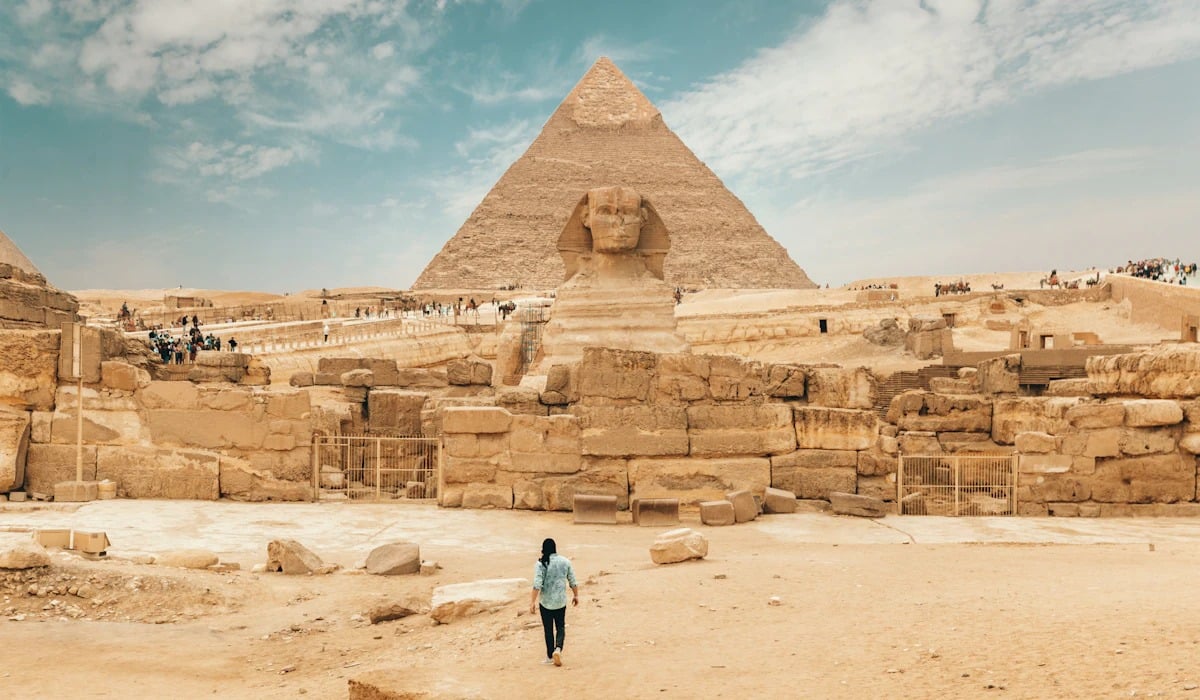
Almost everything on this list is known because someone in Egypt wrote it down and the desert kept the record dry. A clerk noting the cattle count, a doctor copying case notes, a village scribe recording a strike, all left evidence that would have rotted in a wetter country.
Other ancient peoples probably solved some of the same problems. Egypt simply had papyrus, carbon ink and a professional class that treated record-keeping as a vital part of administration and religious life.
That makes the phrase “did first” slightly misleading and the phrase “earliest known” more honest. Each entry here marks the point where a practice becomes visible, not necessarily where it was born.
Even with that caveat, the sheer range is striking, from the hour on the clock to the lock on the door. The civilization that developed an extensive bureaucracy also gave the bureaucrat something worth filing.
More from Go2Tutors!

- The Romanov Crown Jewels and Their Tragic Fate
- 13 Historical Mysteries That Science Still Can’t Solve
- Famous Hoaxes That Fooled the World for Years
- 15 Child Stars with Tragic Adult Lives
- 16 Famous Jewelry Pieces in History
Like Go2Tutors’s content? Follow us on MSN.