25 Birthday Party Traditions from the ’70s
The invitation came in the mail, the cake came out of a box, and the entertainment was whatever a dozen kids could invent in a living room. Birthday parties in the 1970s ran on paper, sugar, and the unchecked authority of a mom with a stapler.
Some of the traditions were very old, and others were brand new that decade. All of them showed up in the same crowded rec room, usually before anyone had heard the word “party planner.”
Pin the Tail on the Donkey
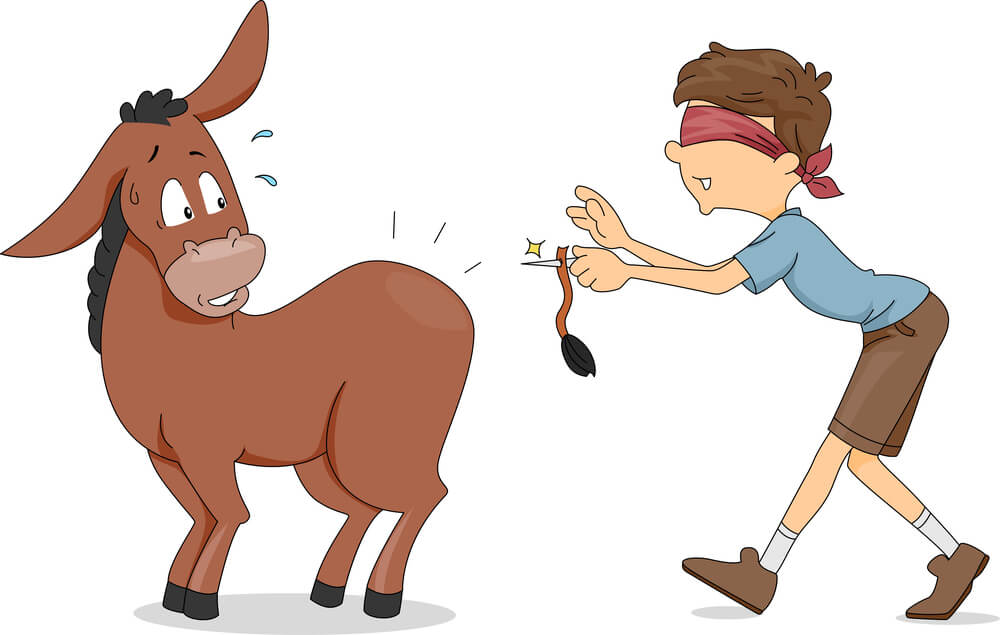
A paper donkey went up on the wall, a scarf became a blindfold, and each guest got spun around before being aimed at the target. The tails were usually cardboard with a loop of tape or a pushpin, which made the wall behind the poster a quiet record of every party the house had hosted.
The winner was whoever landed closest to the right spot. The loser was often a kid who ended up facing a bookshelf.
The Piñata Swing
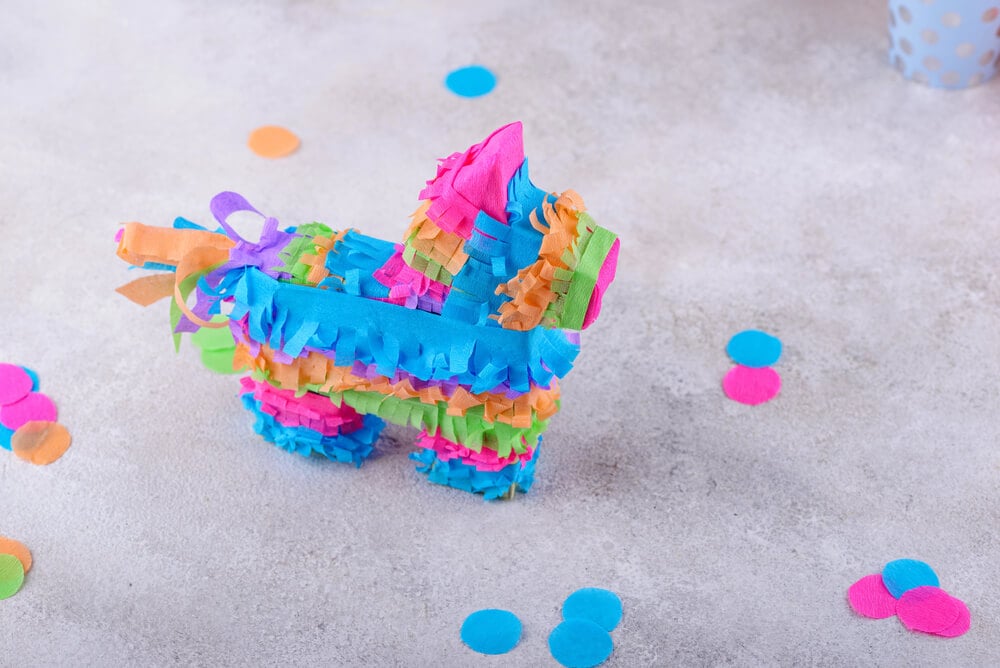
A paper-covered figure hung from a tree branch or a garage beam, stuffed with candy and small toys. Kids lined up, took turns swinging a broom handle while blindfolded, and the rest of the group scattered back to avoid the stick.
Adults called out hints of left and right while the swinger flailed at empty air. The moment it split open produced the loudest noise of the afternoon.
Musical Chairs
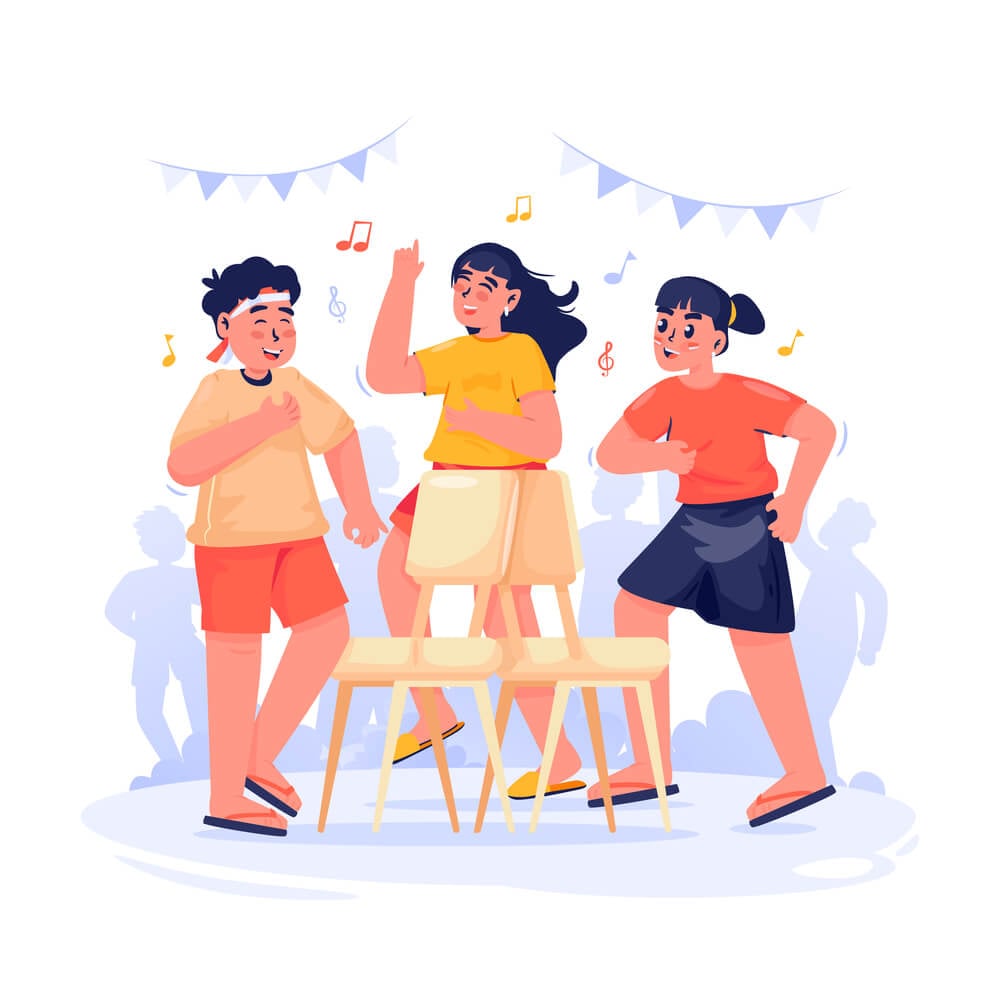
Folding chairs were set back to back in a line, a record dropped onto the turntable, and everyone circled until the music cut off. One chair disappeared each round, which meant one more kid out and one more argument about who sat down first.
The adult in charge of the needle held all the power, since lifting the arm at an unpredictable moment was the entire game. The last child seated usually won a prize from the same dime store as the party favors.
Duck Duck Goose
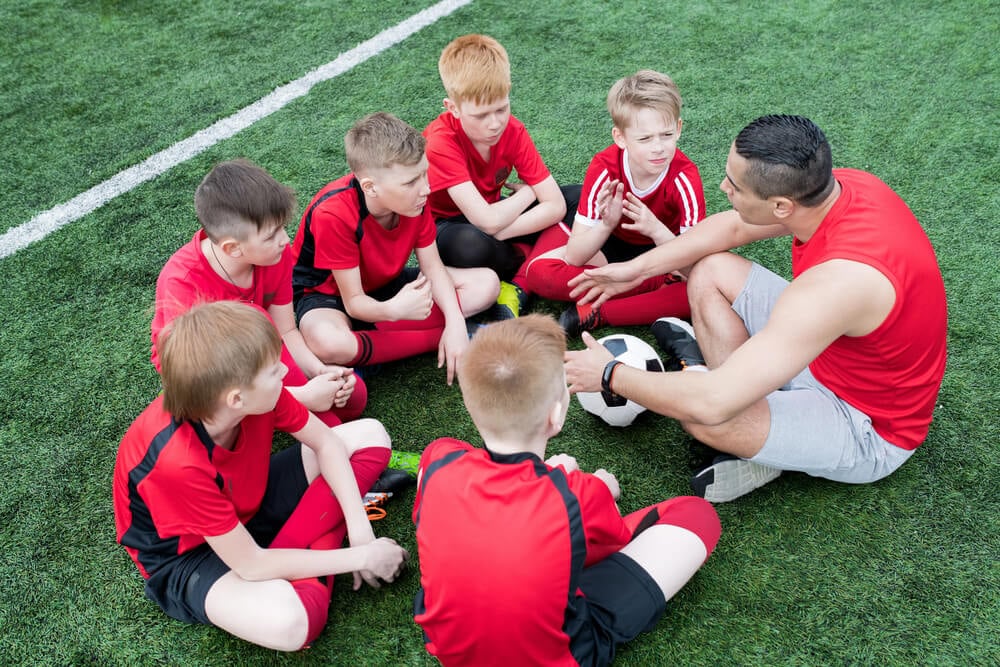
Kids sat in a circle on the carpet while one walked the outside, tapping heads and saying “duck” until a chosen head earned the word “goose.” The tapped player had to leap up and chase the tapper around the ring before claiming the empty spot.
In Minnesota the game goes by Duck, Duck, Gray Duck, a regional twist that still surprises visitors. It needed no equipment, no setup, and almost no adult supervision.
Carvel’s Fudgie the Whale
Carvel’s whale-shaped ice cream cake became a birthday favorite, and a Tampa Bay story marked the whale turning 40. The cake was soft ice cream wrapped around a layer of chocolate crunchies, sliced into wedges that melted faster than anyone could sing.
A tail, a smiling face, and a rounded silhouette made it the cake that kids asked for by name. Parents liked it because it came ready to serve from the freezer.
The Jell-O Mold
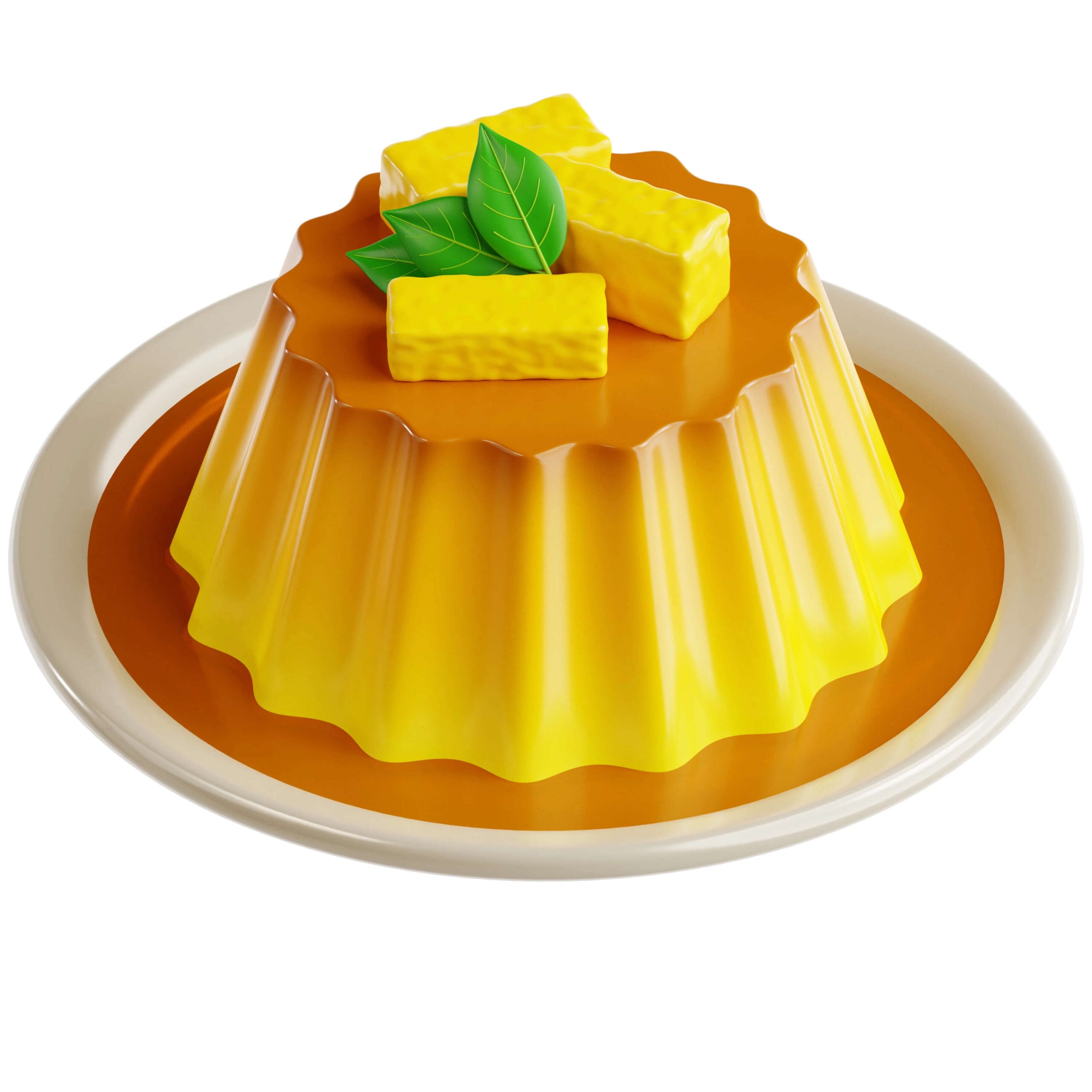
A ring mold or fluted dish held a wobbling tower of Jell-O, often with fruit cocktail or marshmallows suspended inside. It was dipped briefly in warm water so the dessert would release onto a serving plate, a step that went wrong often enough to be a family legend.
Bright colors made it a natural fit beside the cake, and the jiggle was part of the entertainment. Kids ate the edges first and argued over who got the piece with the most cherries.
Kool-Aid by the Pitcher
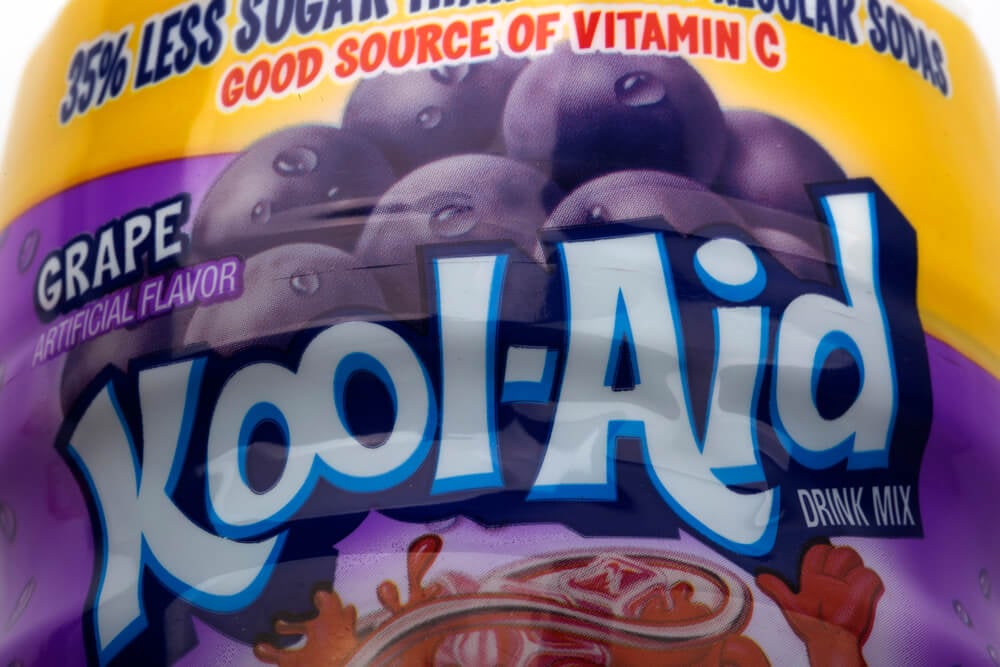
Powdered drink packets were stirred into a plastic pitcher with sugar and cold water, and the result went into paper cups or plastic tumblers with cartoon prints. The Kool-Aid Man, a giant pitcher of red liquid with a face, became famous for his booming “Oh Yeah.”
Flavors like cherry, grape, and orange left a permanent ring around every mouth at the table. Pitchers sweated across the tablecloth within minutes and nobody minded.
Wilton Sesame Street Cake Pans
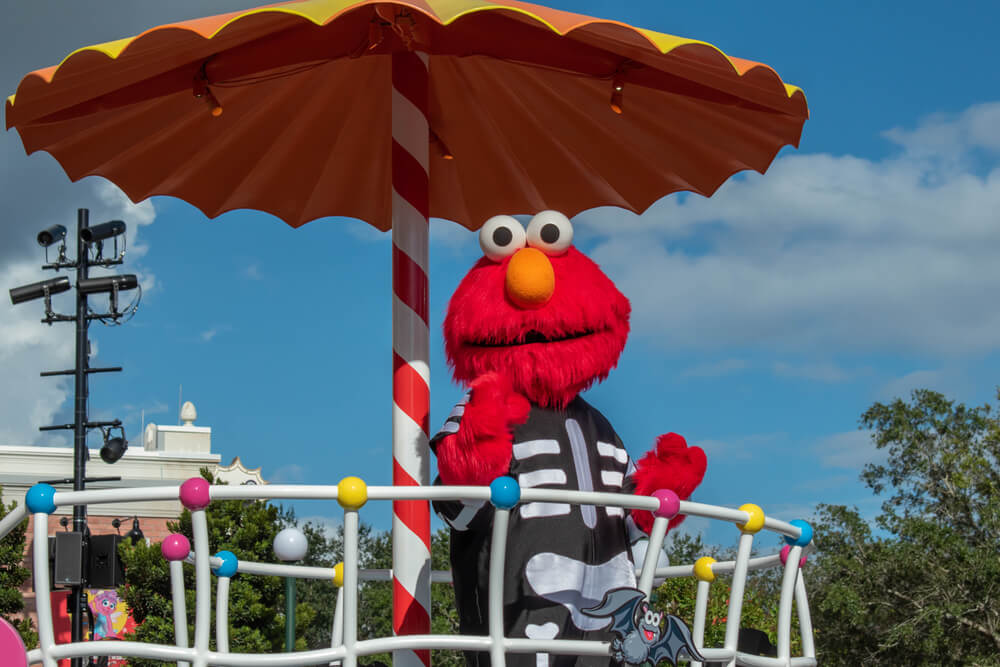
Wilton made aluminum pans shaped like Sesame Street characters, and a vintage Big Bird pan carries a 1978 date. Parents baked a sheet of cake in the mold, then covered it with piped stars of colored frosting to fill in the feathers or fur.
The decorating tips came in a kit that turned an ordinary kitchen into a small bakery for a weekend. Collectors now sell the old pans online, and the price depends on condition and whether the original instruction sheet survived.
Boxed Cake Mix and Canned Frosting
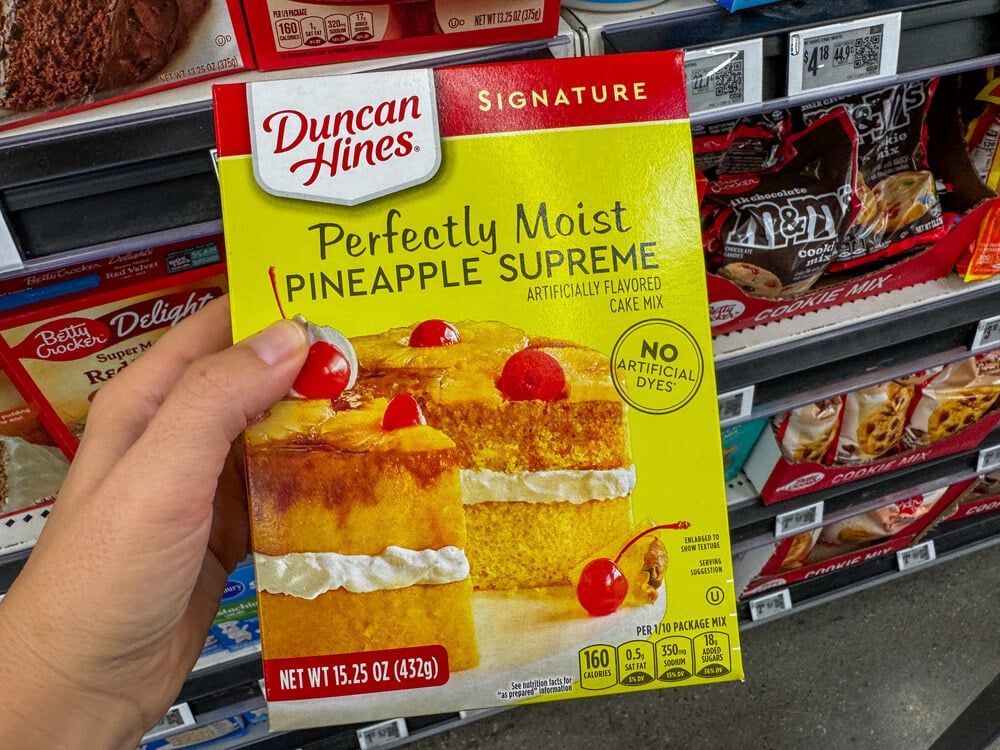
The standard party cake came from a box, with eggs and oil stirred in and a can of ready-made frosting spread on top. A sheet pan produced enough slices for an entire classroom of guests, and sprinkles hid every flaw in the finish.
Writing the name in tube icing was an art that only some mothers mastered. The result rarely looked professional, but the kids would have chosen it over a bakery cake anyway.
Chuck E. Cheese’s Pizza Time
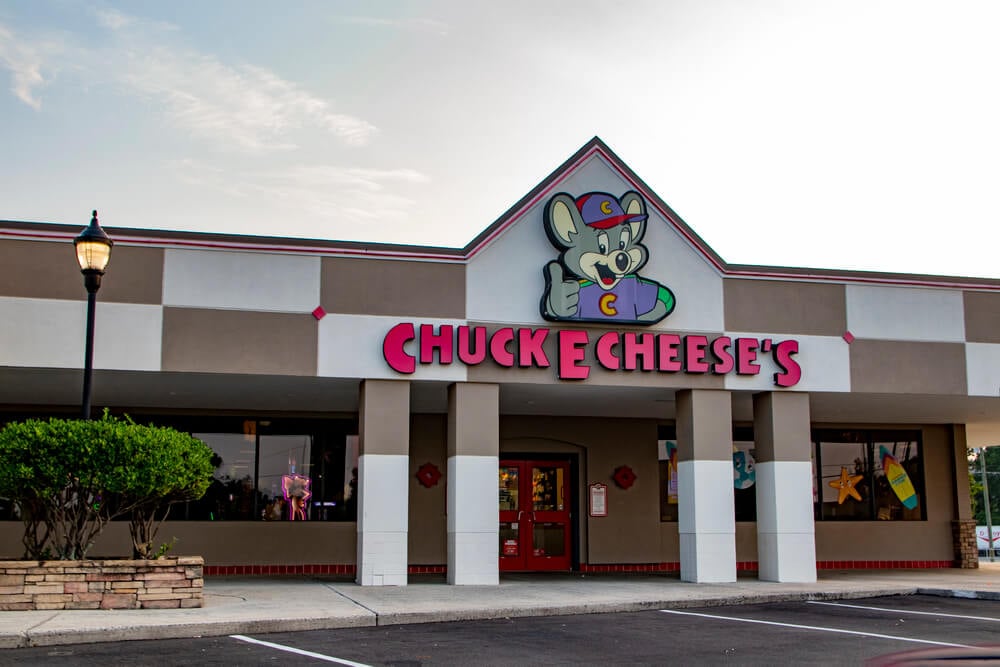
Nolan Bushnell founded the company behind Chuck E. Cheese in 1977, pairing pizza with arcade games and a costumed mouse. It was built as a place where parents could feed a group of kids and hand over a roll of tokens.
Children watched the show while the pizza arrived, a spectacle that felt futuristic at the time. The idea of a dedicated party restaurant grew from there.
The Roller Rink Party

Roller rinks reserved a corner for birthday groups, handed out rental skates in worn leather, and spun a mirrored globe overhead. The roller disco craze of the late 1970s filled places like Empire Roller Disco with dancers, and it carried over to kids who just wanted to circle the floor.
The rink’s organ music or a DJ spinning records gave every party its own soundtrack. Falling down was part of the price of admission, and nobody was embarrassed about it.
Polaroid SX-70 Snapshots
Polaroid introduced the SX-70 in 1972, a folding camera that spit out a print and developed it in view of everyone. Kids crowded around the white frame as the image slowly cleared from murky green to a recognizable face.
Only one copy existed, so a parent had to decide which moment deserved the film. Prints from the decade have faded in some albums, and surviving ones depend heavily on how they were stored.
Instamatic Flashcubes
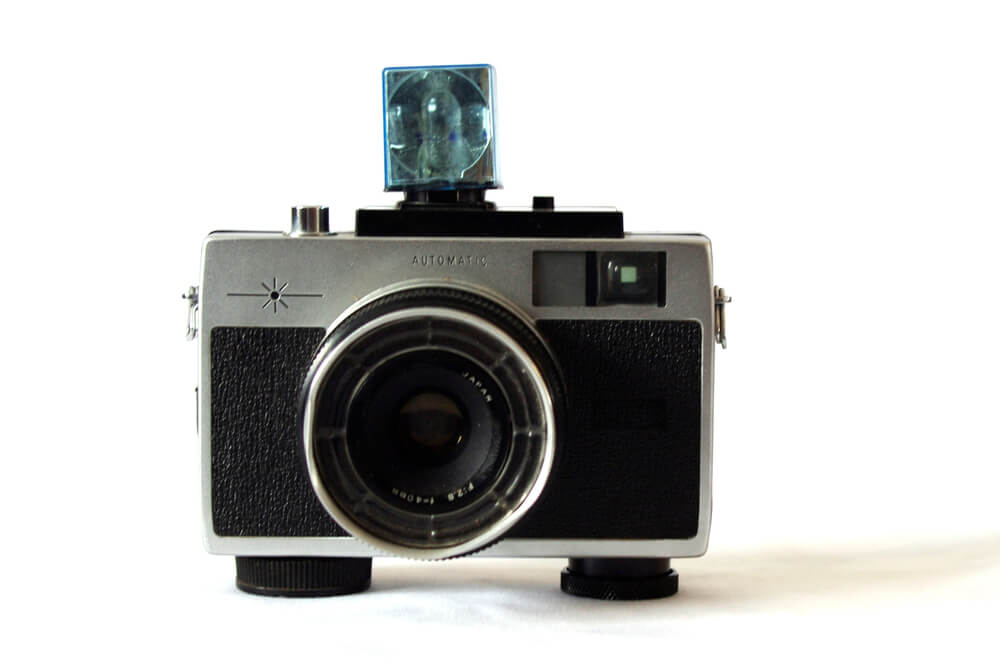
Drugstore cameras with a clip-on flashcube let parents capture the candle moment, with small bulbs that rotated into position after each shot. A party of snapshots could burn through several cubes in an afternoon.
The harsh light gave every child red eyes and a stunned look. Film went off to a lab, and the pictures came back in a paper sleeve.
Cone Party Hats With Elastic Chin Straps
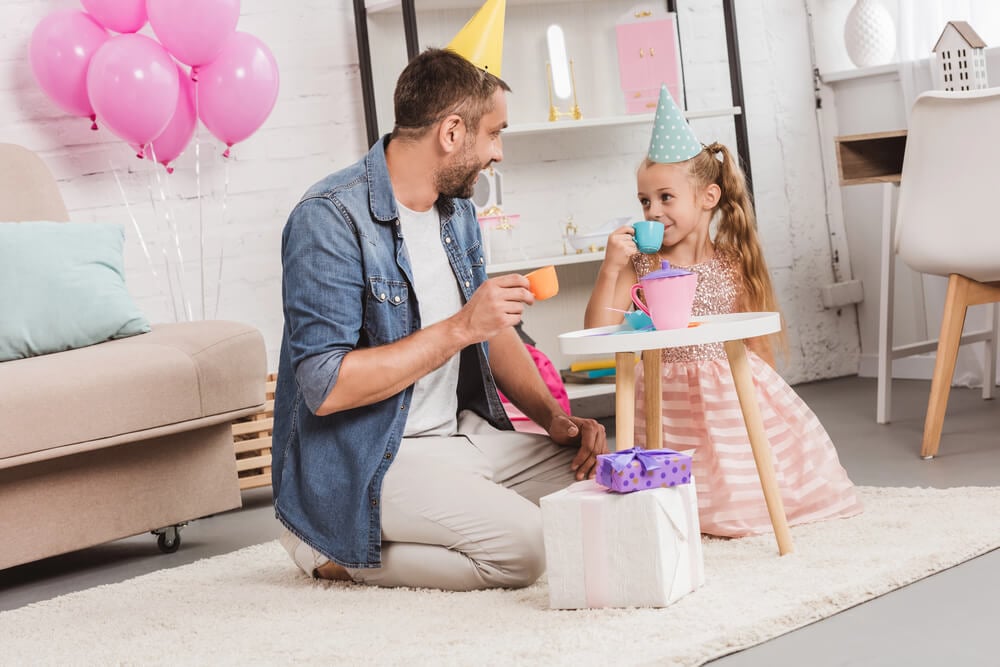
Every guest wore a pointed cardboard cone held on by a thin elastic string that snapped under the chin. Designs ran from gold stars to cartoon characters, and the staple at the seam usually poked somebody’s neck.
The hats were abandoned the moment a game began, then rediscovered stuck to a lamp. They went straight into the trash bag, along with the paper plates.
Party Horns and Noisemakers
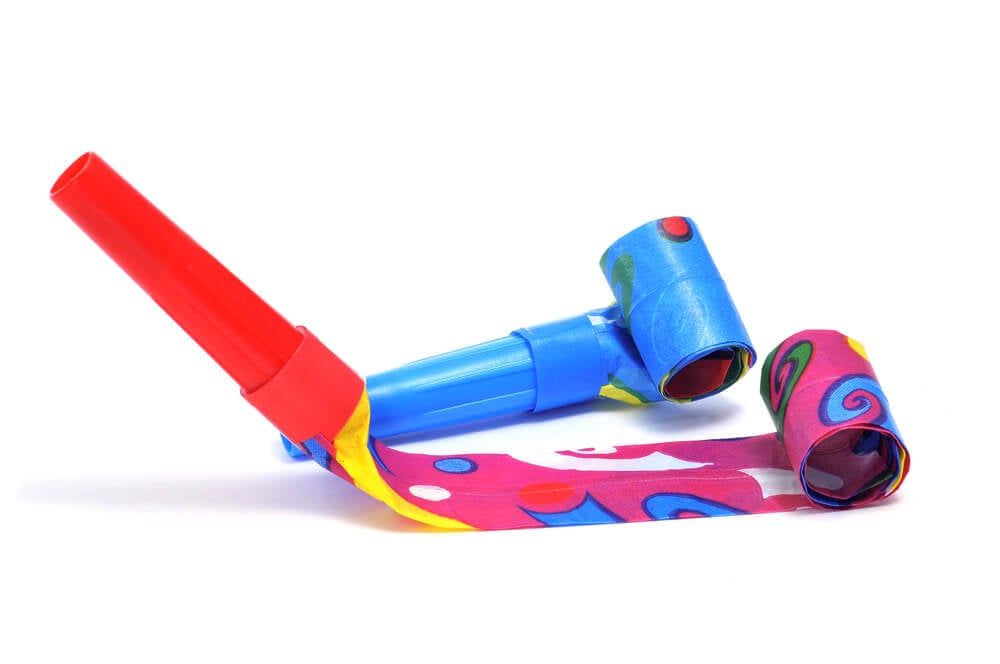
A paper blowout unrolled with a squeak when someone exhaled, and a tin or plastic noisemaker added a clatter when the cake appeared. Every guest got one, which guaranteed that the volume peaked just as the song ended.
The coiled paper tongue curled back up after each blow. Parents hid the noisemakers by the end of the party, and the leftover ones tended to turn up in a junk drawer.
Crepe Paper Streamers
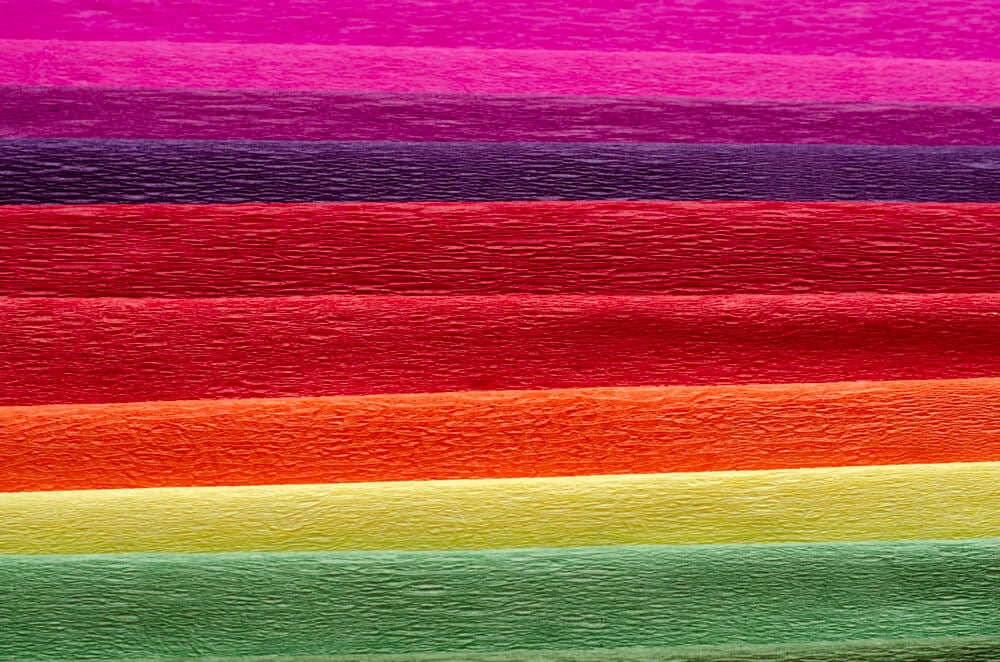
Rolls of crepe paper were twisted into spirals, taped across doorways, and draped from the ceiling light to the corners of the room. A damp afternoon could make the dye run onto the carpet, which produced a few colorful stains.
The streamers were cheap, bright, and fast to hang, so they became the default decoration. Cleanup meant pulling the tape off the paneling and hoping the paint stayed put.
Goody Bags and Party Favors
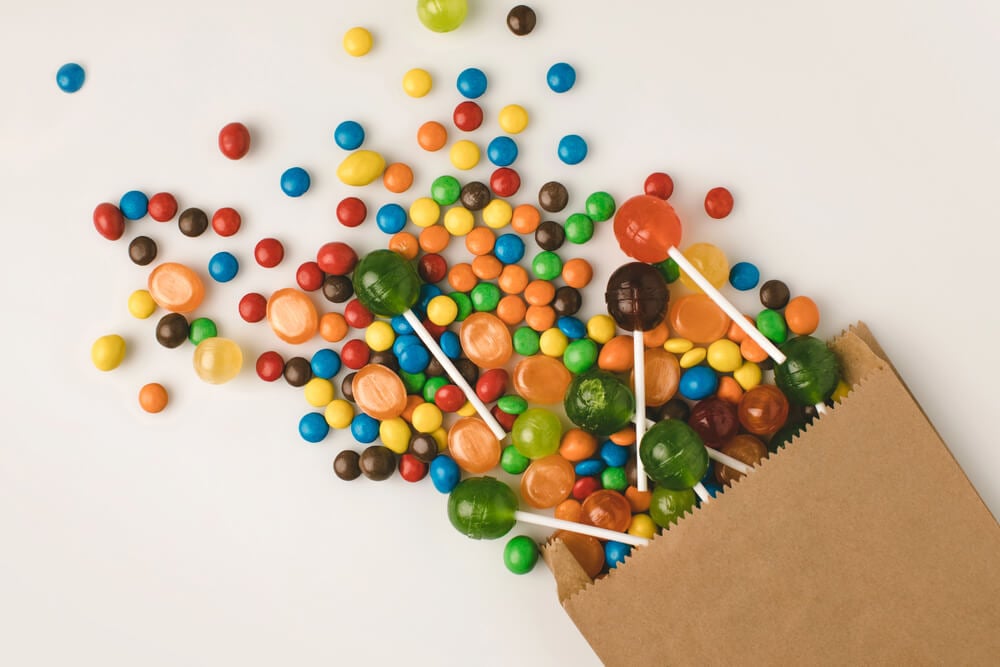
Each guest left with a paper bag stuffed with candy, a plastic whistle, a ring, a puzzle, and maybe a small toy from a dime store. Hosts sorted them out before the party so no one found a smaller bag than a neighbor.
The contents were chosen for price rather than longevity, which is why the whistles disappeared within a day. A fistful of tiny prizes sent every child home satisfied and slightly overstimulated.
Record Players and 45s
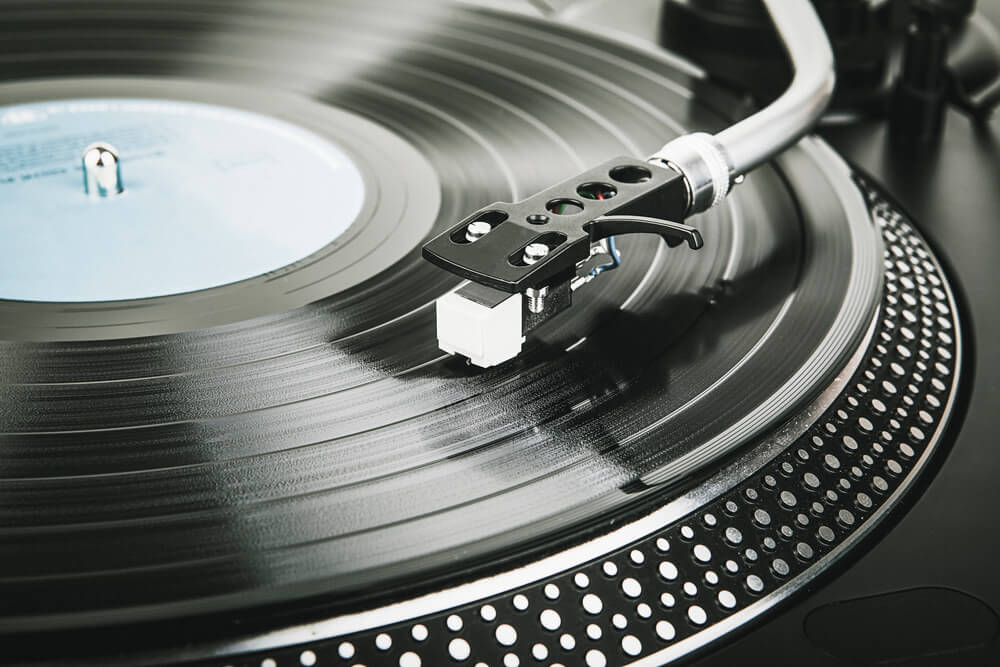
A portable turntable stood on a table, and the playlist was a stack of small single records that spun at the push of a lever. Kids danced, played musical chairs, and sang along to whatever the host had in the family collection.
A scratched record skipped at the worst moment, and the needle arm had to be nudged back by hand. Children’s singles and current radio hits shared the same pile.
Mailed Paper Invitations
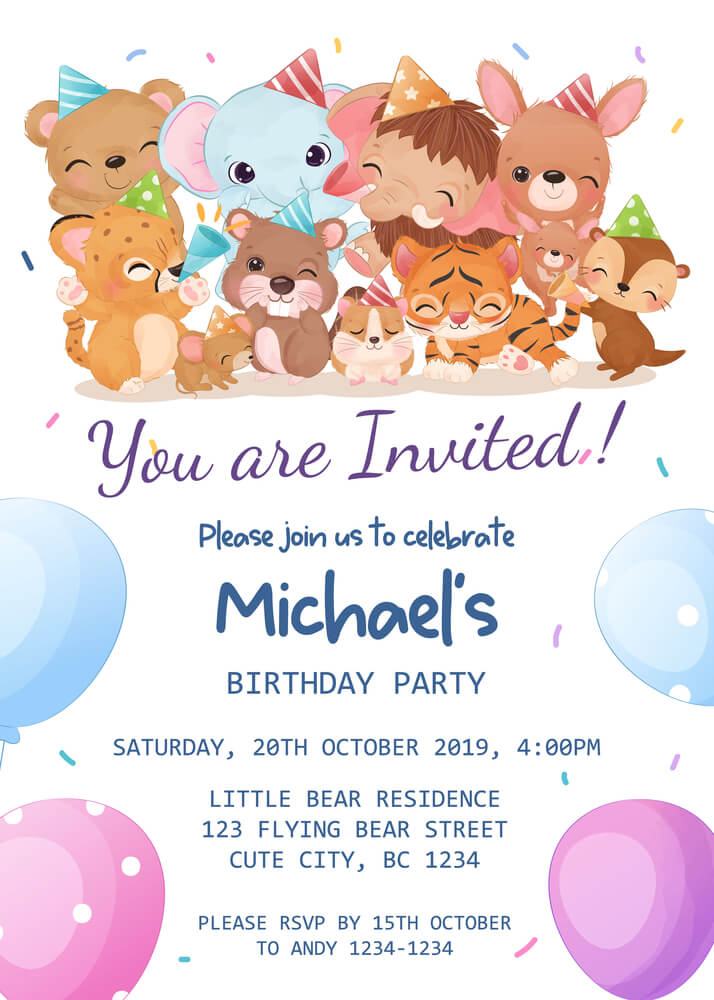
Fill-in-the-blank cards came in packs at the drugstore, with the date, address, and time written in pencil or pen and mailed with a stamp. Parents then waited for phone calls from the other families to confirm who would show up.
There was no group chat to track replies, so the host kept a list by the kitchen phone with a cord stretched across the room. Missing a reply meant guessing at the number of cupcakes.
Candles and the Silent Wish
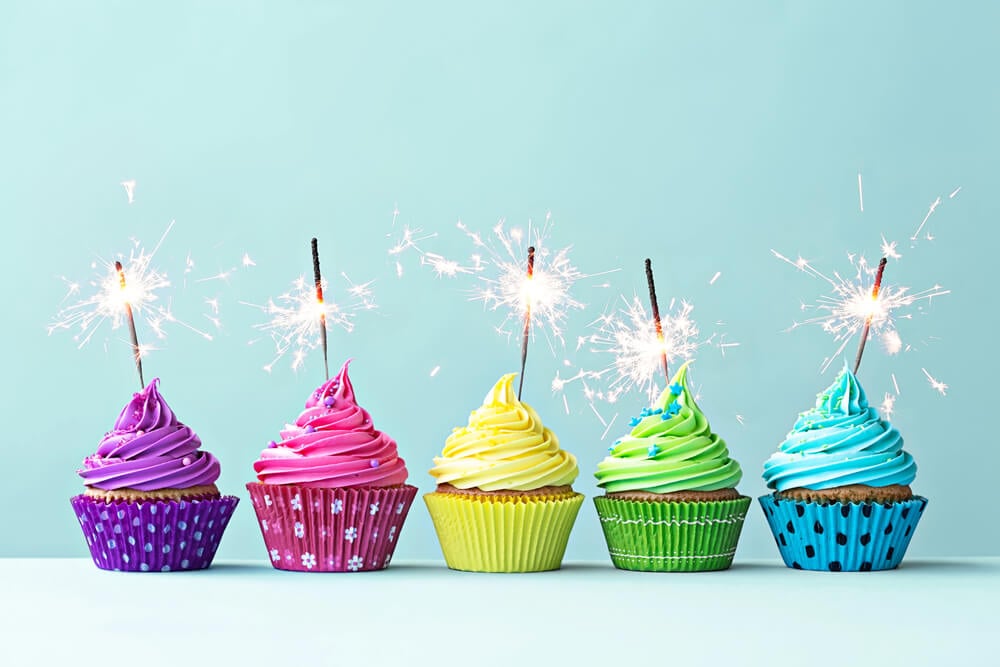
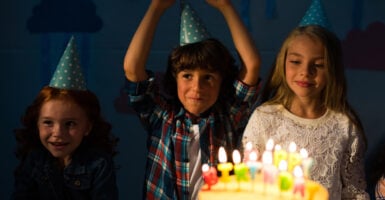
The cake came out with lit candles, the room sang, and the birthday child closed their eyes to make a wish before blowing. The rule was that a wish told aloud would not come true, so kids stayed quiet and worked hard to snuff every flame in one breath.
A single remaining candle meant another try, which created some of the afternoon’s most visible suspense. Parents carried the candles to the trash and saved a few for next year.
The McDonald’s Birthday Party
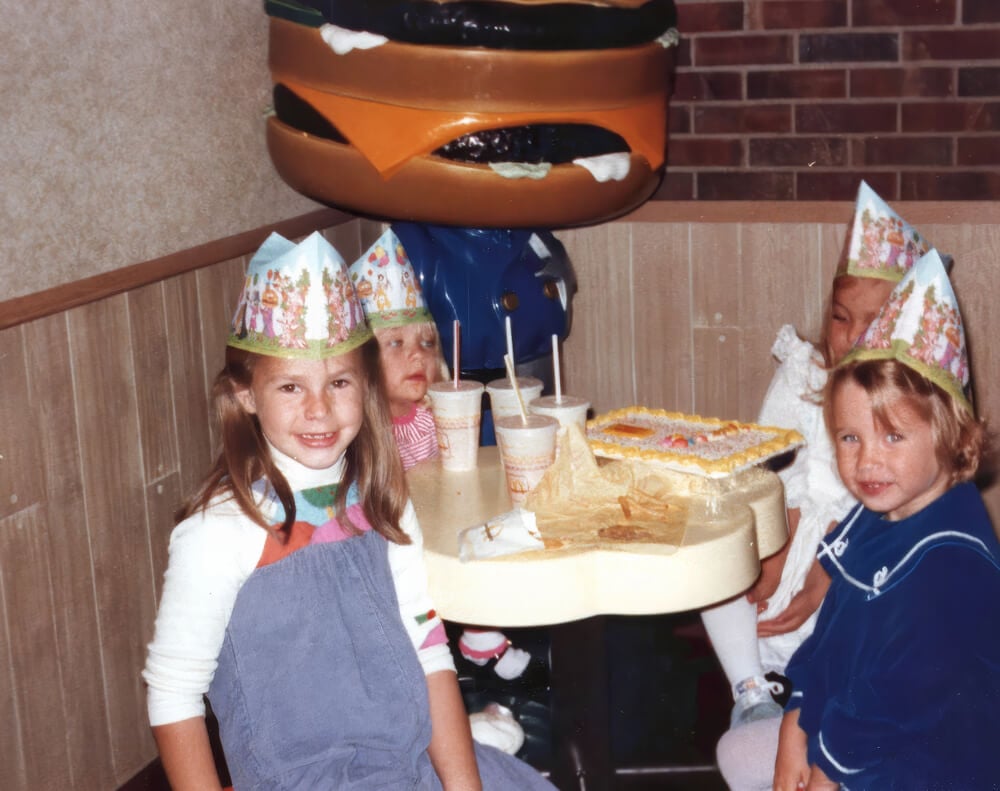
McDonald’s launched the Happy Meal in 1979, finishing the decade with a boxed meal designed for kids. Before that, restaurants hosted birthday groups with burgers, fries, and cake.
Parents liked it because the staff handled the food and the cleanup. The box with its toy inside set the template for kid-focused meals that followed.
Spirograph Sets
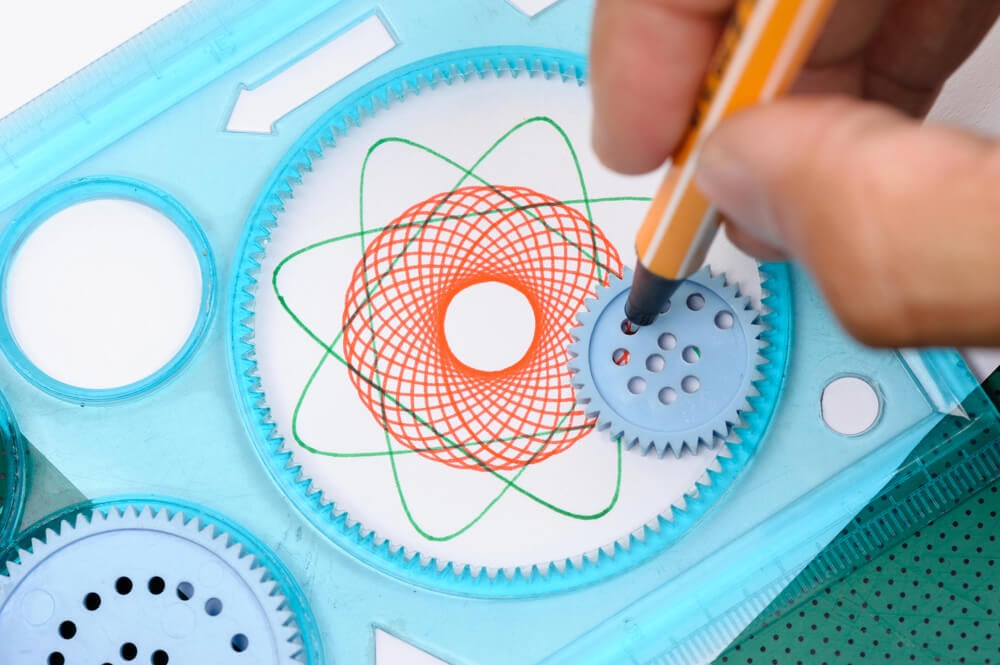
Kenner brought Spirograph to American stores in 1967, and the toy remained a common birthday gift well into the 1970s. Plastic gears with tiny teeth rolled around rings while a pen traced looping, flower-like patterns on paper.
Kids sat on the floor with the box open and a pile of drawings nearby. Vintage sets sell to collectors, and the price depends on condition and whether every gear is still in the tray.
Hot Wheels as Gifts
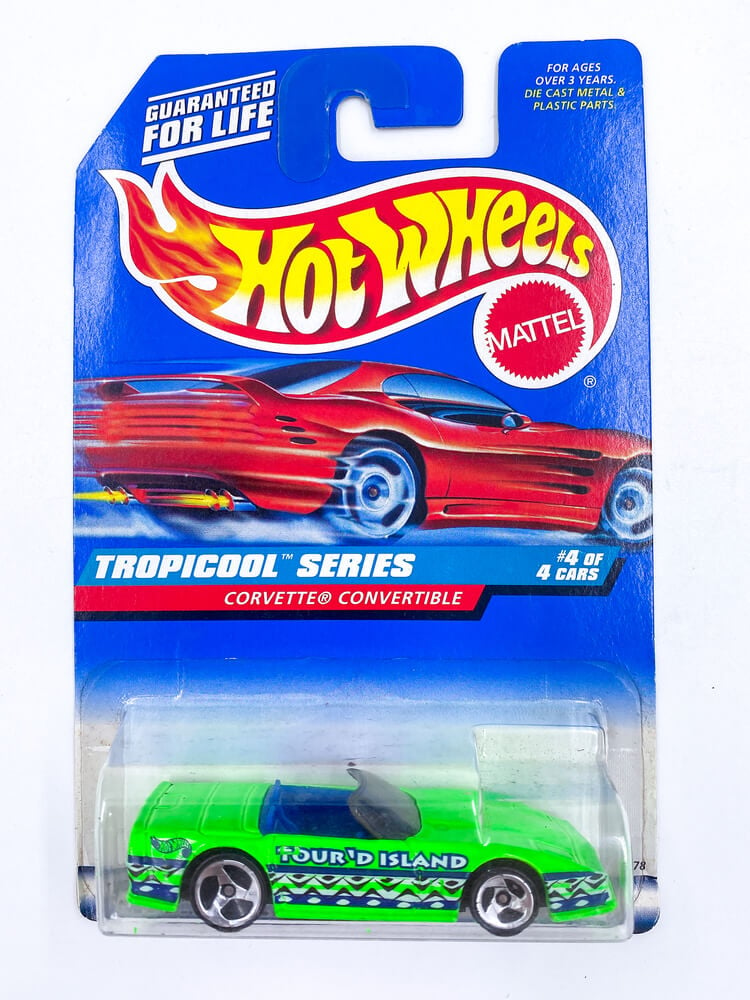
Mattel’s Hot Wheels were a standard wrapped present in the 1970s, easy to hide in a coat pocket. Early models are called Redlines, and collectors hunt them today.
A child could hold a few in one hand and a plastic orange track in the other. Value for old ones depends heavily on condition, since playwear can drop the price in a hurry.
The Star Wars Party Theme
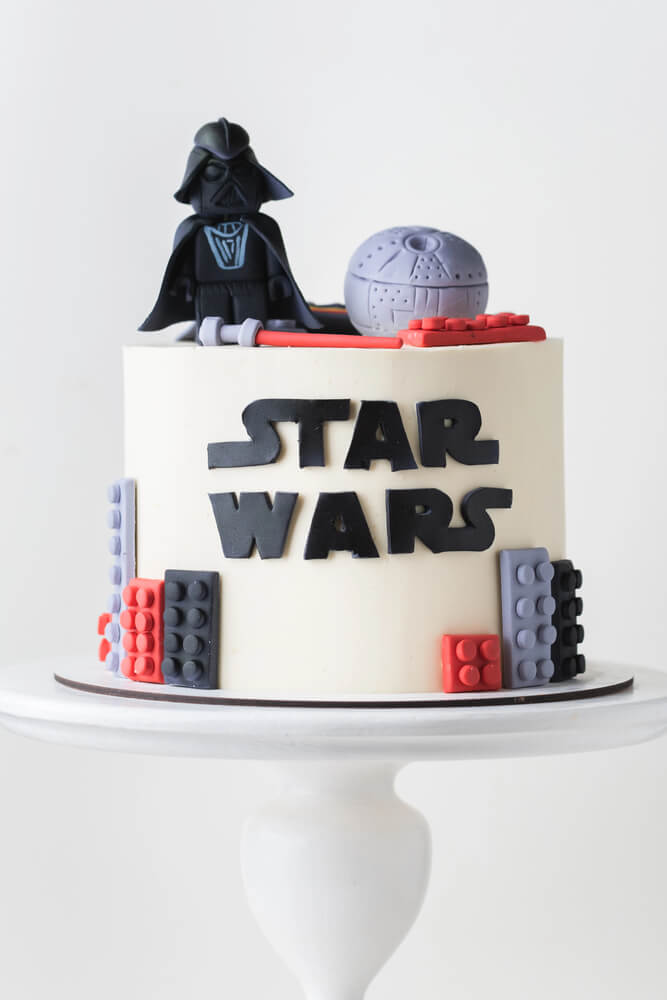
Star Wars arrived in theaters in 1977 and promptly took over the next birthday invitations. Kenner could not make enough figures in time for the holidays, so it sold an Early Bird Certificate Package, essentially an empty box promising toys by mail.
Kids who got one at a party had to wait for the real figures to arrive. Plates, cups, and a cake topper in the shape of a droid followed for lucky hosts.
Evel Knievel Stunt Cycle
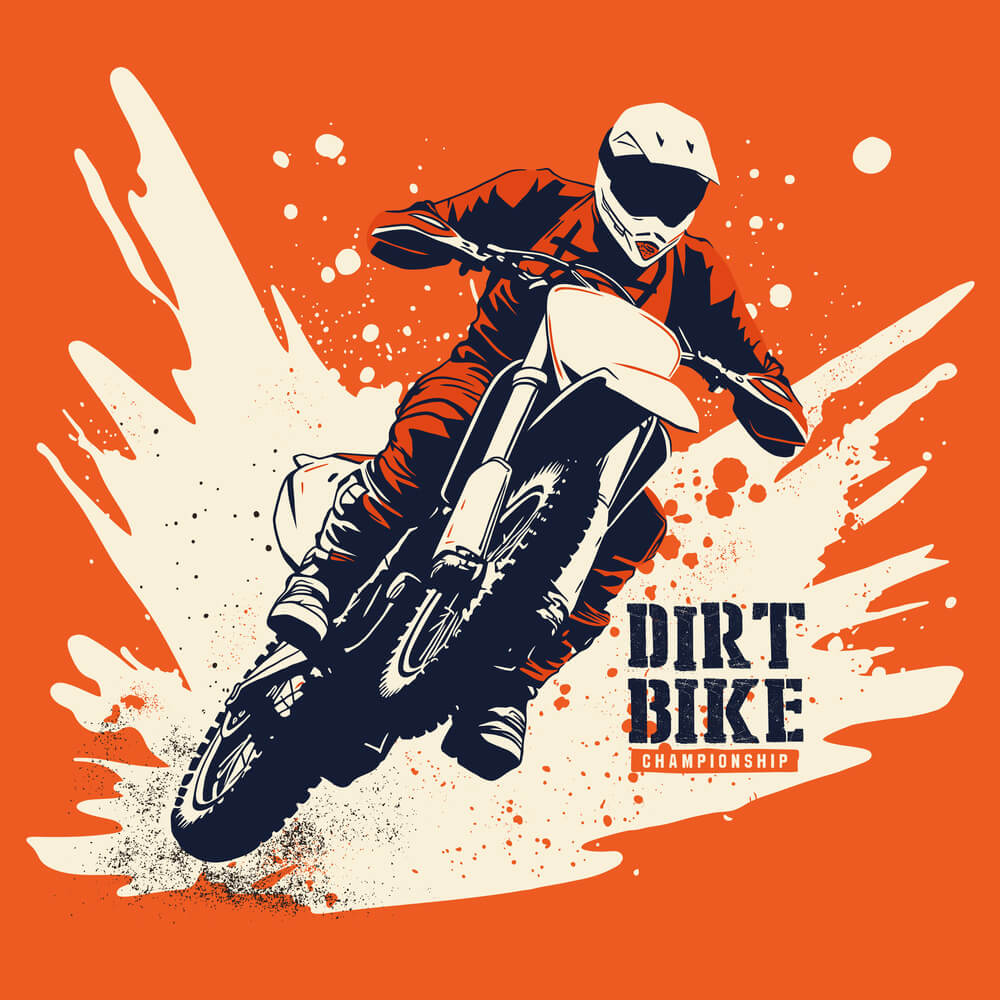
The Evel Knievel stunt cycle toy dates to 1973, a wind-up motorcycle that launched itself across the floor when kids pulled a lever. It tied directly to the real daredevil, who jumped motorcycles over rows of vehicles and was a television hero that decade.
Boys and girls crowded around the launcher at parties, crashing the figure again and again. Original sets are collected now, and the price depends on condition, the box, and missing parts.
The Party That Needed No Producer
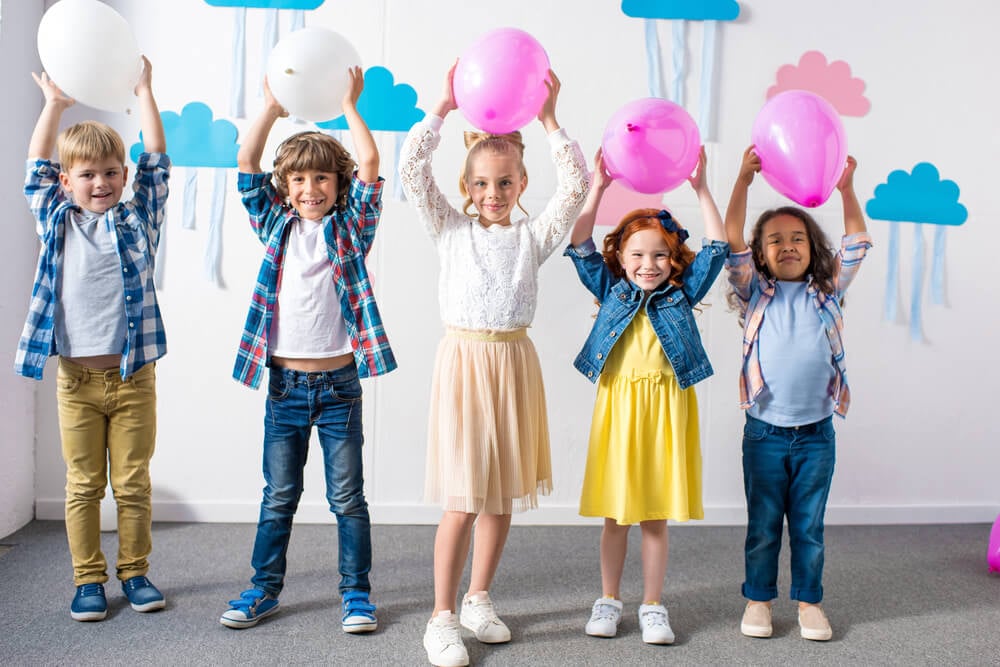
Each of these traditions relied on a parent with a roll of tape and a free afternoon. There were no custom backdrops, no catered activities, and no rehearsed entertainers, only kids, games, cake, and noise.
The craft was improvised, and the improvisation is what people recall decades later.
Many of the items on this list were small and cheap, from the paper hat to the squeaking horn. They worked because the guests supplied the energy, and the hosts supplied the room and the snacks.
That simple recipe may be the real tradition that survived the decade.
More from Go2Tutors!

- The Romanov Crown Jewels and Their Tragic Fate
- 13 Historical Mysteries That Science Still Can’t Solve
- Famous Hoaxes That Fooled the World for Years
- 15 Child Stars with Tragic Adult Lives
- 16 Famous Jewelry Pieces in History
Like Go2Tutors’s content? Follow us on MSN.