Unexpected Records Tied to Entertainment
Entertainment exists to amuse, distract, and occasionally inspire. But behind the performances, productions, and premieres sit some truly bizarre achievements that nobody set out to accomplish.
These records emerged from dedication, obsession, or pure accident—often all three at once. Some performers chase records deliberately.
Others stumble into them while pursuing completely different goals. The entertainment industry produces so much content and involves so many people that unusual records become almost inevitable.
Here are the ones that stand out for being particularly strange, impressive, or both.
The Longest Applause in Recorded History

An opera performance in Vienna on June 30, 1991, received applause that lasted 80 minutes. Placido Domingo had just finished performing in Otello at the Vienna State Opera.
The audience refused to stop clapping, calling him back for 101 curtain calls. Theater staff tried to clear the venue multiple times.
The lights came up. Announcements played.
Nothing worked. The applause continued until Domingo physically couldn’t return to the stage anymore.
His vocal cords needed rest after the demanding performance, but the crowd wanted more. Opera houses typically expect applause to last a few minutes at most.
This marathon session disrupted the theater’s schedule and delayed cleaning crews. But it proved that audiences can transform appreciation into a physical endurance test when they feel moved enough.
A Single Movie Scene Took 148 Takes to Film

Stanley Kubrick filmed one scene in The Shining 148 times before accepting it. The scene showed Wendy Torrance backing up a staircase while defending herself with a bat.
Actress Shelley Duvall performed the take-after-take for days, becoming genuinely exhausted and distressed. Kubrick was notorious for demanding endless retakes.
He believed repetition would strip away any artificial performance and reveal something more authentic. The approach worked for his artistic vision but created miserable conditions for actors.
The Shining holds the Guinness World Record for most retakes of a single scene with dialogue. Other directors have shot more takes for action sequences or special effects shots, but Kubrick’s insistence on perfection for a relatively simple dramatic scene remains unmatched.
The Fastest Rapper Hit 927 Syllables in One Minute

Rapper Twista holds the Guinness World Record for fastest rapper, articulating 280 words containing 927 syllables in one minute. That averages to more than 15 syllables per second.
The human tongue and lips physically cannot move much faster while still producing intelligible sounds. Twista built his career around this ability. His tracks feature breakneck delivery that requires multiple listens to catch all the lyrics.
Other rappers have claimed faster speeds, but Guinness requires clear enunciation and comprehensible words—slurring through syllables doesn’t count. The record represents the peak of what human speech organs can accomplish.
Faster attempts become unintelligible noise rather than actual language. Twista found the sweet spot where speed and clarity barely coexist.
A TV Show Aired for 72 Continuous Years

Guiding Light ran for 72 years across radio and television, making it the longest-running drama in broadcast history. The show premiered on radio in 1937 and moved to television in 1952, continuing until 2009.
That’s 15,762 episodes across seven decades. Multiple generations of families watched the show together.
Characters aged in real time, and actors played the same roles for 30 or 40 years. The continuity created an unusual situation where viewers literally grew up alongside fictional characters.
The show survived changing tastes, network switches, and countless cast changes. Its cancellation in 2009 ended a connection between audiences and characters that spanned more than most people’s entire lives.
No other dramatic series has come close to matching that longevity.
The Most Expensive Movie Prop Sold for $4.6 Million
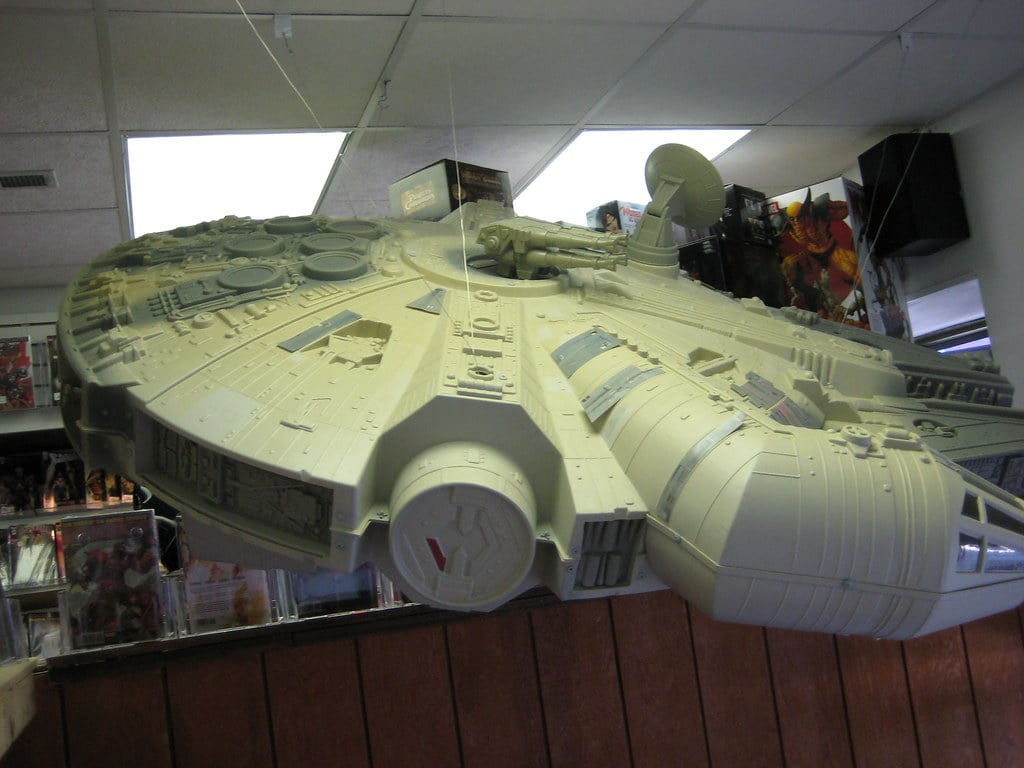
A miniature model of the Millennium Falcon used in The Empire Strikes Back sold at auction for $4.6 million in 2023. The 20-inch model appeared in several shots during the asteroid chase sequence.
It’s made of model kit parts, circuit boards, and random mechanical pieces glued together. The model looks rough up close—you can see the glue, the seams, and the kitbashed components.
But on film, lit properly and shot at the right angles, it became one of cinema’s most iconic spacecraft. The craftsmanship lies in knowing what the camera would see rather than creating pristine surfaces.
Movie props regularly sell for surprising amounts, but this particular Millennium Falcon broke records for miniature models. Collectors pay premium prices for items with clear screen time in beloved films.
This model checked every box.
One Song Holds the Record for Most Cover Versions

“Summertime” from the opera Porgy and Bess has been recorded more than 67,000 times, making it the most covered song in history. George Gershwin composed it in 1934, and artists have been reinterpreting it ever since.
Jazz musicians particularly favor the song. Its melody and chord progression provide room for improvisation while remaining recognizable.
Versions range from Ella Fitzgerald’s sublime rendition to Janis Joplin’s raw blues interpretation to electronic remixes. The song has been recorded in virtually every genre imaginable—classical, jazz, rock, hip-hop, country, metal, and countless others.
New versions still appear regularly nearly 90 years after its composition. The record grows larger each year as more artists discover it.
The Longest Concert Ever Performed Lasted 453 Hours
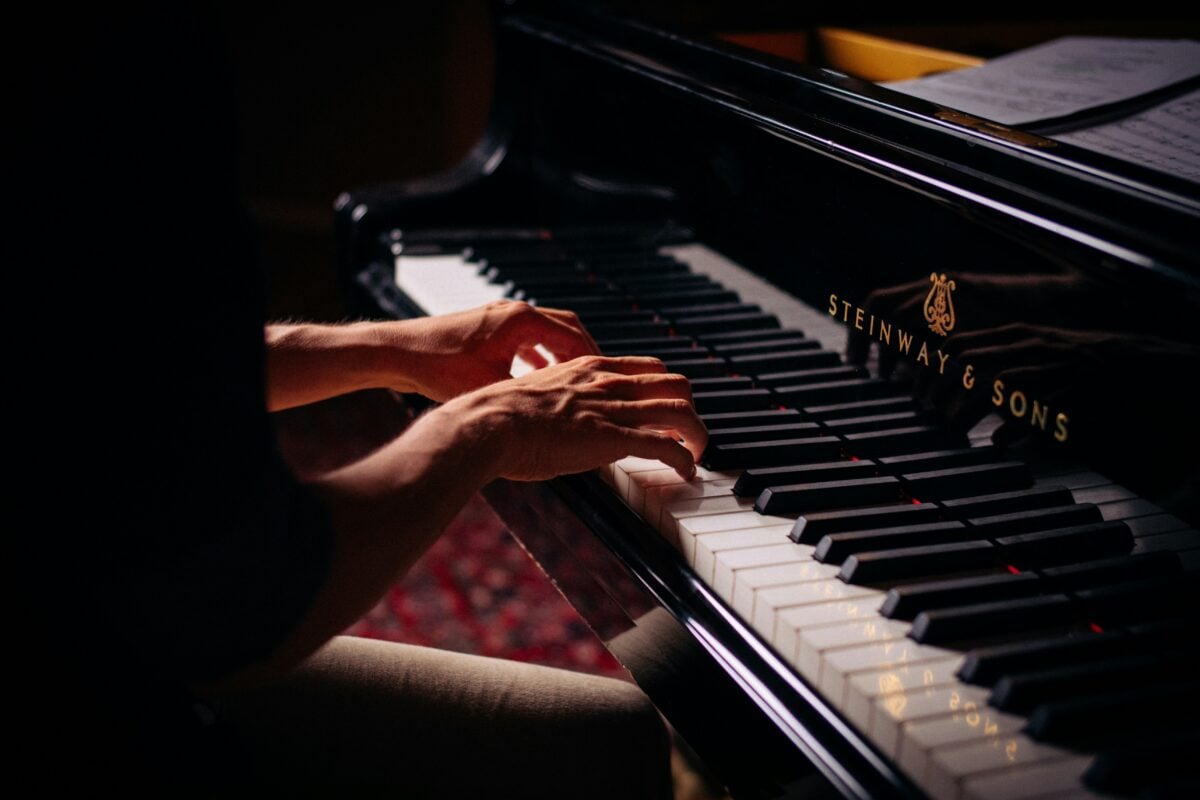
A pianist in Belgium performed continuously for 453 hours, 16 minutes in 2016. Martijn Vennik played for nearly 19 days straight, taking only brief breaks allowed by Guinness rules.
He performed in a shopping mall, playing through exhaustion, hallucinations, and physical pain. The rules permitted five-minute breaks each hour, which accumulated and could be used for longer rest periods.
Vennik used this time to nap, eat, and recover feeling in his fingers. Medical professionals monitored him throughout the attempt.
His repertoire included classical pieces, jazz standards, pop songs, and improvisation. Toward the end, coherent thought became difficult and keeping track of what he had already played proved challenging.
The record demonstrates both musical skill and the human capacity for sustained suffering in pursuit of arbitrary goals.
A Single Theme Park Ride Has Been Operating Since 1902

The Leap-the-Dips roller coaster at Lakemont Park in Pennsylvania has operated since 1902, making it the oldest operating roller coaster in the world. The ride features wooden tracks and gravity-powered cars that reach thrilling speeds of approximately 10 miles per hour.
The coaster nearly closed permanently in the 1980s when the park fell into disrepair. Preservation efforts restored the ride, and it was designated a National Historic Landmark in 1996.
Modern safety features have been added, but the basic structure remains unchanged. Riding it feels like time travel.
The slow pace and gentle hills seem quaint compared to modern coasters that flip riders upside down at 70 miles per hour. But the wooden structure creaking under the cars provides its own kind of excitement—the ride feels genuinely old in a way that carefully maintains historical attractions never quite captured.
The Most Costume Changes in One Film

Actress Edith Head designed 65 costume changes for Elizabeth Taylor in the 1963 film Cleopatra. Taylor appeared in elaborate gowns, military outfits, ceremonial robes, and various stages of undress throughout the epic production.
Each costume required fittings, adjustments, and coordination with the film’s color palette. The costume budget alone exceeded $1 million—astronomical for 1963.
Gold fabric, real jewels, and custom metalwork made each outfit a work of art. Some costumes took weeks to construct and could only be worn for a single scene.
The film’s production became legendary for its excess. The costume record represents just one aspect of a production that nearly bankrupted 20th Century Fox.
But the visual spectacle those costumes created justified their cost. They remain some of the most memorable designs in cinema history.
A Voice Actor Holds Over 400 Character Credits
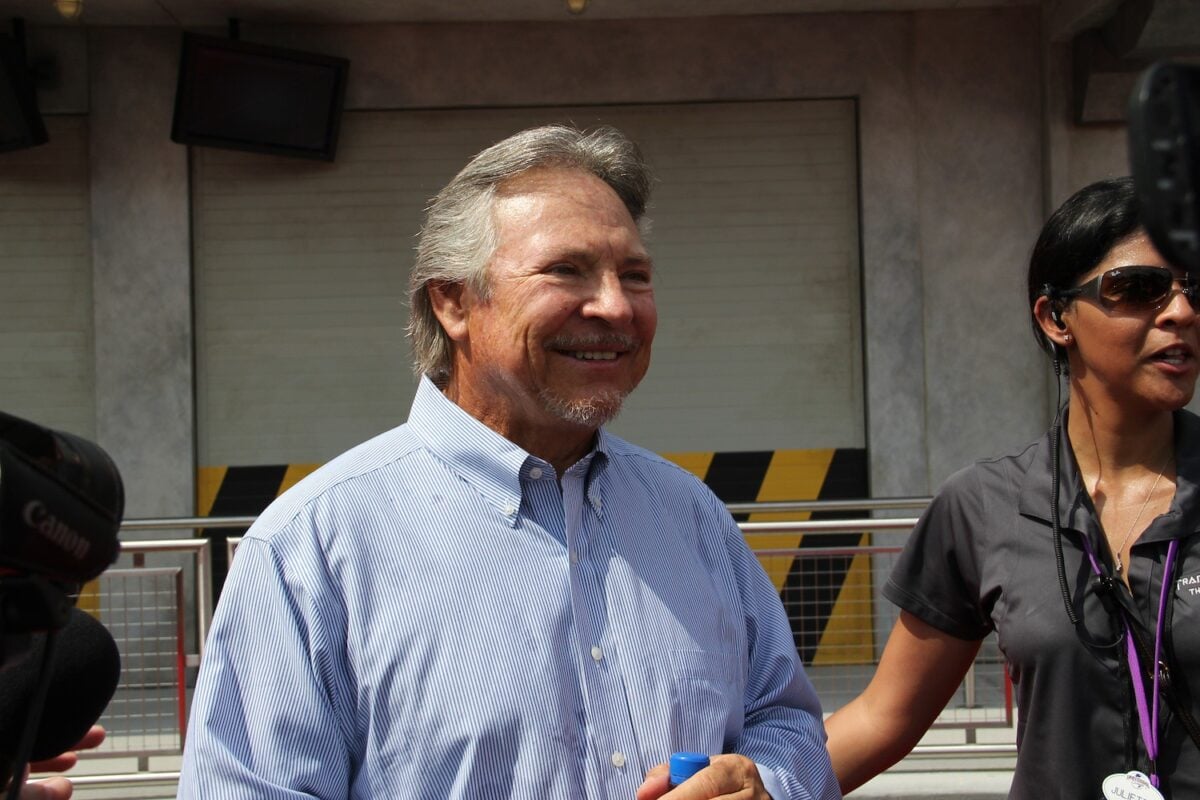
Voice actor Frank Welker has voiced more than 400 different characters across his career, giving him more individual character credits than any other performer. His work spans television, film, and video games over five decades.
Welker specializes in creature sounds and non-human voices. He voiced Fred from Scooby-Doo, Megatron from Transformers, and countless animals and monsters.
His ability to create distinct vocalizations for creatures that don’t exist has made him invaluable to animation studios. Most of his work goes uncredited in the public consciousness.
People recognize the characters but not the voice behind them. Welker has created sounds so iconic that they define entire franchises, yet he can walk down any street unrecognized.
His record stems from decades of consistent work rather than sudden fame.
The Longest-Running Musical Closed After 35 Years

The Phantom of the Opera ran on Broadway for 35 years before closing in April 2023. The show opened in January 1988 and performed 13,981 times to more than 20 million audience members.
The production grossed approximately $1.3 billion during its run. The same set occupied the Majestic Theatre for the entire run.
The chandelier crashed on schedule thousands of times. Michael Crawford originated the role of the Phantom, but more than 14 actors played the part over the years as the production continued.
The closing marked the end of an era for Broadway. The Phantom had become a permanent fixture, a guaranteed option for tourists who wanted to see a spectacular show.
Its departure left the longest-running title to Chicago, which opened in 1996 and continues to perform.
A Single Painting Appears in 44 Different Films

Vincent van Gogh’s “Starry Night” has appeared in more films than any other artwork—at least 44 by current count. The painting shows up in establishing shots, as decoration in characters’ homes, and as plot points in movies about art.
Filmmakers favor the painting because audiences instantly recognize it. A glimpse of those swirling night skies immediately communicates something about a character’s taste, education, or appreciation for beauty.
The painting serves as visual shorthand. The painting itself hangs at the Museum of Modern Art in New York.
The frequent film appearances have made it even more famous, creating a feedback loop where its familiarity makes filmmakers choose it, which increases its familiarity further. The record grows as new films continue selecting it.
The Most Watched Television Broadcast Drew 3.5 Billion Viewers

The 2018 FIFA World Cup final between France and Croatia drew an estimated 3.5 billion viewers worldwide. That’s nearly half the global population.
The match aired live in virtually every country, with viewing parties organized from major cities to remote villages. Television events rarely achieve this kind of global simultaneity.
The World Cup final benefits from being scheduled far in advance, having universal appeal, and occurring in a sport followed worldwide. No other sporting event comes close to matching the audience size.
The record surpassed the previous mark set by the 2014 World Cup final. As global internet connectivity and television access expand, future World Cup finals may break the record again.
But 3.5 billion viewers represents such a substantial portion of humanity that significant growth becomes mathematically challenging.
A Director’s Cut Was 321 Minutes Longer Than the Theatrical Version

The extended cut of the 1980 film Heaven’s Gate added 321 minutes to the original theatrical release, making the full director’s cut 219 minutes long. Director Michael Cimino initially delivered a version over five hours long, which the studio forced him to cut to 149 minutes for theatrical release.
The theatrical version bombed catastrophically. Critics savaged it and audiences stayed away.
The film’s failure bankrupted United Artists and became a cautionary tale about giving directors unlimited creative freedom and budgets. Later restorations have rehabilitated the film’s reputation somewhat.
The full-length version allows the story to develop properly and gives context missing from the butchered theatrical cut. But the massive difference between versions represents one of the most extreme cases of studio interference versus artistic vision in film history.
When the Credits Roll on Achievement

Out there, maybe, someone repeats a task once again – not knowing it counts. Moments like these slip through plans and mishaps alike.
Where effort draws eyes, strange milestones tend to rise. A single extra try could be enough – a song reworked, a scene reshot, another appearance near an old masterpiece.
What feels routine might just cross a line nobody saw. It could happen today, a record made without any warning.
What stands out is how quiet it feels at first. No loud signals mark the moment.
Slowly, figures rise while attention looks elsewhere. One day, someone checks and sees they’ve passed a line no one saw coming.
Shows play, songs loop, tickets sell – meanwhile, tallies shift in silence.
More from Go2Tutors!

- The Romanov Crown Jewels and Their Tragic Fate
- 13 Historical Mysteries That Science Still Can’t Solve
- Famous Hoaxes That Fooled the World for Years
- 15 Child Stars with Tragic Adult Lives
- 16 Famous Jewelry Pieces in History
Like Go2Tutors’s content? Follow us on MSN.