11 Rare Carnivorous Plants
Carnivorous plants have always turned heads. They don’t just sit in the dirt and soak up the sun—they hunt. With clever traps and sticky tricks, these plants catch bugs and small creatures to stay alive in places where soil nutrients are low. While some, like the Venus flytrap, are well known, many others are less familiar but just as strange and fascinating.
Some are small and sneaky, others are huge and wild. Let’s look at 11 rare carnivorous plants that aren’t talked about much, but definitely should be.
Hydnora africana

This plant grows mostly underground and hardly looks like a plant at all. It lives in dry parts of southern Africa and only pops out to bloom.
Its flower smells awful, which attracts beetles looking for a place to hide. Once inside, the beetles get trapped for a while before the plant lets them go, covered in pollen.
This helps the plant spread without ever needing bright colors or big leaves.
Cephalotus follicularis

Also called the Albany pitcher plant, this one is only found in a small part of southwestern Australia. It has pitchers that look like tiny mouths with teeth.
These traps collect rainwater and trick bugs into falling in. It doesn’t need a lot of space to thrive, but it’s very picky about its climate.
That’s why it’s so hard to find outside its native area.
Like Go2Tutors’s content? Follow us on MSN.
Drosera regia

Nicknamed the king sundew, this one has long, narrow leaves covered in sticky hairs. It shines in the sunlight and lures insects like a bug zapper.
Once a bug lands, it gets stuck fast, and the plant curls around it to digest it slowly. It’s one of the largest sundews and one of the hardest to keep alive in gardens.
That’s part of what makes it so rare.
Pinguicula gigantea
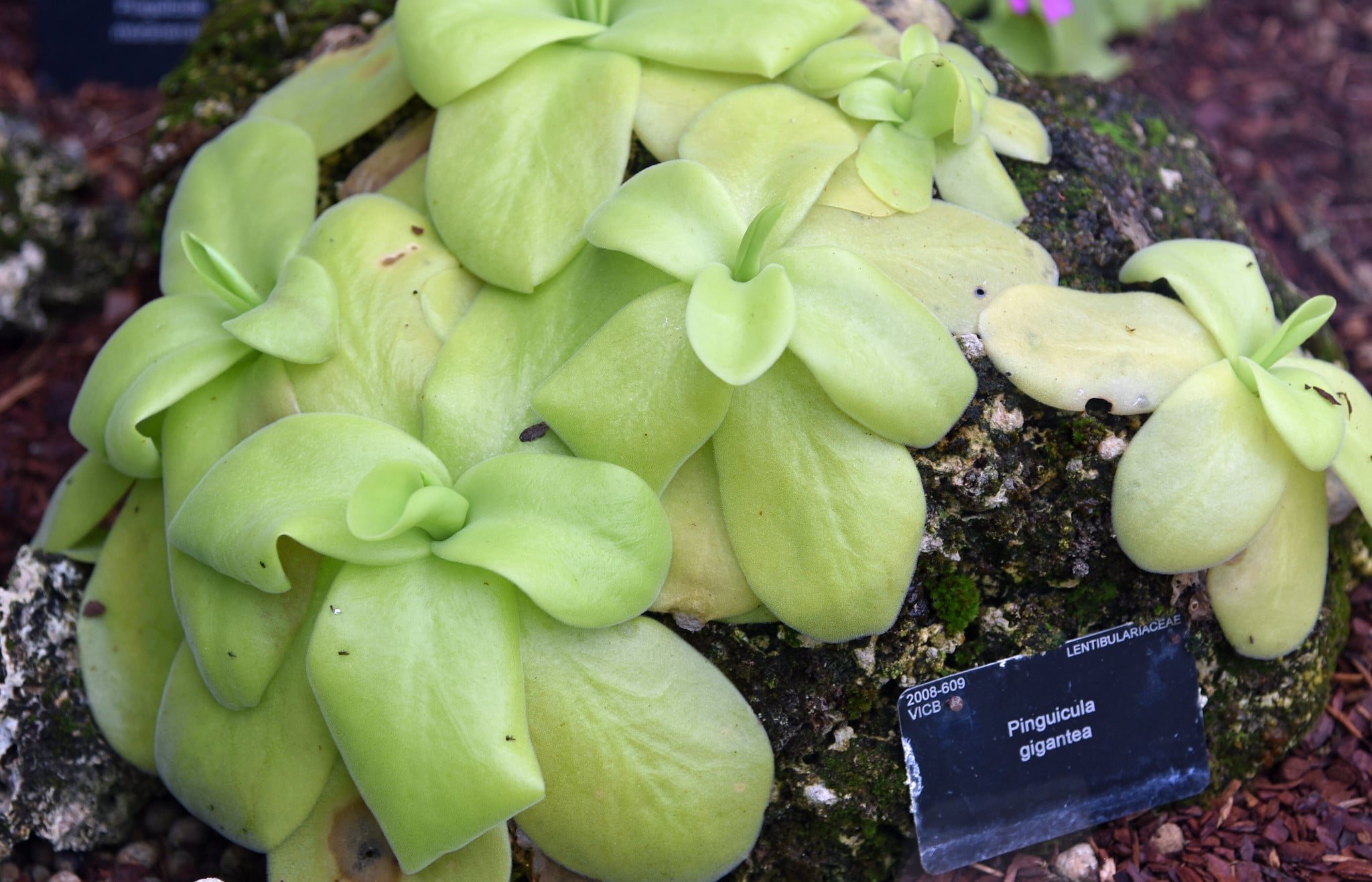
This butterwort lives in Mexico and has wide, flat leaves that feel greasy to the touch. The leaves trap insects with a natural glue.
After catching a meal, the plant slowly digests it with enzymes. It can grow quite large for a butterwort and often surprises people with its size.
It also grows well in limestone rock, which most plants avoid.
Nepenthes rajah

Native to Borneo, this giant pitcher plant can hold up to three liters of fluid in one trap. It’s one of the biggest of its kind and can trap animals as large as rats.
The smell it gives off is strong and draws in curious creatures. Scientists still study how it survives in poor soil with such a big appetite.
It’s rare due to its limited habitat and slow growth.
Like Go2Tutors’s content? Follow us on MSN.
Drosera arcturi
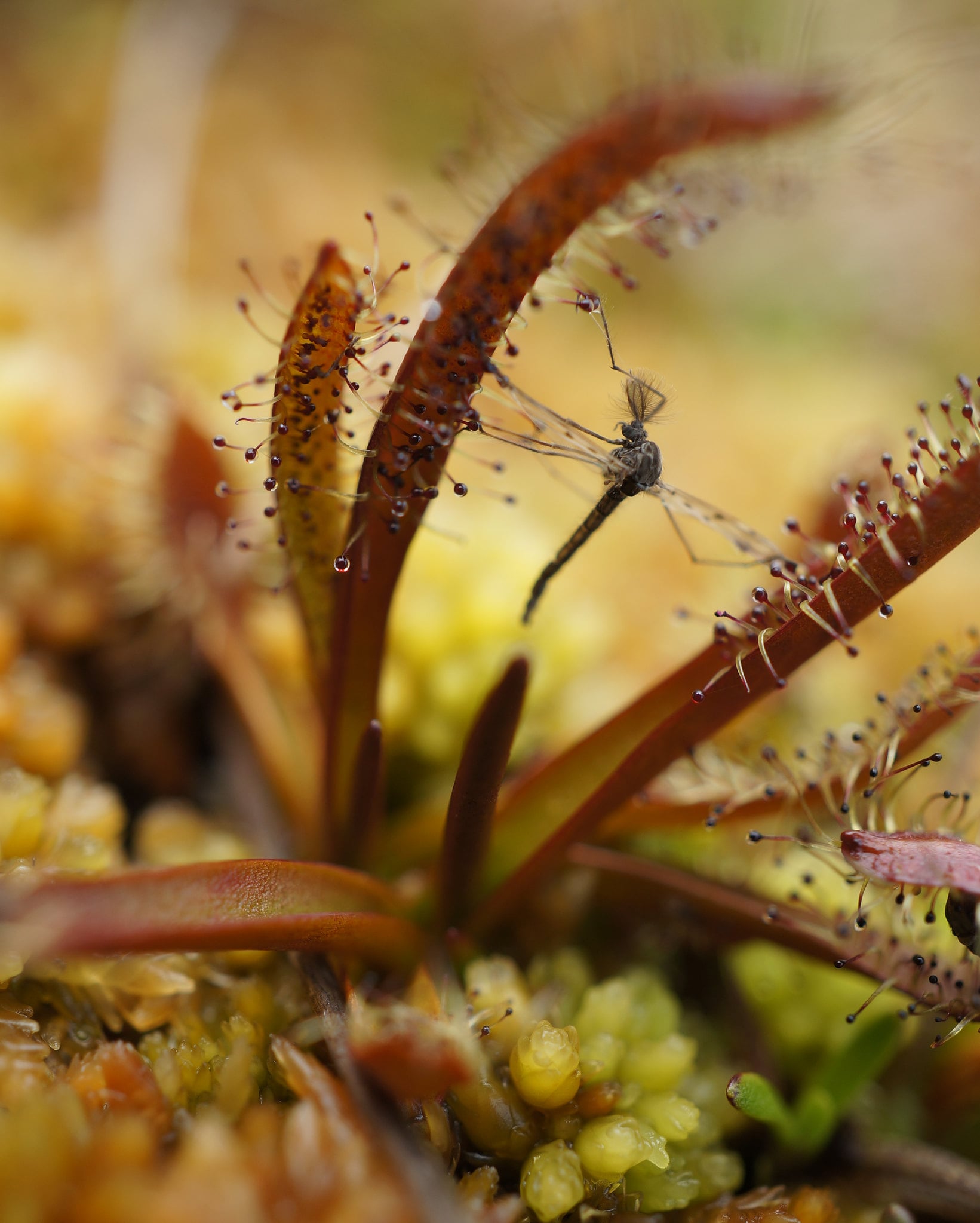
This sundew grows in cold, alpine regions of New Zealand and Tasmania. It’s one of the few carnivorous plants that can survive snow.
Its leaves are covered with sticky droplets that shine like frost. Bugs land, get stuck, and become winter snacks for the plant.
Its ability to live in freezing weather makes it very unusual.
Byblis gigantea
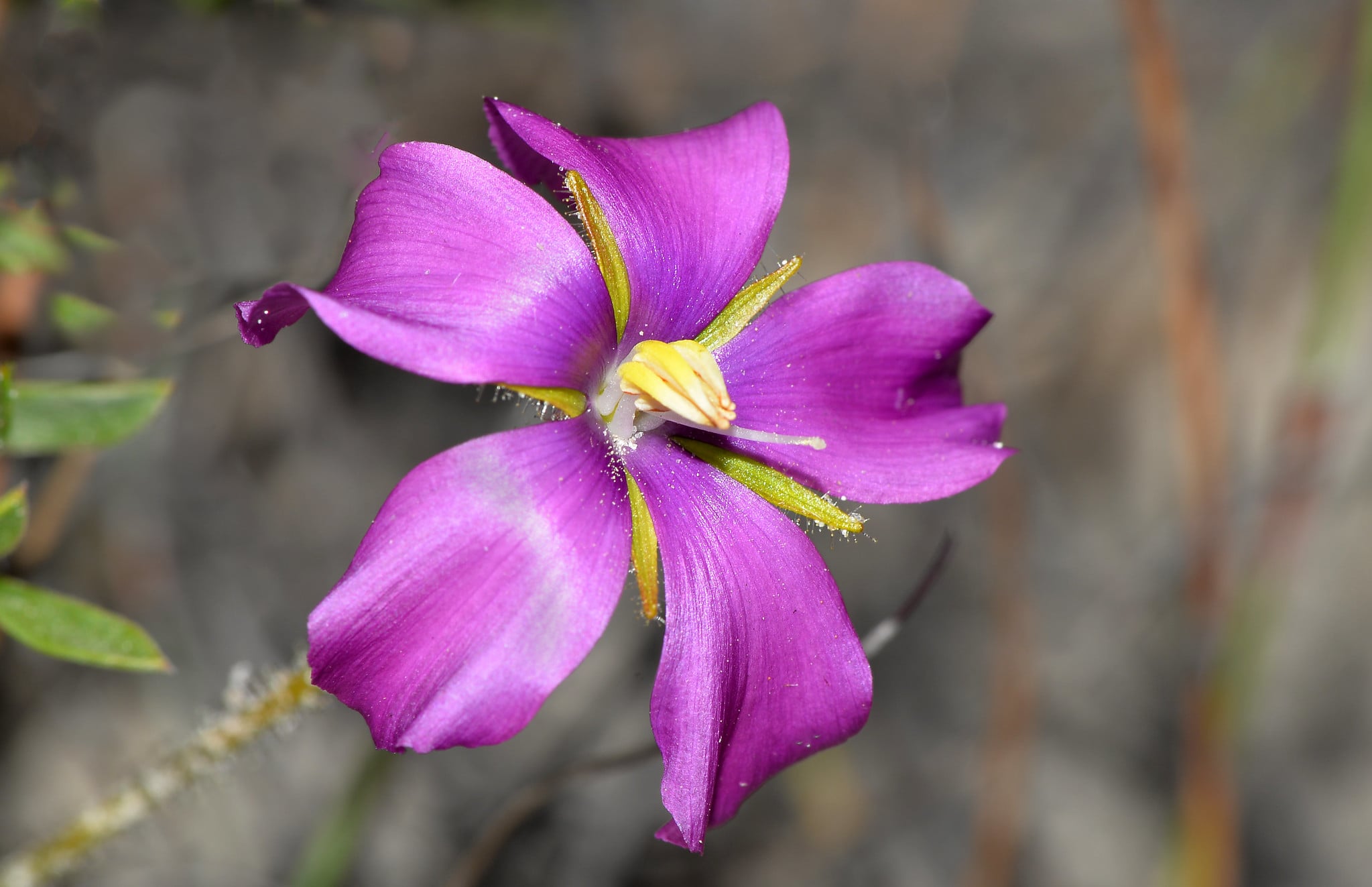
This Australian plant is sometimes mistaken for a sundew, but it belongs to a different family. Its tall, narrow leaves are covered in glistening droplets.
These droplets trap and slowly break down insects. It also grows bright purple flowers that add to its beauty.
Because of land clearing, it’s now very rare in the wild.
Darlingtonia californica
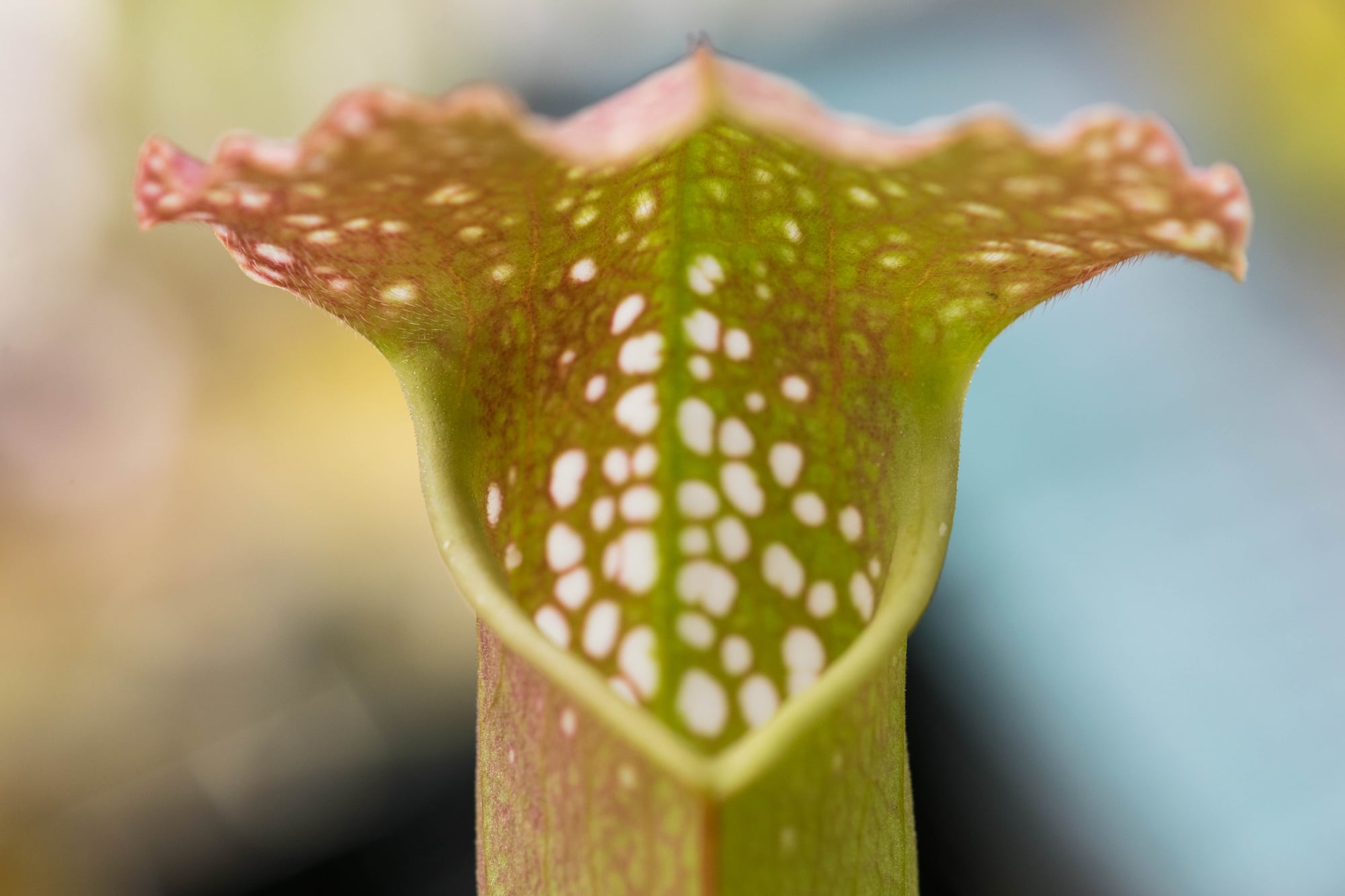
Known as the cobra lily, this plant looks like a snake ready to strike. It’s native to northern California and Oregon.
Its trap uses light tricks and false exits to confuse insects. Once inside, the bugs can’t find their way out and fall into a pool of digestive fluid.
It’s hard to grow outside its native environment, making it special.
Like Go2Tutors’s content? Follow us on MSN.
Nepenthes aristolochioides

This one has a unique dome-shaped lid that covers the pitcher, letting light in from the sides. Insects fly toward the light and end up trapped inside.
It only grows in small patches of Sumatra. Its unusual shape helps it stand out, but also makes it more sensitive to changes in weather.
That limits where it can survive.
Utricularia longifolia

This is one of the largest bladderworts and lives in wet soil rather than water. It has long leaves and underground traps that suck in tiny organisms.
It blooms with bright purple flowers that look harmless. But under the surface, it’s a fierce hunter.
Because it needs very wet conditions, it’s hard to grow in most places.
Stylidium debile

Also called the frail triggerplant, this one uses speed instead of traps. When an insect lands on it, a part of the flower snaps forward and whacks the bug with pollen.
It doesn’t digest the insect, but it can trap and damage small ones that get in the way. Some say it’s only partly carnivorous, but its behavior is rare enough to include.
It grows mainly in Australia and doesn’t like being moved.
Like Go2Tutors’s content? Follow us on MSN.
Plants that bite back, then vanish
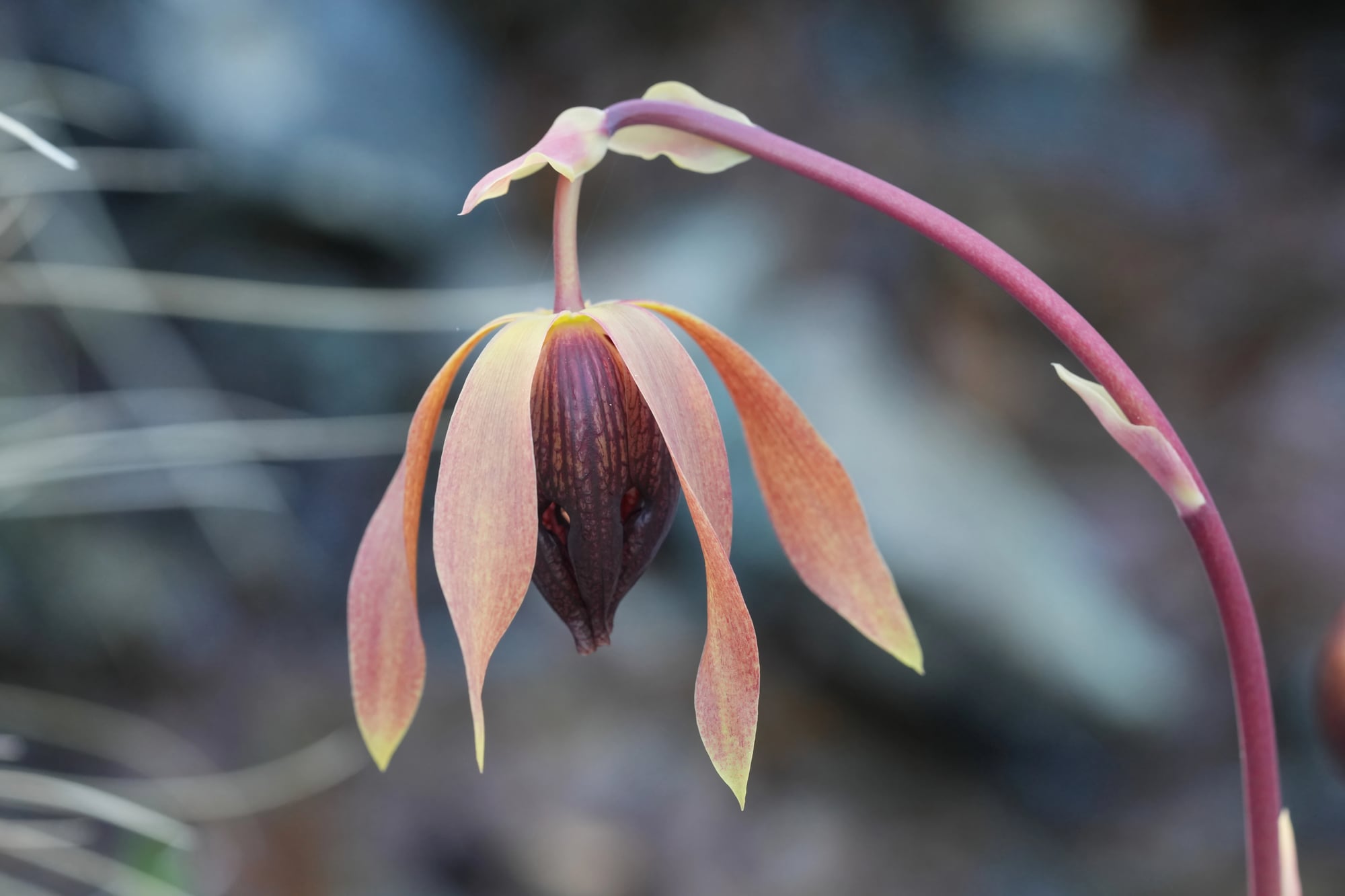
These plants don’t just sit around waiting for the rain. They work for their meals and do it in strange and clever ways.
Many grow in places that few people visit, which is part of why they’ve stayed rare. As more land is cleared and climates shift, they become even harder to find.
Knowing about them now helps keep their stories alive before they disappear.
More from Go2Tutors!

- 16 Historical Figures Who Were Nothing Like You Think
- 12 Things Sold in the 80s That Are Now Illegal
- 15 VHS Tapes That Could Be Worth Thousands
- 17 Historical “What Ifs” That Would Have Changed Everything
- 18 TV Shows That Vanished Without a Finale
Like Go2Tutors’s content? Follow us on MSN.