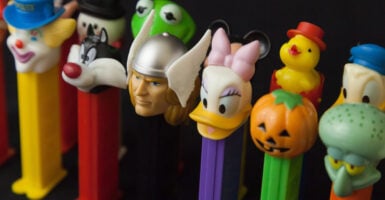
27 Pez Dispensers Collectors Chase
A candy dispenser costs a couple of dollars at the checkout, holds a dozen bricks of pressed sugar, and gets thrown away by almost everyone who buys one. That disposability is exactly why the survivors matter.
The name comes from the German word Pfefferminz, the mints began in Austria in 1927, and the dispenser itself arrived in 1948 without any character head at all.
Collectors sort the field with one blunt rule before anything else: dispensers made before 1987 have no feet on the base. Everything below is pre-feet, prototype, limited, or otherwise hard to find, and the prices attached are hedged secondhand estimates rather than promises.
World’s Fair Astronaut B
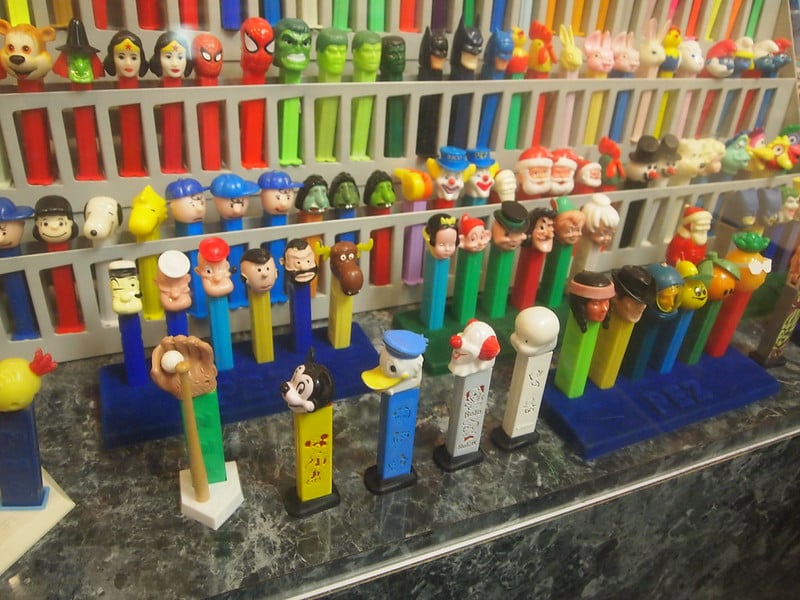
Only two examples of this dispenser are believed to exist, both made as prototypes for the 1982 World’s Fair in Knoxville, Tennessee. One of them sold on eBay in 2006 for 32,205 dollars, a figure that still anchors every conversation about the top of the Pez market.
The design is a helmeted spaceman on a stem printed for the fair, and it never reached regular production. Because so few exist, any example offered today would need unimpeachable provenance and expert authentication before serious buyers would consider it, since a convincing fake built from common parts is the obvious danger with a piece this famous.
Astronaut A
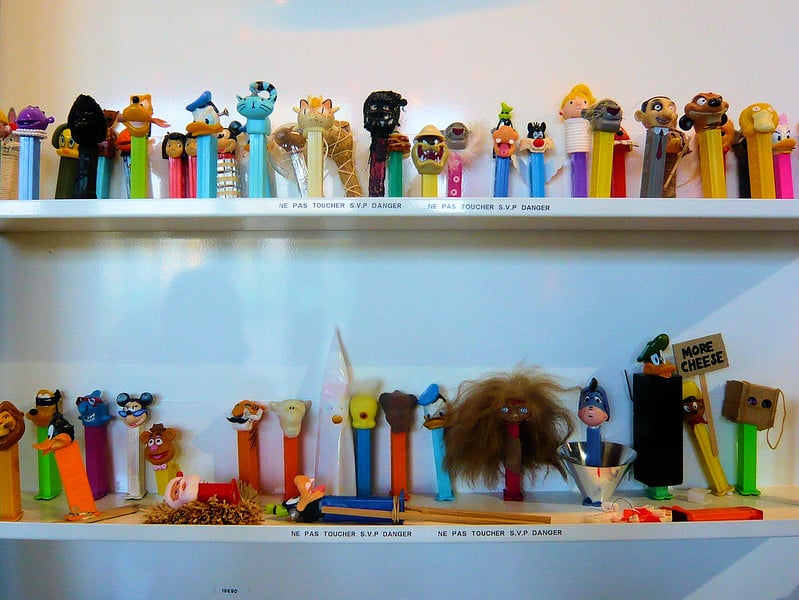
Astronaut A is the earlier helmeted spaceman from the 1960s, and while it is far more common than its World’s Fair cousin, it still sits comfortably in four figures. Examples have sold for about 1,900 dollars, with the stem color and helmet shade affecting the final number.
The figure came in a few head and body combinations, and collectors argue over which pairings are correct and which are later marriages of mismatched parts. Scuffs on the helmet dome and any crack in the spring housing pull the price down quickly, and a clean, original example with its working mechanism is what the money chases.
Soft-Head Mickey Mouse
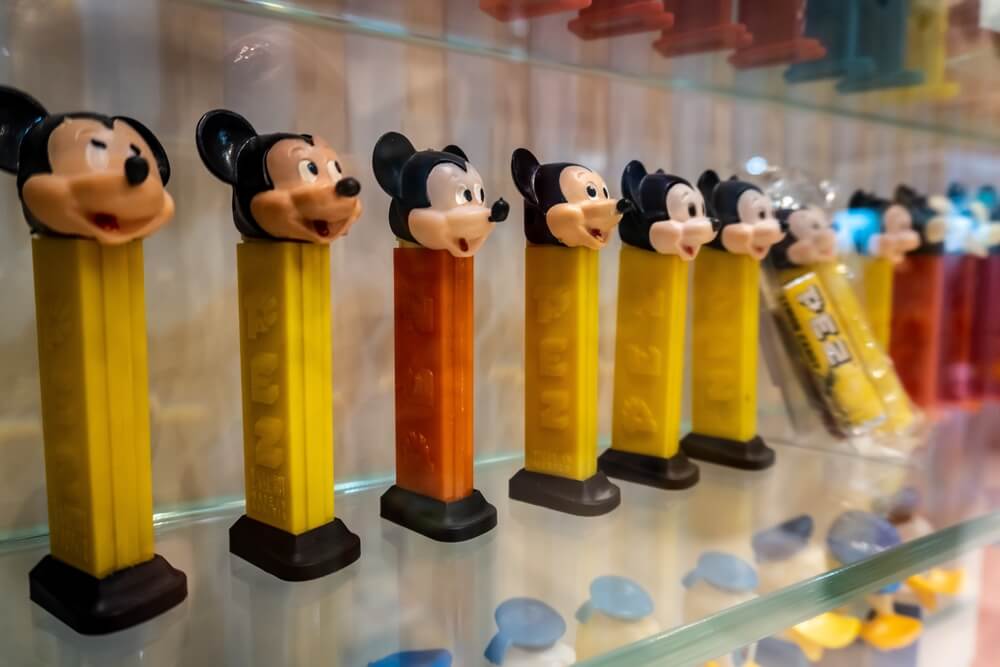
Most Pez heads are hard molded plastic, but for a short period in the 1970s the company produced a handful of Disney characters with soft rubber heads. The soft-head Mickey Mouse is the best known of them, and one sold in 2019 for 3,500 dollars.
The rubber was never meant to last decades, so many surviving examples have hardened, cracked, or been chewed by the children who originally owned them. Supple, uncracked rubber with clean paint is rare enough that collectors inspect photographs under magnification before bidding, and a dry, brittle head can cut the value to a fraction of a flexible one.
Soft-Head Dumbo
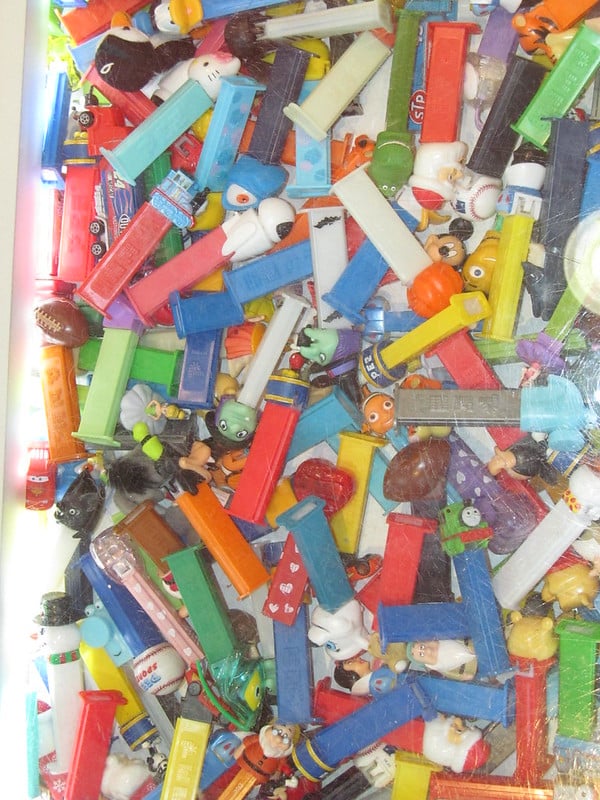
Dumbo received the same soft rubber treatment as Mickey in the 1970s, and the elephant has become a quiet star of the Disney Pez category. A soft-head Dumbo sold for 2,728 dollars in 2019, which put it just behind Mickey among the rubber-headed group.
The oversized ears are the vulnerable point, since they bend, tear, and lose paint along the edges where fingers gripped them. Buyers also look at the stem, because a correct no-feet base from the right era matters as much as the head, and a soft head swapped onto a later footed stem is worth far less than an untouched original.
Space Gun
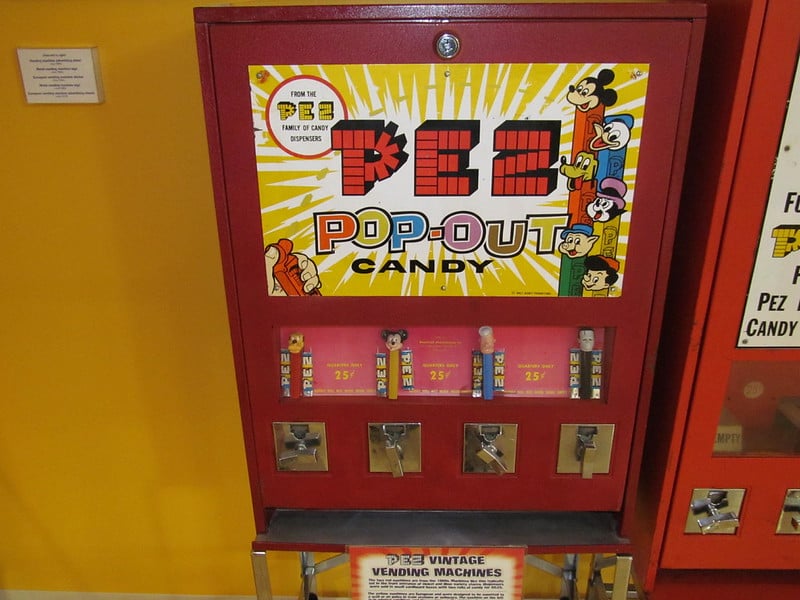
Pez spent part of the 1950s selling candy through toy pistols rather than character heads. The space gun fired candy bricks instead of darts, and examples in good working order have brought about 1,100 dollars.
A three-piece carded gun set sold for 700 dollars in 2023, showing that even the packaging has a market of its own. These guns came in several colors, and the plastic of the era is prone to warping and stress cracks around the trigger.
Working springs, an intact barrel, and the original card are the three things that separate a shelf curiosity from a serious sale.
Frankenstein
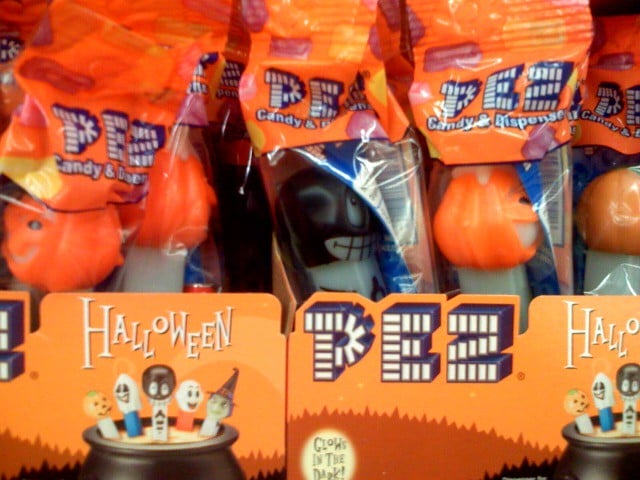
Released in 1965 as part of the monster lineup, the Frankenstein dispenser has a flat-topped green head with a dark fringe and the squared jaw of the Universal character. Clean examples trade at about 600 dollars, and the color of the stem can nudge that number in either direction.
Paint on the hairline and the stitches tends to wear first because those are the high points children handled. Any example sold as mint should have crisp paint edges and no yellowing of the green, and a missing or replaced head spring is a common fault that honest sellers disclose up front.
Witch B
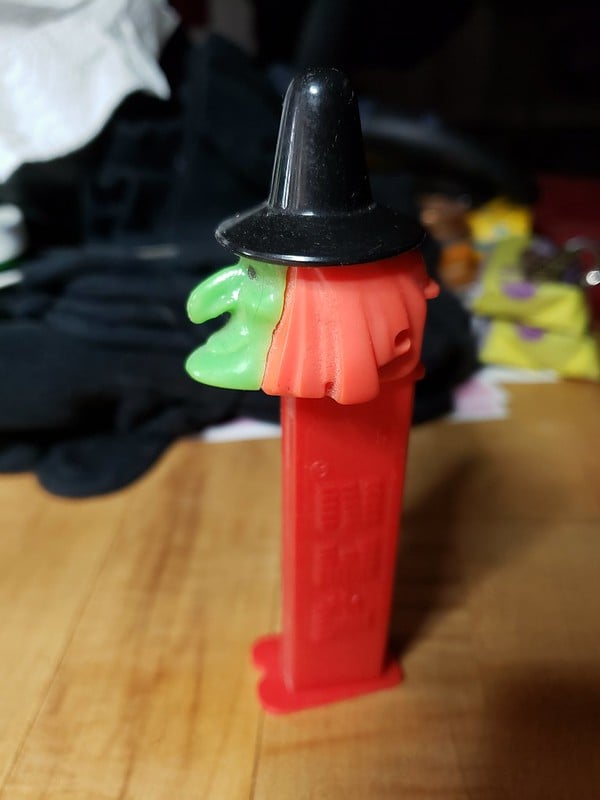
Witch B is a 1960s prototype that never went into normal production, which places it among the dispensers that advanced collectors spend years hunting. Many of the known examples are missing the kicker, the small internal part that pushes each candy forward, so a complete one is the exception rather than the rule.
The head is a hook-nosed hag in a pointed hat, and subtle differences in the mold distinguish it from the later regular witch releases. Values run well into four figures for authenticated pieces, with completeness and a documented chain of ownership mattering more than cosmetic perfection.
Mod Pez Flower
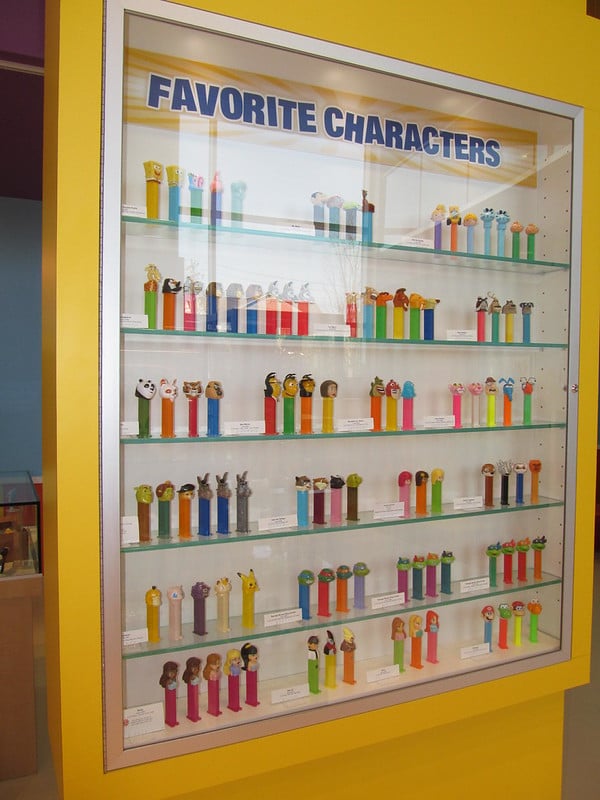
Mod Pez takes the form of a stylized flower with a single staring eye set in the center of the bloom, a design that could only have come out of the late 1960s. Collectors treat it as one of the odder and more desirable non-character dispensers because the concept was never revived.
The petals are thin and chip easily, and the eye decal or paint is often worn away entirely on examples that spent years in a toy box. Prices climb into the hundreds for sharp, complete pieces, and anything described as having bright petals and a clear eye draws competitive bidding among collectors of psychedelic-era Pez.
Bullwinkle
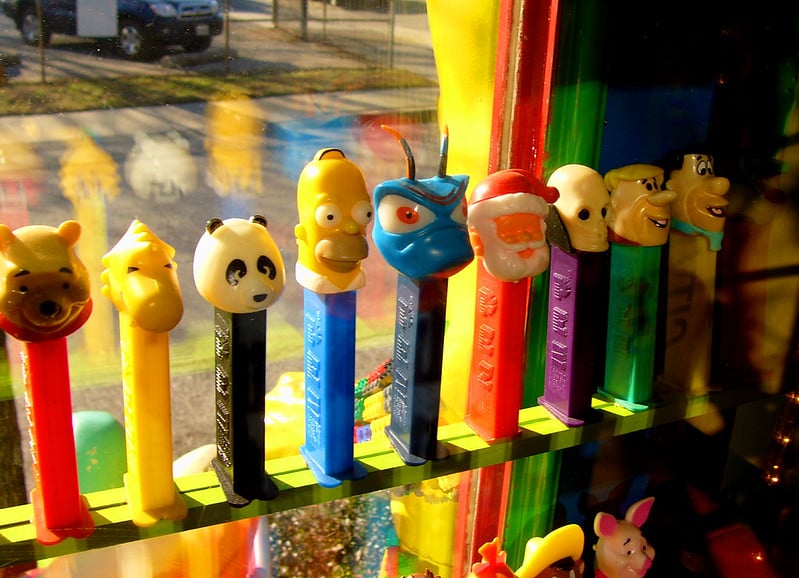
Bullwinkle the moose, from the Jay Ward cartoons, appeared on a 1960s dispenser with brown antlers and a slightly goofy expression that fans of the show recognize instantly. Good examples typically sell for 200 to 400 dollars, which makes this one of the more approachable vintage character pieces on the list.
The antlers are fragile and are frequently found broken, glued, or replaced with pieces from a different mold. Stem color variations exist, and collectors pay a premium for the less common combinations, provided the head and stem are original to each other and the mechanism still clicks.
Alpine Man
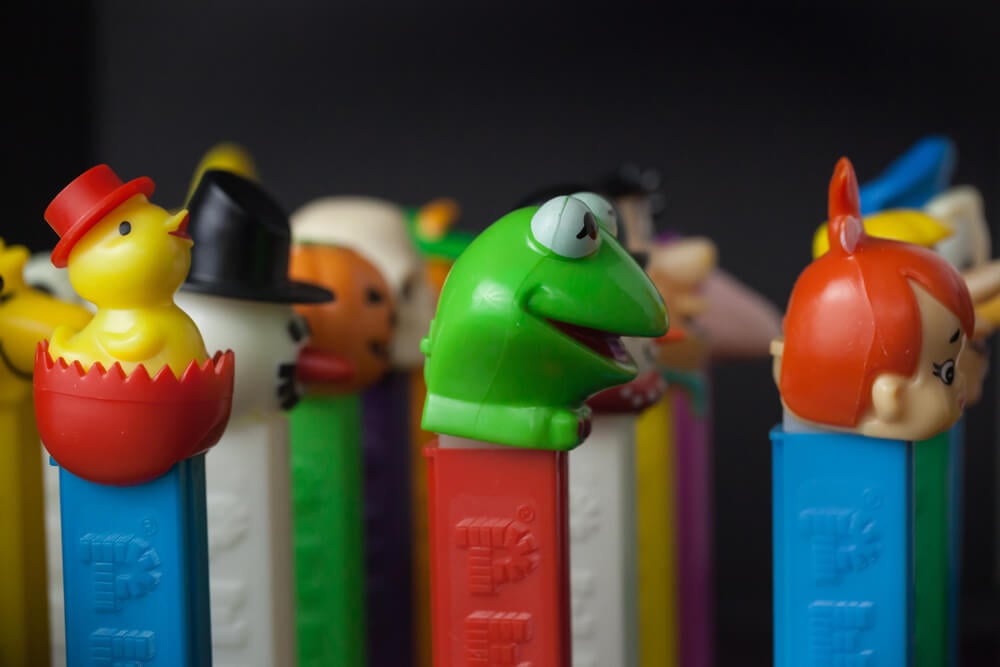
Alpine Man was issued around the 1976 Winter Olympics in Innsbruck, Austria, and shows a mustached figure in a traditional hat. It did not circulate widely and is now considered one of the rarer licensed-event dispensers.
The hat has a small feather detail that is almost always damaged or missing on examples that were actually played with. Because the figure is less famous than the monsters or the Disney characters, prices vary widely between casual sales and specialist auctions, but a complete example with an intact feather and a clean face has reached well into four figures.
Crazy Fruit Pineapple
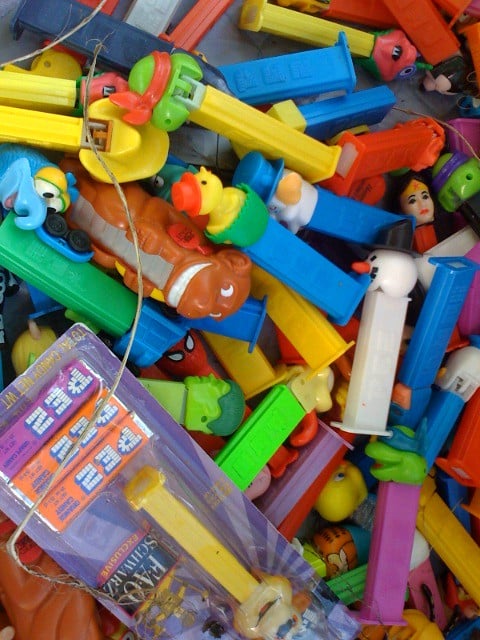
Crazy Fruit was a short series of fruit heads wearing sunglasses, and the pineapple is the piece that collectors fight over. The sunglasses are a separate thin piece, and any scratch across the lenses drops the value significantly, which is why listings specify unscratched glasses.
Full sets of Crazy Fruit are difficult to assemble because each fruit survived in different numbers. Pineapple heads in bright, unfaded yellow with crisp green leaves have brought strong four-figure results, while a faded example with scuffed glasses might sell for a small fraction of that.
Make-a-Face
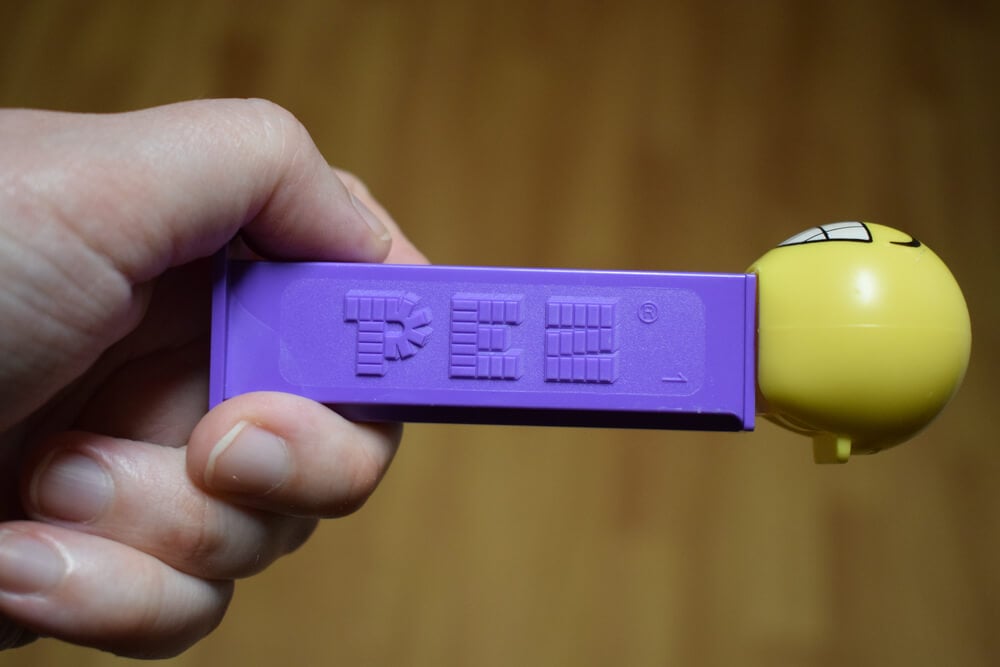
Make-a-Face is a Pez dispenser crossed with a construction toy, and it came with a selection of tiny facial features that snapped onto a blank head. Those small parts are the reason it is scarce today, since loose pieces were lost almost immediately and the design did not stay on shelves long.
A complete carded example with every feature still attached to its backing is the version collectors prize, and the card itself is often damaged or trimmed. Prices for a sealed card run into the low thousands, while an incomplete loose head is worth a tiny fraction of that.
Psychedelic Eye
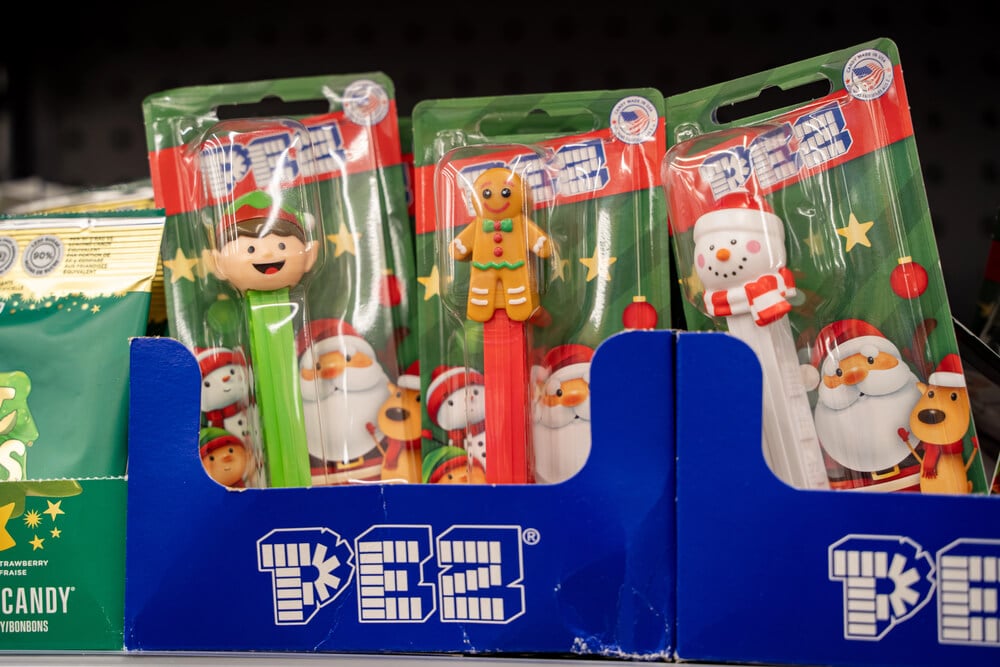
Psychedelic Eye dates to the late 1960s and pairs a hand-shaped head holding a single eye with a brightly patterned stem, often with a swirl sticker that has rarely survived intact. It is one of the few vintage dispensers where the stem sticker is central to the value rather than a footnote.
Originals are sometimes confused with later reissues, so collectors check the patent number and the stem construction before paying vintage prices. Clean originals with the sticker present have sold for several hundred dollars and more, and fading of the stem pattern is the usual reason an example falls short of that.
Creature from the Black Lagoon

Part of the 1960s monster series alongside Frankenstein, the Creature from the Black Lagoon dispenser features the scaled, finned head of the Universal gill-man. It is among the harder monsters to find in good shape because the fins and ridges along the head wear through to bare plastic.
Green color varies between examples, and some collectors specialize in the shades. Values for sharp, original examples sit well above the Frankenstein, often reaching into the four-figure range, and the same caution about replaced springs and swapped stems applies here in full.
Mr. Ugly
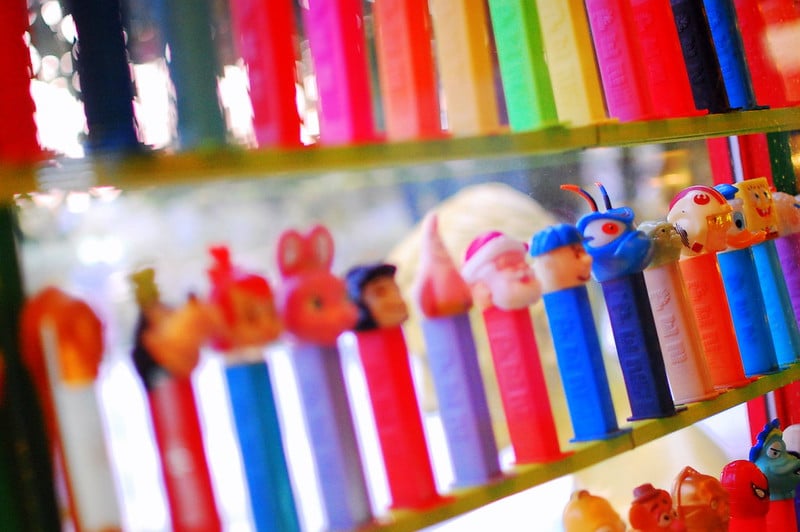
Mr. Ugly is a 1960s grotesque head with a lumpy green face, bulging features, and a grin that children apparently loved. Several color variations of the face exist, and the rarer shades carry a premium that casual sellers often overlook.
The head is a frequent target for reproductions, so experienced buyers want to see the inside of the head and the patent stamping on the stem before committing. Paint on the eyebrows and teeth wears first, and an example with every detail still crisp can sell for several hundred dollars, while a worn one is more of a conversation piece.
Golden Glow Regular
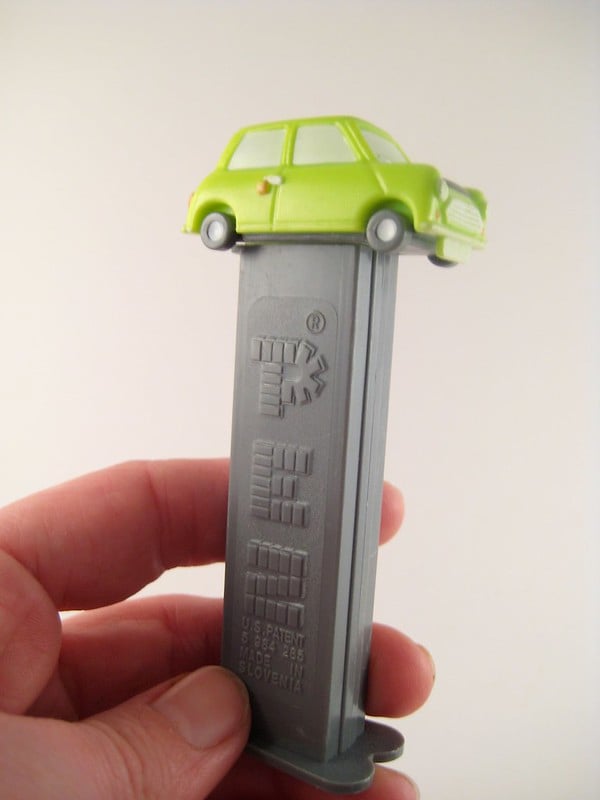
Golden Glow is a gold-toned version of the plain, headless regular dispenser, and it is one of the pieces that proves a Pez does not need a cartoon face to be valuable. The metallic plastic was used briefly, and it tends to dull or discolor over time, so a bright, even finish is what collectors look for.
A Golden Glow with its original cap and working spring has sold for several hundred dollars and sometimes more. Because regulars are small and easy to misidentify, buyers compare the gold tone and the stem shape against documented examples rather than trusting a listing title alone.
Headless Regular of the Early Years
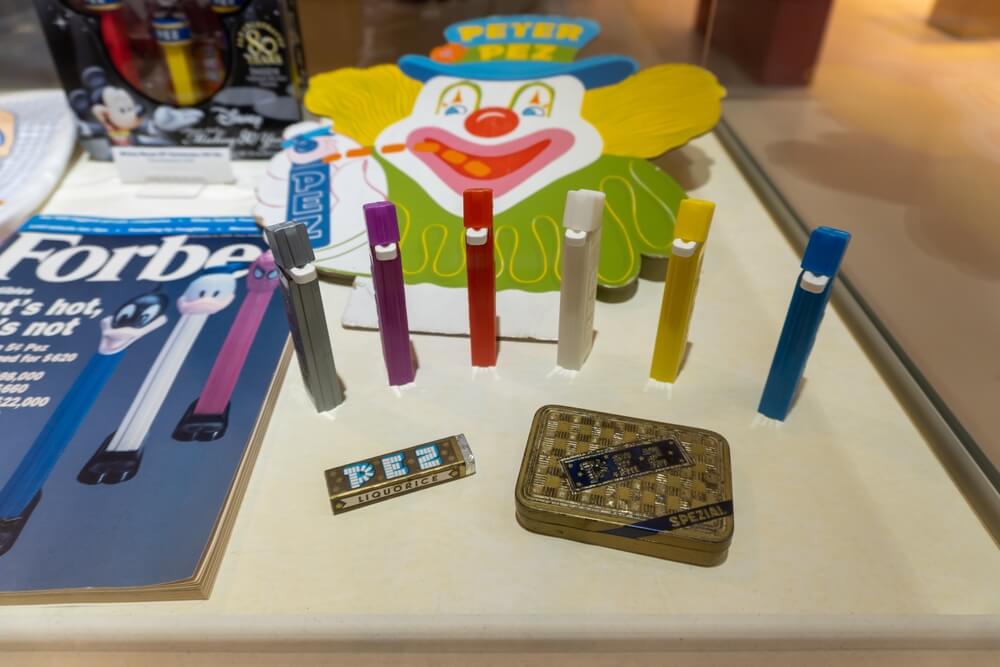
Before any character head existed, the dispenser was a plain rectangular case with a thumb-flip cap, marketed to adults as a breath mint and introduced in 1948. These early regulars came in solid colors and are the direct ancestors of every dispenser that followed.
Many were discarded once the character heads arrived in the United States after 1952, so good survivors are genuinely scarce. Price depends heavily on the stem color, the condition of the cap hinge, and whether the mechanism still works, with the uncommon colors in clean condition running well into the hundreds of dollars.
Political Donkey
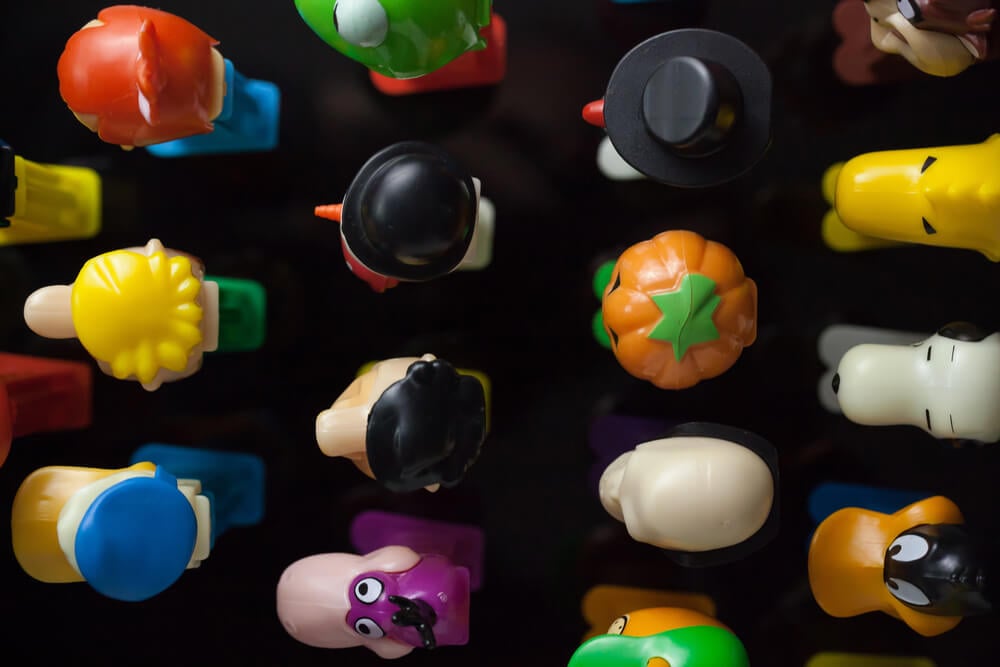
Pez made a donkey dispenser that collectors associate with the political mascot, and it is scarce enough that a single example was put on public display at the company’s visitor center in Orange, Connecticut. The head is a long-faced gray animal with upright ears that break easily.
Few are known in collector hands, and because of that, published values tend to be estimates rather than a record of frequent sales. Any example offered would be judged on the originality of the ears, the stem, and the mechanism, with provenance from an established collection adding substantially to the price.
Full-Body Santa
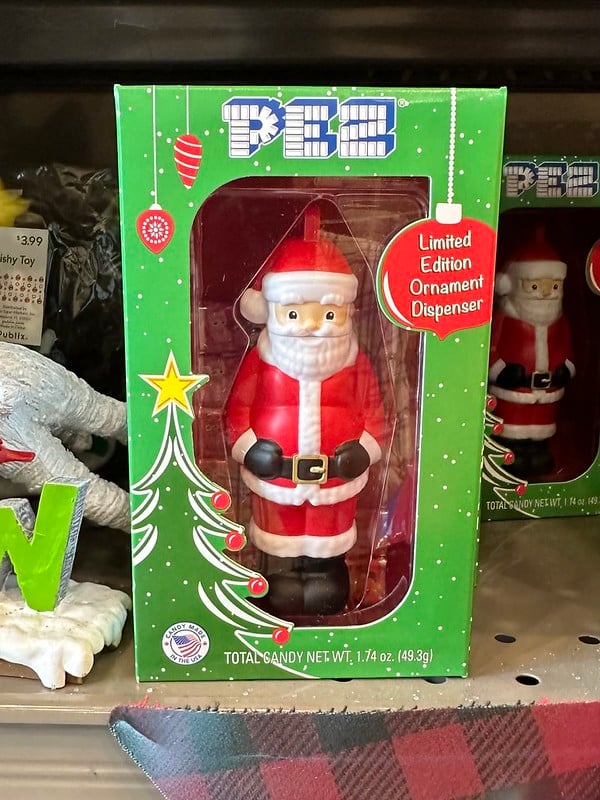
Santa Claus has been a Pez subject for decades, but the earliest version is a full-body figure rather than a head on a stem. The entire body forms the dispenser, with the candy loading into the figure itself, which makes it a structurally different object from almost everything else Pez produced.
Red paint on the suit and white on the trim wear at every contact point. Complete, unbroken full-body Santas in good paint have sold for well into the hundreds and sometimes more, and later head-on-stem Santas from the no-feet era are a far cheaper way to collect the character.
No-Feet Easter Bunny
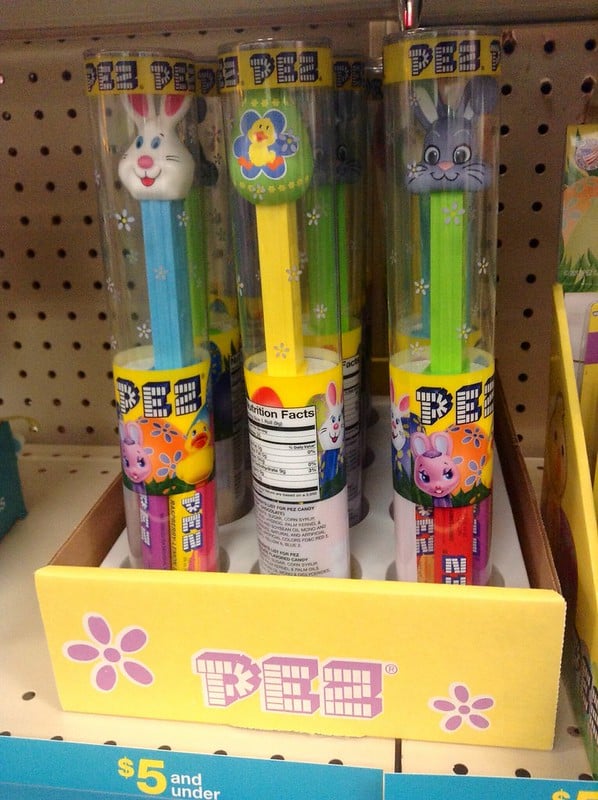
Easter releases have been a Pez staple for a long time, and the early bunny heads from before 1987 are the ones worth chasing. The long ears were molded as part of the head and are the first thing to snap, so a bunny with both ears intact and unglued is already ahead of most survivors.
Several head styles were produced over the years, and collectors catalog them by the shape of the ears and the face. Prices for the early no-feet versions in clean condition typically land in the tens to low hundreds of dollars, with the scarcer stem colors pushing higher.
Pez Pal Bride and Groom
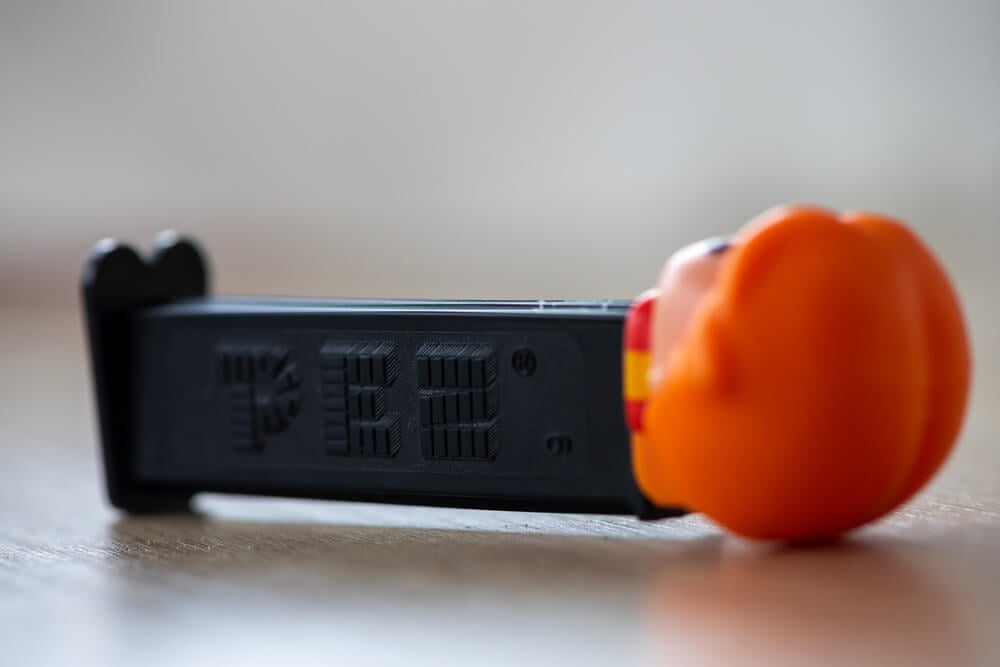
The Pez Pal line of the 1970s put generic human faces on the dispenser, and the Bride and Groom pair became the most sought-after of the group. The bride wears a white veil and the groom a dark hat, and both are d
ifficult to find with the headwear intact because the pieces were separate and easily lost. A matched pair with original veil and hat is the goal, and sellers who have only one half of the couple generally see much lower interest.
Values for a complete, original pair have reached into the four figures, with the veil condition the deciding factor.
Soft-Head Batman
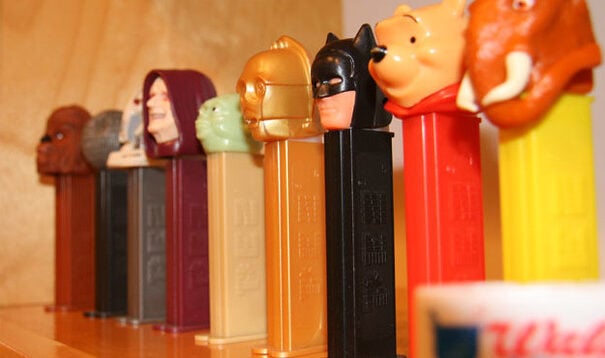
Along with the Disney soft heads, Pez produced a short run of DC Comics characters with rubber heads in the late 1970s, and Batman is the headliner. The cowl is molded in soft black rubber that stiffens and cracks with age, and examples made in the USA without feet are the ones collectors want.
Many surviving heads have lost their shape entirely, so a Batman with a firm, well-defined cowl and clean eyes is a legitimate find. Clean soft-head Batmen have sold for well into the hundreds of dollars, and the Joker from the same run is chased nearly as hard.
Peanuts Snoopy
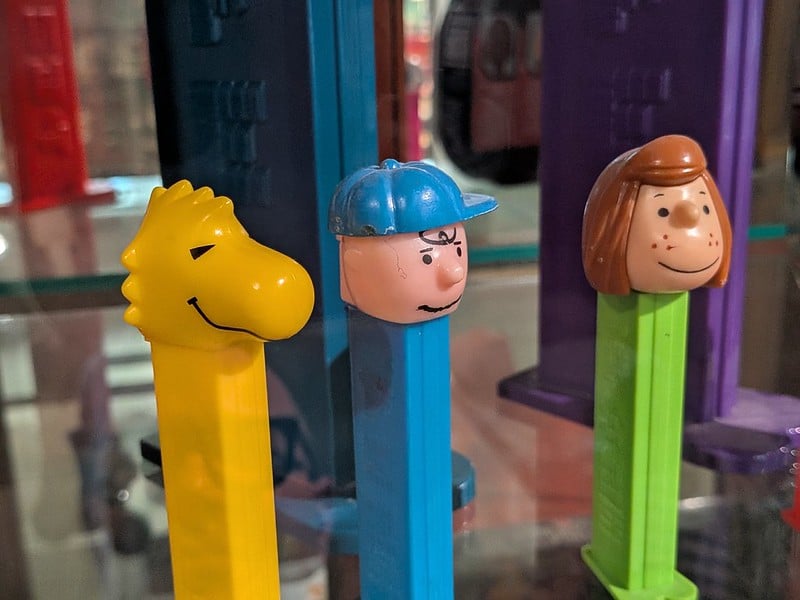
Pez released the Peanuts gang around 1990, and Snoopy led the lineup with a white head, black ears, and a nose that is almost always scuffed. The early footed Snoopy is not rare, but variations in the head mold and stem color give collectors something to pursue, and complete carded examples from the first release are harder to find than loose ones.
Values for common loose examples stay modest, often under 20 dollars, while a sealed first-run card can run several times that. Yellowing of the white plastic is the usual complaint, and bright white heads earn a premium over cream-colored ones.
Smurfs
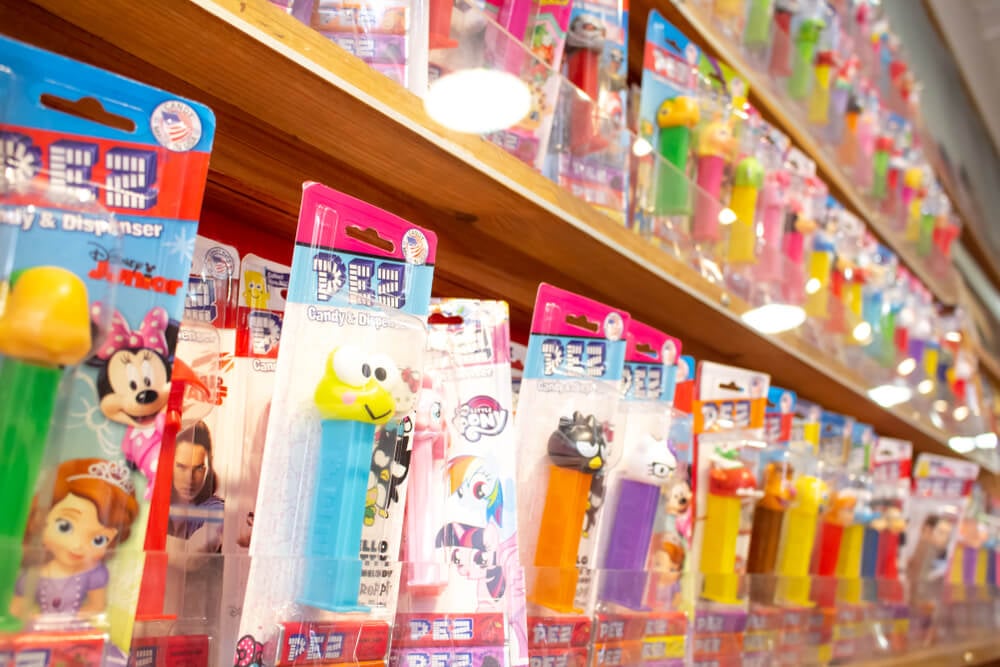
The Smurfs joined the Pez lineup in the 1980s, and the blue faces with white caps became one of the most recognizable footed lines of the decade. Smurfette and Papa Smurf accompany the standard Smurf, and the three together form a set that casual collectors enjoy completing.
Because they were made in large numbers, individual Smurfs sell for modest sums, but early versions with the correct period stem and no fading of the blue bring more than later reissues. Chips on the white cap and worn eye paint are common, so examples with sharp paint and bright color lead the category.
Garfield
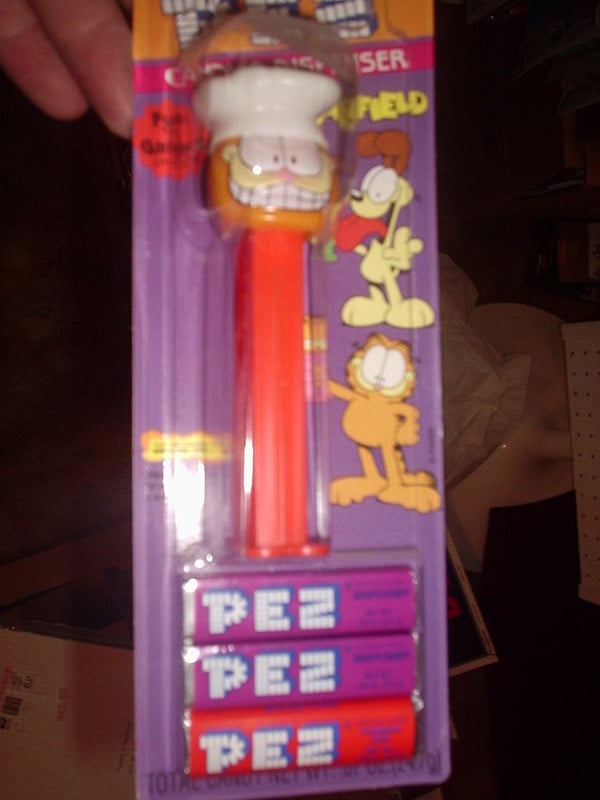
Garfield arrived in the Pez lineup in the late 1980s and early 1990s with several head variations, including versions with a visor, with teeth showing, and with a sleepy expression. The variations are what give the character staying power with collectors, since assembling every head takes patience.
Orange plastic fades noticeably in sunlight, and the black stripe paint wears off the top of the head. Individual Garfields typically sell for under 20 dollars, but a complete set of the early variations in bright, unfaded orange on original cards attracts far more attention than any single piece.
Muppets Kermit
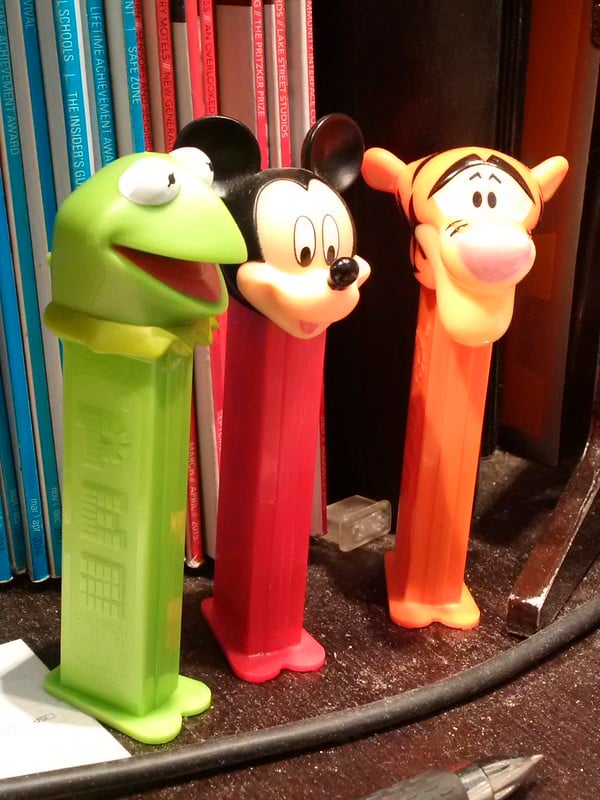
Kermit the Frog headed a Muppets series that also included Miss Piggy, Fozzie Bear, and Gonzo, and the group remains a favorite entry point for people building a themed collection. The frog’s pointed collar is a separate molded detail that chips easily, and the green plastic shows scratches more than most colors.
Early releases came on cards that are now harder to find than the dispensers themselves. Loose Kermits sell for modest amounts, usually under 20 dollars, while sealed cards and the rarer stem colors can bring several times that, provided the card has not been bent or sun-faded.
Darth Vader First Release
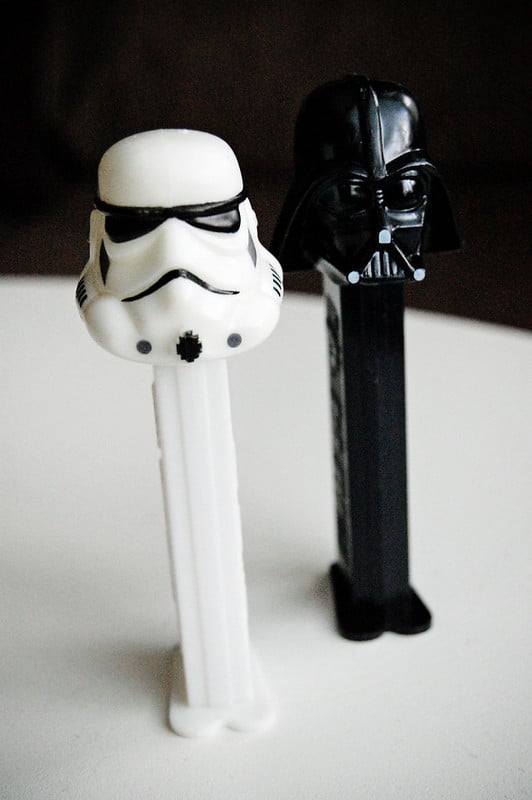
Star Wars came to Pez in 1997 with a first wave that included Darth Vader, Yoda, C-3PO, Chewbacca, and a Stormtrooper. Vader is the piece most new collectors recognize, and the 1997 version is identified by its stem markings and the original card design.
The black helmet hides scratches better than most heads, but the card is what carries the value, and a crisp, unopened 1997 card sells for considerably more than a loose example. Prices for sealed first-wave Vaders typically run from about 10 to 40 dollars depending on card condition, and later reissues are common enough to confuse the inexperienced.
Plastic Nobody Meant to Keep
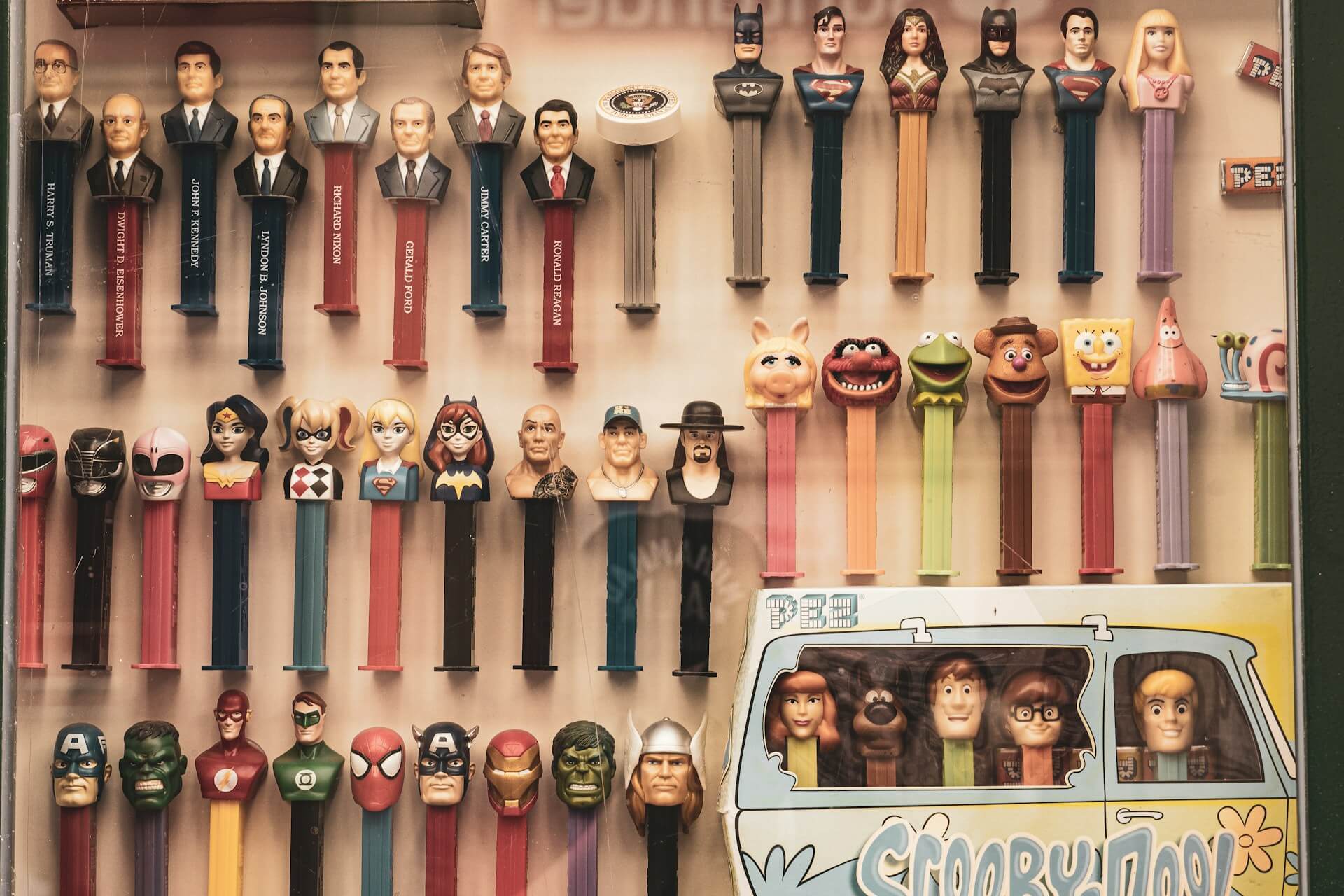
Plastic candy dispensers were designed to be used, emptied, and replaced, and almost nothing about them signaled permanence. The paint was thin, the springs were cheap, and the heads were meant to be funny for a season.
Yet those same shortcuts created the scarcity that drives the market today, because the pieces that survived intact are the exceptions. A rubber Mickey that stayed supple or a Make-a-Face that kept every eyebrow is valuable precisely because nearly every other one did not.
Plastic also levels the field in a way few collectibles do. The same object that sold for pocket change in 1965 now needs provenance, authentication, and a careful eye for swapped parts, and the rules of condition apply just as hard to a three-dollar toy as to a painting.
Collectors who understand feet, springs, stems, and stickers can read a dispenser like a document. Everyone else just sees a candy holder with a cartoon head.
More from Go2Tutors!

- The Romanov Crown Jewels and Their Tragic Fate
- 13 Historical Mysteries That Science Still Can’t Solve
- Famous Hoaxes That Fooled the World for Years
- 15 Child Stars with Tragic Adult Lives
- 16 Famous Jewelry Pieces in History
Like Go2Tutors’s content? Follow us on MSN.