16 Abandoned Theme Parks That Are Super Creepy
Theme parks are supposed to be places of joy and excitement. Families gather there to create memories, kids scream with delight on roller coasters, and the smell of cotton candy fills the air.
But when a park closes its gates for the last time, something changes. The laughter fades, the rides fall silent, and nature slowly reclaims what humans built.
What’s left behind can feel unsettling in ways that are hard to shake.
These abandoned parks exist all over the world. Some closed because of disasters, others because they ran out of money.
A few had darker histories that made people stay away. Walking through these empty spaces today, you’ll find rusted rides swaying in the wind, faded mascots staring with empty eyes, and an eerie quiet that makes your skin prickle.
There’s something deeply wrong about a place designed for happiness left to rot.
Pripyat Amusement Park Never Got Its Opening Day

The amusement park in Pripyat, Ukraine, stands frozen in time from April 1986. The Ferris wheel, bumper cars, and swing ride were ready for their grand opening on May 1st.
Then the Chernobyl nuclear disaster happened on April 26th, and the entire city evacuated within days. The park never officially opened.
Today, the bright yellow Ferris wheel has become one of the most haunting symbols of the disaster. Radiation levels in the area remain dangerous, but that hasn’t stopped urban explorers from sneaking in.
The bumper cars sit scattered across their arena like abandoned toys. Weeds push through the pavement, and the rides have weathered decades of neglect.
What makes this place particularly unsettling is knowing that children never got to enjoy it. The park exists as a monument to interrupted joy.
Spreepark’s Dinosaurs Still Roam the Woods

Spreepark in Berlin closed in 2002 after going bankrupt, leaving behind a strange landscape of forgotten attractions. The park operated for decades under communist East Germany before reunification brought new challenges.
When attendance dropped and debts piled up, the owners abandoned everything.
Walking through the overgrown grounds today, you’ll stumble upon life-sized dinosaur sculptures peeking through the trees. A massive swan boat rots in a dried-up lake.
The Ferris wheel still stands, covered in graffiti, its carriages hanging at odd angles. The whole place feels like a fairy tale gone wrong.
Trees grow through buildings, and vines wrap around ride machinery. The park has become something between a nature preserve and post-apocalyptic film set.
Six Flags Jazzland Drowned in Floodwaters

Hurricane Katrina destroyed this New Orleans theme park in 2005, and it never reopened. The floodwaters rose so high they completely submerged the park, leaving salt water to corrode everything metal and destroy everything wooden.
What remained after the waters receded looked more like a war zone than an amusement park.
The Mega Zeph roller coaster, once one of the park’s main attractions, now stands as a skeleton of wood and rust. Building facades have collapsed, exposing rotted interiors.
Graffiti covers nearly every surface, and the grounds have turned into a dumping ground. New Orleans has discussed redevelopment plans for years, but the land remains empty.
The park serves as a physical reminder of the storm’s destruction, visible from nearby highways where thousands pass by daily.
Nara Dreamland Copied Disneyland, Then Fell Apart
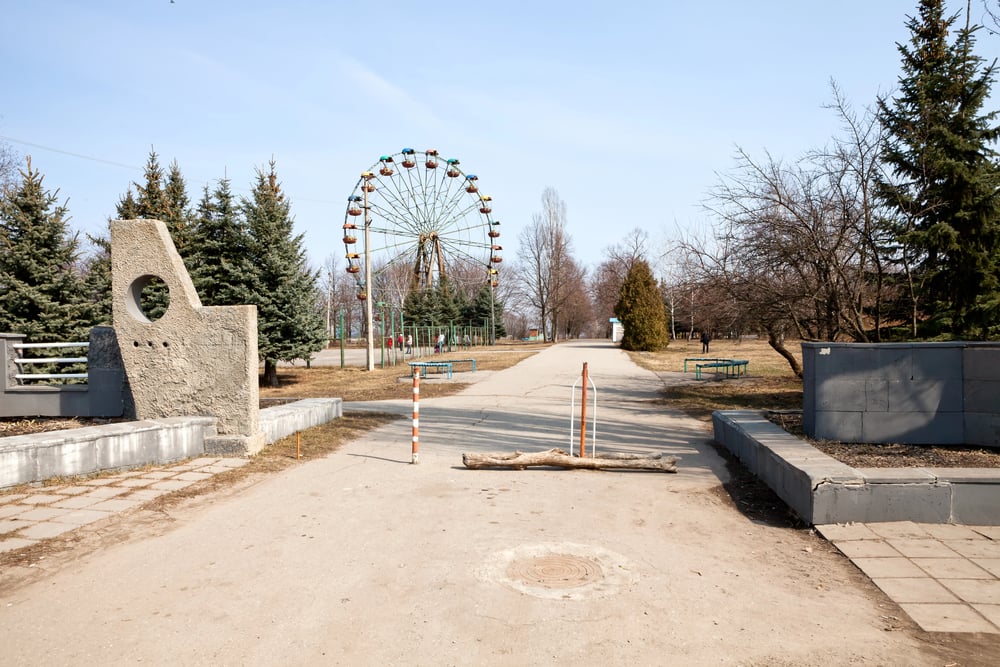
Japan’s Nara Dreamland opened in 1961 as a direct copy of Disneyland, complete with a Main Street, castle, and Matterhorn mountain. For decades, it thrived as families flocked to experience this version of the American dream.
But when real Disney parks opened in Tokyo and later Osaka, Nara Dreamland couldn’t compete. It closed in 2006.
The park sat abandoned for ten years before demolition began in 2016. During those years, it became famous among urban explorers.
The fairy tale castle stood empty, its paint peeling and windows broken. Roller coasters rusted in the sun.
Mascot statues lost their cheerful expressions as weathering warped their features. The park had an especially eerie quality because everything looked almost right but was fundamentally broken.
You could see what it was supposed to be, which somehow made the decay worse.
Takakanonuma Greenland Only Lasted Two Years

This Japanese park operated for just two years in the 1970s before closing, though the exact dates remain disputed. Located in a remote area near Fukushima, the park opened with high hopes but failed to attract enough visitors.
Some claim paranormal activity drove people away. Others say poor location and bad weather doomed it from the start.
The park sat untouched for decades, which let nature take over completely. Wooden coasters rotted into dangerous structures.
Buildings collapsed. The site became so overgrown that you could barely tell a theme park had existed there.
Trees grew through ride tracks, and moss covered everything. Urban explorers who found it reported an overwhelming sense of dread.
The park was finally demolished in the late 2010s, ending one of Japan’s most mysterious abandoned attractions.
Dadipark’s Train Accident Sealed Its Fate
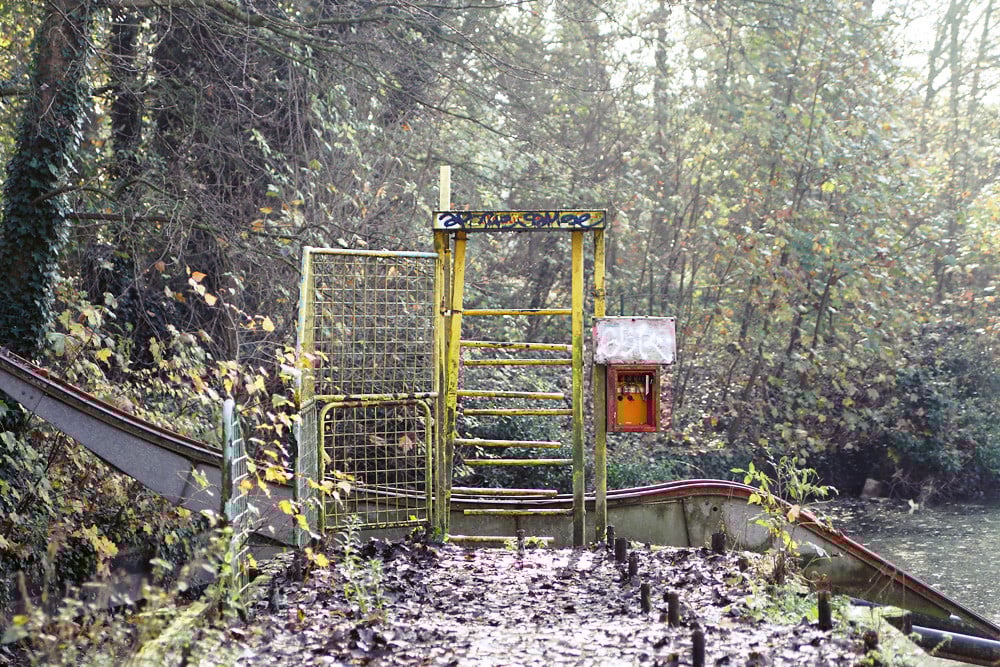
Belgium’s Dadipark opened in 1950 as a small family park. Over the decades, it grew to include numerous rides and attractions.
Then in 2000, a young boy lost his arm in an accident on the nautic jet ride. The park closed immediately after the incident and never reopened.
The rides have been rotting for over two decades now. The giant frog slide, once brightly colored, has faded to sickly pale greens and yellows.
Graffiti covers most surfaces. Small wooden buildings have partially collapsed.
What makes Dadipark particularly unsettling is how quickly nature consumed it. Vines and trees have grown through structures, creating scenes that look like something from a horror movie.
The park’s mascots, now weather-worn and creepy, stand guard over empty pathways.
Boblo Island Needed a Bridge It Never Got

Boblo Island Amusement Park operated for nearly a century on an island in the Detroit River between Michigan and Ontario. Families would take a boat from Detroit to spend the day riding the attractions and enjoying the beach.
The park closed in 1993, partly because changing travel patterns made the boat rides less appealing and partly because maintenance costs became too high.
Many of the rides were sold off, but several structures remain. The dance hall and theater building still stand, though both are falling apart.
The old roller coaster station sits empty. Developers bought the island and built homes, but they left some of the park structures as historical remnants.
Now wealthy residents live next to decaying amusement park buildings. The juxtaposition creates an odd atmosphere where past and present exist uncomfortably side by side.
Joyland’s Roller Coaster Was the Largest in Kansas
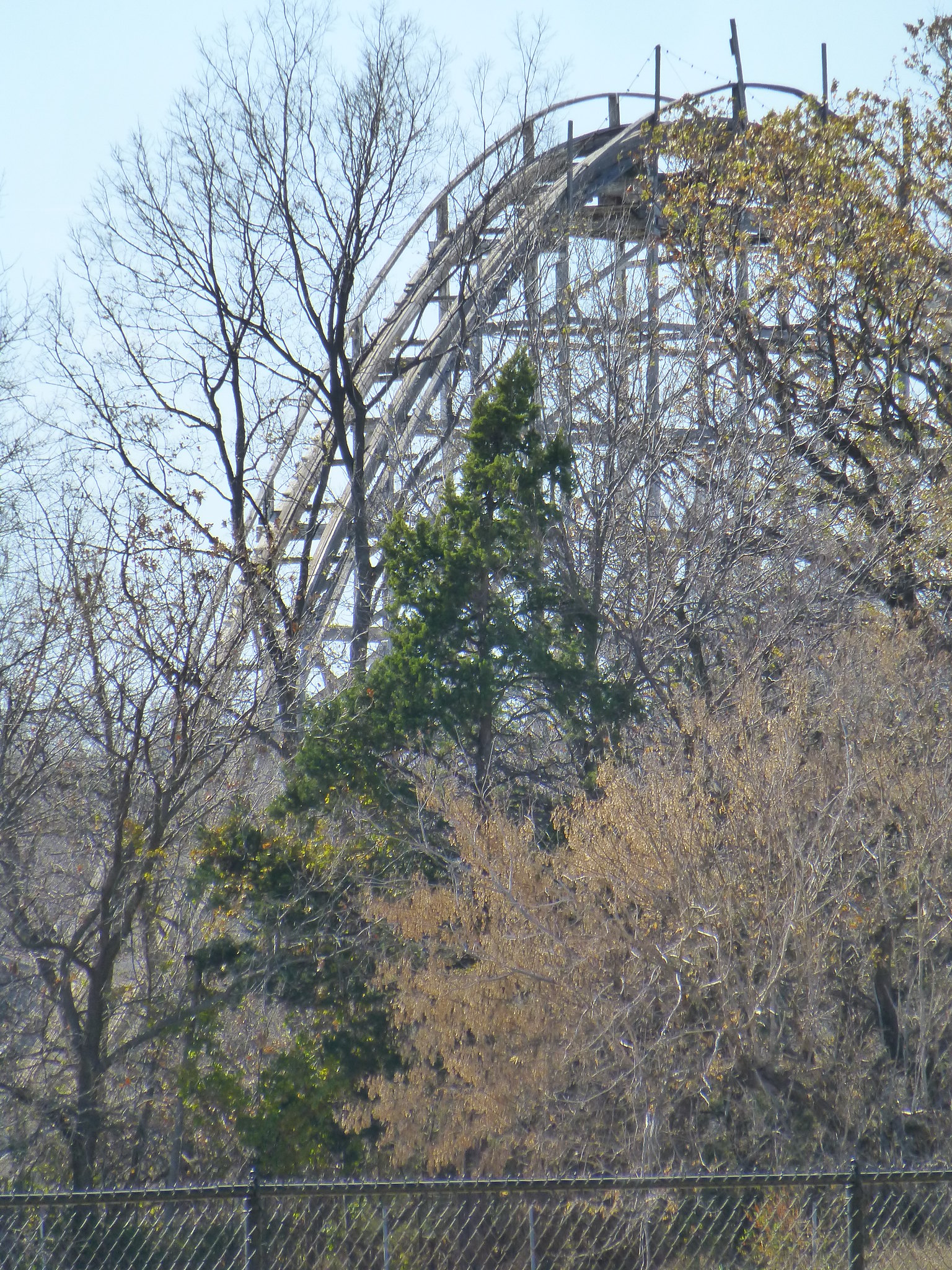
Joyland Amusement Park in Wichita, Kansas, opened in 1949 and became a regional favorite. The wooden roller coaster was its crown jewel, and for decades, people traveled from across the state to ride it.
But by the 2000s, attendance had dropped significantly. The park closed in 2004, and what followed was years of neglect and vandalism.
The roller coaster stood as a landmark for years, visible from the highway. Vandals stripped copper wiring and broke windows.
Weather damaged the wooden structures. Fires broke out in some buildings.
The city eventually forced demolition of most structures due to safety concerns. The site is now largely empty except for a few remaining buildings.
The contrast between what it was and what it became struck a chord with locals who remembered visiting as children.
Wonderland Sits Outside Beijing Like a Failed Dream

China’s Wonderland Amusement Park was supposed to be the largest in Asia. Construction began in the 1990s with grand plans for a massive complex that would rival any park in the world.
But developers ran into financial problems and disputes with local officials. Construction stopped in 1998, leaving a half-finished park that was never completed.
For years, the partially built structures stood in empty fields outside Beijing. A massive castle sat unfinished, its turrets reaching toward the sky.
Concrete foundations marked where buildings were supposed to stand. The site became farmland again as locals planted corn between the abandoned structures.
Photographers loved capturing the surreal images of medieval castle architecture surrounded by crops. The entire complex was finally demolished in 2013, erasing this monument to failed ambition.
Gulliver’s Kingdom Built in the Wrong Place
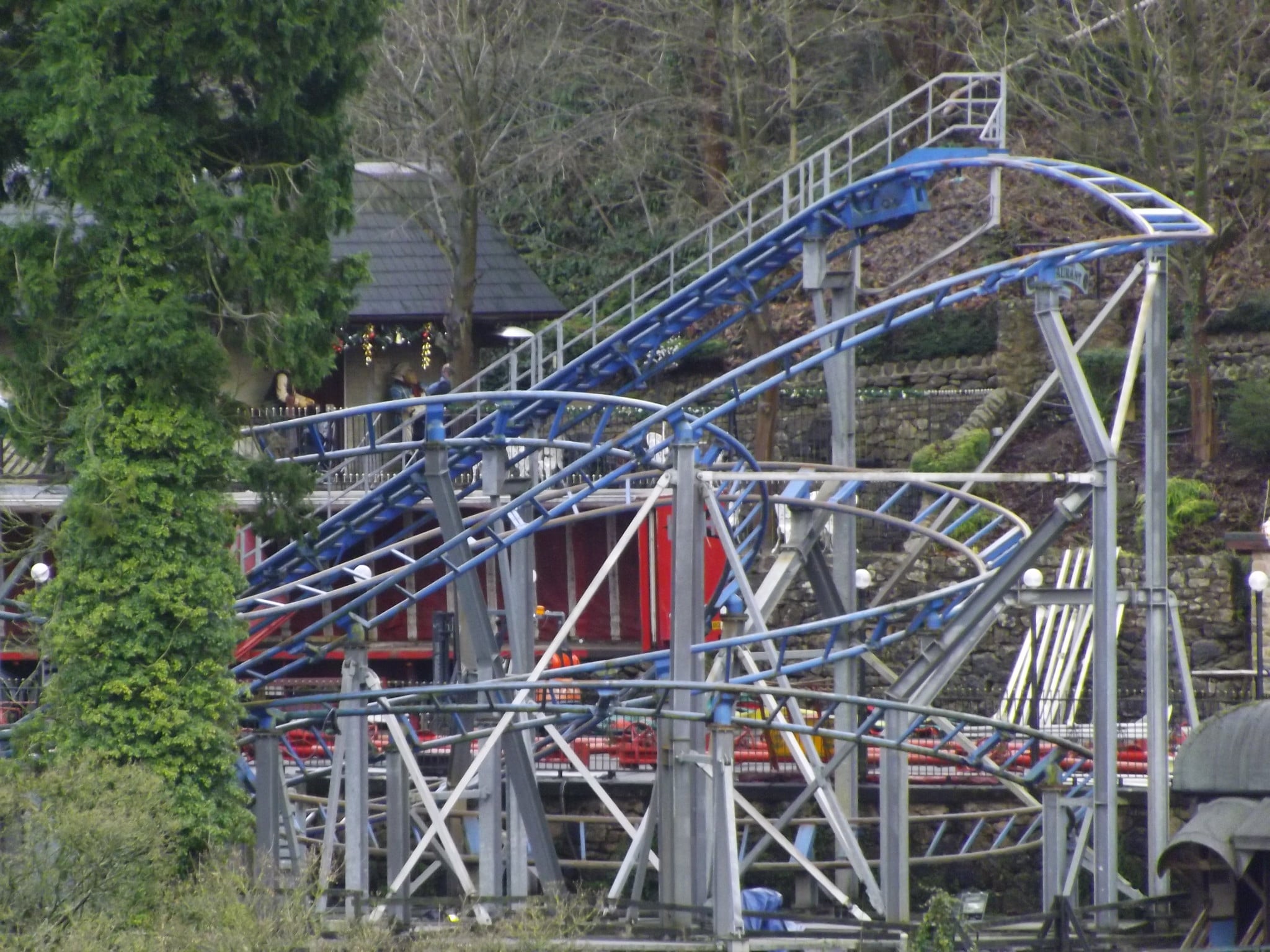
Gulliver’s Kingdom theme park in Japan had a fundamental problem from the start. Developers built it near Aokigahara Forest, known as one of the world’s most popular locations for individuals ending their lives.
The park opened in 1997 with a giant Gulliver figure lying on the ground, which guests could climb on.
But the association with the nearby forest, combined with proximity to Mount Fuji where religious sensitivities existed, made many Japanese people uncomfortable visiting. The park closed after just ten years in 2001.
The giant Gulliver figure remained for a while, slowly deteriorating as weather and vandals took their toll. Photos from this period show the massive figure covered in graffiti and missing pieces.
The image of this once-whimsical giant slowly rotting became iconic in abandoned theme park photography. The park was eventually demolished, but its brief existence highlighted how location matters more than anything when building entertainment venues.
Holy Land USA Blends Religion and Rust

Holy Land USA in Waterbury, Connecticut, opened in 1958 as a religious theme park. At its peak, it attracted thousands of visitors who came to see Biblical scenes recreated with statues and buildings.
A massive cross on the hilltop could be seen from miles away. But by the 1980s, interest had waned, and the park closed in 1984.
The park sat abandoned for decades. The cross was eventually restored and lit up at night, but the rest of the grounds remained untouched.
Statues of religious figures crumbled and fell over. Buildings collapsed.
Vegetation took over pathways. What made this site particularly eerie was how the religious imagery decayed.
Faded angels and prophets seemed to watch visitors with blank eyes. The combination of religious themes and abandonment created an atmosphere unlike any other defunct park.
Redevelopment efforts have been discussed for years, but much of the site remains in disrepair.
Lake Shawnee Has Bodies Underground

Lake Shawnee Amusement Park in West Virginia might be the most genuinely haunted abandoned park in America. The land has a dark history going back centuries.
Native Americans and European settlers fought brutal battles on the property. In the 1780s, members of a settler family were killed on the land.
When the park opened in the 1920s, that history was largely forgotten.
The park operated until 1966 when it closed after a series of accidents, including the deaths of two children. A little girl died on the swing ride when a truck backed into her, and a boy drowned in the swimming pool.
After closing, the park sat unused for decades. Researchers eventually discovered that the park had been built on top of a Native American burial ground.
Archaeological digs found multiple sets of human remains. Today, the rusted swings still hang from their frame, moving in the wind.
The Ferris wheel remains standing. Many people claim to experience paranormal activity on the grounds.
The property is now privately owned and occasionally opens for tours.
Okpo Land Claimed Lives Before Closing

South Korea’s Okpo Land opened in the 1980s on Geoje Island. The park seemed successful at first, but two fatal accidents changed everything.
A young girl died when she fell from the Octopus ride, and later a man died on the Zip Line attraction. These tragedies devastated the park’s reputation, and it closed permanently in 1999.
The park was left completely abandoned. Rides rusted in place.
The duck-themed boat ride sat in a drained pool filled with weeds. The octopus ride that killed the girl remained standing, its arms frozen in position.
Paint peeled off everything, revealing rust and rot underneath. The park’s remote island location meant few people visited, letting it decay undisturbed for years.
Photos from urban explorers show a park frozen in time, with tickets still in booths and equipment still in place. The site was eventually demolished to make way for new development.
Dogpatch USA Tried to Sell Hillbilly Culture

Dogpatch USA in Arkansas opened in 1968 based on the Li’l Abner comic strip. The park featured Ozark hillbilly culture as entertainment, with shows, crafts, and attractions themed around rural mountain life.
For years, it drew tourists who found the theme novel. But as tastes changed and the comic strip’s popularity faded, attendance dropped.
The park closed in 1993.
The buildings and attractions remained for decades. Main Street USA sat empty, storefronts gathering dust.
The amphitheater where shows once played became overgrown with vegetation. Vandals broke into buildings and left graffiti.
The Ozark cultural elements that once defined the park became haunting reminders of a different era. Some buildings featured Confederate imagery and racial stereotypes that aged poorly.
The site represents not just an abandoned park but abandoned ideas about entertainment and culture. Most structures have now been demolished or collapsed from neglect.
Land of Oz Only Opens Once a Year Now
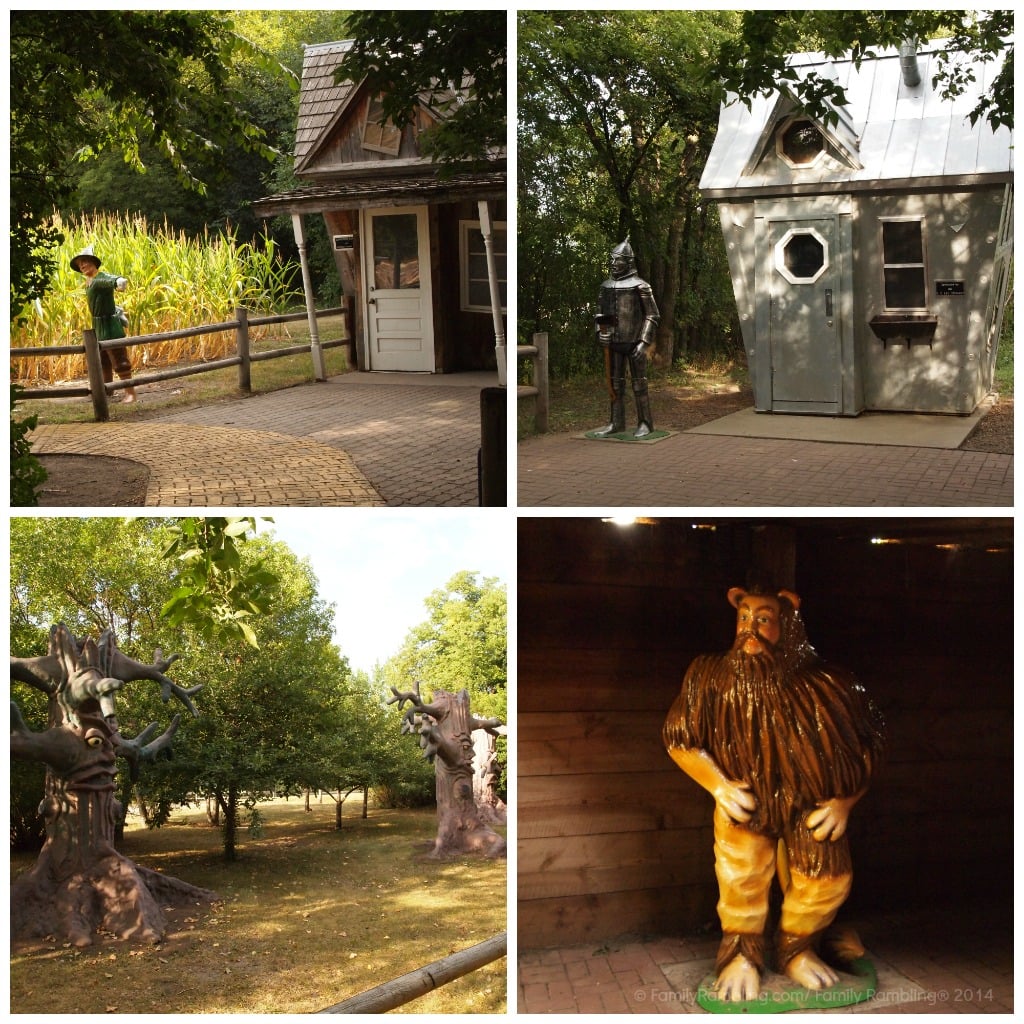
The Land of Oz theme park in North Carolina opened in 1970 on Beech Mountain. Designed to recreate the world of The Wizard of Oz, it featured a yellow brick road, Dorothy’s farmhouse, and the Emerald City.
The park was ambitious and detailed, offering an immersive experience. But a fire destroyed part of the park in 1975, and maintenance costs proved too high.
It closed permanently in 1980.
Unlike most abandoned parks, Land of Oz wasn’t completely demolished. The property became part of a ski resort area, and many structures remained standing.
The yellow brick road still winds through the mountain, though it’s cracked and weathered. Dorothy’s house still stands, though it’s been damaged by weather and visitors.
For many years, the park sat abandoned and overgrown. Then in recent years, the owners began hosting special events, opening the park for a few days each year.
During these events, thousands visit to walk the yellow brick road one more time. The park exists in a strange state between abandonment and preservation.
Williams Grove Carried On Longer Than Most

Williams Grove Amusement Park in Pennsylvania ran for more than 100 years until it shut down in 2005. It began back in the 1890s as a quiet spot for picnics, yet slowly grew with games and rides over time.
Locals got attached to it – especially its old-school roller coaster and nostalgic feel. Still, money troubles plus fewer visitors led to its end.
Once shut down, the park stayed mostly untouched – just sitting there. Rides were left behind, quietly falling apart from rust.
With time, storms and people broke things down. That big coaster? It used to bring crowds, but now it’s unsafe to use.
Nearly all attractions got hauled off to new spots or torn up for parts, while crews wiped the area clean so builders could move in. Yet over many years, it stayed like a frozen snapshot of mid-20th century U.S. funfairs.
Folks who came there when young would come back later, seeing things just as they remembered – only worn down by age and disrepair.
When the Music Stops

These forgotten parks share nearly the same tale – just swapped endings. One fell after storms hit; another closed due to cash running out, while some just faded from being overlooked.
Yet it’s not only about crumbling rides or peeling paint. They’re tied to moments – laughing kids, summer days, first dates – that stuck in folks’ minds.
Somehow, empty fun spots feel deeply sad when they’re forgotten. What used to be alive now sits still – almost like a thought experiment.
They show how no moment sticks around, not even where we laughed the most. It’s not just rust or weeds that spook you – it’s realizing how fast good times fade while vines take back fences and paths.
Hang out in one long enough, and time starts feeling heavy, whispering that all things wind down.
More from Go2Tutors!

- The Romanov Crown Jewels and Their Tragic Fate
- 13 Historical Mysteries That Science Still Can’t Solve
- Famous Hoaxes That Fooled the World for Years
- 15 Child Stars with Tragic Adult Lives
- 16 Famous Jewelry Pieces in History
Like Go2Tutors’s content? Follow us on M



