15 Foods You Are Eating Wrong
Habits around food settle fast. Peel an apple like this, toss it into that bin, warm it up in whichever gadget sits nearby – soon enough, doing it differently feels odd.
Here’s the thing though: tiny tweaks in how things get prepped can change taste, feel, even how long they last. Not everything ends up spoiled, sure.
Still, better results slip away more than most notice. Take a moment to consider 15 everyday foods – chances are, you’ve been using them in ways that dull their potential.
A tweak here or there might just transform how they taste and feel on your plate.
Bananas

Top of the banana? That is where most folks start. Works fine – except for the mushed tip, plus those sticky strings stuck on the flesh.
Flip it around instead. Grab the little bump on the end.
Squeeze that part. Watch how easily it comes apart.
No mess near the crown. Just smooth peeling from below.
Peeling from the bottom? Much cleaner break. No more struggling means less damage to the fruit inside.
Odd how such a small change clicks so fast into place. Once tried, hard to go back.
Ketchup
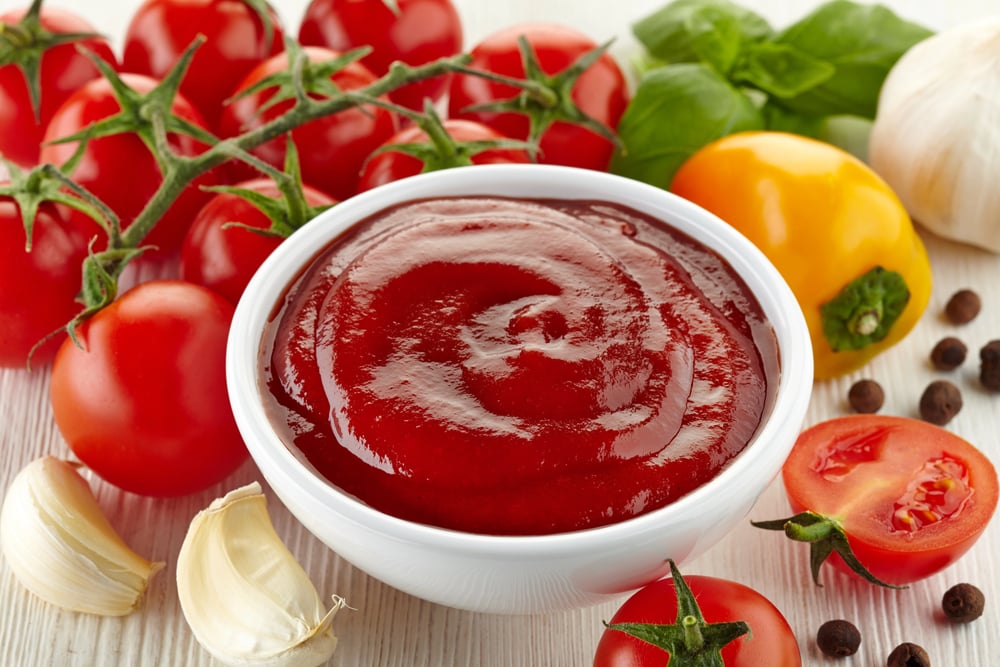
When ketchup refuses to flow, many people smack the bottom of the bottle repeatedly. The real sweet spot is the embossed number on the neck of the bottle.
That is where the internal flow channel sits. Tapping that area releases the ketchup more smoothly and prevents the sudden flood that coats half the plate.
The design is intentional, even if most people never notice it.
Steak
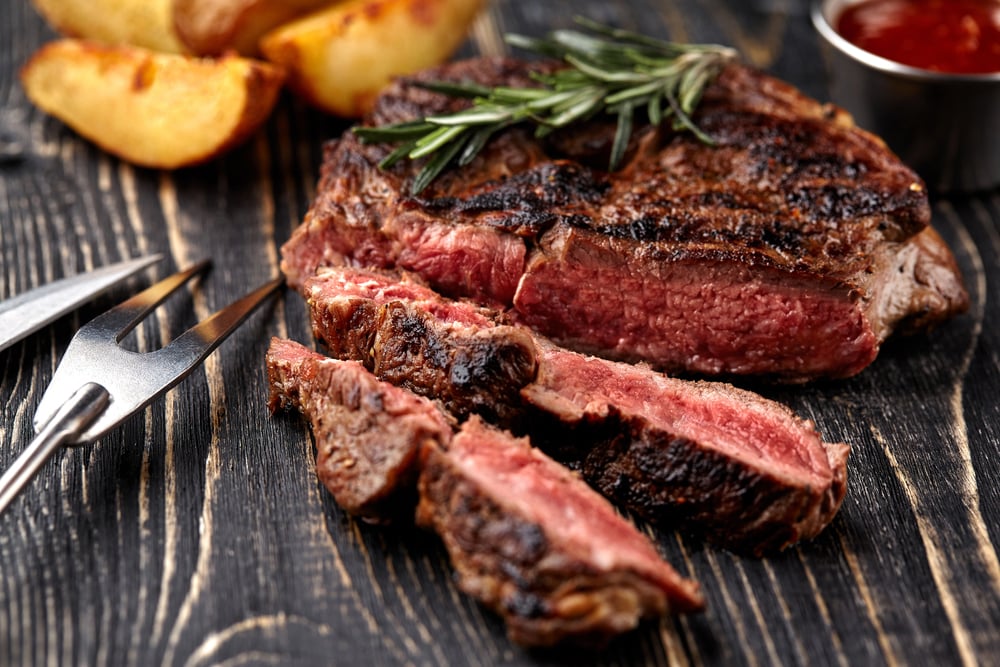
Cutting into steak immediately after cooking releases the juices that should remain inside the meat. That liquid pooling on the plate is flavor escaping too soon.
Letting steak rest for five to ten minutes allows the juices to redistribute. The result is a more tender bite and a richer taste.
The pause feels unnecessary when you are hungry, but it transforms the texture.
Bread

Storing bread in the refrigerator feels logical. Cold air should preserve freshness.
In reality, refrigeration accelerates staling by altering the structure of starch molecules. Bread stays softer at room temperature for short-term storage and performs best in the freezer for longer periods.
The refrigerator is the worst middle ground. It dries bread out faster than most people realize.
Apples
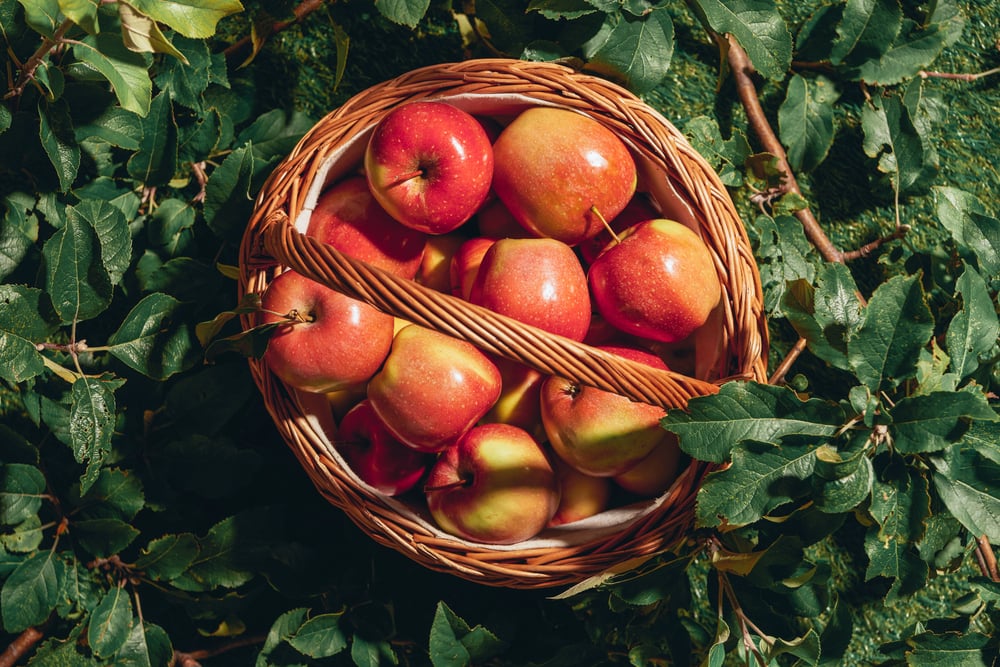
Most people bite into apples vertically, stem pointing up. Turning the apple sideways distributes pressure differently and can make the first bite smoother and less awkward.
It may sound trivial, but orientation changes how force is applied. The apple feels easier to manage and less likely to slip.
It is a tiny structural detail hiding in plain sight.
Pasta
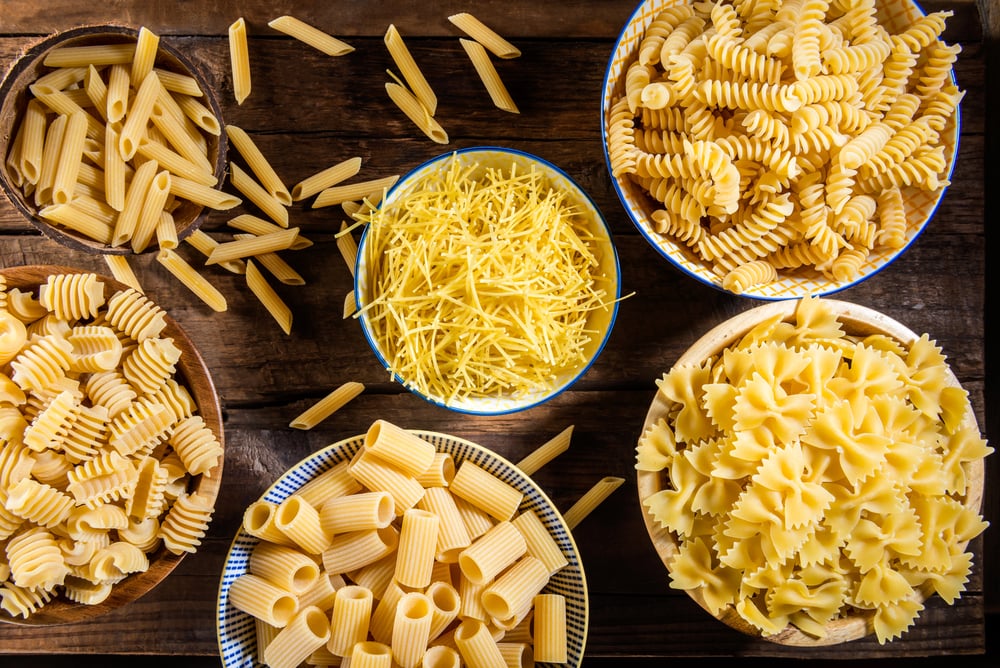
Rinsing pasta after boiling is common, especially to stop sticking. The problem is that rinsing removes surface starch that helps sauce cling properly.
That thin starchy coating is essential for binding sauce to noodles. Without it, the sauce slides off and pools at the bottom of the bowl.
Properly dressed pasta feels cohesive rather than separated.
Chocolate
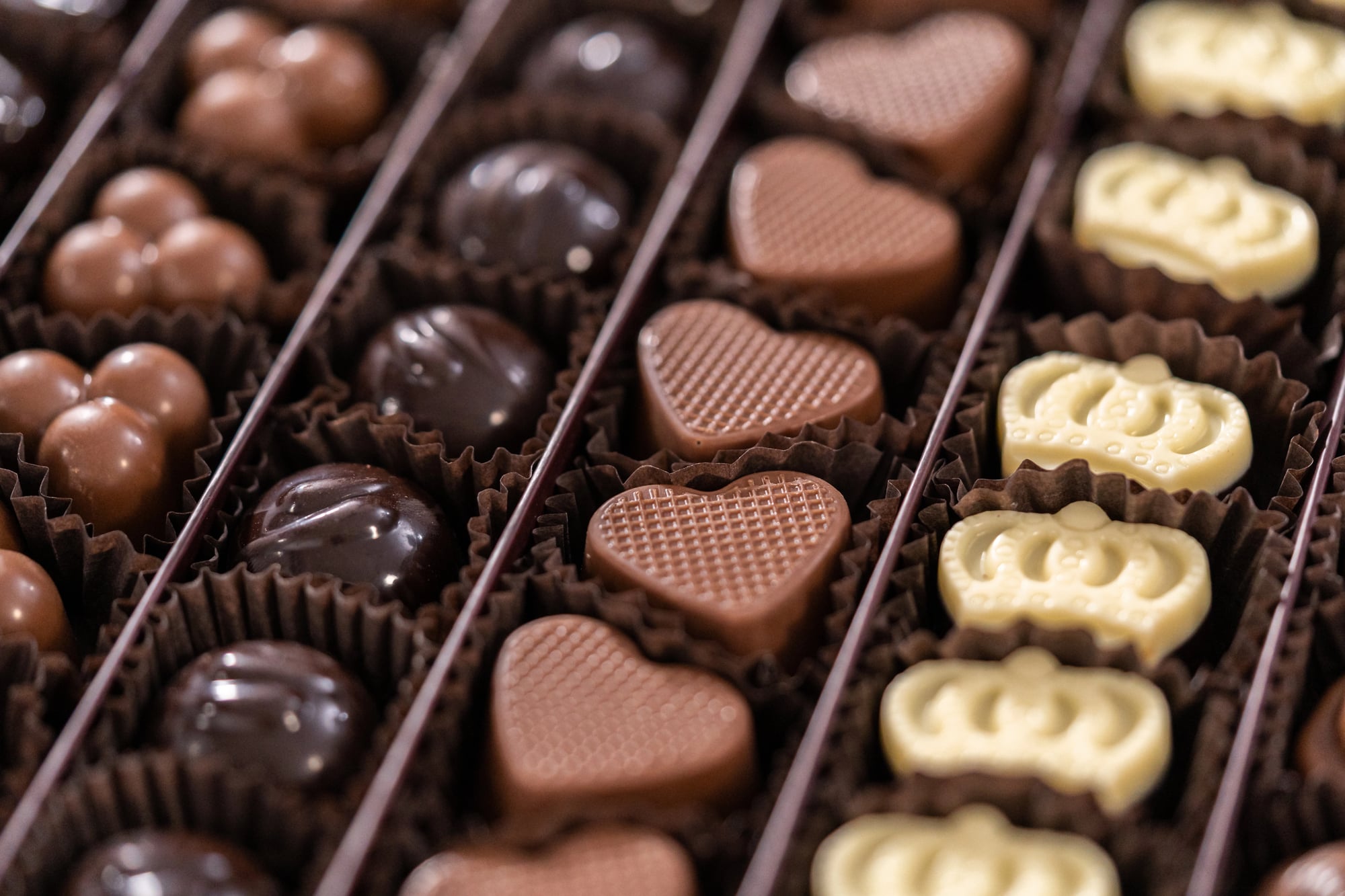
Chocolate is often eaten straight from the refrigerator. Cold temperatures dull aroma and flatten flavor complexity.
Letting chocolate sit at room temperature for a few minutes allows the cocoa butter to soften slightly, enhancing texture and bringing out subtle notes. High-quality chocolate, in particular, benefits from warmth.
Cold chocolate tastes muted by comparison.
Pizza

Microwaving leftover pizza produces a limp crust and unevenly heated toppings. It is fast, but the texture suffers.
Reheating pizza in a pan over medium heat with a lid restores crispness to the bottom while gently melting the cheese. The slice regains structure rather than collapsing.
It tastes closer to fresh than reheated.
Oranges

Peeling an orange from the top can be awkward because the skin is tighter there. Starting from the bottom, where the peel is slightly looser, often creates a cleaner opening.
The fruit separates more easily and preserves the segments intact. It reduces the messy struggle most people accept as normal.
Coffee
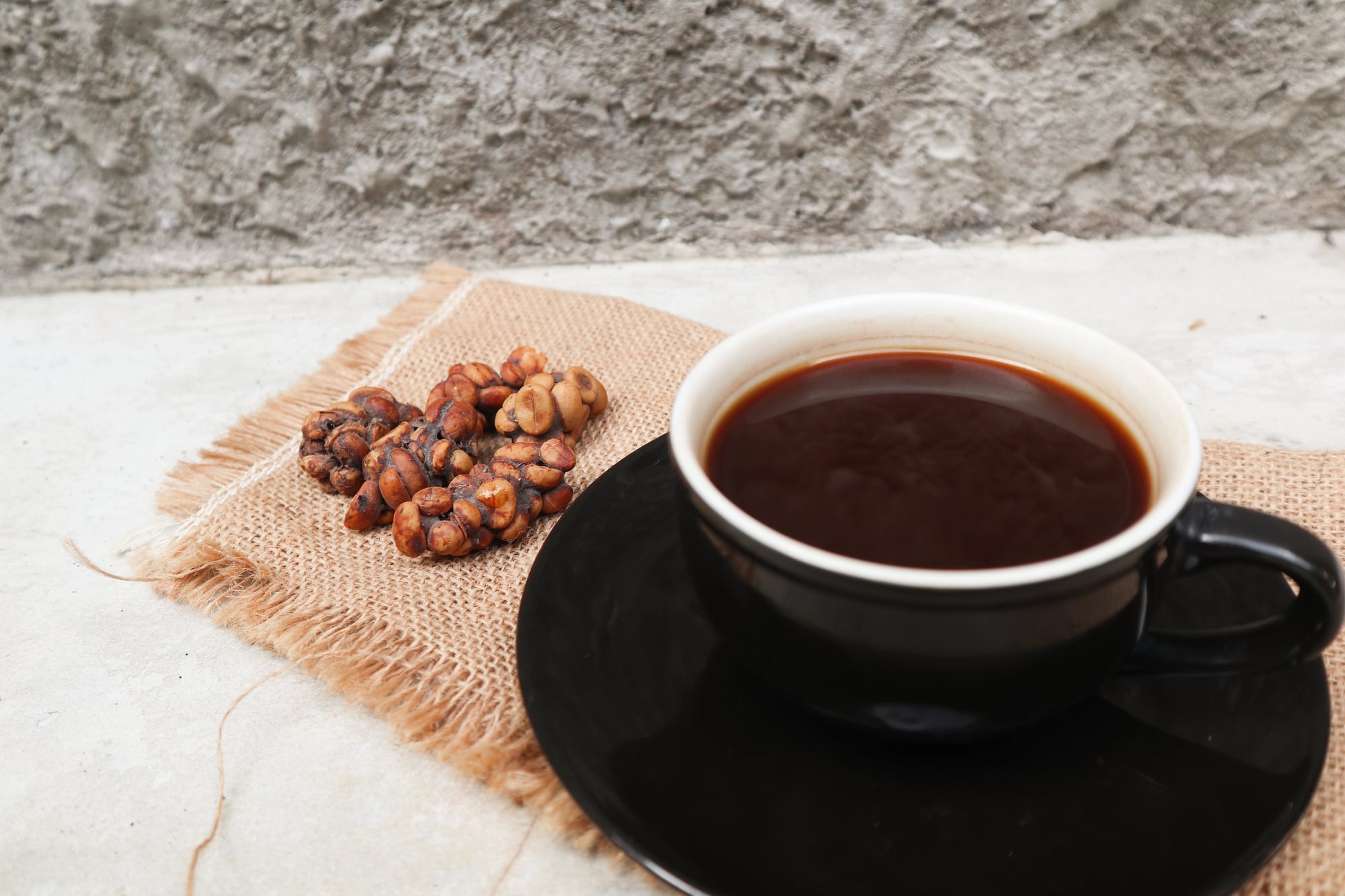
Pouring boiling water directly over coffee grounds can scorch them, leading to bitterness. Ideal brewing temperature sits slightly below boiling.
Allowing water to cool briefly before pouring creates smoother extraction. The difference is subtle but noticeable, especially with higher-quality beans.
Temperature control matters more than people assume.
Avocados

Cutting into an avocado without checking ripeness is a gamble. One quick test is to remove the small stem cap at the top.
If it lifts easily and reveals green underneath, the avocado is likely ripe. If it resists or shows brown, it is either unripe or past its prime.
This small check prevents disappointment and wasted produce.
Strawberries

Washing strawberries immediately after buying them seems hygienic. However, excess moisture speeds up spoilage.
Keeping them dry until just before eating extends freshness significantly. The berries remain firmer and mold less quickly.
It is a simple delay that protects quality.
Burgers
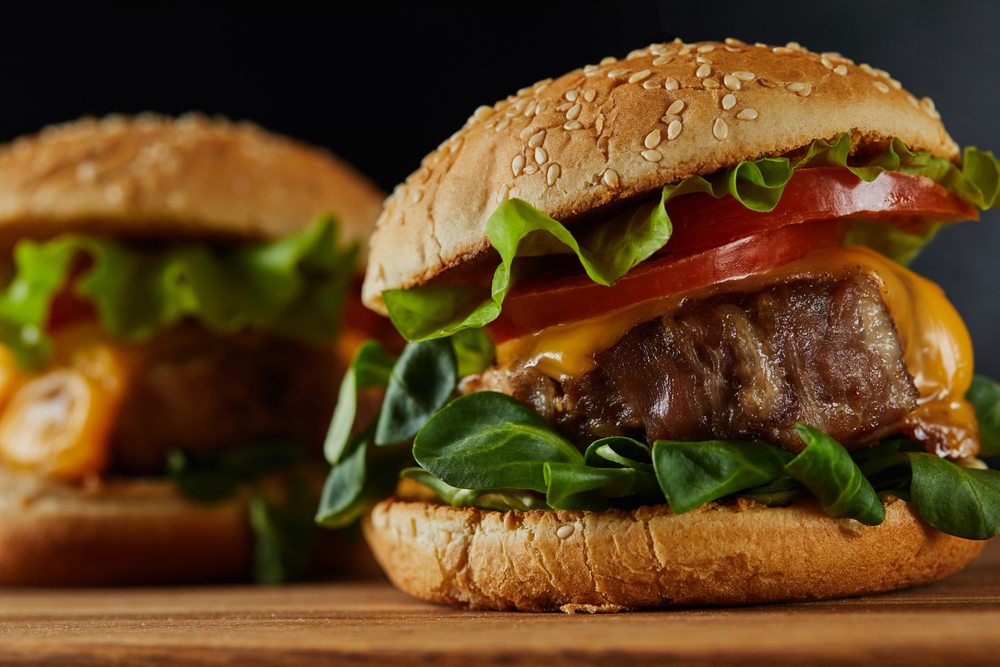
Pressing down on a burger while cooking feels productive, as though it speeds up the process. In reality, it squeezes out juices that keep the patty moist.
Leaving it undisturbed allows the interior to stay tender. The result is a fuller, richer bite.
The urge to press is strong, but restraint improves the outcome.
Peanut Butter
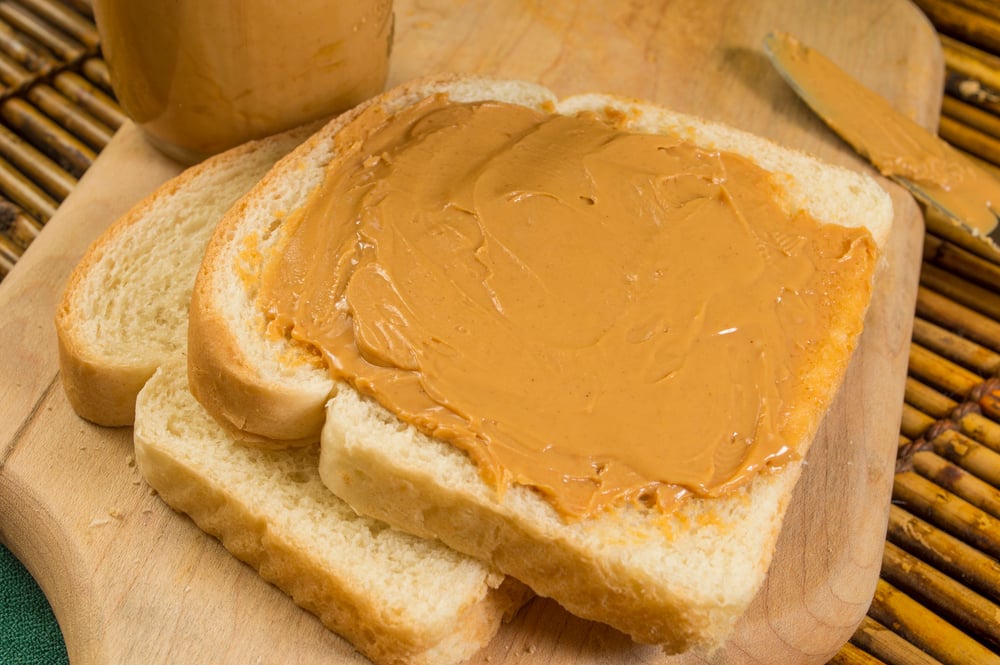
Natural peanut butter often separates, leaving oil pooled on top. Stirring aggressively creates a sticky mess.
Storing the jar upside down allows gravity to redistribute oils gradually. When flipped upright and opened later, the mixture is easier to stir evenly.
It feels odd but works surprisingly well.
Grapes

Water on grapes might look clean, yet it leads to quicker decay once tucked away. Damp skins turn tender, opening the door to rot.
Stored wet, they sag and sour far sooner. Right before you eat, give them a wash – that little switch helps hold onto crunch.
Skipping it earlier means better taste stays put.
Why Small Food Habits Matter

Fast bites replace meals. Between tasks, lunch slips into cracks of the day.
With everything piling up, how you eat seems unimportant. But heat, wait time, careful moves – they shape what happens on the plate.
Tiny choices add weight. Pausing before slicing meat, handling fruit gently, letting cocoa come up to room temperature – none of this demands tools or spending.
What matters is noticing. When these moves settle into daily rhythm, meals start carrying a quiet weight.
Same ingredients, different feeling. Slowly, tiny shifts make ordinary moments at the table stand out, even when nothing else about the day looks different.
More from Go2Tutors!

- The Romanov Crown Jewels and Their Tragic Fate
- 13 Historical Mysteries That Science Still Can’t Solve
- Famous Hoaxes That Fooled the World for Years
- 15 Child Stars with Tragic Adult Lives
- 16 Famous Jewelry Pieces in History
Like Go2Tutors’s content? Follow us on MSN.



