20 Hidden Tunnels and Underground Cities Discovered by Accident
Beneath our feet lies a hidden world of mysterious passageways, forgotten chambers, and entire cities lost to time. While many underground structures have been carefully documented throughout history, some of the most fascinating discoveries have come through pure chance.
From construction workers stumbling upon ancient catacombs to homeowners finding secret passages in their basements, these accidental findings continue to reshape our understanding of human history. Here is a list of 20 remarkable underground discoveries that came to light through unexpected circumstances, each offering unique insights into our past.
Derinkuyu Underground City
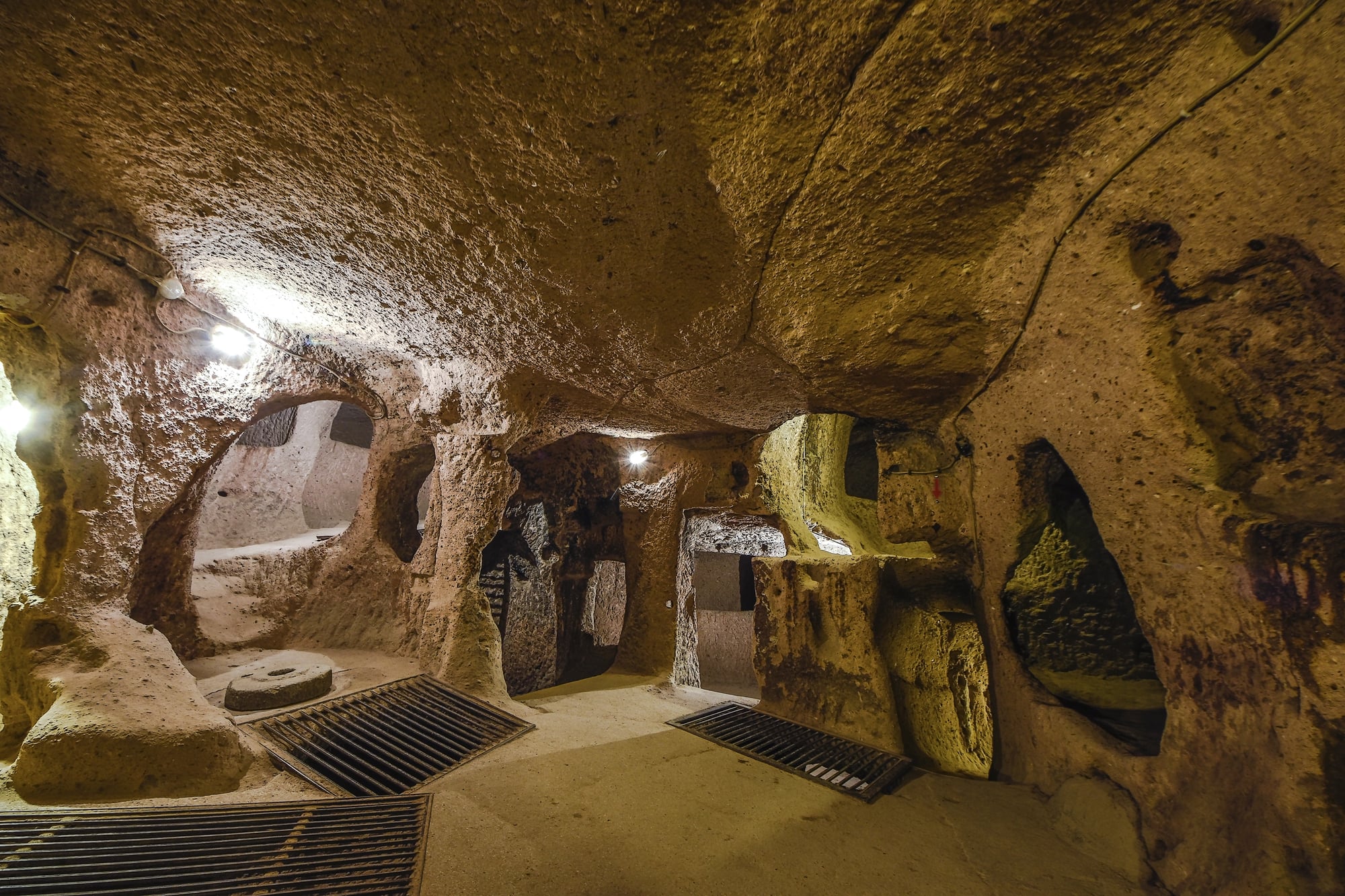
In 1963, a Turkish homeowner knocked down a wall during renovation work, revealing a passage that led to one of history’s most extraordinary finds. This opening uncovered Derinkuyu, an ancient underground city in Cappadocia capable of sheltering 20,000 people.
The complex network spreads across eight levels, reaching depths of 280 feet beneath the surface. The city included living quarters, food stores, religious centers, and sophisticated ventilation shafts that still function today.
This accidental discovery revolutionized our understanding of ancient urban planning and survival strategies.
Seattle Underground
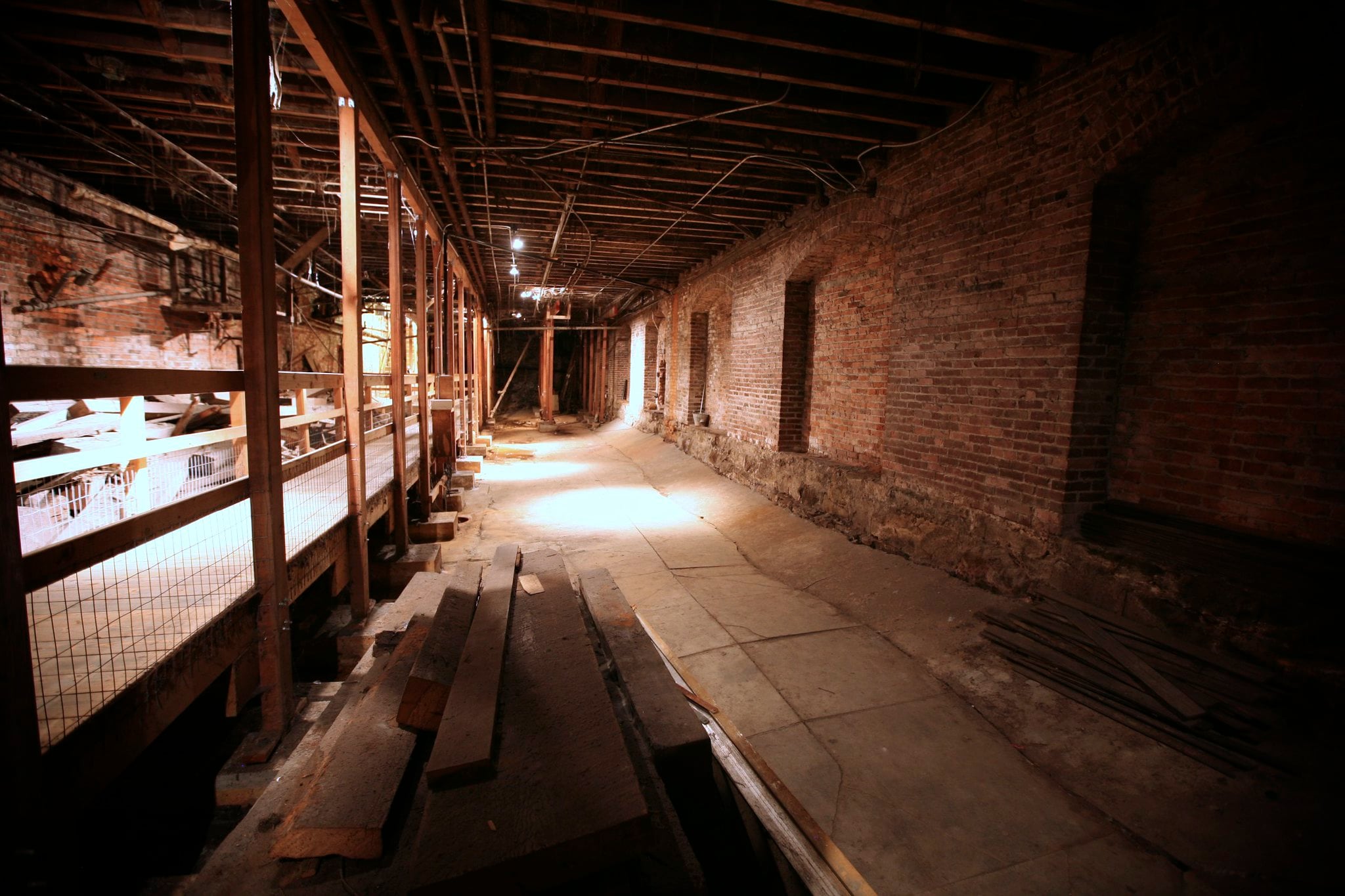
During the great fire of 1889, workers rebuilding Seattle made an unexpected choice that created an unintentional underground city. The city raised its street level by one to two stories to combat flooding, inadvertently preserving the original ground level beneath new roads and buildings.
The buried city, complete with sidewalks, storefronts, and hotel lobbies, remained forgotten until a local journalist rediscovered it in the 1950s. The space operated as a speakeasy during prohibition and now stands as a remarkable testament to 19th-century urban development.
The underground sections continue to reveal new insights about early Seattle life.
Wieliczka Post Office

Polish miners expanded a salt mine in 1967 and broke through into a previously unknown chamber that contained a fully equipped underground post office. This remarkable find within the Wieliczka Salt Mine included original stamps, postcards, and mail-sorting equipment dating back to the early 1900s.
The post office served miners working in the deeper levels of this massive underground complex. Researchers found intact letters that had never been delivered, providing intimate glimpses into the lives of early 20th-century miners.
This accidental discovery remains one of the most well-preserved examples of underground postal operations.
Paris Metro Cavern

In 2004, transit workers expanding the Paris Metro discovered an enormous cavern containing a fully equipped military bunker from World War II. The space included intact communication equipment, weapons caches, and detailed maps of Paris’s underground network.
Historians later confirmed this was a resistance hideout used to coordinate actions against German occupation forces. Personal items found within, including resistance newspapers and coded messages, offered unprecedented insights into underground resistance operations.
The discovery led to the identification of previously unknown resistance members and their roles in liberating Paris.
Liverpool Cotton Tunnels
Construction workers preparing foundations for a new shopping center in 2008 broke into an extensive network of tunnels beneath Liverpool. These passages, stretching for miles, connected various cotton warehouses and processing facilities from the city’s trading heyday.
Engineers found intact cotton bales, mechanical equipment, and ledgers dating back to the 1850s. The tunnels featured an innovative system of pulleys and cart tracks that revolutionized cargo movement for its time.
This accidental find provided crucial information about Victorian-era industrial practices and trade networks.
Roman Bath House
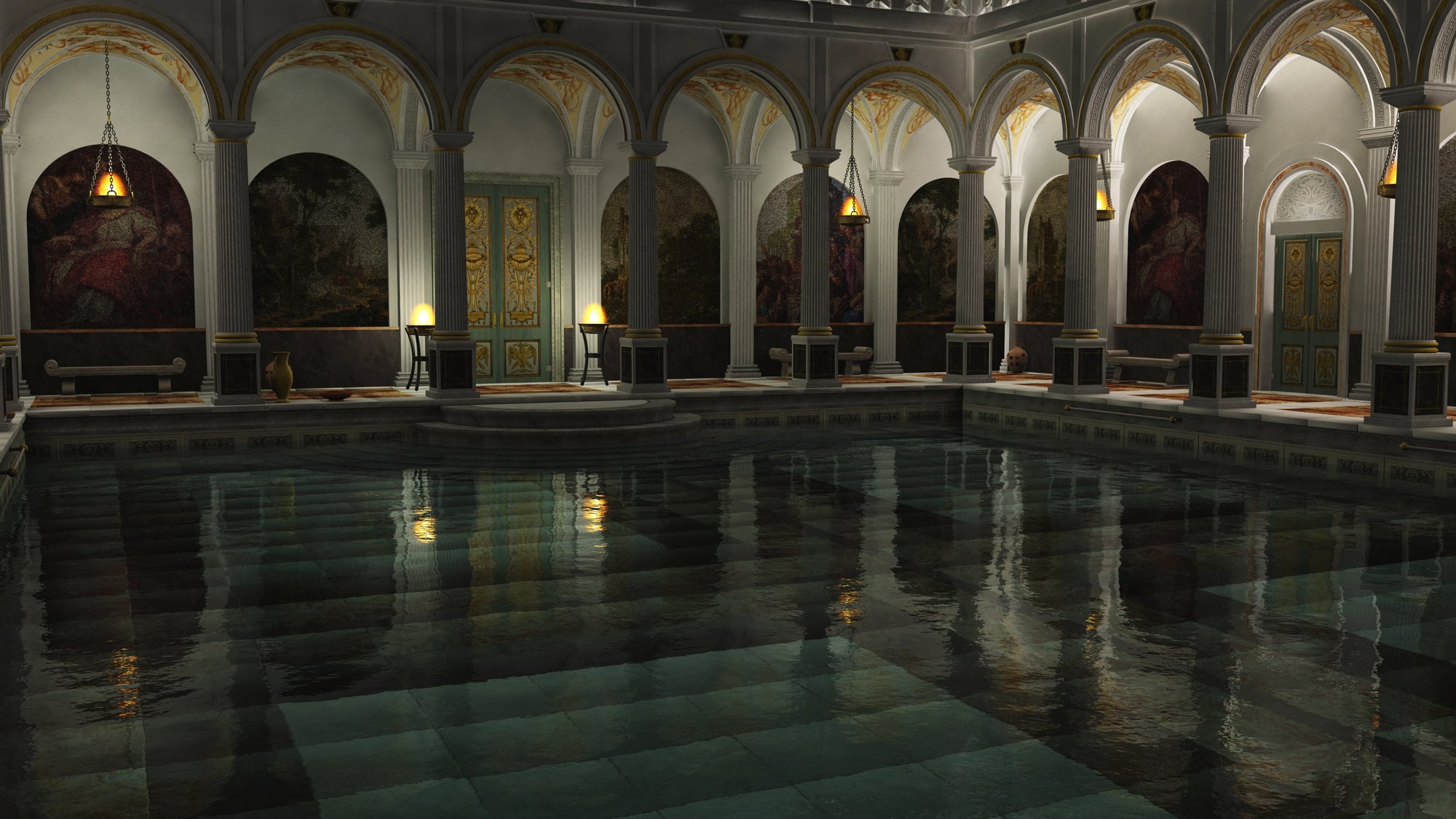
A homeowner in Plovdiv, Bulgaria, discovered a complete Roman bath house while digging a garden pond in 2019. The structure included intact heating systems, decorative mosaics, and plumbing that still contained flowing water from ancient aqueducts.
Archaeologists identified the site as a private bath house belonging to a wealthy Roman family from the 2nd century AD. Personal items found within, including jewelry and cosmetic containers, offered rare insights into daily Roman life.
The discovery led to a complete reassessment of Roman settlement patterns in ancient Thrace.
Montreal’s Ice City
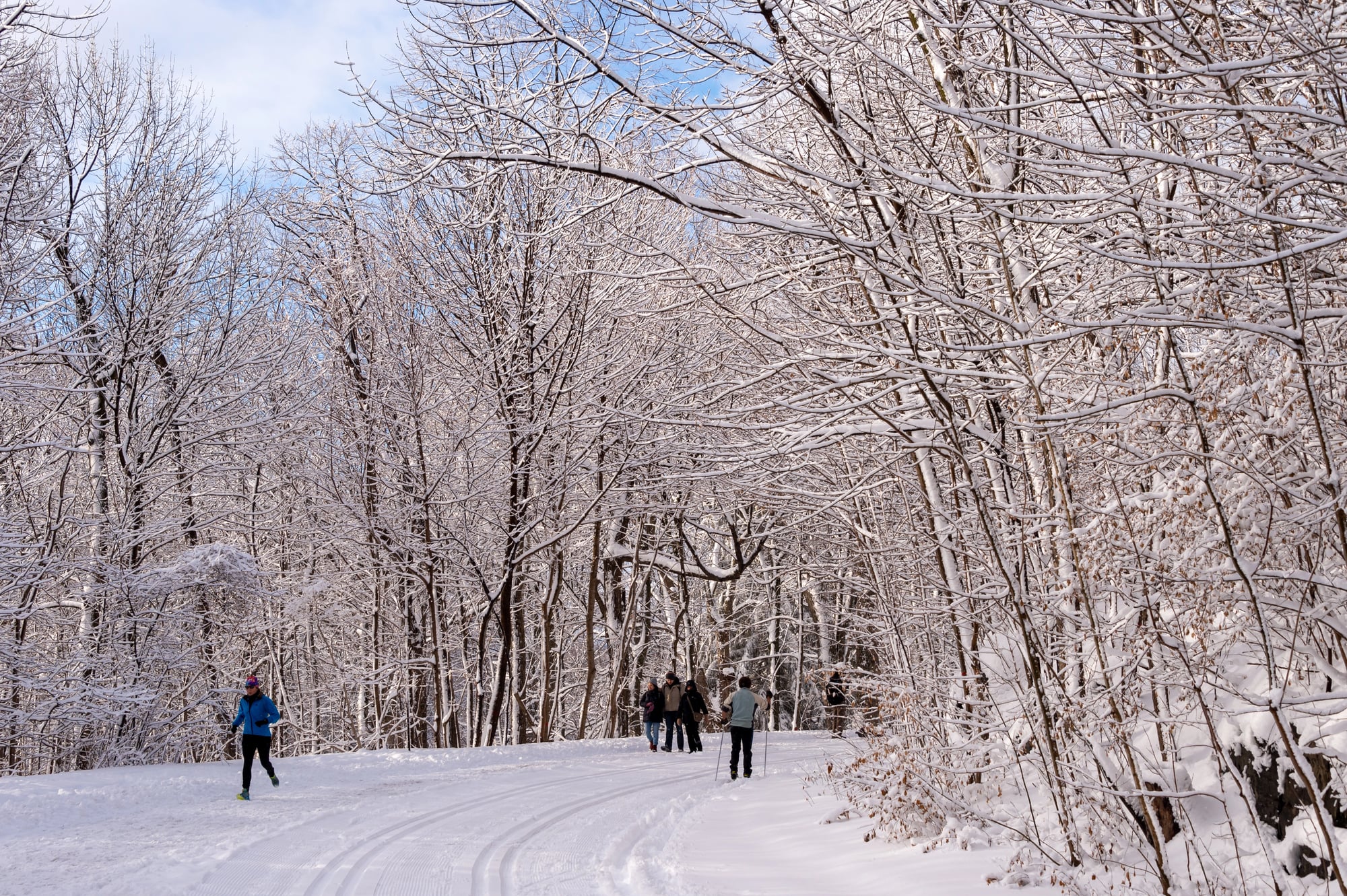
During subway construction in 1962, workers uncovered an extensive network of underground ice storage rooms beneath Old Montreal. These chambers, constructed in the 1800s, served as the city’s primary refrigeration system before electrical cooling.
The network included sophisticated drainage systems and insulation techniques that kept ice frozen throughout the summer months. Preserved documents are found within detailed complex distribution systems serving hotels, restaurants, and wealthy homes.
This discovery revealed previously unknown aspects of 19th-century urban infrastructure and food preservation.
Edinburgh Vaults
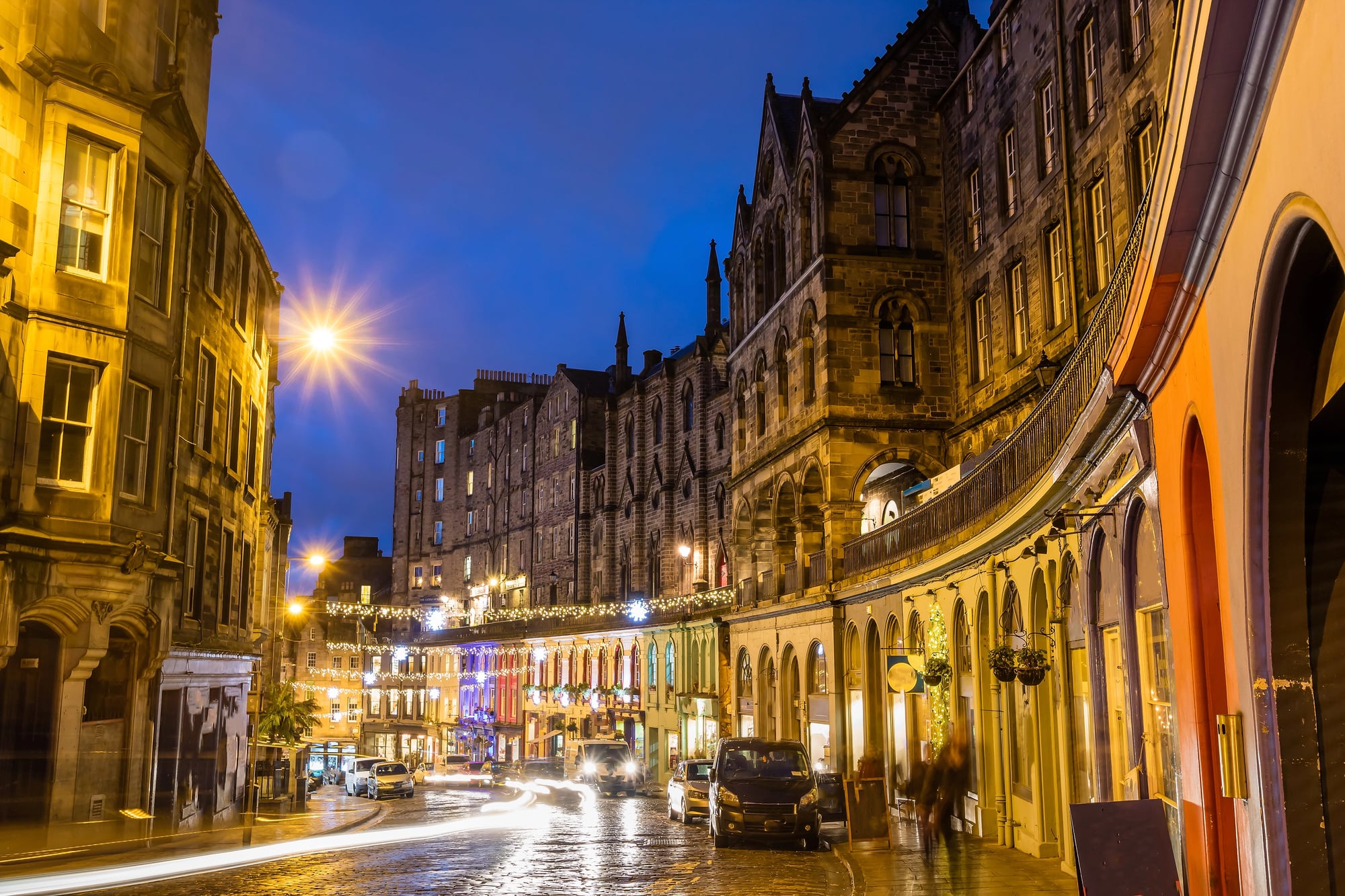
A routine structural survey in 1985 revealed the existence of extensive underground chambers beneath Edinburgh’s South Bridge. These spaces, known as the Edinburgh Vaults, housed businesses and residences for the city’s poorest residents in the late 1700s.
The chambers contained numerous artifacts including tools, clothing, and personal effects that painted a vivid picture of working-class life. Historians discovered evidence of illegal whiskey production and other underground economies operating within these spaces.
The vaults now serve as one of Scotland’s most important archaeological sites for studying urban poverty.
Bucharest War Rooms
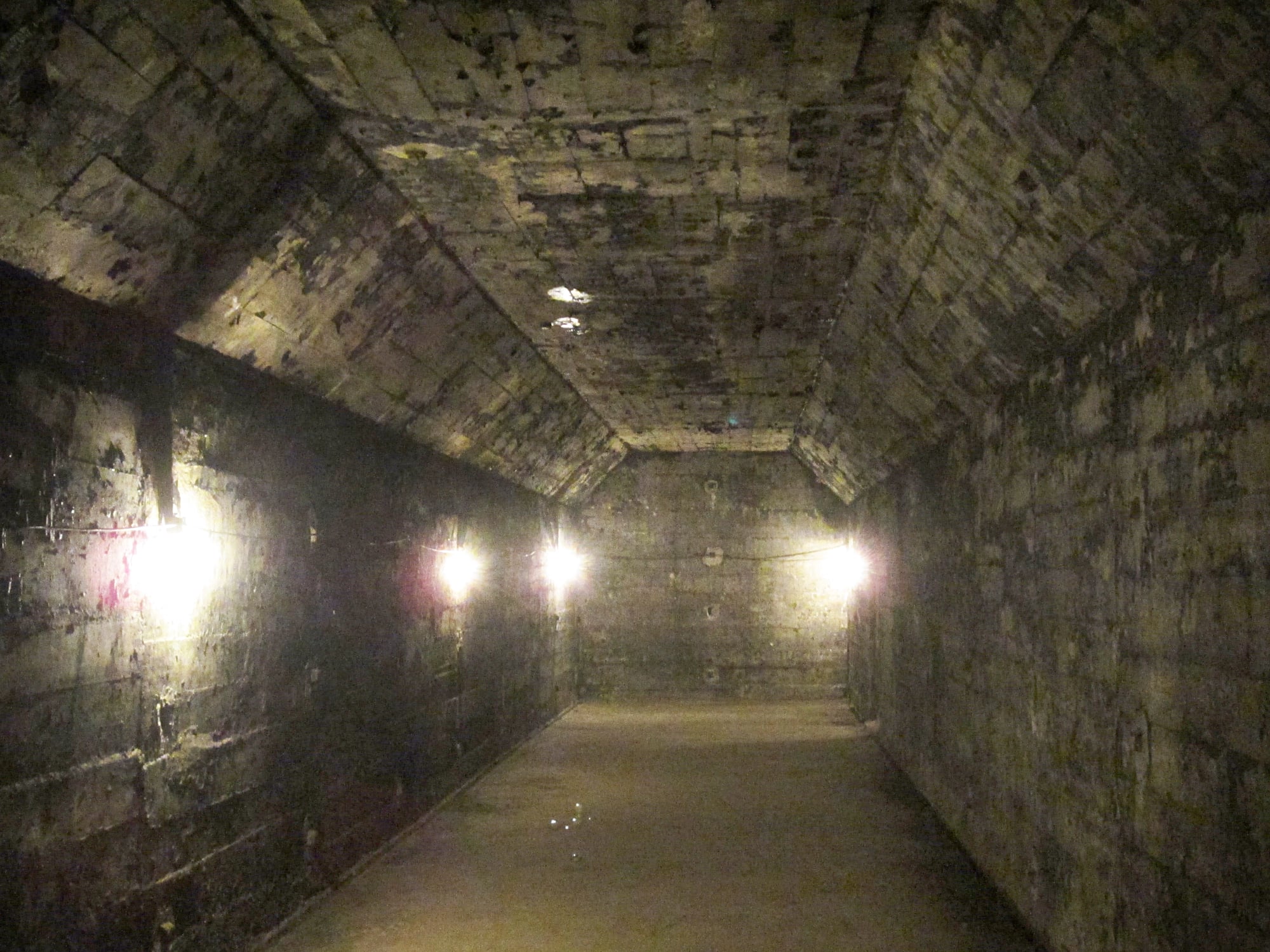
While extending a subway line in 2017, workers in Bucharest broke through into a complete World War II command center. The facility included original maps, communication equipment, and personal belongings of military officers who served there.
Documents found within revealed previously unknown details about Romania’s wartime strategic planning and military operations. The complex featured advanced air filtration systems and backup power generators that remained partially functional.
This chance discovery provided crucial information about Eastern European military infrastructure during World War II.
Nottingham’s Caves
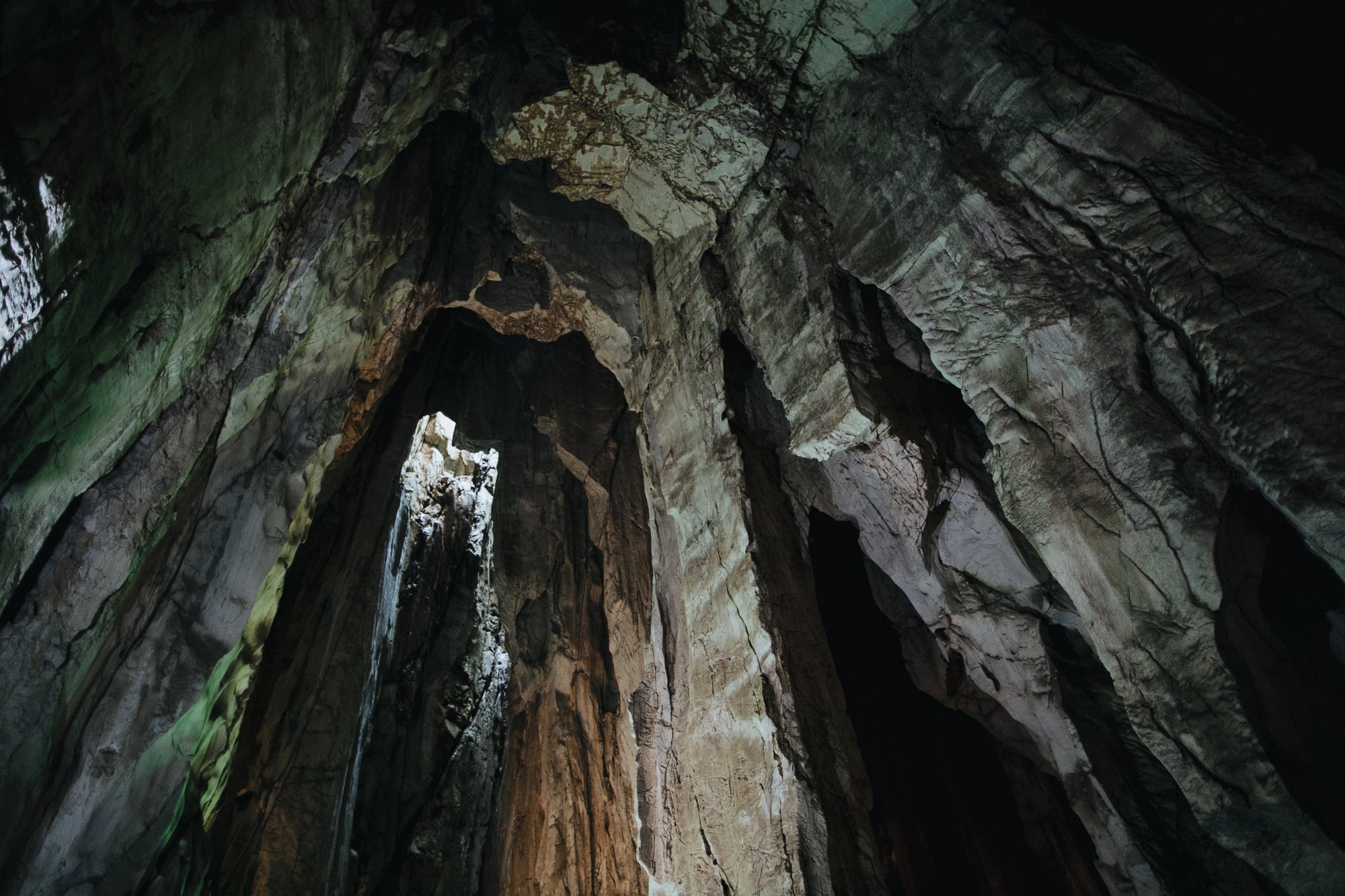
A shopkeeper investigating a persistent draft in 2018 discovered an entrance to an extensive cave network beneath Nottingham. These man-made caves, dating from medieval times, served as homes, workshops, and storage spaces for the city’s residents.
Archaeological evidence suggests some caves functioned as underground pubs and gambling dens during the 18th century. The network included sophisticated water management systems and air shafts that kept the spaces habitable.
This discovery dramatically expanded our understanding of medieval urban development and underground architecture.
Mexican Temple Complex
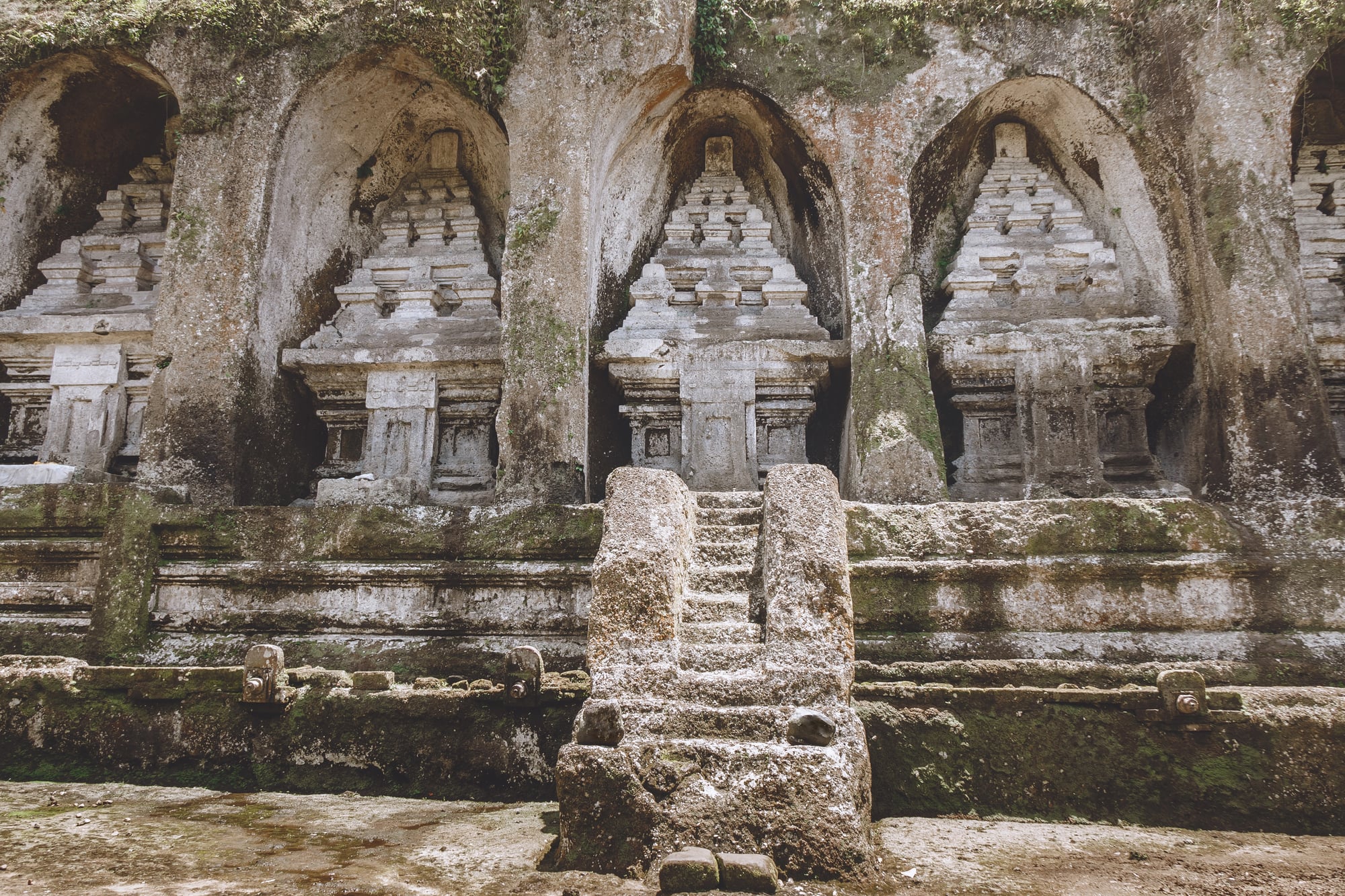
Construction workers preparing foundations for a supermarket in Mexico City in 2016 uncovered a massive Aztec temple complex. The site included ceremonial chambers, sacrificial altars, and thousands of ritual objects dating back to the 15th century.
Archaeologists found evidence of previously unknown religious practices and architectural techniques within the complex. The discovery included the largest collection of intact Aztec ceremonial objects ever found in one location.
This accidental find revolutionized our understanding of pre-Columbian urban planning and religious practices.
Chinese Mining Town

Road workers in Henan Province struck the entrance to a complete underground mining community in 2012. The complex included living quarters, workshops, and storage areas serving hundreds of miners during the Ming Dynasty.
Preserved tools and equipment offered insights into medieval Chinese mining techniques and metallurgy. Personal belongings found within provided detailed information about daily life in industrial communities of the period.
The discovery led to significant revisions in our understanding of medieval Chinese industrial organization.
Naples Time Capsule
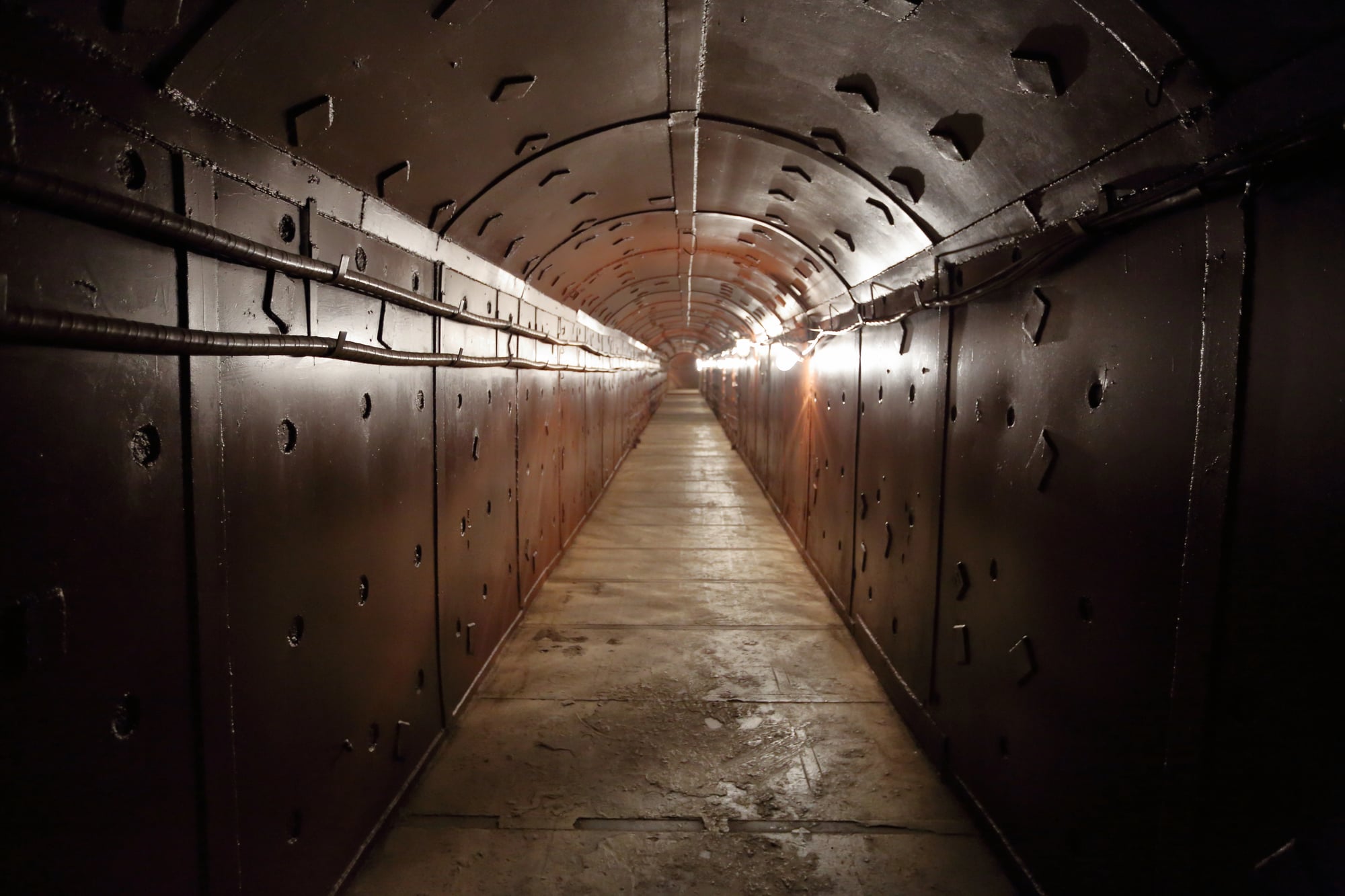
Utility workers repairing a water main in 2014 discovered an untouched World War II air raid shelter beneath Naples. The space contained personal belongings, furniture, and everyday items left behind by residents seeking protection from bombing raids.
Documents found within included diaries and letters offering firsthand accounts of wartime experiences. The shelter’s contents remained perfectly preserved due to unique environmental conditions underground.
This accidental find provided unprecedented insights into civilian life during wartime Italy.
Sydney Reservoir
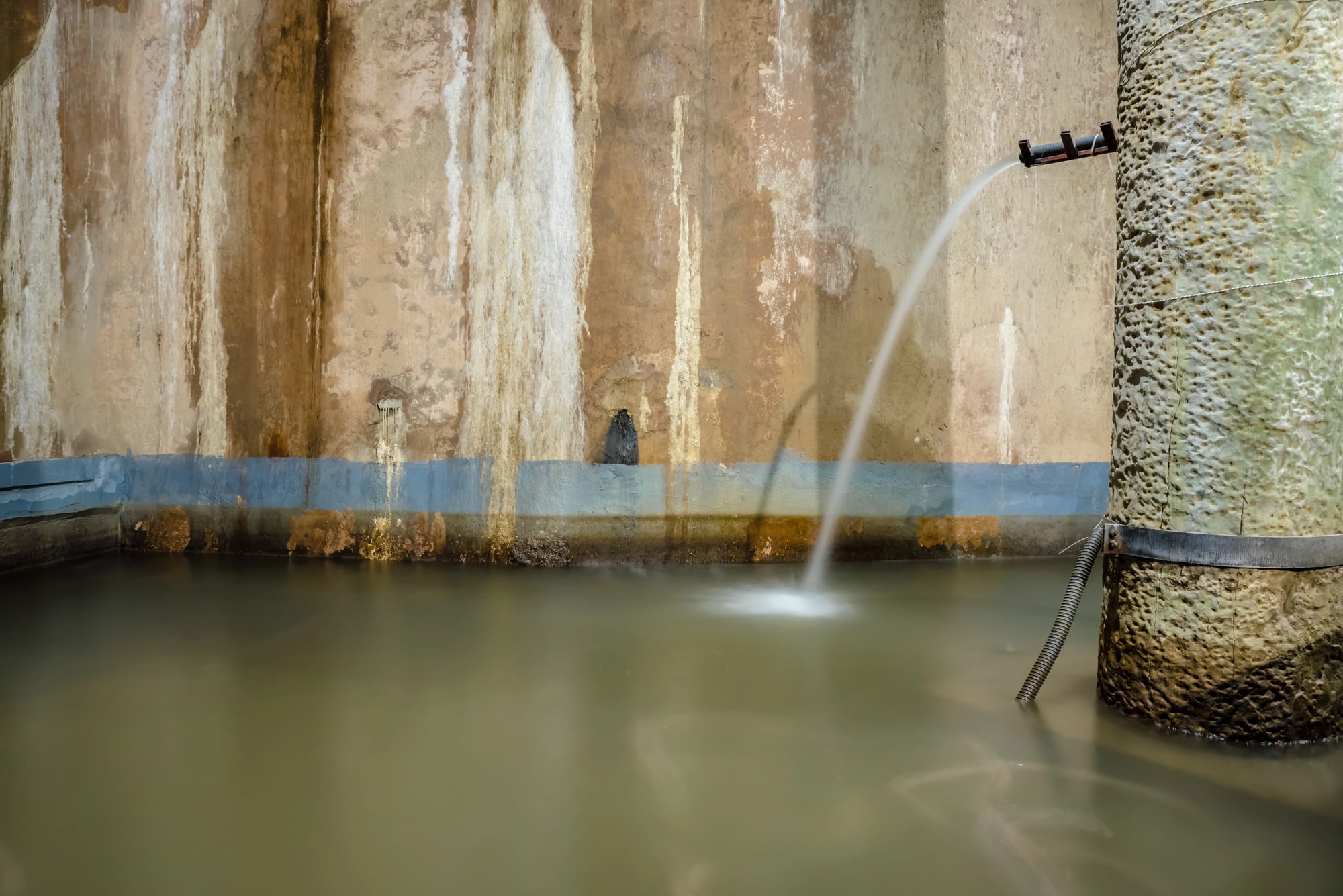
Demolition crews preparing to clear an old warehouse in 2015 discovered a massive underground water reservoir dating from colonial times. The structure featured innovative engineering solutions for water purification and distribution throughout early Sydney.
Preserved documents revealed complex management systems and maintenance schedules from the 19th century. The reservoir’s construction techniques demonstrated previously unknown aspects of colonial Australian engineering capabilities.
This chance discovery significantly improved our understanding of early urban infrastructure development in Australia.
Prague’s Hidden Library

Renovators working in a historic Prague building in 2011 uncovered a secret chamber containing thousands of books banned during the Communist era. The collection included rare first editions, prohibited political writings, and personal journals dating from the 1950s.
Hidden ventilation systems and dehumidifiers had preserved the books in nearly perfect condition. The discovery provided crucial insights into intellectual resistance against Communist censorship.
Researchers continue to catalog previously unknown works found within this underground archive.
Greek Tomb Complex
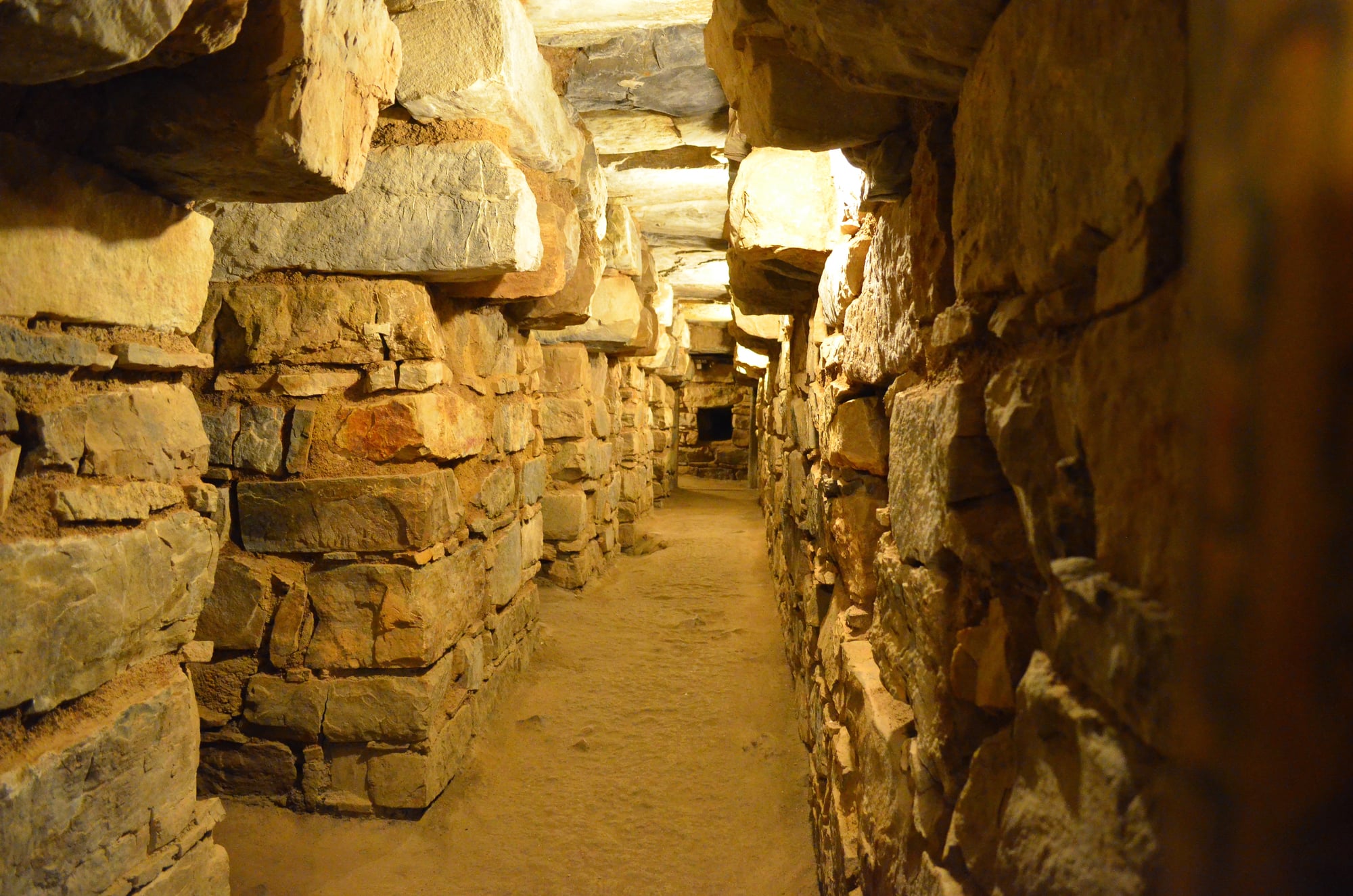
Highway construction in northern Greece in 2013 revealed an extensive underground tomb complex from the Hellenistic period. The site contained unprecedented amounts of gold artifacts, weapons, and ceremonial objects from the 4th century BC.
Architectural features suggested connections to Alexander the Great’s immediate successors and their court. Preserved textiles and organic materials offered new information about ancient Greek burial practices.
This accidental discovery transformed our understanding of Hellenistic royal burial customs.
Dutch War Bunker
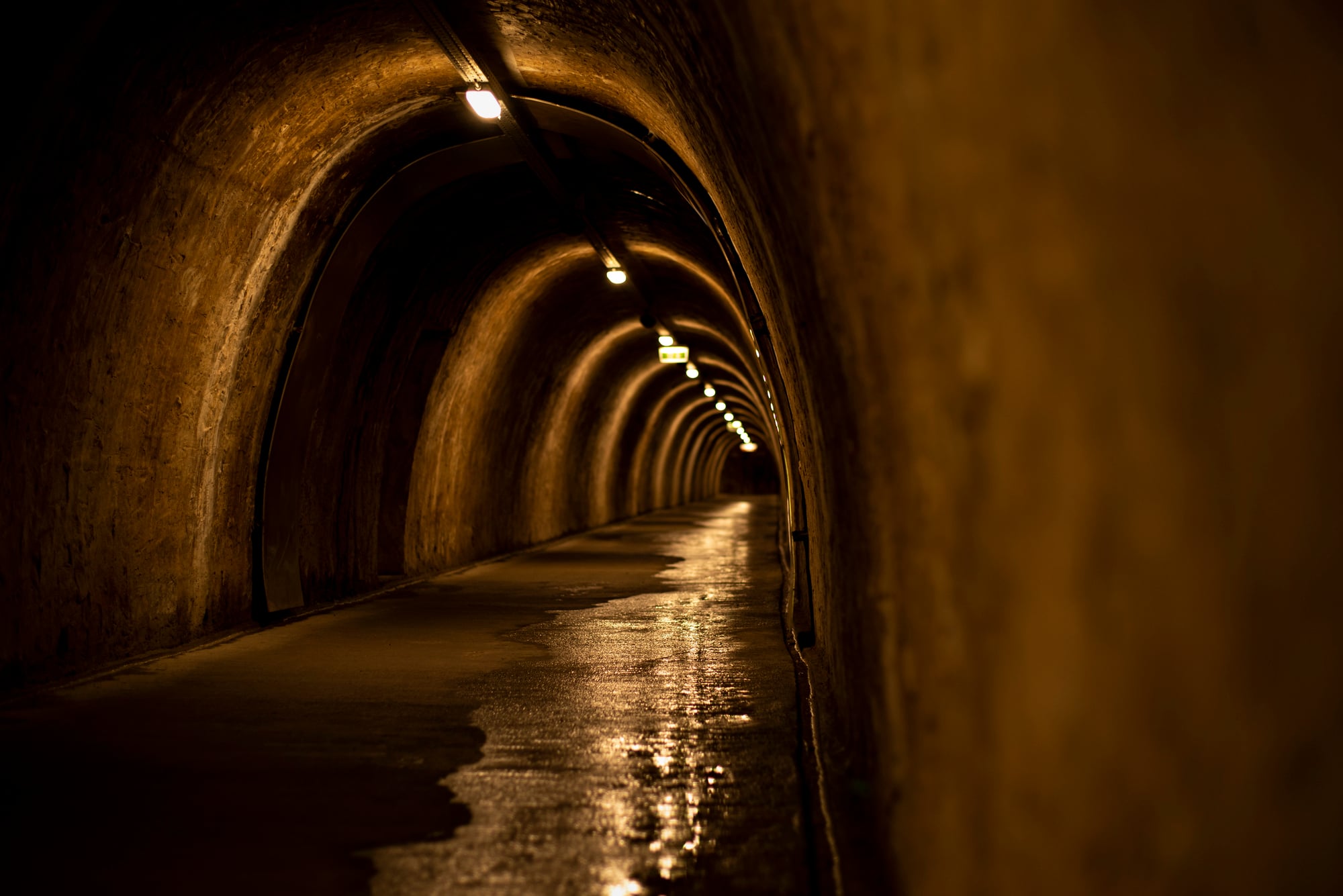
Farmers plowing a field in 2020 uncovered the entrance to a perfectly preserved World War II resistance bunker in rural Netherlands. The space contained radio equipment, weapons, and coded messages never transmitted to Allied forces.
Personal belongings including photographs and letters revealed the identities of previously unknown resistance members. The bunker’s camouflage and construction techniques demonstrated sophisticated underground engineering capabilities.
This chance discovery provided crucial new information about Dutch resistance operations.
London Plague Pits
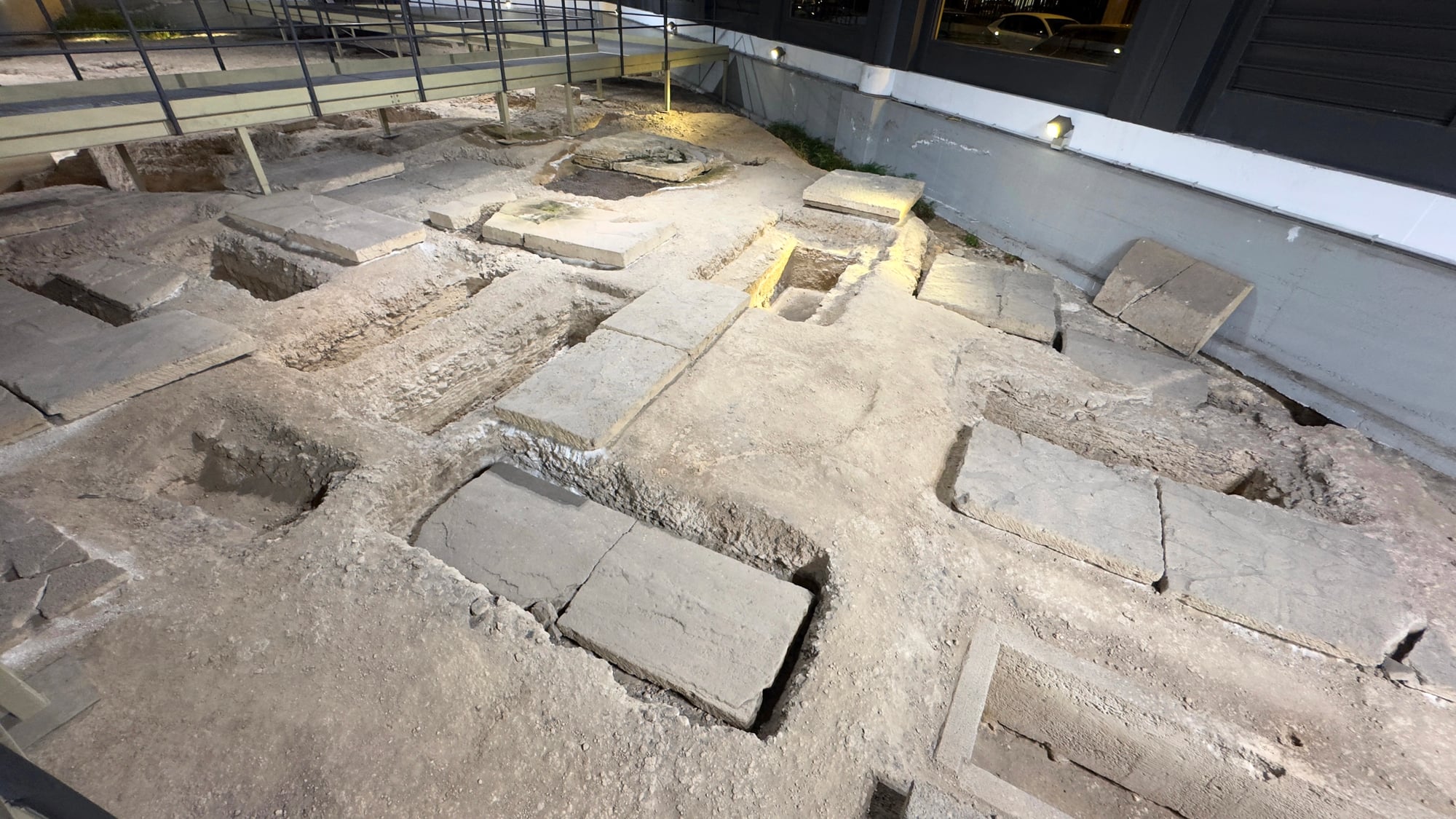
Crossrail construction workers in 2015 discovered several massive burial chambers containing victims of the Great Plague of 1665. These pits included perfectly preserved remains that allowed scientists to study the evolution of the plague bacterium.
Personal belongings found with the bodies provided insights into 17th-century London life and death customs. The discovery included previously unknown documentation about plague containment measures and medical treatments.
This accidental finding significantly advanced our understanding of historical disease management.
Krakow’s Market Hall

Basement renovation work in 2018 revealed a complete medieval market hall beneath Krakow’s main square. The underground space contained intact merchant stalls, storage areas, and an elaborate system of weights and measures.
Preserved accounting books and trade records offered unprecedented insights into medieval European commerce. The discovery included examples of early banking and credit systems used by merchants.
This chance revolutionized our understanding of medieval urban economics.
Istanbul’s Lost Station
Subway excavation in 2019 uncovered a complete Ottoman-era underground train station, forgotten for over a century. The facility included intact ticket offices, waiting rooms, and platforms with original furnishings and signage.
Documents found within revealed previously unknown aspects of early Middle Eastern railway development. Engineering features demonstrated sophisticated construction techniques that influenced later underground transportation systems.
This discovery provided crucial information about the modernization of transportation in the Ottoman Empire.
Legacy Beneath Our Feet
These remarkable discoveries remind us that history’s greatest treasures often lie hidden just beneath the surface of our daily lives. Each accidental find has expanded our understanding of human ingenuity, resilience, and creativity throughout the ages.
As urban development continues worldwide, more underground secrets surely await discovery, promising to further illuminate the fascinating story of human civilization. These chance encounters with the past continue to reshape our understanding of history and inspire new generations of explorers and researchers.
More from Go2Tutors!

- The Romanov Crown Jewels and Their Tragic Fate
- 13 Historical Mysteries That Science Still Can’t Solve
- Famous Hoaxes That Fooled the World for Years
- 15 Child Stars with Tragic Adult Lives
- 16 Famous Jewelry Pieces in History
Like Go2Tutors’s content? Follow us on MSN.



