29 Household Inventions Patented Long Before They Sold
A patent only proves an idea existed. It says nothing about whether anyone wanted to buy it, whether the manufacturing existed to build it affordably, or whether the market was ready. Many of the household objects people now consider essential sat on paper for decades, sometimes generations, before a second inventor, a cheaper material, or a change in daily life finally turned them into something families actually brought home.
The Dishwasher
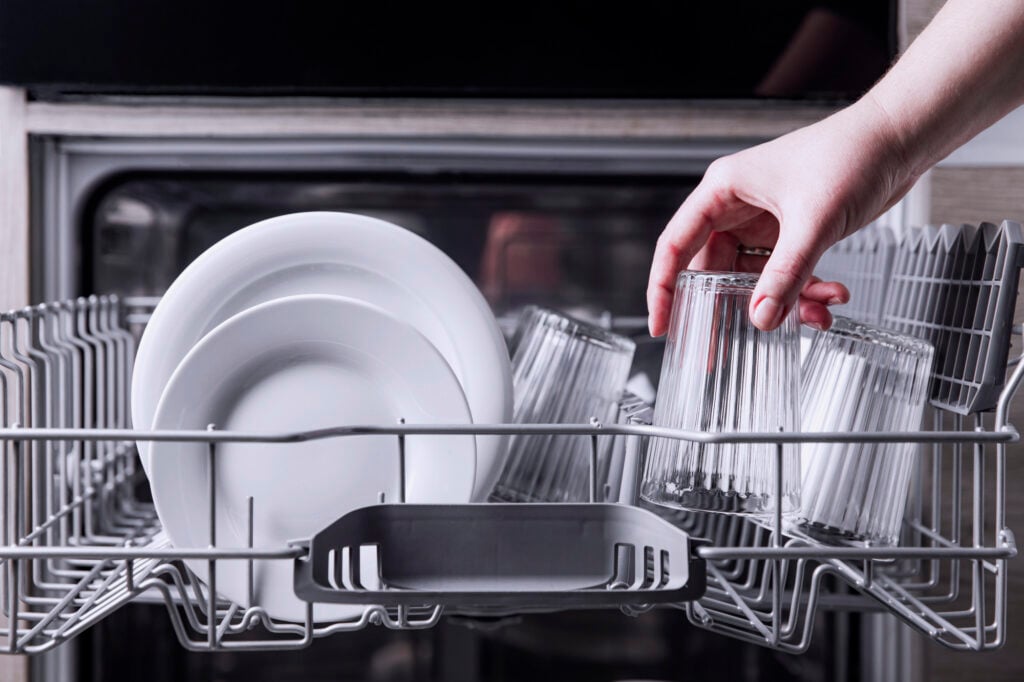
Josephine Cochrane patented a mechanical dishwasher in 1886, designed initially for wealthy households and hotels that could afford the plumbing it required. It took until well into the mid-twentieth century, once suburban kitchens routinely included the necessary plumbing and electricity, for dishwashers to become a common home appliance rather than a commercial novelty.
The Vacuum Cleaner
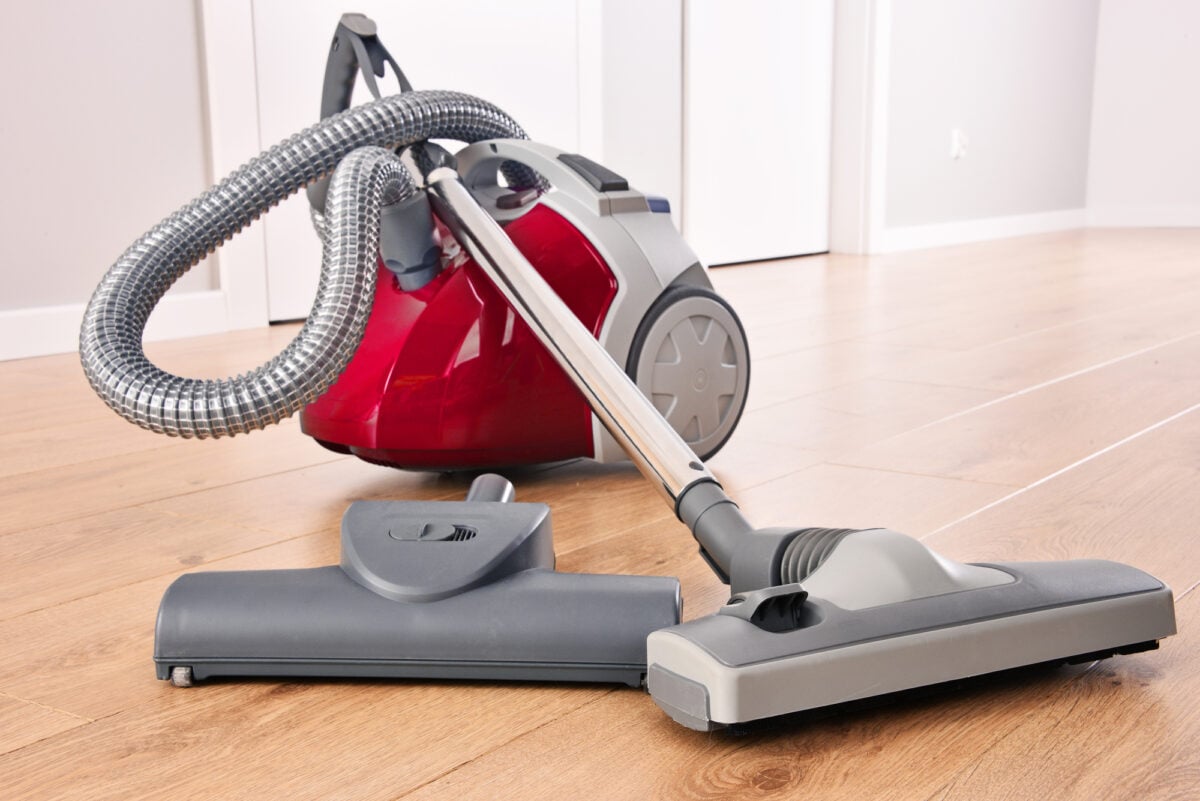
British engineer Hubert Cecil Booth patented a powered vacuum cleaning system in 1901, though his original version was so large it had to be hauled to a house by horse-drawn cart and operated from outside through hoses run in the windows. Smaller, genuinely portable home models did not become widely affordable and common in households until decades later.
The Microwave Oven
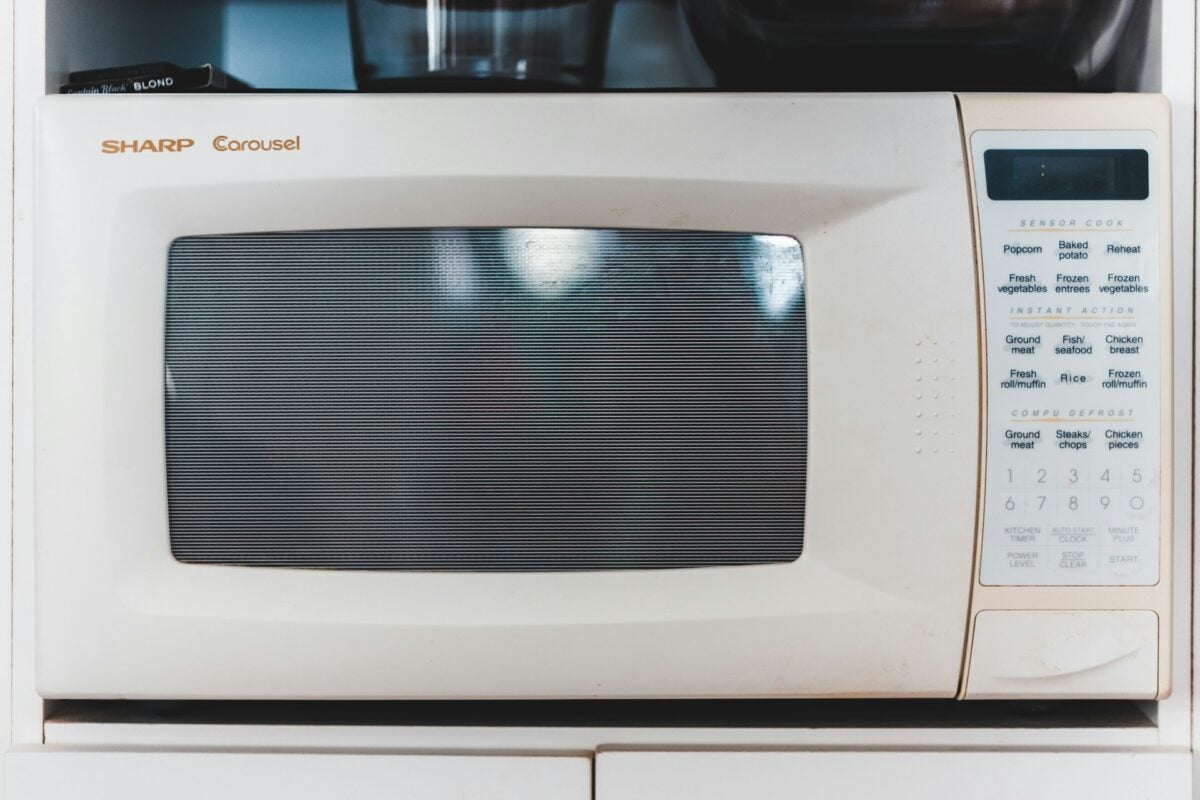
Percy Spencer patented the core microwave heating technology in 1945 after noticing it had melted a candy bar in his pocket while working on radar equipment for Raytheon. The first commercial microwave ovens were enormous and expensive, and compact, affordably priced countertop models did not reach most kitchens until the 1970s.
The Electric Refrigerator

Early refrigeration patents date back to Jacob Perkins’s 1834 vapor-compression design, decades before anything resembling a home refrigerator existed. Electric refrigerators intended for ordinary households did not become common purchases until the 1920s and 1930s, nearly a century after the underlying technology was first patented.
Velcro
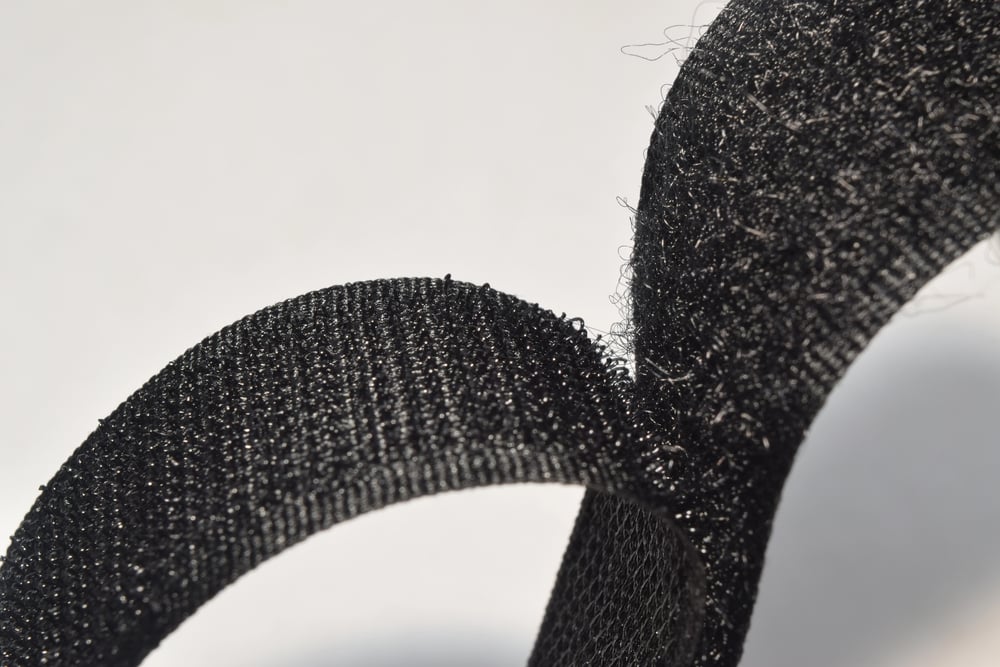
Swiss engineer George de Mestral patented his hook-and-loop fastener, inspired by burrs stuck to his dog’s fur, in 1955. It took years of refining the manufacturing process before Velcro found its way into everyday household products, arriving first in specialized military and aerospace applications before reaching consumer goods.
The Zipper
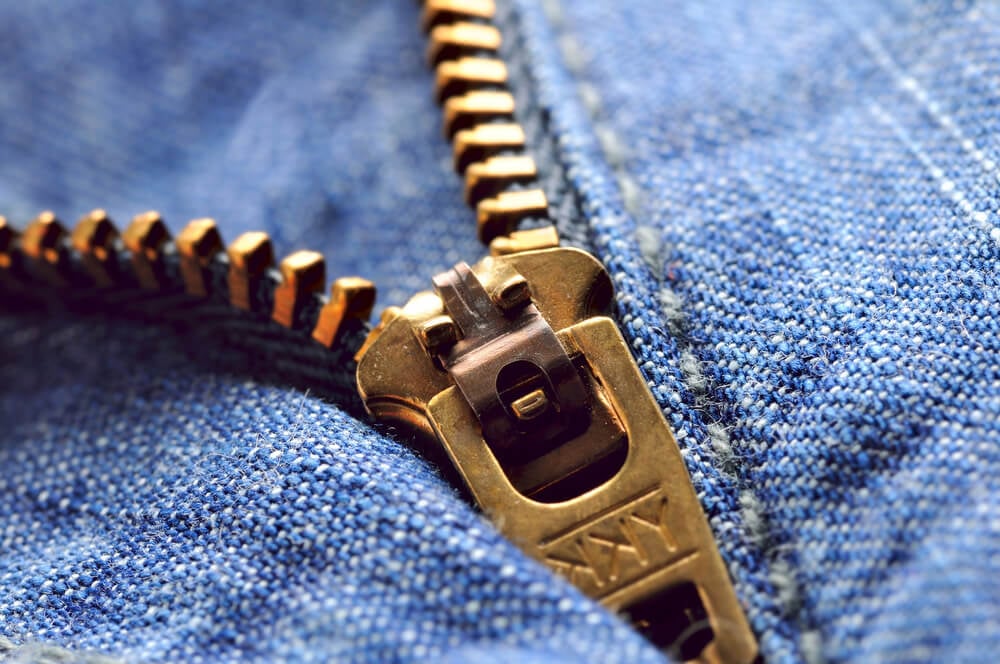
Whitcomb Judson patented an early slide fastener he called a clasp locker in 1893, but it was unreliable and never caught on commercially. Gideon Sundback’s improved design, patented in 1913, still took roughly two more decades to be widely adopted in clothing, since manufacturers and consumers were slow to trust it over buttons.
The Pressure Cooker
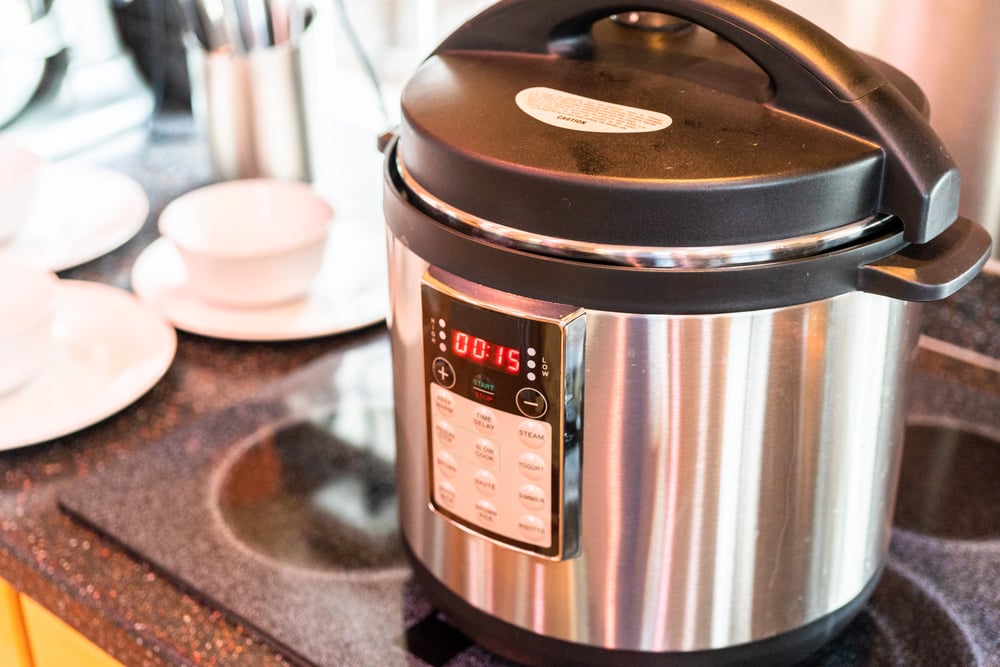
French physicist Denis Papin patented an early sealed steam-cooking vessel, which he called a steam digester, all the way back in 1679, more than two centuries before anything resembling a modern kitchen pressure cooker existed. Safer, more reliable pressure cookers designed for ordinary home kitchens did not become popular consumer products until the 1930s and 1940s, once metalworking and safety-valve technology finally caught up with Papin’s original idea.
The Electric Toothbrush
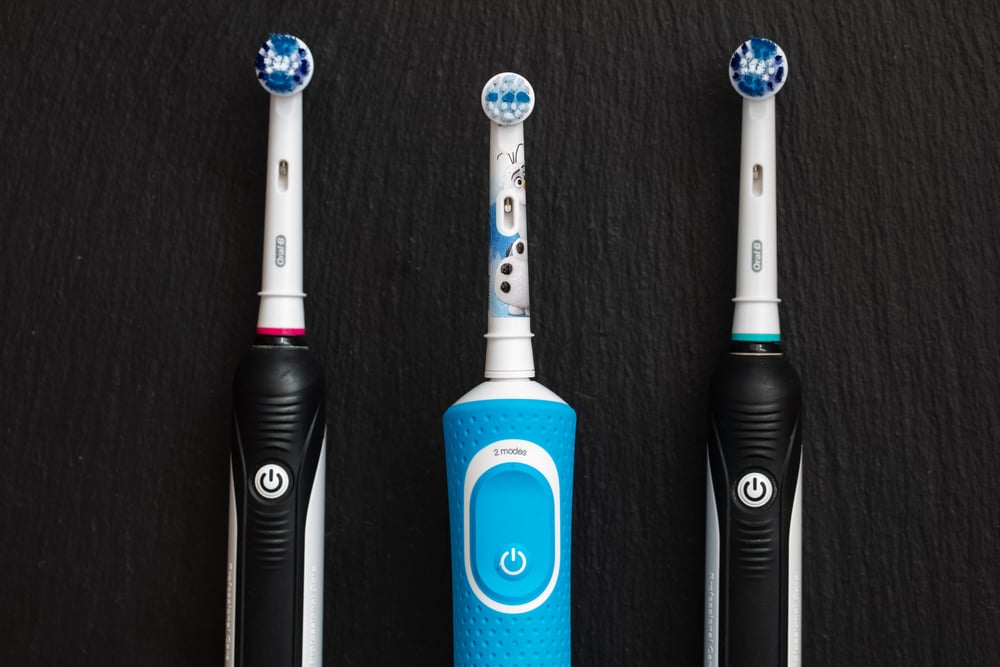
Patents for powered toothbrush designs appeared as early as the 1880s, with additional versions filed in the 1930s and 1940s, but none reached ordinary households. The first widely marketed electric toothbrush for home use, the Broxodent, did not arrive in American stores until the 1960s, roughly eighty years after the earliest patents.
Instant Coffee

Chemist Satori Kato patented a process for producing instant coffee in 1901, but the product remained a minor curiosity for decades. It was not until Nestlé launched Nescafé in 1938, and wartime demand for easily shipped coffee boosted its use, that instant coffee became a genuine household staple.
Bubble Wrap
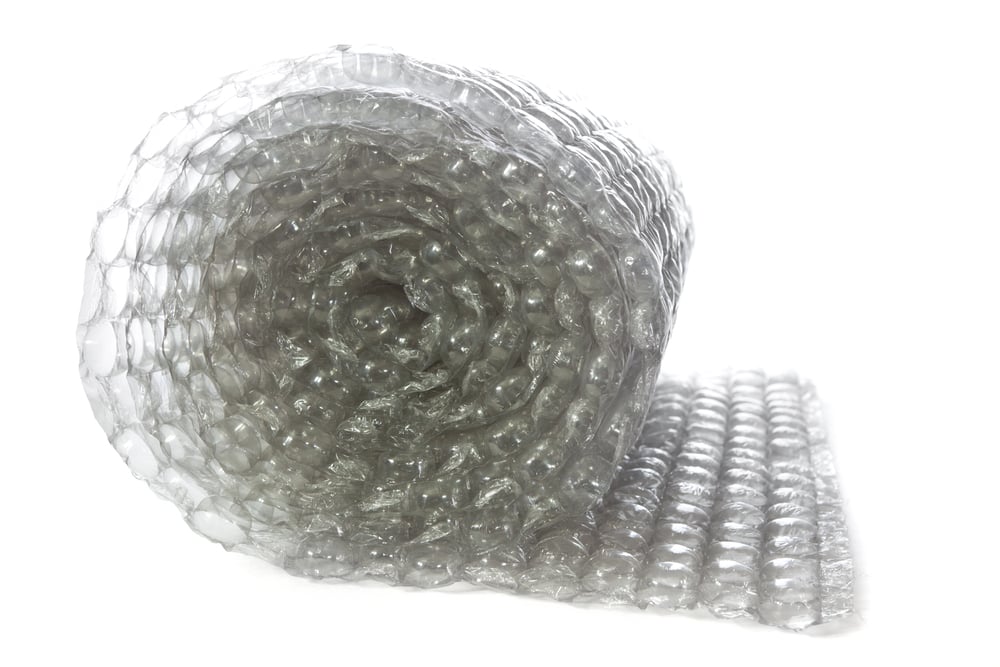
Engineers Alfred Fielding and Marc Chavannes patented their air-bubble material in 1957, originally intending it as textured wallpaper. After that idea failed, along with a follow-up attempt to sell it as greenhouse insulation, the material only found commercial success once IBM adopted it as protective packaging in the early 1960s.
The Post-it Note Adhesive

Chemist Spencer Silver developed and patented the weak, reusable adhesive behind the Post-it Note in 1968 while trying to create a stronger glue. The product built around his adhesive did not actually reach store shelves until 1977, and it took a nationwide sample campaign in 1980 before it became a genuine commercial success.
The Television Remote Control
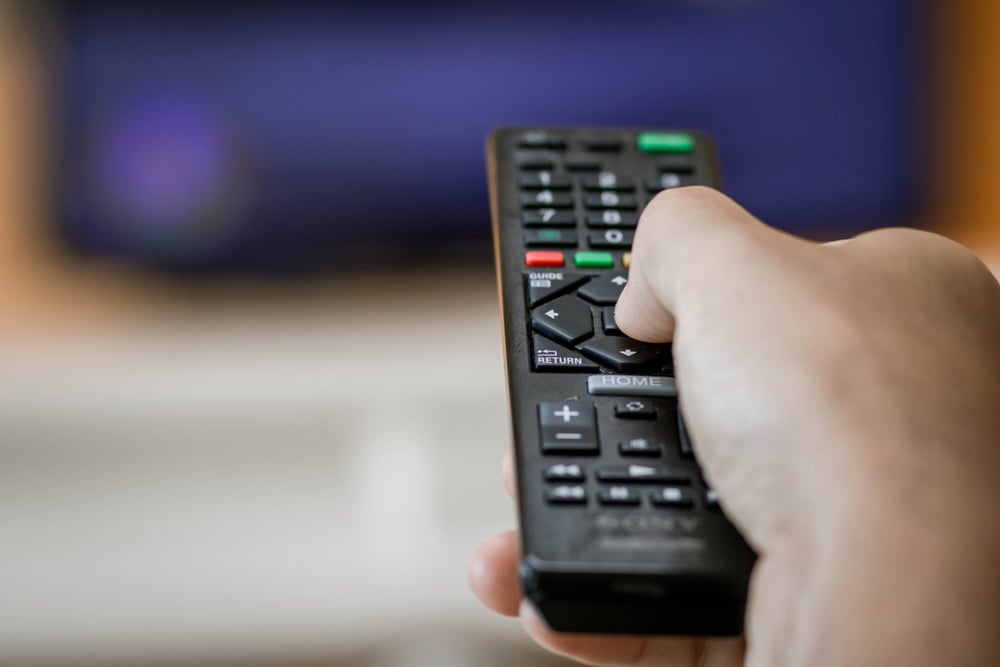
Zenith engineer Eugene Polley patented an early wireless remote called the Flash-Matic in 1955, following an earlier wired version called the Lazy Bones from 1950. Remote controls did not become a standard feature bundled with ordinary household televisions until the 1970s and 1980s, once cable and multi-channel viewing made changing channels by hand more of a hassle.
Fiberglass Home Insulation
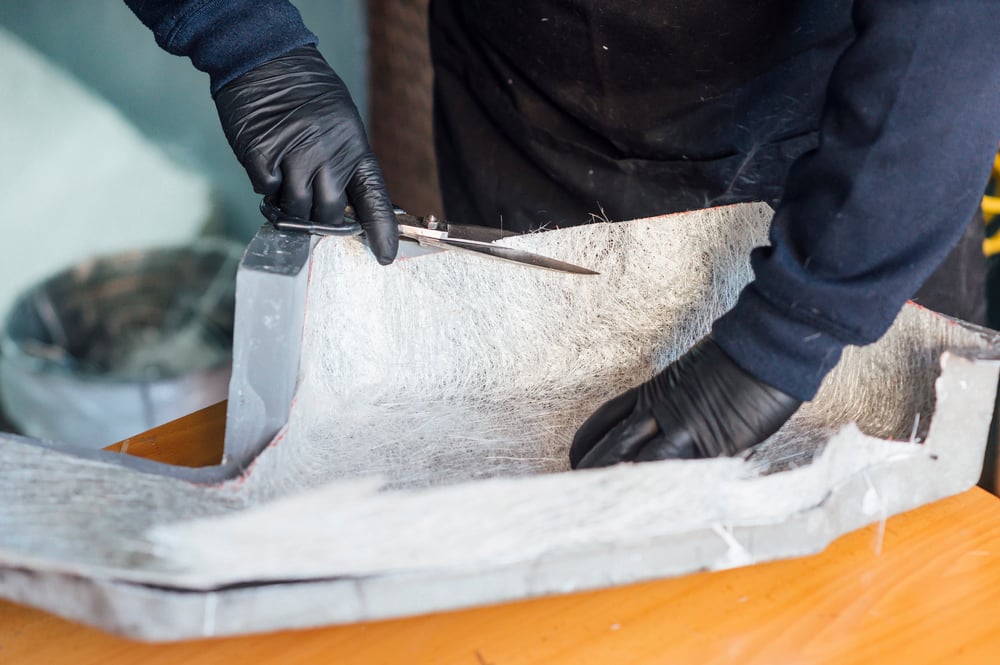
Owens-Corning patented its fiberglass manufacturing process in the 1930s, initially marketing the material for industrial and commercial insulation uses. Widespread residential adoption of fiberglass insulation grew more slowly, expanding significantly only as postwar suburban home construction accelerated demand for affordable insulation at scale.
The Electric Washing Machine
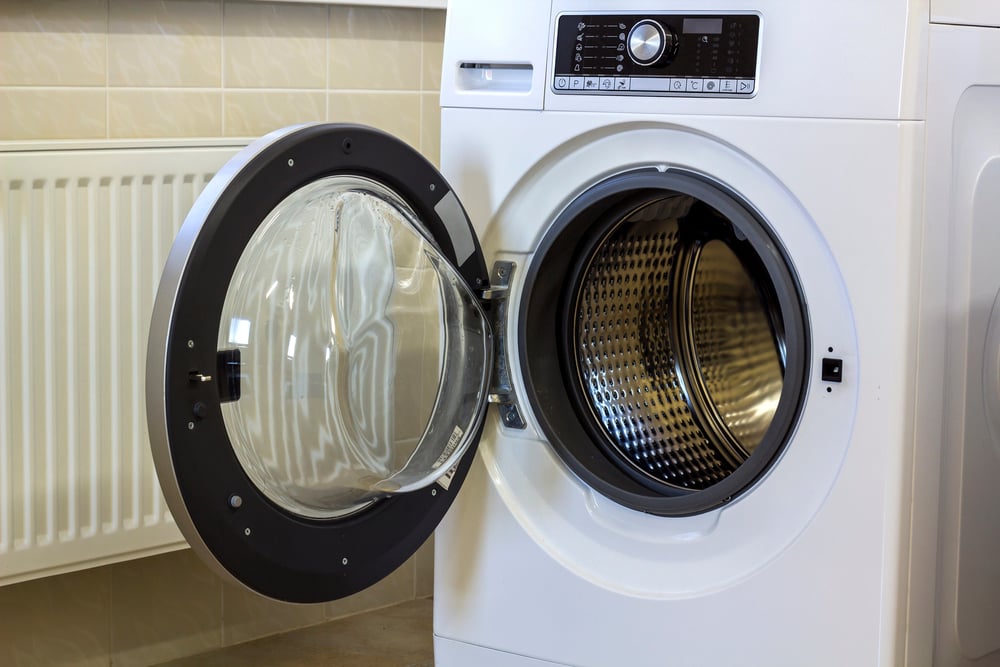
Early powered washing machine patents date to the first years of the twentieth century, including the Thor washer patented by the Hurley Machine Company in 1908. It took several more decades of falling prices and expanding household electrical wiring before electric washing machines became a common home purchase rather than a luxury item.
The Pop-Up Toaster
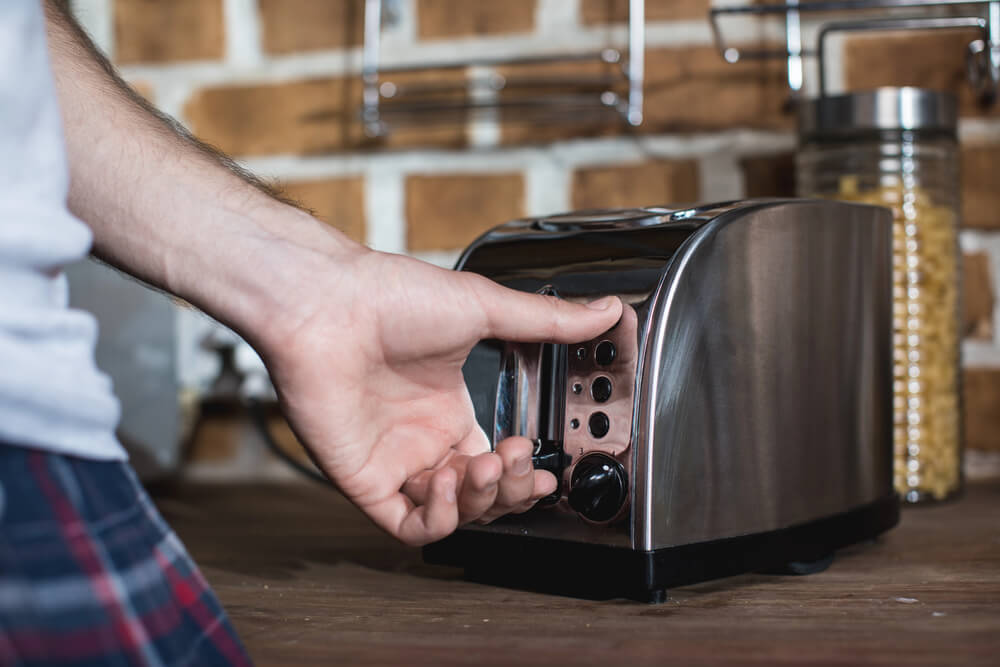
Charles Strite patented the automatic pop-up toaster mechanism in 1919, designing it initially for restaurant use. The popular Toastmaster model aimed at home kitchens did not go on sale until 1926, and it took additional years beyond that before pop-up toasters outsold older manual designs.
The Slinky

Naval engineer Richard James patented the Slinky toy in 1946 after noticing how a torsion spring behaved when it slipped off a shelf during his work several years earlier. Even after the patent, the toy needed a live demonstration at a department store to generate genuine public interest before it became a bestseller.
The Frisbee
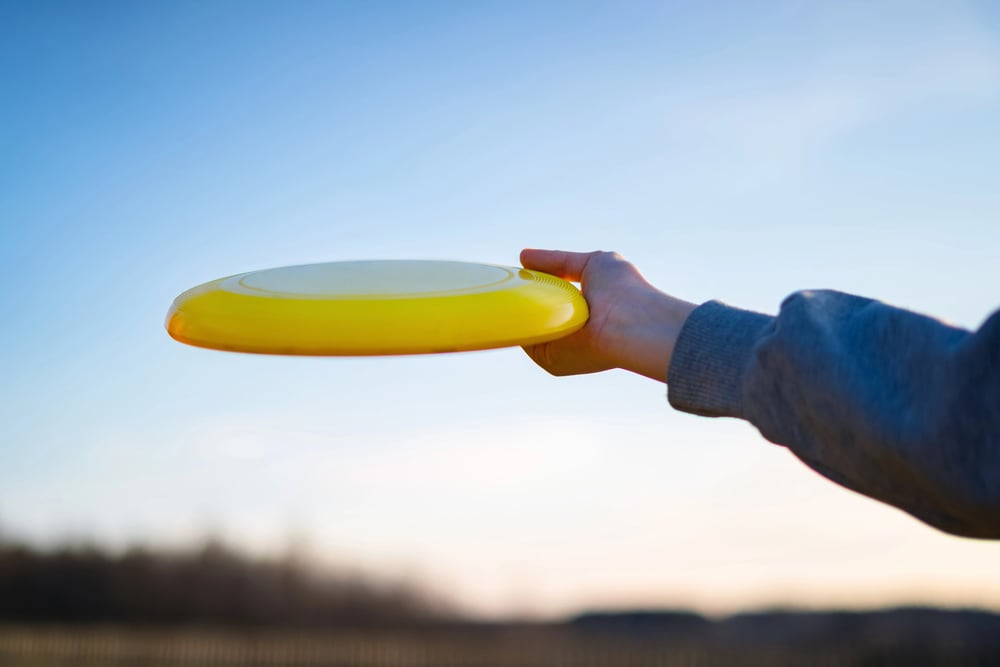
Walter Morrison patented his plastic flying disc, originally called the Pluto Platter, in 1955, selling it initially through door-to-door demonstrations rather than retail stores. It took until 1957, when the Wham-O company renamed and remarketed the disc as the Frisbee, for the product to become a household name.
The Safety Razor
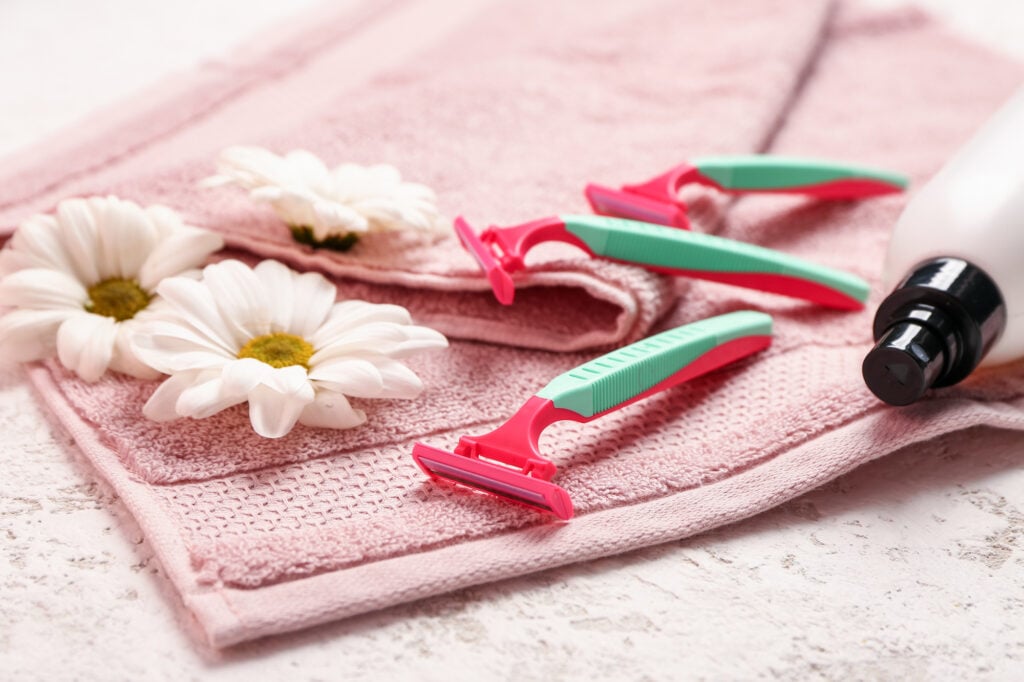
King Camp Gillette patented his disposable-blade safety razor design in 1904, but early sales were modest given the razor’s unfamiliar blade system. Widespread adoption accelerated significantly after the United States military distributed the razors to soldiers during the First World War, introducing the product to millions of men who continued using it afterward.
Tupperware
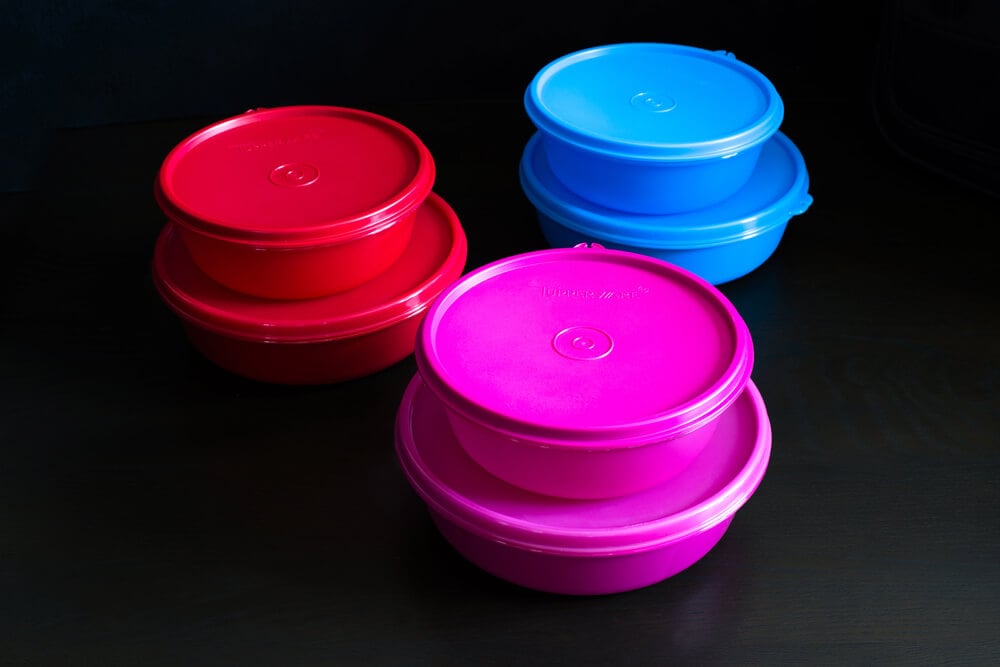
Earl Tupper patented his polyethylene food storage containers in the 1940s, but early retail sales in department stores were disappointing since customers did not understand how the unfamiliar seal worked. The product only became a commercial phenomenon once Brownie Wise pioneered the home party sales model in the early 1950s, letting demonstrators show the seal in action.
The Aerosol Spray Can
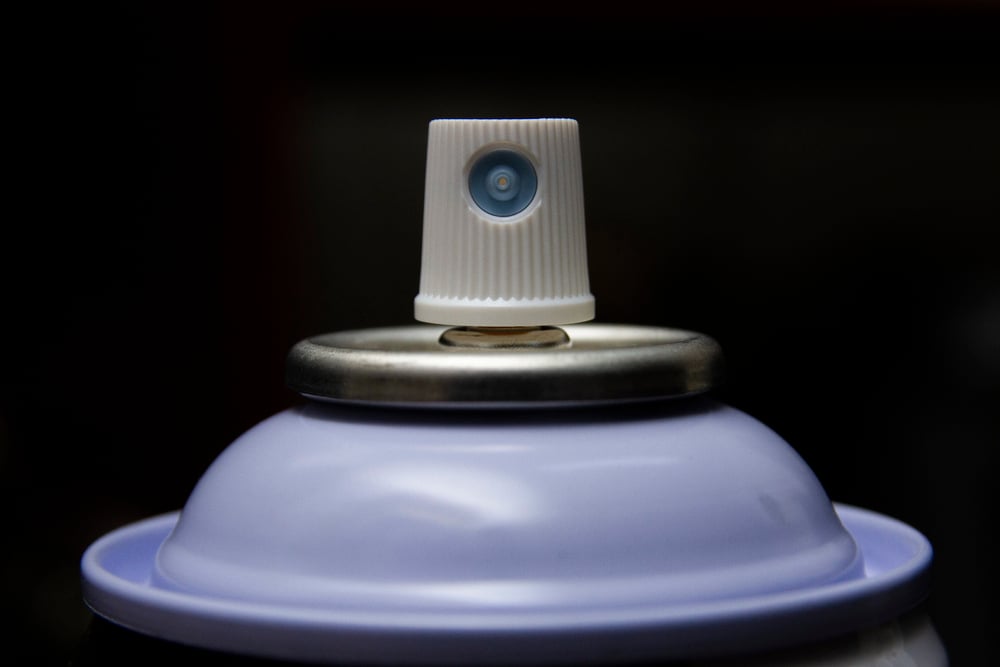
Norwegian engineer Erik Rotheim patented the modern aerosol can design in 1927, but commercial applications remained limited for years afterward. It took the development of portable insect-repellent bug bombs for American troops during the Second World War, and the subsequent adaptation of that technology for civilian products, before aerosol cans became common household items.
The Electric Can Opener
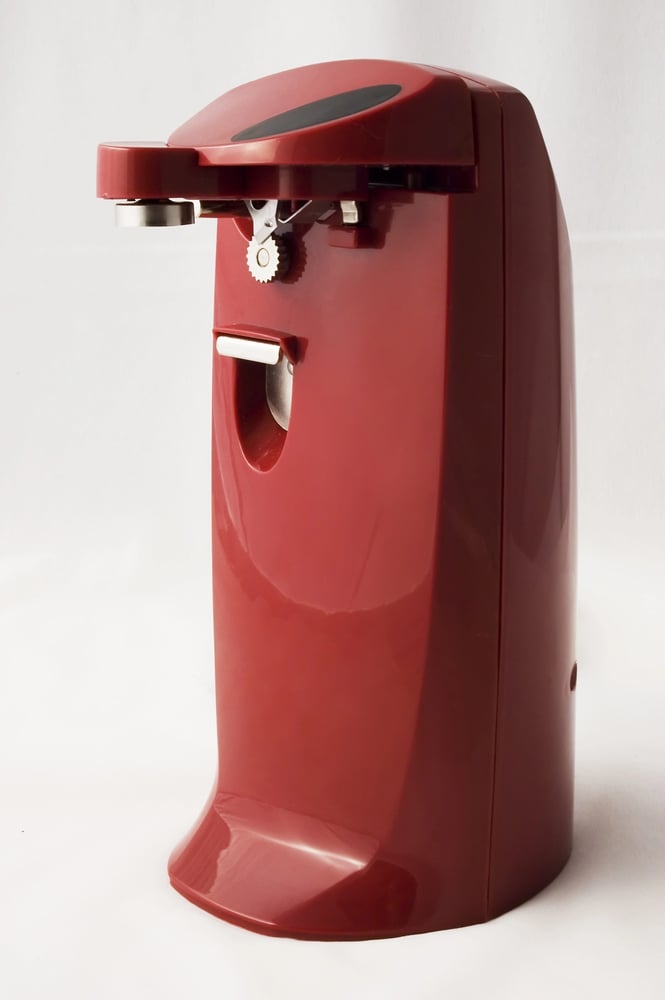
Early patents for powered can-opening devices appeared in the first decades of the twentieth century, but the design remained a novelty for years. Electric can openers did not become a popular countertop kitchen appliance until the 1950s and 1960s, once postwar households were furnishing kitchens with a wider range of small electric appliances.
The Food Processor
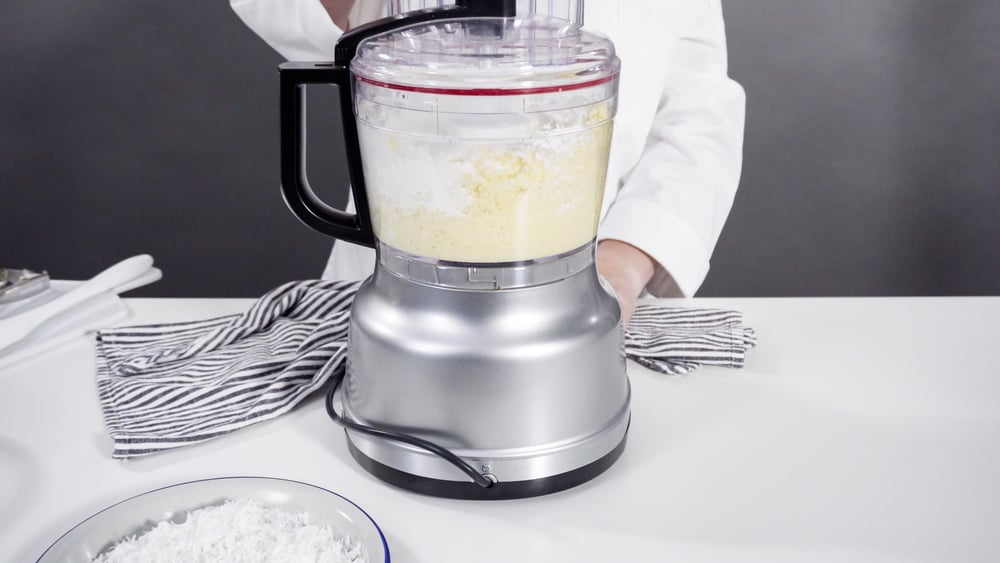
French engineer Pierre Verdon patented his Robot-Coupe food processor design in the late 1960s, initially selling it to commercial kitchens rather than home cooks. The home version, marketed in the United States as the Cuisinart from 1973 onward, took several more years of demonstrations at cooking schools and stores before it became a fixture in American kitchens.
The Robotic Vacuum
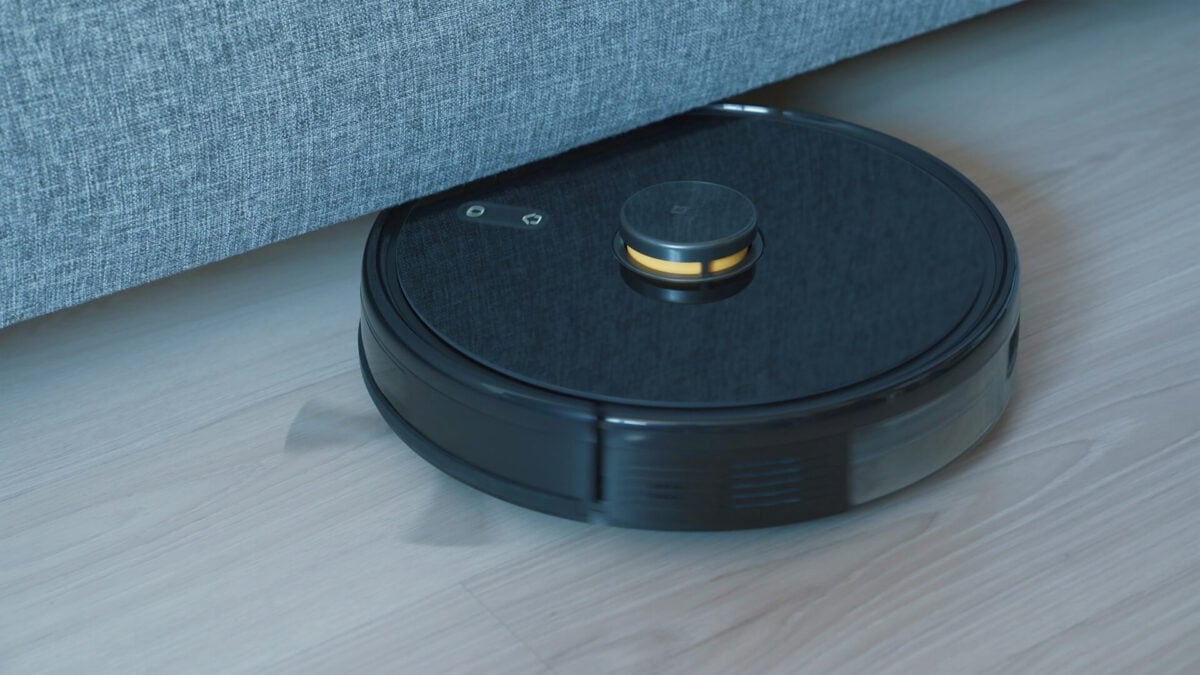
Various robotic vacuum cleaner patents were filed through the 1990s as engineers experimented with early autonomous cleaning designs, but none reached consumers directly. It was not until iRobot released the Roomba in 2002 that a robotic vacuum finally became a genuine consumer product rather than a laboratory prototype.
The Garbage Disposal
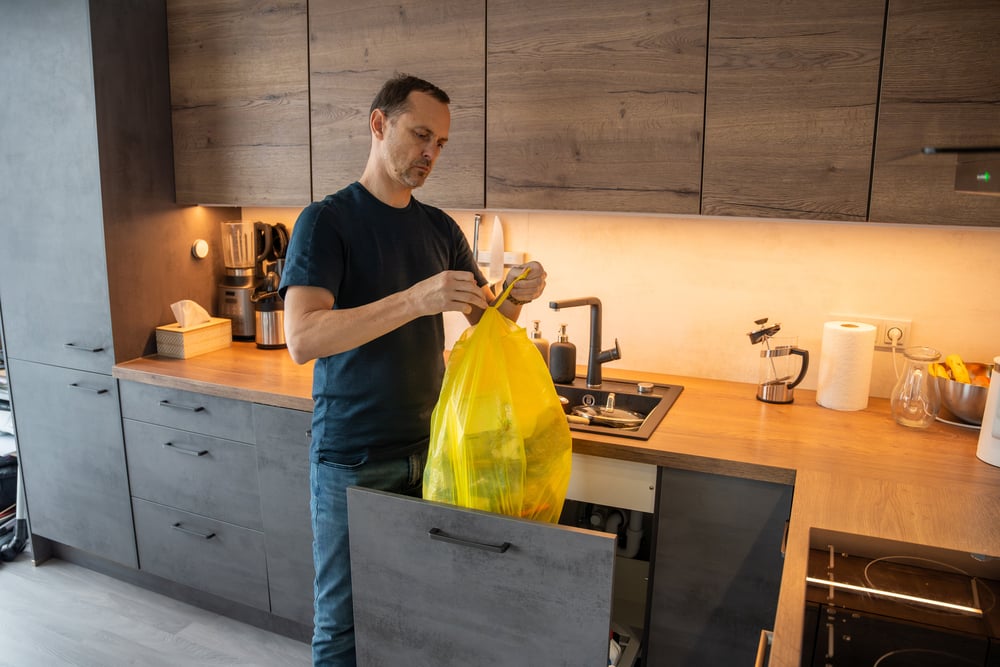
John W. Hammes patented the InSinkErator garbage disposal design in 1927, developing the idea over roughly a decade before bringing it to market. Widespread residential adoption did not take hold until after the Second World War, once suburban plumbing codes and kitchen layouts began accommodating the units as standard.
Contact Lenses
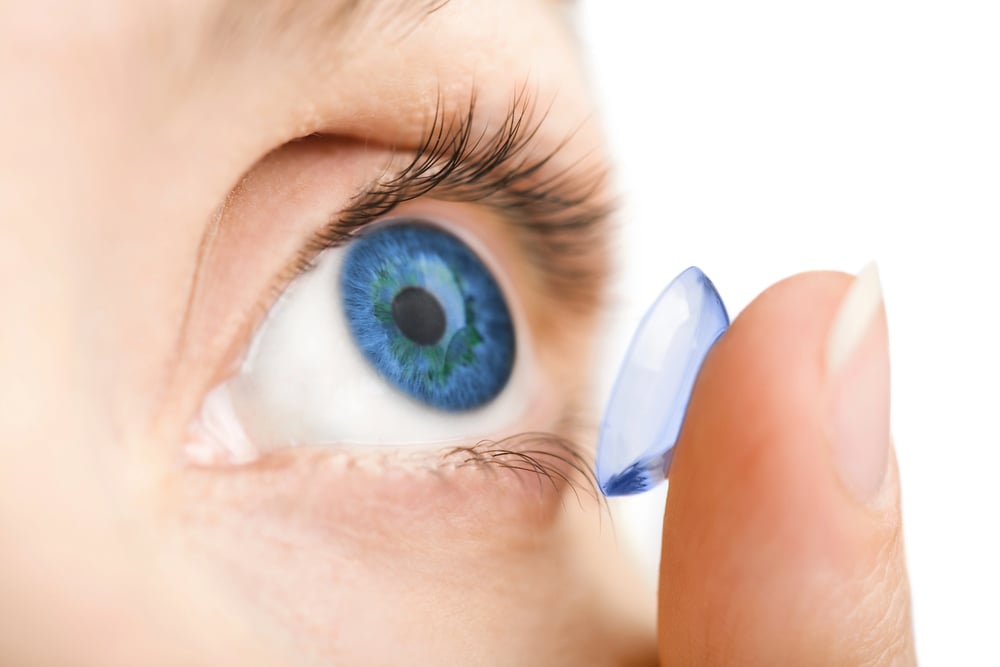
Rigid glass contact lens designs were patented as early as the late nineteenth century, but they were uncomfortable enough that few people used them regularly. Czech chemist Otto Wichterle patented a flexible soft contact lens material in the early 1960s, and it still took roughly a decade of refinement before soft lenses became a common consumer product in the 1970s.
The Handheld Hair Dryer
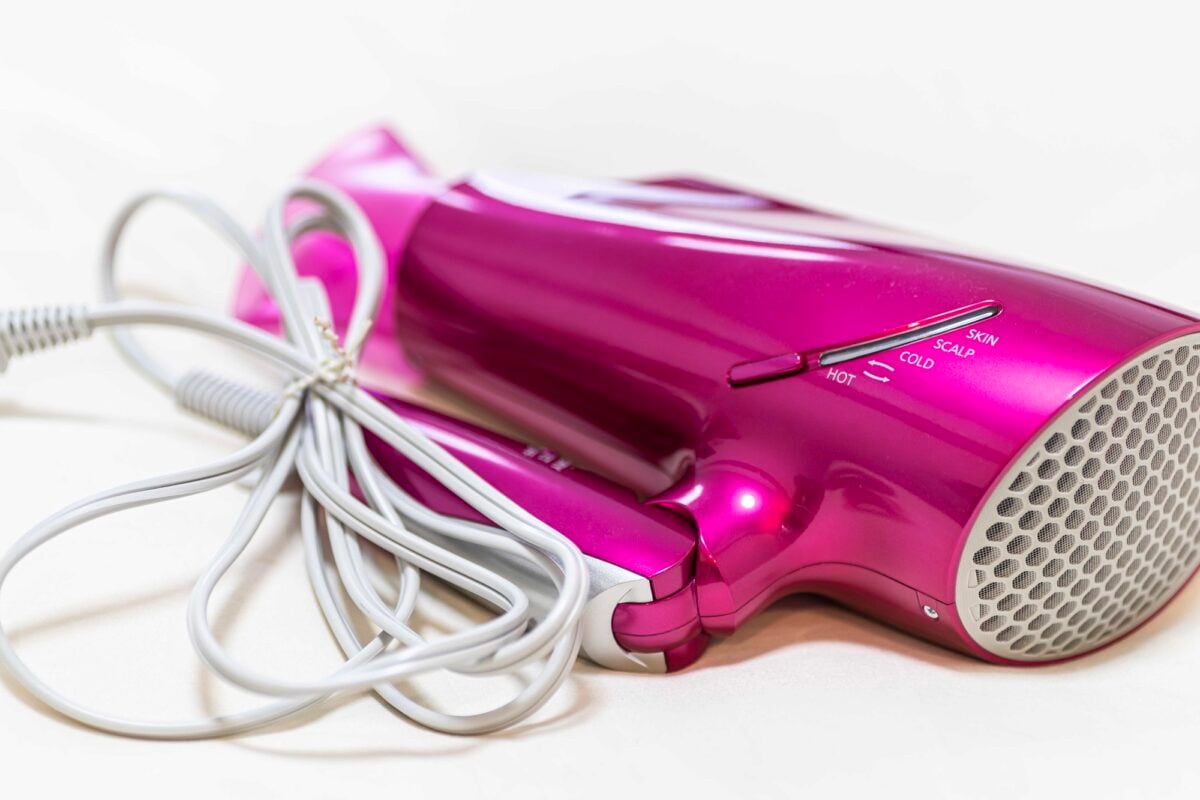
Early hair dryer patents appeared around the turn of the twentieth century, but the devices were heavy, underpowered, and impractical for regular home use. Lighter, genuinely handheld models capable of everyday household use did not become common until improvements in small electric motors arrived decades later, in the mid-twentieth century.
Instant Photography
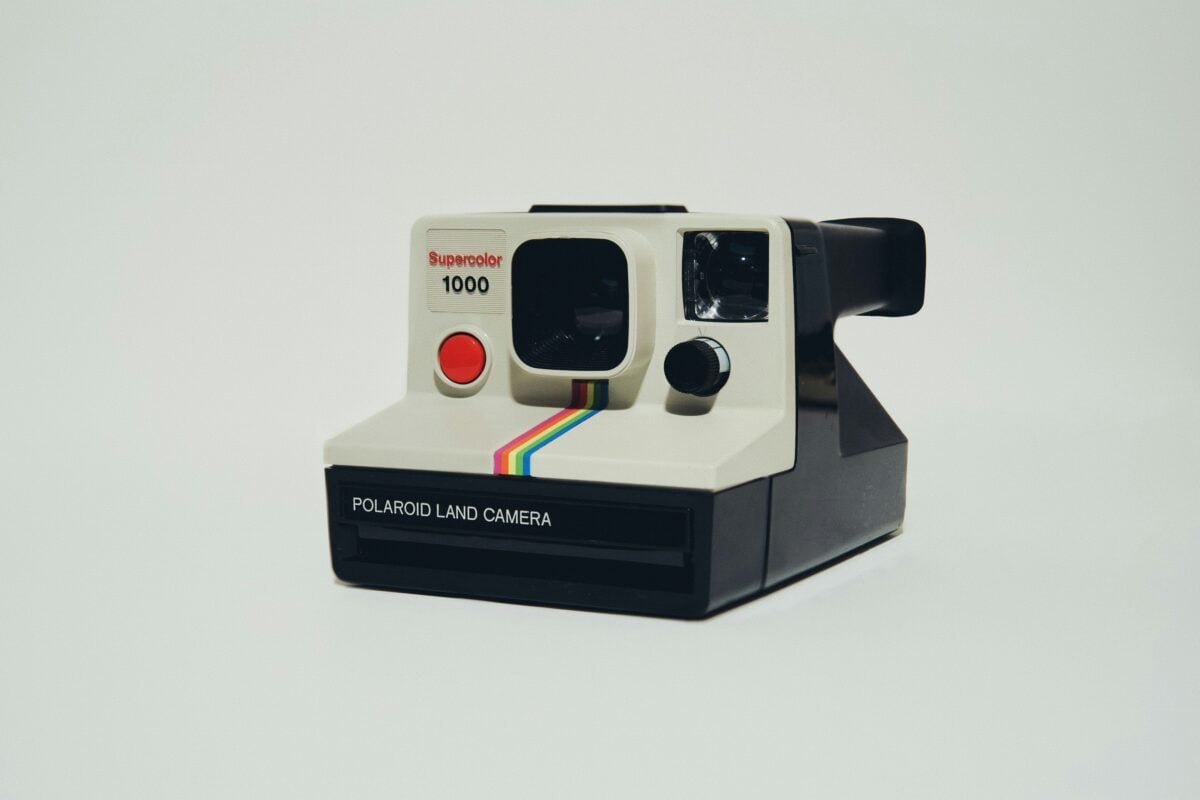
Edwin Land developed and patented the core instant photography process behind Polaroid cameras during the early 1940s, working through the technical challenges of self-developing film for several years. The first commercial Polaroid camera did not reach retail shelves until 1948, and later, more compact home models took additional years to refine further.
The Electric Blanket
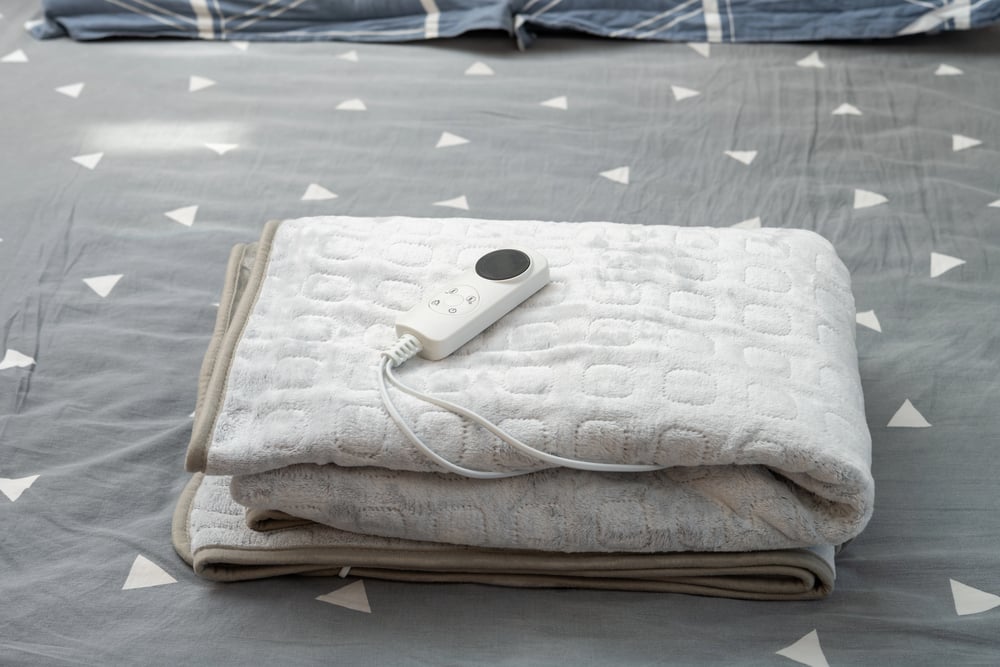
An early patent for an electrically heated blanket was filed in 1912 by S. I. Russell, but the technology remained a niche medical and industrial application for years afterward. Safer, more reliable electric blankets intended for ordinary household bedrooms did not become widely available consumer products until the 1930s and later decades, once electrical safety standards caught up with the concept.
The Home Smoke Detector

Swiss physicist Walter Jaeger patented an early ionization-based smoke detection technology in the 1940s while researching a device meant to detect poison gas, discovering its sensitivity to smoke almost by accident. Compact, affordably priced smoke detectors intended for ordinary home use did not reach the general consumer market until the 1970s, roughly three decades after the underlying patent.
What a Patent Actually Buys

A patent protects an idea, but it does not manufacture the idea cheaply, explain it to a skeptical public, or guarantee that the rest of the world is ready to change its daily habits. Nearly every invention on this list needed a second act, a cheaper material, a marketing gimmick, a war, a generation of new housing, before the original idea finally found its way into an ordinary home.
That gap between invention and adoption is easy to forget once a product becomes familiar enough to seem inevitable. It wasn’t. Most of these objects spent longer waiting for the world to catch up than they have spent, so far, actually being used inside it.
More from Go2Tutors!

- The Romanov Crown Jewels and Their Tragic Fate
- 13 Historical Mysteries That Science Still Can’t Solve
- Famous Hoaxes That Fooled the World for Years
- 15 Child Stars with Tragic Adult Lives
- 16 Famous Jewelry Pieces in History
Like Go2Tutors’s content? Follow us on MSN.