26 Hobbies That Filled ’60s Summers
School let out, the screen door slapped shut, and the long weeks ahead belonged to whatever a kid could build, collect, launch, or trade. There was no schedule beyond dinner and the streetlights, which left a lot of room for obsession.
The pastimes of that decade ranged from the scientific to the slightly dangerous, and many of them cost less than a movie ticket. Some faded within a few years, while others quietly shaped careers, collections, and toy aisles that still exist today.
Kodak Instamatic Snapshots
Kodak introduced the Instamatic in 1963, and its drop-in film cartridge ended the fumbling with spools that had made earlier cameras intimidating for children. Loading took a few seconds, and the boxy plastic body fit easily in a beach bag.
Summer vacations suddenly came with photographic evidence, much of it featuring a thumb. The prints came back from the drugstore weeks later, which made every envelope a small surprise.
Model Rocketry in the Backyard
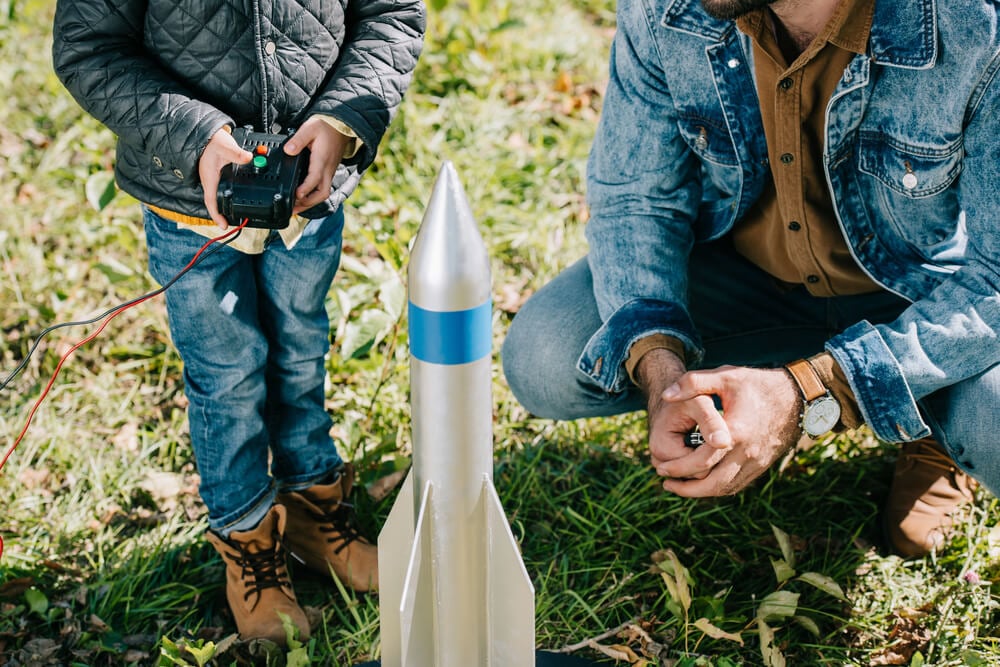
Estes became the best-known name in model rockets, selling kits built from balsa, cardboard, and plastic nose cones. Kids assembled them on the garage floor, packed a bit of wadding, and launched them in empty fields using an electric igniter.
A parachute or streamer was supposed to bring the rocket back down, though some landed in the next county. The Space Race made the entire idea feel like homework with better results.
Slot Car Raceways

Slot cars became a craze in the mid-1960s, when raceways turned up in hobby shops and basements, with plastic track and tiny motors humming at top speed. Teenagers spent Saturdays tuning gears, trimming guide pins, and arguing over lap times.
The cars hugged the slot with a whine that could be heard down the block. Vintage sets and cars carry wildly different prices depending on condition and completeness.
Gilbert Chemistry Sets

A.C. Gilbert, the man behind the Erector Set, also sold chemistry kits that promised real experiments with real chemicals. A kid with a set could change the color of a liquid, grow crystals, or fill the basement with an unfortunate smell.
The glass test tubes, tiny jars, and booklet of experiments felt like a genuine laboratory. Complete vintage sets in good boxes remain popular with collectors, though their condition drives the price.
Aurora Monster Model Kits

Aurora turned classic movie monsters into plastic model kits, and Frankenstein, Dracula, and the Wolf Man became bedroom shelf regulars. The kits arrived with tubes of glue and instructions that treated a creature’s graveyard setting as a selling point.
Glow-in-the-dark versions made a dark room noticeably more alarming at night. Built and unbuilt kits trade at very different prices, and boxed condition matters a great deal.
Makaha Skateboards
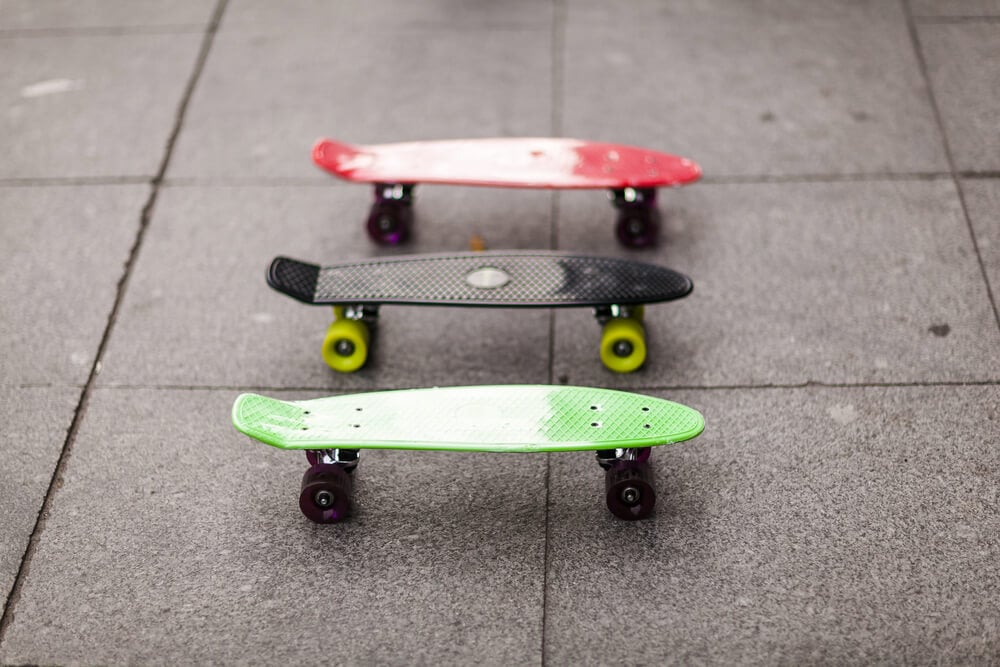
Skateboarding began as a way to surf the sidewalk, and Larry Stevenson, often called the godfather of the modern skateboard, helped turn it into a product teenagers could actually buy through his Makaha brand. Early boards rolled on hard clay wheels that offered all the grip of a bar of soap.
Kids rode down hills, around driveways, and off curbs, often without any padding. The fad swept neighborhoods before safety concerns pushed it back underground.
Sea-Monkeys in a Glass Tank

Harold von Braunhut marketed his tiny pets in comic-book ads, and they carried the Sea-Monkeys name by the early 1960s. The creatures were actually brine shrimp, which hatch from dormant eggs when dropped into treated water.
The ads showed a smiling royal family in crowns, a flourish that the real animals never matched. Still, a plastic tank on a dresser gave thousands of kids their first brush with aquatic farming.
The Uncle Milton Ant Farm
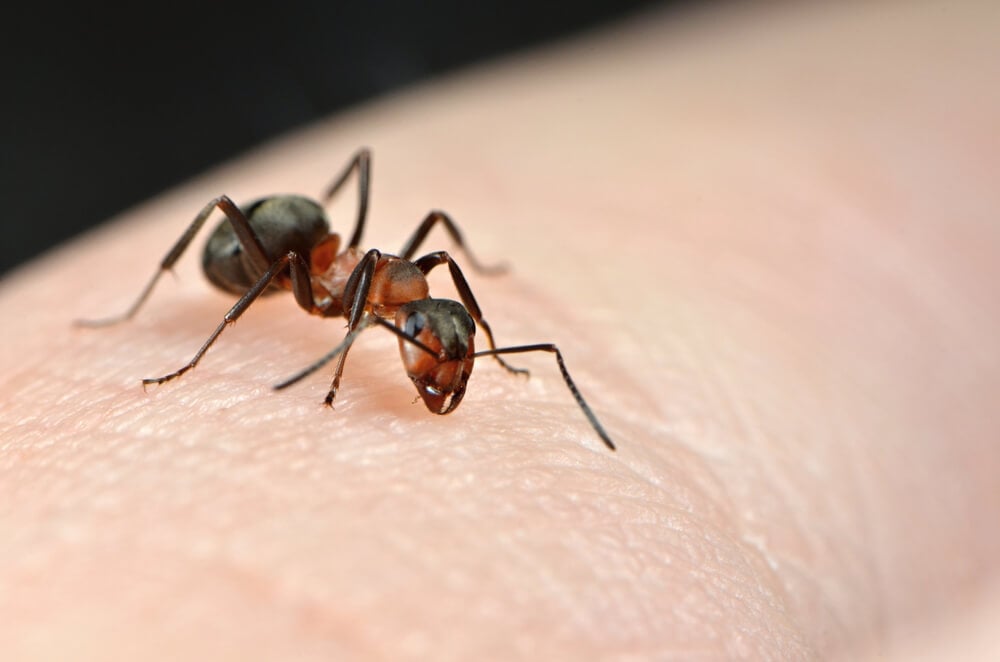
Milton Levine helped create the ant farm, and it became one of the most recognizable toys of the era. A thin sandwich of sand between plastic panels let kids watch tunnels appear in real time.
The kit shipped without ants, so buyers mailed in a coupon to receive a delivery of live insects. Few hobbies have asked a child to trust the postal service with a living colony.
Kennedy Half Dollar Coin Collecting
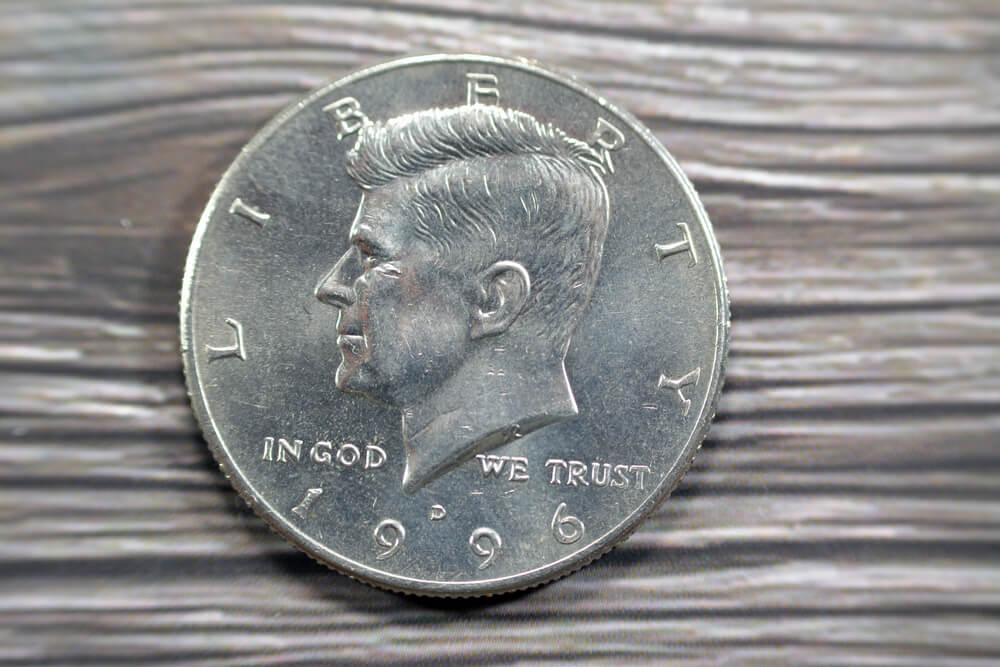
The Kennedy half dollar appeared in 1964, and Whitman folders gave kids a place to slot each year’s coin and mint mark. Searching a jar of change at a lemonade stand suddenly felt like prospecting.
Kids learned to spot dates, compare wear, and trade duplicates with neighbors. Coin values depend heavily on condition, and a worn find is worth far less than an uncirculated one.
Stamp Collecting and the Scott Catalog
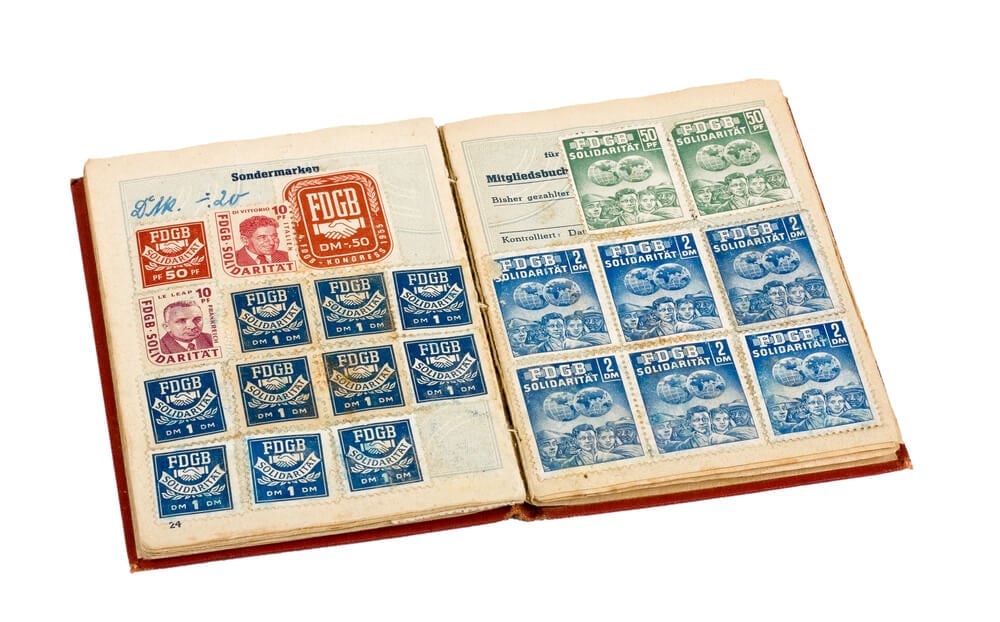
Stamp collecting was a serious youth hobby in the 1960s, supported by the Scott catalog, which assigned numbers to stamps so collectors could identify each one. Linn’s Stamp News gave collectors a paper for news, auctions, and new issues.
Kids soaked envelopes in a bowl of water, peeled off the paper, and pressed the results flat under heavy books. Value depends on condition, perforations, and rarity, so a faded duplicate rarely retires anyone.
Hot Wheels Custom Camaro
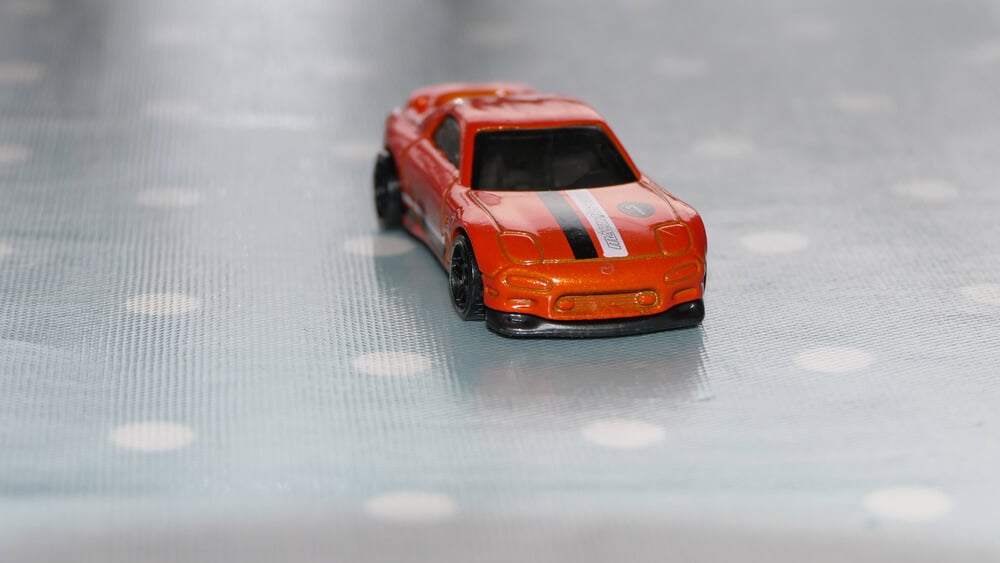
Mattel introduced Hot Wheels in May 1968, and the Custom Camaro was the first car in the lineup. The cars had low-friction wheels and glossy paint that gleamed under the porch light.
Orange plastic track let kids launch the cars down hallways and stairs with real speed. Early cars in good condition, especially with original packaging, are priced very differently from play-worn ones.
Etch A Sketch Drawing Marathons

French inventor André Cassagnes created the toy that Ohio Art released in 1960 as Etch A Sketch. The gray screen is coated with fine powder, and a stylus scrapes it away along lines controlled by two knobs.
Kids learned patience fast, since a curve required careful coordination between both hands. A good shake erased hours of work with no sympathy.
Spirograph Gear Drawing
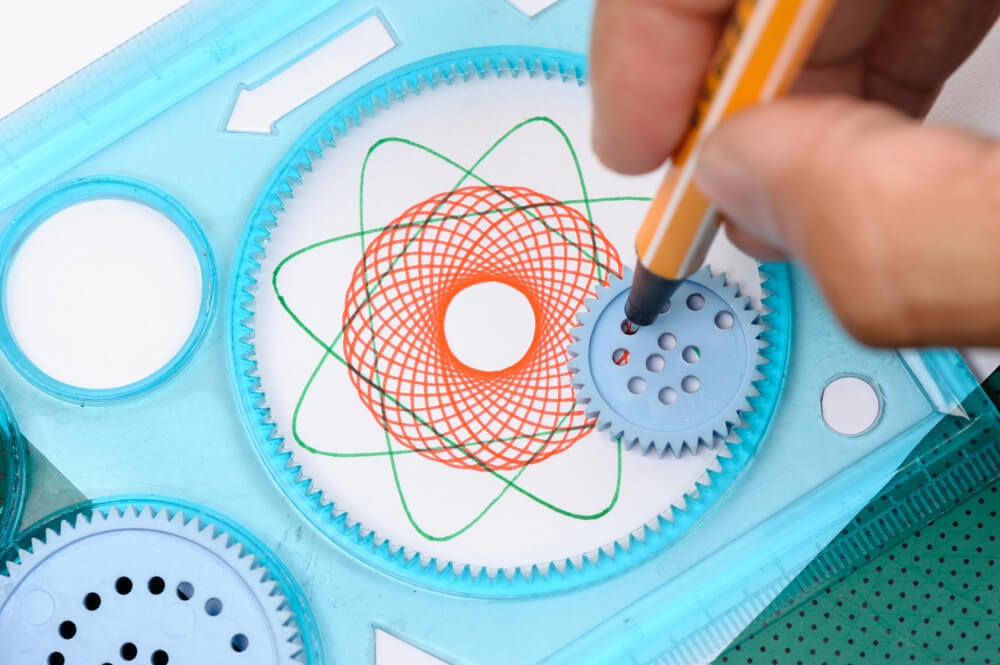
Denys Fisher, a British engineer, was behind Spirograph, the set of plastic gears and rings that traced looping patterns with a pen. The designs looked far more sophisticated than anything drawn freehand.
They were geometric, hypnotic, and surprisingly difficult to keep from slipping. Summer rainy days finally had a creative outlet that needed only paper and patience.
Slip ‘N Slide Backyard Racing

The Slip ‘N Slide turned a strip of vinyl and a garden hose into a wet runway across the lawn. Kids sprinted, dove, and slid until the grass underneath turned to mud.
The sheet was slick, bright, and hard to keep in one place. It remained a backyard fixture for decades.
Frisbee Throwing
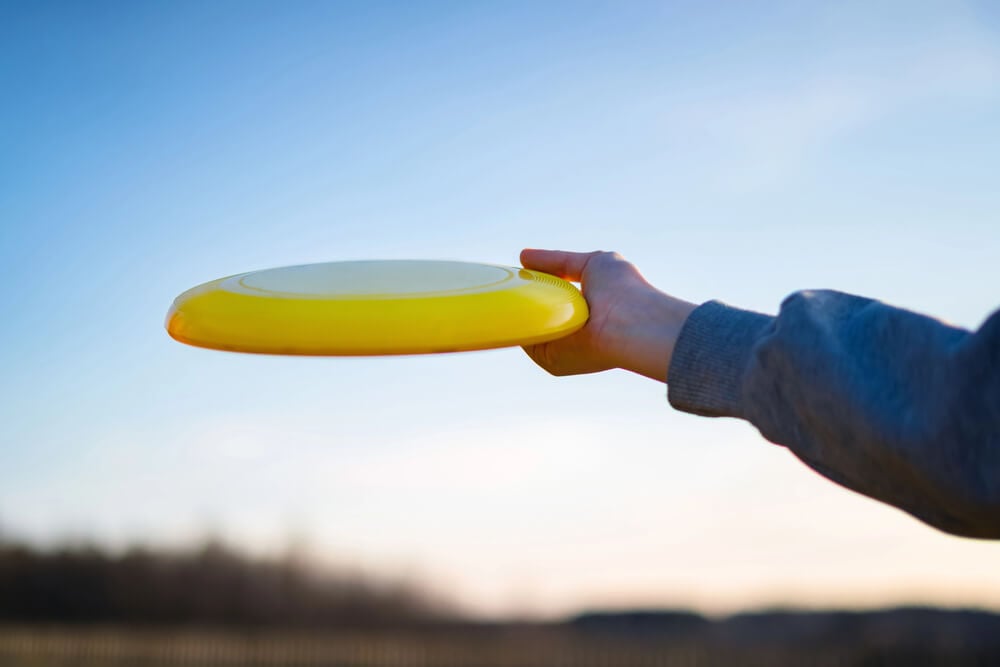
The Frisbee grew out of Morrison’s flying disc, which was sold as the Pluto Platter before Wham-O turned it into a mass-market hit. Beaches, parks, and church picnics filled with kids learning to curve a throw.
Dogs became enthusiastic participants, usually catching the disc before anyone else could. The toy turned an ordinary lawn into a playing field with no rules whatsoever.
Little League Summers

Little League gave many American kids a summer calendar built around practices and game nights. Parents kept score on folding chairs, kids wore stiff cotton uniforms, and the snack bar was a social hub.
Gloves were broken in with oil and a rubber band tied around the pocket. For many families, a summer was just a list of evenings at the field.
Mattel Thingmaker and Creepy Crawlers
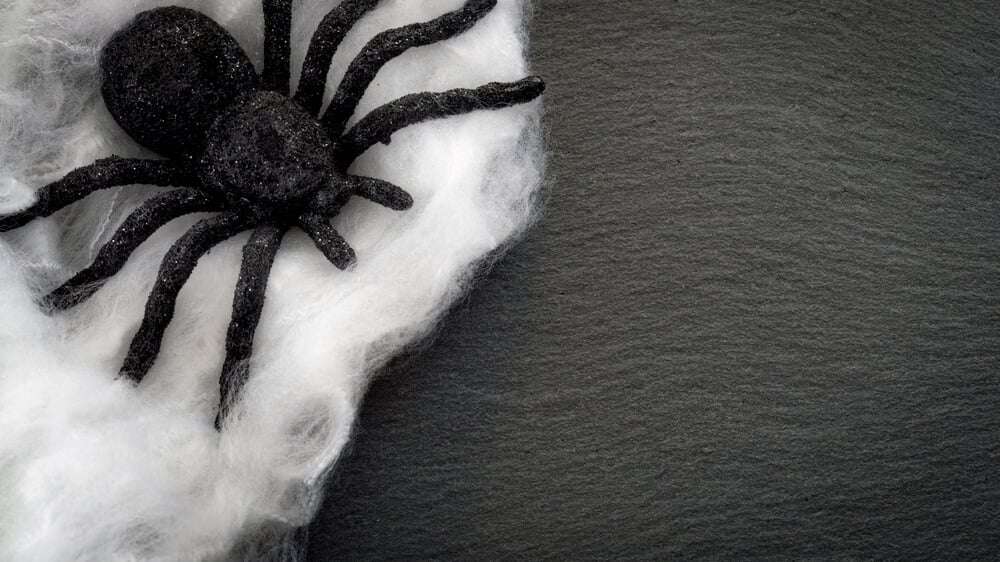
Mattel introduced the Thingmaker in 1964, along with the Creepy Crawlers line of rubbery bugs and spiders. Kids poured liquid Plastigoop into metal molds, then baked them on a hot plate that could cause genuine burns.
The finished critters were colorful, squishy, and mildly horrifying to anyone who found them on a pillow. The toy was eventually pulled from the market over safety worries, which only added to its legend.
Mars Attacks Trading Cards
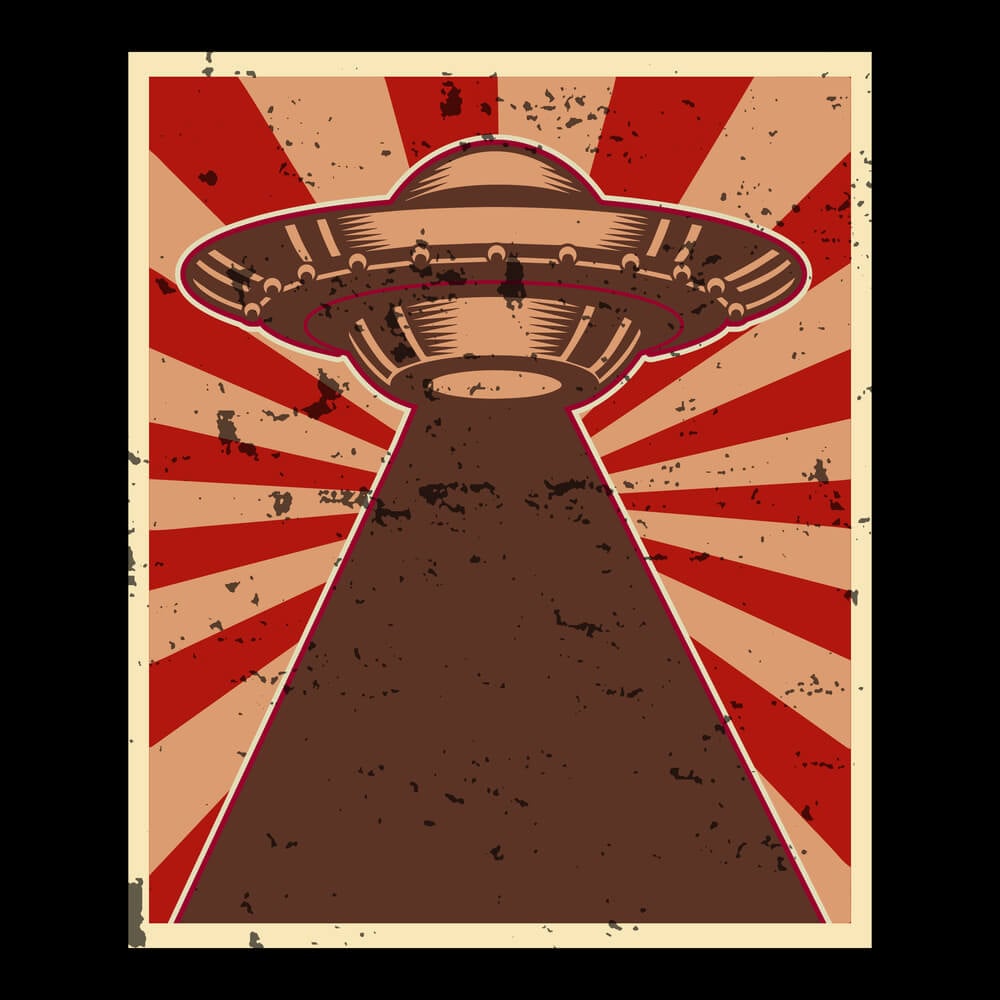
Topps released the Mars Attacks card series in 1962, showing Martians invading Earth with extravagant brutality. Kids swapped duplicates on the schoolyard and hid the grisly ones from parents.
The artwork was painted by hand, and the story ran across the entire run of cards. Sets in good condition are valuable today, but creases and soft corners cut prices quickly.
Famous Monsters of Filmland
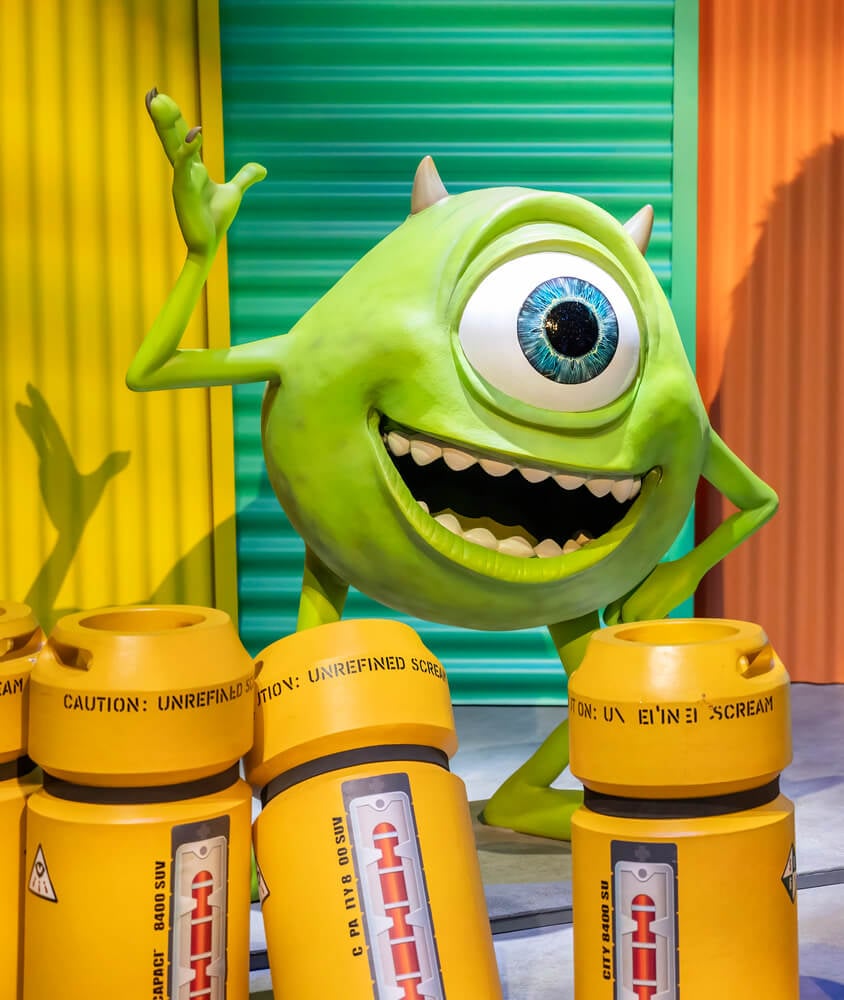
Famous Monsters of Filmland was edited by Forrest J Ackerman and published by James Warren. The magazine mixed movie stills with puns, interviews, and instructions for making your own horror masks.
By the 1960s it was a fixture on summer newsstands and a rite of passage for kids who loved a good scare. Back issues sell for varying amounts, depending on condition.
Marvel Comics Silver Age Collecting
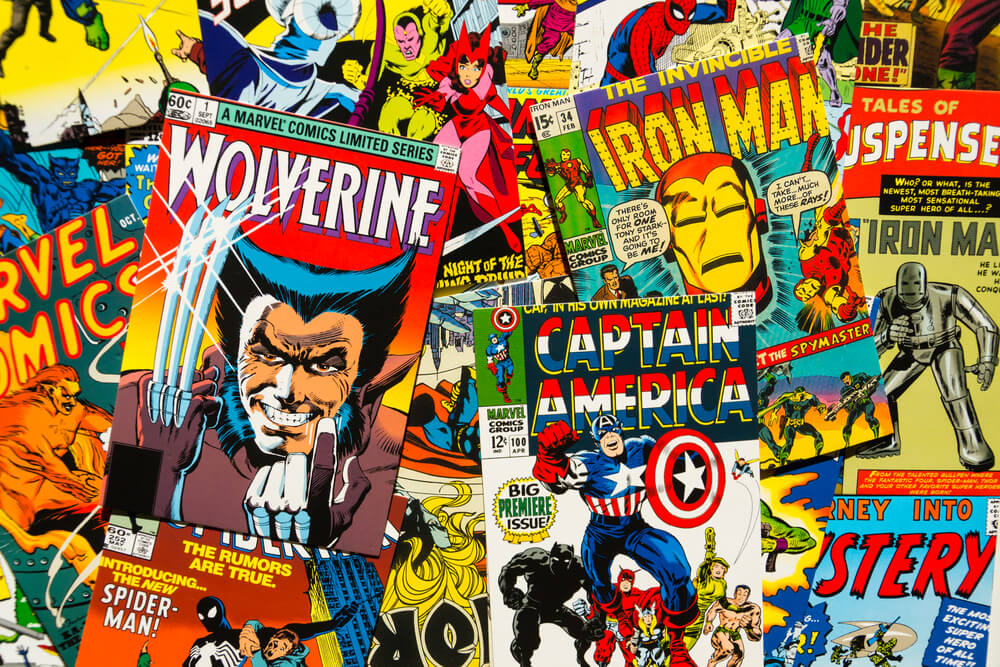
Marvel’s Silver Age comics, which began appearing in the early 1960s, built a shared universe that kids tracked on spinner racks at drugstores. Summer trading meant swapping issues on porches and arguing over who would win a fight.
Readers memorized every cover, and a bent corner counted as a tragedy. High-grade copies of those early books are among the most valuable comics in existence, though they are only worth that when the paper survives.
Heathkit and Ham Radio
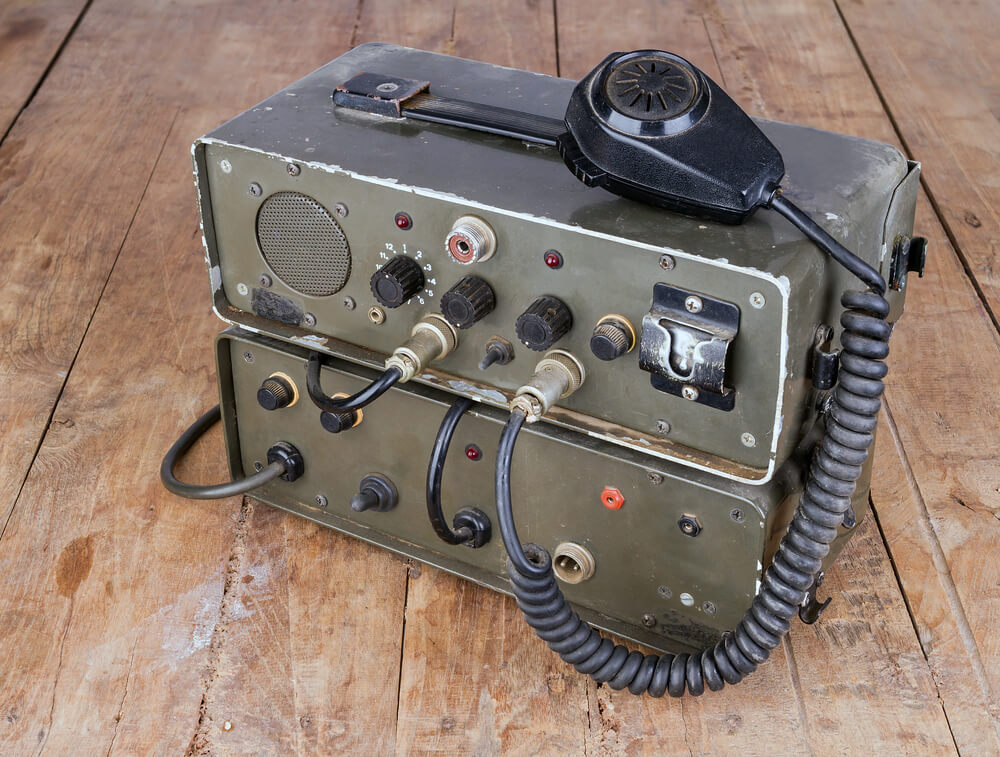
The Heath Company sold build-it-yourself electronics kits, including ham radio transmitters like the DX-40. A kid with a soldering iron could assemble a station, string up an antenna, and learn Morse code.
Messages traveled to strangers in distant states. The reward for finishing a kit was the chance to talk to someone you would never otherwise meet.
Surf Movies and Beach Fever

Surfing reached mainstream American culture through movies, records, and magazines, and teens copied the slang and the style. Even kids hundreds of miles from the ocean absorbed the wool trunks, the music, and the sun-bleached look.
Surfboards of the era were heavy slabs that took real effort to carry to the water. The craze reached landlocked suburbs anyway, mostly through records and bedspreads.
Lite-Brite Glowing Pictures
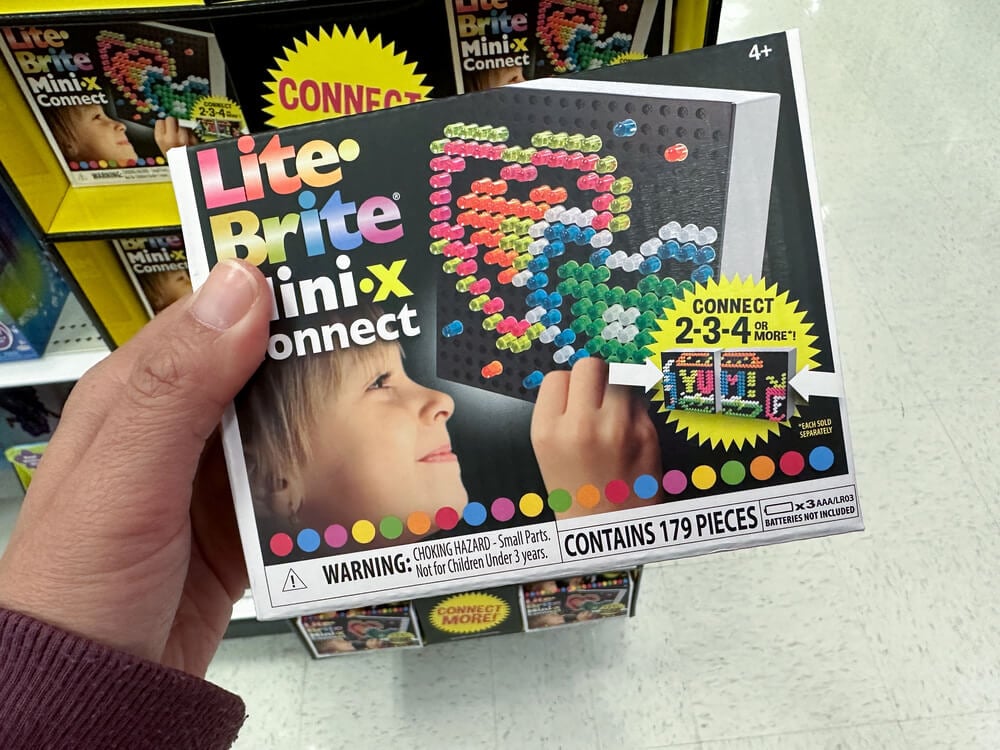
Lite-Brite was a lit panel into which kids pushed small colored plastic pegs. Pre-printed sheets guided the designs, though many children preferred to freelance.
A darkened room turned a simple bulb into a miniature stained-glass window. Unlike most hobbies of the decade, this one worked as well in the evening as it did in daylight.
Super 8 Home Movies
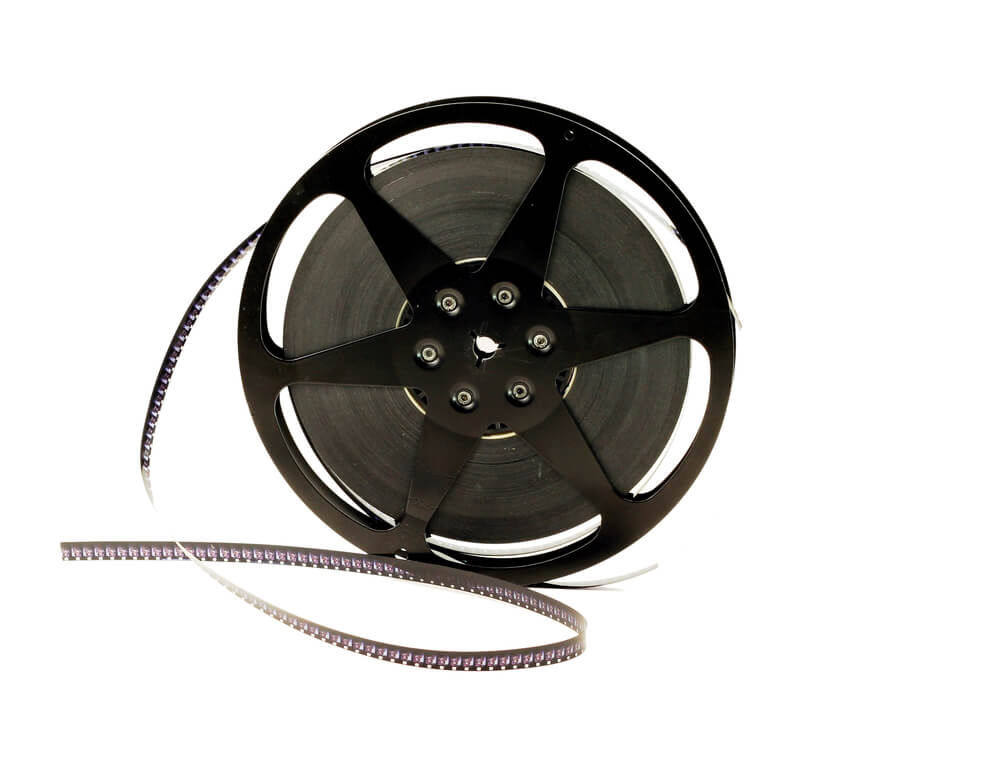
Super 8 film came in an easy-load cartridge that made home movies far simpler than threading a reel. Families filmed vacations, birthdays, and backyard epics with a silent camera that rarely stayed still.
A reel lasted only a few minutes, so each shot had to count. Ambitious teenagers made their own monster movies with the help of neighbors and plenty of ketchup.
Polaroid Instant Photos
Polaroid cameras produced prints within minutes, placing instant photography within reach of ordinary families and teenagers. Kids waited impatiently for the image to appear, then waved the print dry.
Faces turned up slightly blurry, thumbs turned up again, and the results were treasured anyway. It was the closest thing to a social feed available in the decade.
Summer Scout Camp

Scout camp meant canvas tents, merit badges, campfire songs, and rope knots tied under pressure. Scouts earned patches for everything from swimming to first aid.
A dozen earnest kids with a compass and a map managed to feel like explorers in places a parent could drive to in an hour. The badges ended up sewn onto sashes and sleeves, carried proudly for years.
The Freedom of Unscheduled Time

Looking back across the list, the hobbies of the 1960s shared a common thread: they asked kids to do something with their hands. A model kit, a coin folder, a stamp album, and a soldering iron all rewarded patience and ended in something tangible.
The toys were often simpler than today’s, but the time to use them was nearly limitless. That open stretch of summer is what many people miss most.
It allowed a child to try ten things, abandon eight, and fall in love with two. The best of these pastimes lasted into adulthood as careers, collections, or just a good story at a family dinner.
More from Go2Tutors!

- The Romanov Crown Jewels and Their Tragic Fate
- 13 Historical Mysteries That Science Still Can’t Solve
- Famous Hoaxes That Fooled the World for Years
- 15 Child Stars with Tragic Adult Lives
- 16 Famous Jewelry Pieces in History
Like Go2Tutors’s content? Follow us on MSN.