29 Baseball Rules That Were Once Different
Baseball likes to present itself as timeless, a game played the same way by grandfathers and grandsons. The rulebook says otherwise.
Nearly every feature that looks permanent today was once an experiment, a patch or a reaction to some inconvenient trend.
Some of the old rules sound like practical jokes. Others were serious fixes that shaped entire eras.
Together, they show a sport that has been quietly rewriting itself since the 1800s.
The Batter Who Could Order His Pitch

Until 1887, a hitter could tell the pitcher whether he wanted the delivery high or low, and the pitcher was expected to oblige. The high zone ran from the belt to the shoulder, and the low zone ran from the belt to the knee.
A pitch that missed the requested area was called against the pitcher, which made the batter something close to a customer placing an order. The privilege disappeared in 1887, and the batter has been taking whatever arrives ever since.
Nine Pitches Outside the Zone for a Walk
In 1879, a pitcher had to miss the strike zone nine times before a batter was handed first base. Over the next decade, the count dropped step by step, passing through eight, seven, six and five along the way.
Four became the standard in 1889 and has not moved since. For a stretch in the 1880s, in other words, the number of pitches needed for a walk changed almost every year.
Pitchers Forced to Keep Their Hands Low
Early rules required pitchers to deliver underhand, with the arm swinging below the hip. Pitchers kept finding ways to bend the restriction, and umpires kept losing arguments about it.
The National League finally allowed any style of delivery in 1884. Overhand pitching changed the speed and movement of the game almost overnight.
The Year a Batter Got Four Strikes

For the 1887 season only, a hitter was allowed four strikes before being retired. The experiment was an attempt to help hitters after a run of pitching improvements.
It lasted a single year before the three-strike rule returned. The oddity remains one of the shortest-lived rules in major league history.
When a Walk Counted as a Hit
Also in 1887, a walk was scored as a hit, which inflated batting averages across the league. Tip O’Neill of the St.
Louis Browns finished with an average near .485 under that system. Once walks were removed from the hit column, his official figure was recalculated to .435, still among the best seasons ever recorded.
The scoring quirk lasted one year, but it left behind a record book with an asterisk-sized footnote.
The Pitcher’s Box That Kept Moving Back
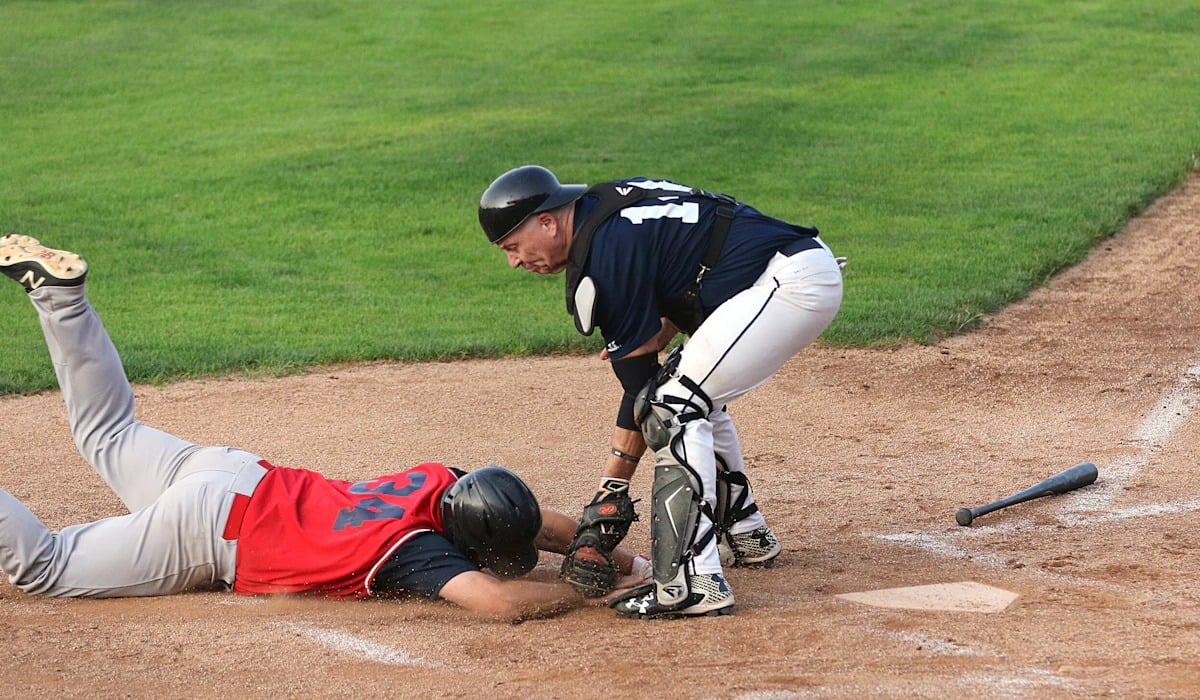
Through the early decades, pitchers threw from within a marked box, and the distance to home plate changed more than once. In 1893, the rule moved the delivery point back to 60 feet, 6 inches, where it has stayed.
The odd extra six inches has long puzzled fans, though the change was meant to give batters a fairer chance. Bill Hawke of the Baltimore Orioles threw a no-hitter against Washington on August 16, 1893, the first no-hitter at the new distance.
The Catch That Counted After One Bounce
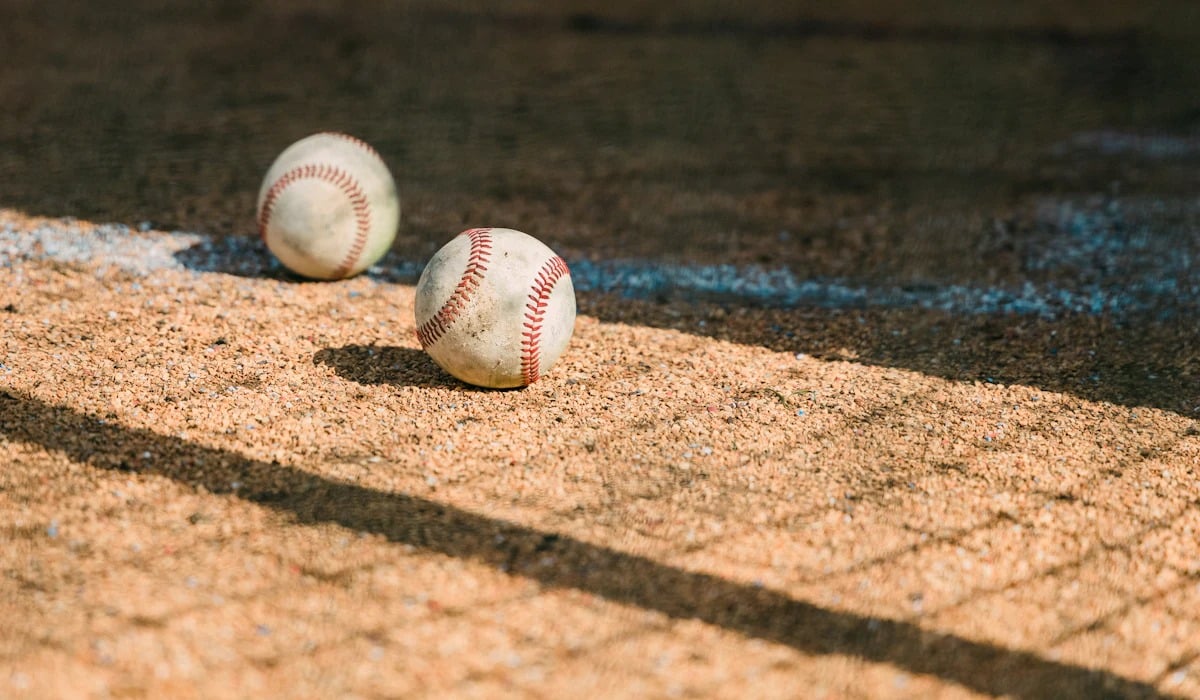
In the earliest days of organized baseball, a fair hit caught on its first bounce was an out, the same as one caught in the air. Some players and clubs liked the rule because it was easier on bare hands, since gloves did not yet exist.
The fly rule requiring a catch before the ground arrived for fair hits was adopted in 1864. Fielders who wanted to make a play on a grounded hit had to field it cleanly from then on.
Fouls That Did Not Count as Strikes
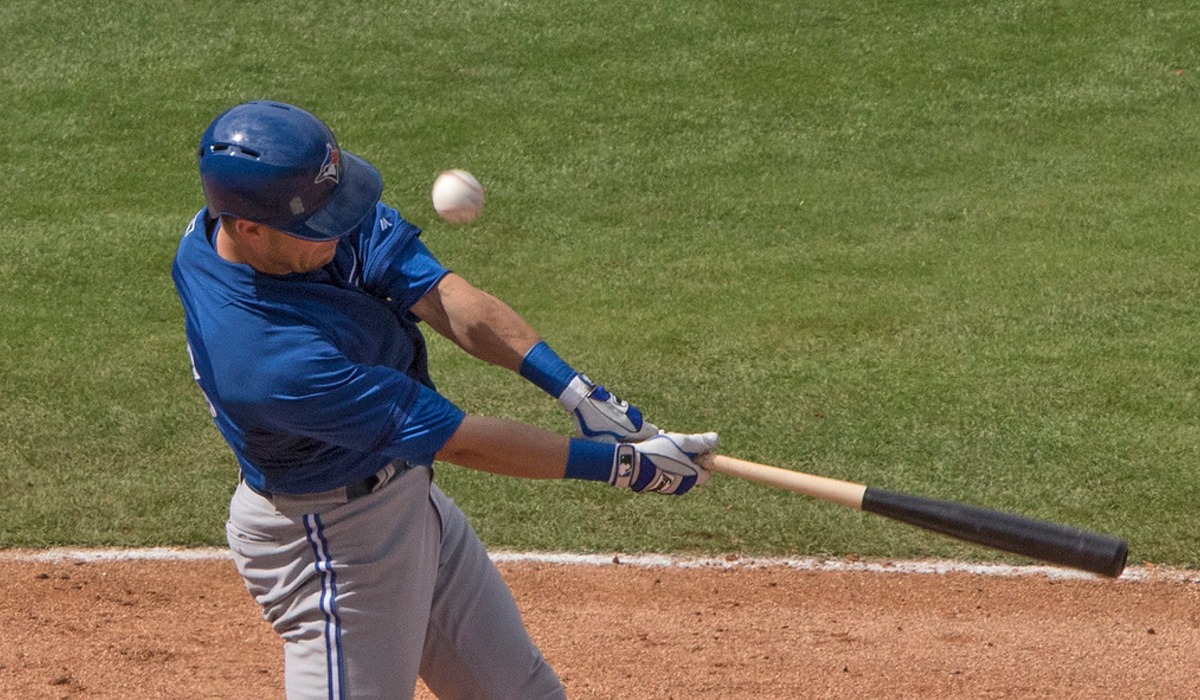
For years, a foul hit did not add to the strike count, so a batter could spoil pitch after pitch without consequence. The National League decided in 1901 that a foul would be charged as a strike when the batter had fewer than two strikes, and the American League adopted the rule in 1903.
The change reshaped hitting, since patient hackers could no longer stay alive indefinitely. Batters who wasted pitches on purpose had to start taking their cuts seriously.
The Infield Fly Rule Before Anyone Needed to Explain It
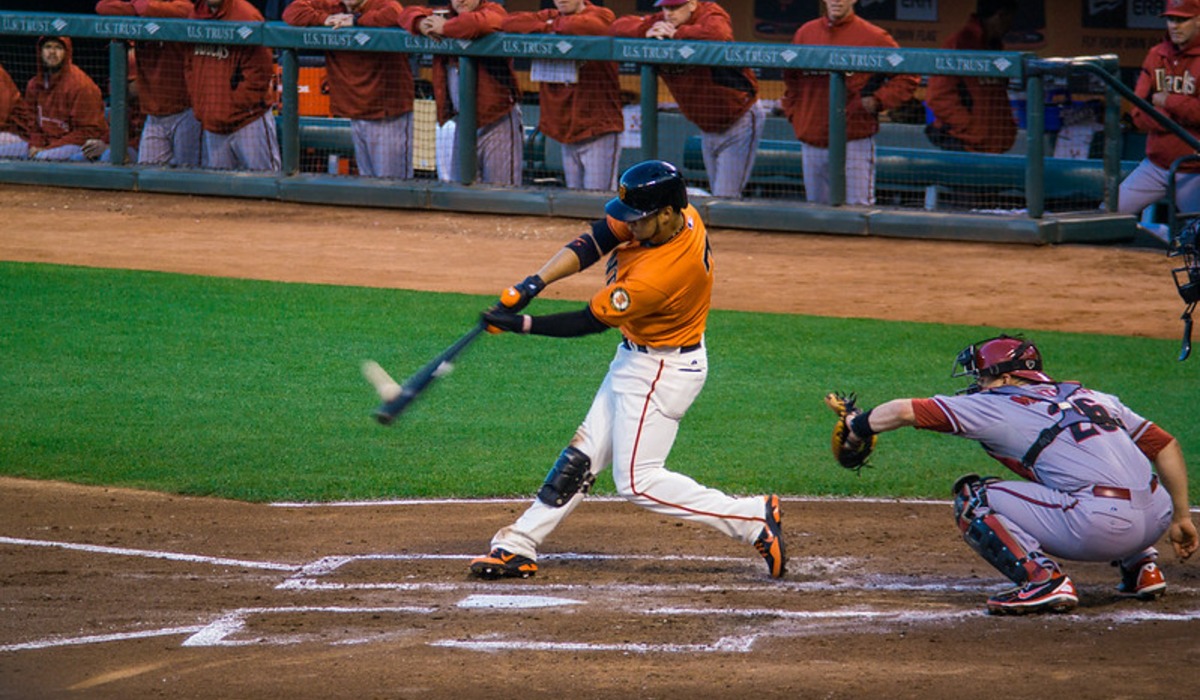
Introduced in the mid-1890s, the infield fly rule stops infielders from deliberately dropping a pop-up to turn a double play. Before then, a fielder with runners on first and second could let an easy fly drop untouched and force the runners to scramble.
Under the rule, the batter is automatically out when a qualifying pop-up is hit with fewer than two outs and runners on first and second, or the bases loaded. The runners can still advance at their own risk.
Few fans can recite it, yet it has prevented loopholes for well over a century.
The Bounce Over the Fence That Used to Be a Home Run
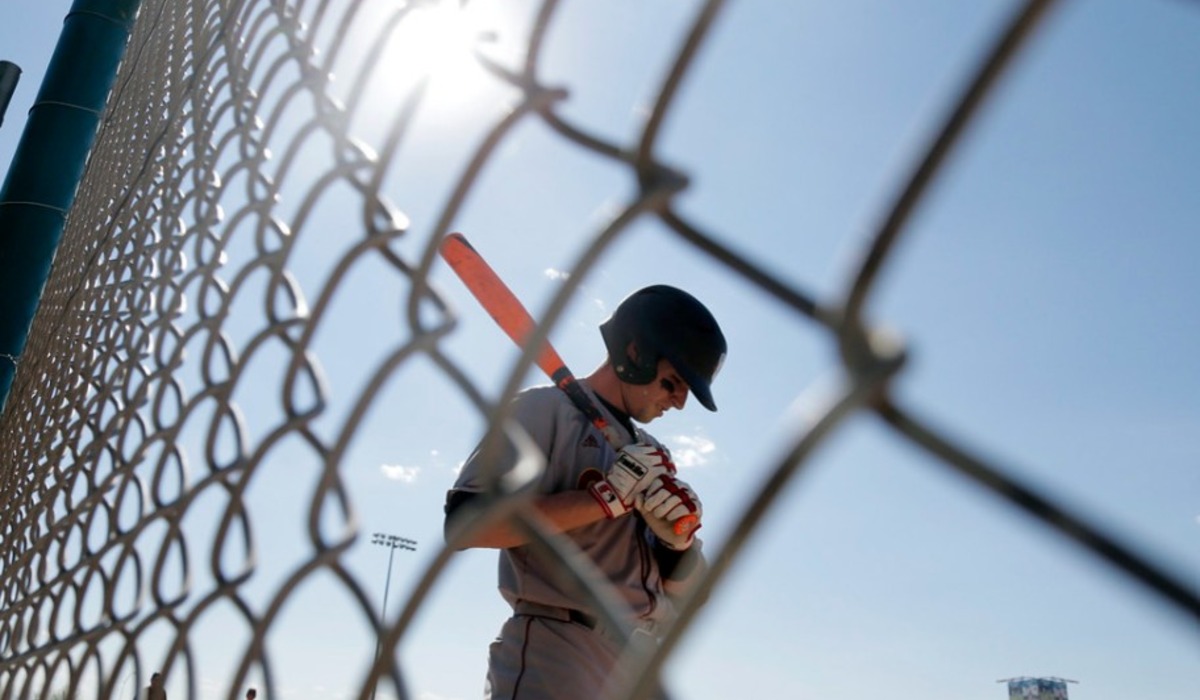
Until 1931, a hit that bounced over the outfield fence counted as a home run. The rule changed that year, turning those hits into the ground-rule double that still exists.
The change removed an inconsistency, since a drive that cleared the fence in the air was still worth four bases.
The Sacrifice Fly That Kept Coming and Going
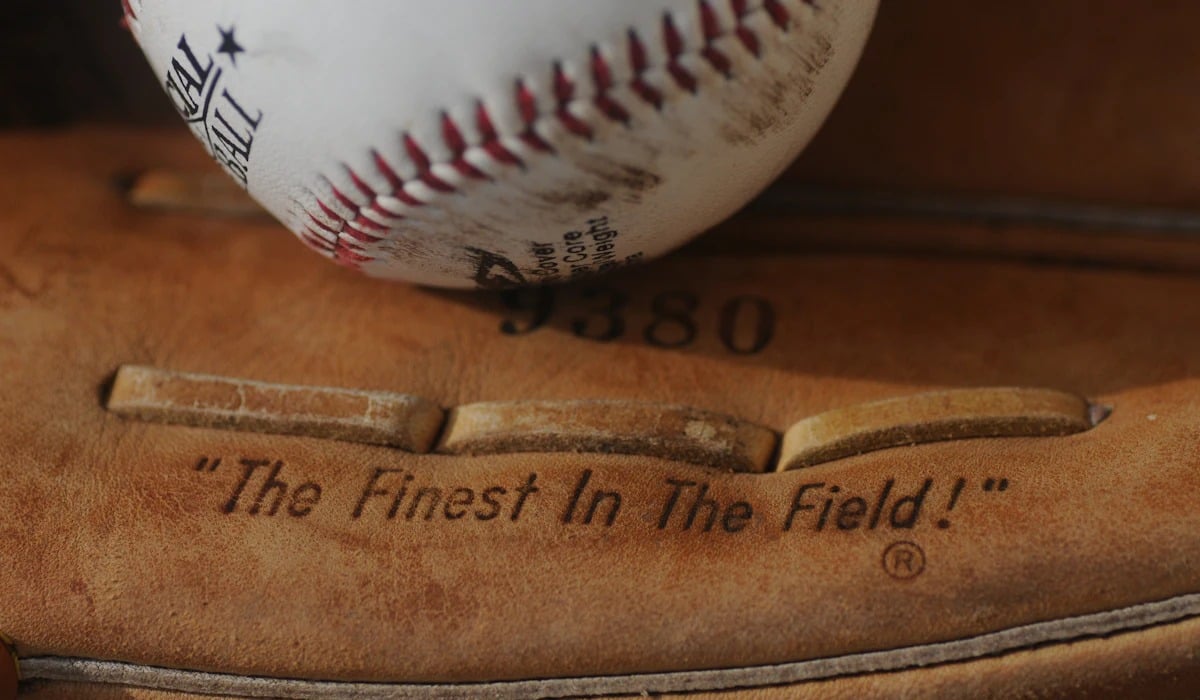
The sacrifice fly first appeared in the rulebook in 1908, giving a batter credit when a fly out scored a runner. The rule did not hold.
It was dropped and revived several times over the following decades before the modern version took hold in the middle of the century. The exact scoring rule changed so often that old statistics from the middle decades need careful reading.
The Spitball Ban With Seventeen Exceptions

Major League Baseball banned the spitball and other doctored pitches after the 1919 season, with the rule taking effect in 1920. Seventeen established pitchers were grandfathered in, so they could keep using the spitball until they retired.
Burleigh Grimes, who threw it for years, was the last legal spitball pitcher and finished his career in 1934. The grandfather clause was meant to be fair to men whose livelihoods depended on the pitch.
Players Without Numbers on Their Backs
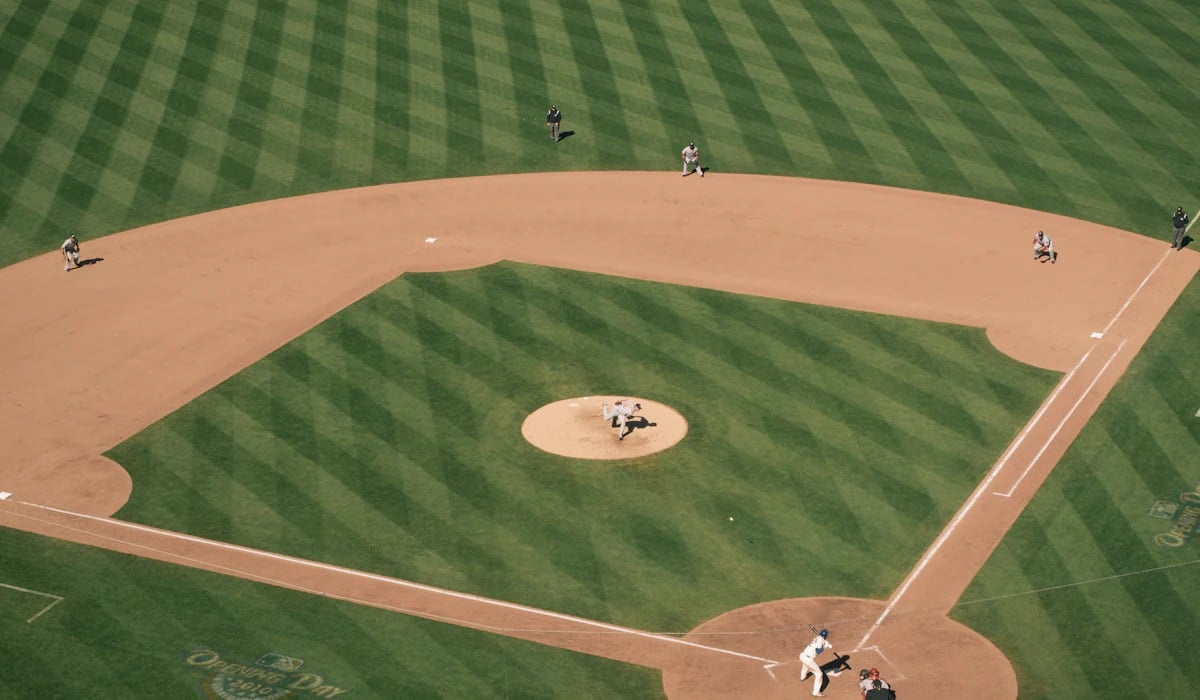
Baseball players took the field for decades with no numbers on their jerseys, which made the scorecard a puzzle for fans in distant seats. The New York Yankees began wearing numbers in 1929, following the batting order, which is why Babe Ruth wore 3 and Lou Gehrig wore 4.
Other clubs followed over the next few years, and by 1932 every major league team used them. The system turned players into identifiable characters and, eventually, into retired jerseys.
The Era of Bareheaded Batters
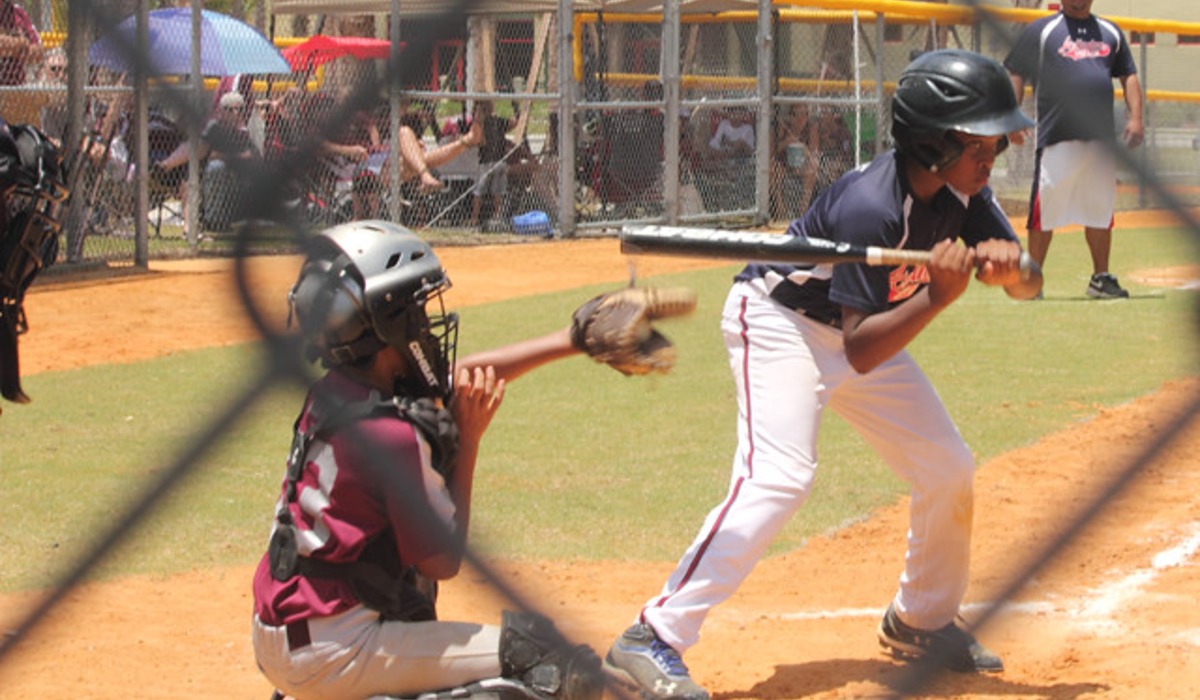
Major leaguers were not required to wear batting helmets until 1971, and even then the rule applied only to players entering the league after that point. Veterans who preferred to go without were allowed to keep doing so.
Bob Montgomery of the Boston Red Sox was the last big leaguer to bat without a helmet, finishing his career in 1979. The grandfather clause quietly protected a habit that most players had already given up.
The Mound That Got Shorter After the Year of the Pitcher
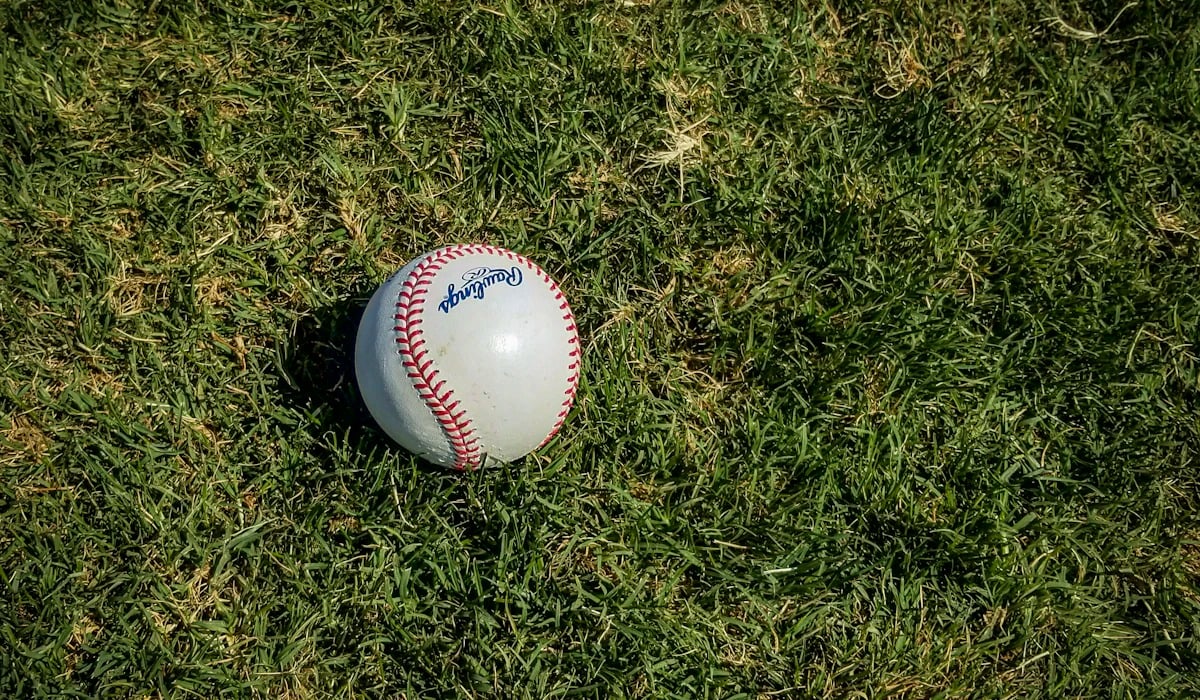
Pitchers dominated 1968 so thoroughly that Bob Gibson posted an earned run average of 1.12 and Carl Yastrzemski won the American League batting title at .301. Baseball responded by lowering the mound from 15 inches to 10 inches for 1969.
The goal was to give hitters a slight advantage and bring scoring back up. It worked, and the 10-inch height has remained the standard.
A Strike Zone That Kept Changing Size
The strike zone of 1963 stretched from the top of the shoulders to the knees, a generous shape that helped pitchers. After the 1968 season, it was shrunk back to the armpits and the top of the knees, a change meant to revive hitting.
It has been rewritten again since, including a shift in 1996 that lowered the bottom edge to the hollow beneath the kneecap. A pitch’s fate can depend as much on the rulebook of the year as on where it crossed the plate.
Pitchers Who Always Had to Hit
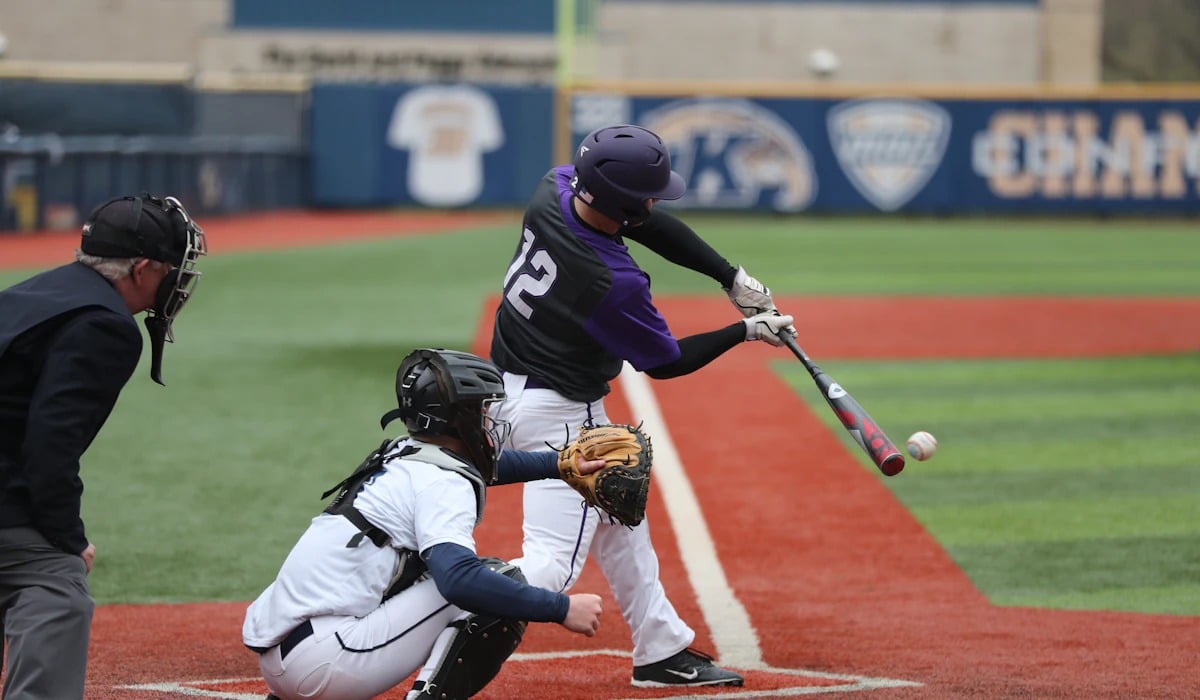
For the first century of the major leagues, pitchers took their turns at the plate in both leagues. The American League introduced the designated hitter in 1973, and Ron Blomberg of the Yankees became the first to bat in that role, drawing a walk against Boston on April 6, 1973.
The National League held out for nearly 50 years. Universal use of the designated hitter arrived in 2022.
Relievers Before the Save
For most of baseball’s history, nobody tracked what a closer did. The save became an official statistic in 1969, following a push by Chicago sportswriter Jerome Holtzman.
The statistic helped formalize the role of the relief pitcher, which has since evolved into a specialized part of the game.
Gloves Left Behind on the Field
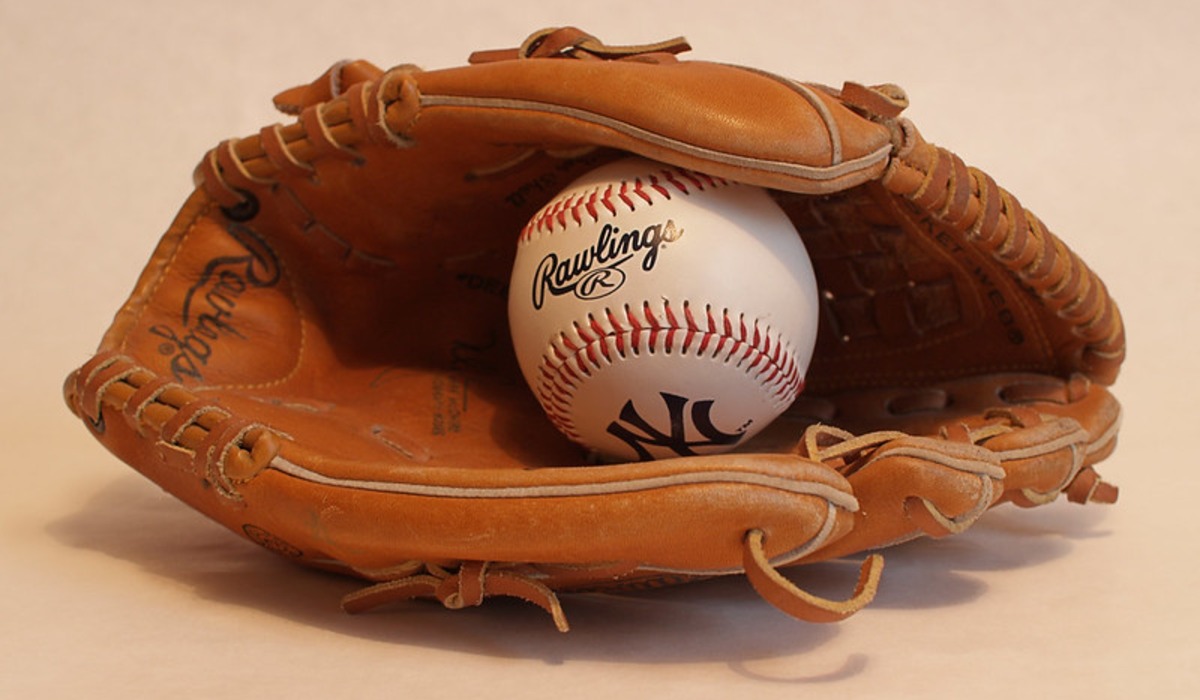
For decades, fielders tossed their gloves onto the grass when their team went to bat, and the opposing side simply played around them. A grounder that struck a stray glove could change direction, which made for some odd outcomes.
Baseball ended the practice in 1954, requiring players to carry their gloves with them into the dugout. Modern fans find the idea strange, yet it was ordinary for generations.
The Intentional Walk With Four Actual Pitches
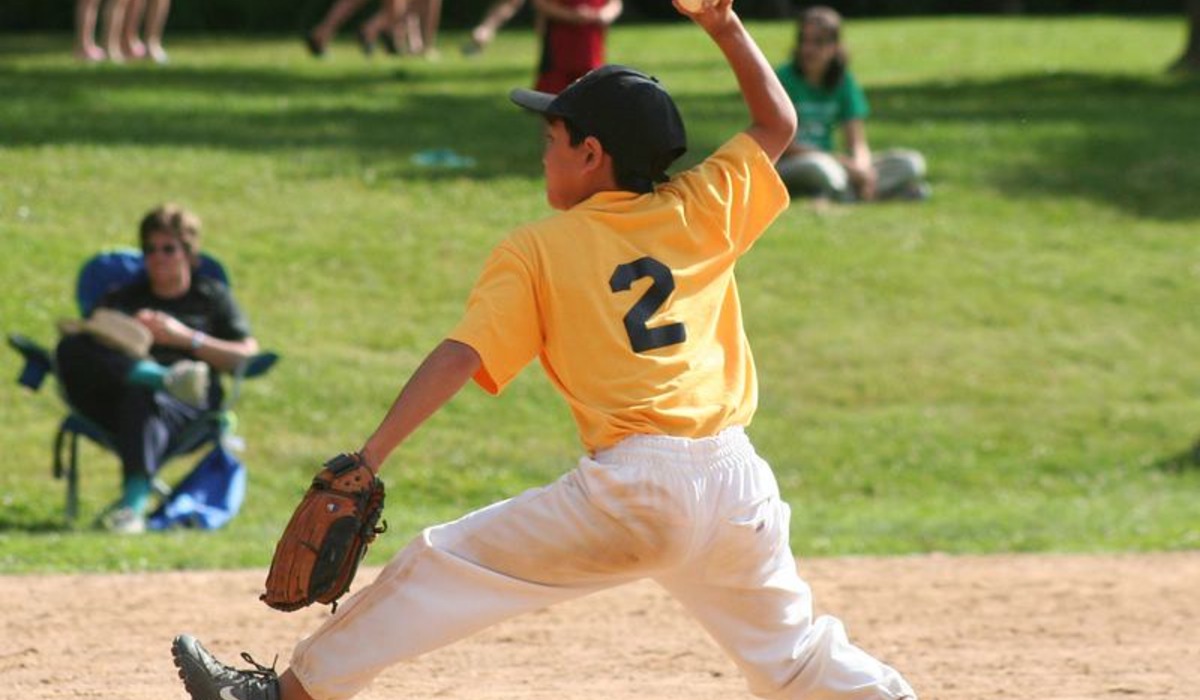
Until 2017, a team that wanted to walk a batter on purpose had to throw four pitches well outside the zone. Now and then, a pitch sailed wide of the catcher, which led to memorable surprises.
Starting with the 2017 season, a manager only had to signal the umpire, and the batter was sent to first base. The time savings were small, but the end of the tradition drew plenty of complaints from traditionalists.
Collisions at Home Plate as a Fact of Life
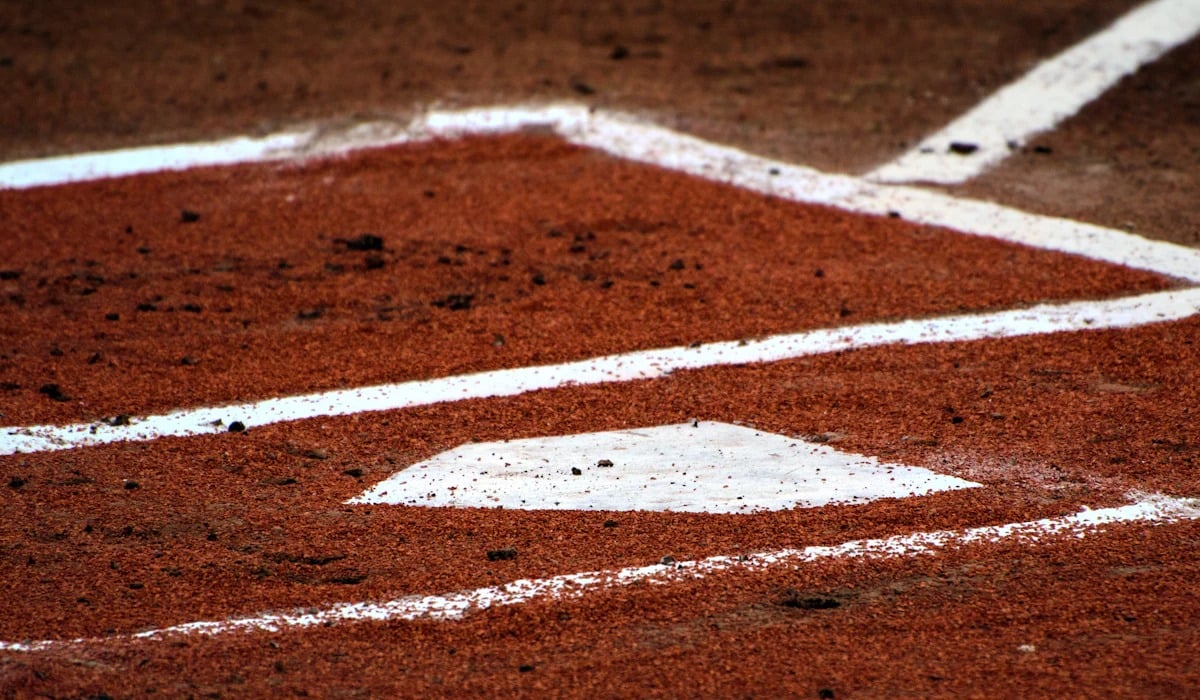
Runners could once barrel into catchers on plays at the plate, and catchers could park themselves in the runner’s path. The 2011 injury to Buster Posey, who suffered a broken leg and torn ligaments in a collision, pushed the sport to act.
A rule adopted in 2014 barred runners from deviating to hit the catcher and barred catchers from blocking the plate without the throw in hand. The rule was designed to reduce dangerous collisions, though plays at the plate still require judgment calls and can remain confusing.
Umpires Without a Second Look
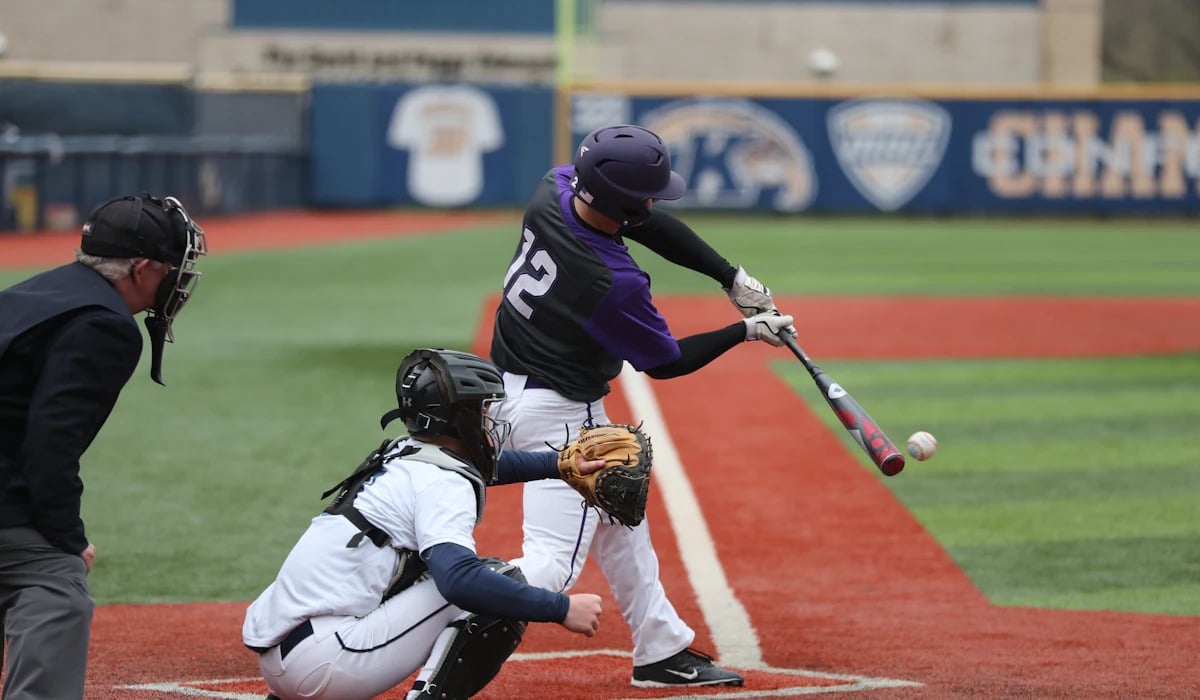
Until 2008, umpires made every call on their own without official replay review. That year, baseball began reviewing disputed boundary calls on home runs.
A broader system arrived in 2014, allowing managers to challenge a wider set of plays. Replay turned the manager’s long argument with an umpire into a quiet wait for a decision from New York.
The Free Runner in Extra Innings

Extra innings once began with a clean slate, and games could go on for hours with no one on base. In 2020, baseball put a runner on second base to start each extra inning, an effort to shorten games during a pandemic-shortened season.
The rule was made permanent in 2023. The runner is automatic, and what the manager does next has become its own strategic puzzle.
The Pitch Clock That Arrived in 2023
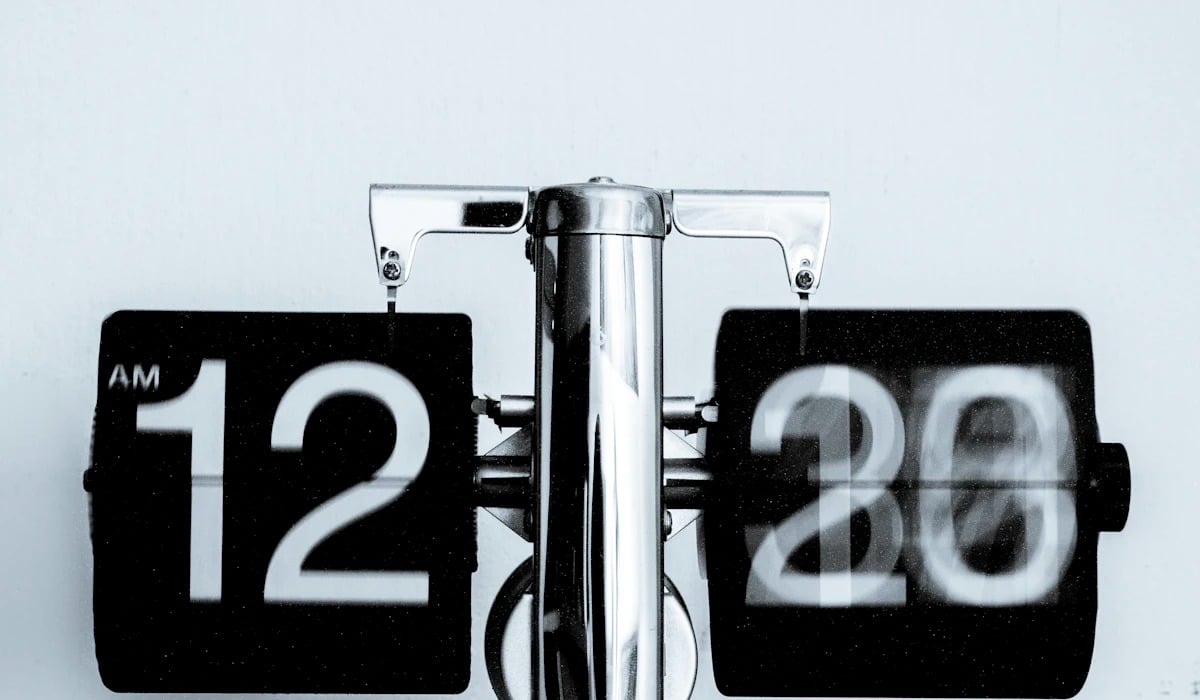
For more than a century, a pitcher could take as long as he liked, and batters could step out of the box at will. In 2023, the major leagues introduced a pitch timer of 15 seconds with the bases empty and 20 seconds with runners on.
Games became shorter by more than 20 minutes on average. A rule that once seemed unthinkable for the sport turned out to be among the most widely accepted.
Shifts That Were Once Unlimited
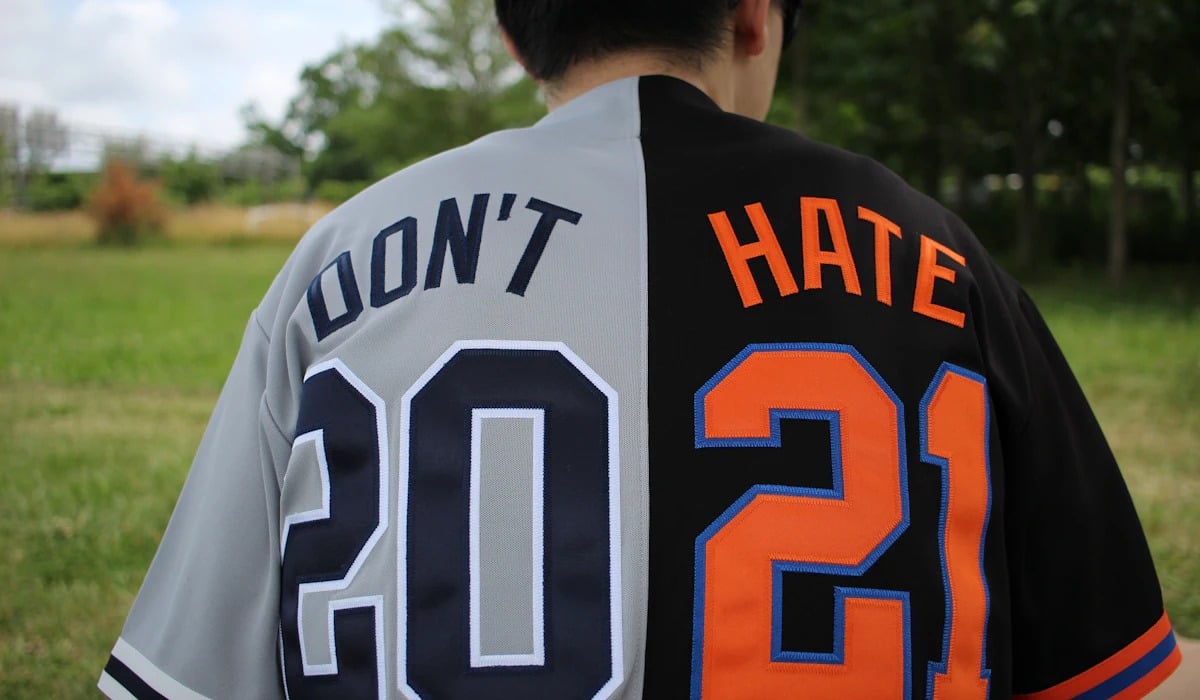
Defenders could once station fielders anywhere, and teams moved three infielders to one side of second base to take away a left-handed pull hitter’s best hits. In 2023, the rules required two infielders on each side of the bag, all with their feet on the infield dirt when the pitch was thrown.
The change was aimed at restoring hits on the ground. Infielders can still move once the pitch is released, but the extreme setups are gone.
Bases That Grew Three Inches
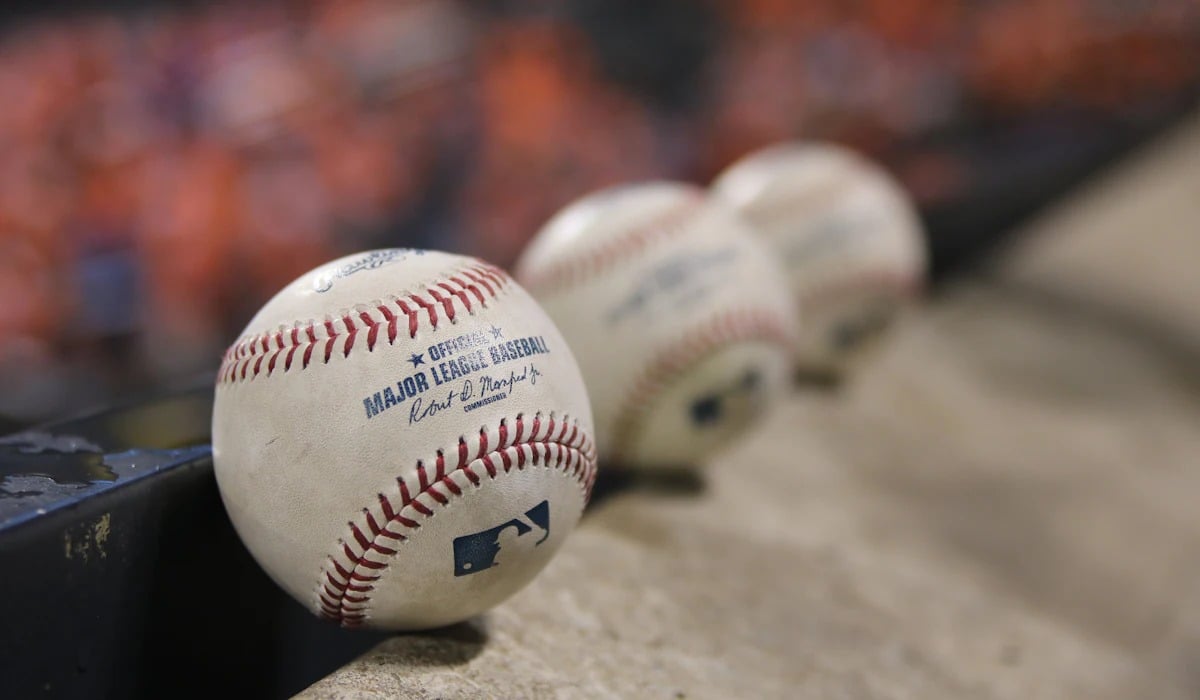
Bases measured 15 inches square for generations, a size that had become standard enough that nobody thought about it. In 2023, they grew to 18 inches square, shrinking the distance between bases by a few inches.
The aim was to encourage stolen base attempts and reduce collisions at first base. Stolen bases rose sharply that season.
Pickoff Throws With No Limit

Pitchers could once throw over to first base as many times as they wished, sometimes stretching an at-bat into a staring contest. Starting in 2023, a pitcher was limited to two disengagements per plate appearance, such as a pickoff throw or a step off the rubber.
The limit resets if a runner advances. Otherwise, a third disengagement must result in an out, or the pitcher is charged with a balk.
The restriction changed the cat-and-mouse battle between pitcher and runner.
Relievers Who Could Face One Batter
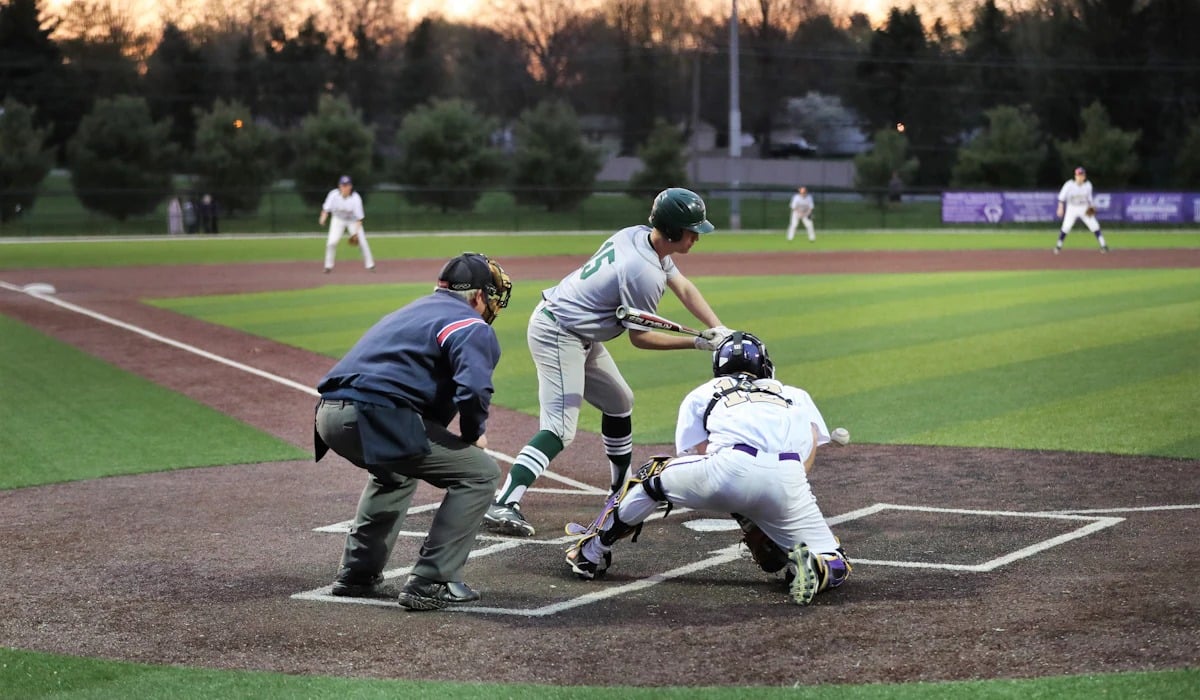
Managers once marched relievers in for a single hitter and then replaced them again, an approach that slowed games to a crawl. In 2020, baseball required any pitcher entering a game to face at least three batters or finish the half-inning.
Injuries and ejections were the only exceptions. The rule was aimed at the parade of specialists that had become a feature of late-inning baseball.
The Winning Home Run That Counted as Less
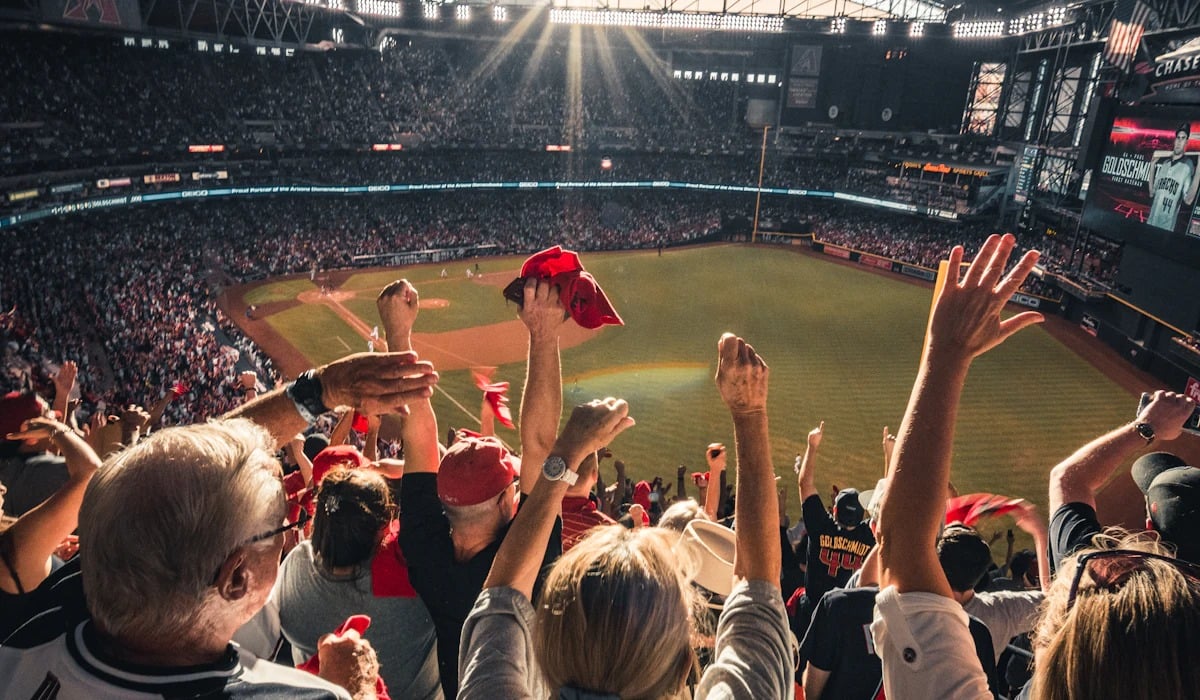
Before 1920, a game-ending home run with runners on base counted only for as many bases as the winning run needed. Babe Ruth lost a home run in 1918 at Fenway Park that way, credited with a triple.
The rule changed in 1920 so that batters received credit for the entire homer, even if the game ended immediately. The scoring change helped explain why Ruth’s totals soared so rapidly in that era.
A Rulebook That Never Stops Editing the Game
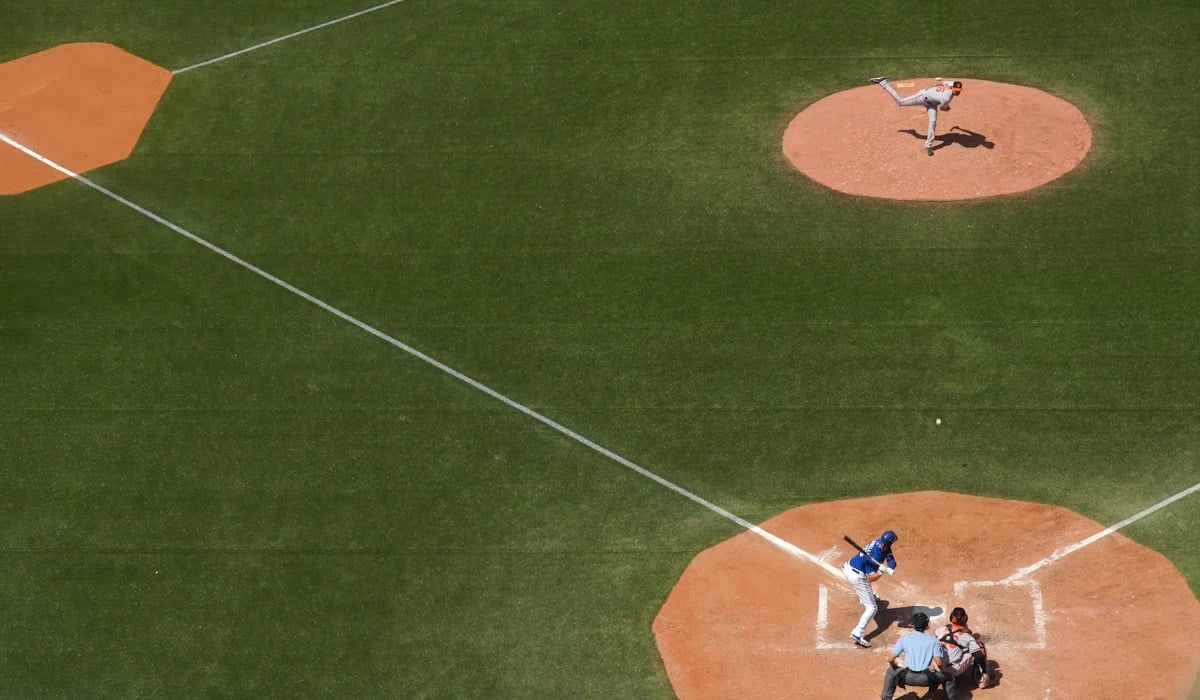
The list above shows that baseball has never been a finished product. Each change answered a specific problem, from slow pace to flagging offense to injured catchers.
Some fixes lasted a century, and others vanished after a single season.
The pattern suggests that the sport’s identity rests less on any one rule than on a willingness to keep adjusting. Fans who object to the newest change are following a long tradition, since objections arrived with every earlier one too.
The next version of the rulebook will probably sound just as odd to people a hundred years from now.
More from Go2Tutors!

- The Romanov Crown Jewels and Their Tragic Fate
- 13 Historical Mysteries That Science Still Can’t Solve
- Famous Hoaxes That Fooled the World for Years
- 15 Child Stars with Tragic Adult Lives
- 16 Famous Jewelry Pieces in History
Like Go2Tutors’s content?Follow us on MSN.