Certain Royal Families Hid Devastating Scandals for Centuries Before the Truth Leaked
Royalty has always been as much about performance as governance. The crowns, the portraits, the carefully worded proclamations — all of it served a single purpose: to project legitimacy and permanence.
But behind the ceremony, inside the closed wings of palaces that tourists now shuffle through on guided tours, things happened that the official record was never meant to reflect. Secrets were buried, documents were burned, witnesses were paid off or simply disappeared. Some of those secrets held for generations. Some held for centuries. And then, one way or another, the truth found a crack in the stonework.
The Hidden Madness of George III
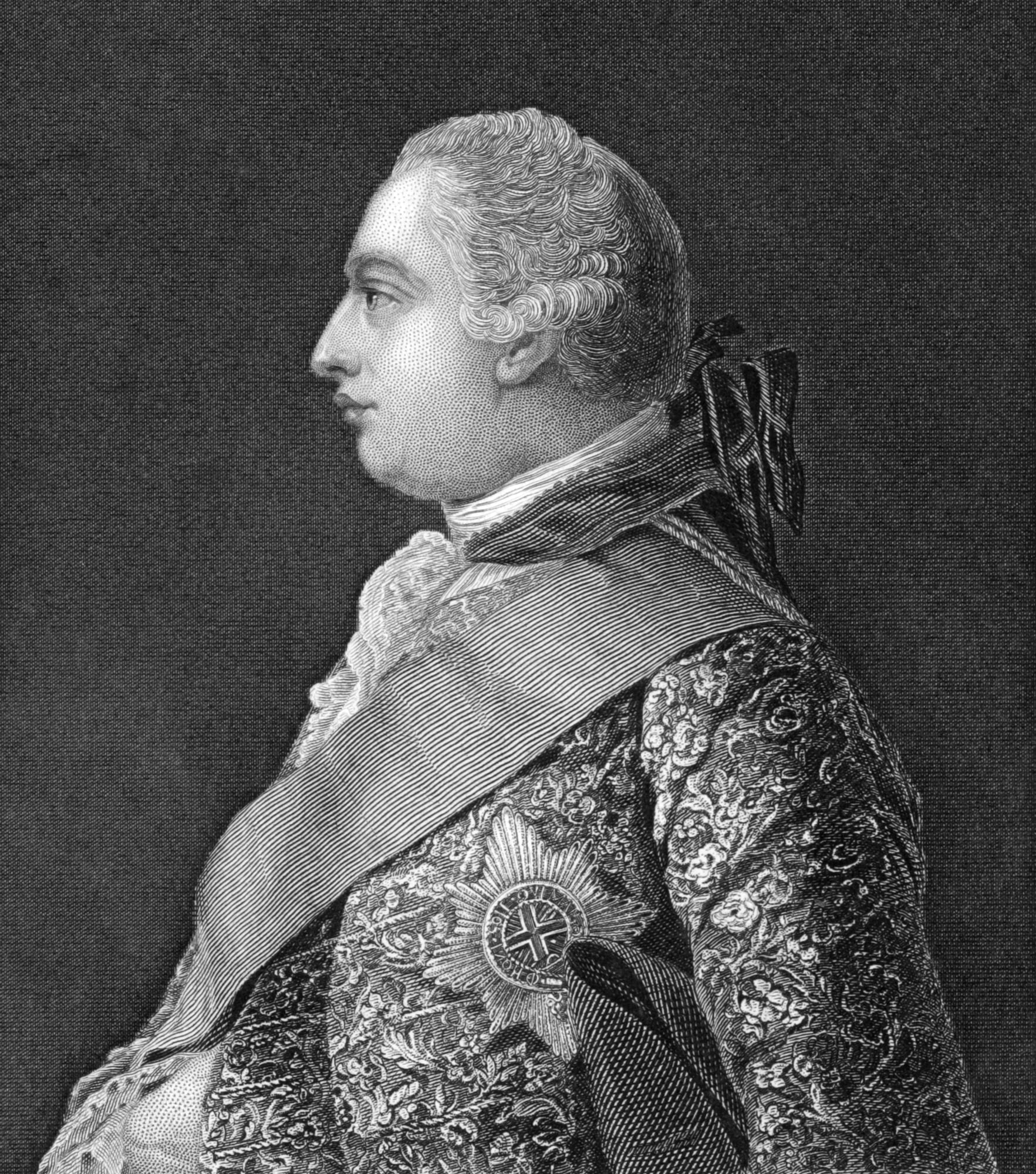
George III didn’t just suffer a public breakdown — his family worked methodically to obscure the full severity of what was happening to him. The official narrative for years framed his condition as temporary, manageable, a king who occasionally needed rest.
Modern analysis of his medical records and private correspondence suggests something far more complex, possibly acute intermittent porphyria or even arsenic poisoning from his own treatments, and the extent to which his court concealed his incapacity from Parliament and the public was remarkable. They weren’t protecting him so much as protecting the institution.
The Romanov Hemophilia Cover-Up
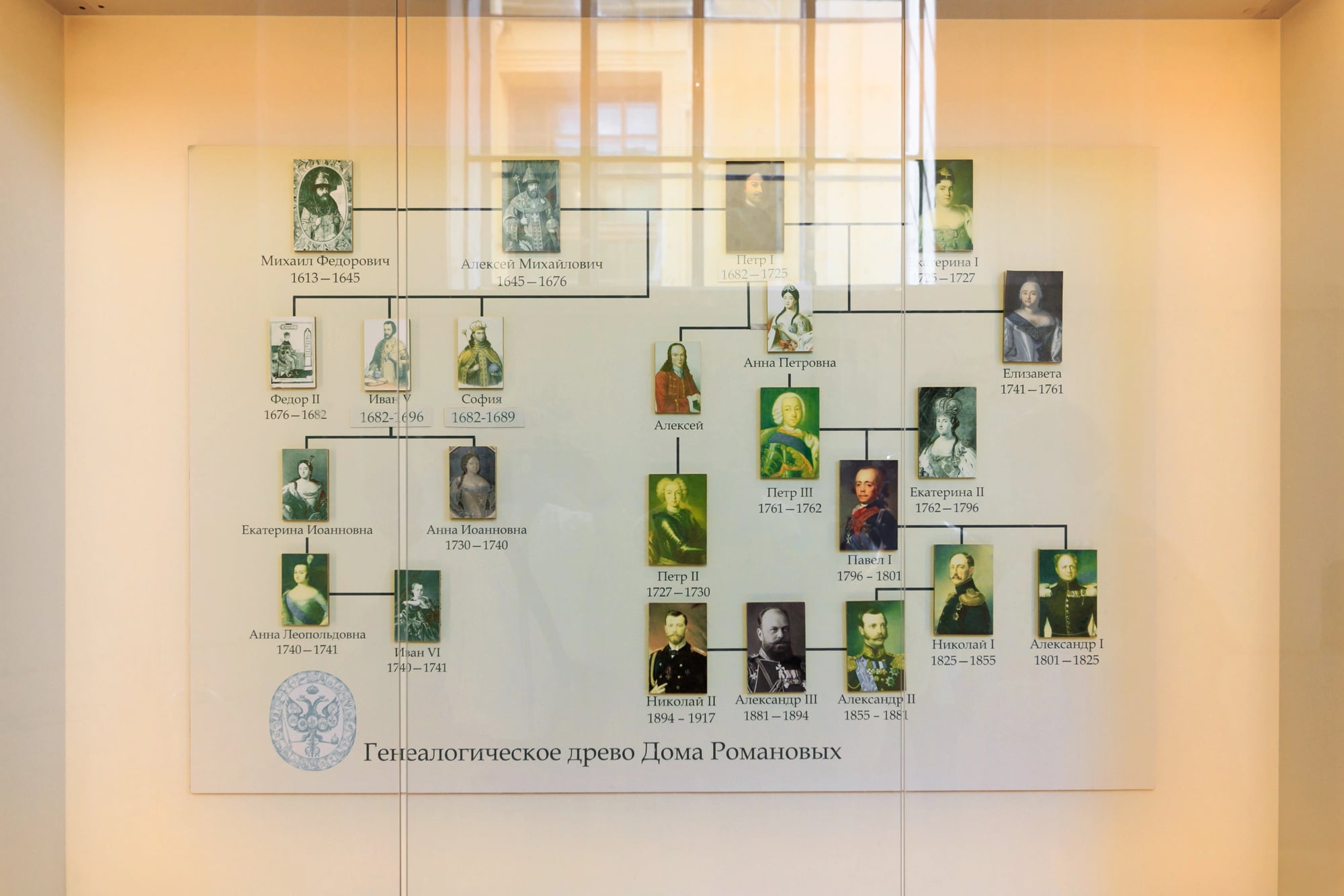
The Romanovs went to extraordinary lengths to hide Alexei’s hemophilia from the Russian public and from foreign powers negotiating diplomatic marriages. Hemophilia at the time carried a stigma of weakness, and a vulnerable heir to the Russian throne was a geopolitical liability — so the illness was kept out of official communications and carefully managed away from court photographers.
That desperation to hide Alexei’s condition is precisely what opened the door to Rasputin, a man whose hold over the family became, ironically, a scandal far more visible and damaging than the one they’d tried to bury.
The Affair That Reshaped the British Succession
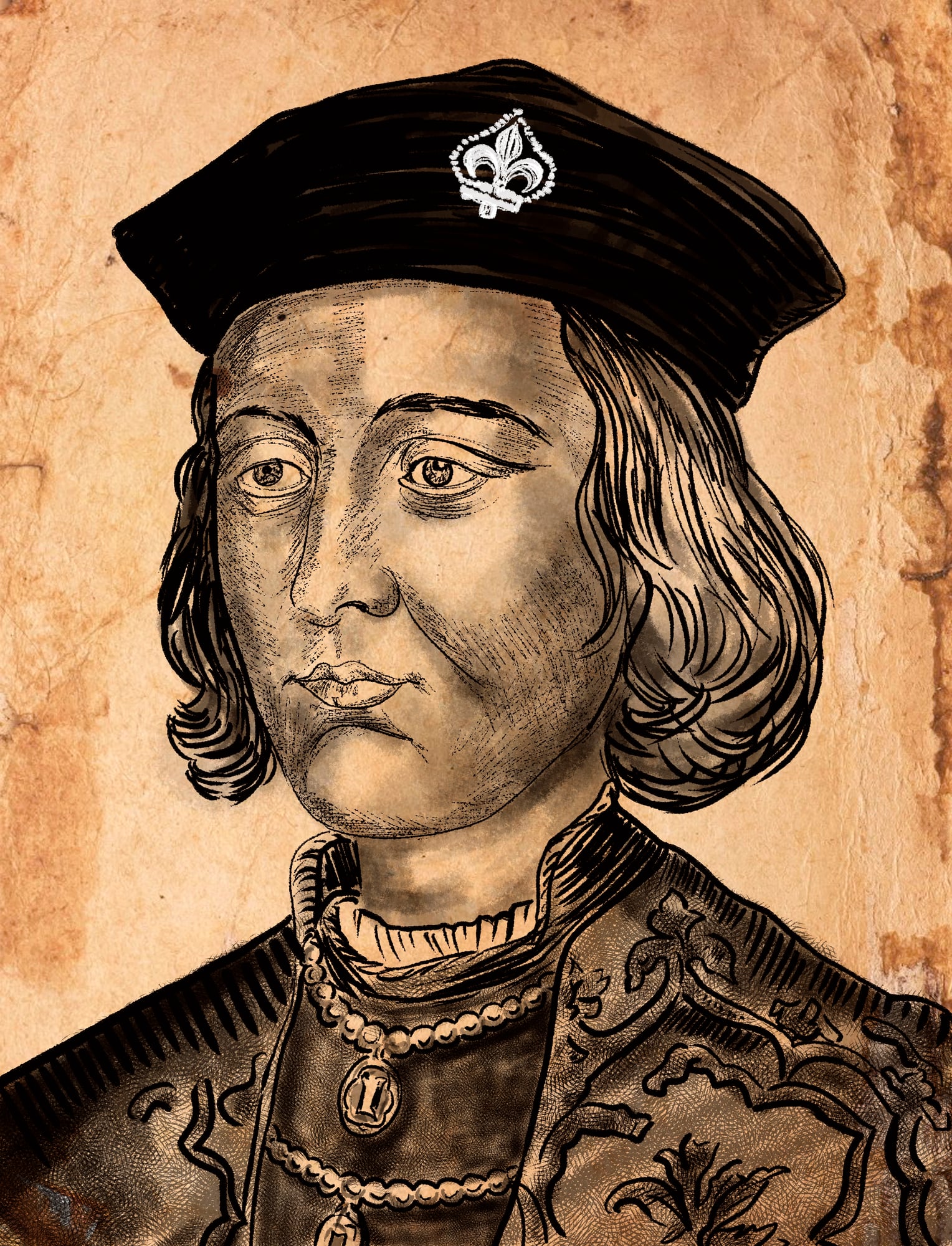
Edward IV of England almost certainly kept a secret that, had it been widely known in his lifetime, would have unraveled the Yorkist claim to the throne entirely. The allegation — surfaced dramatically during the reign of Richard III — was that Edward himself was illegitimate, born not of Richard Duke of York but of an archer named Blaybourne during one of his mother Cecily Neville’s extended absences from her husband.
Whether true or a political fabrication remains debated, but Cecily’s own reported fury at her son’s behavior and the timing of Edward’s conception have kept historians circling the question for five centuries. Some secrets don’t resolve so much as calcify.
The Disappearance of the Princes in the Tower

Two boys — Edward V and his younger brother Richard — vanished into the Tower of London in 1483 and were never seen again, and the royal establishment of the time did something extraordinary: it simply moved on. Richard III took the throne, and the question of what happened to the princes was never officially answered, never formally investigated, never given the weight it deserved from the people most positioned to demand it.
Bones discovered beneath a staircase in the Tower in 1674 were assumed to be theirs, reinterred in Westminster Abbey, and the matter was — at least officially — considered settled. It wasn’t.
Ludwig II and the Question of Sanity

The Bavarian court declared King Ludwig II insane in 1886, deposed him within days, and he was dead within the week — drowned under circumstances that have never been satisfactorily explained. What took considerably longer to surface was the degree to which the “medical” examination that declared him unfit had been conducted without Ludwig ever being directly evaluated by the psychiatrists who signed off on it.
The diagnosis was, by the standards of any era, a political document dressed in clinical language, and the Wittelsbach family had every reason to want a king who spent fortunes on fairy-tale castles and avoided state duties declared incompetent rather than merely eccentric.
The Ottoman Succession Purges
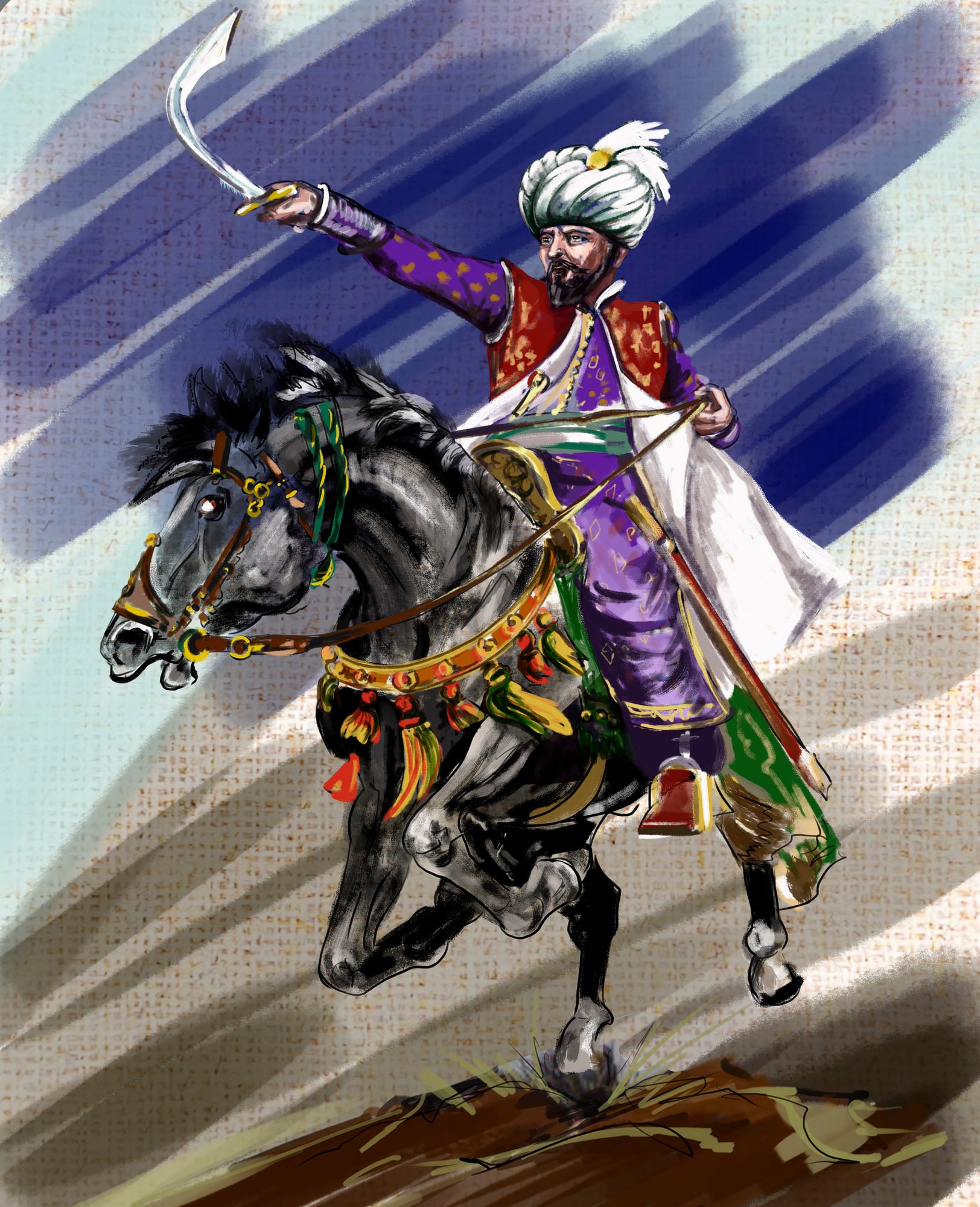
For centuries, Ottoman sultans operated under a succession system that involved the systematic killing of the new sultan’s brothers — a practice known as fratricide, legally codified under Mehmed II. The sheer scale of it was staggering: when Mehmed III took the throne in 1595, he had nineteen brothers strangled on the same day.
This was not hidden from the Ottoman court but was substantially sanitized in official communications to European powers, who were told far less than they might have guessed. The practice was eventually replaced with the kafes system — confining princes in gilded isolation — which produced its own quiet horrors that the court preferred not to document.
The Spanish Habsburg Inbreeding and Its Consequences
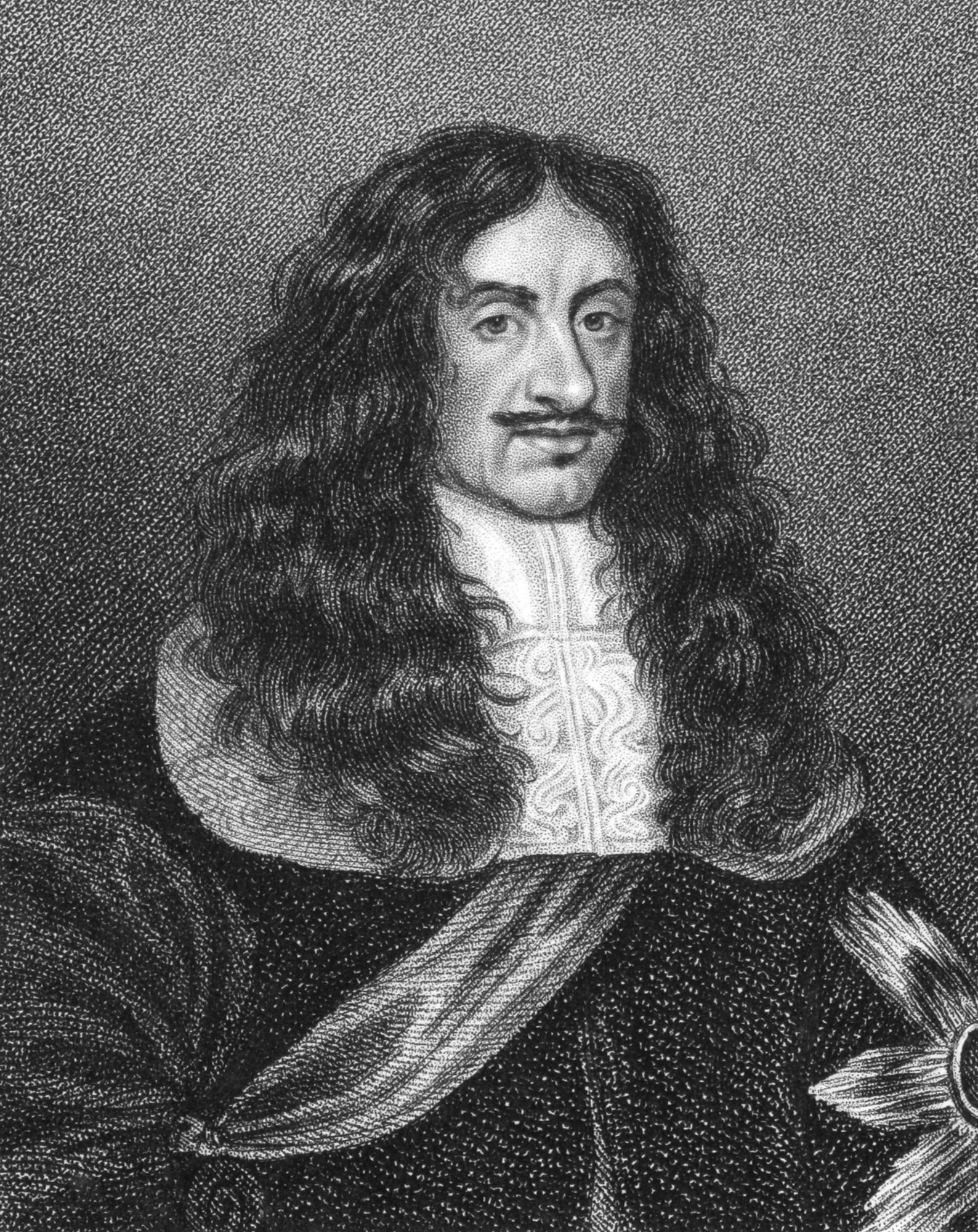
The Habsburg jaw is famous now, a symbol of what happens when a dynasty marries within too tight a circle for too long, but the full medical reality of Charles II of Spain’s condition was something his court actively downplayed during his lifetime. He couldn’t chew properly, walked with difficulty, suffered epileptic episodes, and was almost certainly infertile — and yet the Spanish court maintained the performance of a functioning, capable king for decades.
The genetic analysis published in 2009 calculated that Charles II had an inbreeding coefficient higher than that of a child born to siblings, a number so extreme it read less like history than like a cautionary tale someone invented.
The True Cause of the French Dauphin’s Death
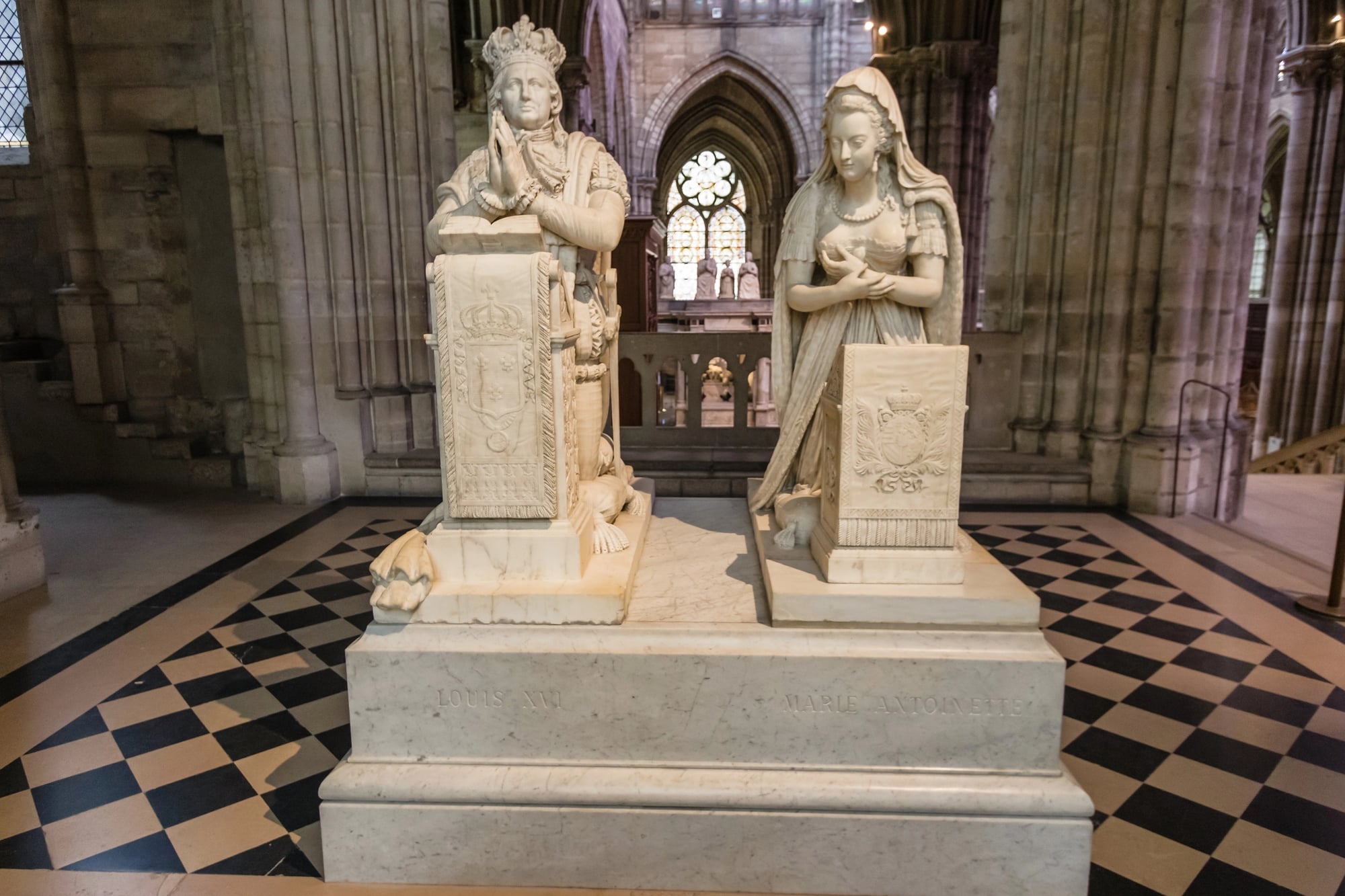
Louis XVII — the young son of Louis XVI and Marie Antoinette — was officially recorded as dying in the Temple prison in 1795 at the age of ten, of tuberculosis. What wasn’t disclosed for nearly two centuries was the evidence suggesting his heart had been removed during the autopsy and quietly preserved, passing through private hands across Europe for generations.
DNA testing in 2000 confirmed the heart belonged to a child who was maternally related to Marie Antoinette, finally closing the question of whether Louis XVII had secretly escaped and been replaced — a rumor that had fueled dozens of imposters across the nineteenth century, each claiming to be the lost king.
The Affair Behind the English Reformation
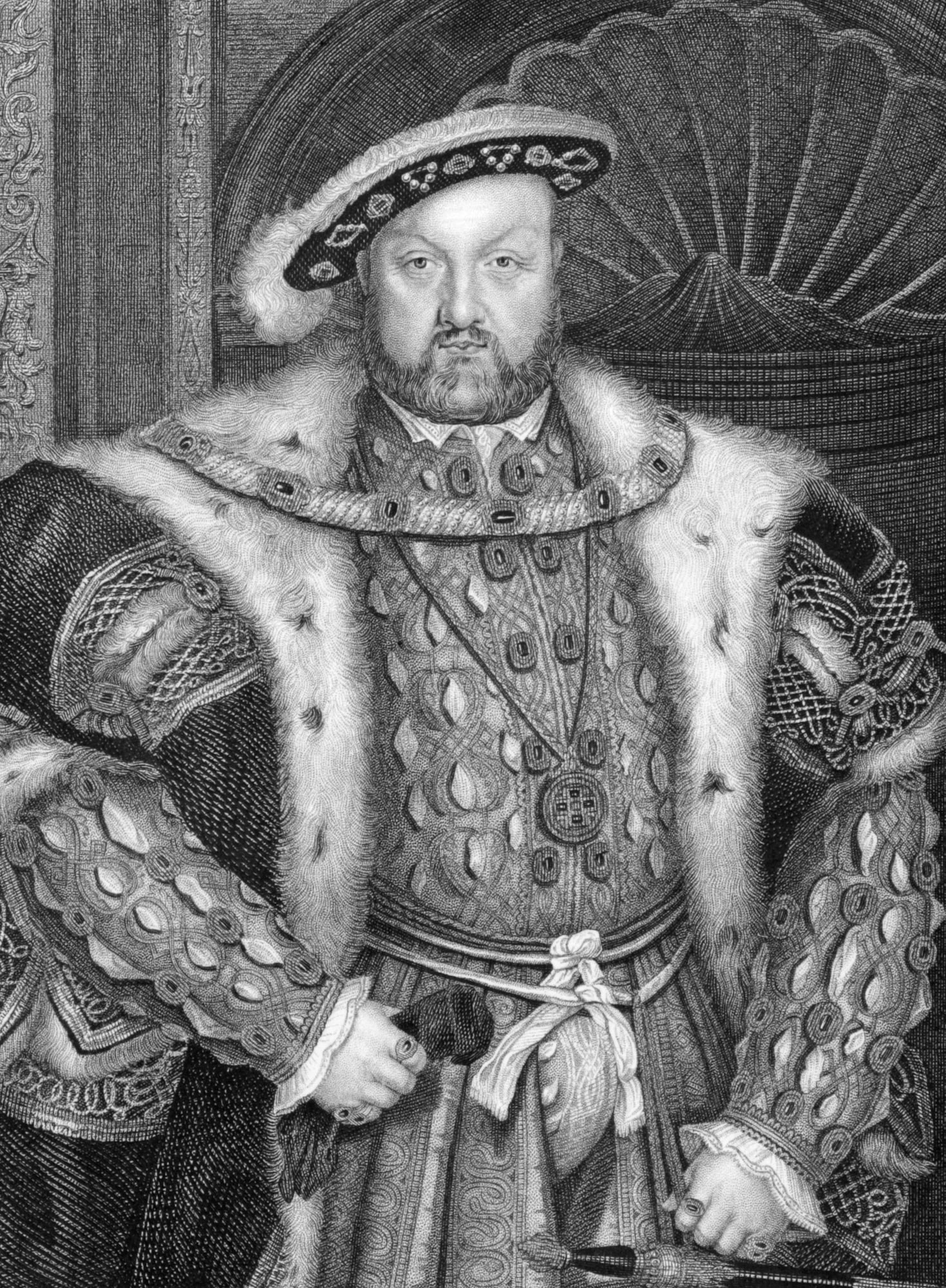
Henry VIII’s split from Rome is taught as a matter of theological conviction and political authority, which it was — but it was also a cover for something considerably more personal. Anne Boleyn’s inability to produce a male heir and her subsequent fall was preceded by charges of adultery and treason that most historians now consider fabricated, constructed efficiently by Thomas Cromwell to give Henry the exit he wanted.
The speed of Anne’s arrest, trial, and execution — roughly two weeks from accusation to death — was the kind of judicial efficiency that suggests the verdict was written before the charges were even filed.
The Illegitimate Children of Charles II of England
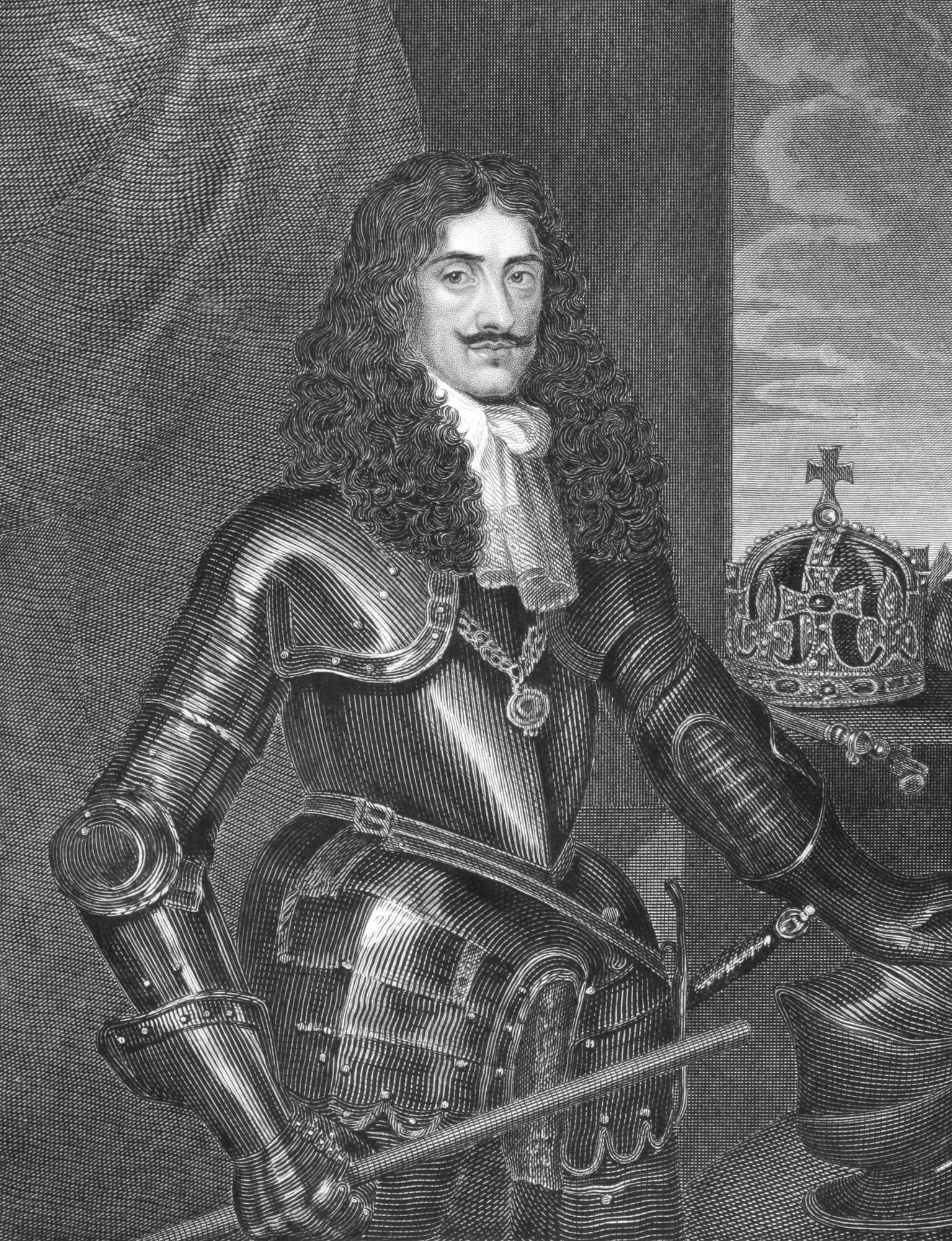
Charles II acknowledged fourteen illegitimate children but went to considerable trouble to maintain the fiction that his queen, Catherine of Braganza, might yet produce a legitimate heir — a fiction that shaped English politics for decades and directly contributed to the constitutional crisis around the succession. The arrangement was an open secret at court but carefully managed for public consumption, and the consequences of that management were severe: it left the throne to James II, whose Catholicism and political style produced the Glorious Revolution of 1688.
A dynasty’s quiet dishonesty about an heir set off a constitutional earthquake.
The Real Parentage of Frederick the Great
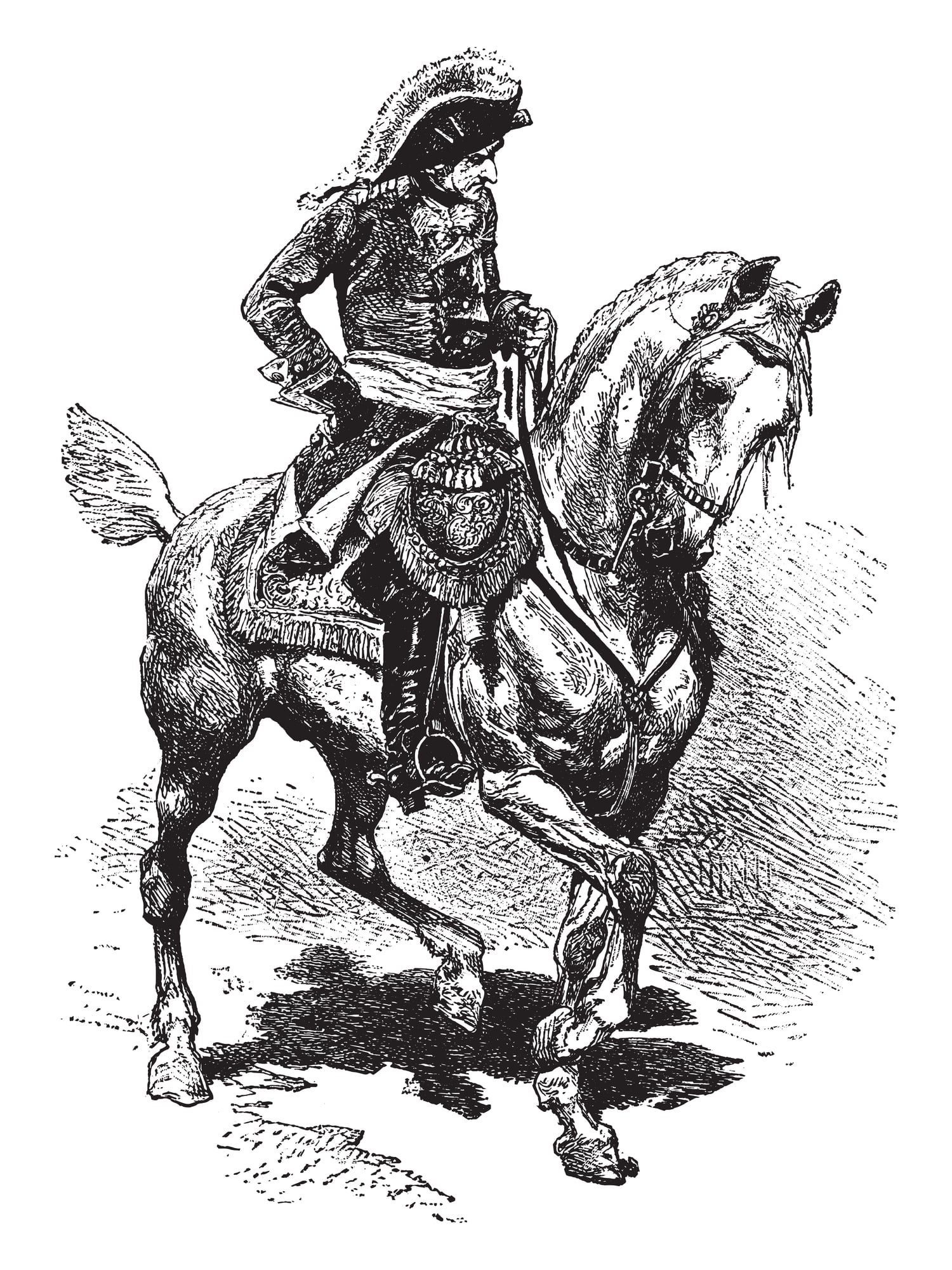
Frederick II of Prussia — Frederick the Great — had a relationship with his father Frederick William I that was so catastrophically hostile it ended with Frederick’s court-martial and the execution of his closest friend, Hans Hermann von Katte, whom Frederick was forced to watch die. What circulated privately for years but was never openly addressed was the question of Frederick’s own orientation and whether his famously loveless, unconsummated marriage to Elisabeth Christine of Brunswick was a performance constructed entirely to satisfy dynastic obligation.
Voltaire’s correspondence and Frederick’s own letters have been parsed for two centuries, and the picture that emerges is of a man whose inner life was systematically erased from the official record while he lived.
The Affair of the Diamond Necklace

The 1785 scandal involving a diamond necklace worth roughly 1.6 million livres — equivalent to tens of millions of dollars today — didn’t just embarrass Marie Antoinette, it demolished what remained of French royal credibility at the worst possible moment. The scheme involved a con artist named Jeanne de la Motte, a Cardinal who believed he was bribing his way back into royal favor, and an impersonator hired to pose as the queen in a midnight garden meeting — and the French court’s handling of the fallout was so clumsy, so transparently self-interested, that it convinced a significant portion of the French public that Marie Antoinette was guilty even after a court acquitted her.
The monarchy’s attempt to suppress and control the scandal managed to make everything worse.
The Suppressed History of Queen Christina of Sweden
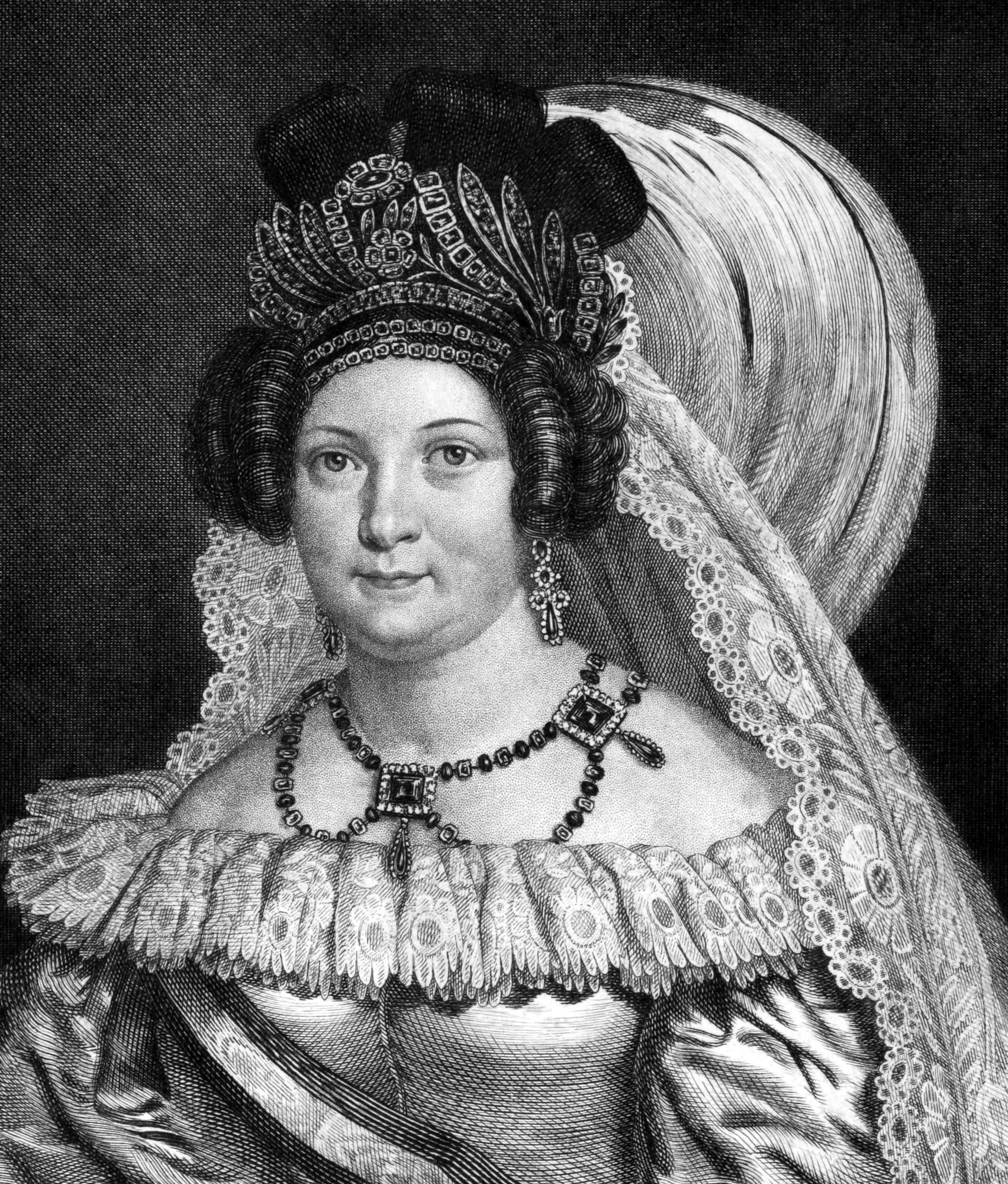
Queen Christina of Sweden abdicated in 1654, converted to Catholicism, and spent the rest of her life in Rome — unusual choices that her court handled by not discussing them in any depth that might raise uncomfortable questions. What Swedish official history suppressed for a very long time was the breadth of evidence suggesting Christina’s gender identity and orientation were considerably more complex than a seventeenth-century monarchy could accommodate: she dressed in men’s clothing, refused marriage consistently and with some force, and corresponded with intensity about women she was drawn to.
The sanitized version of her story — eccentric queen, spiritual seeker — held in Swedish historical memory for centuries before a fuller picture began to surface.
The Cover-Up Around King Albert I’s Death
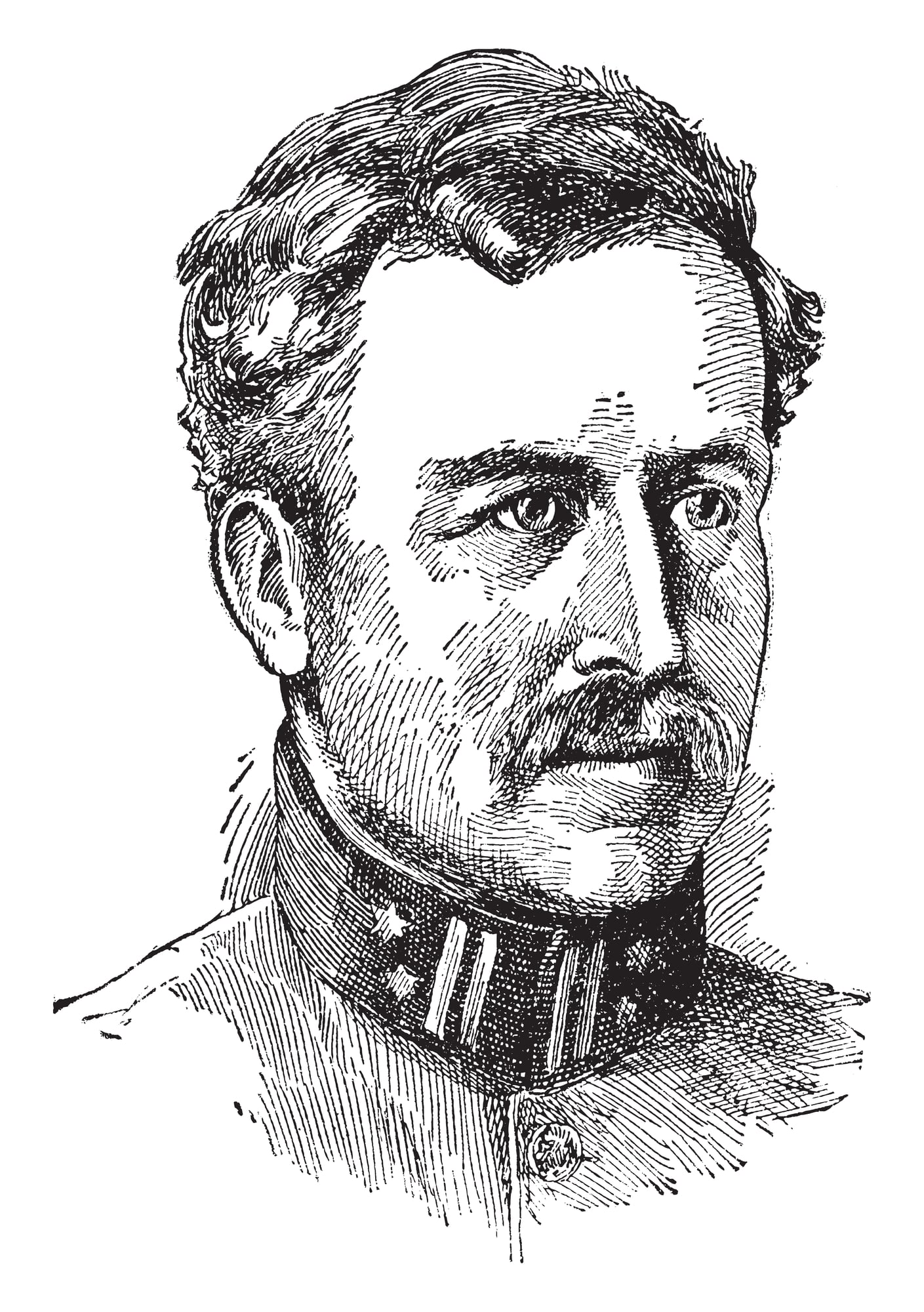
King Albert I of Belgium died in 1934 in a climbing accident near Namur, and the official account — a solitary king, an experienced mountaineer, a tragic fall — was accepted for decades. What took longer to surface was the persistent alternative theory, supported by circumstantial evidence and inconsistencies in the timeline, that Albert had not been alone and that the circumstances of his death had been deliberately simplified before the public version was assembled.
The Belgian royal family has never permitted a full forensic reopening of the case, which is itself a kind of answer, or at least the kind of silence that asks its own questions.
The Anjou Succession and the Church’s Hidden Role

The Angevin dynasty’s grip on Naples and Sicily during the thirteenth and fourteenth centuries was maintained through a web of alliances with the papacy that were far more transactional — and far more ruthless — than the official record of the time acknowledged. The Sicilian Vespers of 1282, in which thousands of French soldiers and settlers were killed across Sicily in a single night, had political roots stretching back through years of suppressed local resentment that the Angevin court had deliberately ignored in its communications to Rome.
The papacy’s complicity in propping up an unpopular dynasty, and its willingness to suppress reports of local brutality to maintain a useful political relationship, was the kind of institutional dishonesty that takes centuries of hindsight to name clearly.
The Truth About Catherine the Great’s Husband
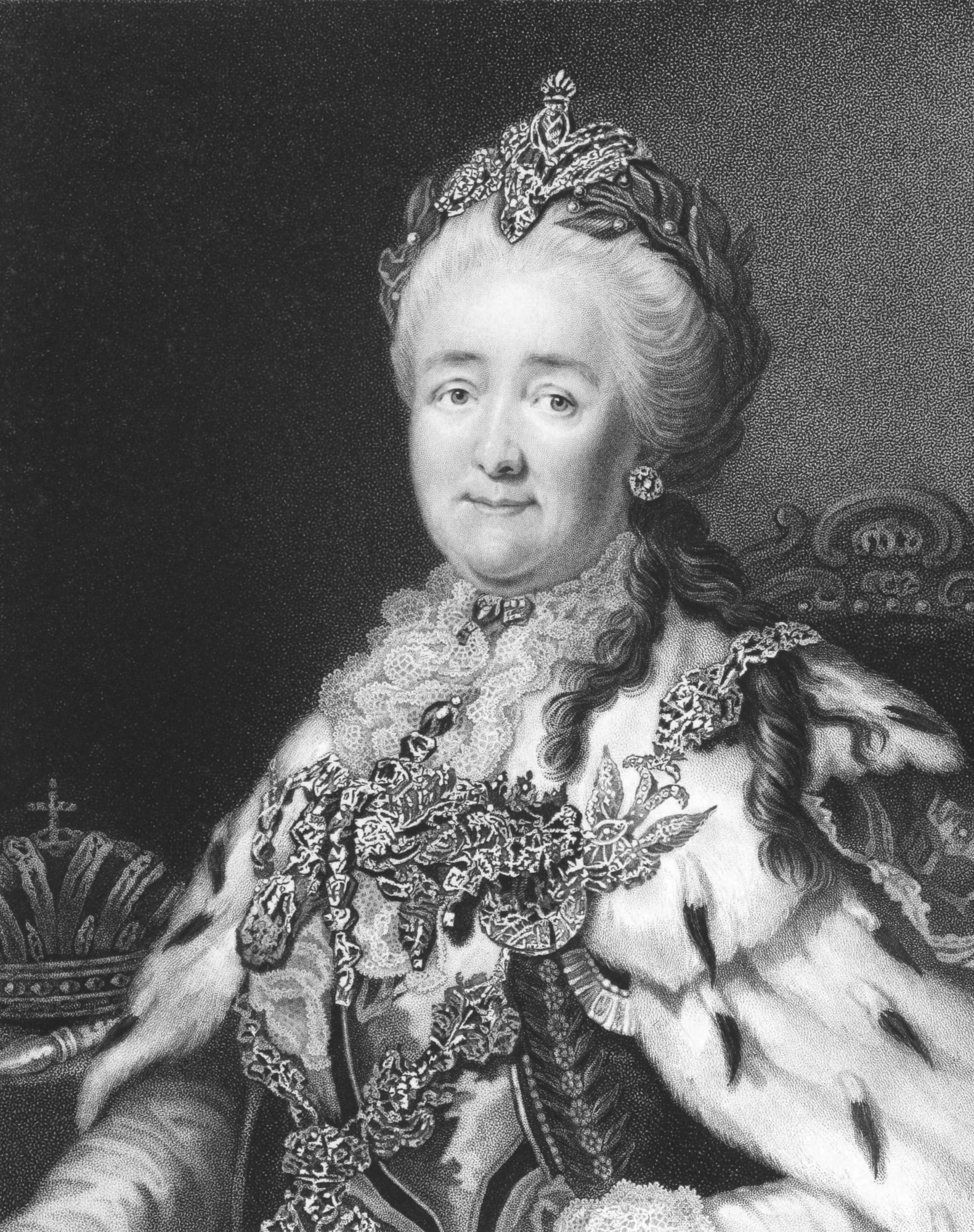
Peter III of Russia was deposed in a palace coup in 1762 and dead within days — officially of hemorrhoidal colic, which satisfied almost no one at the time and satisfies fewer historians now. Catherine the Great, who orchestrated the coup, had every reason to want a clean narrative around his death, and the official story was maintained with considerable institutional weight for the remainder of her reign.
What emerged gradually, through private correspondence and the accounts of those involved in his custody, was a picture of a man who almost certainly died violently, possibly at the hands of Alexei Orlov, one of the brothers most instrumental in placing Catherine on the throne.
When the Silence Finally Breaks

What’s striking, looking across all of these cases, isn’t that royal families kept secrets — it’s how long the machinery of concealment held. Some of these stories were suppressed for two centuries, even three, not because the evidence didn’t exist but because the institutions surrounding royalty had an almost biological instinct for self-protection.
The truth didn’t so much break free as it slowly became uncoverable: archives were opened, DNA testing arrived, historians stopped accepting official accounts at face value. Turns out stonework, however thick, is no match for time — and the secrets that were buried most carefully have a way of surfacing loudest.
More from Go2Tutors!

- The Romanov Crown Jewels and Their Tragic Fate
- 13 Historical Mysteries That Science Still Can’t Solve
- Famous Hoaxes That Fooled the World for Years
- 15 Child Stars with Tragic Adult Lives
- 16 Famous Jewelry Pieces in History
Like Go2Tutors’s content? Follow us on MSN.