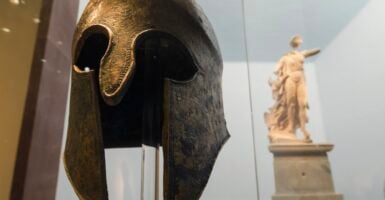
26 Daily Habits Of Ancient Greeks
Democracy, tragedy and philosophy get most of the credit for Classical Athens, but none of it happened in a vacuum. Every great idea was thought by someone who had eaten breakfast, fetched water and found a place to sit.
The routines of ordinary days in the 400s and 300s BC were stranger and more structured than most people expect. They involved wine at dawn, bread as a utensil, and a drinking game that doubled as a love test.
Dipping Bread in Wine Before Dawn Chores
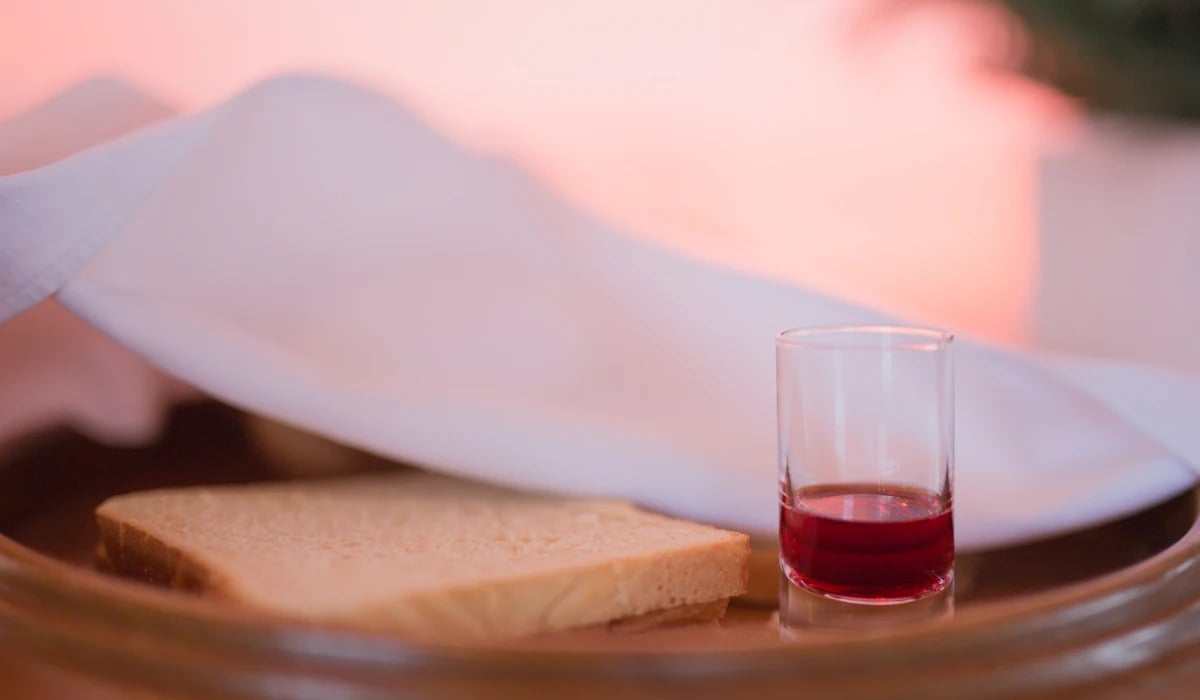
The first meal of the day was called akratisma, and it centered on barley bread dipped in wine. The name comes from akratos, the Greek word for unmixed, which hints at the fact that this morning wine was not watered down.
Figs or olives sometimes joined the bread. It was a quick meal, meant to fuel a walk to the fields, the workshop or the agora.
A Midday Meal Kept Deliberately Small
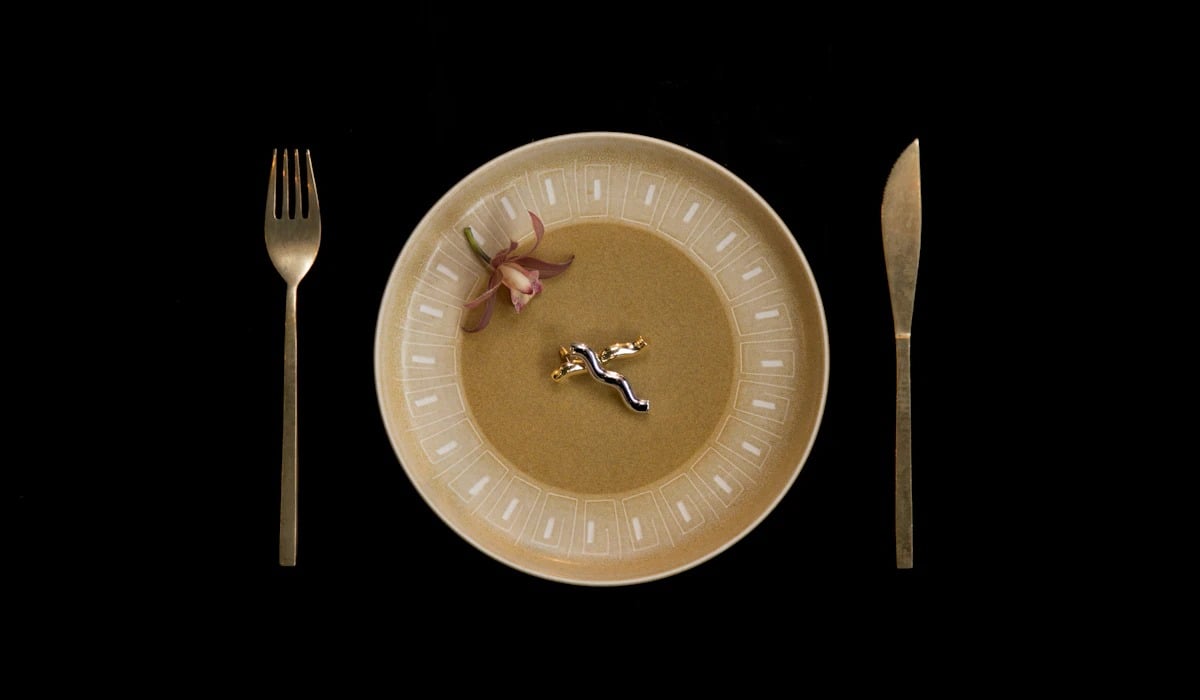
The ariston, eaten around midday, could be a light affair of bread with a bit of cheese, olives or fruit. Many Greeks ate a relatively simple midday meal, although foods and meal schedules varied.
The evening meal was often more substantial, especially when friends gathered for dinner. A light lunch was common, but it wasn’t a universal rule.
The Evening Deipnon and the Meat Problem

Dinner, called deipnon, was the main meal and usually came as the light faded. It was built around bread or barley cake, plus an opson, a flavoring or side dish such as fish, vegetables, cheese or eggs.
Meat was less accessible to many ordinary households than grain and vegetables, and sacrificial feasts provided opportunities to eat it. A good butcher’s cut, in other words, often had a priest somewhere in its history.
Watering the Wine Because Neat Drinking Looked Barbaric

Greeks drank wine at nearly every opportunity, but it was commonly diluted with water. It was blended with water in a large mixing bowl called a krater, and the proportion usually leaned heavily toward water.
Drinking wine neat was associated with foreigners and with people who had lost control of themselves. At a drinking party, a chosen host or master of ceremonies decided how strong each round of mixing would be.
Dining While Propped on a Couch

At elite drinking parties called symposia, men reclined on couches called klinai, leaning on the left elbow, with small tables of food placed beside them. The dining room, or andron, often had an off-center door, a design quirk that let the couches fit snugly along the walls.
Reclining while dining was a status marker associated with elite gatherings, not the standard way everyone ate every meal.
Wiping Greasy Fingers on Bread
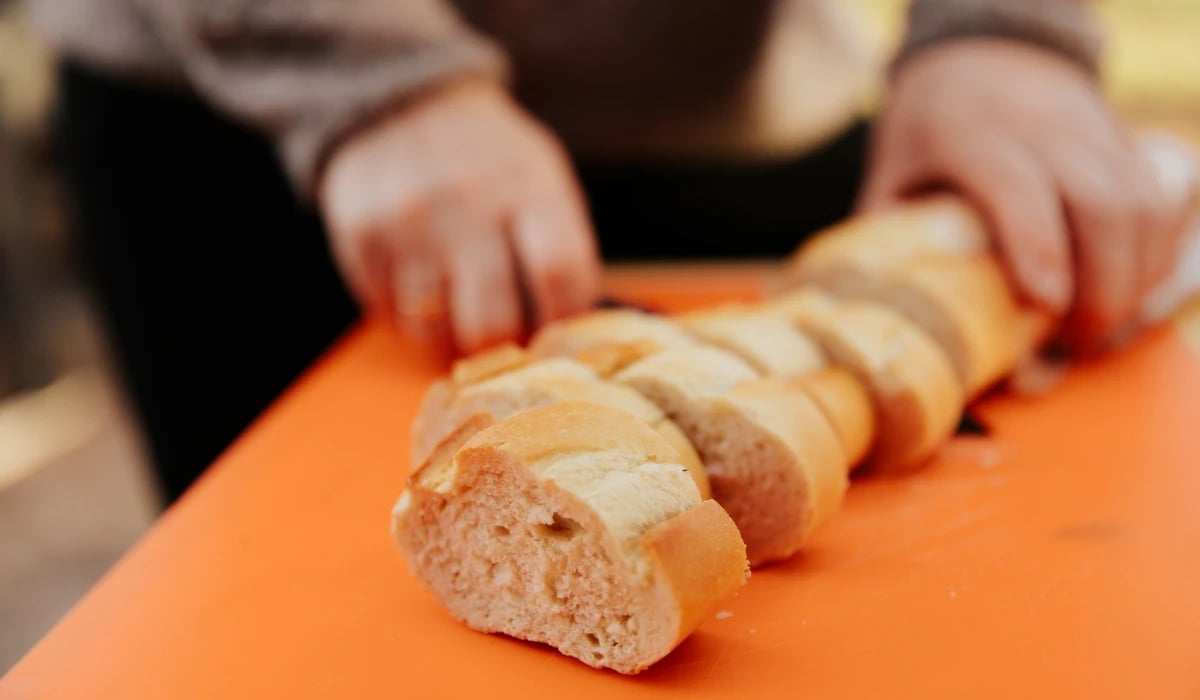
Forks were unknown and modern-style napkins were not in use, so diners ate largely with their fingers and scraps of bread. Pieces of bread called apomagdalia could be used to wipe fingers or help handle food.
Some accounts describe the used pieces being discarded to dogs, although this should not be treated as a universal household routine. The household pet could, in effect, help with the cleanup.
Flicking Wine Dregs at a Target

Kottabos was a party game that turned the last drops of wine in a cup into ammunition. Players flung the dregs with a flick of the wrist at a target, such as a small bronze disk balanced on a stand or little saucers floating in a basin.
Success meant knocking the disk down or sinking the saucers, and a hit was taken as a sign of favor from whomever the thrower had dedicated the shot to. Vase paintings show guests contorting themselves on their couches to line up the throw.
Bathing in Olive Oil Instead of Soap

Greek athletes often rubbed olive oil into their skin after exercise, then scraped it off along with sweat and dust using a curved metal tool called a strigil. Oil flasks and strigils hung from the wrist by a cord, which is why athletes appear carrying them in so much Greek art.
The routine helped remove grime, although it was not a universal substitute for washing with water. Olive oil also had many other uses in Greek daily life.
Afternoons at the Gymnasium
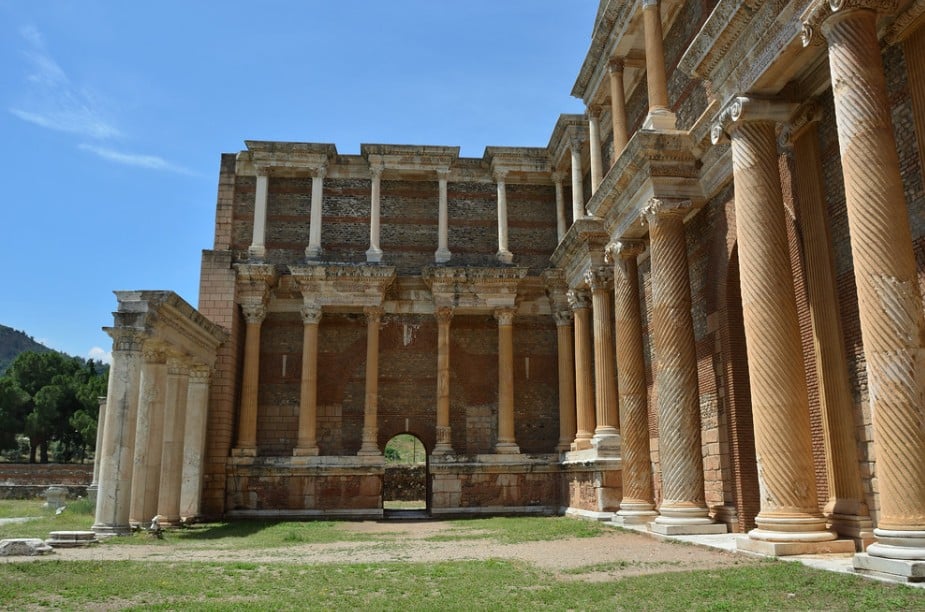
Athens had public training grounds outside its walls, including the Academy, the Lyceum and the Cynosarges. Men and boys went there to run, wrestle and throw the javelin, and they also stayed to talk.
The palaestra, a wrestling ground attached to some of these complexes, was a social center as much as a sports facility. Plato’s Academy, which gave the word academy to the world, grew out of a gymnasium named for a local hero called Akademos.
Shopping the Agora While It Was Fresh
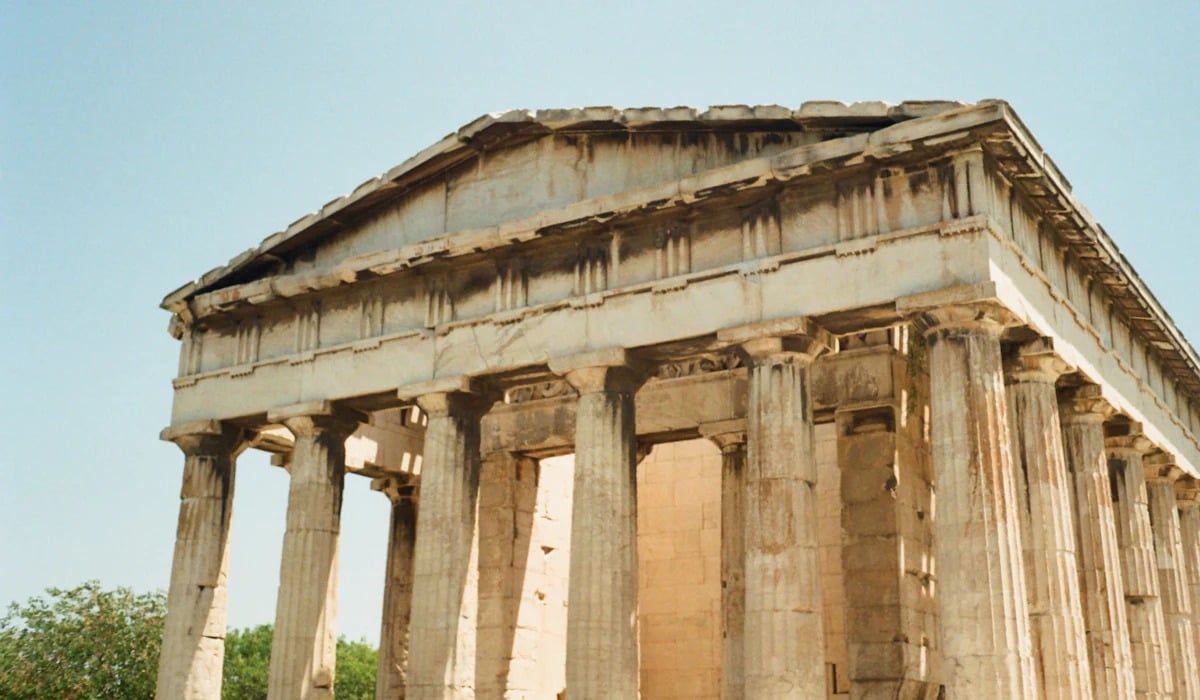
The agora, Athens’ central marketplace, filled with traders in the morning, and the expression plēthousa agora referred to the busy marketplace. Men often did the daily buying themselves or sent enslaved people to do it, picking up vegetables, cheese, olives and the day’s fish.
Fish counted as the prestige item, and comic poets loved to mock men who spent fortunes on it. The same open space doubled as a courtroom area, a news exchange and a political meeting spot.
Hauling Water from the Fountain House

Most homes had no running water, so fetching it was a daily errand, usually handled by women and enslaved people. Fountain houses in Athens delivered water through spouts into a hydria, a jar with two side handles for lifting and a vertical one for pouring.
Carrying a filled hydria on the head, often cushioned by a folded cloth, was routine enough that vase painters showed it again and again. The fountain also worked as a gossip exchange, giving it the role later played by the office water cooler.
Giving Hestia the First Share
At the center of every home was a hearth, and the goddess Hestia embodied it. She received the first offering at household and public ceremonies alike, so much so that a Greek saying advised starting everything with Hestia.
Families could make offerings and pour libations during household rituals and meals. At the close of a symposium, it was customary to pour a libation to the Good Spirit, the Agathos Daimon, often using unmixed wine.
Showing Up for the Assembly on the Pnyx
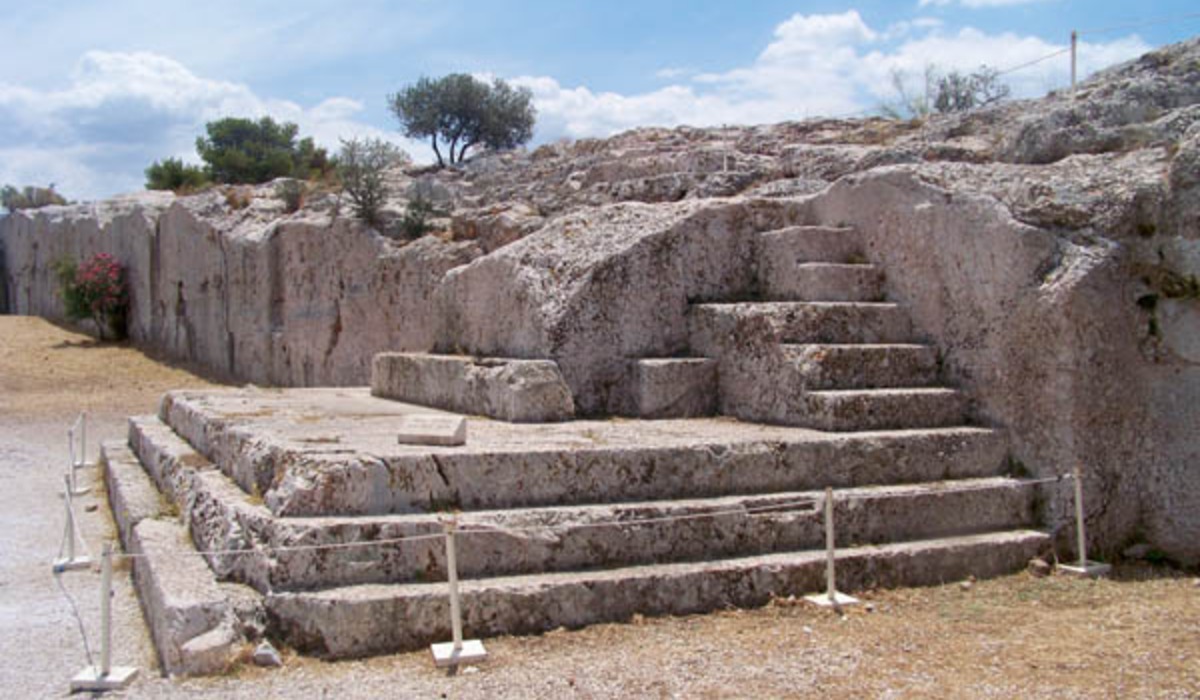
Adult male citizens in Athens could attend the assembly, which met regularly throughout the year, often on a hillside called the Pnyx. For certain decisions, such as ostracism or granting citizenship, a quorum of 6,000 was required.
When attendance lagged, officials reportedly used a rope smeared with red dye to sweep people from the marketplace toward the meeting, and anyone with a stained cloak risked a fine. By the 300s BC, citizens were paid a small sum for attending, which gave poorer Athenians a better reason to come.
Drawing Lots for Jury Duty
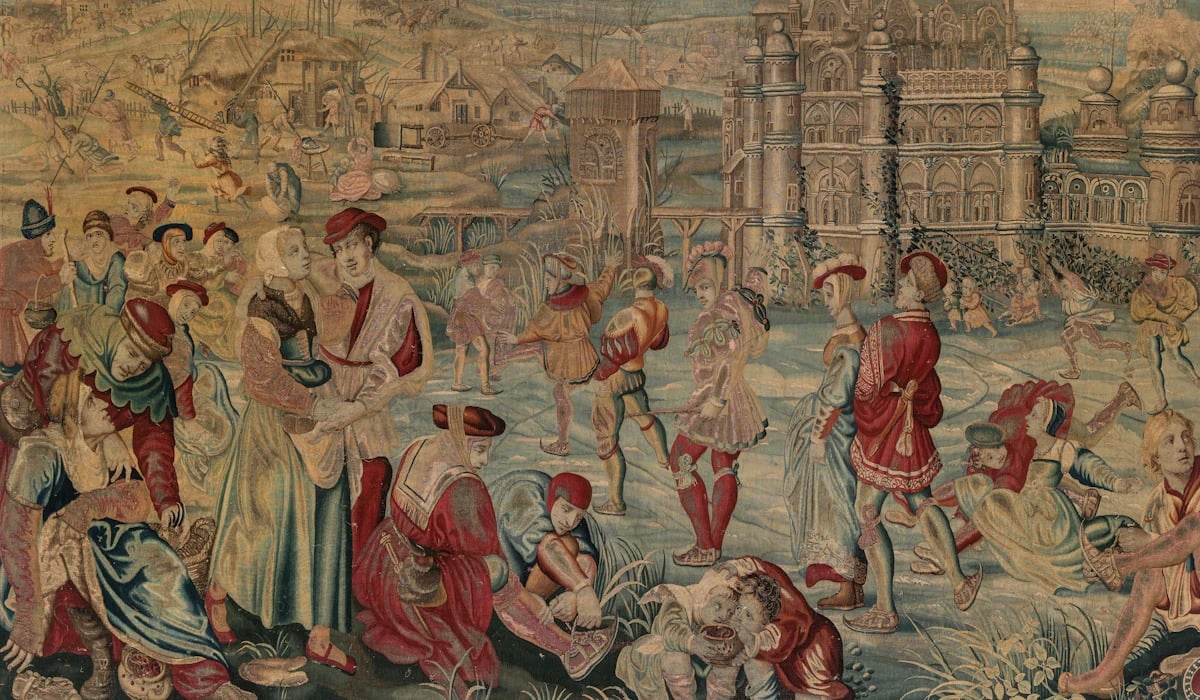
Athenian courts were run by large citizen juries rather than judges, and a pool of 6,000 citizens over the age of 30 was sworn in each year. On a given morning, jurors were assigned to particular courts by lot, using a machine known as a kleroterion designed to prevent bribery and help allocate jurors randomly.
Jurors received a modest daily payment, set at three obols after 425 BC, which was less than a skilled worker’s wage but enough to make service attractive to some poorer citizens. Juries could number in the hundreds, with 501 as a common size.
Racing the Water Clock in Court
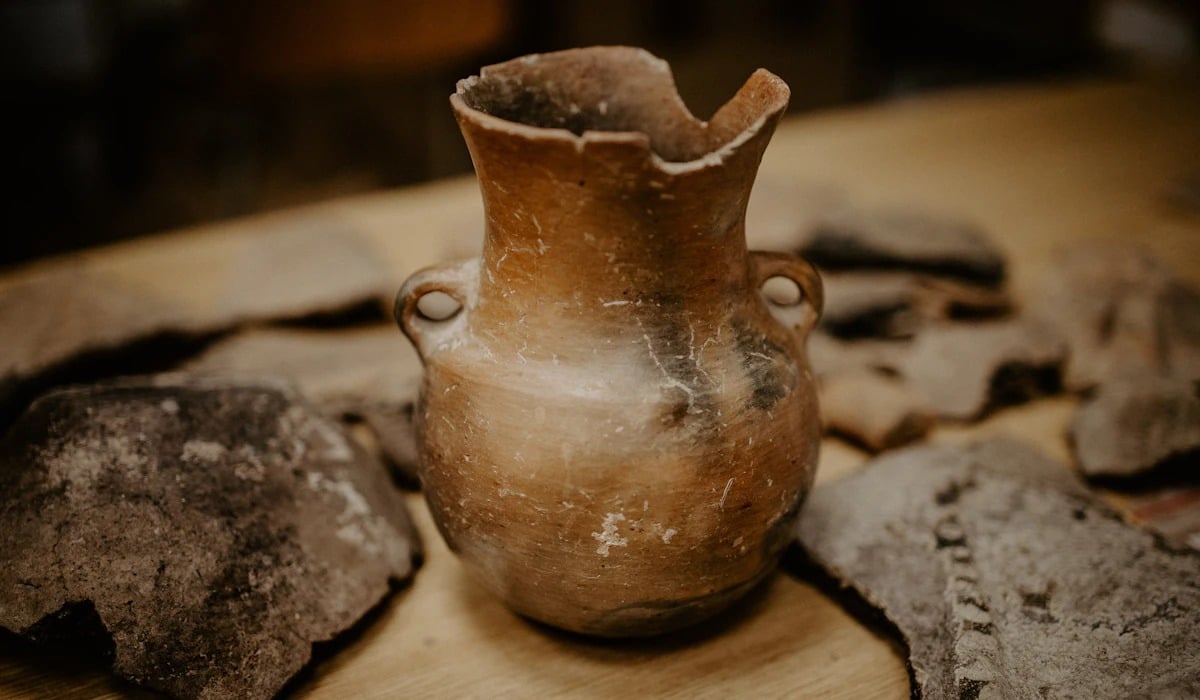
Trials ran on a strict timer, and the timer was a water clock called a klepsydra. Prosecutor and defendant each got a fixed allotment of water that drained from a clay vessel while they spoke.
When testimony or a law was being read aloud, the flow was stopped so that no one lost speaking time. A clay water clock of this type, dated to the 400s or 300s BC, was recovered in the Athenian Agora.
Knucklebones and Board Games to Fill the Evening
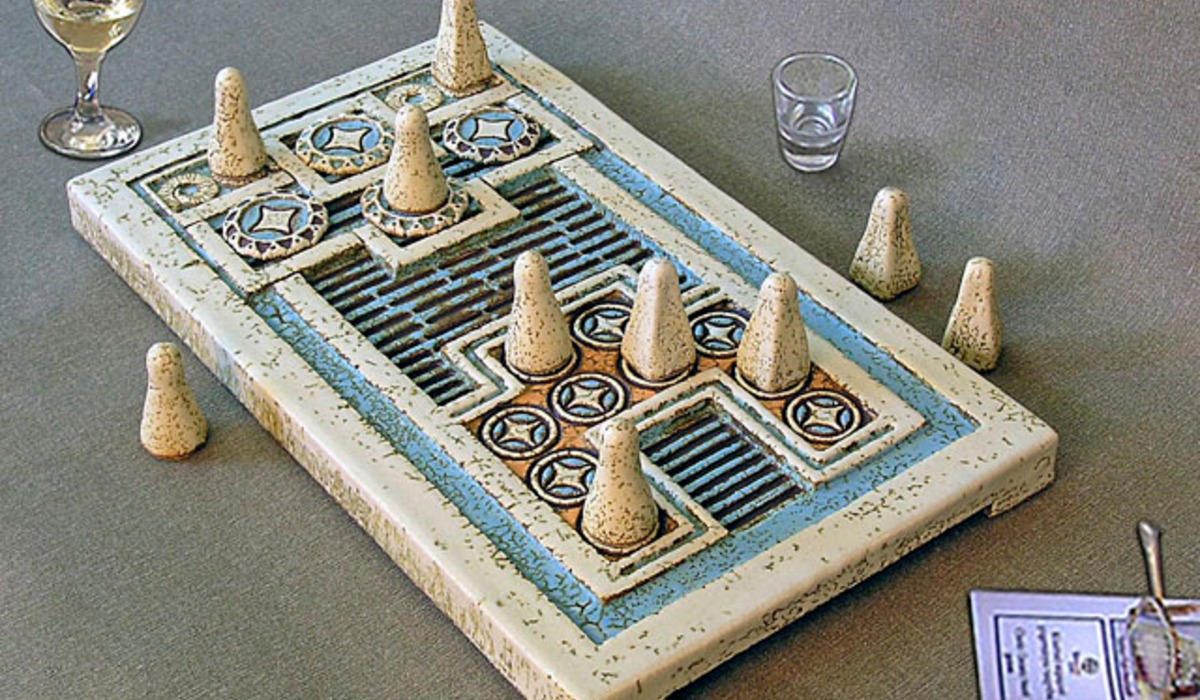
For entertainment at home, Greeks played with astragaloi, the ankle bones of sheep and goats, which served as four-sided dice. Players threw them for gambling, children played with them as jacks-style toys, and adults treated certain throws as famous.
There were also board games using counters, including a strategy game called petteia. Dice cubes with six faces were in use too, so gamblers could choose their tools.
Sleeping on a Rope-Strung Bed
A Greek bed was a wooden frame called a kline, strung with cords or leather straps that held up a mattress of wool or similar stuffing. Blankets and cloaks provided warmth, and cushions propped the head.
Elite households also used couches for dining and social gatherings. A man sleeping off a symposium might therefore wake up in the same spot where he ate.
Dressing in a Rectangle of Cloth
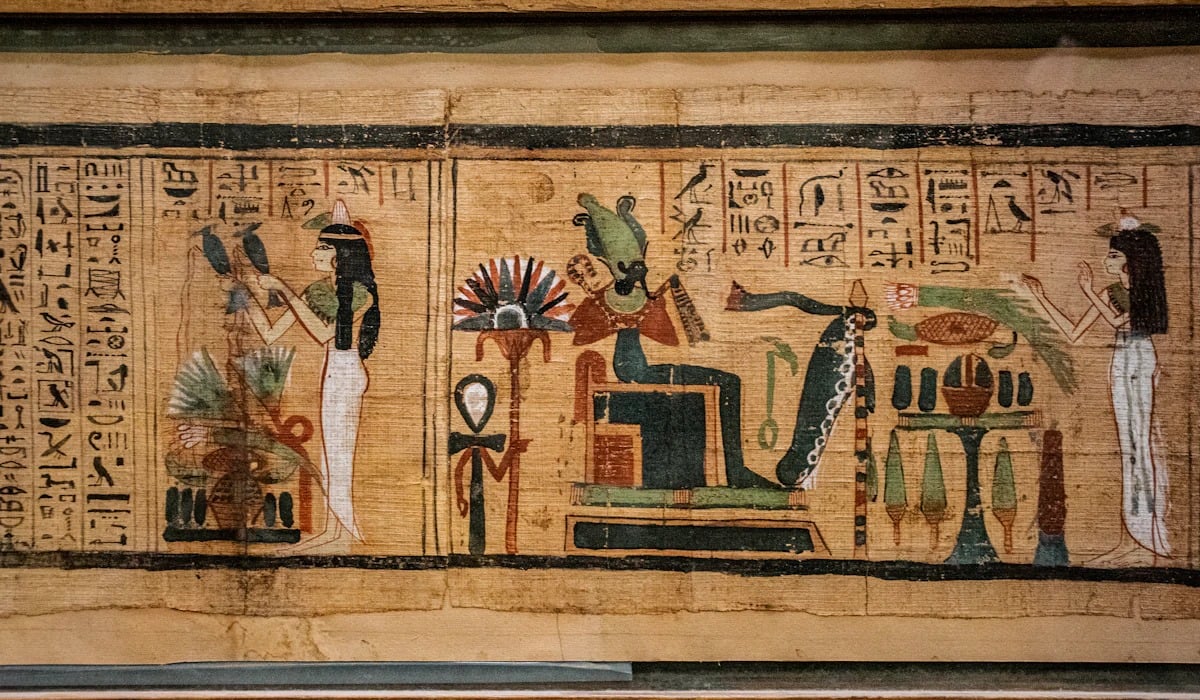
Everyday clothing was simpler than it looks in sculpture. A chiton was a rectangle of fabric, usually wool or linen, pinned at the shoulders and belted at the waist, and a himation was a large cloak draped over it.
Laborers and young men sometimes wore only the himation, or a short chiton, for ease of movement. Women commonly spun and wove much of the household’s cloth, so what a person wore often reflected the labor of the women of the household.
Keeping Beards and Skipping the Razor
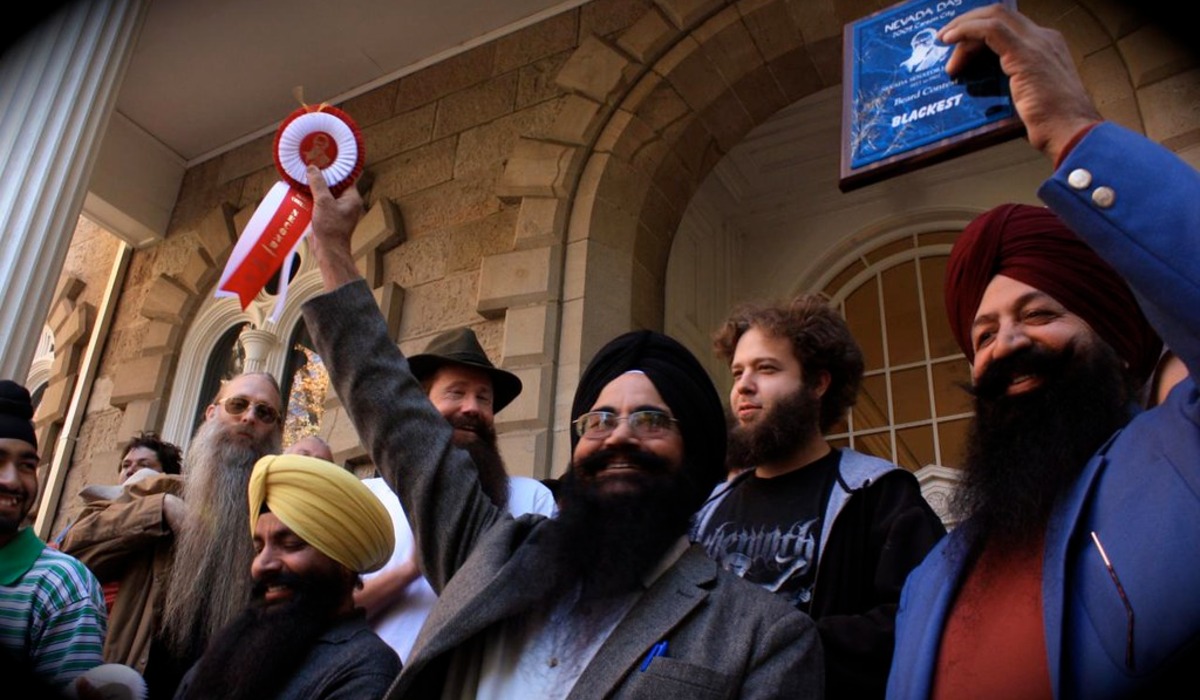
During the Classical period, men in Athens typically wore beards, which were considered a sign of maturity and citizenship. Clean-shaven faces became fashionable later, after the conquests of Alexander the Great.
Barbers’ shops were popular places to catch up on news and rumors. Hair was commonly worn short for men, while women kept it longer and pinned it up.
Saying Rejoice Instead of Hello
The standard greeting was chaire, which literally means rejoice. The same word worked as a farewell, so a conversation could open and end on it.
Some people also wished health, using a form of the verb for being well, particularly in letters. An Athenian entering a house or crossing the agora therefore spent the day wishing others joy.
Telling Time Without Hours on a Dial

Athenians did not carry the rigid 60-minute hour of modern life. Days were measured by the sun and by landmarks such as when the agora filled with people or when the shadow reached a certain length.
Herodotus credited the Babylonians with teaching the Greeks the sundial pole and the division of the day into 12 parts. Appointments were therefore loose, and punctuality was a matter of approximate sunlight.
Walking to School with a Slave Minder

Boys from families who could afford it went to school around age 7, escorted by a household slave called a paidagogos. This attendant supervised the boy and accompanied him to school; he was not necessarily the teacher.
Boys studied reading and writing with one teacher, music and the lyre with another, and physical training with a third. Writing was done with a stylus on wax-covered tablets, which could be smoothed over and reused.
Memorizing passages of Homer was a core part of the curriculum.
Spinning and Weaving at the Loom
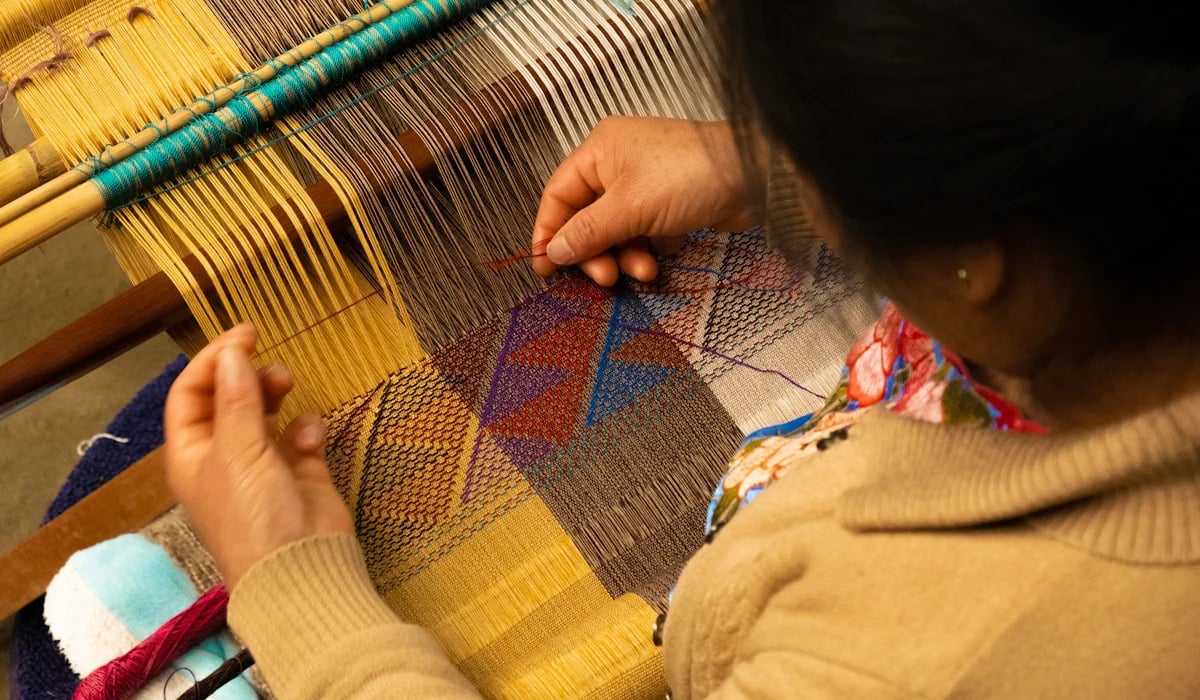
For women of citizen households, wool-working filled many daytime hours. They spun thread with a spindle and wove cloth on upright looms weighted with clay loom weights, many of which survive in the archaeological record.
The writer Xenophon, in a dialogue about managing an estate, has a husband praise the wife’s role in overseeing wool-work and the household. The work produced cloaks, blankets and clothes for the entire family.
Lighting Evenings with Olive Oil Lamps
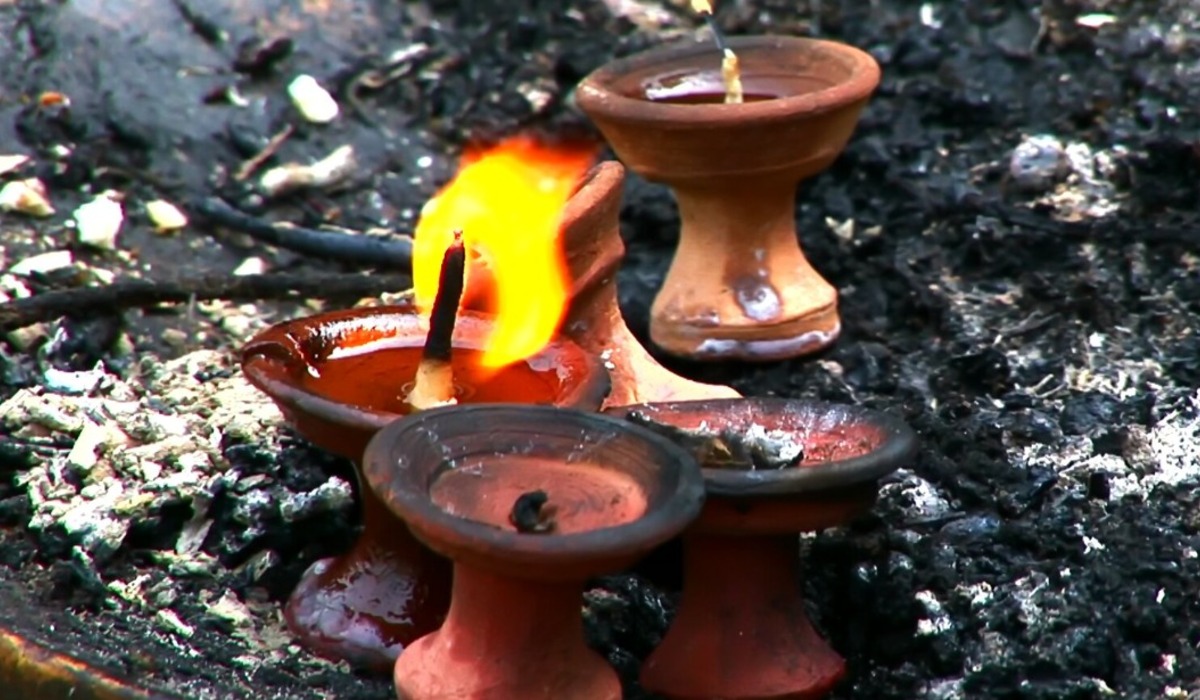
When the sun set, homes were lit by small terracotta lamps burning olive oil. Each lamp had a wick that gave off a modest flame, so evening light was dim and expensive compared with daylight.
Because of that, much work and socializing happened in daylight, and many dinner parties stretched into the dark by the glow of a few flickering lamps. The same oil that fed the lamps also fed the body, the skin and the kitchen.
Pacing the Colonnade While Talking

Walking while talking was an established habit among thinkers. Aristotle taught at the Lyceum in a shaded walkway called a peripatos, and his followers became known as the Peripatetics.
The Stoics took their name from the Stoa Poikile, a painted colonnade on the edge of the Athenian Agora. Covered walkways gave Athenians a place to wander and argue in all weather.
Passing the Chamber Pot at the Party
Symposiums lasted for hours, and the wine kept flowing, so a practical item was sometimes at hand. A ceramic chamber pot called an amis was used for urination, and vase paintings show guests using such vessels at drinking parties.
The presence of these pots reflects the practical realities of long gatherings, even among wealthy guests. Even the most refined gathering in Athens had a plumbing plan.
What Ordinary Days Reveal
Taken together, these routines show a society organized around the body as much as the mind. Meals, exercise, bathing, sleep and the public duties of citizenship were woven together, and each fed the others.
The same men who argued about justice in the assembly also wiped their hands on bread and flicked wine at a target.
Looking at the day this way makes the famous achievements of Athens seem less distant. Philosophy, law and drama grew from people who walked to the same fountain each morning and ate by lamplight at night.
Habits do not make for grand history, but they explain why the grand history happened where it did.
More from Go2Tutors!

- The Romanov Crown Jewels and Their Tragic Fate
- 13 Historical Mysteries That Science Still Can’t Solve
- Famous Hoaxes That Fooled the World for Years
- 15 Child Stars with Tragic Adult Lives
- 16 Famous Jewelry Pieces in History
Like Go2Tutors’s content? Follow us on MSN.