30 Arcade Games That Ate a Pocket of Quarters
A roll of quarters used to feel like an evening’s worth of entertainment until one of these cabinets got involved, draining an entire stack in under twenty minutes flat. Arcade operators knew exactly what they were doing when they tuned difficulty curves to punish a player just enough to make one more coin feel necessary.
The machines themselves are mostly gone from storefronts now, but the specific frustration of watching a character die two seconds into a level has not faded from anyone who grew up feeding change into one of these cabinets.
Pac-Man
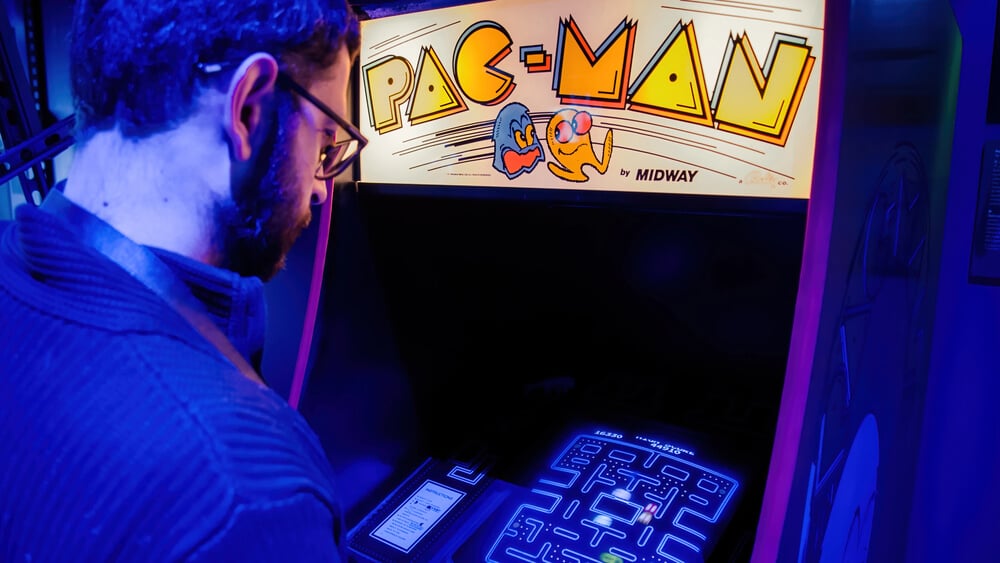
Released in 1980, this maze chase became the best-selling arcade cabinet of all time, and its escalating ghost speed made even a skilled player’s quarters disappear within a few short rounds once the later levels kicked in.
Galaga
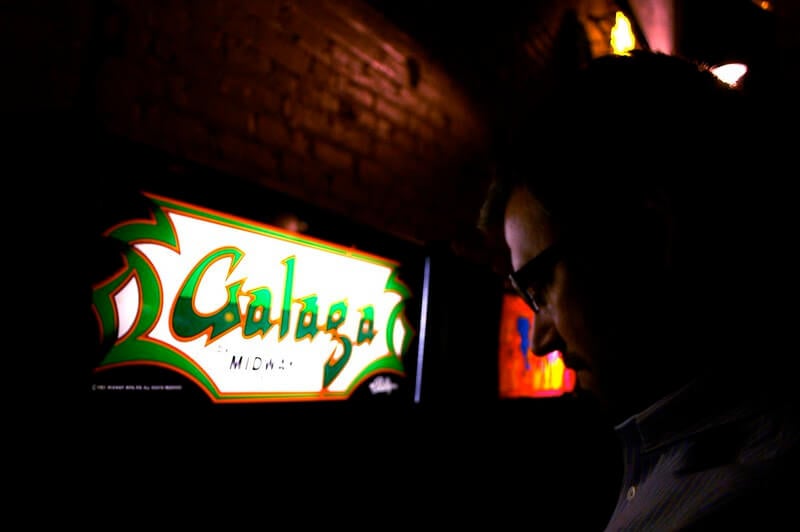
The sequel to an earlier shooting game refined its formula into something far more punishing, introducing enemy formations that dove and fired in coordinated patterns. A single miscalculated shot could end a session almost as soon as it began.
Donkey Kong
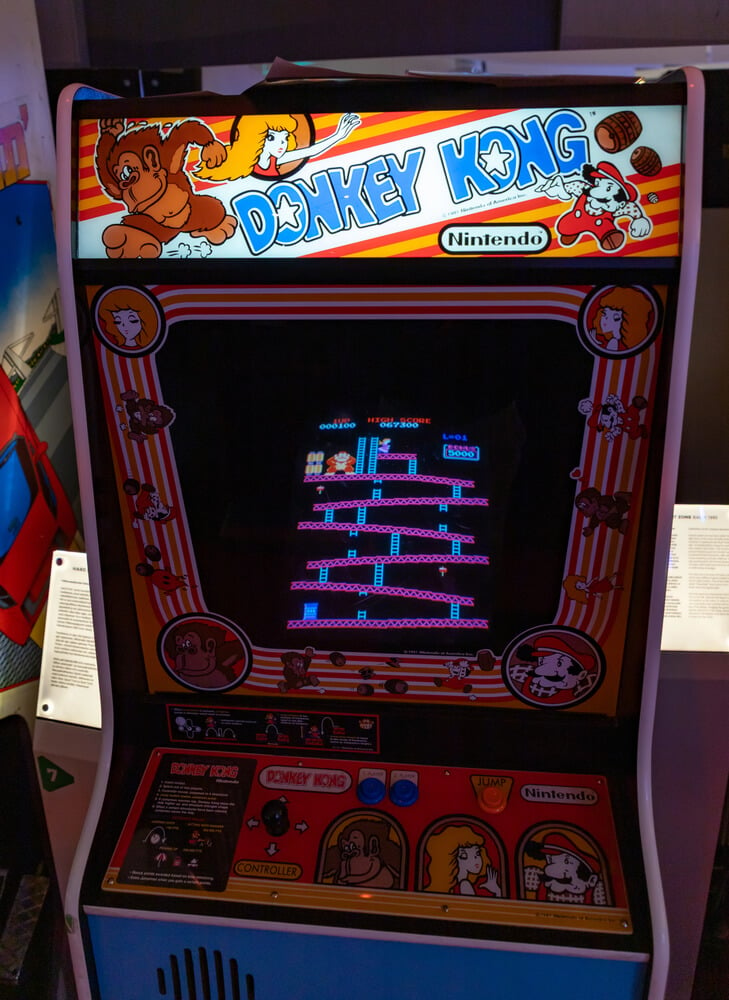
Nintendo’s 1981 platformer introduced a barrel-dodging plumber to arcades everywhere, and its unforgiving jump timing meant even experienced players rarely lasted past the fourth or fifth screen without feeding the machine again.
Street Fighter II
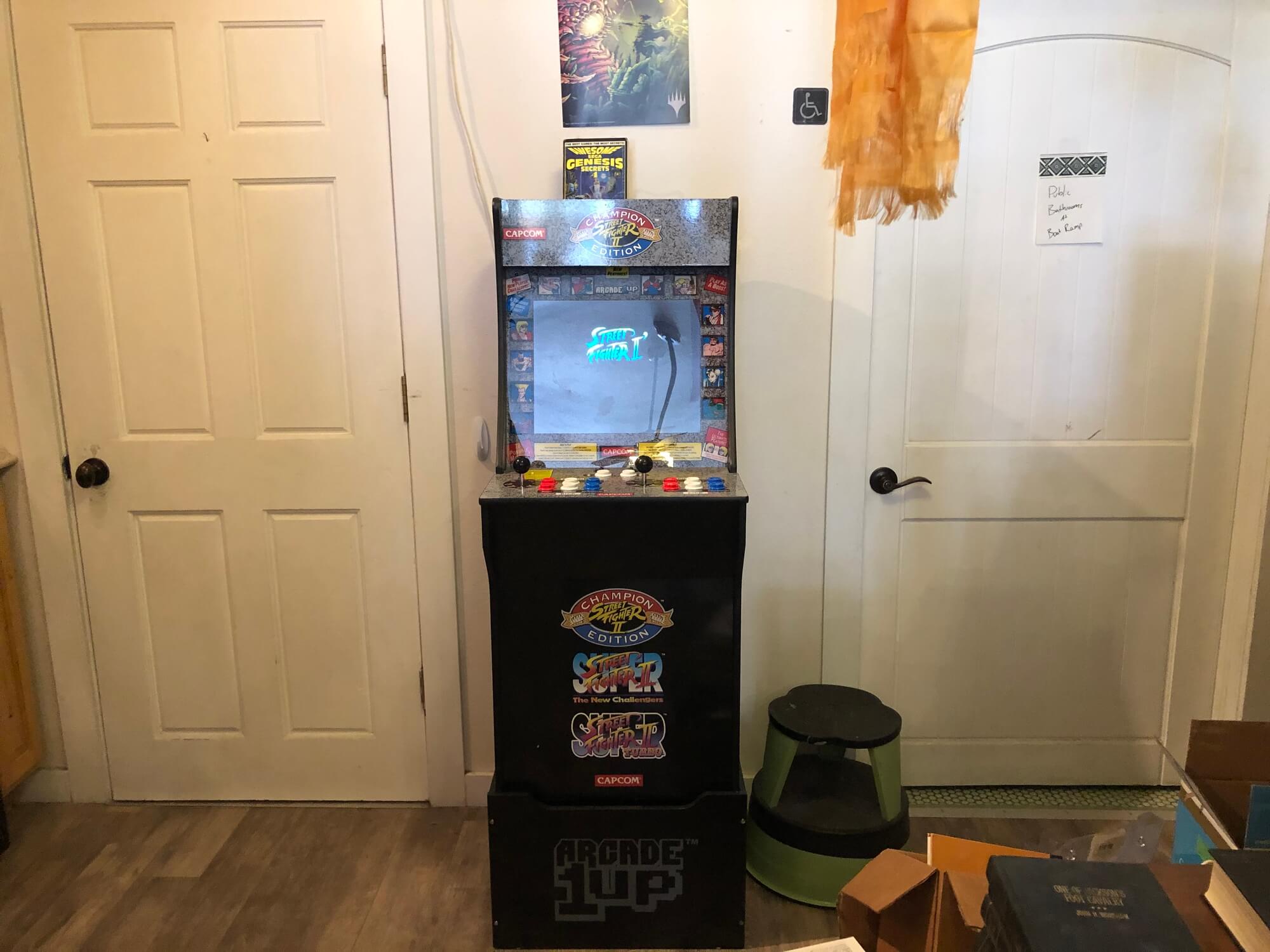
Capcom’s 1991 fighting game turned arcades into competitive arenas, with a line of quarters stacked on the cabinet’s edge signaling a challenger waiting to take on the current champion. Losing meant an immediate walk back to the change machine.
Centipede
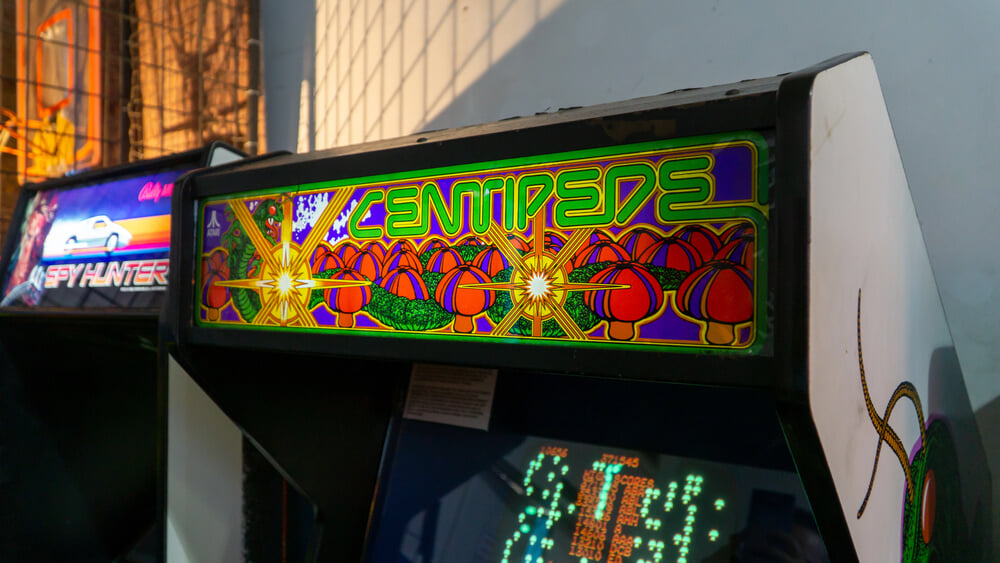
Atari’s 1981 shooter buried players under a constantly mutating swarm of segmented enemies and spiders, moving fast enough that a single moment of hesitation usually ended the round.
Asteroids
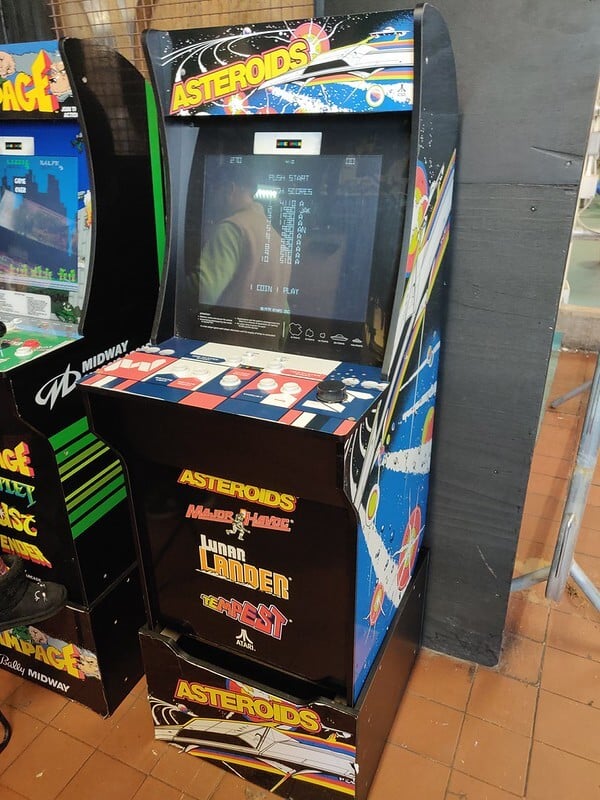
Navigating a fragile ship through an increasingly crowded field of rock fragments demanded near-constant attention from its 1979 release onward, and the game’s momentum-based controls made even careful players prone to sudden, quarter-costing collisions.
Frogger
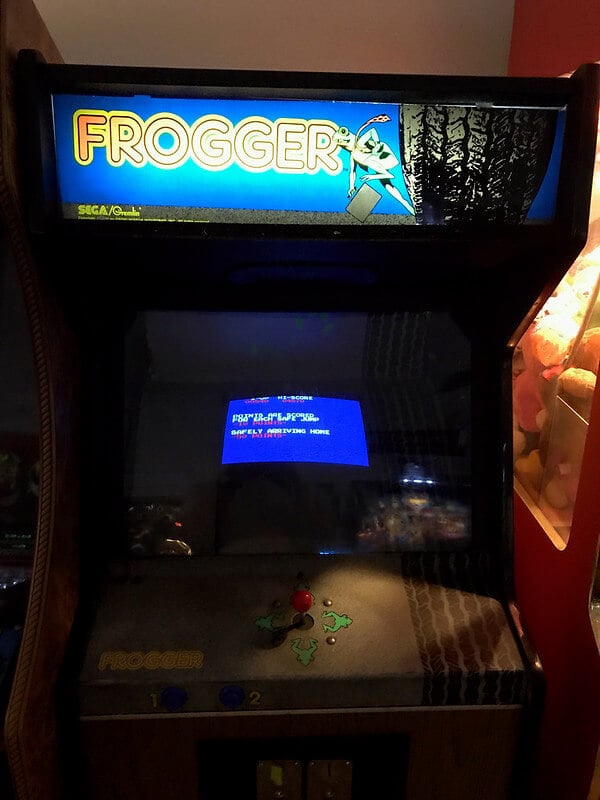
Guiding a small amphibian across a busy road and a river full of moving logs looked simple on the surface, but the 1981 release punished even brief lapses in timing with an instant and often frustrating loss.
Defender
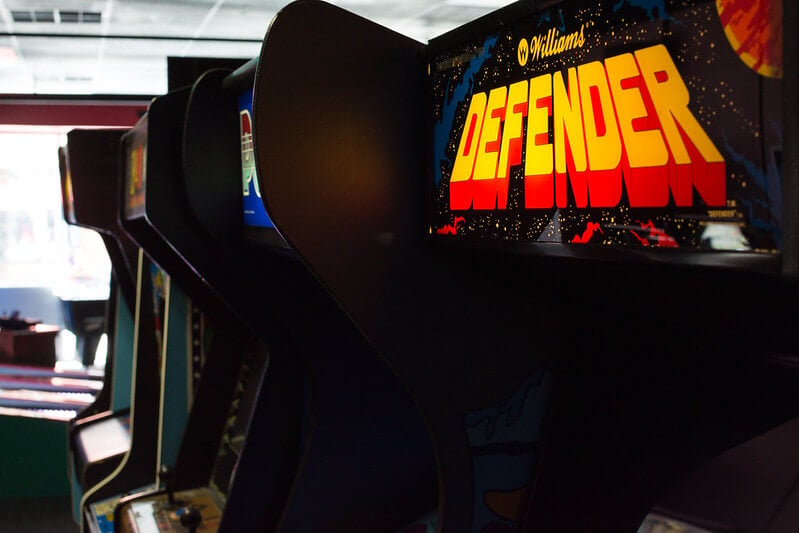
Widely regarded as one of the hardest arcade games ever released, this 1981 shooter demanded players track multiple threats across a scrolling battlefield using a control scheme that took most players several attempts just to understand.
Dig Dug
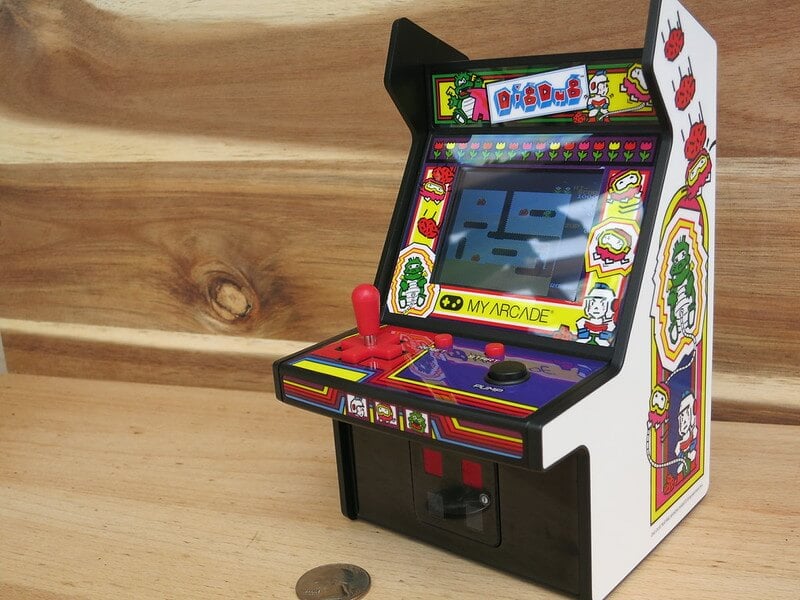
Tunneling underground to inflate or crush enemies sounded straightforward, but Namco’s 1982 release ramped up enemy aggression quickly enough that careless players rarely made it past the first several screens.
Mortal Kombat
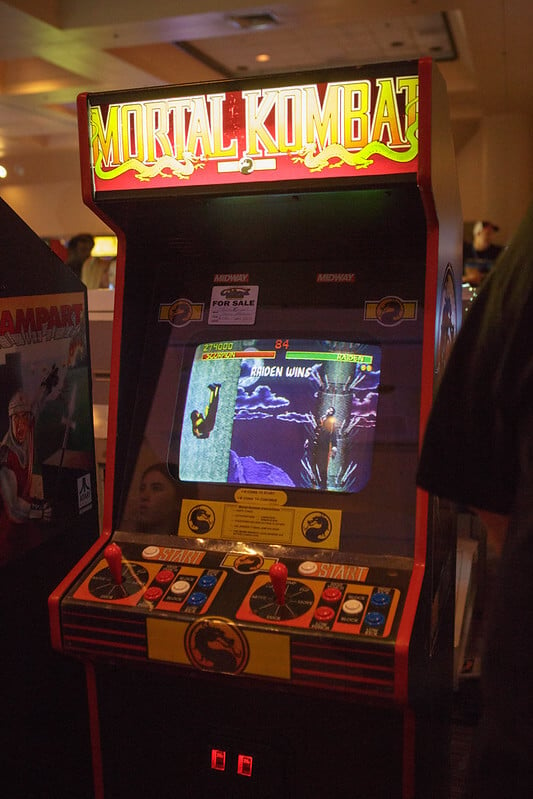
Midway’s 1992 fighting game became infamous for its graphic finishing moves, but its difficulty against the computer-controlled opponents was just as responsible for draining wallets across the country.
Space Invaders
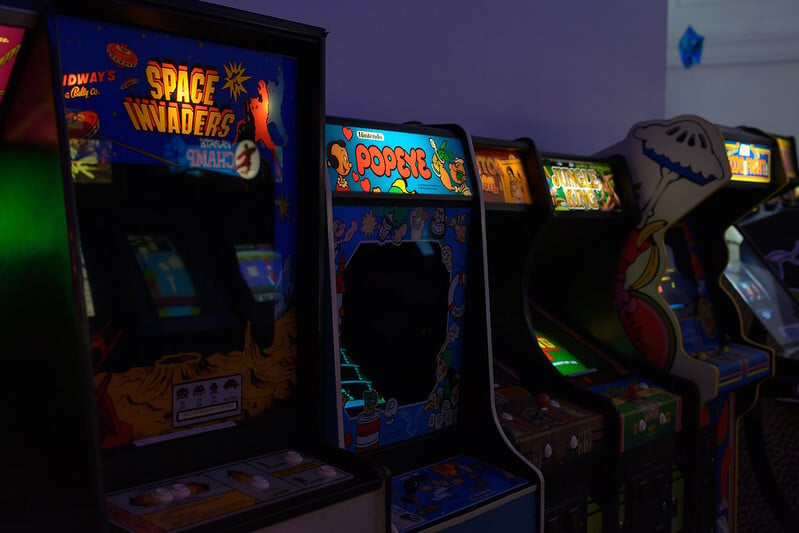
One of the earliest and most influential shooting games, this 1978 release from Taito is often credited with the very concept of the high score chase, its steadily descending alien formation growing faster and more threatening the longer a round lasted.
Q*bert
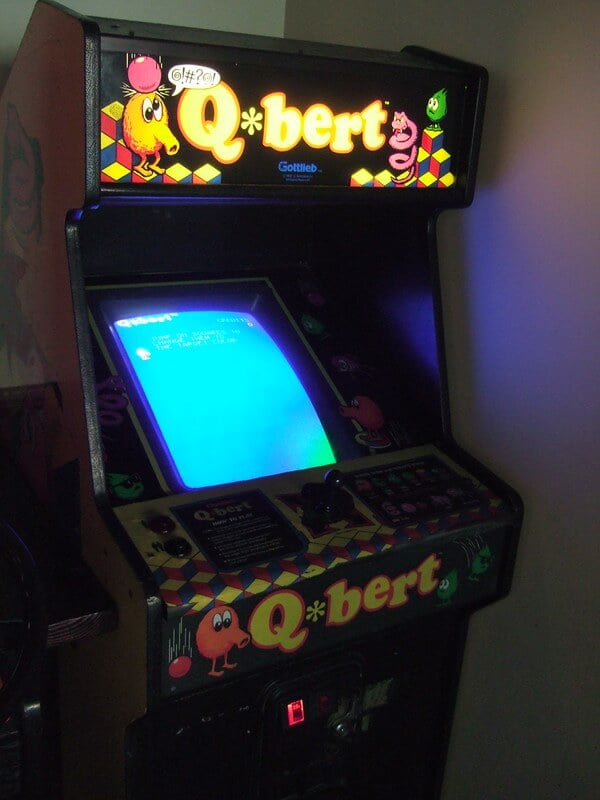
Hopping across an isometric pyramid of cubes while avoiding a growing cast of enemies proved far trickier than its cartoonish 1982 presentation suggested, with diagonal movement controls that tripped up even experienced players.
Tempest
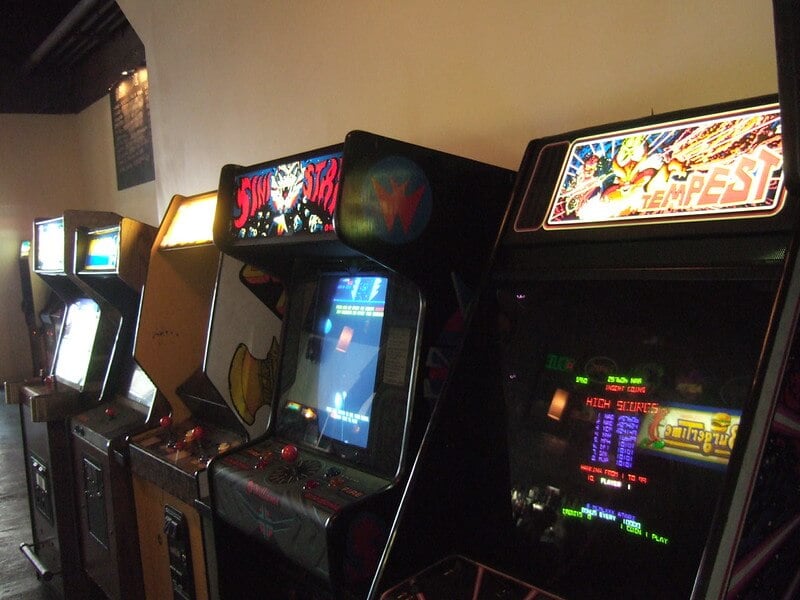
Atari’s 1981 shooter placed players at the edge of an abstract, tube-shaped playing field, firing at enemies climbing toward them from the center. Its unusual rotary controller took real practice to master, and mastery came at a real cost in coins.
Joust
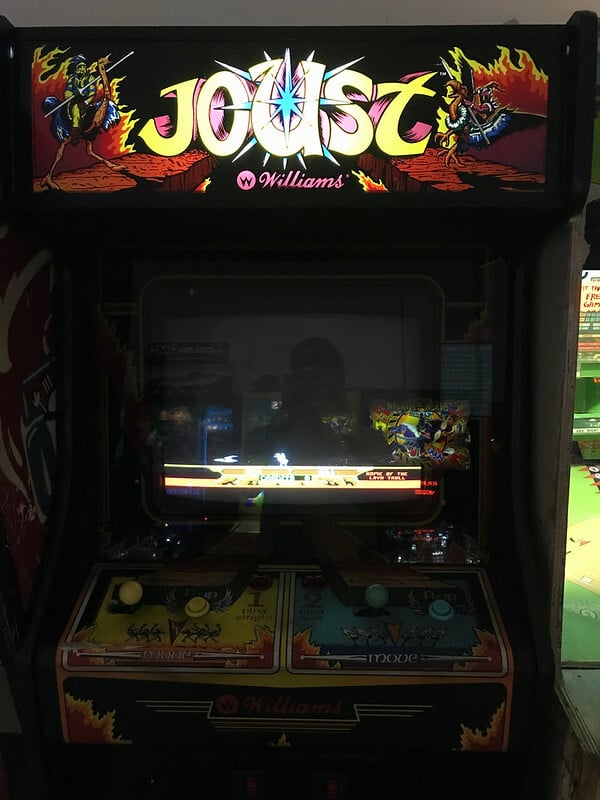
Riding an ostrich into aerial combat against enemies riding buzzards, this 1982 Williams release demanded precise flapping control that took most players far longer to learn than a single quarter’s worth of playtime allowed.
Gauntlet
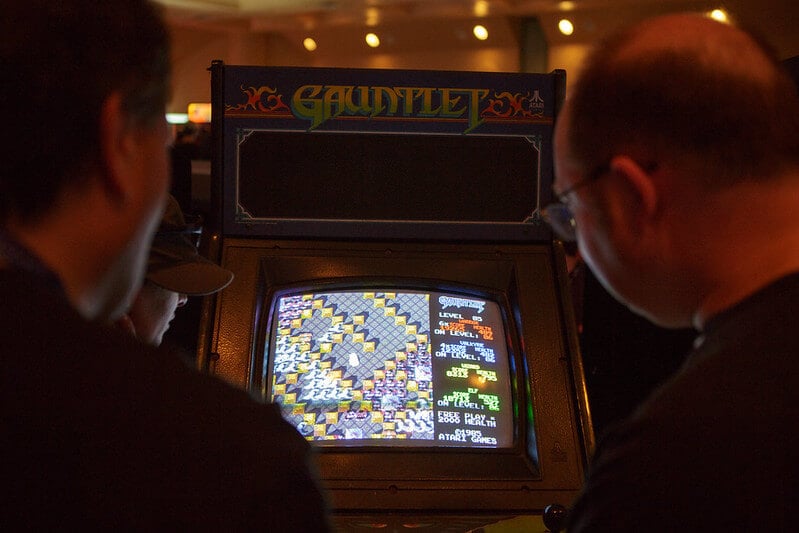
Atari’s 1985 cooperative dungeon crawler let up to four players battle through waves of enemies at once, but its constantly draining health system meant a full party could burn through a genuinely alarming amount of change in a single session.
Punch-Out!!
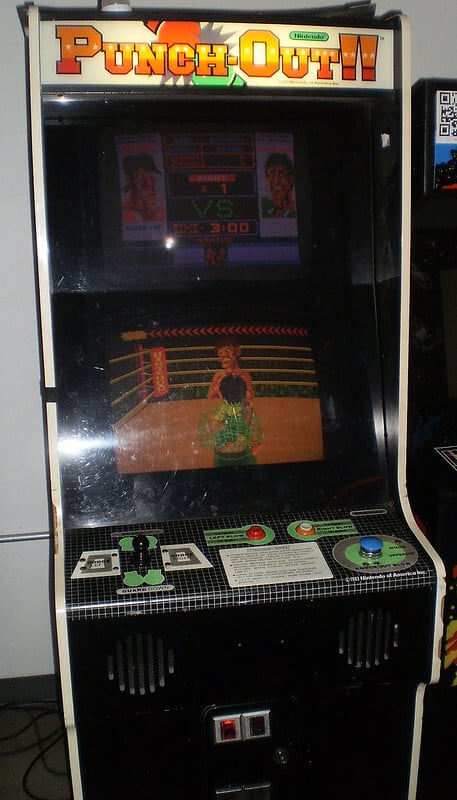
Nintendo’s 1984 boxing game required memorizing each opponent’s specific attack patterns, and the escalating cast of increasingly absurd fighters meant even players who had beaten earlier rounds could find themselves stuck for weeks on a single opponent.
Rampage
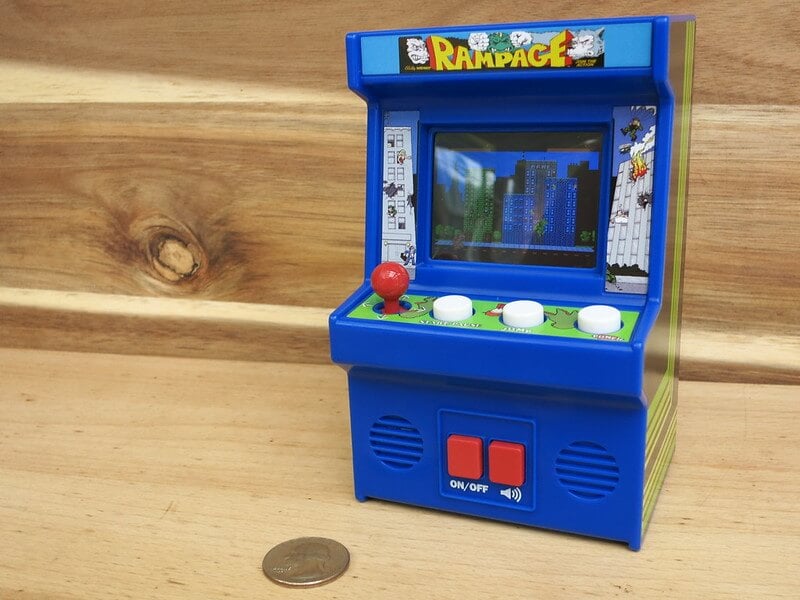
Playing as a giant monster smashing through city buildings sounded like an easy power fantasy, but Midway’s 1986 release ramped up enemy fire and building collapse damage fast enough to keep players feeding the machine.
Golden Axe
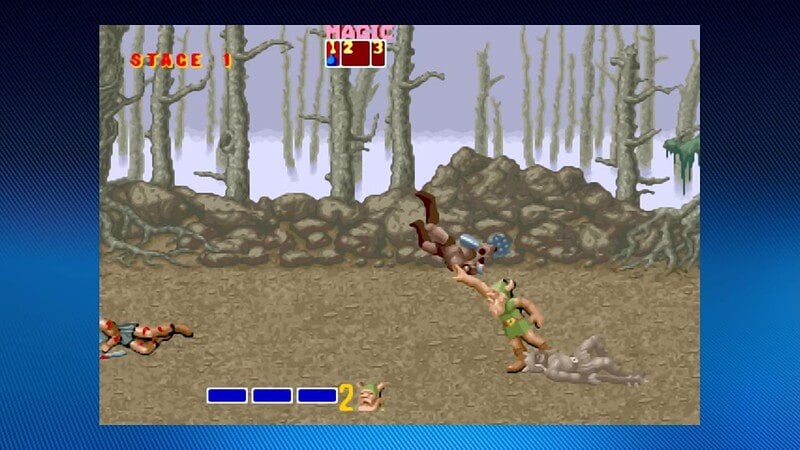
Sega’s 1989 side-scrolling brawler let players hack through waves of enemies with swords and magic, but its later stages threw enough enemies onscreen simultaneously that solo players rarely made it to the final boss without help.
Double Dragon
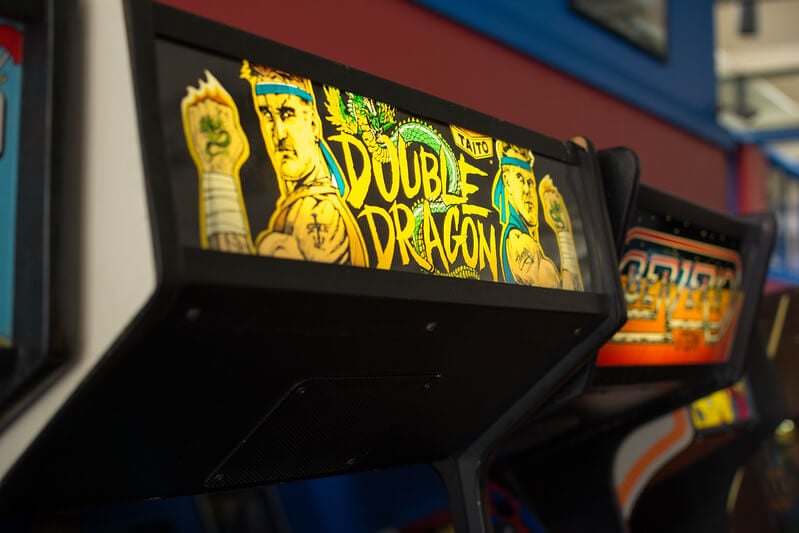
Technos Japan’s 1987 brawler is widely credited with popularizing the entire genre of side-scrolling fighting games, and its steep difficulty in the later stages made cooperative play less a preference than a near necessity.
Ms. Pac-Man
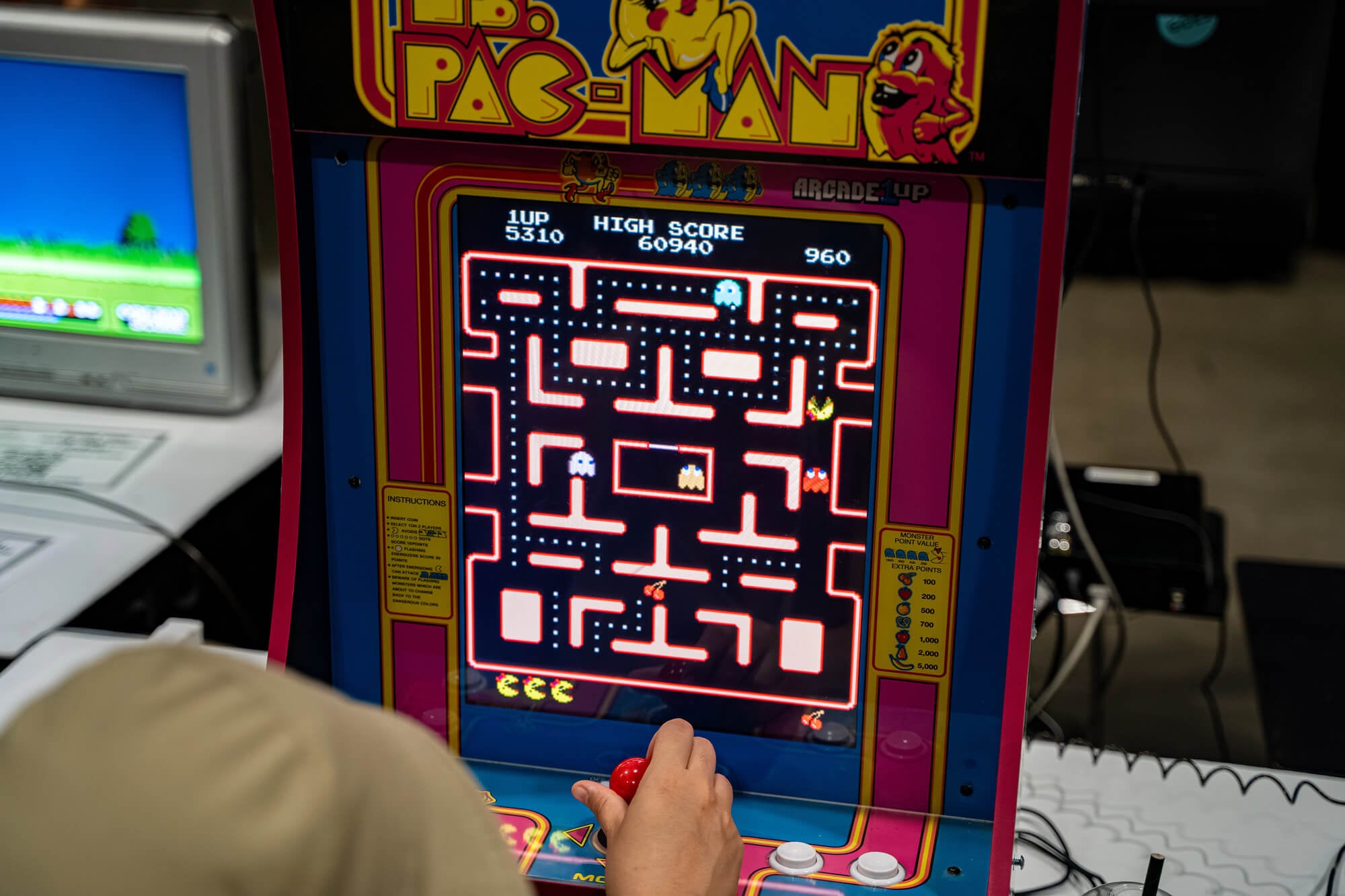
An unofficial sequel that quickly outsold the original, this 1982 release added moving fruit and multiple maze layouts that kept the chase unpredictable enough to drain quarters even from players who had mastered the first game.
Galaxian
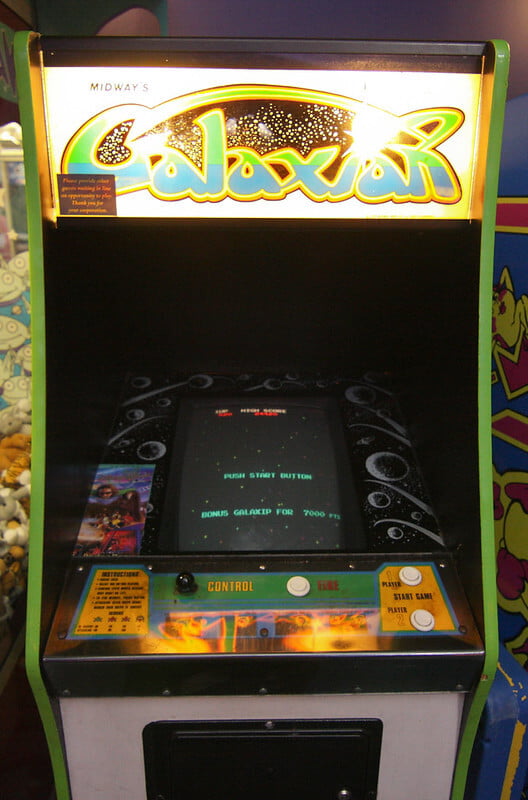
Namco’s 1979 release predated and directly inspired Galaga, sending individual enemies diving at the player’s ship in unpredictable patterns that made memorization far less useful than in earlier fixed-formation shooters.
Missile Command
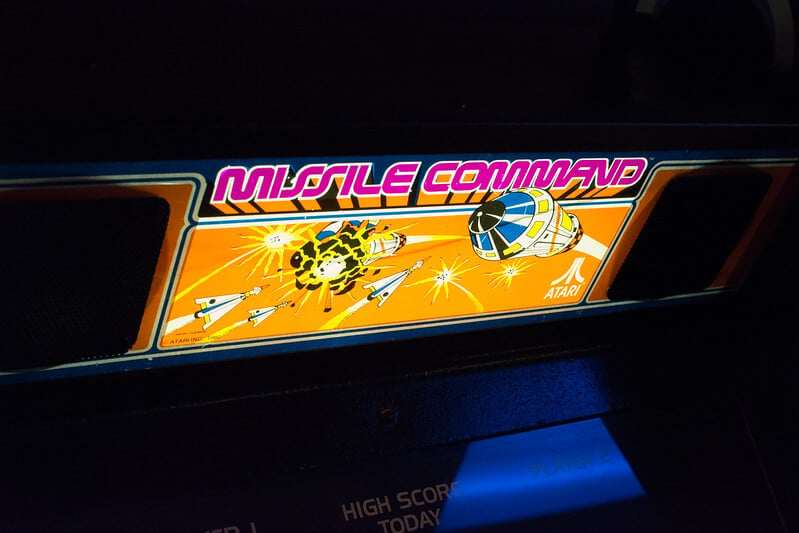
Defending six cities from a constant rain of descending missiles this 1980 Atari release became infamous for a difficulty curve that technically had no ceiling, ensuring no player ever truly finished it.
Berzerk
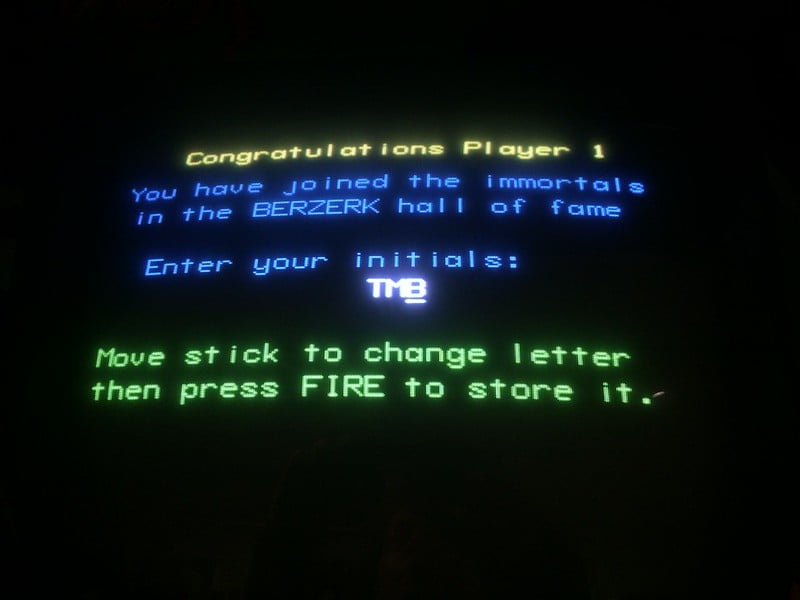
Navigating a maze of electrified walls while robots opened fire from every direction, this 1980 release added a synthesized voice taunting the player, which made losing feel personal in a way few other cabinets of the era managed.
Robotron: 2084
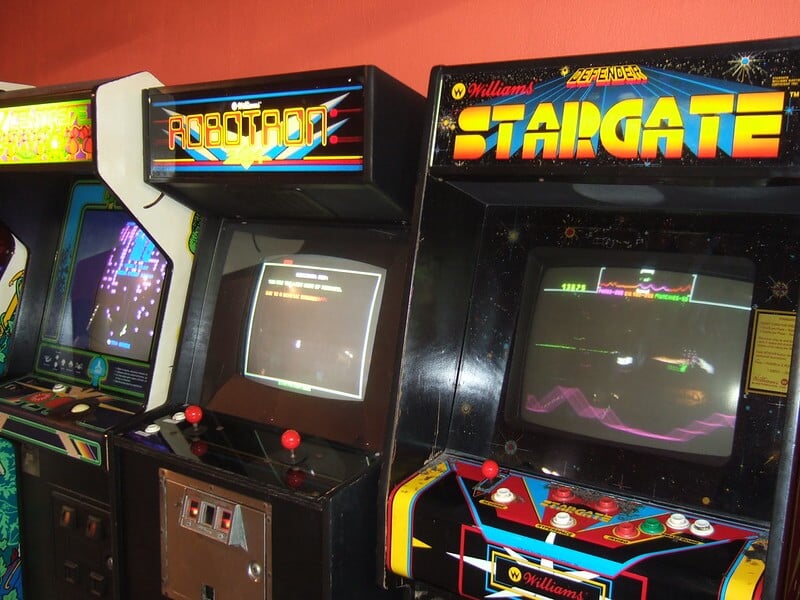
Williams’ 1982 dual-stick shooter demanded independent control of movement and firing direction simultaneously, a scheme so demanding that even skilled players from other shooting games often needed several sessions just to adjust.
Paperboy
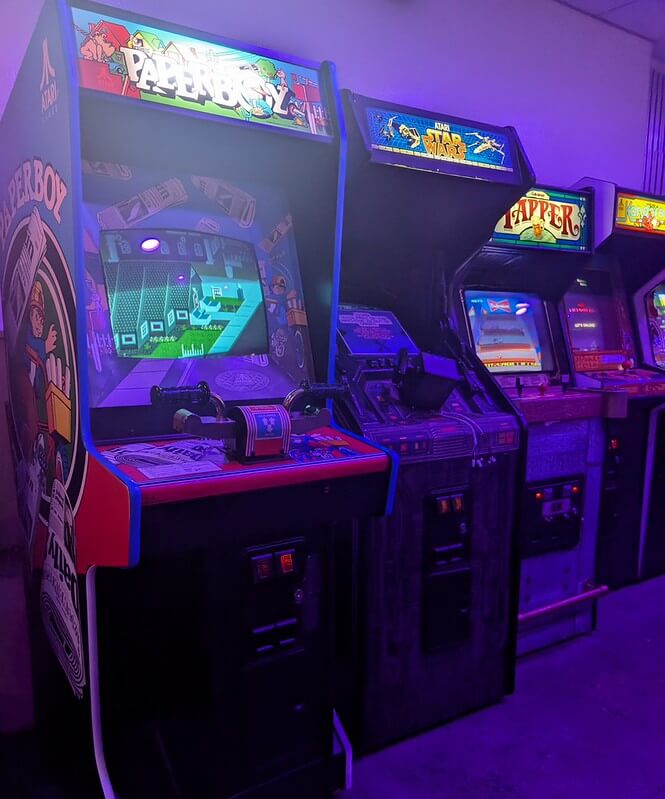
Delivering newspapers along a suburban street while dodging obstacles and vandalizing subscribers’ lawns for missed deliveries, this 1984 Atari release punished sloppy steering with a swift and often comical crash.
Spy Hunter
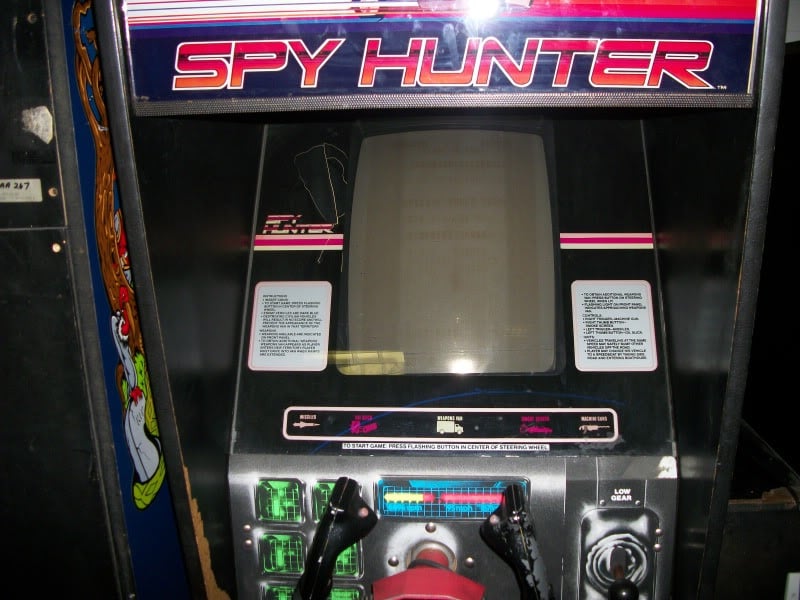
Midway’s 1983 driving game armed a modified sports car with weapons and required constant lane changes to dodge enemy vehicles, and its unforgiving crash penalties meant careless drivers rarely got far on a single credit.
Root Beer Tapper
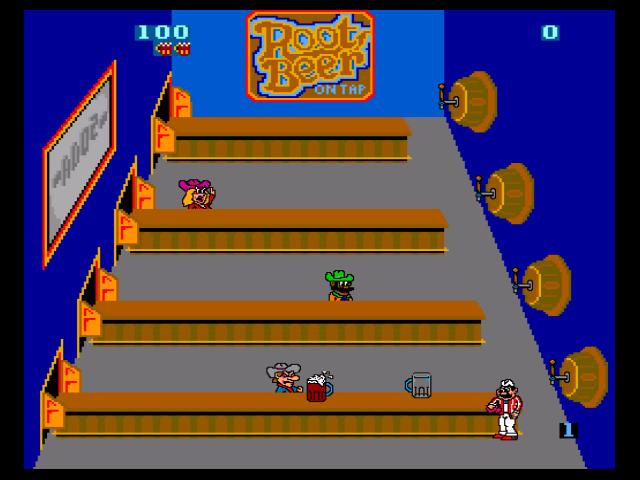
Serving a bar full of increasingly impatient customers by sliding mugs down the counter with precise timing, this 1983 release from Midway punished a single dropped mug with an immediate loss of a life.
NBA Jam
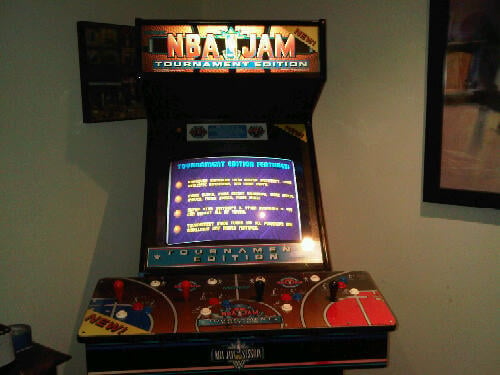
Midway’s 1993 two-on-two arcade sports game became infamous for its exaggerated dunks and its computer-controlled opponents, who grew noticeably more aggressive the moment a player began winning, encouraging a steady stream of extra credits.
Metal Slug
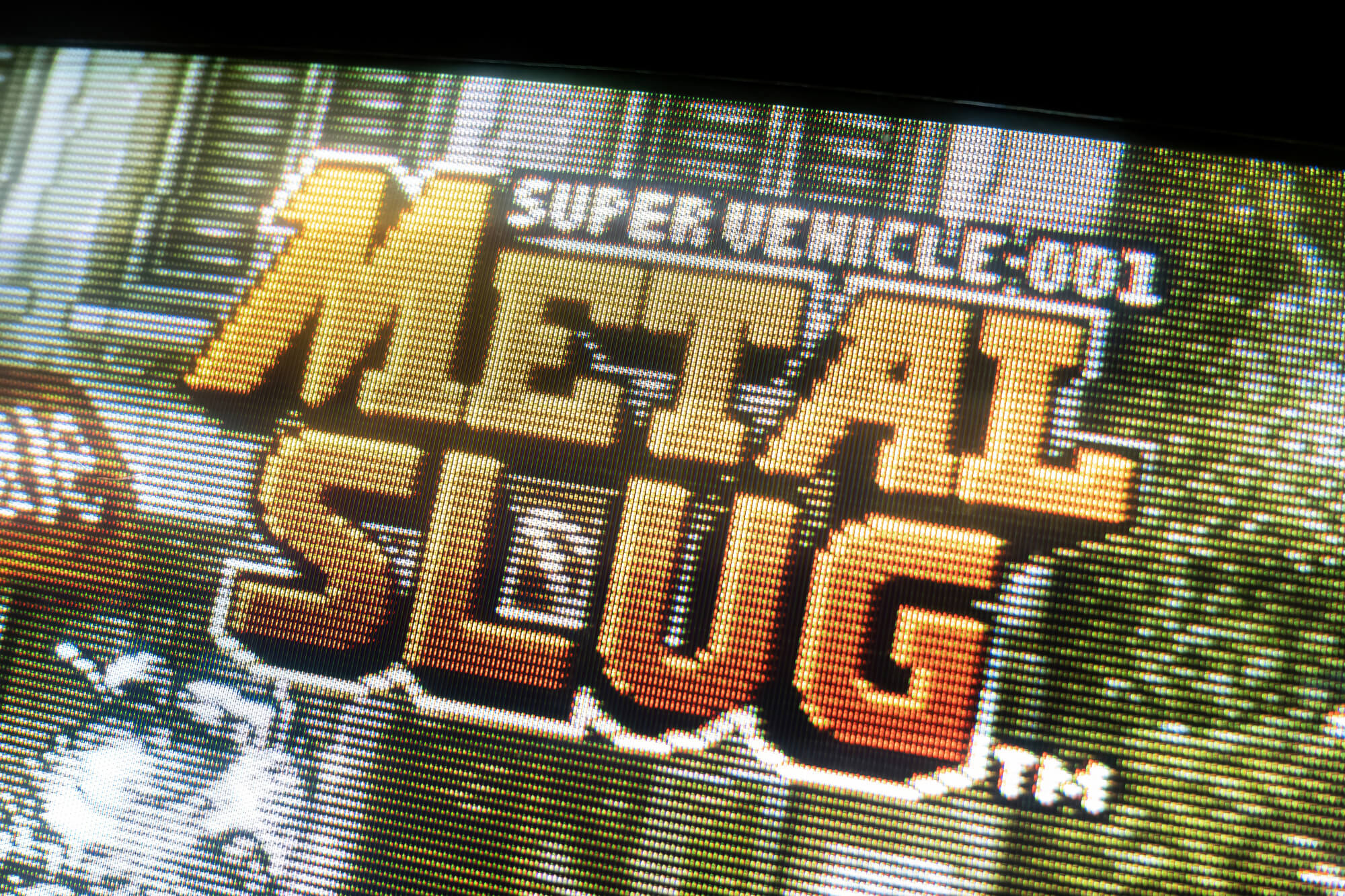
SNK’s 1996 run-and-gun shooter combined detailed animation with relentless enemy waves and instant-death hazards, earning a reputation among arcade regulars as one of the most coin-hungry cabinets of the following decade.
Teenage Mutant Ninja Turtles
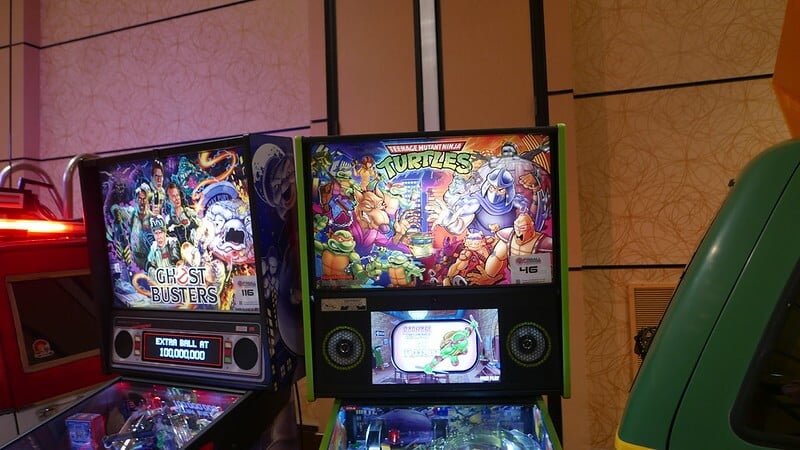
Konami’s 1989 beat-em-up let up to four players fight through waves of enemies as the popular cartoon heroes, and its steep difficulty in later stages made a group of friends splitting the cost of extra credits a common sight.
The Machine Always Won
Every cabinet on this list was engineered by people who understood exactly how much frustration a player would tolerate before reaching for another coin, and the difficulty curves reflect that calculation more than any pure design philosophy. A game that felt genuinely fair rarely stayed profitable for long.
That tension between challenge and revenue produced some of the most memorable design in the medium’s history, even if it emptied a lot of pockets along the way. The arcades themselves have mostly closed, but the specific muscle memory of a last-second dodge, learned entirely through repeated failure, has never really gone away.
More from Go2Tutors!

- The Romanov Crown Jewels and Their Tragic Fate
- 13 Historical Mysteries That Science Still Can’t Solve
- Famous Hoaxes That Fooled the World for Years
- 15 Child Stars with Tragic Adult Lives
- 16 Famous Jewelry Pieces in History
Like Go2Tutors’s content? Follow us on MSN.