13 Famous Painters With Strange Habits
Artists have always been a little different from the rest of us, but some painters took eccentricity to a whole new level. These creative geniuses didn’t just think outside the box—they lived there too.
From eating their art supplies to keeping wild animals as pets, famous painters throughout history have had some pretty bizarre habits that would make most people scratch their heads. Some of these quirks actually helped their art, while others were just plain weird. Here is a list of 13 famous painters whose strange habits became almost as legendary as their masterpieces.
Vincent van Gogh
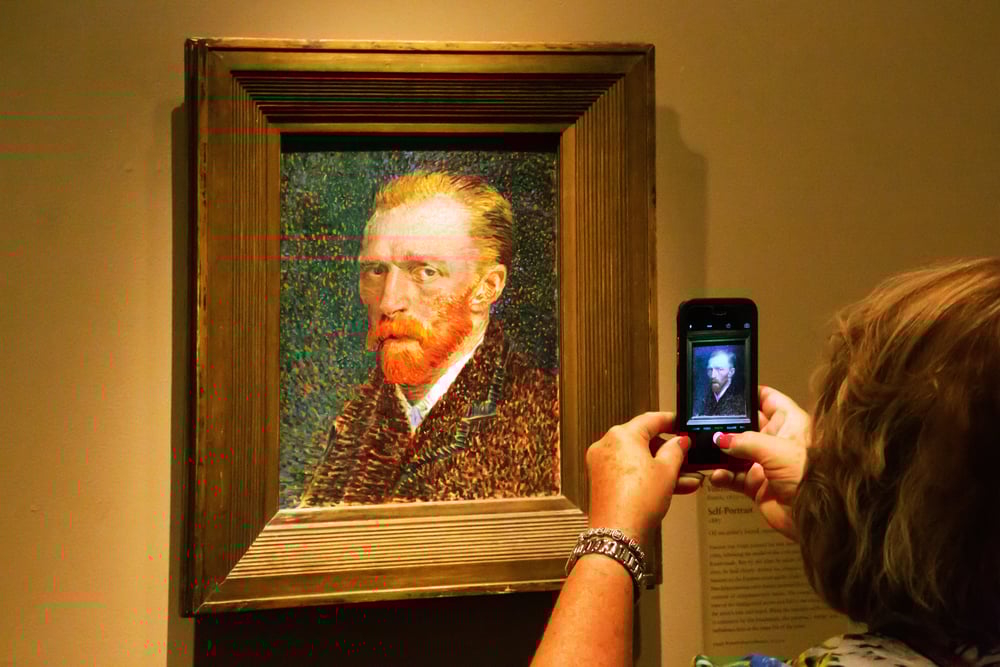
Van Gogh didn’t just paint with yellow—he apparently ate it too. The tortured Dutch artist had a habit of consuming his paint, particularly the yellow pigments that contained toxic lead.
His letters mention the taste of his paints, and some historians think this habit might have contributed to his mental health problems. He also had a thing for cutting off body parts, starting with part of his ear after a breakdown in 1888.
Salvador Dalí

Dalí turned weirdness into an art form itself. He once gave a lecture while wearing a diving suit and nearly suffocated on stage.
The Spanish surrealist also had a pet ocelot that he’d take to restaurants and claimed was just a regular house cat painted with special spots. His mustache was waxed into those famous upward curves every single day, and he believed it was an antenna for his creativity.
Like Go2Tutors’s content? Follow us on MSN.
Jackson Pollock
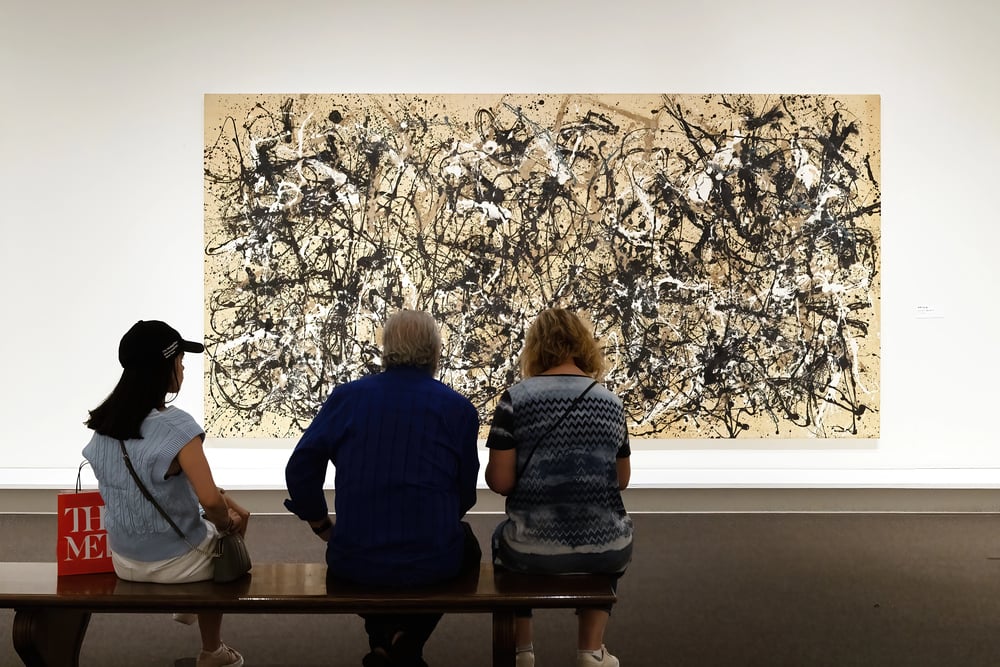
Pollock’s drip painting technique wasn’t just about the final artwork—it was a full-body experience. He’d dance around his canvases on the floor, flinging paint in rhythmic movements while constantly puffing on his pipe.
His studio floor was covered in layers of dried paint several inches thick from years of his splatter sessions. He also painted to jazz music, saying the rhythm helped him find the right flow for his paint drops.
Andy Warhol

The pop art king was obsessed with time capsules, but not the kind you bury in the ground. Warhol would sweep everything on his desk into a cardboard box once a month—letters, photos, receipts, random junk—seal it up, and store it.
He created over 600 of these boxes during his lifetime. He also wore the same silver wig every day and owned dozens of identical copies in case something happened to his current one.
Georgia O’Keeffe

O’Keeffe collected bones like other people collect stamps. She’d wander the New Mexico desert looking for sun-bleached animal remains to bring back to her studio.
These weren’t just reference materials—she’d arrange them around her home like decorations and paint them obsessively. She also refused to own a car until she was well into her 70s, preferring to walk everywhere or bum rides from friends.
Like Go2Tutors’s content? Follow us on MSN.
Pablo Picasso

Picasso never threw anything away, ever. His studios were legendary disaster zones filled with decades of accumulated junk, old paintings, and random objects.
He believed that everything he touched became art, so discarding anything felt like destroying potential masterpieces. He also had a superstition about finishing paintings on Sundays, thinking it would bring bad luck to complete artwork on that day.
Caravaggio
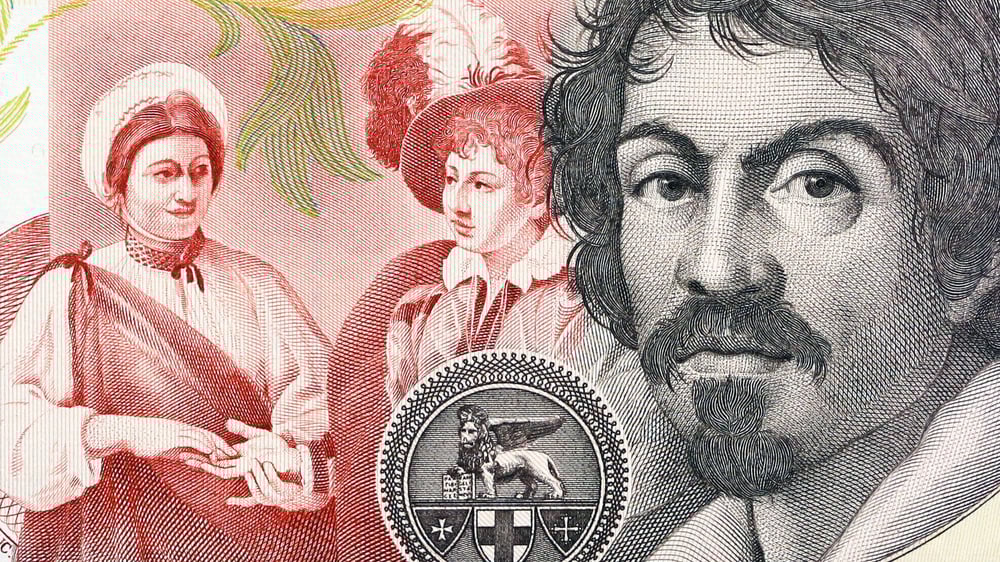
This Italian master had a violent streak that got him into constant trouble with the law. Caravaggio would get into street fights, threaten people with swords, and once killed a man during a tennis match argument.
He painted some of his religious scenes using prostitutes and street people as models, which scandalized the church. Despite creating some of the most beautiful religious art ever made, he spent his last years running from murder charges.
Frida Kahlo

Kahlo kept a collection of pre-Columbian artifacts in her bedroom and talked to them like they were friends. She also had a pet monkey named Fulang-Chang who appears in several of her self-portraits.
The monkey would sit on her shoulder while she painted, and she treated it more like a child than a pet. Her bed was covered with mirrors on the ceiling so she could see herself from every angle while recovering from her many surgeries.
Like Go2Tutors’s content? Follow us on MSN.
Henri de Toulouse-Lautrec

Toulouse-Lautrec carried a hollow walking stick filled with absinthe so he could drink throughout the day without anyone noticing. The French artist was less than 5 feet tall due to a genetic condition, but he made up for his height with his larger-than-life personality.
He’d show up to parties dressed as a woman or wearing outrageous costumes just to get reactions. His studio doubled as a party space where he’d host wild gatherings that lasted for days.
Claude Monet

Monet was so obsessed with capturing perfect light that he’d paint the same subject dozens of times at different hours. He built a special studio boat so he could paint on the water and get closer to his reflections.
The French impressionist also planted his famous garden at Giverny specifically to have subjects to paint, spending almost as much time gardening as he did with his brush. He’d get up before dawn to catch the earliest morning light on his water lilies.
Edvard Munch
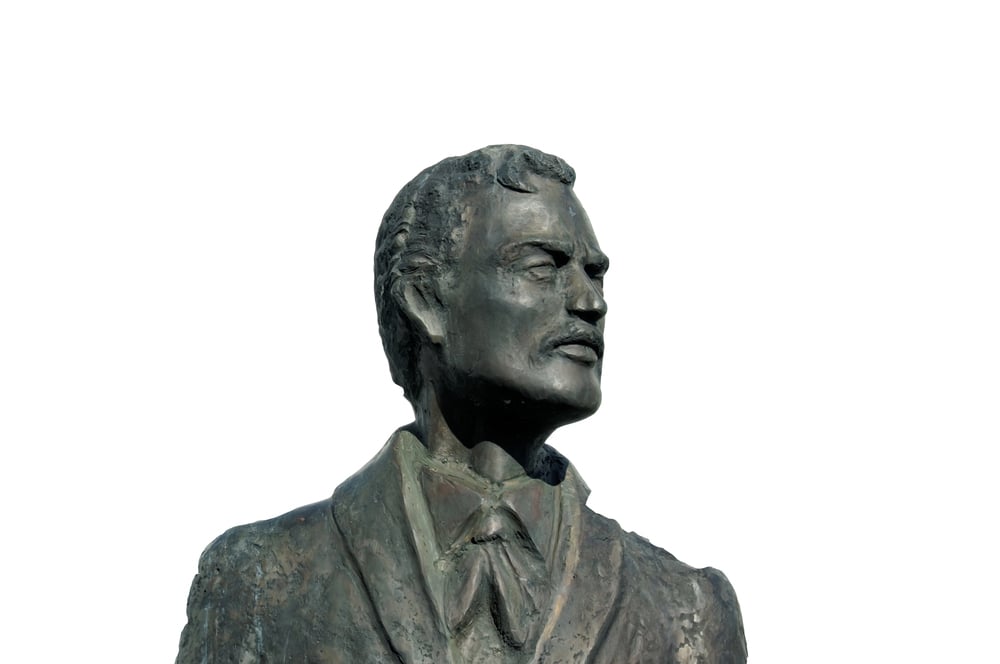
The Norwegian painter behind ‘The Scream’ talked to his paintings like they were living beings. Munch would leave his canvases outside in all kinds of weather, believing that rain, snow, and sun would add character to the artwork.
He called this process giving his paintings a ‘horse cure.’ He also kept detailed diaries about his mental state and would read them aloud to his paintings while he worked on them.
Like Go2Tutors’s content? Follow us on MSN.
Jean-Michel Basquiat

Basquiat painted while blasting music so loud that neighbors constantly complained to the police. The neo-expressionist artist would work on multiple paintings simultaneously, moving from canvas to canvas as inspiration struck.
He kept crown symbols in almost all his artwork and wore expensive suits while painting, ruining thousands of dollars worth of designer clothes with paint splatters. He also painted words and phrases directly onto his canvases, treating text as part of the visual composition.
Francis Bacon

Bacon’s London studio was so chaotic that when he died, the entire room was dismantled and reconstructed in a Dublin museum exactly as he left it. The floor was covered with paint tubes, torn photographs, and dust that hadn’t been cleaned in decades.
He painted on the unprimed back of canvases because he liked the rough texture, and he’d use anything as a brush—including his hands, rags, or sticks. He also destroyed paintings he didn’t like by slashing them with knives.
When Genius Meets Quirky

These painters prove that creativity and weirdness often go hand in hand. Whether they were eating their supplies, talking to their artwork, or turning their studios into disaster zones, these artists found ways to channel their eccentricities into masterpieces that still captivate us today.
Their strange habits weren’t just random quirks—they were part of what made their art so unique and powerful. Maybe being a little odd is actually a requirement for creating something truly extraordinary, and these artists had that covered in spades.
More from Go2Tutors!

- 16 Historical Figures Who Were Nothing Like You Think
- 12 Things Sold in the 80s That Are Now Illegal
- 15 VHS Tapes That Could Be Worth Thousands
- 17 Historical “What Ifs” That Would Have Changed Everything
- 18 TV Shows That Vanished Without a Finale
Like Go2Tutors’s content? Follow us on MSN.