25 Foods Rationed Within Living Memory
Somewhere right now, someone is standing in line with a ration book, because the idea that a grocery store simply has whatever you want, whenever you want it, is a much newer and more fragile arrangement than most people assume.
For long stretches of the twentieth century, and in some places still today, a government decided exactly how much sugar, meat, or cooking oil a family was allowed to buy.
Sugar in Britain
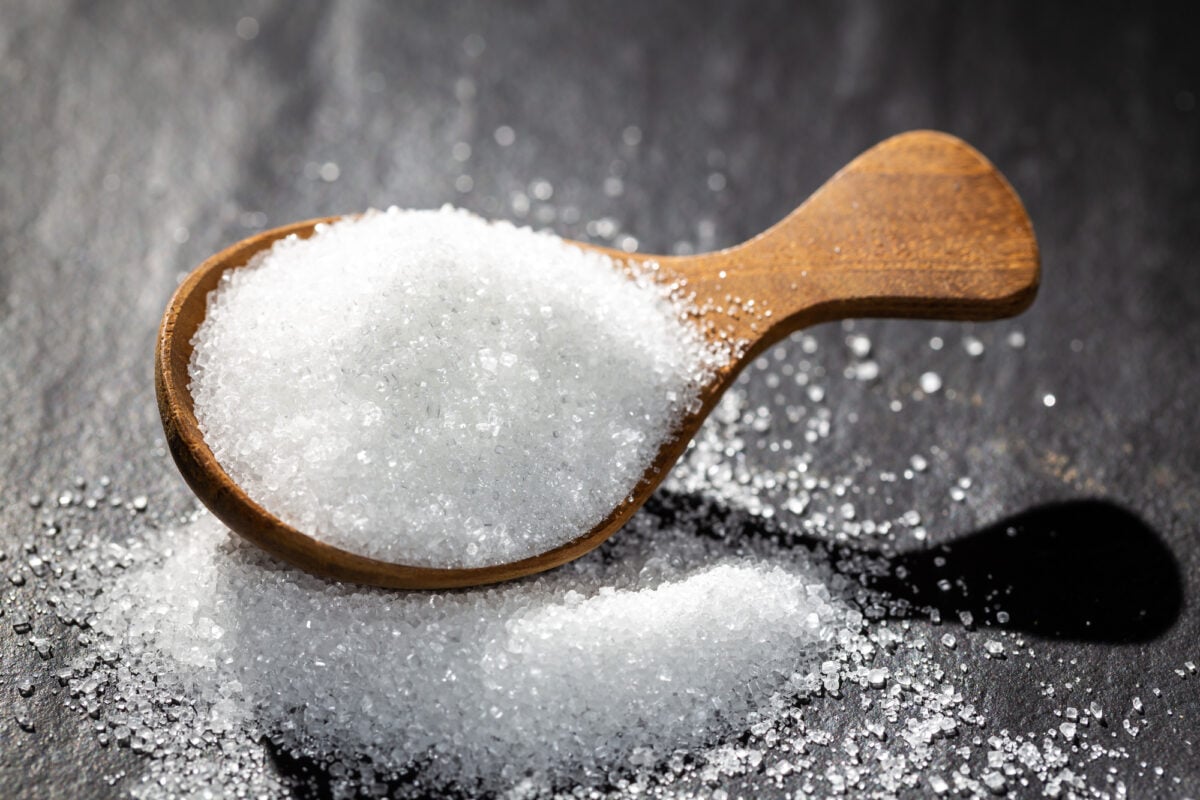
Sugar was the first item rationed in the United Kingdom, introduced in January 1940 at roughly 227 grams per person per week, and it did not come off the ration books until September 1953, eight years after the war it was meant to manage had ended.
Bakers, brewers, and jam-makers all competed for the same shrinking quota, which is why wartime British recipes lean so heavily on grated carrot and saccharin substitutes. Households kept their ration books as souvenirs for decades afterward, a reminder of just how long peacetime scarcity outlasted the war itself.
Meat in Britain
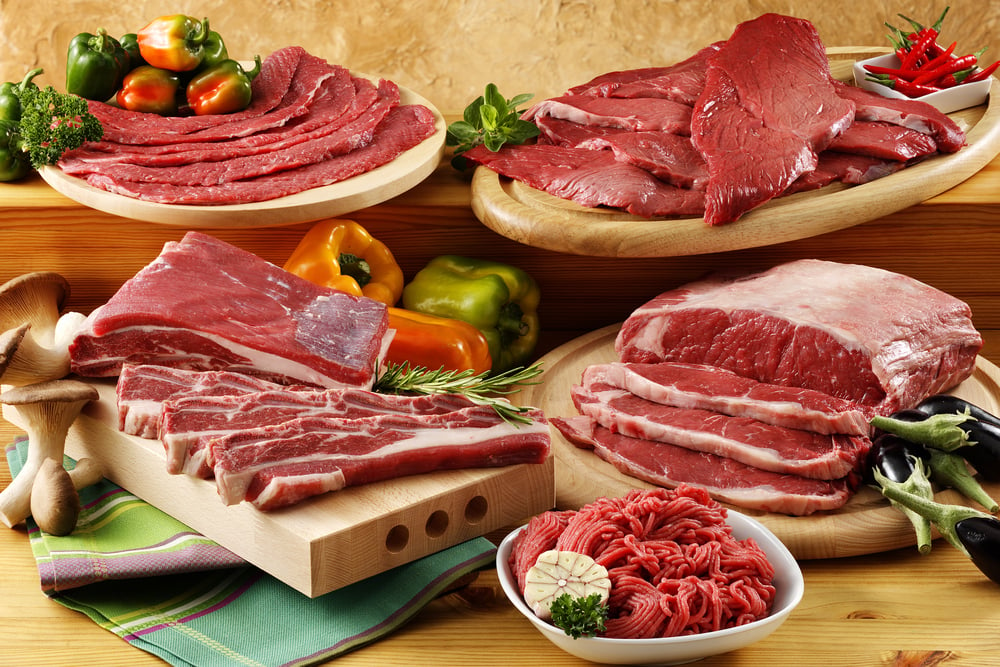
Meat rationing began in March 1940 and did not end until July 1954, making it the very last item to be freed from British wartime controls, nearly a full decade after victory in Europe. Rationing was measured by price rather than weight, which meant cheaper cuts like offal stretched further on a ration book than prime beef.
The end of meat rationing was treated as a genuine national event, with newspapers running celebratory front pages the week it lifted.
Sweets in Britain

Confectionery rationing in Britain lasted until February 1953, and its brief, disastrous suspension in April 1949 caused such a run on sweet shops that the government reimposed controls within weeks. When rationing finally ended for good, children reportedly queued outside shops before dawn, and one London sweet shop sold out of its entire stock within hours.
The Sugar Confectionery Association marked the occasion by giving a symbolic pound of sweets to Princess Anne, then not yet three years old.
Tea in Britain
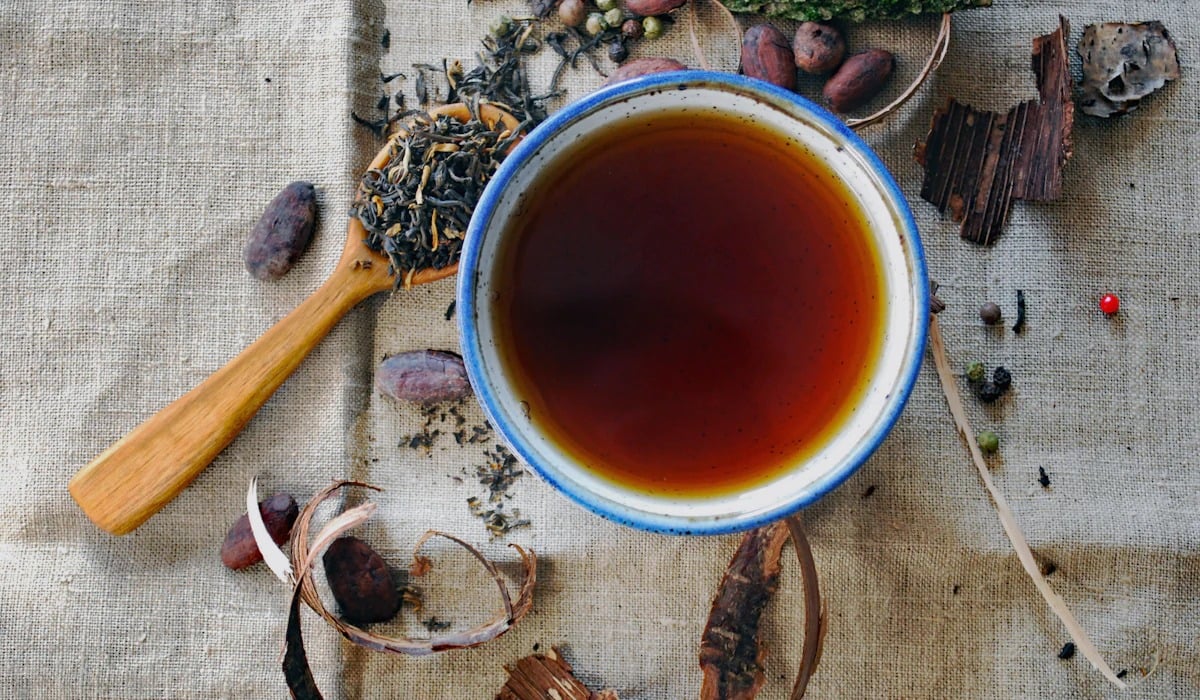
Tea was rationed to about 57 grams per person per week in Britain during the war, a restriction felt especially keenly in a country whose culture leaned on the drink for morale as much as caffeine.
Winston Churchill reportedly intervened personally to ensure soldiers on the front lines received extra tea allowances, arguing it mattered more for troop morale than almost any other supply. Tea rationing persisted until October 1952.
Eggs in Britain

Fresh eggs were rationed to as little as one per person every one to two weeks at the tightest points of the war, forcing British households toward dried, powdered eggs imported in bulk from the United States.
The powdered version became a defining, and widely mocked, taste of wartime cooking, showing up in everything from omelets to cakes. Fresh egg rationing did not end until March 1953.
Bread in Britain, After the War
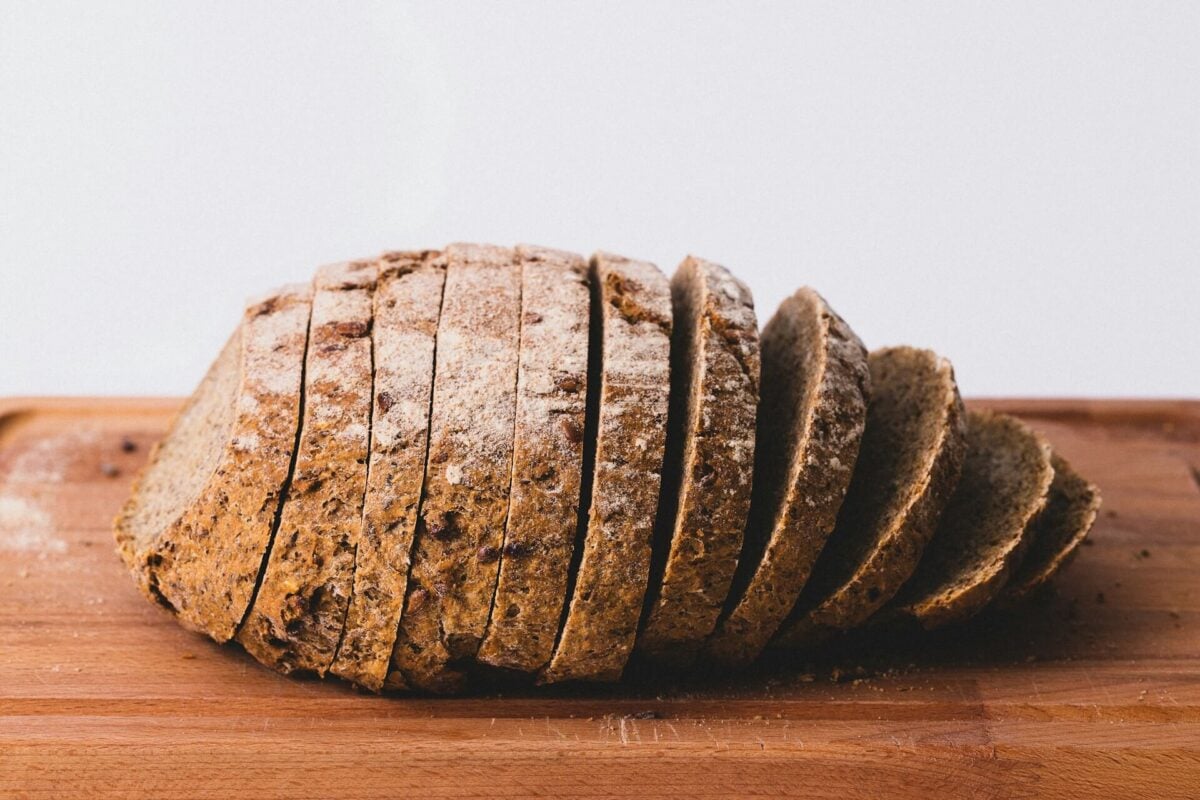
Counterintuitively, bread was never rationed in Britain during the Second World War itself, but it was rationed from July 1946 to July 1948, a full year after peace, because of a genuine global wheat shortage tied to poor harvests and postwar reconstruction demands elsewhere. The announcement caused public outrage precisely because people had assumed the hardest restrictions were already behind them.
It remains one of the more surprising details of British rationing history: the bread shortage was a peacetime problem, not a wartime one.
Bacon and Ham in Britain
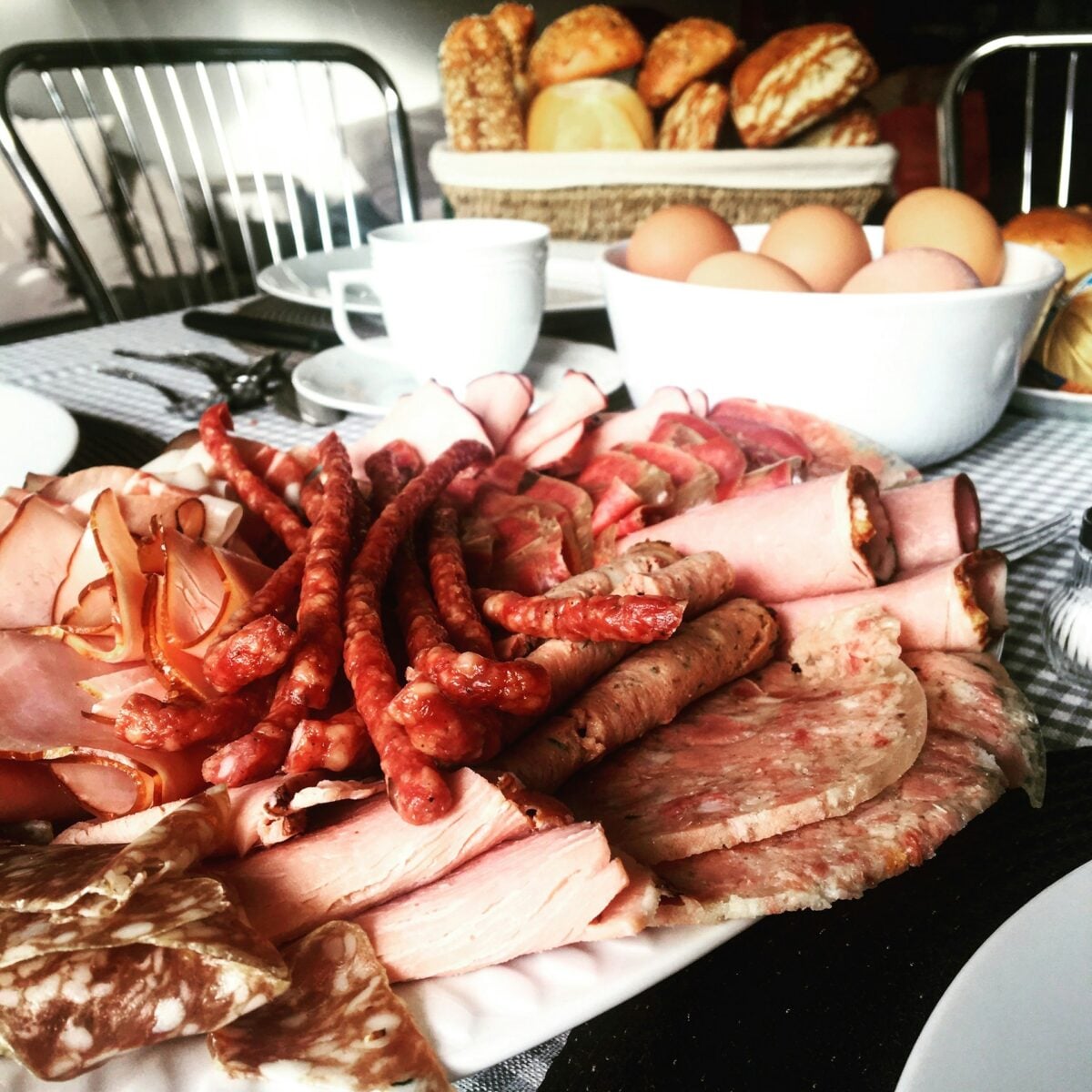
Bacon and ham were among the earliest items restricted in Britain, rationed from January 1940 alongside sugar, and among the last removed, not coming off ration books until July 1954. A typical wartime allowance hovered around 113 grams a week, enough for a few thin rashers, which is part of why the full English breakfast became something of a wistful national symbol rather than a daily reality for most of the 1940s.
Coffee in the United States
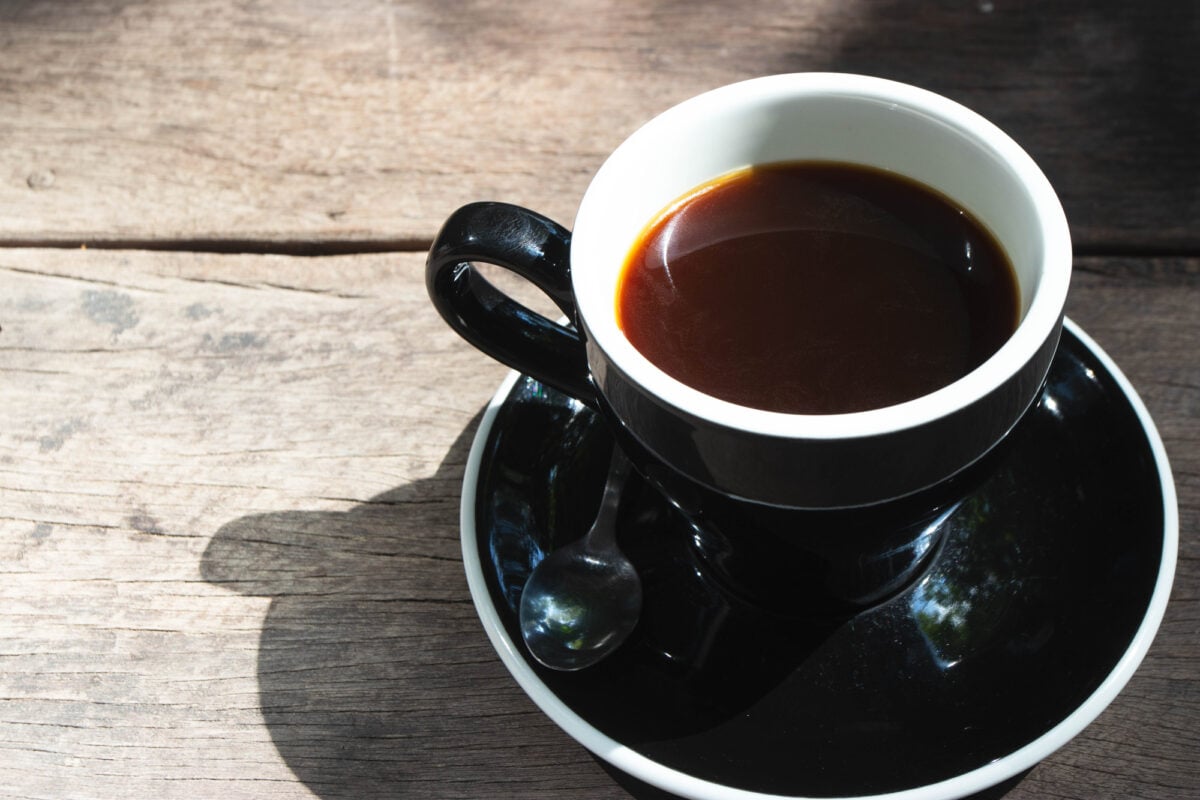
Coffee joined the American ration list in November 1942, restricted to about one pound every five weeks per adult, largely because shipping capacity that once carried coffee beans was redirected to military transport. The restriction ended relatively quickly, in July 1943, once shipping routes stabilized, making it one of the shorter-lived items on the American ration system.
Sugar in the United States
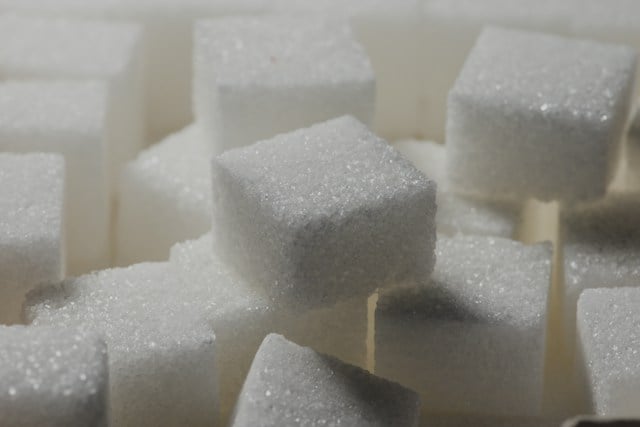
Sugar was the first commodity rationed in the United States, beginning in May 1942, and it was also among the last to be freed, not fully de-rationed until June 1947, nearly two years after Japan’s surrender. The Office of Price Administration issued families ration books with detachable stamps, and canning sugar for home preserves required a separate, additional allotment application.
Meat, Cheese, and Fats in the United States
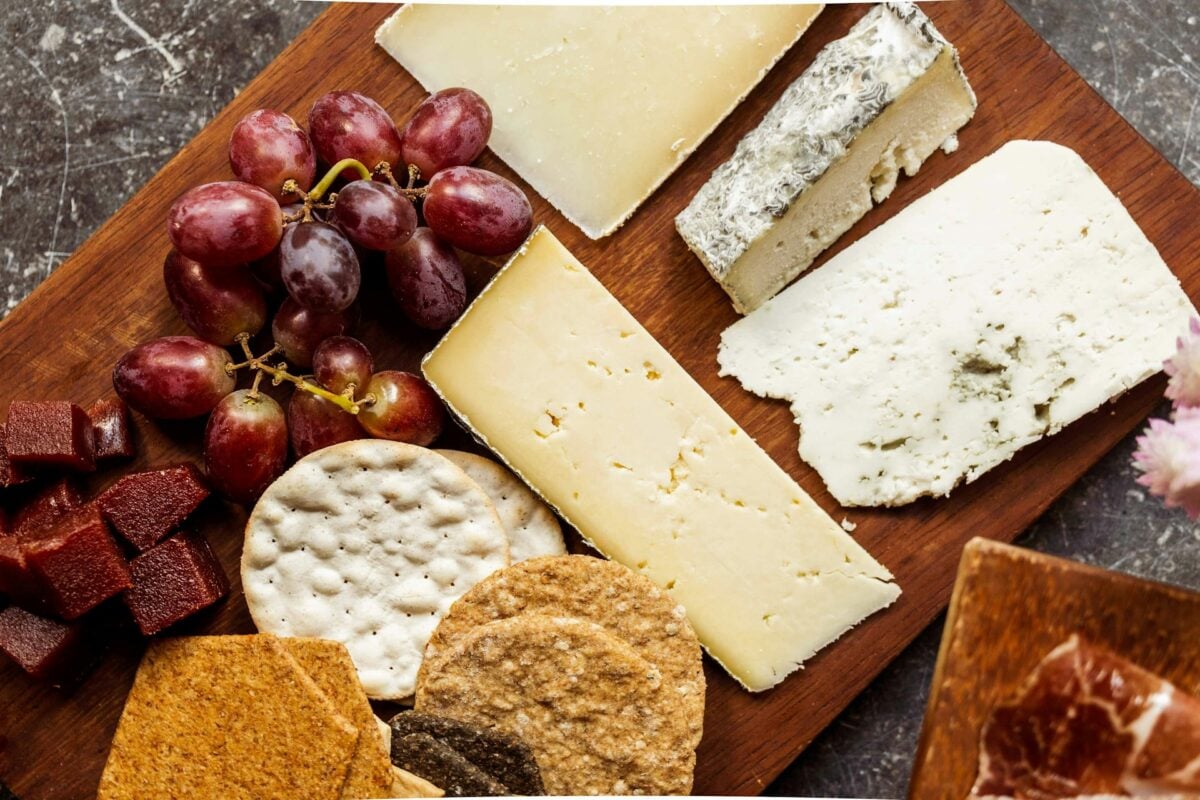
The American “red stamp” rationing system, introduced in 1943, covered meat, butter, and cheese together under a shared points economy, meaning a family had to choose between a roast and a block of cheese within the same weekly budget. War Ration Book Two, distributed to every American household, became one of the most recognizable pieces of paper of the era. The meat and fat program lasted until November 1945.
Canned Goods in the United States

A separate “blue stamp” system rationed canned and processed foods, including vegetables, fruit, and juices, starting in 1943, reflecting how much tin and processing capacity had been diverted to feeding overseas troops. Home canning surged as a direct workaround, and Victory Garden campaigns were explicitly promoted as a way to keep the family table stocked without touching either the red or blue stamp allotments.
Bread in Besieged Leningrad
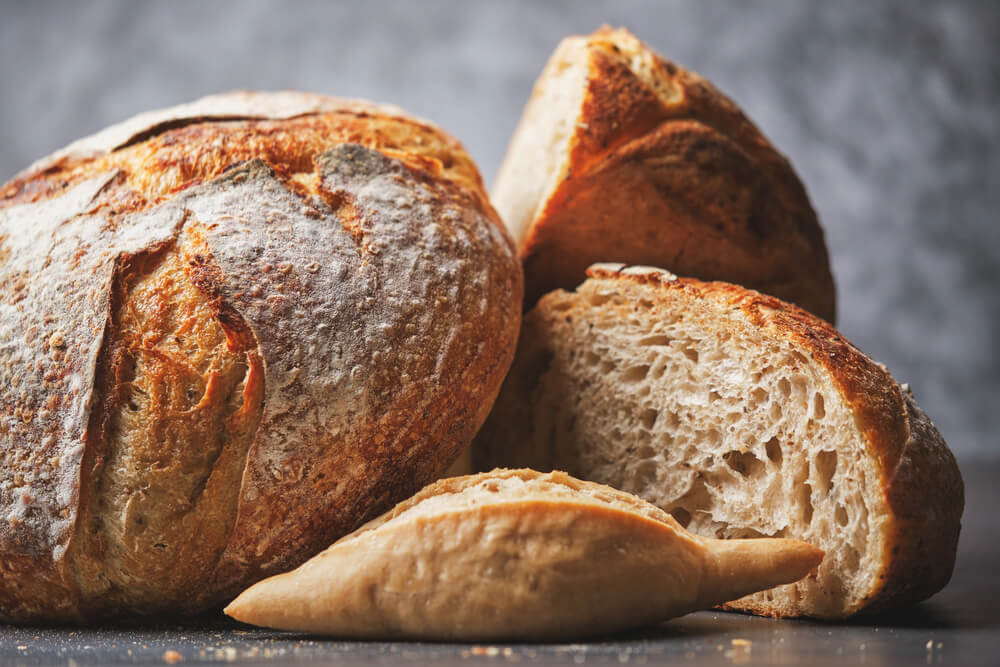
During the Siege of Leningrad, which lasted nearly 900 days from 1941 to 1944, the daily bread ration for ordinary civilians fell to as little as 125 grams at the winter of 1941’s worst point, roughly two thin slices, and the bread itself was bulked out with sawdust, cellulose, and other fillers to stretch scarce flour. Hundreds of thousands of residents died of starvation-related causes during the siege, making Leningrad’s bread ration one of the most severe rationing episodes ever documented anywhere.
National Grain Coupons in China
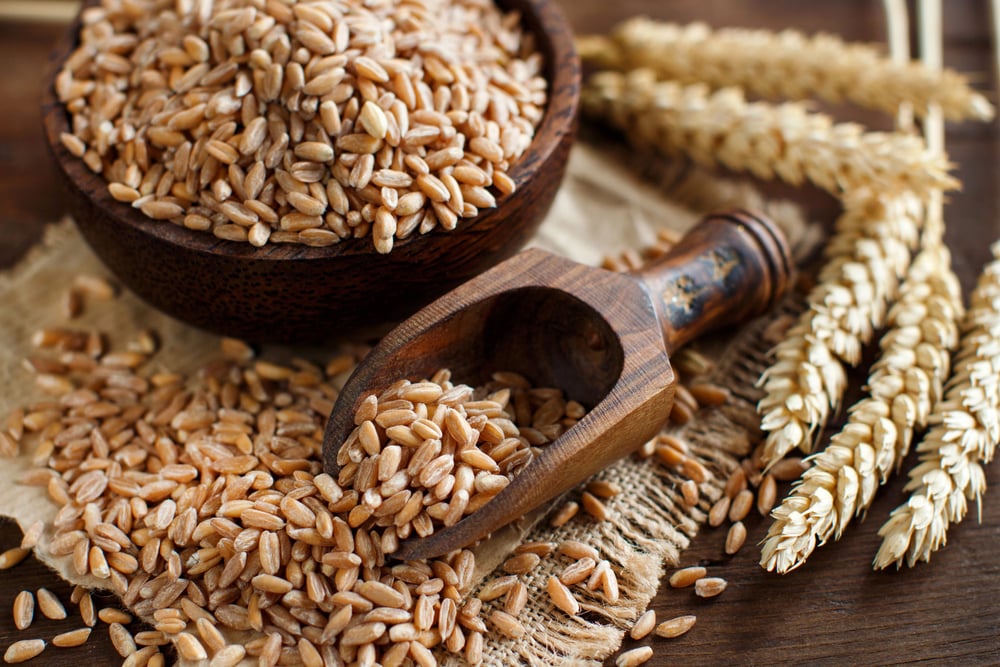
Starting in 1955, China introduced a nationwide grain coupon system, known as liangpiao, that controlled how much rice, wheat, and other staple grain a household could purchase, tied directly to a person’s registered residence and job classification. The coupons became a kind of secondary currency, traded and bartered even outside official channels, and the system remained in force for nearly four decades before being phased out in the early 1990s as market reforms took hold.
Cloth and Food Coupons During the Cultural Revolution
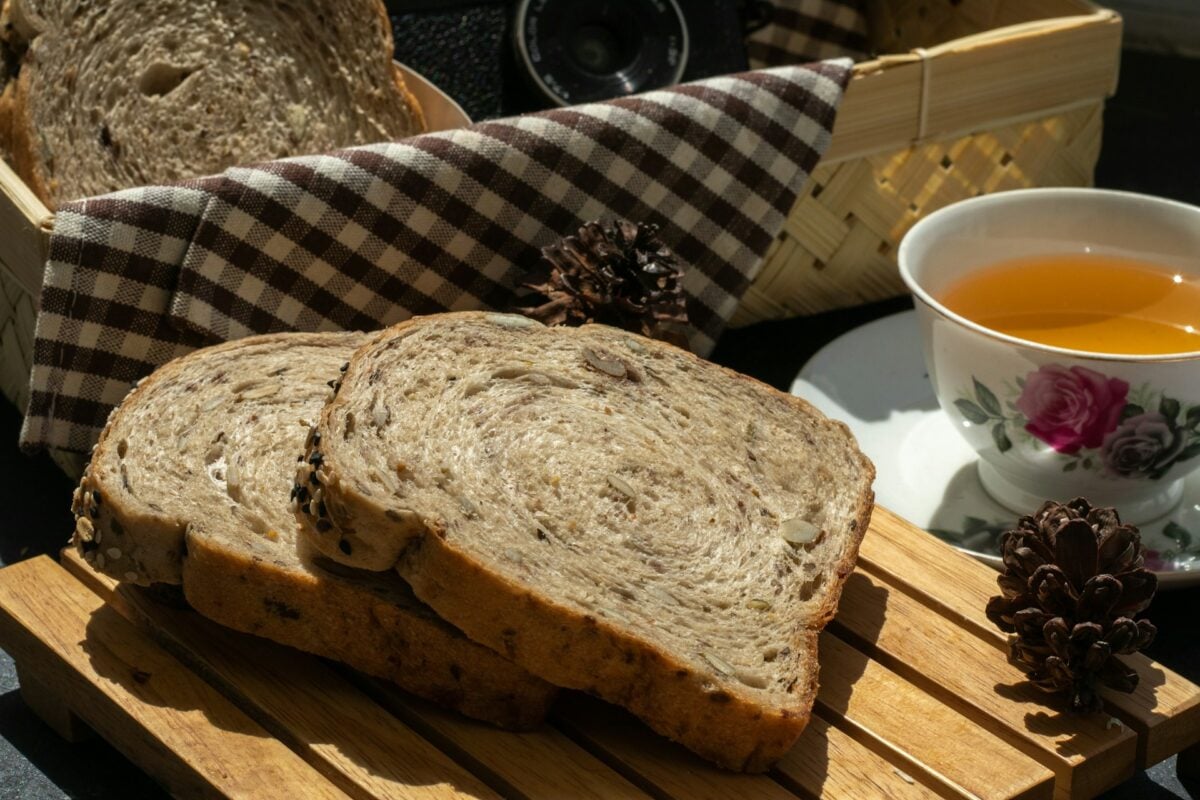
Beyond grain, Chinese households during the Cultural Revolution era relied on a broader web of ration coupons for cooking oil, meat, eggs, and sugar, each tracked on a separate booklet and often requiring both money and the correct coupon type to complete a purchase. Coupon allotments varied by region and occupation, so a factory worker in one province might receive a meaningfully different ration than a farmer in another, a disparity that fed lingering resentment for years after the coupons were retired.
Rice in Postwar Japan
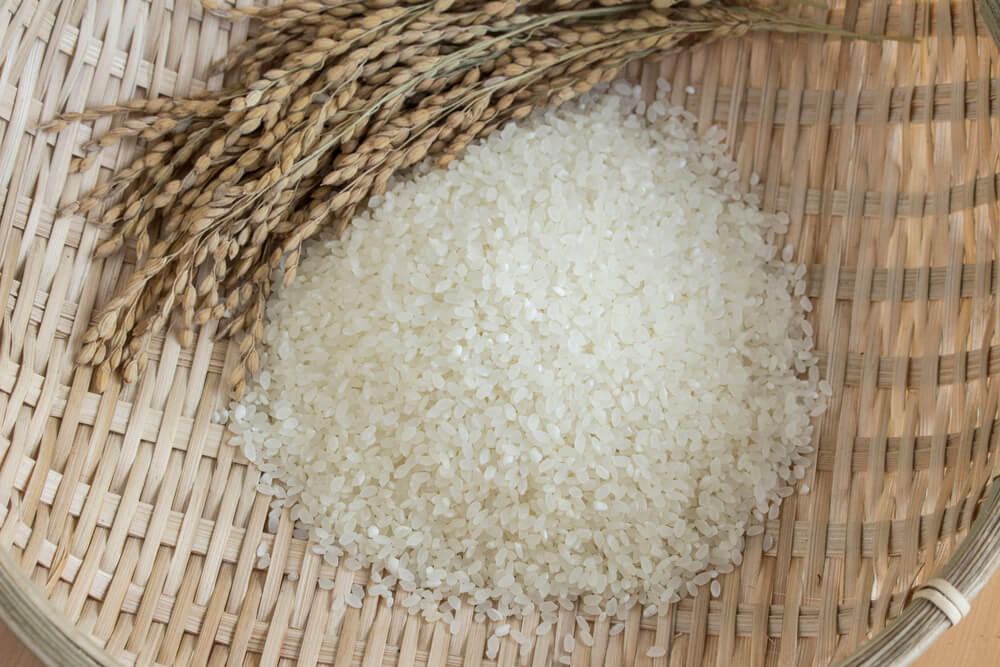
Japan’s Food Control Law kept rice rationed for years after the Second World War ended, and the shortage was severe enough that a Tokyo judge, Yoshitada Yamaguchi, refused on principle to buy rice on the black market because he was assigned to prosecute economic offenders who did exactly that. Weakened by malnutrition, he died in 1947 of tuberculosis at age 33, and his death became an internationally reported symbol of just how punishing legal rice rationing had become in occupied Japan.
Rice and Staples in North Korea
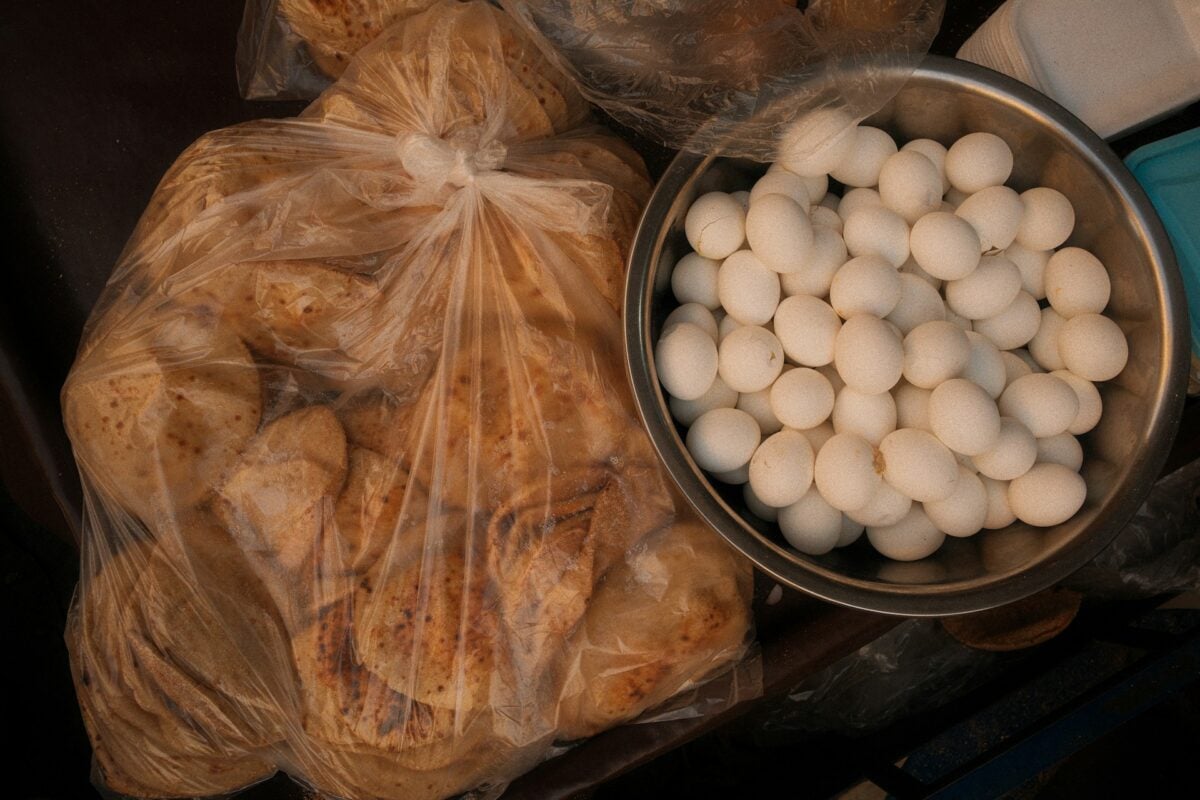
North Korea’s Public Distribution System, established in 1957, has controlled the supply of rice and other staples for the majority of the population for well over six decades, making it one of the longest continuously operating rationing programs in the world. Allocations have fluctuated dramatically depending on harvests and political circumstances, and the system’s near-total collapse during the famine of the 1990s, when outside food aid became essential, remains one of the starkest examples of state rationing failing the people it was meant to feed.
The Cuban Libreta
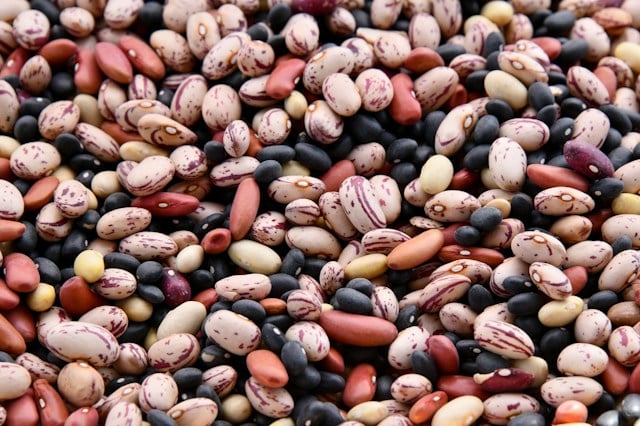
Cuba introduced its libreta de abastecimiento, or supply booklet, in 1962, and the ration book system remains in use today, more than six decades later, covering staples including rice, beans, sugar, and cooking oil at heavily subsidized prices. The monthly allotment has shrunk considerably over the decades and now covers only a portion of a typical family’s actual food needs, pushing most Cubans to supplement it through a separate, more expensive open market.
Coffee in Cuba
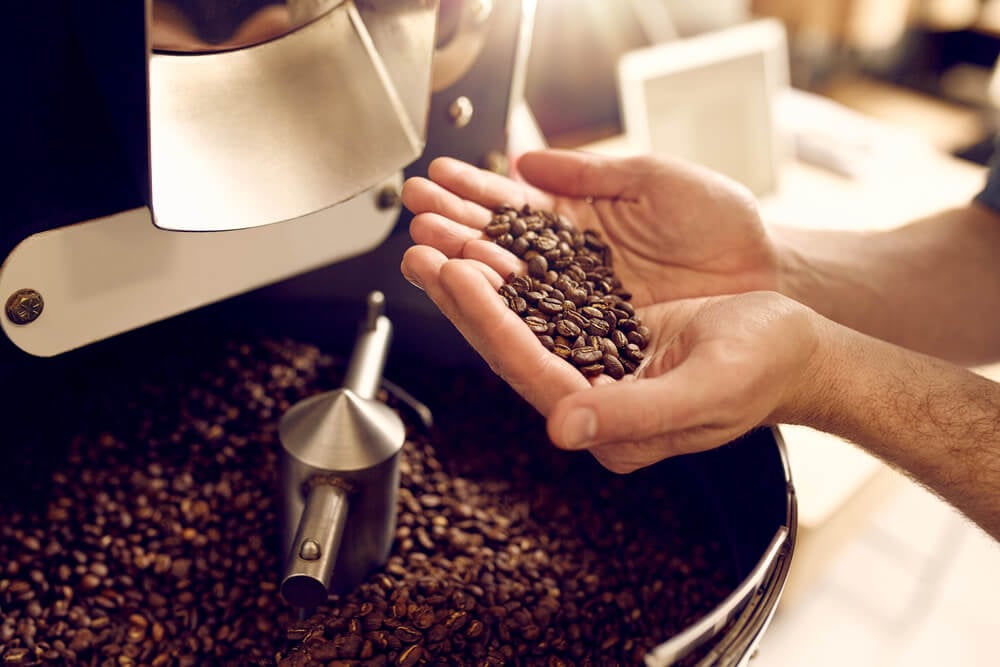
Coffee has remained part of Cuba’s libreta system since its introduction, though the ration blend has at times been extended with roasted peas or other fillers during periods of severe shortage, a practice that became so normalized that some Cubans developed a taste preference for the blended version over pure coffee. Coffee shortages have periodically forced the government to reduce the monthly allotment further, most notably during economic crises in the 1990s and again in the 2020s.
Milk in Cuba
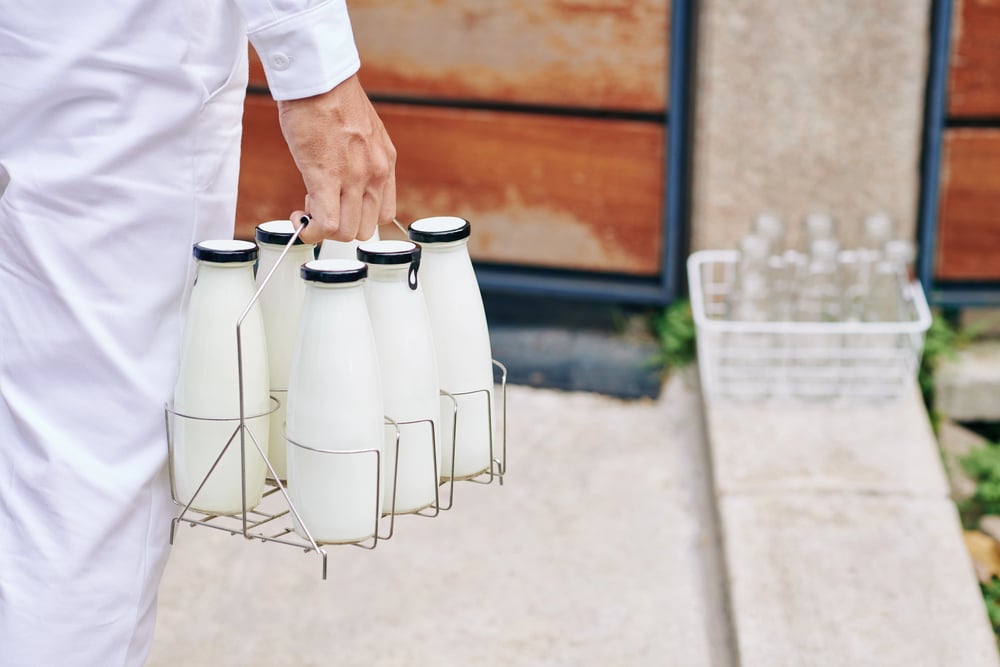
Under the libreta, subsidized milk in Cuba is officially reserved primarily for children under seven, along with pregnant women and people with specific medical needs, meaning most adults have not had guaranteed access to rationed milk for decades. Once a child ages out of eligibility, the family typically must buy milk, when available at all, on the open market at a much higher price.
Cornmeal and Flour in Venezuela

During Venezuela’s economic collapse in the mid-2010s, the government introduced the CLAP program, delivering subsidized boxes of cornmeal, rice, and cooking oil directly to households as supermarket shelves emptied and hyperinflation made ordinary shopping impossible for many families. Access to CLAP boxes became informally tied to political loyalty in numerous documented cases, turning a food program into a point of significant public controversy.
Wheat and Maize Meal in Zimbabwe
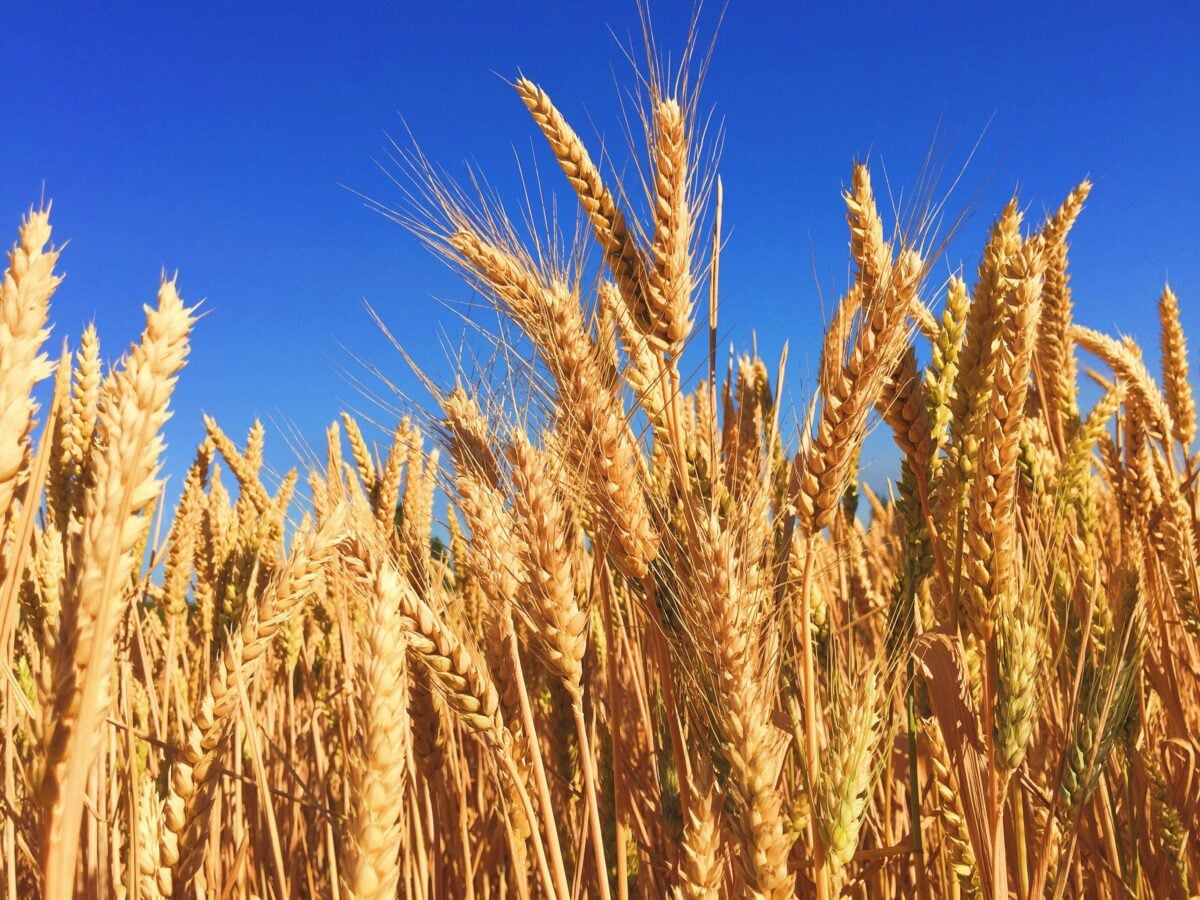
During Zimbabwe’s hyperinflation crisis in the late 2000s, when the currency lost value so quickly that prices sometimes changed within a single day, basic maize meal and bread became effectively rationed by scarcity itself, with government-run shops imposing strict purchase limits per customer to slow panic buying. Some families reported traveling considerable distances between towns simply chasing rumors of where meal had last been seen on a shelf.
Sugar, Wheat, and Rice in India
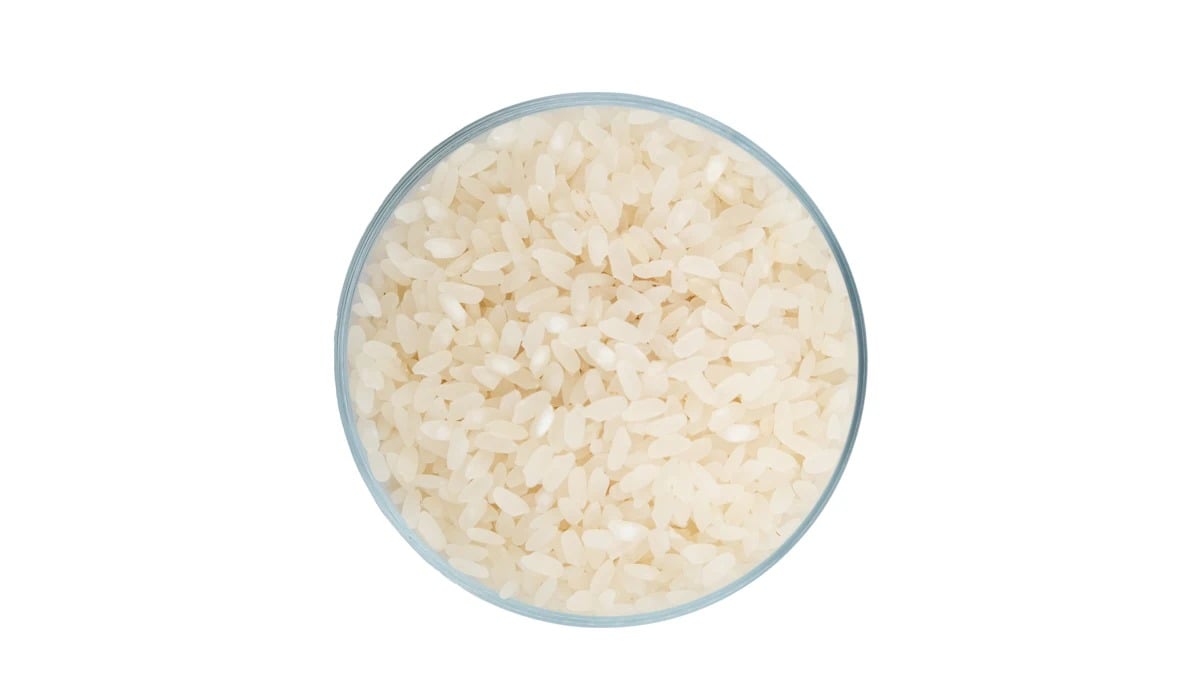
India’s Public Distribution System, built on a network of government-subsidized ration shops, has provided controlled quantities of wheat, rice, sugar, and kerosene to hundreds of millions of households since shortly after independence, making it one of the largest food distribution programs ever operated by a single government. Eligibility and allotment size are tied to a household’s ration card classification, and the system remains active today, expanded significantly during recent economic disruptions.
Butter in Wartime Germany
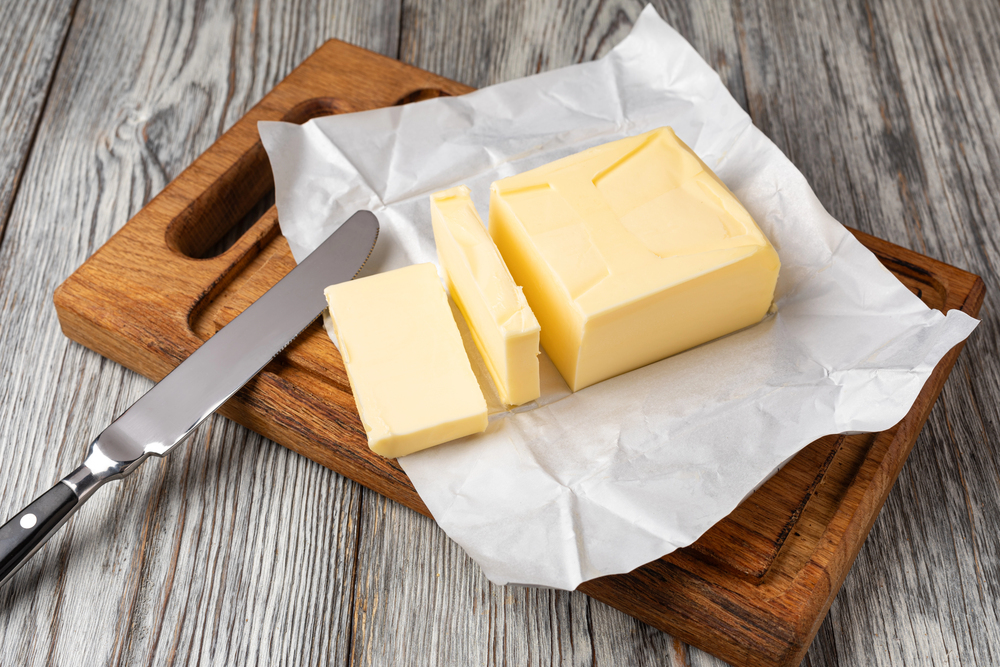
Under Nazi Germany’s wartime rationing system, butter allowances shrank steadily from 1939 onward, and by the later years of the war many households received only a fraction of prewar consumption, with margarine substituted wherever supplies allowed. Rationing was administered through a color-coded card system, and penalties for black market trading in butter and other fats were severe, reflecting how tightly fat supplies were tied to both military and civilian survival.
Meat in Occupied Norway
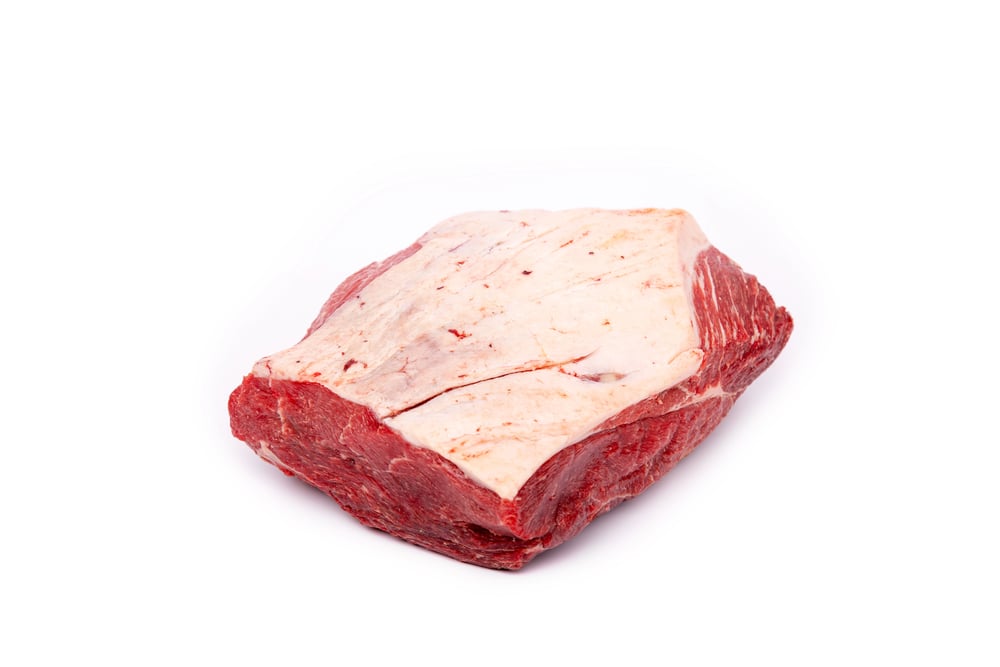
Under German occupation during the Second World War, Norway’s meat supply was redirected substantially toward feeding occupying forces, leaving civilians with ration cards that often could not be filled at all due to genuine scarcity rather than mere administrative limits. Fish, more available along Norway’s coastline, became a critical dietary substitute, and the period left a lasting cultural memory of wartime scarcity that Norwegian families still reference today.
Cooking Oil and Beans in Cuba
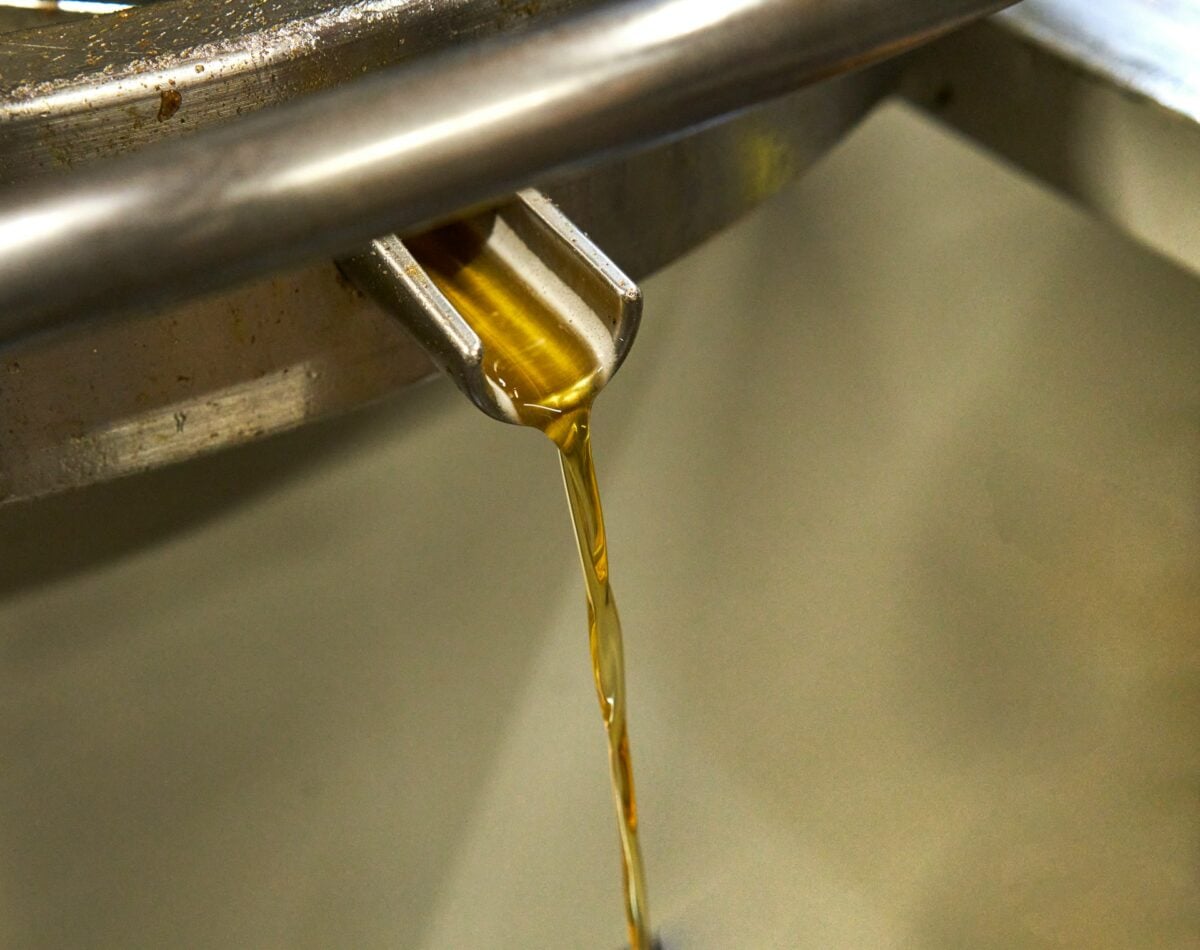
Rounding out the libreta’s core staples, cooking oil and beans have been rationed in Cuba continuously since the 1960s, with monthly per-person quotas that have been repeatedly reduced during periods of economic strain, including a particularly severe reduction during the crisis years following the Soviet Union’s collapse, when the loss of subsidized Soviet trade triggered what Cubans still call the Special Period.
What the Ration Book Really Measures

A ration book is never really about the specific quantity written on the coupon. It is a government admitting, in the plainest possible terms, that supply has failed to meet need, and that fairness now has to be enforced rather than assumed. Every family that lived through one of these systems remembers the arithmetic of it: how far a week’s allotment could be stretched, which neighbor might trade tea for sugar, which shop clerk quietly looked the other way.
What is striking, looking across a full century of these programs, is how rarely rationing ends cleanly. Britain rationed meat for nearly a decade after the war that caused the shortage was over. Cuba’s booklet has outlived the crisis that created it by sixty years. Scarcity, once it is formalized into a system, tends to outlast the emergency that justified it.
More from Go2Tutors!

- The Romanov Crown Jewels and Their Tragic Fate
- 13 Historical Mysteries That Science Still Can’t Solve
- Famous Hoaxes That Fooled the World for Years
- 15 Child Stars with Tragic Adult Lives
- 16 Famous Jewelry Pieces in History
Like Go2Tutors’s content? Follow us on MSN.