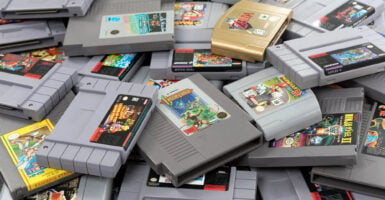
16 Arcade Games That Were Worth Every Quarter
Back in the day, every quarter mattered. You had to choose wisely when you walked into an arcade, scanning the rows of glowing cabinets for the game that would give you the most bang for your buck. Some games would eat your coins faster than a hungry vending machine, while others delivered pure gaming gold that made every cent worthwhile.
The best arcade games weren’t just about flashy graphics or loud sounds—they had that special something that kept you coming back, pockets heavy with change. Here’s a list of 16 arcade games that truly earned their keep.
Pac-Man

This little yellow circle changed everything when it hit arcades in 1980. Pac-Man wasn’t about shooting aliens or fighting monsters—it was about gobbling dots and avoiding ghosts in a simple maze that somehow became addictive beyond belief.
The game’s genius lay in its accessibility; anyone could understand the concept instantly, but mastering the ghost patterns and maximizing your score took serious dedication.
Street Fighter II
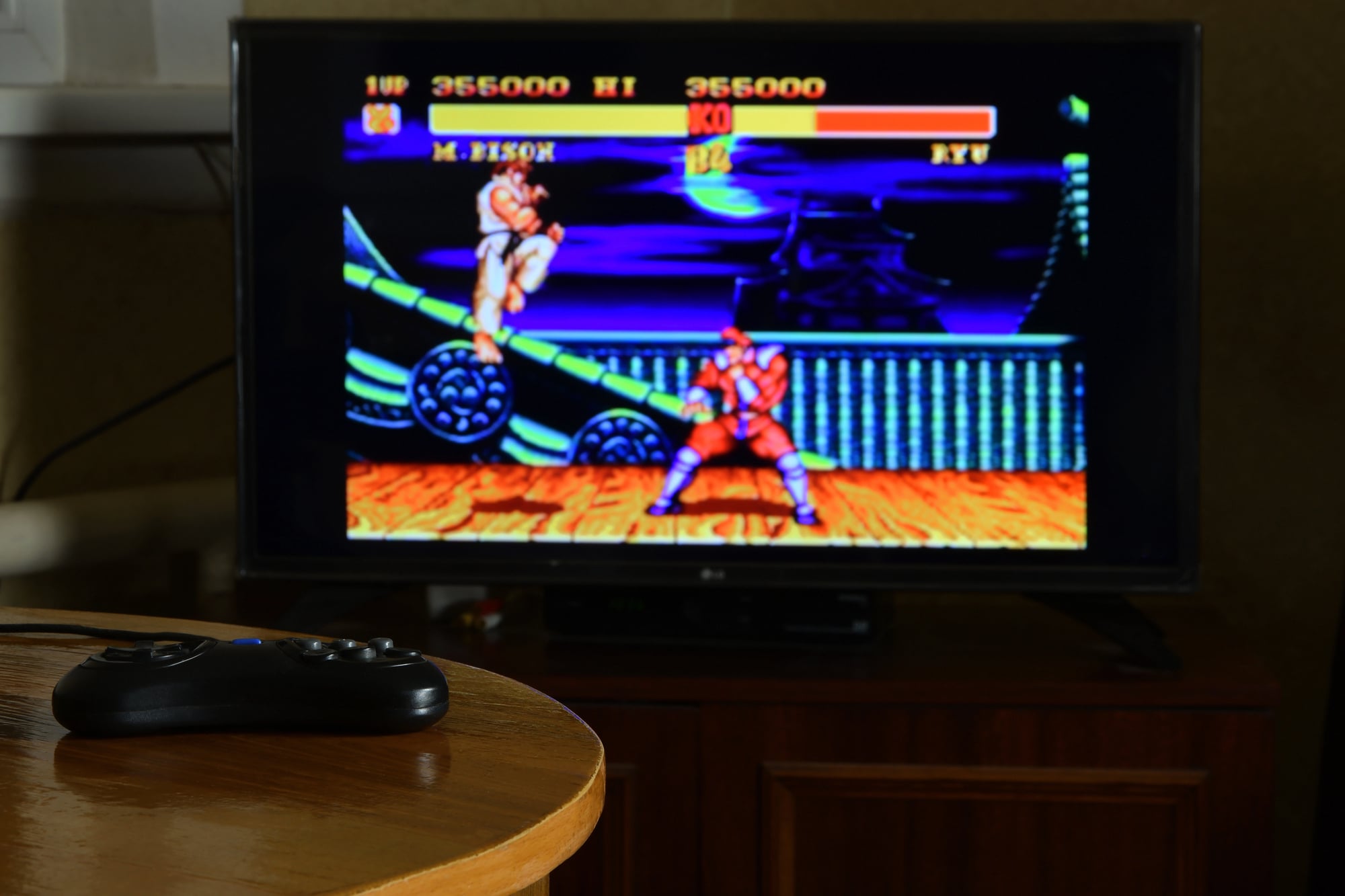
Capcom struck lightning in a bottle with this 1991 masterpiece that practically invented the modern fighting game. The six-button control scheme felt natural, and each character had their own distinct fighting style and special moves that required precise joystick and button combinations.
You could spend hours just learning Ryu’s hadoken or perfecting Chun-Li’s spinning bird kick, and the satisfaction of landing that perfect combo made every quarter feel like an investment in your fighting skills.
Galaga

While Space Invaders started the shoot-’em-up craze, Galaga perfected it in 1981. The game’s hook was the bonus stage where you could rescue your captured ship and fight with double firepower—a risk-reward mechanic that added strategy to the simple shooting action.
The alien attack patterns were predictable enough to learn but challenging enough to keep you on your toes, creating that perfect arcade balance of skill and luck.
Donkey Kong
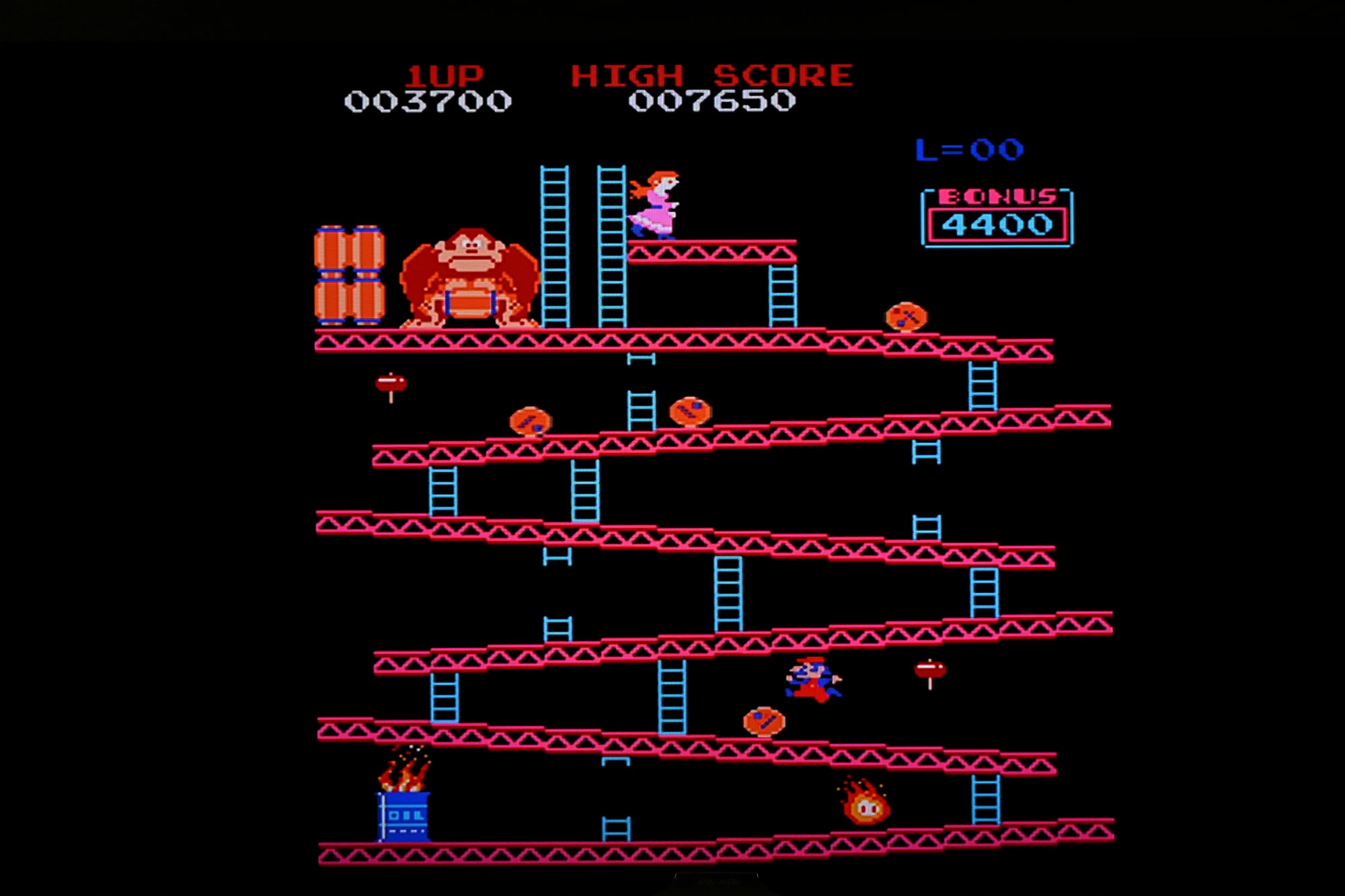
Nintendo’s 1981 hit introduced the world to a carpenter named Mario and showed that arcade games could tell a story through gameplay. Each level presented a different challenge, from dodging barrels on girders to removing rivets while avoiding fireballs.
The game’s increasing difficulty and varied obstacles meant that reaching the final confrontation with the big ape felt like a genuine accomplishment worth celebrating.
Ms. Pac-Man

The sequel that arguably surpassed the original, Ms. Pac-Man refined the formula with moving fruit bonuses and more unpredictable ghost behavior. The four different mazes kept things fresh, and the intermission cutscenes added personality to the dot-munching action.
It proved that sometimes the best sequels don’t reinvent the wheel—they just make it roll smoother.
Asteroids
Atari’s 1979 space shooter was all about physics and precision. Your little triangular ship had momentum, so every thrust and turn had to be calculated carefully as you blasted space rocks into smaller pieces.
The hyperspace button offered a desperate escape that might save you or teleport you right into danger, adding a gambling element that kept your heart racing until the very last asteroid.
Centipede
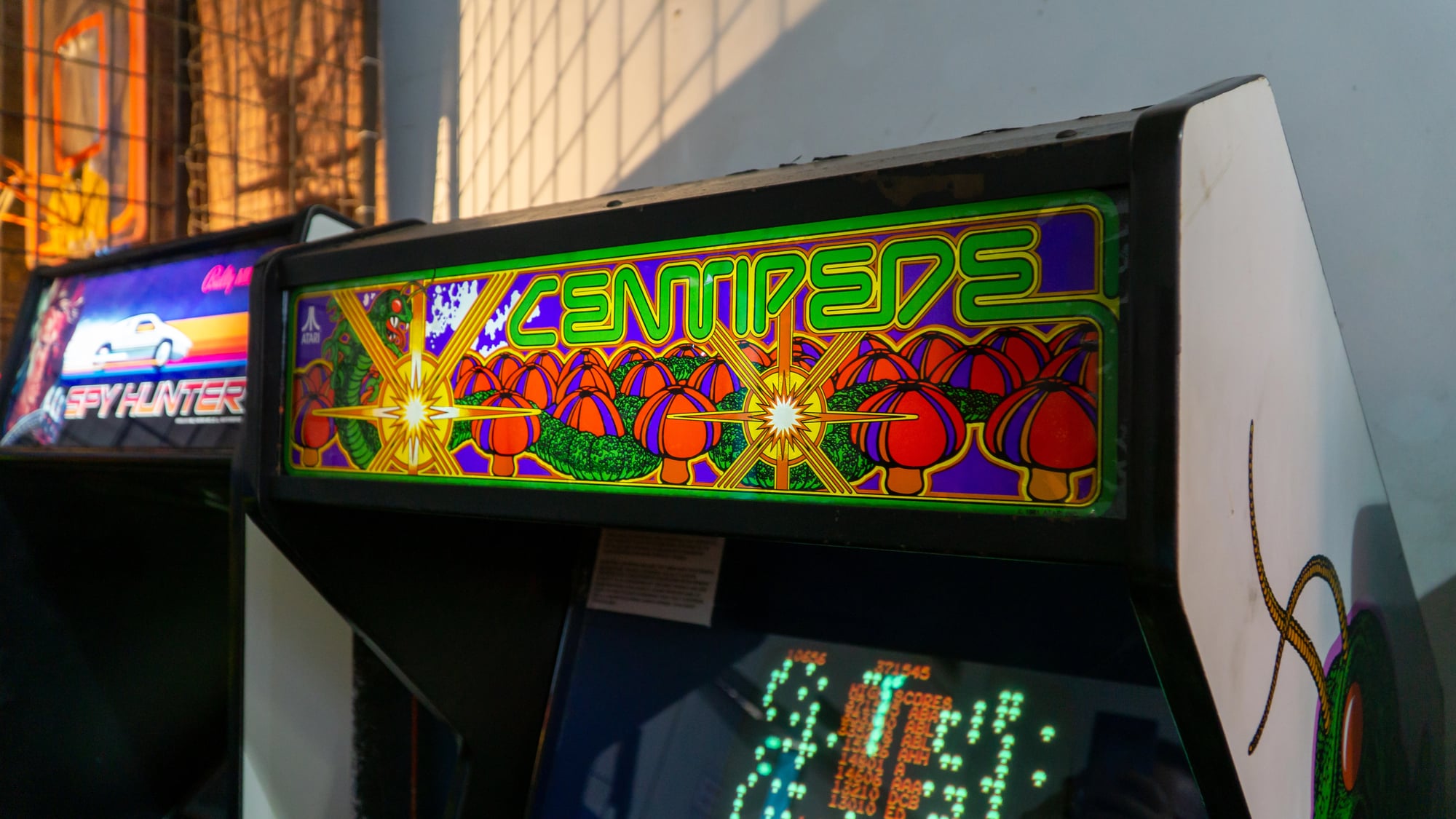
This 1981 game turned bug extermination into an art form. The trackball controller gave you smooth, precise movement as you battled a centipede that wound its way down through a field of mushrooms.
Each segment you shot off created new obstacles, and the spider that randomly appeared added chaos to your carefully planned shots. The game rewarded both quick reflexes and strategic thinking about mushroom placement.
Frogger

Crossing the street has never been more stressful than in this 1981 Konami classic. Getting your frog across busy highways and treacherous rivers required perfect timing and nerves of steel.
The simple concept masked a game that demanded pattern recognition and split-second decision making, especially in later levels where the traffic moved faster and the safe spots became scarcer.
Defender

Eugene Jarvis created something special with this 1981 horizontal shooter that felt like piloting a real spaceship. The control scheme took time to master, with separate buttons for thrust, reverse, fire, smart bomb, and hyperspace, but once it clicked, you felt like a space fighter ace.
The scanner at the top of the screen added strategic depth, letting you see the entire battlefield and decide where your rescue efforts were most needed.
Robotron: 2084
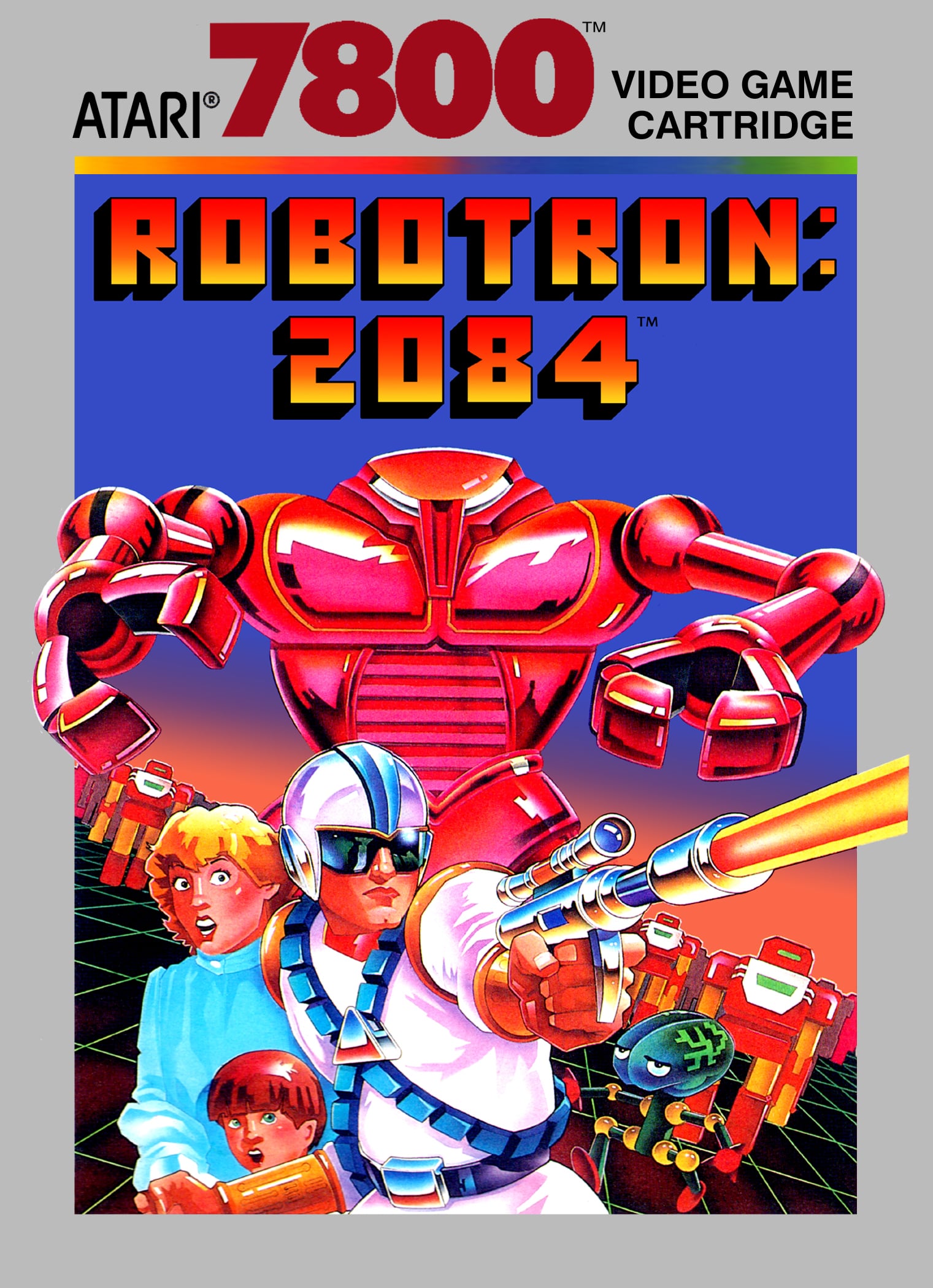
Another Jarvis masterpiece, this twin-stick shooter from 1982 was pure chaos in the best possible way. One joystick moved your character while the other aimed and fired, creating a control scheme that felt impossible at first but became second nature with practice.
The game’s relentless pace and ‘save the humans’ objective created tension that few arcade games could match.
Dragon’s Lair

Don Bluth’s 1983 animated adventure was unlike anything else in the arcade. The game played like an interactive cartoon, with gorgeous hand-drawn animation that made every other game look primitive by comparison.
Sure, it was essentially a series of quick-time events, but the production values were so high that watching Dirk the Daring’s adventures felt like getting a movie with your quarters.
Joust
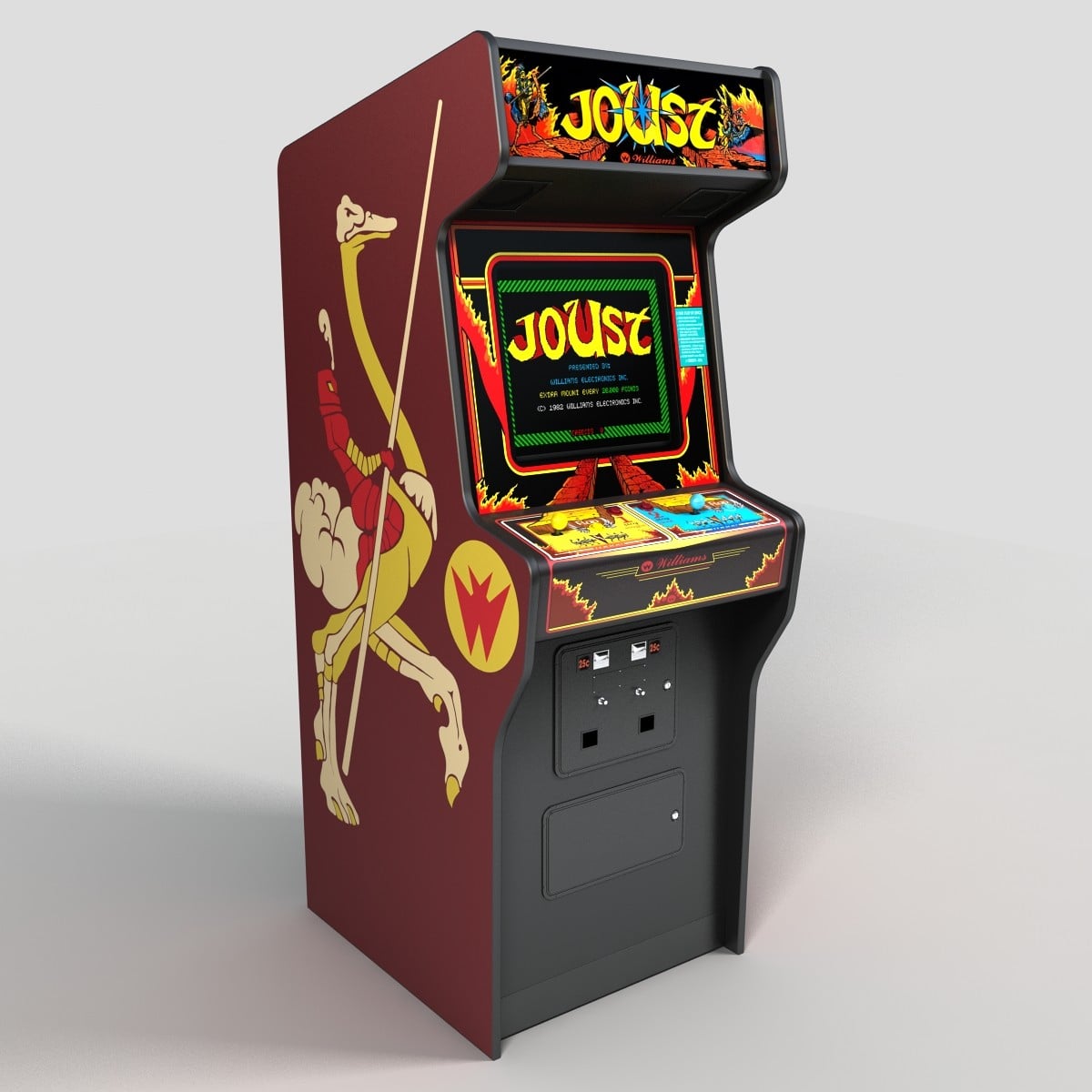
Williams’ 1982 flying combat game had one of the most unique control schemes ever devised. You had to flap a button to keep your ostrich airborne while using momentum to crash into enemies from above.
The physics felt natural once you got the hang of it, and the two-player cooperative mode created some of the most memorable arcade moments as friends worked together to clear increasingly difficult waves.
Spy Hunter

This 1983 driving game made you feel like James Bond behind the wheel of a weaponized sports car. The scrolling road, the iconic Peter Gunn theme music, and the variety of enemy vehicles created a cinematic experience that arcade games rarely achieved.
Getting into the weapons van to upgrade your car was always a thrilling moment that made you feel ready to take on anything the enemy could throw at you.
Marble Madness

Atari’s 1984 isometric puzzle-racer was a technical marvel that challenged your spatial reasoning skills. Controlling a marble down elaborate 3D courses required delicate touch and careful planning, especially when navigating narrow ledges or avoiding acid pools.
The trackball controller made every movement feel precise, and the race-against-time element added urgency to what could have been a relaxing puzzle game.
Tempest

This 1981 vector graphics shooter was trippy in the best way, with its tube-shaped playing field and abstract geometric enemies. The spinner control gave you lightning-fast movement around the rim of each level, and the superzapper provided a satisfying screen-clearing blast when things got too hectic.
Each level’s unique shape required different strategies, keeping the gameplay fresh even after dozens of plays.
Gauntlet

Atari’s 1985 four-player dungeon crawler was social gaming at its finest. The game supported up to four players simultaneously, each choosing from warrior, wizard, valkyrie, or elf, and working together to battle through monster-filled mazes.
The constant need for food and the announcer’s warnings about approaching doom created a sense of urgency that kept groups of friends pumping quarters into the machine for hours.
The Golden Age Lives On
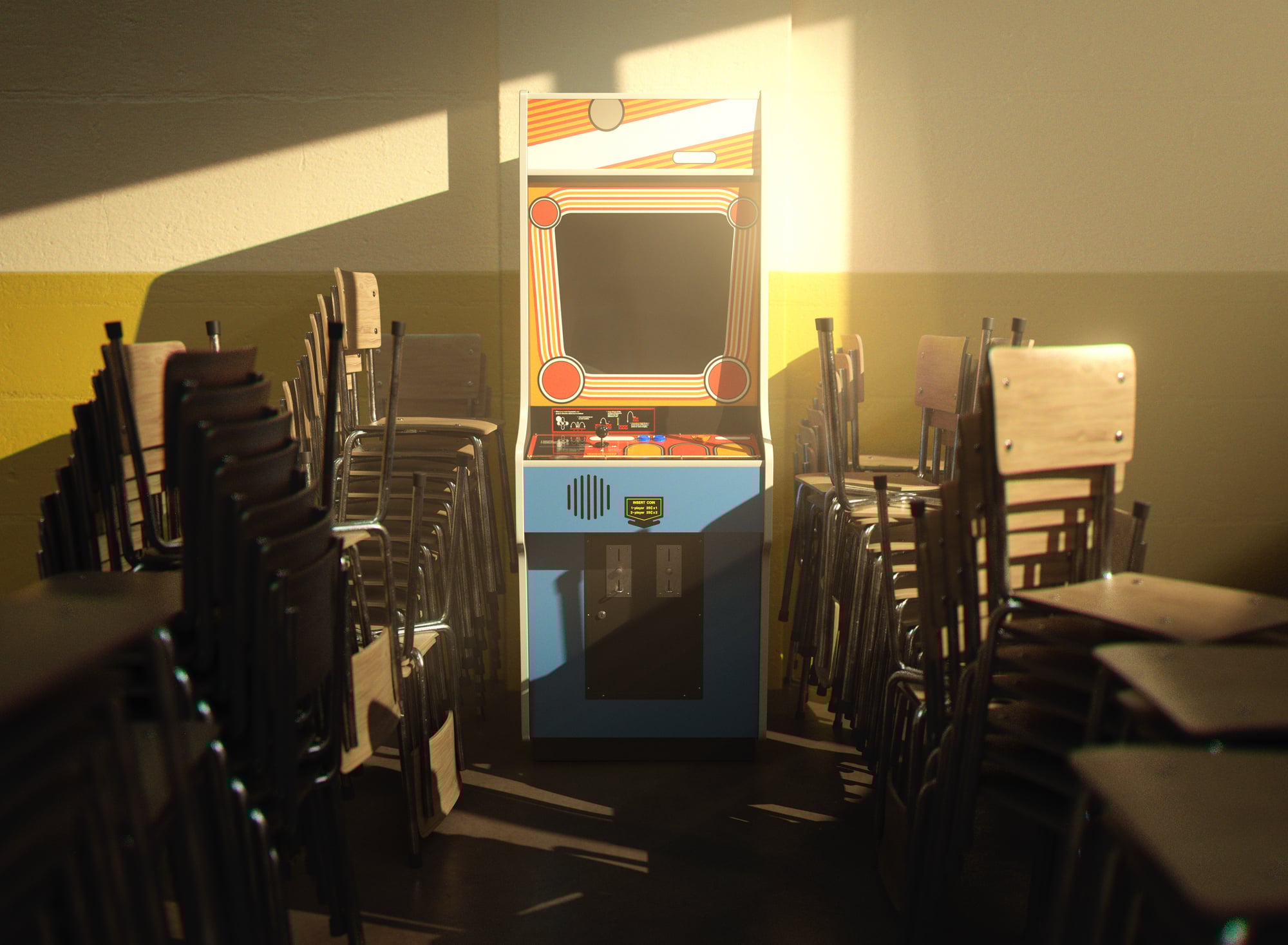
These games defined what made arcade entertainment special—they demanded skill, rewarded practice, and created memories that lasted long after the last quarter was spent. While home consoles eventually killed the arcade boom, the design principles that made these games great continue to influence developers today.
The best arcade games understood that every quarter was a promise between player and machine, and these 16 titles always kept their end of the bargain.
More from Go2Tutors!

- The Romanov Crown Jewels and Their Tragic Fate
- 13 Historical Mysteries That Science Still Can’t Solve
- Famous Hoaxes That Fooled the World for Years
- 15 Child Stars with Tragic Adult Lives
- 16 Famous Jewelry Pieces in History
Like Go2Tutors’s content? Follow us on MSN.