17 Strange Things That Happened During the Great Fire of London
One of the worst urban catastrophes in history was the Great Fire of London in 1666. Over the course of four horrifying days, what started as a tiny bakery fire on Pudding Lane swiftly grew into a devastating conflagration that engulfed medieval London. Although the fundamental facts are widely known, the catastrophe gave rise to a number of strange incidents that show how chaotic the situation really was.
These are 17 odd and intriguing events that happened during the Great Fire of London. These incidents demonstrate how both the best and worst aspects of nature and humans were brought to light by unusual circumstances.
St. Paul’s Cathedral’s Molten Lead Rivers
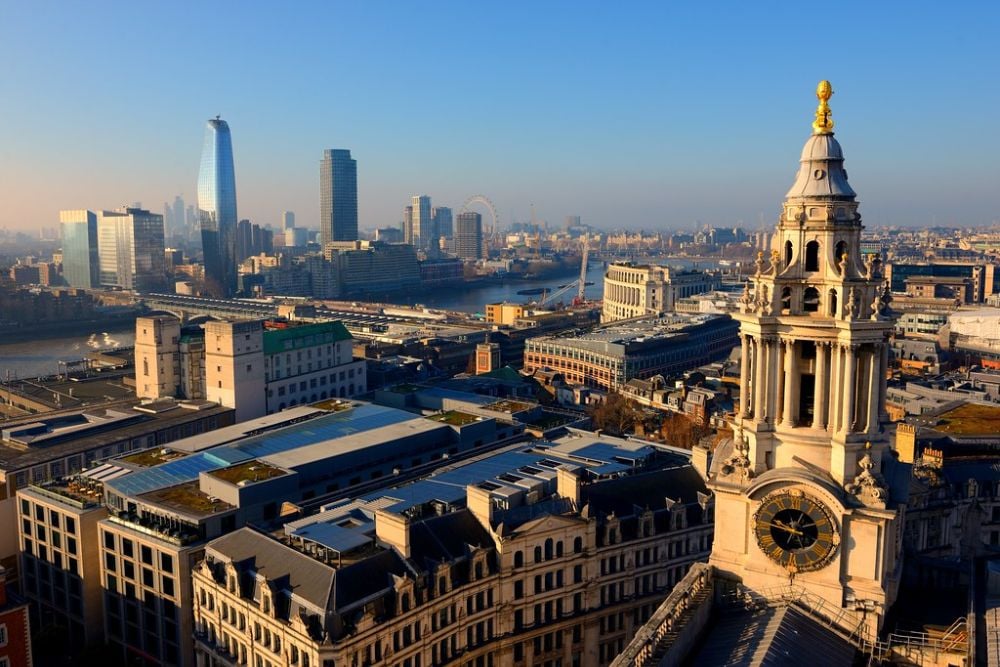
When the fire reached St. Paul’s Cathedral, the massive lead roof melted entirely, creating eerie flowing rivers of molten metal that poured down the streets. Witnesses described the horrifying sight of bright silver streams running down Ludgate Hill, with the extreme heat causing the cathedral’s limestone to explode like gunshots.
This metallic downpour solidified in strange formations that remained visible for weeks after the fire subsided.
The King’s Bread Distribution

King Charles II and his brother James, Duke of York, personally joined firefighting efforts, a highly unusual act for royalty. The king established an emergency bakery at the Royal Navy Yards and handed out fresh bread to displaced Londoners.
This direct royal involvement in disaster relief broke all protocols of the era. It showed Charles’ practical side, with some observers noting he worked ‘with the sweat of a common man’ despite his kingly status.
Like Go2Tutors’s content? Follow us on MSN.
Spontaneous Human Generosity

As thousands fled the flames, wealthy estate owners in surrounding areas spontaneously opened their grounds to refugees. The Earl of Craven transformed his fields into a massive tent city, providing shelter for over 100,000 displaced people.
These impromptu settlements developed their own mini-economies and social structures, complete with makeshift churches and markets that operated for months afterward.
The Fire Court Phenomenon

The disaster prompted the creation of the ‘Fire Court’, a special judicial body with unprecedented powers. This court could settle property disputes in minutes rather than years, waiving all normal legal fees.
Judges worked seven days a week for nearly seven years straight to resolve over 1,700 cases, creating an entirely new form of disaster jurisprudence that would later influence emergency response laws across Europe.
Underground Fire Pockets
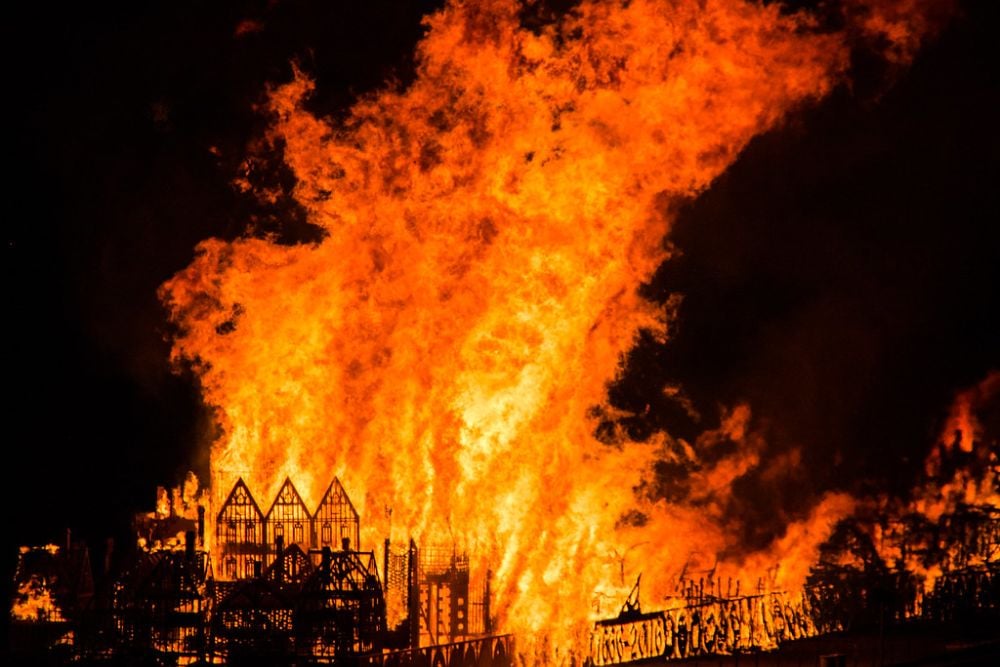
Mysterious smoke plumes would emerge from vaults and foundations for months after the main fire had been put out. In coal storage and timber foundations, these subsurface fire pockets persisted in burning, often rekindling surface flames.
According to reports, some underground embers continued to burn for more than a year, and vaults were unsafe to enter because of the heat and poisonous fumes that gave anyone who came too close hallucinations.
Like Go2Tutors’s content? Follow us on MSN.
Animal Exodus Warnings

Hours before the fire spread beyond control, Londoners reported seeing an unusual mass exodus of rats and birds from the city center. Thames watermen noted seeing thousands of rats swimming across the river, while pigeons and sparrows were observed flying in coordinated flocks away from Pudding Lane.
Some superstitious citizens who followed these animal migrations credit their survival to these natural early warning systems.
Weather Manipulation Attempts
Desperate officials attempted primitive weather manipulation techniques to combat the fire. Renowned scientists advised firing cannons into the air to create artificial rain through a concussive force.
Although these methods had no scientific merit, over 30 cannons were discharged toward the clouds in a coordinated pattern. Coincidentally, light rain did fall shortly after one such attempt, leading to claims of success that persisted for decades.
The Mayor’s Infamous Inaction
When first alerted to the fire, Lord Mayor Sir Thomas Bloodworth infamously dismissed concerns with, ‘A woman might piss it out,’ before returning to bed. This catastrophic underestimation became legendary as the epitome of poor leadership.
Bloodworth later appeared at firefighting efforts but was reportedly so overwhelmed that he wandered in a daze, giving contradictory orders before disappearing from public view for several days.
Like Go2Tutors’s content? Follow us on MSN.
Frozen Thames Refugees
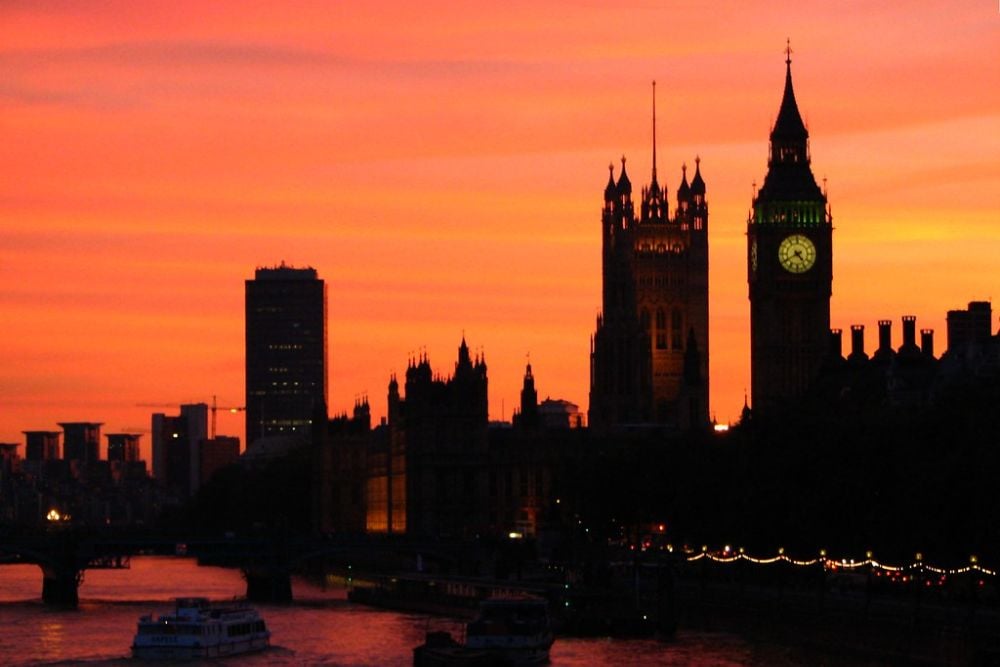
Many Londoners fled the heat by wading into the Thames, where they remained for days. This created the strange spectacle of a river filled with thousands of people, many standing waist-deep while watching their city burn.
These ‘water refugees’ developed an impromptu community, with boats delivering food and supplies to those unwilling to return to shore as the flames continued to spread along the banks.
The Gunpowder Solution
When conventional firefighting failed, authorities employed the radical solution of demolishing buildings with gunpowder to create firebreaks. King Charles personally authorized the dangerous strategy, which involved soldiers placing explosive charges in homes still occupied by resistant owners.
This resulted in several accidental explosions away from intended targets, including one that demolished an already evacuated church when sparks ignited powder being transported nearby.
Mistaken Dutch Conspiracy

A Portuguese baker named Farynor was initially blamed for starting the fire, but panic quickly led to false accusations that Dutch spies had orchestrated the disaster. This conspiracy theory gained such traction that Londoners began attacking anyone speaking with a foreign accent.
Several innocent Dutch merchants were nearly executed by mobs before being rescued by the King’s Guards, who established temporary safe houses for foreigners throughout unburned sections of the city.
Like Go2Tutors’s content? Follow us on MSN.
The Fire Shadow Phenomenon
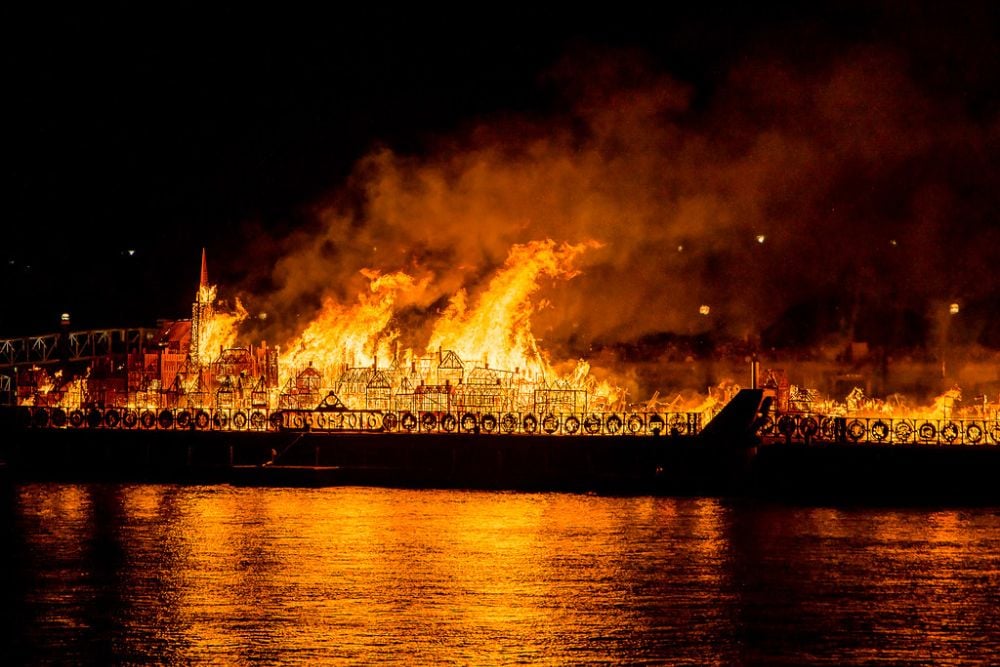
The intense heat created a meteorological anomaly known as ‘fire shadows’, areas where temperatures dropped significantly due to convection patterns around the main blaze. People reported bizarre cold zones where frost appeared on grass less than 500 yards from burning buildings.
These thermal anomalies created bewildering sensory experiences for firefighters, who would move from intense heat to sudden cold within a few steps.
Monument Magnetic Disturbances
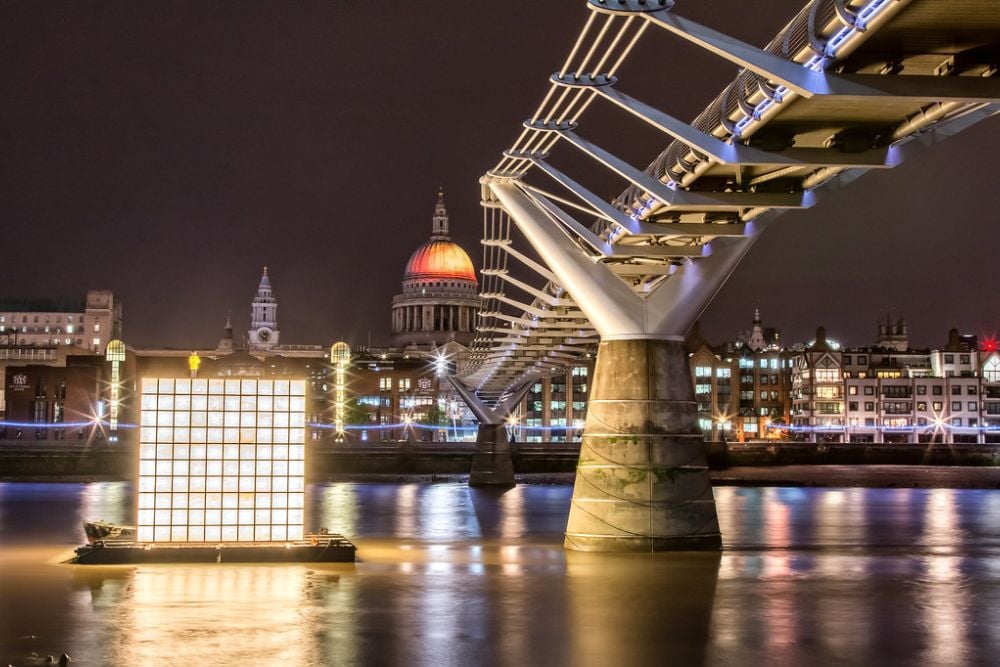
After the fire, the Monument was built to commemorate the disaster. Strangely, early scientific instruments reportedly malfunctioned when used nearby. Compasses would spin erratically, and precision pendulums showed unexplained variations when swung in its vicinity.
Renowned scientist Robert Hooke investigated this phenomenon, theorizing that either the fire had somehow magnetized the ground or that molten metals had created unusual mineral deposits beneath the structure.
Prophetic Dream Accounts
Following the fire, numerous Londoners came forward claiming to have dreamed of the disaster before it happened. These accounts became so widespread that the Royal Society collected and documented over 80 supposed prophetic dreams, including detailed visions reportedly experienced by a fishmonger’s wife that precisely described how the fire would spread.
This collection represented one of the first formal scientific investigations into precognitive phenomena.
Like Go2Tutors’s content? Follow us on MSN.
Resurgence of Medieval Building

Despite strict new building codes requiring brick-and-stone construction, a strange mini-revival of medieval building techniques emerged in outlying areas. As displaced craftsmen fled to the suburbs, they created hybrid structures combining traditional timber frames with fire-resistant features.
These architectural anomalies, sometimes called ‘panic cottages,’ combined elements from multiple centuries and created a distinctive post-fire style that architectural historians still study today.
Preservation of Plague Objects

The fire had the unexpected benefit of destroying most remaining traces of the Great Plague that had ravaged London the previous year. However, several sealed ‘plague pits’ with contaminated objects were hastily uncovered by those digging firebreaks.
These artifacts were peculiarly preserved in the intense heat rather than destroyed, creating vitrified objects that were considered both dangerous and valuable. Some were collected as curiosities, while others were ceremonially reburied with elaborate precautions.
Roman Discoveries Beneath the Ashes

As Londoners cleared debris for rebuilding, they uncovered intact Roman architecture that had remained hidden beneath medieval structures for over a thousand years. Perfectly preserved mosaics, hypocaust heating systems, and even intact Roman baths emerged from beneath the ashes.
These discoveries sparked an archaeological revolution and directly influenced Christopher Wren’s rebuilding plans, with several Roman designs incorporated into new buildings as a link to London’s ancient past.
Like Go2Tutors’s content? Follow us on MSN.
Rebuilding London’s Legacy

The catastrophe that destroyed medieval London paradoxically created the foundation for the modern city we recognize today. After the ashes had cooled, a remarkable period of architectural innovation began under Christopher Wren’s guidance, transforming the cramped, fire-prone streets into the broader, more organized cityscape that would support London’s emergence as a global metropolis. The rebuilding effort established principles of urban planning and fire safety that spread throughout Europe and eventually across the Atlantic to shape growing American cities.
The Great Fire represents one of those pivotal moments when disaster forces innovation and adaptation. Many of London’s most iconic structures stand as direct responses to those four days of devastation in 1666, their very existence a testament to humanity’s remarkable ability to create beauty and order from the ashes of catastrophe.
More from Go2Tutors!

- 18 Unexpectedly Valuable Collectibles You Might Have Lying Around
- 20 Little-Known Historical Battles That Had Huge Consequences
- 20 Historical Artifacts That Scientists Can’t Explain
- 20 Cars That Were Banned from the Roads (and Why)
- 20 Discontinued Snacks from the 70s and 80s That We Still Miss
Like Go2Tutors’s content? Follow us on MSN.