27 Inventions Lost With Their Inventors
Not every breakthrough gets written down, and not every technique survives the person who perfected it. Some of history’s most remarkable inventions existed only as closely guarded trade secrets, oral traditions, or working knowledge carried entirely in one person’s hands, and when that person died, the exact method died along with them. Modern researchers have reconstructed approximations of several, but the originals remain, in a real sense, gone.
Damascus Steel
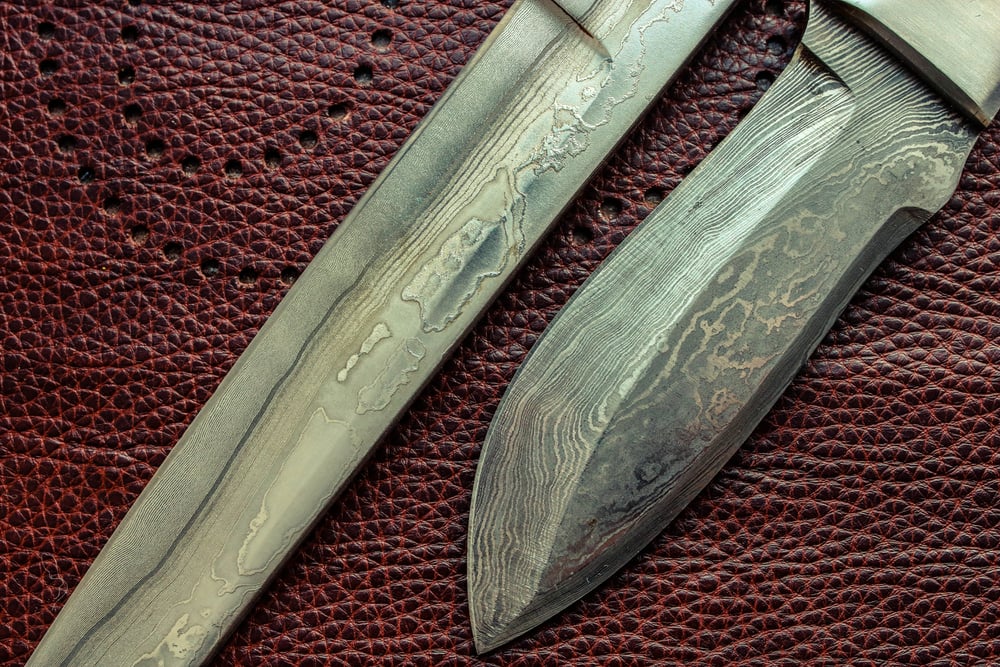
Medieval blacksmiths across the Middle East and South Asia produced a distinctively patterned, exceptionally strong steel known as Damascus steel, made from a raw material called wootz imported from India. The specific ore sources and forging techniques behind it disappeared by the eighteenth century, and while modern metallurgists have created steels with a similar rippled pattern, most agree the original process has never been exactly replicated.
Greek Fire
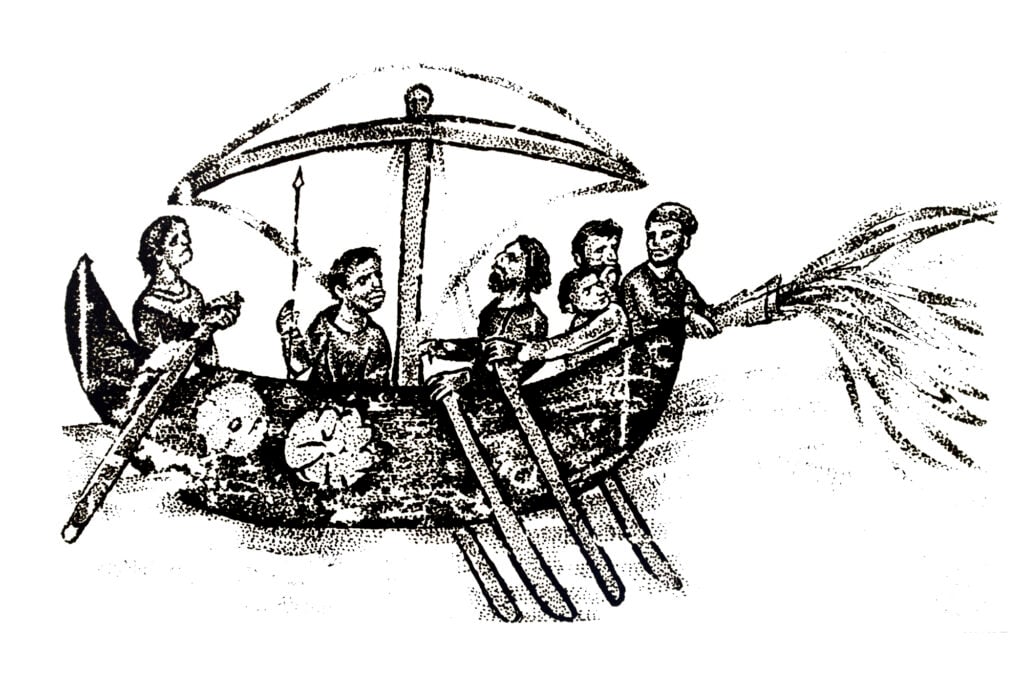
The Byzantine Empire’s incendiary weapon known as Greek fire, capable of burning even on water, was guarded as one of the empire’s most closely held military secrets for centuries. The exact formula was never written down in full, and it appears to have been lost entirely after the fall of Constantinople in 1453, leaving historians with only educated guesses about its composition.
Antonio Stradivari’s Varnish
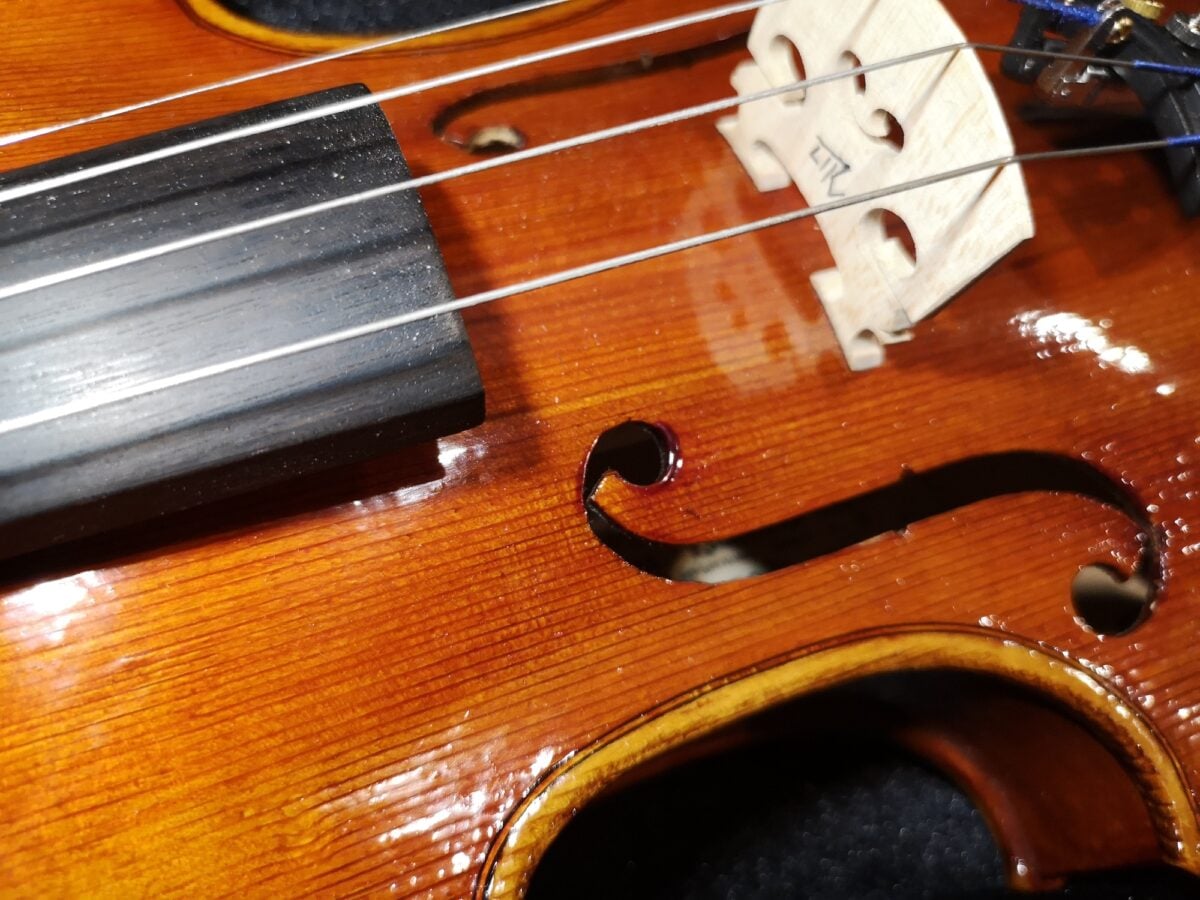
The distinctive tone of violins made by Antonio Stradivari in Cremona has long been partly credited to the specific varnish and wood treatment he used, a process he never documented in detail. Generations of violin makers and scientists have tried to reverse-engineer the formula through chemical analysis, but no reconstruction has definitively matched the original instruments’ sound.
Roman Concrete

Roman engineers built harbor structures and domes using a concrete recipe, opus caementicium, that has proven remarkably durable, in some cases outlasting modern concrete by centuries. The precise combination of volcanic ash, lime, and seawater used by Roman builders was largely lost after the empire’s decline, and only recent research has begun to reconstruct how the material achieved its long-term strength.
Tyrian Purple Dye

The deep purple dye once reserved for Roman emperors, extracted in tiny quantities from sea snails along the Phoenician coast, required such labor-intensive production that the knowledge nearly vanished after the Byzantine dyeing centers that produced it were lost. Modern chemists have reconstructed the dye’s chemistry, but the original scale of production and exact regional techniques were never fully passed down.
Maya Blue Pigment
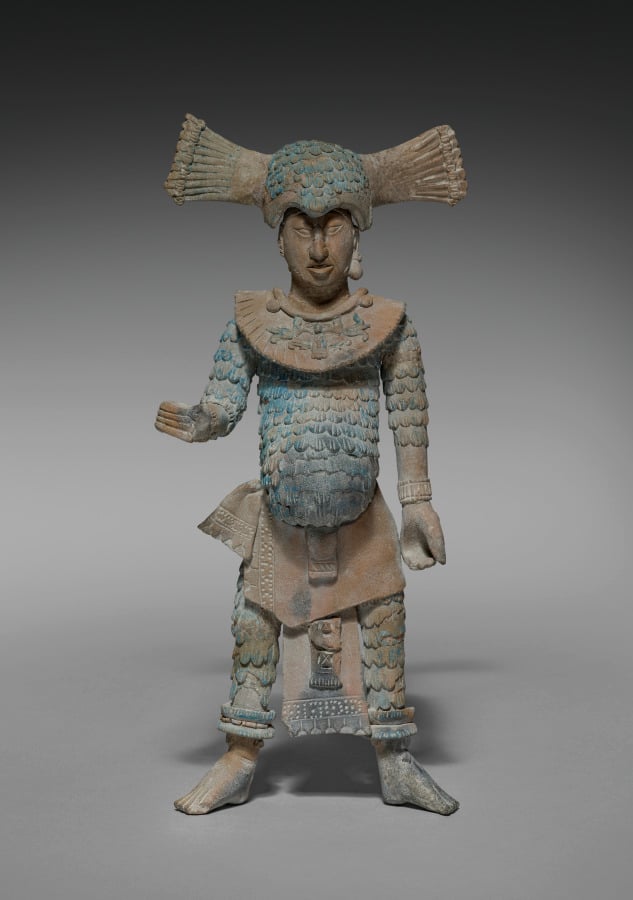
Mesoamerican artisans produced a remarkably stable blue pigment, now known as Maya Blue, used in murals and ceramics for centuries before the technique disappeared following the disruption of Indigenous societies after European contact. The pigment’s resistance to fading and chemical breakdown puzzled scientists for generations, and its exact clay-and-indigo preparation process was only reconstructed through chemical analysis in the twentieth century.
The Battle of Anghiari Fresco Technique
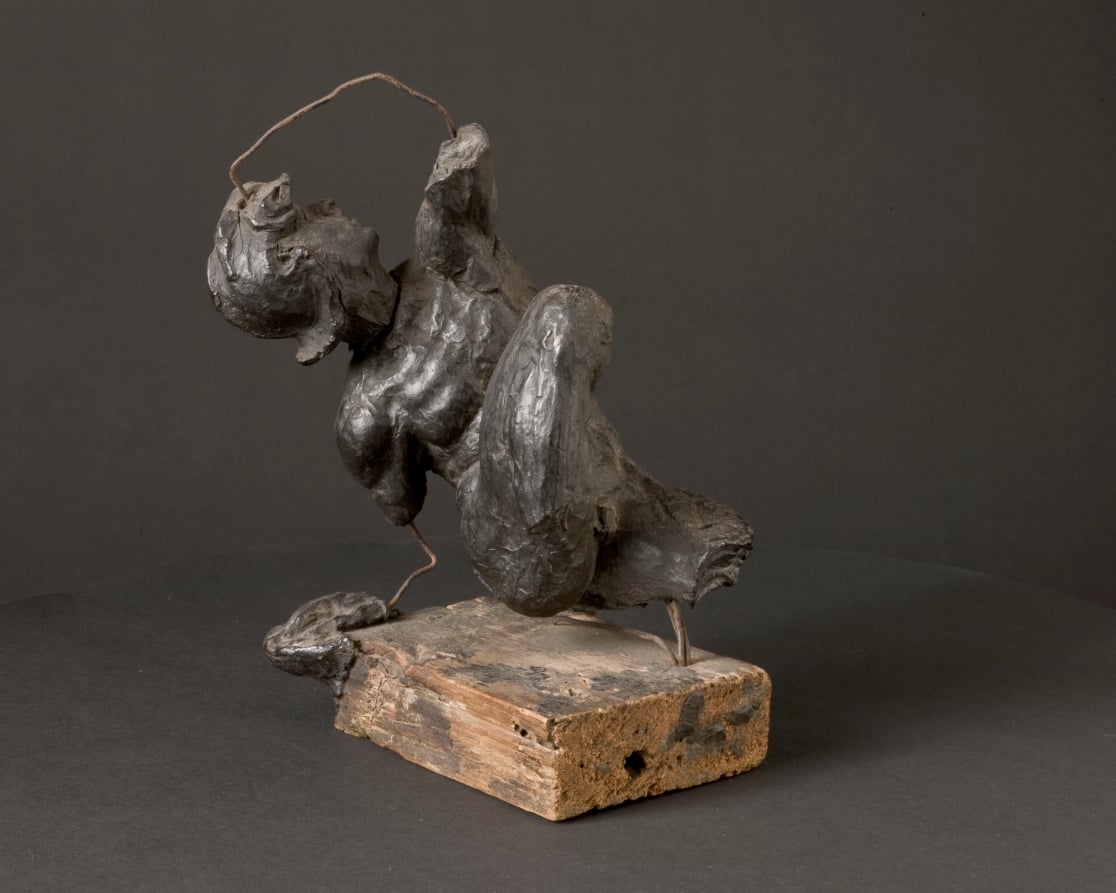
Leonardo da Vinci attempted an experimental oil-based painting technique for his mural The Battle of Anghiari in Florence, one that failed as the paint ran and deteriorated before the work was ever finished. The exact method he tried, and what went wrong with it, was never recorded in enough detail for later artists to understand or avoid the same failure.
Filippo Brunelleschi’s Dome Engineering

Filippo Brunelleschi built the massive dome atop Florence’s cathedral in the fifteenth century using construction methods and scaffolding techniques he deliberately kept secret from rival architects during his lifetime. Much of his exact engineering approach was never fully documented, and later builders had to study the finished dome itself to infer how he had managed it.
The Antikythera Mechanism’s Construction
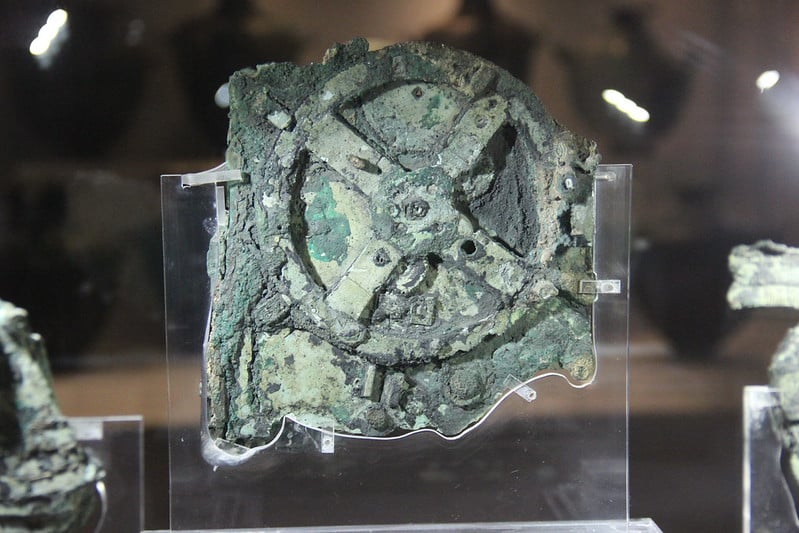
The Antikythera mechanism, an intricate bronze device used to track astronomical cycles more than two thousand years ago, represents a level of mechanical sophistication not matched again in Europe for over a millennium. Its maker is unknown, no similar device from the era survives, and the specific workshop knowledge behind it appears to have vanished completely.
Song Dynasty Ru Ware Glaze
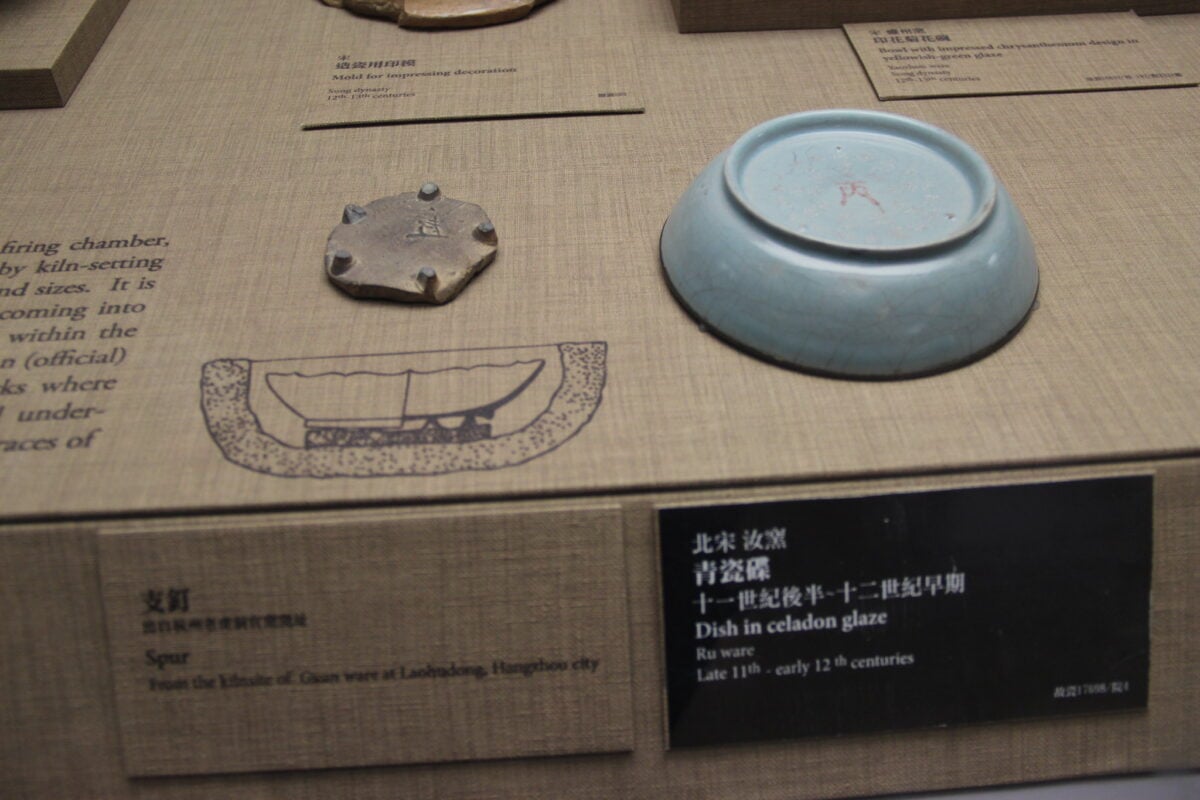
Ru ware, a pale blue-green ceramic glaze produced for a brief period during China’s Song dynasty, is considered one of the rarest and most prized styles in Chinese ceramic history, in part because the imperial kilns that made it operated for only a couple of decades. The exact glaze recipe was never recorded, and later potters have never fully reproduced its particular color and texture.
The Lycurgus Cup’s Dichroic Glass
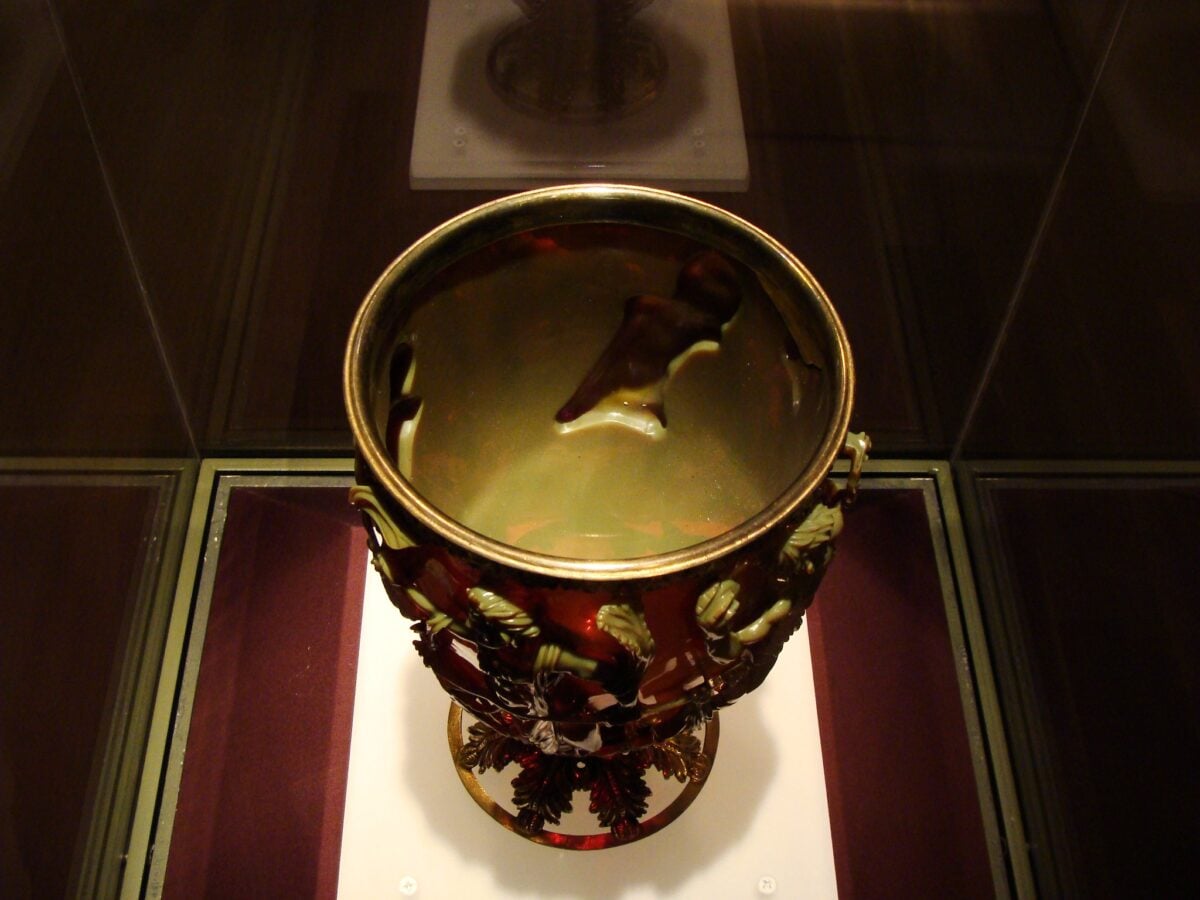
The Roman-era Lycurgus Cup changes color depending on how light passes through it, an effect achieved by embedding gold and silver nanoparticles in the glass centuries before anyone understood nanotechnology. No written record of the technique survives, and modern glassmakers still cannot fully explain how Roman craftsmen achieved such precise control over the process.
Pompeian Garum Recipes
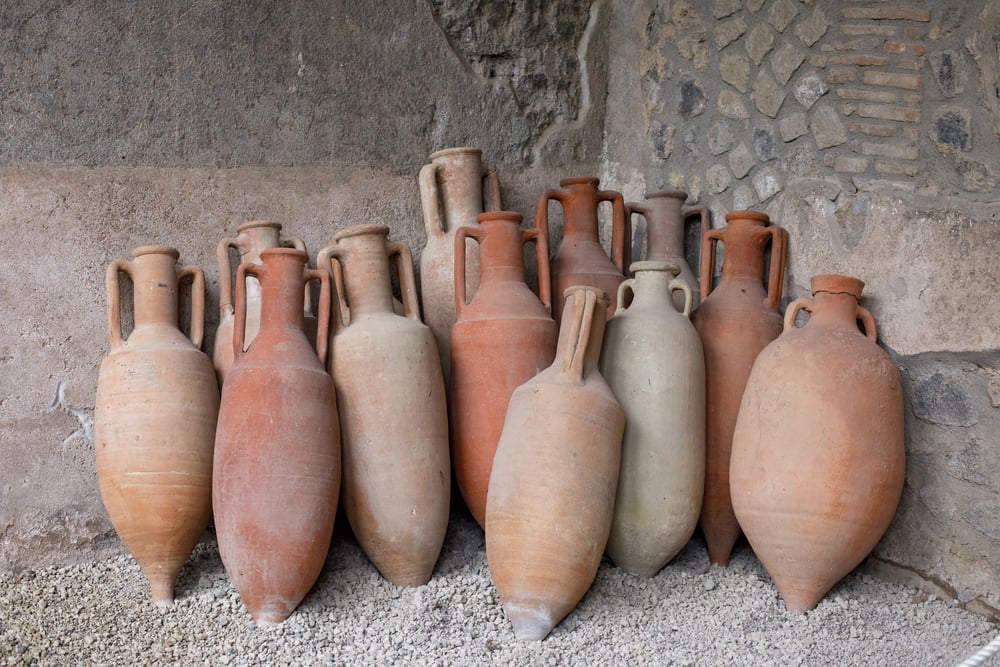
Individual fish-sauce producers in Pompeii developed distinct house recipes for garum, a fermented condiment central to Roman cooking, some of which were sold under specific makers’ names as a mark of quality. When Vesuvius buried the city in 79 AD, many of these individual producers’ exact blends disappeared along with them.
Purple of Cassius

Seventeenth-century chemist Andreas Cassius developed a distinctive gold-based purple pigment that came to bear his name, but the precise original process notes behind his discovery were lost after his death. Later chemists eventually worked out the underlying chemistry independently, but Cassius’s own specific method was never recovered.
Ulfberht Sword Steel

A group of Viking-era swords bearing the inscription Ulfberht were forged from unusually high-purity steel, more consistent than most of what European smiths could produce for centuries afterward. Historians still debate where the smiths sourced such refined metal, and the specific workshop knowledge behind the blades appears to have died out by the eleventh century.
The Chartreuse Recipe
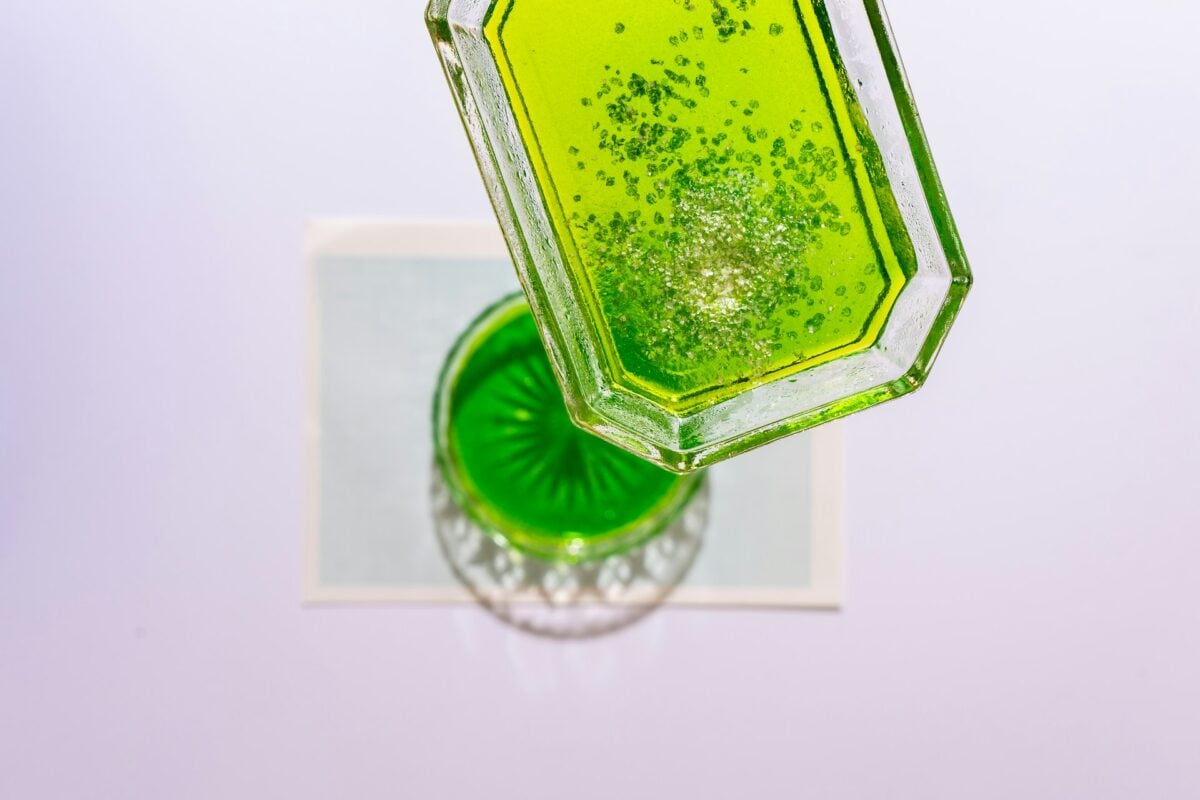
The recipe for the herbal liqueur Chartreuse has been kept as a closely guarded secret by Carthusian monks for centuries, known in full to only a small number of monks at any given time. When French authorities expelled the order from the country in 1903, the Carthusians continued to produce and maintain the complete recipe during their exile, and the formula remained in continuous monastic custody even after the order’s eventual return to France.
Inca Dry-Stone Masonry

Inca builders fitted enormous stone blocks together with such precision that no mortar was needed and, in many walls, not even a blade can slide between the joints. The specific techniques used to shape and position the stones were never written down, since the Inca had no system of writing in the conventional sense, and the exact method remains only partially understood today.
Egyptian Blue Pigment
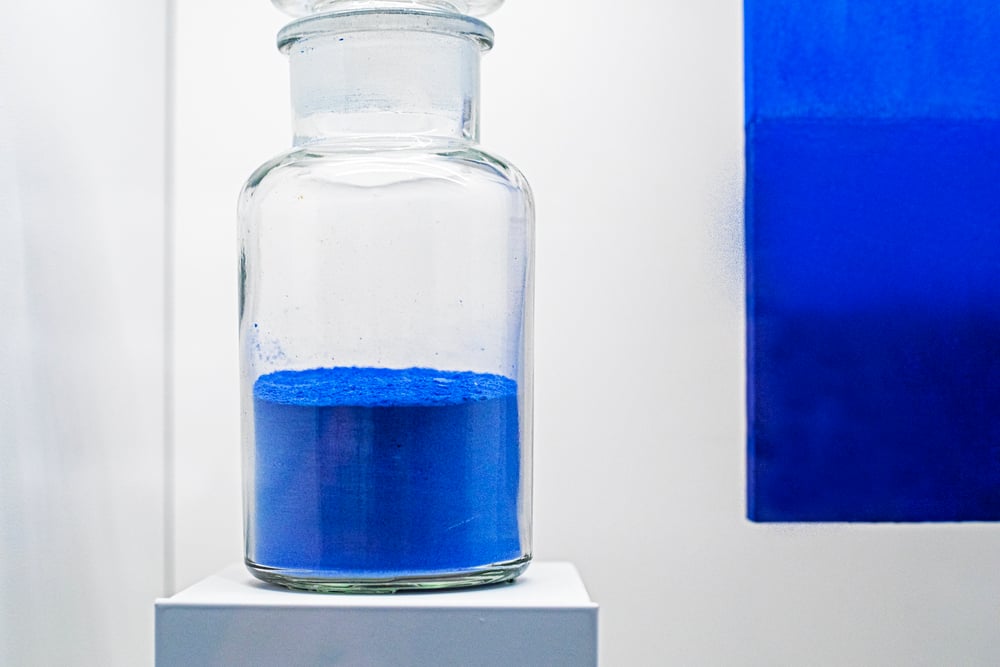
Egyptian Blue, generally considered the first synthetic pigment ever produced, was manufactured and used across the ancient Mediterranean for thousands of years before its production method disappeared following the decline of Roman-era workshops. Chemists only reconstructed the process in the twentieth century, after centuries during which the pigment could no longer be reproduced at all.
Murano Cristallo Glass Formulas

Venetian glassmakers on the island of Murano developed clear cristallo glass under strict state protection, with individual maestros legally forbidden from leaving Venice to prevent the formulas from spreading. Some of the finest individual glassmakers’ specific techniques died with them despite the broader craft’s survival, since exact formulas were often kept only in a single artisan’s memory.
John Harrison’s Chronometer Finishing
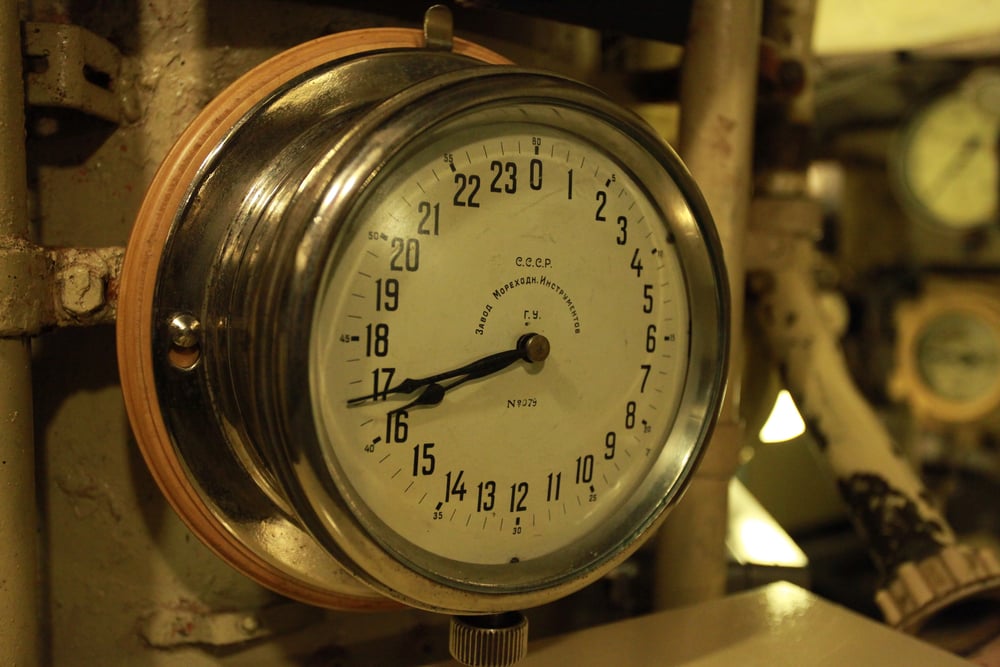
Clockmaker John Harrison built a series of marine chronometers, culminating in his H4, precise enough to solve the centuries-old problem of determining longitude at sea. Some of his specific hand-finishing and adjustment techniques for the mechanism’s most delicate components were never fully documented, and later copies required considerable independent engineering to match his results.
Nikola Tesla’s Experimental Notes

Inventor Nikola Tesla left behind a large body of papers and experimental notes on wireless power transmission and other projects when he died in 1943, many of which were seized by federal authorities shortly afterward. Gaps remain in the historical record of exactly what he had developed, and some of his more experimental research was never fully reconstructed from what survived.
The Iron Pillar of Delhi’s Corrosion Resistance
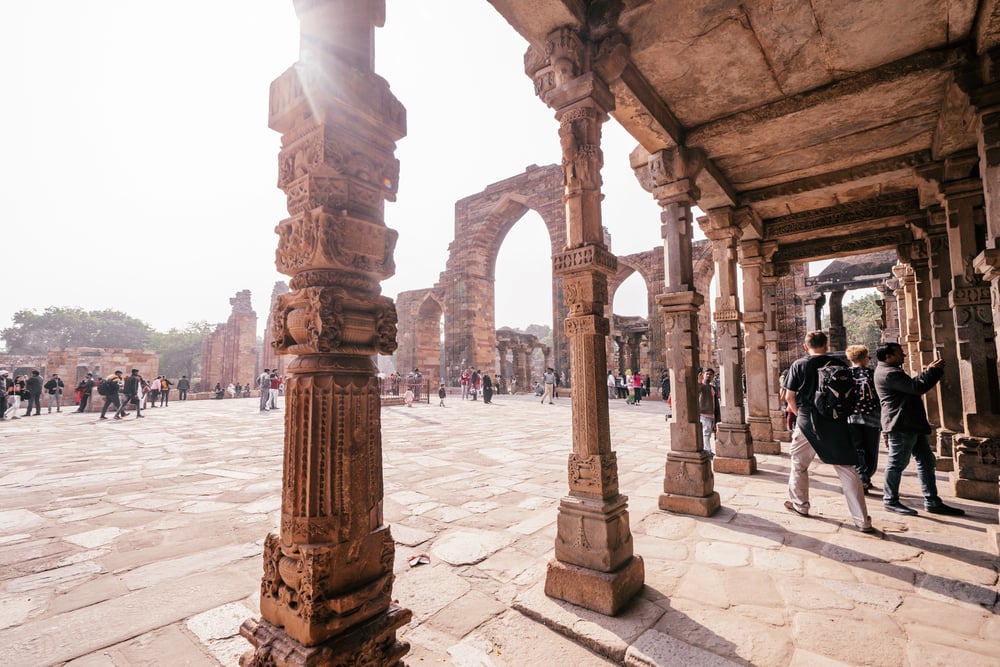
A sixth-century iron pillar standing in Delhi has resisted rusting for over a millennium despite exposure to the elements, a durability that modern metallurgists attribute to an unusual protective layer formed during its original forging and finishing process. The exact ancient technique that produced this effect was never recorded and has not been precisely reproduced.
Johann Friedrich Böttger’s Porcelain Formula
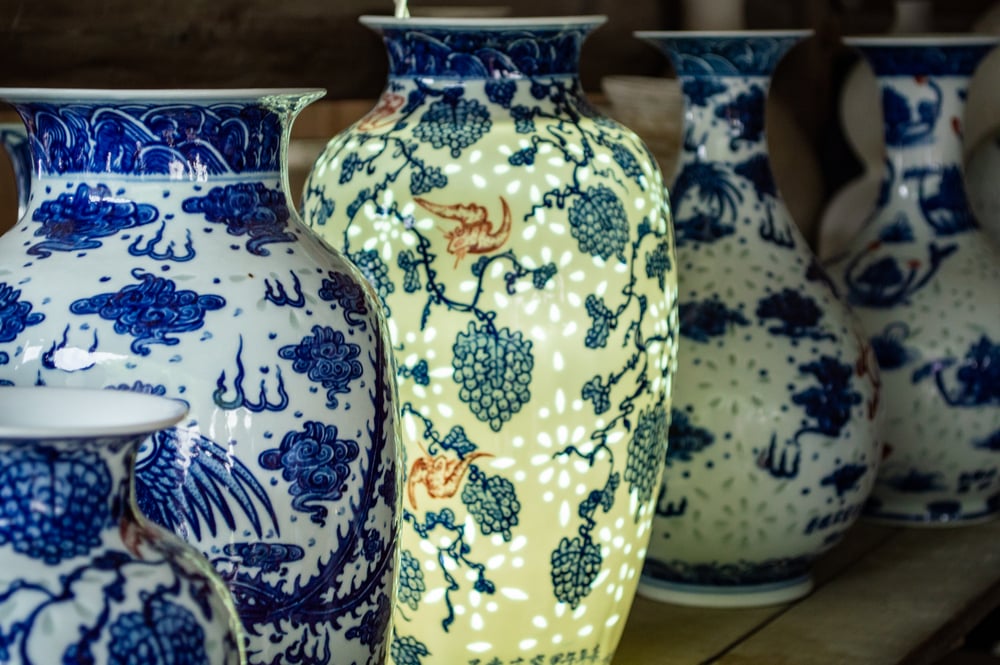
Johann Friedrich Böttger developed Europe’s first true hard-paste porcelain for the Meissen factory in the early eighteenth century, a formula the Saxon court guarded as a state secret and kept Böttger himself confined to protect. He died young in 1719, and successors at Meissen had to partially rediscover and refine his exact process before production could continue reliably.
Polynesian Wayfinding Navigation

Pacific Islander navigators once sailed vast ocean distances using wayfinding techniques based on stars, swells, and wildlife patterns, passed down entirely through oral instruction rather than written records. Much of this knowledge nearly disappeared by the twentieth century as fewer navigators were trained in the full tradition, and it survived largely through the efforts of a small number of master practitioners who worked to revive it.
Josiah Wedgwood’s Jasperware Formula
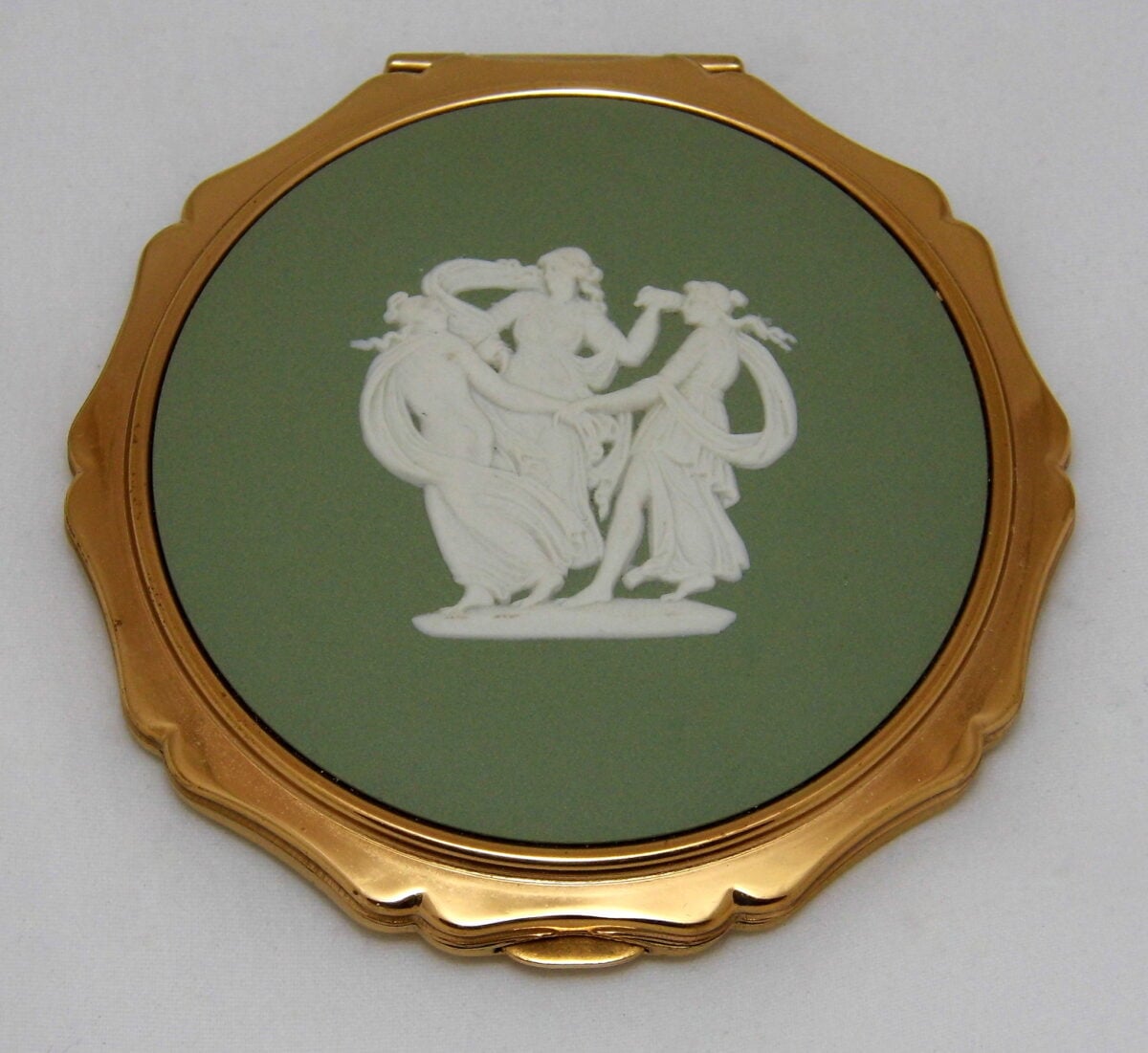
Potter Josiah Wedgwood developed a distinctive matte stoneware called jasperware in the late eighteenth century, achieved through a closely guarded formula involving specific mineral additives. Wedgwood kept much of the exact recipe internal to his factory, and later generations of the company had to work carefully from incomplete records to maintain consistent results.
Archimedes’ War Machines

Ancient accounts describe Archimedes designing an array of defensive war machines, including devices for hurling projectiles and manipulating enemy ships, used to defend Syracuse against a Roman siege in the third century BC. No original technical drawings or specifications survived, leaving historians to reconstruct their possible designs only from later written descriptions.
The Nazca Lines’ Construction Technique

The enormous figures and geometric lines etched into Peru’s coastal desert by the Nazca culture roughly two thousand years ago required a precise method of scaling and marking the ground that was never recorded in writing. Researchers have proposed several methods based on surviving evidence, but the exact original technique used by the Nazca themselves remains unconfirmed.
Medieval Persian and Syrian Luster Ceramics
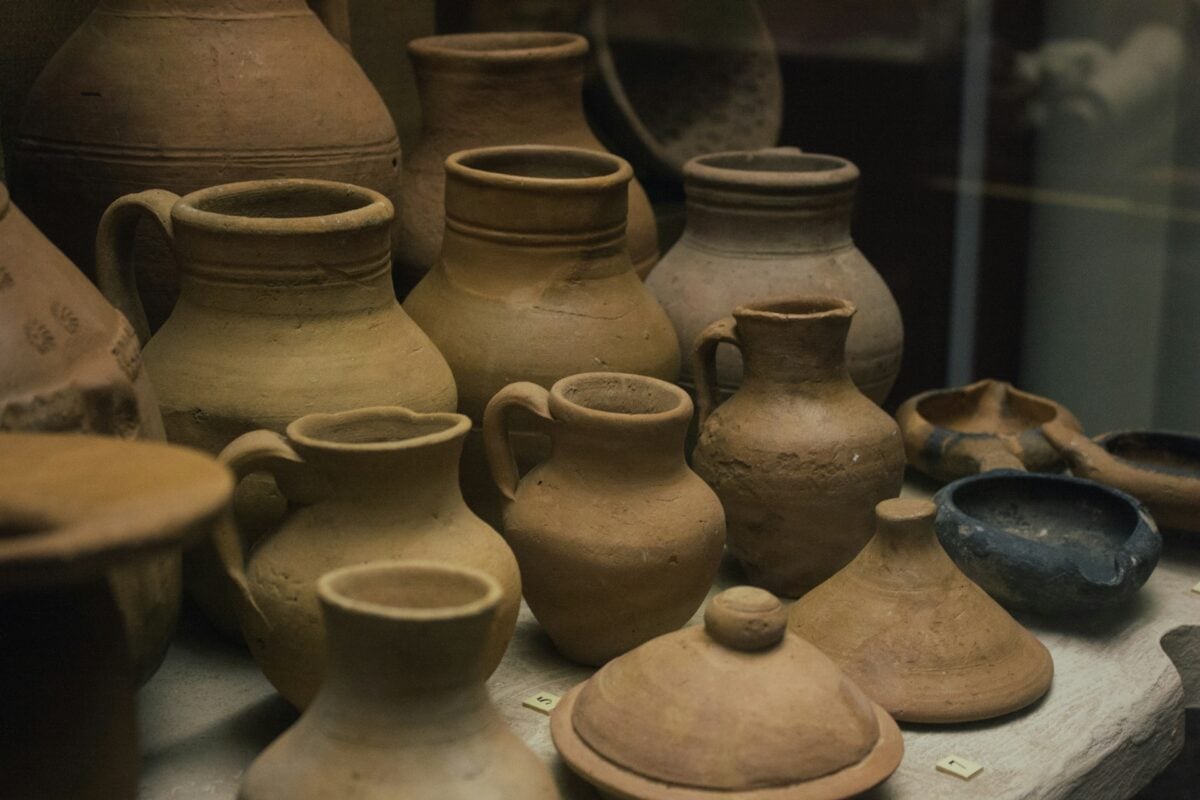
Medieval potters in Persia and Syria developed a metallic luster glaze technique that gave ceramics an iridescent sheen resembling precious metal, a closely guarded craft secret passed down within individual workshop families. Many of these workshops’ specific formulas disappeared amid regional political upheaval, and it took modern ceramicists centuries to partially reconstruct techniques that came close to the originals.
What Knowledge Actually Needs to Survive

Every invention on this list worked, sometimes brilliantly, and yet working was not enough to guarantee it would last. What separated the techniques that survived from the ones that vanished was rarely genius. It was whether anyone bothered, or was allowed, to write the method down in a form someone else could follow.
That distinction should unsettle anyone who assumes knowledge accumulates automatically over time. It doesn’t. It requires transmission, and transmission has always been the fragile part, dependent on students, records, and institutions that can just as easily disappear as the people who first held the knowledge.
More from Go2Tutors!

- The Romanov Crown Jewels and Their Tragic Fate
- 13 Historical Mysteries That Science Still Can’t Solve
- Famous Hoaxes That Fooled the World for Years
- 15 Child Stars with Tragic Adult Lives
- 16 Famous Jewelry Pieces in History
Like Go2Tutors’s content? Follow us on MSN.