26 Toys That Started as Something Else
Plenty of toys on the shelf today were never meant to be toys. They were spare parts, cleaning products, classroom aids, and failed experiments that someone noticed kids would play with.
The inventors often had no interest in the toy business at all.
What follows is a tour of the odd origins behind familiar names. Each one began as a tool, a joke, a political statement, or a mistake before it reached a toy chest.
Slinky and the Naval Spring
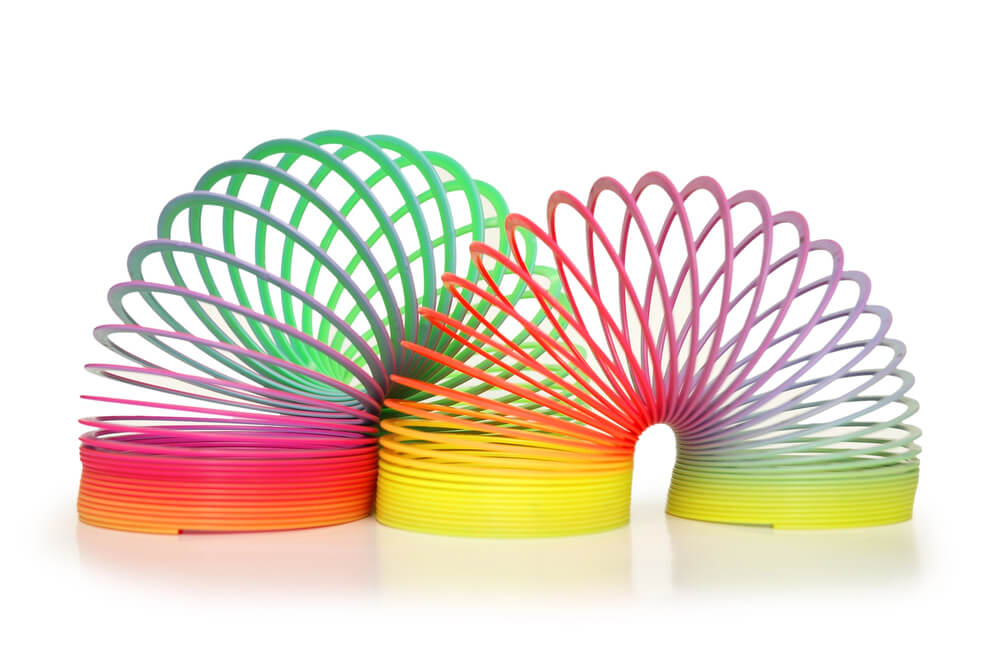
Naval engineer Richard James was testing tension springs meant for ship horsepower meters in 1943 when one fell off a shelf and kept moving across the floor. His wife, Betty, picked the name Slinky from a dictionary.
The first batch of about 400 went on sale at Gimbels in Philadelphia in 1945, and the story is that it sold out within roughly 90 minutes. Vintage boxed Slinkys from the 1940s and 1950s usually sell for modest sums, and rust, kinks, and a missing sleeve cut the price further.
Silly Putty and the Rubber Shortage
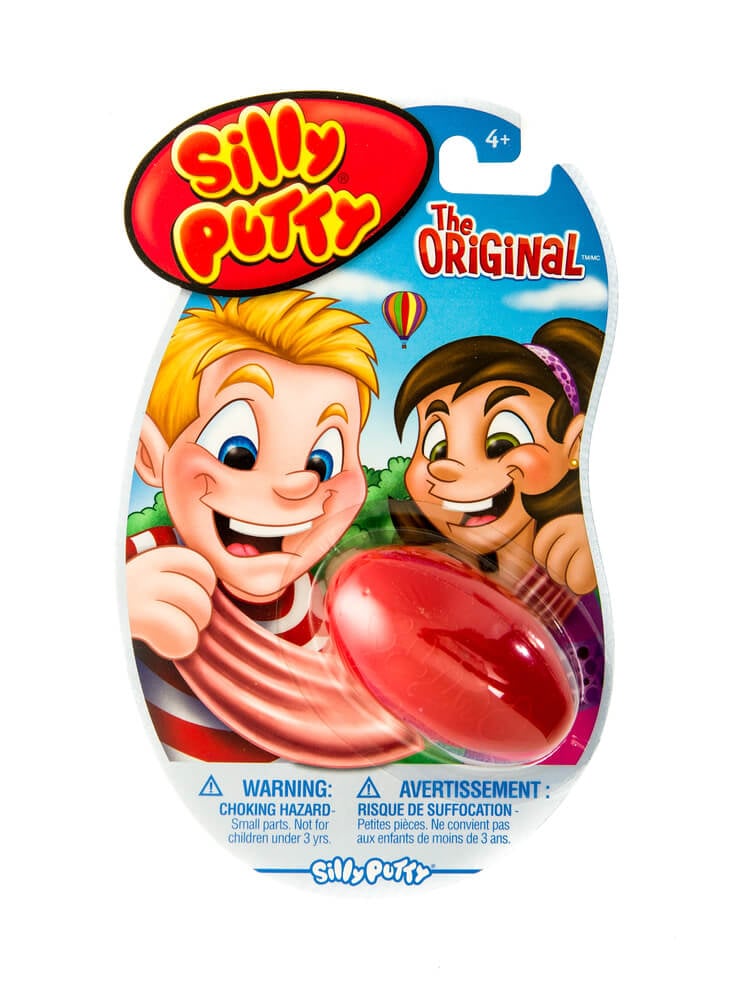
During World War II, General Electric researcher James Wright combined silicone oil with boric acid while hunting for a synthetic rubber substitute. The goo bounced and stretched, but it never became a usable tire material.
Marketing consultant Peter Hodgson saw its appeal as an amusement and began selling it in plastic eggs around Easter 1950. The gray-pink goo also had a strange party trick, since pressing it against newspaper comics lifted the ink and copied the image.
Early eggs and original packaging draw collectors, though dried-out putty and cracked shells keep most secondhand lots cheap.
Play-Doh and the Wallpaper Cleaner
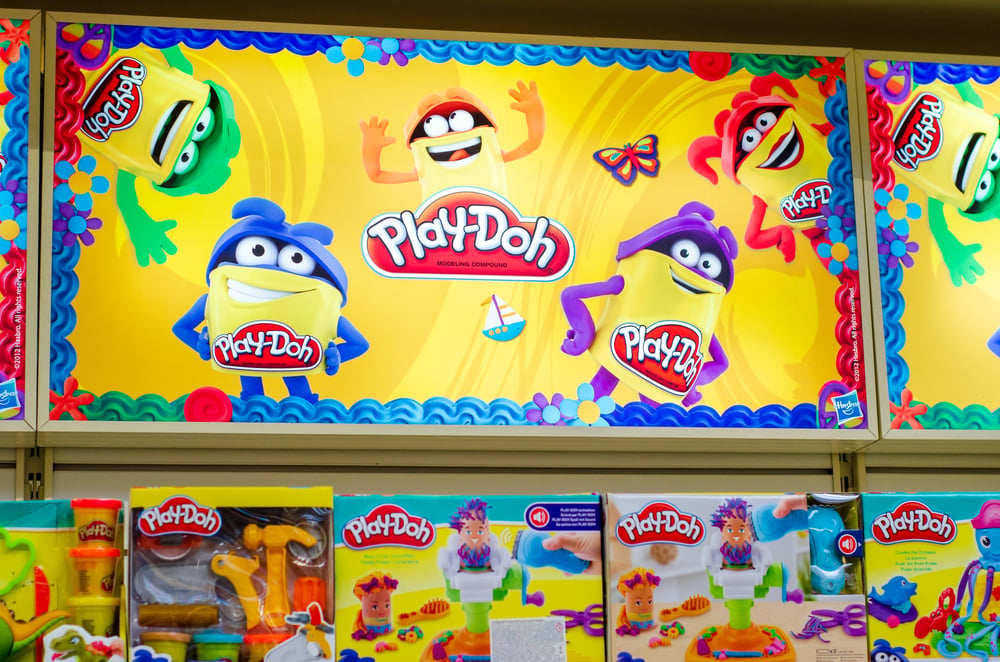
Kutol Products of Cincinnati made a putty-like cleaner for lifting soot from wallpaper, a business that shrank as homes moved away from coal heat. Joseph McVicker’s sister-in-law, a nursery school teacher named Kay Zufall, found that children enjoyed modeling with it and suggested a new name.
The compound was relaunched as Play-Doh in 1956 and quickly found a home in classrooms. Old cans and boxed sets from the 1950s and 1960s tend to sell for a few dollars to a few dozen dollars, depending on label condition and completeness.
Frisbee and the Pie Tin
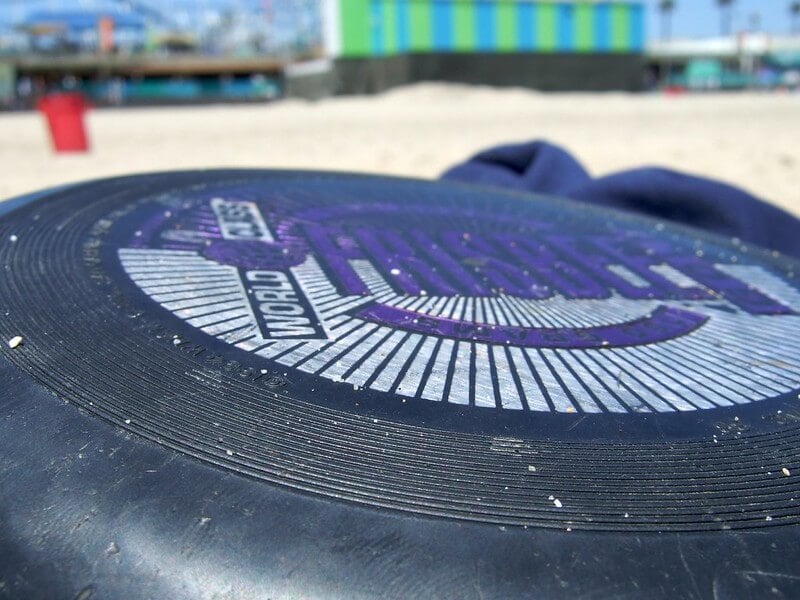
Students at Yale tossed empty pie tins from the Frisbie Baking Company of Bridgeport, Connecticut, and the habit spread through New England campuses. Walter Frederick Morrison later built a plastic flying disc he called the Pluto Platter.
He sold the design to Wham-O in 1957, and the company renamed it Frisbee the following year, after learning that college students already used that nickname for the flying tins. Morrison was reportedly inspired by the same sort of backyard pie tin tossing he saw as a young man.
Early models with the Pluto Platter name or the original molded details can sell for far more than later runs, assuming cracks, warping, and heavy scuffing are absent.
Hula Hoop and the Gym Class Ring

Wham-O founders Richard Knerr and Arthur Melin heard about Australian children swinging bamboo rings around their waists in gym class. They produced a lightweight plastic version in 1958 and sold it with a hip-swiveling demonstration at stores.
The name borrowed from the Hawaiian hula dance because the motion looked similar. Millions sold in a short span, and the craze left toy stores scrambling to restock tubing for months.
Parents and doctors debated whether swinging a hoop was safe, which only fueled sales. Original 1958 hoops still turn up at estate sales, where fading and splits in the tubing affect pricing.
Mr. Potato Head and the Garden Vegetables
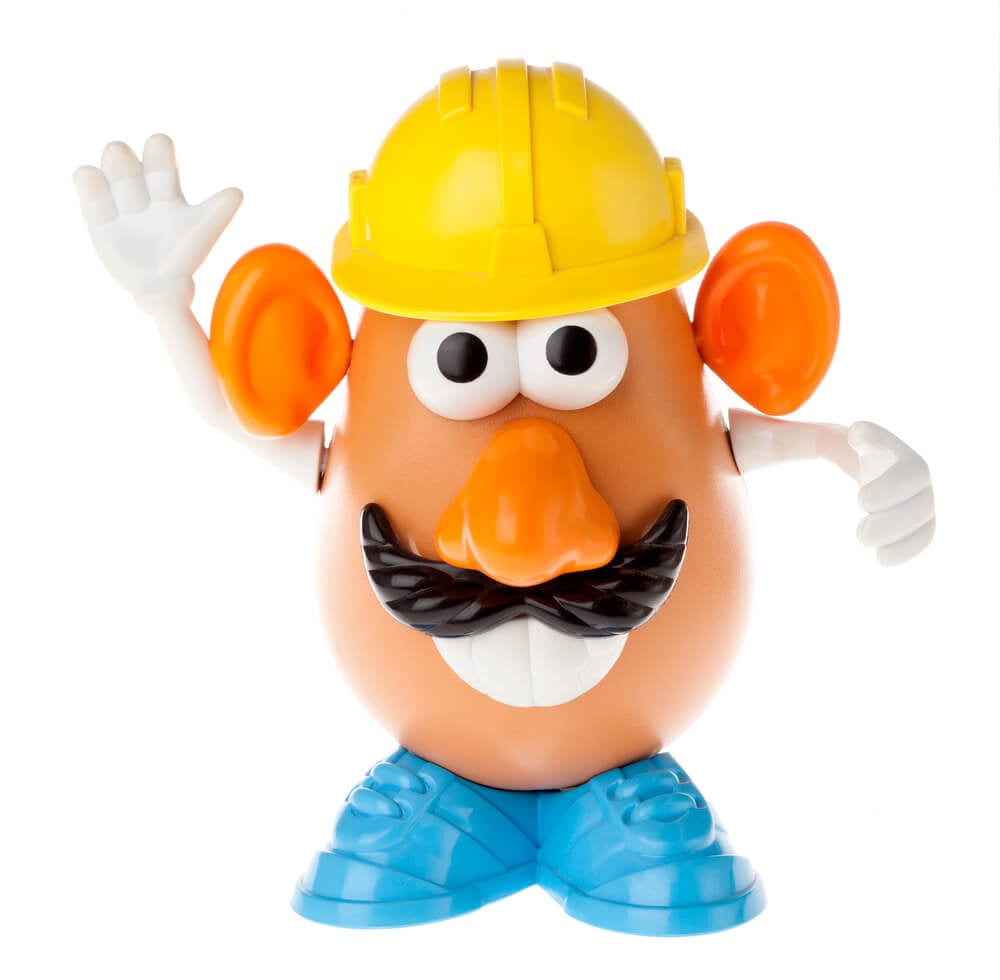
George Lerner designed a kit of plastic eyes, ears, noses, and mouths in 1949, meant to be pushed into real vegetables. Cereal makers passed on the idea before Hasbro licensed it in 1952.
It became the first toy advertised on television, and parents quickly tired of rotting produce around the house. A plastic potato body replaced the real vegetable in 1964, and that change finally made the toy usable year after year.
Hasbro later added a spud wife, Mrs. Potato Head, to the product line. Complete early sets in their original boxes sell best, while missing pieces drop prices fast.
Lincoln Logs and the Imperial Hotel
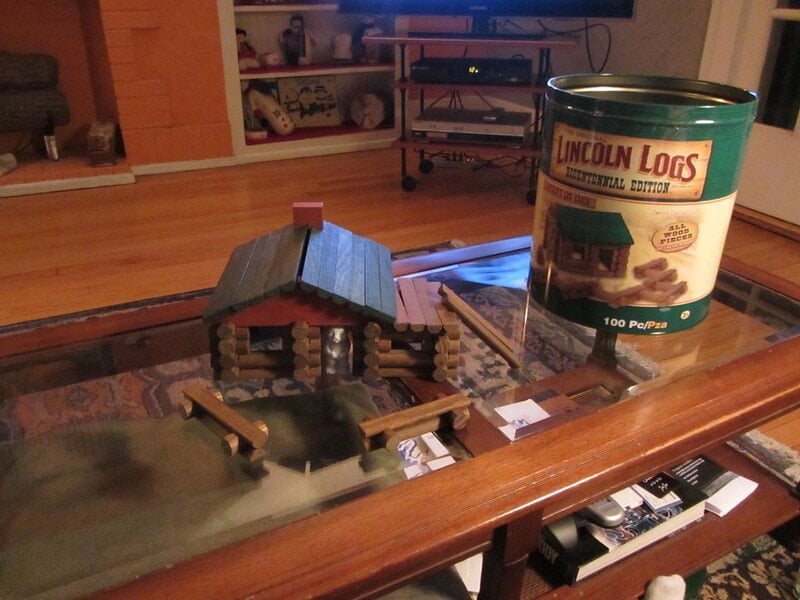
John Lloyd Wright, son of Frank Lloyd Wright, is said to have drawn inspiration from the earthquake-resistant Imperial Hotel that his father’s team built in Tokyo. He carried the idea home and shrank it into notched miniature logs that children could stack into cabins.
The name recalled the log cabin childhood of Abraham Lincoln, and early sets came in a cylindrical canister that doubled as storage. Wright also worked as an architect and designer in his own right.
Vintage canisters with their original wooden logs and printed instruction books sell better than loose piles, and warped or stained pieces reduce the value of any set.
Erector Set and the Power Line Girders
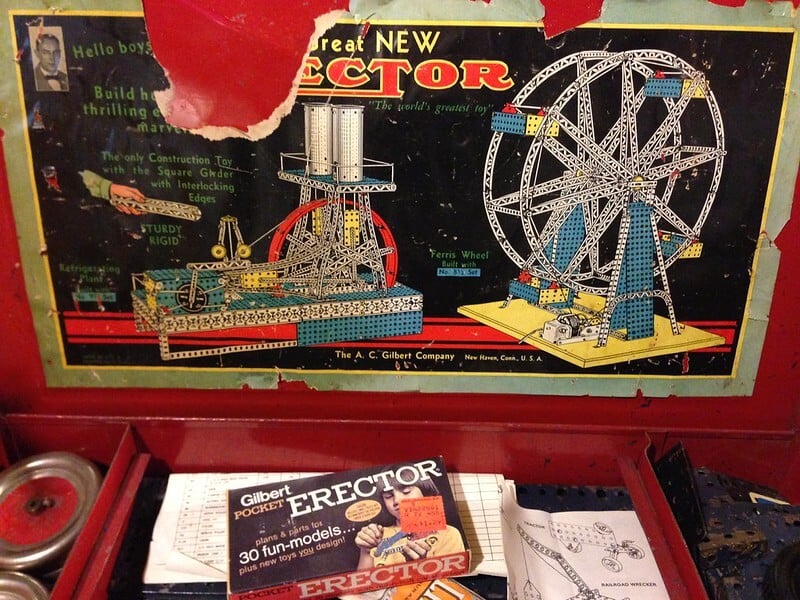
A. C. Gilbert was riding a commuter train between New Haven and New York when he noticed workers raising steel girders for electric power lines. He went home and sketched a set of metal beams that could be bolted together by children.
The Erector Set debuted in 1913, and Gilbert, who also won an Olympic gold medal in the pole vault in 1908, built a toy empire around it. Large boxed kits with motors and intact manuals can bring hundreds of dollars, assuming rust and missing parts are not an issue.
Teddy Bear and the Mississippi Hunt

In November 1902, President Theodore Roosevelt refused to shoot a bear that guides had tied to a tree during a hunting trip in Mississippi. Clifford Berryman drew the moment for the Washington Post, and the cartoon spread nationwide.
Brooklyn candy shop owner Morris Michtom then made a stuffed bear and displayed it as Teddy’s bear. The toy became so successful that Michtom later founded the Ideal Novelty and Toy Company.
Early bears from this era are prized when their fur, stuffing, and stitching remain intact.
Lego and the Carpenter’s Workshop
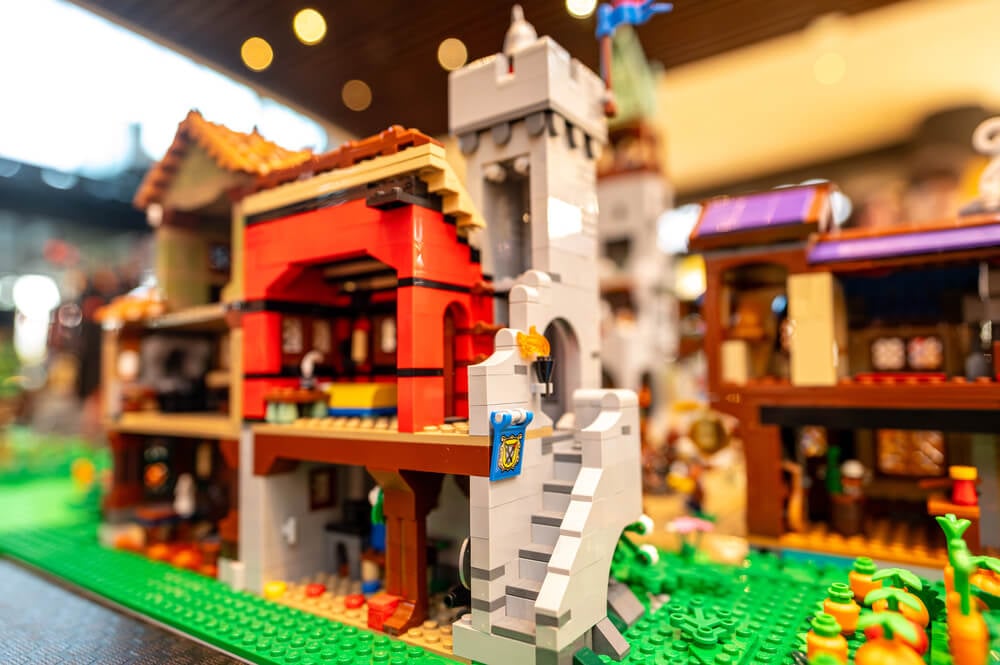
Ole Kirk Christiansen ran a small carpentry shop in rural Denmark, and made ironing boards and stepladders before wooden toys took over during the lean years of the Great Depression. He coined the name Lego in 1934 from the Danish phrase leg godt, which means play well.
The plastic interlocking brick followed in 1949, inspired by Self-Locking Building Bricks made by British inventor Hilary Fisher Page of Kiddicraft. Sealed sets from the 1960s and 1970s can climb into the hundreds of dollars, though sun-yellowed bricks and crushed boxes cut the premium.
Etch A Sketch and the Tracing Paper
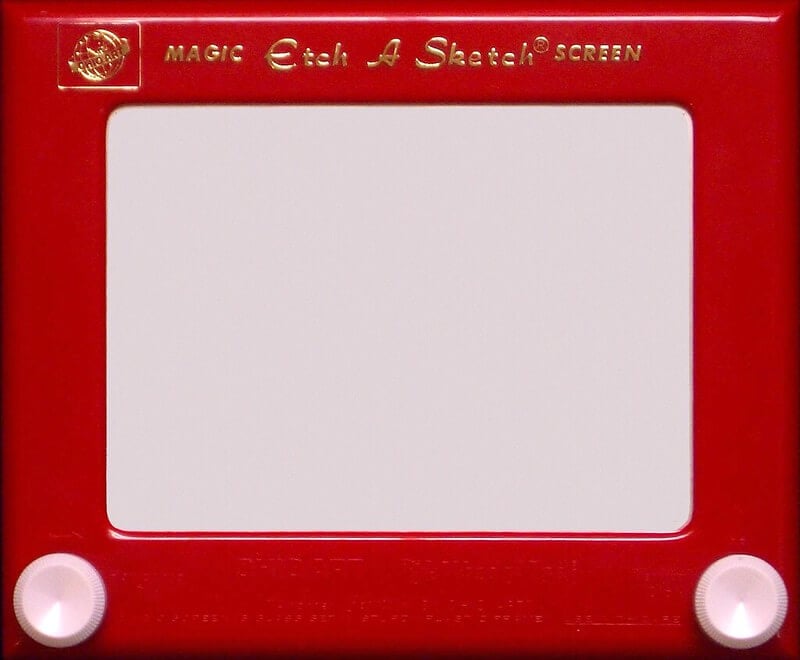
French electrician Andre Cassagnes noticed that when he lifted tracing paper off a translucent screen, the marks he had made stayed behind on the powder-coated surface. He turned that observation into a drawing device called L’Ecran Magique, which Ohio Art picked up at the Nuremberg Toy Fair.
It reached American stores in 1960 as Etch A Sketch, and its two white knobs controlled horizontal and vertical lines. Shaking the case erased the drawing by redistributing the powder behind the glass.
Early red-framed units with intact knobs and working screens appeal to collectors, though cracked frames and stuck stylus mechanisms limit resale prices.
Barbie and the German Newspaper Doll
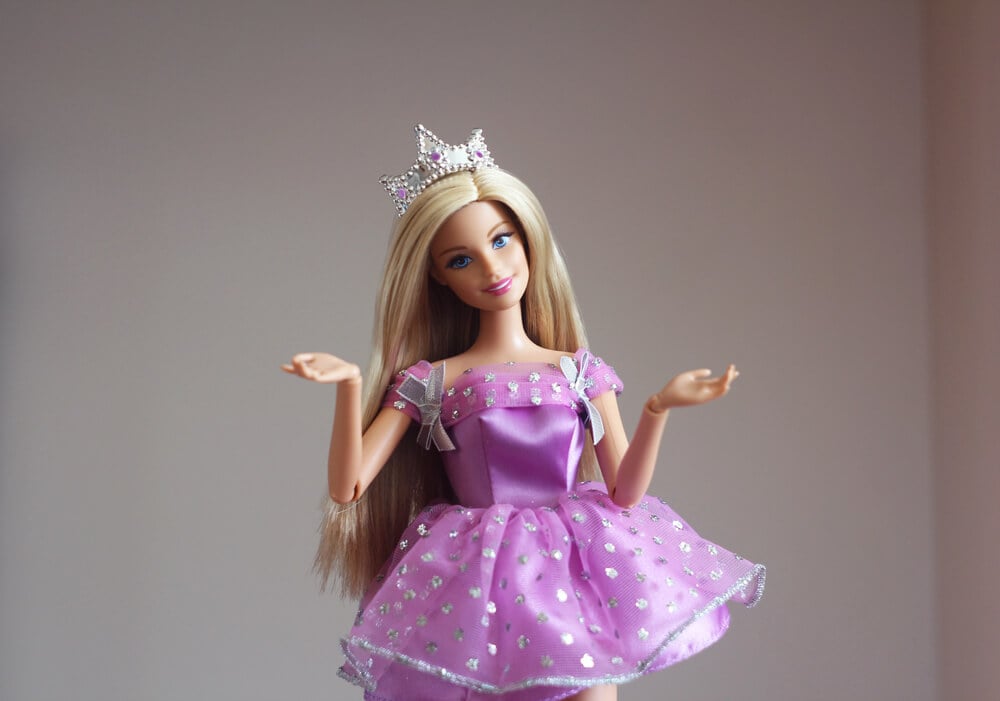
Bild Lilli was a gag gift for adults in Germany, based on a cartoon character drawn for the newspaper Bild-Zeitung. Ruth Handler spotted the doll during a vacation in Switzerland and brought several home to Mattel.
Barbie debuted at the American Toy Fair in New York in March 1959, and Mattel bought the rights to Lilli in 1964. Original 1959 Barbies in good condition can bring well over a thousand dollars, but green ear discoloration, missing accessories, and replaced parts quickly bring those prices down.
Super Soaker and the Heat Pump

Lonnie Johnson was a NASA Jet Propulsion Laboratory engineer who worked on the Galileo mission to Jupiter. In the 1980s he was testing a heat pump design that used water in place of refrigerant, and a nozzle he attached sent a powerful stream across his bathroom.
He spent years pitching the idea before Larami brought it to market, and the invention later made Johnson a household name among engineers. The toy was branded Super Soaker in 1990 and became a summer fixture.
Original models with intact pumps and pressure chambers often sell for modest sums.
Rubik’s Cube and the Architecture Classroom
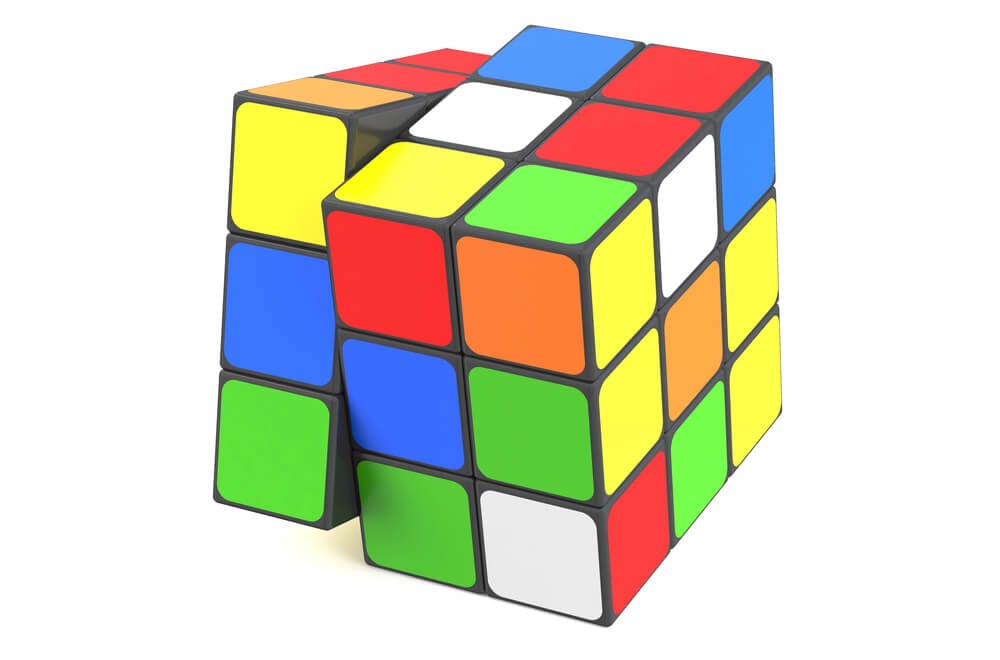
Erno Rubik taught at the Budapest Academy of Applied Arts and Design, and in 1974 he built a wooden Magic Cube to help students grasp three-dimensional movement. He later said that solving his own puzzle took him about a month.
Hungarian shops sold it from 1977, and Ideal brought it west under the new name in 1980. Early Hungarian Magic Cubes and sealed Ideal boxes can sell for much more than later copies, as long as stickers are unfaded and the turning mechanism is smooth.
Monopoly and the Landlord’s Game
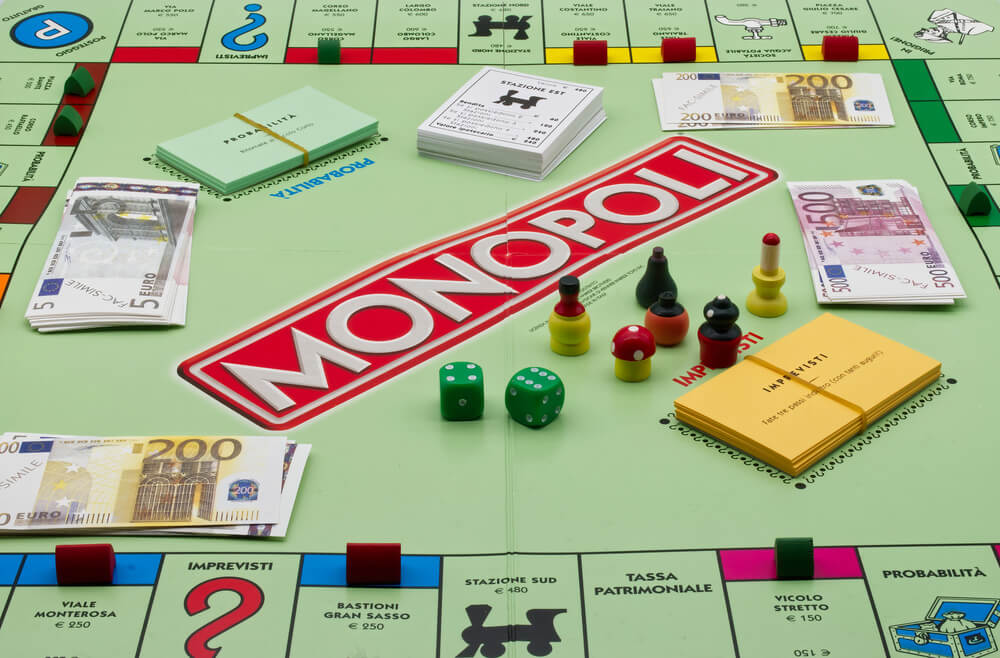
Elizabeth Magie, a writer and inventor, patented The Landlord’s Game in 1904 to illustrate how rent enriches landowners and impoverishes tenants, an argument based on the ideas of economist Henry George. Versions of the board circulated among college students and Quaker communities for years.
Charles Darrow sold his own version to Parker Brothers in 1935, and the company later bought Magie’s patent for a small sum. Early handmade Darrow sets and 1930s editions are valued for their wood and metal tokens, assuming boards and cards have not been replaced.
Easy-Bake Oven and the Light Bulb
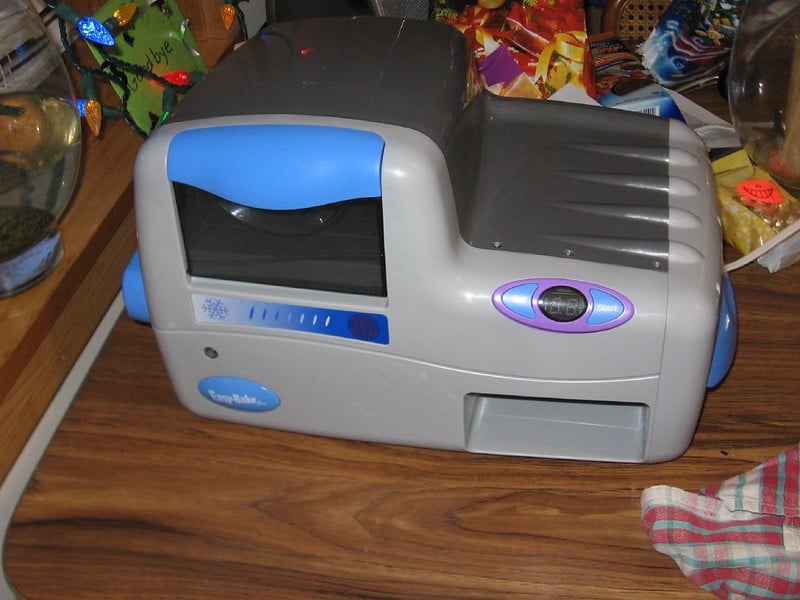
Kenner introduced the Easy-Bake Oven in 1963, and it baked tiny cakes using the heat from a pair of incandescent bulbs. The toy is credited to Kenner developer Ronald Howes, who reportedly drew inspiration from street vendors warming pretzels with light bulbs in New York.
General Mills later bought Kenner, and the oven remained in production for decades afterward, with later versions switching away from bulbs. The earliest ovens had a two-toned look that now reads as dated charm.
Complete vintage ovens with their original pans and boxes sell for modest prices, but cracked housings, missing pans, and frayed cords mark down value.
Lava Lamp and the Pub Egg Timer
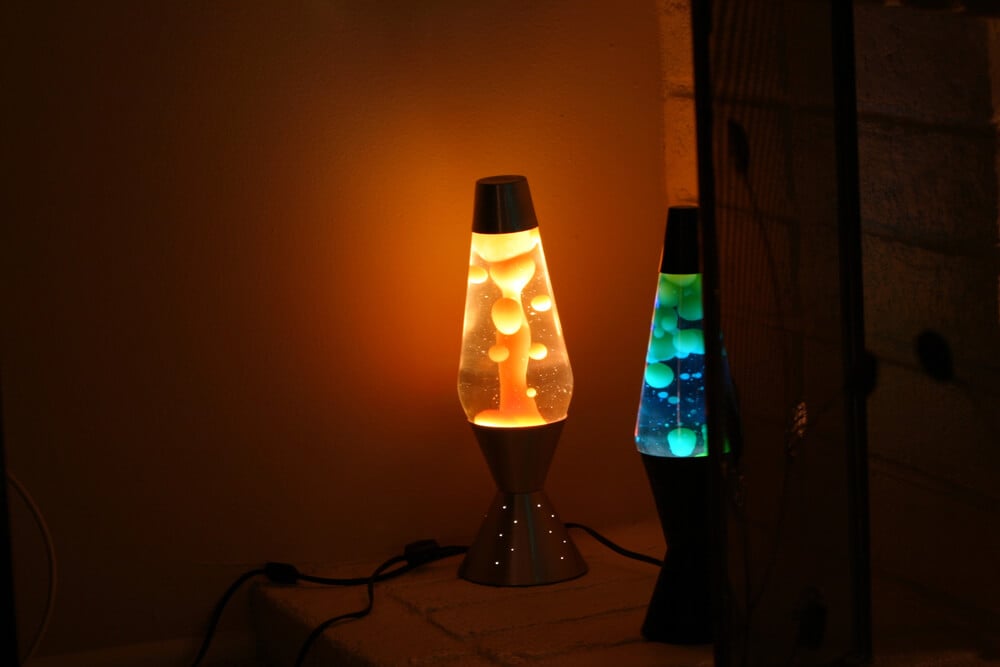
British entrepreneur Edward Craven Walker was inspired by a homemade egg timer he saw in a pub in Dorset. It consisted of a glass vessel of liquid with wax blobs rising and falling above a heating element.
He refined the idea and launched the Astro Lamp in 1963, and an American company later licensed it as the Lava Lite. Its slow, drifting blobs made it a fixture of late 1960s and 1970s living rooms.
Working vintage lamps with clear liquid and undamaged bases are the most sought-after.
View-Master and the Scenic Postcard
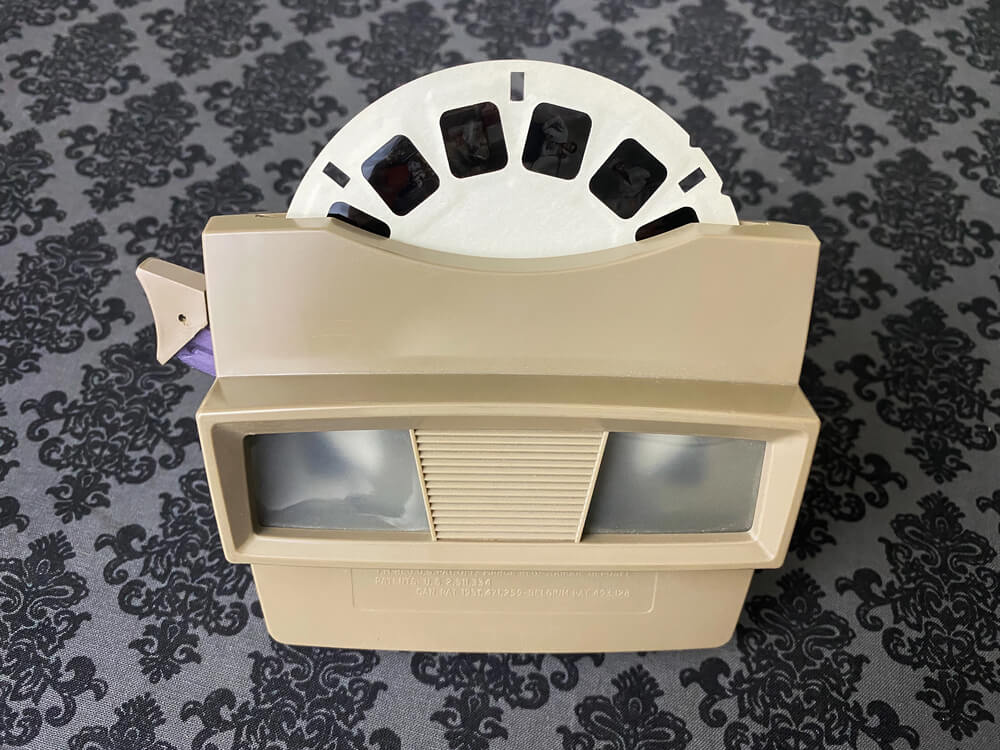
William Gruber, an organ maker in Portland, Oregon, built a stereoscopic viewer to show off his Kodachrome slides of scenery. He joined forces with Sawyer’s, a company that sold photographic postcards, and the View-Master was shown at the 1939 New York World’s Fair.
During World War II, the military took most of the production for training purposes, using the 3D reels to teach aircraft and ship recognition. Tourist reels of national parks and landmarks sold well after the war.
Early blue viewers with reels in their original packets appeal to collectors, and cracked casings, faded reels, and missing booklets lower the values.
Pez and the Breath Mint
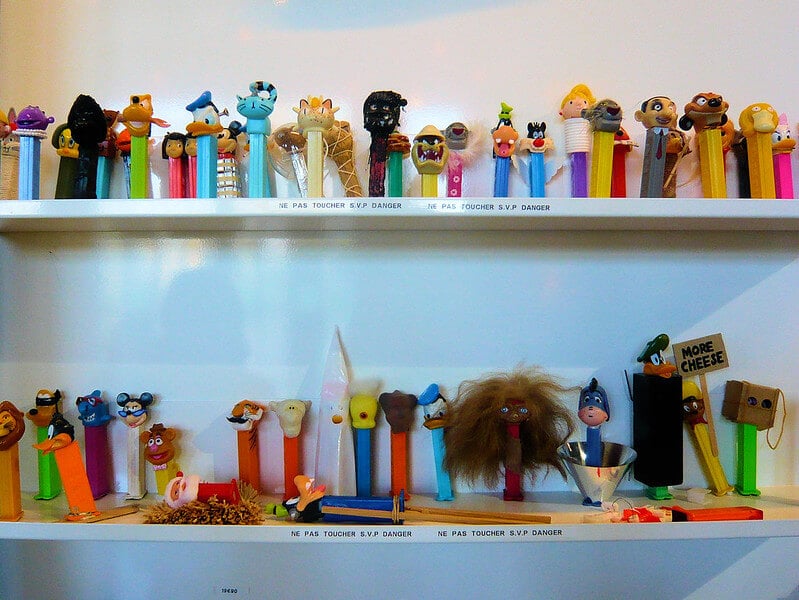
Eduard Haas III launched Pez in Vienna in 1927 as a peppermint candy for adults, and the name comes from the German word for peppermint, Pfefferminz. The mints were sold in small tins and positioned as a breath freshener.
Dispensers arrived in 1948, and fruit flavors and character heads made it a children’s brand in the 1950s, with a US launch following in 1952. The company still sits in Austria, and a visitor center operates in Connecticut.
Collectors pay the most for early dispensers without feet and rare character heads, provided cracks, worn paint, and missing stems do not reduce the price.
Nerf and the Caveman Game
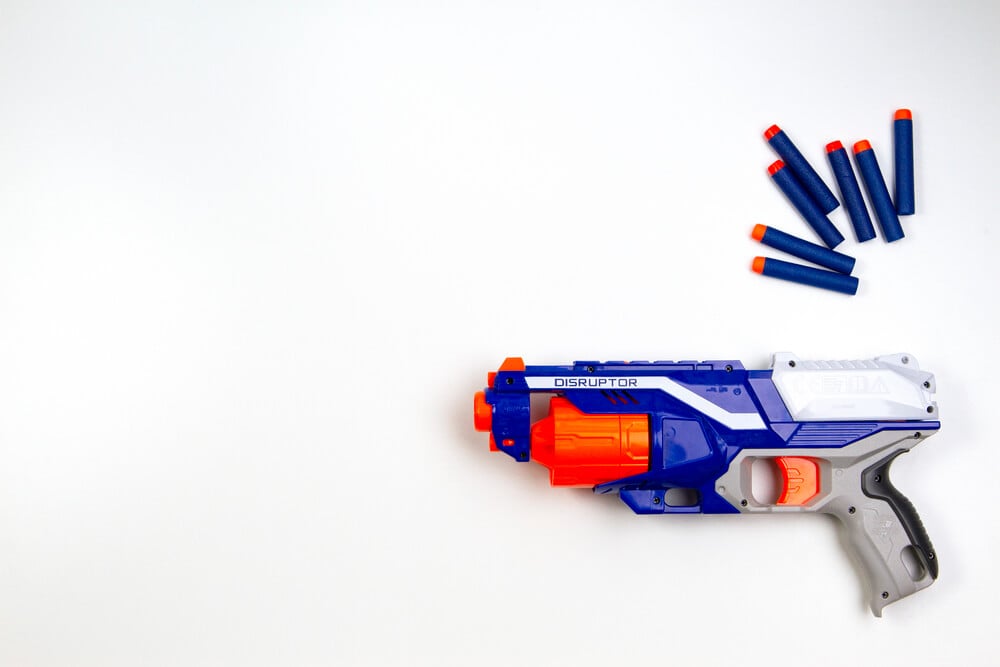
Reyn Guyer ran a Minnesota design company, and in 1969 his team was working on a caveman-themed game that used foam rocks. While testing prototypes, employees began tossing the foam around the office and discovered it did no damage to furniture.
Parker Brothers bought the concept and put the indoor foam toy on shelves in 1970 under the name Nerf. The brand later grew into a huge line of foam blasters, which now make up most of what carries the name.
Early editions in sealed packaging are the most desirable, whereas crumbling foam, faded logos, and torn boxes bring prices down.
Matchbox and the Rule at School
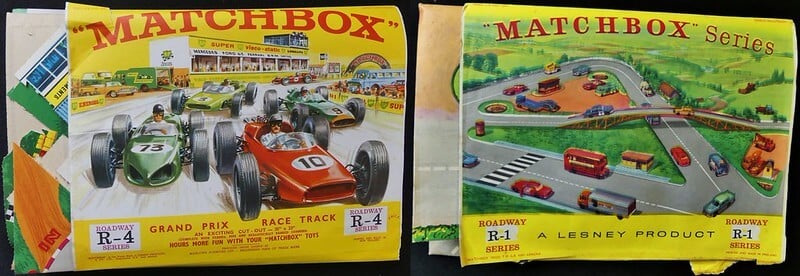
Jack Odell, an engineer at Lesney Products in London, made a tiny brass version of a road roller for his daughter in 1953. Her school allowed only toys small enough to fit inside a matchbox, so he built a version to meet the rule.
His business partners saw the sales potential, and the tiny vehicles soon outsold nearly everything else Lesney made. Lesney released the model as part of the Matchbox Series, with the road roller as number one.
Early models with their original boxes, especially in lesser-known color variations, draw higher prices when paint chips and missing parts are absent.
Tonka and the Garden Tools
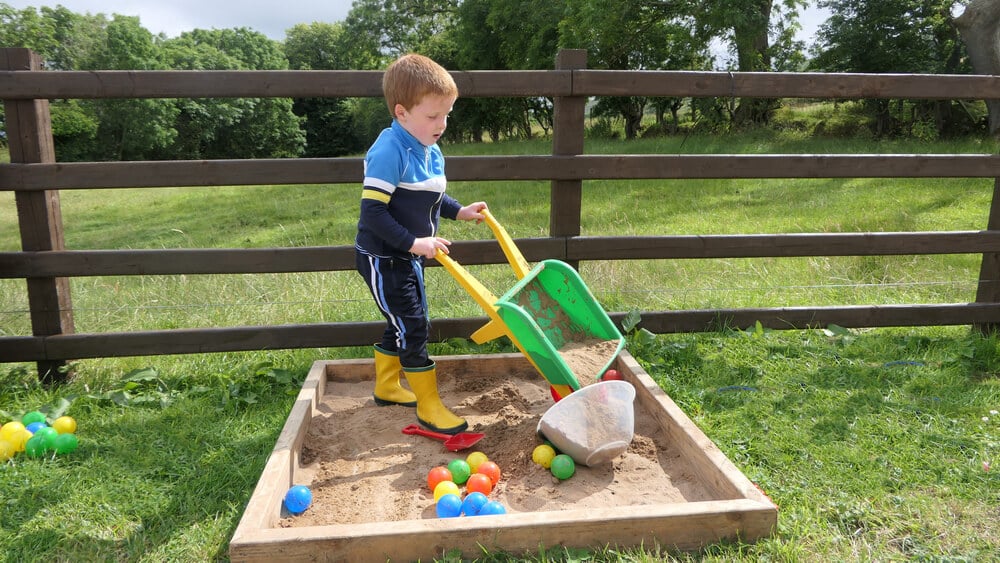
Mound Metalcraft was formed in 1946 in Mound, Minnesota, to make garden tools. The company moved into toys when it picked up a toy steam shovel design, and it soon dropped the original business.
Minnesota remained home to the brand for decades, and the heavy steel build became its calling card. The name Tonka was taken from nearby Lake Minnetonka.
Pressed steel trucks from the late 1940s and 1950s are the ones collectors chase, and rust, repainted bodies, and missing parts determine whether a truck sells for tens of dollars or several hundred.
Silly String and the Spray-On Cast
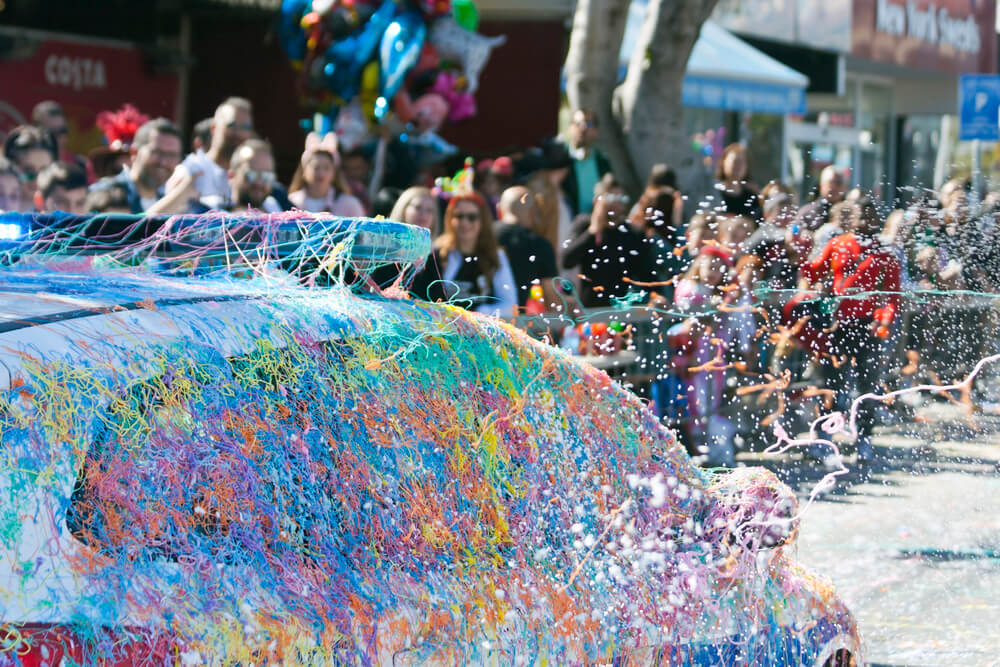
Leonard Fish, a chemist, reportedly experimented with aerosol plastic as a way to make quick casts for broken bones. The resulting stream of sticky plastic filaments proved far better suited to parties than hospitals.
Wham-O launched the product as Silly String in 1972, and it became a fixture at birthday celebrations and sporting events. Several US cities later restricted its use at parades and public gatherings because of the mess it left behind.
Unopened vintage cans in their original artwork are the main secondhand curiosity, though dented, leaking, or faded cans are usually worth very little to buyers.
Tinkertoy and the Spools
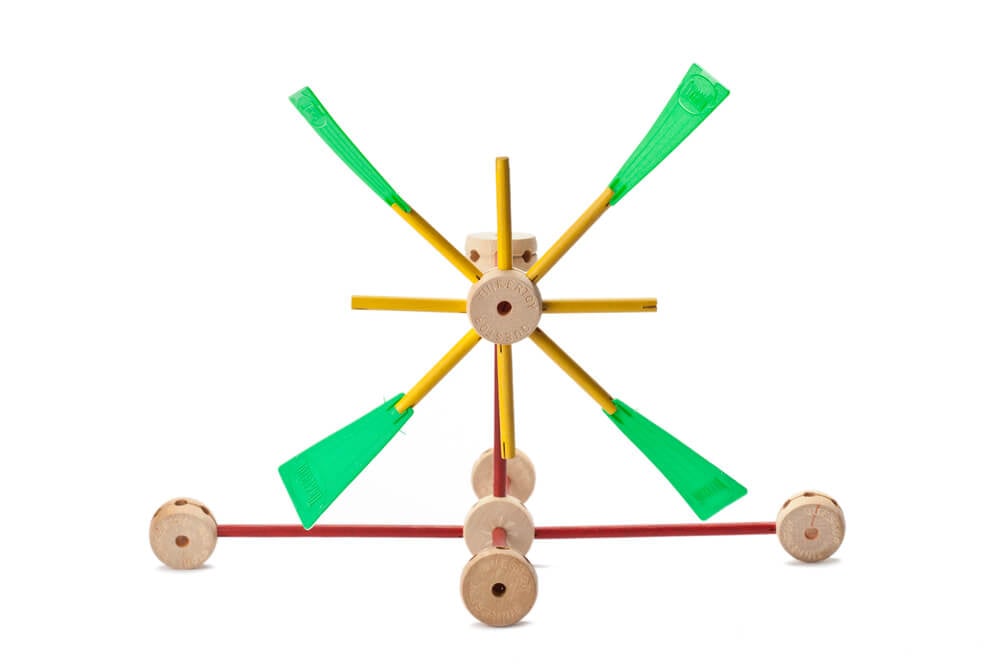
Charles Pajeau, a stonemason in Evanston, Illinois, saw children playing with sticks and empty thread spools. In 1914 he turned the scene into a construction set of wooden rods and drilled wheels, then sold it through department stores around the country.
Pajeau had no engineering background, which made the toy unusually friendly to beginners who built simple towers, wagons, and wheels at the kitchen table. Complete wooden canisters with their rods and printed designs sell best, while chipped paint and missing wheels reduce the price considerably.
Cabbage Patch Kids and the Craft Fair Sculpture
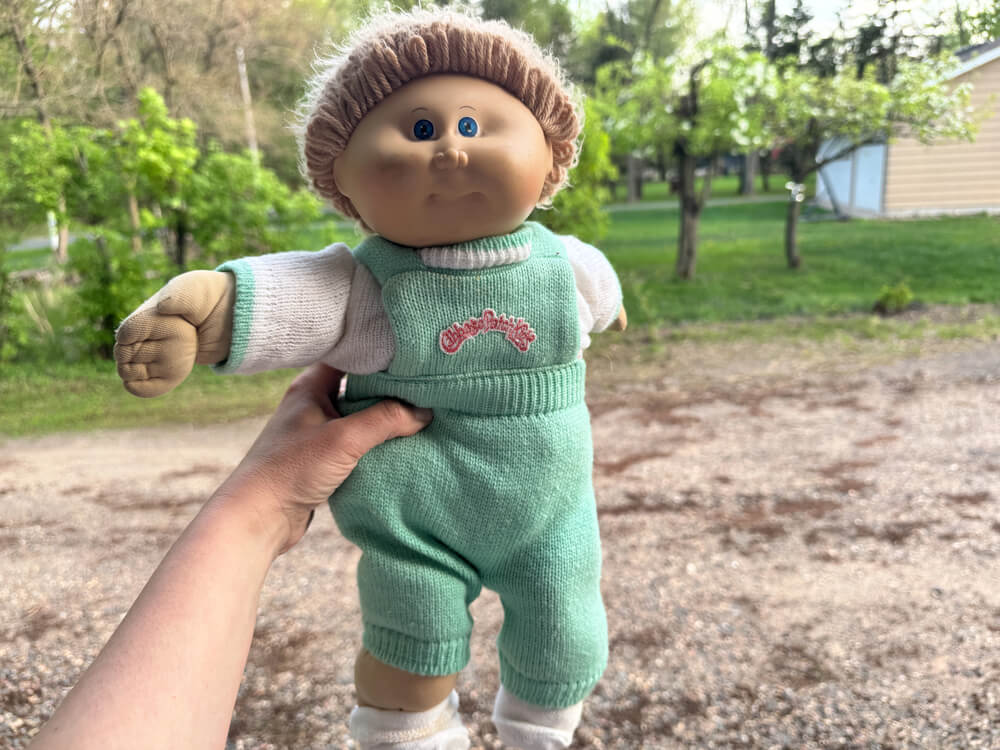
Xavier Roberts, a young Georgia artist, hand-stitched soft-sculpture dolls he called Little People and sold them at craft fairs in the late 1970s. Buyers did not purchase the dolls so much as adopt them, receiving birth certificates and adoption papers.
He opened Babyland General in a converted clinic in Cleveland, Georgia, to display them. Roberts treated each doll as a one-of-a-kind creation, and the adoption ritual became a big part of the appeal.
Coleco later turned the idea into a mass-market sensation, and the name Cabbage Patch Kids arrived in 1983. Original signed dolls with intact papers fetch more than later production versions.
Radio Flyer and the Tool Wagon
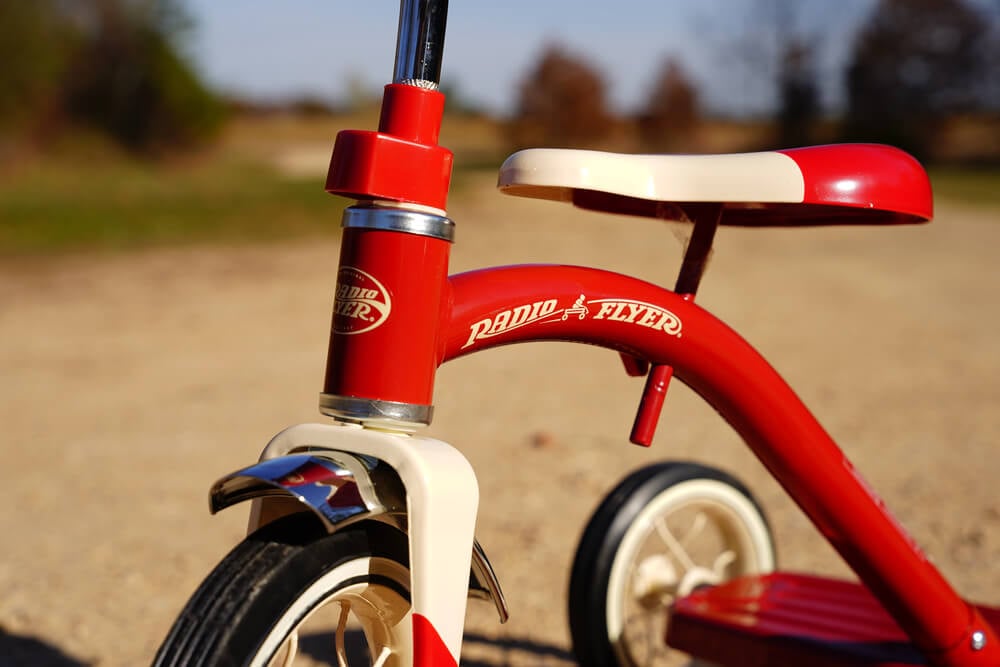
Italian immigrant Antonio Pasin settled in Chicago and worked as a cabinetmaker, building small wooden wagons for his own use and for neighbors. He went into business in 1917, first selling a wagon under the name Liberty Coaster and later renaming it Radio Flyer.
The new name combined the excitement of radio with the thrill of flight, a mix that suited the era of fast cars and new technology. The company he built remains a family business in Illinois.
Vintage steel wagons with their original paint and wooden handles earn the most, and rust, replaced wheels, and dented sides push the price lower.
Accidents That Found Their Audience
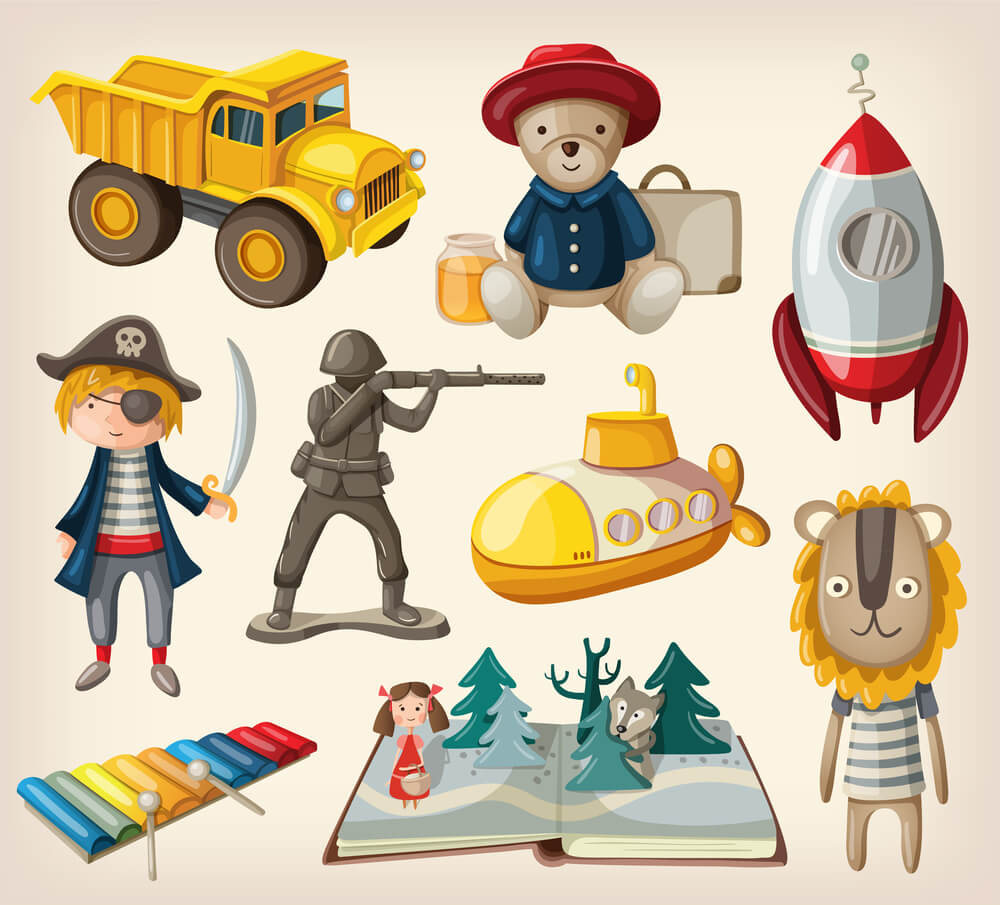
Nearly every toy on this list began with a practical problem, and the playful use came second. A spring was meant for a ship, a cleaner was meant for a wall, and a disc was meant for a pie.
In each case, the inventor or a bystander noticed that people enjoyed the thing for its own sake. The most successful toys tend to be those that people discover rather than those they plan.
The pattern also explains why vintage versions hold their value. Early packaging usually tells the original story, and the first production runs often carry traces of the older purpose.
Anyone browsing a flea market or an estate sale can trace a toy back to the shop, laboratory, or classroom that produced it. Those origin stories are often more interesting than the toys themselves.
More from Go2Tutors!

- The Romanov Crown Jewels and Their Tragic Fate
- 13 Historical Mysteries That Science Still Can’t Solve
- Famous Hoaxes That Fooled the World for Years
- 15 Child Stars with Tragic Adult Lives
- 16 Famous Jewelry Pieces in History
Like Go2Tutors’s content? Follow us on MSN.