28 Pizza Hut Memories From the ’80s
Before delivery apps and QR codes, a trip to Pizza Hut meant walking through a door under a red roof and settling into a booth. The chain was a destination, and the details of the room mattered as much as the pizza.
Decades later, those details still surface in a single whiff of oregano or a glimpse of a red cup. Here is what the dining rooms, menus, and rituals of the 1980s looked, sounded, and tasted like.
The Red Roof Out Front
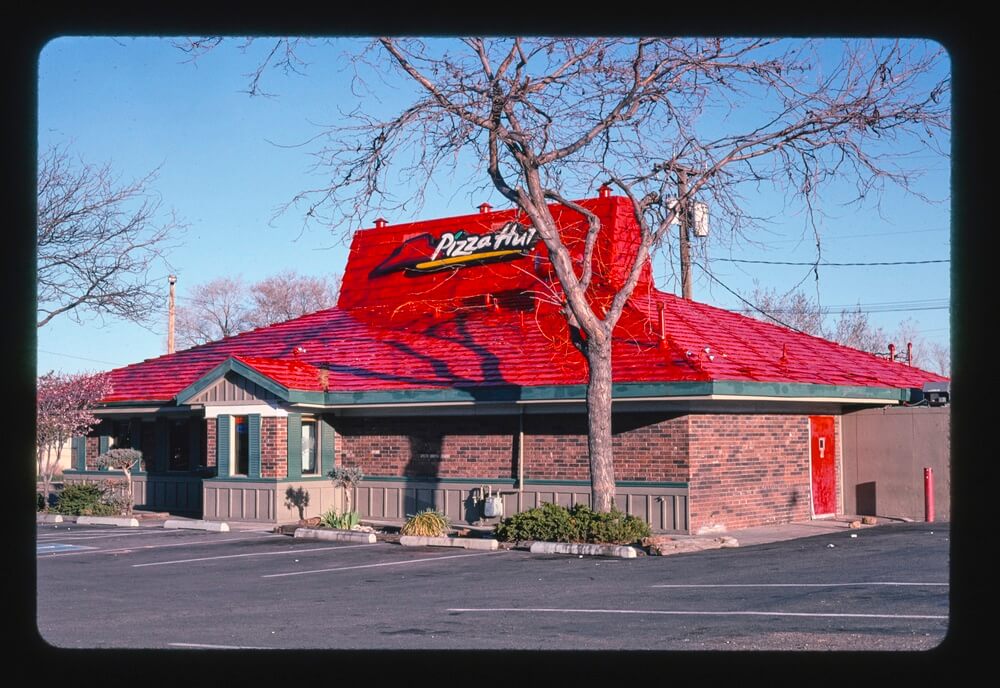
The roof was the logo, the architecture, and the advertisement all at once. Its slanted red shape made a Pizza Hut easy to spot from a car window without reading a single word on the sign.
Many of those buildings still stand in strip malls and along highways, long after the pizza left them. The roofline alone gives them away.
The Wichita Origin Story
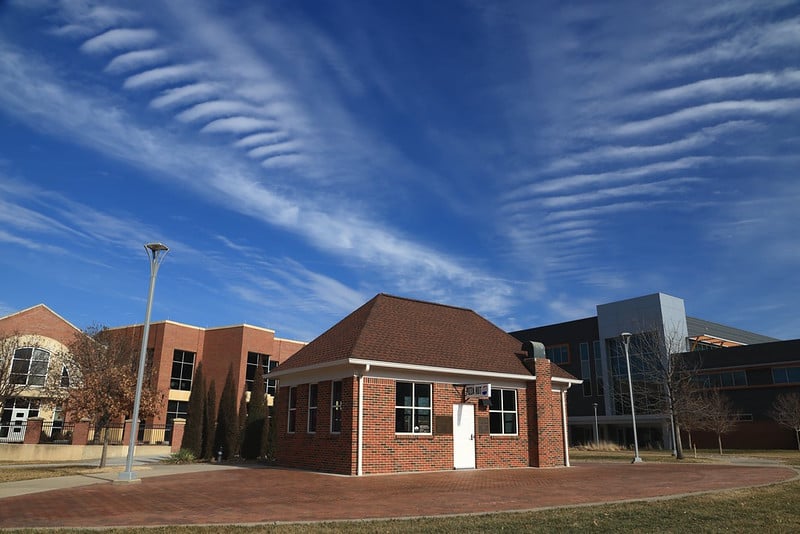
Pizza Hut was founded in 1958 in Wichita, Kansas, by brothers Dan and Frank Carney. By the 1980s that hometown story had grown into a national fixture with dining rooms in towns of every size.
The tale of two brothers and one small restaurant gave the chain a friendly, local feel despite its reach. Customers could believe that a corner pizza joint had simply kept growing.
The Personal Pan Pizza
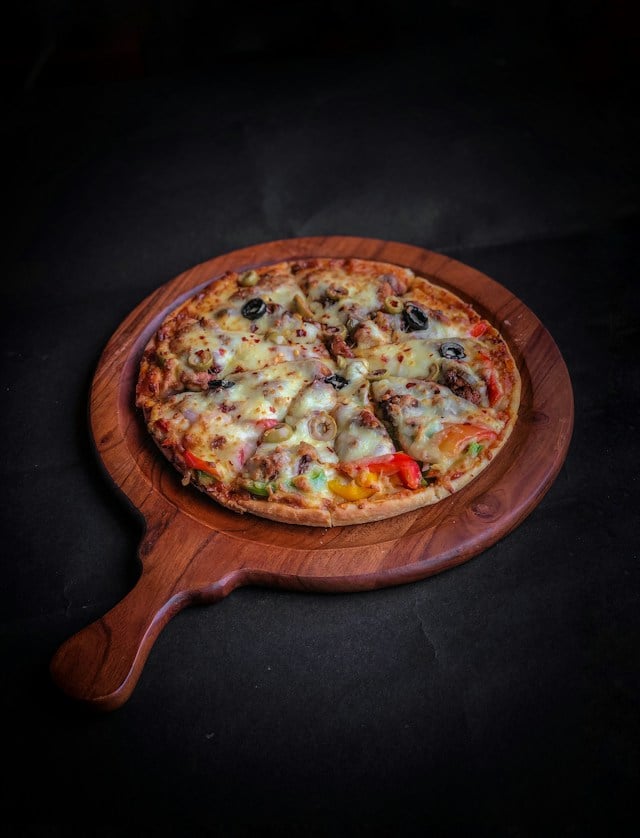
The Personal Pan Pizza arrived in 1983 and changed the lunch hour. It was sized for one person, which meant no sharing, no arguing over toppings, and no leftovers.
Promotional items from the launch, including a five-minute lunch timer, now turn up with 1983 on them. Prices for such collectibles depend heavily on condition.
Book It! and the Pin on Your Shirt
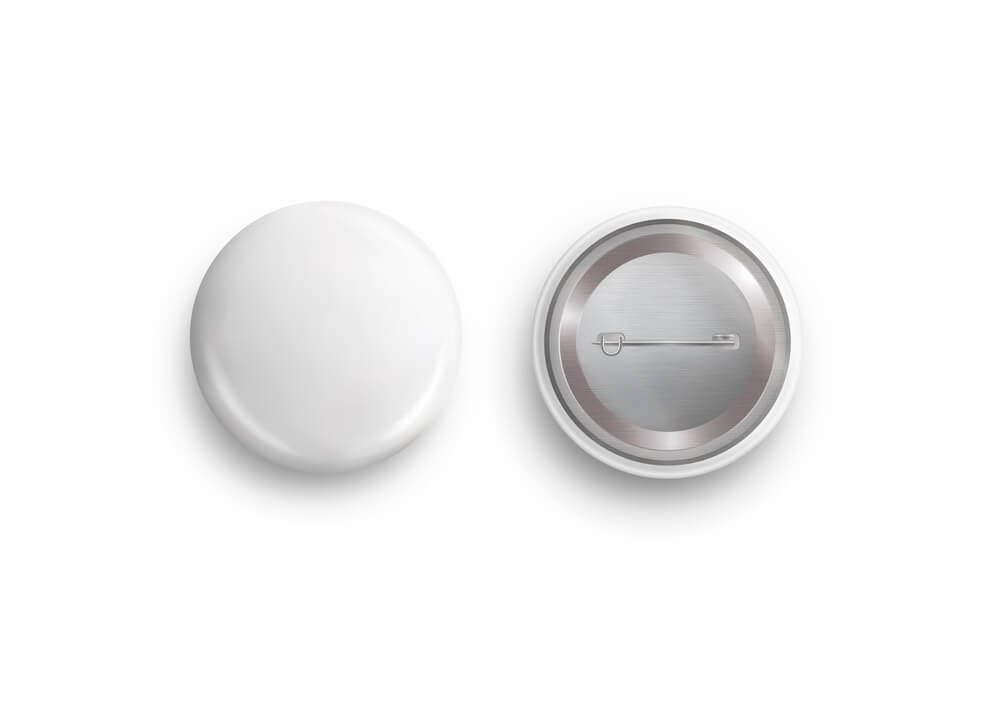
Book It! began in 1984, turning reading goals into free pizza for schoolchildren. A student who met a goal earned a reward, and the pin worn on a shirt was a badge of honor in classrooms.
The program reached its 40th anniversary, and Pizza Hut marked the milestone by giving away 1 million pizzas. Old Book It! pins still circulate on resale sites, and condition drives the price.
The Stained Glass Lamps Over the Booths
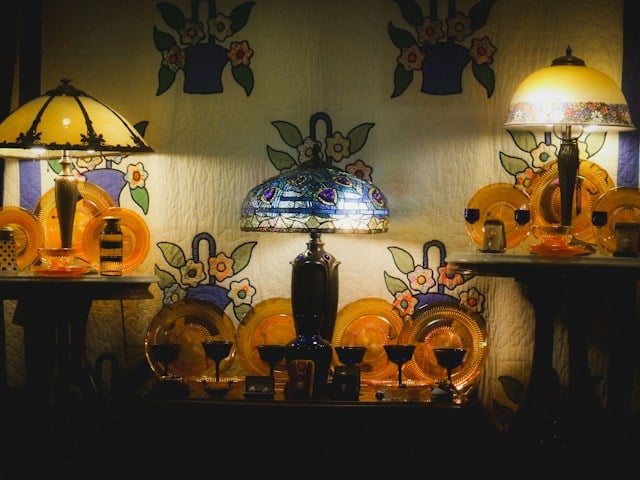
Hanging above many Pizza Hut tables were Tiffany-style lamps, with colored glass shades that cast a warm, patchwork glow. The look gave a casual pizza parlor a hint of old-fashioned saloon charm.
Food writers still single out the lamp as one of the chain’s most nostalgic design touches. It was the kind of detail that made a booth feel like a small private room.
The Red Plastic Tumblers
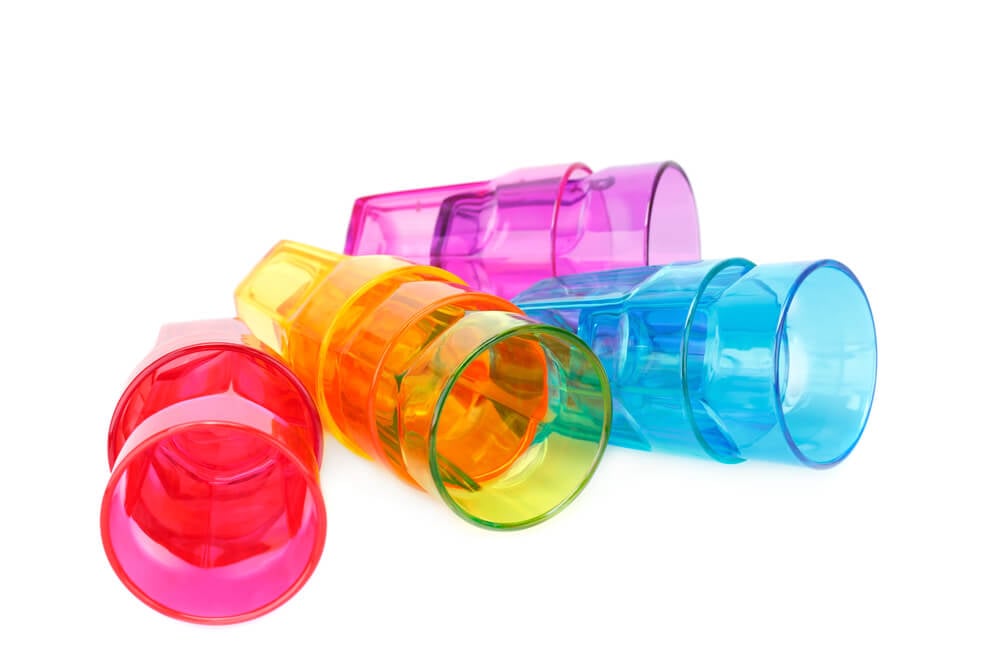
The drinks arrived in thick, textured red plastic tumblers that survived every drop onto a hard floor. They were heavy enough to feel permanent and tinted enough that the soda inside looked a shade darker.
Plenty of households quietly kept a few at home after a visit. Collectors trade the vintage cups online, and the price depends on scratches, fading, and cloudiness.
The Pitcher in the Middle of the Table
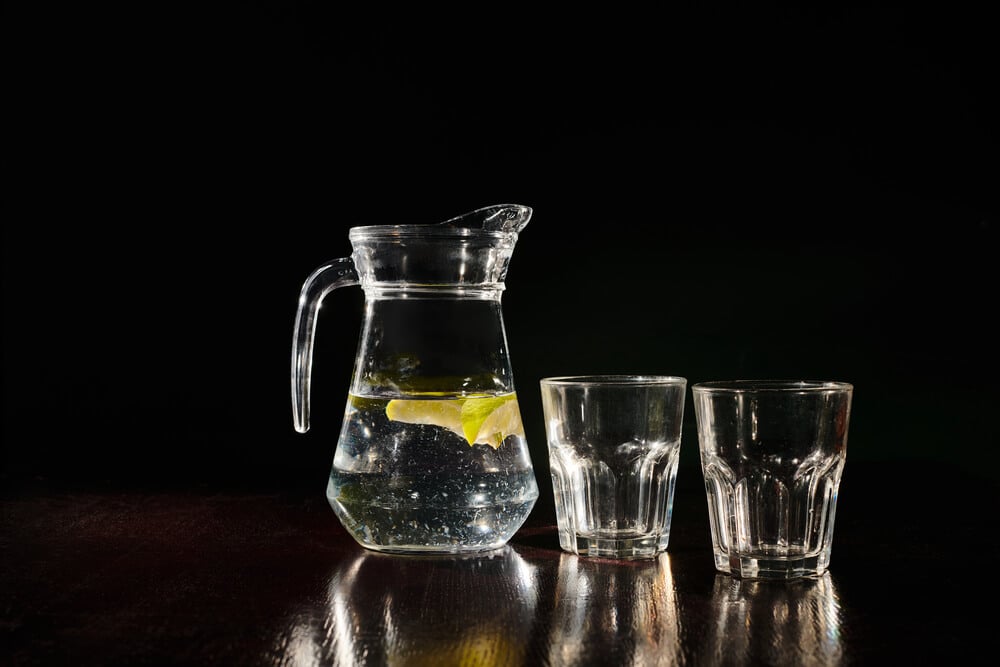
A pitcher of soda in the center of the table was the drink of choice for families and teams. It sweated through its paper coaster, got refilled once or twice, and was passed hand to hand until every glass was full.
The pitcher made feeding a crowd cheap and simple. It was also a very good reason to ask for extra ice.
The Red-and-White Checkered Tablecloths
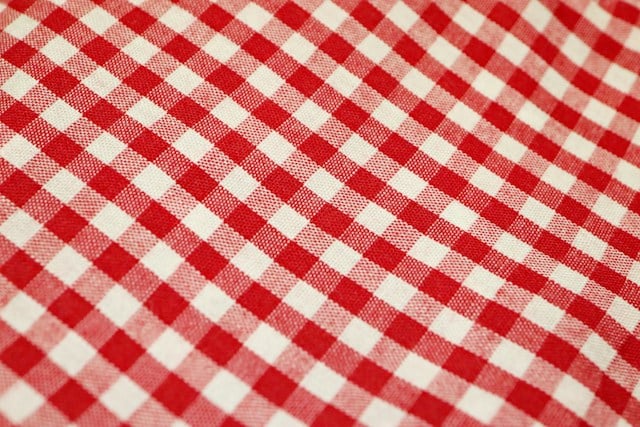
Red-and-white checks covered the tables and told diners what kind of meal was coming. The pattern borrowed from old-world Italian eateries and gave a suburban chain a touch of trattoria atmosphere.
A Pizza Hut in Homosassa Springs, Florida, has revived its classic 1980s look and reported sales rising. The pattern still reads as pizza to anyone who grew up with it.
The Salad Bar
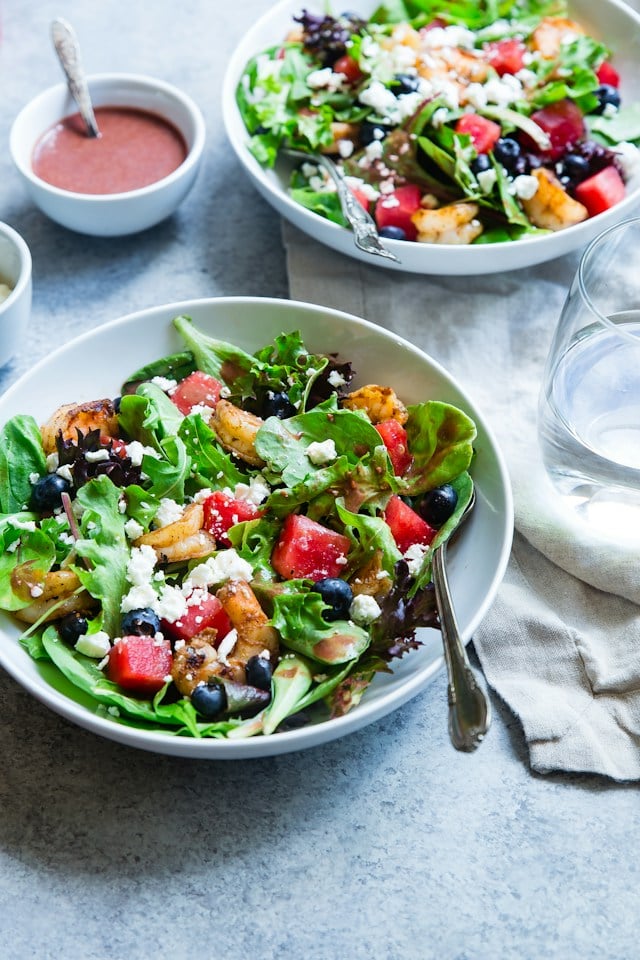
Salad bars were a signature feature of 1980s chain restaurants, and Pizza Hut offered a chilled counter of lettuce, toppings, and dressings. Diners piled their plates behind a clear shield and built towers that defied gravity.
The bar let a family feel a little virtuous before the cheese arrived. Like many features of the decade, it has mostly disappeared.
The Tabletop Arcade Cabinet
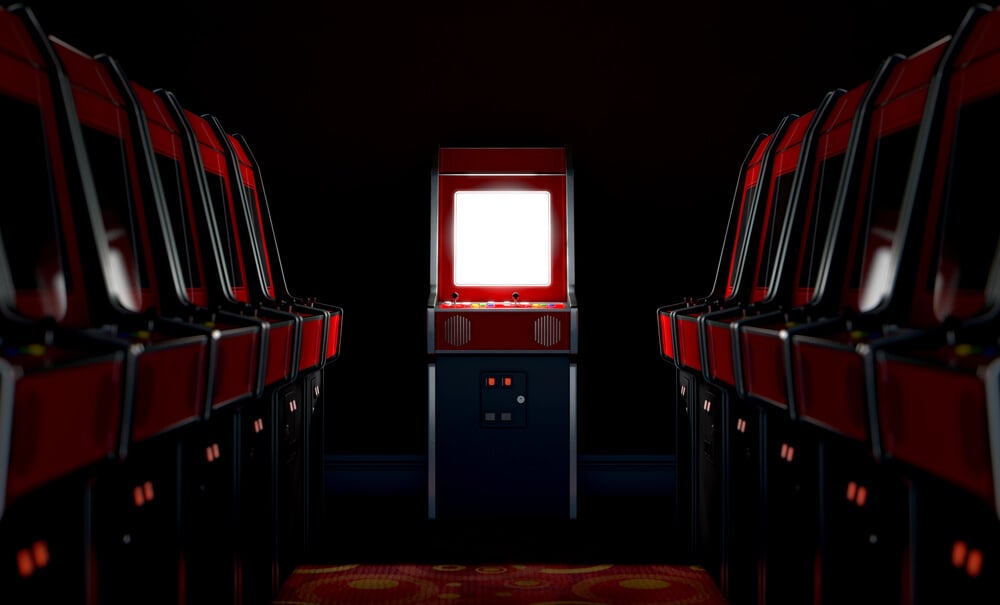
Many pizza parlors of the era kept a glass-topped arcade cabinet built into a table. Kids dropped a quarter in and played while the pizza baked, with one eye on the screen and one on the kitchen door.
The glow of the little screen lit up their faces in the dim room. The machine turned the wait for the pan into part of the entertainment.
The Jukebox in the Corner
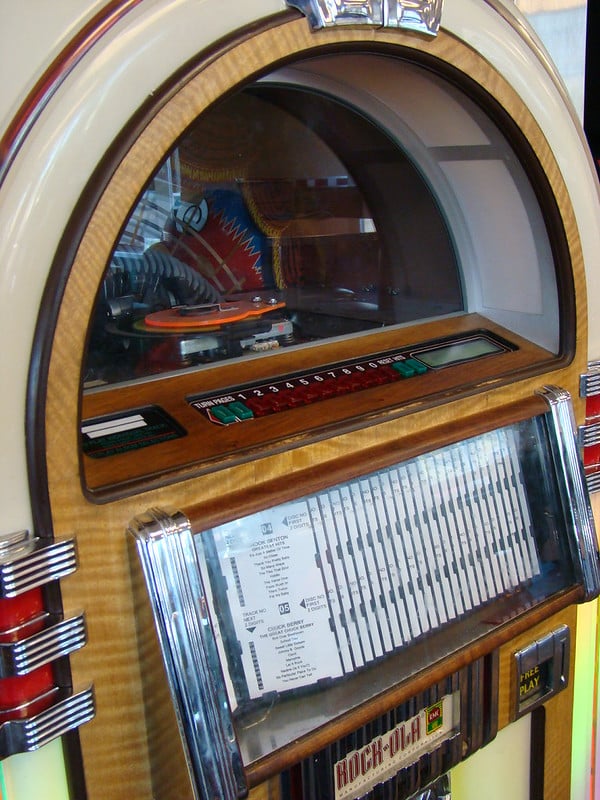
The jukebox glowed from the corner of the dining room, stocked with the radio hits of the day. A few quarters bought a tune that played over the chewing and clinking.
Everyone in the room heard the choice, so the person at the machine felt a quiet pressure to pick wisely. The music made the room feel like a hangout rather than a cafeteria.
The Dim, Deep Booths
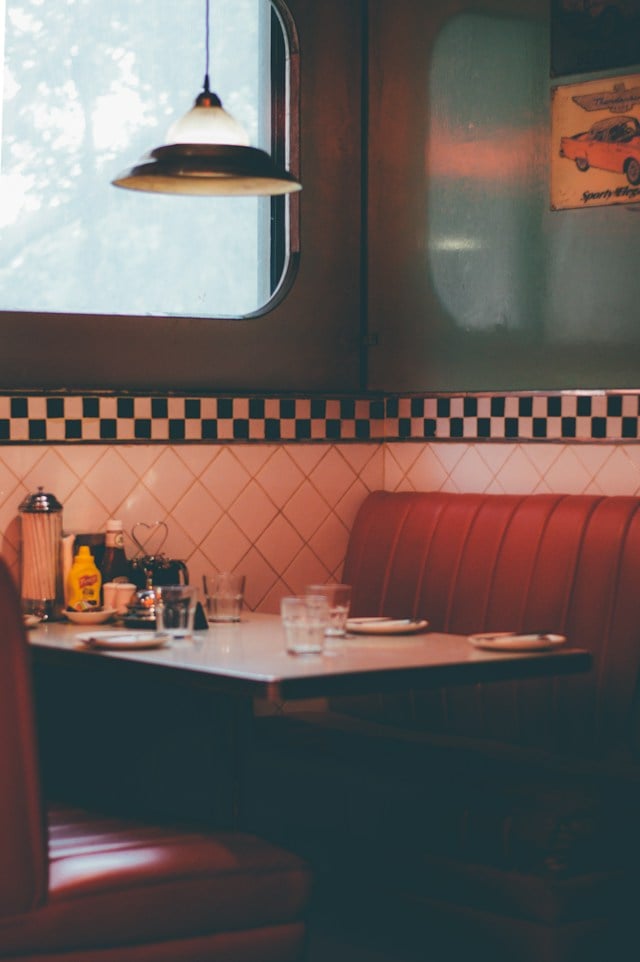
Pizza Hut dining rooms were deliberately dim, with deep booths and low light that made the place feel like a night out even at noon. A Texas location that reportedly has not changed since the 1980s has drawn media attention for exactly that atmosphere.
The darkness hid crayon marks and tired parents equally well. Walking in from a bright parking lot, it took a moment for your eyes to adjust.
The 1982 Pan Pizza Ad
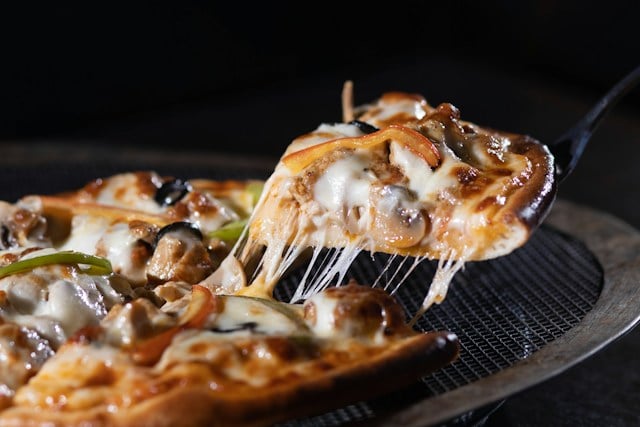
By 1982, Pizza Hut was running a television ad for its Pan Pizza, and a clip of that spot still circulates among fans of vintage fast-food commercials. The ad sold the thick, golden crust as much as the toppings.
That was a bold move for a food usually judged by its cheese. For many viewers, the sizzling pan was the first image that came to mind when they thought of the chain.
The Thin and Crispy Alternative
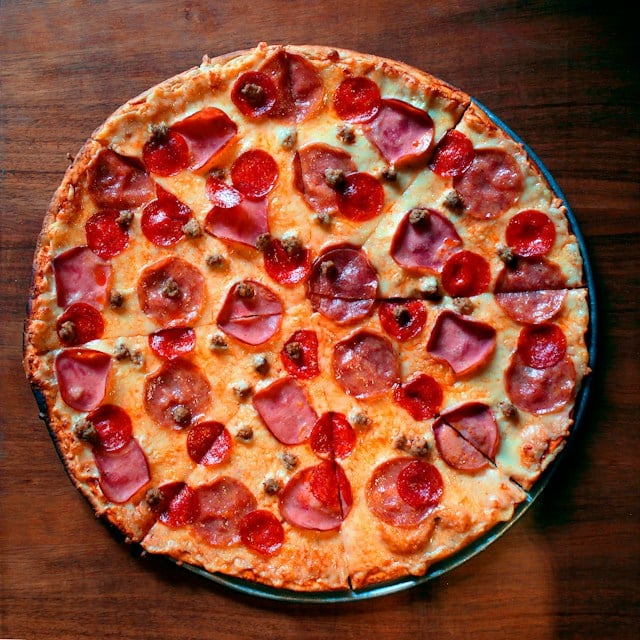
Alongside the pan pizza, a thinner, crackly crust remained a favorite for diners who wanted a lighter bite. Cut into small squares, it had a snack-like quality that suited a crowd.
Regulars often held a firm loyalty to one style or the other and defended it at the table. The two crusts together gave the menu a clear fork in the road.
The Birthday Party at the Hut
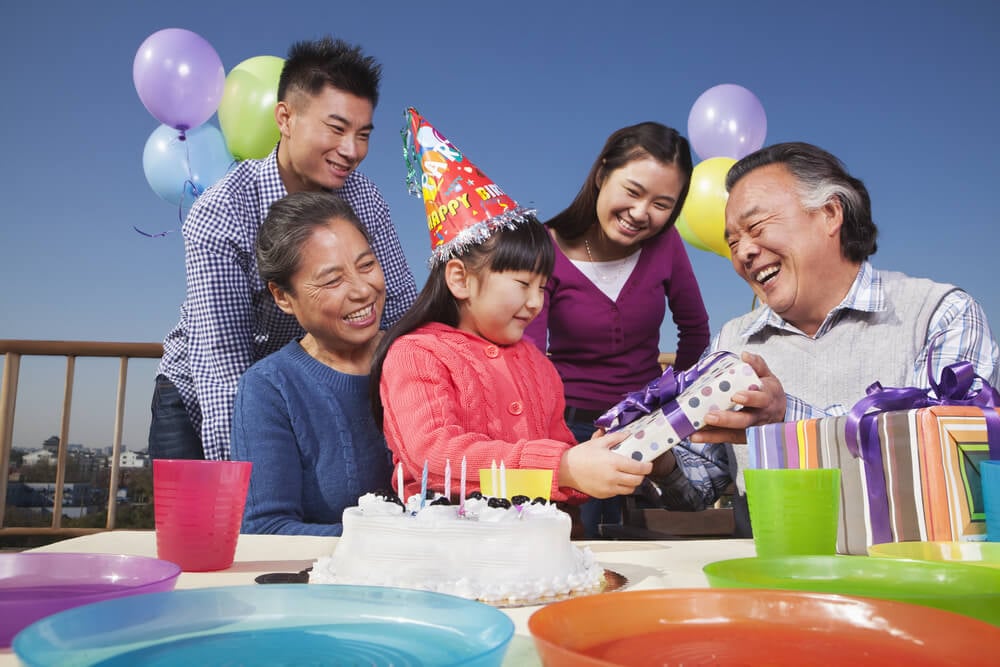
Birthday parties meant a long table of kids, a stack of pizzas, and a candle stuck into whatever dessert the family brought. Individual pan pizzas made it easy to give each guest a pie of their own.
Parents appreciated the cleanup, which mostly involved a pile of red cups. The guest of honor usually left with a full stomach and a sticky grin.
The Server Uniforms
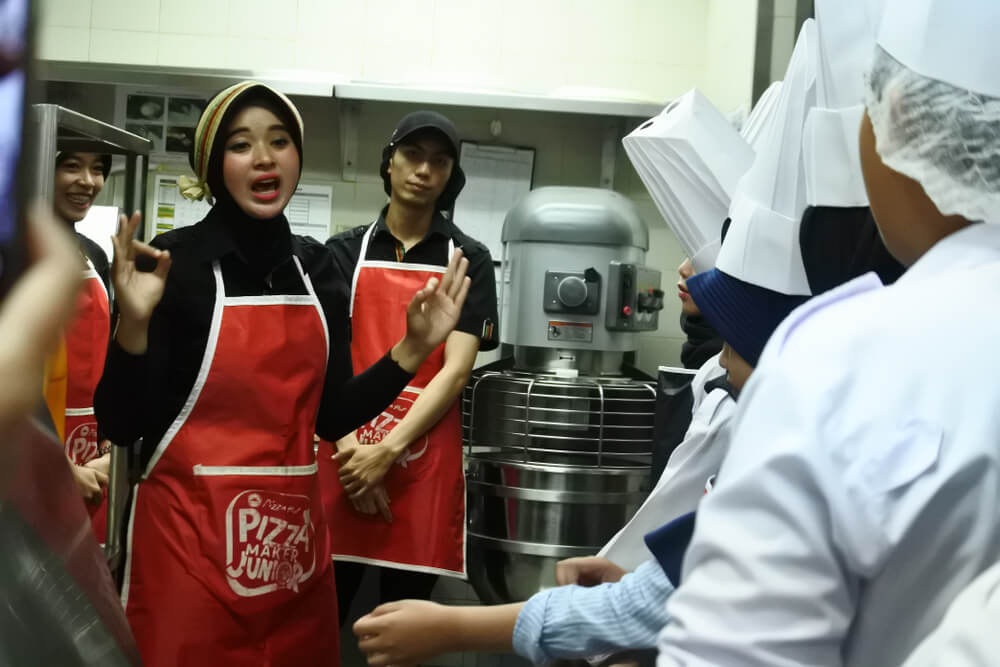
Servers wore uniforms built around the chain’s red-and-white palette, a visual match for the roof outside. The outfits made staff easy to find in a dim room and gave the team a clear identity.
Longtime customers remember the bustle of trays, pitchers, and pans carried between booths. For many employees, the uniform was the first work outfit they ever owned.
The 1988 Training Video
A Pizza Hut training video from 1988 has circulated online, offering a rare look at how new employees learned the routines. The tape captures the earnest tone and big-haired style of the era.
It suggests that the polish of the dining room came from drills and practice behind the scenes. Viewers on forums treat it as a time capsule with plenty of charm.
The Printed Menu
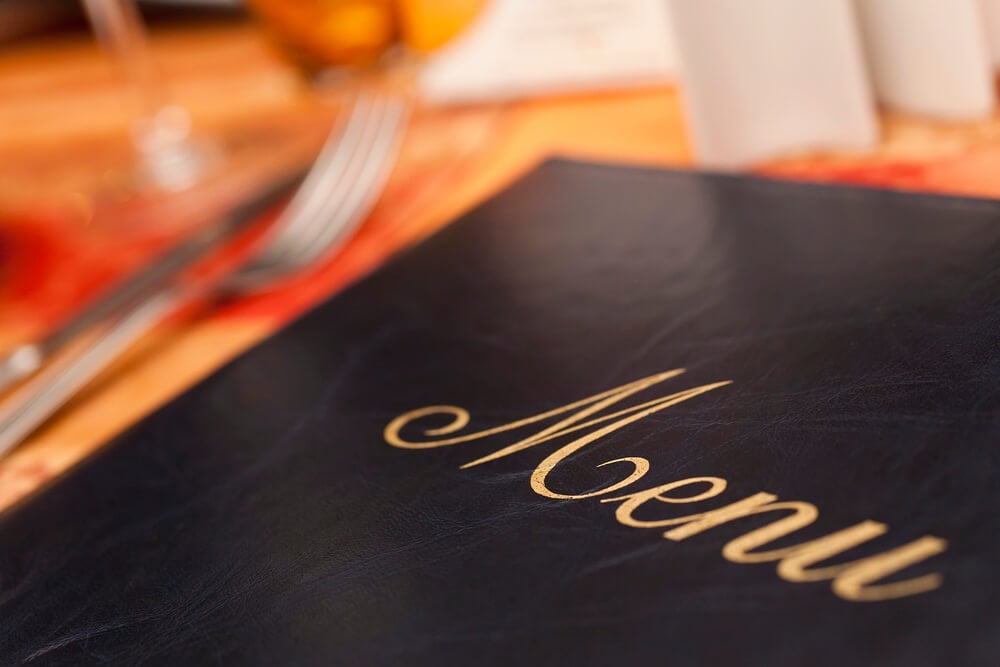
Menus from the 1980s featured photos of cheese-laden pies next to prices that look absurdly low today. Collectors and nostalgia blogs share scans of these pages, which show how simple the offerings were.
A vintage menu is a quick way to see what a family once ordered for a night out. The glossy photography made every pizza look like the best one of the week.
The Post-Game Team Pizza
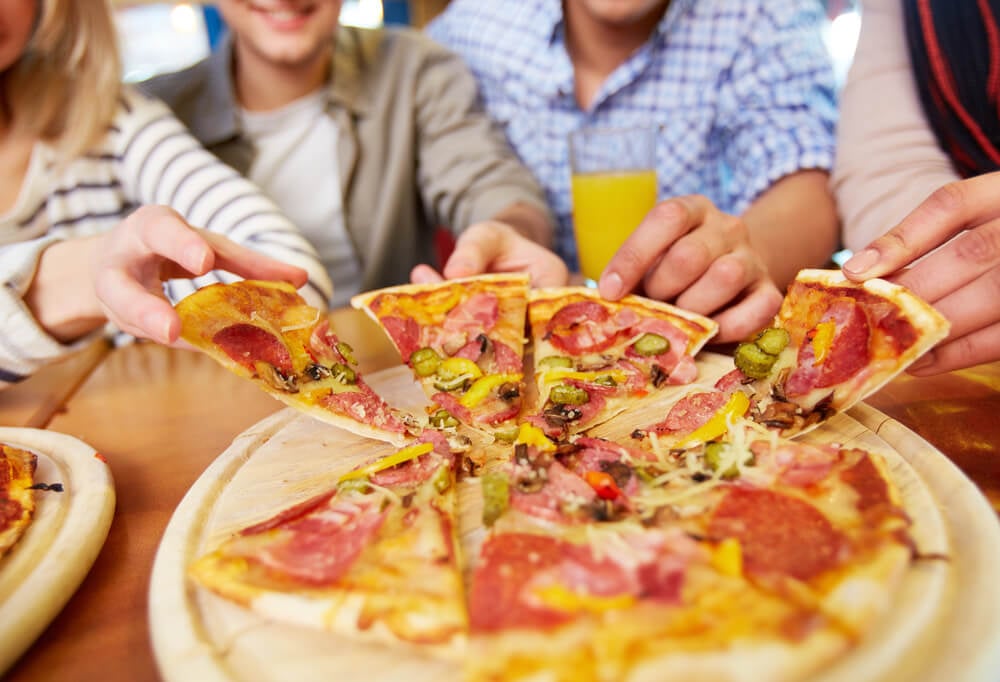
After a youth sports game, the entire roster would crowd into a booth to celebrate or console themselves. Dirt-stained uniforms met red-and-white checks in a clash that nobody minded.
A win earned an extra round of soda, and a loss still earned the pizza. The coach usually ended up paying for the pitchers.
The Parmesan and Red Pepper Shakers
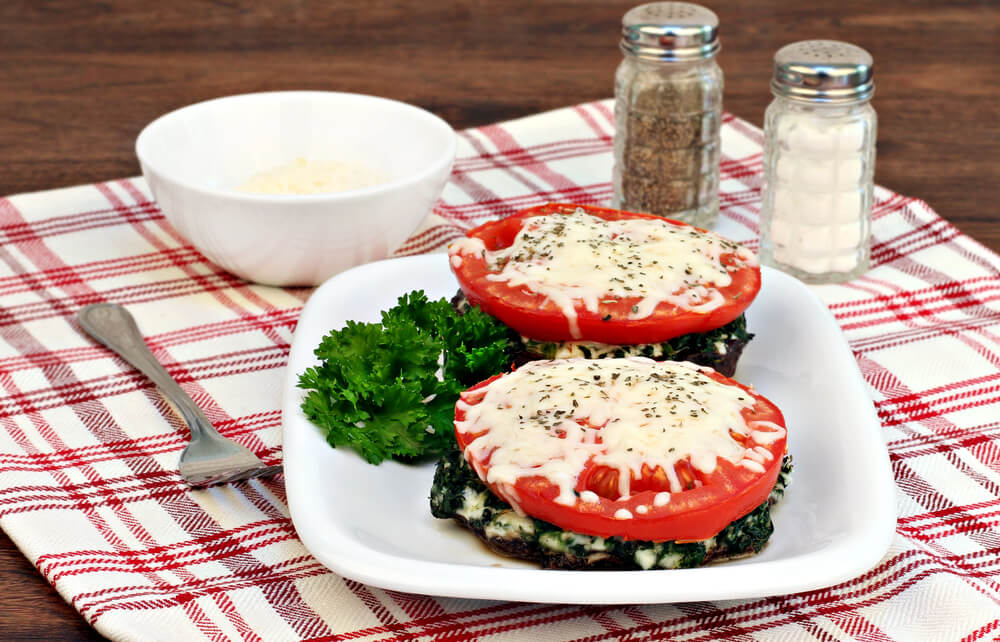
Every table carried shakers of grated Parmesan and crushed red pepper, ready for anyone who wanted more punch. Kids dared each other to dump the pepper on a slice, and parents quietly checked the lids afterward.
The shakers were as much a part of the table as the cups and the checks. They gave diners a small way to customize a pie that was otherwise identical for everyone.
The Big Game Pizza Order
On big television nights, carryout counters filled with orders from hosts who did not want to cook. Cardboard boxes stacked on couches and coffee tables while the crowd watched the screen.
The pizza was a safe bet for every guest, whether or not they cared about the score. Grease spots on the lids became the unofficial scoreboard of the evening.
The Red Cup on the Screen
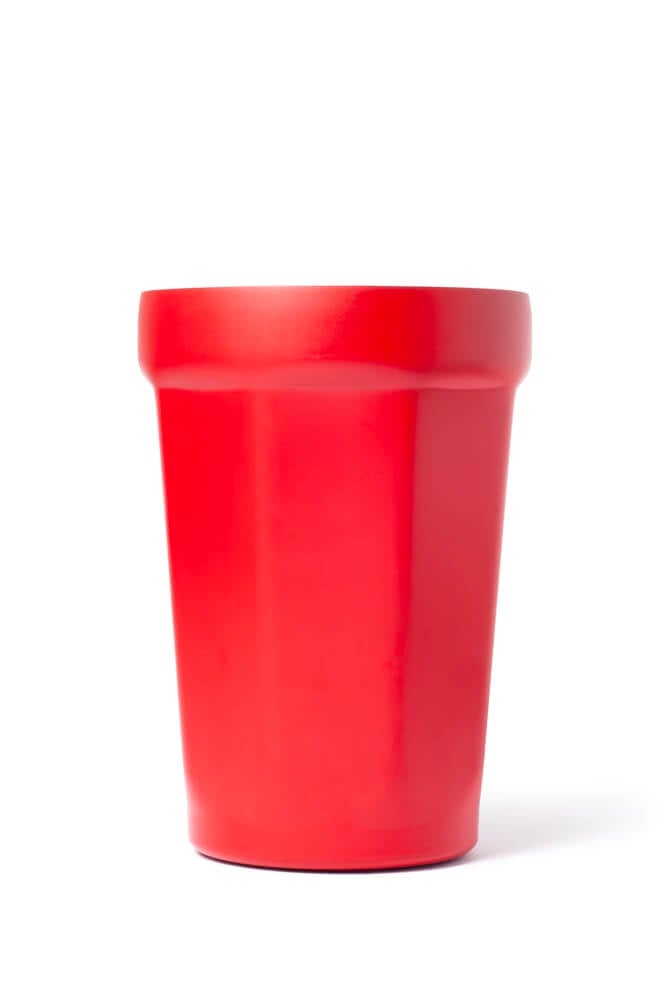
Pizza Hut became part of pop culture beyond its own dining rooms, appearing in advertising and entertainment that turned the brand into a familiar sight. A red roof or a red cup on screen was enough to signal pizza night to viewers.
The chain was shorthand for a casual family meal. That recognition kept the brand in conversation even when nobody was eating.
The First Job Behind the Counter
A Pizza Hut paycheck was a common first job for teenagers. They learned to knead dough, slice pies, and wipe down red tumblers in the same shift.
Many remember the smell of baked cheese clinging to their clothes long after the shift ended. For plenty of workers, a first paycheck came with a free slice and a lifelong opinion about crust.
The Family Car Pull-Up
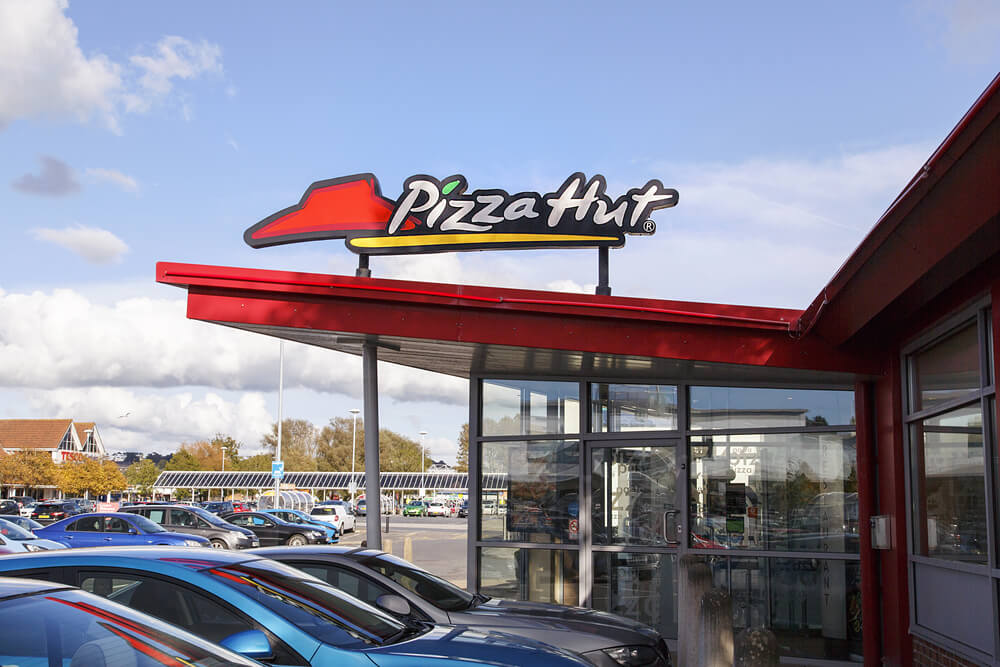
Pulling up to a Pizza Hut in the family car meant doors popped open and a pile of kids spilled out. The big parking lots under the red roof had plenty of room for the weekend crowd.
The family dinner out was often a short trip from the school gym or a practice field. Pizza Hut was the stop that everyone in the back seat could agree on.
The Carryout Box and the Movie Night
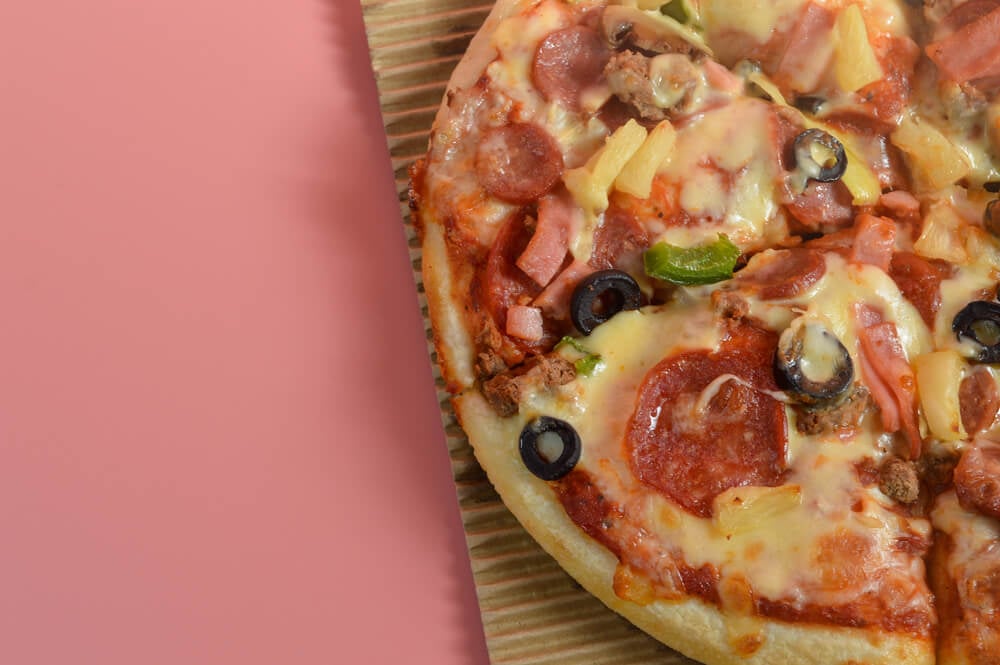
A hot carryout box on the passenger seat made the drive home feel like part of the event. Families settled in with a pie on the coffee table and a rented tape in the player.
The grease-spotted lid doubled as a plate for anyone who forgot to grab one. For a few dollars, the weekend was handled.
The Dinner Before the Movie
Families often paired a night at the theater with a stop at Pizza Hut, where the red roof was a short drive away. Kids debated the film over pizza crust, sometimes before they had even seen it.
The night out, with dinner followed by a big-screen outing, was an easy sell for parents. Ticket stubs and napkins ended up in the same coat pocket.
The Crispy Crust Edge
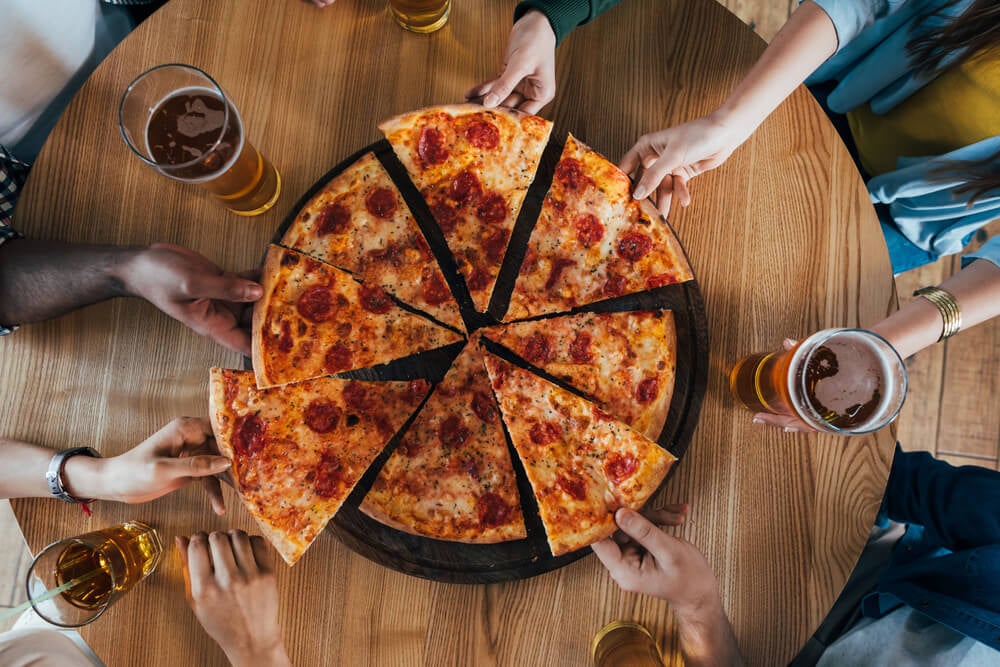
The best bite of a pan pizza was the outer edge, where the crust pressed against the hot pan and turned golden and crunchy. Kids fought over the corner slices because they had the most of it.
The crust came out glossy and slightly fried, which set it apart from the soft middle. Finishing the last crust of the night was a small victory at the table.
The Classic Locations Revival
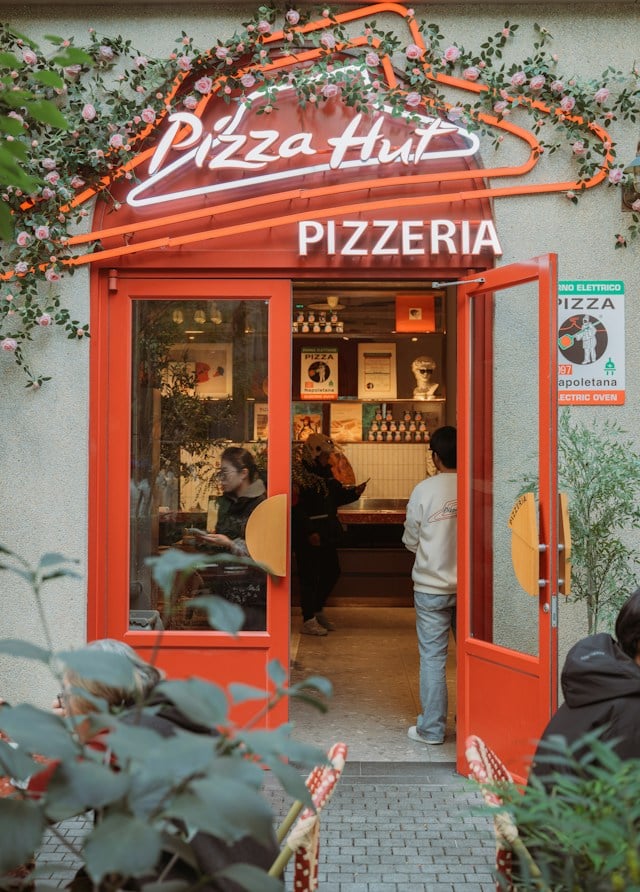
In 2026, news reports described select Pizza Hut restaurants bringing back the nostalgic look of the classic dine-in era. The program features the red roof, the checkered tables, and the cozy booths that earlier generations remember.
The effort is aimed at drawing customers back to sit-down dining. The pitch is that people missed the room as much as the pizza.
The Room Behind the Memory
The pizza at Pizza Hut in the 1980s was good, but the memory that lasts is of the room around it. The chain sold a feeling of occasion on an ordinary weeknight, from the dim booths to the pitcher in the middle of the table.
A child could earn a reward for reading, a teen could land a first job, and a family could have a night out without much fuss.
Revival efforts show that the appeal has not faded. Diners want a place to sit and talk, and a red roof still signals that someone has set a table.
The details were small, but together they made a restaurant feel like a neighborhood landmark.
More from Go2Tutors!

- The Romanov Crown Jewels and Their Tragic Fate
- 13 Historical Mysteries That Science Still Can’t Solve
- Famous Hoaxes That Fooled the World for Years
- 15 Child Stars with Tragic Adult Lives
- 16 Famous Jewelry Pieces in History
Like Go2Tutors’s content? Follow us on MSN.