20 Inventions That Started as Mistakes
Plenty of famous breakthroughs were planned for years, funded by committees, and tested until everyone was sick of them. These were not.
They came from a dropped flask, a wrong part pulled from a box, a forgotten dish, or a candy bar that turned to goo in someone’s pocket. Each one began with a result that nobody wanted.
The difference was that somebody looked at the failure a second time.
Penicillin
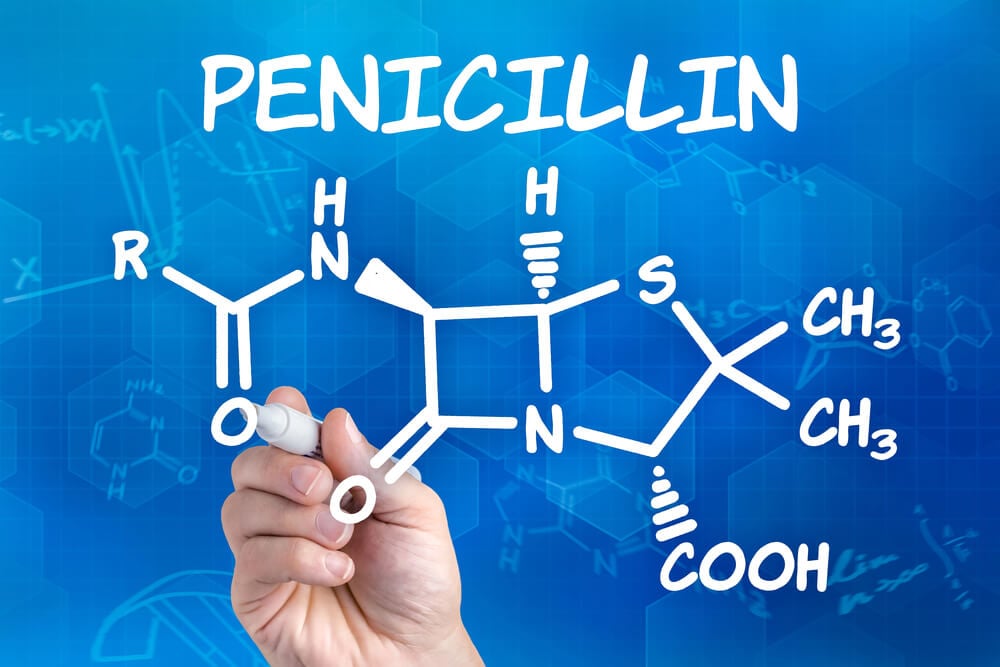
In September 1928, Scottish bacteriologist Alexander Fleming returned to his laboratory at St Mary’s Hospital in London after a vacation and found that a mold had contaminated one of his dishes of staphylococcus bacteria. The bacteria around the mold had dissolved, leaving a clear ring.
Fleming identified the mold as a Penicillium and named the substance it released penicillin. It took years, and a team at Oxford led by Howard Florey and Ernst Chain, before the discovery became a usable drug.
The Microwave Oven
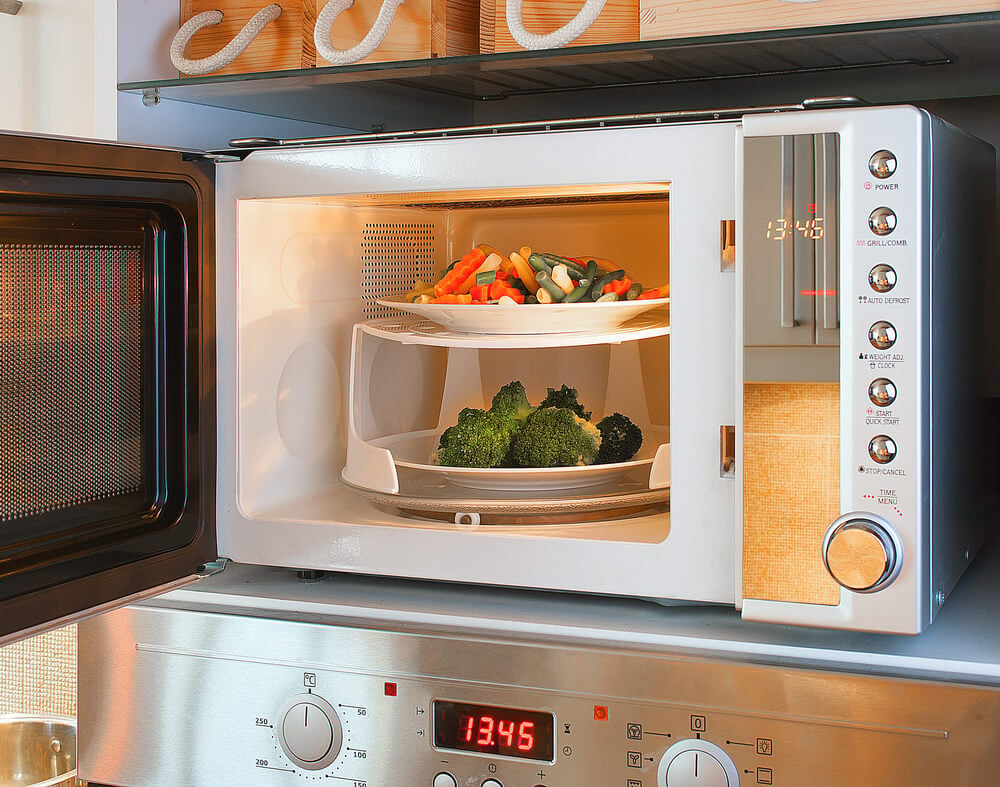
Percy Spencer, an engineer at Raytheon, was standing near an active magnetron in 1945 when a candy bar in his pocket melted. Instead of just cleaning up, he began testing the effect on other foods, with popcorn kernels reportedly among the first.
Raytheon filed a patent that year, and its first commercial model, the Radarange, reached the market in 1947. The early unit was about the size of a refrigerator, a long way from the countertop appliance that eventually followed.
Post-It Notes
In 1968, 3M chemist Spencer Silver was trying to make a super-strong adhesive and instead produced one that barely held, sticking lightly and peeling away cleanly. For years nobody at the company knew what to do with it.
In 1974, colleague Art Fry, who sang in a church choir, grew tired of paper bookmarks slipping out of his hymnal and realized Silver’s weak glue was the answer. The product was test marketed as Press ‘n Peel in 1977 and relaunched nationally as Post-it Notes in 1980.
X-Rays
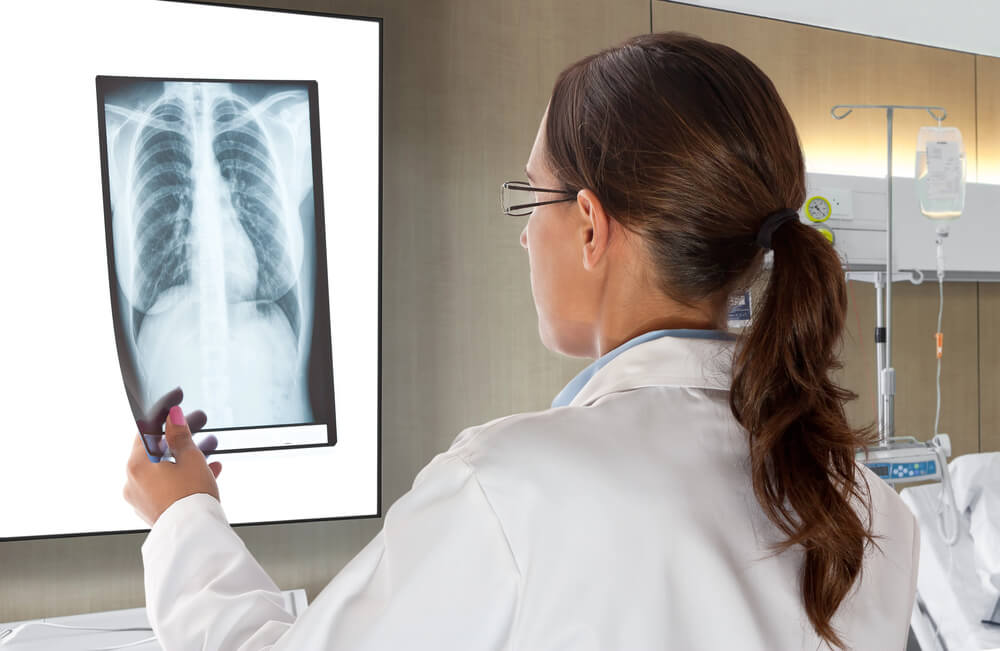
On November 8, 1895, German physicist Wilhelm Röntgen was working in Würzburg with a cathode-ray tube wrapped in black cardboard. Across the darkened room, a screen coated with barium platinocyanide began to glow, even though no light from the tube could reach it.
Röntgen spent weeks studying the invisible rays and then produced an image of his wife’s hand showing the bones and her wedding ring. He received the first Nobel Prize in Physics in 1901.
Saccharin
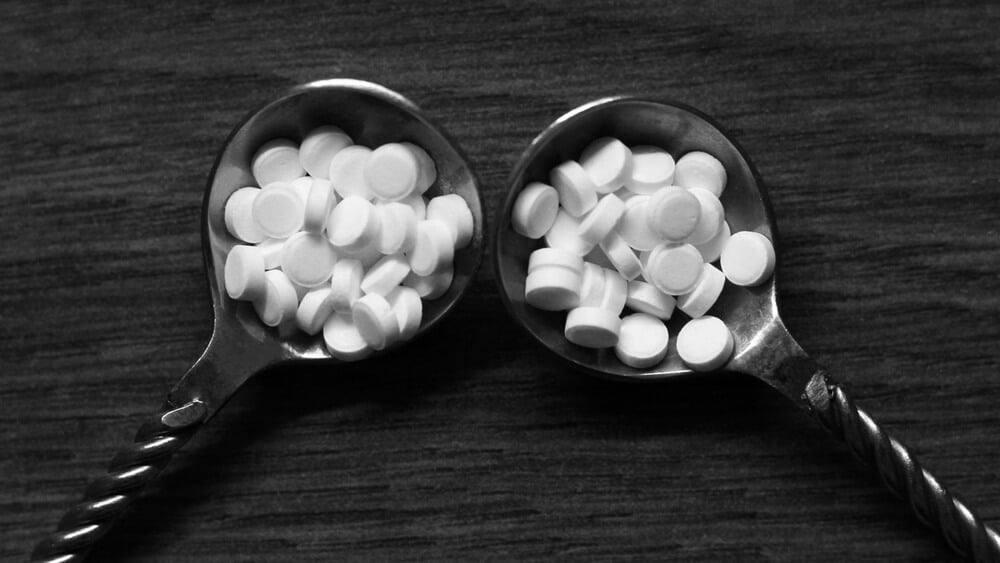
In 1879, chemist Constantin Fahlberg was working in Ira Remsen’s laboratory at Johns Hopkins University when he noticed an unusual sweetness on his hands during a meal. He had not washed up after his experiments, and he traced the taste back to a compound he had been handling.
Fahlberg patented a process for making the sweetener in 1884 and went into production in Germany. Remsen, whose lab had hosted the work, was reportedly unhappy about how little credit he received.
Teflon
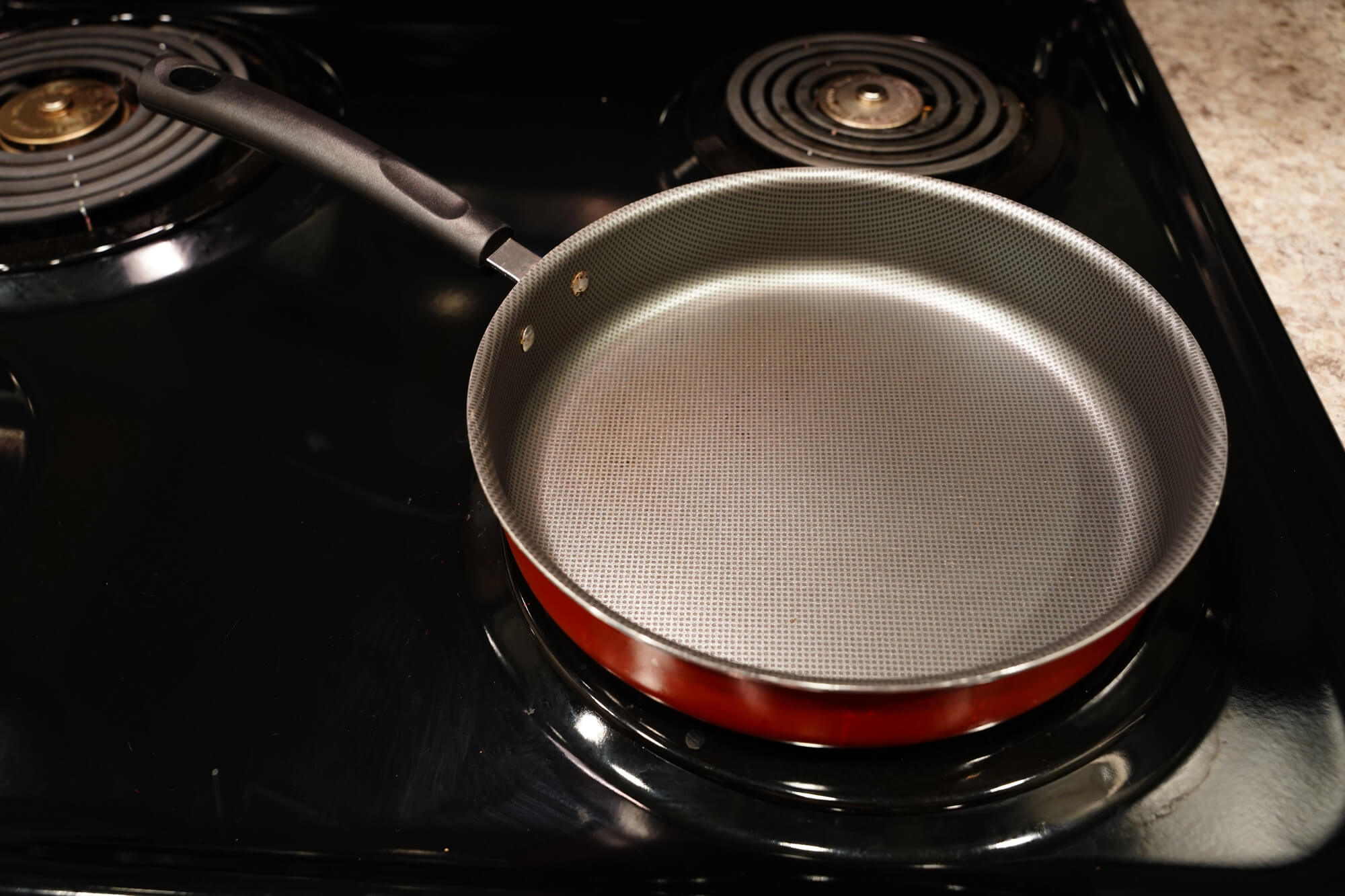
In 1938, DuPont chemist Roy Plunkett, then 27, opened a pressurized cylinder of tetrafluoroethylene gas that he planned to use in refrigerant research, and nothing came out. The cylinder still weighed what a full one should, so he cut it open and found a slick white powder coating the inside.
The gas had polymerized into polytetrafluoroethylene, which resisted heat, chemicals, and almost everything that tried to stick to it. DuPont registered the Teflon name in the 1940s, and the material found early use in the Manhattan Project before it ever reached a frying pan.
Silly Putty
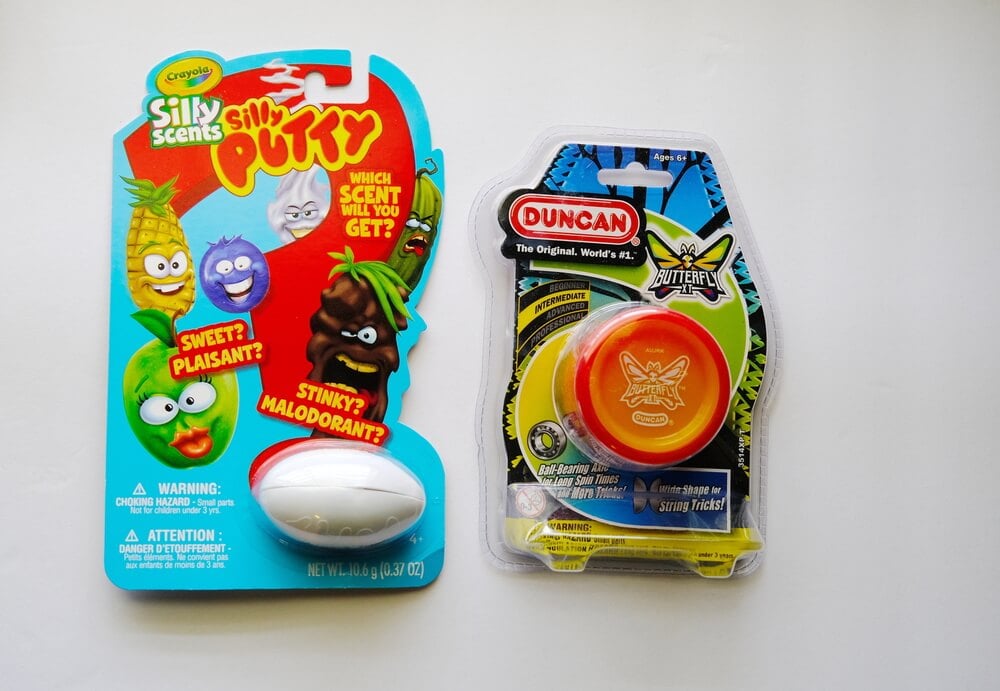
In 1943, General Electric engineer James Wright was trying to develop a synthetic rubber substitute for wartime use when he combined boric acid with silicone oil. The result stretched, bounced, and could copy printed ink, but it was no good as rubber.
Years later, marketer Peter Hodgson saw its appeal as a novelty and sold it in plastic eggs beginning in 1950. It became a toy-store staple while the military problem it was meant to solve went unsolved.
Play-Doh
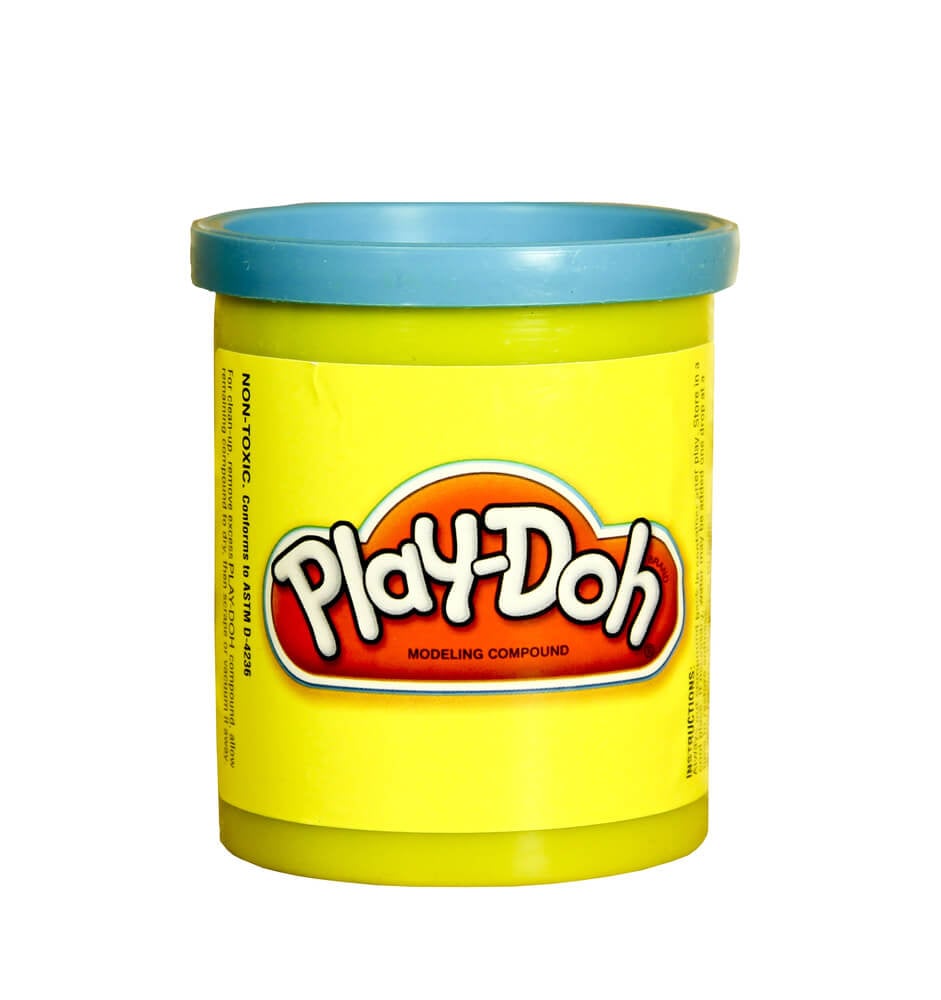
Cincinnati’s Kutol Products originally made Play-Doh’s ancestor as a wallpaper cleaner, meant to lift coal soot from walls. As homes switched away from coal heat in the decades after World War II, demand for the product shrank.
A teacher who was related to the company’s leadership, Kay Zufall, found that the soft dough worked well for nursery school art projects. The company reworked it, added color, and sold it as a toy in the mid-1950s.
Corn Flakes
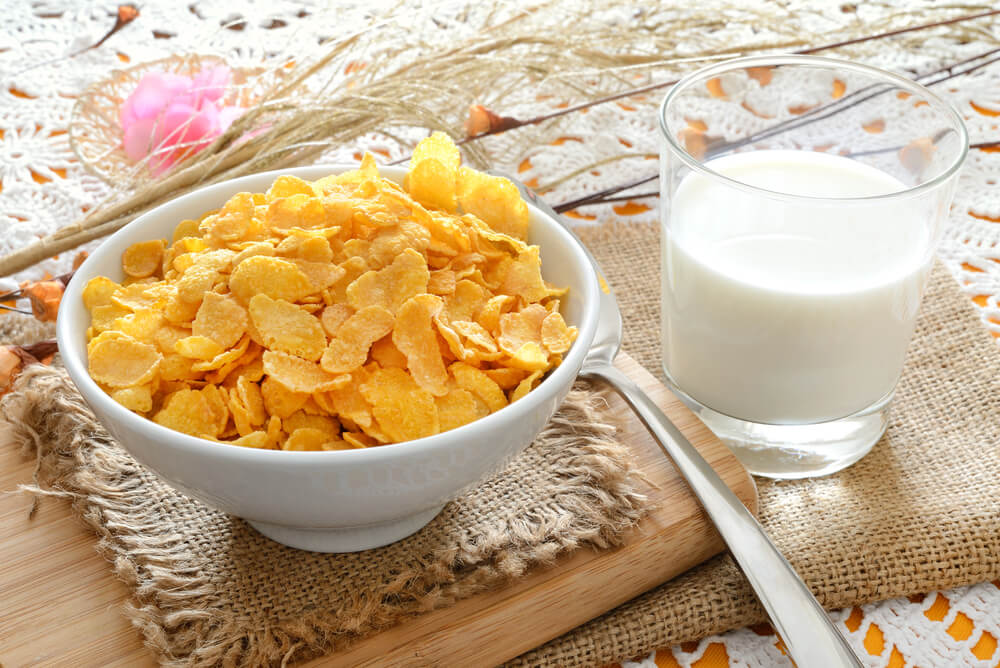
At the Battle Creek Sanitarium in Michigan in 1894, brothers John Harvey Kellogg and Will Keith Kellogg were cooking wheat dough when they were interrupted and left it sitting. When they ran the stale dough through rollers, it broke into flakes instead of forming a sheet.
They toasted those flakes and served them to patients, and a version made from corn followed. Will Keith Kellogg founded his own cereal company in 1906, setting up a rivalry with his older brother that lasted for years.
Super Glue
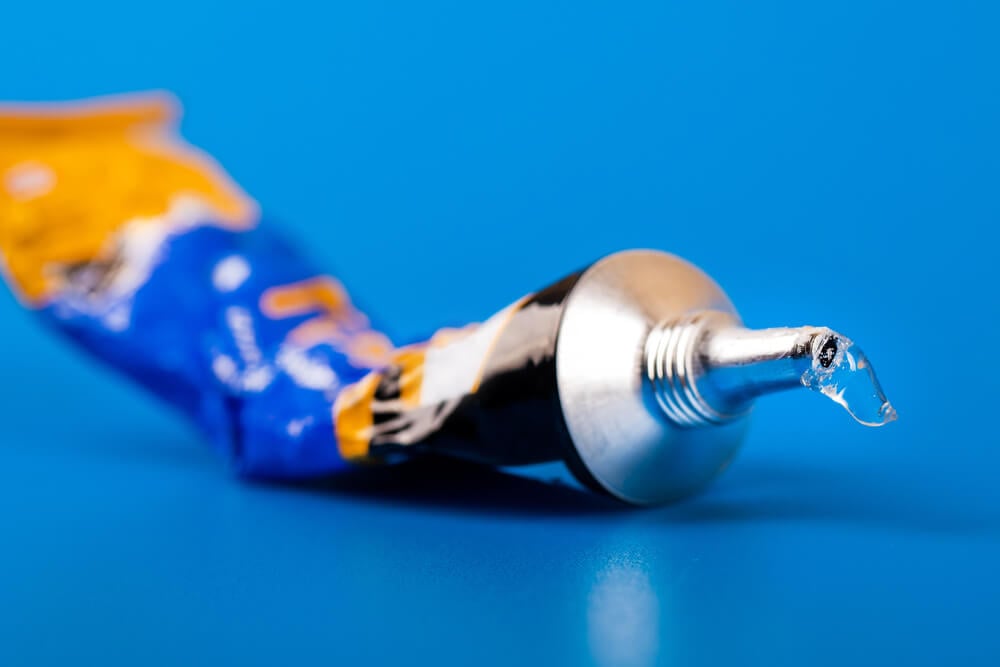
In 1942, Harry Coover, a chemist working at Eastman Kodak, was searching for a clear plastic suitable for precision gun sights. A cyanoacrylate compound turned up in his work, but it stuck to everything it touched, so he rejected it.
In 1951, while he and colleague Fred Joyner were evaluating materials for jet canopies, the same chemical glued together two expensive lenses and Coover finally recognized its value. Eastman Kodak began selling it as Eastman 910 in 1958.
The Implantable Pacemaker
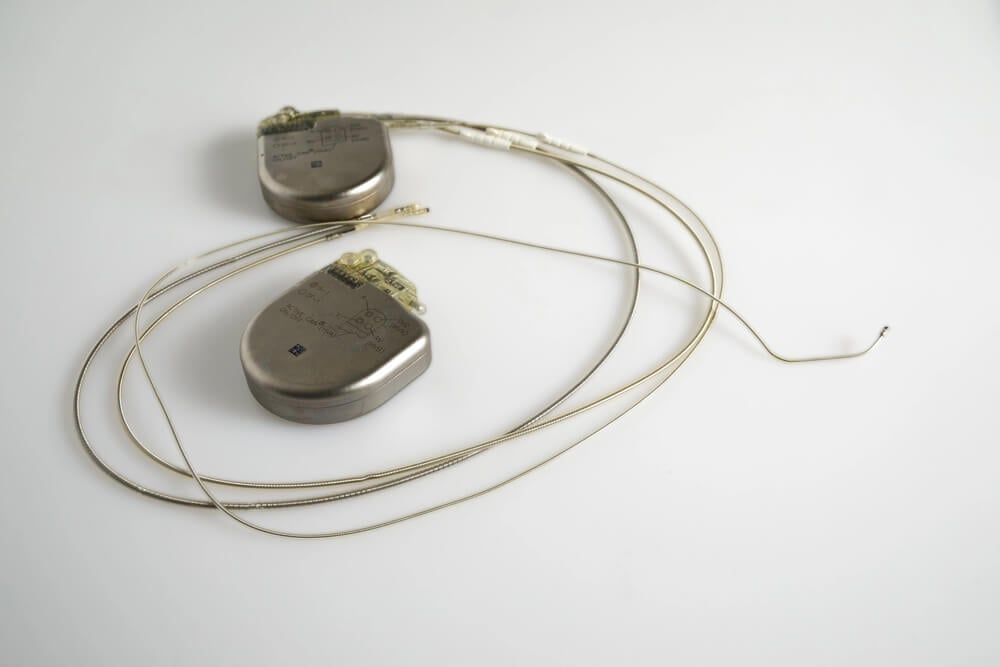
In 1956, engineer Wilson Greatbatch was building a device to record heartbeats when he reached into a box and pulled out the wrong resistor. The circuit it created did not record anything, but produced a steady pulse that resembled a heartbeat.
Greatbatch recognized that the pulse could be used to drive a heart rather than monitor one. After years of refinement and animal trials, a pacemaker built on his design was implanted in a human patient in 1960.
Mauve Dye
In 1856, an 18-year-old William Perkin was working at home during an Easter break, trying to make the malaria drug quinine from a coal-tar chemical called aniline. His experiment failed and left behind a dark sludge.
When he tried to clean the flask with alcohol, the liquid turned a vivid purple. Perkin had made the first commercially successful synthetic dye, patented it, and built a factory, launching the modern chemical dye industry.
Safety Glass
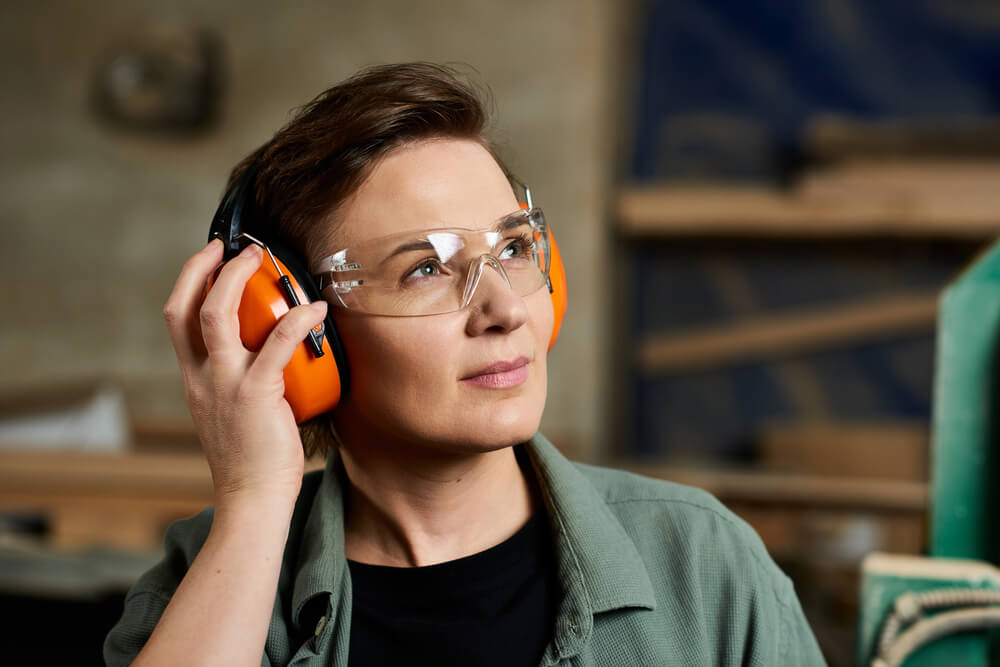
French chemist Édouard Bénédictus knocked a glass flask off a shelf in his laboratory in 1903 and was surprised to see it crack without breaking apart. The flask had once held a solution of cellulose nitrate, and the dried plastic film inside had held the shards together.
Bénédictus later developed the idea into laminated glass, patenting it in 1909. Automakers took years to adopt it, but it eventually became standard for windshields.
Velcro
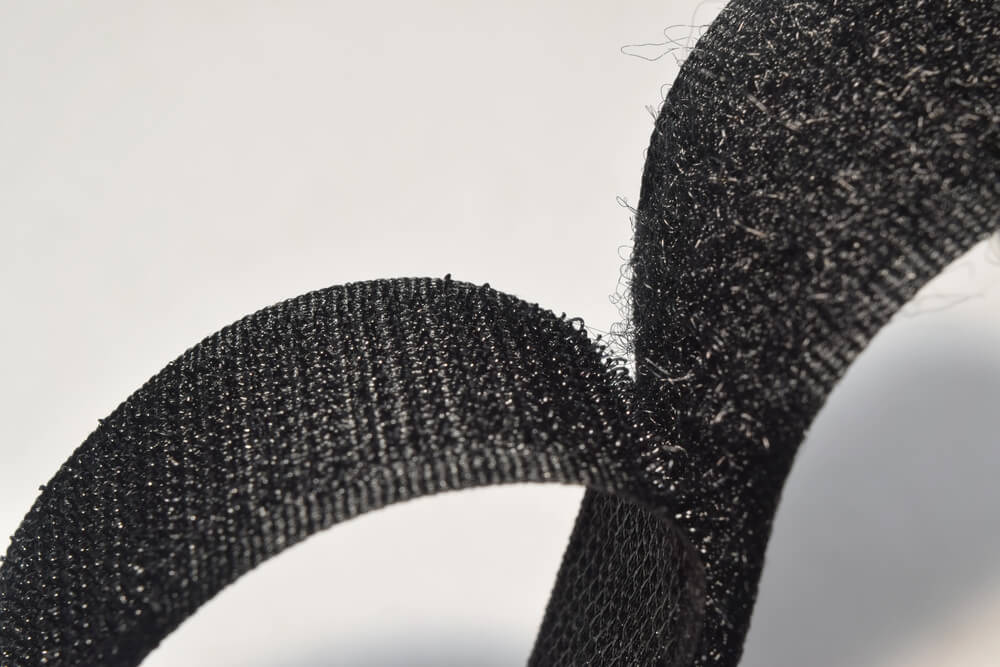
Swiss engineer George de Mestral returned from a walk in the Alps in 1941 with burrs stuck to his clothes and his dog’s coat. Curious about why they clung so stubbornly, he examined them under a microscope and found tiny hooks catching on loops of fabric and fur.
He spent years developing a two-sided fastener that copied the effect, patenting it in 1955. The name combines the French words for velvet and hook.
Floating Ivory Soap
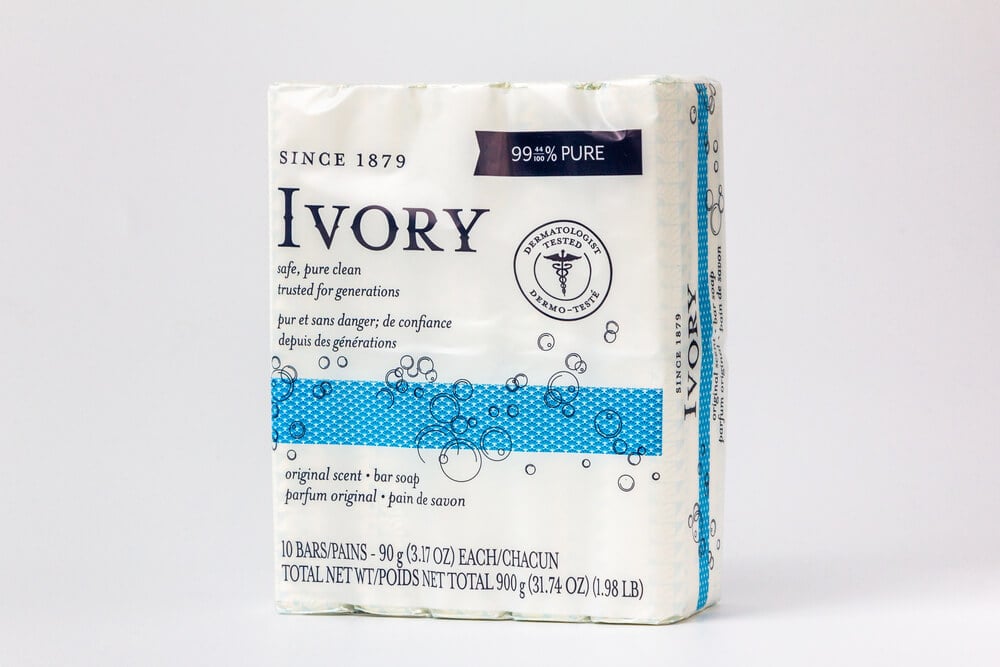
Procter and Gamble introduced Ivory soap in 1879, and according to company history, a worker left a soap mixing machine running during lunch. The extra time whipped air into the batch, and the bars cooled lighter than normal.
Customers who tried the unusual soap liked that it floated in a washtub rather than sinking out of sight. Procter and Gamble kept the feature and promoted Ivory as being 99 and 44/100 percent pure.
Cellophane
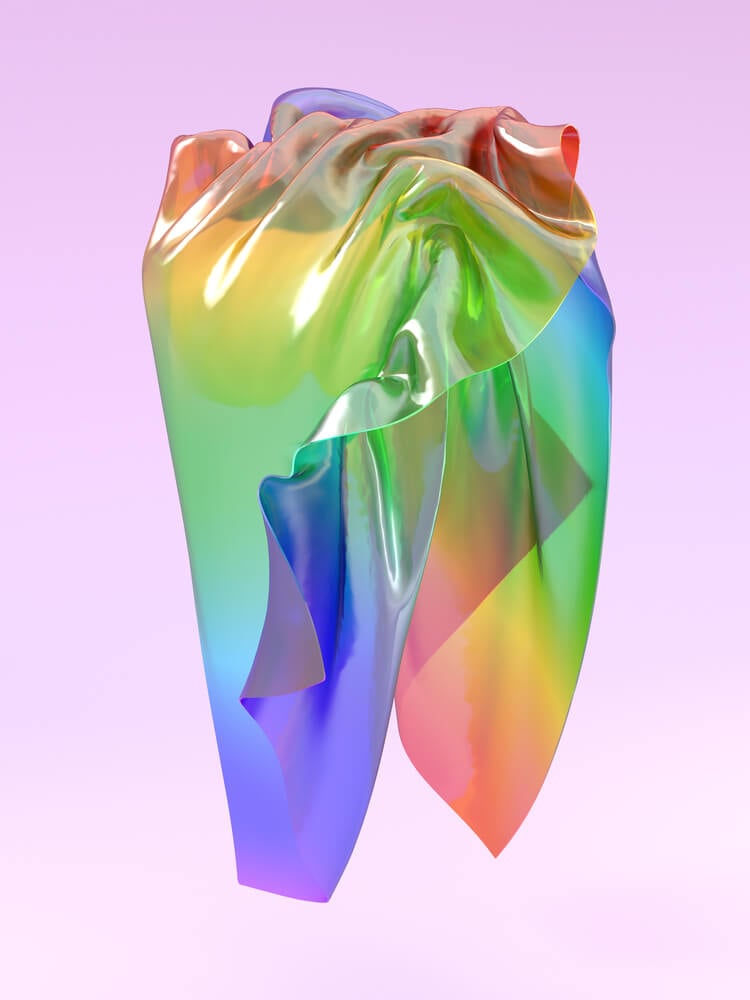
Swiss textile engineer Jacques Brandenberger watched a patron spill wine on a restaurant tablecloth in the early 1900s and imagined a fabric coated to repel liquid. He experimented with coating cloth in viscose, but the material came out stiff, and the coating peeled off as a thin, clear sheet.
Brandenberger shifted his attention to the sheet itself and developed a machine to produce it in 1912. DuPont began making cellophane in the United States in the 1920s, and it became the first widely used transparent wrapping.
Radioactivity
In early 1896, French physicist Henri Becquerel planned to expose uranium salts to sunlight to see whether they would then darken a photographic plate. Paris was overcast, so he tucked the salts and plates, still wrapped in black paper, into a drawer.
When he developed the plates anyway, the images were strong, which meant the uranium was emitting radiation by itself. Becquerel shared the 1903 Nobel Prize in Physics with Marie and Pierre Curie, and the SI unit for radioactivity carries his name.
Stainless Steel
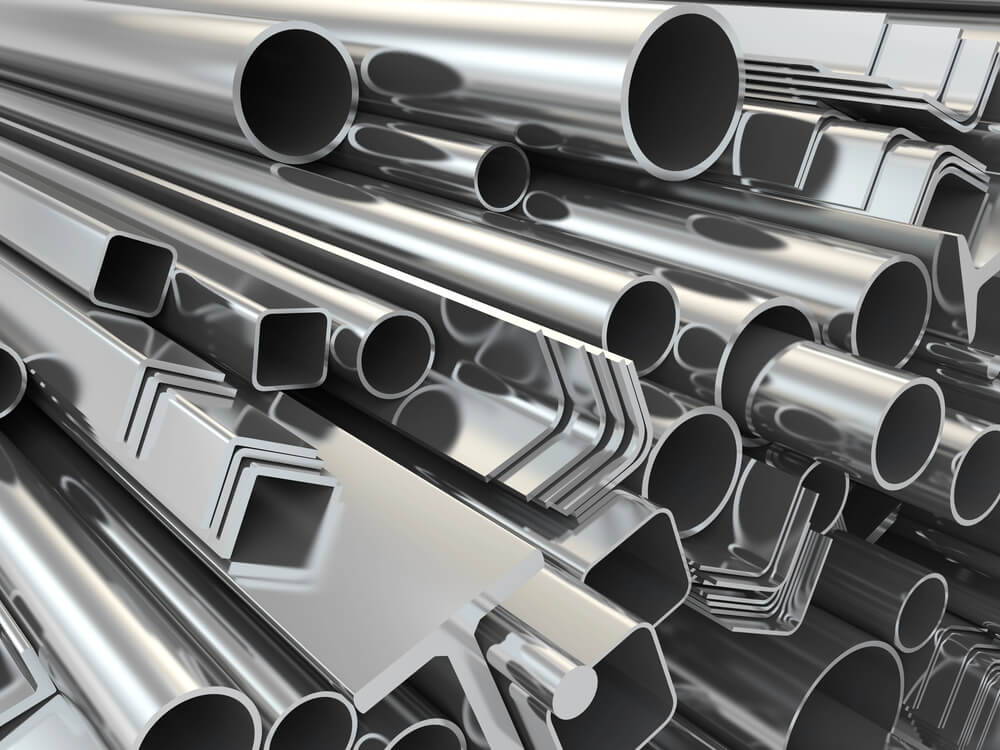
In 1913, metallurgist Harry Brearley of Sheffield was trying to find a steel alloy that would resist wear inside gun barrels. After testing a batch containing chromium, he threw the unsuitable samples onto a scrap pile outdoors.
Weeks later he noticed that they had not rusted. Brearley realized the discarded samples had a better use in cutlery, and Sheffield, a city already famous for knives, was an ideal place to make them.
The Slinky
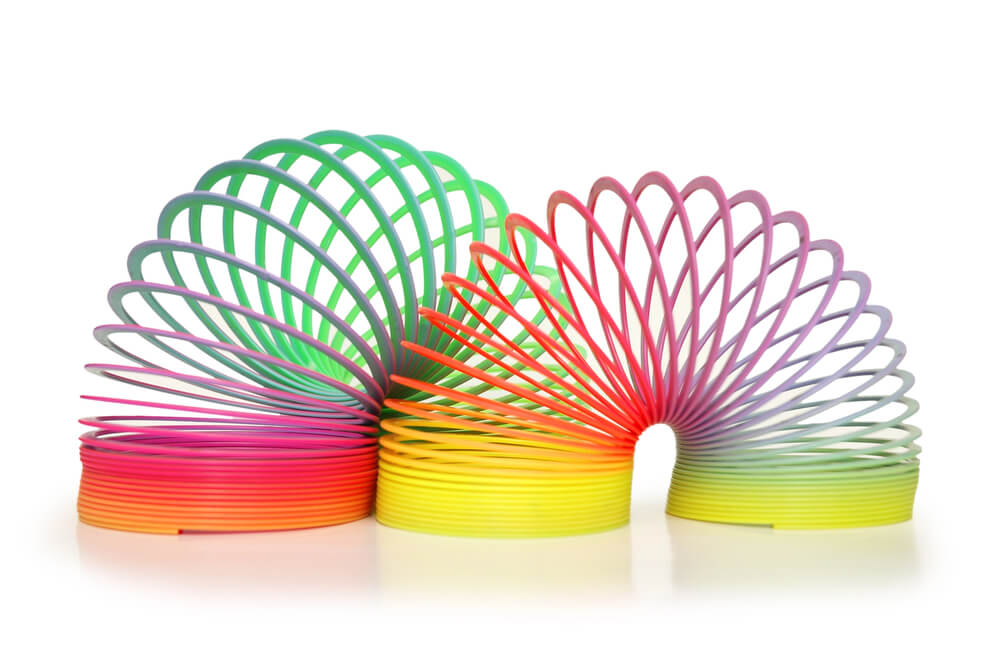
Naval engineer Richard James was testing tension springs for ship instruments at a Philadelphia shipyard in 1943 when one fell off a shelf. Instead of landing in a heap, it flipped end over end down to the floor.
James took the spring home, and his wife Betty chose the name Slinky. In November 1945, they demonstrated it at Gimbels department store in Philadelphia, and the entire stock of about 400 sold out in roughly 90 minutes.
Aspartame
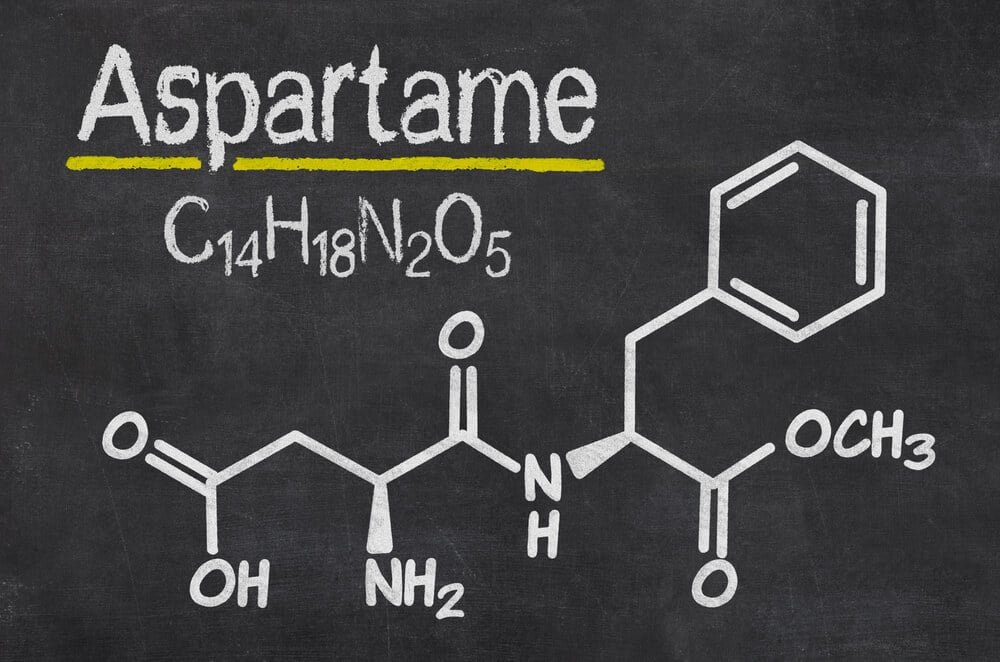
In 1965, G.D. Searle chemist James Schlatter was working on an anti-ulcer drug when a bit of chemical dust got on his hand. Later, he licked his finger to pick up a sheet of paper and noticed a sweet taste.
He traced the flavor to a compound he had just made from two amino acids, and Searle pursued it as a sweetener. The FDA approved aspartame for use in dry foods in 1981.
The Accidents That Were Ready to Be Noticed
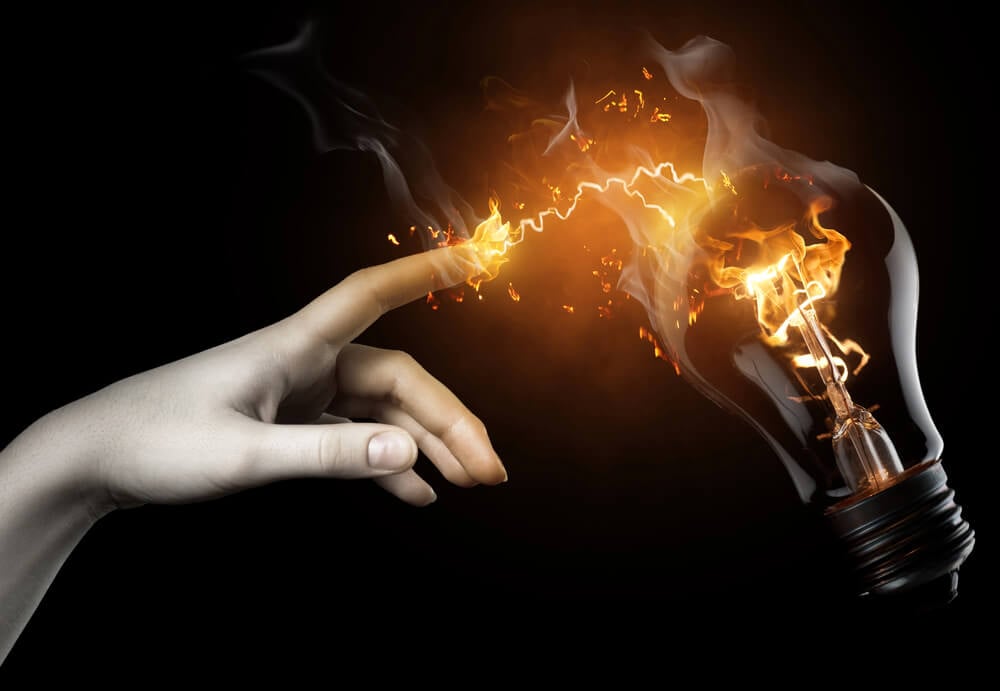
Reading through these stories, it is tempting to credit luck, but luck only did half the job. Fleming, Röntgen, Becquerel, and the rest all ran into the same sort of surprise that other people had probably seen and ignored.
The mold, the glowing screen, and the cloudy photographic plate were each available to anyone in the room. What set these inventors apart was a willingness to treat an unwanted result as information.
Silver’s weak glue sat unused for years before Fry found a purpose for it, and Coover needed a second encounter with his cyanoacrylate before it clicked. A mistake becomes an invention only when someone is curious enough to ask what it is good for.
More from Go2Tutors!

- The Romanov Crown Jewels and Their Tragic Fate
- 13 Historical Mysteries That Science Still Can’t Solve
- Famous Hoaxes That Fooled the World for Years
- 15 Child Stars with Tragic Adult Lives
- 16 Famous Jewelry Pieces in History
Like Go2Tutors’s content? Follow us on MSN.