26 Bike Add-Ons That Ruled ’80s Streets
Few kids in the 1980s rode a bike exactly as it left the store. Within a week, something had been clipped, bolted, taped or strapped on, usually with a borrowed wrench and a lot of confidence.
The result was a street full of machines that looked, sounded and rattled like nothing from the factory. These are the add-ons that did the work, from the practical to the purely loud.
Dyno-Style Pad Sets
BMX pad sets wrapped the crossbar, the handlebar and the stem in thick foam so a missed trick left a bruise instead of a trip to the doctor. GT offered a 1987 Dyno pad set, and the color choices ran loud enough to match any frame.
Racers wore them for crashes, while freestyle riders wore them because a padded bar simply looked right. Vintage sets in good condition are worth far more than ones with cracked vinyl or faded lettering.
BMX Number Plates
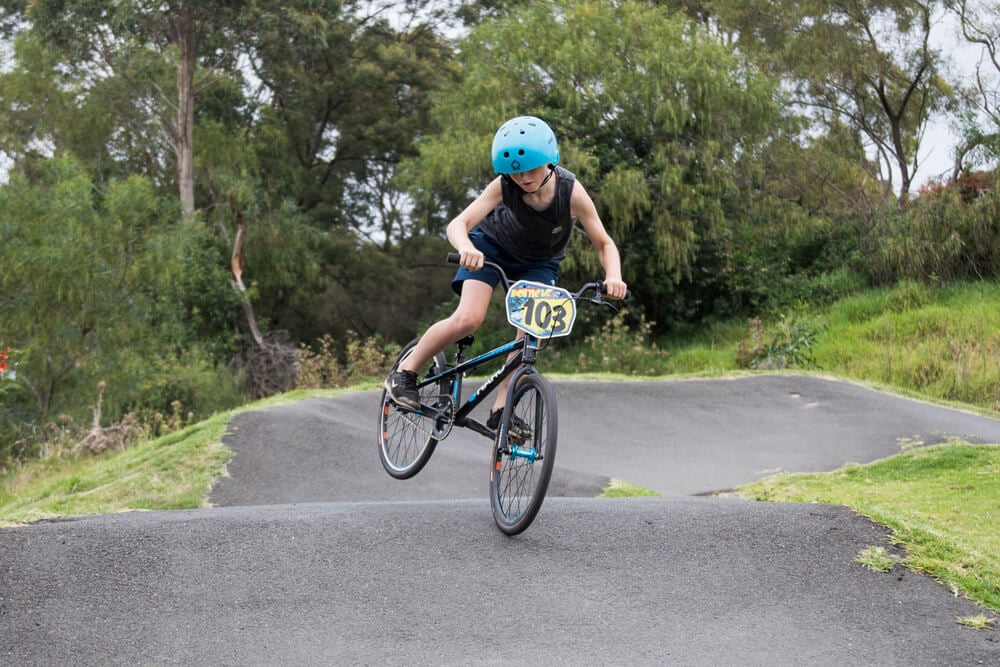
A number plate was a flat plastic sign mounted to the front of the handlebars, borrowed from the look of race bikes. The history of the plates stretches back to the early days of BMX, and by the 1980s they were a signature part of the style.
Kids who never entered a single race bolted one on anyway, often with a stick-on number of their choosing. A bike with a plate announced that its rider took racing seriously, even if the only finish line was the end of the block.
Handlebar Streamers
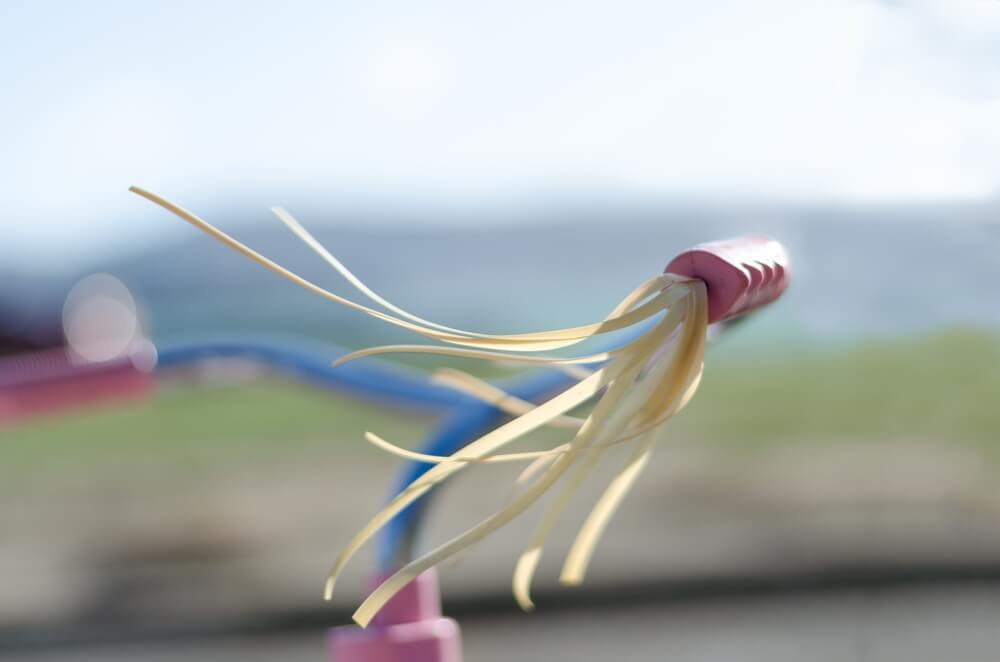
Plastic and foil streamers pushed into the ends of the grips fluttered behind the hands in a bright blur at speed. They added nothing to speed and everything to personality.
Pairs came in every color, and a favorite combination could be spotted from down the block. A set that survived a summer of wind, rain and crashes was considered a minor miracle.
Playing Cards in the Spokes
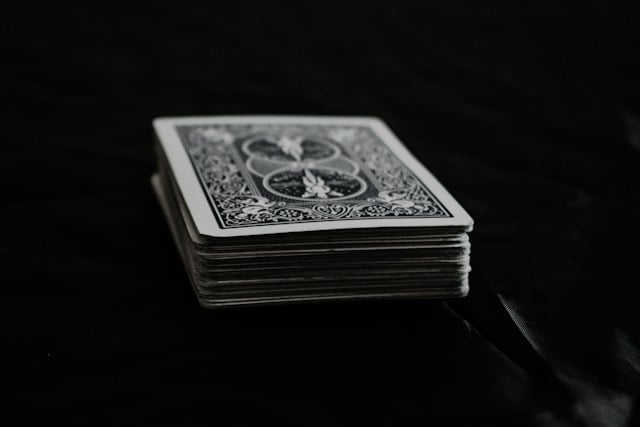
A wooden clothespin, a spare playing card and a few seconds of effort produced a motorcycle engine on pedals. The card slapped each spoke as the wheel turned, so the sound rose and fell with speed.
The spoke card is a long-running bike custom, and it remained a standard backyard project for kids. The downside was that a favorite card from the family deck usually ended up shredded within a week.
Bell Safety Flags

A tall fiberglass whip topped with a bright orange flag rose from the back of many kids’ bikes, meant to make small riders visible to drivers. Bell Sports sold the flags in that familiar safety orange.
The flag swayed with every bump and occasionally snagged tree branches on shortcuts. Kids who considered the whip dorky often snapped it off, which was an effective if unplanned form of customization.
Kryptonite U-Locks
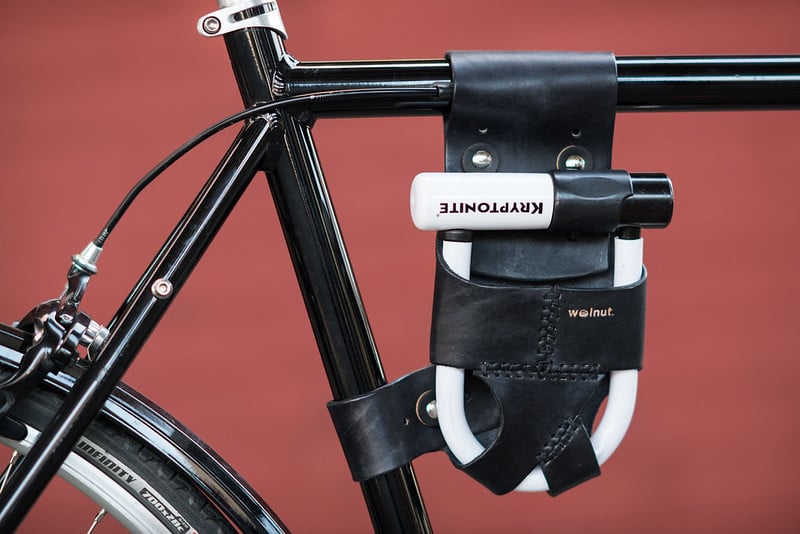
The Kryptonite lock took its name from the one substance Superman could not handle, a promise of toughness printed right on the packaging. The thick steel U-shape became a familiar sight on city streets and school bike racks.
It was a heavy piece of gear compared with the cable and chain locks that came before it. Many riders carried one jammed in a back pocket or wedged against the saddle.
Cateye Cyclocomputers
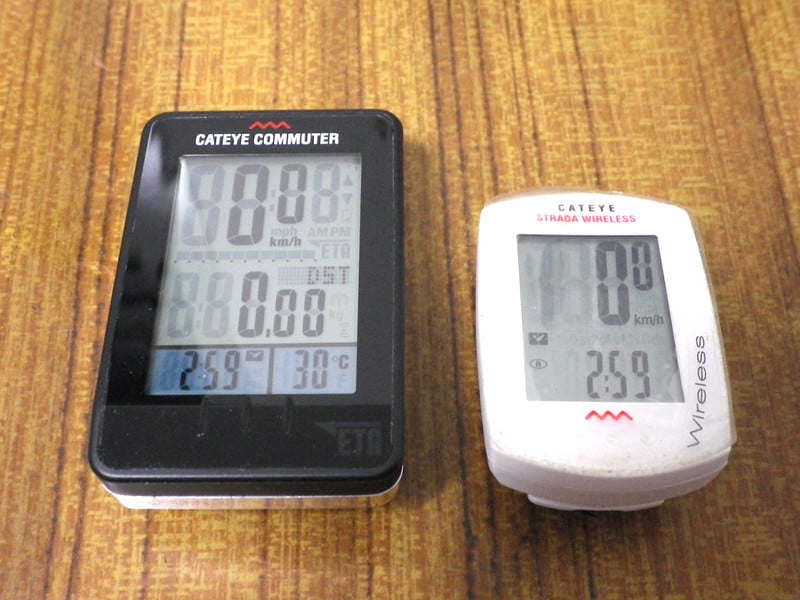
Cateye brought electronic speedometers to ordinary handlebars. A small magnet on a spoke triggered a sensor on the fork, and a wire carried the signal to a display on the bars.
Riders compared top speeds and odometer readings the way other kids compared trading cards. Early units were fiddly to mount, and a stray tug on the cable often ended with the sensor pointing at nothing.
Skyway Tuff Wheels
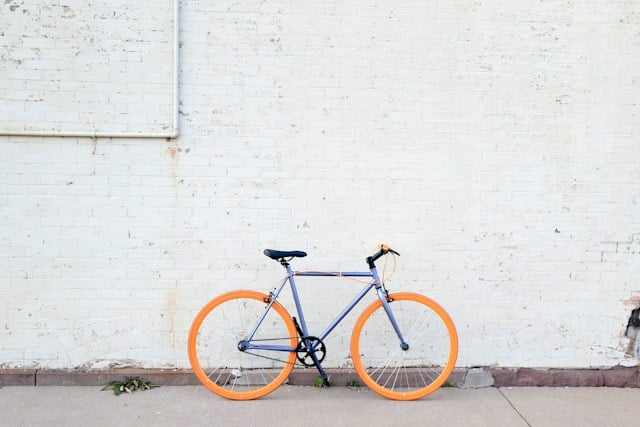
Skyway built its name on molded nylon wheels that replaced traditional spokes with a one-piece design. The company’s T/A model of 1984 paired the style with a bike aimed squarely at the booming BMX market.
The wheels did not need truing and came in colors that clashed with everything. A set in excellent condition commands a premium, while chipped or sun-faded ones sell for much less.
Gyro Detanglers
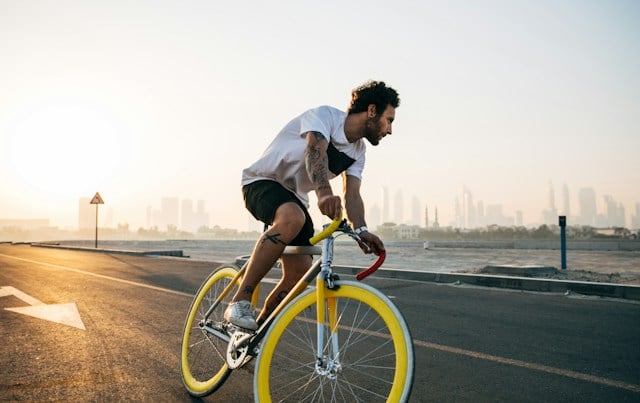
A Gyro, also called a detangler, let the handlebars spin without wrapping the brake cable around the stem. Odyssey became one of the names most closely tied to the part.
It made full bar spins possible for freestyle riders and removed the fear of snapped cables during tricks. Plenty of kids who never planned to try a bar spin installed one anyway, just to make the bike look serious.
Axle Pegs
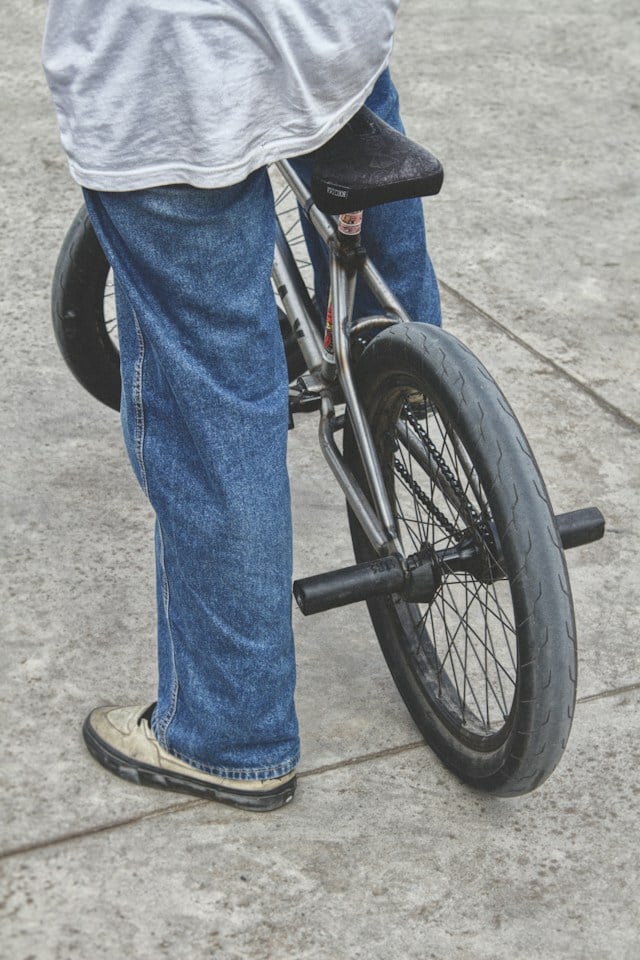
Pegs were short metal or plastic cylinders that slid onto the axle and let riders stand on the outside of the wheel. Freestyle riding grew fast in the 1980s, and Haro offered a folding peg design in 1986 for riders who wanted them out of the way.
Pegs opened the door to grinds on curbs and rails, as well as the occasional passenger standing on the back. A pair of scarred pegs usually tells the story of the bike they came from.
Handlebar Radios
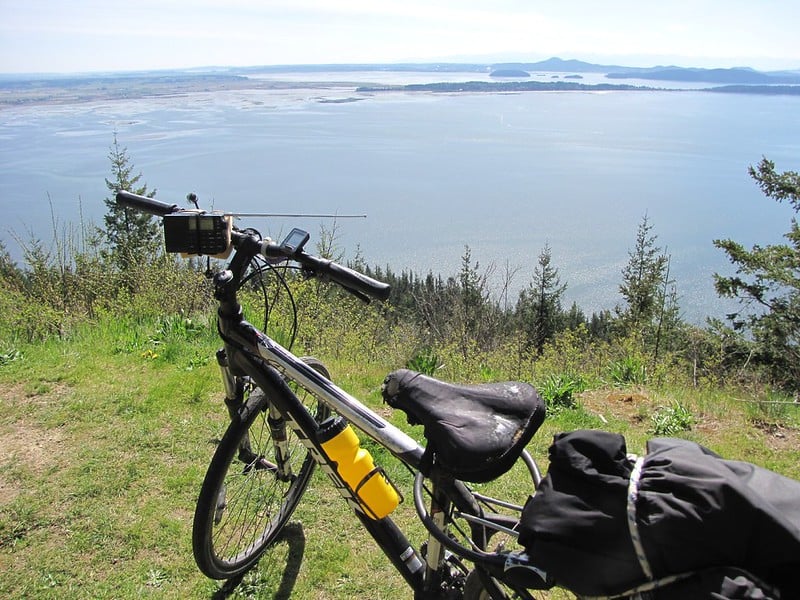
A portable radio strapped or clamped to the handlebars turned a bike ride into a moving party. Patent US4856364 describes a handlebar device built to hold a portable radio, which shows how seriously inventors took the idea.
Reception faded under bridges and overpasses, and the volume never beat the wind. Even so, a radio on the bars was a major status symbol among neighborhood riders.
Training Wheels
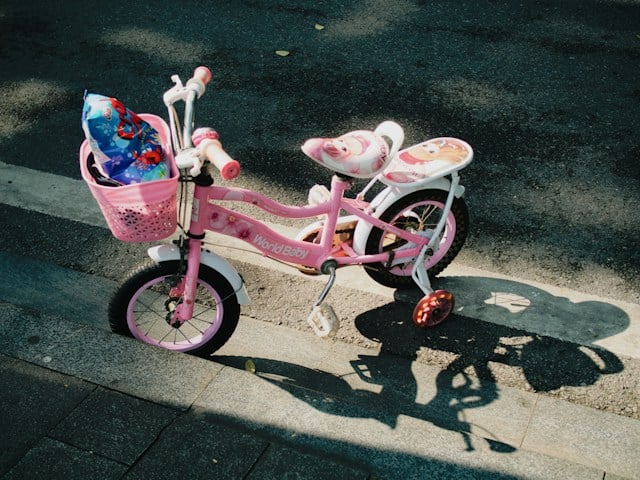
A pair of small support wheels bolted to the rear axle let beginners learn balance without the daily scraped knees. Parents adjusted them upward over time, which made the bike lean slightly and eased the transition to two wheels.
Bike aisles were full of them in every size. Taking them off was a rite of passage, and kids remember the exact driveway where it happened.
Tacky Rubber Grips
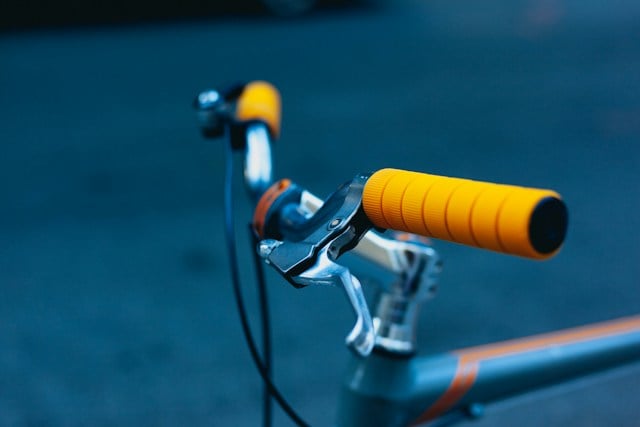
Soft, sticky rubber grips replaced the hard plastic ones that came on most bikes. They absorbed vibration and kept sweaty palms from slipping during jumps and landings.
Their bright colors made them an easy way to personalize a bike. Worn-out grips turned shiny and slick, which was usually the signal to buy a new pair.
Sissy Bars
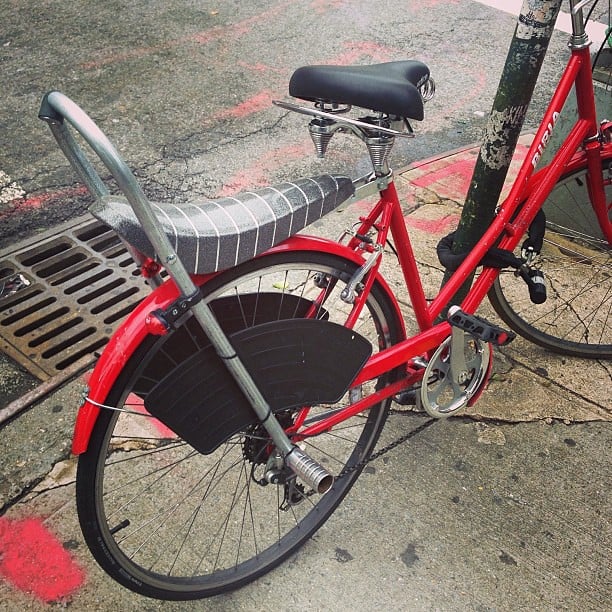
A sissy bar was a tall metal backrest that bolted behind a banana seat and gave a passenger something to hold. The style belonged to the long, low cruisers many kids still rode.
Some riders added a license plate or a fox tail to the top. The bar also made it easier to carry a backpack, which was a use no designer planned for.
Reflector Sets
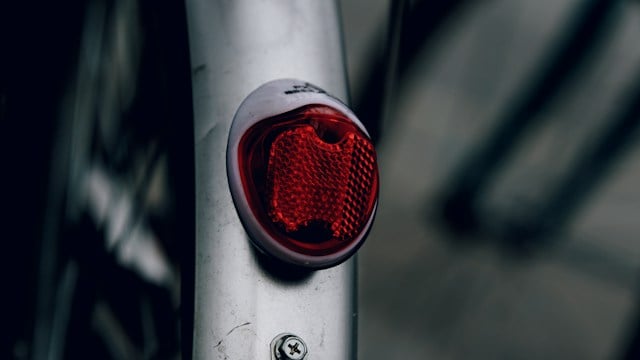
Reflectors came packaged in sets for the front, rear, pedals and wheels. Many wheel-mounted ones were pried off for being embarrassing, while others were left on until the plastic faded to a dull pink.
They caught headlights with a bright glow that no one could argue with. A rear reflector remains one of the few add-ons that really does earn its keep after dark.
Bulb Horns
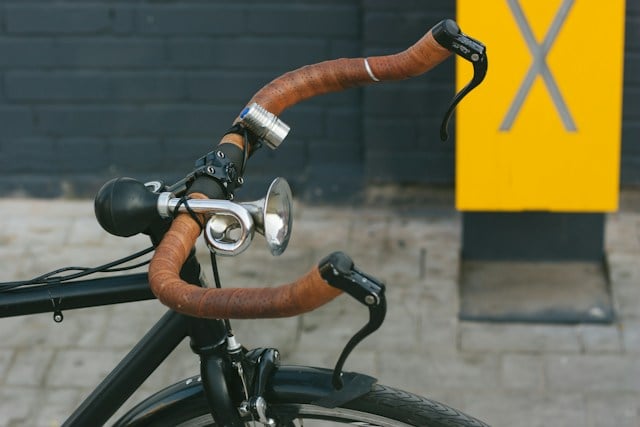
A rubber squeeze bulb attached to a metal horn gave handlebars a honk that sounded like a small goose. Riders mounted them near the grip and squeezed with the fingers while steering.
The sound carried a surprisingly long distance on a quiet street. Dried-out rubber was the usual cause of death, which turned a loud horn into a quiet wheeze.
Wire Handlebar Baskets
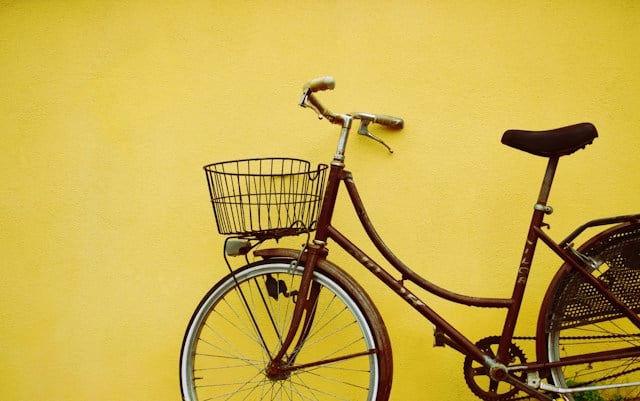
A wire basket clipped to the handlebars carried school books, groceries and the occasional unlucky pet. The mesh design let rain drain away and made it simple to see what was inside.
A heavy load made steering twitchy, and anyone who put a gallon of milk inside learned that lesson quickly. Cruiser and everyday bikes wore them most often, while BMX riders considered them hopelessly uncool.
Kickstands
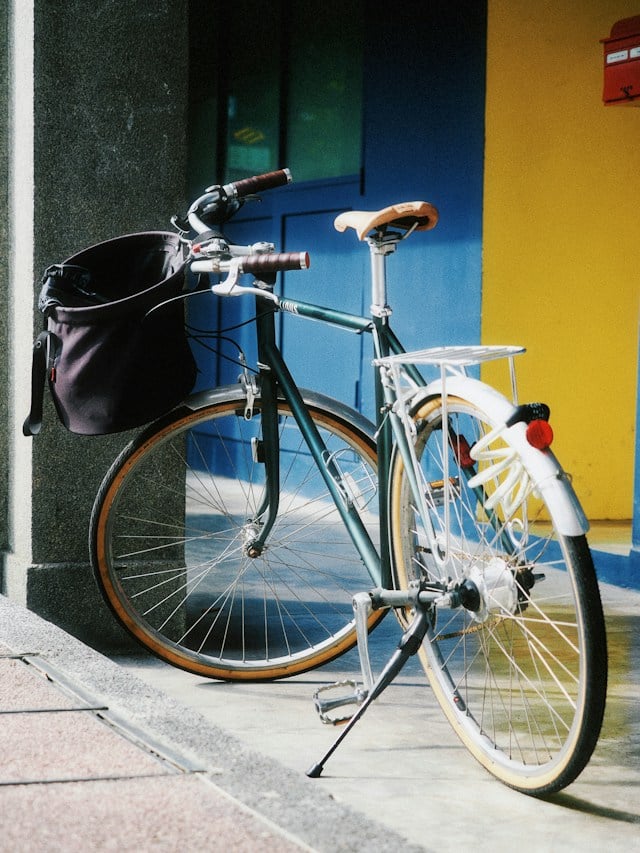
A kickstand was a spring-loaded metal leg that clamped near the rear axle and let a bike stand upright without a wall. Everyday and cruiser bikes wore them as standard gear.
BMX riders removed them or never installed them, since a bike worth riding was a bike worth dropping on the lawn. The stand made a distinct clack when it snapped back up, which remains instantly recognizable decades later.
Water Bottle Cages
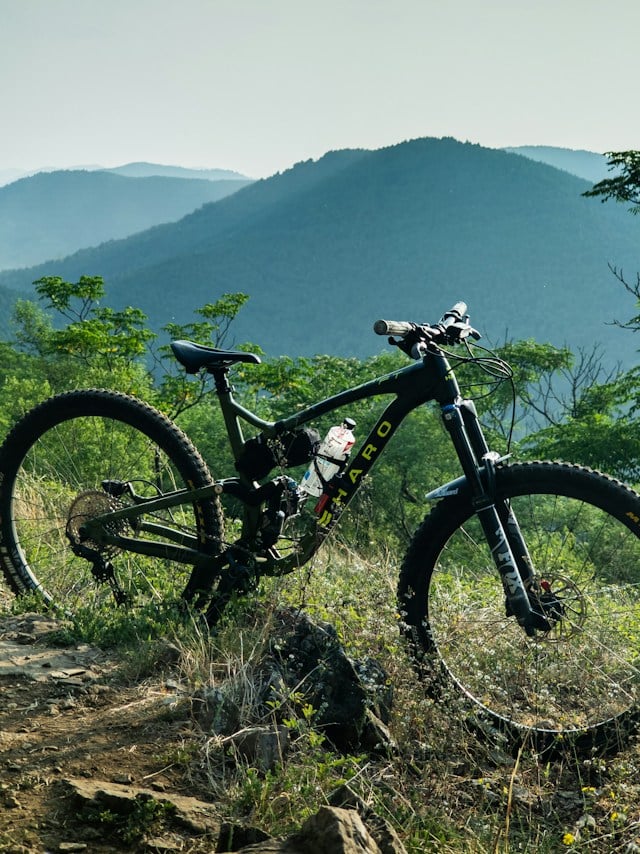
A small metal cage bolted to the frame held a plastic bottle that could be pulled out on the move. Kids on department store bikes added them too, even when the longest ride was a short trip to the pool.
The bottle usually sat empty or filled with grape drink. Still, the cage made the bike look like it meant business.
BMX Mud Flaps
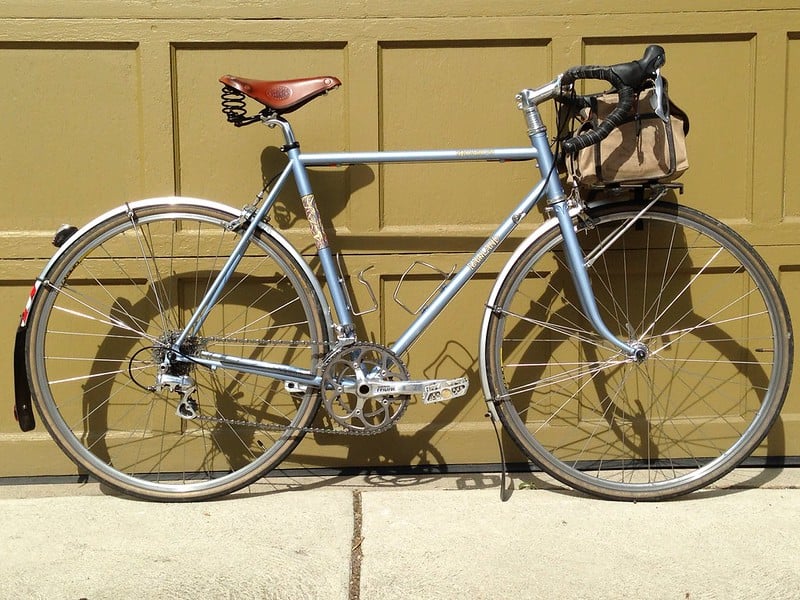
Flexible rubber flaps hung behind the saddle or beneath the fender to block the stripe of mud that wet roads sprayed up the rider’s back. Muddy trails and puddles turned them from an accessory into a necessity.
Plenty of riders printed team names or cartoon characters on them. A flap that dragged on the tire and squealed was the unofficial signal that its owner needed to adjust the bracket.
Chain Guards
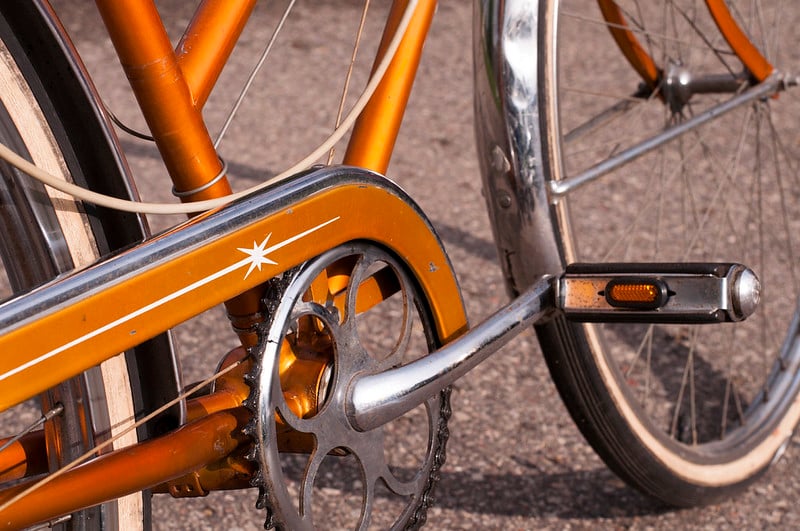
A stamped metal shell over the chain kept grease off pant legs and kept laces out of the sprocket. Many kids’ bikes shipped with one, and the guard rattled whenever the frame hit a bump.
BMX riders usually removed theirs to save weight. Anyone who remembers a pair of pants ruined by oil knows why parents insisted on keeping it on.
Battery Headlights
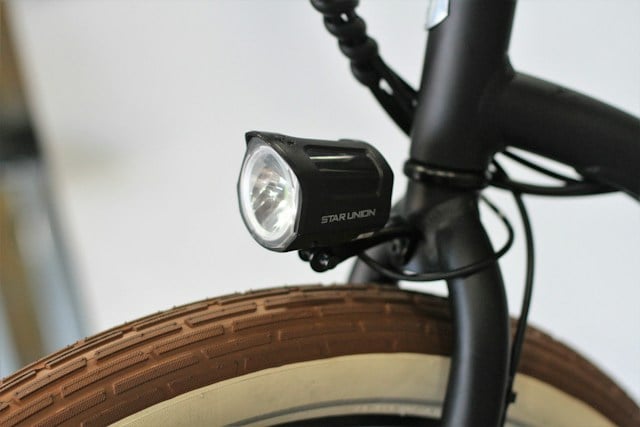
Battery-powered headlamps clamped to the handlebars or fork and lit the road ahead for evening rides. Older riders had used generators that pressed against the tire and hummed, but batteries made the light independent of speed.
A weak beam helped other people see the rider more than it helped the rider see the road. Replacing the cells was a frequent chore, and the dead ones often sat in a drawer for years.
Saddle Bags
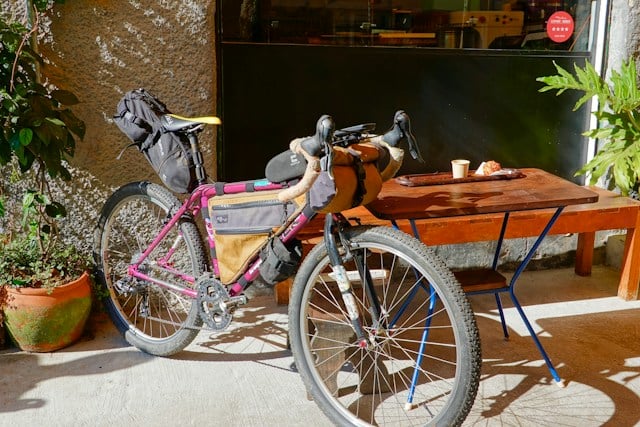
A small bag hung under the seat held a spare tube, a patch kit and a tire lever. Kids stuffed them with snacks, small tools and the odd comic book.
Zippers stuck, buckles broke, and some bags survived long enough to outlast the bike they were bought for. A bag swinging under the saddle also made a handy spot to hide a house key.
Rear Racks and Bungee Cords
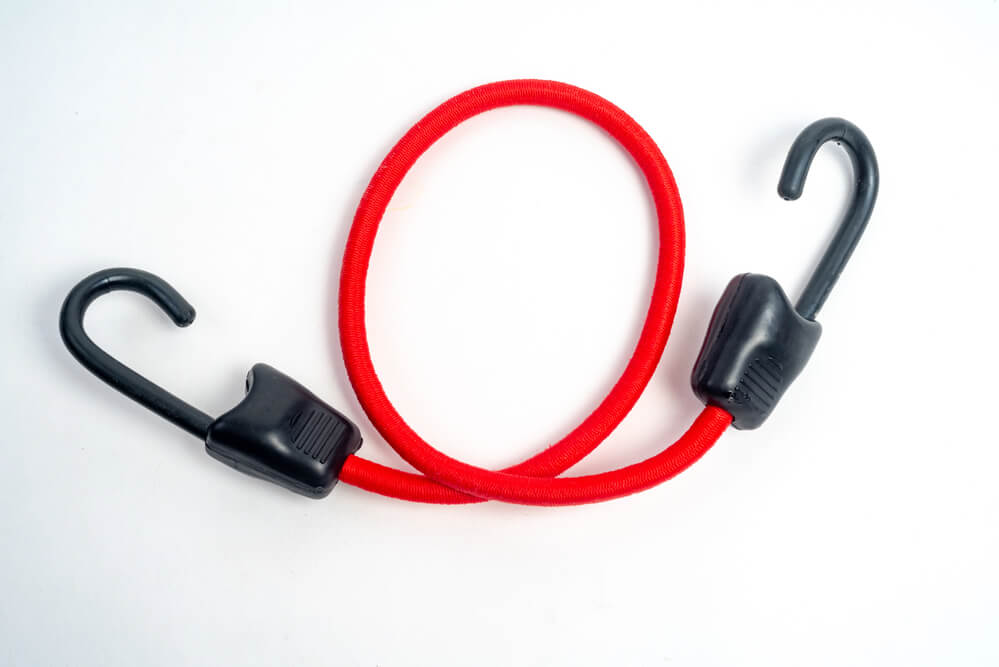
A metal rack over the rear wheel turned a bike into a delivery vehicle for schoolbooks, newspapers and sleeping bags. Stretchy bungee cords held the cargo down, with hooks that sometimes snapped back and caught fingers.
Paper routes were a common reason for installing one. A loaded rack changed how the bike handled and gave riders their first real lesson in weight and balance.
Thumb Bells
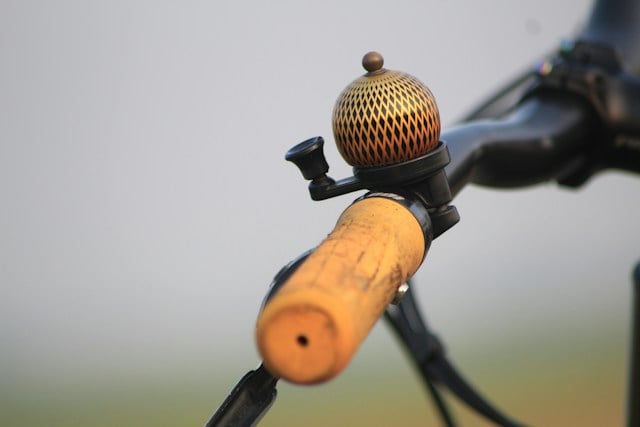
A small bell with a thumb lever warned pedestrians that a bike was coming, and it rang with a bright ding on every flick. Bells fit almost any handlebar and cost very little.
Kids often rang them far more than required, especially when passing a younger sibling. The cheap ones lost their sparkle after a season of rain, turning the ring into a dull clunk.
Toe Clips and Straps
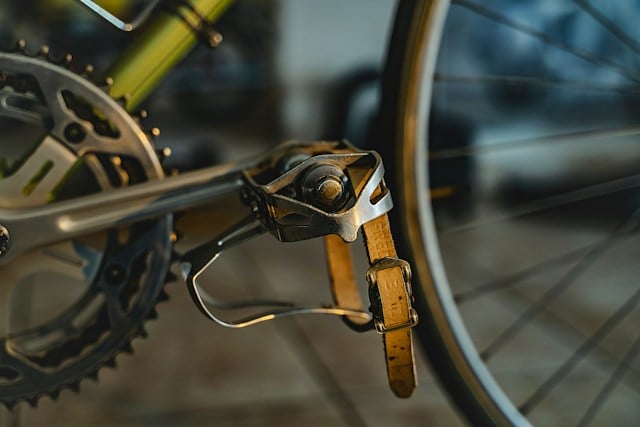
Metal cages on the pedals and leather or nylon straps held the foot in place for steadier power. Racers used them, and kids copied the look on their own bikes.
A tightened strap was convenient until the moment a rider needed to stop in a hurry and discovered the foot would not come free. Loose straps flapped against the crank with a steady slap on every turn.
The Bike as a Blank Canvas
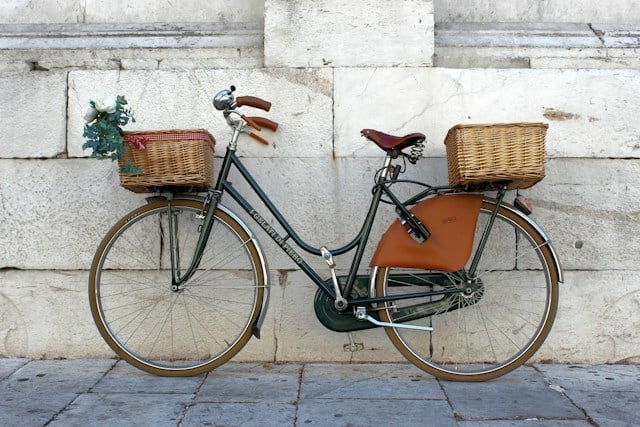
The pattern across these add-ons was never really about function. A bike came from the store as an object that belonged to the manufacturer, and an hour with a few accessories made it belong to the kid.
Streamers and number plates said who the rider wanted to be, while pegs and padding hinted at who the rider planned to become.
That impulse has not gone anywhere. Today’s riders hang lights, bags and stickers on frames for much the same reasons, only with better materials.
The 1980s version was louder, lumpier and a little more likely to fall off, which is probably why it is remembered so fondly.
More from Go2Tutors!

- The Romanov Crown Jewels and Their Tragic Fate
- 13 Historical Mysteries That Science Still Can’t Solve
- Famous Hoaxes That Fooled the World for Years
- 15 Child Stars with Tragic Adult Lives
- 16 Famous Jewelry Pieces in History
Like Go2Tutors’s content? Follow us on MSN.