28 Family Traditions From the ’50s That Faded
Mid-century family life ran on rituals that nobody had to schedule. Dinner had a time, Sunday had a uniform, and the evening had a screen or a speaker that everyone gathered around.
Most of these habits did not end with a bang. They slipped away one appliance, one highway, and one new convenience at a time, until the last family to practice them was simply the odd one out.
Sunday Dinner at the Dining Table
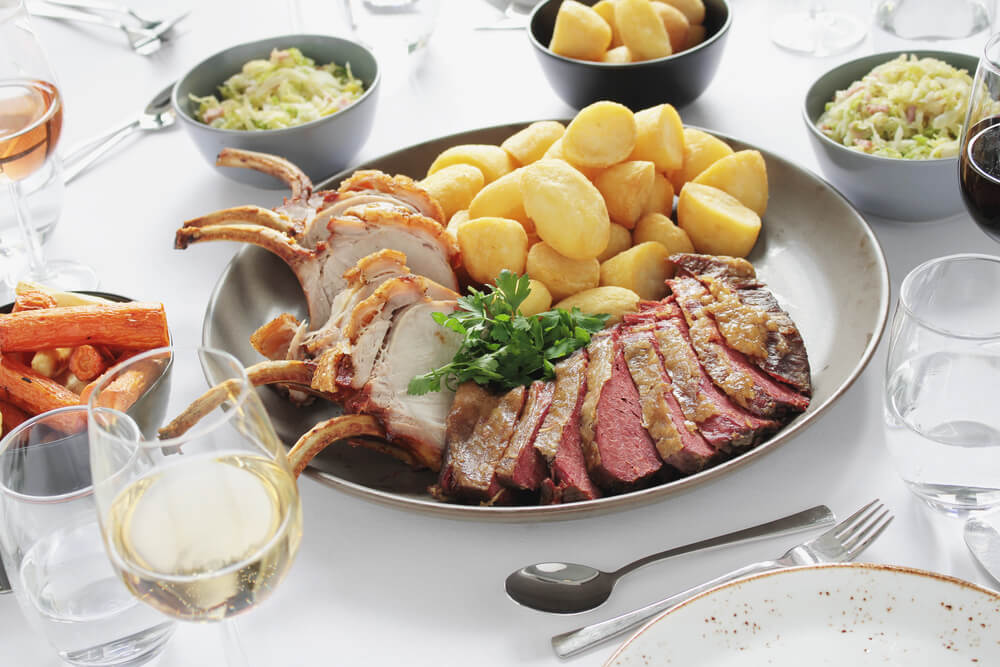
The dining room earned its keep on Sunday, when the good plates came out and a roast landed in the center of the table. Dinner was typically served in the early afternoon, soon after church let out, which made it the main meal of the week rather than an evening affair.
Mashed potatoes, a gelatin salad, and pie were common supporting players. The room itself often sat unused the other six days.
TV Dinners and the Trays Beneath Them
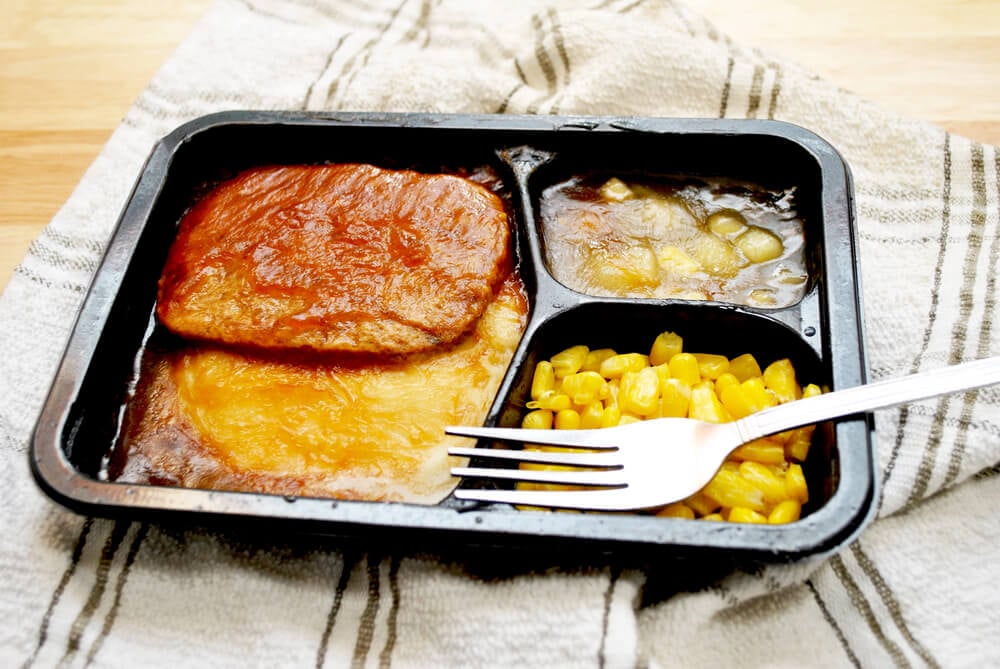
The frozen TV dinner arrived after Thanksgiving 1953, when Swanson was left with a staggering surplus of frozen turkey, reported at roughly 260 tons. The company packed turkey, cornbread dressing, peas, and sweet potatoes into a divided aluminum tray that went straight into the oven.
Families balanced the hot tray on a folding table in front of the set, which quietly moved dinner out of the dining room. The foil tray was the key detail, since it let the entire meal be reheated and discarded without a single dish to wash.
Sunday Night With Ed Sullivan
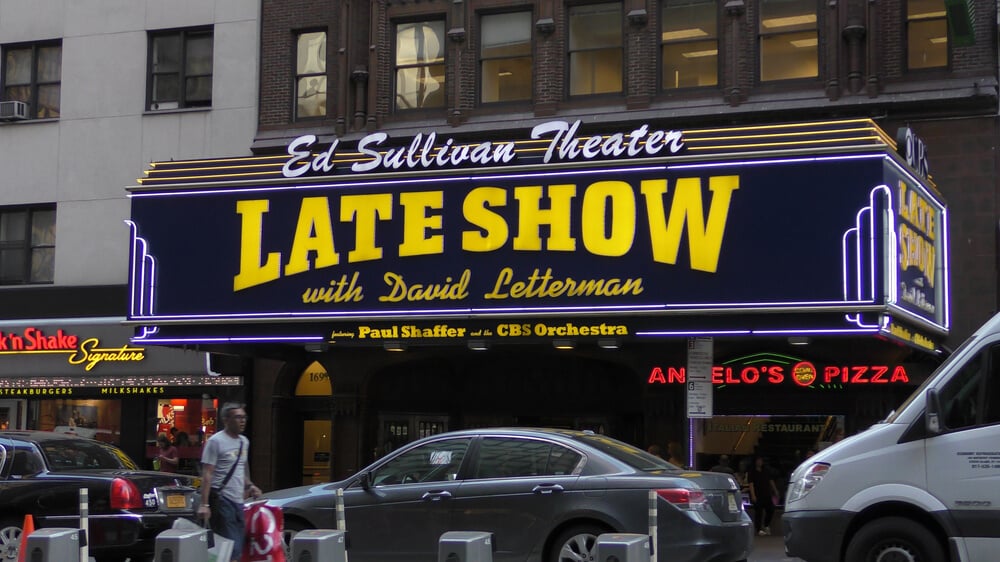
Sunday evening belonged to a variety show, and the entire household sat in front of it together. The Ed Sullivan Show was the stage where Elvis Presley made his first appearance on September 9, 1956.
Parents, grandparents, and children watched the same jugglers, comedians, and singers in a single room because there was usually only one set. Arguments over what to watch were rare, since the choice was made by the calendar.
The Milkman and the Porch Delivery Box

Milk arrived before breakfast in glass bottles, carried to the back or front door by a uniformed driver. Because most milk was not yet homogenized, the cream rose to the top of the bottle, and families fought over who got to pour it.
Empties were rinsed and left out for the next visit, often with a note tucked inside to change the order. Supermarket cartons and bigger refrigerators gradually made the entire system unnecessary.
The Sunday Drive With No Destination

After dinner, many families piled into the family sedan and simply drove, taking in farms, new housing tracts, or a lake overlook. The point was the outing itself, not an arrival.
The Federal-Aid Highway Act of 1956 authorized a 41,000-mile interstate system, which soon turned meandering back roads into a faster, more purposeful kind of travel. Gas was cheap enough that the aimless loop cost almost nothing.
The Fuller Brush Man at the Door

Alfred Fuller founded his brush company in 1906, and by midcentury the salesman on the porch had become a national figure. The 1948 comedy film The Fuller Brush Man, starring Red Skelton, cemented the image of a smiling stranger with a sample case jammed in the doorway.
Housewives often accepted a free small brush as a gift before the pitch even began. Falling door-to-door sales and the rise of supermarkets and discount stores gradually emptied the sidewalks of such visitors.
Avon Calling
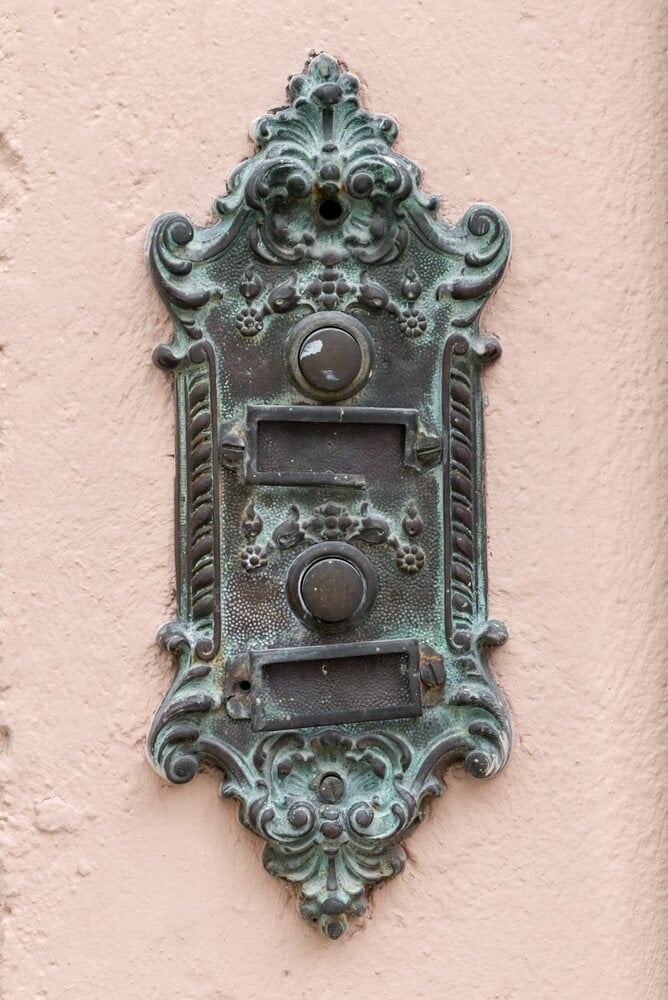
The doorbell chime and the greeting “Ding-dong, Avon calling” became a household signature after the cosmetics company adopted the slogan in the 1950s. Representatives carried sample cases of lipstick, creams, and perfume to the kitchen table of each customer.
For many women it was one of the few ways to earn money independently from home. The neighborly sales call faded as women entered the workforce and shopping moved to department stores and, much later, the internet.
Slide-Show Evenings in the Living Room
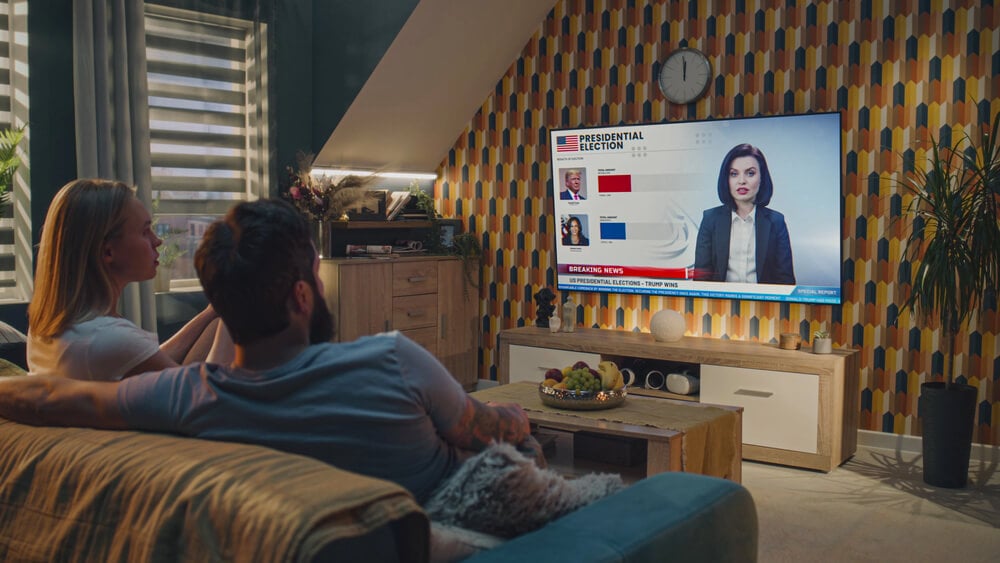
Kodachrome color film, introduced in 1935, put vacations on small cardboard-mounted slides that families projected onto a bedsheet or a pull-down screen. The lights went off, the projector fan hummed, and a father narrated each frame, sometimes upside down.
Guests were sometimes invited over purely to endure the trip to the Grand Canyon. The round Kodak Carousel tray, which arrived in 1961, made the ritual smoother just as the era was drawing to a close.
View-Master Reels After Supper
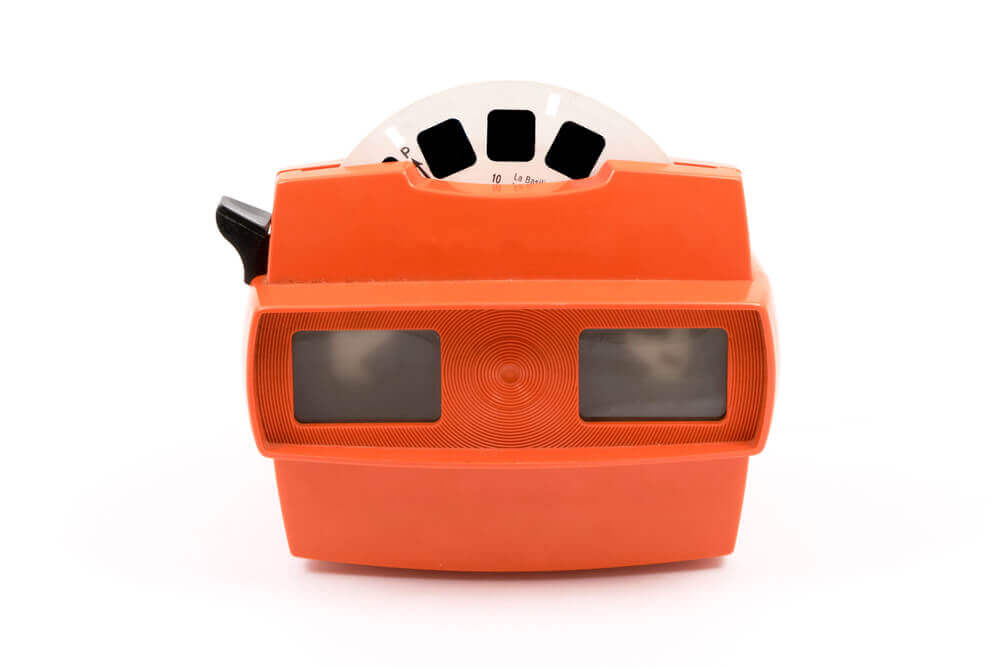
The View-Master viewer debuted at the 1939 New York World’s Fair and became a staple of 1950s childhoods. Each cardboard reel held fourteen tiny color images arranged as seven stereo pairs, so scenes of Yellowstone or the Grand Canyon appeared in three dimensions.
Children passed the viewer around the living room, clicking the lever to advance the picture. The device turned armchair travel into a shared family pastime long before video screens.
Gathering Around the Radio for Gunsmoke
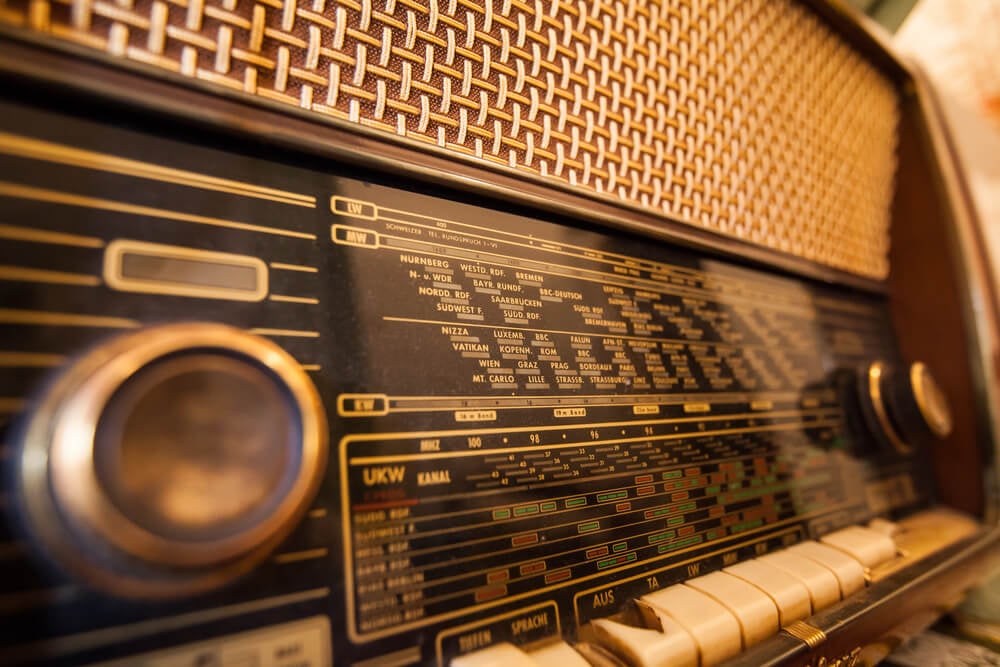
Even after television had taken over the living room, many families kept listening to radio dramas. The western Gunsmoke aired on radio from 1952 to 1961, overlapping with its television version that premiered in 1955.
Its sound-effects crew used leather, gravel, and squeaking boots to build a frontier town without a single picture. Listening required attention and imagination, and families often sat quietly through the full half hour.
Sunday Best for Church
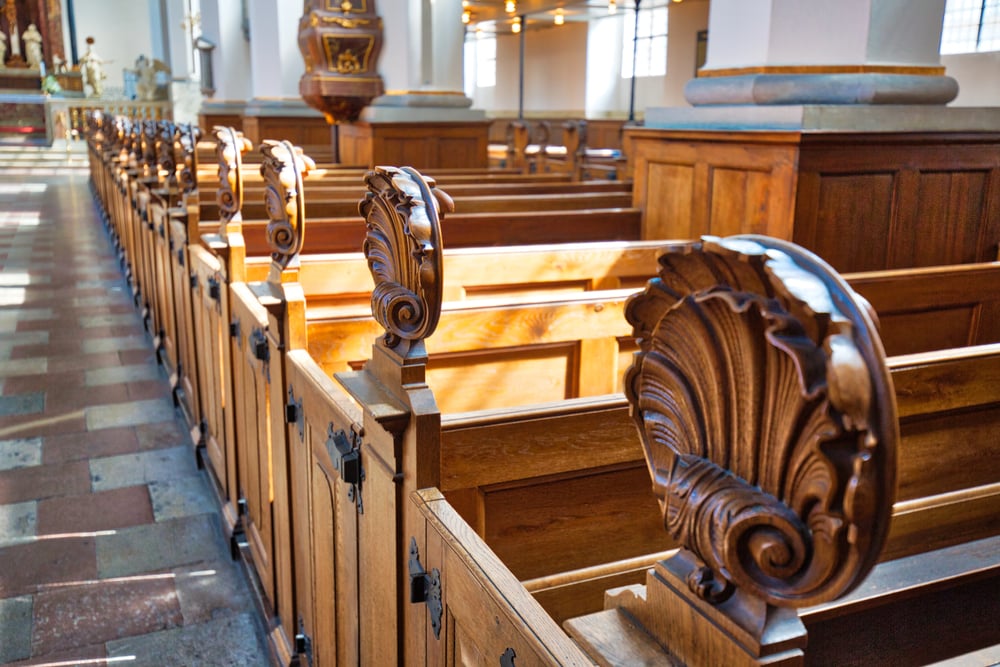
Church clothes were a separate wardrobe, kept apart from everyday wear and put on only for services. Women wore hats and gloves, men wore suits and ties, and children were scrubbed and buttoned into stiff shoes.
At Easter, the finery became public theater, most famously in the Easter Parade along Fifth Avenue in New York. Casual dress gradually replaced the uniform, and many congregations now welcome jeans in the pews.
The Christmas Card With the Family Portrait

Holiday cards were mailed by the dozen, and a posed family photograph on the front was a point of pride. Postage was a three-cent stamp until the first-class rate rose to four cents in August 1958, so a long list of relatives was manageable.
Cards were hand addressed, and a note for each recipient was often tucked inside. Digital photos and group messages largely replaced the handwritten, mailed ritual.
The Tupperware Party
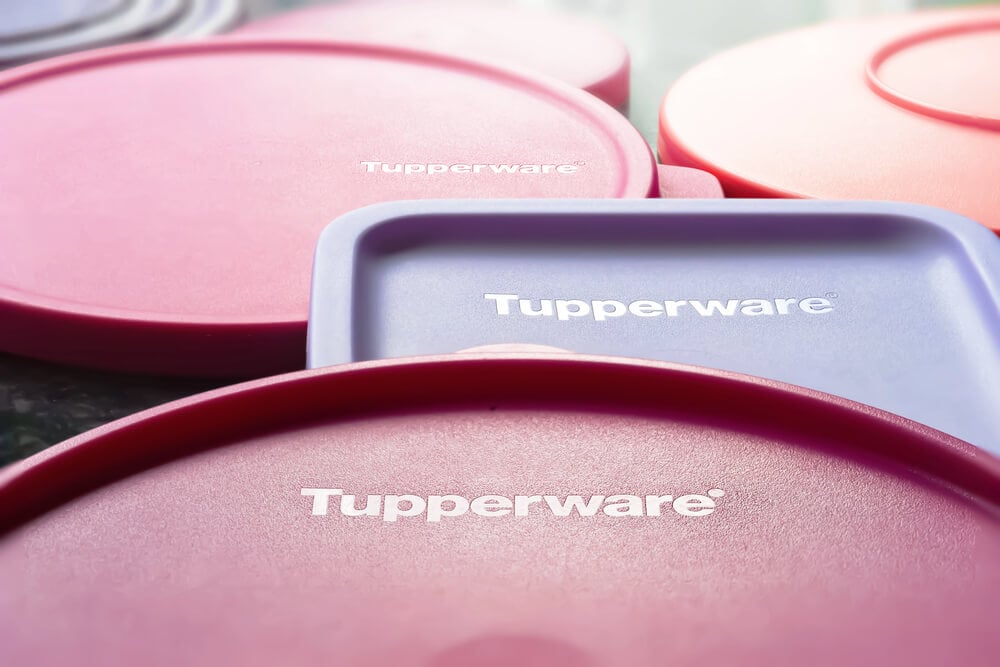
Earl Tupper designed his airtight seal in the style of a paint-can lid, and sales took off when his product moved into living rooms. Brownie Wise, the company’s top saleswoman and later a vice president, built the home-party model that turned hostesses into retailers.
In 1951 Tupper pulled his containers from store shelves to sell only through parties. Wise was dismissed in 1958, but the neighborhood party endured for decades before online shopping eroded it.
Duck and Cover With Bert the Turtle

In 1951 the Federal Civil Defense Administration released the film Duck and Cover, featuring an animated turtle named Bert who tucked into his shell at the first flash. Schoolchildren practiced dropping beneath their desks, and parents rehearsed similar routines at home.
Talk of backyard shelters, canned food stores, and emergency plans entered ordinary family conversation. The drills faded as ideas about nuclear survival changed, though the cartoon remains one of the era’s best-known artifacts.
The Conelrad Marks on the Radio Dial
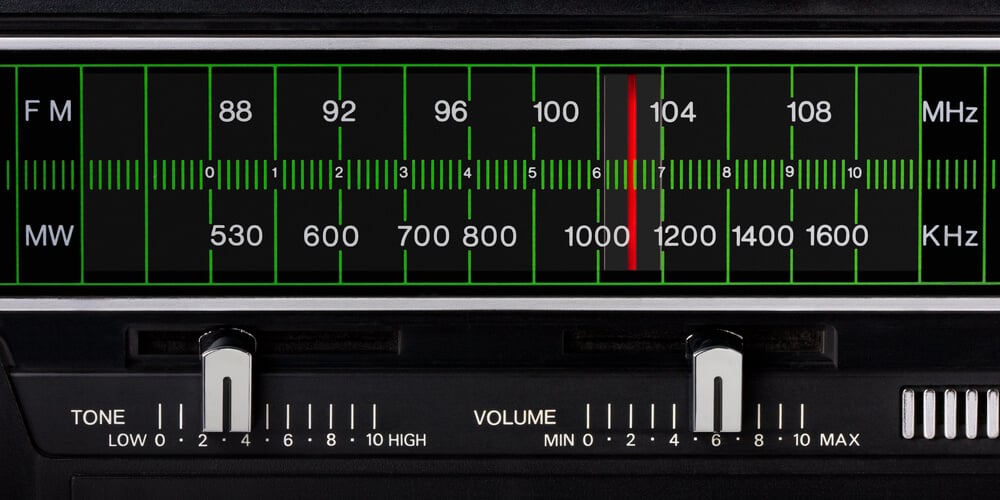
Beginning in 1951, AM radio dials carried two small triangle marks at 640 and 1240, indicating the frequencies reserved for emergency broadcasts. The Conelrad system was designed to keep enemy bombers from using radio signals as navigation beacons.
Families learned to tune to those spots if an alert came through. Replaced in the 1960s, the system left its triangles as a small reminder of a tense decade.
Drive-In Movie Nights

The first drive-in theater opened in Camden, New Jersey, on June 6, 1933, created by Richard Hollingshead. By the late 1950s there were more than 4,000 across the country, and families packed pillows and pajamas into the station wagon.
Many lots had a playground beneath the screen so that restless children could burn off energy before the picture. Land values, daylight saving time, and home video steadily pushed most of the lots toward closure.
Sharing the Party Line
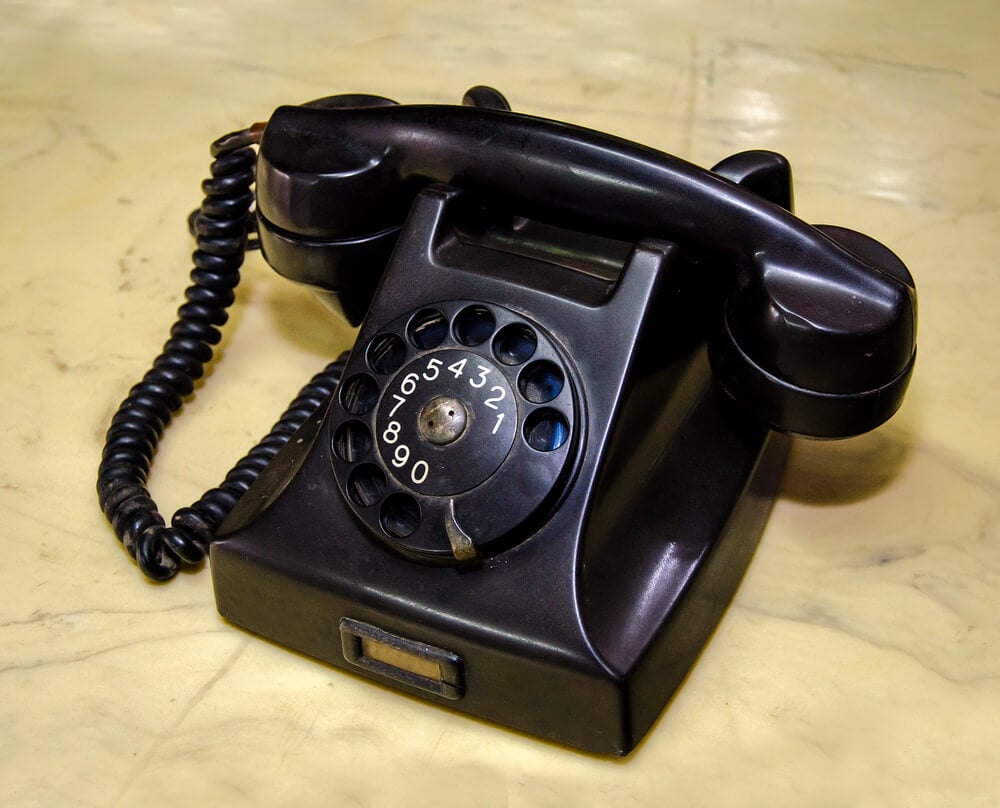
Many households shared a single telephone circuit with neighbors, and each home had its own ring pattern, such as two longs and a short. Anyone could pick up and listen in, which made privacy a matter of etiquette rather than technology.
Chatting for hours risked tying up the line for the entire street. Private lines became standard over the decades, and the chorus of shared rings disappeared.
Pasting Green Stamps Into Books
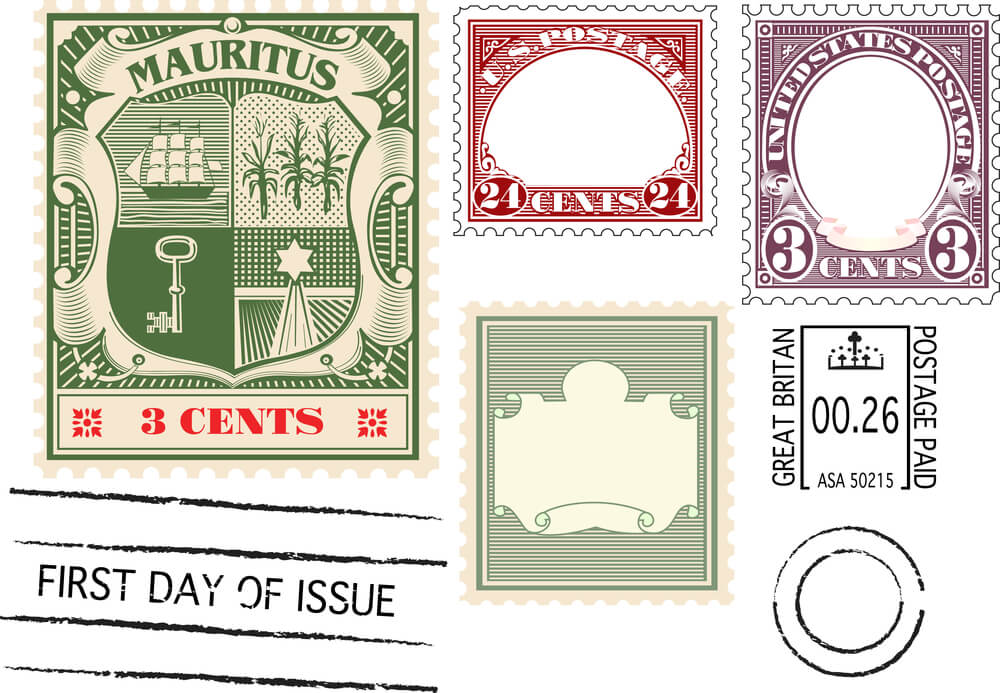
Sperry & Hutchinson, founded in 1896, handed out S&H Green Stamps at checkout, and in the 1950s a typical grocery run produced a small pile of them. Families sat at the kitchen table licking the stamps and pasting them into redemption books.
Filled books were traded at a redemption center for lamps, toasters, and other household goods. Store discounts and later loyalty cards replaced the tabletop pastime.
Reading Burma-Shave Signs on the Highway
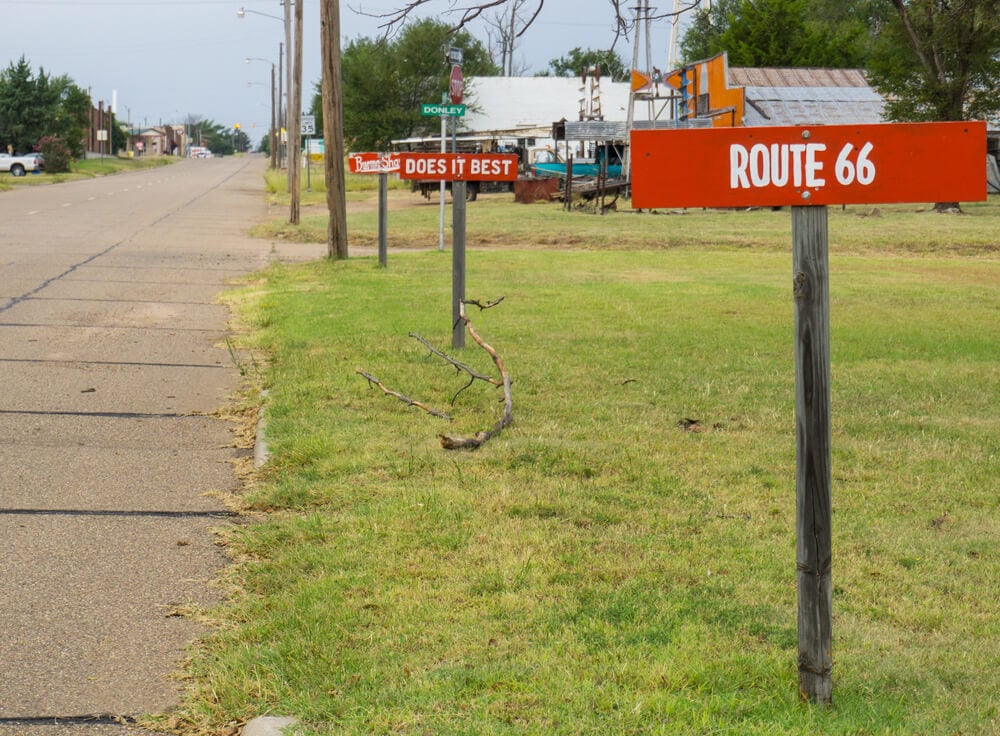
From 1925 until 1963, the Burma-Shave company posted short rhyming verses on a series of small roadside signs, one line per board. Children in the back seat read them aloud as the car passed, waiting for the final sign that gave the product name.
The jingles were a built-in car game, and the faster interstate roads of the late 1950s made them harder to read. The company’s sale in 1963 ended the series.
The Hula Hoop Craze

Wham-O launched its plastic hoop in 1958, and the toy was patented that year. Founders Arthur Melin and Richard Knerr reportedly sold about 25 million in the first four months.
Families held contests in the yard, and parents often took a turn at keeping one spinning around the waist. Like many crazes it burned out quickly, though the hoop itself returned in later decades.
Coonskin Caps and Davy Crockett
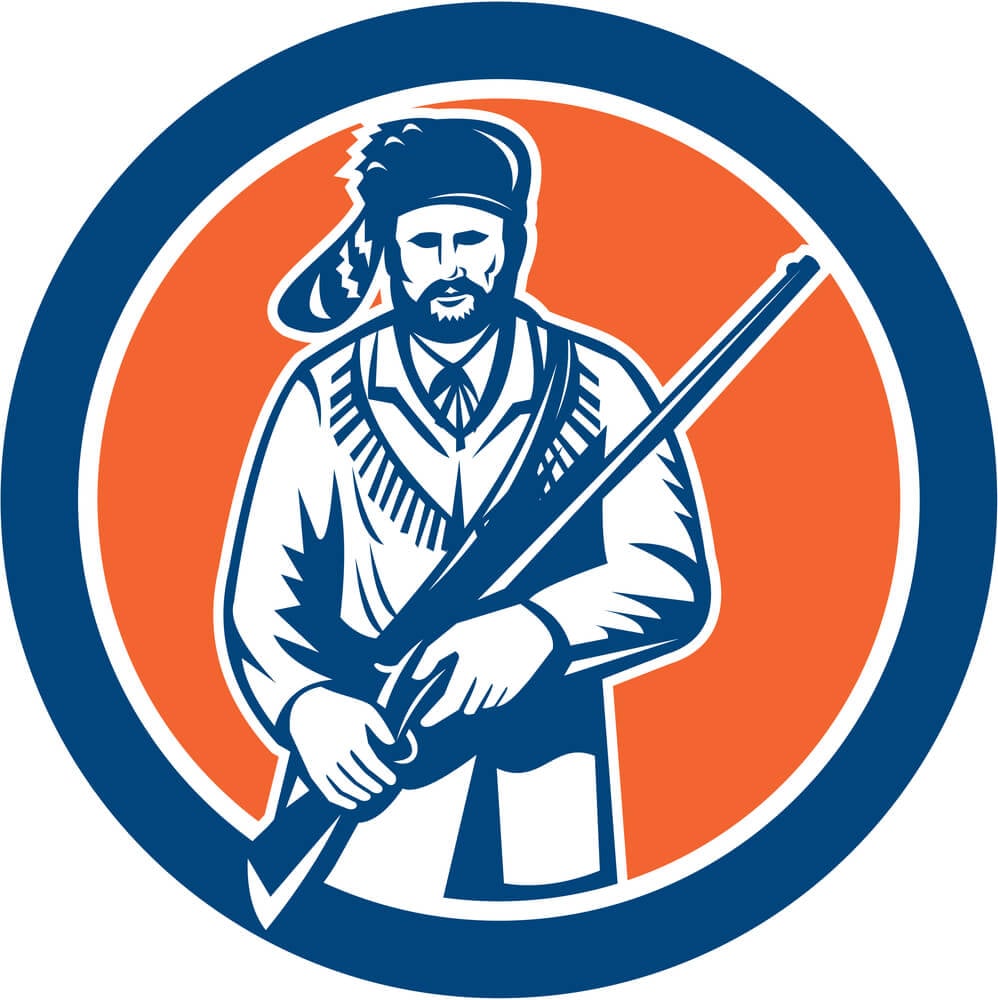
Disney’s Davy Crockett series, starring Fess Parker, debuted in December 1954 and sparked a national obsession. Children wore raccoon-tail caps to the dinner table and the school bus, and demand sent fur prices sharply upward.
Parents often bought matching toy rifles and buckskin jackets. The fad flamed out within a couple of years but left a mark on childhood costume.
The Mickey Mouse Club After School
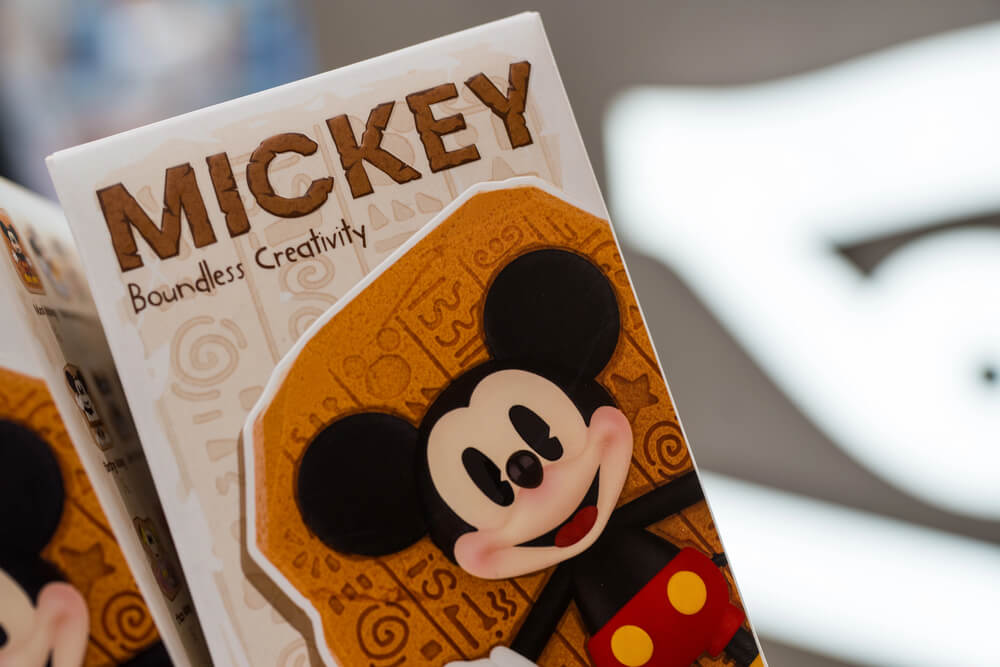
The Mickey Mouse Club debuted on ABC on October 3, 1955, and became a weekday afternoon ritual for millions of children. Viewers wore black felt mouse-ear caps and sang along with the cast of Mouseketeers.
Parents often watched too, especially while preparing supper in the next room. Dozens of new channels and streaming libraries eventually scattered that shared afternoon audience.
Scrabble on the Kitchen Table
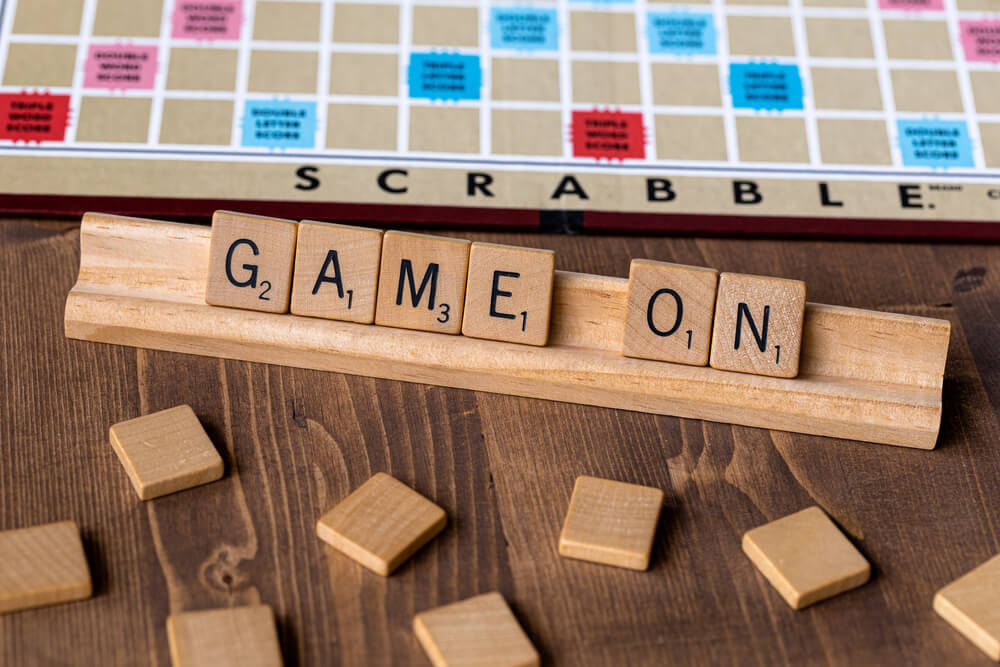
Scrabble existed for years in obscurity, then sales exploded in 1952 after Jack Straus, president of Macy’s, played it on vacation and ordered it for his store. Families gathered around a board, drawing wooden tiles from a bag and arguing about whether a word was acceptable.
A battered dictionary usually served as referee. Tablets and phone apps eventually moved board-game evenings to individual screens.
Playing Records on the Console Phonograph
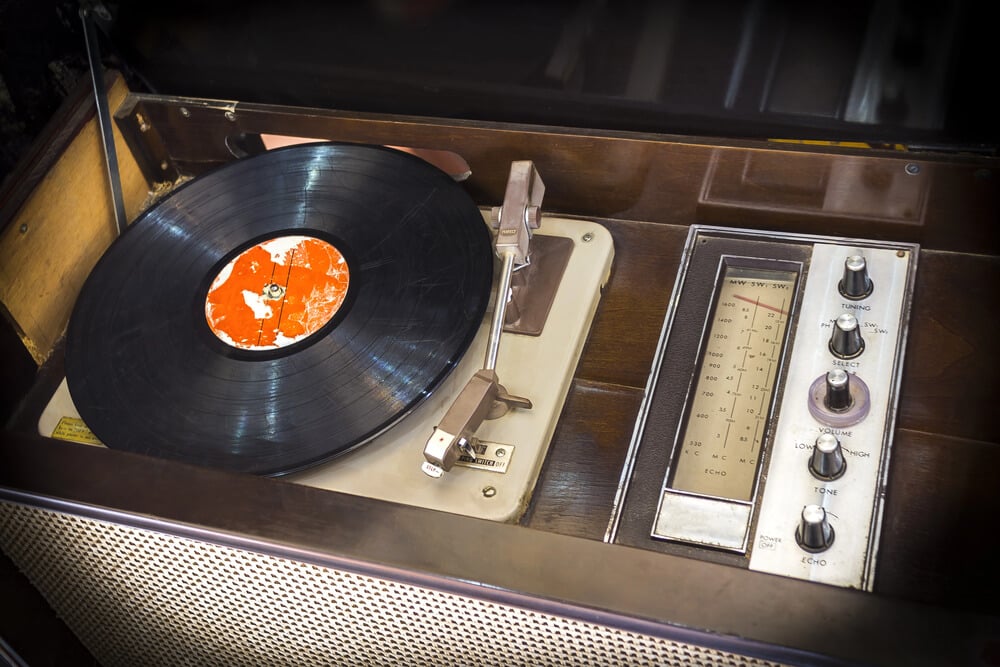
Columbia introduced the 33 1/3 rpm long-playing record in 1948, and RCA released the 45 rpm single in 1949. By the 1950s a wooden console in the living room doubled as furniture and as the household’s music source.
Families played cast recordings, big-band albums, and children’s records together. The grooves wore down, and treating the record player as an event rather than background noise slowly disappeared.
Home Movie Nights on 8mm Film
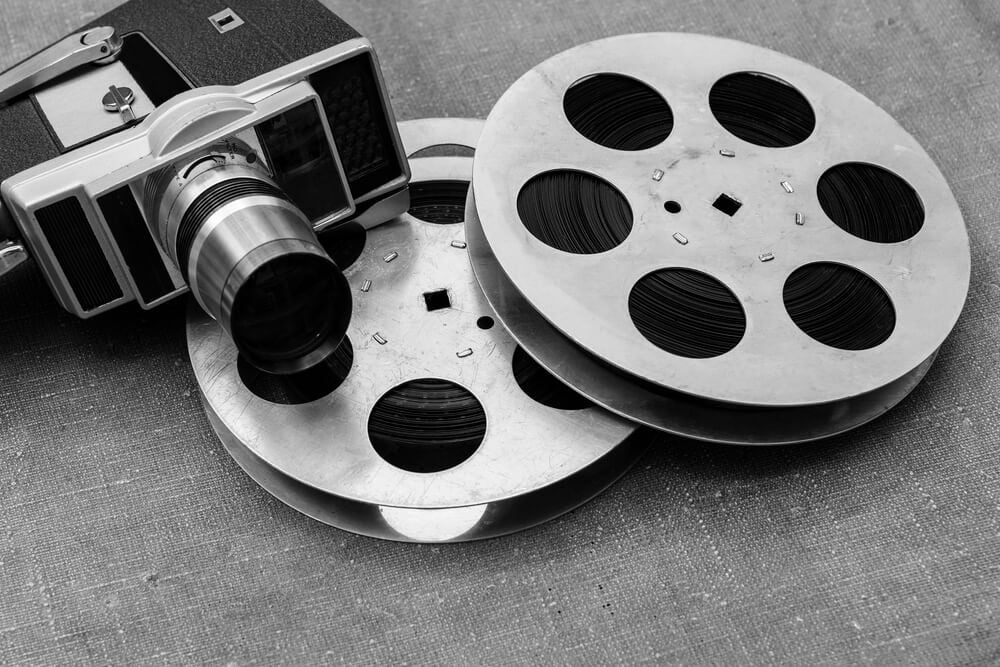
Kodak’s 8mm film put home movies within reach of ordinary families in the 1950s. A single reel lasted only a few minutes, so father edited scenes of birthdays and Christmas mornings with tape and splicers.
The projector’s clatter and the flicker of silent color were part of the show. Camcorders and then phones replaced the labor of threading a reel in a dark living room.
The Good Humor Man and His Bell
Harry Burt of Youngstown, Ohio, created the Good Humor bar in 1920, a chocolate-coated ice cream on a stick. By the 1950s white-uniformed drivers rang bells from trucks and sold pops to children racing down front steps.
Parents handed out coins on summer evenings, and neighborhood kids tracked the truck’s route. Grocery freezers and later ice-cream trucks of every sort changed the experience.
Monday Wash Day on the Clothesline

Monday was the traditional day for laundry, often so that leftovers from the Sunday roast could cover supper. Wringer washers fed wet clothes through rollers, and sheets were hung on the backyard line to dry in the sun.
Neighbors compared snowy whites over the fence. Automatic washers and dryers loosened the weekly schedule, and many subdivisions later banned outdoor lines entirely.
The Family Rosary and Table Grace

Father Patrick Peyton launched the Family Rosary Crusade in 1947 around the slogan “The family that prays together stays together.” His radio program Family Theater drew Hollywood stars to promote evening prayer at home.
Many families knelt in the living room or bowed heads at the table before meals. Busy schedules and changing habits made shared prayer rarer.
The Rituals That Held the Table Together

What these customs shared was a fixed place and a fixed time. The family met at a table, a screen, a car window, or a porch, and each habit gave the day a shape that everyone understood.
Even the sales calls and the party lines created a web of neighbors who knew one another. Convenience dismantled that structure gradually and mostly by invitation.
Frozen dinners, private phone lines, and new highways were all improvements, yet each also removed a reason to be in the same room. Looking back, the lost traditions had less to do with the objects themselves than with the shared attention they demanded.
More from Go2Tutors!

- The Romanov Crown Jewels and Their Tragic Fate
- 13 Historical Mysteries That Science Still Can’t Solve
- Famous Hoaxes That Fooled the World for Years
- 15 Child Stars with Tragic Adult Lives
- 16 Famous Jewelry Pieces in History
Like Go2Tutors’s content? Follow us on MSN.