Bridge Facts That Reveal Hidden Engineering Marvels
Bridges do more than connect two pieces of land. They stand as proof of human creativity, problem-solving skills, and the constant push to build something better than what came before.
Some of these structures hide secrets that even regular commuters don’t know about, from unusual construction methods to features designed to handle challenges most people never consider. Let’s look at some facts about bridges that show just how much thought and innovation goes into these everyday structures.
The Golden Gate Bridge changes color constantly
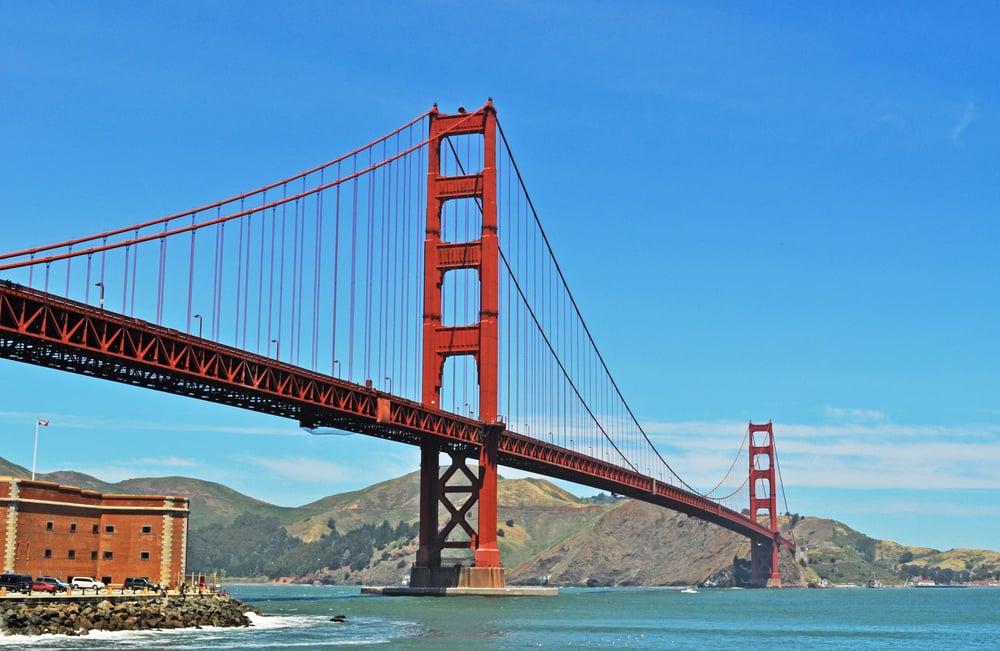
The famous orange paint on the Golden Gate Bridge isn’t applied once and forgotten. A team of painters works year-round, touching up sections damaged by salt air and wind.
The bridge needs about 10,000 gallons of paint annually just to maintain its appearance. This continuous maintenance program started the moment the bridge opened in 1937 and hasn’t stopped since.
London Bridge now sits in Arizona
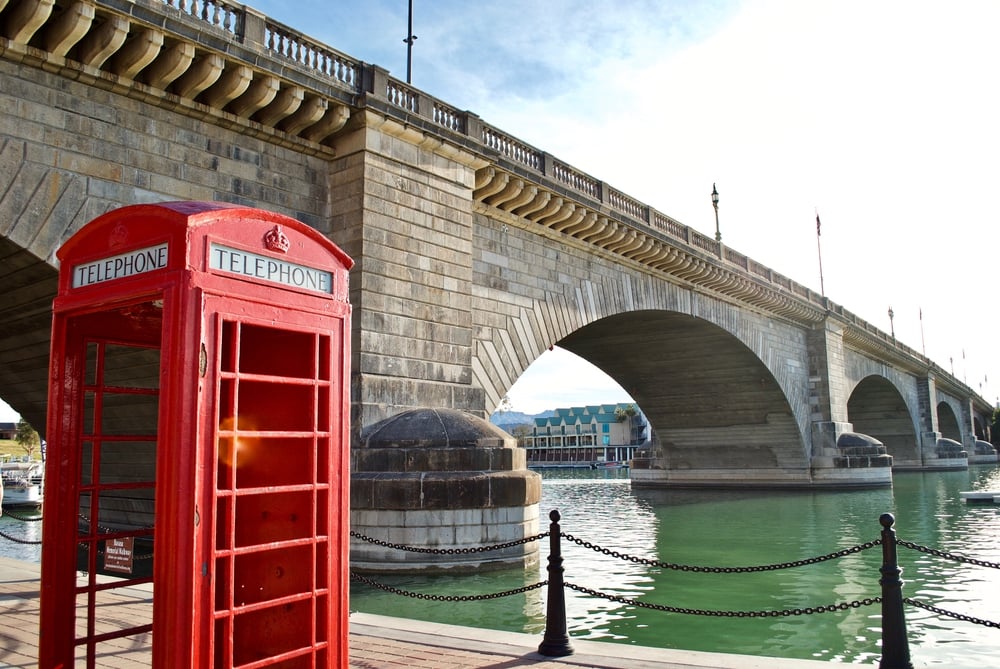
When London decided to replace its historic bridge in 1968, an American businessman bought it for $2.4 million. Robert McCulloch had each stone marked, shipped to Arizona, and rebuilt the structure over a man-made canal in Lake Havasu City.
The whole project cost about $7 million when accounting for transportation and reconstruction. Many people wrongly believed he thought he was buying the more famous Tower Bridge, but records show he knew exactly what he purchased.
The Millau Viaduct stands taller than the Eiffel Tower
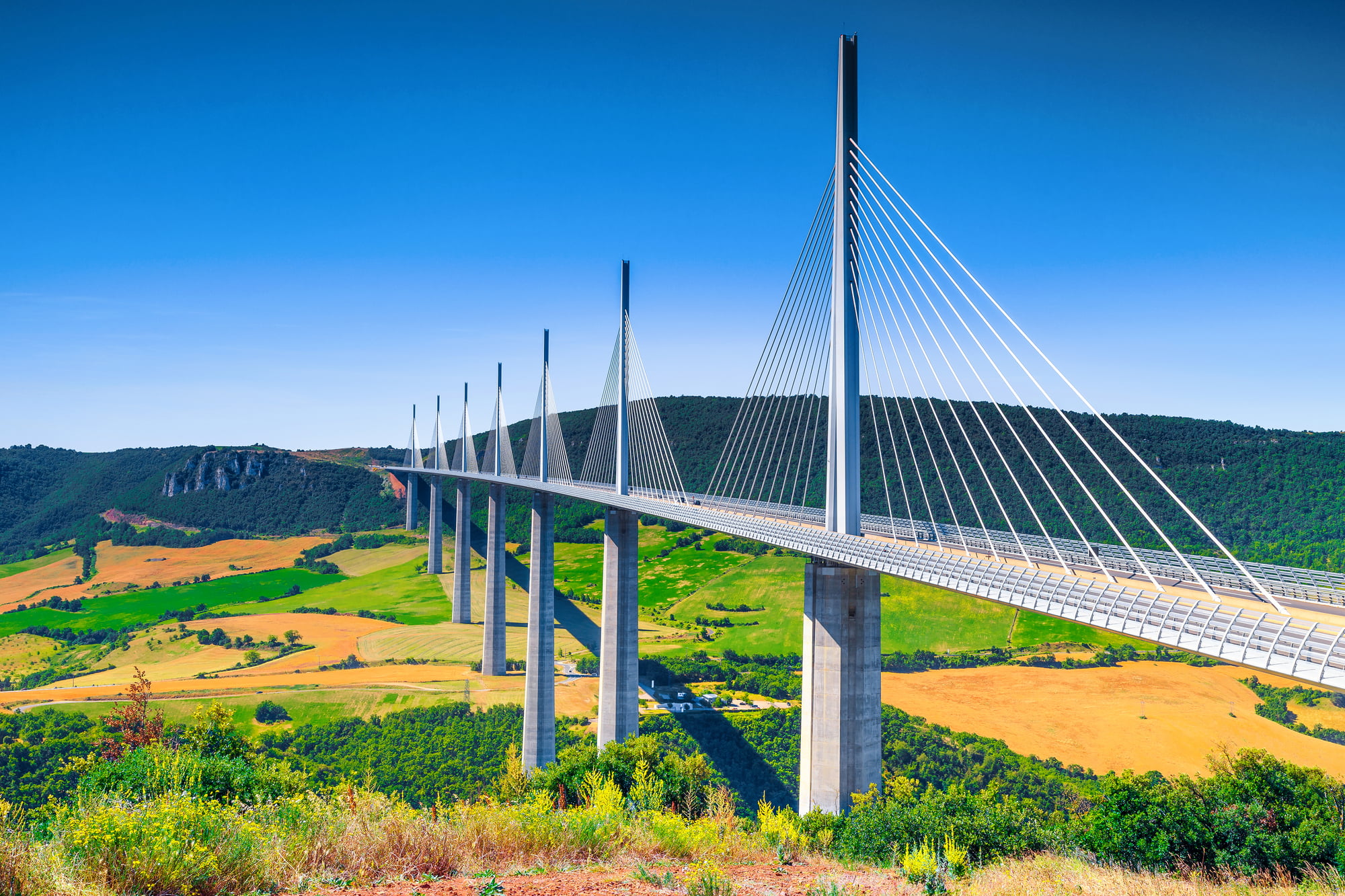
France’s Millau Viaduct rises 1,125 feet at its highest point, making its tallest mast higher than the Eiffel Tower by 400 feet. The bridge crosses the Tarn River valley and uses seven concrete pylons to support a steel roadway.
Strong winds in the valley required engineers to design a deck that weighs less than traditional bridges while remaining stable. The structure took three years to build and opened in 2004.
Some bridges have built-in expansion joints
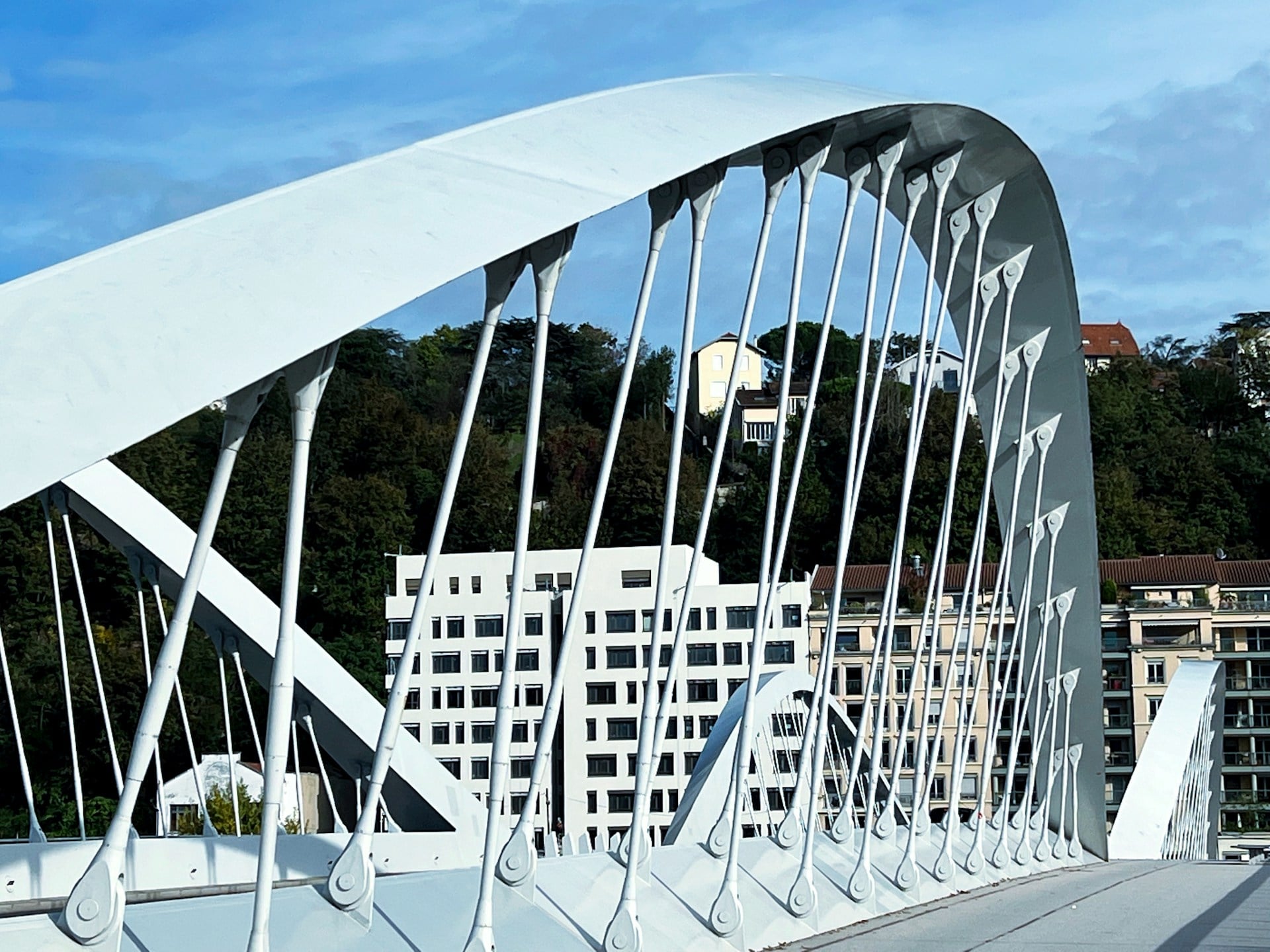
Temperature changes make bridge materials expand and contract throughout the year. Engineers install expansion joints to give the structure room to move without cracking or buckling.
These joints can allow movement of several inches in either direction. On hot summer days, a steel bridge can grow more than a foot longer than its length on a freezing winter morning.
The Brooklyn Bridge used underwater work chambers
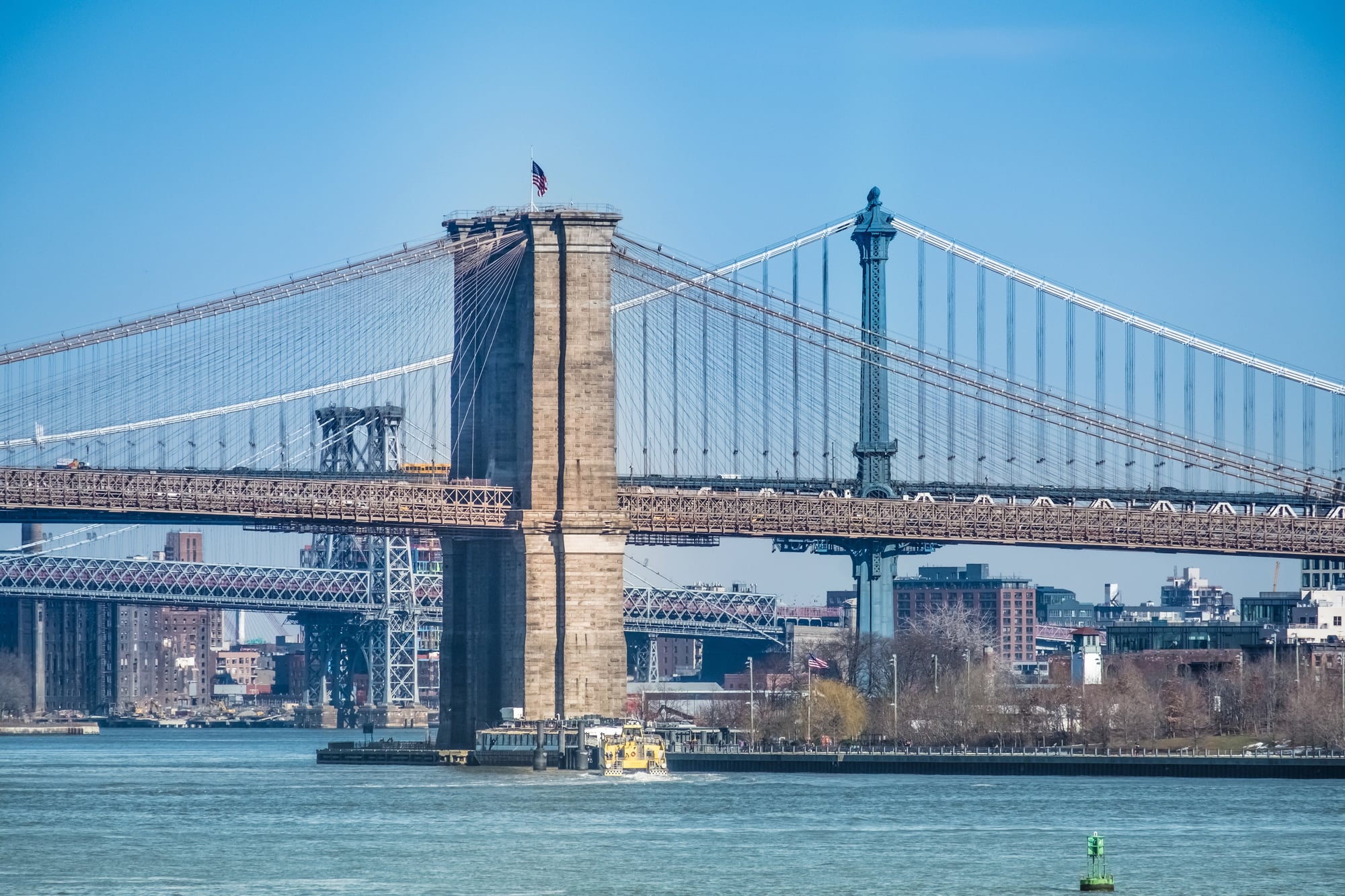
Workers building the Brooklyn Bridge foundation descended into pressurized chambers called caissons to dig beneath the riverbed. These wooden boxes, as large as four tennis courts, allowed men to excavate in dry conditions below the water.
Many workers suffered from decompression sickness, then called ‘caisson disease,’ when they returned to normal air pressure too quickly. The project’s chief engineer, Washington Roebling, became paralyzed from the condition but continued directing construction from his apartment using a telescope.
Bridges can generate their own power
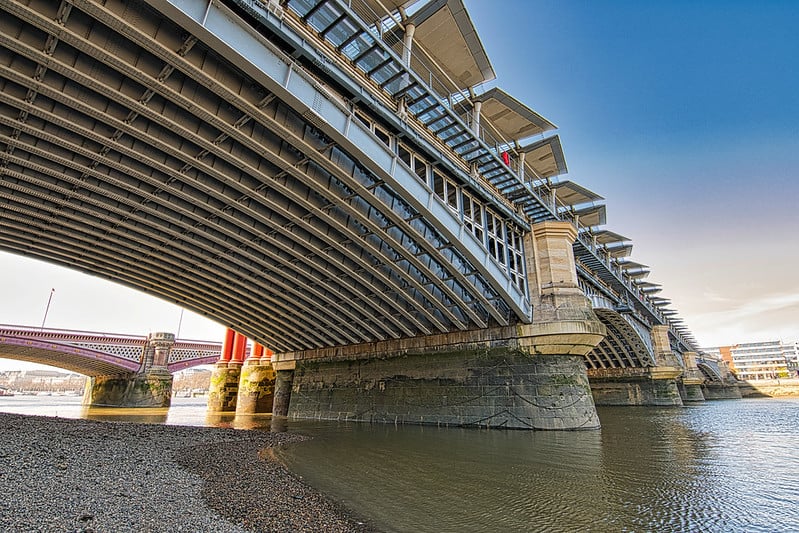
Several modern bridges incorporate solar panels or wind turbines into their design. The Blackfriars Railway Bridge in London has 4,400 solar panels installed on its roof, generating half the station’s electricity needs.
Some bridges in windy locations use small turbines mounted on their spans to power lights and monitoring systems. These features reduce operating costs and environmental impact without changing how the bridge functions.
The Tacoma Narrows Bridge danced itself to destruction
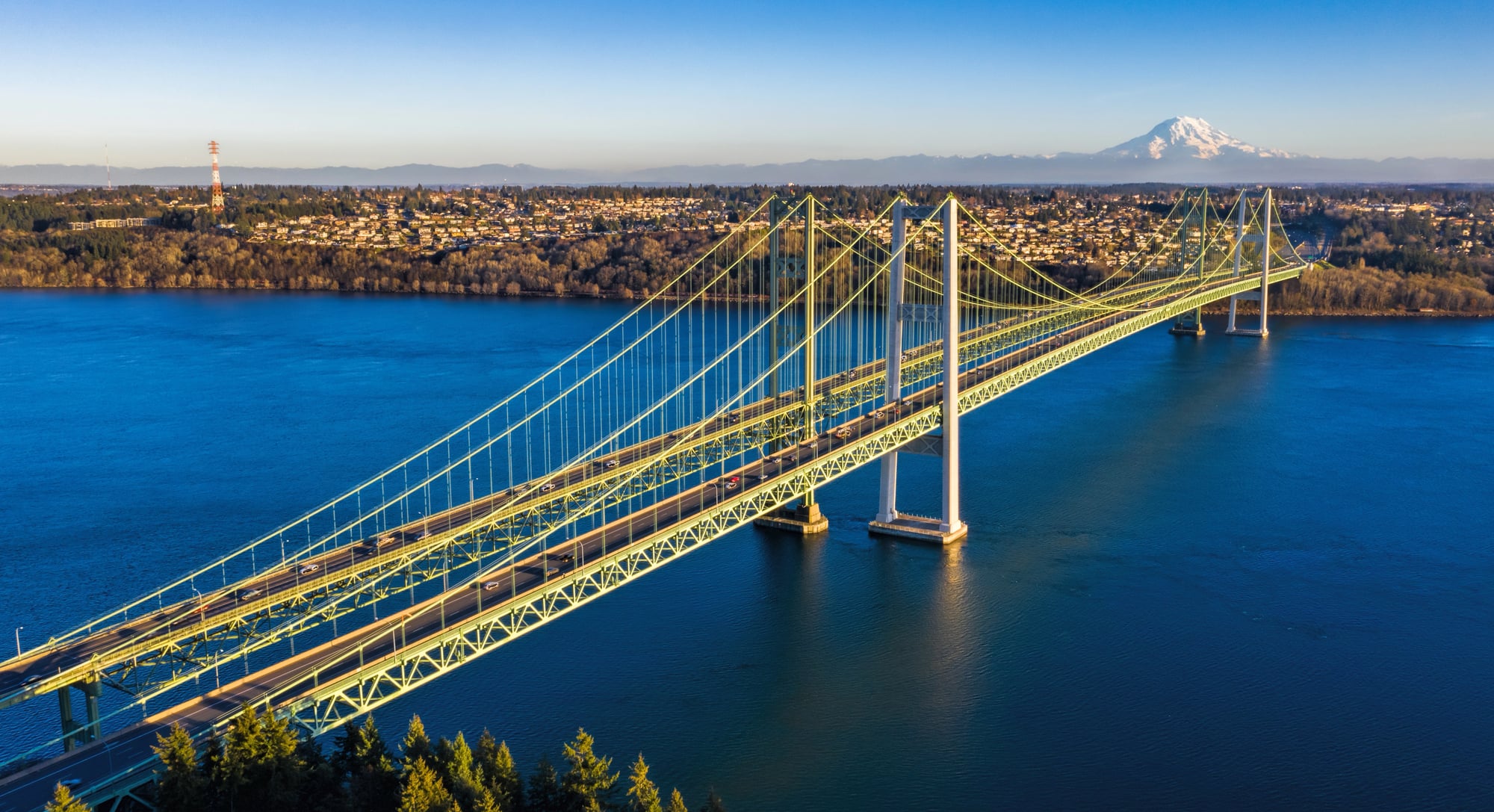
In 1940, Washington’s Tacoma Narrows Bridge earned the nickname ‘Galloping Gertie’ because it swayed dramatically in the wind. Just four months after opening, a 40-mile-per-hour wind caused the bridge to twist violently and collapse into Puget Sound.
The disaster revolutionized bridge engineering, leading to new designs that account for aerodynamic forces. Engineers now test scale models in wind tunnels before building suspension bridges.
Ancient Roman bridges still carry traffic
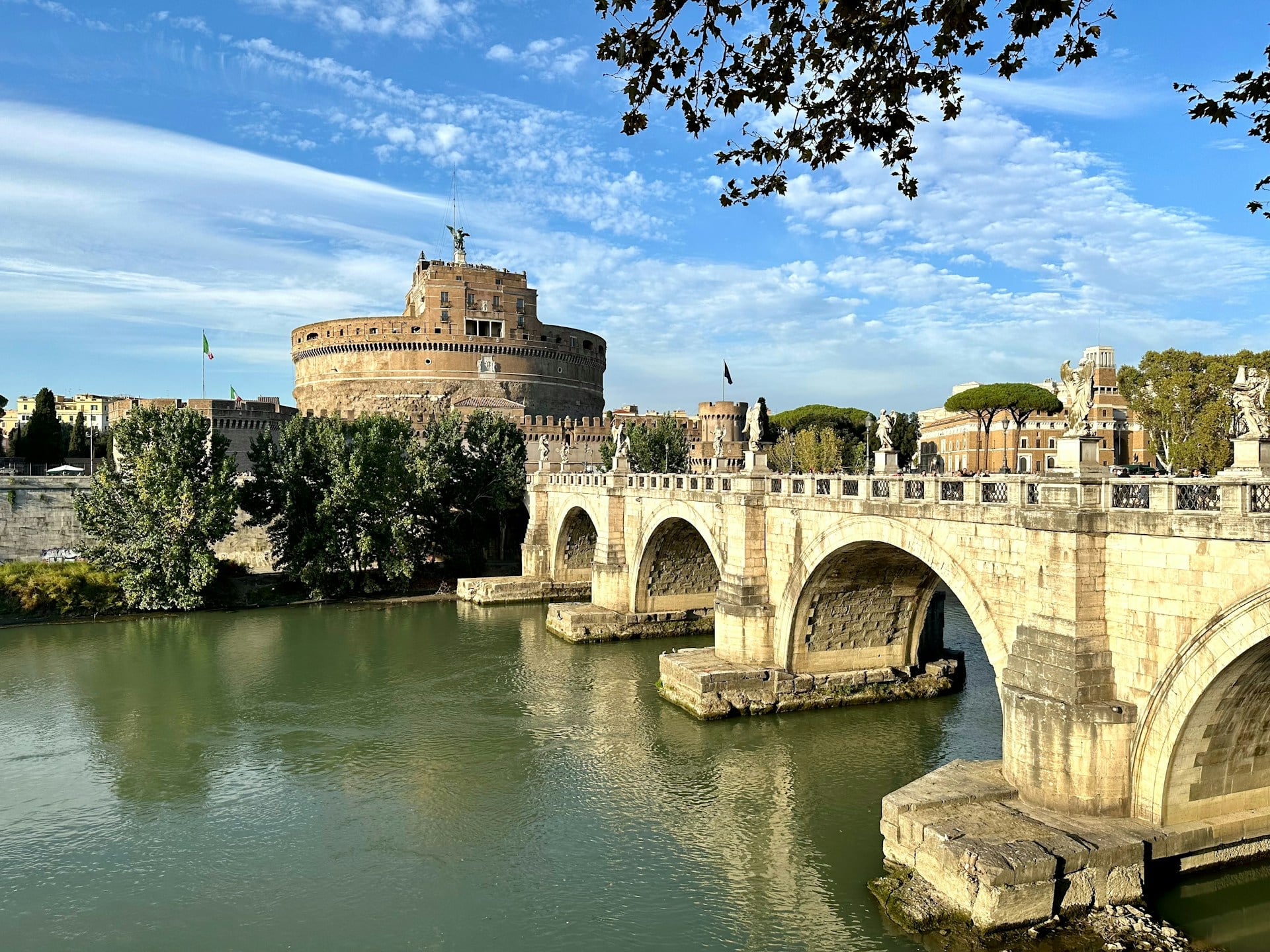
The Ponte Fabricio in Rome has carried pedestrians across the Tiber River since 62 BCE. This stone arch bridge remains structurally sound after more than 2,000 years of continuous use.
Roman engineers achieved this durability by using volcanic ash in their concrete, which actually grows stronger when exposed to seawater. Several other Roman bridges throughout Europe still handle modern traffic loads despite their age.
The Akashi Kaikyo Bridge can handle earthquakes
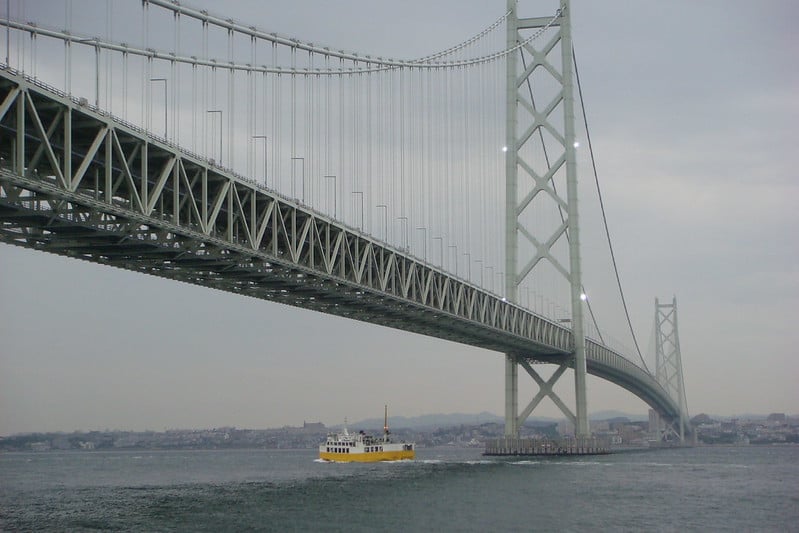
Japan’s Akashi Kaikyo Bridge, the longest suspension bridge on Earth, relies on giant swinging weights inside its towers to fight quake motion. Instead of staying still, these heavy masses move against the shaking, helping balance everything out.
Back in 1995, while it was still being built, a magnitude 7.2 tremor hit – shifting one tower slightly yet avoiding major harm. Because of that event, workers tweaked the plan so the finished span ended up stretching an extra three feet.
Covered bridges kept timber safe from weather damage
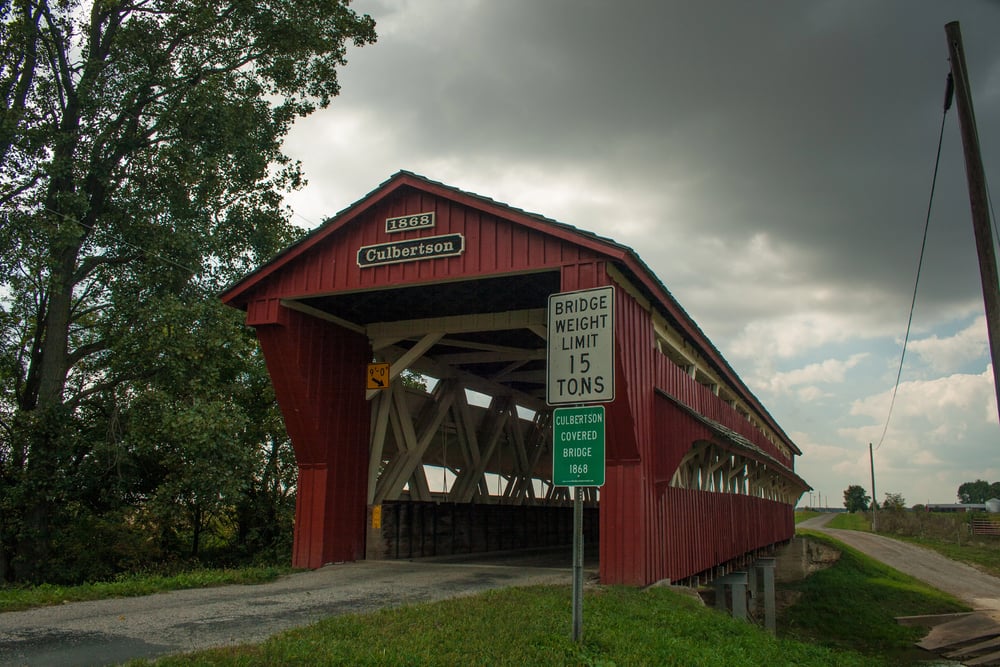
New England’s classic covered bridges? They’re more than old-timey leftovers. Their timber frames stayed dry thanks to overhead coverings and siding – this bumped durability from a decade to nearly eight decades.
Moisture would’ve ruined bare wood fast, leaving it soggy and weak. Horses were skittish too, so some builds added tiny panes so they wouldn’t spot the river and balk mid-crossing.
The Sunshine Skyway uses dolphins for protection
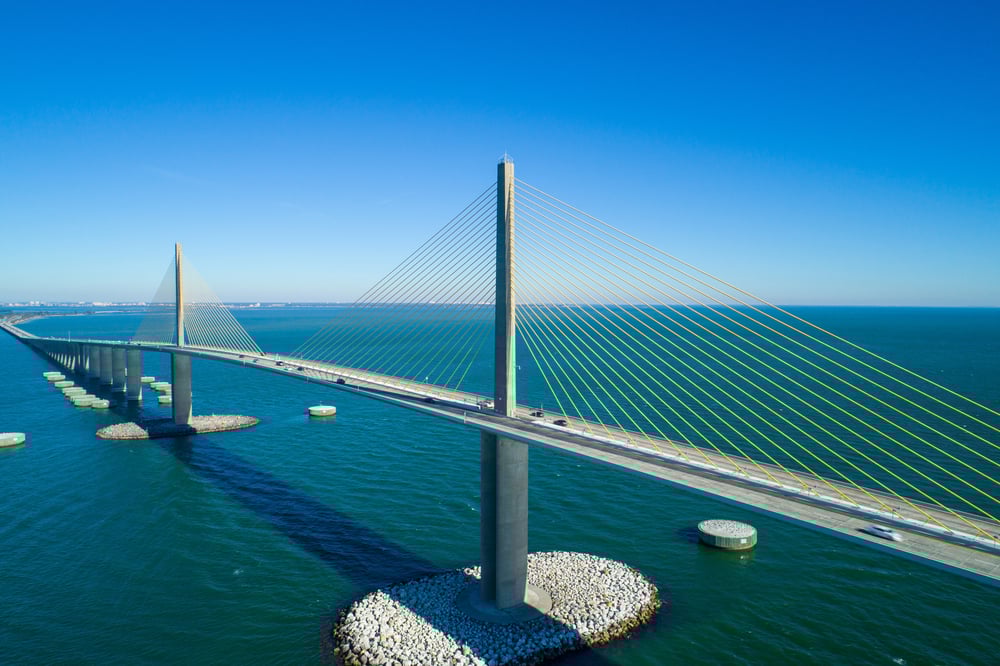
Florida’s Sunshine Skyway Bridge uses big concrete blocks known as dolphins near every support pier. Because a ship once hit the old span back in 1980 – bringing it down and taking 35 lives – the new version added these safeguards.
Instead of attaching directly, each dolphin sits apart, built to take hits so the actual bridge stays safe. When the updated crossing launched in ’87, avoiding disaster shaped how it was put together.
Bridge cables contain thousands of individual wires
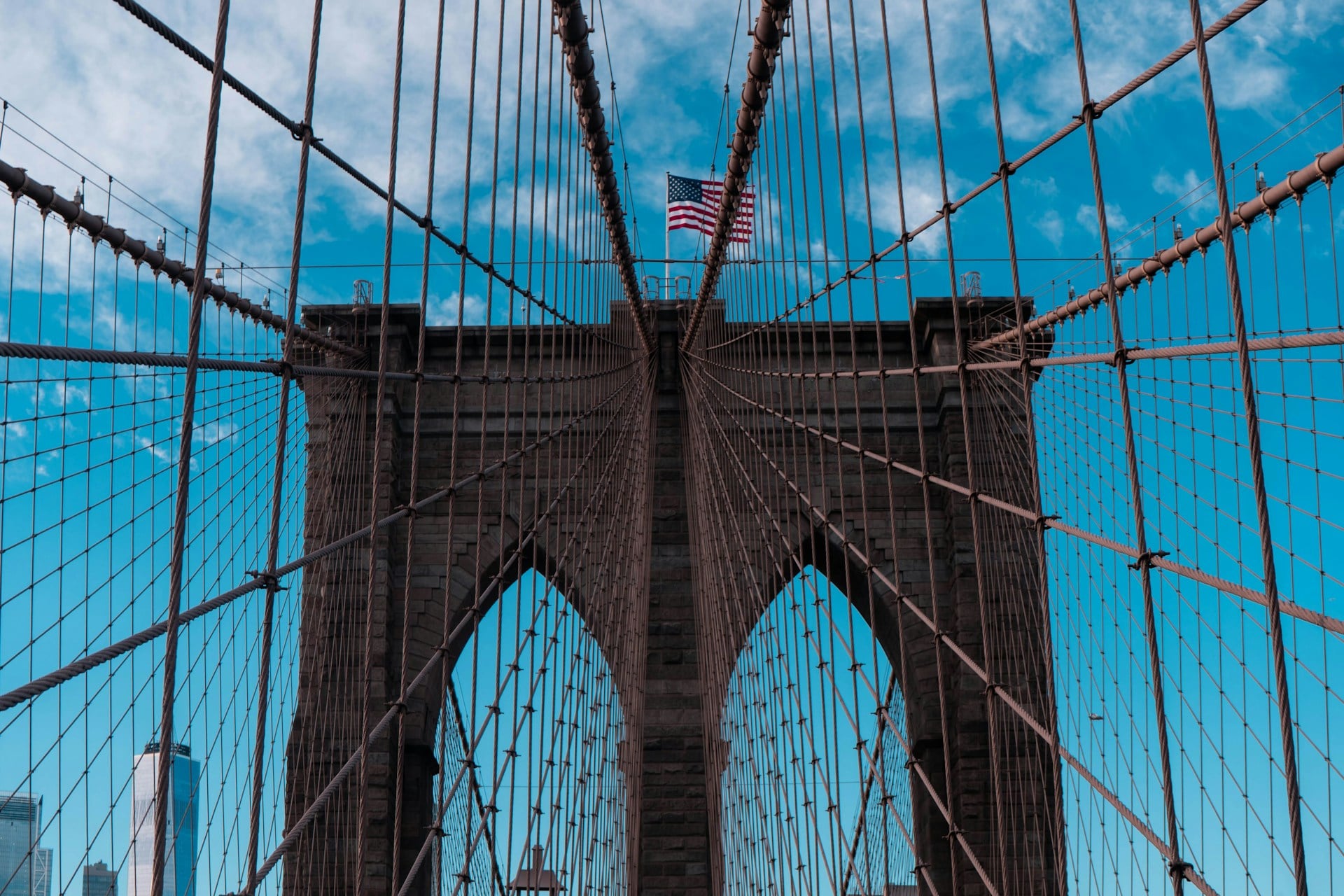
The main cables on suspension bridges seem like solid heavy ropes, yet inside are tons of skinny wires grouped tightly. Take the Golden Gate Bridge – each cable packs 27,572 separate strands, enough to loop our planet three full times if linked straight.
Crews built them by pulling a machine across the gap, dragging one slender wire over and over again. Just one cable took half a year to finish this way.
Some bridges rise up so boats can go through. Others move sideways instead. Either way, they open up space when needed
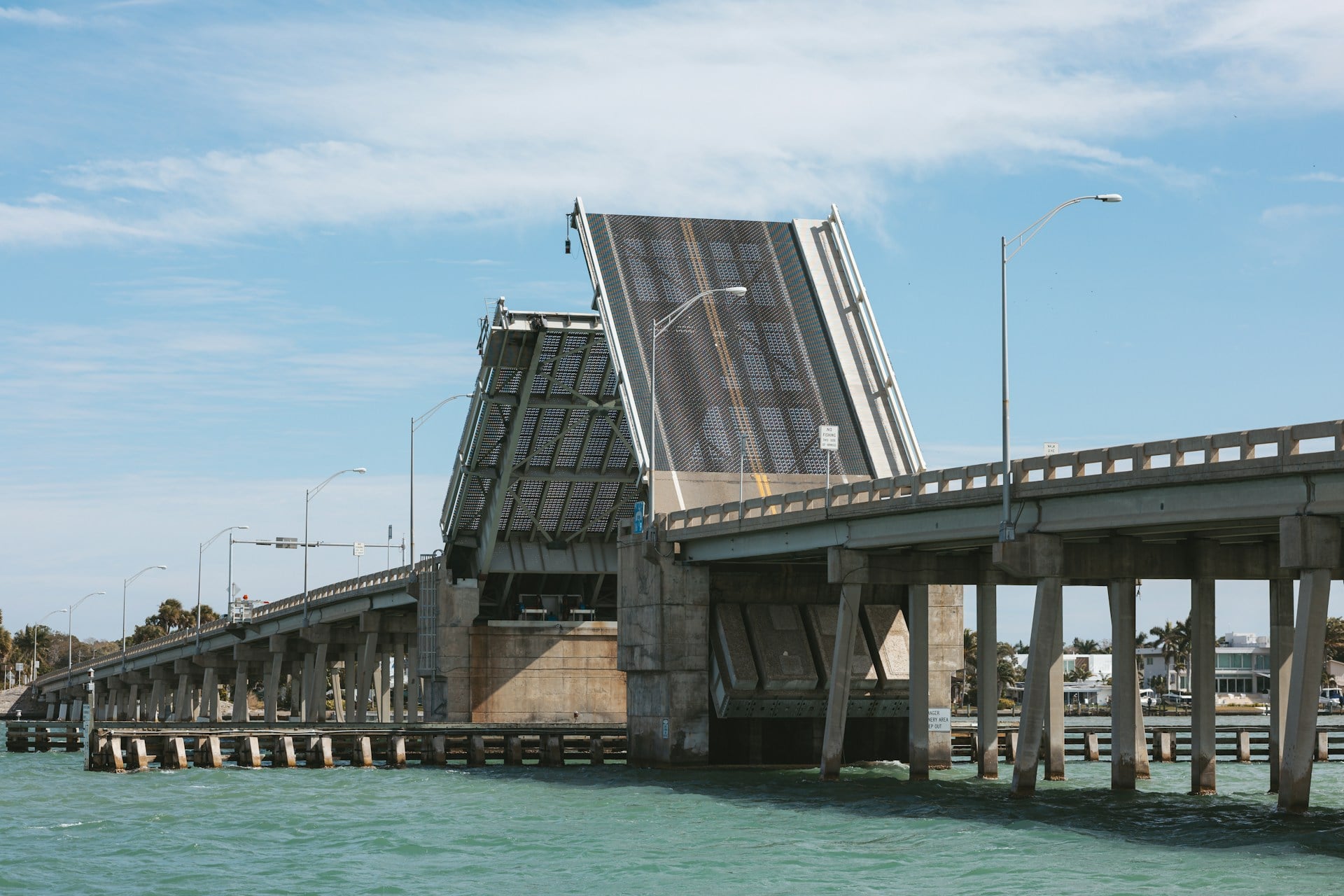
Movable bridges work in different ways to let cars and boats pass. Instead of staying fixed, bascule kinds tilt upward from the center like playground teeters.
On the flip side, swing versions turn sideways on a central point. Another type – vertical lifts – pulls the deck high into air using support towers.
Just in Chicago, over forty of these moving spans exist, beating every other place globally.
The Chesapeake Bay Bridge-Tunnel goes underwater
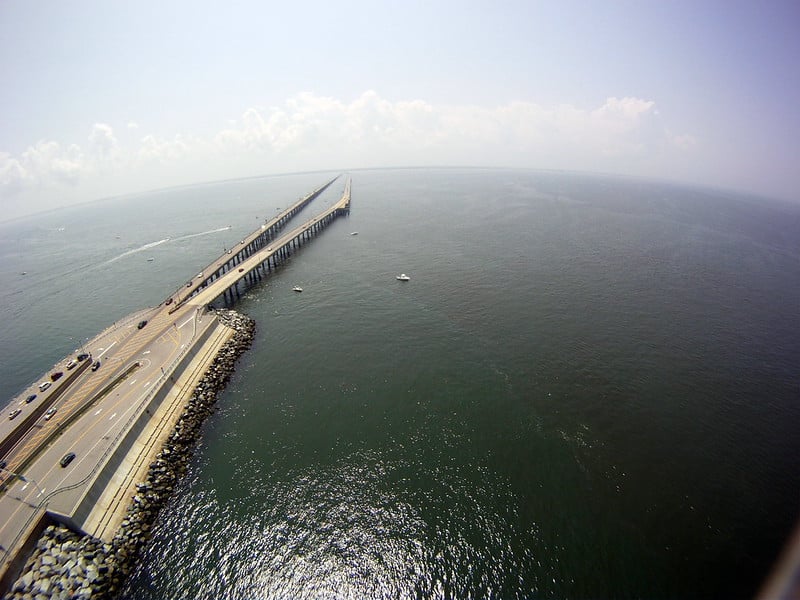
This 17.6-mile stretch from Virginia’s Eastern Shore to Virginia Beach features twin tunnels under busy waterways. Since tall bridges could disrupt military operations, builders went with subsurface passages.
Bridges link up with these tunnels, separated by man-made islands that show where one ends and the next begins. To form those islands, crews hauled in around 12 million tons of earth material.
Modern bridges use health monitoring systems
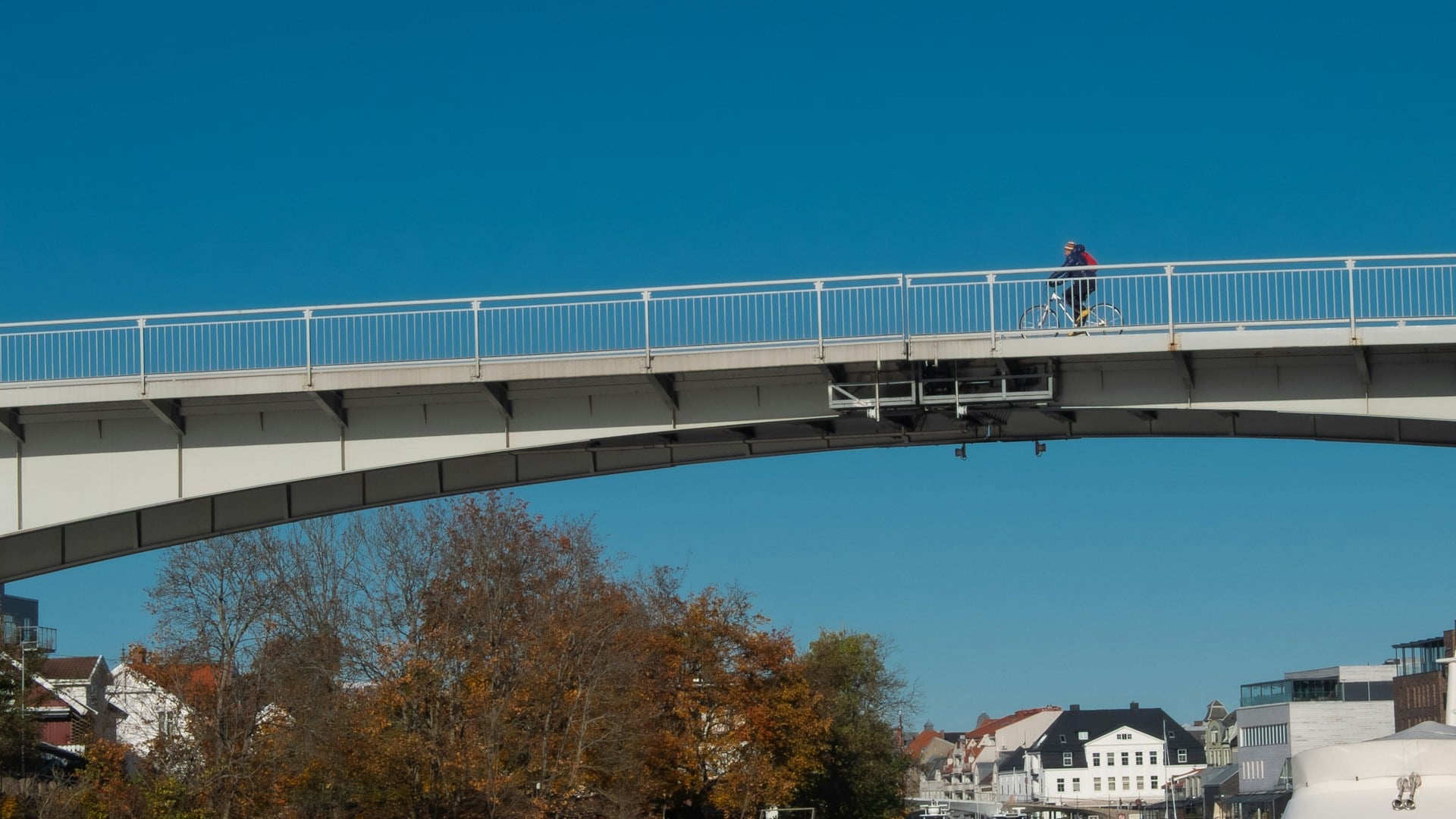
Some modern bridges have built-in sensors tracking strain, shifts, shaking, plus climate factors nonstop. When risks pop up, warnings go out – so fixes happen early instead of late.
Info gathered gives scientists clearer insight into wear patterns caused by regular traffic loads. A few structures beam updates through wireless signals, letting crews check status remotely at any time.
The Henderson Waves Bridge in Singapore curves in three dimensions
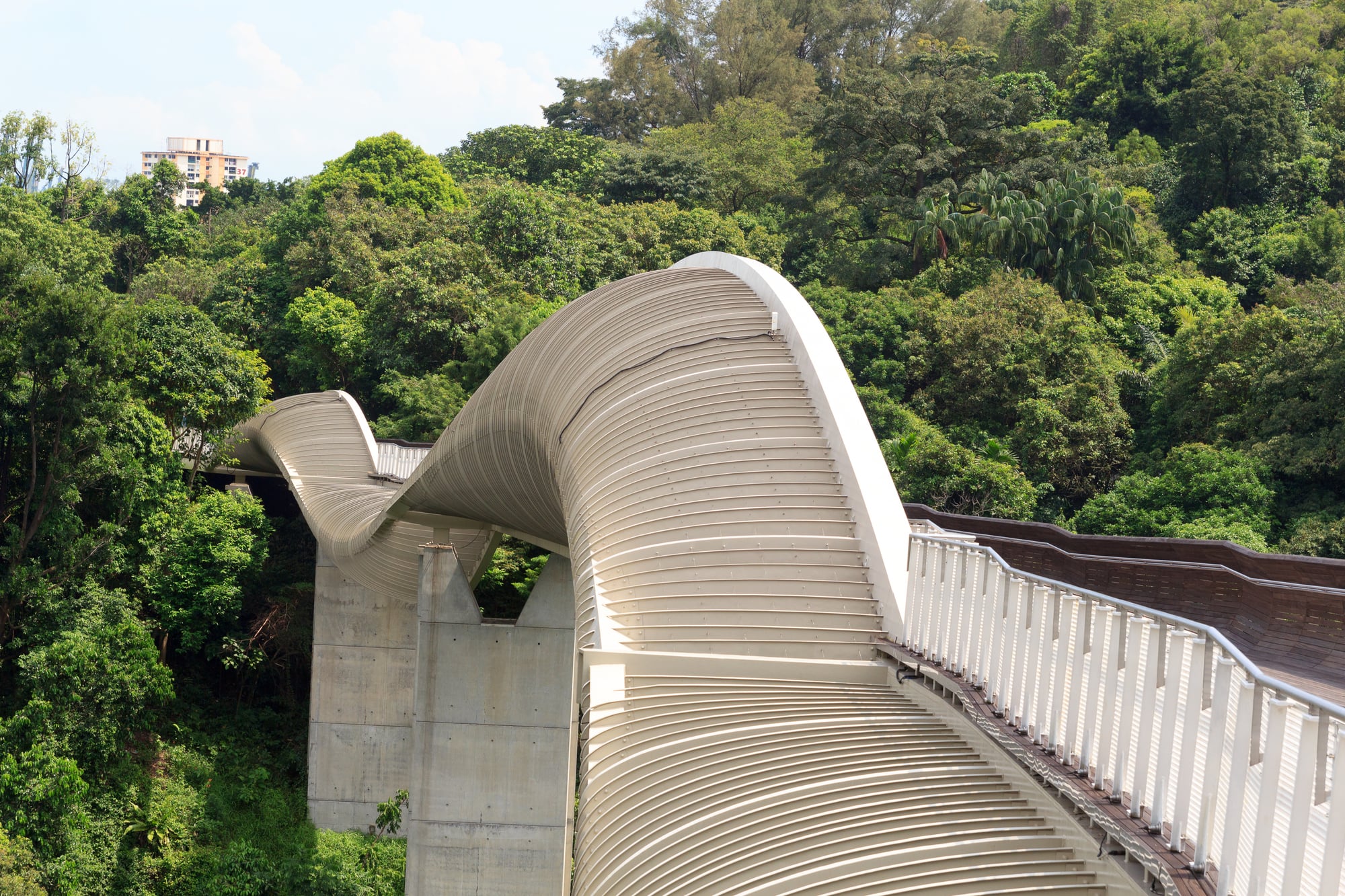
This walkway isn’t only curved over a valley – it flows like hills from end to end. Its bent frame forms covered spots to sit without weakening the build.
Soaring 36 meters high, it holds the title of Singapore’s tallest footbridge, fitted with yellow balau timber on walking and shaded sections. It shows that crossings can double as hangout zones instead of mere paths for travel.
Ice bridges made paths across in winter
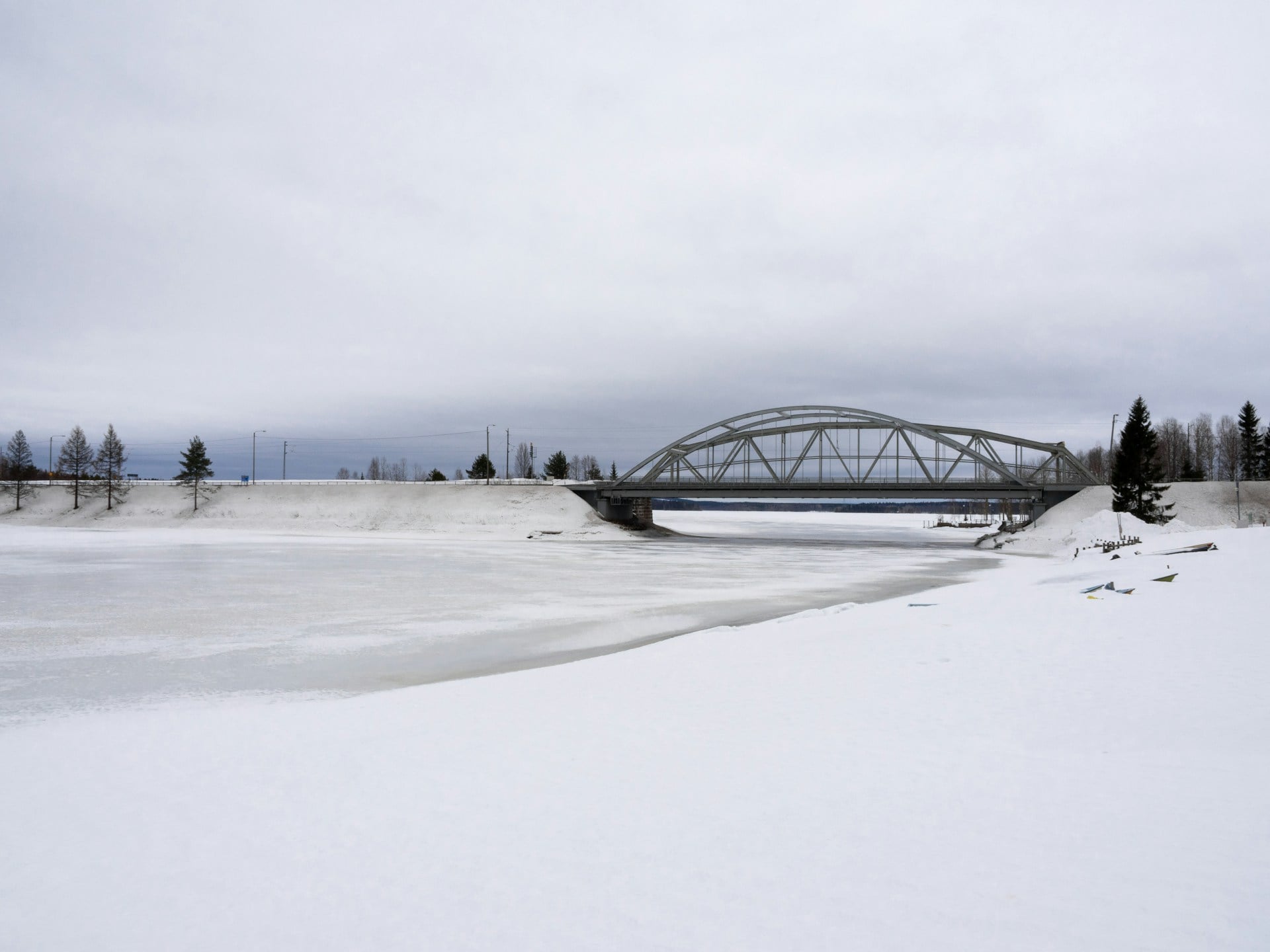
Back when there weren’t any lasting bridges, folks in chilly areas just sat tight until rivers and ponds froze thick – thick enough to handle carts and animals. In some places, people used pine sprigs to show where it was okay to cross on ice, keeping those paths clear all season.
Over at the St. Lawrence River, the icy route linking Quebec and Lévis ran every winter till trains showed up in 1885. Since temps shifted fast, these makeshift routes had to be watched nonstop or they’d turn risky quickly.
What stands beneath the surface
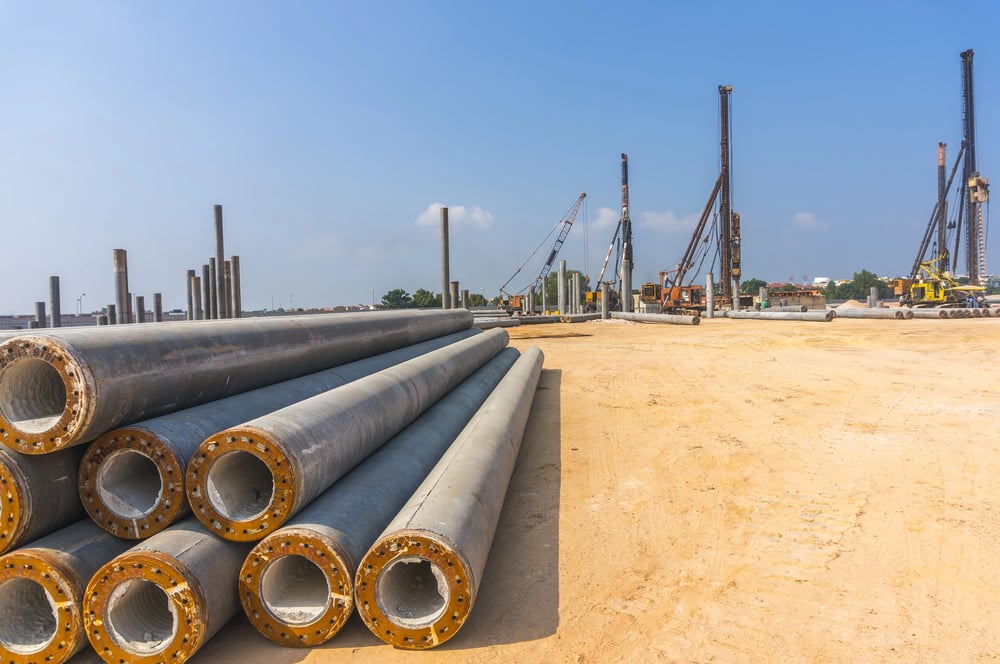
The hidden side of building bridges usually stays out of sight – underwater, beneath soil, or tucked inside closed spaces. Starting from deep foundations anchored in solid rock instead of loose dirt, even up to wires bundled tight enough to wrap Earth once.
These builds pack way more clever thinking than people realize at first glance. When you roll over a span above a river or dip between hills, think about years piling up behind each quick trip.
More from Go2Tutors!

- The Romanov Crown Jewels and Their Tragic Fate
- 13 Historical Mysteries That Science Still Can’t Solve
- Famous Hoaxes That Fooled the World for Years
- 15 Child Stars with Tragic Adult Lives
- 16 Famous Jewelry Pieces in History
Like Go2Tutors’s content? Follow us on MSN.