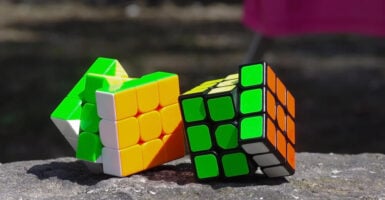
Vintage Rubik’s Cubes and Puzzles Worth Money
That scuffed cube in the attic drawer may be worth more than the dust on it suggests. Tens of millions of Rubik’s Cubes were sold in the early 1980s, so most are common. The ones that matter are the odd cousins, the early editions, and the pieces still sitting in their original packaging.
Prices swing hard on condition, completeness, and authenticity. Sticker wear, cracked plastic, missing instructions, and modern reissues dressed up as vintage all change the picture. A careful look at what separates a toy-box casualty from a genuine collectible is where to begin.
The Hungarian Magic Cube From 1977
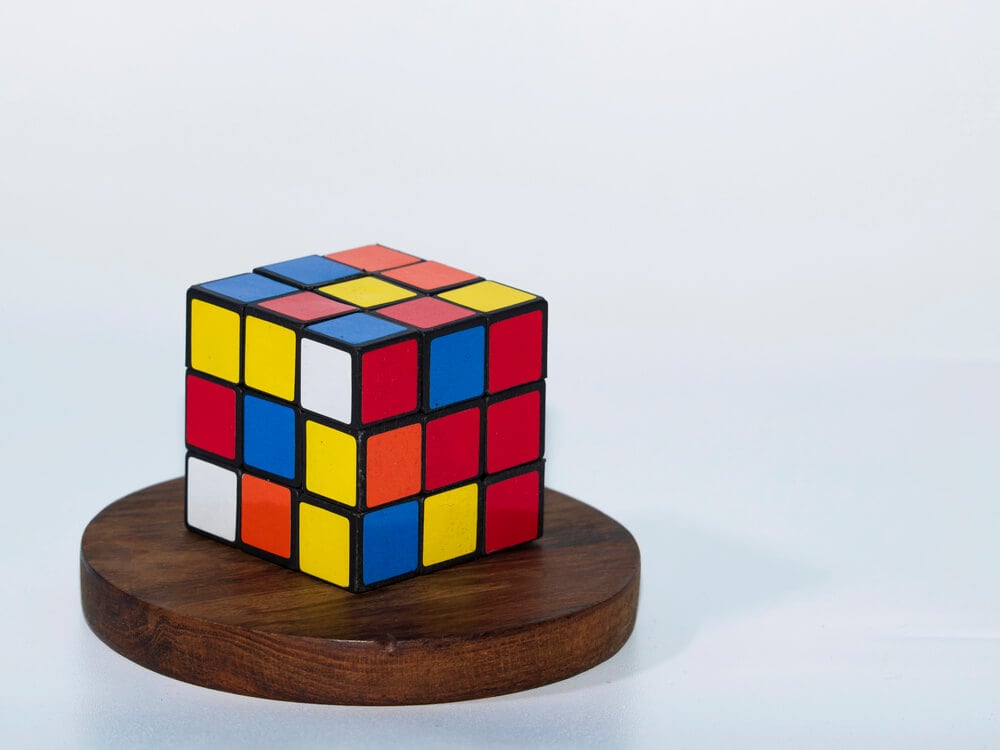
Before it was the Rubik’s Cube, it was the Magic Cube, known in Hungary as the Bűvös Kocka. Ernő Rubik built his first working model in 1974 in Budapest, and the puzzle reached Hungarian shops in 1977. Early Hungarian copies are the ancestors of everything else in the hobby, which is why serious collectors hunt for them. Condition and provenance drive interest, and authentication matters because later Hungarian and export versions are easy to confuse with the first sales.
The Boxed Ideal Rubik’s Cube of 1980
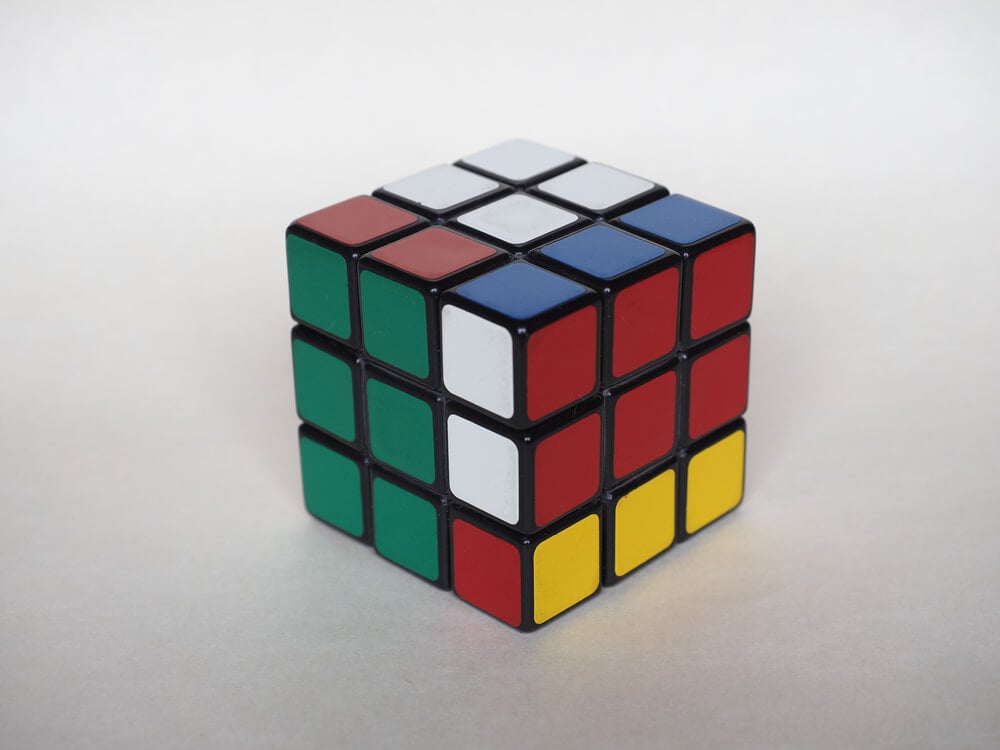
The Ideal Toy Corporation introduced the cube to the wider world in 1980 and gave it the name that stuck. Ideal’s early packaging is the main prize here, since most cubes were played with until the stickers peeled and the box was thrown away. A sealed or near-mint boxed example with its original paperwork is worth far more than a loose cube. Reproduction boxes and later reissues exist, so the printing, copyright line, and box style deserve a close comparison with documented originals.
The 2×2 Pocket Cube
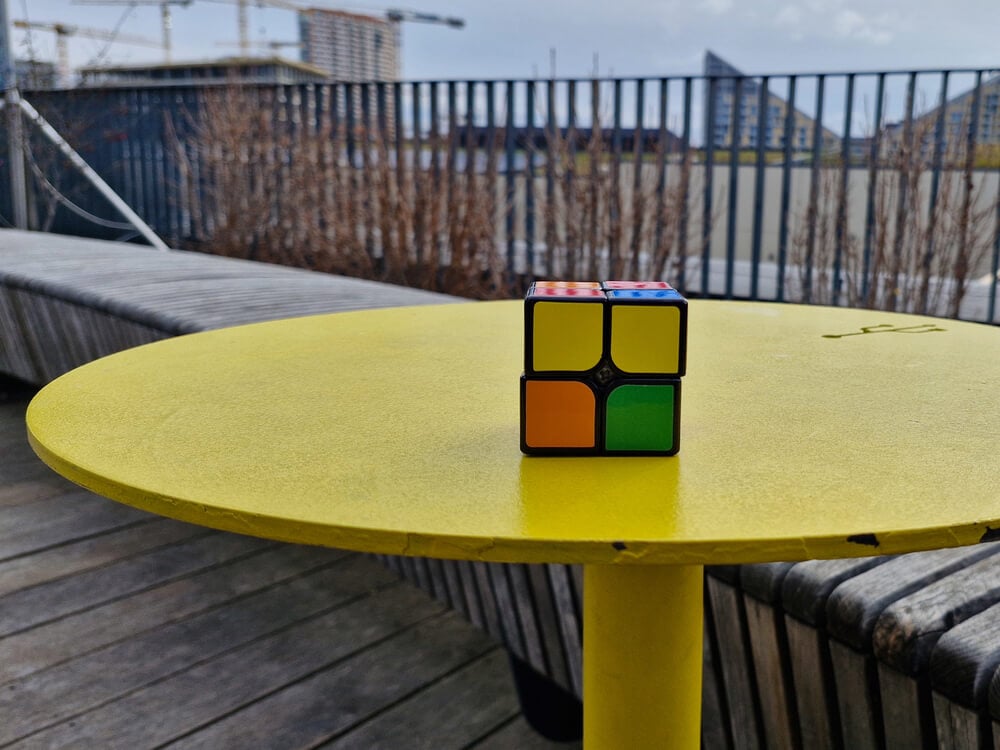
The smaller sibling of the classic cube turned up in the early 1980s as a pocket-sized challenge with only eight corner pieces. It is easier than the 3×3 but has a stubborn charm, and vintage copies sold in their original packaging are less plentiful than the standard cube. Collectors look for crisp stickers, smooth turning, and an intact box. Because the design was cloned widely, an unmarked knockoff is worth little, and a documented original from the era is the version that earns attention.
Rubik’s Revenge, the 4×4 Cube

Rubik’s Revenge was designed by Hungarian inventor Péter Sebestény and arrived as the fourth-dimension follow-up to the original, with an elaborate mechanism concealed inside a single casing. The Smithsonian’s National Museum of American History holds one in its collection, a sign of how seriously the puzzle is treated as a cultural object. Vintage examples with intact stickers and original boxes command collector interest, while loose and faded copies sell cheaply. Later 4×4 releases look similar, so mechanism and markings help establish an original.
The Professor’s Cube 5×5

The Professor’s Cube pushed the idea to five layers per side, and its design is credited to German inventor Udo Krell. It is heavier, more complex, and was never the mass-market phenomenon of the standard cube, which makes clean vintage examples harder to find. Cracked internals are a common problem because the larger mechanism takes more stress. Collectors value complete, working, boxed copies, and they should be wary of modern speedcubes sold as vintage, since the old versions turn very differently.
Rubik’s Snake From 1981

Rubik’s Snake, also sold under other names such as the Missing Link in some markets, is a chain of twenty-four wedge-shaped prisms that twist into animals, rings, and abstract shapes. The Victoria and Albert Museum in London keeps an example in its collection, which says plenty about the design. Vintage versions with their original packaging and instruction sheets are the ones collectors prefer. Loose snakes with worn joints or faded colors are plentiful and modest in value, and modern replicas are nearly identical in shape.
Rubik’s Magic of 1986
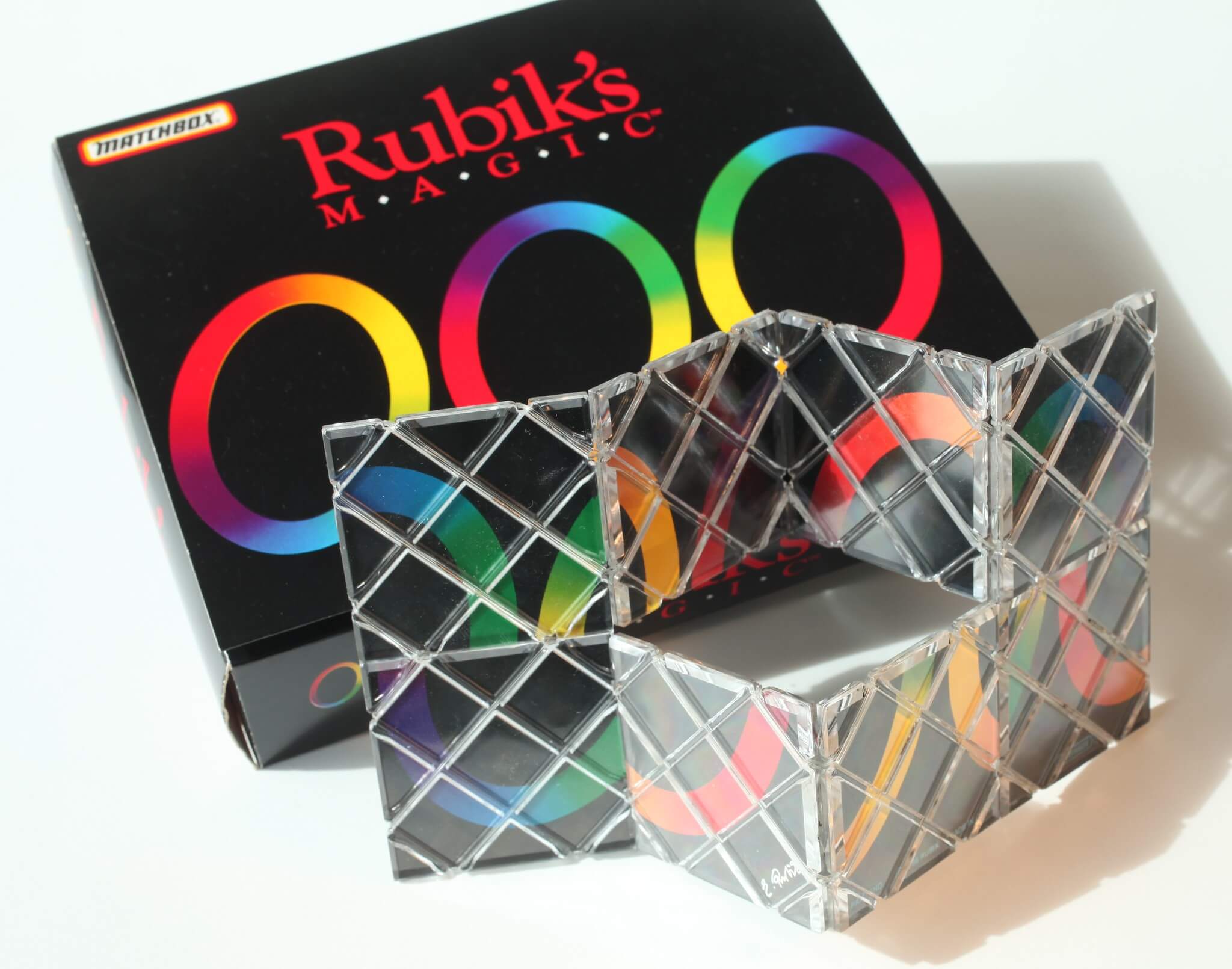
Rubik’s Magic is a folding puzzle of linked tiles that begins as a flat grid and ends as a chain of rings, and the 1980s Matchbox release is the classic version. The challenge was popular enough to inspire organized competitions, though the puzzle itself is physically fragile. Tiles crack at the hinges, and the painted artwork can chip, so intact examples are the exception. Unopened or boxed copies command the most interest, and reissues from later decades differ in packaging details.
Rubik’s Clock From the Late 1980s
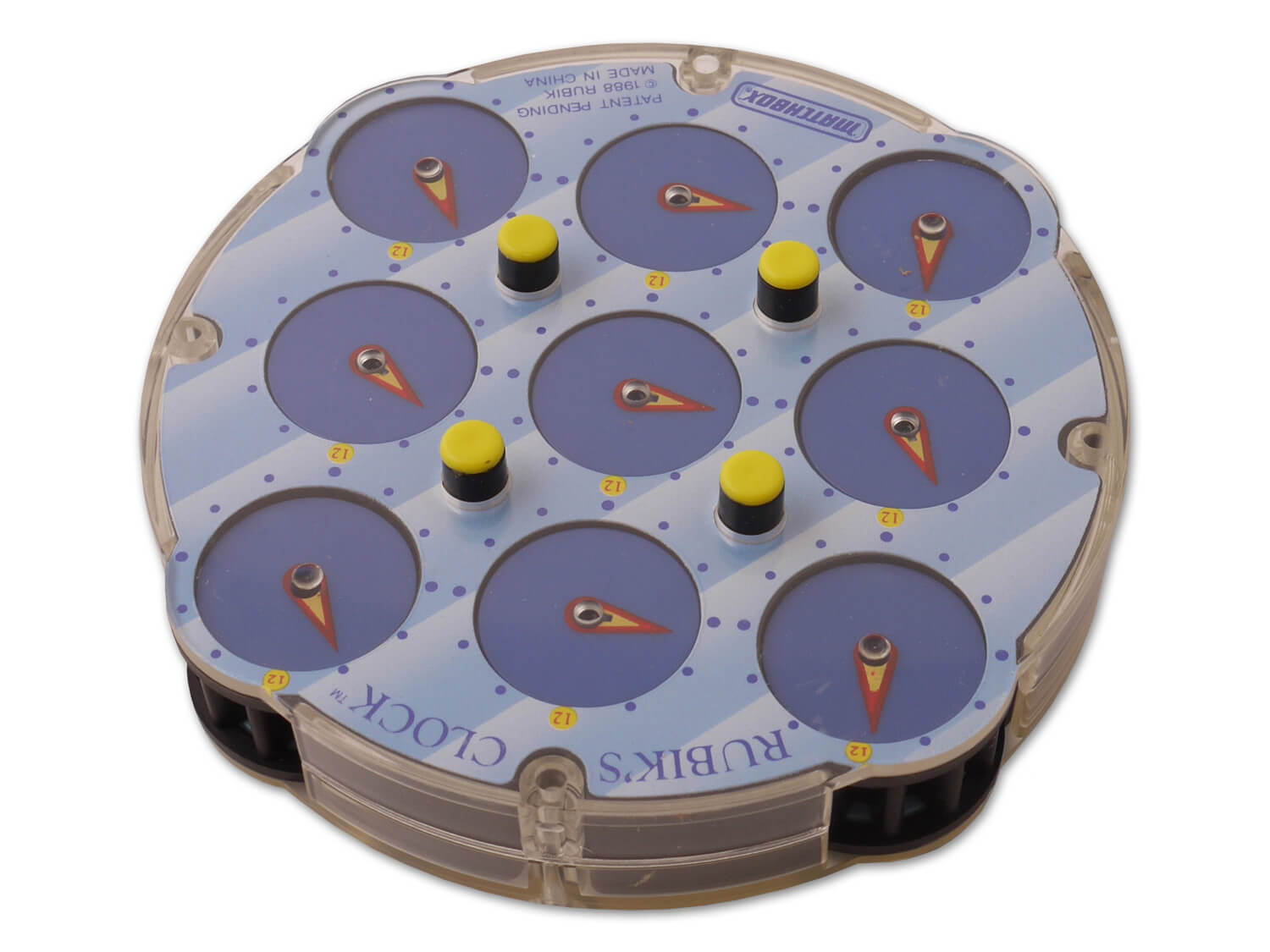
Rubik’s Clock is a double-sided puzzle of clock dials that must be aligned using pins and gears hidden within the case. It reached stores in the late 1980s, well after the first cube craze, so it is often overlooked by casual buyers. Working gears, bright faces, and an unscratched casing are what separate a collectible copy from a neglected one. Because newer versions of the clock are widely sold, collectors compare materials and printing against documented originals before paying vintage prices.
The Original Pyraminx
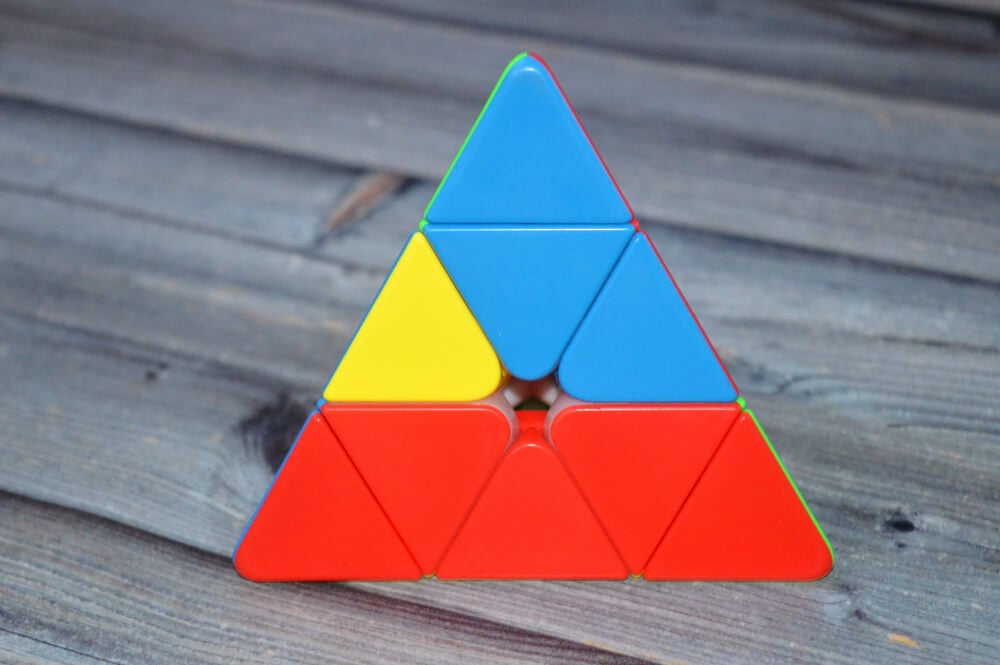
The Pyraminx is a four-sided pyramid puzzle created by Uwe Mèffert, a designer whose name became a fixture in the twisty-puzzle world. Early editions were sold in the early 1980s alongside Rubik’s own products, and vintage copies in their original boxes appeal to collectors of the entire craze. Fading stickers and cracked corners are common flaws. Plenty of modern versions look similar, so authentication relies on box artwork, markings, and the feel of the older plastic.
The Megaminx

The Megaminx is a twelve-sided puzzle with a different colored face for each side, and it is another entry from the Mèffert catalog that grew out of the cube boom. Extending the cube idea to a dodecahedron gave solvers a far bigger challenge, and the vintage packaging often features distinctive artwork. Early copies in good shape are far scarcer than the plentiful modern ones. Condition of the stickers, the integrity of the hinged pieces, and original packaging all shape what a buyer will pay.
The Skewb
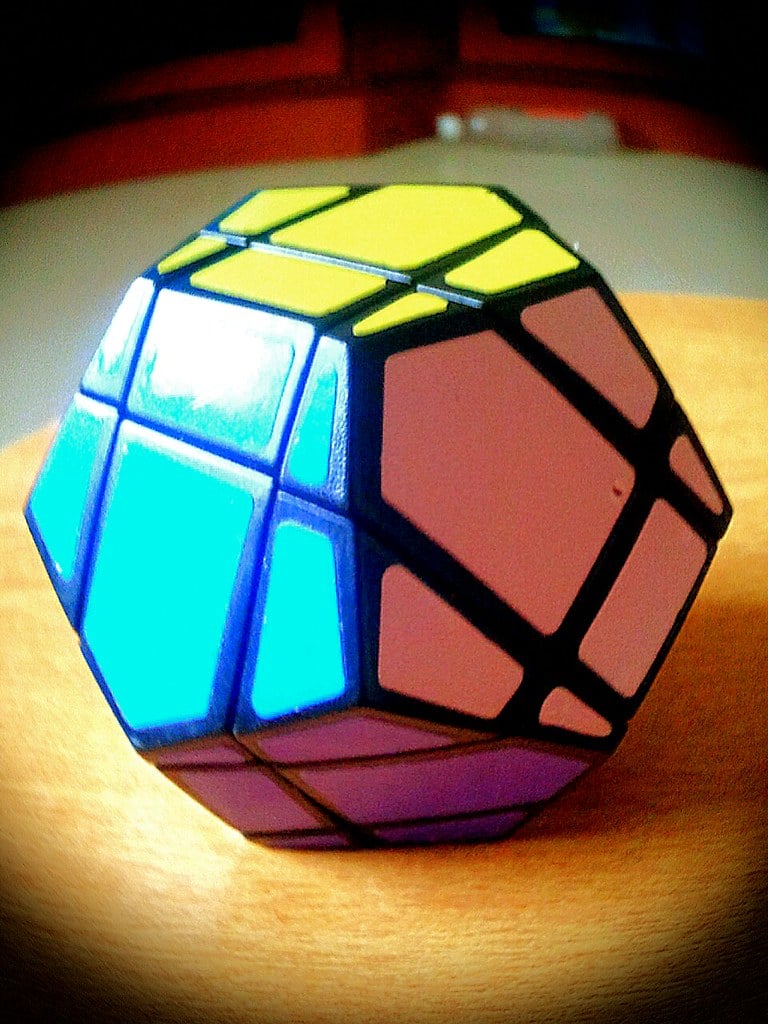
The Skewb is a cube that turns around its corners rather than its faces, invented by Tony Durham and later marketed by Mèffert. It looks simple, with only a handful of moving pieces, yet it sold in far smaller numbers than the classic cube. Vintage copies in their original packaging are the interesting ones, as many were thrown out long ago. Newer Skewb versions are common and cheap, so the age, branding, and box are what separate a true vintage find.
The Square-1
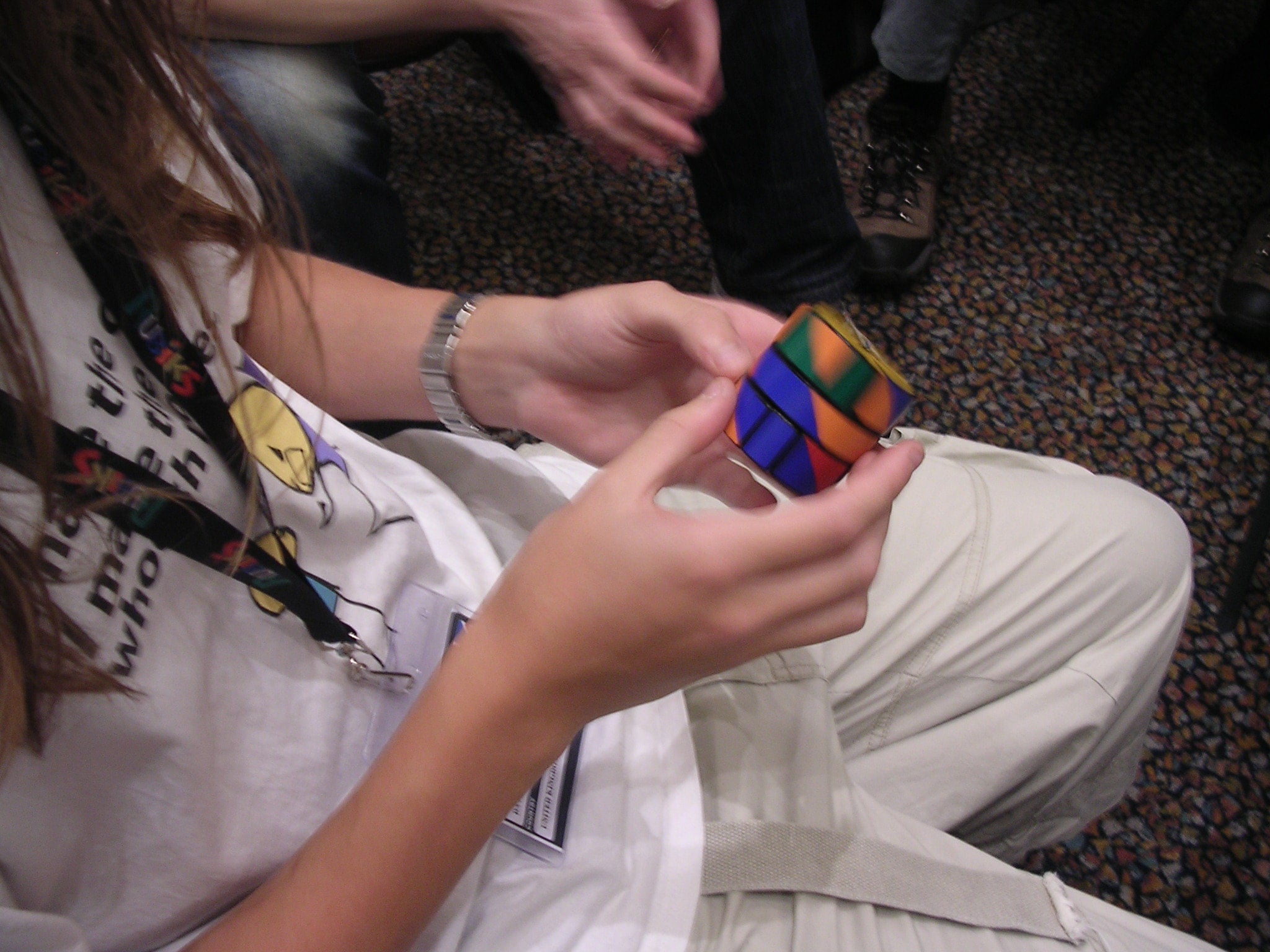
The Square-1 is a shape-shifting cube whose layers can be turned until the puzzle no longer resembles a cube at all, and it was designed by Czech inventors Karel Hršel and Vojtěch Kopský. It appeals to collectors because of its odd mechanism and its place in the history of twisty puzzles. Early copies with their original packaging are more interesting than later mass-market releases. Cracks in the layers and fading on the plastic are common, so careful inspection before buying is essential.
The Diamond-Style Masterpiece Cube
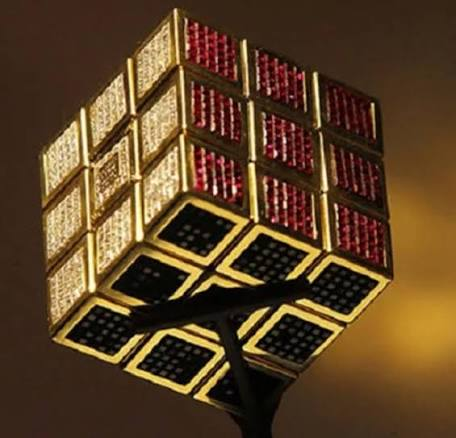
At the far end of the market sits the jeweled Masterpiece Cube, built with gold and colored gemstones in place of ordinary plastic stickers. It was made as a showpiece rather than a toy, and a few copies have been publicized as some of the most expensive cubes ever produced. Prices for such pieces depend on the materials, the maker, and the paperwork that comes with them, so documentation matters enormously. Costume jewelry versions and later novelty cubes are not the same thing, and verifying authenticity is crucial.
David Singmaster’s Solution Notes

A puzzle collection can include the books that taught people to solve the cube, and David Singmaster’s early notes are among the most respected. His notation system of face letters for turns became a standard that cubers still use. The work circulated in early editions around 1980 and 1981, and copies from that period interest collectors of puzzle literature. Condition of the binding and pages matters, and reprints and later updated editions are more common and generally less sought after than first printings.
You Can Do the Cube by Patrick Bossert

You Can Do the Cube was written by Patrick Bossert, who was just twelve years old when the book appeared in 1981. It became a runaway seller for a simple reason: it explained the solution in plain terms that a kid could follow. Original first-run copies with clean jackets are the ones to look for, as the paperback was handled constantly and often loses its cover. Later printings and updated editions are common, and the condition of the book matters nearly as much as the edition.
The Value of an Unsolved Twist

The common thread among these pieces is scarcity of the right kind. Millions of cubes were made, but very few survive with their boxes, instructions, and unfaded colors, and almost none were stored with collecting in mind. The clever follow-ups, the strange shapes, and the printed guides all reward buyers who learn the differences between original editions and the many reissues that followed.
Before paying a collector price, examine the packaging, the markings, and the plastic itself, and compare them against documented originals. Grade for condition honestly, because wear is the biggest factor in any sale. A loose, faded cube is still a fun puzzle, but a complete, authenticated original is a different class of object entirely.
More from Go2Tutors!

- The Romanov Crown Jewels and Their Tragic Fate
- 13 Historical Mysteries That Science Still Can’t Solve
- Famous Hoaxes That Fooled the World for Years
- 15 Child Stars with Tragic Adult Lives
- 16 Famous Jewelry Pieces in History
Like Go2Tutors’s content? Follow us on MSN.