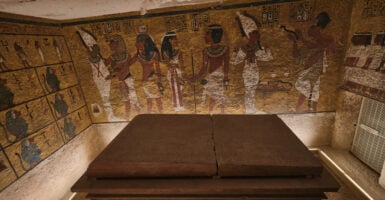
28 Things Pharaohs Were Buried With
Egyptian kings did not plan to go quietly into the afterlife. They planned to arrive fully equipped, with a wardrobe, a pantry, a game collection, and enough gold to impress the gods.
Robbers emptied nearly every royal tomb in antiquity, which makes the survivors even more valuable.
The few burials that escaped, mostly Tutankhamun’s, Psusennes I’s, and Khufu’s boat pit, show what a king considered essential. Some items were sacred, some were practical, and a few were just things he liked.
Tutankhamun’s Gold Funerary Mask
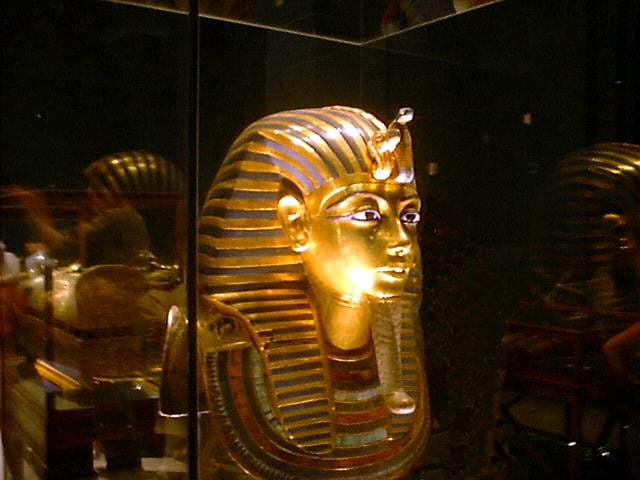
The mask placed over the head and shoulders of Tutankhamun’s mummy weighs about 10 kilograms and is made of solid gold, inlaid with lapis lazuli, quartz, and colored glass. Howard Carter’s team removed it in 1925, three years after the tomb itself was found.
A magical text is engraved across the back and shoulders, meant to protect each part of the king’s body. The mask has become so recognizable that its face is often mistaken for the face of ancient Egypt itself.
Three Nested Coffins
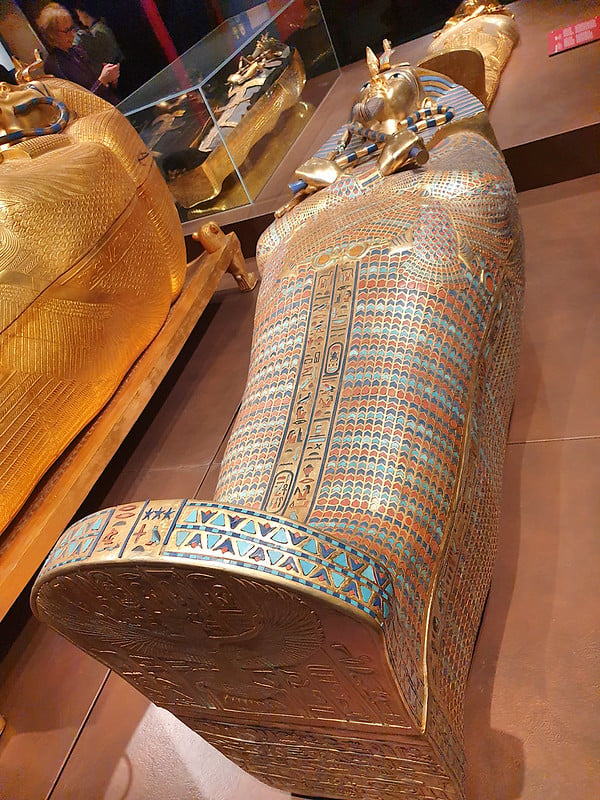
Tutankhamun was sealed inside three coffins that fit inside one another like the layers of a very expensive onion. The outer two were wood covered in gold sheet, while the innermost was made of solid gold and weighs about 110 kilograms.
Resin poured over the coffins had glued the layers together, so Carter’s team needed heat to separate the pieces. All three show the king as Osiris, arms crossed over the chest.
A Quartzite Sarcophagus With a Mismatched Lid
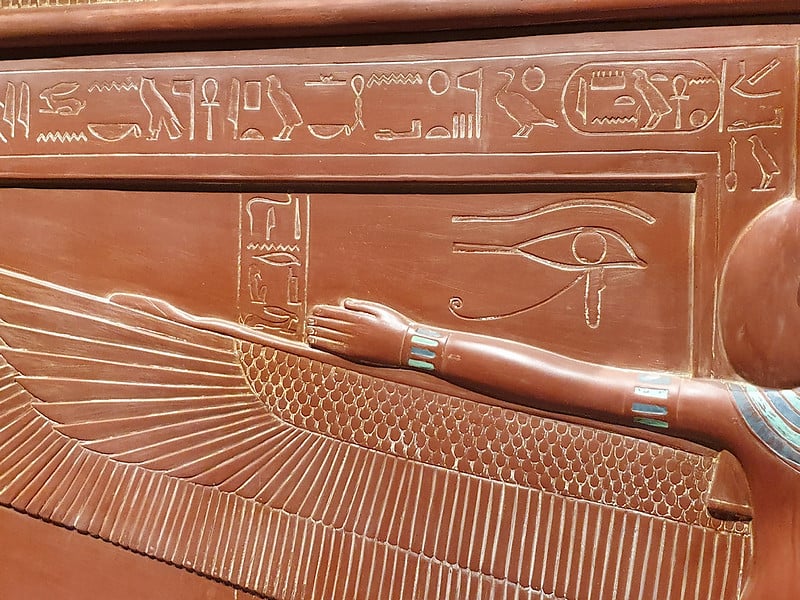
Around the coffins sat a stone sarcophagus, its quartzite box carved with winged goddesses at each corner to guard the king. The lid was granite rather than quartzite, and it had cracked across the middle, so the damage was patched and the entire surface painted to look uniform.
This suggests the burial was assembled in a hurry, since Tutankhamun died young and unexpectedly. Even a pharaoh sometimes got a rush job.
Four Gilded Shrines
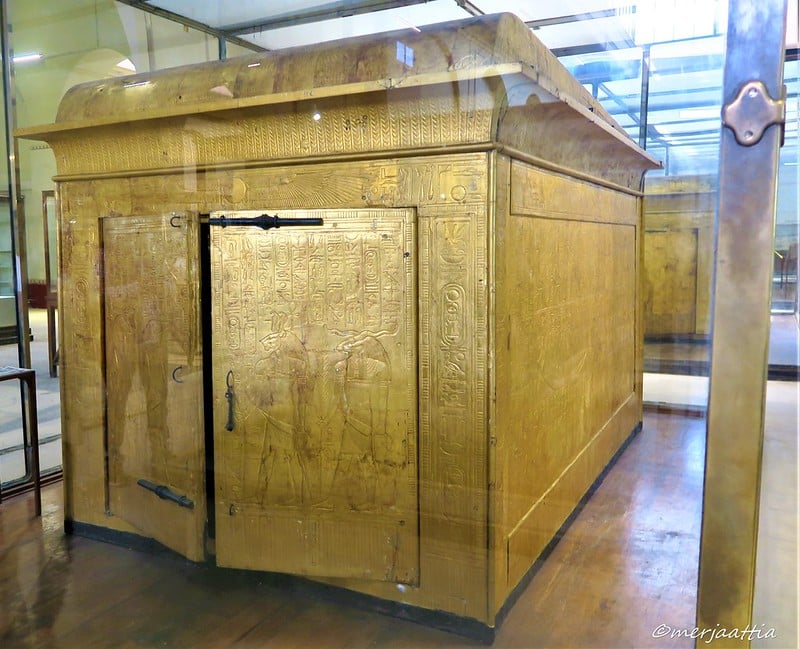
Between the walls of the burial chamber and the sarcophagus, four wooden shrines were nested around the stone box with barely any room to spare. Each was covered in gold and decorated with religious texts and images.
They were built in separate pieces and assembled inside the chamber, because they were far too large to carry through the tomb’s narrow passages. Carter’s team had to dismantle them one panel at a time before the sarcophagus could be reached.
Canopic Chests and Jars
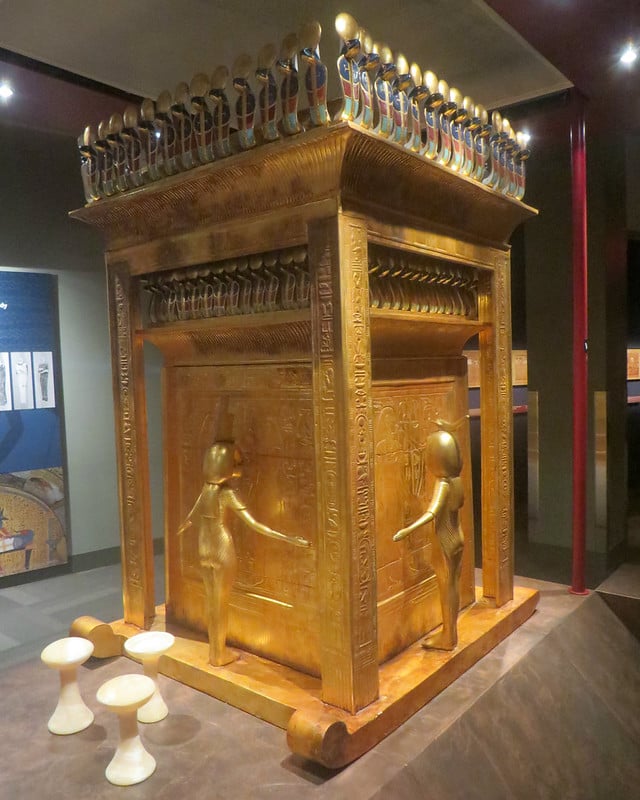
Egyptian embalmers removed the liver, lungs, stomach, and intestines and stored each in its own container. Tutankhamun’s canopic chest was carved from a single block of calcite, with four stoppers shaped like the king’s head.
Inside, each compartment held a tiny gold coffin containing the preserved organs. Four goddesses, Isis, Nephthys, Neith, and Selket, stand at the corners of the shrine that surrounded the chest, arms outstretched to protect it.
Hundreds of Shabti Servants
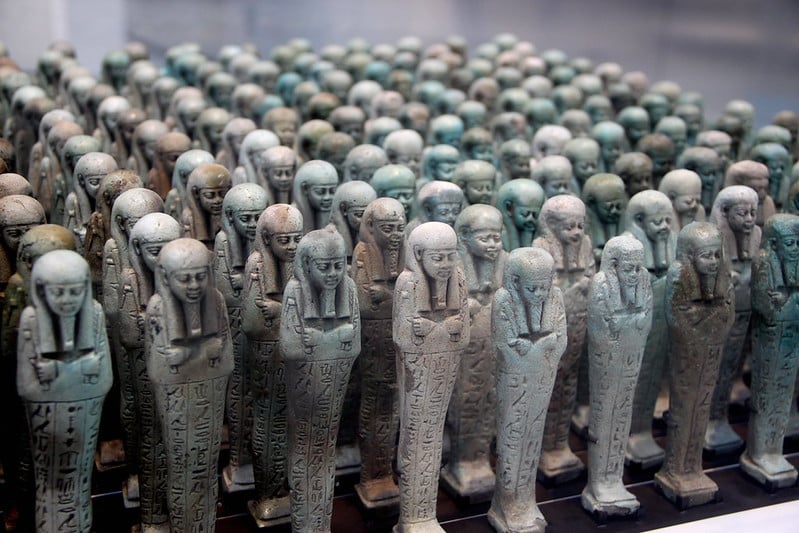
Shabtis were small figures meant to do the king’s manual labor in the next world, so he would never have to lift a finger. Tutankhamun’s tomb held hundreds of them, made from wood, stone, and other materials.
Many were inscribed with a spell commanding them to answer when the king was called to work. Some served as overseers, there to keep the rest of the workforce in line.
Six Chariots
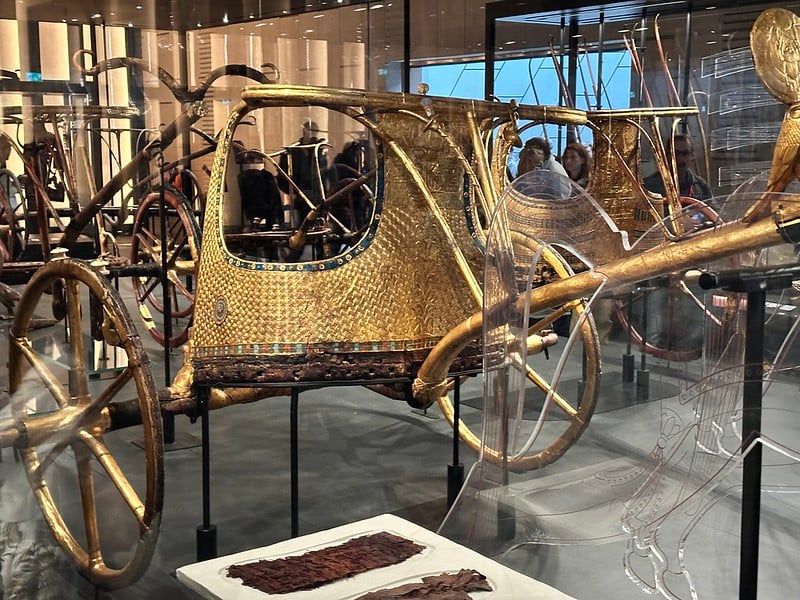
Tutankhamun went into the afterlife with six chariots, found taken apart in the antechamber and treasury. Several were covered in gold and decorated with scenes of the king crushing his enemies.
Carter had to study them piece by piece because the wooden parts had been crowded together and damaged. For a ruler with no clear record of leading armies, they were a remarkable display of military image.
Sandals That Trampled Enemies
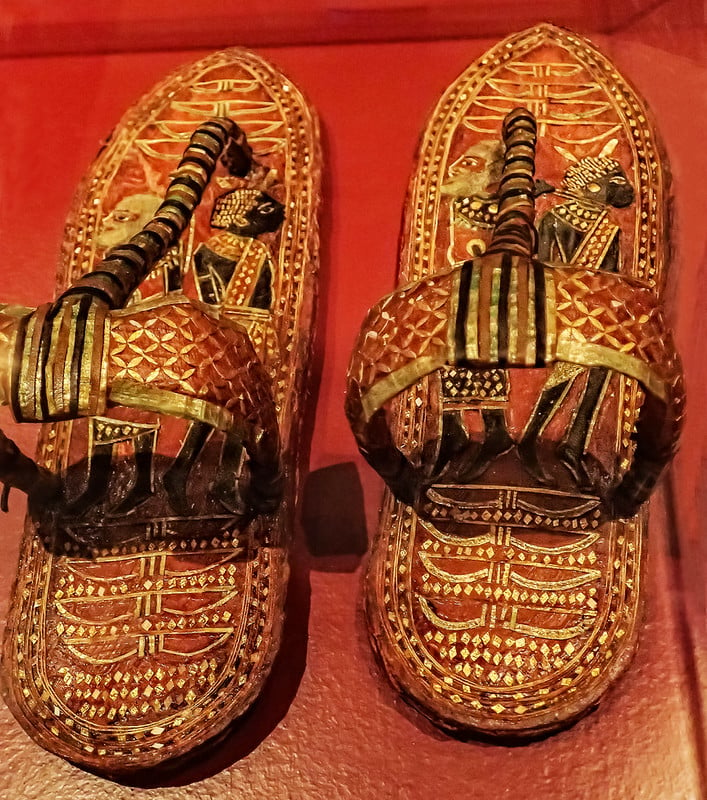
The pharaoh’s mummy wore gold sandals, along with gold stalls on each finger and toe. Elsewhere in the tomb, other sandals were decorated with images of Egypt’s traditional enemies, so the king would crush them with every step.
Bound captives were painted on the insoles of some pairs for the same purpose. Few footwear designers have been so direct about their intentions.
A Dagger Made From Space Iron
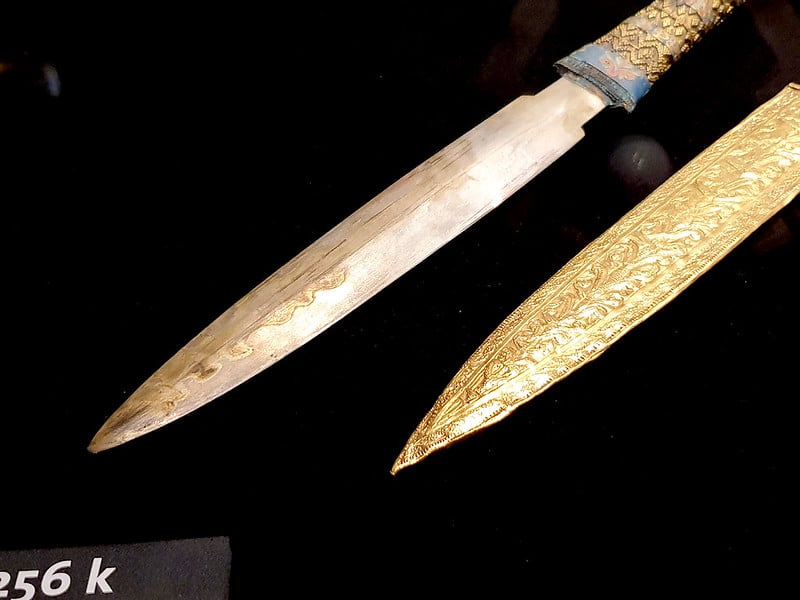
Among the weapons buried with Tutankhamun was a dagger with a gold hilt and an iron blade. In 2016, researchers analyzed the blade and found a composition consistent with iron from a meteorite.
Iron was extremely scarce in Egypt in that era, so metal that fell from the sky was prized above many familiar materials. The dagger is one of the most closely studied objects from the tomb.
Senet Game Boards
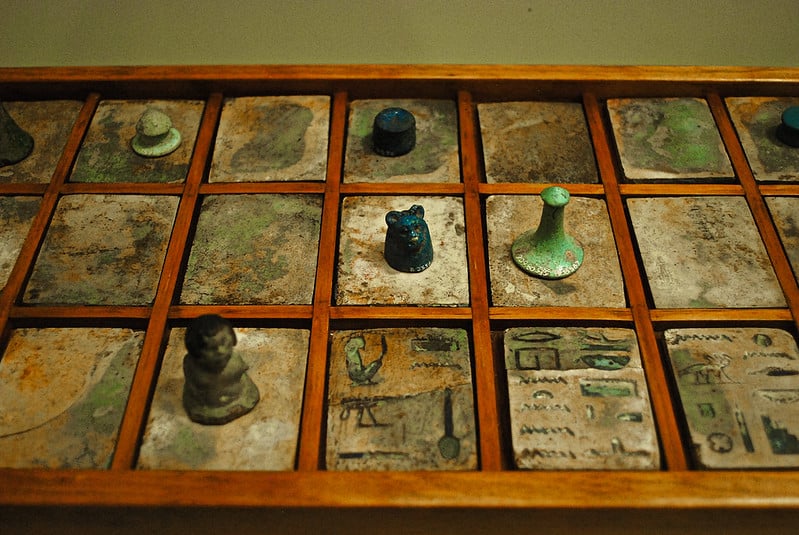
Tutankhamun’s tomb contained several senet boards, the ancient board game that gradually came to be seen as a symbolic journey through the afterlife. One was set in a box with a drawer to store the playing pieces.
The game was played for entertainment in life but also carried religious meaning in death. Nobody knows the exact rules, though plenty of historians have tried to reconstruct them.
A Throne Covered in Gold and Silver
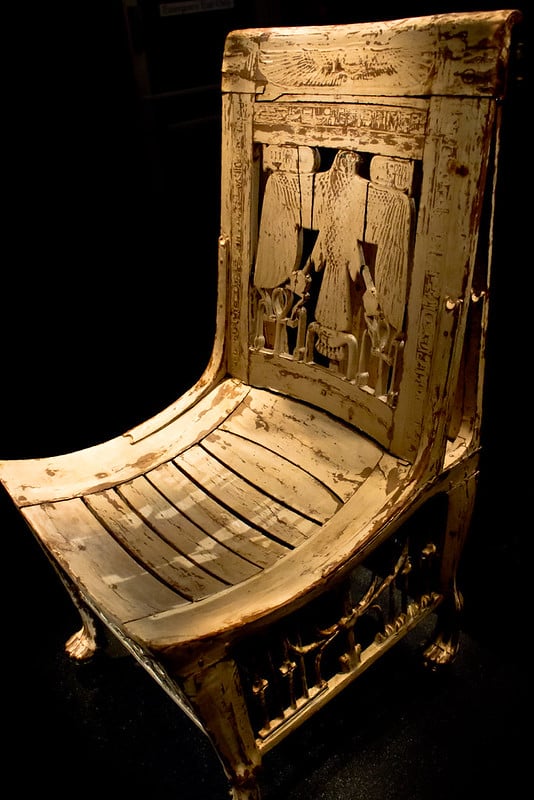
Tutankhamun’s most famous chair is made of wood, sheeted in gold and silver, and inlaid with colored glass, faience, and stone. The back panel shows the young king relaxing while his wife, Ankhesenamun, rubs perfumed ointment on his shoulder.
The sun disk shining overhead is a relic of the religion his father, Akhenaten, imposed, and Tutankhamun later abandoned. The throne dates to the first years of his reign, when he still went by the name Tutankhaten.
Linen by the Roll
DepositPhotos
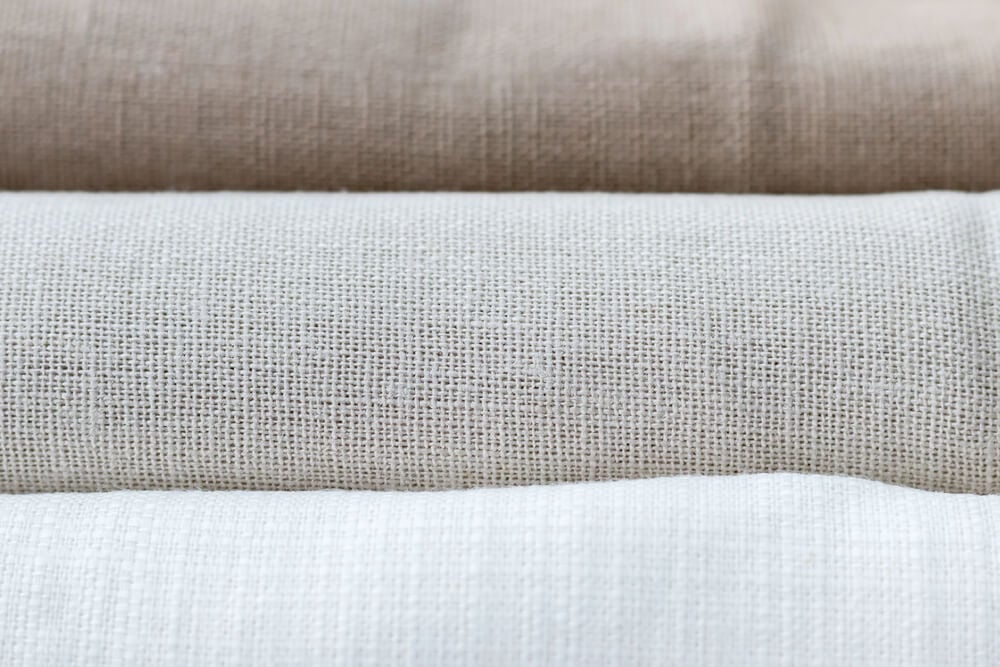
Linen was the fabric of Egypt, and it appeared everywhere in a royal burial. It wrapped the mummy in layers, lined chests and shrines, and covered the coffins. Over Tutankhamun’s outer shrine hung a linen pall studded with gilded rosettes, a luxury that millennia of darkness left looking tattered but largely intact.
Few materials in the tomb were as humble, and few were as essential.
Wine Jars With Vintage Labels
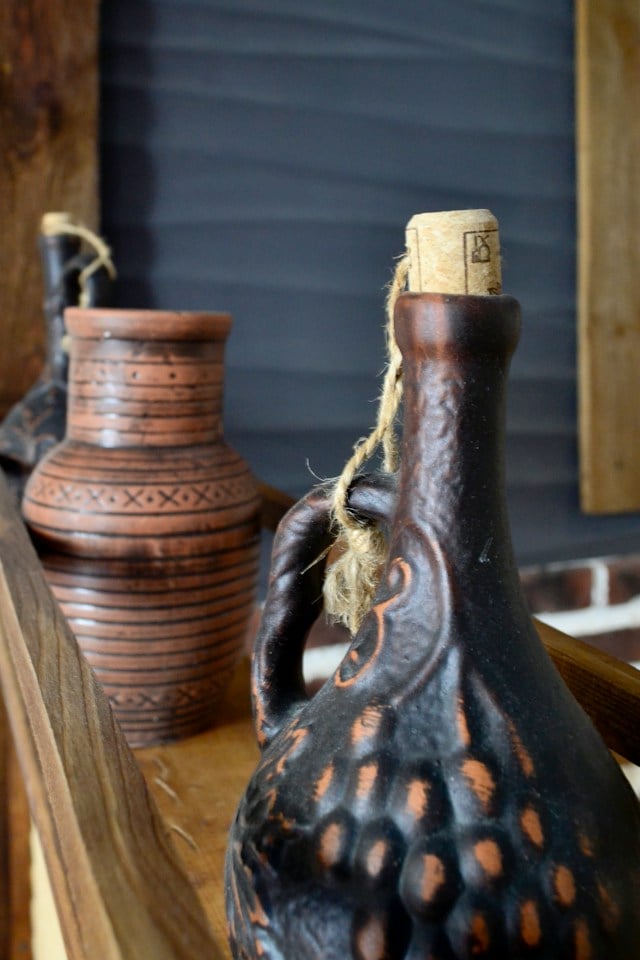
Tutankhamun’s tomb held many wine jars, and a number of them carried what amounts to ancient wine labels. The inscriptions record the year of the harvest, the estate where it was produced, and the name of the chief vintner.
Most came from vineyards in the Nile Delta. A king could not be expected to face eternity without a decent vintage.
Food for a Very Long Journey
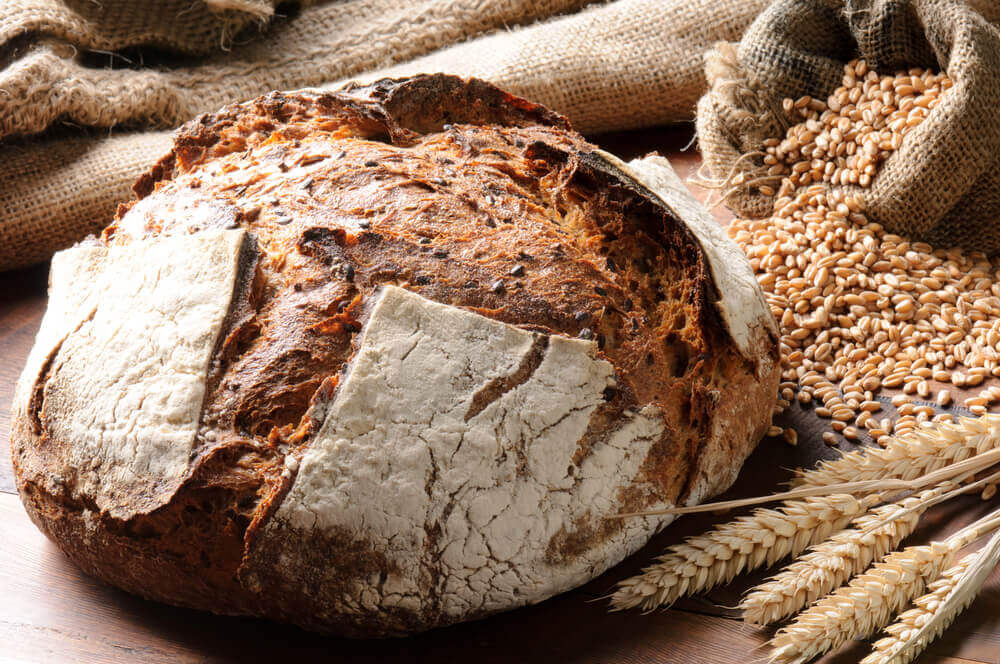
Pharaohs were buried with food so they would not go hungry in the afterlife. Tutankhamun’s tomb included baskets of fruit, bread, and other items, along with boxes of meat that had been carefully prepared and sealed.
Archaeologists identified remnants of grapes, figs, and dates among the provisions. The supplies were meant to last as long as the king’s journey, which was expected to be endless.
Trumpets That Reached a Radio Audience
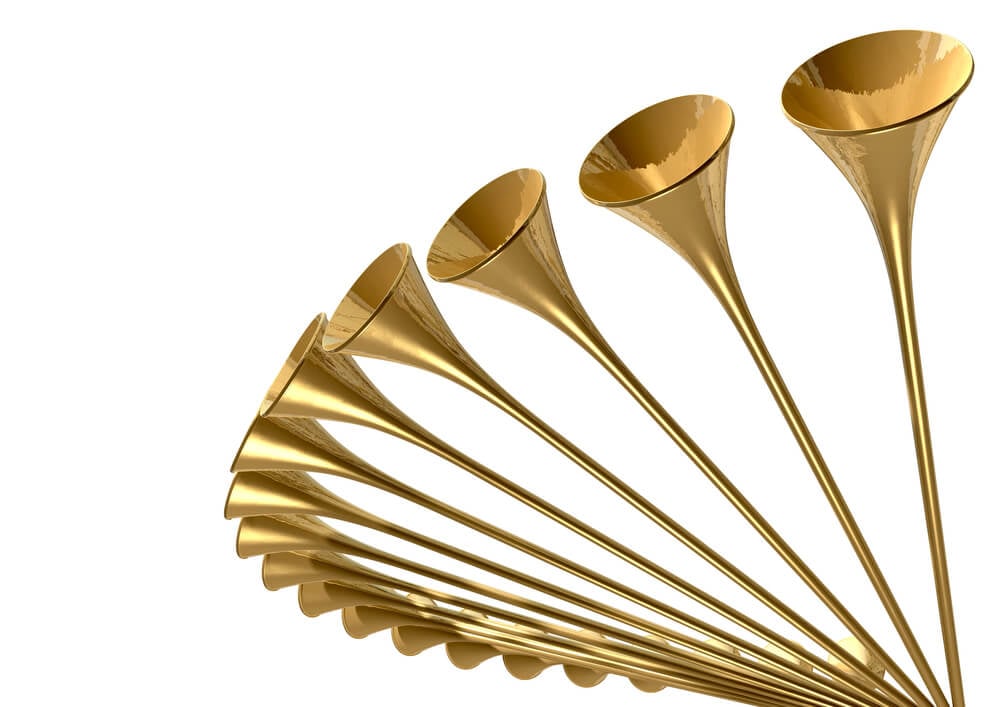
Tutankhamun’s tomb held a pair of trumpets, one silver and one made from a copper alloy, both with decorated flared ends. They were probably used in military or ceremonial settings, and the king took them to the grave.
In 1939, the silver trumpet was played during a live BBC radio broadcast from the Egyptian Museum in Cairo. It was the first sound the instrument had made in more than three thousand years.
Bows, Arrows, and Archery Gear
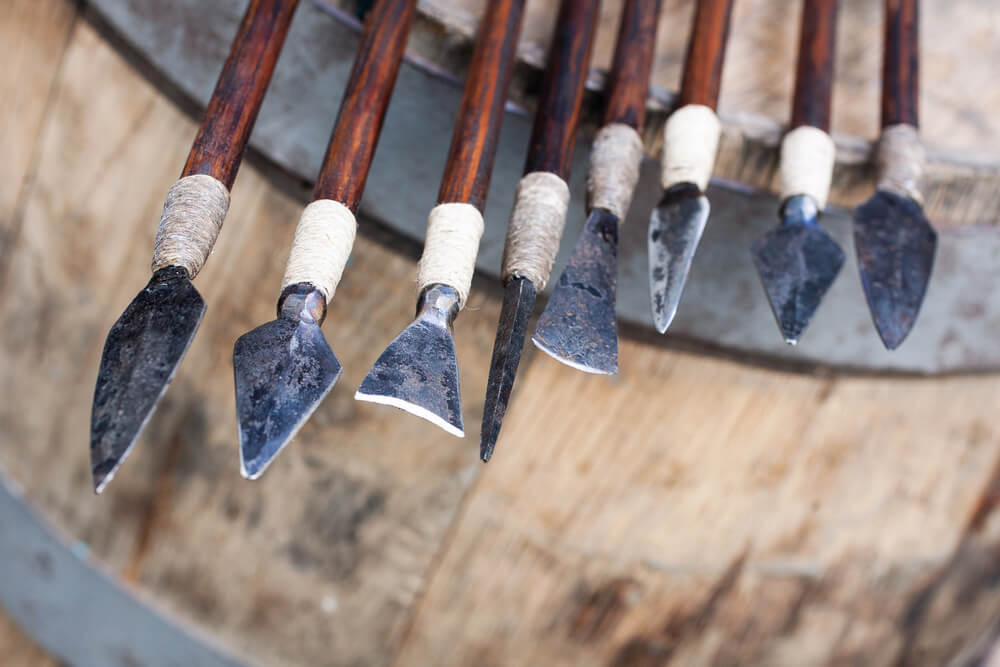
The king’s armory included many bows and large quantities of arrows, as well as quivers, shields, and throw sticks. Some were intended for actual use, while others were ceremonial pieces covered in gold and decorated with symbolic scenes.
Archery was a royal skill that kings liked to show off on temple walls, whether they were any good or not. Tutankhamun’s bows suggest he was keen to appear as a capable hunter and warrior.
Perfumed Oils and Ointments
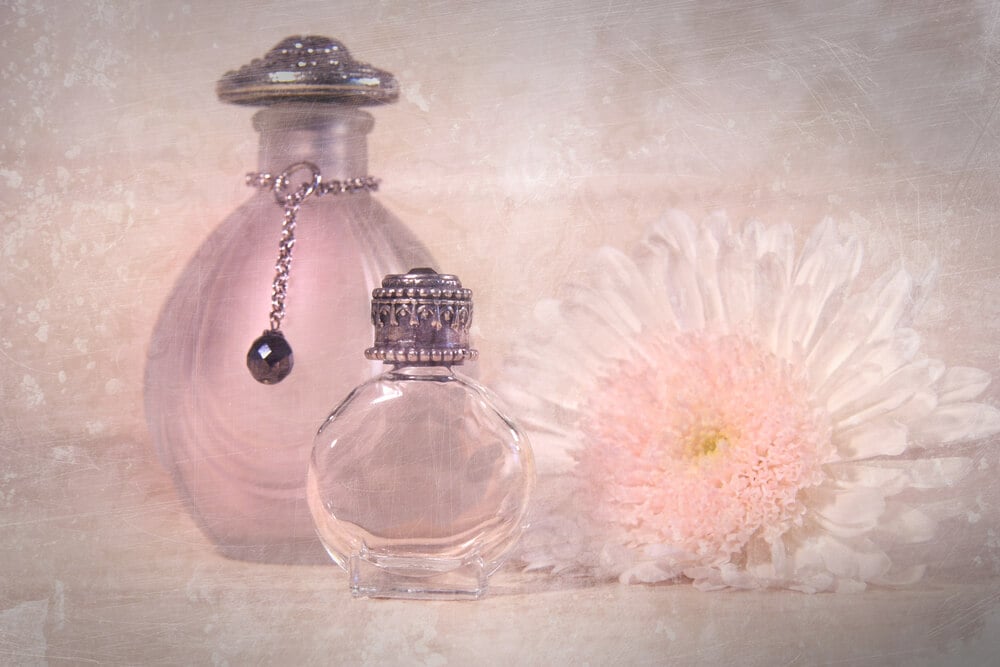
Alabaster jars of oils, ointments, and perfumes were a standard feature of royal burials, valued as highly as the gold. Many of Tutankhamun’s containers were found empty or nearly so, because ancient thieves broke in at least twice and appear to have targeted the oils first.
Oils were light, valuable, and easy to carry, making them ideal loot. Modern chemists still analyze the residue left in the jars to learn what Egyptians used.
Khufu’s Cedar Boat
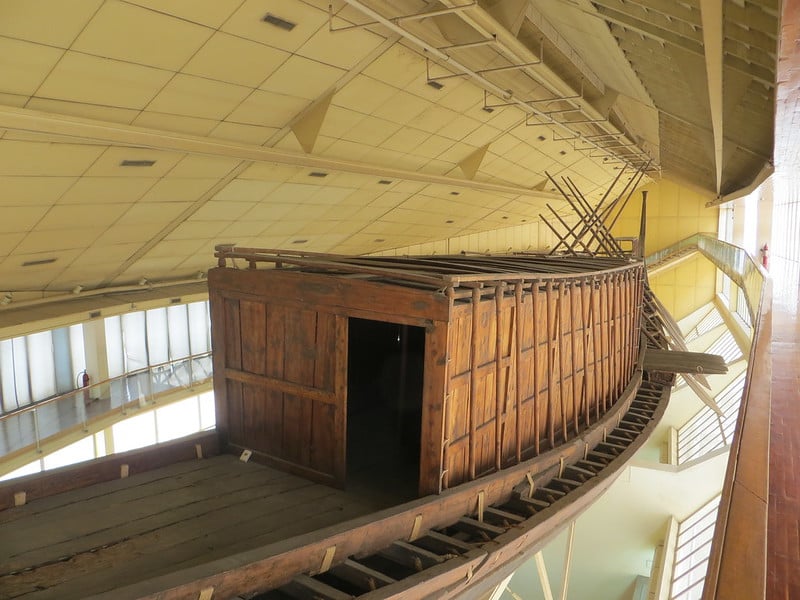
Beside the Great Pyramid, a sealed pit discovered in 1954 contained the disassembled parts of a ship that belonged to Khufu. Built from cedar and measuring around 43.6 meters long, it was packed into 1,224 pieces arranged in layers.
The ship was probably meant to carry the king across the sky with the sun god, or it may have been used in his funeral procession. After more than four thousand years underground, it was rebuilt and displayed.
Psusennes I’s Silver Coffin
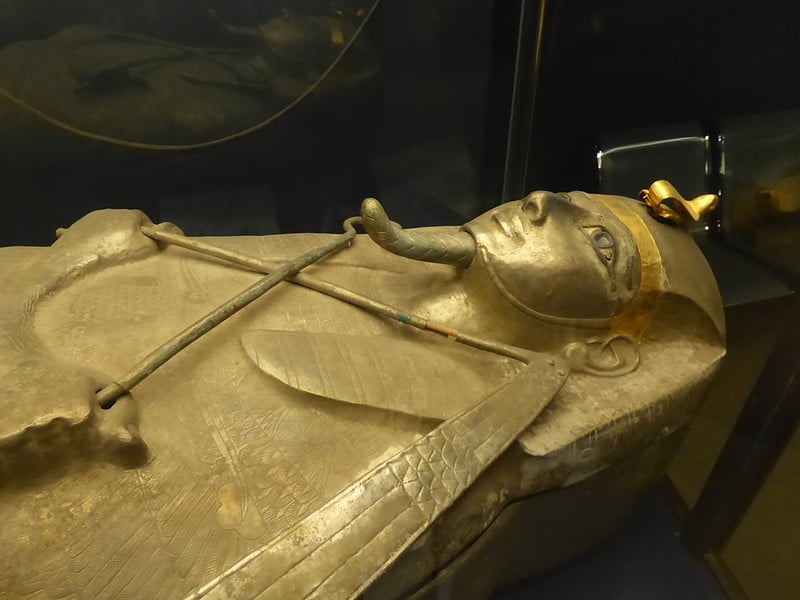
At Tanis, in the Nile Delta, French archaeologist Pierre Montet found the intact tomb of Psusennes I in 1940, just as World War II was disrupting everything. The king lay in a silver coffin with a falcon-headed face, a striking choice in a country with very little silver.
Silver had to be imported, and it was probably valued as highly as gold at that time. The find received little attention because of the war.
Psusennes I’s Gold Mask
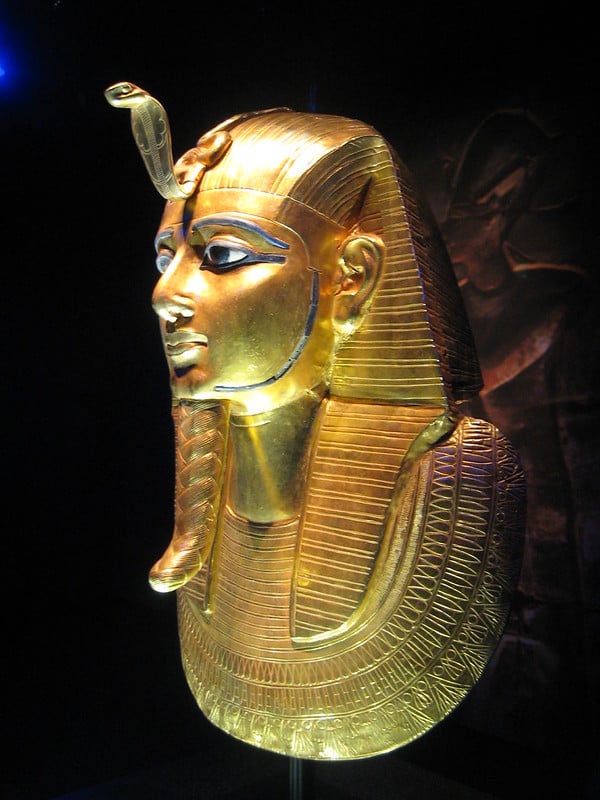
Inside the silver coffin, the king’s face was covered by a mask of gold inlaid with colored stone and glass. The mask is thinner and more delicate than Tutankhamun’s, and it reflects the craftsmanship of the Third Intermediate Period, when Egypt’s power had faded but its goldsmiths had not. The burial survived because it was hidden beneath the temple enclosure of Tanis rather than in the Valley of the Kings. Its survival shows that royal tombs outside the famous valley could escape thieves too.
Ritual Funerary Beds
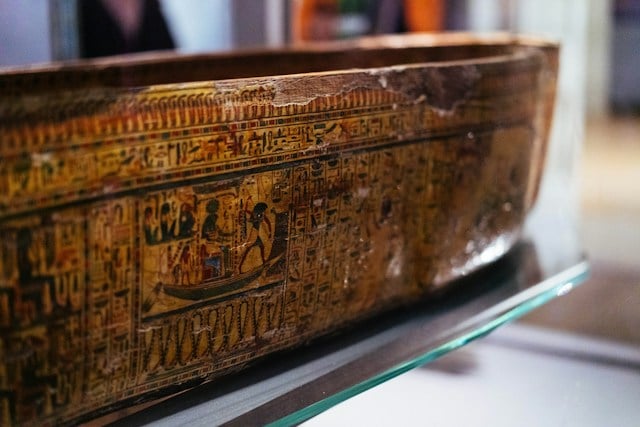
Three gilded wooden beds were found in Tutankhamun’s antechamber, each supported by the figure of a sacred animal. One had the form of a lion, another a cow representing the goddess Mehetweret, and the third a mixed creature associated with Ammut, the devourer of the unworthy dead.
They were probably used in rituals connected to the sun god’s nightly journey and the king’s rebirth. None was designed for actual sleep, which seems reasonable.
The Heart Scarab
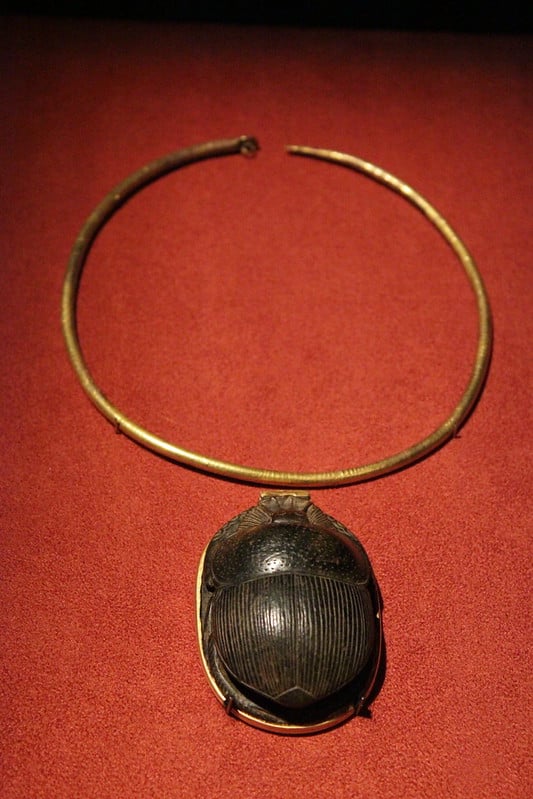
The Egyptians believed the heart was the seat of thought and memory, and it was weighed against the feather of truth in the afterlife. To avoid being betrayed by his own conscience, the king was buried with a heart scarab carved with a spell instructing the heart not to testify against him.
The scarab was placed over the chest in the wrappings. It was essentially a legal defense document made from stone.
Pyramid Texts on the Walls
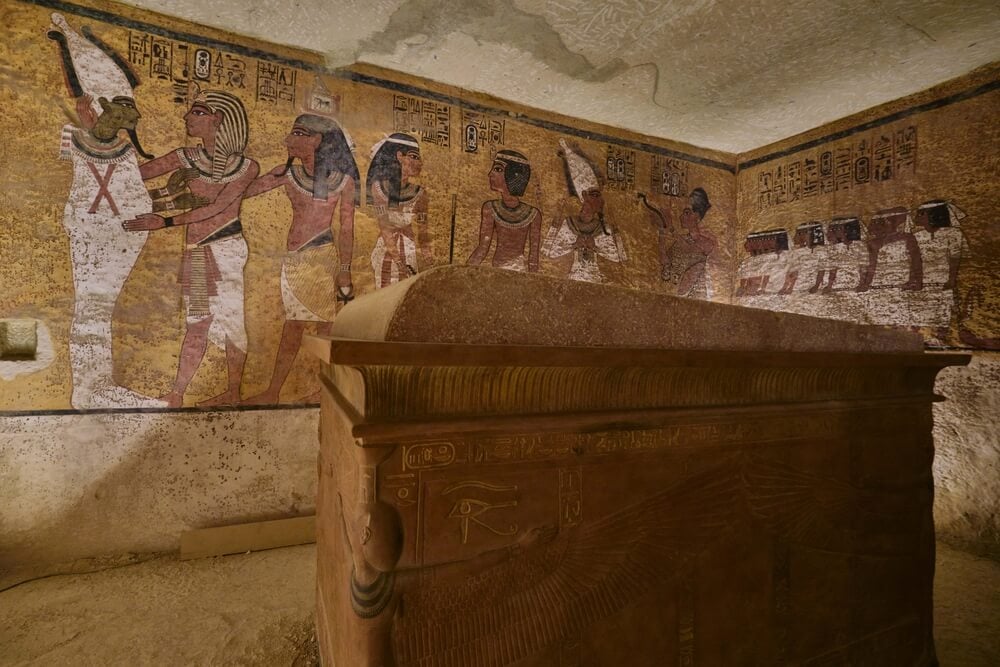
Unas, the last king of Egypt’s Fifth Dynasty, was the first to have his pyramid’s interior walls covered in religious inscriptions, around 2350 BC. These Pyramid Texts contain spells meant to help the king ascend to the sky and join the gods.
Later rulers copied the idea, and the tradition evolved into the Coffin Texts and the Book of the Dead. In effect, the walls served as an instruction manual for the afterlife.
Walking Sticks and Canes
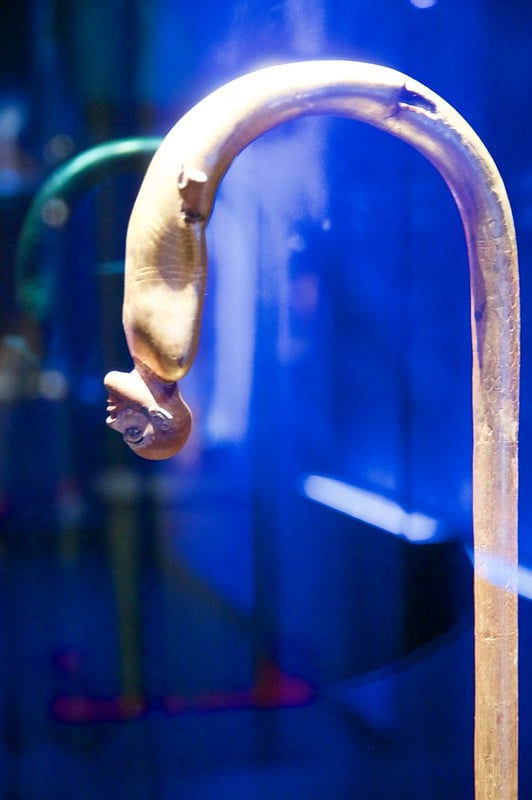
Tutankhamun was buried with a large collection of walking sticks and staffs, which is a surprising number for a king who died in his late teens. Some were everyday wooden canes, while others were richly decorated with gold and ivory.
One cane featured the figure of a foreign captive as the handle. Scholars often connect the collection to the king’s physical frailty, though staffs were also symbols of authority.
The Crook and Flail
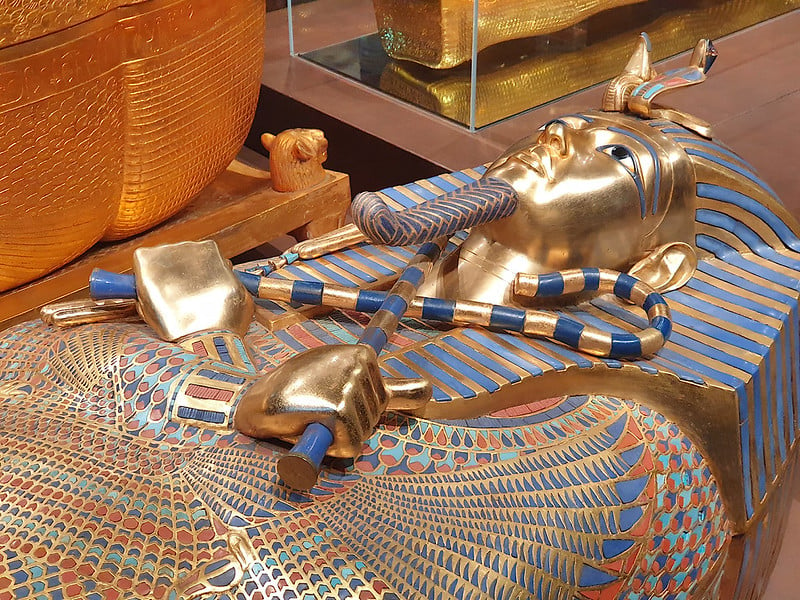
Two royal emblems rested in Tutankhamun’s gold coffin, crossed over his chest: the crook and the flail. The crook symbolized a shepherd guiding his flock, and the flail represented the power to punish.
Both were associated with Osiris, the god of the dead, which is why the king carries them in his coffin portrait. They remain the best-known symbols of Egyptian kingship.
Guardian Statues at the Door
Two life-size wooden statues of Tutankhamun, painted with black resin and trimmed in gold, stood on either side of the sealed doorway to the burial chamber. Each wore a gold kilt and headdress and carried a staff and a mace.
They were probably meant to protect the king in the afterlife and act as stand-ins for his spirit. Carter found them standing guard in the antechamber like silent bodyguards.
Two Tiny Coffins for Unborn Children
In a side room of Tutankhamun’s tomb, Carter’s team found two miniature coffins containing the mummified remains of two fetuses. DNA testing published in 2010 indicated the children were probably his daughters, who were either stillborn or lost very early.
Their burial alongside the king shows a personal side of the royal funeral. Each was placed in its own small coffin, and the pair were stored in the treasury beside the burial chamber.
Amulets and Jewelry Hidden in the Bandages
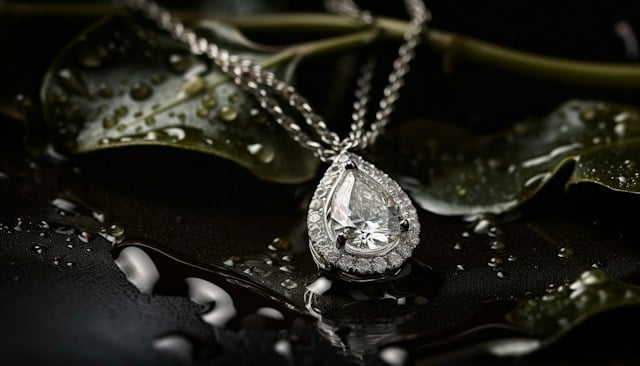
Between the layers of linen wrapping Tutankhamun’s body, the embalmers placed a large number of pieces of jewelry and protective amulets. Among them were bracelets, rings, collars, and charms in the shape of sacred symbols, many set with gold and semiprecious stones.
Each was positioned on a specific part of the body to guard it. Carter’s team found them only after taking apart the mummy bandage by bandage.
When Wealth Meant Survival
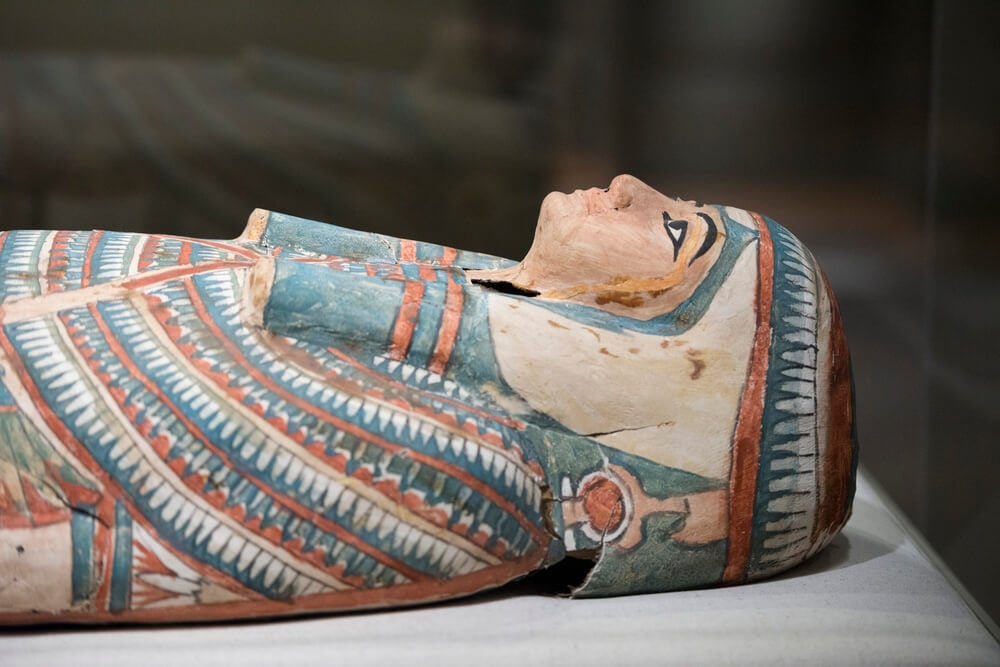
The objects in these tombs were not simply a display of riches. Every item had a function, whether to feed the king, protect his body, entertain him, or help him pass through judgment.
Egyptians considered the afterlife a continuation of life, and a king needed everything a king needed on earth, including some things that would never have been missed.
The tombs that survived also tell a story about loss. For every Tutankhamun, most royal burials were stripped bare, leaving only fragments of what had been planned.
The Egyptians wanted eternity, but what they left behind turned out to be the best surviving record of how they lived.
More from Go2Tutors!

- The Romanov Crown Jewels and Their Tragic Fate
- 13 Historical Mysteries That Science Still Can’t Solve
- Famous Hoaxes That Fooled the World for Years
- 15 Child Stars with Tragic Adult Lives
- 16 Famous Jewelry Pieces in History
Like Go2Tutors’s content? Follow us on MSN.