26 Wizard of Oz Collectibles Fans Pay Up For
The 1939 MGM classic left behind an astonishing amount of sought-after stuff. Some pieces sell for millions, and others change hands for a few dollars.
What separates the two is rarely sentiment alone. Condition, completeness, provenance, and plain scarcity decide whether an Oz item is a keepsake or a trophy.
The Ruby Slippers That Came Back From a Theft
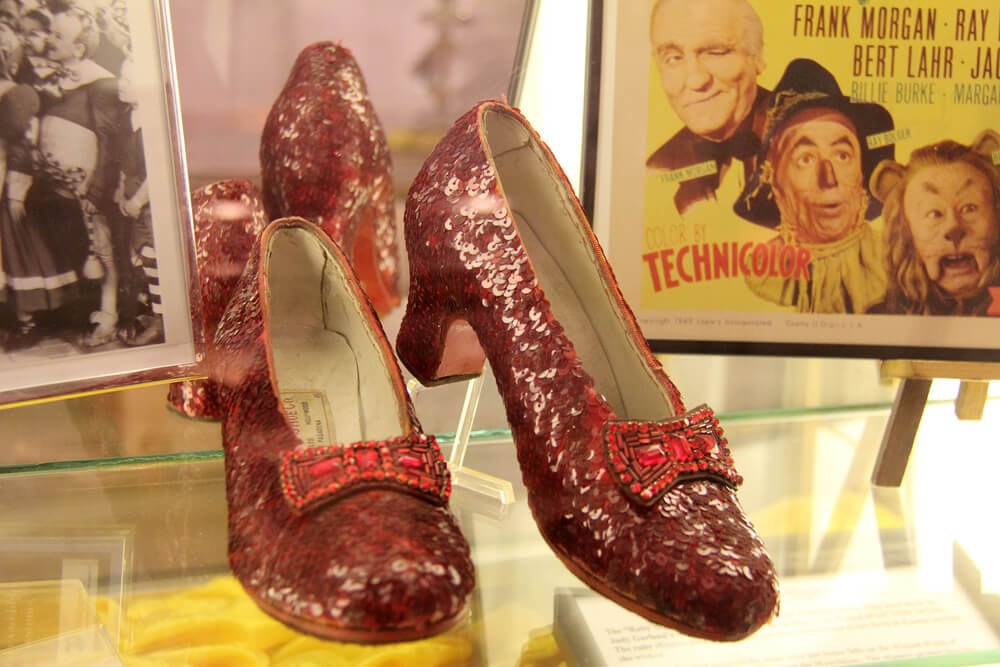
A pair of Dorothy’s ruby slippers sold at Heritage Auctions in December 2024 for a record $32.5 million with fees, a hammer price of $28 million. The same pair was stolen from the Judy Garland Museum in Grand Rapids, Minnesota, in 2005 and recovered in 2018.
The theft and recovery only deepened the pair’s legend. Authenticity and documented screen use drive the price of any slipper, which is why replicas sell for a tiny fraction of the originals.
A Cowardly Lion Costume That Blew Past Its Estimate
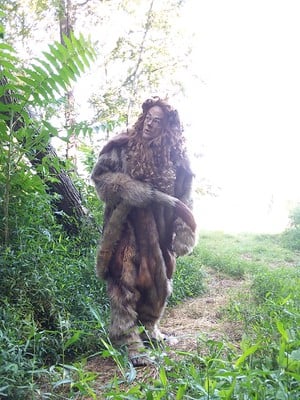
Bert Lahr’s Cowardly Lion costume sold for about $3 million in November 2014, far above what auction experts had predicted. It went under the gavel in the same sale as the piano from Casablanca, which gives a sense of the company it keeps.
A documented survivor commands attention. Condition matters enormously with fur and fabric that old.
Dorothy’s Gingham Dress, in Several Versions
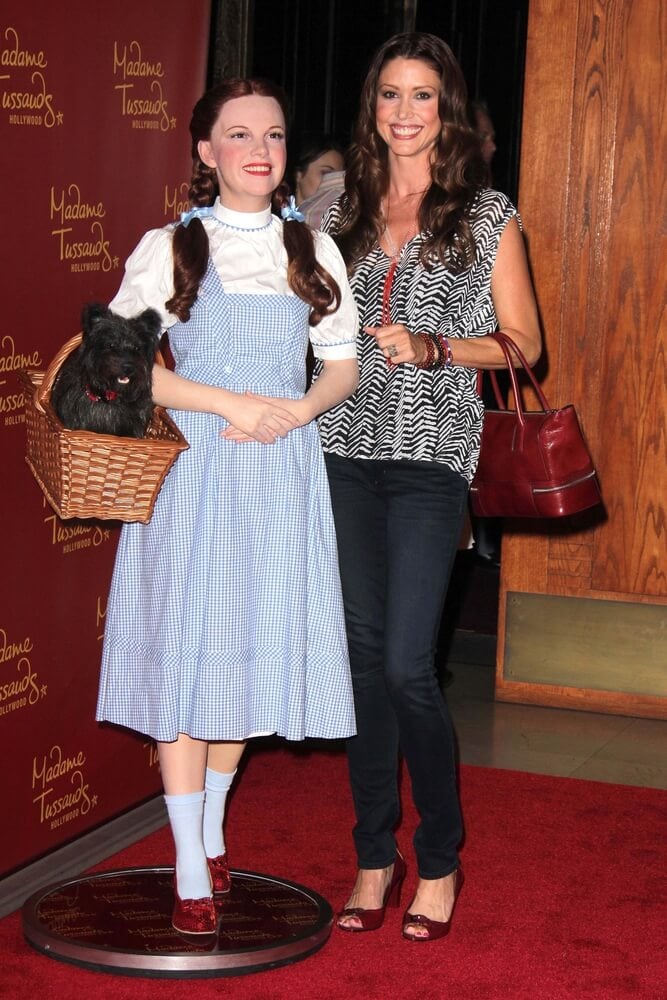
Judy Garland’s blue gingham dress from the film has sold more than once, and each sale has made headlines. One dress brought $1.56 million in 2015, and a separate dress that had been lost for decades resurfaced and sold for roughly $1.5 million in 2022.
Another Dorothy dress sold for $480,000 in an earlier sale. The spread reflects how much value depends on whether a dress is truly screen-used and how well the fabric survived.
The Wicked Witch’s Hat Worn by Margaret Hamilton
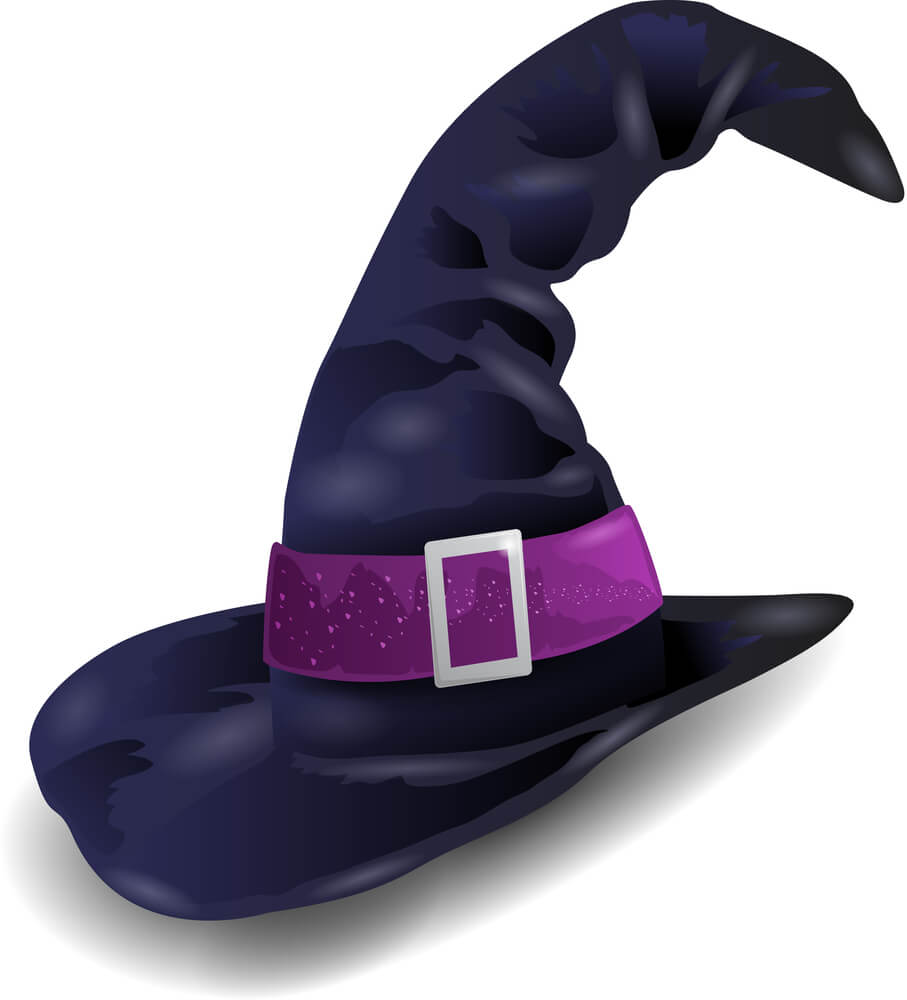
The pointed black hat that Margaret Hamilton wore as the Wicked Witch of the West was offered by Heritage Auctions with a pre-sale expectation of more than $3 million. The hat is prized as a screen-matched piece rather than a costume-shop copy.
Its eventual price will rest on authenticity and condition as much as on fame.
Jack Haley’s Tin Man Oil Can
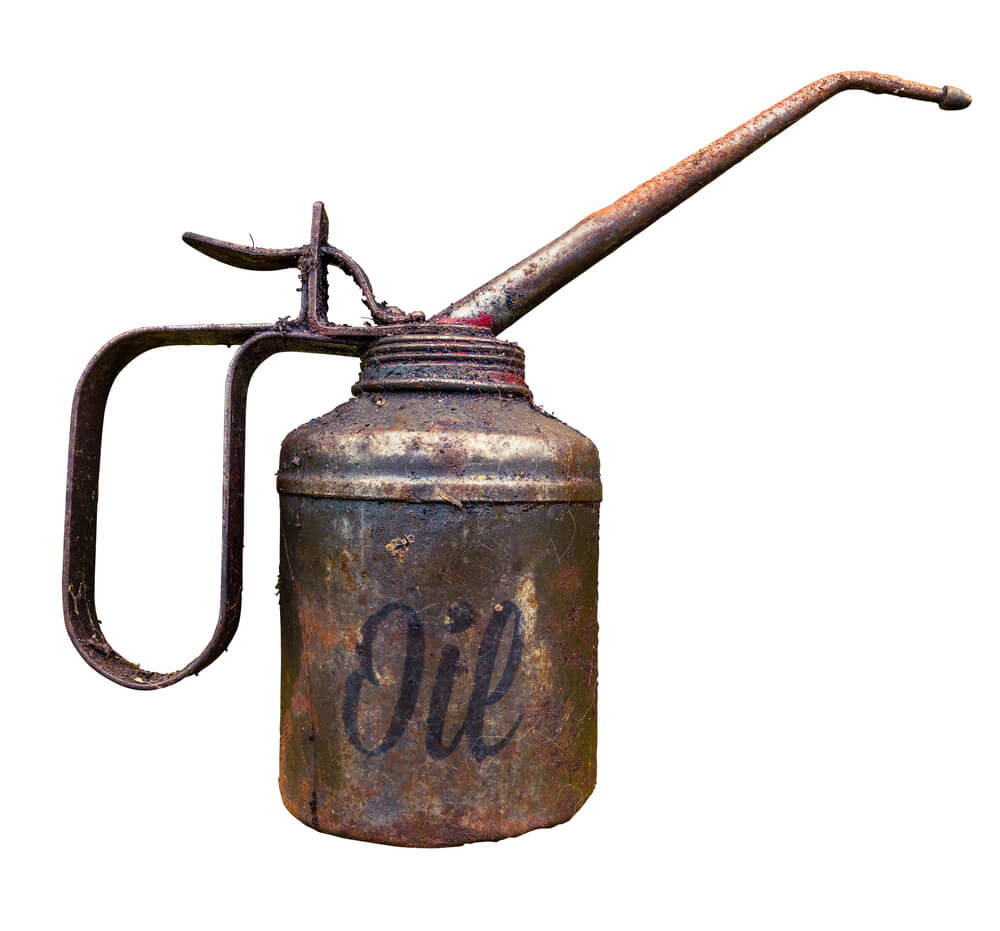
The oil can that the Tin Man grabs after being rescued from rust sold for $250,000 in 2022, after opening bids of $50,000. It was tied to Jack Haley’s performance and was offered at auction for the first time.
For a prop that is essentially a small metal container, the result shows how closely collectors tie value to a single memorable moment on screen. Provenance matters, since an oil can is easy to imitate.
The Witch’s Hourglass in Her Castle
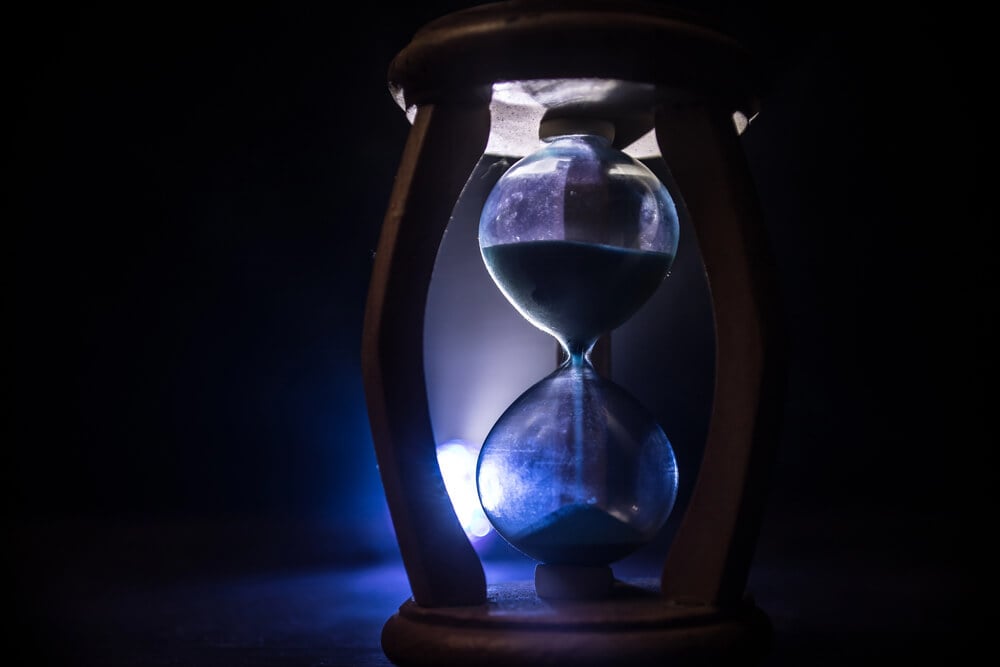
The giant hourglass that counted down Dorothy’s remaining time in the Witch’s castle sold for $495,000. Coverage described it as one of the most memorable set props from the film.
As with any prop, authenticity and the strength of its paper trail set the final price, and condition counts too.
Draft Scripts That Show the Film Taking Shape
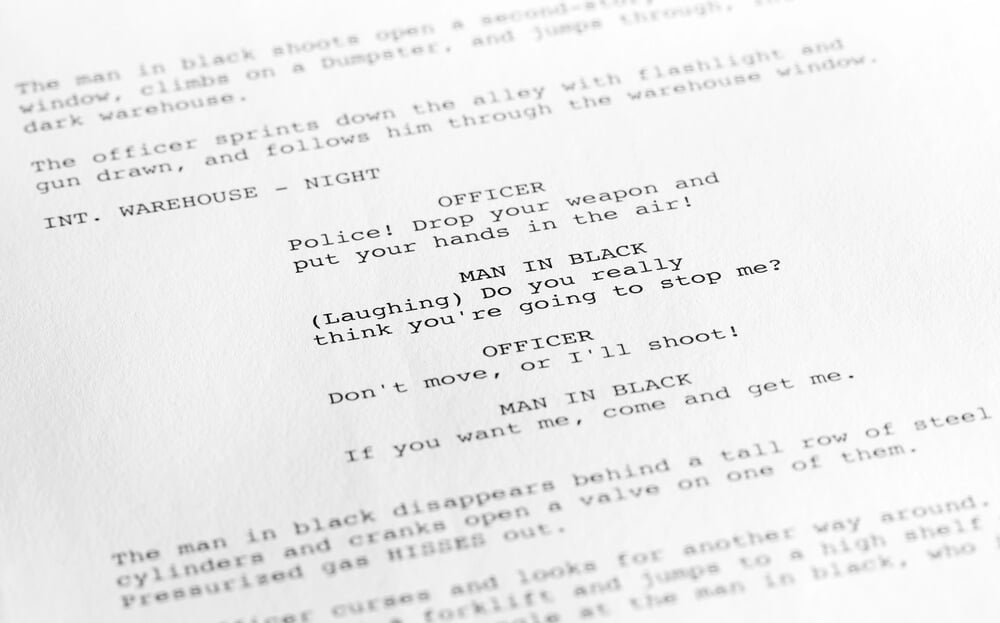
In November 2018, draft scripts from the film headed to the auction block. The picture passed through the hands of numerous screenwriters, and early script pages preserve ideas that never reached the screen.
Collectors who prize paper from a film’s development often value these documents for what they reveal as much as for the title on the cover. Completeness, markings, and provenance all affect what a set of pages can bring.
The Half Sheet That Lifted a Poster Auction Past $2 Million
At Heritage Auctions in March 2019, a 1939 Wizard of Oz half sheet led a movie poster sale that finished above $2 million. Theater posters were made to be used and discarded, so survivors in strong condition are rare.
Restoration or linen backing can change what a buyer will pay.
A One-Sheet That Brought $108,000
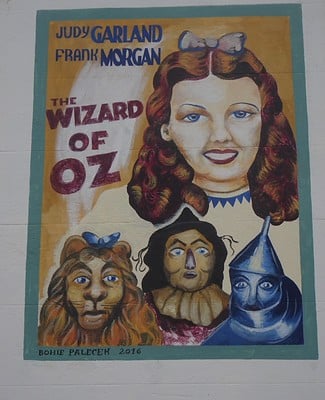
A 1939 Wizard of Oz one-sheet sold for $108,000 at Heritage Auctions, a figure that surprises people who assume paper is cheap. One-sheets were meant to be folded, shipped to theaters, and discarded, so intact examples are hard to find.
Fold wear, tears, and restoration all affect value. A reproduction looks nearly identical to the untrained eye, which is why authentication is the first step.
The Insert Poster With Al Hirschfeld Artwork
Heritage Auctions has listed a 1939 Wizard of Oz insert measuring 14 by 36 inches that features artwork by the illustrator Al Hirschfeld. The Hirschfeld connection adds a second collecting audience made up of fans of the caricaturist.
Condition, restoration, and color all influence what a bidder will pay.
1939 Lobby Cards for the Budget-Minded Collector
Eleven-by-fourteen-inch lobby cards were displayed outside theaters to promote the film, and original 1939 Wizard of Oz sets and single cards regularly appear at Heritage Auctions. A single card costs far less than a poster, which makes lobby cards a popular entry point into film paper.
Prices climb with image quality and condition, and the title card and scenes featuring the main characters tend to draw the most attention. Reprints exist, so buyers look for period paper stock and printing details.
The 1925 Silent Wizard of Oz Lobby Card
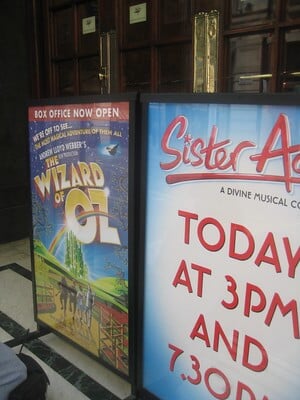
Chadwick Pictures released a silent Wizard of Oz in 1925, and its title lobby card has been offered at Heritage Auctions. The film starred Larry Semon, who also directed, and Oliver Hardy appeared in it as the Tin Woodsman.
A card from this production is a collectible from before the famous MGM version existed. Silent-era paper is fragile and scarce, so survival and condition largely determine value.
The 1900 First Edition of The Wonderful Wizard of Oz
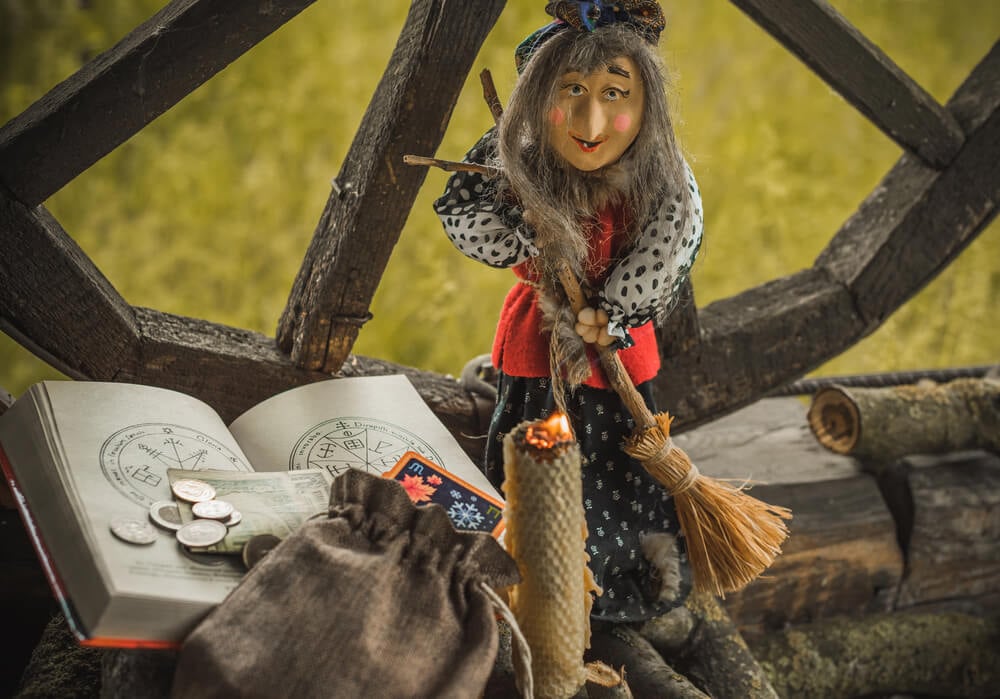
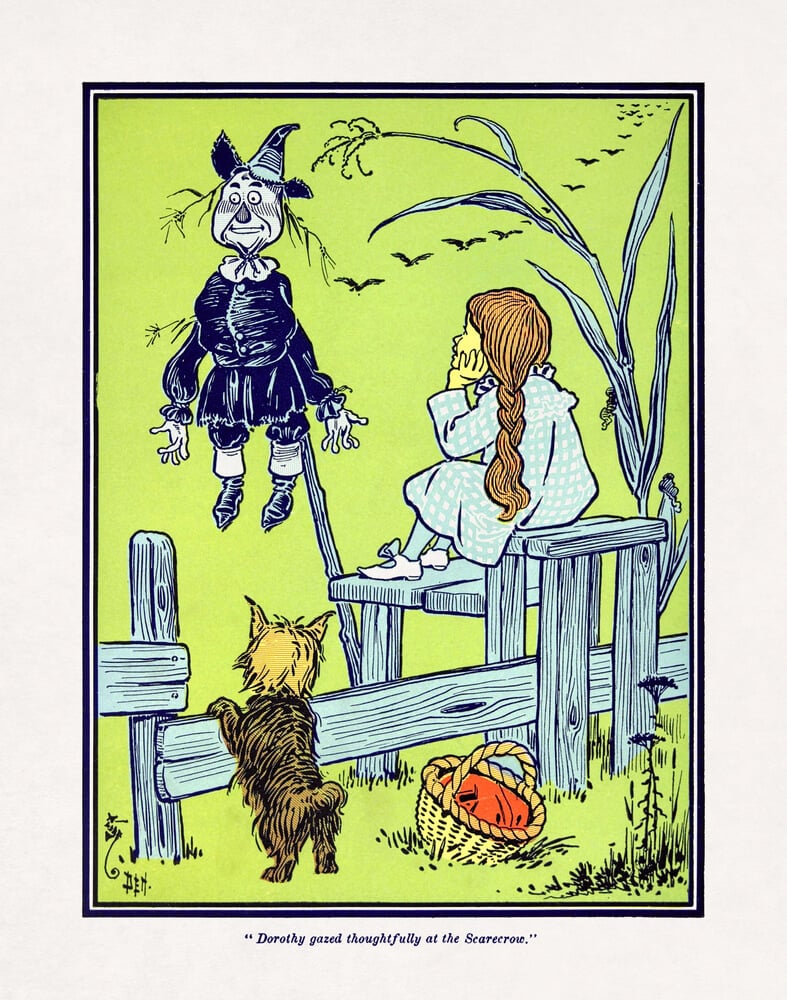
L. Frank Baum’s original book was published in Chicago by the George M. Hill Company in 1900 with color illustrations by W. W. Denslow, and first editions have appeared at Sotheby’s, Bonhams, and Heritage Auctions. The title on the book is the same one most people use today.
Binding condition, completeness, and the state of the color plates all move the price. A copy with its original cover is far more desirable than a worn or rebound one.
The Marvelous Land of Oz, First Edition
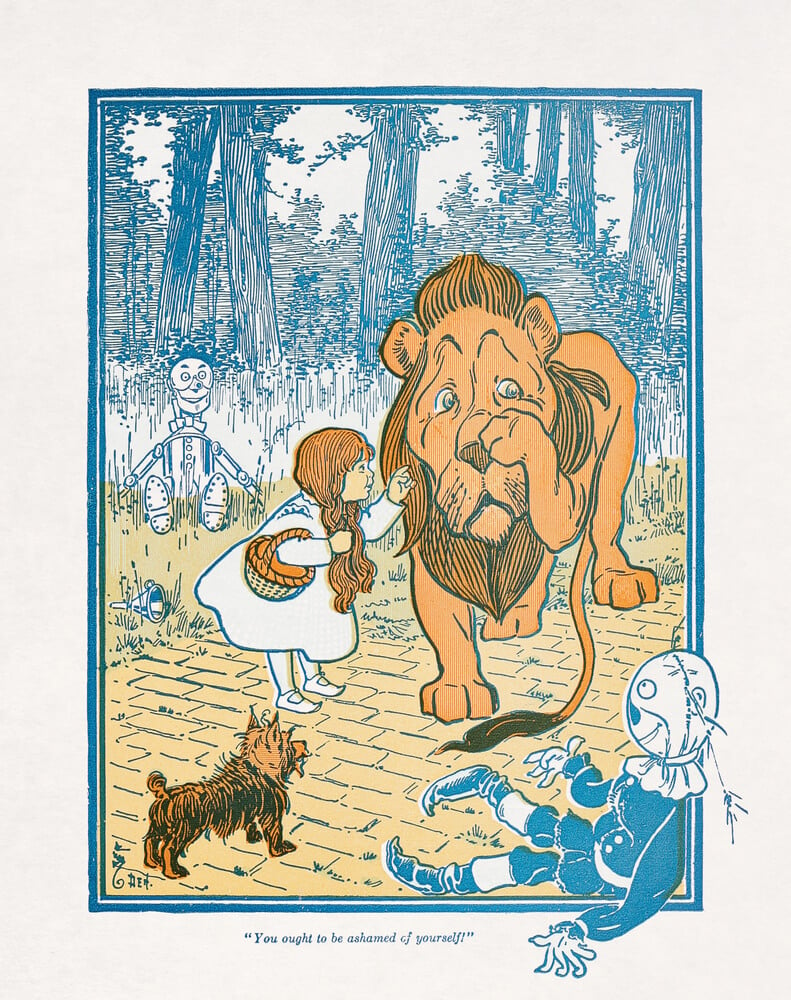
The second Oz book appeared in 1904 with illustrations by John R. Neill, who took over from Denslow after the original pairing fell apart. Neill’s look then became the face of the series.
First editions have been offered at Sotheby’s, and condition and completeness of plates affect value. Collectors often hunt the early books as a set, so a single missing volume matters.
The 1921 Wizard of Oz Board Game
A Wizard of Oz board game from 1921 went to auction, a date that predates the MGM film by eighteen years. It shows that Oz merchandise existed long before Hollywood got involved.
Early board games are fragile, and boxes with intact lids and complete playing pieces draw the strongest interest. Missing pieces or damaged boards can cut the value sharply.
The 1939 Wizard of Oz Card Game
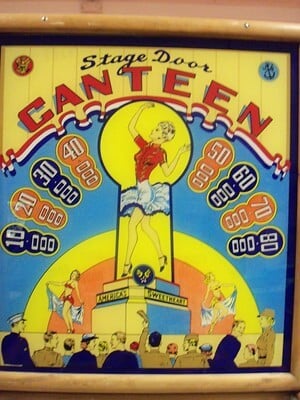
A card game issued in 1939 to tie in with the film is a favorite among ephemera collectors. It is one of the earliest pieces of merchandise from the movie’s original release.
Boxed sets with every card present are the goal, and sun-faded or incomplete decks are worth far less. Because cheap paper games were played and discarded, intact copies are harder to find than their modest design suggests.
Jaymar and Whitman Jigsaw Puzzles

Jaymar produced a 100-piece Wizard of Oz jigsaw puzzle in the 1970s, and Whitman made a frame-tray puzzle for younger children in 1976. These were mass-market items, so condition is the main driver of price.
A sealed or fully complete puzzle with an undamaged box earns the most interest, while a bag of loose pieces is worth little. Collectors often pair puzzles with other 1970s Oz merchandise.
Mego’s 1974 Wizard of Oz Dolls
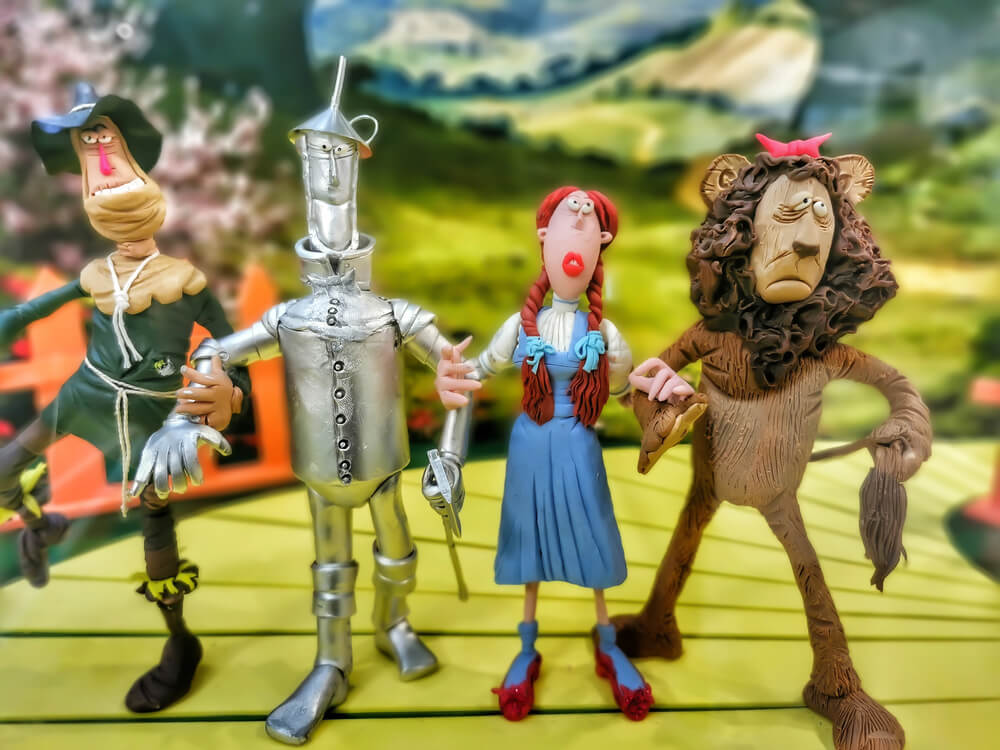
Mego released 8-inch Wizard of Oz figures in 1974, and complete sets of seven characters are listed by sellers. The line covered Dorothy, the Scarecrow, the Tin Man, the Cowardly Lion, the Wizard, Glinda, and the Wicked Witch.
Missing accessories lower a figure’s value, and complete sets draw the best attention. Boxed examples in sharp condition are the prize for collectors of 1970s toys.
Madame Alexander’s Wizard of Oz Dolls
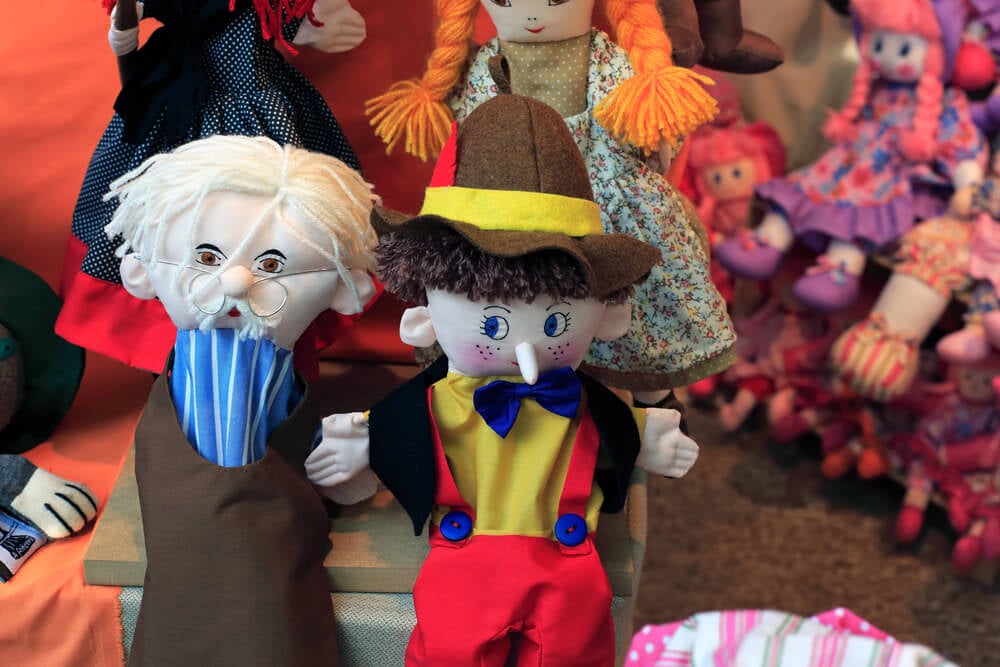
The Madame Alexander company has produced Wizard of Oz dolls for decades, including an 8-inch Dorothy and Toto from 1999 and an Aunt Em from 2005. Online databases catalog the line.
A doll in its original box with tags and accessories is worth more than one that has been played with. Collectors track them by year and outfit.
Hallmark Keepsake Wizard of Oz Ornaments
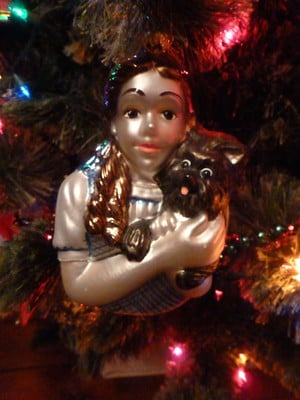
Hallmark has issued Wizard of Oz Keepsake ornaments since the 1990s, including a Scarecrow in 1994 and a Wicked Witch in 1996. Later entries added sound and light features, such as the 2014 It’s Shoe Time ornament and the 2002 Horse of a Different Color.
Boxes in good shape, working electronics, and unbroken parts all affect resale value. Many fans collect by year.
Marvel’s Oversized 1975 Marvelous Wizard of Oz
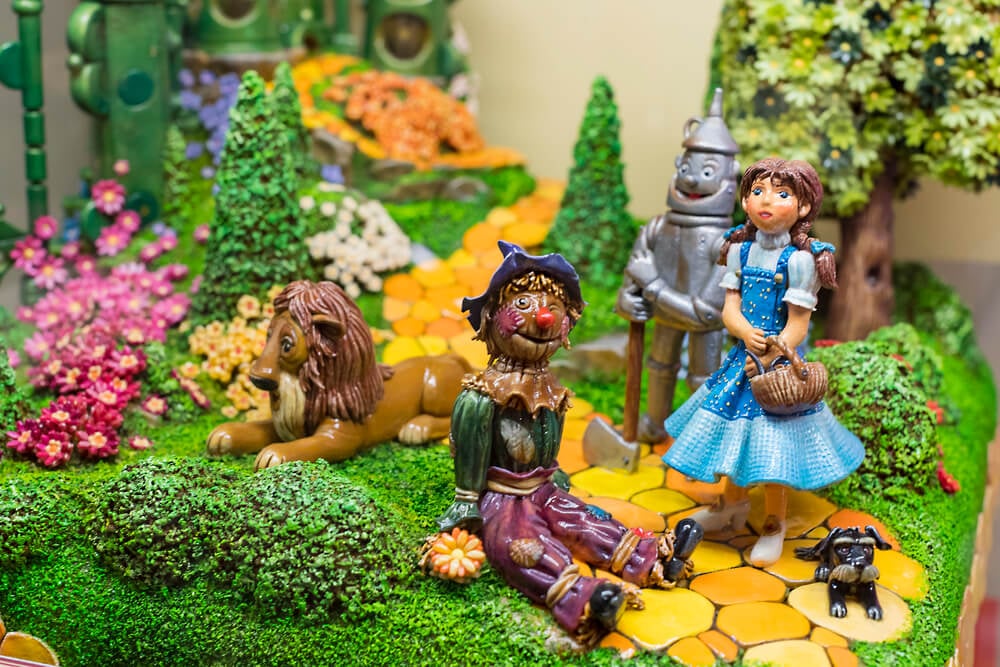
In 1975 Marvel published an oversized Collectors Issue titled Marvelous Wizard of Oz, adapting Baum’s stories in a large treasury format. Its size makes it harder to store and easier to damage than a standard comic.
Grading and condition set the price, and creases or corner wear on a big book show easily. It appeals both to comic collectors and to Oz completists.
Joy Toys’ Cloth Scarecrow and Cowardly Lion
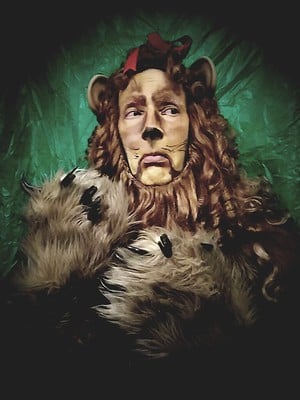
Joy Toys of Australia made cloth Scarecrow and Cowardly Lion characters that Theriault’s offered at auction as rare examples. The Australian origin sets them apart from the American dolls most collectors know.
Cloth toys age poorly, with fading, staining, and fabric wear common. Surviving examples with their original features intact are the ones that attract serious bidding.
A Munchkin Soldier Jacket at the Oz Museum
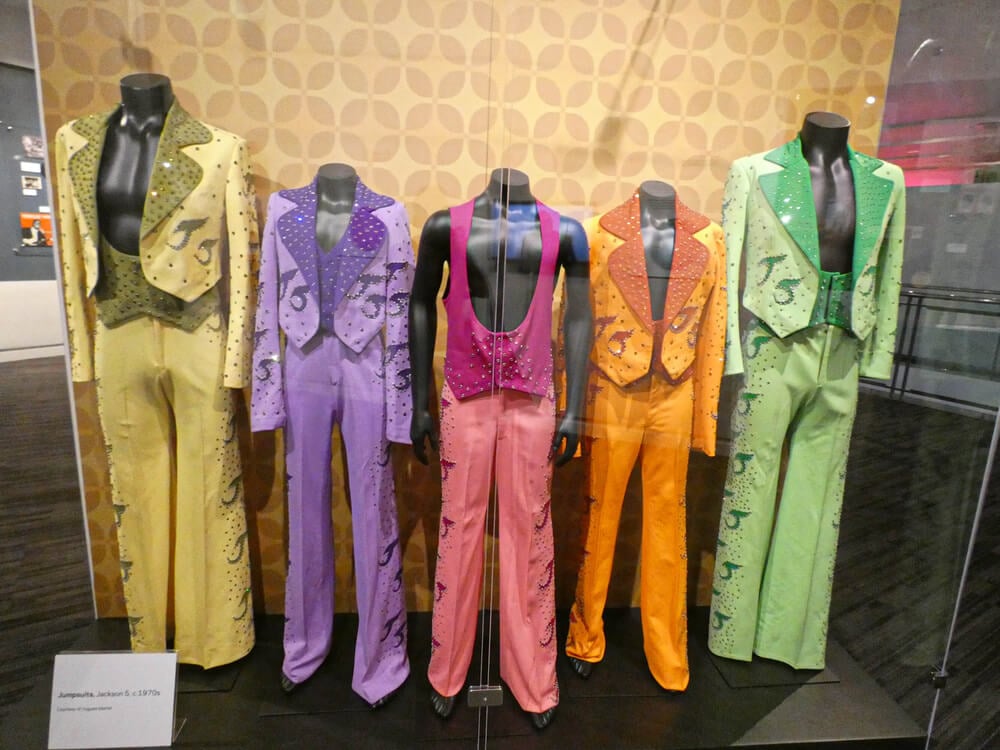
The Oz Museum in Wamego, Kansas, has a Munchkin soldier jacket in its collection, a costume piece from the Munchkinland scenes. The film employed many performers to play the Munchkins, and wardrobe from the sequence is historically significant.
Buyers weigh provenance and condition heavily whenever similar pieces surface.
Back Issues From the International Wizard of Oz Club
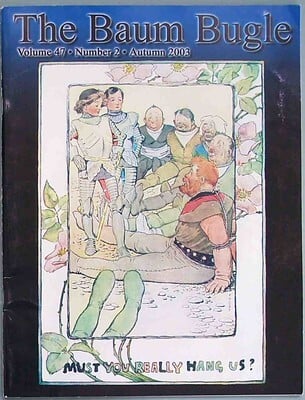
The International Wizard of Oz Club was founded in 1957 and publishes The Baum Bugle, a long-running journal for Oz readers and collectors. Early issues, club publications, and related material interest completists who want a full record of Oz fandom.
Condition and completeness of runs affect value, and scarce early items are the most sought after. Fan publications like these round out an Oz library.
Garland’s 1939 Decca Over the Rainbow Record
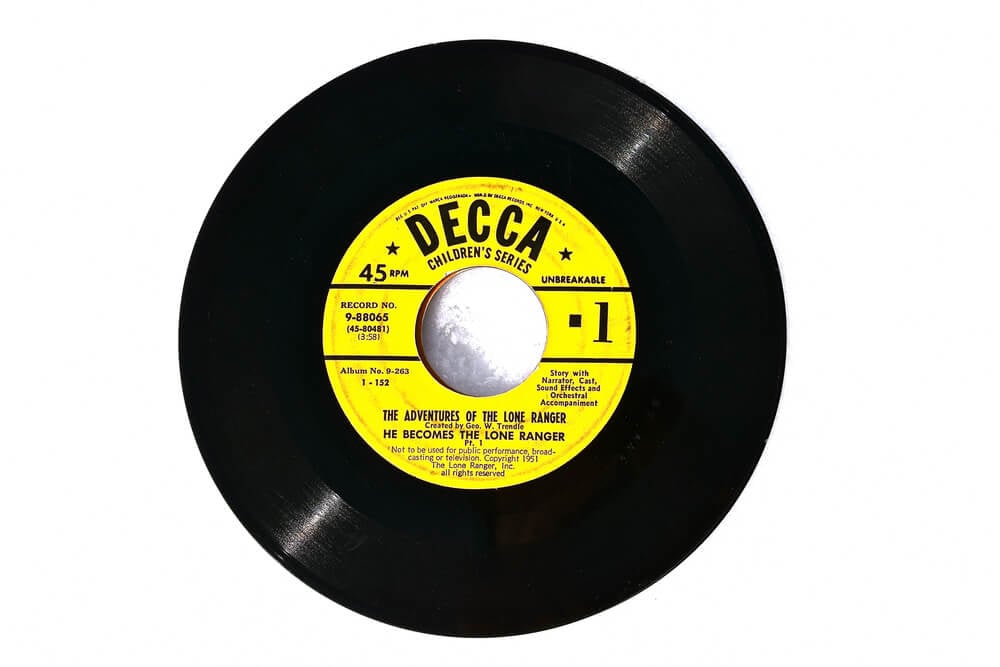
Judy Garland recorded Over the Rainbow for Decca in 1939, and the 78 rpm record paired it with The Jitterbug, a number cut from the film. The Smithsonian holds a copy of that pairing.
Record collectors weigh pressing, label, and surface noise, and a clean copy in its original sleeve is the target. The song went on to define her career.
Wizard of Oz Cookie Jars
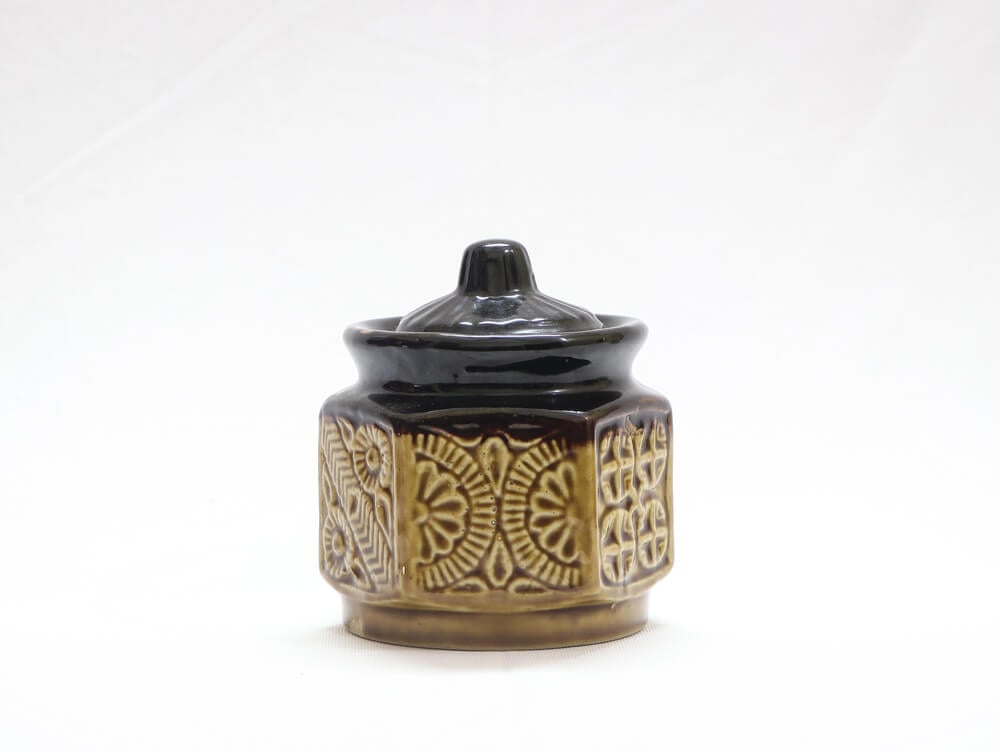
Ceramic cookie jars have been released in many versions, including a 1998 limited edition Dorothy and Toto jar and Warner Bros. jars from 1997 featuring the Tin Man, Lion, and Scarecrow. Enesco also made a Toto-in-basket jar.
Original boxes, intact glazes, and unchipped lids matter most to buyers. Limited editions can attract more interest than open-ended runs.
What the Yellow Brick Road Buys
The most expensive Oz items share a simple quality: they once stood in front of a camera. The ruby slippers, the Lion’s costume, and the Witch’s hat tie their buyers directly to a single production.
For everything else, the price tracks scarcity, not sentiment, which is why a battered lobby card can cost less than a complete boxed doll. The rest of the market rewards patience and a close eye on condition.
Paper, plush, and plastic age badly, and a mint piece from any decade can outshine a worn rarer one. Fans who understand that rule can build a meaningful Oz shelf without a museum budget.
More from Go2Tutors!

- The Romanov Crown Jewels and Their Tragic Fate
- 13 Historical Mysteries That Science Still Can’t Solve
- Famous Hoaxes That Fooled the World for Years
- 15 Child Stars with Tragic Adult Lives
- 16 Famous Jewelry Pieces in History
Like Go2Tutors’s content? Follow us on MSN.