27 Lighthouses With Fascinating Histories
A lighthouse is a simple machine: a tall tower, a bright light, and a warning to stay away. Yet the ones built on lonely rocks and stormy capes tend to collect stories the way their walls collect salt.
Shipwrecks, vanishing keepers, impossible construction jobs, and towers that were physically carried to safety all appear in the record.
The towers below span nearly two thousand years and every ocean. Some still guide ships, some have been moved or rebuilt, and a few are better known for what happened inside them than for the light they threw.
The Roman Tower That Still Watches A Coruña
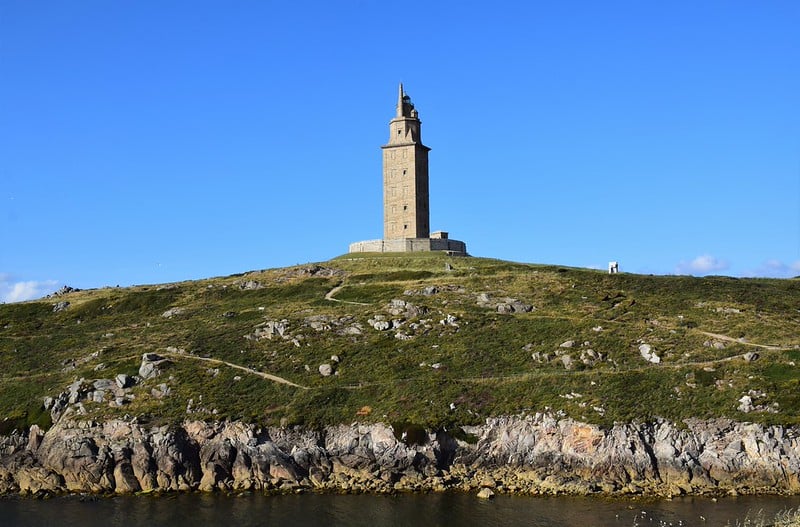
The Tower of Hercules in Galicia, Spain, dates to the Roman era, with construction generally placed in the late first or second century. It is considered the oldest Roman lighthouse still in use.
In 1790, an architect named Eustaquio Giannini restored the structure and encased the original core in a neoclassical shell, which is why the tower looks younger than it is. UNESCO added it to the World Heritage List in 2009.
Eddystone, The Reef That Swallowed Its First Builder
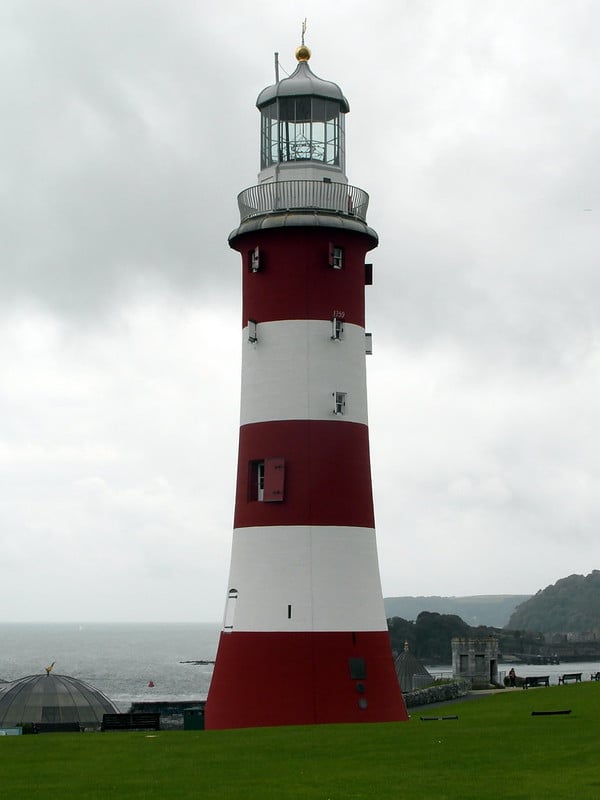
Eddystone Rocks sit about 14 miles off Plymouth, England, and the first lighthouse there was finished by Henry Winstanley in 1698. Winstanley was inside during the Great Storm of November 1703 and was lost when the tower was destroyed.
A wooden successor by John Rudyerd burned in 1755, and John Smeaton then built a tower of interlocking granite blocks in 1759, inspired in part by the shape of an oak trunk. The current tower, designed by James Douglass, was completed in 1882, and Smeaton’s tower was carried to Plymouth Hoe, where visitors can climb it today.
Bell Rock, Built On A Reef That Vanishes At High Tide
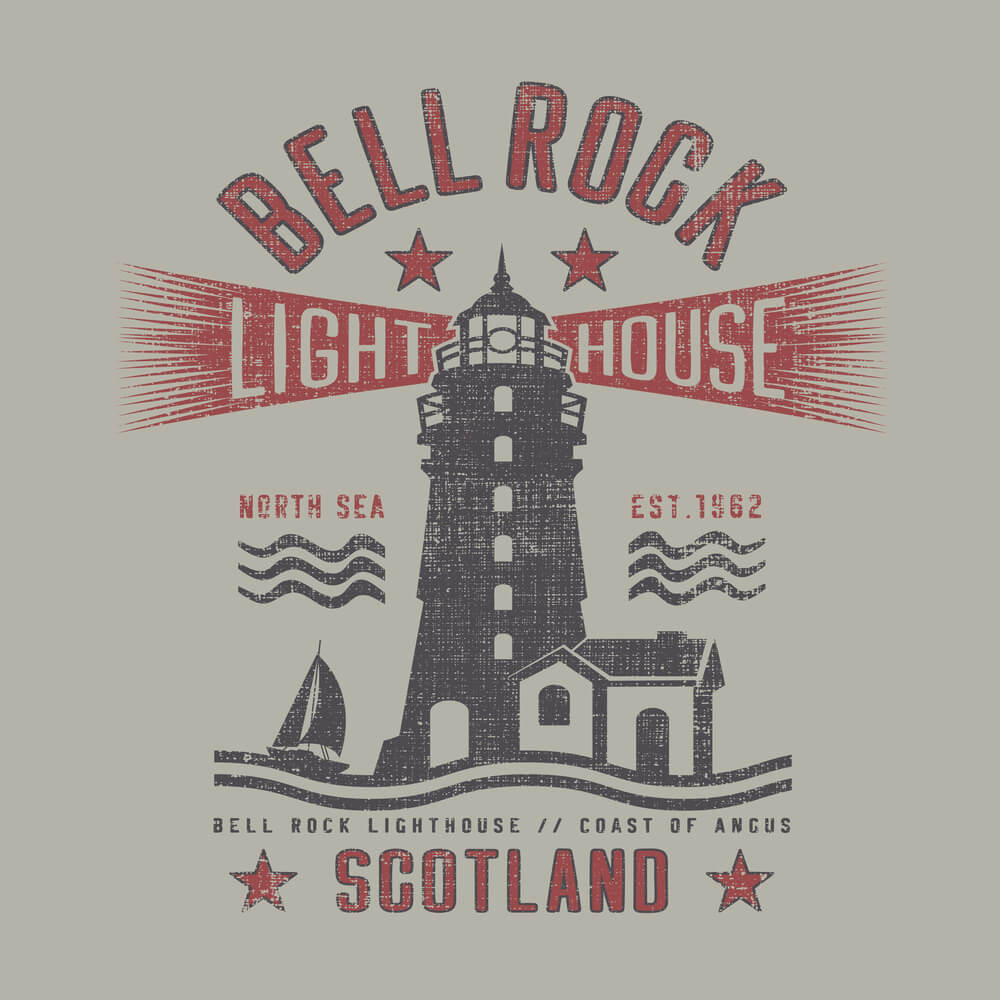
The Bell Rock Lighthouse stands on a reef off the coast of Angus, Scotland, that lies under water at high tide. Engineer Robert Stevenson built it between 1807 and 1810, and workers could only labor on the rock for a few hours at a time while the tide allowed.
The reef had a grim reputation, and the old legend of the Inchcape Rock bell, retold in a poem by Robert Southey, grew up around it. The tower is recognized as the oldest surviving sea-washed lighthouse in the world and still carries a working light.
Flannan Isles, Where Three Keepers Disappeared
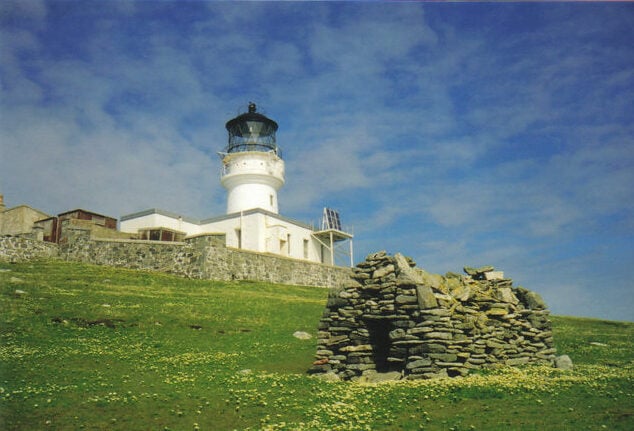
In December 1900, the relief ship Hesperus arrived at the Flannan Isles, off the Outer Hebrides of Scotland, and found the lighthouse empty. The three keepers, Thomas Marshall, James Ducat, and Donald MacArthur, were gone, and the station’s clock had stopped.
The tower had only been lit since 1899, and the official inquiry concluded that the men had probably been swept away by a huge wave while securing equipment near the landing. The true sequence of events was never confirmed, and the case inspired poems, a play, and an opera.
Fastnet, Ireland’s Teardrop
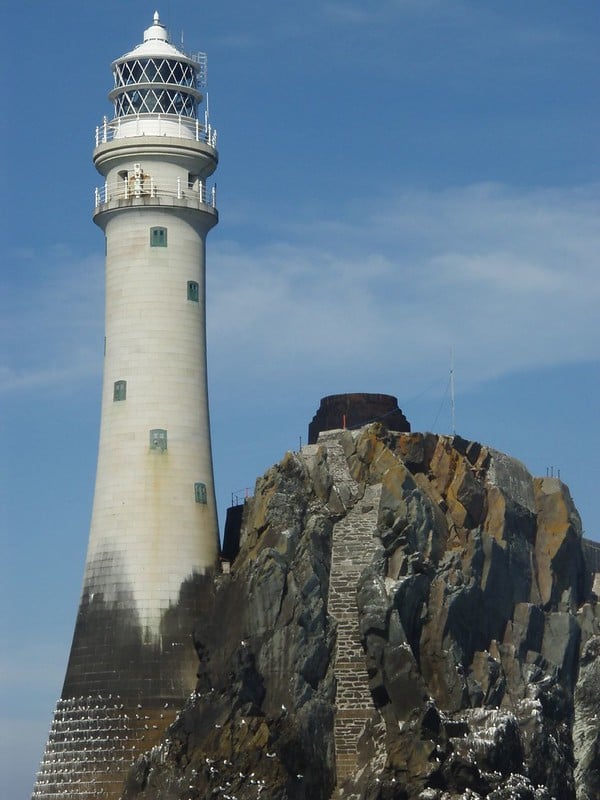
Fastnet Rock lies about 4 miles off the southwest coast of Ireland, and emigrants once saw it as their last glimpse of home, earning it the nickname Ireland’s Teardrop. An earlier cast-iron tower was built in the 1850s, but it was judged too weak for the storms.
The current granite tower was completed in 1904 and is the tallest and widest rock lighthouse in Britain and Ireland. The Fastnet yacht race, which finishes at Plymouth, takes its name from the rock.
Bishop Rock, A Lighthouse On Almost Nothing
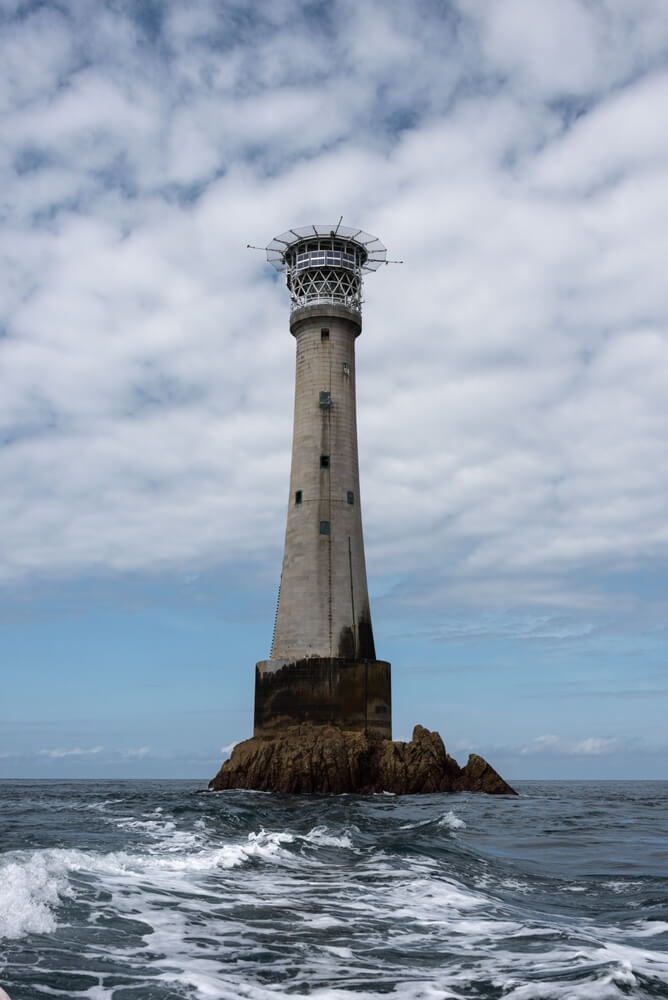
Bishop Rock, at the western edge of the Isles of Scilly, is a speck of granite so small that the lighthouse covers nearly all of it. An iron tower begun in the 1840s was wrecked by storms before it could be finished, so Trinity House replaced it with a granite tower that entered service in 1858.
Guinness World Records has listed it as the smallest island with a building on it. A helicopter pad was added to the top of the tower in the 1970s to ease crew changes.
Cape Hatteras, The Giant That Was Rolled Inland
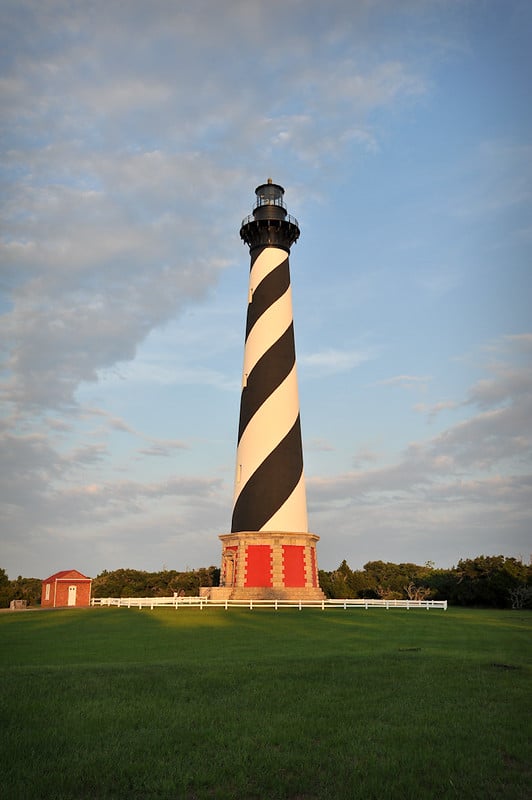
At 198 feet, Cape Hatteras Lighthouse on North Carolina’s Outer Banks is the tallest brick lighthouse in the United States, and its black and white spiral makes it one of the most recognizable. When the Atlantic shoreline crept to within a few yards of the base, the National Park Service decided to move the entire structure.
In the summer of 1999, crews rolled it roughly 2,900 feet inland over 23 days, and the beam was relit in November of that year. The tower was first lit in 1870, and the move left it standing farther from the surf than it had been in over a century.
Portland Head, Washington’s Lighthouse
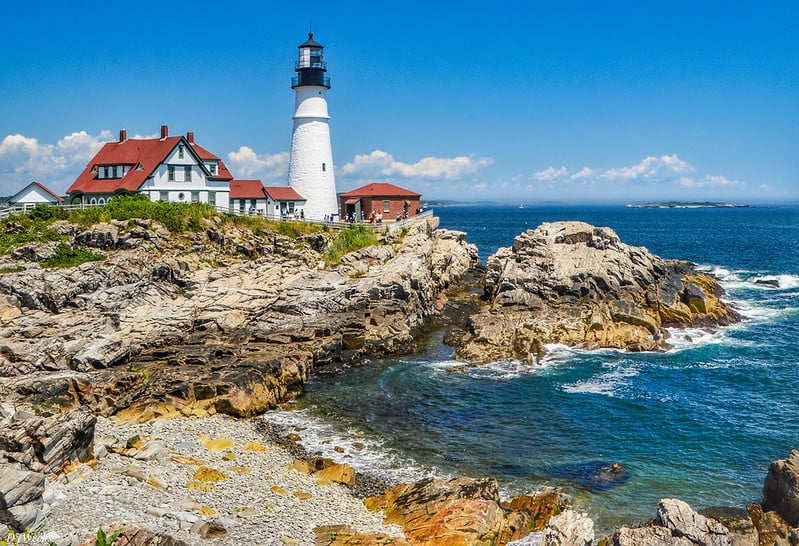
Portland Head Light, on the rocky shore of Cape Elizabeth, Maine, first shone on January 10, 1791. The project was authorized under George Washington’s administration, which makes it one of the earliest lighthouses finished by the young federal government.
The original tower was shorter, built from rubblestone, and was later heightened to throw its beam farther. It is the oldest lighthouse in Maine, and the keeper’s house now holds a museum.
Tybee Island, Georgia’s Long Line Of Towers
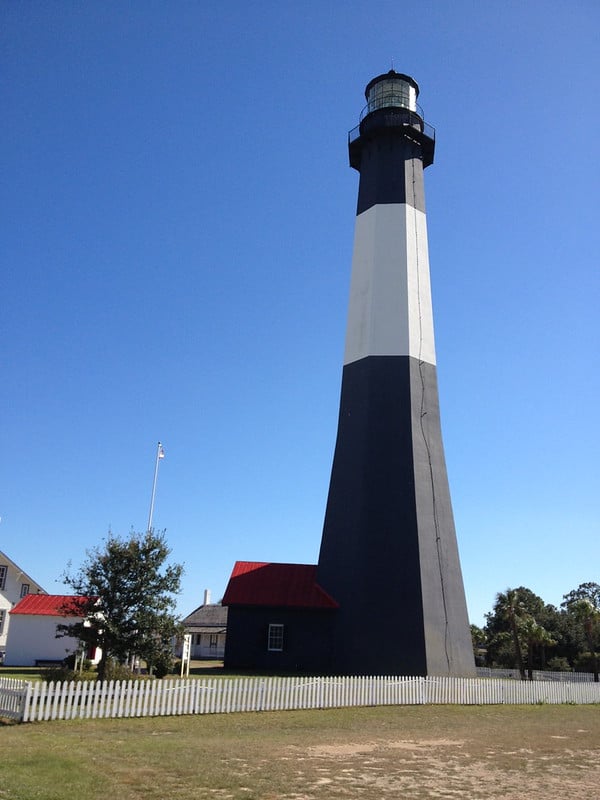
Tybee Island, at the mouth of the Savannah River, has had a navigation beacon since the 1730s, when General James Oglethorpe ordered one built for the new colony of Georgia. Storms and erosion claimed early versions, and a taller tower rose in 1773.
The current lighthouse was completed in 1867 and incorporates part of that older structure in its lower section. Few American lighthouses carry so many layers of history in a single tower.
St. Augustine, The Spiral Tower On Spanish Ground
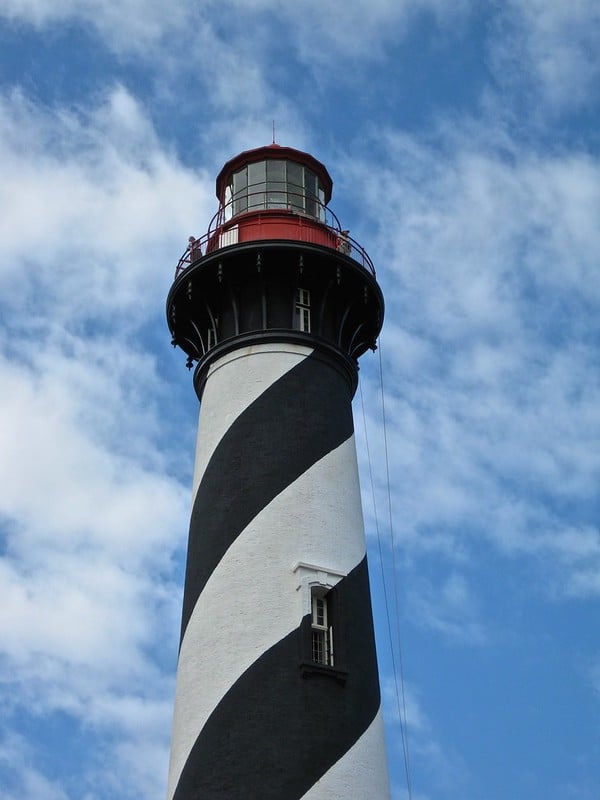
The black and white spiral tower at St. Augustine, Florida, was lit in 1874, but a watchtower had stood nearby for centuries. Spanish colonists used lookouts on the island to watch for ships long before the American light was built.
The present tower has 219 steps and still stands near the coast it was designed to protect. Visitors report plenty of ghost stories, and the site has become a favorite of paranormal investigators.
Point Reyes, The Foggiest Light On The Pacific Coast
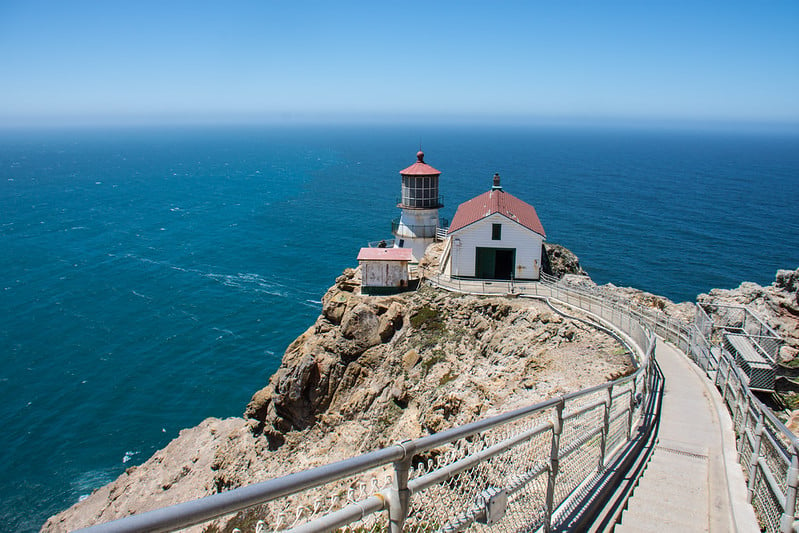
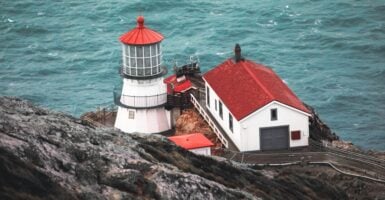
The Point Reyes Lighthouse in California sits at the base of a headland that is often described as the foggiest and windiest place on the Pacific coast. The light was first lit in December 1870, and keepers had to descend a long staircase down a sheer cliff to reach the lantern room.
Its first-order Fresnel lens was made in France and remained in service until 1975, when an automated light replaced it. The lens is still on display in the visitor area.
Hook Head, More Than Eight Centuries Of Light
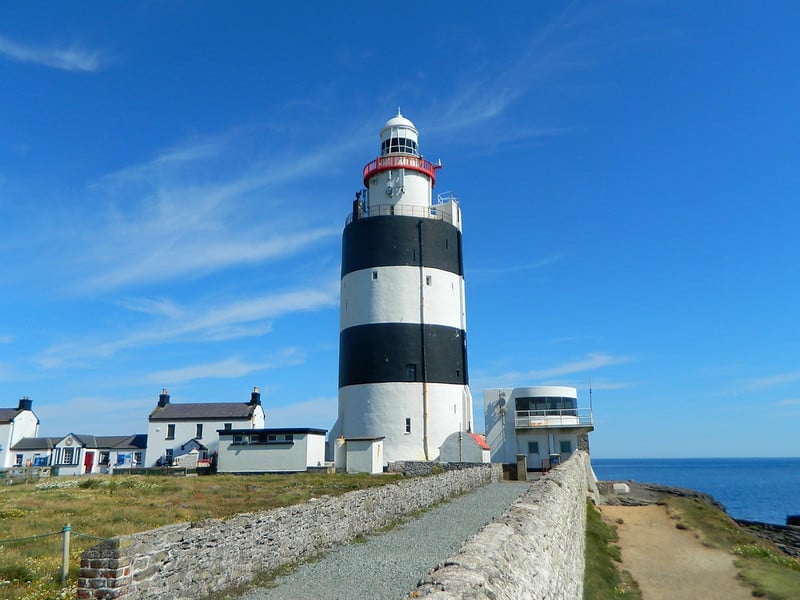
Hook Head in County Wexford, Ireland, is widely called the oldest operational lighthouse in the world. The tower was built in the 13th century, with the Norman knight William Marshal usually credited as its patron, and before that monks kept a beacon on the same headland.
The medieval tower has walls up to 13 feet thick and still stands in nearly its original form. The light was automated in 1996, ending the long line of resident keepers.
Kõpu, The Baltic Landmark Older Than Most Countries
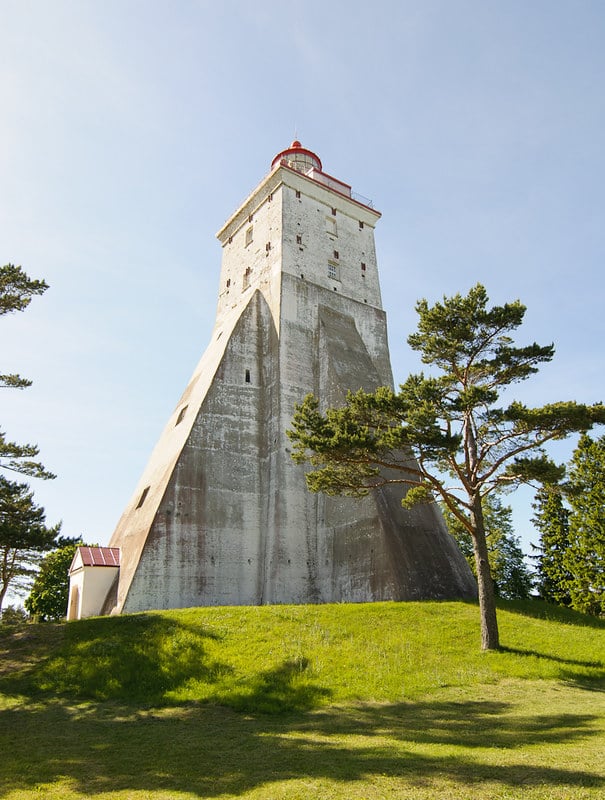
Kõpu Lighthouse on the Estonian island of Hiiumaa was completed in the 16th century and is one of the oldest lighthouses in continuous operation. For hundreds of years the light was an open fire burning at the top, fed with wood that had to be hauled up the tower.
The tower is built from limestone and rises above the surrounding forest, making it a landmark for Baltic sailors. Its buttressed walls give it a squat, fortress-like profile that has survived wars, occupations, and changes in nationality.
Lindesnes, Norway’s Oldest Beacon
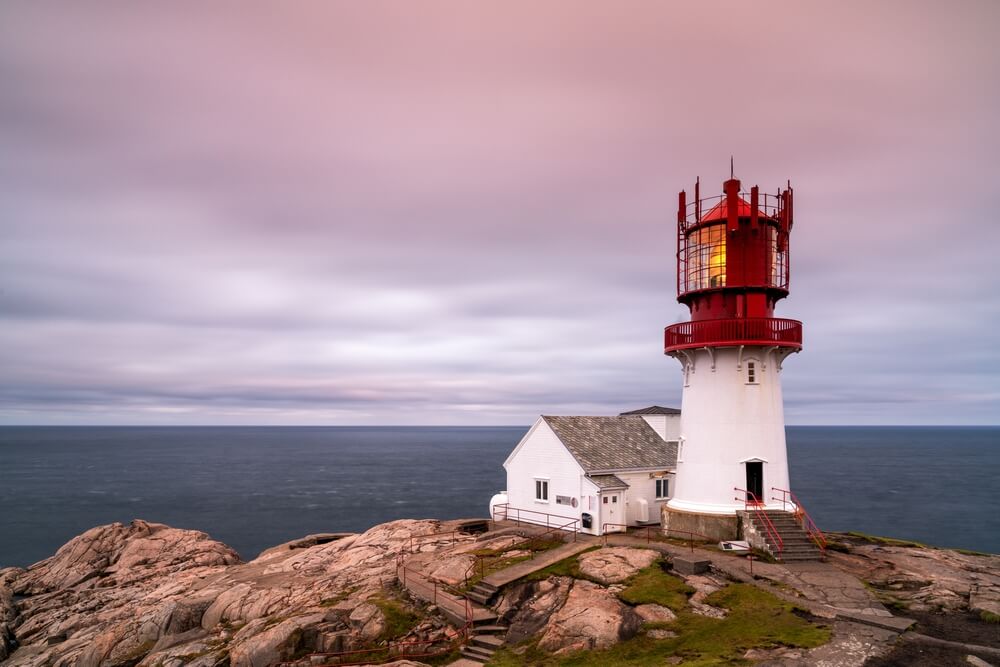
Lindesnes Lighthouse marks the southernmost tip of mainland Norway and was first lit in 1655, which makes it the country’s oldest lighthouse site. The first light was a coal fire, and the present cast-iron tower dates from 1915.
During World War II, German forces occupied the site and built bunkers and defenses around it. Today the lighthouse houses a museum, and its weather-beaten setting draws visitors from across Scandinavia.
Cordouan, The Palace In The Sea
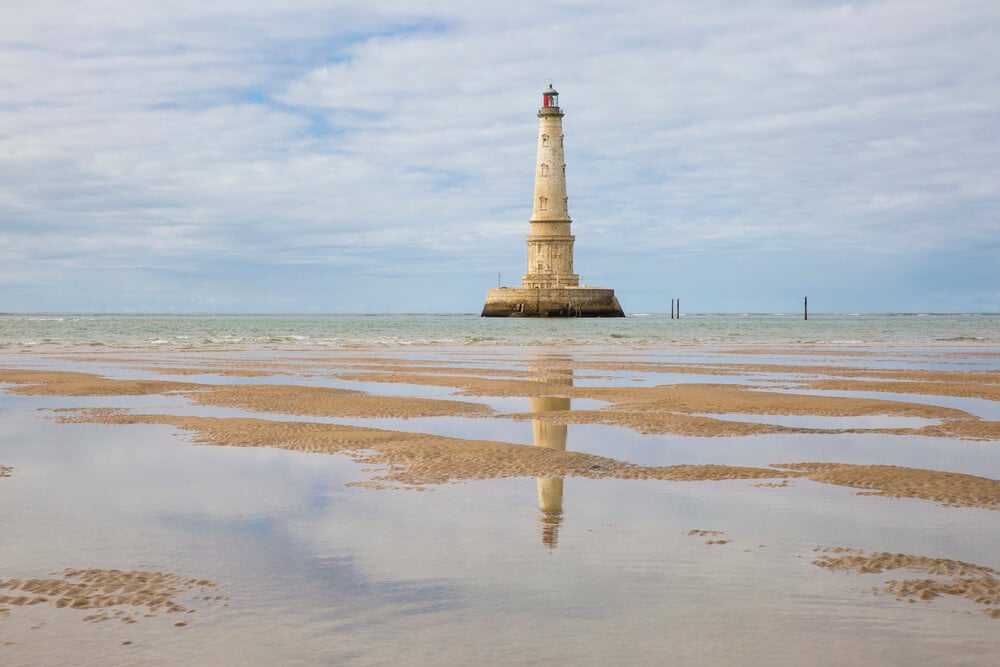
Cordouan Lighthouse stands on a rocky islet in the Gironde estuary of France and is often called the Versailles of the sea. Louis de Foix began construction in 1584, and the work was finished in 1611, a tower so ornate that it includes a royal apartment and a chapel.
Joseph Teulère raised it in the late 18th century to make the beam visible farther out. It is the oldest lighthouse in France still in operation, and UNESCO named it a World Heritage Site in 2021.
La Jument, The Photo Of The Wave
La Jument is a lighthouse in the waters off the island of Ouessant in Brittany, France. In December 1989, the photographer Jean Guichard captured a famous image from a helicopter during a violent storm, showing a giant wave engulfing the tower while the keeper Théodore Malgorn stood in the doorway.
The picture appeared in publications around the world and became a symbol of the sea’s power. The tower itself was built in 1911 on a rock in one of Europe’s most dangerous shipping zones.
Ar-Men, Called The Hell Of Hells
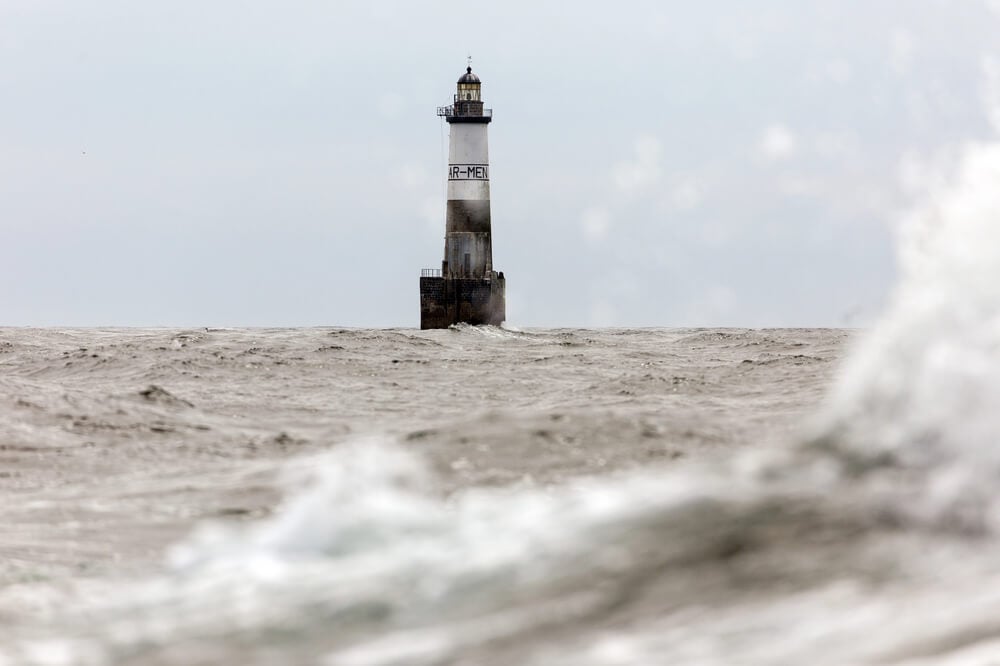
Ar-Men is a tiny rock west of the Île de Sein in Brittany, and building the lighthouse took 14 years, from 1867 to 1881. Crews could often land on the rock for only a few hours, on a handful of days each year, because of the swells.
Keepers who served there nicknamed it the hell of hells because of the isolation and violent seas. The tower still stands and was automated in 1990.
Split Rock, Born From A Great Lakes Storm
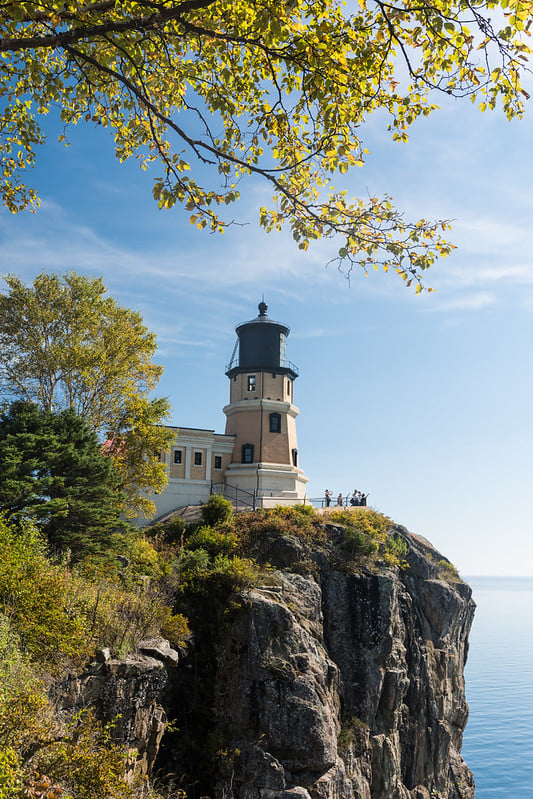
The Mataafa storm of November 1905 wrecked or damaged many ships on Lake Superior, and the shipping industry pushed for a better light along Minnesota’s north shore. Split Rock Lighthouse was built on a 130-foot cliff and first lit in 1910.
Because there was no road, materials had to be lowered from ships by derrick. The light was deactivated in 1969, and the Minnesota Historical Society now operates the site.
Boston Light, The First In The Colonies
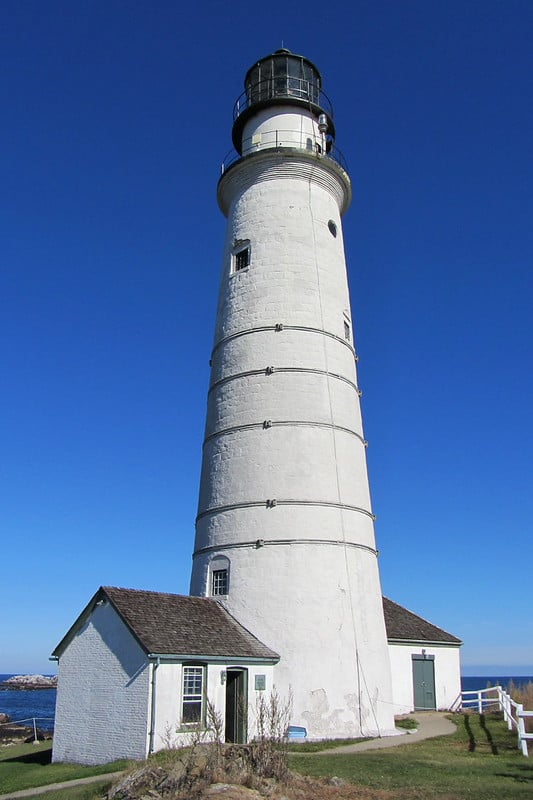
Boston Light on Little Brewster Island was first lit in 1716 and was the first lighthouse in what is now the United States. British troops blew it up in 1776 as they withdrew from Boston, and a new tower was completed in 1783.
That tower still stands and is the only lighthouse in the country that is staffed by Coast Guard keepers. The site was designated a National Historic Landmark.
Sambro Island, North America’s Oldest Survivor
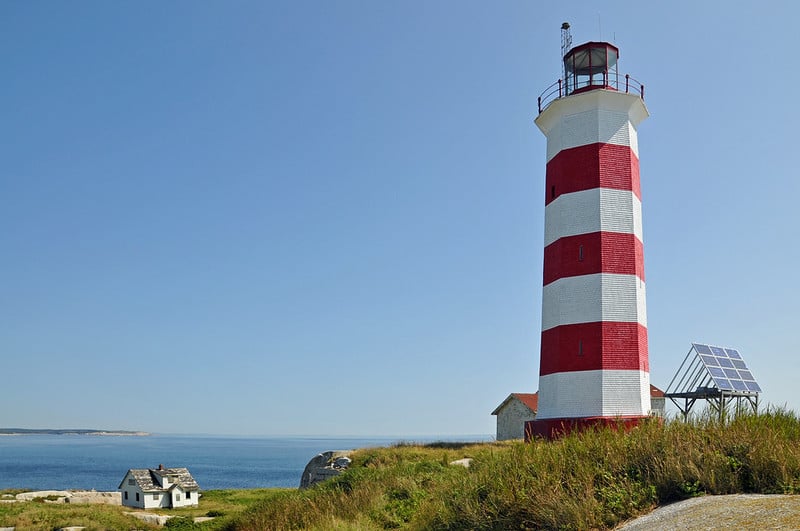
The lighthouse on Sambro Island, at the entrance to Halifax Harbour in Nova Scotia, was first lit in 1758. It is regarded as the oldest surviving lighthouse in North America.
The light was funded by a tax on liquor imported into the colony. Despite its age, the tower is still an active aid to navigation.
Peggy’s Point, The Most Photographed Light In Atlantic Canada
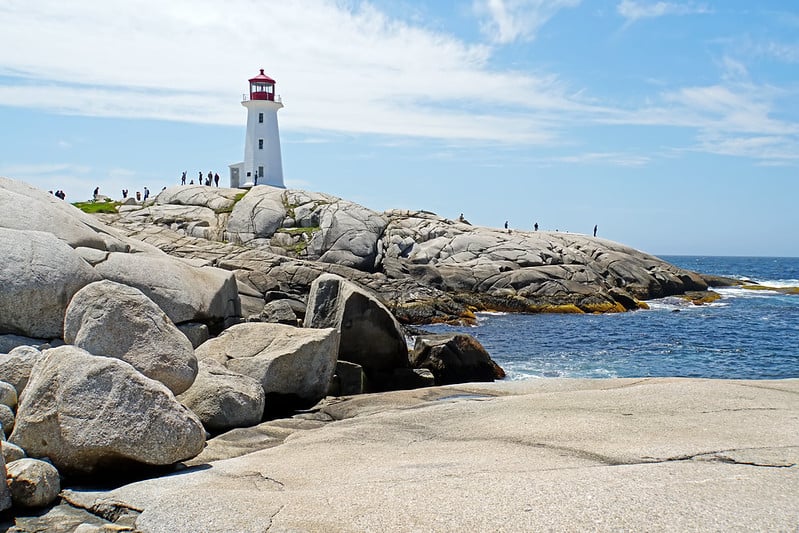
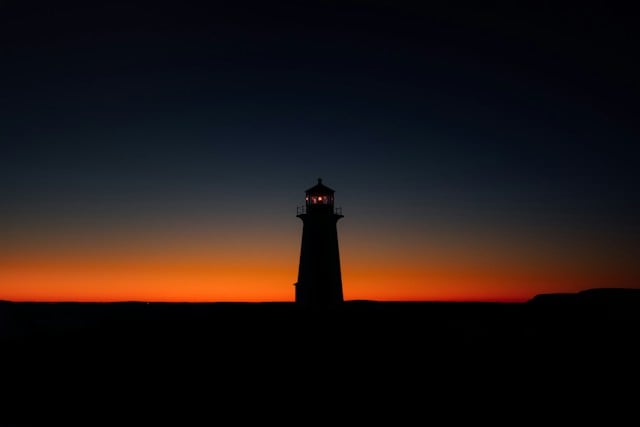
Peggy’s Point Lighthouse sits on bare granite at Peggy’s Cove, Nova Scotia, where waves regularly crash over the rocks. The current octagonal tower dates to 1915 and has become one of the best known images of Canada’s east coast.
Signs warn visitors to stay off the wet black rocks because people have been swept away by waves. Offshore, the 1998 crash of Swissair Flight 111 turned the area into a place of remembrance.
Macquarie, Australia’s First Lighthouse
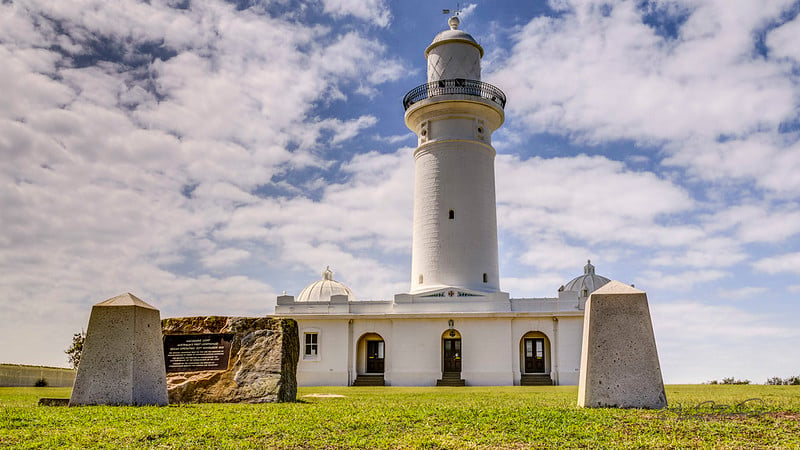
The first Macquarie Lighthouse was built at South Head, Sydney, and lit in 1818. The architect was Francis Greenway, a convict who had been transported for forgery, and his work on the tower helped win him a pardon.
The sandstone deteriorated within decades, and a replacement designed by James Barnet was completed in 1883 on the same site. The current tower is a copy of Greenway’s original design, which makes it a rare example of a lighthouse replaced by its own twin.
Cape Byron, The Most Easterly Light In Australia
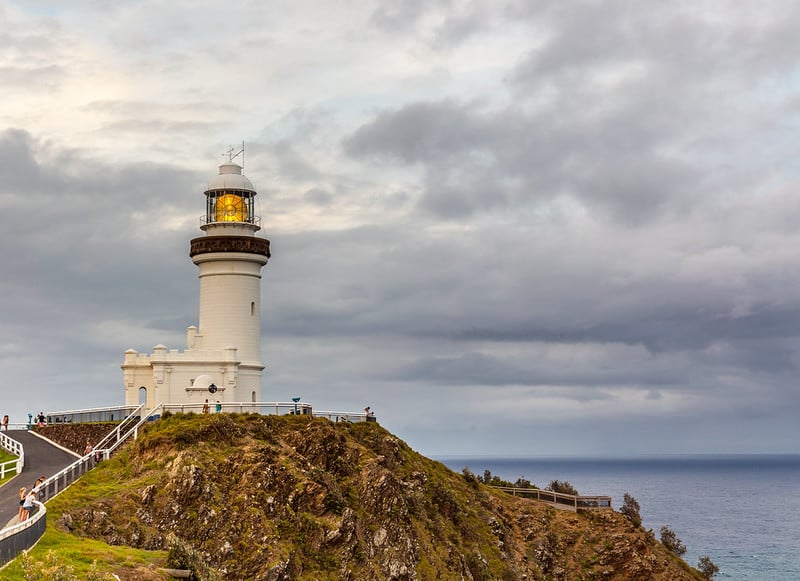
Cape Byron Lighthouse in New South Wales stands at the most easterly point of the Australian mainland. The tower was first lit in 1901 and uses a powerful lens that can be seen from far out at sea.
The light is among the most visited in the country, and walkers climb to it to watch for whales during their yearly migration. It remains in service today.
Point Arena, The Light Rebuilt After The Earthquake
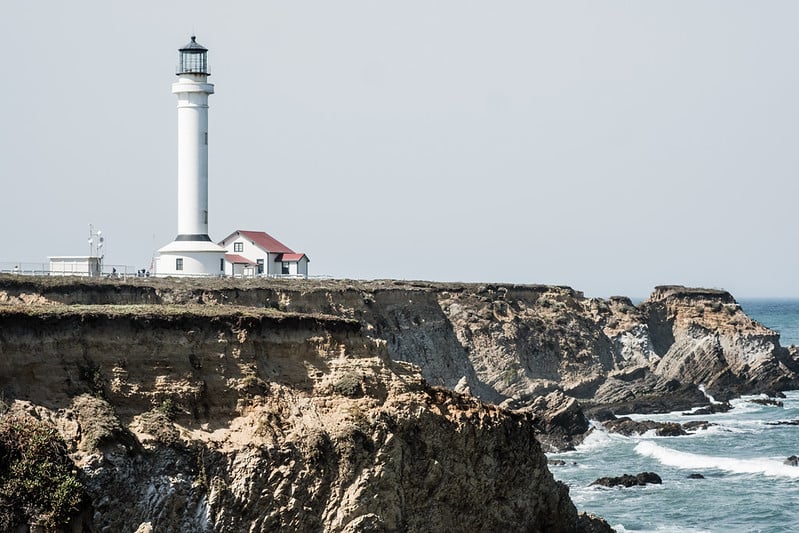
The Point Arena Lighthouse on the Mendocino Coast of California was heavily damaged by the great earthquake of April 1906. The original tower was cracked beyond repair, and a new one was built in reinforced concrete and completed in 1908.
At 115 feet, it is the tallest lighthouse on the West Coast. The design was chosen to survive future earthquakes, and visitors can climb the tower today.
Cape Point, The Light That Sat Too High
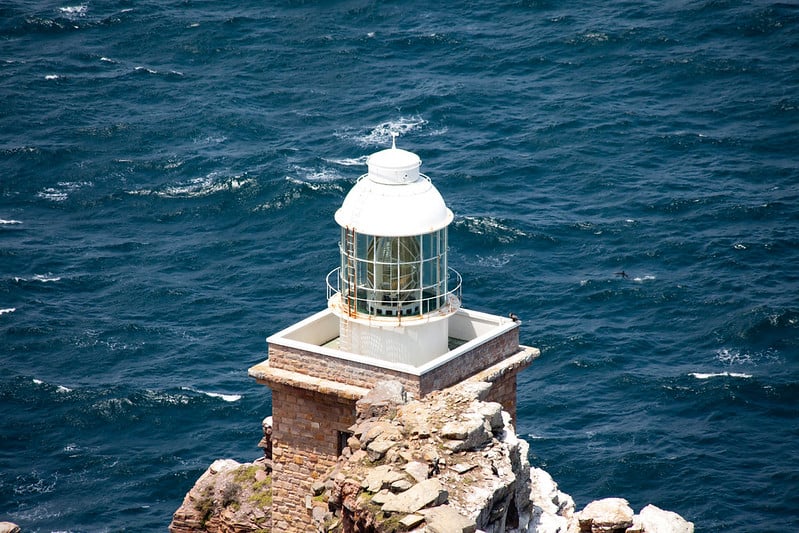
The first lighthouse at Cape Point in South Africa was lit in 1860 on the peak above the cape. Its position turned out to be a mistake because clouds and fog often hid the light from ships below.
The Portuguese liner Lusitania ran aground nearby in 1911, which added pressure to build a replacement lower on the cliffs.
The new lighthouse began service in 1919 and is the most powerful on the South African coast.
Green Point, South Africa’s Oldest Working Light
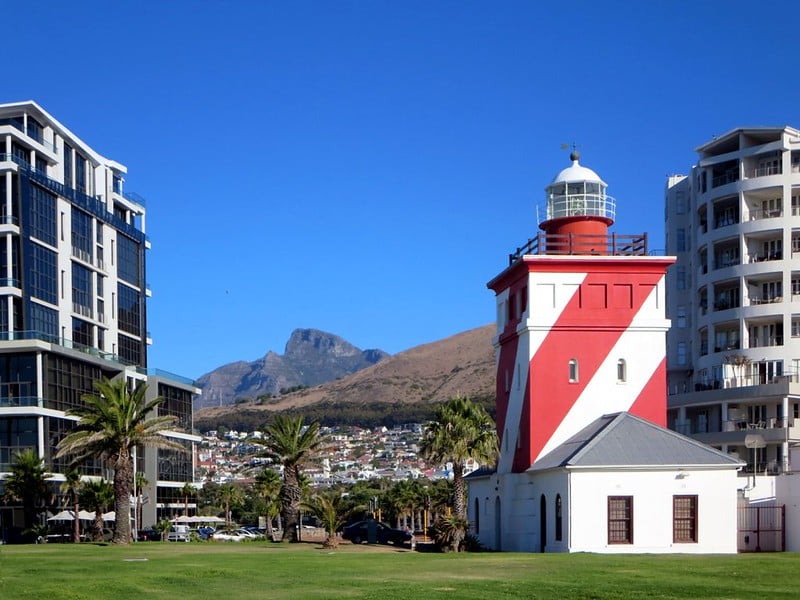
Green Point Lighthouse in Cape Town was first lit in 1824, making it the oldest working lighthouse in South Africa. It stands beside the sea at Mouille Point, a short walk from the city’s waterfront.
The tower is painted in broad red and white bands, which help sailors spot it by day. Its age means it has watched the harbor change from a small colonial outpost into a major city.
Minot’s Ledge, The Light With A Love Code
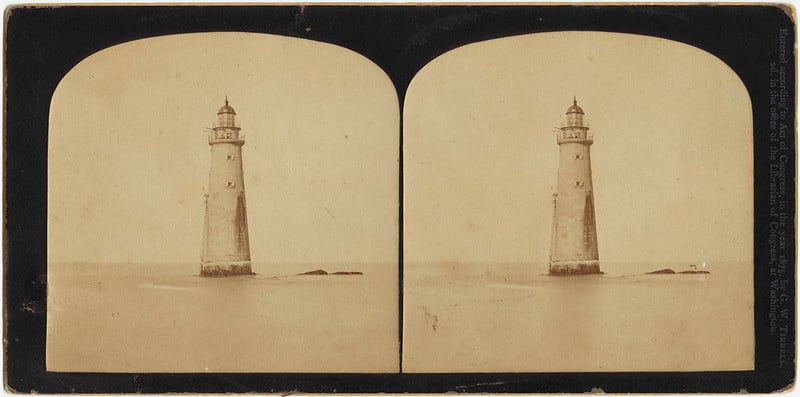
Minot’s Ledge Light stands on a dangerous rock off Cohasset, Massachusetts. The first tower, an iron structure on legs, was destroyed in a storm in April 1851, and two assistant keepers lost their lives. The replacement, a granite tower finished in 1860, was built with carefully dovetailed stones.
Its light flashes in a pattern of one, then four, then three, which locals long ago translated into the words of a love message, one letter count per flash.
What The Light Keeps Shining On
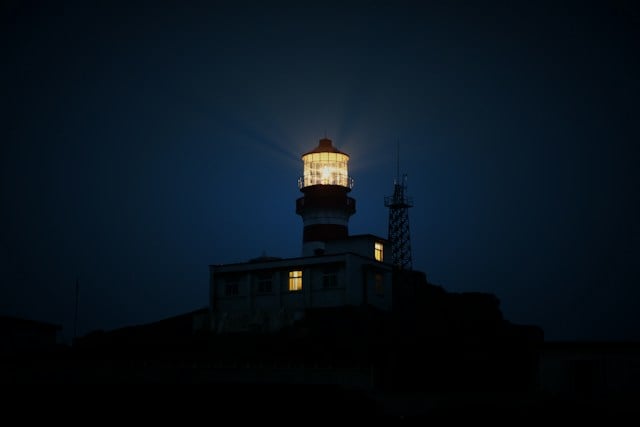
Every tower on this list exists because ships were lost, and every one carries the marks of that loss in its stone, its lens, or its legends. Builders spent years on rocks that drowned twice a day, keepers lived in places no one else would choose, and governments paid enormous sums to move or rebuild structures that could have simply been abandoned.
The common thread is a stubborn refusal to accept that the sea always wins.
Satellite navigation has made most of these lights unnecessary for practical travel, yet they keep getting restored, relit, and visited. A lighthouse turns out to be a record of human attention, a place where someone decided strangers were worth protecting.
That is a story worth climbing the stairs for.
More from Go2Tutors!

- The Romanov Crown Jewels and Their Tragic Fate
- 13 Historical Mysteries That Science Still Can’t Solve
- Famous Hoaxes That Fooled the World for Years
- 15 Child Stars with Tragic Adult Lives
- 16 Famous Jewelry Pieces in History
Like Go2Tutors’s content? Follow us on MSN.