30 Discontinued Snacks People Still Search for Online
There’s a particular kind of grief that doesn’t get enough acknowledgment — the grief of a snack you loved that simply vanished from shelves one day, without warning, without fanfare, and without any satisfying explanation. No farewell tour.
No limited-edition goodbye bag. Just gone.
And somehow, years later, you still find yourself typing the name into a search bar at 11pm, half-hoping some corner store in Nebraska has a case of them gathering dust in a back room. These are the snacks that earned that kind of loyalty — the ones people haven’t stopped searching for, even decades after the last bag rolled off the line.
Planters Cheezballs
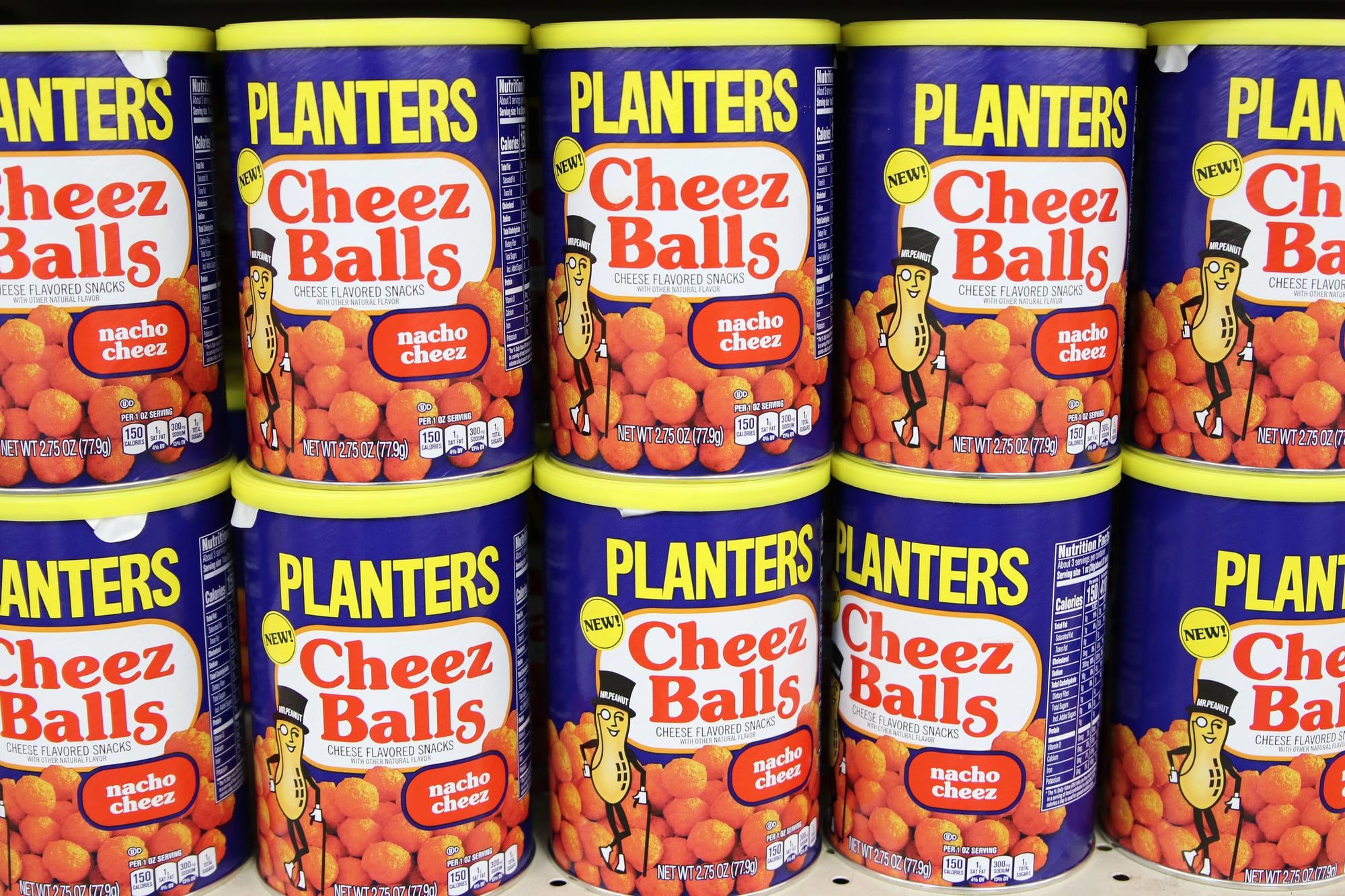
Planters Cheezballs are the gold standard of discontinued snack grief. That iconic round canister, those perfectly puffed orange orbs — there was nothing else quite like the crunch-to-cheese-dust ratio they delivered.
They came back briefly in 2018, which was both a gift and a cruelty, because it only reminded everyone exactly what they’d been missing.
Jell-O Pudding Pops
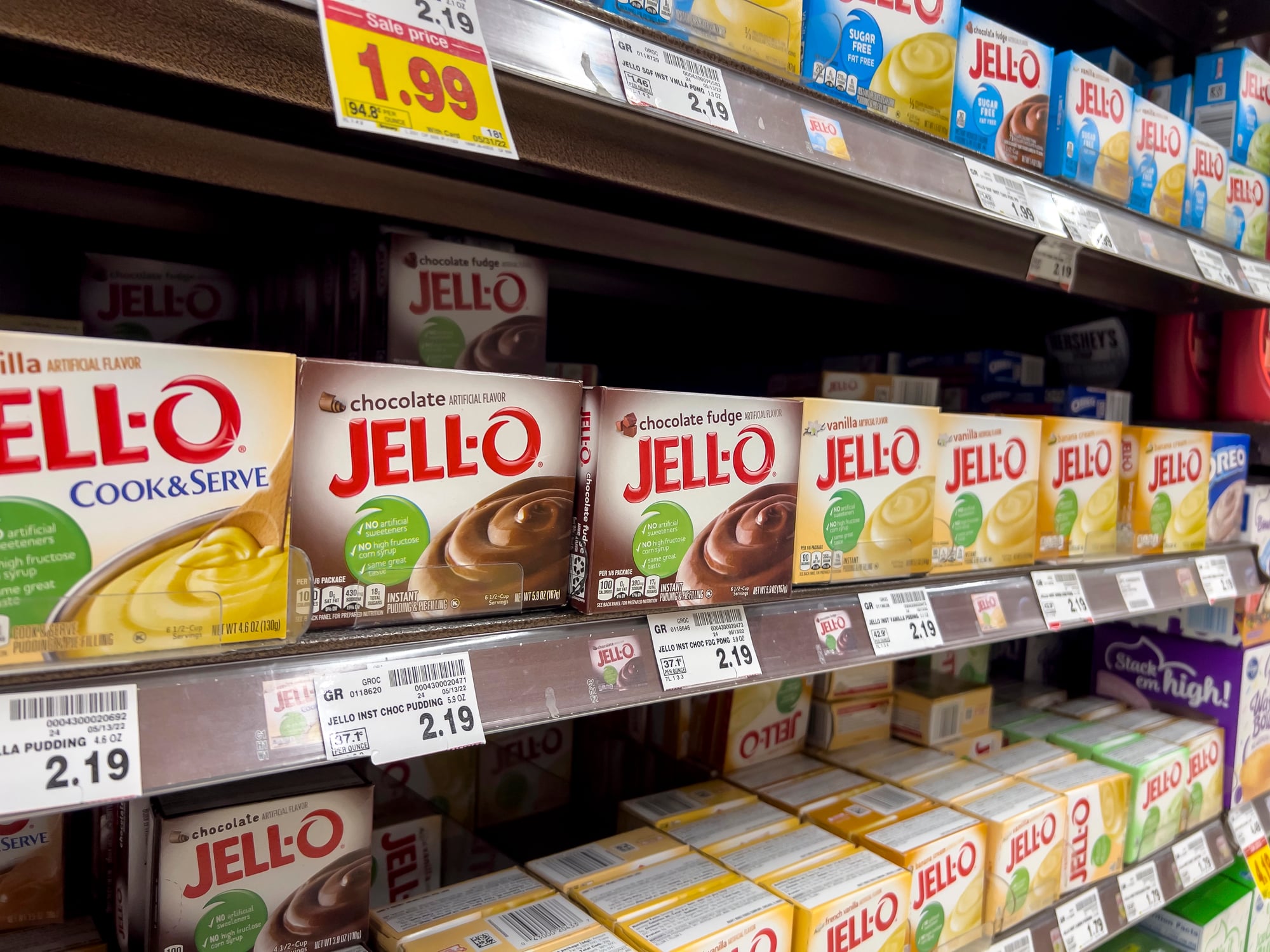
Jell-O Pudding Pops were the freezer aisle’s finest hour. Creamy, dense, not quite ice cream but somehow better for it — they occupied a category all their own.
The ones sold under the Popsicle brand after Jell-O discontinued them in the 1990s never came close to the original texture, and longtime fans have been vocal about that distinction ever since.
Oreo O’s Cereal
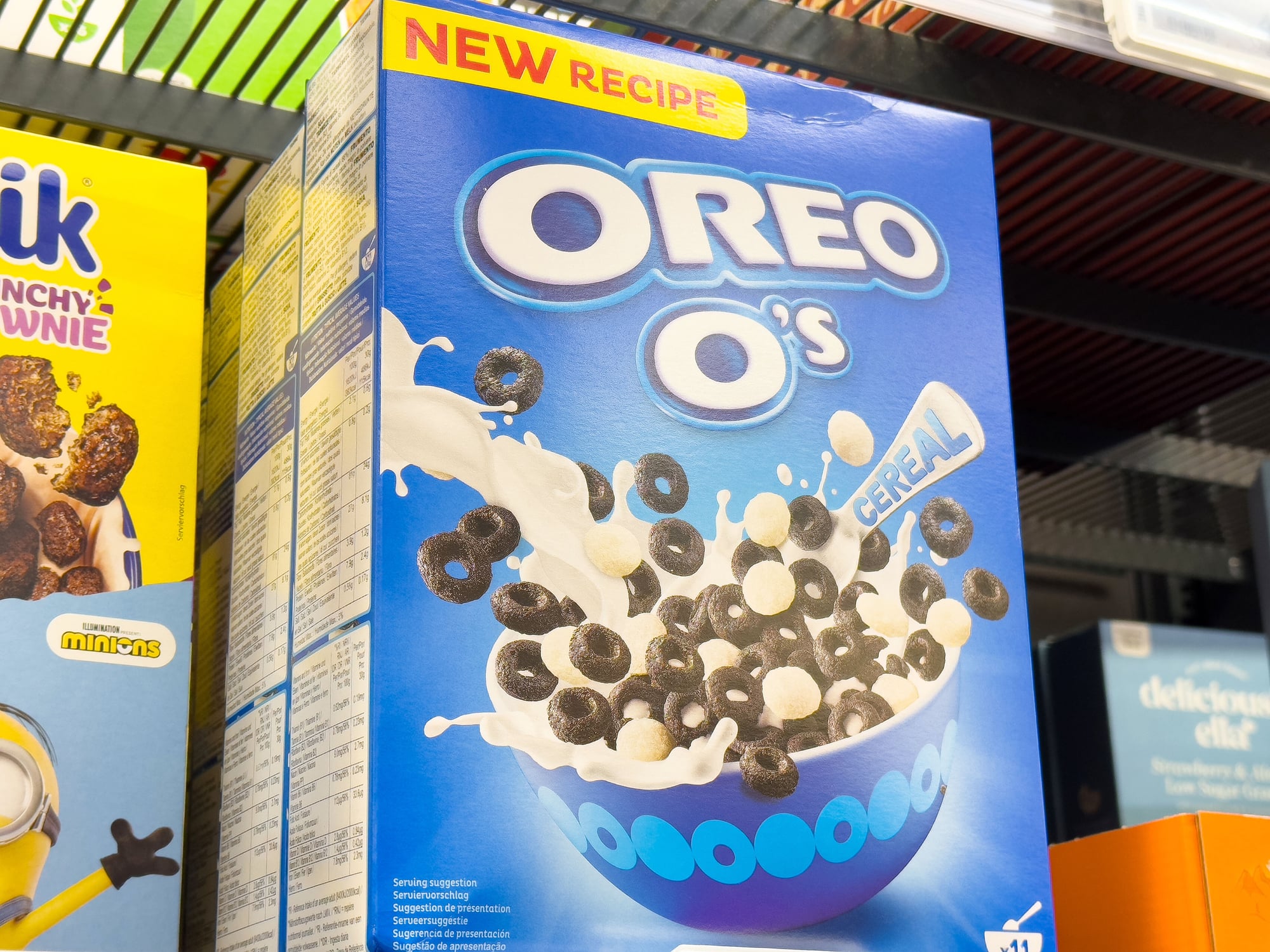
Oreo O’s managed to be both a cereal and a moral argument against eating anything else for breakfast. Post discontinued them in the US around 2007, though they survived in South Korea for years — a fact that made American fans simultaneously grateful for the internet and furious at geography.
The 2017 relaunch confirmed what everyone already knew: the craving never really left.
Surge
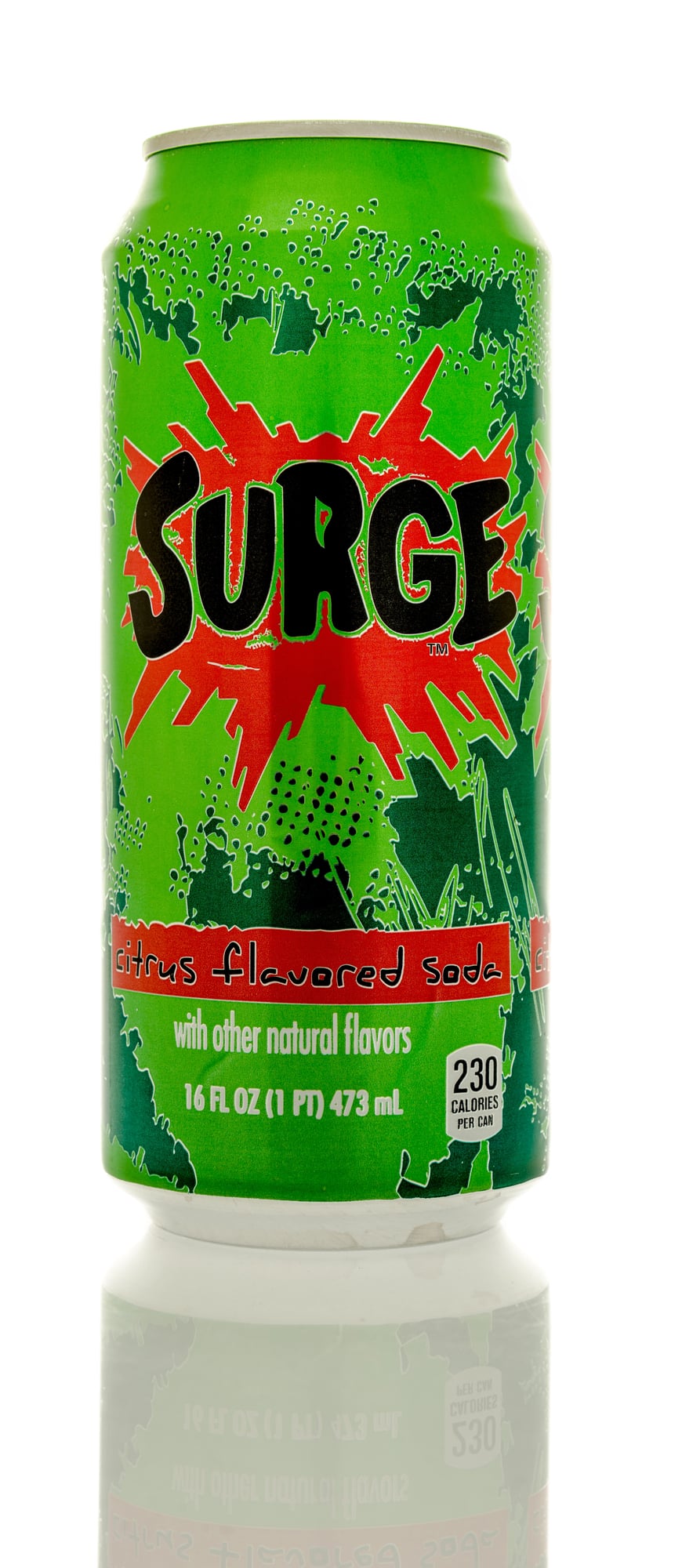
Surge was a citrus soda that arrived in 1996 like a bright green dare — thick, aggressively caffeinated, and unapologetically extreme in the way only 1990s marketing could pull off. Coca-Cola pulled it in 2003, and the subsequent fan campaign (complete with a Facebook page that gathered hundreds of thousands of followers) was organized enough to actually work: Surge came back on Amazon in 2014, then in select stores.
And yet the original run still dominates the nostalgia conversation, as if the comeback barely counts.
3D Doritos
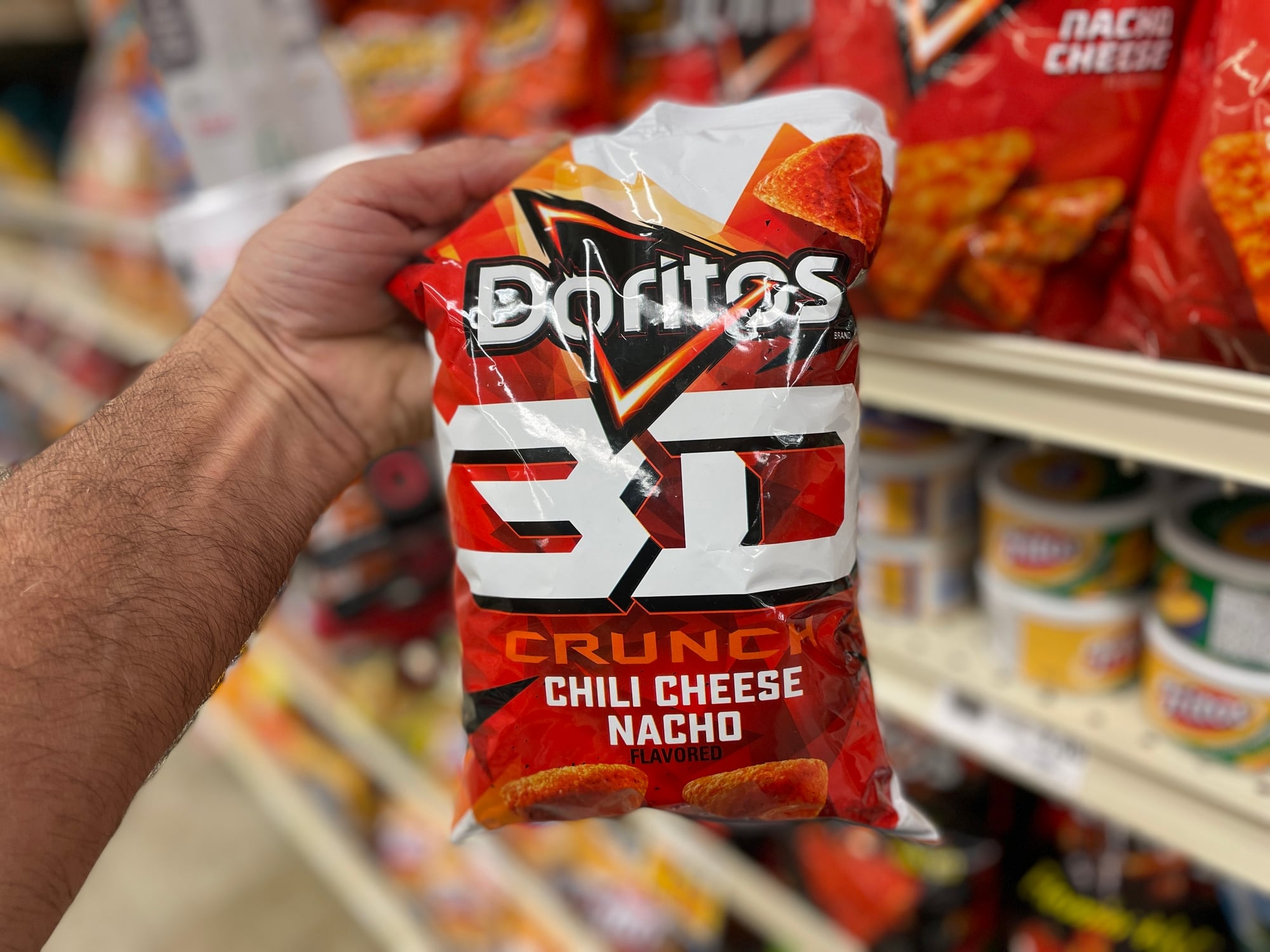
3D Doritos had architecture. Not just flavor — actual, deliberate structure, a hollow puffed shell that gave each chip a crunch entirely different from the flat original.
They disappeared in the early 2000s, reappeared in limited runs, and each time they came back the internet collectively lost its composure for about a week. To be fair, that’s a reasonable response to a chip with that kind of resume.
Crispy M&M’s
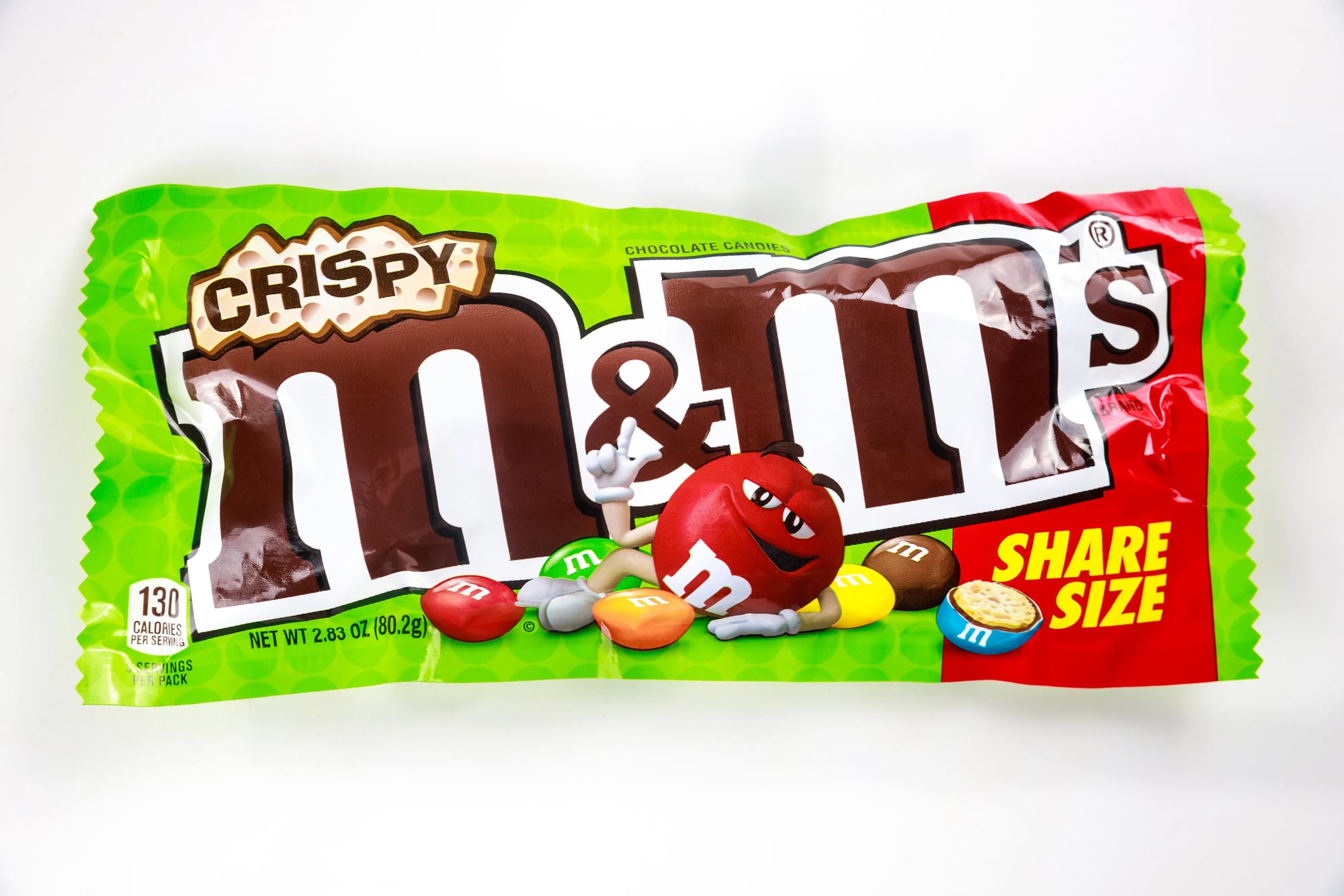
Crispy M&M’s were quietly discontinued in the United States in 2005 and continued abroad — a detail that rankled American fans who discovered this and immediately felt personally targeted by the decision. The thin shell, the rice crisp center, the way they were lighter than a regular M&M without feeling like a compromise: those qualities were specific and they were irreplaceable.
Mars brought them back in 2015, but the years of absence guaranteed that the craving had calcified into something much sturdier than a preference.
Butterfinger BB’s
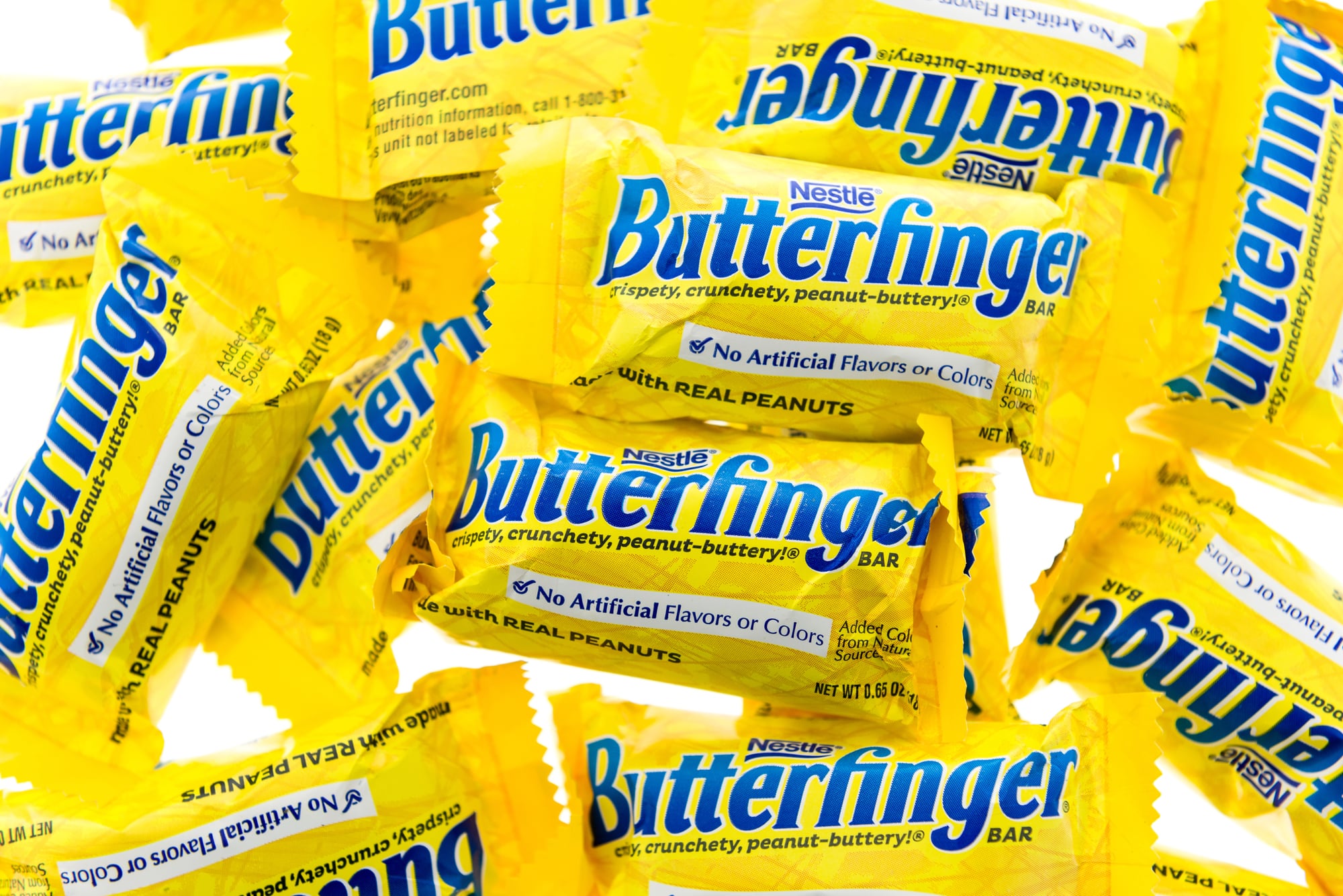
Butterfinger BB’s were everything a Butterfinger was, distilled into small, rollable spheres that made snacking feel vaguely mischievous. Gone by 2006.
The irony is that Butterfinger itself survived, thrived even, but the BB’s — that particular expression of the flavor — have never returned, and searches for them remain a stubborn fixture of snack nostalgia forums.
French Toast Crunch
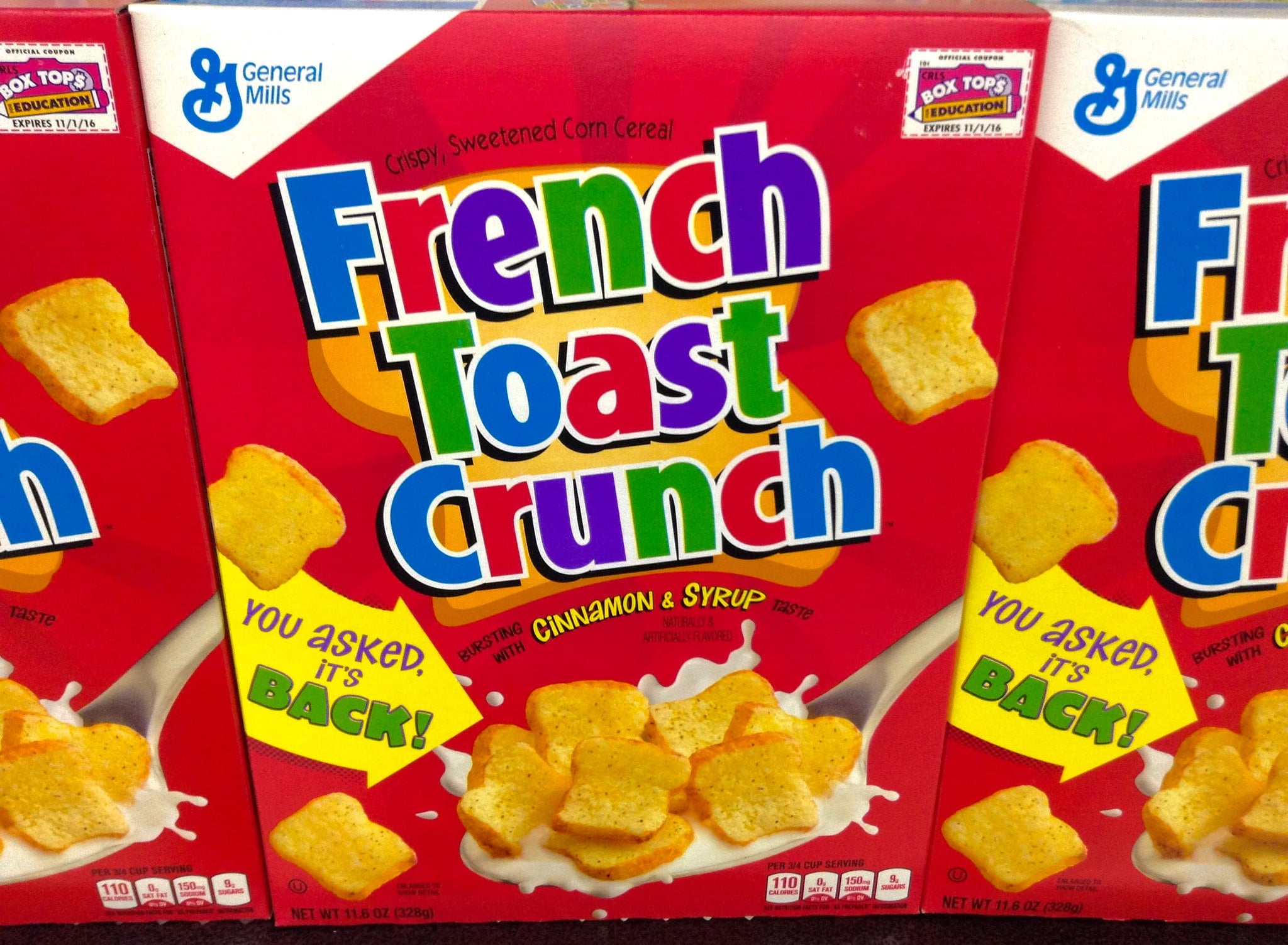
French Toast Crunch arrived in 1995 as a spin-off of Cinnamon Toast Crunch, shaped like tiny pieces of toast, carrying a maple-syrup warmth that felt genuinely distinct from its parent cereal. General Mills discontinued it in the US in 2006, kept selling it in Canada — which was a difficult thing to know — and eventually brought it back stateside in 2014 after fan pressure accumulated to a degree that couldn’t be ignored.
The return felt less like a business decision and more like a concession.
Pepsi Blue
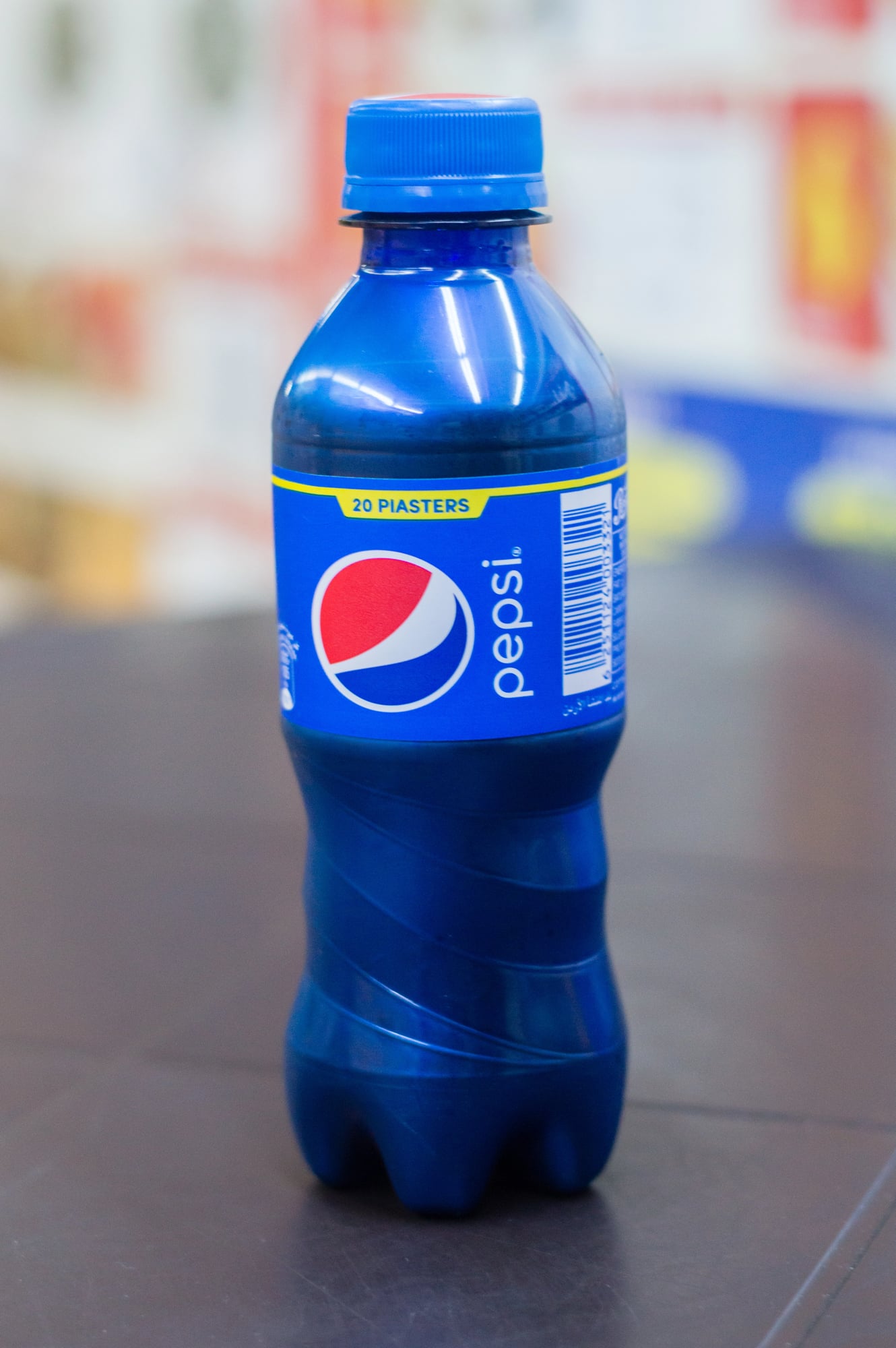
Pepsi Blue was a berry-flavored cola that tasted like someone had asked a computer to describe a fruit and then carbonated the result — and somehow that was appealing. Released in 2002, gone by 2004.
It’s remembered with a fondness that almost certainly exceeds how good it actually was, but that’s the nature of discontinued-snack nostalgia: time does generous editorial work.
Altoids Sours
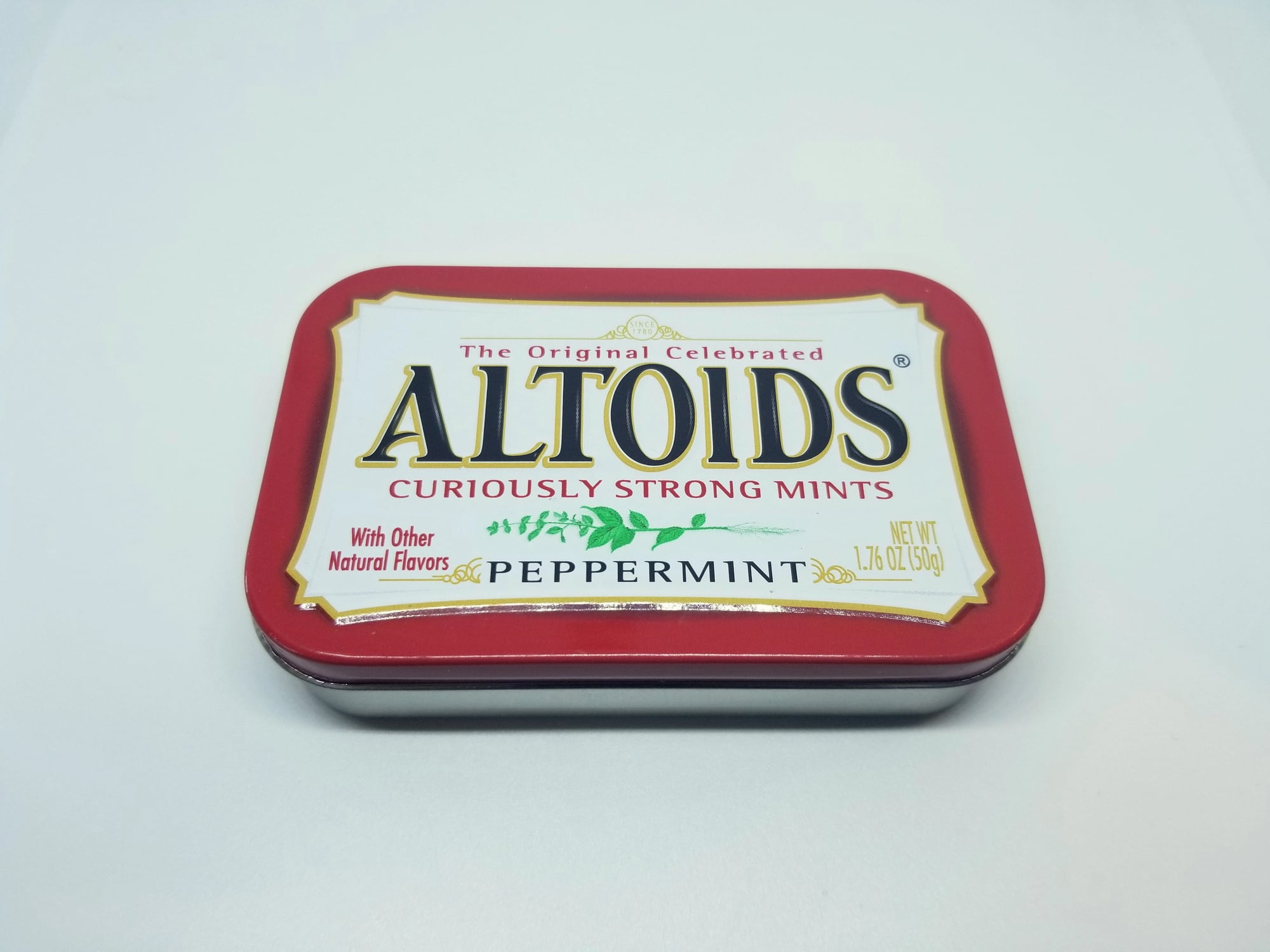
Altoids Sours occupy a very specific place in the memory of anyone who encountered them — the tin, the violent sourness, the way they made your eyes water in a way you kept inviting. Mars discontinued them in 2010, and the search volume around them has never fully settled.
The original Altoids mint survives and thrives while the Sours version sits quietly in internet caches, mourned with an intensity that seems outsized until you remember how good they were.
Dunkaroos
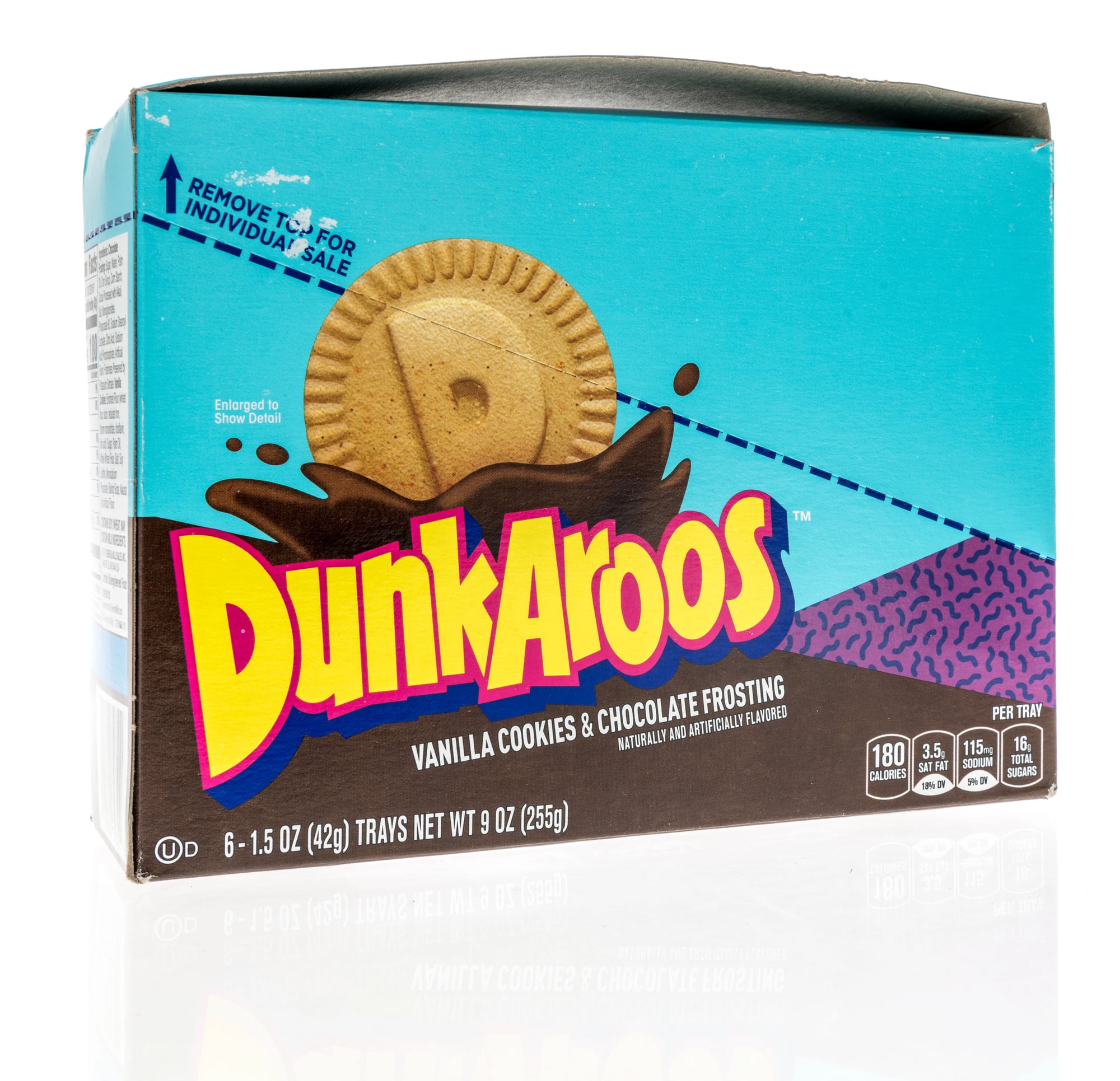
Dunkaroos — kangaroo-shaped cookies, vanilla frosting, the ritual of the dip — were less a snack and more a lunchbox institution. General Mills pulled them from US shelves in 2012 while Canada kept selling them, which became a running grievance for an entire generation.
The 2020 US comeback was greeted with the kind of enthusiasm usually reserved for reunions that take decades to arrange, and it was entirely warranted.
Sprinkle Spangles
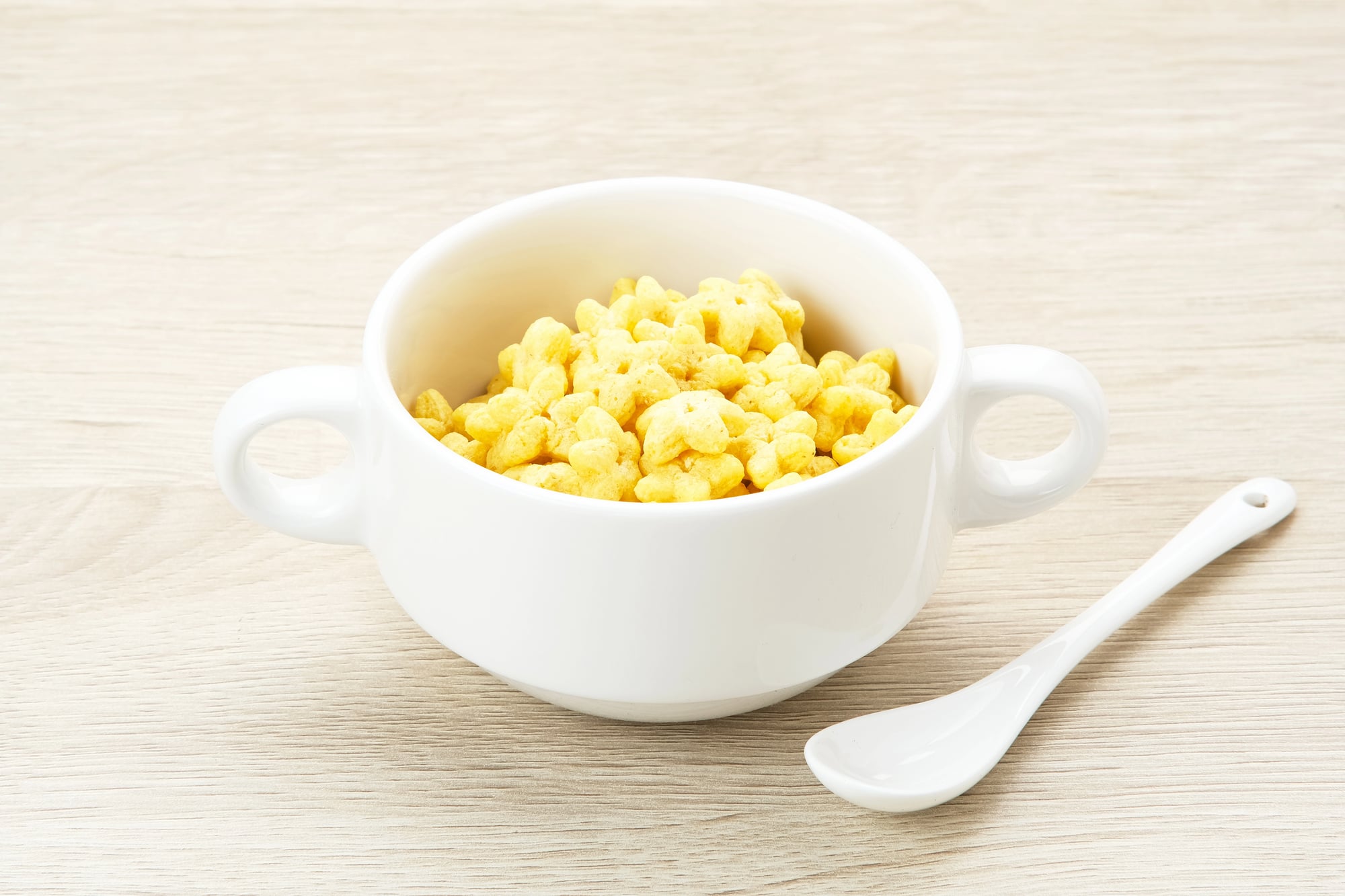
Sprinkle Spangles were a short-lived General Mills cereal from the early 1990s — star-shaped, sugar-frosted, covered in rainbow sprinkles, and presided over by a genie mascot who gave the whole enterprise a slightly surreal quality. They didn’t last long, which is probably why the people who remember them remember them so fiercely: scarcity sharpens memory in ways that ubiquity never does.
No additional sentence provided.
Taco Bell’s Mexican Pizza
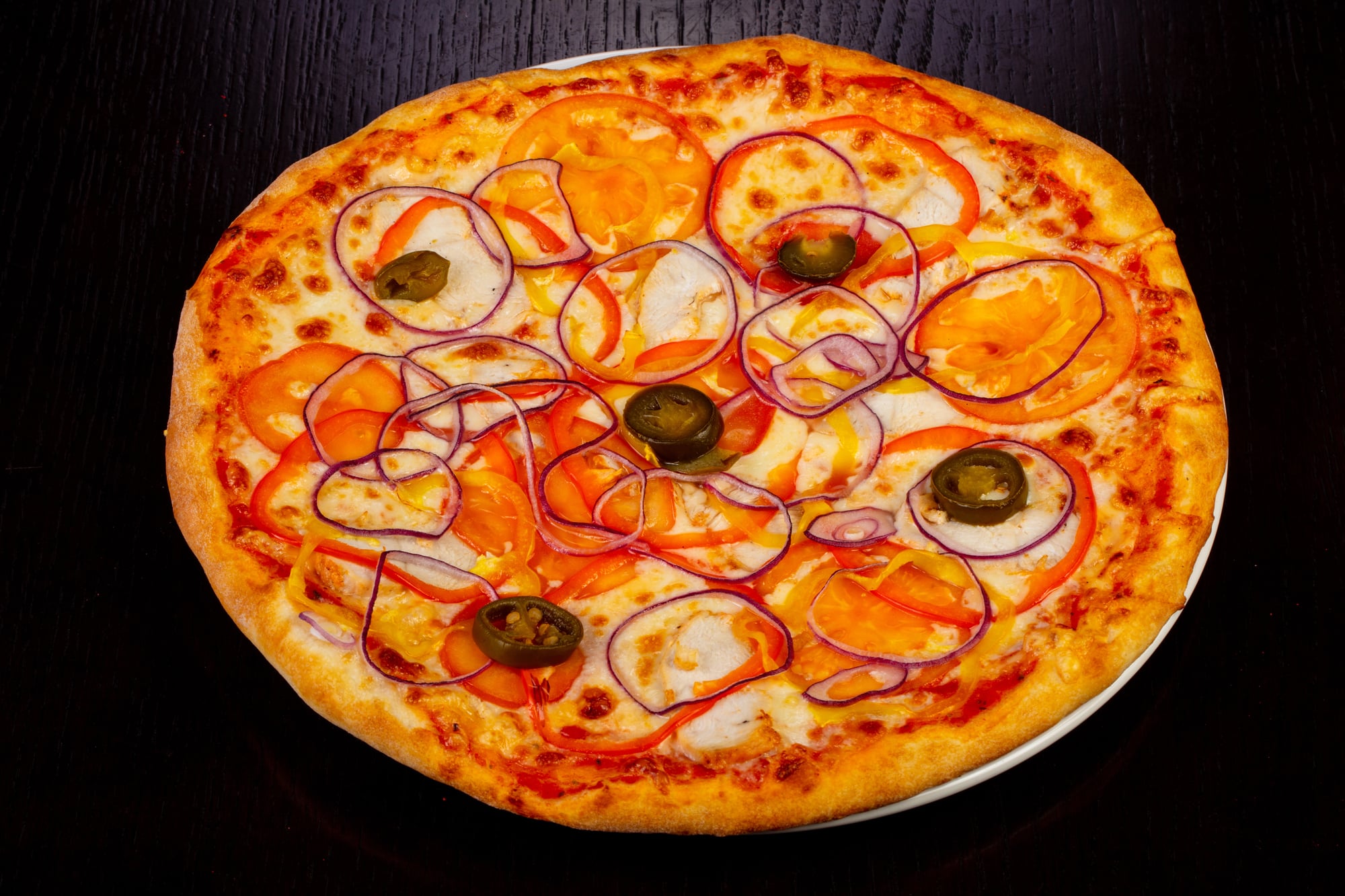
The Mexican Pizza wasn’t a snack in the traditional sense, but it functioned like one — shareable, craveable, the kind of item people ordered alongside everything else on the menu rather than instead of it. Taco Bell removed it in 2020 as part of a menu simplification, and the backlash was so sustained and so loud that it returned in 2022.
That arc — removal, outcry, return — is becoming a reliable genre, and the Mexican Pizza arguably started the modern version of it.
Keebler Magic Middles
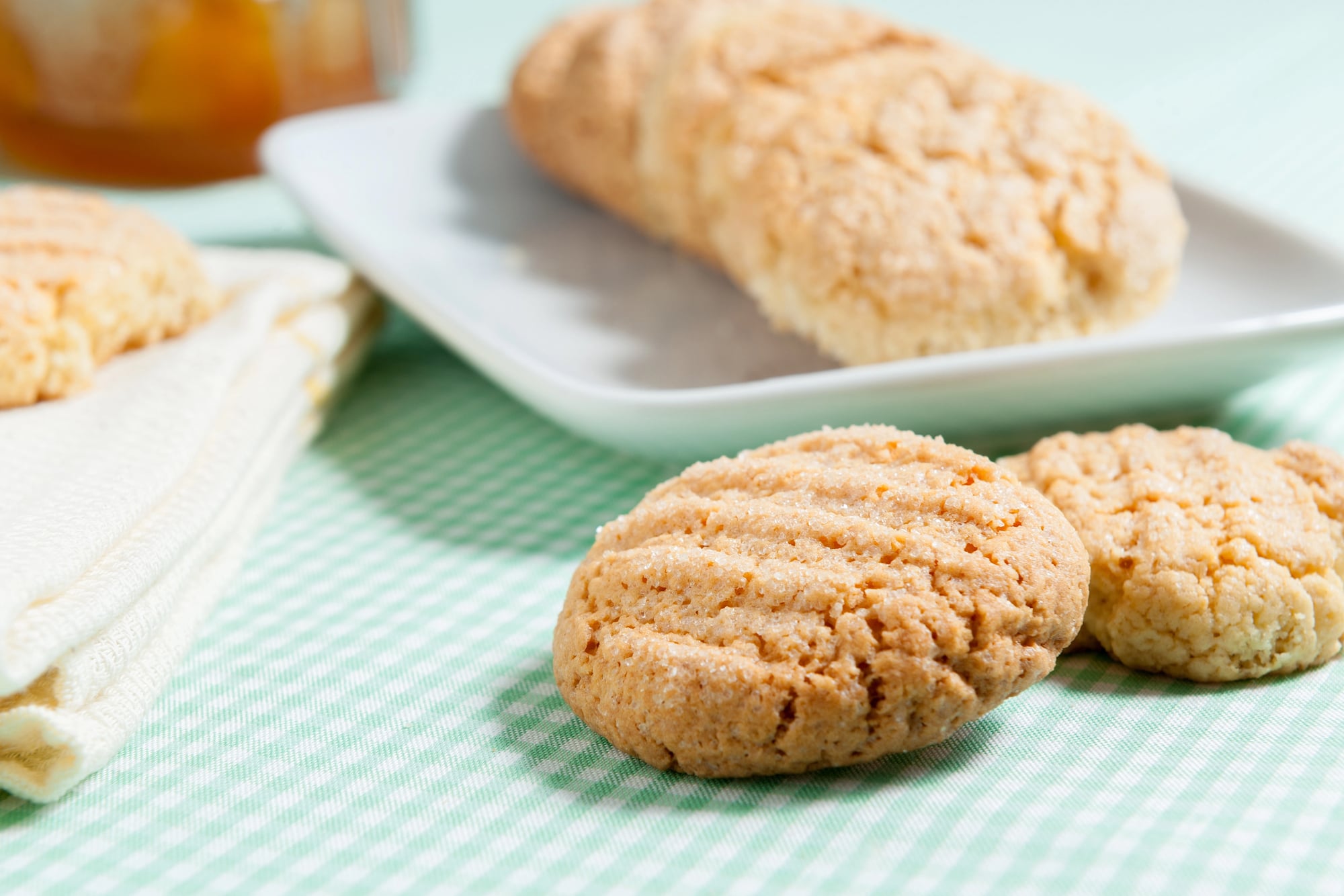
Keebler Magic Middles were shortbread cookies with a fudge-filled center, which sounds simple until you remember that the ratio of cookie to filling was precisely, almost unnervingly correct. They existed through the 1980s and into the early 1990s before quietly disappearing.
The people who grew up with them describe the texture with a specificity that suggests sensory memory runs deeper than most people give it credit for.
PB Crisps
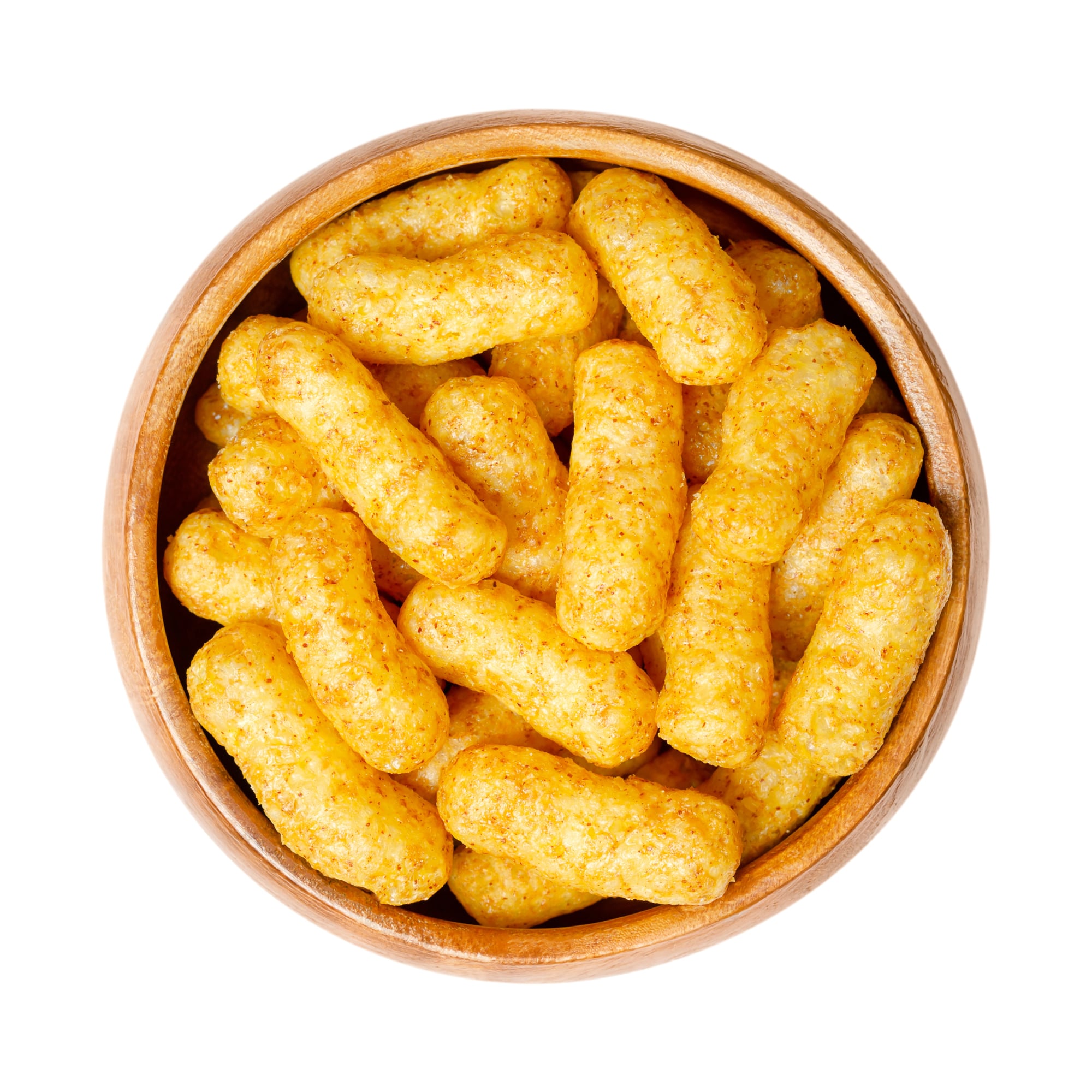
PB Crisps were peanut butter-filled, peanut-shaped crackers made by Planters — crunchy outside, creamy inside, gone by 1995 after only a few years on shelves. Their tenure was brief but their legend is not, and online petitions for their return have circulated for the better part of three decades.
There’s something almost stubborn about the loyalty they’ve earned relative to how short their shelf life actually was.
Hi-C Ecto Cooler
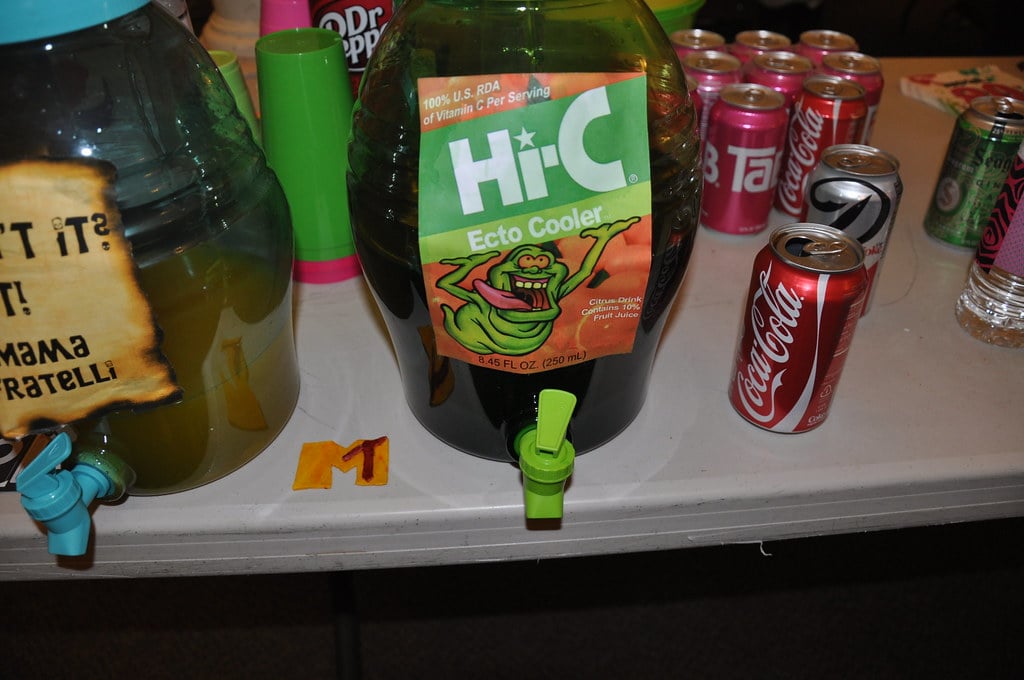
Hi-C Ecto Cooler was a tangerine-flavored juice drink that arrived tied to the Ghostbusters franchise in 1987 and then — surprisingly — outlasted the promotional partnership by nearly a decade, because the drink was good enough to stand on its own. It was discontinued in 2001.
Ghostbusters: Afterlife brought a limited run back in 2021, and the fact that a juice box can trigger that level of collective excitement says something about what people are actually searching for when they look up old snacks: a specific version of a specific afternoon.
Wonka Donutz
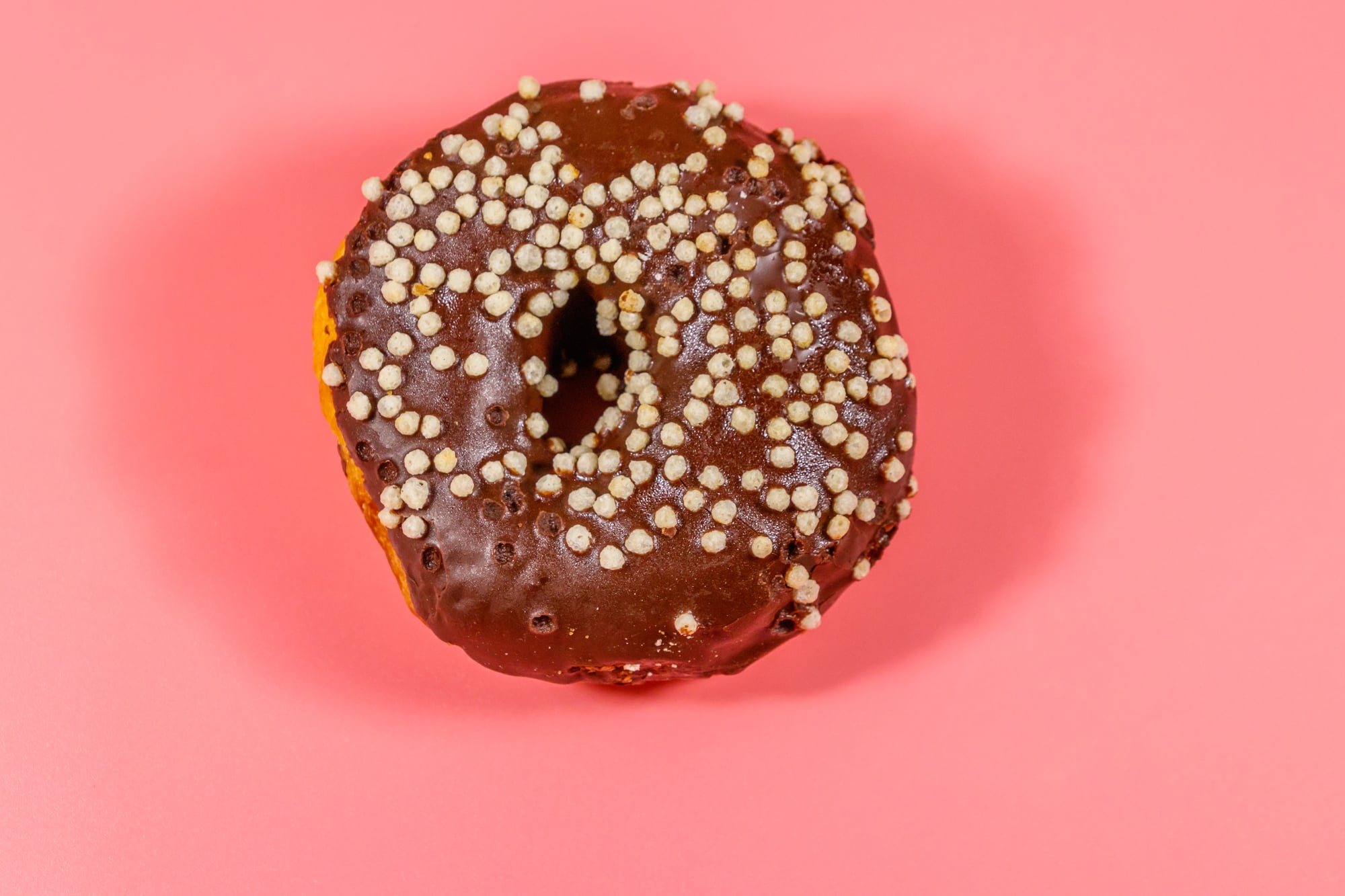
Wonka Donutz were small, powdered-sugar-dusted ring-shaped candies with a slightly chalky sweetness that was entirely their own. They came and went in the late 1990s without much ceremony, and they’re the kind of discontinued snack that exists primarily in the memories of people who can’t quite convince others they were real.
But they were real, and the searches confirm it.
Vanilla Coke
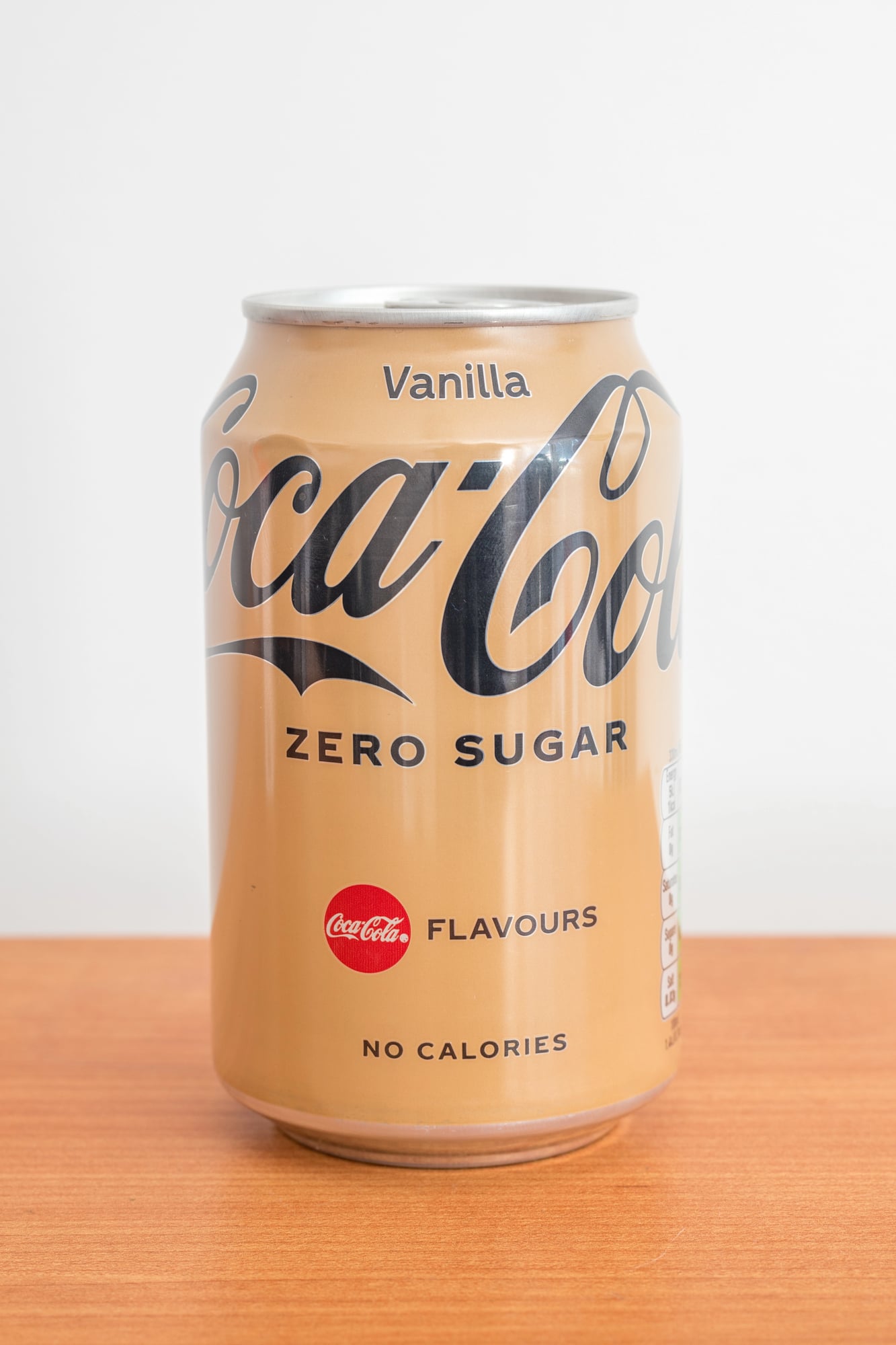
Vanilla Coke’s original run from 2002 to 2005 ended abruptly despite genuine consumer enthusiasm — a decision Coca-Cola reversed in 2007 when it brought the flavor back. The original discontinuation is what cemented its cult status, though, because nothing sharpens an opinion about a soft drink like being told you can’t have it anymore.
It’s back now, but the 2002-era formula has its own nostalgia category separate from the current product.
Hostess Choco Bliss
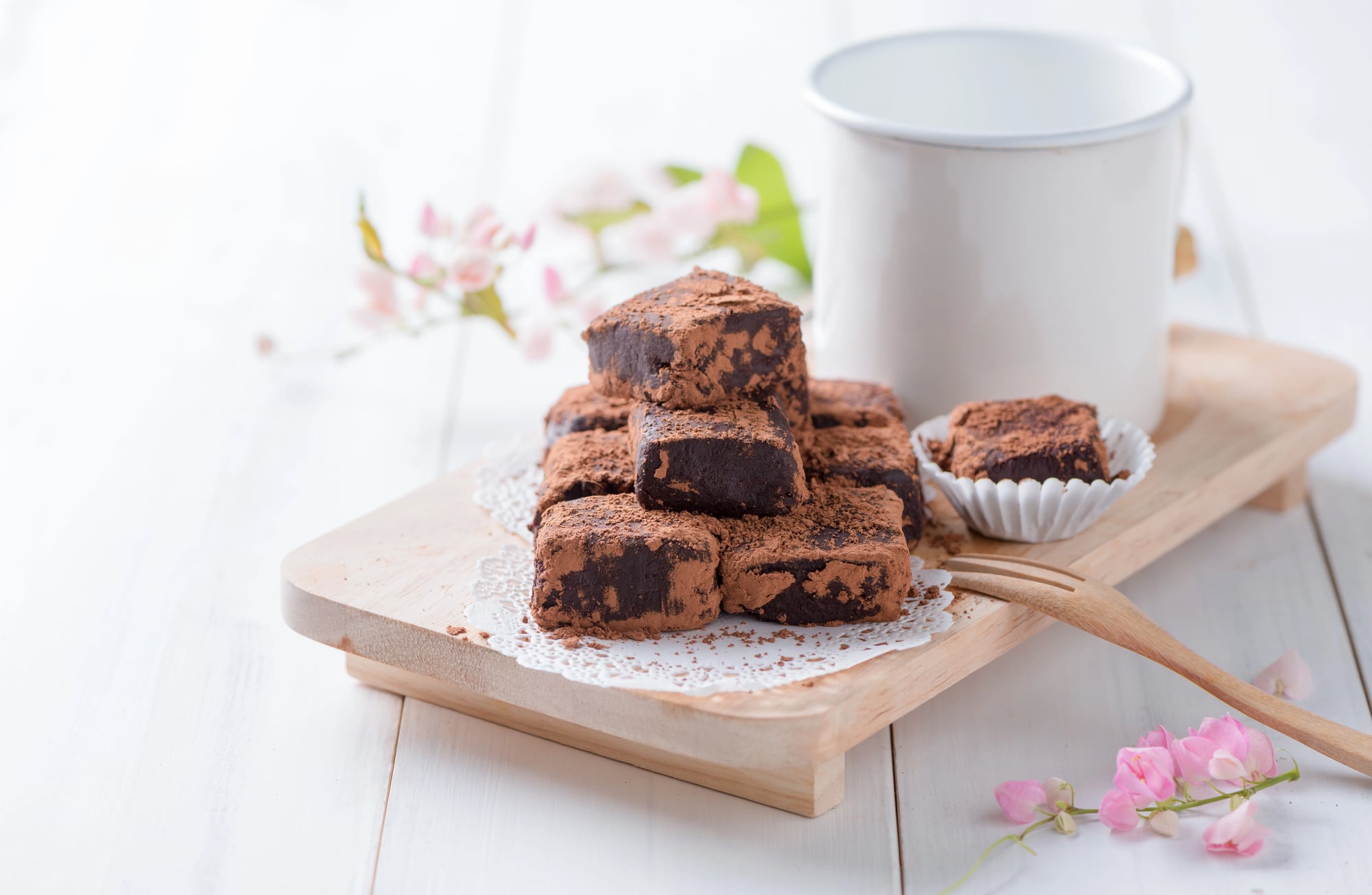
Hostess Choco Bliss was a chocolate cake snack with a chocolate cream filling — essentially a deeper, richer version of the HoHo family — that appeared briefly and then disappeared without generating the kind of mainstream mourning that something like Twinkies would go on to receive. Among the people who found them, the memory is vivid.
Among everyone else, there’s often skepticism that they existed at all, which is its own peculiar form of snack grief.
Josta
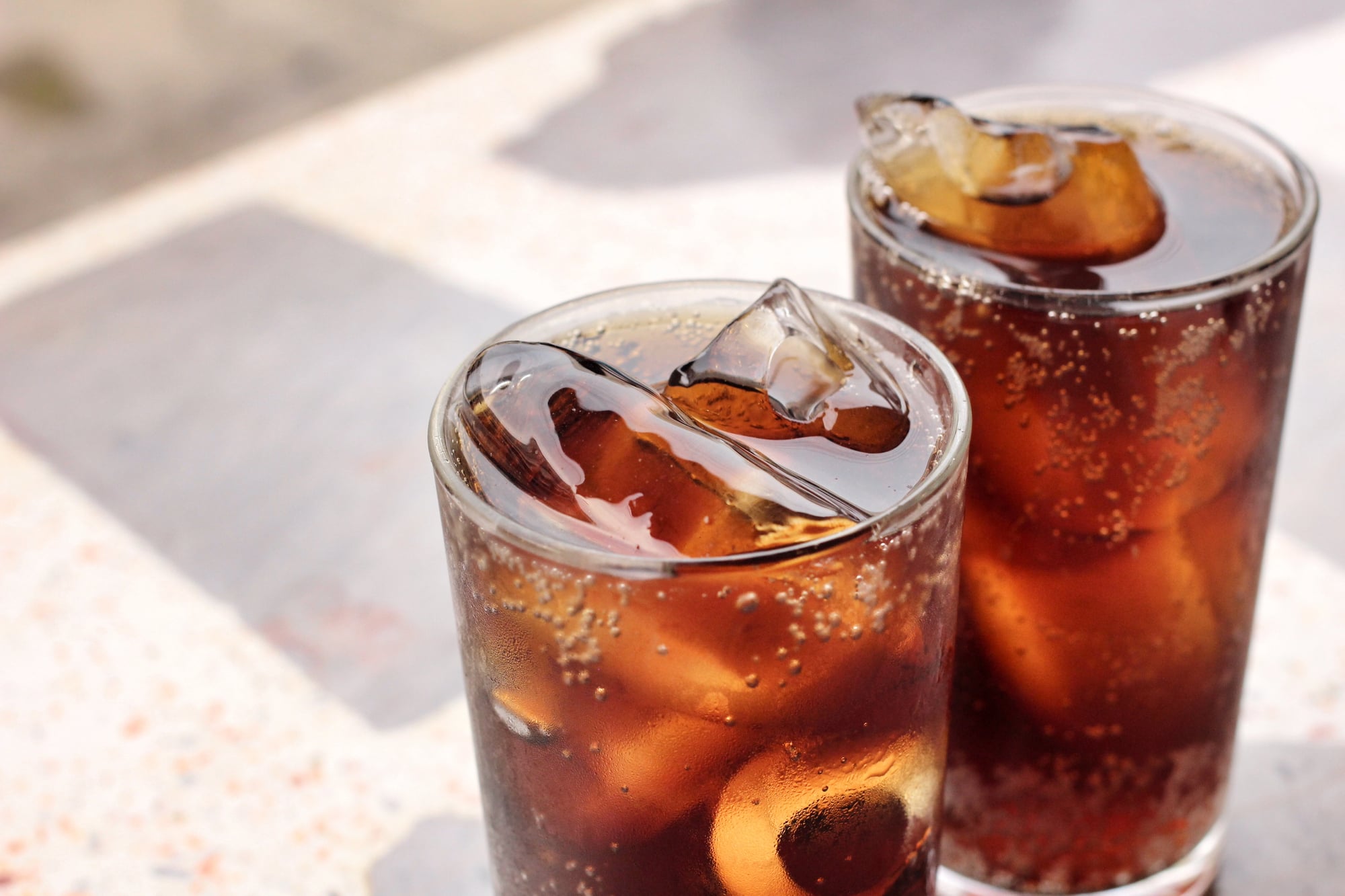
Josta was PepsiCo’s guarana-based energy drink, released in 1995 and making it arguably the first energy drink of its kind from a major American beverage company. It tasted like nothing else on the market — dark, slightly herbal, with a caffeine kick that felt earned rather than synthetic.
Pepsi discontinued it in 1999, and in the years since, the online advocacy for its return has become a dedicated subculture.
Nestlé Magic
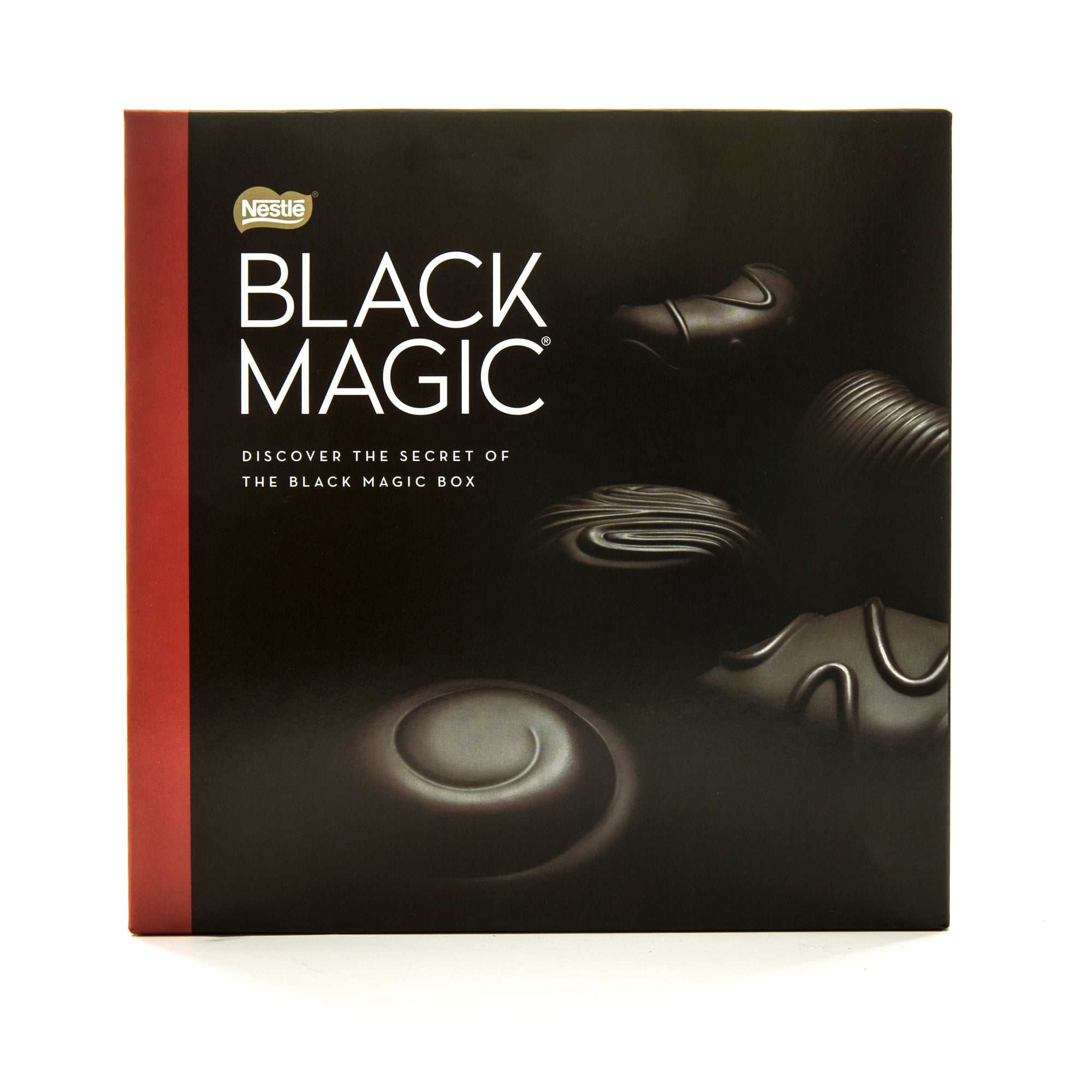
The Nestlé Magic was a chocolate egg — hollow, with a small toy inside — that arrived in the US in the late 1990s as the American equivalent of Kinder Surprise. The FDA had concerns about the toy-inside-food format, and the product disappeared from American shelves.
The searches for it aren’t just about the chocolate; they’re about a very specific kind of childhood anticipation that that foil-wrapped sphere contained.
Hershey’s Swoops

Hershey’s Swoops were thin, curved chips of chocolate released in 2003 that were shaped like Pringles and came in flavors including Reese’s, York, and Almond Joy. The concept was genuinely original — a chocolate product that felt different to hold and eat, not just taste.
They were gone by 2006, and the search history around them tends to spike whenever someone rediscovers the concept and tries, unsuccessfully, to explain to someone younger what made them special.
Keebler Pizzarias
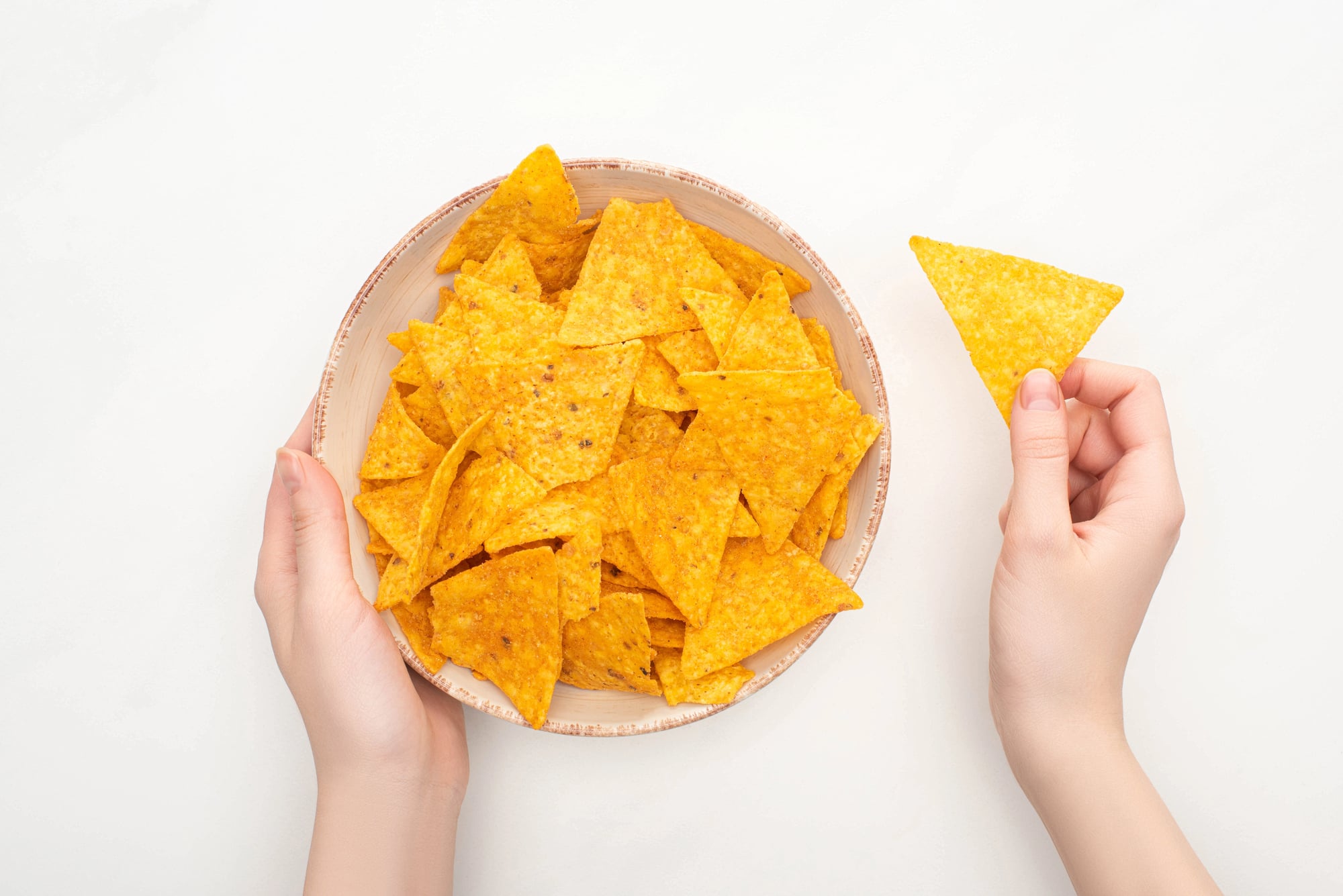
Keebler Pizzarias were pizza-flavored chips that arrived in the early 1990s and occupied a very specific niche: more aggressively flavored than a pizza roll, more portable than actual pizza, and deeply satisfying in a way that wasn’t pretending to be healthy. They disappeared by the mid-1990s.
The searches for them are consistent enough that they appear on virtually every discontinued snacks list ever compiled, which is a form of immortality, if not exactly the one they deserved.
Pepsi Holiday Spice
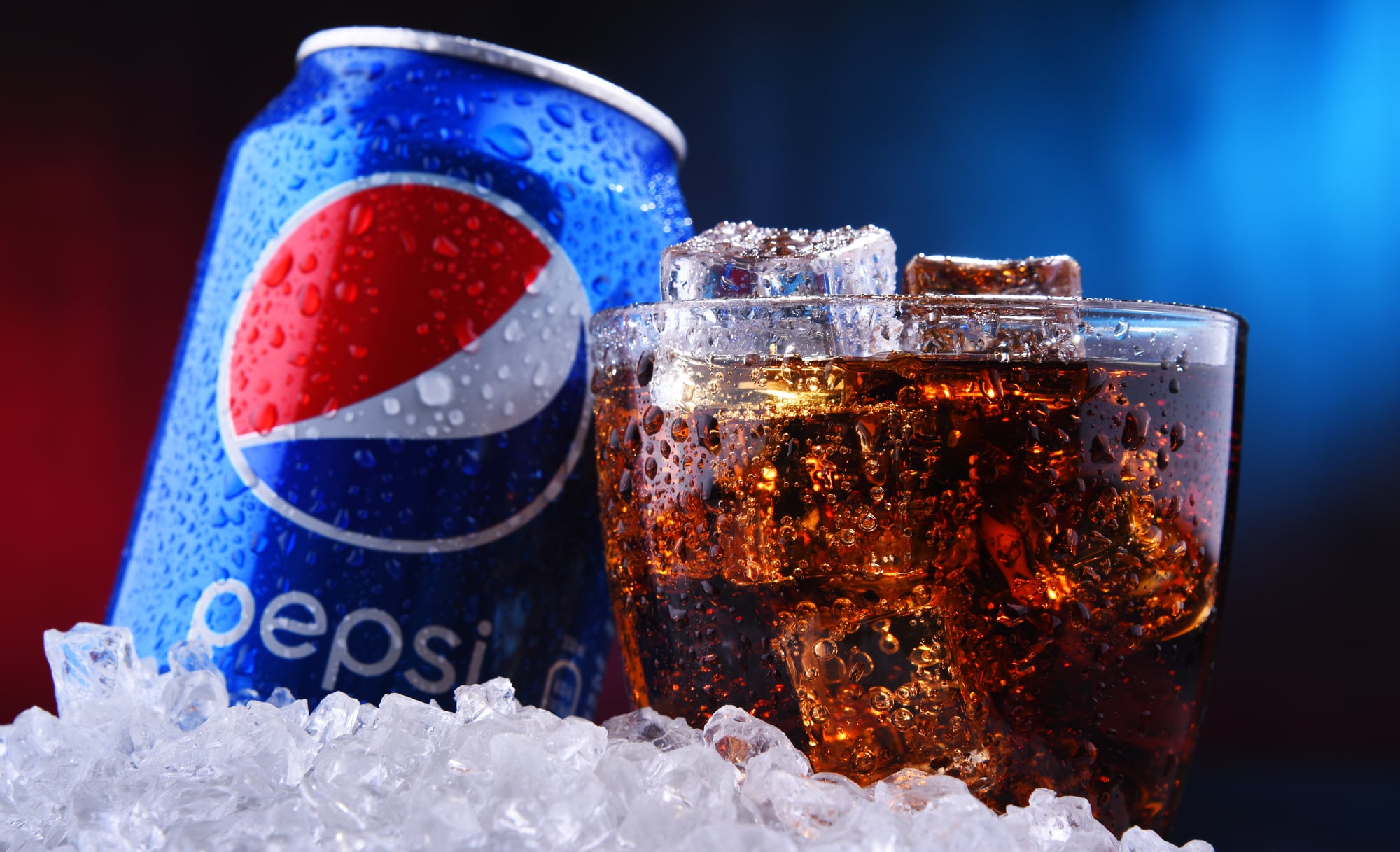
Pepsi Holiday Spice was a cinnamon-and-spice-flavored cola released for the 2004 holiday season and briefly again in 2006, and it was divisive in the way that only seasonal limited editions can be — people who loved it really loved it, and people who didn’t couldn’t understand why anyone would. The searches for it pick up every November with a regularity that Pepsi has so far declined to act on, which is a genuine missed opportunity.
No additional sentence provided.
Life Savers
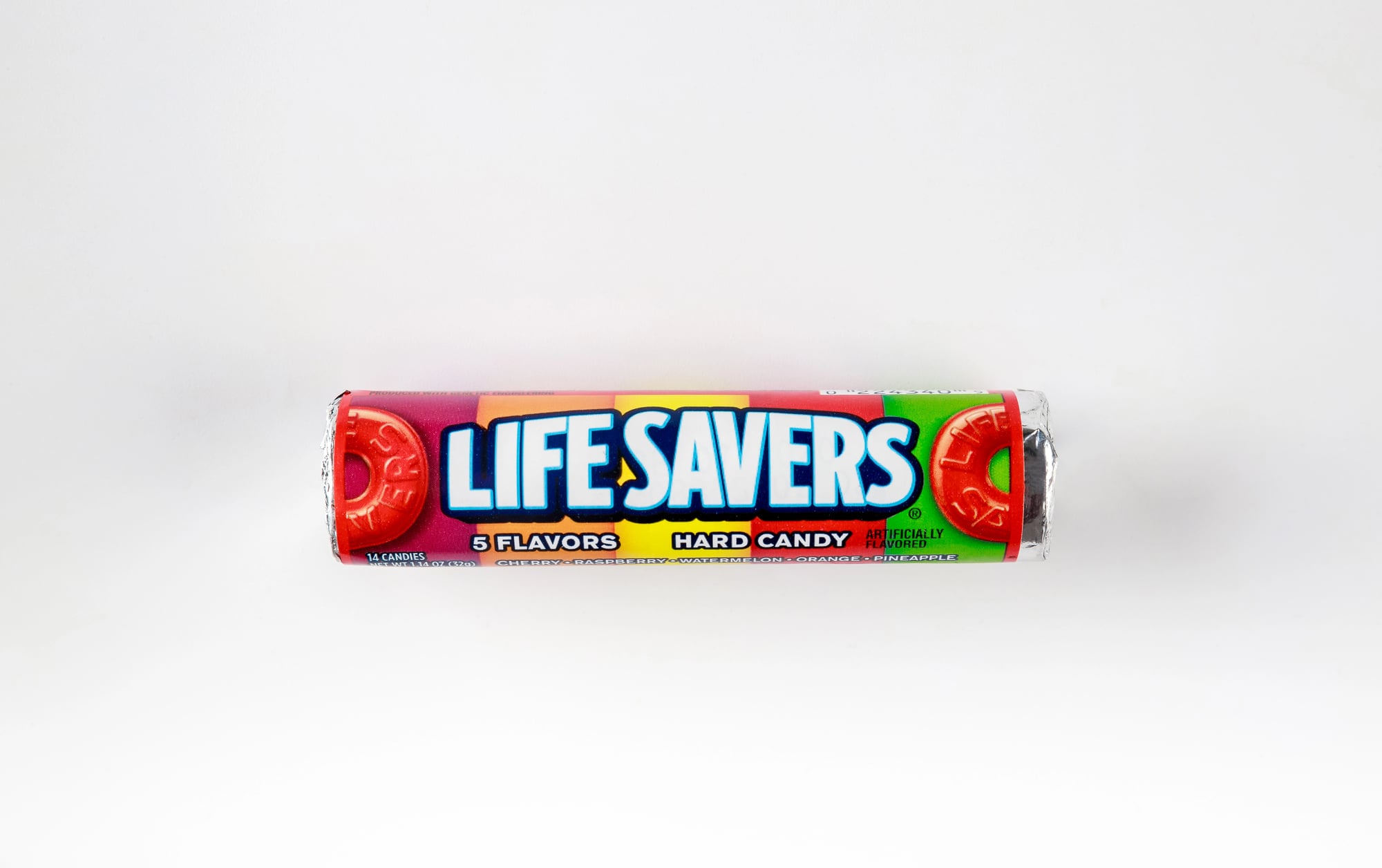
Life Savers were the punched-out centers of Life Savers candies — tiny, spherical, sold in a small dispenser — and they managed to feel entirely different from the ring-shaped original despite being, technically, the same candy. They arrived in 1990 and were gone by 1991, making them one of the shortest-lived entries on this list.
The brevity of their run seems to have done nothing to diminish the enthusiasm of the people who remember them.
Kool-Aid Bursts
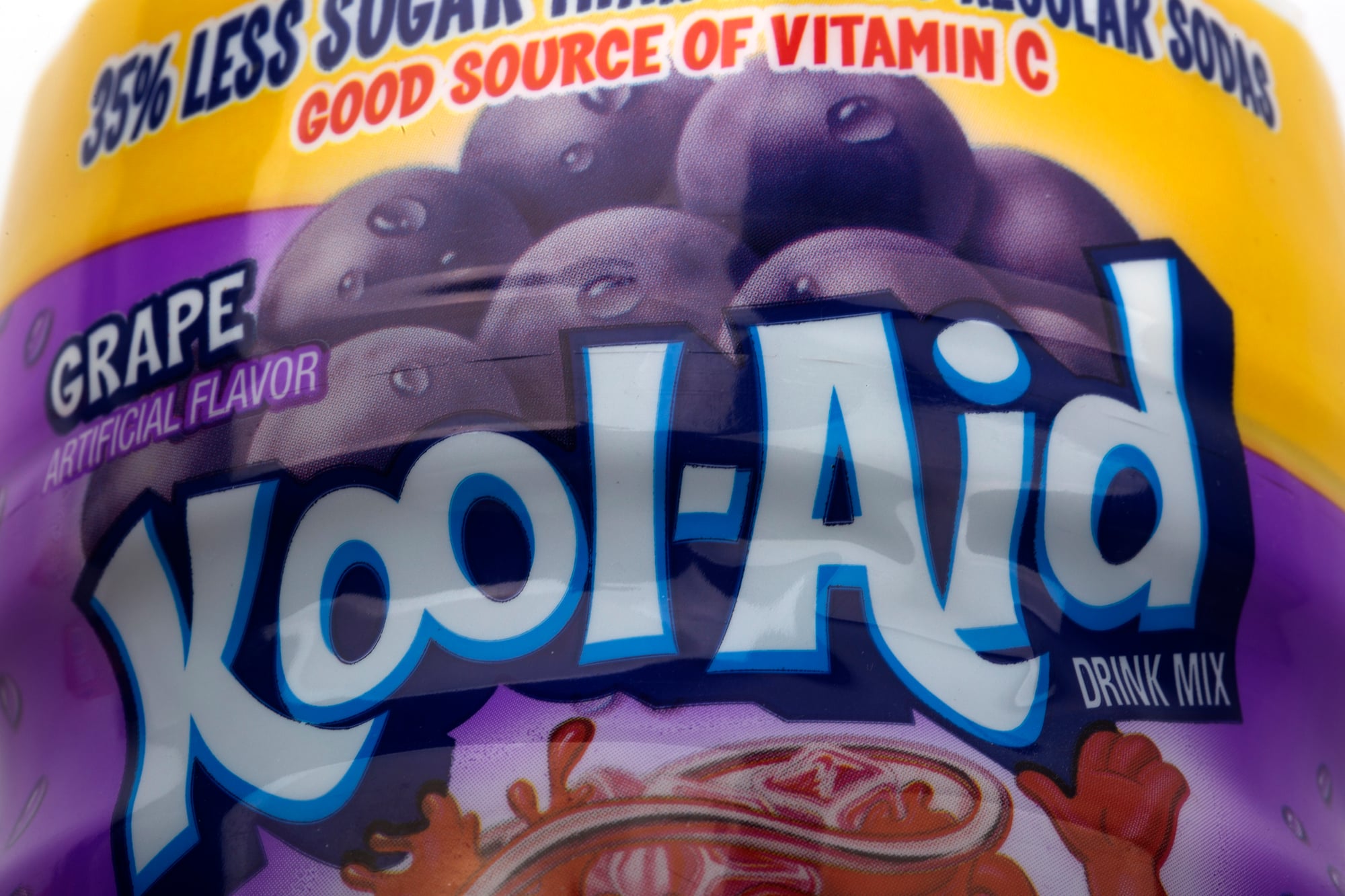
Kool-Aid Bursts were those squat, barrel-shaped plastic bottles with the foil top you bit off — a delivery mechanism that was half the appeal. They haven’t been formally discontinued across all markets, but their availability has shrunk significantly, and the search traffic around them suggests people are increasingly treating them as a lost artifact rather than a findable product.
The nostalgia machine doesn’t wait for official discontinuation notices.
Reese’s Crunchy Cookie Cups
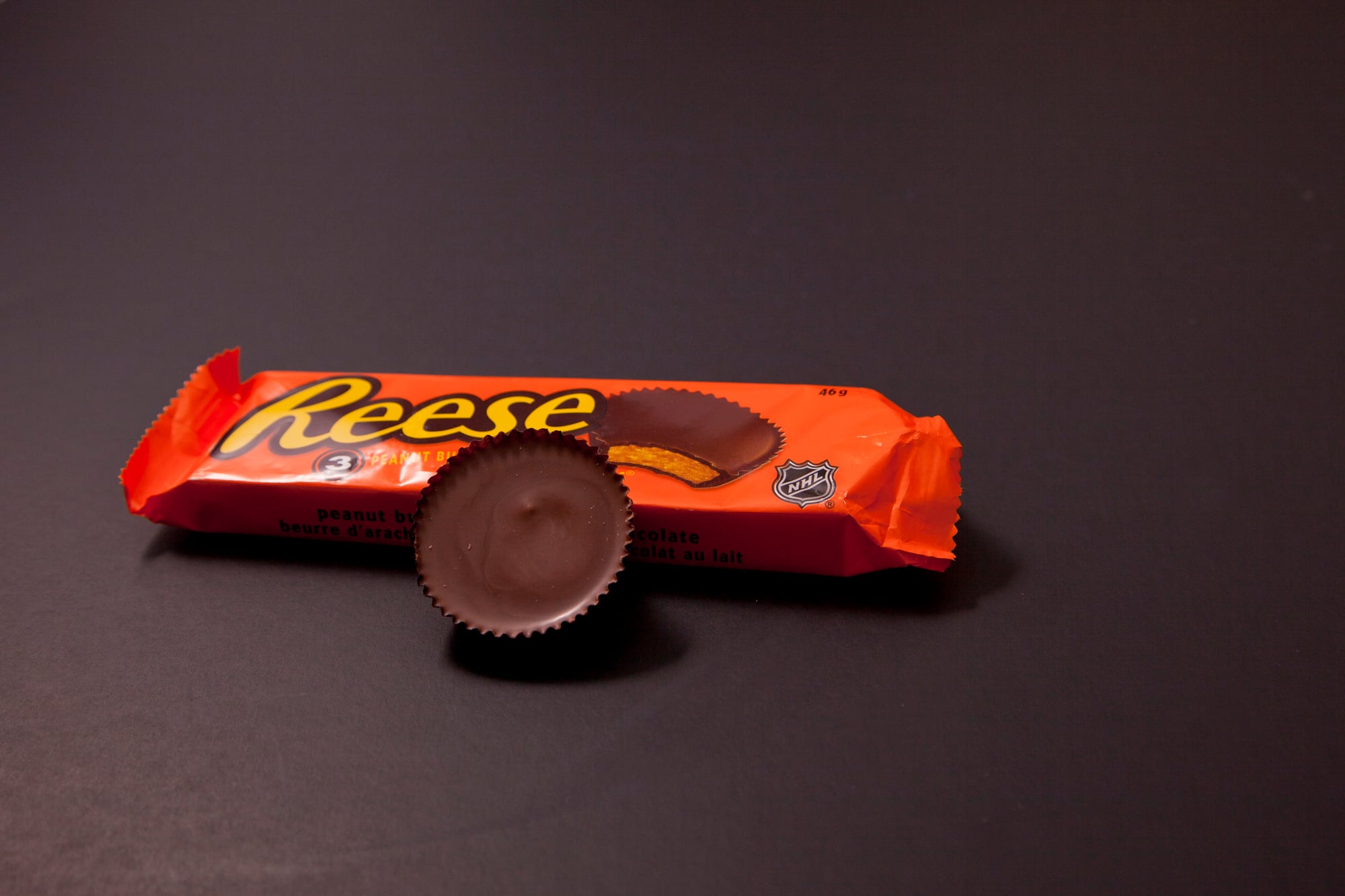
Reese’s Crunchy Cookie Cups added a chocolate cookie layer to the classic Reese’s peanut butter cup format — something that sounds like it should have been permanent and somehow wasn’t. They’ve appeared and disappeared across several runs, but the standard Reese’s Cup has always overshadowed them commercially despite the superior architecture.
Every time they vanish, the complaints follow within days.
Cinnamon Tic Tacs
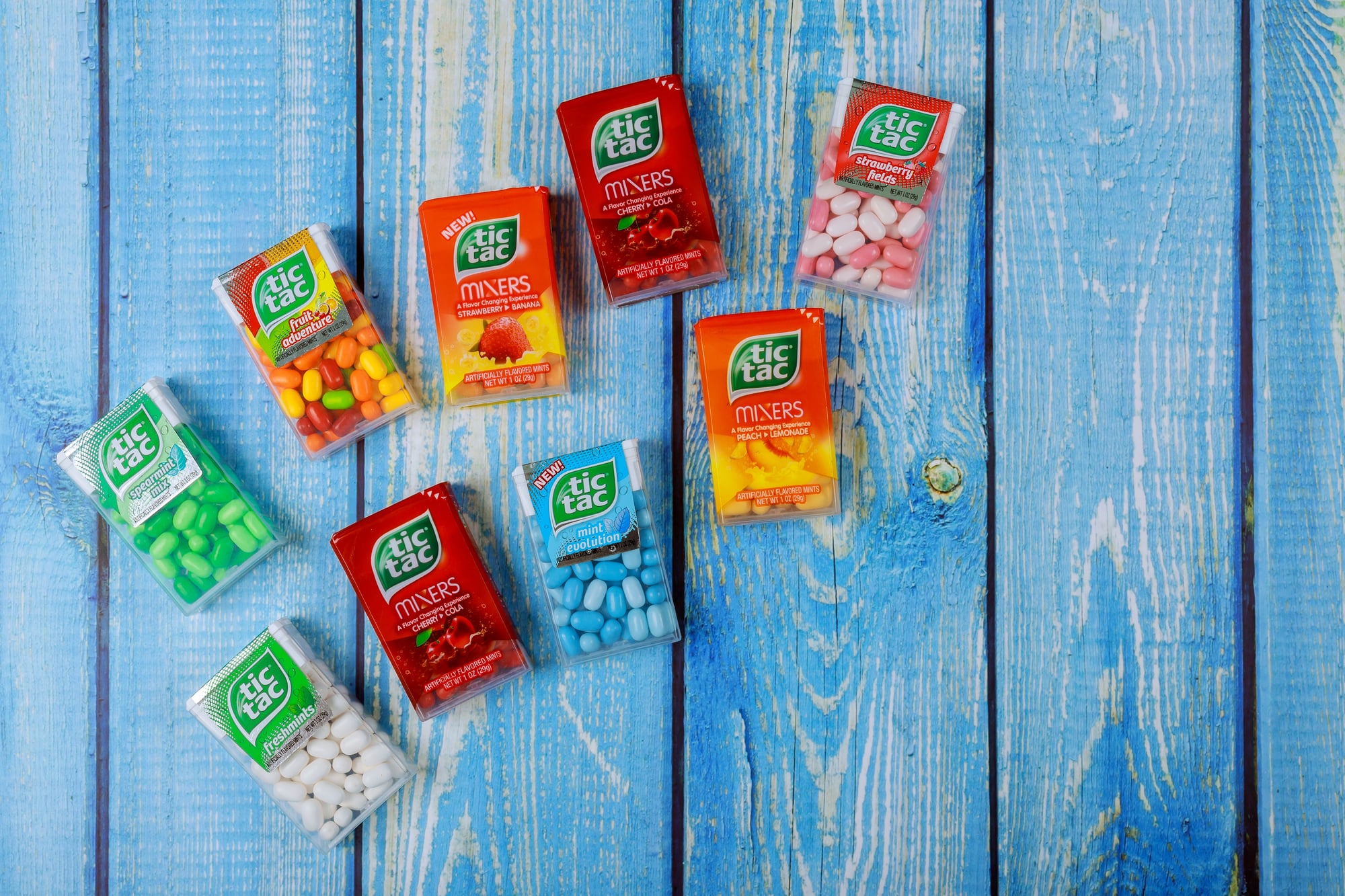
Cinnamon Tic Tacs were the most aggressive flavor in the Tic Tac lineup — spicy-sweet, a slow burn, the kind of mint that made orange seem timid by comparison. Ferrero pulled them from the US market, and the loss registered harder than you’d expect for a product that came in a container smaller than your thumb.
The dedicated search traffic they still generate is proportionally absurd and entirely understandable.
Hostess Pudding Pies
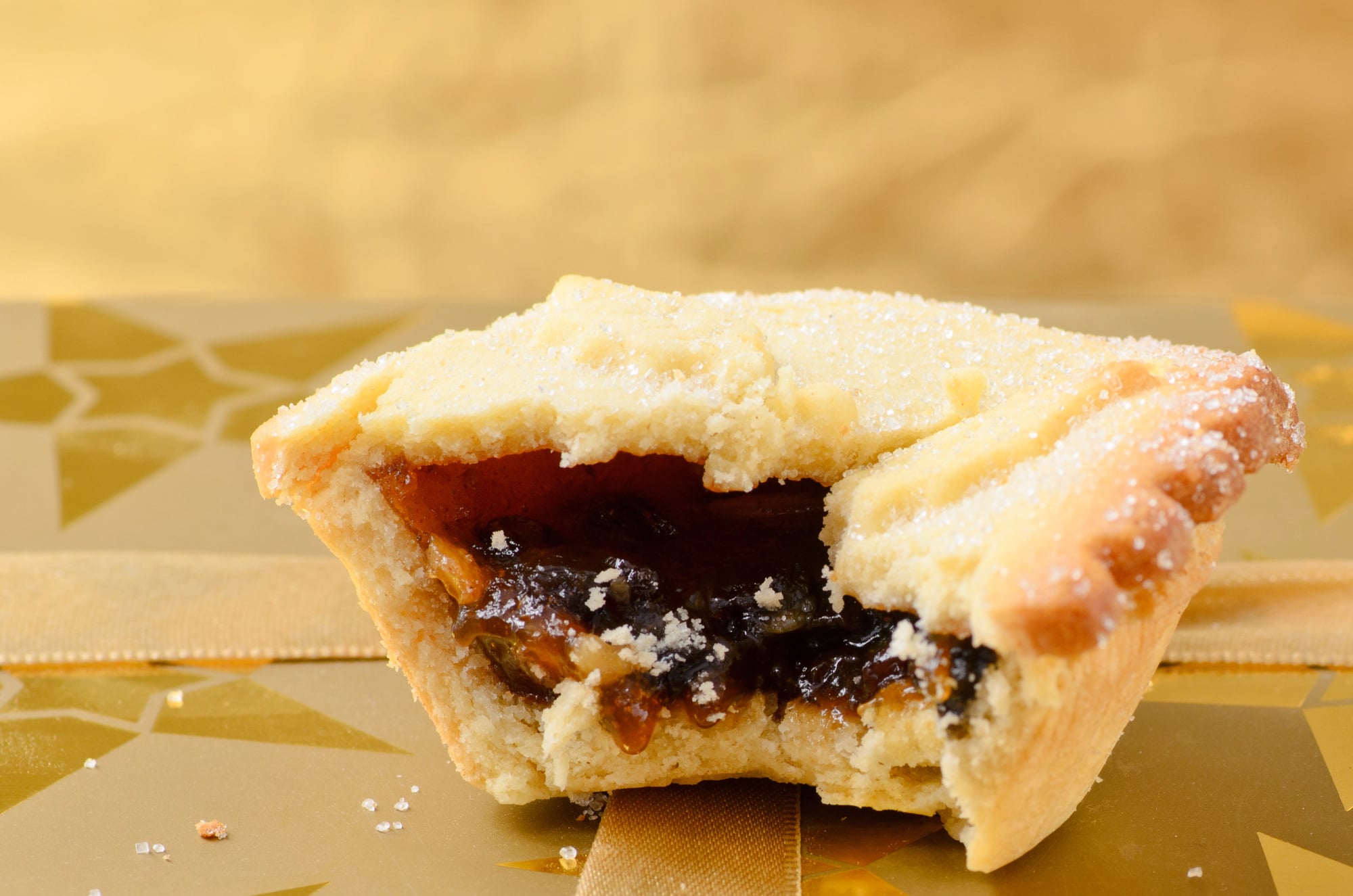
Hostess Pudding Pies — chocolate pastry shells filled with chocolate or vanilla pudding — were a variation on the fruit pie format that briefly existed in the 1980s and early 1990s before disappearing quietly. They get mentioned in the same breath as Choco Bliss among Hostess enthusiasts who remember the fuller catalog that existed before multiple rounds of brand contraction narrowed the lineup.
They haven’t returned, and the searches persist anyway.
Nabisco Sprinkled Chips Ahoy
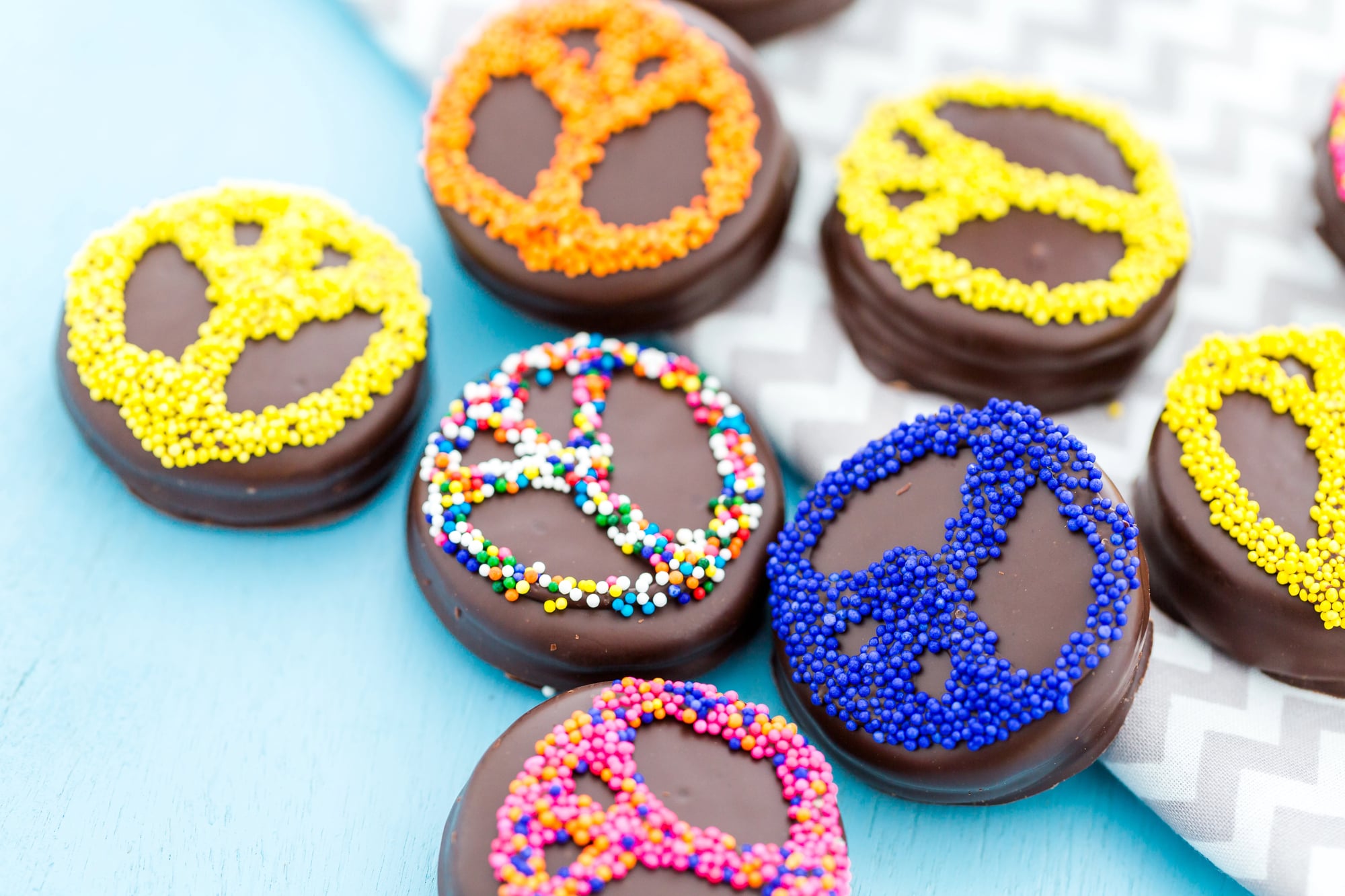
Nabisco’s Sprinkled Chips Ahoy — rainbow sprinkle-studded sugar cookies sold under the Chips Ahoy branding — weren’t the original chocolate chip variety, but they had their own constituency. They’ve cycled in and out of availability over the years, landing them in that ambiguous zone between discontinued and merely elusive.
That ambiguity doesn’t stop people from searching for them with the urgency of something definitively gone.
The Hunger That Doesn’t Quite Go Away

There’s a reason these searches keep happening, year after year, for products that have been gone longer than some of the searchers have been employed. It’s not really about the snack.
It’s about the moment attached to it — the after-school afternoon, the road trip, the lunch that felt like a small reward. Taste is the most time-traveling of the senses, and discontinued snacks sit at the intersection of memory and longing in a way that no algorithm has figured out how to satisfy.
The searches continue because the feeling behind them is real, even when the product isn’t available anymore. And sometimes, enough searches add up to a comeback — which is its own kind of proof that collective memory has weight.
More from Go2Tutors!

- The Romanov Crown Jewels and Their Tragic Fate
- 13 Historical Mysteries That Science Still Can’t Solve
- Famous Hoaxes That Fooled the World for Years
- 15 Child Stars with Tragic Adult Lives
- 16 Famous Jewelry Pieces in History
Like Go2Tutors’s content? Follow us on MSN.