28 Vintage Halloween Costumes and Masks Collectors Want
For most of the twentieth century a Halloween costume came in a cardboard box with a cellophane window, and it consisted of a molded plastic mask with an elastic band and a vinyl smock printed with the character’s name. The masks cracked, the smocks tore, and almost all of it went into the trash by the first week of November.
That attrition is why the survivors are collectible. The pieces below are the ones that turn up at auction and in collector forums with real prices attached, and in every case condition, completeness, and the original box are what separate a few dollars from a few hundred.
Ben Cooper Boxed Costumes
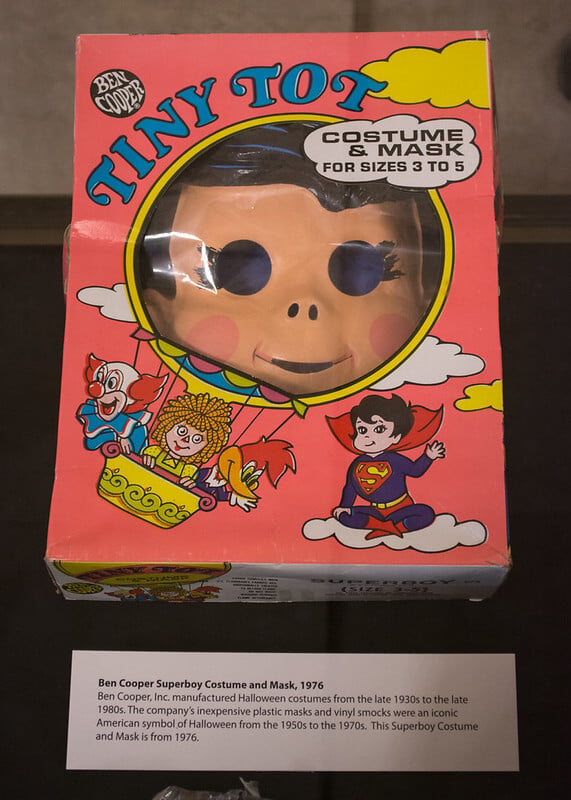
Ben Cooper founded his company in 1937 and by the 1950s it was one of the largest Halloween costume makers in the country, selling a plastic mask and smock in a box for around a dollar. The company secured licenses for Disney, Marvel, DC, and dozens of television properties.
Common 1970s costumes in the box sell for modest sums, while early, rare, or unusual licenses have reached several hundred dollars.
Ben Cooper 1963 Spider-Man
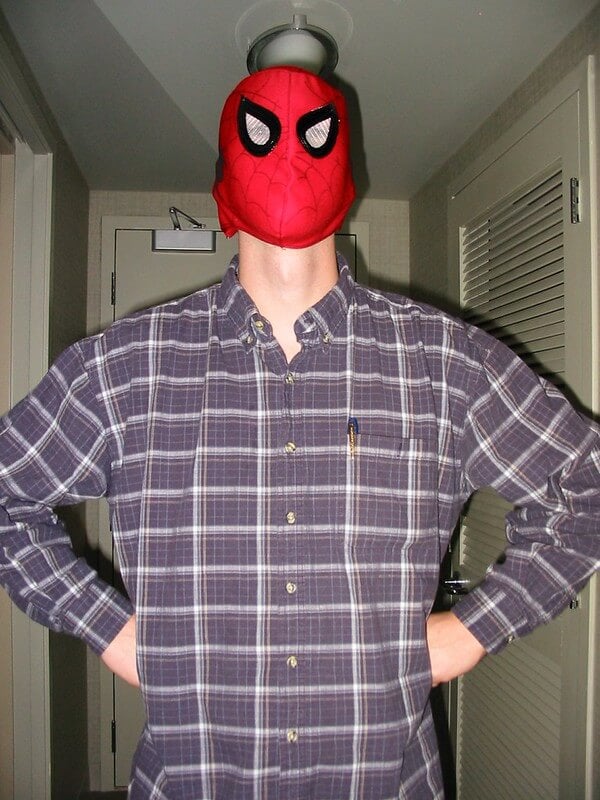
Ben Cooper licensed Spider-Man in 1963, barely a year after the character first appeared, when he was still an obscure comic book hero. That early license means the first Spider-Man costumes predate the character’s fame, and collectors treat them as a milestone.
Later 1970s versions are common, but the early boxes with the first mask design are the prize.
Ben Cooper 1977 Star Wars
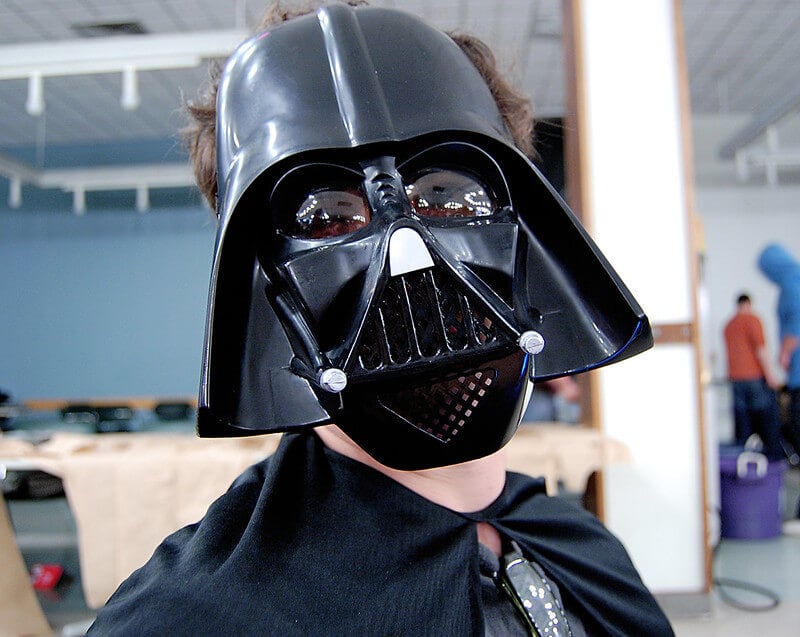
Ben Cooper rushed Star Wars costumes to market for Halloween 1977, months after the film opened, and the first-year Darth Vader, C-3PO, and Stormtrooper costumes are among the most collected boxed costumes of the era. The 1977 boxes carry the earliest licensing marks.
Complete examples with the mask uncracked and the smock unfaded have sold for several hundred dollars.
Collegeville 1966 Batman
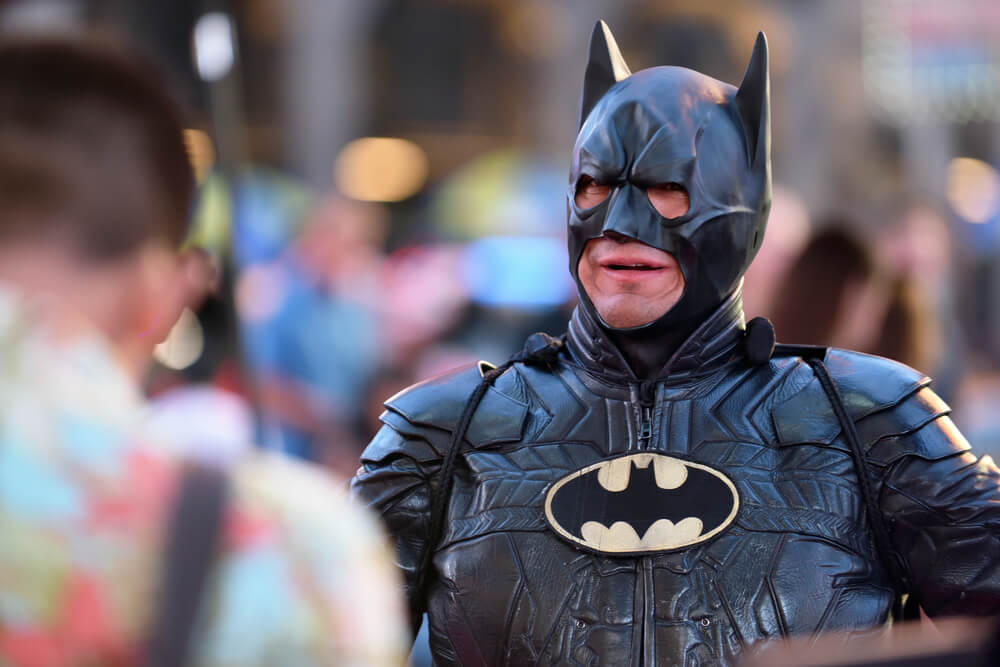
Collegeville held the Batman license during the 1966 television craze, and its boxed Batman and Robin costumes were everywhere that fall. The masks were simple, but the timing made them a snapshot of a cultural moment.
Mint boxed examples bring strong prices, and the Robin costume is somewhat scarcer than Batman.
Collegeville 1978 KISS
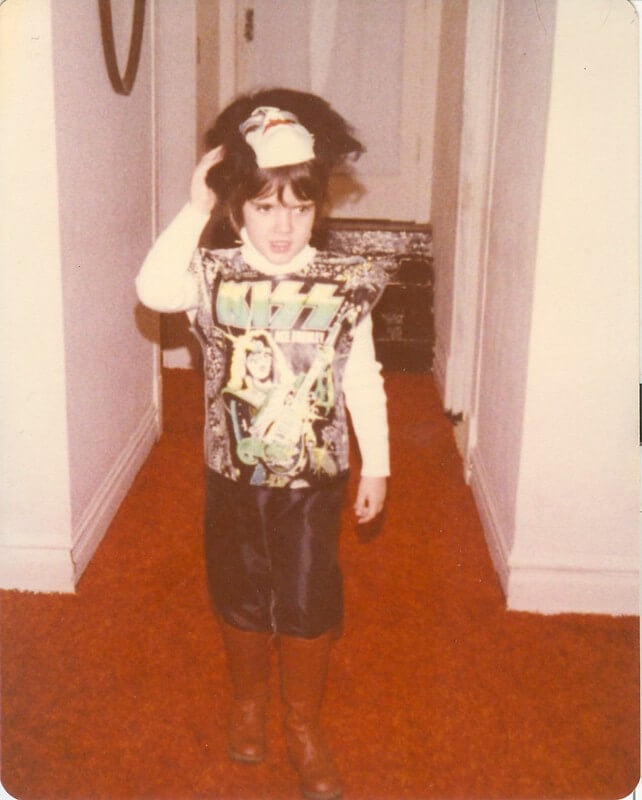
Collegeville produced costumes for all four members of KISS in 1978, at the peak of the band’s merchandising, with masks that reproduced each member’s makeup. The sets were sold individually, and finding all four in boxes is a challenge.
KISS collectors compete with Halloween collectors for these, which keeps prices high.
Ben Cooper Rat Fink
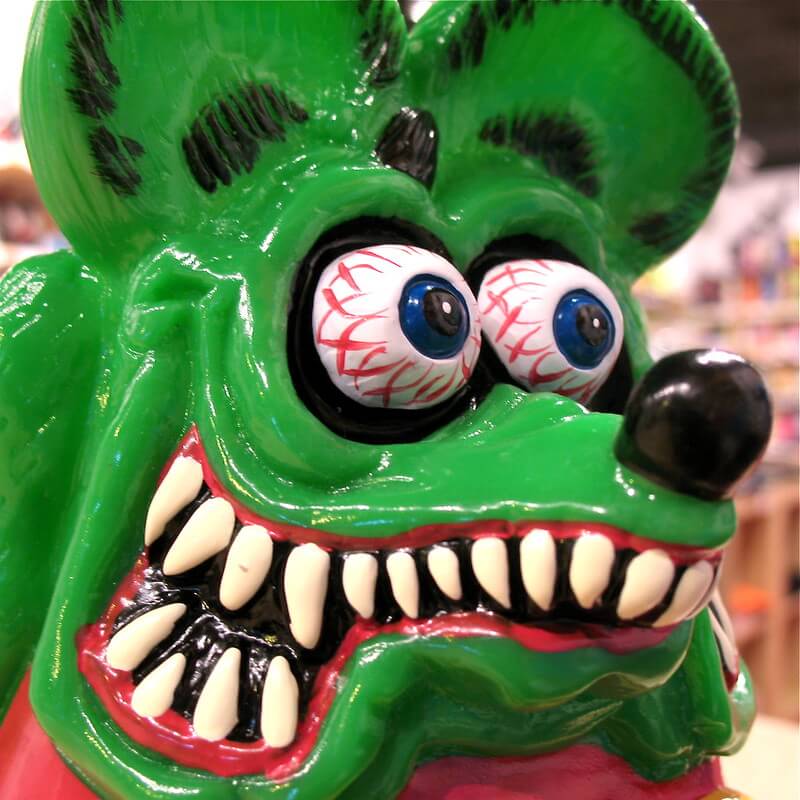
Ben Cooper licensed Ed Roth’s Rat Fink character in the mid-1960s, and the resulting costume featured a bulging-eyed mask that captured the grotesque charm of the original drawings. It was a short run tied to a fad, and few survived.
Boxed examples are among the more valuable 1960s Ben Cooper costumes.
Ben Cooper 1950s Superman
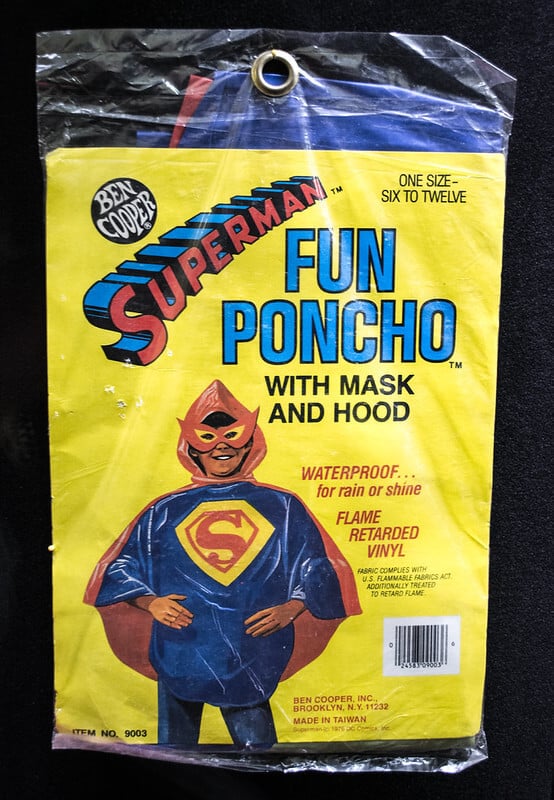
Superman was one of the first television-driven costume licenses, and Ben Cooper’s 1950s versions with the early cape and mask design are scarce. The smocks of the era were often cloth rather than vinyl, which makes them more fragile.
A complete boxed 1950s Superman with the cape is a top-tier find.
Ben Cooper Early Disney Costumes
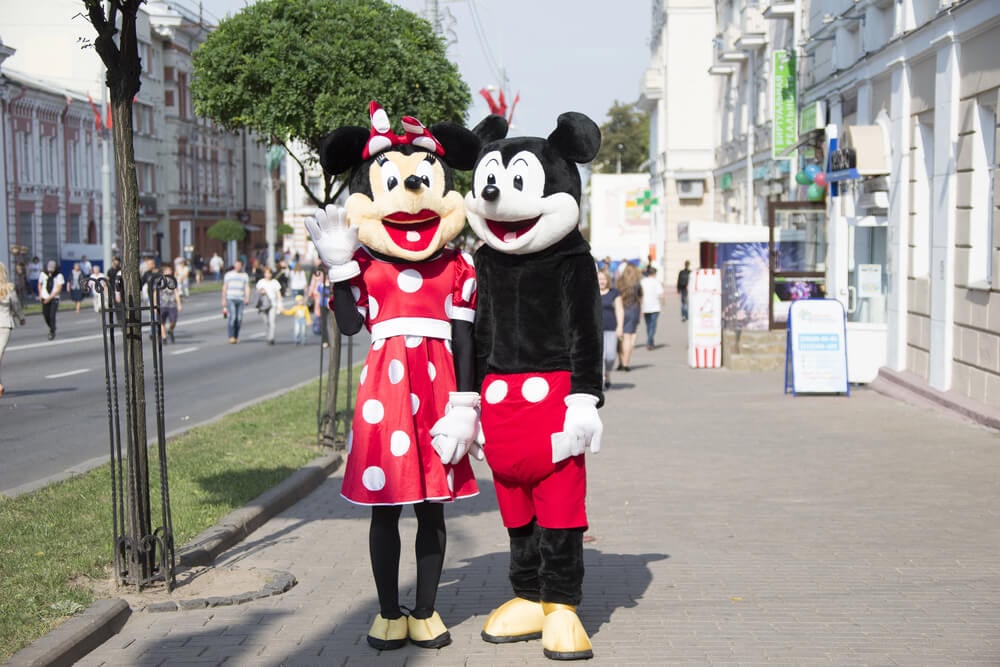
Ben Cooper’s early growth came from the Disney license, and its 1940s and 1950s Mickey Mouse, Donald Duck, and Snow White costumes used cloth and buckram masks before plastic took over. These early costumes are rare because the materials did not hold up.
Examples in boxes with the original Disney licensing marks are prized by both Halloween and Disney collectors.
Halco Costumes
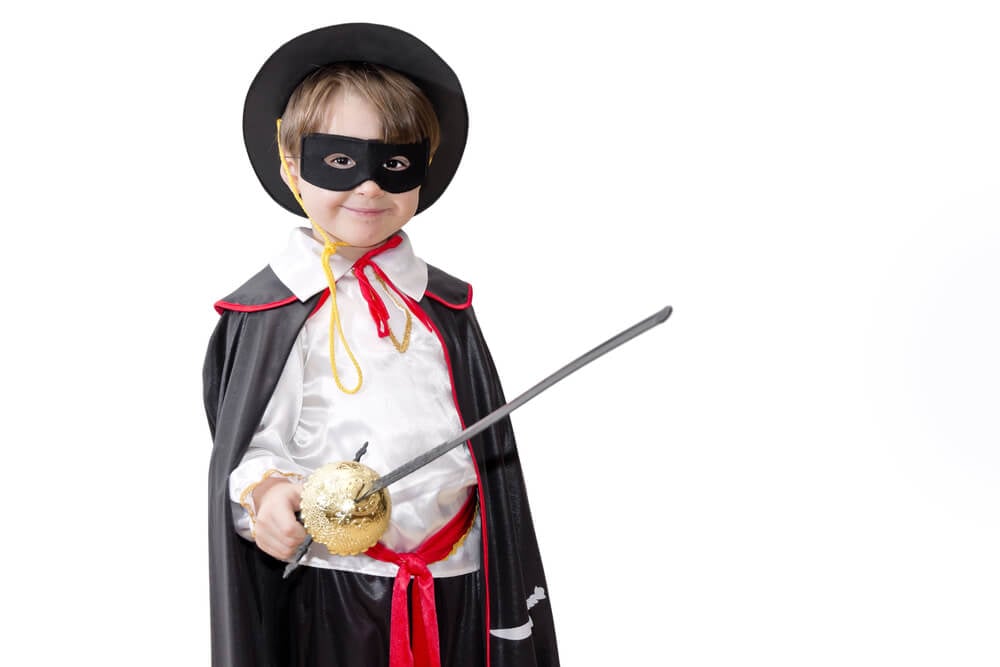
Halco was the third major boxed costume maker, smaller than Ben Cooper and Collegeville, and its 1950s and 1960s costumes featured licenses like Zorro, Roy Rogers, and various cartoon characters. The smaller output means Halco boxes are scarcer, and the company’s distinctive box graphics are easy to recognize.
Clean boxed Halco costumes are sought by collectors filling out the big three.
Ben Cooper Casper
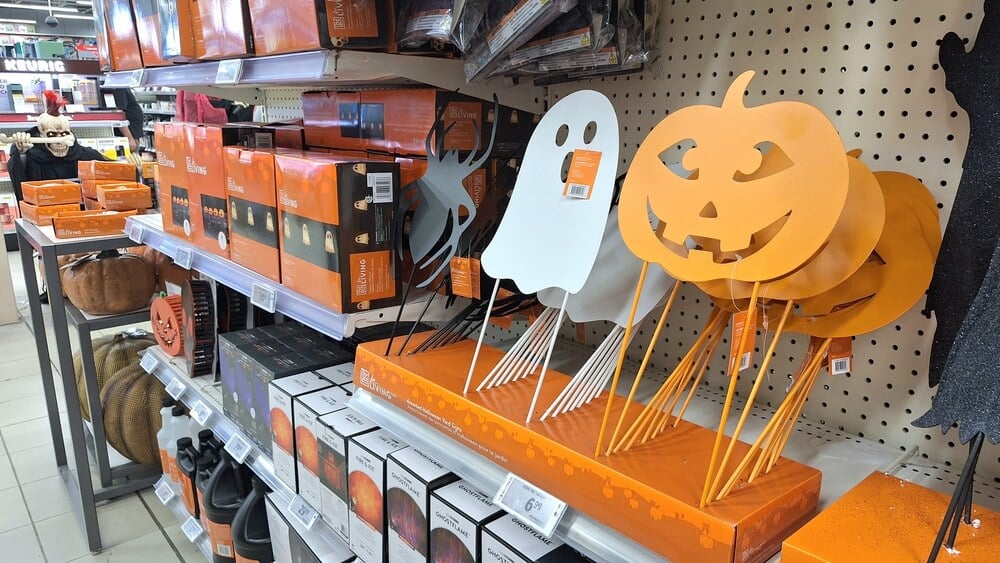
Casper the Friendly Ghost was a natural Halloween license, and Ben Cooper produced versions across several decades. The 1950s and early 1960s costumes with the earlier mask sculpt are the ones collectors prefer.
The character’s long run means later versions are common and inexpensive.
Ben Cooper Incredible Hulk
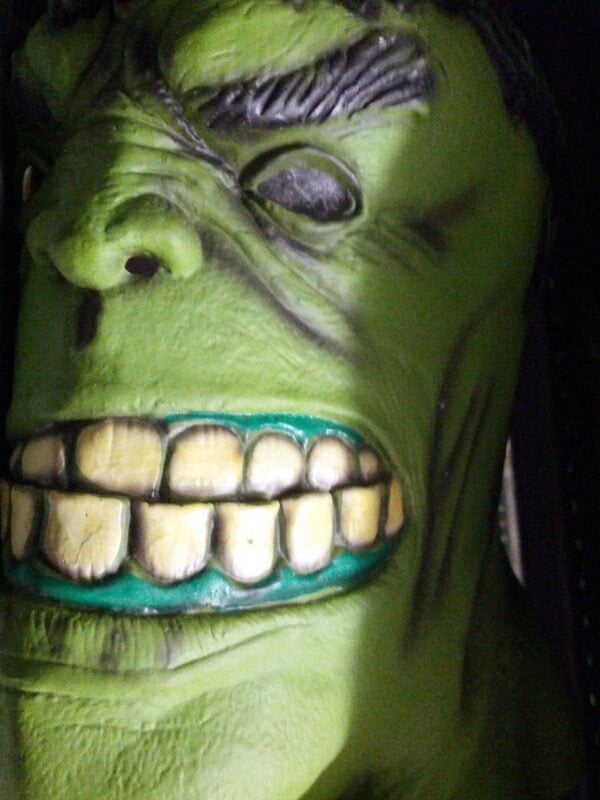
The 1970s television series made the Hulk a top Halloween choice, and Ben Cooper’s green mask and smock sold in huge numbers. Because it sold so well, loose examples are easy to find and cheap.
The boxed version with the television tie-in graphics is what brings a premium.
Don Post Captain Kirk Mask
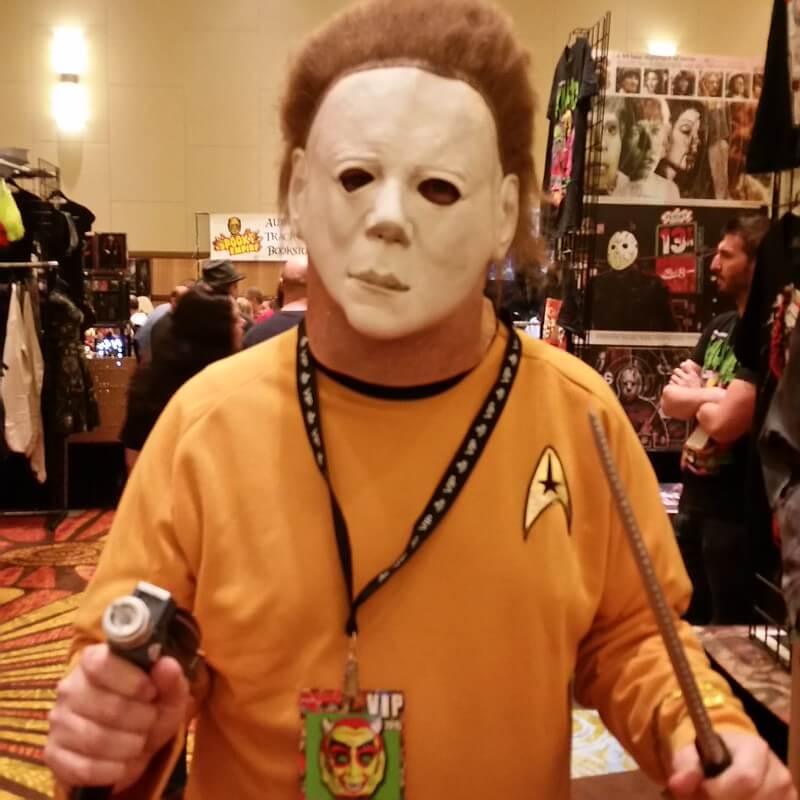
Don Post Studios produced a Captain Kirk mask in 1975 as part of a Star Trek line, and a few of those masks were famously altered to create the Michael Myers mask for the 1978 film Halloween. The original Kirk mask is now one of the most sought-after Don Post pieces for that reason.
Unaltered examples with the original Don Post stamp have sold for thousands.
Don Post Universal Monsters Masks
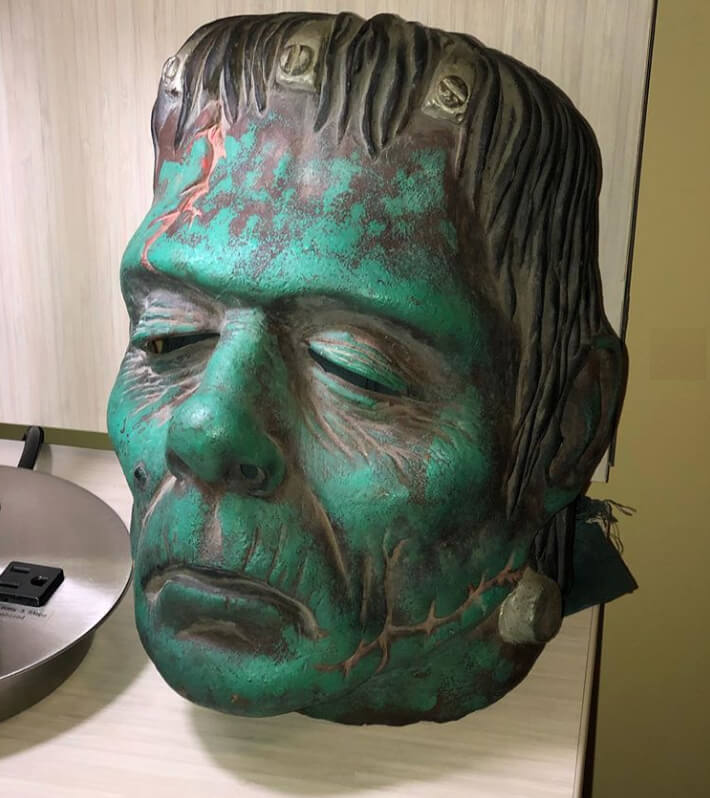
Don Post held the Universal Studios license and produced latex masks of Frankenstein’s monster, the Wolf Man, the Creature from the Black Lagoon, and the Mummy from the 1960s onward. Early examples with the thicker latex and hand painting are the valuable ones.
Latex degrades over time, so a supple, uncracked early mask is a genuine rarity.
Don Post 1977 Star Wars Masks
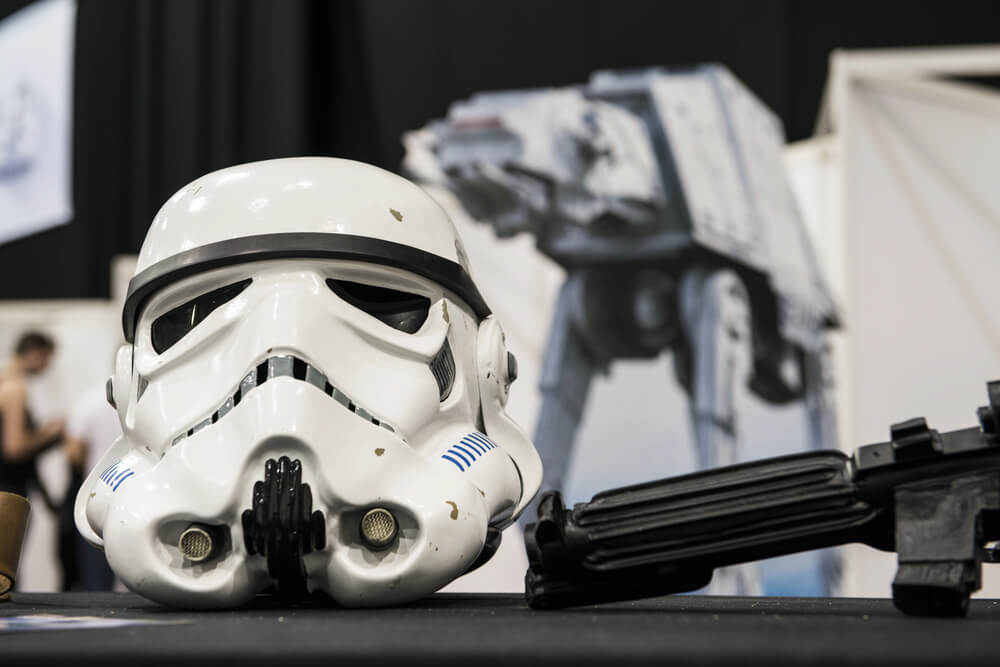
Don Post also held the Star Wars mask license in 1977, producing Darth Vader, Stormtrooper, C-3PO, and Chewbacca masks that were far more detailed than the Ben Cooper versions. The first-year masks with the earliest copyright stamps are the collectible ones.
Later reissues continued for years, so the stamp date matters.
Topstone Rubber Masks
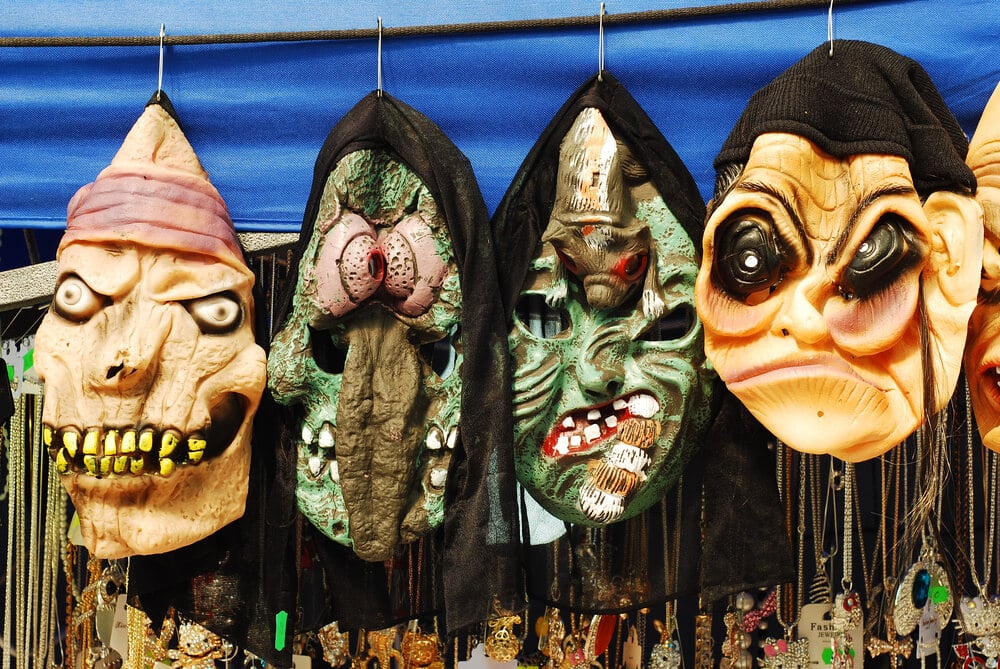
Topstone made full-head rubber masks from the 1950s into the 1970s, with designs like the Shock Monster and various ghouls and witches sold through magazine ads and novelty shops. The masks had a distinctive rough, lumpy style and were sold cheaply.
Surviving examples in good condition are collectible, and the Shock Monster is the one everyone wants.
Cesar Masks
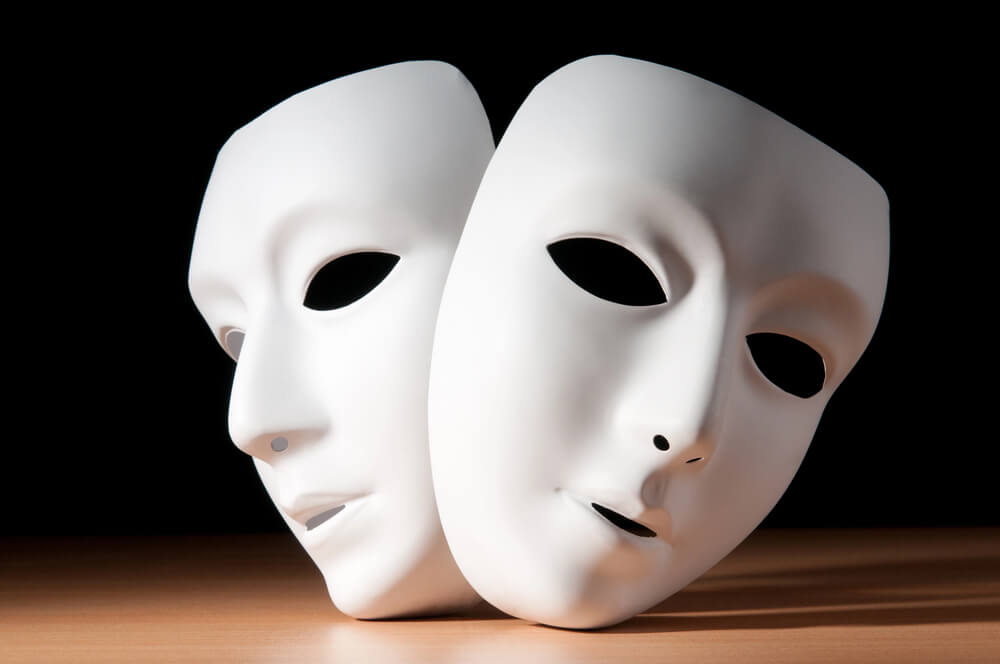
Cesar was a French maker of latex masks that were sold in the United States in the 1960s and 1970s, with vivid monster and character designs. The masks were higher quality than most American drugstore versions and were often sold at costume shops.
Early Cesar masks with the maker’s tag intact are collected alongside Don Post and Topstone.
Dennison Crepe Paper Costumes
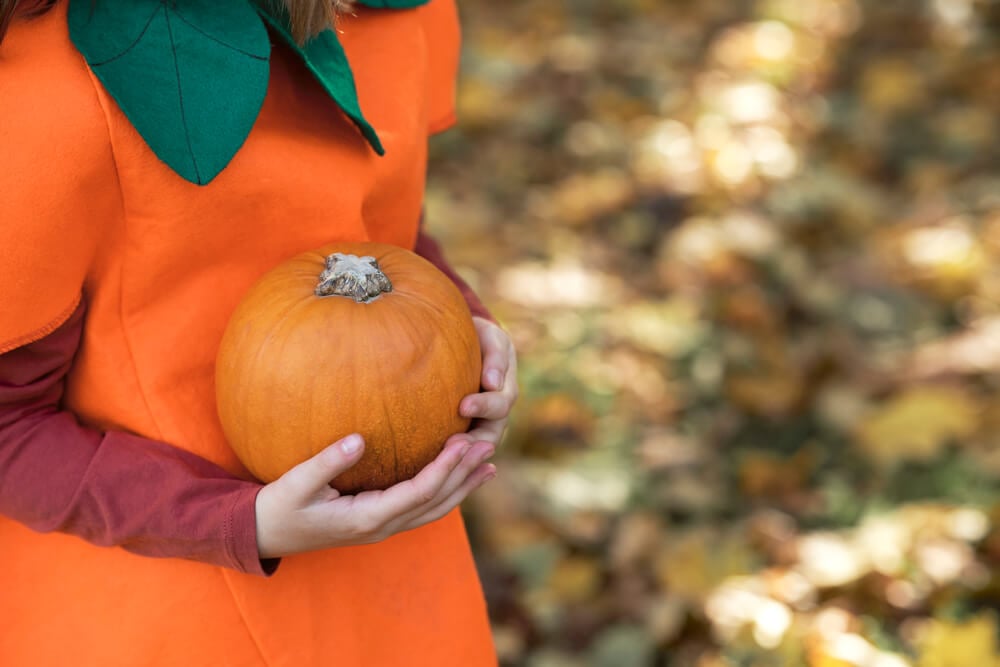
Before plastic, Dennison sold crepe paper costumes and costume-making kits in the 1910s and 1920s, with booklets showing how to assemble a witch or a pumpkin outfit at home. The paper was fragile and the costumes were worn once, so surviving examples are extremely rare.
The Dennison Bogie Books that accompanied them are also collectible.
German Papier-Mache Masks
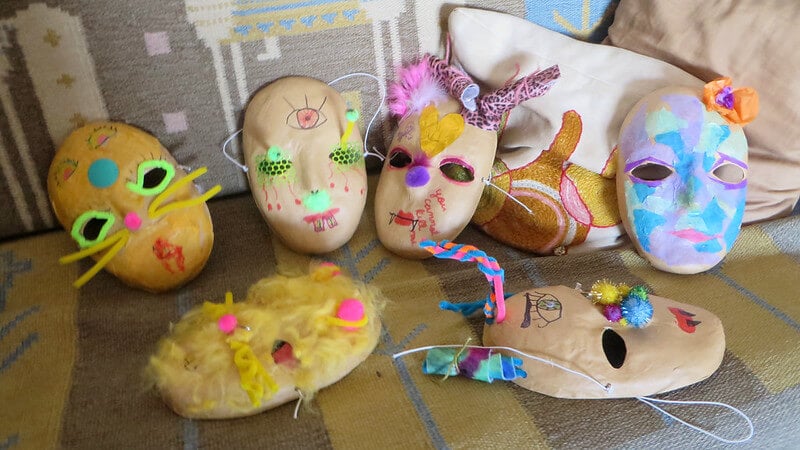
Early twentieth-century masks imported from Germany were made of molded papier-mache or heavy paper, painted by hand, and sold at dime stores for Halloween and masquerade parties. The faces were grotesque and expressive in a way that plastic never matched.
Examples from the 1910s through the 1930s in sound condition bring strong prices from folk art and Halloween collectors alike.
Pulp Jack-o’-Lantern Lanterns
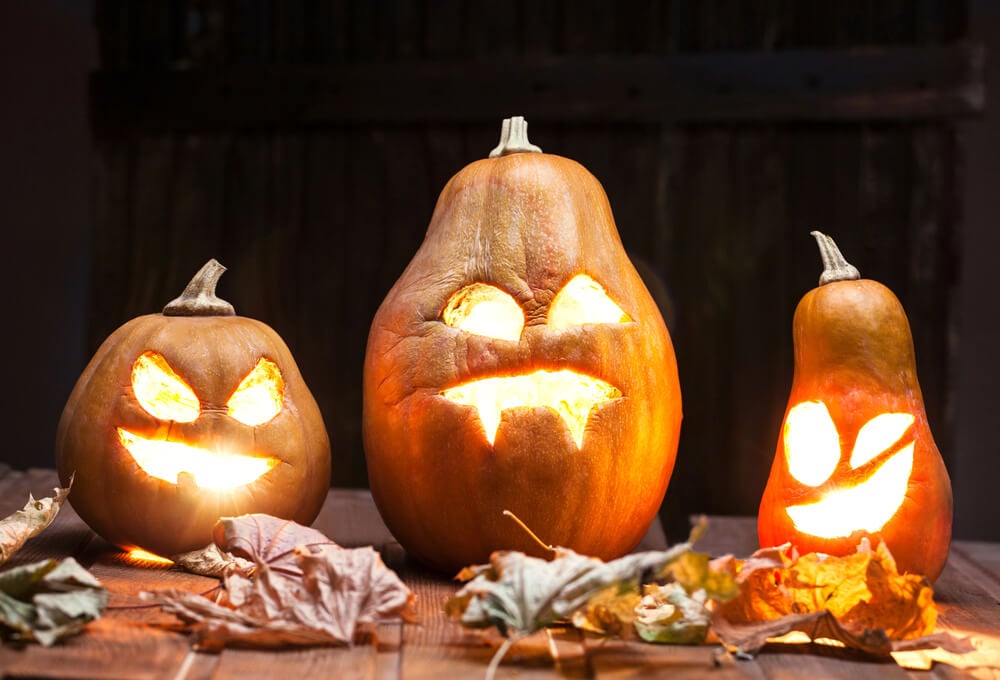
Pressed pulp jack-o’-lantern lanterns from the 1930s through the 1950s, with paper face inserts and a wire handle for a candle, are a cornerstone of Halloween collecting. The pulp was fragile and the candle often scorched it, so examples with the original paper insert intact are prized.
Unusual shapes like cats, witches, and devils bring more than the standard pumpkin.
Beistle Die-Cut Decorations
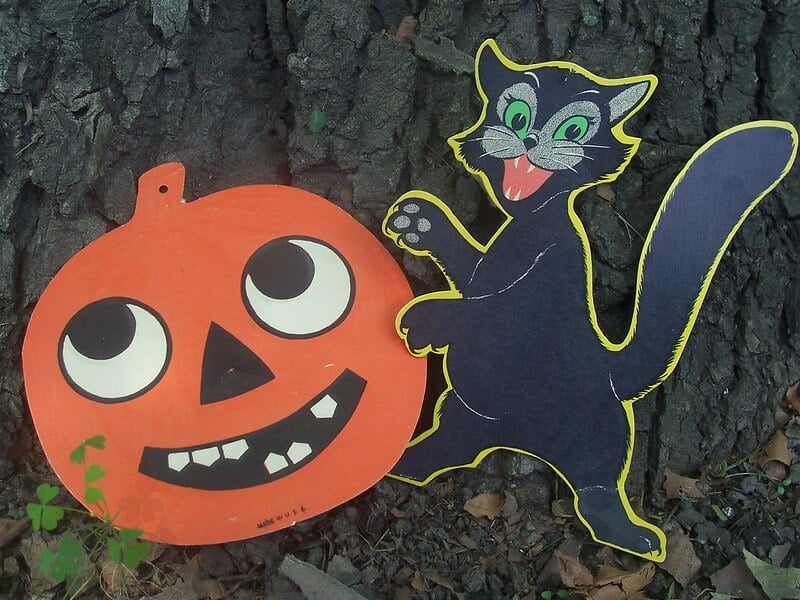
Beistle has made paper Halloween decorations since the early twentieth century, and its 1920s through 1950s die-cut cats, witches, and skeletons are heavily collected. Early pieces with embossing and the original color are what matter, and reproductions exist, so the paper quality and markings are checked carefully.
Rare early designs have sold for hundreds.
Tin Halloween Noisemakers
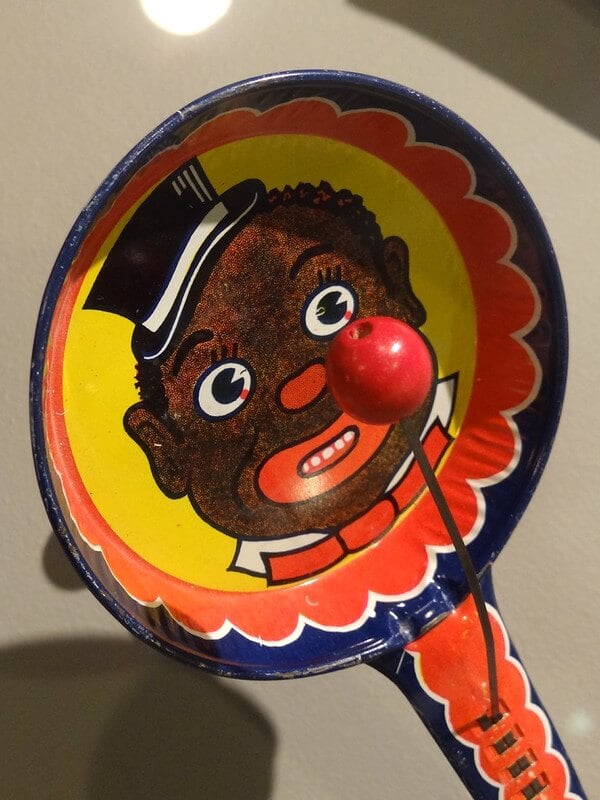
Lithographed tin noisemakers with Halloween graphics were made by companies like Kirchhof and T. Cohn from the 1920s through the 1950s, in ratchet, clapper, and horn designs. The graphics of witches, cats, and pumpkins were often vivid and odd.
Examples with bright lithography and no rust are the collectible ones, and rarer graphics command a premium.
Ben Cooper Sleestak
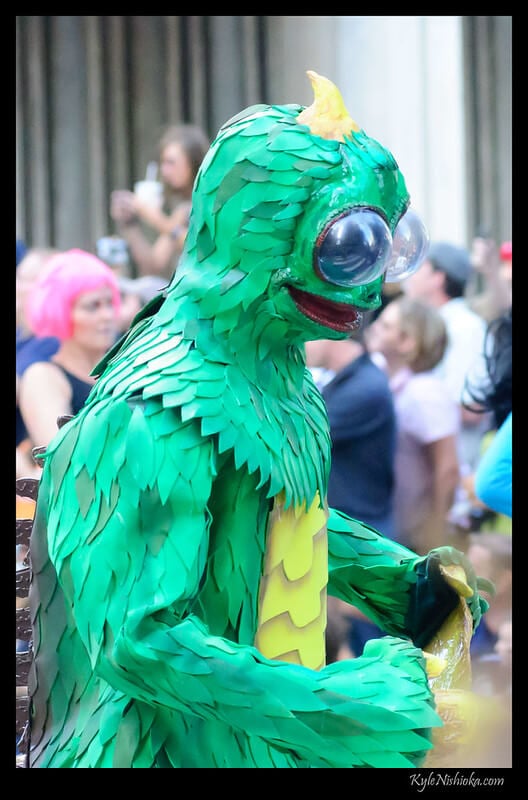
The Land of the Lost television series produced a Ben Cooper Sleestak costume in the mid-1970s, and the lizard-creature mask is one of the stranger entries in the company’s catalog. It was a modest seller tied to a single show, which kept numbers down.
Boxed examples are scarce and pursued by fans of the series.
Collegeville Planet of the Apes
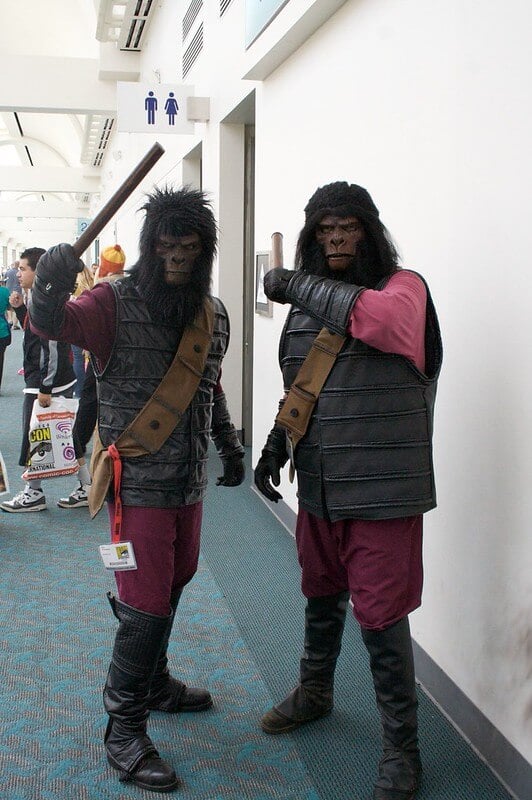
Collegeville produced costumes for the Planet of the Apes films and television series in the 1970s, with ape masks for the major characters. The license was popular, and the costumes sold well, but boxed examples in good condition are harder to find than the loose masks.
Collectors of the franchise compete for the complete sets.
Ben Cooper E.T.
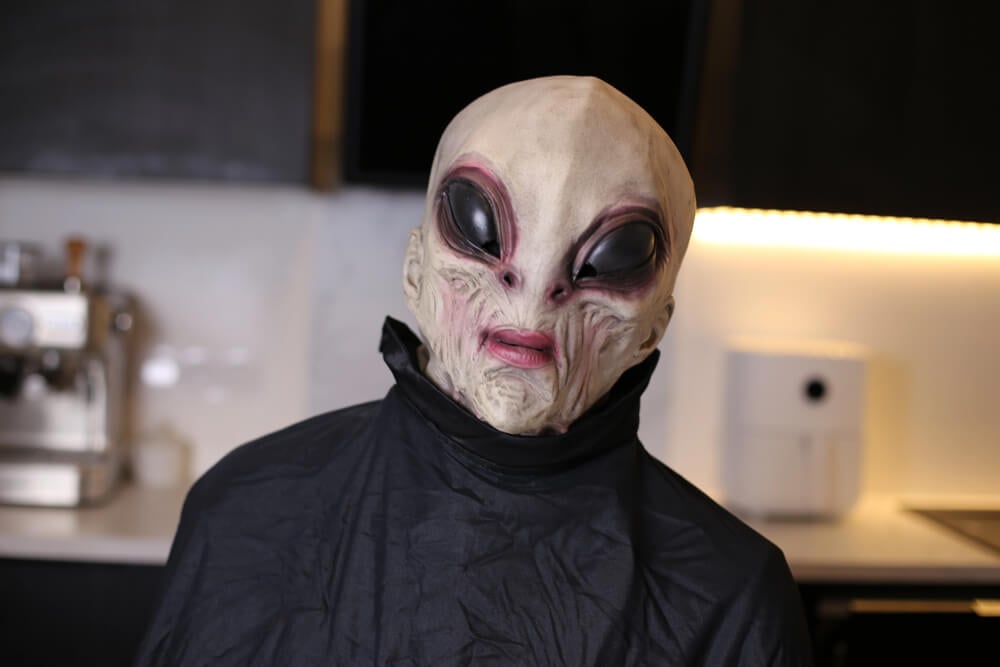
Ben Cooper’s 1982 E.T. costume capitalized on the biggest film of the year, and the wrinkled alien mask was a top seller that Halloween. Because it sold in such numbers, loose masks are common.
The boxed costume with the film’s logo and the original smock is the collectible version.
Ben Cooper Barbie
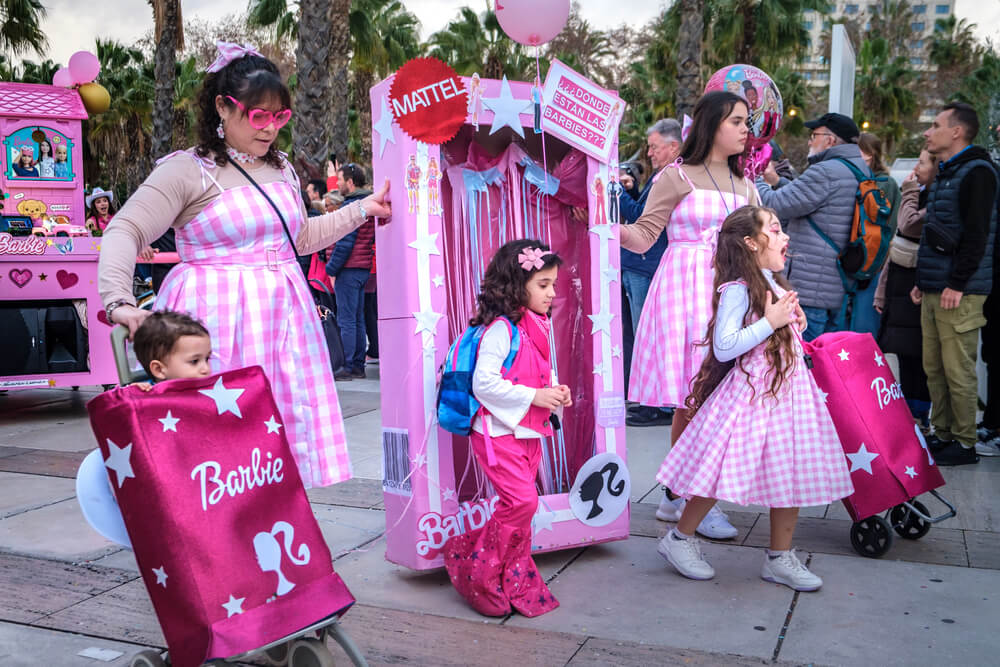
Ben Cooper licensed Barbie for a costume with a smiling mask and a smock printed with a pink dress, aimed squarely at young girls. Barbie collectors have driven demand for the boxed version.
The 1960s and 1970s examples with the earlier box designs are the ones that sell.
Collegeville Six Million Dollar Man
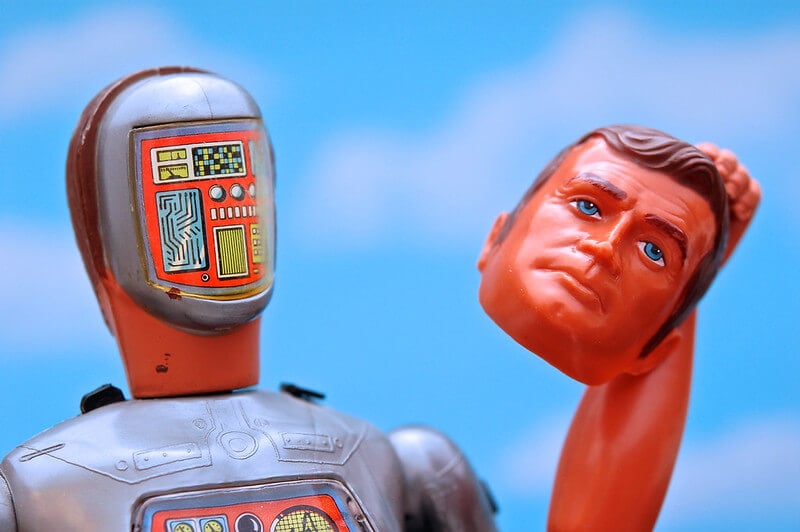
Collegeville’s costume for the 1970s television series featured a mask of the lead character and a smock printed with the bionic details. The license was briefly enormous, and the costume sold accordingly.
Boxed examples are sought by television collectors, and the mask alone is common.
Ben Cooper Glow-in-the-Dark Skeleton
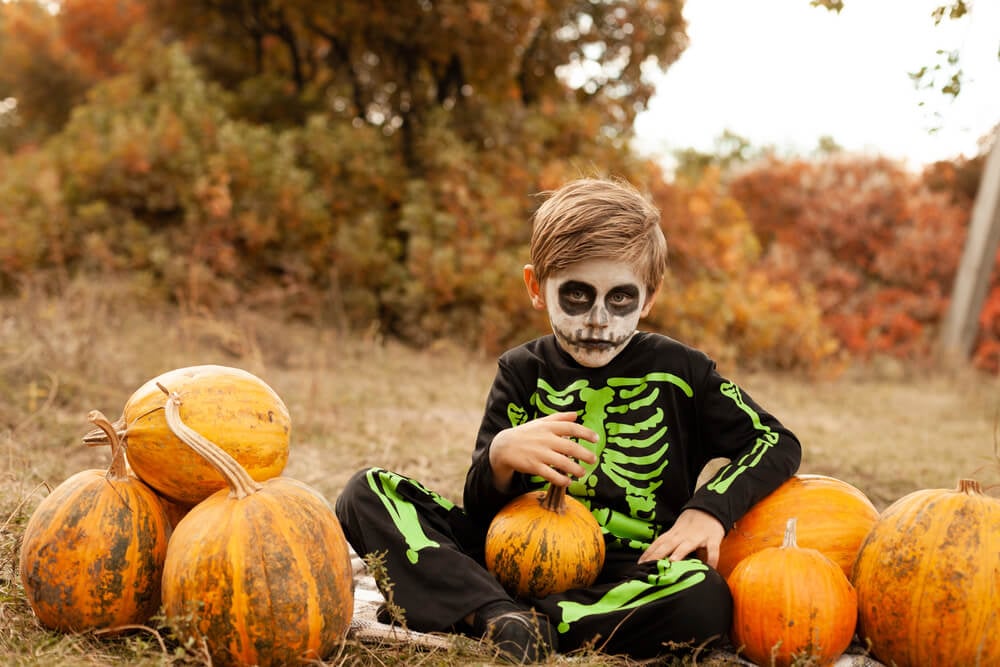
Ben Cooper’s skeleton costume with glow-in-the-dark bones printed on the smock was a generic design that sold for decades and became a Halloween standard. The 1950s and 1960s versions with the earlier mask sculpt and the “Glows in the Dark” box text are the collectible ones.
Later versions are plentiful and inexpensive.
Gauze and Buckram Masks
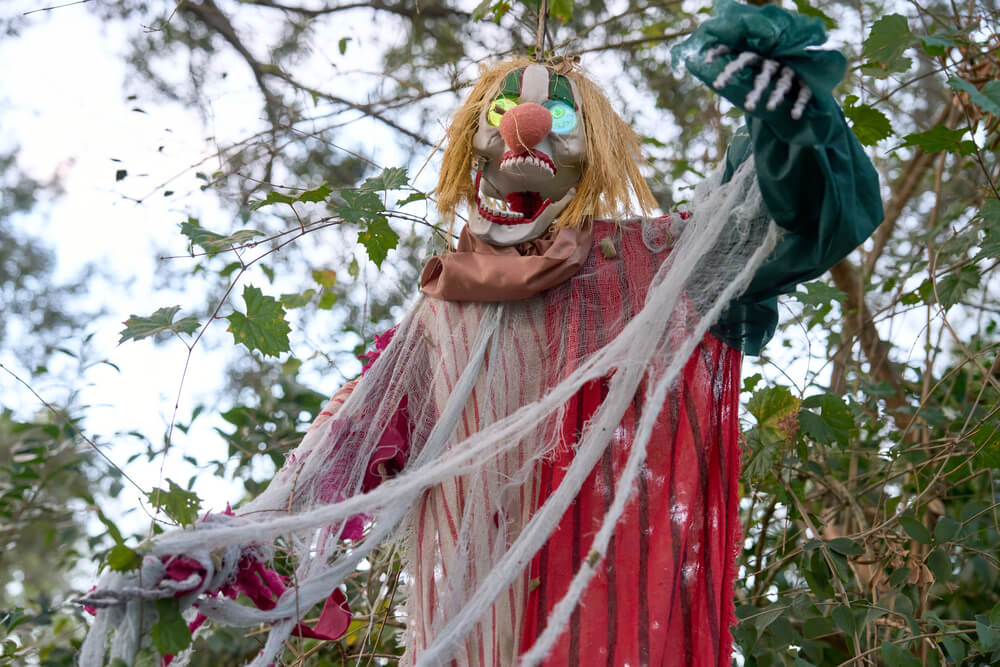
Before plastic, mass-market masks were made of starched gauze or buckram, painted with faces and sold in dime stores from the 1920s through the 1940s. The material was stiff, scratchy, and short-lived, which makes surviving examples rare.
Collectors prize the painted character faces and the odd, slightly unsettling expressions typical of the era.
The Economy of a Dollar Costume
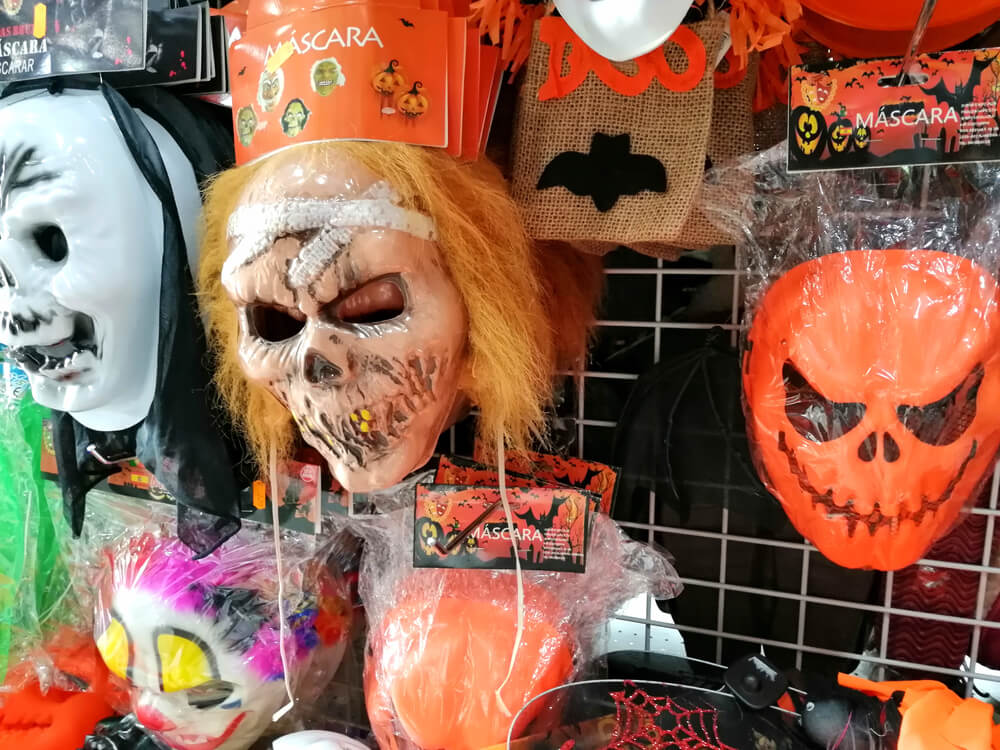
Nearly everything on this list cost a dollar or two when new and was expected to last one night. The masks were thin, the smocks tore at the seams, and the boxes were crushed in the closet, which is precisely why a pristine example now sells for a hundred times its original price.
The value is not in the craftsmanship, which was minimal, but in the moment each costume captured, whether a new superhero, a hit film, or a monster from a late-night movie. Collectors are buying the year, the license, and the memory, and the plastic is just the proof.
More from Go2Tutors!

- The Romanov Crown Jewels and Their Tragic Fate
- 13 Historical Mysteries That Science Still Can’t Solve
- Famous Hoaxes That Fooled the World for Years
- 15 Child Stars with Tragic Adult Lives
- 16 Famous Jewelry Pieces in History
Like Go2Tutors’s content? Follow us on MSN.