15 Times the Moon Surprised Scientists
The Moon seems pretty straightforward when you look up at it each night. Just a big gray rock hanging in space, right? Well, scientists have learned the hard way that our nearest neighbor is anything but predictable. What looked like a simple, well-understood celestial body has turned into one of the most puzzling objects in our solar system.
Every new space mission brings discoveries that make researchers throw out their textbooks and start over. Some findings completely flip long-standing theories on their head, while others raise questions nobody even knew to ask.
Here is a list of 15 times the Moon caught scientists completely off guard.
Water on the Moon

For decades, everyone figured the Moon was completely dry—no atmosphere means no way to keep water around, right? Wrong. NASA’s LCROSS mission found massive amounts of water ice in 2009, hidden away in permanently shadowed craters near the lunar poles.
These dark regions work like giant cosmic freezers, keeping water frozen for billions of years. The discovery didn’t just surprise scientists; it completely changed how we think about future Moon bases and space exploration.
The Moon’s Shrinking

Turns out the Moon is getting smaller as its insides cool down, creating wrinkle-like ridges called thrust faults all over its surface. Scientists discovered this in 2010, and the weird part is that it’s still happening today—moonquakes from this shrinking can last up to 10 minutes.
Most researchers had assumed the Moon was basically dead rock for billions of years, so finding active geological processes was a real shock.
Lunar Magnetic Anomalies
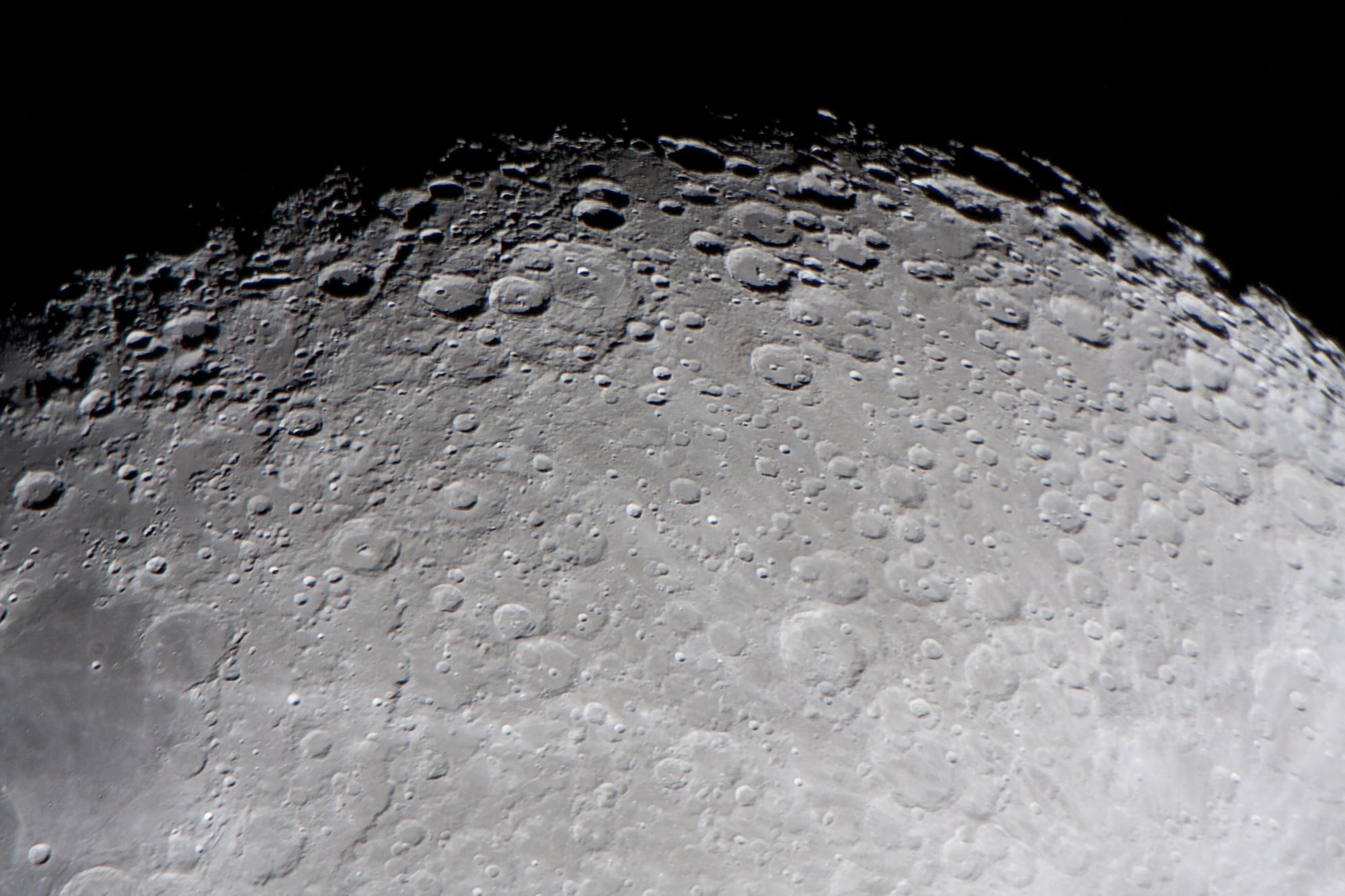
The Moon doesn’t have Earth’s protective magnetic field, yet scientists found dozens of localized magnetic patches scattered across its surface in 2011. Some of these anomalies are strong enough to actually deflect solar wind particles—creating their own tiny magnetic bubbles.
Based on what we knew about lunar geology, these magnetic zones shouldn’t exist at all, which suggests the Moon’s early days were way more complex than anyone imagined.
Like Go2Tutors’s content? Follow us on MSN.
Ice in Sunlit Areas
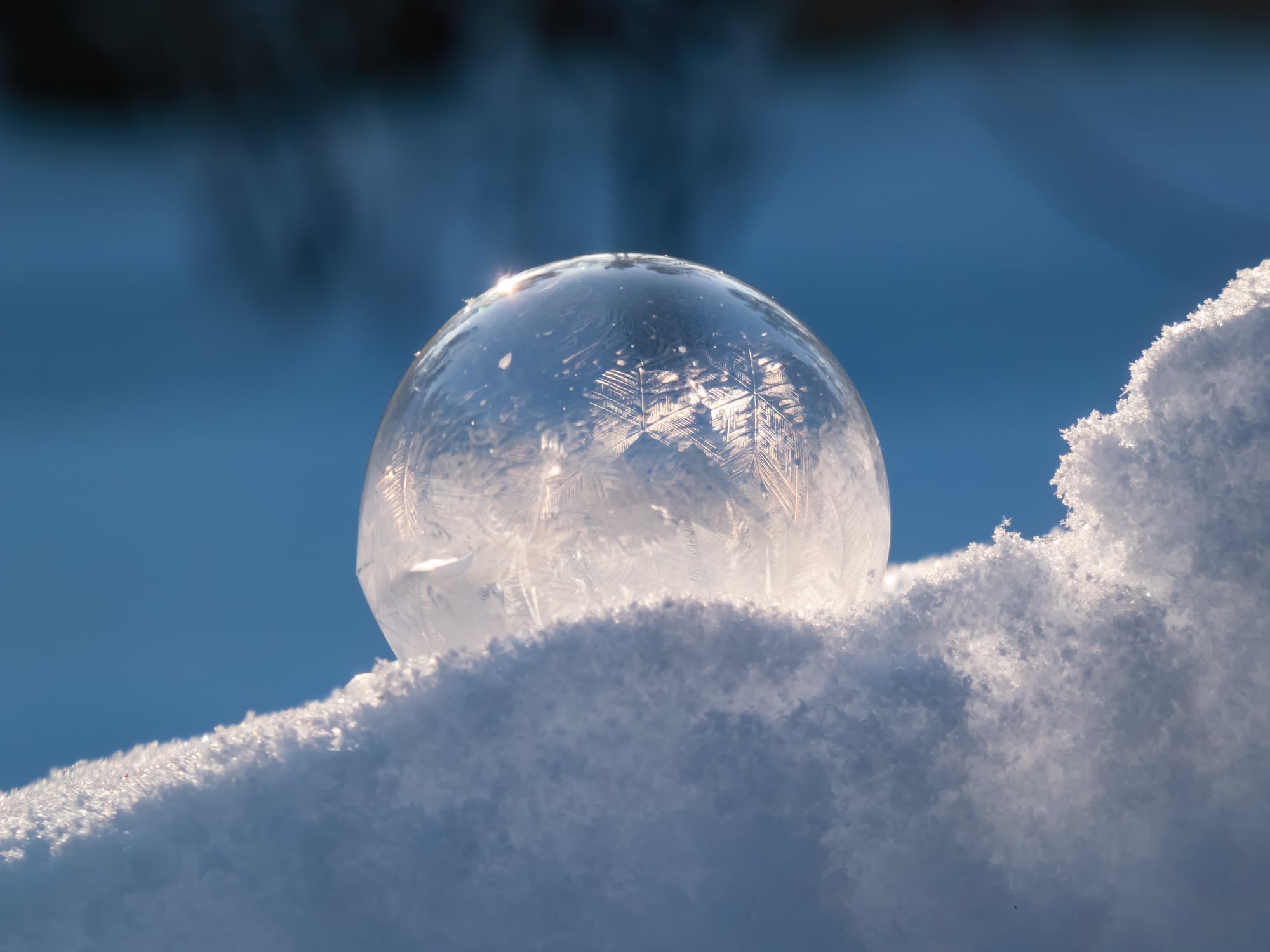
Finding water ice in dark craters was surprising enough, but in 2020 scientists detected water molecules in areas that get full sunlight. The Stratospheric Observatory for Infrared Astronomy spotted water trapped in lunar soil at much higher concentrations than expected—somehow this water survives despite being blasted by solar radiation all day.
This discovery suggests accessible water on the Moon might be way more common than we thought.
The Moon’s Tilted Orbit
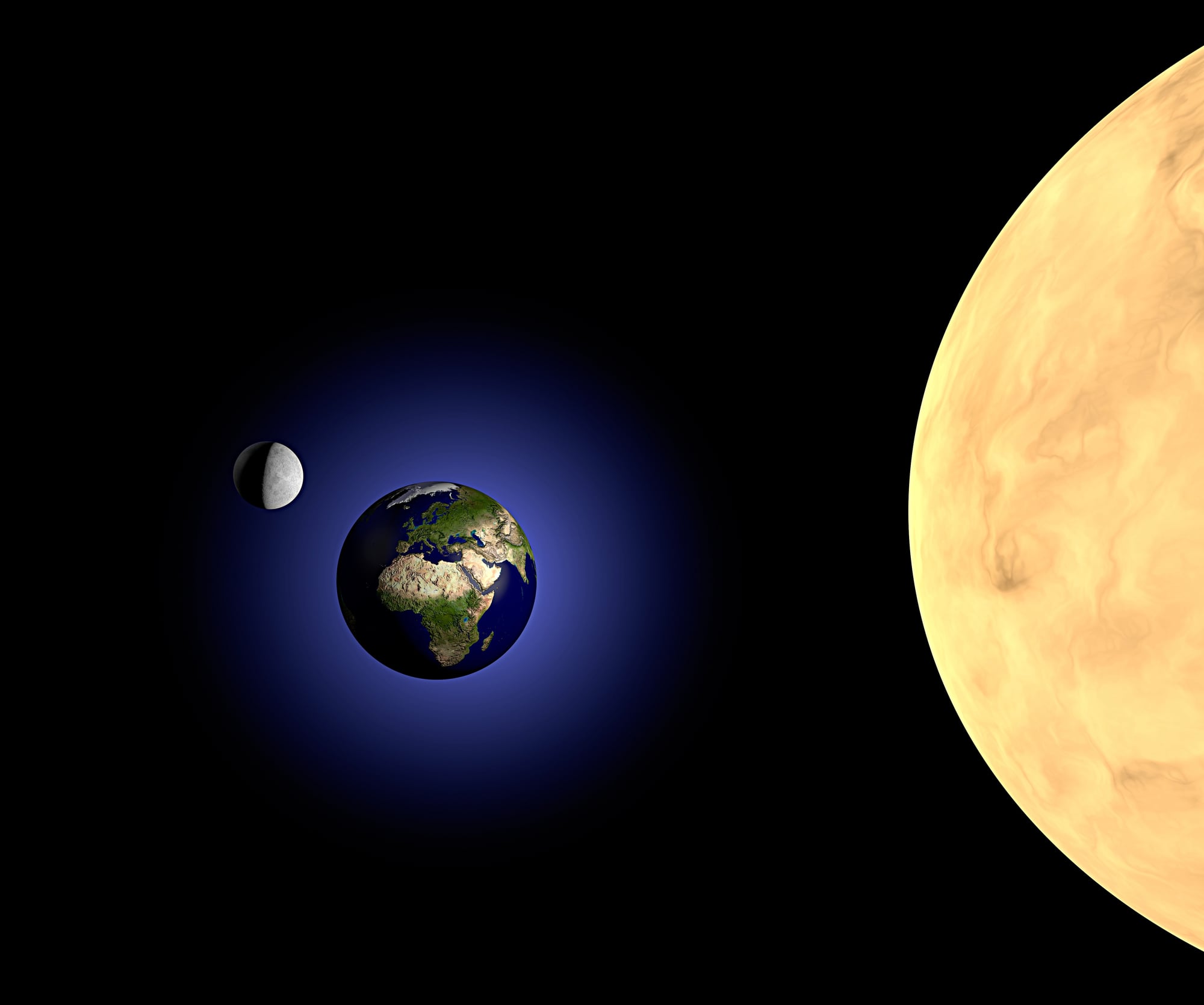
The Moon’s orbit sits at about a 5-degree tilt compared to Earth’s equator, and for years nobody could explain why. In 2016, researchers figured out the answer—and it wasn’t what anyone expected.
Rather than being left over from the Moon’s formation, this tilt developed gradually as gravitational interactions with the sun pulled the Moon’s orbit askew over millions of years. The discovery forced a complete rethink of how the Earth-Moon system evolved.
Lunar Caves and Lava Tubes

Japanese researchers discovered in 2017 that the Moon is basically Swiss cheese underneath—riddled with massive underground caves formed by ancient lava flows. Some of these lava tubes are up to 3 miles wide, making them way bigger than anything we see on Earth—you could literally fit entire cities inside them.
The discovery got scientists excited because these natural shelters could protect future astronauts from radiation and meteorite impacts.
Like Go2Tutors’s content? Follow us on MSN.
The Moon’s Wobble

Scientists have tracked the Moon’s slight wobble for decades, though in 2021 they realized this natural cycle will dramatically mess with Earth’s tides in the 2030s. The 18.6-year lunar cycle will amplify high tides in coastal areas, potentially causing flooding even during normal weather—researchers hadn’t connected the Moon’s wobble to future sea level problems.
This revelation caught coastal planners completely unprepared and sparked urgent discussions about adaptation strategies.
Metallic Swirls on the Surface

The Moon’s surface features these weird bright streaks that look like someone took a cosmic paintbrush to the landscape—scientists still can’t fully explain them. These metallic swirls appear to be made of concentrated iron particles arranged in mysterious patterns, often showing up near those strange magnetic anomalies.
The swirls change brightness depending on your viewing angle, suggesting they might result from interactions between solar wind and magnetic fields.
The Moon’s Patchy Gravity
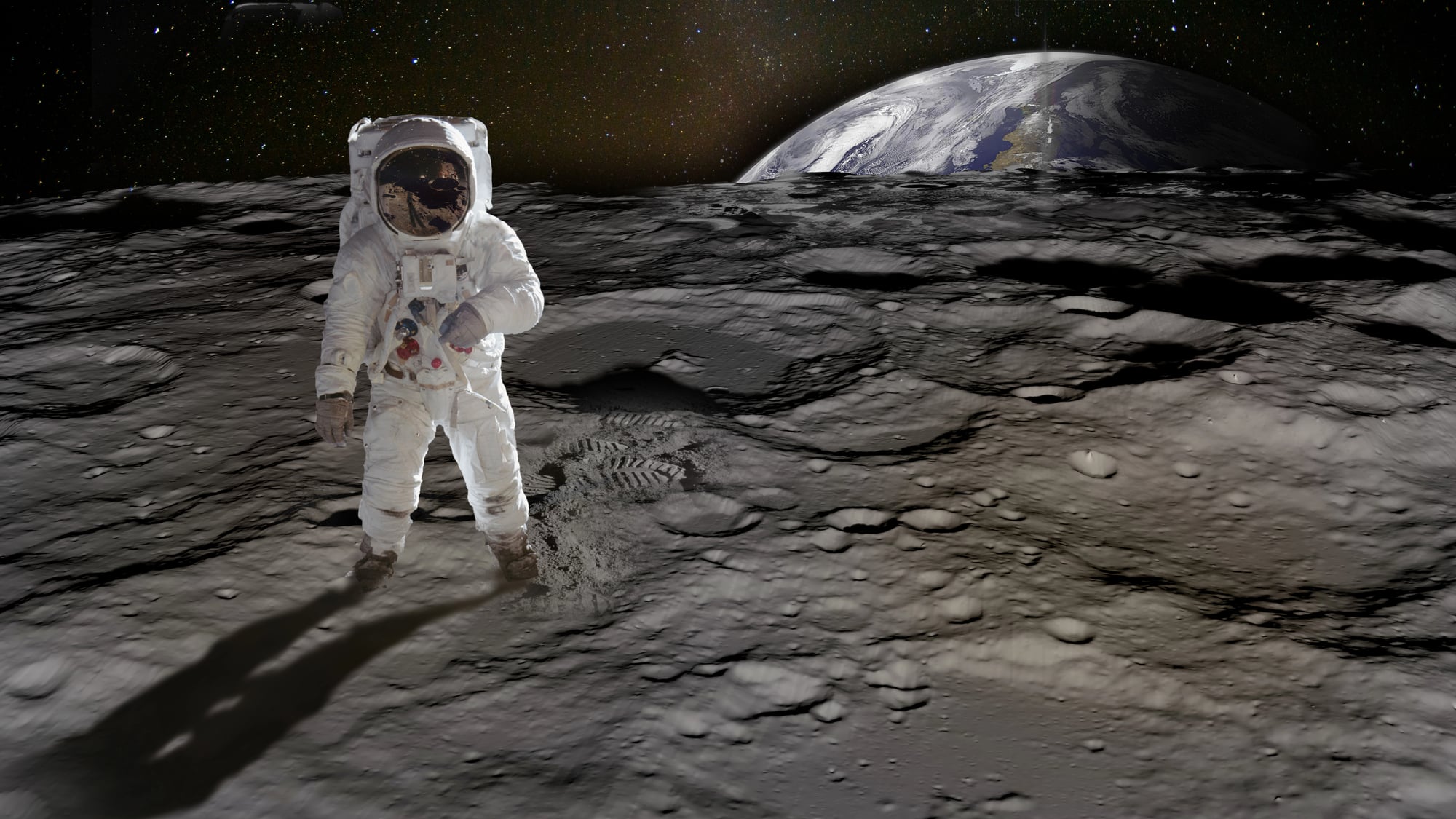
Gravity isn’t the same everywhere on the Moon, something that surprised mission planners when spacecraft started experiencing unexpected orbital changes. Dense mass concentrations called ‘mascons’ create stronger gravitational pulls in certain areas—particularly under large impact basins where these gravity anomalies are so strong they can crash orbiting satellites.
NASA had to completely redesign how they plan lunar missions once they discovered this phenomenon.
Like Go2Tutors’s content? Follow us on MSN.
Lunar Atmosphere Detection
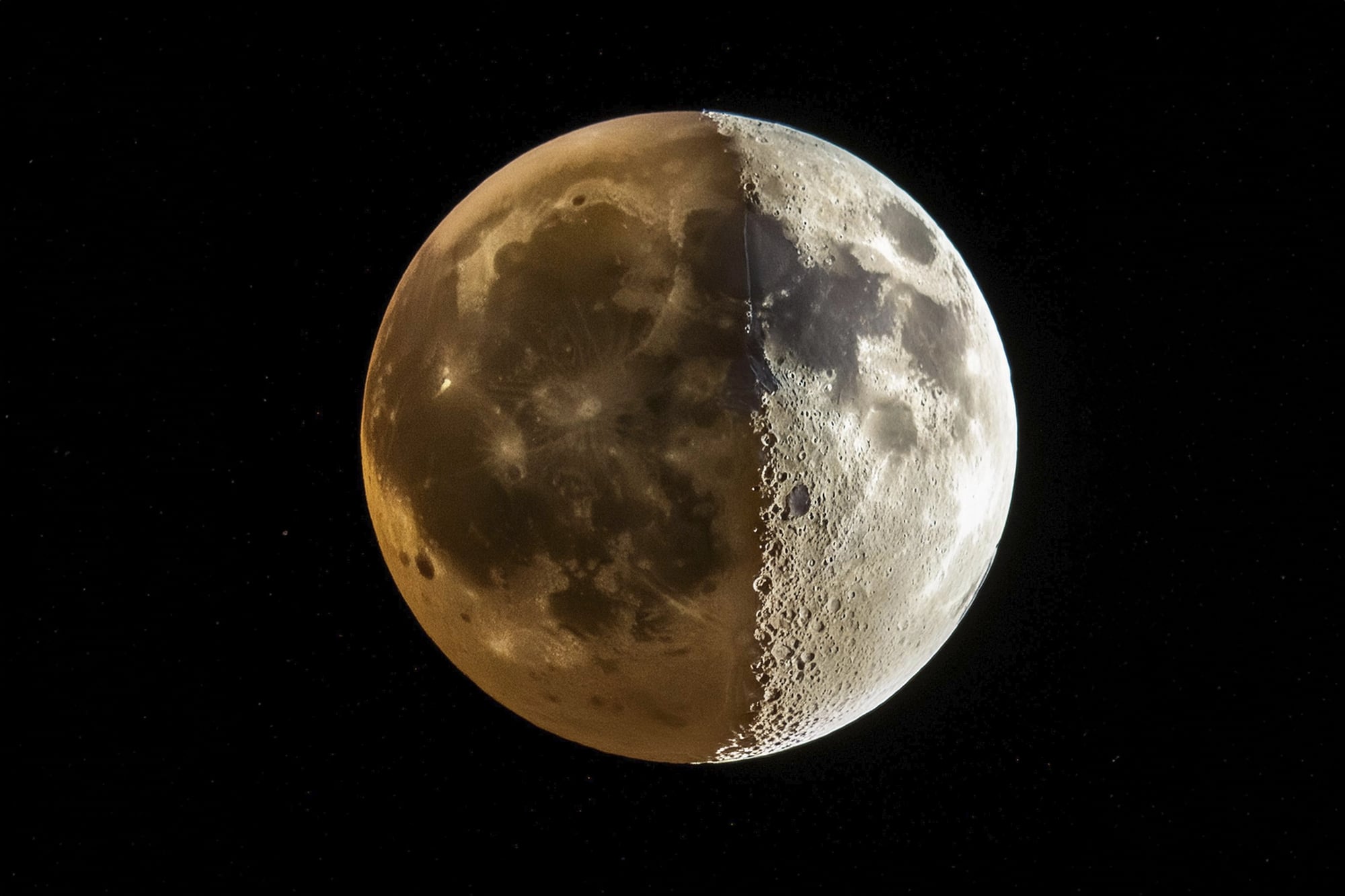
Despite being called ‘airless,’ the Moon actually has an extremely thin atmosphere made of atoms kicked off the surface by solar wind and meteorite impacts—scientists didn’t confirm its existence until sensitive instruments could detect these trace amounts. This ‘exosphere’ contains elements like sodium, potassium, and even small amounts of water vapor.
The atmosphere changes dramatically depending on whether the Moon is in sunlight or Earth’s shadow, creating a dynamic system nobody saw coming.
Young Volcanic Activity

The Moon was supposed to be volcanically dead for billions of years, yet in 2014 researchers found evidence of volcanic activity as recent as 100 million years ago. High-resolution images revealed small volcanic deposits that look surprisingly fresh compared to the Moon’s ancient, battered surface.
These findings suggest the Moon’s interior stayed hot much longer than theoretical models predicted, challenging our understanding of how small rocky bodies cool down over time.
The Moon’s Magnetic Past

Analysis of Apollo samples revealed that the Moon once had a powerful magnetic field rivaling Earth’s, lasting much longer than seemed possible for such a small body. This magnetic field persisted for at least a billion years, powered by a liquid core that shouldn’t have stayed molten for so long based on the Moon’s size.
The discovery challenges everything scientists thought they knew about how planetary magnetic fields form and eventually disappear.
Like Go2Tutors’s content? Follow us on MSN.
Lunar Dust Levitation
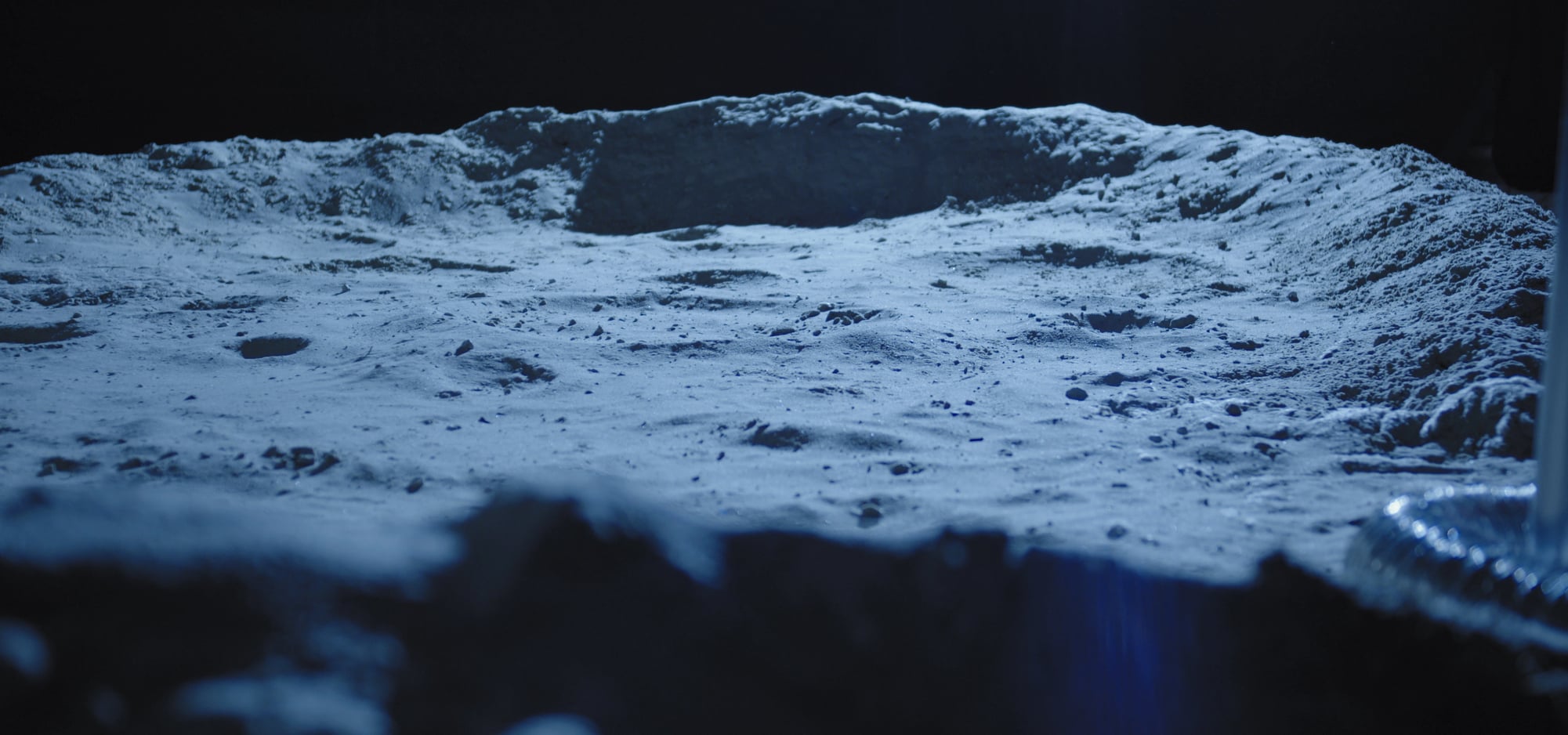
Moon dust doesn’t behave like regular dirt—it actually floats above the lunar surface due to electrostatic forces. Solar radiation charges dust particles, causing them to repel each other and hover several feet above the ground, creating a thin haze visible during lunar sunrise and sunset.
This phenomenon, observed during Apollo missions and confirmed by recent studies, completely surprised mission planners who expected dust to behave like it does on Earth.
The Moon’s Origin Story Revision

The popular theory that the Moon formed from debris after a Mars-sized object hit early Earth got a major overhaul in 2016. New computer simulations suggest the impact was much more violent than previously thought, essentially vaporizing both the impactor and a large chunk of Earth.
This explains why the Moon’s composition is so similar to Earth’s mantle, forcing scientists to completely reimagine the chaotic early days of our solar system.
Lunar Swirls and Magnetic Fields

Those mysterious bright swirls on the Moon’s surface connect to local magnetic fields in ways that still puzzle researchers. The magnetic anomalies appear to protect certain areas from solar wind, preventing space weathering and keeping the surface brighter than surrounding regions.
Scientists are still trying to figure out whether the magnetic fields created the swirls or if underground geology created both phenomena simultaneously—either way, it’s unlike anything else in the solar system.
The Moon Keeps Breaking the Rules

These discoveries prove that the Moon refuses to be the simple, predictable neighbor we once thought it was. Every new finding reveals hidden layers of complexity that challenge basic assumptions about planetary formation and solar system evolution.
The Moon’s ability to consistently surprise scientists has transformed our understanding of celestial mechanics while opening up new possibilities for future exploration. As more advanced missions head to the Moon, this familiar yet mysterious world will probably keep throwing curveballs that nobody sees coming.
More from Go2Tutors!

- 18 Unexpectedly Valuable Collectibles You Might Have Lying Around
- 20 Little-Known Historical Battles That Had Huge Consequences
- 20 Historical Artifacts That Scientists Can’t Explain
- 15 Inventions That Were Immediately Banned After Being Created
- 20 Actors Who Were Almost Cast in Iconic Roles
Like Go2Tutors’s content? Follow us on MSN.