Common Gen Z and Alpha Slang You Need to Know
Language changes fast these days. What felt current last year already sounds outdated, and keeping up with the newest expressions can feel like learning a whole new vocabulary.
Gen Z and Gen Alpha have created their own linguistic universe, and if you’re not part of those generations, you might find yourself nodding along without really understanding what’s being said. These newer generations grew up online in ways that older generations didn’t.
Their slang reflects that digital upbringing—quick, efficient, often ironic. Some terms come from gaming culture, others from social media platforms, and many blend multiple influences into something entirely new.
No Cap
This one means you’re telling the truth. When someone says “no cap,” they’re emphasizing that they’re being honest and not exaggerating.
The term comes from the idea of “capping,” which means lying or exaggerating. So “no cap” is the opposite—pure honesty. You’ll hear it added to the end of statements for emphasis.
“That movie was amazing, no cap.” It’s become one of the most widespread pieces of slang across different age groups
Bussin
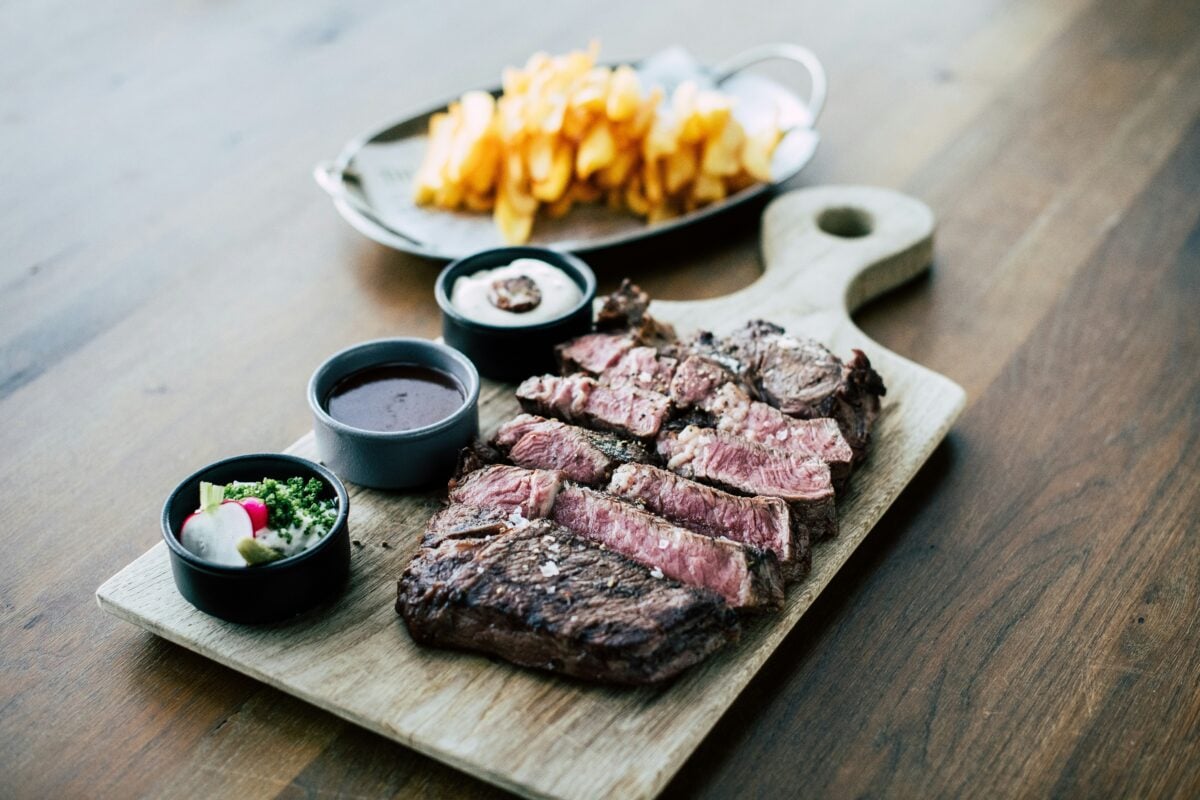
When something is really good, especially food, it’s bussin. This term exploded in popularity and now applies to anything that exceeds expectations.
Your friend makes incredible tacos? Those tacos are bussin. The term originated in Black culture and spread rapidly through social media, particularly TikTok.
People use it to express genuine enthusiasm without sounding too formal or stiff.
Slay

To slay means to do something exceptionally well or to look absolutely incredible. It celebrates success, confidence, and excellence.
Someone who slays is killing it in whatever they’re doing. The term has roots in ballroom culture and has been adopted broadly.
You can slay a presentation, slay an outfit, or slay a dance routine. It’s all about doing something with style and confidence.
Rent Free

When something lives “rent free” in your head, it means you can’t stop thinking about it. The phrase suggests that an idea, person, or event has taken up permanent residence in your mind without paying for the space.
People use this when they’re obsessed with something or can’t let go of a thought. “That embarrassing moment from three years ago still lives rent free in my head.”
It perfectly captures how certain memories or thoughts refuse to leave.
Mid

Mid is the ultimate mediocre rating. When something is mid, it’s not terrible but it’s not good either. It’s just okay, average, forgettable. The term comes from “middle” and describes anything that lands in the unremarkable middle ground.
You can use it for movies, food, music, or any experience that fails to impress. “How was the concert?” “Honestly, it was pretty mid.” It’s become a quick way to express disappointment without being harsh.
Ate and Left No Crumbs

This phrase means someone did something so perfectly that there’s nothing left to criticize. They “ate” the performance or task and left nothing behind—no crumbs.
It’s the ultimate compliment for a job well done. You’ll often see this in response to performances, whether that’s singing, dancing, or even just someone delivering a great comeback in an argument.
When someone truly excels, they ate and left no crumbs.
Vibe Check

A vibe check is when you assess the mood or energy of a situation or person. It’s about reading the room and figuring out if the atmosphere is good or if something feels off.
You can also give someone a vibe check by asking how they’re really doing. The phrase works as both a noun and a verb.
“Let me do a quick vibe check” or “I’m vibing with this music.” It reflects the importance these generations place on emotional awareness and authentic energy.
It’s Giving

This phrase describes what energy or impression something gives off. “It’s giving cozy café vibes” or “It’s giving main character energy.”
The expression creates a quick way to capture the essence of something without lengthy descriptions. The phrase structure intentionally drops the noun at the end, creating a distinctive style.
What started as “it’s giving [specific thing]” evolved into just “it’s giving,” letting context fill in the rest.
Stan

To stan someone means to be an extremely devoted fan. The term comes from the Eminem song “Stan” about an obsessed fan, but it’s evolved into a more positive meaning.
When you stan an artist, creator, or even a friend, you support them intensely. You can use it as both a noun and a verb.
“I’m a stan of that band” or “I stan her confidence.” It’s become the go-to term for expressing deep admiration and loyalty.
Periodt
Adding “periodt” to the end of a statement emphasizes finality. The extra “t” makes it even more definite than just “period.”
When someone says “periodt,” they’re making it clear that there’s no room for debate. This term originated in Black and LGBTQ+ communities and has spread widely.
“That’s the best pizza in town, periodt.” It shuts down any potential counterarguments with style.
Bet

“Bet” works as a versatile agreement word. It means “okay,” “sure,” “sounds good,” or “I agree.”
When someone suggests a plan and you respond with “bet,” you’re confirming that you’re on board. The term is short, efficient, and carries a casual confidence.
It replaced longer phrases like “sounds like a plan” or “that works for me” with a single syllable. “Want to meet at six?” “Bet.”
Hits Different

When something hits different, it affects you more strongly than usual or creates a unique feeling. That song hits different at night.
That food hits different when you’re really hungry. The phrase acknowledges that context changes experience.
People use this to describe heightened emotional or sensory experiences. It recognizes that the same thing can feel completely different depending on circumstances, mood, or timing.
Main Character Energy
Having main character energy means carrying yourself like you’re the protagonist of your own story. You’re confident, making bold choices, and not worried about being in the background.
It’s about embracing your importance in your own life. The term comes from how main characters in movies and shows tend to be fearless and central to everything happening around them.
When you have main character energy, you’re living intentionally rather than just existing.
Understood the Assignment
Exactly right – they saw the need and met it without missing a beat. What had to happen, happened, only better than expected.
A quiet kind of perfect, really, where effort lines up with results. Praise slips in naturally when things land just like that.
Out of classrooms this phrase began, yet now fits every moment skill shows clearly. Fashion, jokes, tough situations – when a person gets what matters, that is when they shine without trying.
Mastery lives in those who see the task and just do it right.
The Way Language Changes Over Time
What you see here barely scratches the surface of how Gen Z and Gen Alpha talk. Words pop up out of nowhere, some vanish just as fast, swapped without warning.
This constant shift happens because they’re always online, jumping from one space to another. Movement never slows – thoughts travel instantly, reshaping language in real time.
Strange how much a few casual words can show. Not the slang itself, though – it’s what slips through: speed matters, realness counts, digital and physical blur.
Built by those who shaped talk around actual days, real chats. Whether hearing it daily or catching on slowly, each phrase acts like a peek inside young minds naming their reality.
More from Go2Tutors!

- The Romanov Crown Jewels and Their Tragic Fate
- 13 Historical Mysteries That Science Still Can’t Solve
- Famous Hoaxes That Fooled the World for Years
- 15 Child Stars with Tragic Adult Lives
- 16 Famous Jewelry Pieces in History
Like Go2Tutors’s content? Follow us on MSN.



