27 Model Car Kits From Childhood Worth Money
A plastic model kit was a few dollars at the hobby shop and a weekend at the kitchen table, and most of them ended up glued crooked, painted badly, and thrown away by the time their builder left for college. The ones that survived unbuilt in the box are now a serious collecting category, with prices driven by rarity, licensing, and the oddness of the design.
The values below assume a sealed or complete unbuilt kit with its original box, because a built model rarely commands a fraction of the same price. Box condition, missing decals, and reissues all matter, and a kit that has been reissued many times is worth far less than an original run.
AMT 1957 Chevy Bel Air 3-in-1
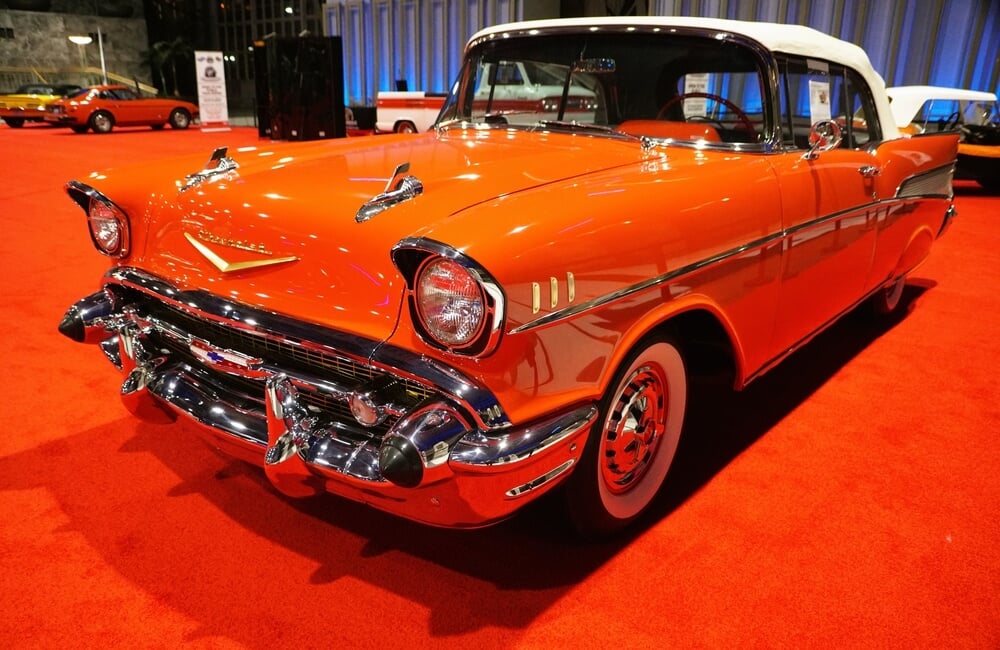
AMT’s 3-in-1 kits of the early 1960s let the builder choose stock, custom, or racing versions from one box, and the 1957 Chevy was the best seller of the line. Original issues with the early box art and the full set of custom parts are the ones collectors want.
The subject has been reissued constantly, so only the first-run kits with period packaging bring real money.
AMT Annual Kits
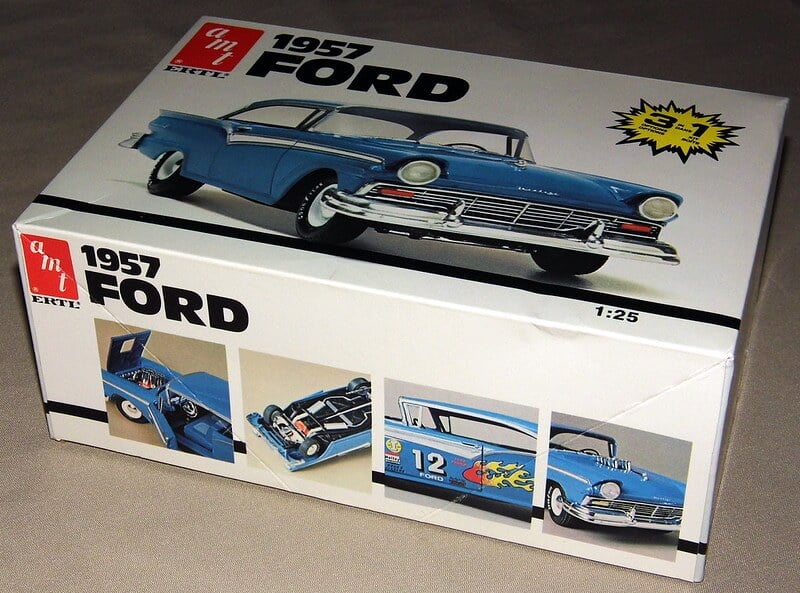
AMT’s annual kits were released each model year alongside the dealer promotional models, which means the tooling was accurate and the production window was short. Annuals for cars that were never reissued, such as certain Buick and Mercury full-size models, are scarce.
A sealed annual from the early 1960s in a clean box can bring several hundred dollars, with the rarest subjects going higher.
Jo-Han Chrysler Turbine Car
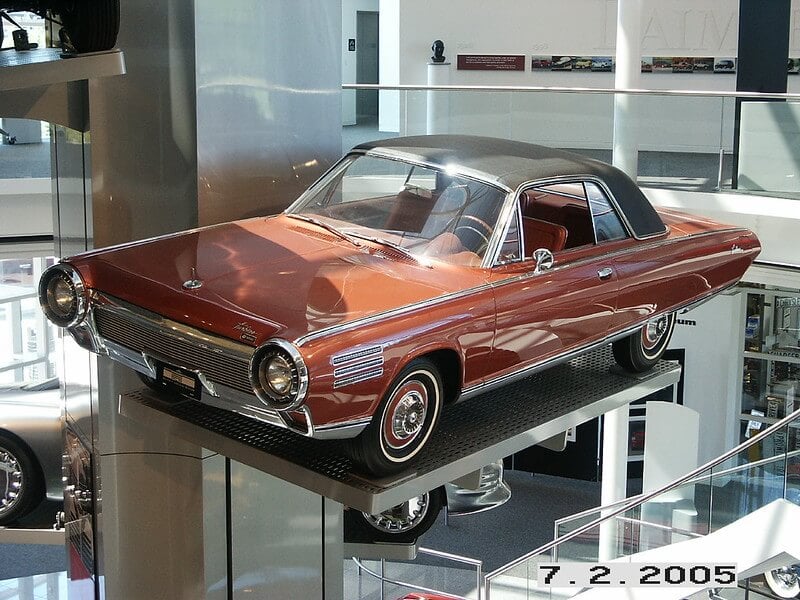
Jo-Han produced a kit of the Chrysler Turbine Car, the experimental jet-engined sedan that Chrysler loaned to the public in the mid-1960s. The kit was one of the few models of a car that was never sold, and the original issue in the bronze-colored plastic is a prize.
Jo-Han’s small production runs and eventual closure keep most of its kits scarce.
Revell Ed Roth Beatnik Bandit
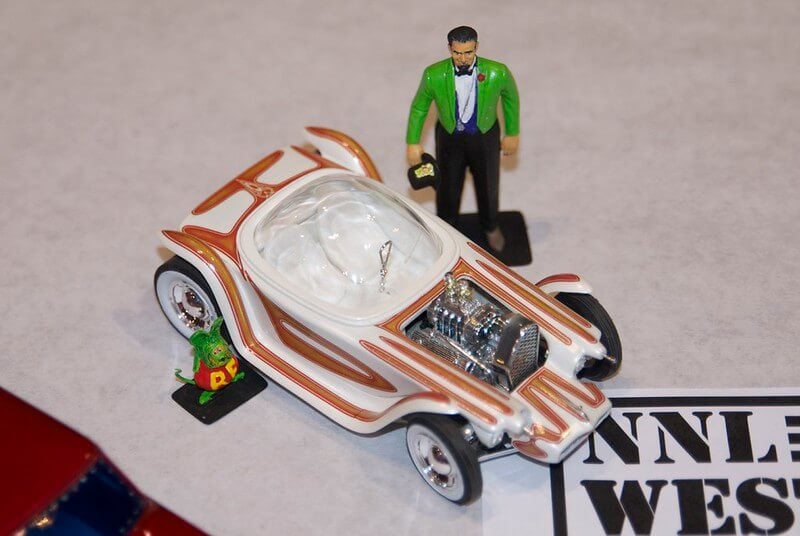
Revell’s kit of Ed “Big Daddy” Roth’s bubble-topped Beatnik Bandit introduced a generation of kids to the custom car designer’s work. The 1960s original with the Roth box art and the clear bubble canopy unyellowed is the collectible version.
The kit was reissued several times, so collectors check the box and the plastic color to confirm an early run.
Revell Mysterion
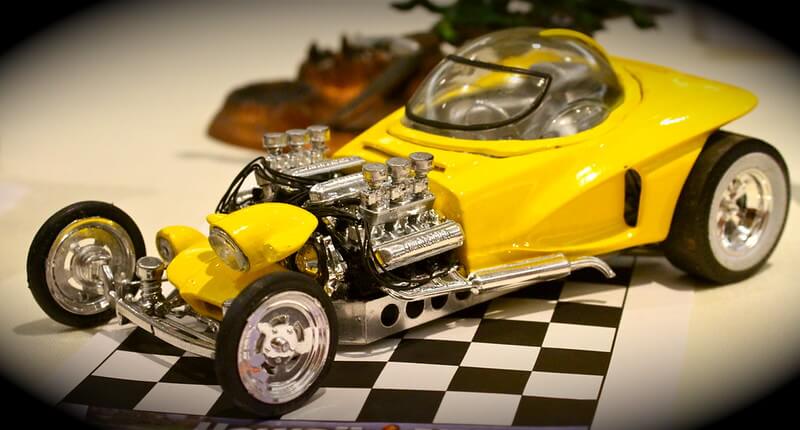
The Mysterion was Roth’s twin-engined asymmetrical show car, and the Revell kit captured its strangeness with two separate engine assemblies and a bubble top. The real car was dismantled, which makes the kit one of the only records of the design.
First issues in the original box are among the more valuable Roth kits.
Revell Outlaw
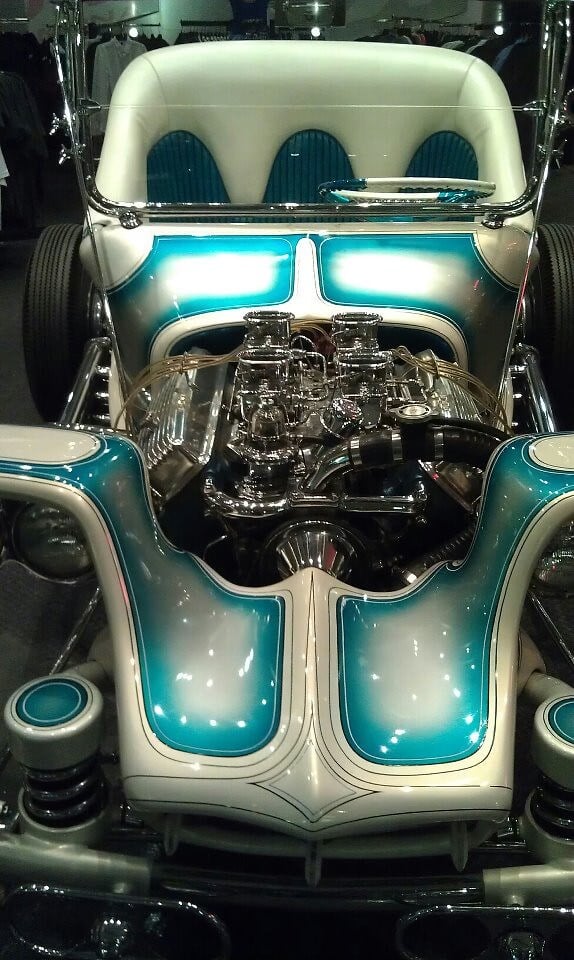
Roth’s Outlaw was the car that put him on the map, a fiberglass-bodied hot rod with a hand-formed look, and Revell’s kit was an early entry in its Roth series. The 1962 issue with the original art and the Rat Fink figure included is the one that sells.
Later reissues dropped parts and changed the box, and they bring far less.
Revell Orange Crate
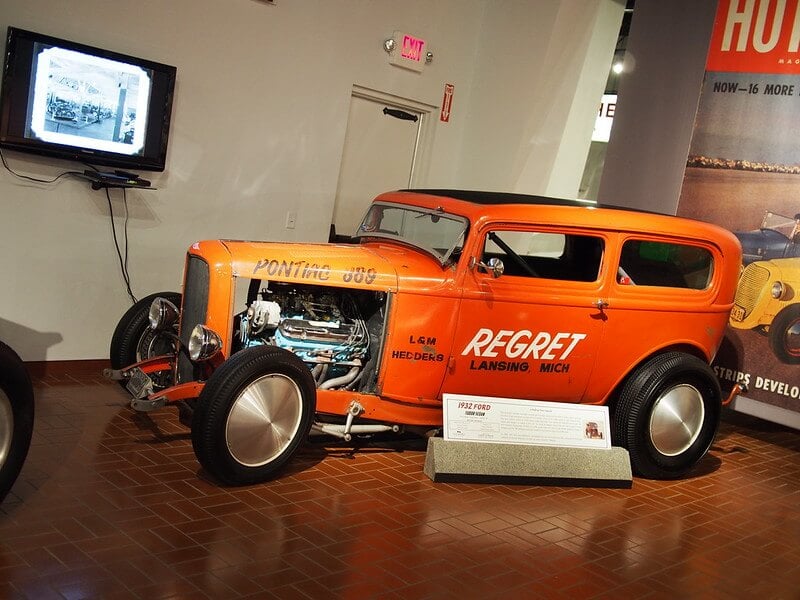
The Orange Crate was a show-winning 1932 Ford sedan with a tilting body that exposed the chassis, and Revell’s kit reproduced the lift-off feature. The working tilt mechanism was fragile and often broken in built examples, so a complete unbuilt kit is scarce.
It remains one of the most recognized of Revell’s show car kits of the era.
Monogram Red Baron
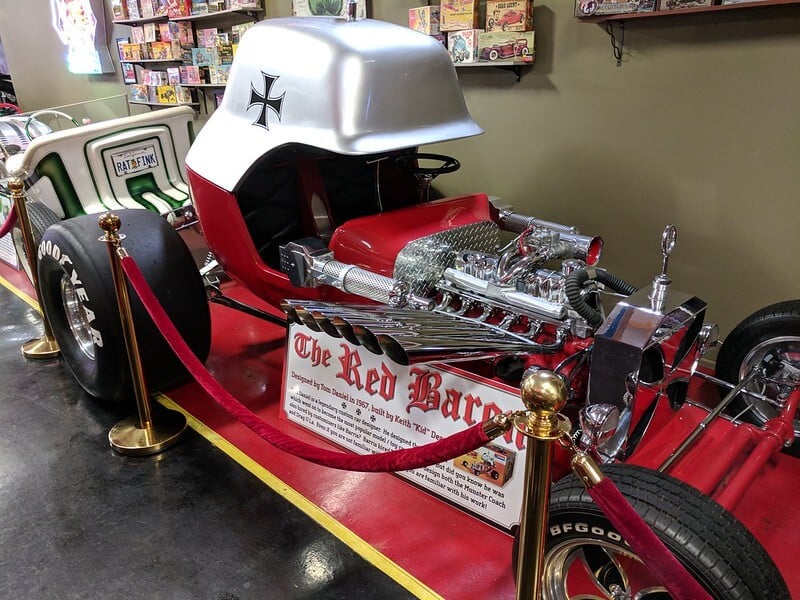
Tom Daniel’s Red Baron was a fantasy hot rod with a German helmet for a roof and a machine gun mounted up front, and Monogram’s 1968 kit became one of the best-selling model cars of all time. Because it sold so well and was reissued so often, only the first issue in the original box carries a premium.
The design was also licensed as a Hot Wheels car, which keeps interest high.
Monogram Wagon
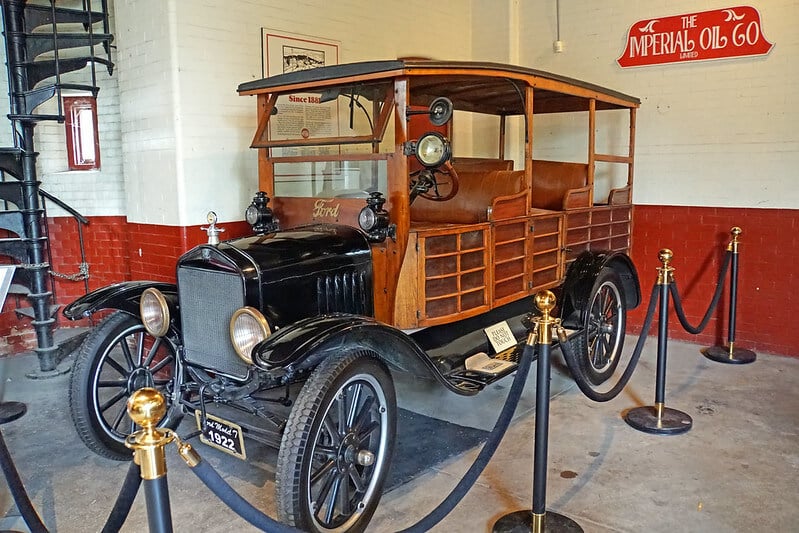
Another Tom Daniel design, the Wagon was a Model T police wagon turned show rod, complete with a cell-style rear body. The kit was a huge seller for Monogram and was reissued repeatedly over the decades.
Original issues with the first box art bring a premium, and collectors specifically seek the early plastic colors.
Monogram Tijuana Taxi
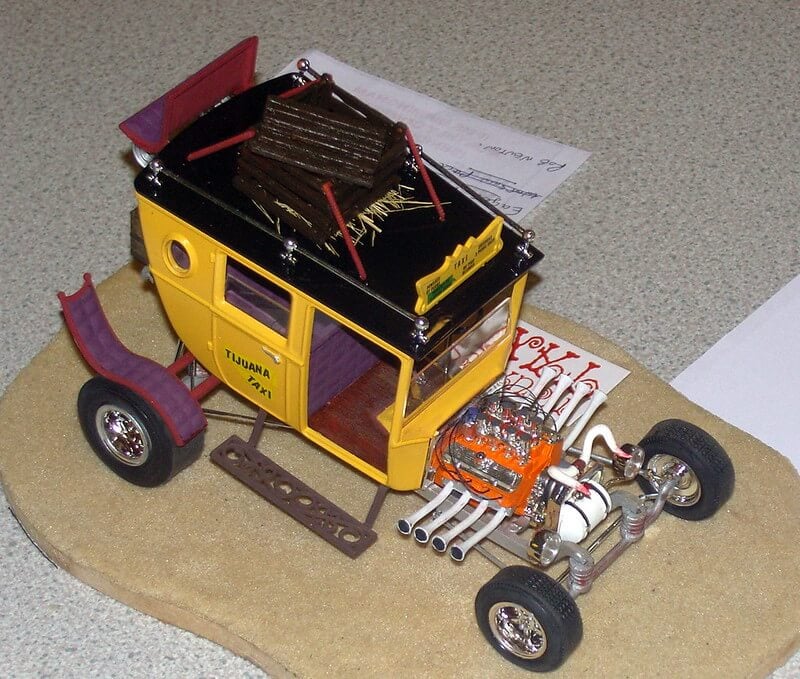
The Tijuana Taxi was a Daniel-designed show rod built on a 1920s truck body with a striped roof and oversized rear tires. Monogram released it in the late 1960s, and like its stablemates it sold well enough to be reissued.
First-run kits in good boxes are what collectors pay for, and the decal sheet is often the missing piece.
Monogram Li’l Coffin
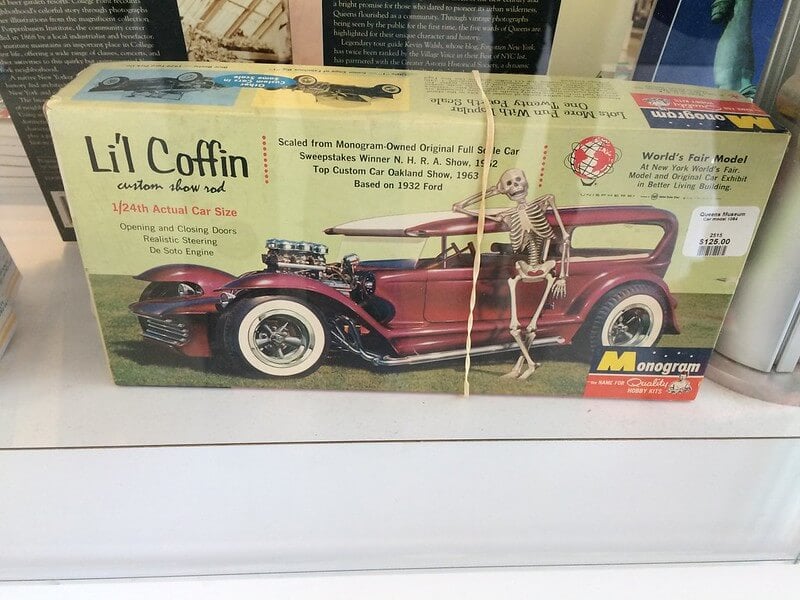
The Li’l Coffin was a real show car, a chopped 1932 Ford sedan built by Dave Stuckey, and Monogram’s kit reproduced its radical proportions. The original 1960s issue is scarce, and later reissues changed the parts and the box.
A complete first issue is one of the more valuable Monogram show rod kits.
Monogram Big T
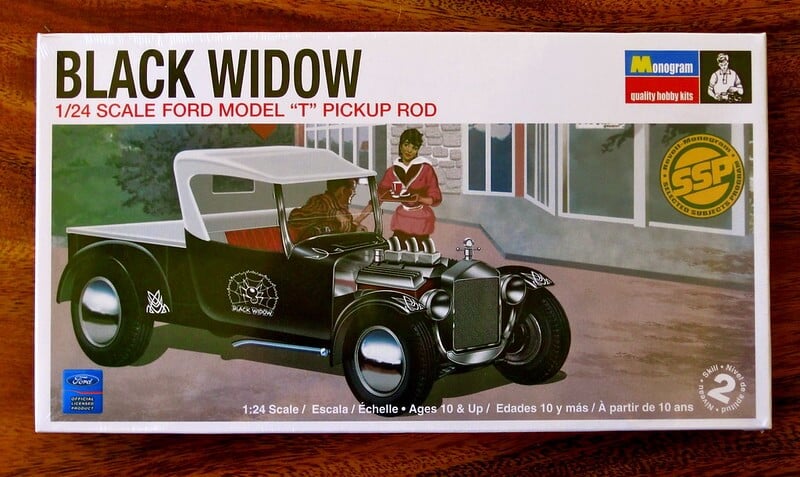
Monogram’s 1/8 scale Big T was a large and ambitious kit of a Model T hot rod, with a detailed engine and working features at a size that dwarfed the usual 1/24 scale. The big kits were expensive when new, which limited production and makes original issues scarce.
Collectors value the first release in its oversized box, and complete examples bring strong prices.
Monogram Big Deuce
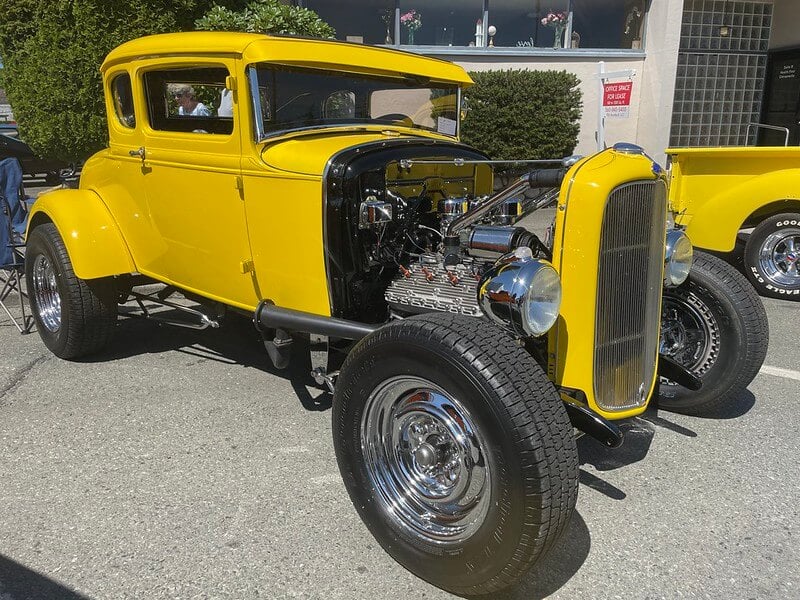
The Big Deuce was the 1/8 scale companion to the Big T, a 1932 Ford roadster with the same oversized detail. It sold in smaller numbers than the Big T and is correspondingly harder to find.
An unbuilt original with all the chrome parts and the box in good shape is a centerpiece for a Monogram collection.
AMT Munsters Koach
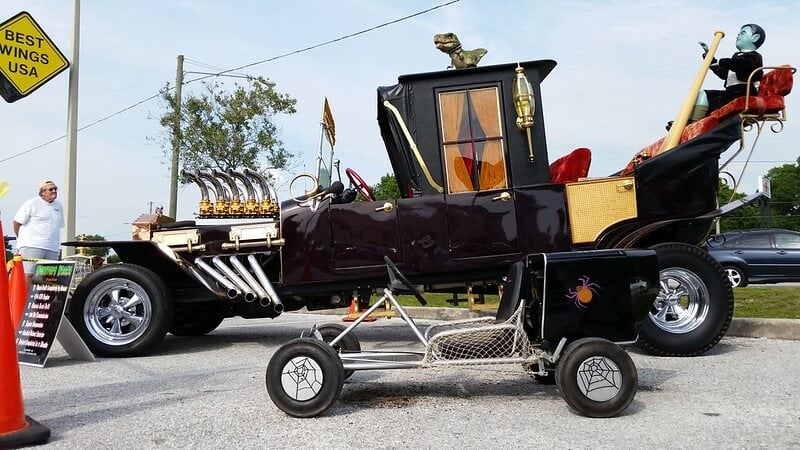
AMT’s kit of the Munsters Koach, the hearse-based car built by George Barris for the television show, is one of the most sought-after television tie-in kits. The original 1964 issue with the show’s logo on the box is the prize, and reissues decades later used different packaging.
Complete first-run kits have sold for well into the hundreds.
Aurora 1966 Batmobile
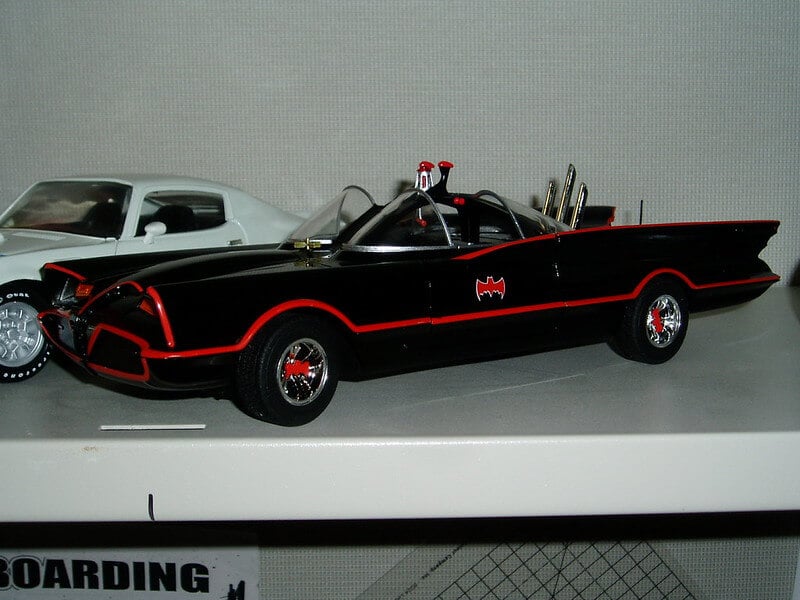
Aurora’s 1/32 scale Batmobile from the 1966 television series was a small kit with a big license, and it sold in enormous numbers. Sealed originals in the first box are collectible, and loose complete examples bring less.
The Aurora name on television kits commands a premium across the board, and this is one of the most recognized.
AMT Sonny and Cher Mustangs
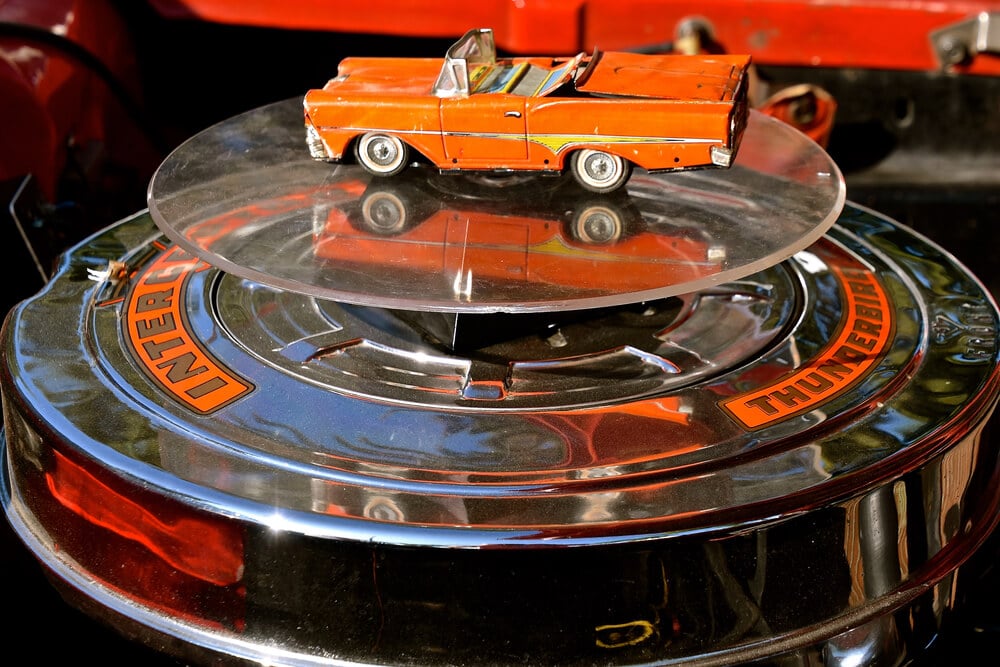
George Barris built a pair of custom Mustangs for the singing duo, and AMT released kits of both the Sonny and the Cher versions in the mid-1960s. The kits were short-lived and tied to a celebrity moment, which kept production small.
Either kit complete in its original box is scarce, and the pair together is a notable find.
AMT Ala Kart
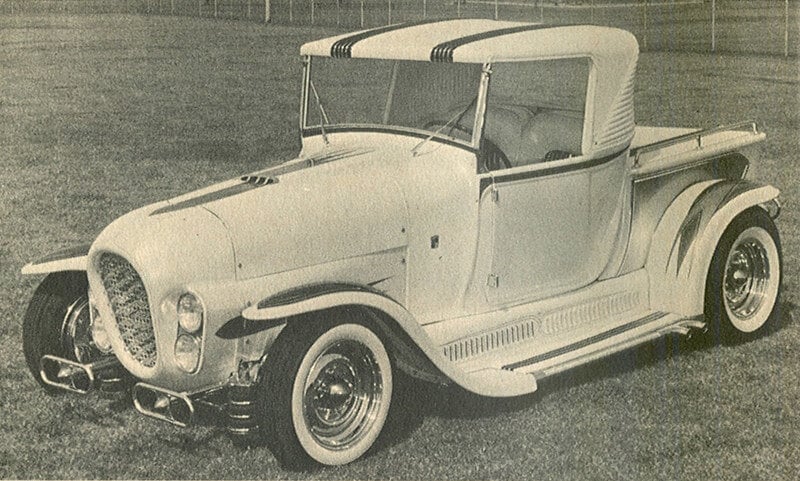
The Ala Kart was a Barris-built 1929 Ford roadster pickup that won top honors at the Oakland Roadster Show two years running, and AMT’s kit captured its elaborate chrome and paint. The original issue from the early 1960s is a collectible, and the kit was reissued later with changes.
Early boxes with the show car photography are what buyers seek.
MPC Zingers
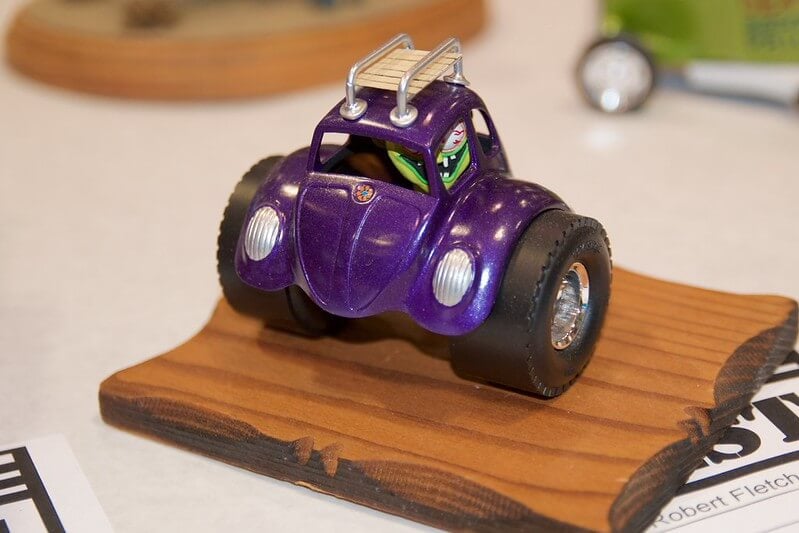
MPC’s Zingers were cartoonish kits with tiny car bodies and enormous engines and wheels, released in the early 1970s. They were cheap and aimed at younger builders, so most were built and broken.
Unbuilt originals in the first boxes have become collectible precisely because so few survived, and the full set is a goal for MPC collectors.
AMT Trophy Series 1932 Ford
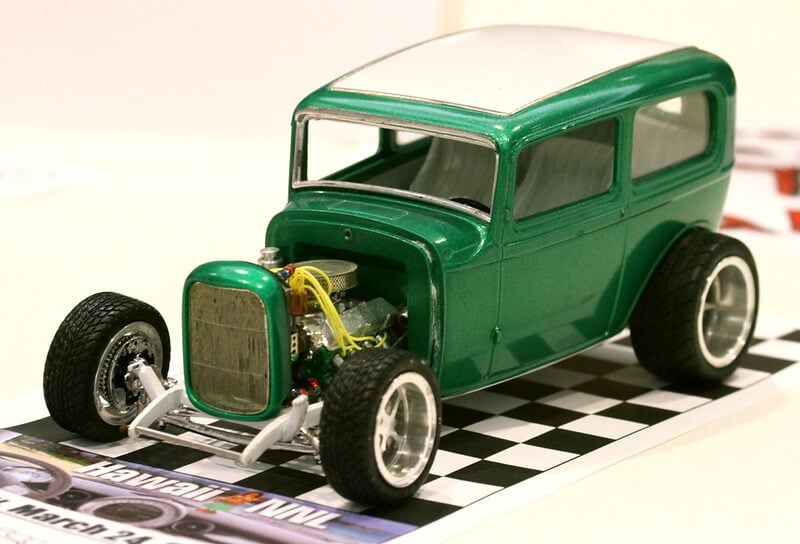
AMT’s Trophy Series kits of the early 1960s offered hot rod subjects with multiple build options and extensive custom parts, and the 1932 Ford roadster and coupe were the heart of the line. The original issues with the Trophy Series box art are collectible, and the parts count was high enough that complete kits are uncommon.
The subject has been reissued, so the first run is what matters.
Lindberg Mini Lindy
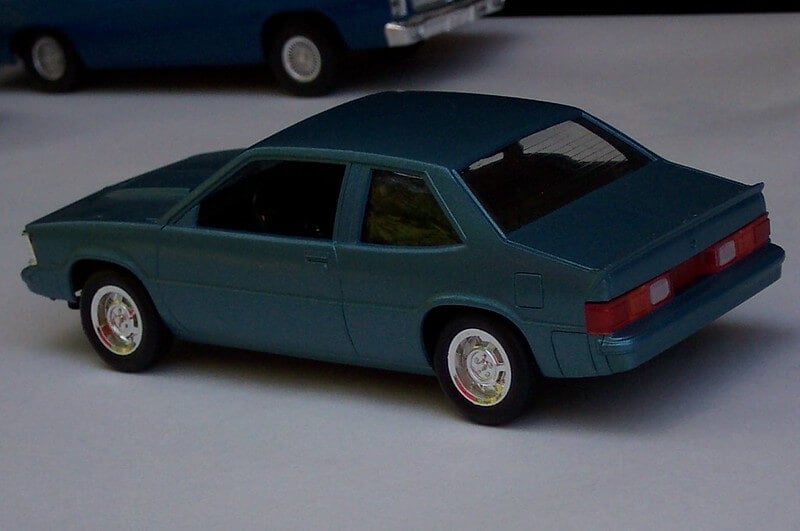
Lindberg’s Mini Lindy line of small-scale car and truck kits sold for pocket change in the late 1960s and early 1970s. They were simple kits meant to be built in an afternoon, and the small boxes were easily crushed.
Clean boxed examples have become a minor collecting niche, and the scarcer subjects in the line bring surprising prices for their size.
Pyro Plastics Kits
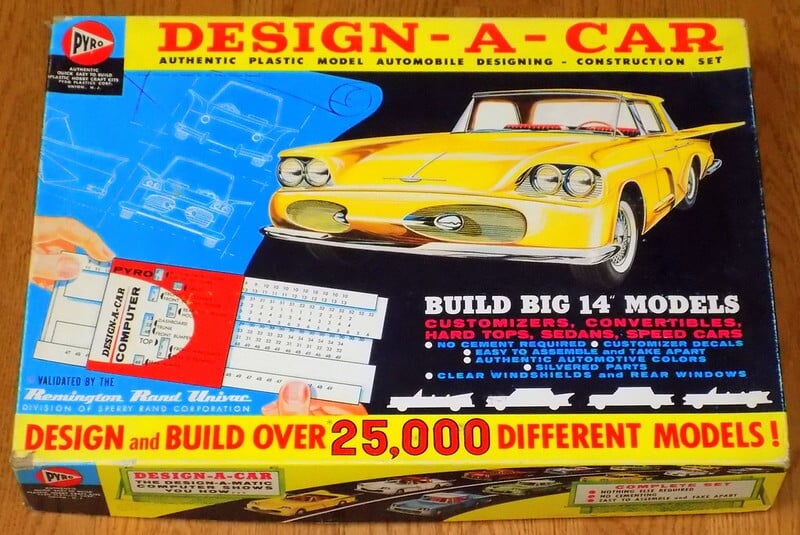
Pyro made inexpensive kits of antique cars and unusual subjects through the 1950s and 1960s, often with simplified detail and distinctive box art. The company was absorbed by Lindberg, and many of its molds were reissued.
Original Pyro-branded boxes, particularly for the antique car series, have a following among collectors of early plastic kits.
Palmer Plastics Kits

Palmer kits were famously crude, with poor fit, thick parts, and proportions that only loosely resembled the subject car. That reputation has made them a cult collectible, since builders at the time avoided them and few survived.
Original Palmer kits in their boxes sell to collectors who appreciate them as artifacts of the hobby’s rougher edges.
Revell Miss Deal Funny Car
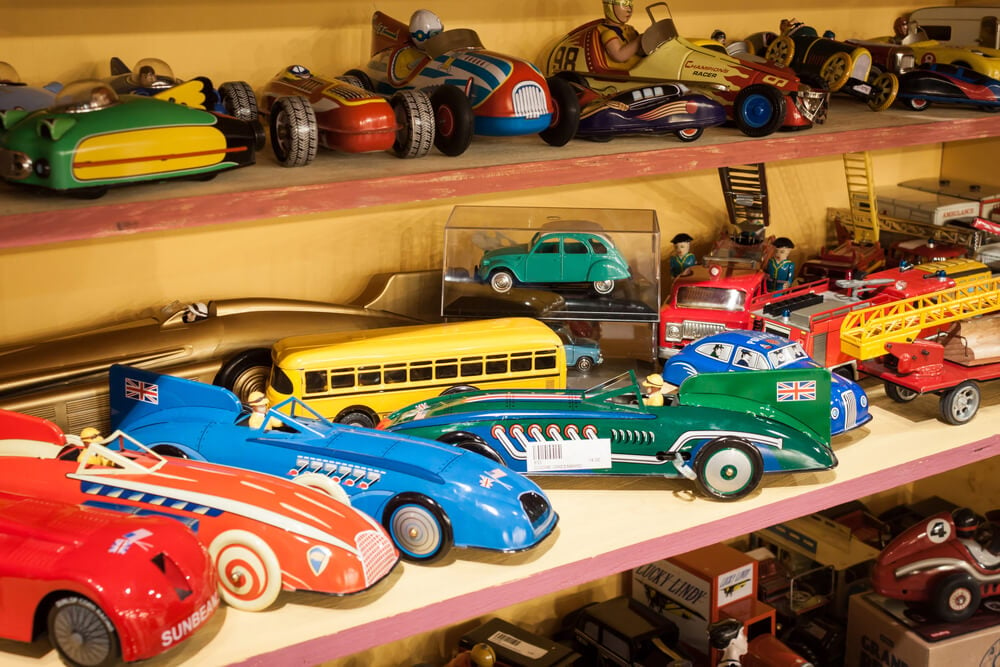
Revell’s Miss Deal was a kit of a Studebaker-bodied funny car from the 1960s drag racing scene, released during the brief window when flip-top funny cars were new. The subject was never reissued in its original form, and the kit is one of the harder Revell drag racing subjects to find.
Complete examples with the decals are a strong seller.
Jo-Han Cadillac Annuals
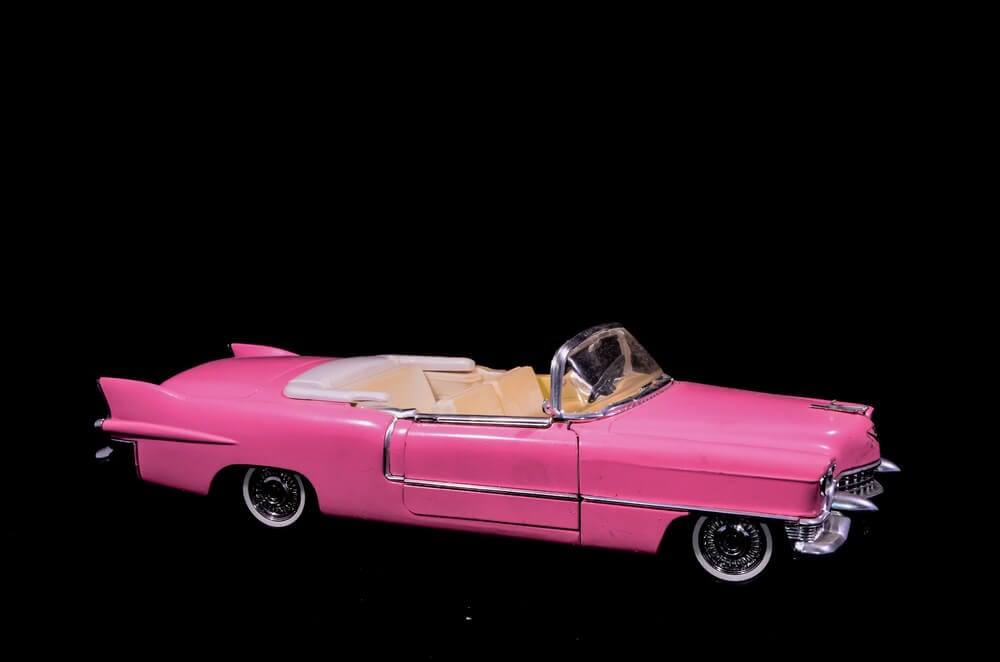
Jo-Han held the Cadillac license in the early 1960s and produced annual kits and promos of the full-size models. The company’s small output and later closure mean these kits never saw the reissue treatment that AMT subjects did.
A Jo-Han Cadillac annual in its original box is one of the scarcer kits of the era and is priced accordingly.
MPC 1969 Dodge Charger Daytona
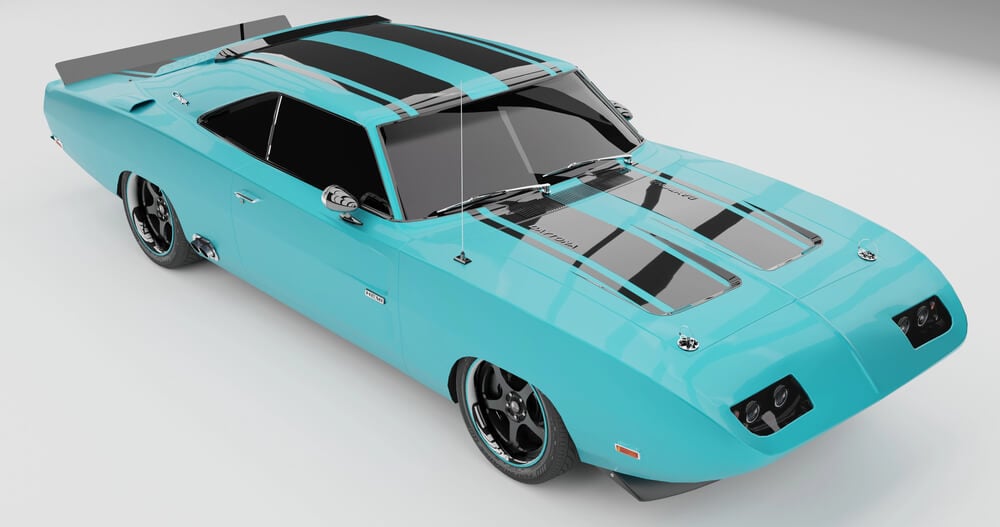
MPC’s kit of the winged Charger Daytona captured one of the most dramatic production cars of the muscle era, and the original issue is sought by both model and muscle car collectors. The kit was reissued later, but the first release with the period box art brings a premium.
The large rear wing is often broken in built examples, which raises the value of unbuilt ones.
Hubley Metal Kits
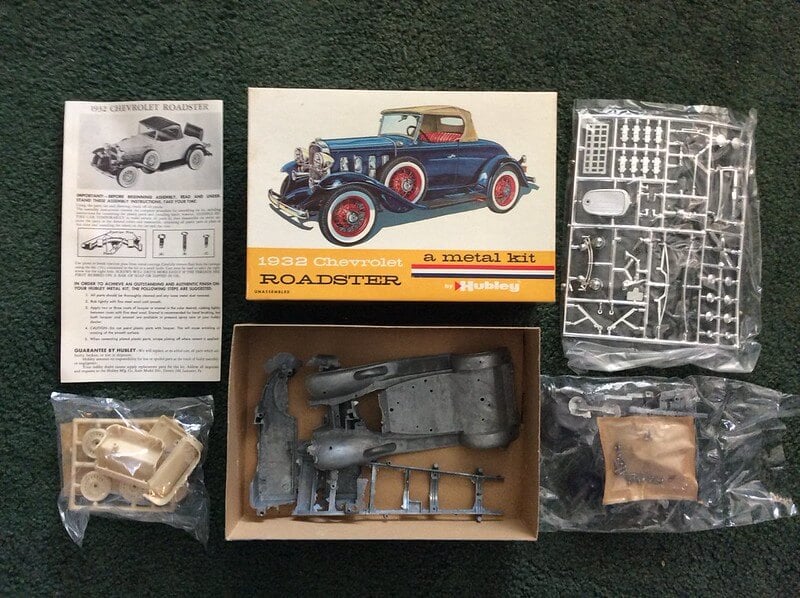
Hubley produced die-cast metal car kits in the 1950s and 1960s, including Duesenbergs, Packards, and Model A Fords, with cast metal bodies that required screws and paint. They were heavier and more demanding than plastic kits, and the finished models have a solid, toy-like quality.
Unbuilt Hubley kits in their boxes are collected by both model builders and die-cast enthusiasts.
Tamiya Early Sports Car Series
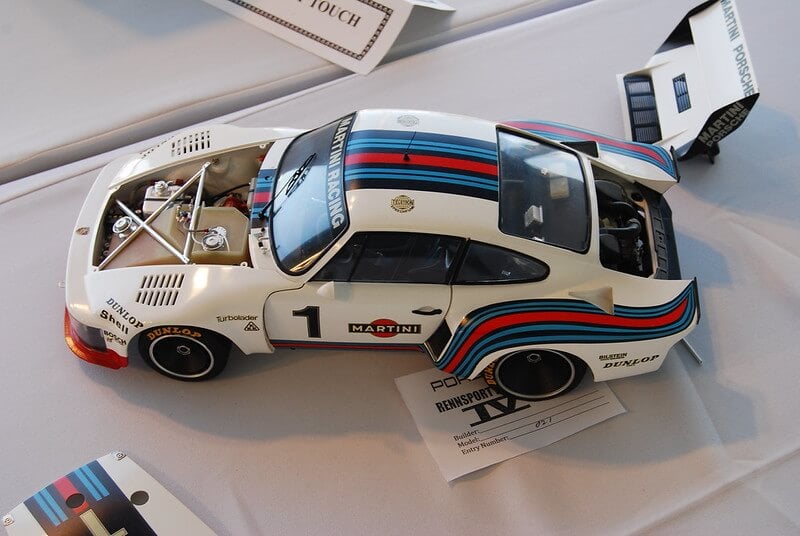
Tamiya’s 1/24 sports car kits of the late 1970s and early 1980s, including the Porsche 935 and early Lotus and Ferrari subjects, set a new standard for fit and accuracy. The early issues with the original box art are collectible, and some subjects that were retired have become scarce.
Japanese kits of this era are a growing collecting field, and the first-run Tamiya cars lead it.
The Value of Never Opening the Box
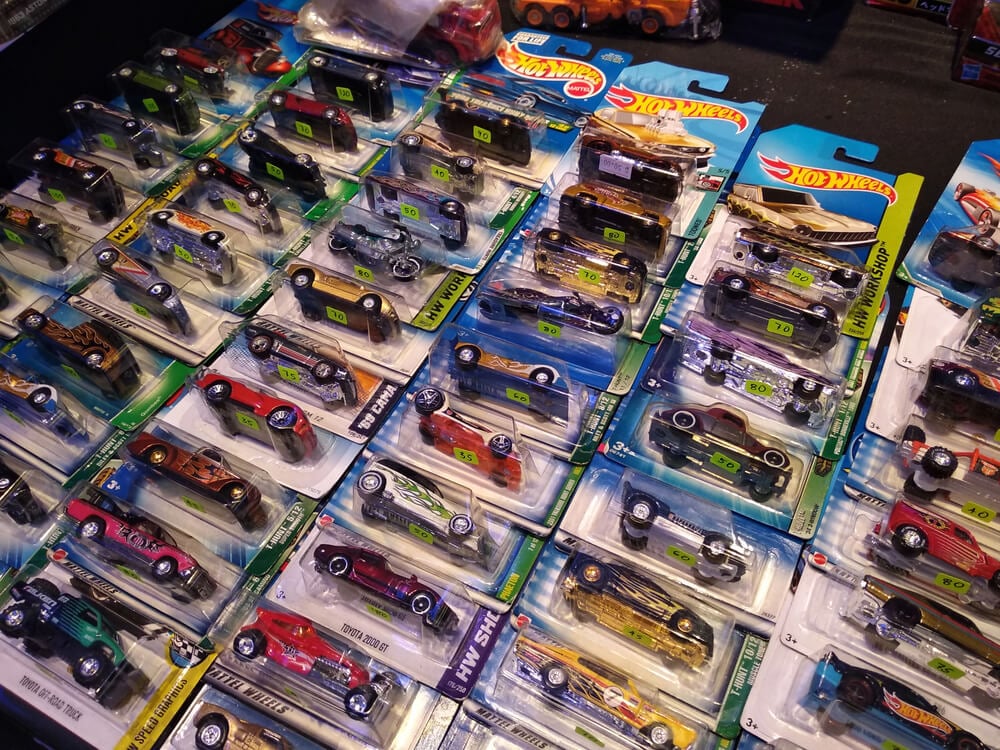
Every kit on this list was designed to be destroyed, in the sense that its purpose was to be glued, painted, and played with until it fell apart. The value now lies in the kits that escaped that fate, sealed in a closet or forgotten on a hobby shop shelf, and the scarcity is a direct measure of how much fun the rest of them delivered.
That makes the hobby a strange kind of collecting, where the thing most worth owning is the thing that was never used. The builders who assembled their kits badly and loved them anyway got the better deal.
The collectors who buy them unbuilt are paying for everyone else’s good time.
More from Go2Tutors!

- The Romanov Crown Jewels and Their Tragic Fate
- 13 Historical Mysteries That Science Still Can’t Solve
- Famous Hoaxes That Fooled the World for Years
- 15 Child Stars with Tragic Adult Lives
- 16 Famous Jewelry Pieces in History
Like Go2Tutors’s content? Follow us on MSN.