Deadliest Historical Plagues of the Middle Ages
Disease moved through medieval Europe like a predator hunting in the dark. Cities packed with people, limited understanding of hygiene, and trade routes connecting distant lands created perfect conditions for epidemics to flourish.
When illness struck, it didn’t discriminate between peasant and nobility, spreading through castles and hovels with equal brutality.
The Middle Ages witnessed some of humanity’s most devastating health crises. These weren’t just medical emergencies — they reshaped entire civilizations, toppled governments, and left scars on European society that lasted for centuries.
Understanding these plagues reveals how fragile medieval life truly was, and how quickly everything people knew could vanish.
The Black Death
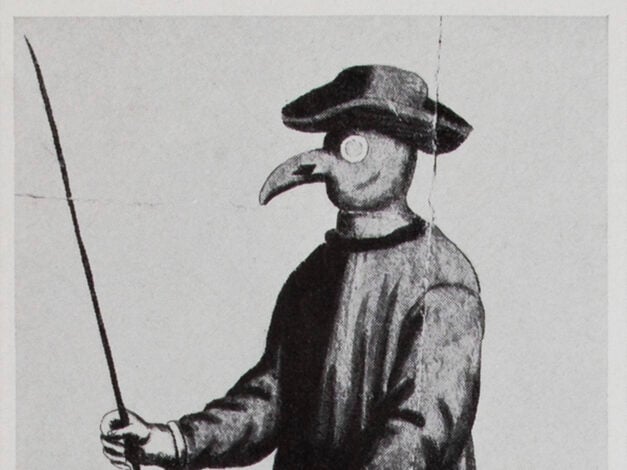
The Black Death arrived in Europe around 1347 and proceeded to kill roughly one-third of the continent’s population. Bubonic plague doesn’t negotiate.
Medieval physicians had no idea what they were dealing with. They blamed everything from bad air to divine punishment, while the real culprits — infected fleas on rats — continued their work undisturbed.
Cities became graveyards. Entire villages disappeared from maps.
The Plague of Justinian
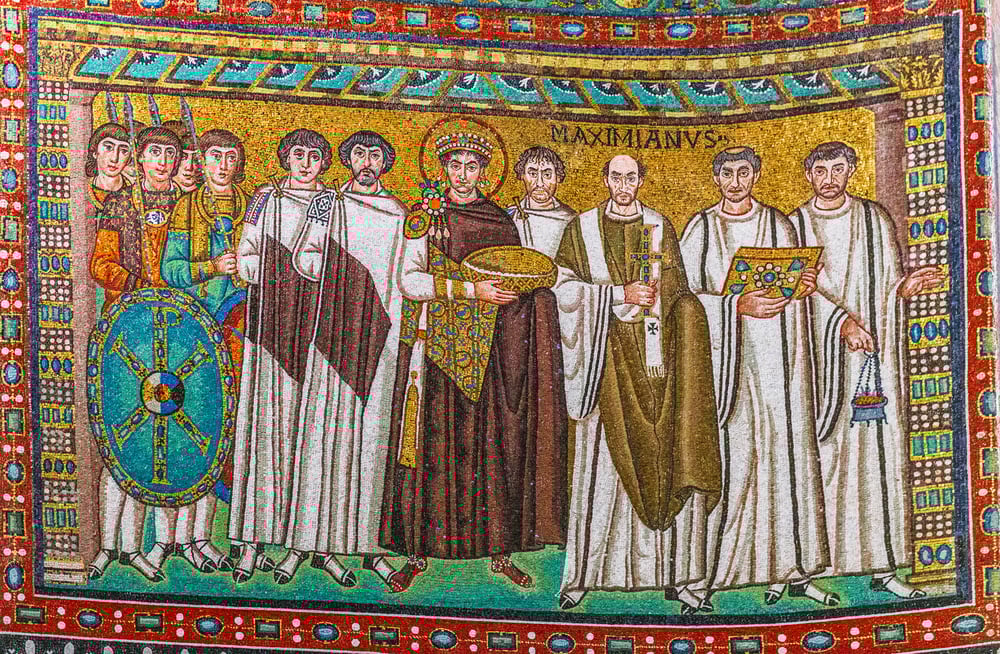
This outbreak (which began around 541 CE and technically predates the traditional Middle Ages but influenced the early medieval period) functioned as a grim preview of what bubonic plague could accomplish when given proper conditions. The Byzantine Empire, at the height of its power under Emperor Justinian, watched helplessly as the disease carved through Constantinople and beyond, killing an estimated 25 to 50 million people across the Mediterranean world — and here’s the thing that made it particularly devastating (beyond the obvious death toll): it struck just as Justinian was attempting to reconquer the Western Roman Empire, effectively ending those ambitions before they could fully materialize.
So the plague didn’t just kill people. It killed empires.
The economic collapse that followed created a power vacuum that would influence European politics for the next several centuries, because when half your population dies within a few years, maintaining complex governmental structures becomes somewhat challenging, to put it mildly.
Sweating Sickness
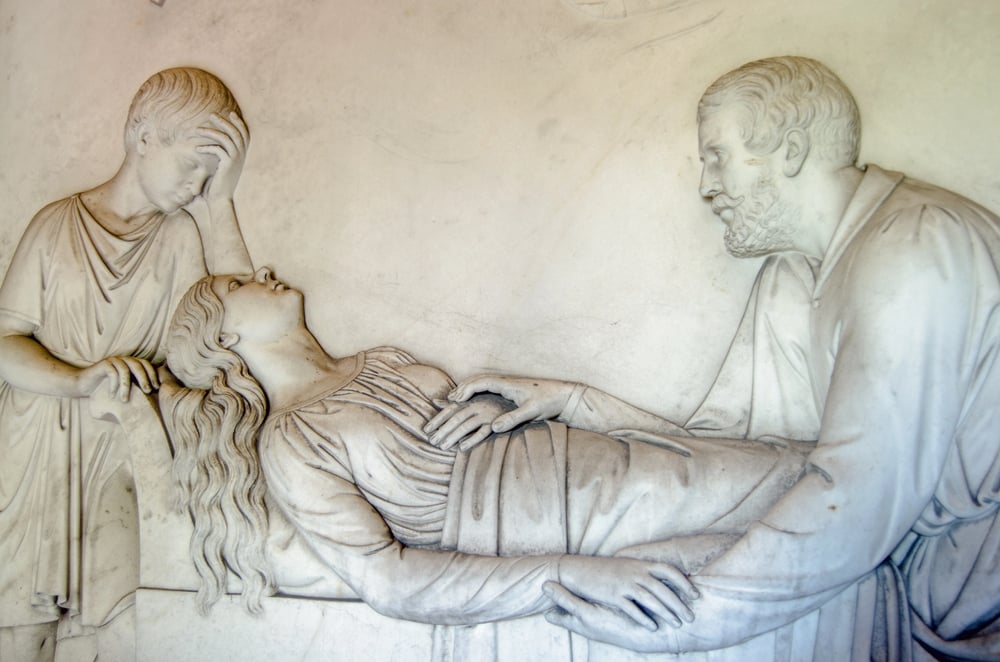
Imagine a disease that arrives without warning, kills within hours, and then vanishes as mysteriously as it appeared. Sweating sickness was medieval Europe’s most enigmatic killer — a fever that struck like lightning and left physicians completely baffled.
It preferred the wealthy, which was unusual enough to be genuinely unsettling, since most diseases of the time showed little class discrimination.
The illness would begin with sudden chills, followed by intense sweating, headaches, and often death within 24 hours. Survivors described feeling as though their blood was boiling.
What made sweating sickness particularly haunting was how it seemed to choose its victims almost randomly, sparing some households entirely while devastating others just down the street.
The Dancing Plague
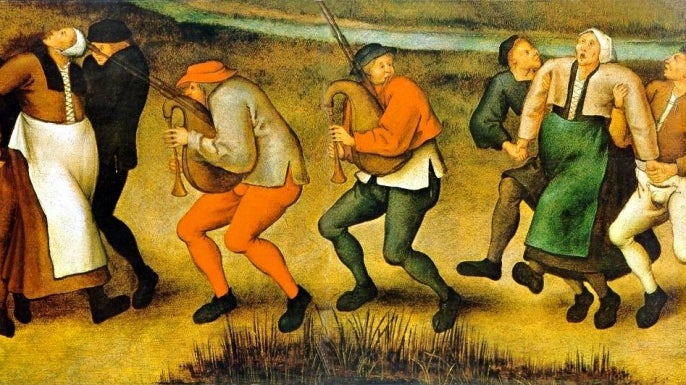
The Dancing Plague wasn’t technically an infectious disease, but it killed people just the same and spread through communities with frightening efficiency.
It started in 1518 in Strasbourg when a woman named Frau Troffea began dancing in the street. She couldn’t stop.
Within days, dozens of others joined her in compulsive, uncontrollable dancing that continued day and night. Many collapsed from exhaustion.
Some died from heart attacks or strokes.
Authorities hired musicians, thinking more music might cure the dancers. This made things worse.
St. Anthony’s Fire

Ergot poisoning masqueraded as divine punishment throughout medieval Europe, earning the name St. Anthony’s Fire for the burning sensations it caused in victims’ extremities. The fungus grew on rye grain, contaminating the flour that formed the foundation of medieval diets, which meant that entire communities could be poisoned simultaneously when they ate bread made from infected grain — and since people in medieval times didn’t exactly have multiple dining options (you ate what was available, or you didn’t eat), avoiding contaminated food wasn’t really a choice most people could make.
The symptoms were genuinely horrific: hallucinations, convulsions, and gangrene that could cause fingers, toes, or entire limbs to literally fall off.
What made St. Anthony’s Fire particularly insidious was how it could resurface year after year if communities continued using contaminated grain stores. So families might survive one outbreak, only to face the same nightmare when the next harvest came in.
The English Sweat
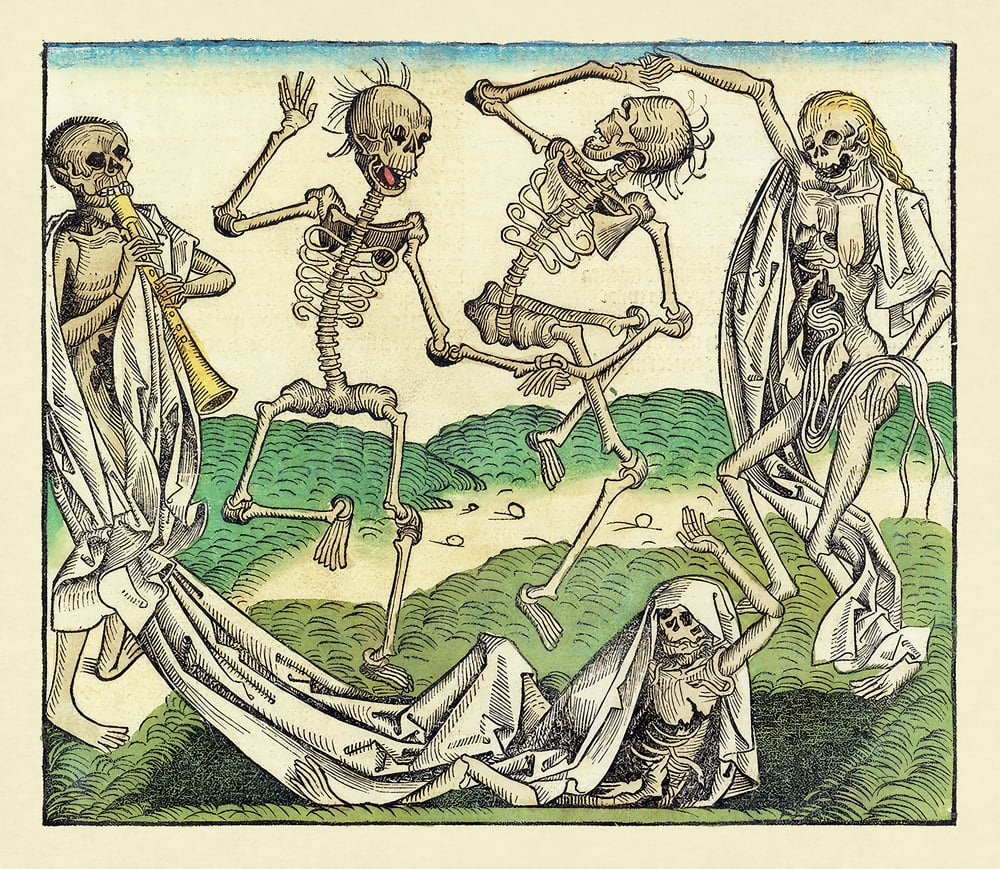
Like a particularly spiteful relative, the English Sweat kept returning to England throughout the late 15th and 16th centuries, each time bringing the same swift, merciless death that had characterized its previous visits. This disease had a peculiar fondness for the English — it rarely bothered with continental Europe, which suggests either a very specific pathogen or environmental factors unique to England at the time.
The illness could kill within three hours of the first symptoms appearing. Victims would be fine at breakfast and dead by dinner.
What made it especially terrifying was how it seemed to target healthy, robust adults rather than the weak or elderly, completely upending normal expectations about who survived disease outbreaks.
Leprosy

Leprosy turned people into living ghosts. Medieval society feared the disease so intensely that diagnosed lepers underwent funeral rites while still alive, then were banished to live in isolated colonies outside town walls.
The stigma was often worse than the disease itself. Lepers carried bells to warn others of their approach.
They couldn’t touch anything in markets without special tools. Society treated them as already dead, which in many ways, they were.
Typhus

The “camp fever” traveled with armies and thrived wherever people were crowded together in unsanitary conditions, which describes most of medieval Europe most of the time. Typhus didn’t particularly care about military strategy or political boundaries — it simply followed the lice that carried it from person to person, turning every crowded situation into a potential epidemic zone (and considering that medieval cities were essentially permanent crowded situations, with people packed into narrow streets and sharing living spaces with their animals, the disease found plenty of opportunities to spread).
What made typhus especially devastating during warfare was how it could disable entire armies before battles were even fought, rendering military campaigns useless not through superior enemy tactics, but through simple biology.
The disease caused high fever, severe headaches, and a characteristic rash that marked its victims for death. Recovery was possible, but far from guaranteed, and survivors often faced long-term complications.
Smallpox

Smallpox carved its way through medieval Europe with methodical precision, leaving survivors permanently marked by distinctive scars that served as proof of their encounter with the disease.
The virus didn’t kill quickly. It took its time, covering victims in pustules that eventually scabbed over and fell off, leaving behind permanent pockmarks.
Those who survived were immune to future infections, but they carried the evidence of their battle on their faces for life.
Medieval communities learned to recognize smallpox early, but knowing what they faced didn’t help them fight it.
Dysentery

This intestinal infection was the unglamorous killer that took more medieval lives than most of the dramatic plagues that made it into history books. Dysentery thrived in conditions where sanitation was poor and water sources were contaminated — which describes virtually every medieval settlement.
The disease caused severe diarrhea, dehydration, and death, particularly among children and the elderly.
What made dysentery especially persistent was how it fed on the very conditions that medieval society couldn’t easily change. Clean water was a luxury most people couldn’t afford, and proper sewage systems were essentially nonexistent outside of a few major cities.
Tuberculosis

Tuberculosis was the patient killer, content to slowly consume its victims over months or years rather than striking them down in days. Medieval people called it “consumption” because of how it seemed to consume the body from within, leaving victims pale, thin, and constantly coughing up blood.
The disease spread through crowded living conditions, which meant it flourished in medieval cities where families often shared single rooms and ventilation was poor. Unlike the dramatic plagues that swept through quickly and moved on, tuberculosis settled into communities and stayed for generations.
The Antonine Plague
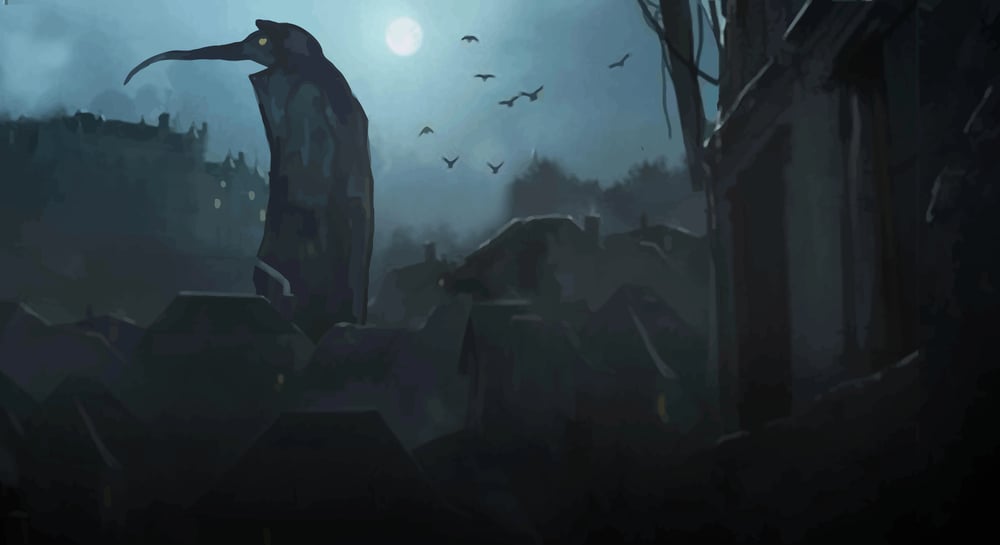
Though this plague technically occurred before the traditional Middle Ages (165-180 CE), its effects rippled into the medieval period and helped set the stage for the social conditions that would define European life for centuries to come. The disease, possibly smallpox or measles, devastated the Roman Empire just as it was reaching its territorial peak, killing an estimated five million people including Emperor Marcus Aurelius.
The demographic collapse that followed contributed to the Empire’s eventual fragmentation and the rise of the medieval world order. Sometimes the most significant historical events are the ones that weaken civilizations just enough to make them vulnerable to everything that follows.
Measles
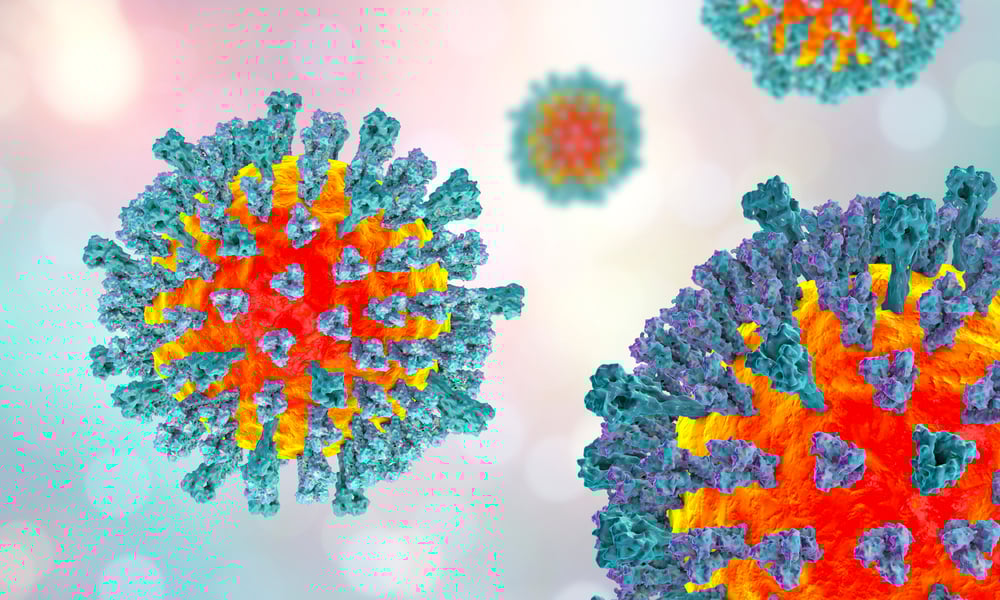
Measles hit medieval Europe like a recurring nightmare, returning every few years to claim a new generation of children who hadn’t yet developed immunity.
The disease was particularly cruel in its efficiency. It spread through respiratory droplets, meaning anyone who coughed or sneezed in a crowded space could infect dozens of others.
Medieval cities, with their narrow streets and packed markets, were perfect incubators for measles outbreaks.
Parents learned to dread the telltale rash and fever that signaled another epidemic was beginning.
When the Horsemen Rode Together
Disease never traveled alone in medieval Europe. Famine weakened immune systems, making populations vulnerable to infection.
War displaced people, spreading illness along with armies and refugees. Political instability prevented organized responses to health crises.
These forces fed off each other in cycles that could devastate entire regions for decades.
The great plagues of the Middle Ages weren’t just medical emergencies — they were civilization-ending events that reshaped how people lived, worked, and understood their place in the world. Survivors built new societies on the bones of the old ones, forever changed by their encounters with invisible enemies they barely understood but could never forget.
More from Go2Tutors!

- 16 Historical Figures Who Were Nothing Like You Think
- 12 Things Sold in the 80s That Are Now Illegal
- 15 VHS Tapes That Could Be Worth Thousands
- 17 Historical “What Ifs” That Would Have Changed Everything
- 18 TV Shows That Vanished Without a Finale
Like Go2Tutors’s content? Follow us on MSN.