Lesser Known Facts About the Titanic
Folks remember the Titanic going down during its debut trip in 1912. Chances are, you’ve watched a film about it or at least caught bits of how it struck an icy mass deep in the Atlantic.
Still, beyond those retold scenes and cinematic flashes lies way more than what textbooks or Hollywood usually share. Picture a night so quiet you could hear a whisper on deck – then came chaos.
Few know the band played long after most lifeboats drifted into darkness. One passenger survived by clinging to a wooden door in freezing water.
Steam pipes burst as the bow hit the ocean floor, tearing metal like paper. A dog once owned by a first-class guest was found alive days later.
Some crew members ignored ice warnings because messages clogged the wireless room. The lights stayed on until the final plunge, flickering under pressure.
Not everyone believed it would sink – even halfway down, people sat near railings, waiting.
The Ship Had Its Own Newspaper

Out there on the water, folks aboard the Titanic got their hands on a fresh paper each morning named the Atlantic Daily Bulletin. Each edition came alive through a wireless setup, pulling headlines straight from land stations along the route.
Stock numbers appeared alongside baseball results, also notes on how many nautical miles the liner had cut through overnight. Morning readers gathered in the dining area found comfort flipping its pages, sensing ties to cities far beyond the waves around them.
Distance Wasn’t the Reason Help Failed to Arrive
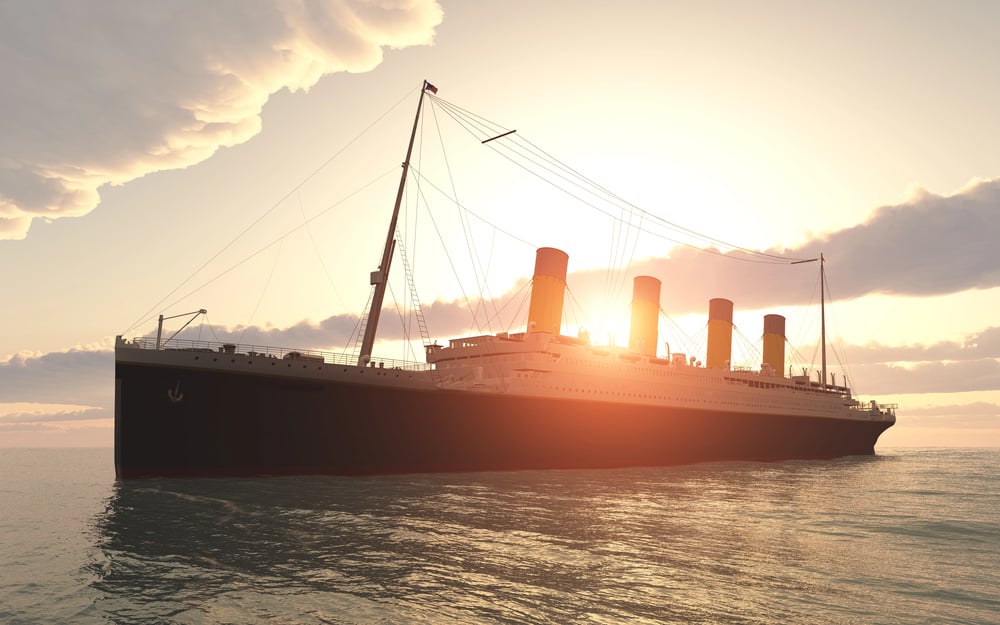
A ship named the Californian floated between ten and twenty miles off the Titanic’s side as it began to sink. Flares lit the dark air above the doomed liner – crewmembers aboard spotted them clearly.
Yet their wireless man was asleep below deck, missing every frantic call sent out through the wires. Morning brought full understanding, but help could not arrive in time.
Last Time Flying Up Front, Dinner Came Across as Way Too Showy
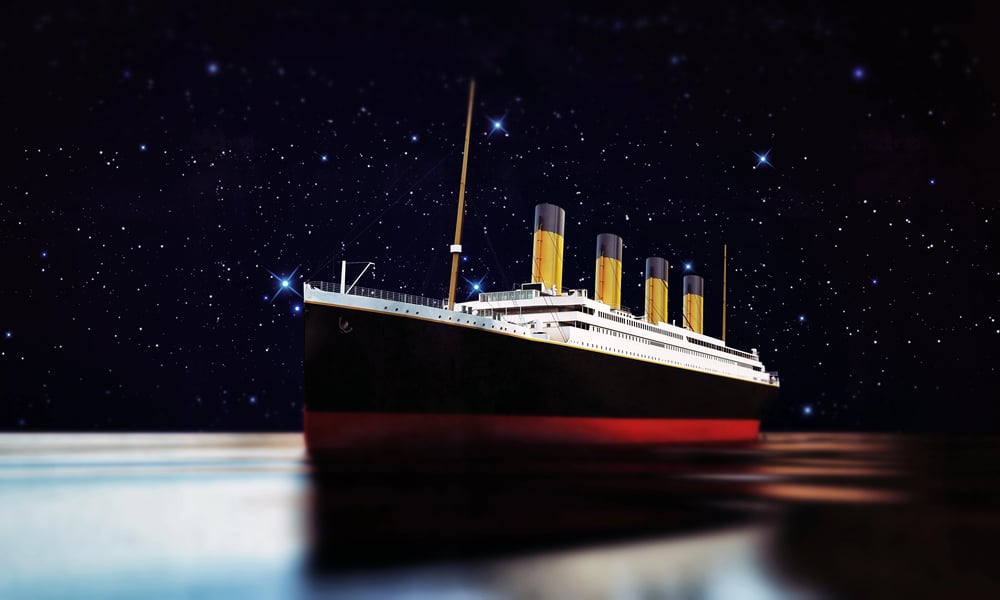
Dinner stretched late into the evening for those in first class as the voyage neared its end. Oysters arrived first, followed by filet mignon, then lamb paired with mint sauce.
Fancy French plates came next, names long enough to trip over. Each dish appeared alongside a different wine, chosen carefully.
Eleven courses unfolded slowly, one after another. Some guests lingered over sweets while sipping coffee.
Ice cracked against the hull just past 11:40, cutting through quiet conversation. Time had blurred between bites and laughter until that sound changed everything.
Most of the Musicians Kept Playing as the Ship Sank
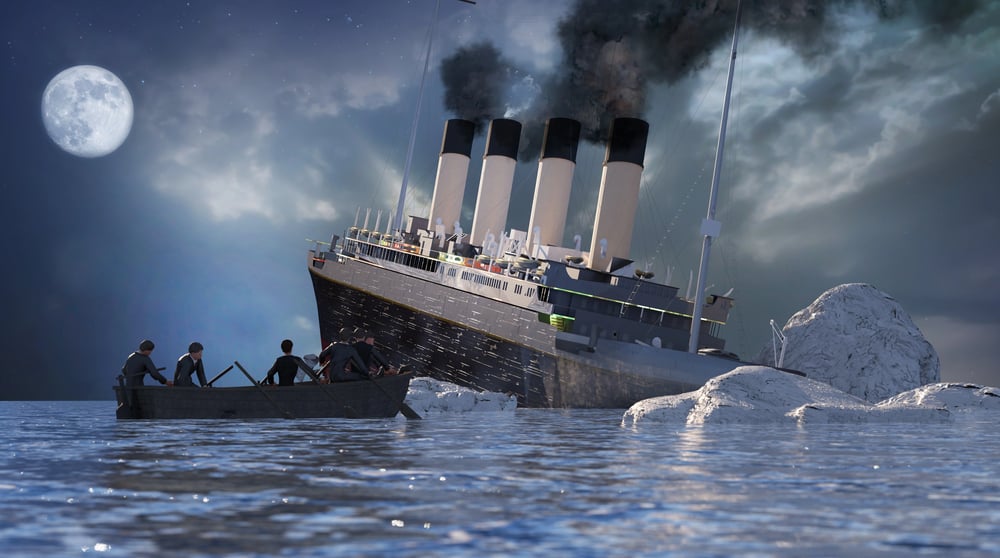
Few held their instruments till the water rose high. Others stayed seated while waves pulled at the decks below.
Some continued notes even as lifeboats drifted off into the dark. A handful never paused though cold crept through fingers stiffening fast.
Midway through the sinking, the ship’s musicians stayed near the tilting deck. Even as fear spread, they filled the air with lively tunes early on – later shifting to quiet hymns when hope faded.
Not a single one made it out alive. As time passed, their choice to play until the end turned into a tale told again and again.
That night, sound lingered long after everything else slipped under.
Cats and Dogs on Board Made It Through More Often Compared to Those Traveling in Third Class

A few pets escaped the doomed vessel – wealthy first-class guests had tucked dogs like a Pomeranian and a Pekingese into lifeboats beside them. Survival wasn’t just luck though.
Down below, three out of four third-class travelers never reached safety. Maze-like corridors plus closed barriers slowed escape.
Getting through took too long.
It Took Over 70 Years to Find the Wreck

The Titanic’s final resting place stayed hidden at the bottom of the Atlantic until 1985. Robert Ballard led the team that finally discovered it about 370 miles off the coast of Newfoundland.
The ship had broken into two main pieces that landed about 2,000 feet apart on the ocean floor. Finding it required special equipment that could handle the extreme depth of more than two miles down.
Third-Class Tickets Cost About What a Car Payment Might Be Today

A third-class ticket on the Titanic cost between $15 and $40 in 1912 money. That might not sound like much, but it equals roughly $400 to $1,000 in today’s dollars when adjusted for inflation.
For many immigrants traveling to America, this represented months of savings. First-class suites went for over $4,000 back then, which translates to more than $100,000 now.
The Captain Ignored Multiple Ice Warnings

Captain Edward Smith received at least six messages about icebergs in the area on April 14, 1912. He acknowledged some of them but never slowed the ship down.
The Titanic kept cruising at about 22 knots, which was close to its top speed. Some historians think Smith wanted to arrive in New York early to make headlines, while others believe he simply didn’t think the ice posed a real danger.
The Ship Almost Didn’t Sail Because of a Coal Fire
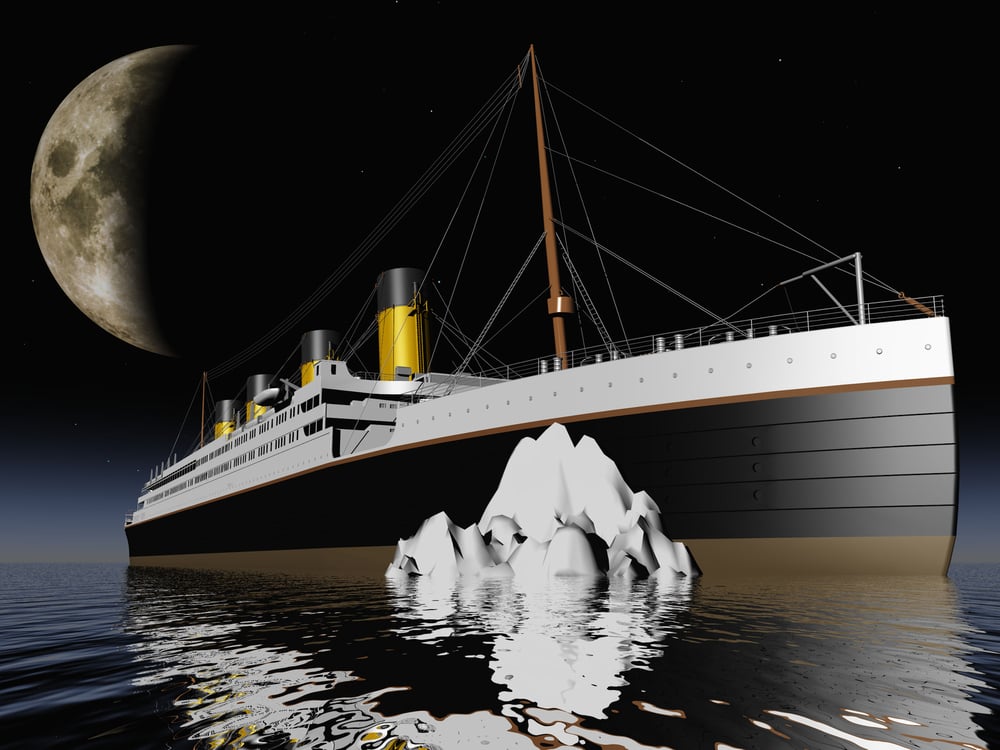
A fire started in one of the coal bunkers before the Titanic even left port. The crew kept it mostly under control, but it burned for days.
Some experts now think this fire might have weakened the steel walls in that part of the ship. When the iceberg hit, the damaged area could have failed faster than it would have otherwise, making the flooding worse.
Only Two Bathtubs Served All Third-Class Passengers
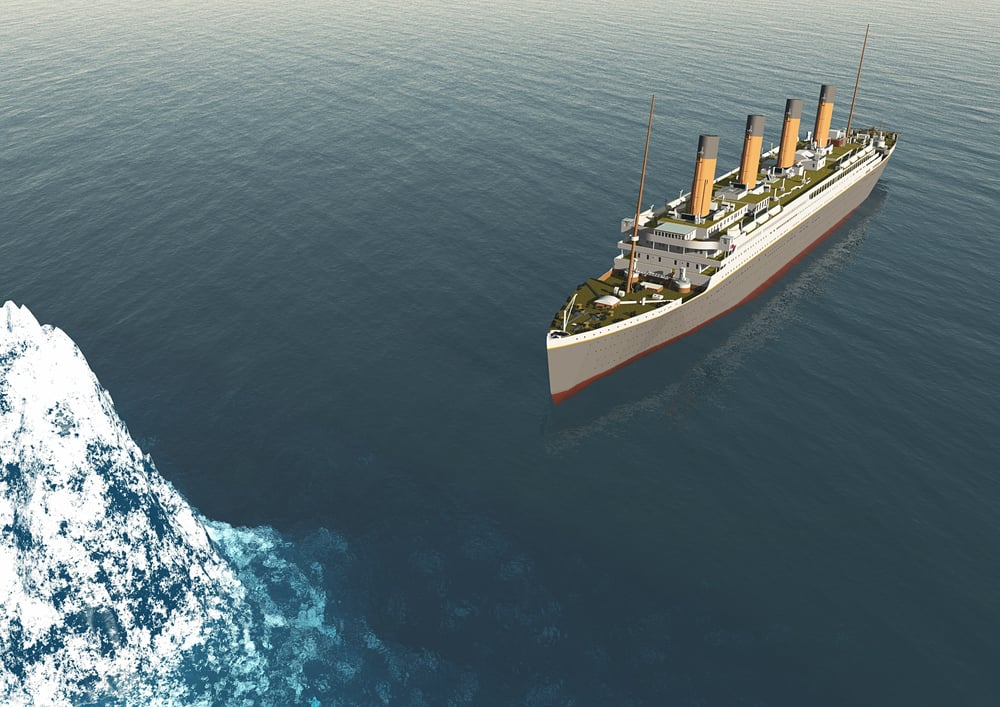
More than 700 people traveled in third class, yet they had access to just two bathtubs for everyone. First-class cabins came with private bathrooms, and second-class passengers at least had shared facilities on each floor.
The conditions for poorer travelers were pretty rough by comparison. Most of them had to make do with basic washing areas that didn’t offer much privacy or comfort.
The Lookouts Didn’t Have Binoculars
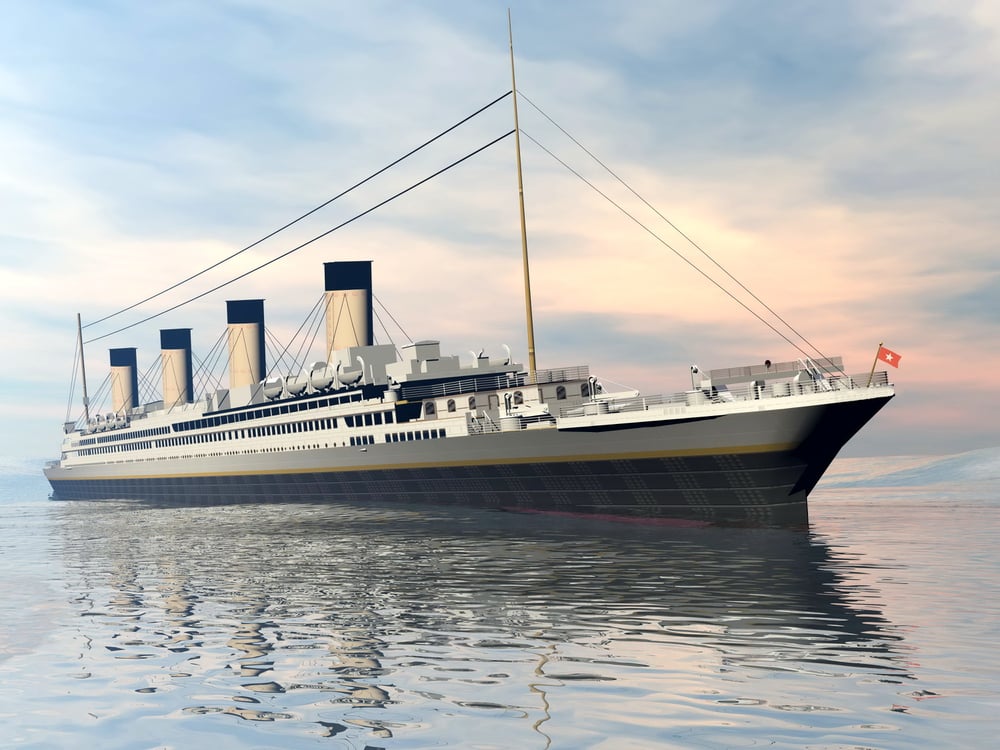
The crow’s nest crew was supposed to watch for dangers ahead, but they didn’t have binoculars the night the ship sank. The pair meant for them got locked in a cabinet, and the crew member with the key had been reassigned before the voyage started.
Frederick Fleet, one of the lookouts on duty, later said he could have spotted the iceberg sooner if he’d had binoculars. Those extra few minutes might have made all the difference.
Survivors Faced Serious Stigma Afterward
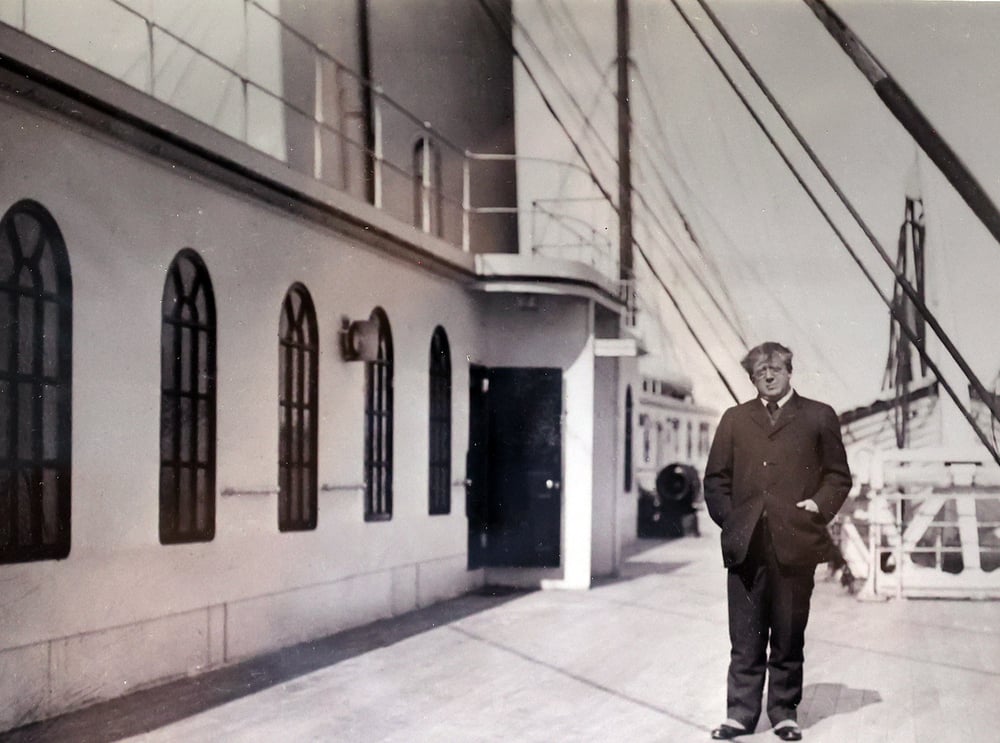
Men who survived the Titanic often got treated badly by society because they lived while women and children drowned. J. Bruce Ismay, the White Star Line chairman who escaped on a lifeboat, spent the rest of his life dealing with harsh criticism.
People called him a coward even though he helped load other passengers first. The pressure to follow the ‘women and children first’ rule was so intense that some male survivors never fully recovered from the guilt and shame.
The Wireless Operators Were Heroes Who Paid the Price
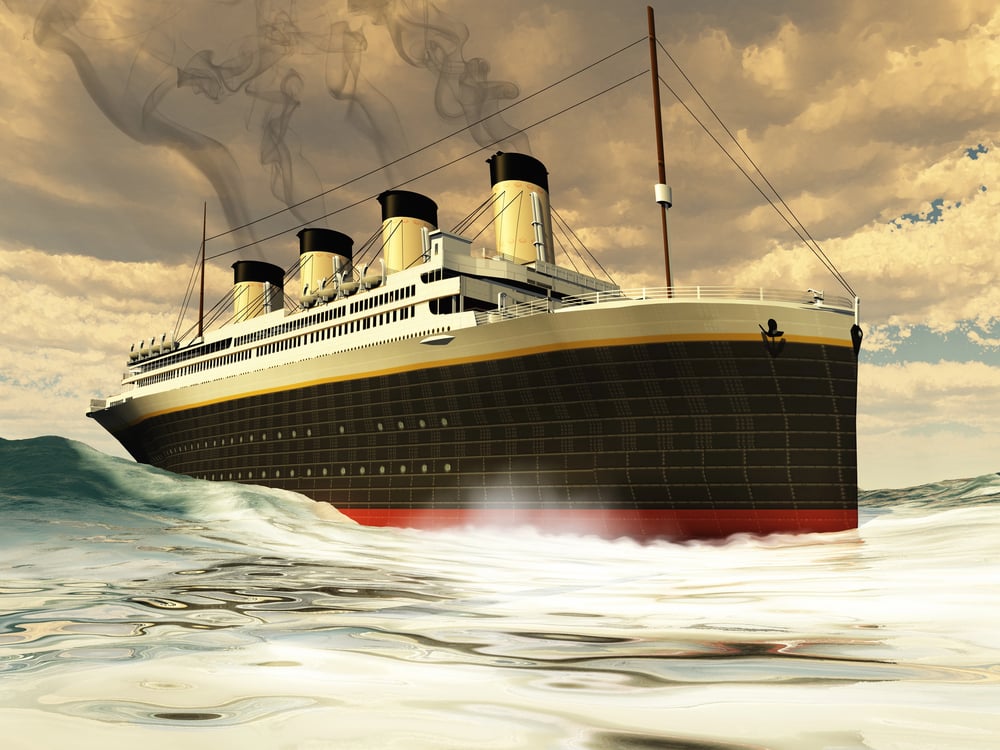
Jack Phillips and Harold Bride worked the radio room and sent out distress signals as water poured into the ship. Phillips stayed at his post until the very end, tapping out messages even as the power failed.
He didn’t survive. The bride managed to escape but suffered severe frostbite from the freezing water.
Their determination to call for help saved hundreds of lives by bringing the Carpathia to the scene.
The Shipbuilders Knew the Design Had Problems
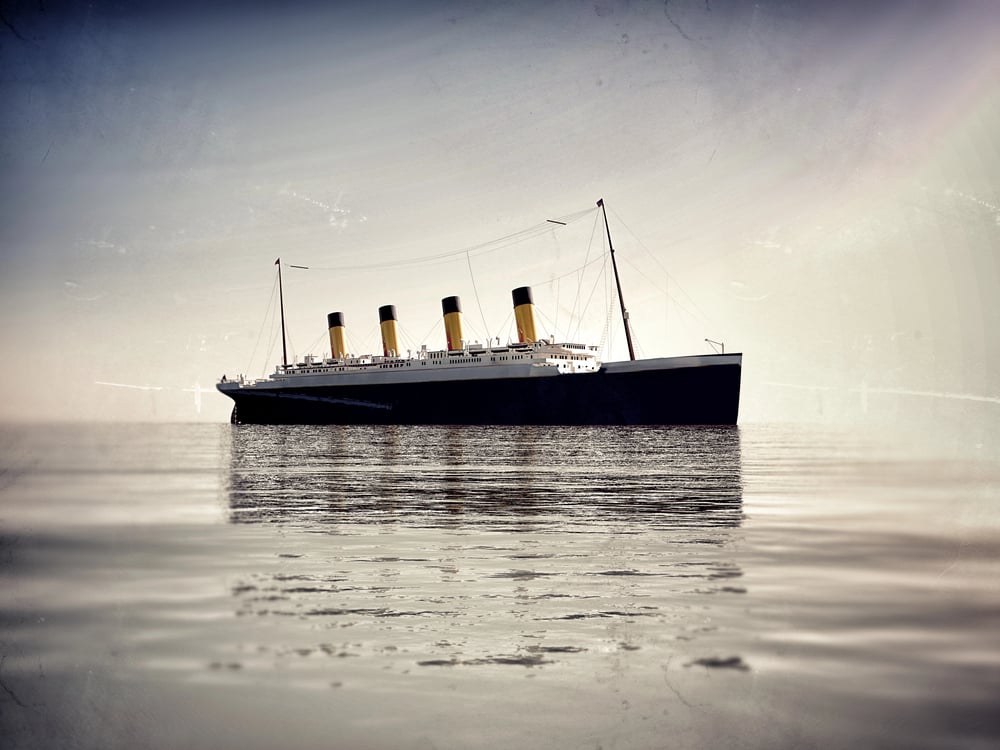
Thomas Andrews, the ship’s designer, traveled on the maiden voyage to observe how everything worked. He quickly noticed flaws and started making a list of improvements needed.
When the iceberg struck, Andrews immediately understood how bad things were going to get. He spent his final hours helping passengers find lifeboats and putting life jackets on people, knowing the ship he’d designed was going to take him down with it.
Where the Story Still Lives Today
The Titanic disaster shaped how ships get built and operated even now, more than a century later. Modern vessels carry enough lifeboats for everyone on board, maintain 24-hour radio watches, and follow strict ice patrol protocols in the North Atlantic.
The International Ice Patrol was created directly because of what happened that April night. Every time someone steps onto a cruise ship today, they benefit from the painful lessons learned when the Titanic went down.
Those 1,500 lives lost weren’t forgotten, and their story continues to protect travelers crossing the ocean.
More from Go2Tutors!

- The Romanov Crown Jewels and Their Tragic Fate
- 13 Historical Mysteries That Science Still Can’t Solve
- Famous Hoaxes That Fooled the World for Years
- 15 Child Stars with Tragic Adult Lives
- 16 Famous Jewelry Pieces in History
8Like Go2Tutors’s content? Follow us on MSN.



