Soda Fountain Treats from the Corner Drugstore
Before the supermarket freezer aisle and the drive-thru window, the best dessert in town was often sold next to the cough syrup. Pharmacists sometimes mixed medicinal preparations in the back while soda fountains served flavored drinks and ice cream up front, and the marble counter with its row of swivel stools became the neighborhood’s living room.
The menu behind that counter was a strange mix of chemistry, showmanship and sugar. Some of its drinks and sundaes still turn up on menus today, and others survive only in the arguments over who invented them.
The Egg Cream With No Egg and No Cream
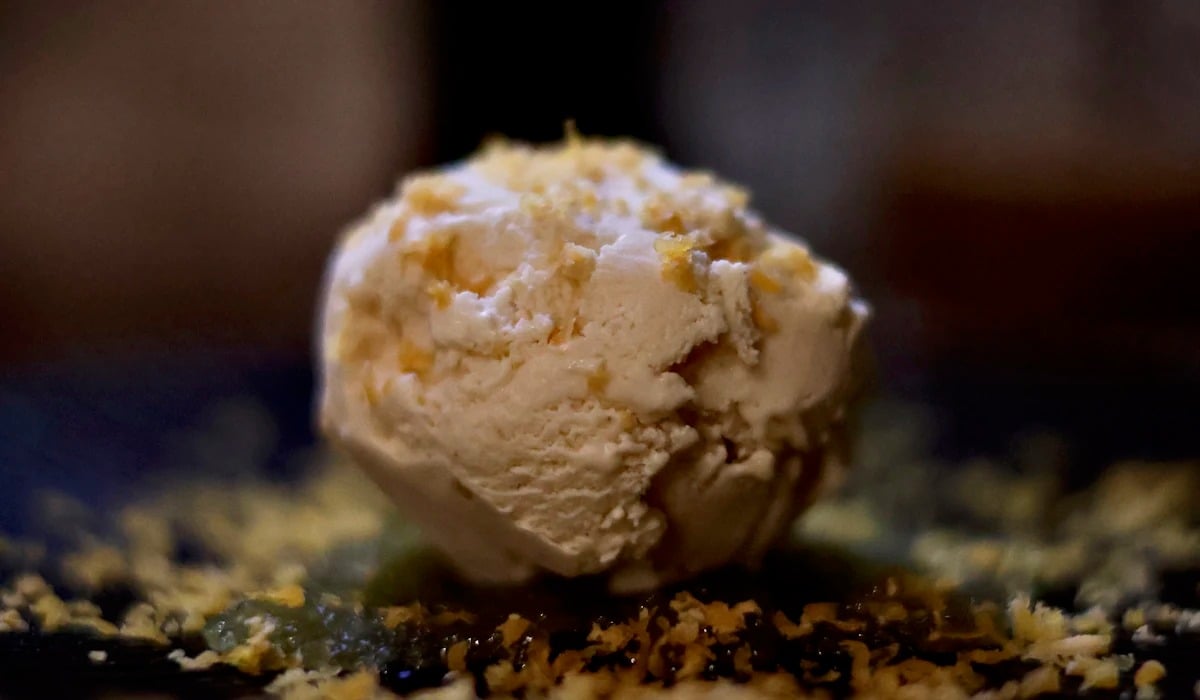
A proper egg cream is made from cold milk, chocolate syrup and a hard blast of seltzer, with a tall foamy head on top. Despite the name, neither eggs nor cream go into the glass.
The drink is tied to the candy stores of Brooklyn and the Jewish neighborhoods of New York, and the origin of the odd name has been argued over for generations without a settled answer. The order of ingredients and the vigor of the stir remain matters of strong opinion among regulars.
The Phosphate That Gave Fountains Their Tang
The phosphate was a fountain favorite built on acid phosphate, a sharp-tasting solution added to flavored syrup and carbonated water. Customers could order a cherry, orange or lemon phosphate and get a drink with a clean, puckery bite that sweet sodas lacked.
It fit the drugstore perfectly, since the fountain operator was selling something that sounded like medicine.
The Malted Milkshake and the Spoonful of Powder
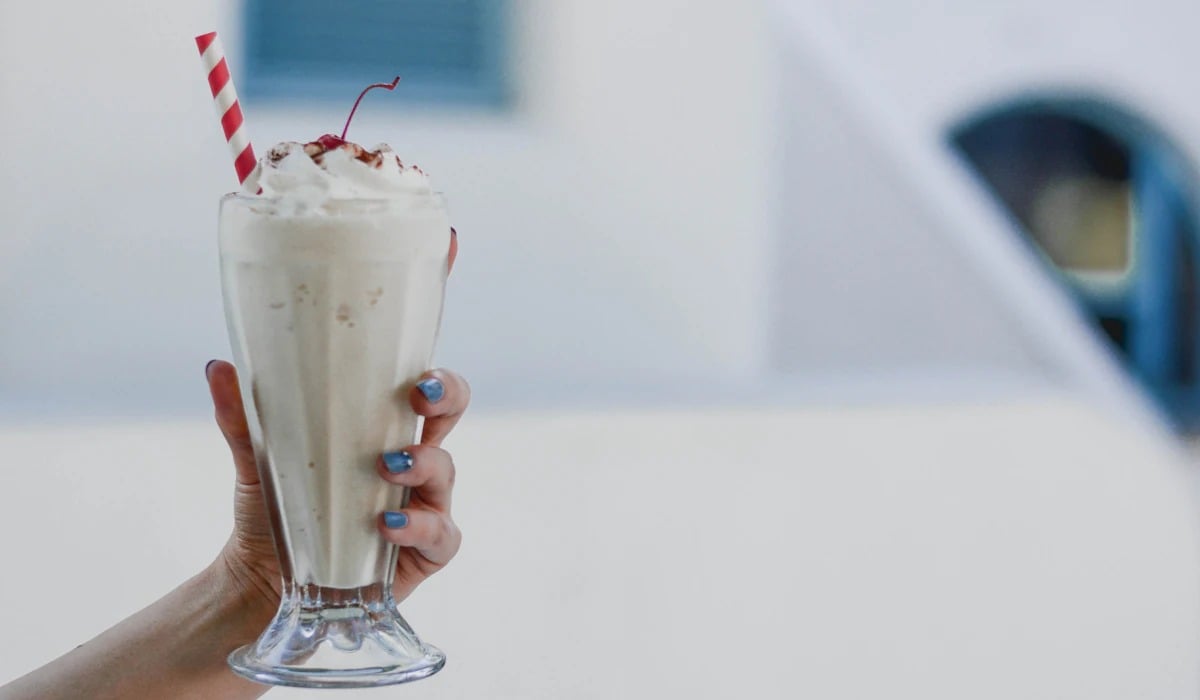
Malted milk powder, made from malted grain and milk, ended up in the nation’s milkshakes after drugstore counters began adding a scoop to the blender. The nutty, toasty flavor made a plain chocolate shake taste a little more grown-up.
Many diners still have to ask whether the customer wants a shake or a malt, and the difference is exactly that spoonful of powder.
The Banana Split and the Two-Town Argument
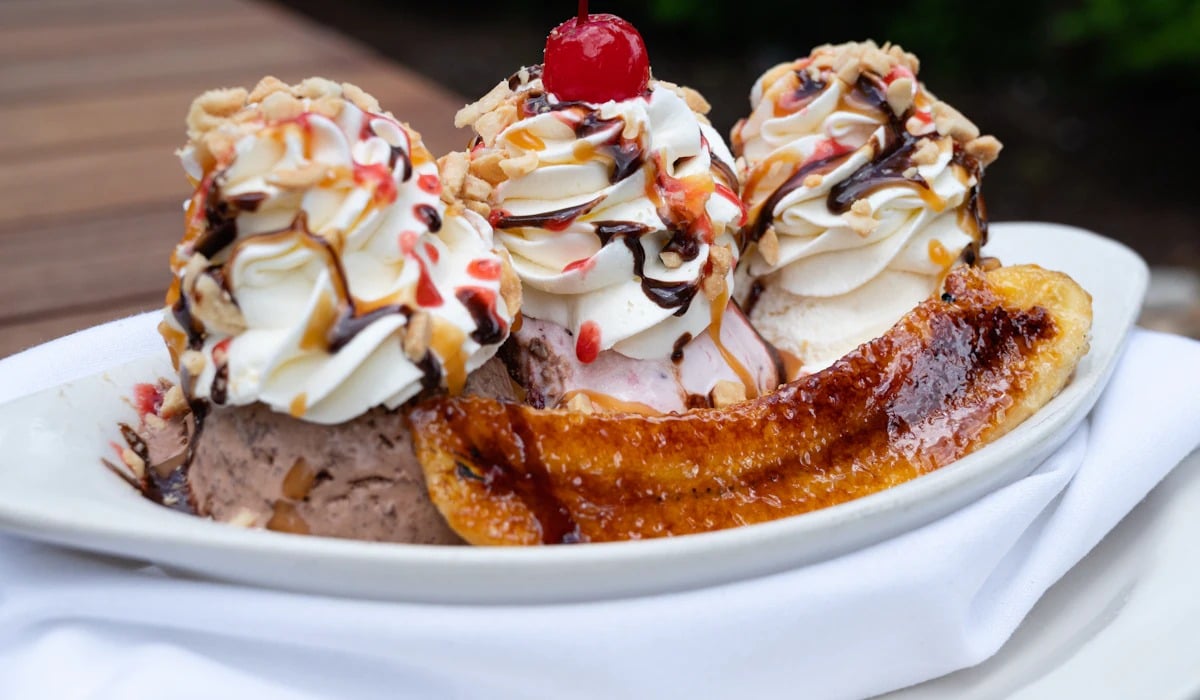
A banana split is a banana halved lengthwise and laid in a long, narrow dish, then topped with scoops of ice cream, sauces and nuts. Latrobe, Pennsylvania, and Wilmington, Ohio, each lay claim to its invention, and both towns celebrate the dessert with festivals.
Latrobe’s claim, dating to 1904, is generally considered the better documented, but Wilmington also maintains its own origin story. Both towns agree on the important point, which is that a proper banana split requires a long, narrow dish.
The Green River That Never Needed a Garnish
Green River is a neon lime soda that has been tied to Chicago since 1919. Fountain operators loved it, and a glass of it with a scoop of vanilla ice cream became a regional Midwestern treat.
The drink was so closely tied to its color that the name tells you everything you need to know about it.
The Black Cow and Its Many Definitions
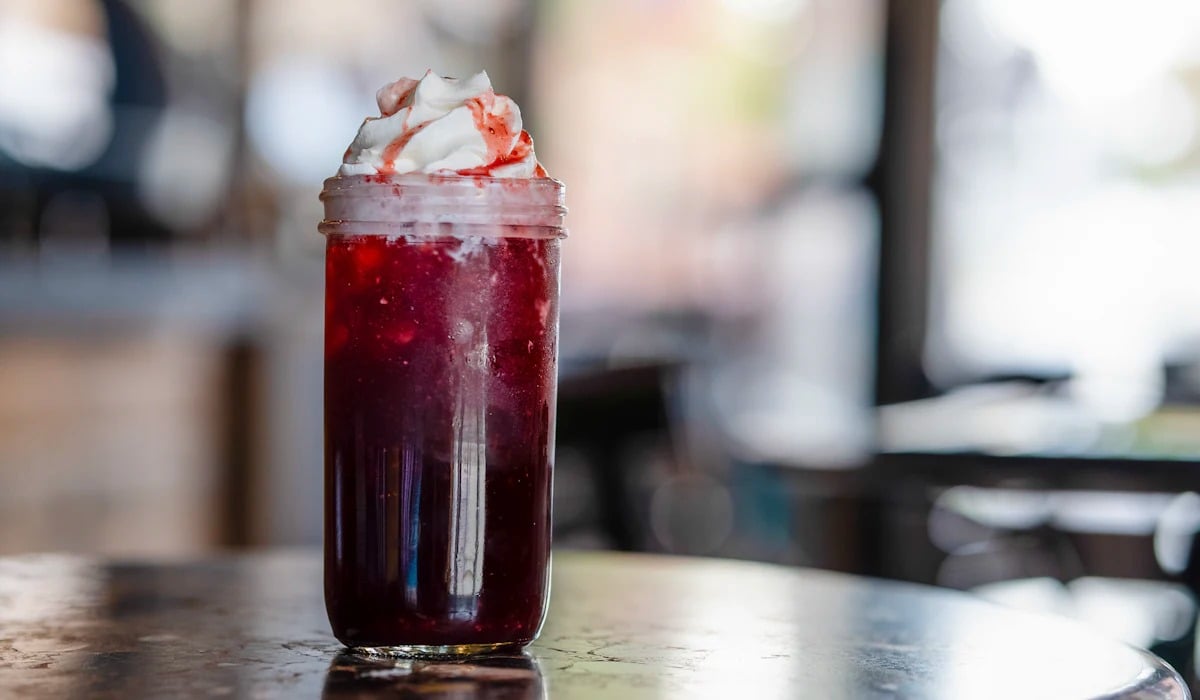
The black cow, often made with root beer and vanilla ice cream, is one of the oldest-sounding names on the fountain menu. Several places have offered their own origin stories for it, and none has become the accepted version.
Elsewhere, the name has drifted, and what counts as a black cow depends on which counter the customer is sitting at. The confusion is part of the charm, since the same words can bring a float to one table and something quite different to the next.
The Ice Cream Soda and the Fight Over Its Father
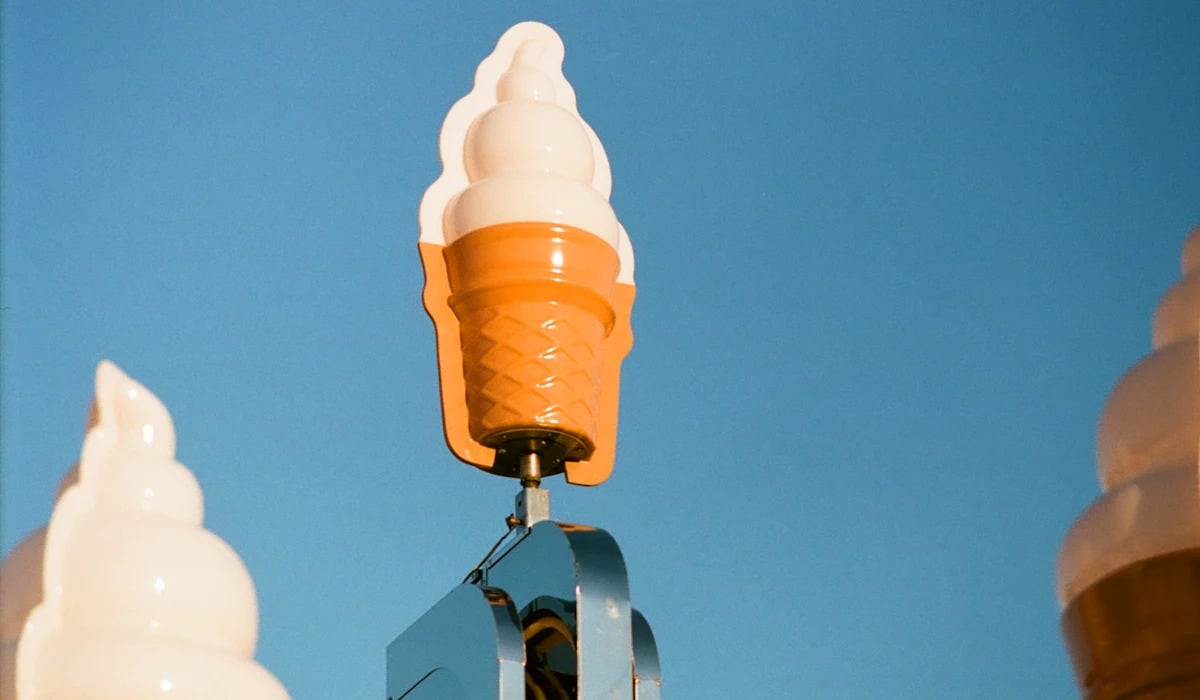
An ice cream soda combines flavored syrup, carbonated water and a scoop of ice cream, and it turned the soda fountain from a place for tonics into a place for treats. Robert Green of Philadelphia is often credited with popularizing the drink in 1874, although other origin stories have also circulated.
Philadelphia figures in one of the most popular tales, though the details change depending on who is telling them. What is not in question is that the drink became a fixture of soda fountain menus.
The Lime Rickey and Its Barroom Past
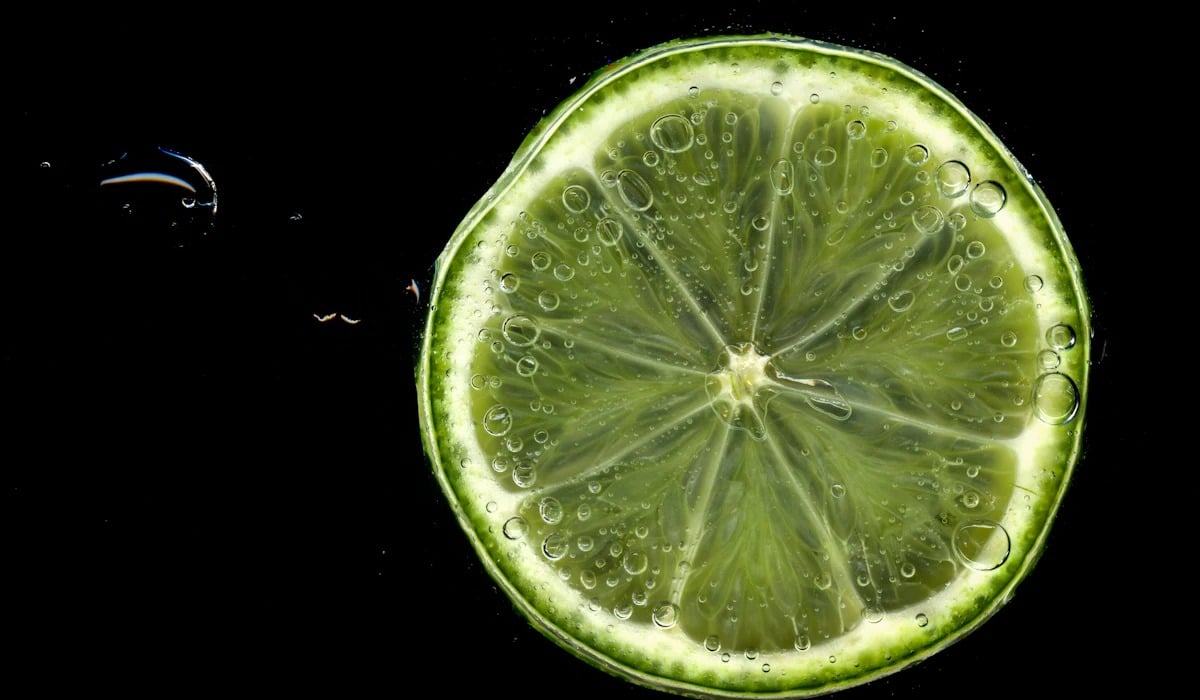
The rickey is generally described as a bar drink first, built on lime juice and sparkling water. When the alcohol was dropped, the lime rickey found a second life at the drugstore counter.
Its sharp, clean flavor suited a fountain that already specialized in sharp-tasting tonics and phosphates. That a cocktail could be reborn as a soda without losing its following says something about how well lime and fizz work together.
The Cherry Coke Before It Had a Can
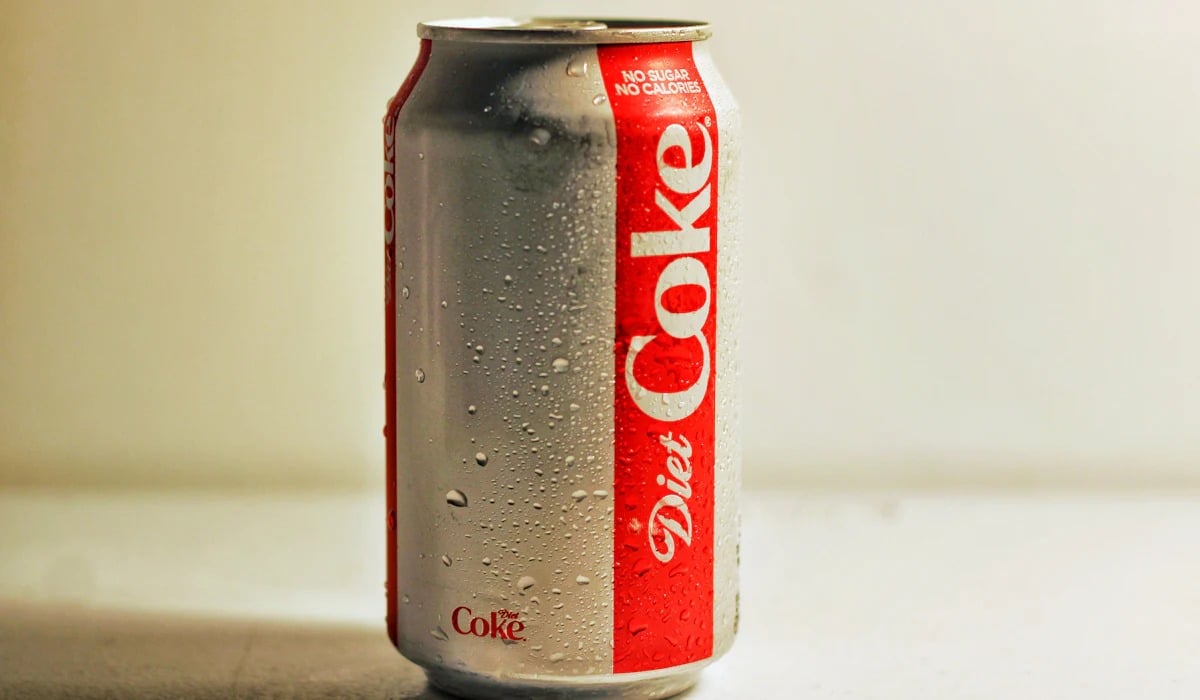
Fountain clerks were adding cherry syrup to Coca-Cola long before the company introduced Cherry Coke as a packaged product in 1985. Customers asked for it by name at the counter, and the clerk would squirt a measure of syrup into the glass and stir.
Eventually, the combination that had been a fountain trick reached bottles and cans. A familiar customer request had become a nationally marketed product.
The Moxie Float for Brave Palates
Moxie is a bitter New England soft drink with a flavor that divides people sharply. A scoop of vanilla ice cream in a glass of Moxie turns a polarizing taste into something close to a dessert.
Loyal fans defend it with real affection, while visitors tend to describe the first sip as a dare.
The Root Beer Float and the Frosted Mug
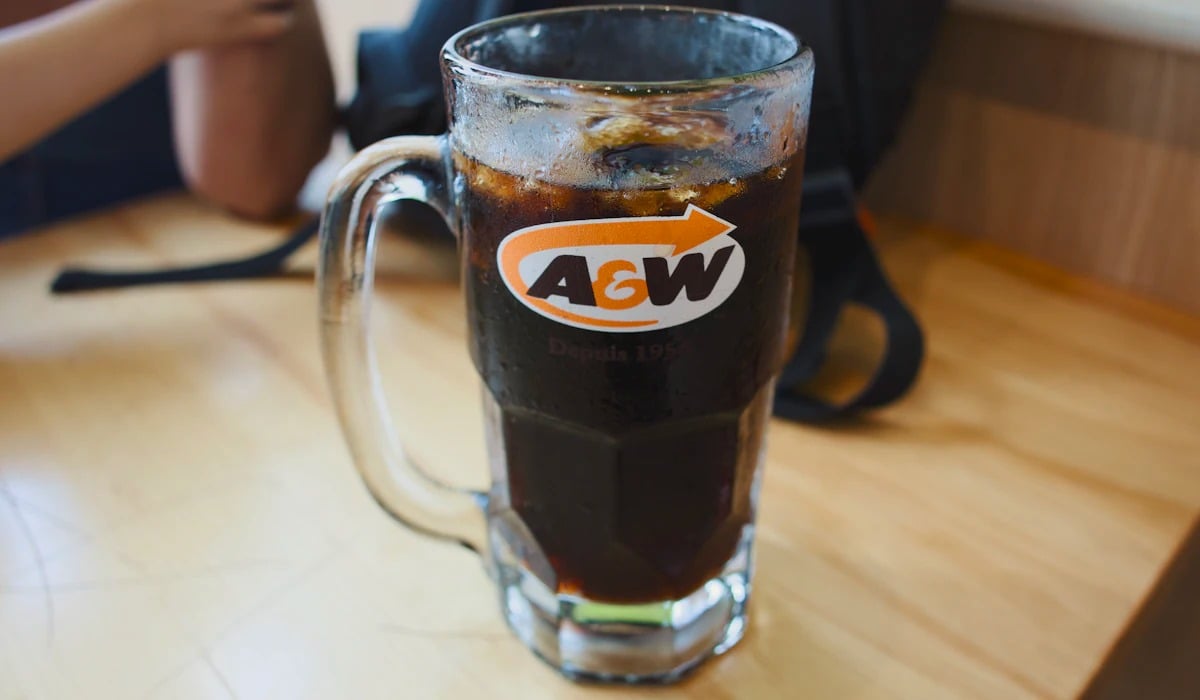
A root beer float is a scoop of vanilla ice cream slid into a glass of root beer. Served in a heavy, frosted mug, it is as much texture as flavor, with the foam rising to the rim.
Drugstore counters across the country picked up the idea. The float has been a staple of the American fountain ever since.
The Hot Fudge Sundae of Hollywood Boulevard
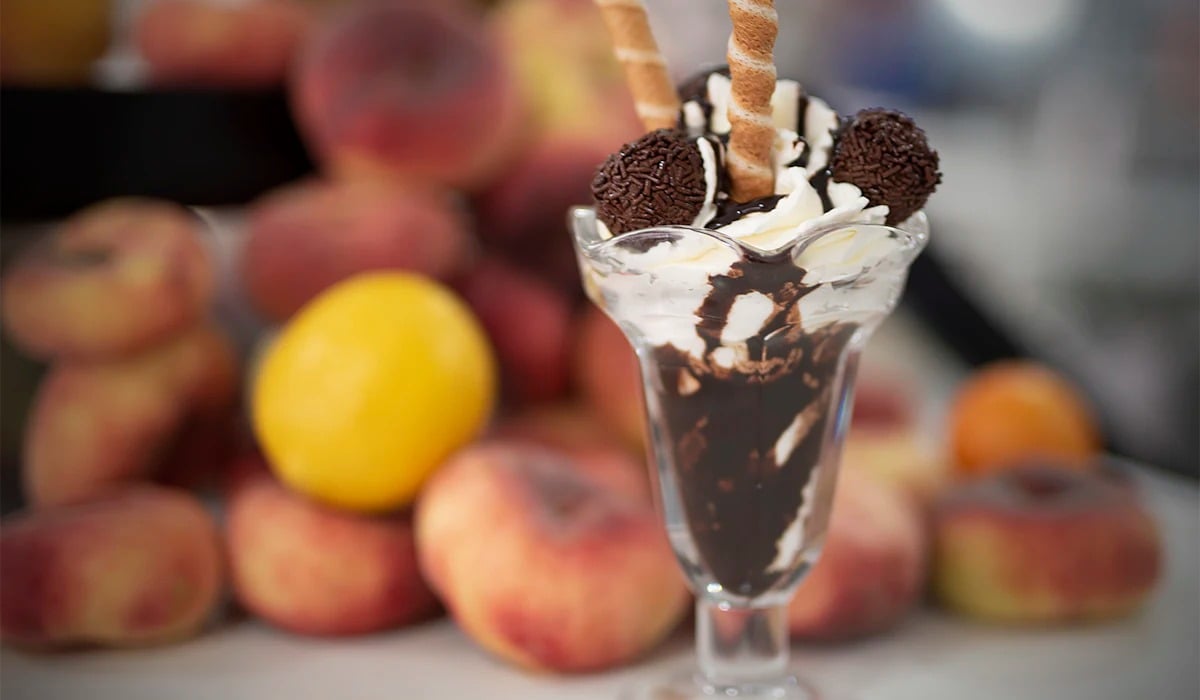
C.C. Brown’s, an ice cream parlor on Hollywood Boulevard, long claimed to have invented the hot fudge sundae, and the year most often given for the invention is 1906.
The shop served its fudge sauce hot over cold ice cream, so the warm sauce melted against the scoops. The spot became a Hollywood landmark, and a historic street banner commemorates the site’s connection to the claim.
As with many fountain inventions, rival claims exist, but the Hollywood version is the one most often retold.
The Tin Roof Sundae and Its Crunchy Mystery
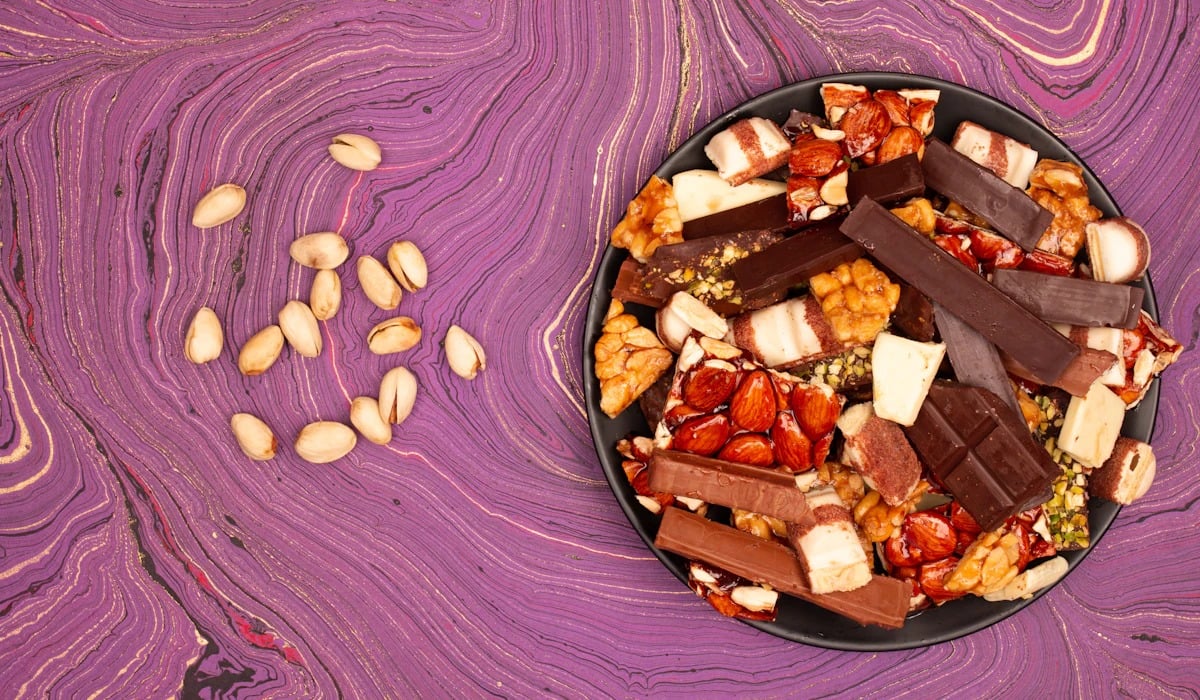
A tin roof sundae combines vanilla ice cream with chocolate sauce and peanuts, and the name has been explained in several ways. One popular theory says that the chocolate sauce hardens slightly and the peanuts stud it the way nails hold down roofing.
A shop in small-town Nebraska is among the places credited with giving the world the dessert. Potter, Nebraska, is particularly associated with the Tin Roof Sundae, which local accounts date to the 1930s.
The story suits a dessert that always had more charm than documentation.
The Boston Cooler That Comes From Detroit
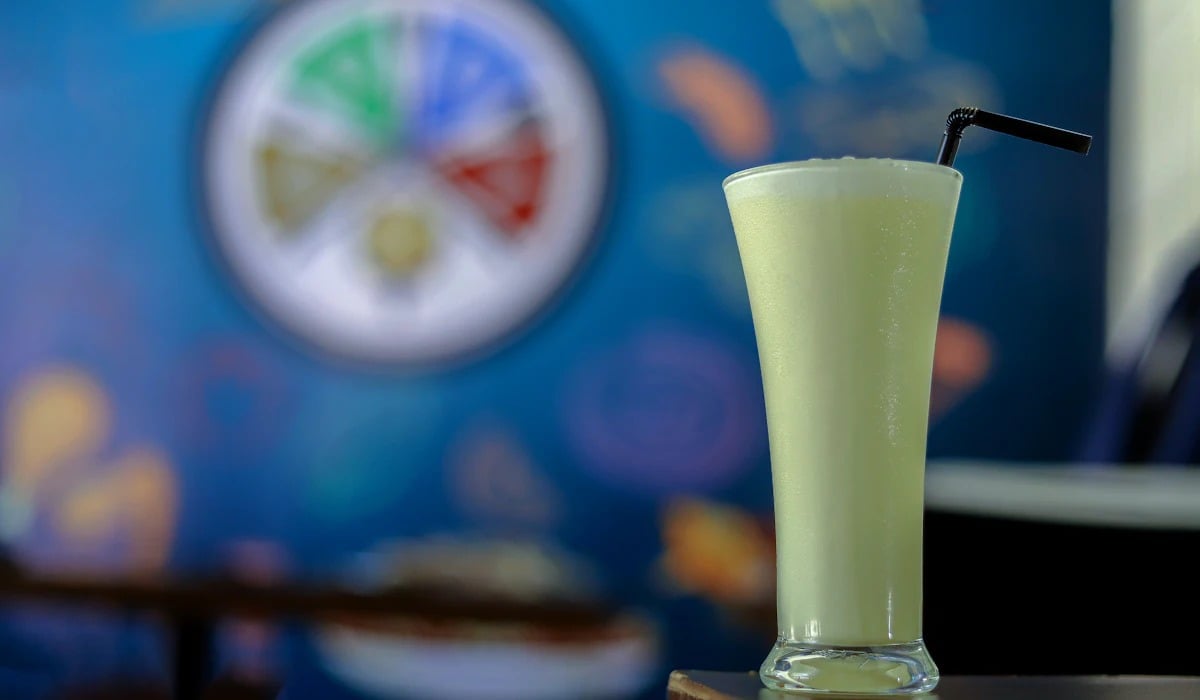
The Boston cooler is vanilla ice cream combined with Vernors ginger ale, and it is a Detroit tradition despite the name. Vernors itself was born in Detroit and is often described as Michigan’s oldest pop.
The name predates the modern Detroit version and once referred to other soda-and-ice-cream combinations, so its exact origin remains murky. The ginger bite of Vernors keeps the ice cream from becoming cloying, which makes it one of the better combinations at any counter.
The Ice Cream Sundae and the Town Feud
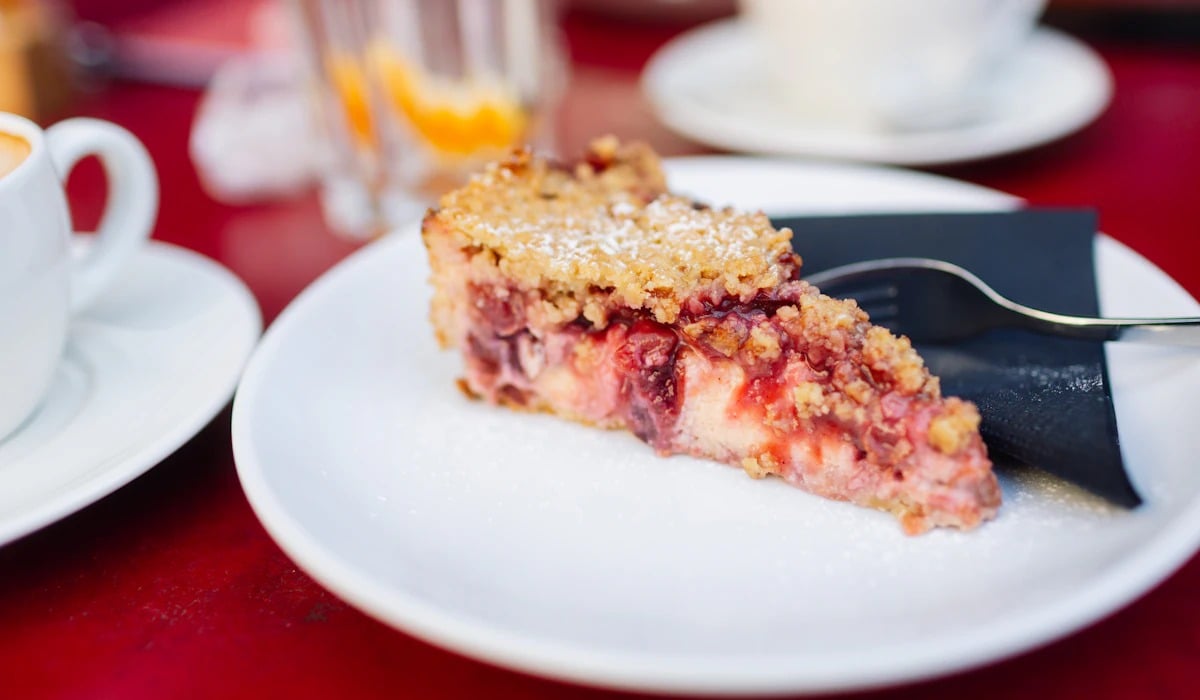
A sundae is ice cream dressed with a sauce, and Two Rivers, Wisconsin, and Ithaca, New York, both say it was born in their town. The name is commonly linked to Sunday, though the explanations differ on why the spelling changed.
Each town has defended its claim for generations. Neither seems likely to yield.
The First Glass of Coca-Cola at Jacob’s Pharmacy
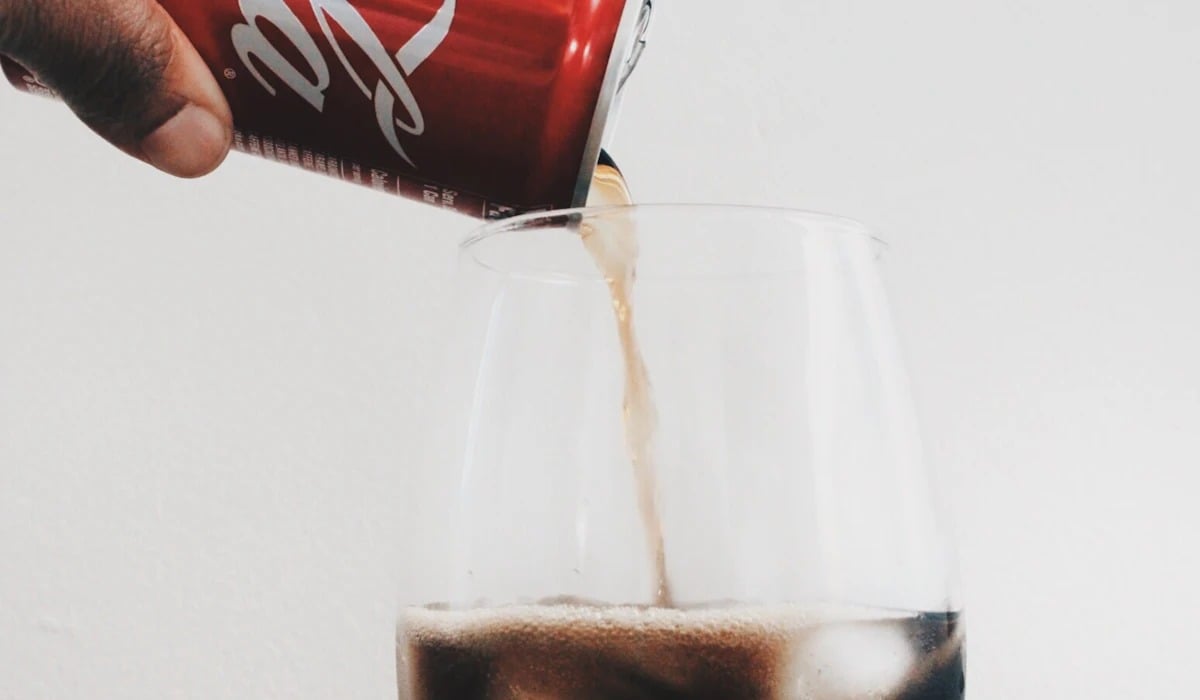
Coca-Cola was first served in 1886 at Jacob’s Pharmacy in Atlanta, where it was mixed with carbonated water at the soda fountain. John Pemberton, the pharmacist who created the syrup, originally marketed it as a tonic and promoted it with medicinal claims.
The first customers were drinking a beverage sold in an era when tonics and patent remedies were common, and almost nobody involved could have guessed that it would become one of the most recognized soft drinks in the world.
The Dr Pepper From Waco’s Old Corner Drug Store
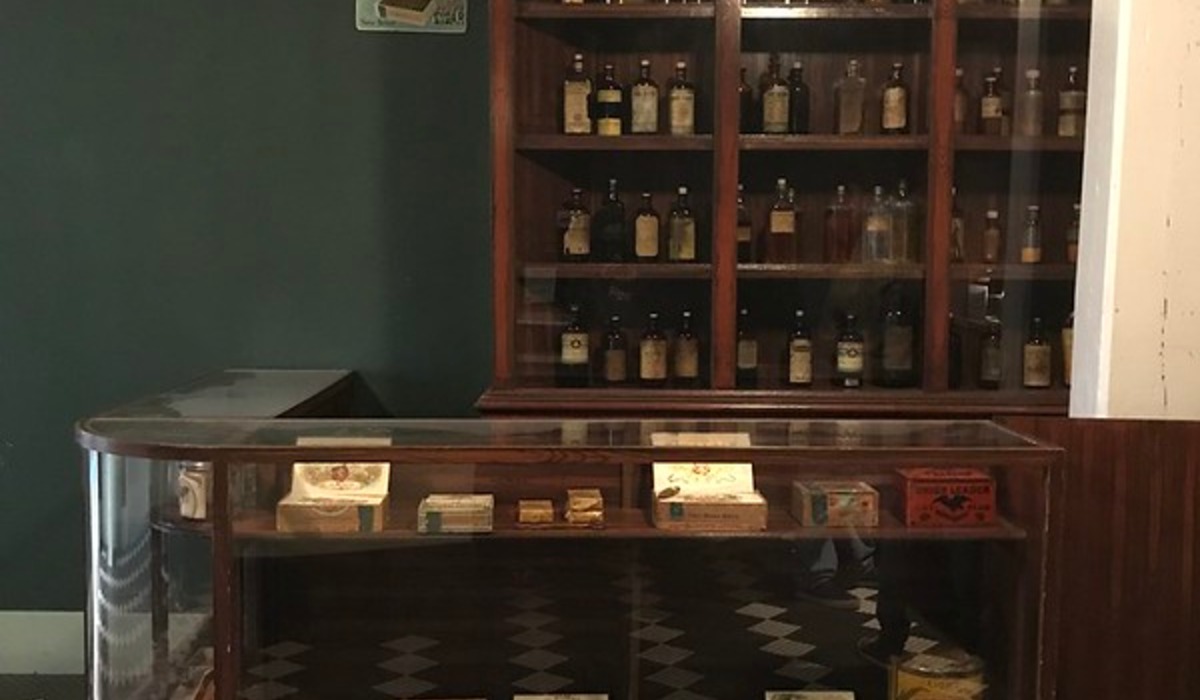
Dr Pepper was created in 1885 by Charles Alderton, a pharmacist working at Morrison’s Old Corner Drug Store in Waco, Texas. The drink combined a distinctive blend of flavors into a single formula that had no obvious rival.
The origin of the name has been told in many versions, and the commonly cited explanation connects it to Dr. Charles Pepper, a Virginia physician.
The Waco drugstore where it was born still draws visitors.
The Pepsi That Began as Brad’s Drink
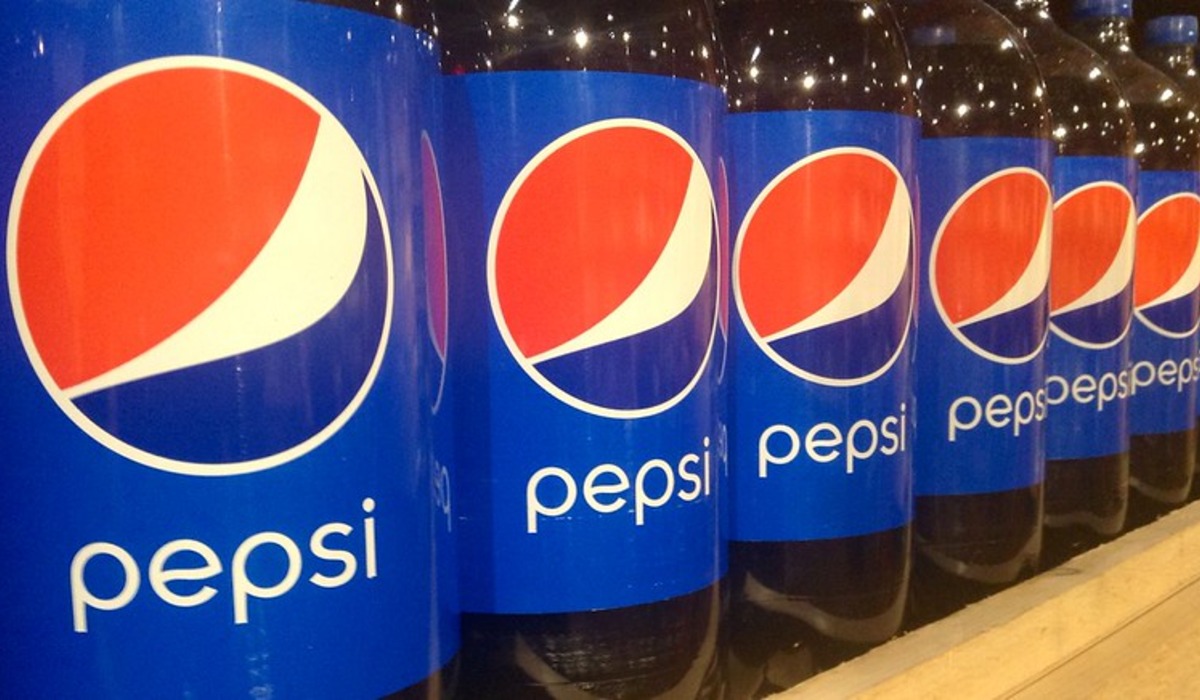
Caleb Bradham, a pharmacist in New Bern, North Carolina, sold a drink of his own invention at his pharmacy’s soda fountain and called it Brad’s Drink. In 1898, he renamed it Pepsi-Cola, with a name inspired in part by the word “dyspepsia” and the drink’s association with digestion.
Customers could drink it while waiting for a prescription. Few modern soft drink giants can trace their roots to a single drugstore counter in a small coastal town.
The Coffee Cabinet of Rhode Island
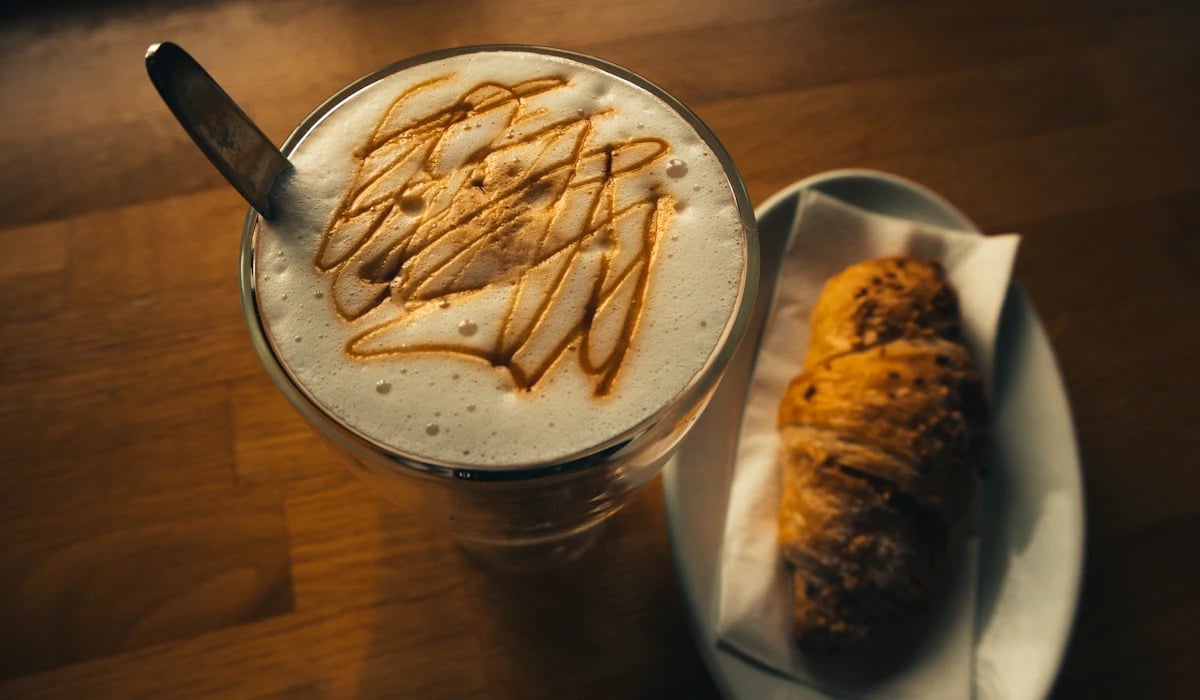
In Rhode Island, a milkshake is called a cabinet, and the coffee version is made with ice cream, milk and coffee syrup. Coffee milk, the simpler mixture of milk and coffee syrup, is the official state drink.
The brand of syrup most associated with the state is Autocrat, which has been part of the local pantry for generations. Visitors expecting furniture usually get a better surprise than the one they ordered.
The Milk Shake Before It Was Thick
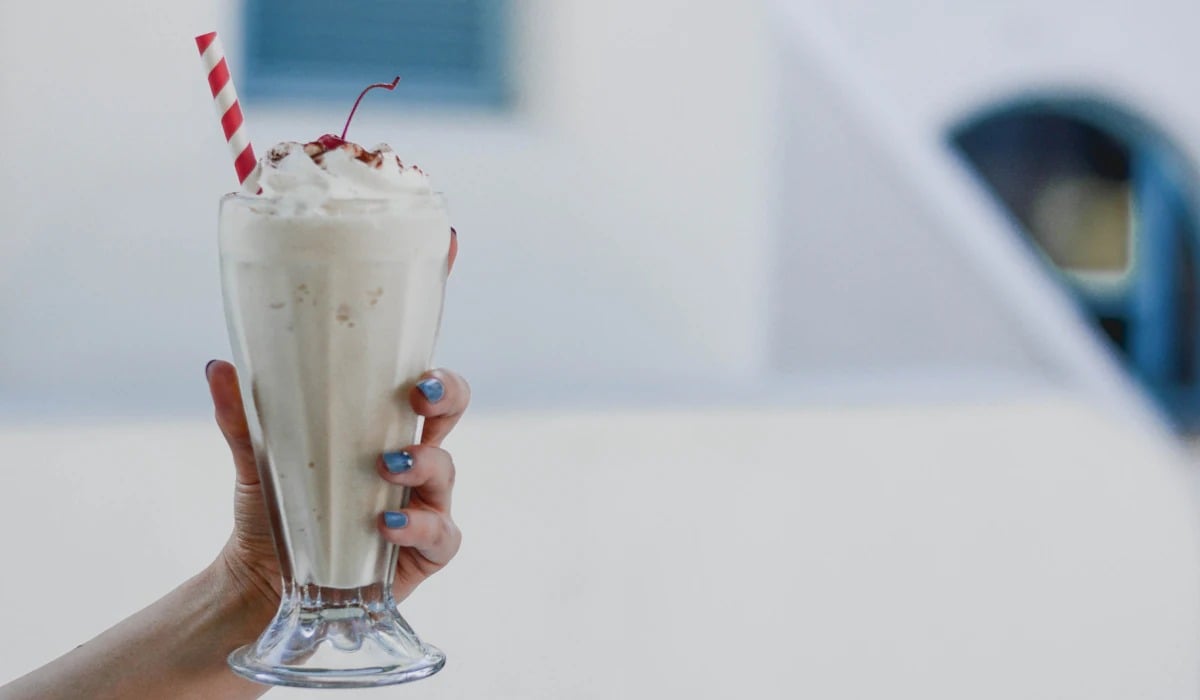
Accounts of the earliest milkshakes describe frothy, shaken drinks rather than thick ice cream desserts. Over time, ice cream was added, and the drink became the childhood staple known today.
The change in ingredients came so gradually that the name outlived the original recipe.
The Hires Root Beer From a Philadelphia Pharmacist
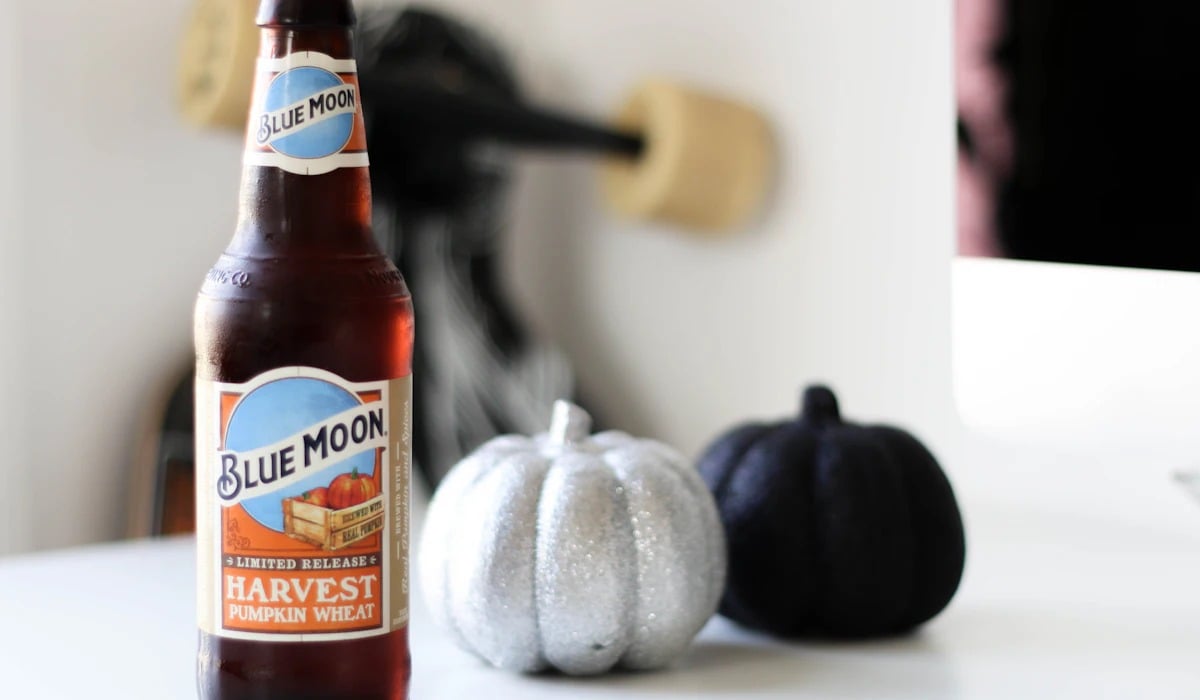
Charles Hires, a Philadelphia pharmacist, built a national brand around root beer and helped carry it out of the home kitchen. Root beer had been a home remedy and a kitchen project before it became a fountain staple.
Hires introduced his root beer at Philadelphia’s 1876 Centennial Exposition, initially selling it as a powdered mix. A syrup for soda fountains followed later.
Hires helped move the drink from the pantry to the counter.
The Cheerwine Float of the Carolinas
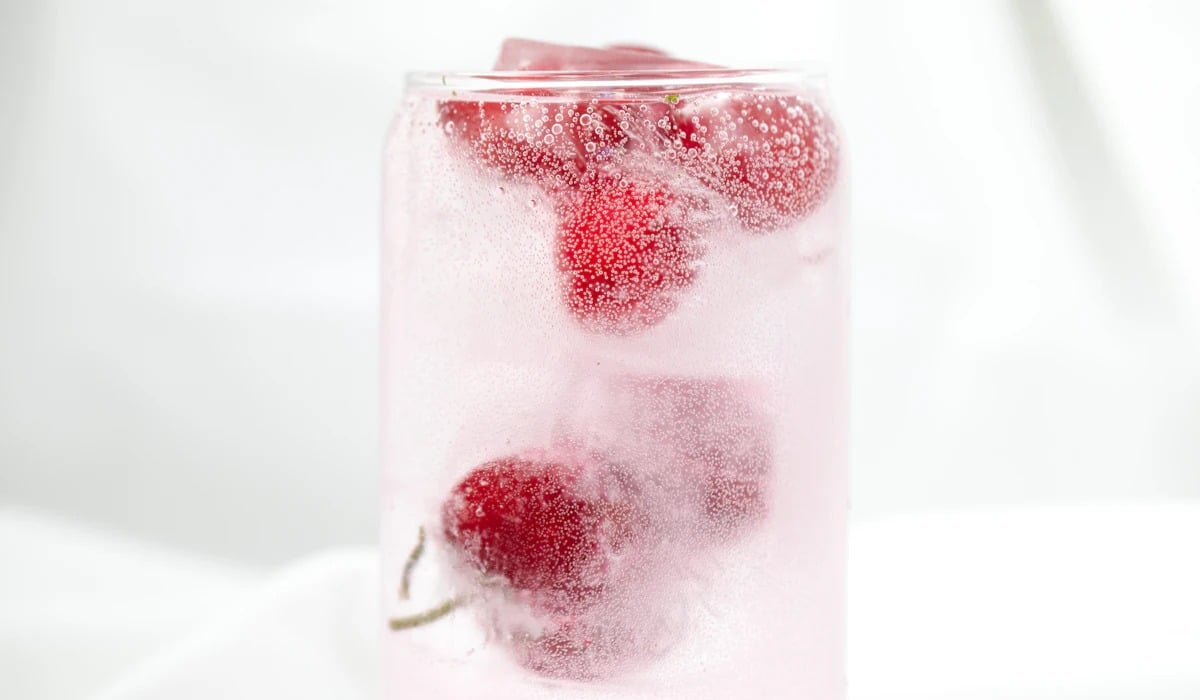
Cheerwine is a cherry soda made in Salisbury, North Carolina, and the brand celebrated its 100th anniversary in 2017. It first appeared in 1917, during a wartime sugar shortage, and it became a regular in parts of the South, particularly North Carolina.
A scoop of vanilla ice cream turns it into a float with a deep red color. Locals still hold that the Cheerwine float tastes better in North Carolina, where the soda is part of the culture.
When the Counter Was the Town Square
The soda fountain was never only about the sweets. It was where teenagers had their first dates, where neighbors traded news, and where the pharmacist served as a kind of unofficial mayor.
Every drink on the menu came with a chair, a conversation and a clear view of the street through the front window.
Most of the counters are gone now, replaced by prepackaged drinks and drive-thru lines. A few surviving fountains and retro revivals prove that the appeal was never just the syrup and the fizz.
A cold drink served by someone who knows your name turns out to be hard to replace.
MORE FROM GO2TUTORS!

- The Romanov Crown Jewels and Their Tragic Fate
- 13 Historical Mysteries That Science Still Can’t Solve
- Famous Hoaxes That Fooled the World for Years
- 15 Child Stars with Tragic Adult Lives
- 16 Famous Jewelry Pieces in History
Like Go2Tutors’s content? Follow us on MSN.