26 Yo-Yos and Pocket Toys Now Valuable
Plenty of toys once rode around in coat pockets and school bags, and most of them were lost, broken or traded away within a season. The survivors now sit in marble clubs, auction catalogs and collector forums, where condition and a maker’s name decide what they bring.
Some are worth a few dollars and others have sold for hundreds. The details below separate the common leftovers from the pieces that serious buyers hunt.
Pedro Flores Wooden Yo-Yos From Santa Barbara
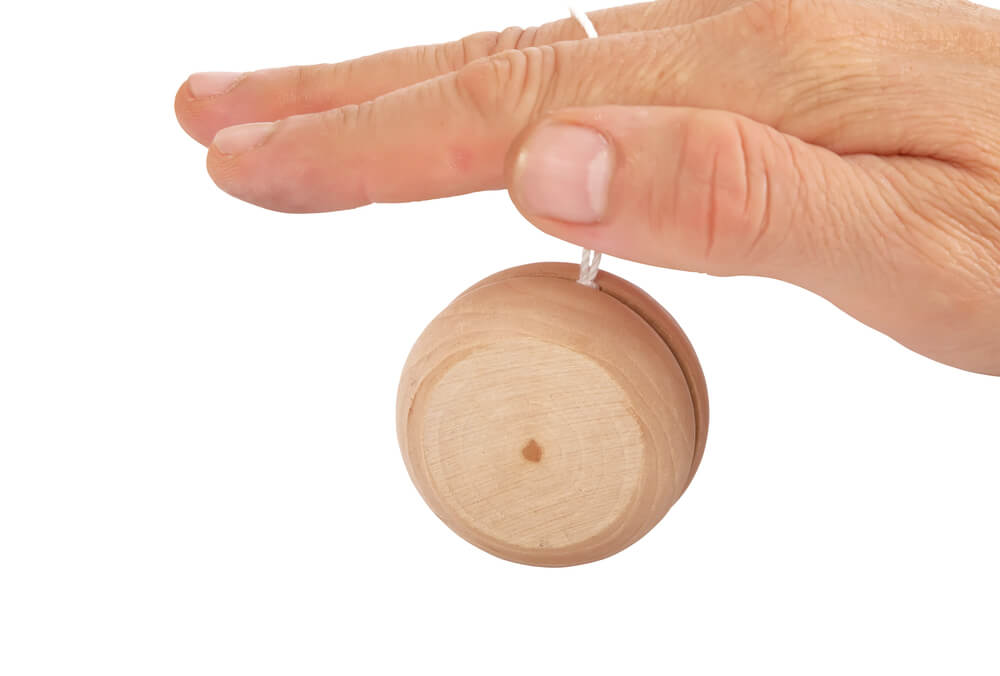
Pedro Flores, a Filipino immigrant, ran a yo-yo workshop in Santa Barbara, California, in the late 1920s and sold the toy through demonstrations at schools and stores. The word yo-yo is commonly said to come from a Filipino phrase meaning come come, which suits a toy that returns to the hand.
Donald Duncan purchased the Flores business around 1929 and soon put his own name on the product line. Early Flores-marked wooden yo-yos are scarce, and prices of roughly 50 to 300 dollars depend on intact paint, original string and wood free of cracks.
Imperial Wooden Models
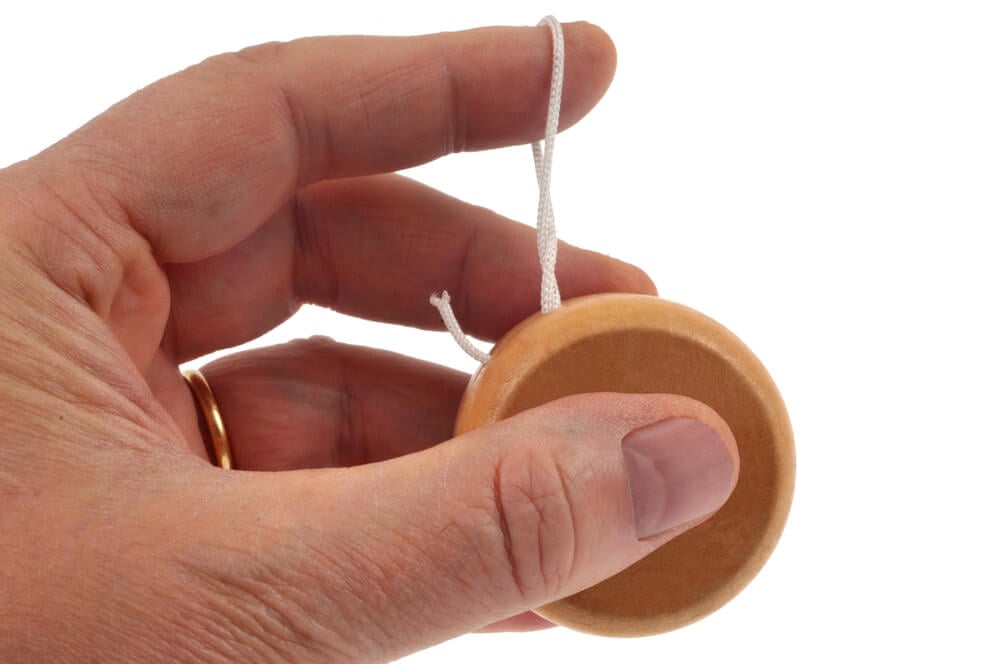
Imperial yo-yos belong to the wooden Duncan line that built the company’s name before plastic took over the market. Bodies were turned from wood and finished with paint and a decal, and the basic shape barely changed across the years, so dating one means studying the decal style, the stamping and the color of the paint.
Ordinary examples often sell for about 15 to 60 dollars, while unusual colors bring more. A cracked rim, a replaced axle or flaking paint can cut those figures sharply, and complete boxed examples are rare.
Tournament Yo-Yos in the Smithsonian
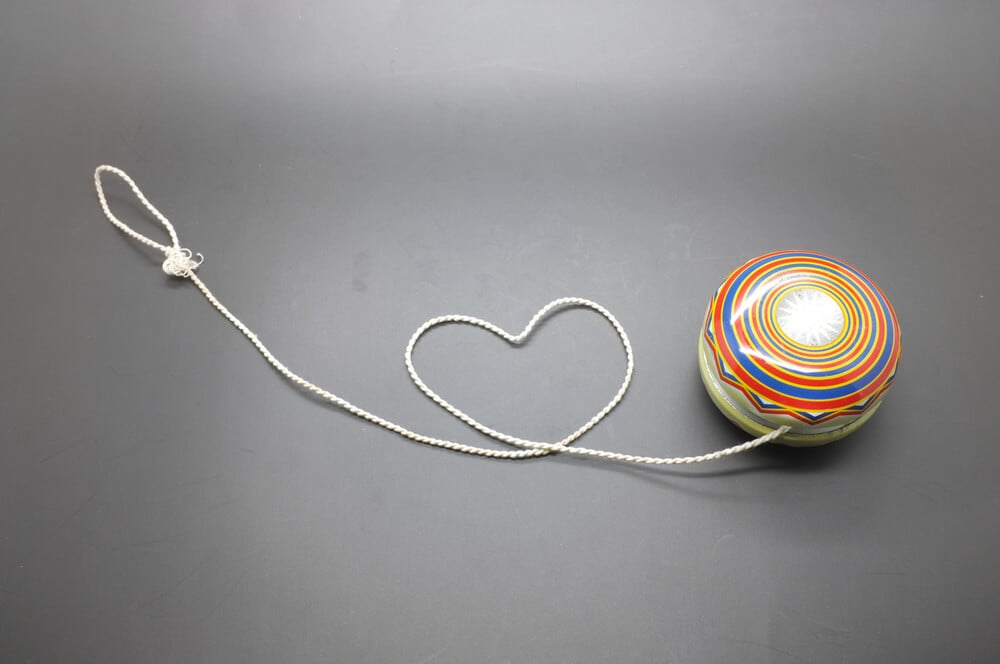
This model was marketed to serious players, and the Smithsonian’s National Museum of American History holds examples of the Duncan Tournament in its collection. Its name signaled contest-grade performance at a time when Duncan ran yo-yo competitions across the country.
Original Tournament yo-yos in wood, with the paint still bright and the decal readable, typically sell for about 20 to 80 dollars. Later plastic versions are far more common, so buyers pay attention to the material and to whether the string and box have survived with the toy.
Butterfly Shapes
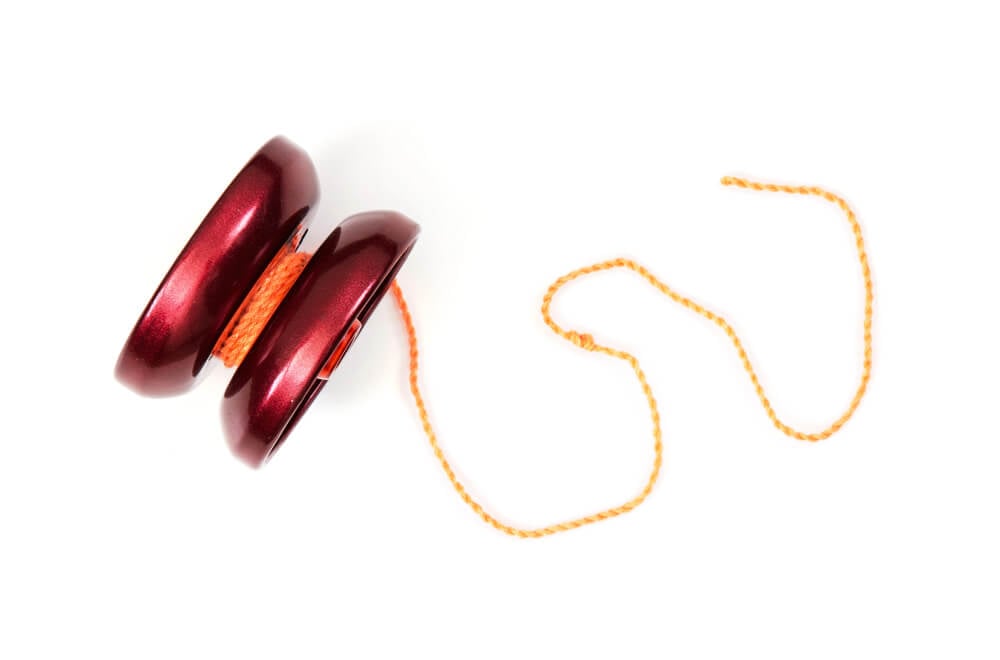
Butterfly yo-yos have a body that flares into two wedge-shaped halves on a narrow gap, a design meant to make string tricks easier than the older straight-sided shape. Duncan sold the style in the postwar decades, and the shape later became a standard that other makers copied for years.
Plastic Butterflies in common colors are cheap, usually under 15 dollars. Vintage wooden or early plastic examples in unusual colors can run about 30 to 100 dollars, but scuffing, warped plastic and a missing box all keep prices modest.
Soft Drink Promotional Yo-Yos
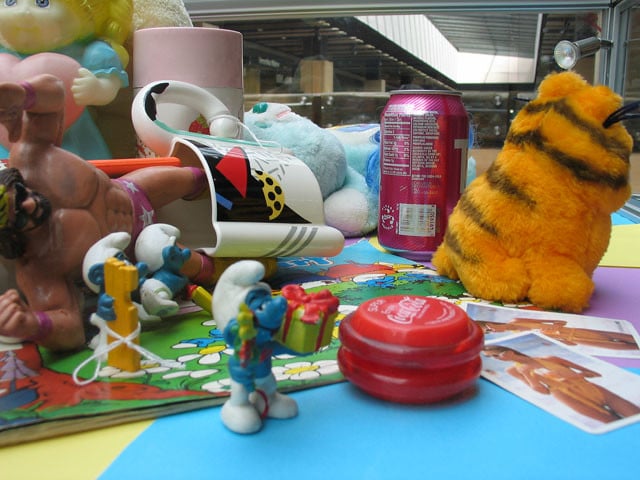
Soft drink bottlers and other advertisers ordered yo-yos printed with their logos, a practice that helped keep the toy in kids’ hands for decades. Coca-Cola yo-yos are among the best-known examples, and collectors look for the oldest wooden versions, the most colorful decals and any set with the original string still attached.
Reproductions and later giveaways muddy the market, so authenticity is the first question for any buyer. Genuine vintage pieces generally sell for about 20 to 150 dollars, with chipped logos and cracked wood marking the lower end of that range.
The Duncan Factory at Luck, Wisconsin
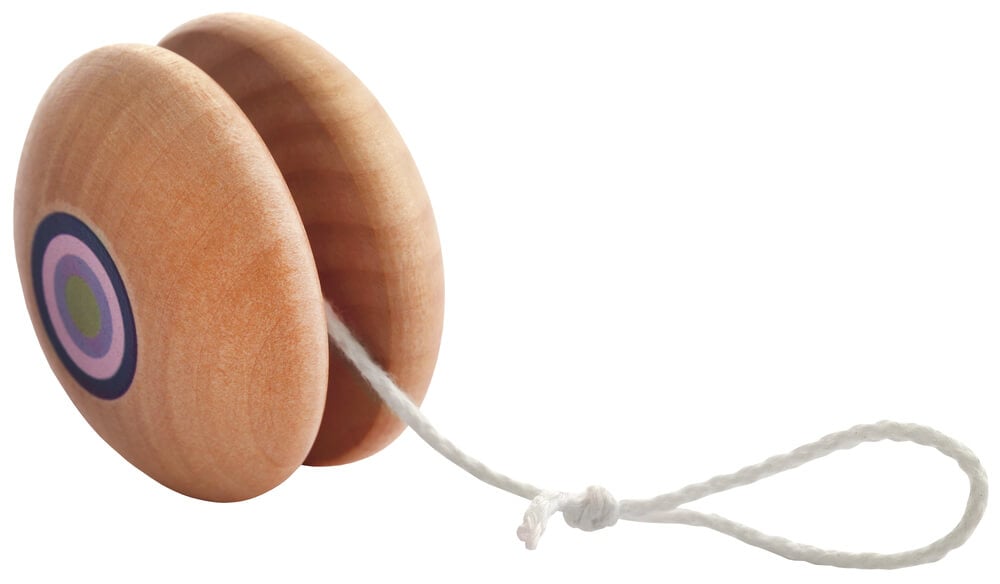
After World War II, Duncan built a large manufacturing operation in the small town of Luck, Wisconsin, which later drew the nickname yo-yo capital of the world. Wood from Wisconsin forests fed the production lines, and the town became tied to the toy for generations.
Items from the plant, including yo-yos, shipping cartons and advertising pieces, appear in collector listings from time to time. Original boxed yo-yos often sell for roughly 25 to 100 dollars, depending on whether the box is crushed, the string has rotted or the paint has cracked.
Yo-Yos and the Mid-1960s Trademark Ruling
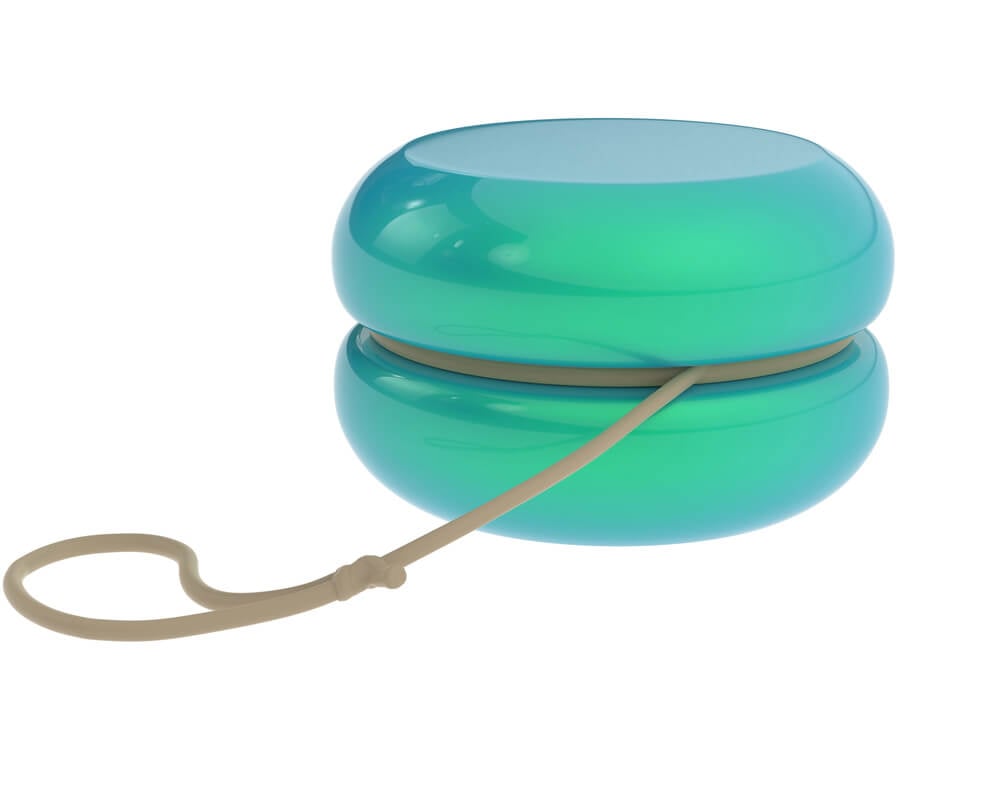
Duncan had long treated the word yo-yo as its own brand, and competitors such as Royal Tops contested that claim in court during the mid-1960s. The court decided the term was a common word for the toy, which opened the door for rivals to use it freely.
Duncan struggled financially afterward and was later acquired by Flambeau Plastics. Yo-yos with the older Duncan trademark language on the box or paper, in good shape, sometimes sell for about 20 to 70 dollars, but torn packaging and faded graphics reduce the appeal.
The Yomega Brain Yo-Yo
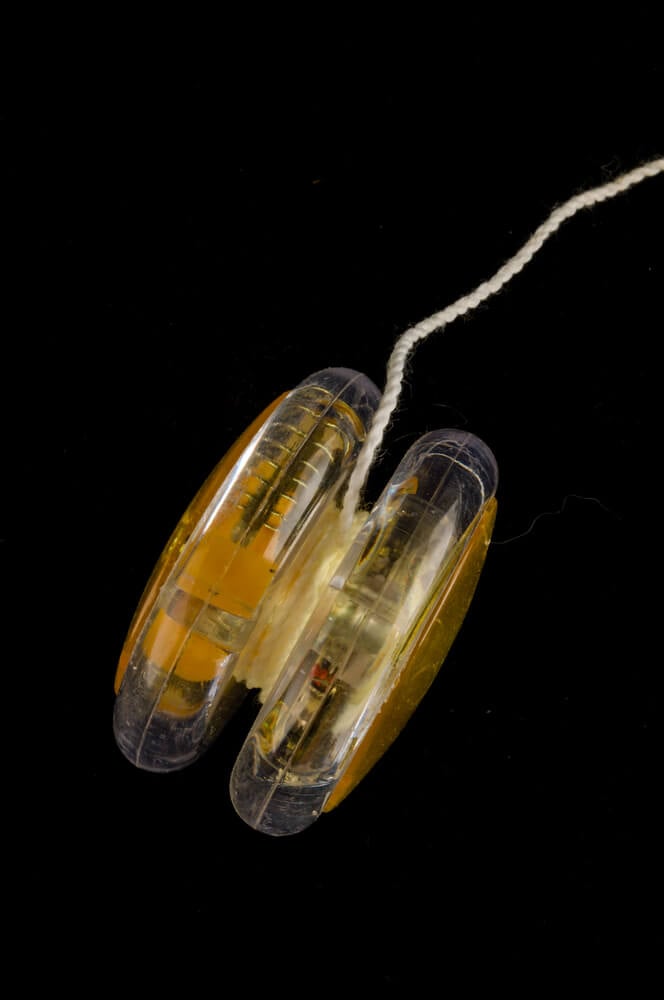
Yomega released the Brain in the 1990s with a clutch mechanism inside that lets the toy spin freely and then catch the string to climb back up on its own. Beginners suddenly found sleeping tricks within reach, and the toy sold in huge numbers during the yo-yo revival of that decade.
Because it was mass produced, most loose Brains are worth only a few dollars. Sealed packages in clean condition can reach about 15 to 40 dollars, and sun-faded cards or dented plastic lower the price.
Tin Lithographed Spinning Tops
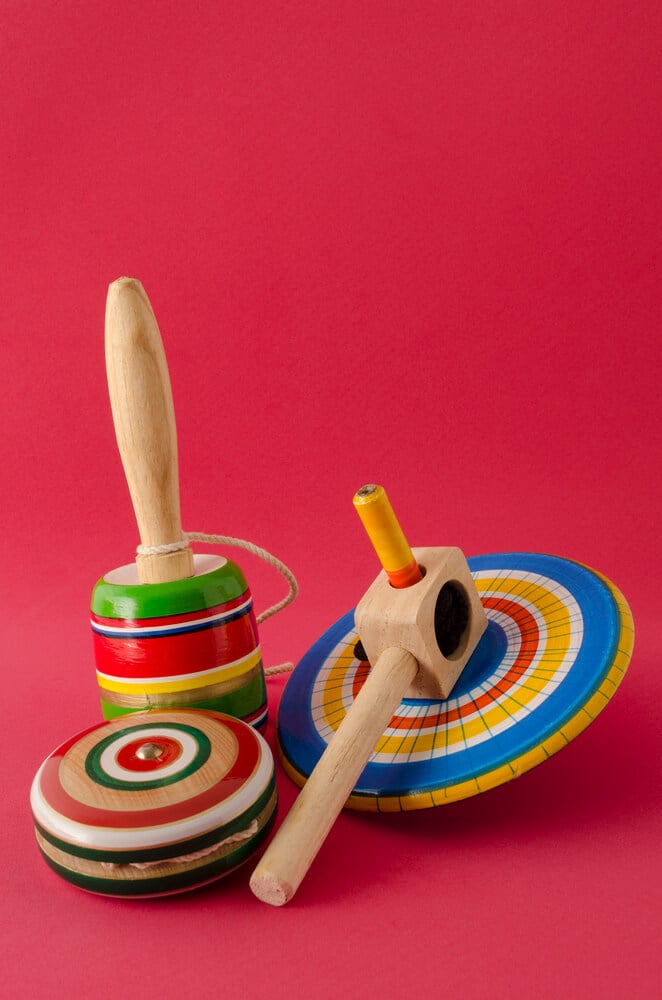
Tin lithographed tops, including those made by American companies such as Ohio Art, spun with a pump handle or a twist and displayed colorful patterns that blurred into rainbow rings. Their charm is graphic, with stars, swirls and cartoon motifs printed straight onto the metal.
Many were played hard, so rust, dents and worn paint are common. Clean examples with strong color can sell for roughly 20 to 120 dollars, and a boxed top that still spins smoothly brings noticeably more than a loose one with a bent spindle.
Bandalore Toys From Georgian Salons
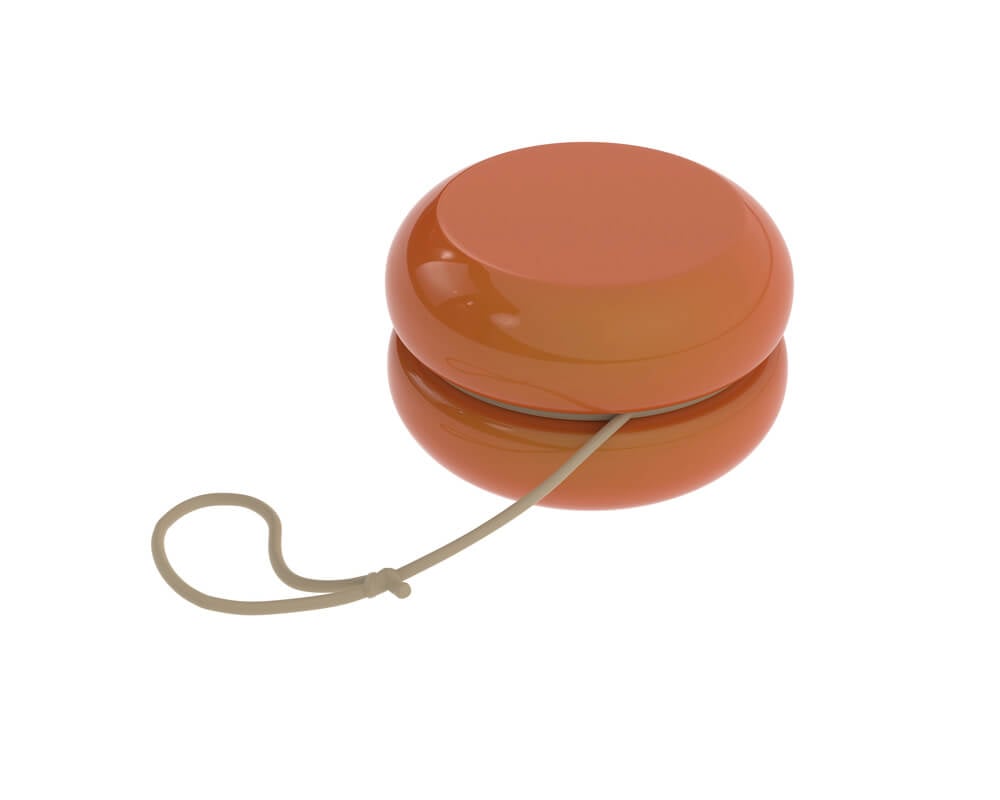
Bandalore is an old cousin of the yo-yo, popular in France and Britain in the late 1700s, when it appeared under names such as quiz and emigrette. Adults used the disc on a string as a fashionable pastime, and period examples show up in museum collections.
Antique bandalores in wood can bring a few hundred dollars from specialist buyers, though cracked discs, replaced strings and doubtful age are common problems. Later toy-store versions are far cheaper and should not be confused with the early pieces.
Early Japanese Kendama
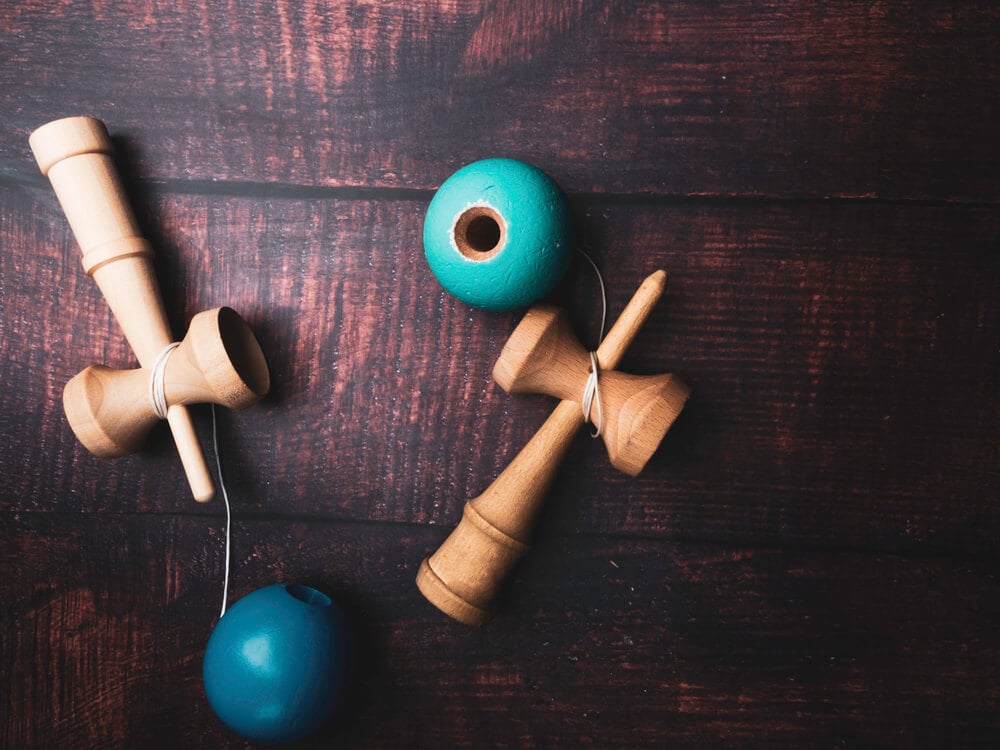
Modern kendama, a wooden spike-and-cups toy, traces to Hiroshima Prefecture, where Hamaji Ekusa is credited with developing its familiar form around 1919. The toy spread across Japan and eventually produced competitions, a national association and a worldwide following among younger players.
Vintage Japanese wooden kendamas with original paint and strings are sought by a small group of collectors, with prices of about 20 to 100 dollars. Limited runs from modern makers sometimes cost more than those older examples, while chipped paint and cracked cups reduce either type.
Akro Agate Corkscrew Marbles
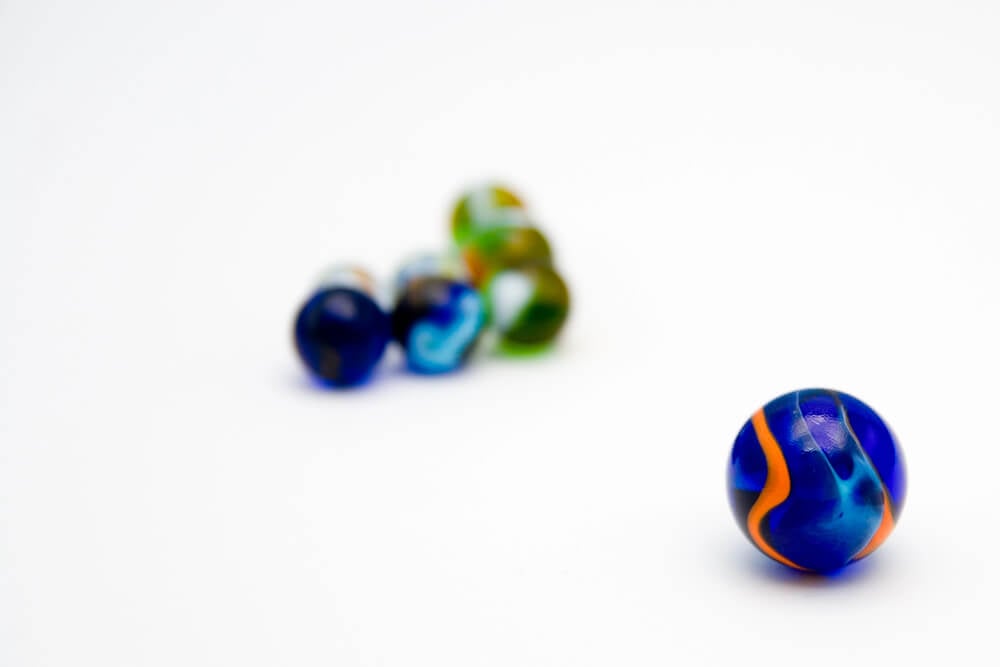
Akro Agate began in Ohio and later centered its work in Clarksburg, West Virginia, where machines turned out marbles by the millions. The corkscrew pattern, with twisting ribbons of color inside clear glass, is a favorite among collectors.
Common Akro marbles in play-worn condition are inexpensive, usually a few dollars each. Corkscrews with bright color and few chips sell for about 10 to 60 dollars, and larger or rarer color combinations can bring much more, while heavy cracking and rough surface wear lower the price.
Christensen Agate Flame Swirls
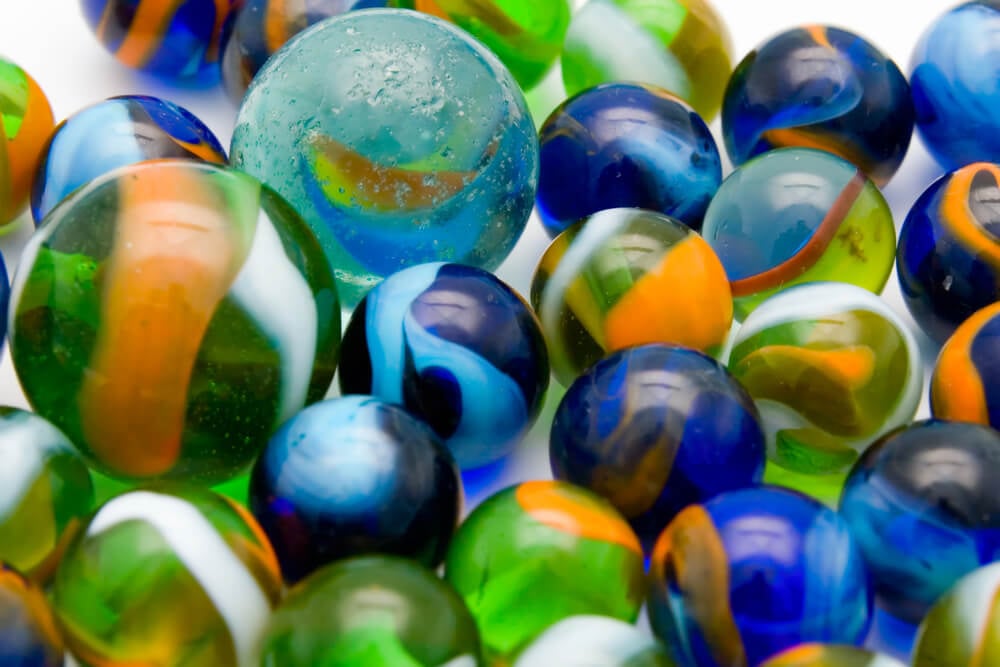
Christensen Agate operated in Cambridge, Ohio, in the late 1920s and early 1930s, and its marbles are prized partly because the company was so short-lived. Collectors pursue its swirls in particular, which show a flame-like spiral running through the clear glass.
Collecting books devote entire chapters to the firm and its machine-made output, which is a measure of its standing. Typical flame swirls in good condition often sell for roughly 15 to 100 dollars, but chips, flat spots and cloudy glass reduce the value of individual examples.
Peltier Glass Rainbo Marbles
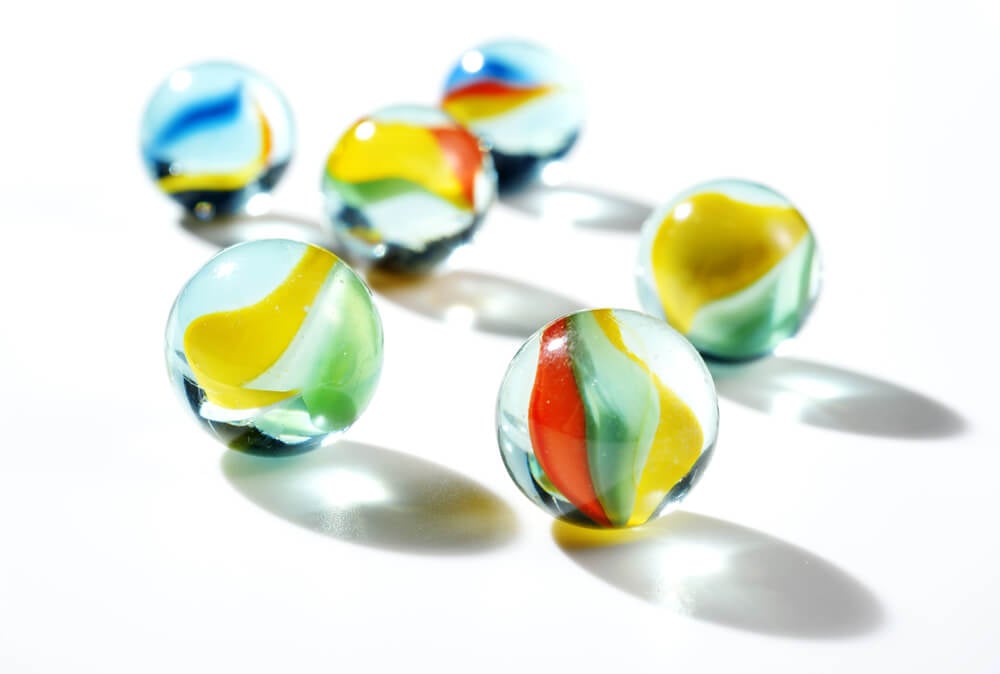
Peltier Glass Company of Ottawa, Illinois, produced marbles from the 1920s and became widely recognized by collectors for its Rainbo line. These marbles show bands of color that give them a bright, multicolored look in the hand.
Peltier pieces remain affordable compared with rarer makers, and common examples sell for a few dollars. Particularly vivid examples can reach about 10 to 50 dollars, and bags of mixed marbles are worth sorting piece by piece.
Surface chips, dull finish and small fractures push marbles down the price scale.
Marble King of Paden City
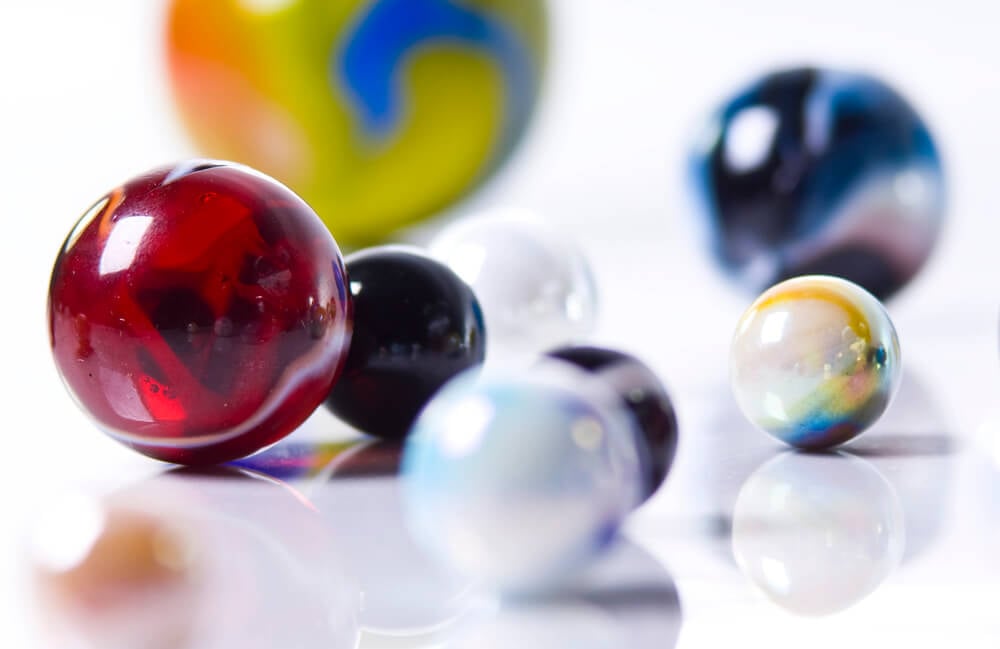
Marble King, based in Paden City, West Virginia, was a major American maker for decades and is closely associated with Berry Pink, who gave the company its public identity. Its marbles reached toy stores and drugstores across the country, and many were sold in bags and boxed assortments.
Vintage Marble King shooters and swirl styles are collected today, and common ones sell for a few dollars each. Boxed sets in clean condition may bring about 20 to 60 dollars, while cracked glass and missing pieces reduce the price.
German Handmade Swirls and Sulphides
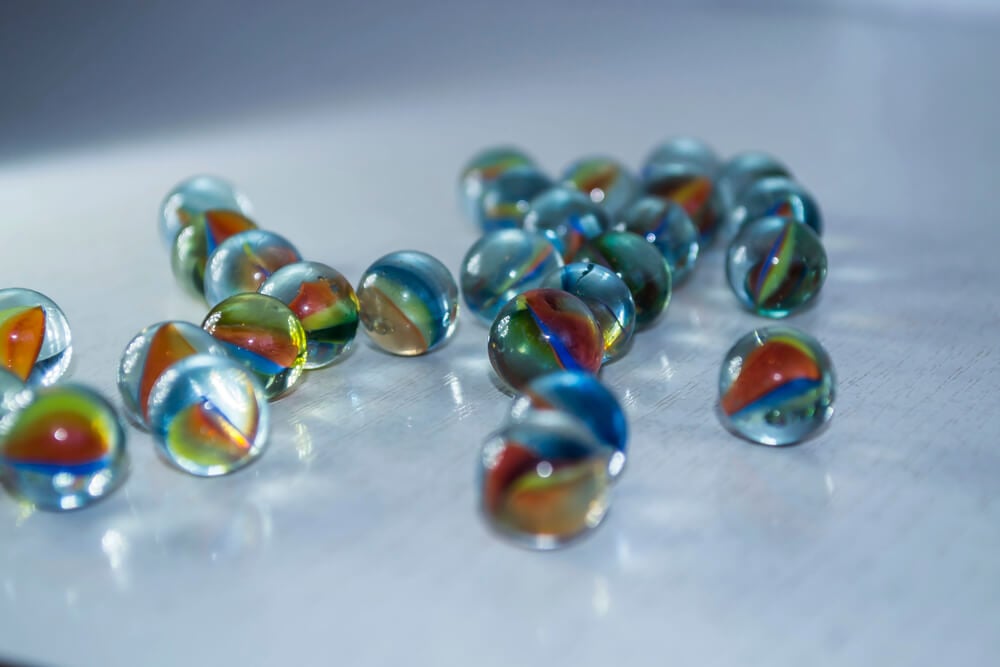
Before machines took over, glassmakers in Germany made marbles by hand, producing swirls, onionskins and sulphide examples with tiny figures inside clear glass. Their detail and odd colors set them apart from the machine-made marbles that followed.
Rare pieces have sold for hundreds of dollars among marble collectors, while ordinary swirls are far more affordable. A sulphide with an animal figure inside, a clear surface and no cracks is worth much more than a scratched or chipped one, and fake figures are a genuine risk.
Knucklebone Jacks and Early Metal Sets
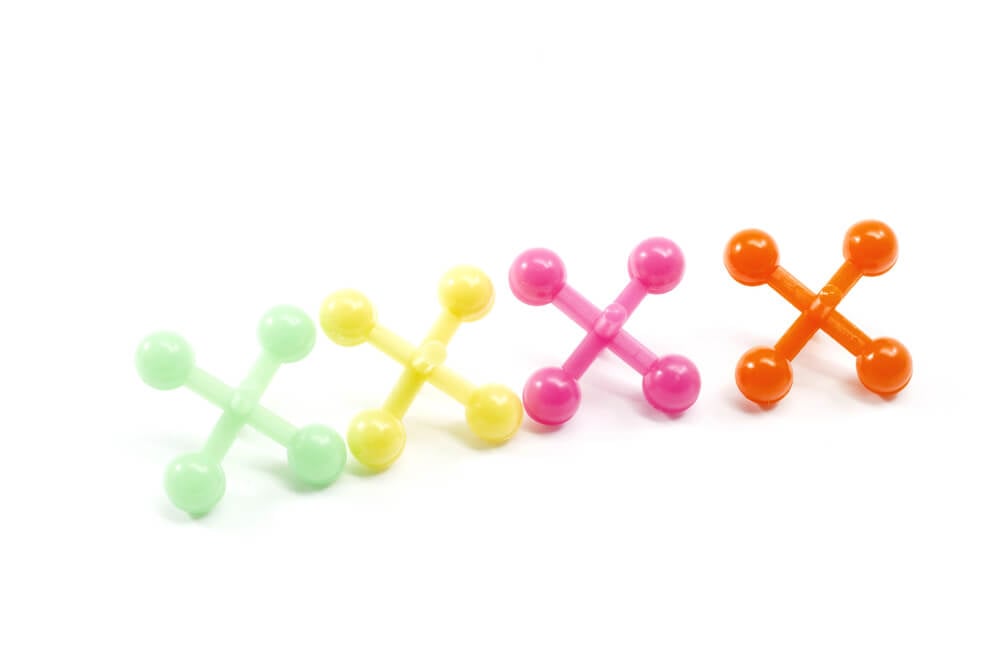
Jacks descends from games played with the knucklebones of sheep, which is why the pieces were once called knucklebones. Later sets used cast metal pieces, and boxed examples show a long run of makers and a wide range of packaging styles.
A complete set in its original packaging is a small collector favorite, selling for about 10 to 40 dollars. Rust, mismatched pieces and a missing marble reduce the price, and the packaging can be as valuable as the metal itself because few boxes survived.
Pigs in Clover Pocket Puzzle
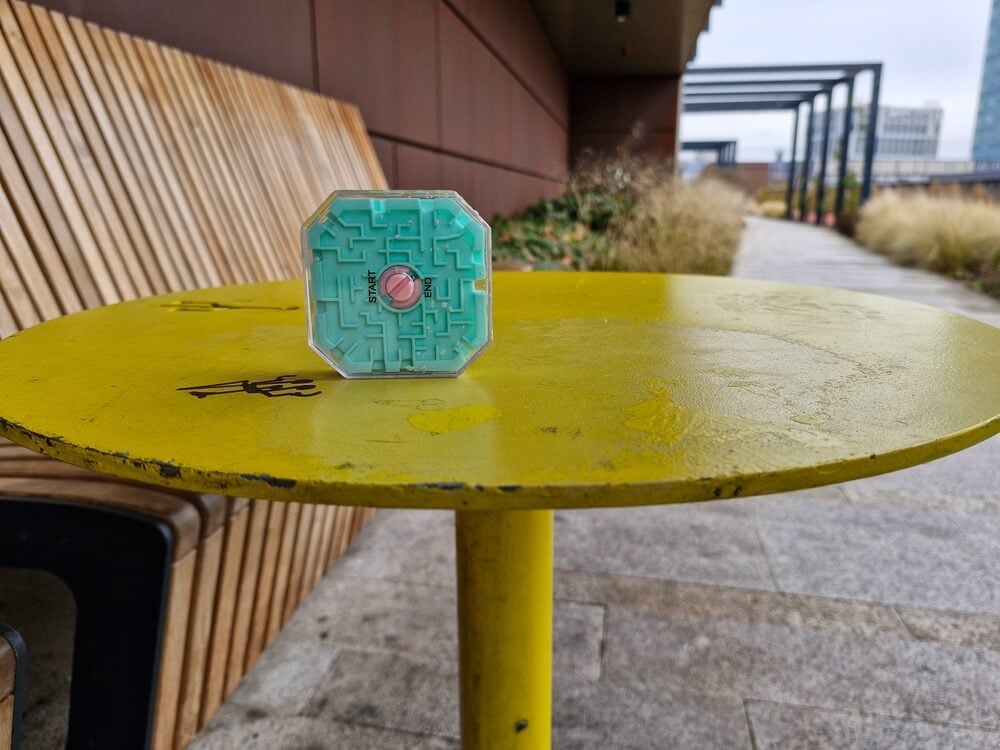
Pigs in Clover, patented in 1889 by Charles Crandall and sold by Selchow and Righter, challenged players to roll small marbles through a circular maze to a central pen. It became a fad in its time, a puzzle that adults carried around and argued over at dinner tables across the country.
Original versions, with wooden frames and the paper on the glass-covered face, sell for about 40 to 200 dollars. Torn paper, missing marbles and cracked glass are the usual problems that lower the price.
The Fifteen Puzzle Craze of 1880
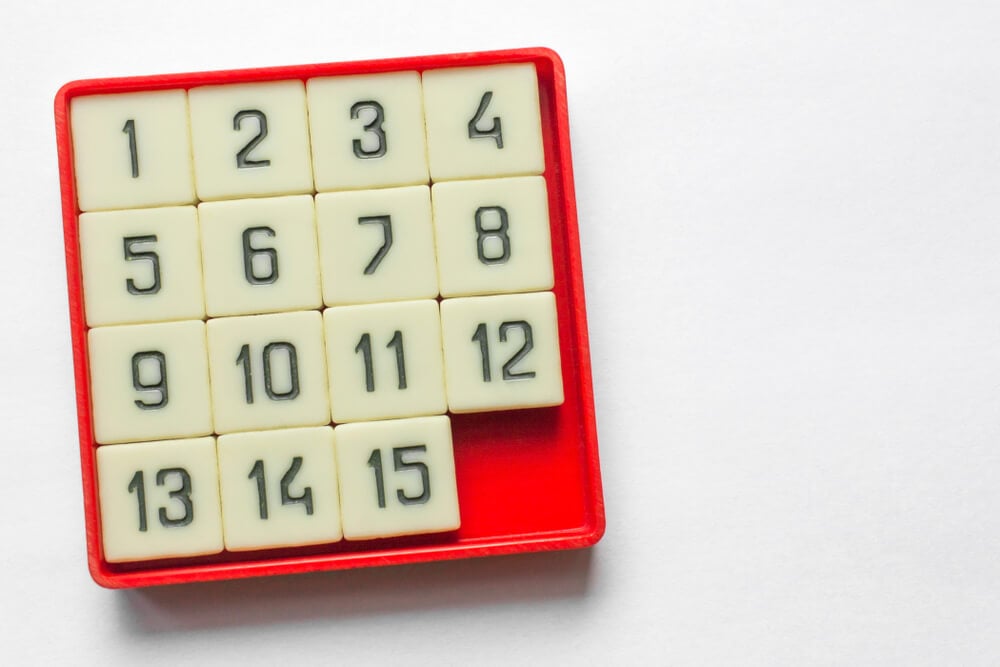
Sliding Fifteen Puzzle tiles swept the United States and Europe around 1880, and the credit for inventing it belongs to Noyes Chapman, a postmaster in Canastota, New York. Sam Loyd later claimed the idea, a claim historians reject, and the craze reportedly cluttered offices and workshops for months.
Early wooden or tin versions with fifteen numbered tiles in a small frame can sell for roughly 20 to 100 dollars. Warped frames, missing tiles and sticky sliding action cut the price, and reproductions are common enough that careful buyers look for signs of age.
Early Metal Cracker Jack Prizes
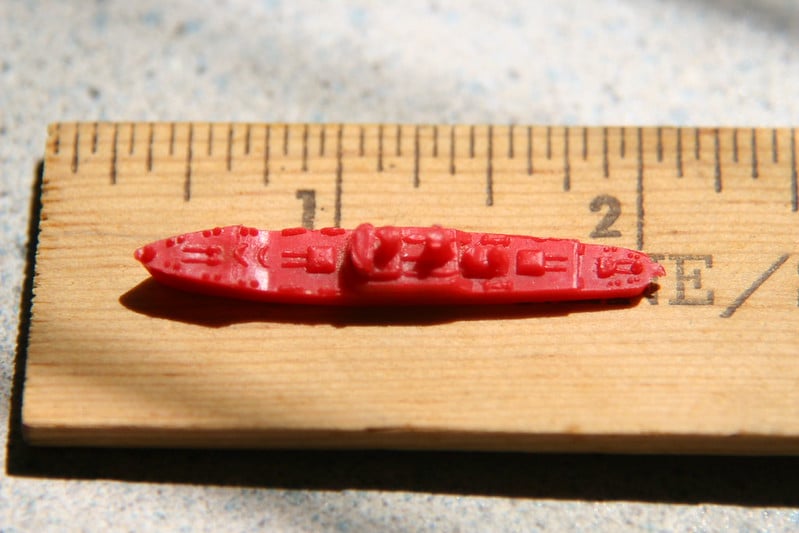
Cracker Jack launched its prize in every box in 1912, and the first prizes were small metal, paper and tin items that cost the company almost nothing to make. Because so many were thrown away, early prizes have a small but dedicated market.
Common metal charms and whistles sell for a few dollars, and rarer pieces can reach about 20 to 100 dollars. Paint loss, corrosion and missing parts reduce prices, and reproductions exist, so careful buyers look for maker marks and signs of age.
Cracker Jack Sports Cards of 1914 and 1915
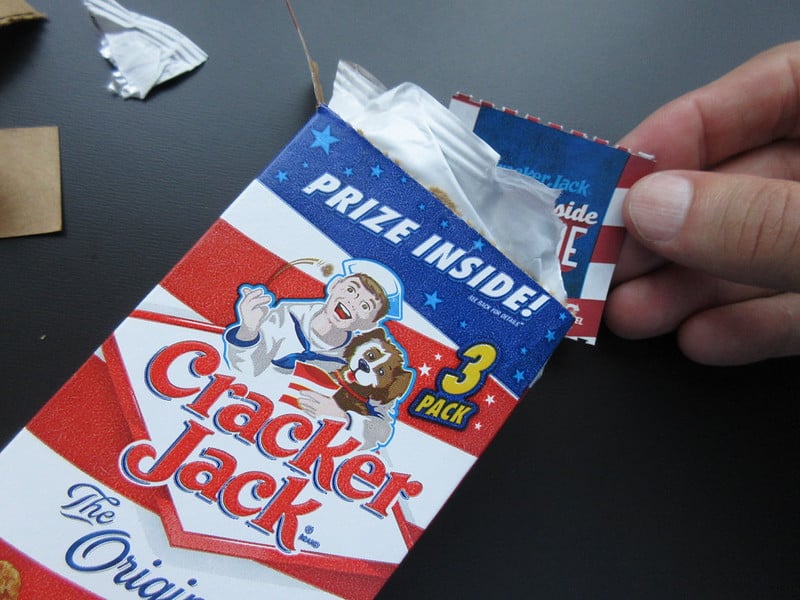
Cracker Jack inserted sports cards into its boxes in 1914 and 1915, giving the prize a second life as a collectible card set that still draws attention at card shows. The cards featured major players of the era, including Ty Cobb, and the set is easy to recognize.
Common players in lower grades sell for tens or hundreds of dollars, while star cards in better condition reach several thousand. Creases, trimmed edges and stains matter greatly, and professional grading plays a large part in the final price.
Game and Watch Donkey Kong From 1982
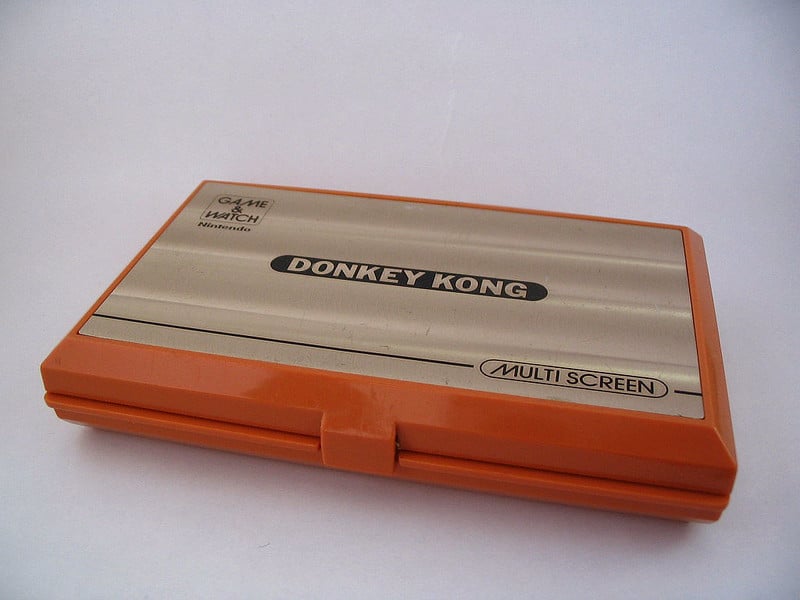
Nintendo’s multi-screen Donkey Kong Game and Watch folded open like a clamshell and carried a cross-shaped directional pad that Nintendo reused on later hardware. Gunpei Yokoi led the design of the Game and Watch line, which debuted in 1980 and eventually spanned dozens of titles.
Loose copies of the 1982 Donkey Kong model often sell for about 80 to 200 dollars, while complete boxed examples with the original instructions bring more. Battery corrosion, a faded screen, a missing manual and a worn hinge all reduce the price.
Game and Watch Octopus
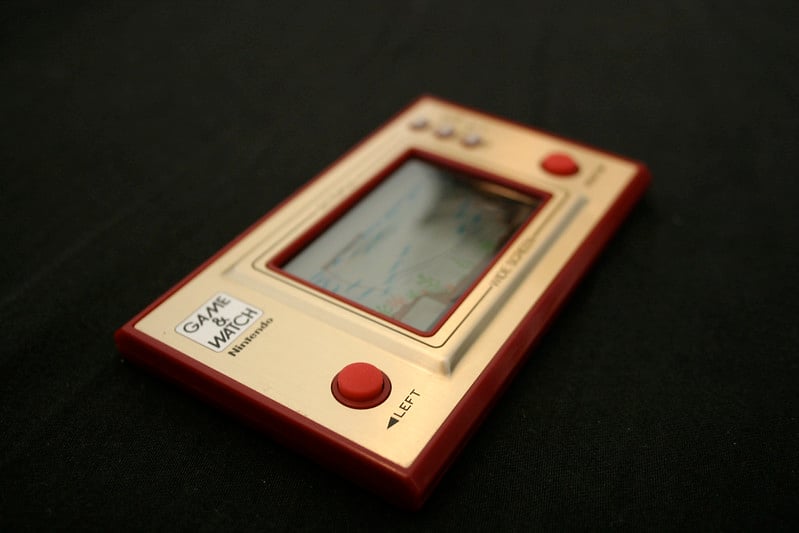
Octopus was part of the wide-screen Game and Watch series that arrived in 1981, using an LCD display with a tentacle that reached toward a diver collecting treasure. The goal was simple, but the game demanded steady timing and quick thumbs.
Loose units with working screens are the most common on the secondhand market, selling for about 40 to 120 dollars, with boxed examples costing more. Battery leakage, faded or damaged screens and missing instructions can sharply reduce value, so buyers check the battery compartment before anything else.
Game and Watch The Legend of Zelda
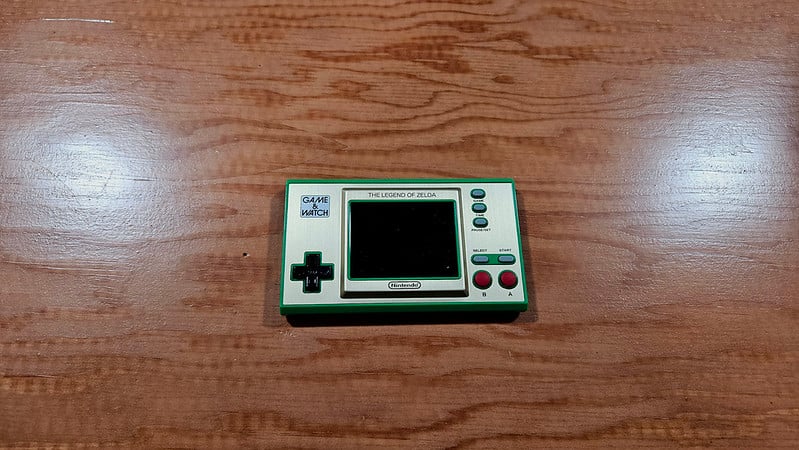
Nintendo released a Game and Watch version of The Legend of Zelda in 1989, bringing the adventure series to a pocket-sized LCD format with two screens. It followed the long run of single-screen and multi-screen Game and Watch titles that Nintendo sold in the 1980s.
Working examples with clear screens typically sell for about 60 to 180 dollars, and boxed versions can bring more. Corroded battery contacts, screen fading and cracked casing are the standard condition problems for these pocket games, and incomplete packaging lowers the price further.
Mini View-Master Reels
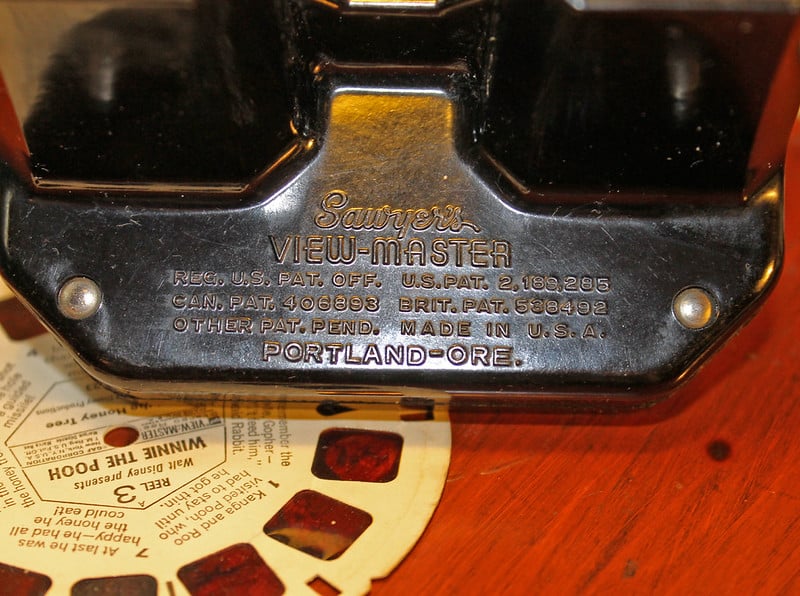
View-Master debuted at the 1939 New York World’s Fair, and the small paper discs holding paired color transparencies became pocket-sized windows onto scenery, cartoons and television shows. The reels are tiny but varied and easy to store, with titles ranging from national parks to Disney subjects.
Most are inexpensive, yet some complete sets in their original sleeves and envelopes sell for about 10 to 50 dollars. Faded transparencies, bent discs and missing booklets reduce the price of a set by a wide margin, and complete packets are favored over loose reels.
Contest Patches and Trophies

Duncan promoted yo-yo competitions across the United States in the 1930s, with newspaper sponsors helping spread the craze from city to city. Contest winners received trophies, certificates and cloth patches, and these pieces now interest collectors of toy ephemera.
Patches and contest paper often sell for about 15 to 80 dollars, with scarcer pieces going higher. Stains, tears and faded printing cut the price a great deal, and items with clear dates or locations are easier to sell than those with little to identify them.
String Tricks and Small Fortunes
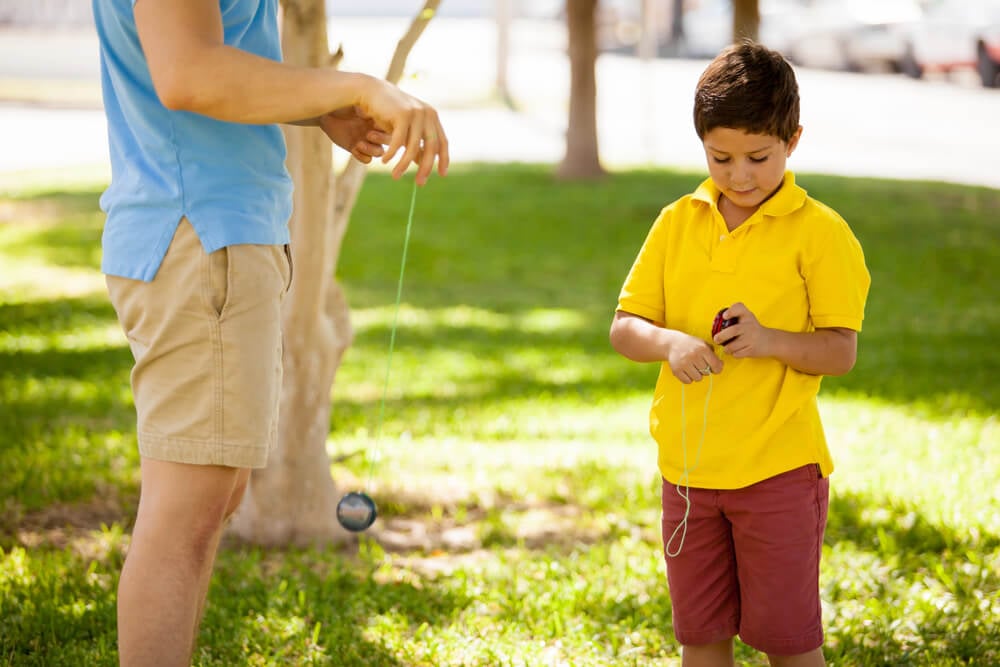
The pieces above share very little beyond size, but they point to the same pattern. Cheap toys made in huge numbers become scarce because children used them until they wore out, and the survivors are the ones that were boxed, kept or forgotten in a drawer.
Condition separates the few-dollar leftovers from the pieces worth hundreds. Makers’ names matter, but a clear label, intact paint and a working mechanism matter just as much.
A pocket toy also works as a small piece of history. A yo-yo ties to a 1920s workshop, a marble to a glass factory, and a handheld game to a designer who wanted to turn waiting time into play.
Buyers who learn the makers and the marks can often find real pieces at flea markets and estate sales. Even then, price guides are only estimates, and the final figure always depends on what a particular buyer will pay on a given day.
More from Go2Tutors!

- The Romanov Crown Jewels and Their Tragic Fate
- 13 Historical Mysteries That Science Still Can’t Solve
- Famous Hoaxes That Fooled the World for Years
- 15 Child Stars with Tragic Adult Lives
- 16 Famous Jewelry Pieces in History
Like Go2Tutors’s content? Follow us on MSN.