30 Old-school Traditions Kids Loved In Autumn
School in the fall came with a calendar full of rituals that had little to do with lessons. Classrooms were decorated, gyms were converted into carnivals, and the entire town seemed to organize itself around the school year.
Kids marked time by these events instead of by dates.
Many have faded, and some have changed beyond recognition. Together, they show how much happened in a school building between the first bell of September and Thanksgiving break.
Fire Prevention Week Visits
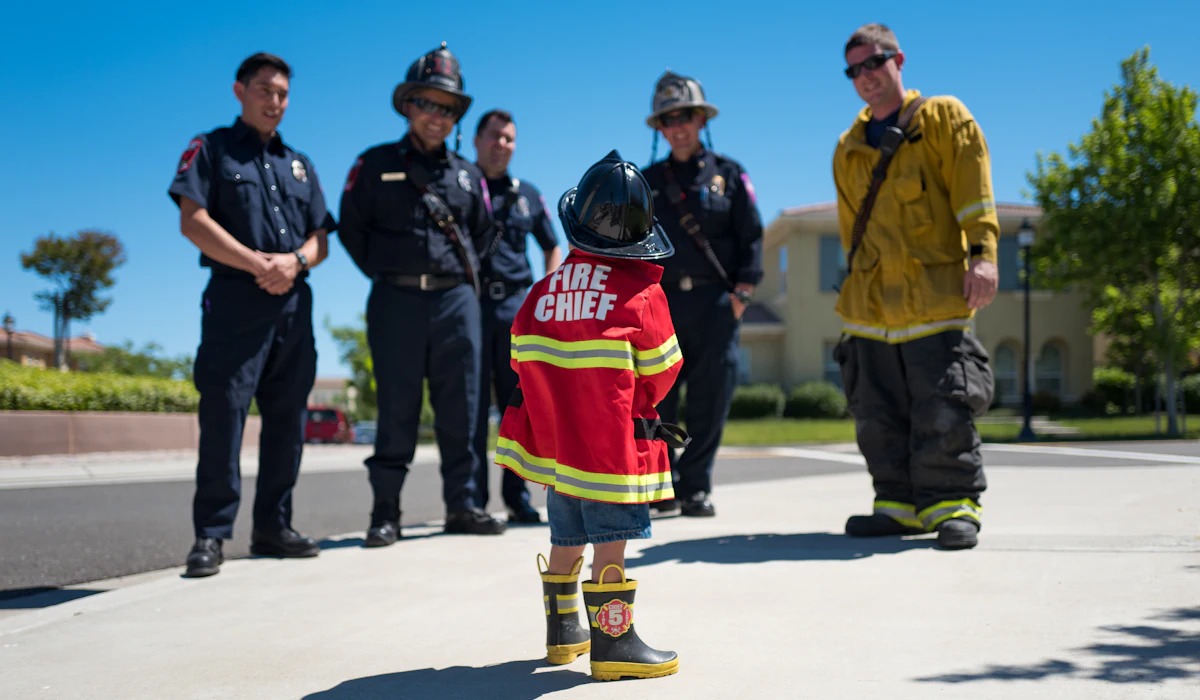
Fire Prevention Week is observed in October to commemorate the Great Chicago Fire of October 1871. In 1925, President Calvin Coolidge recommended that Americans observe the first National Fire Prevention Week.
Firefighters visited classrooms with trucks, hoses, and demonstrations about fire safety and smoke alarms. Kids sometimes left with plastic fire helmets and a family escape plan to fill out at home.
The Sadie Hawkins Dance
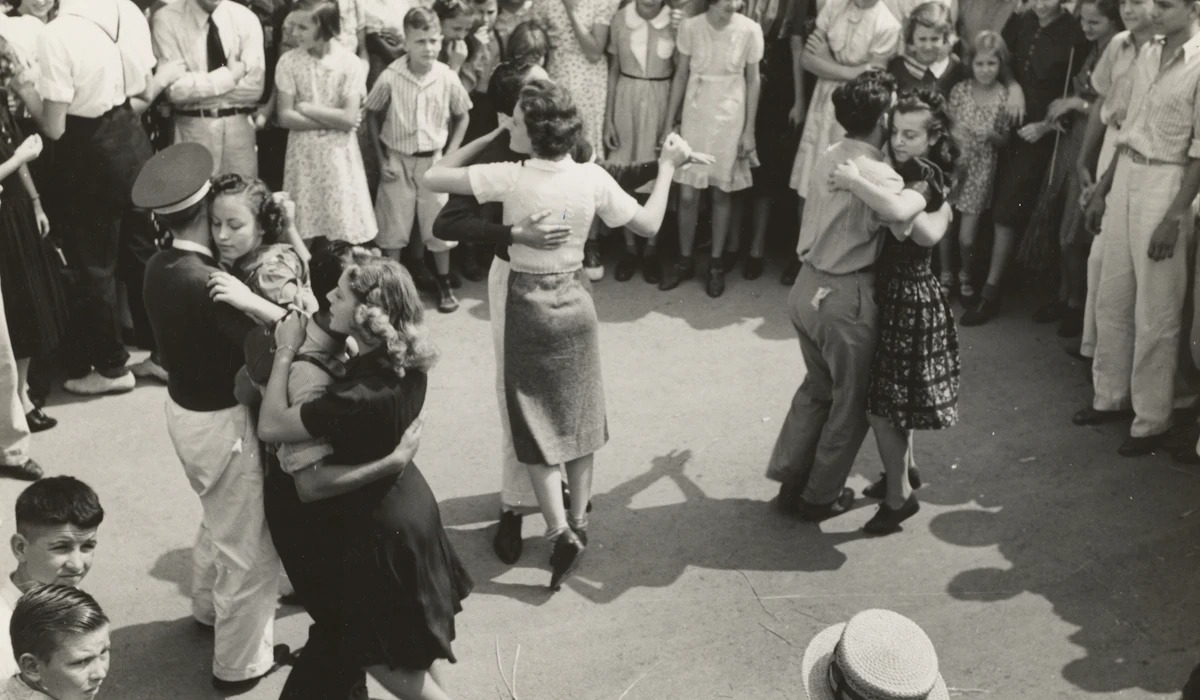
Sadie Hawkins Day began in Al Capp’s Li’l Abner comic strip in November 1937, when the title character became part of a storyline about an annual footrace in which women chased eligible bachelors. Within a couple of years, schools and colleges across the country borrowed the idea for dances where girls invited boys.
The tradition flipped the usual script for one night.
Scholastic Book Club Order Forms
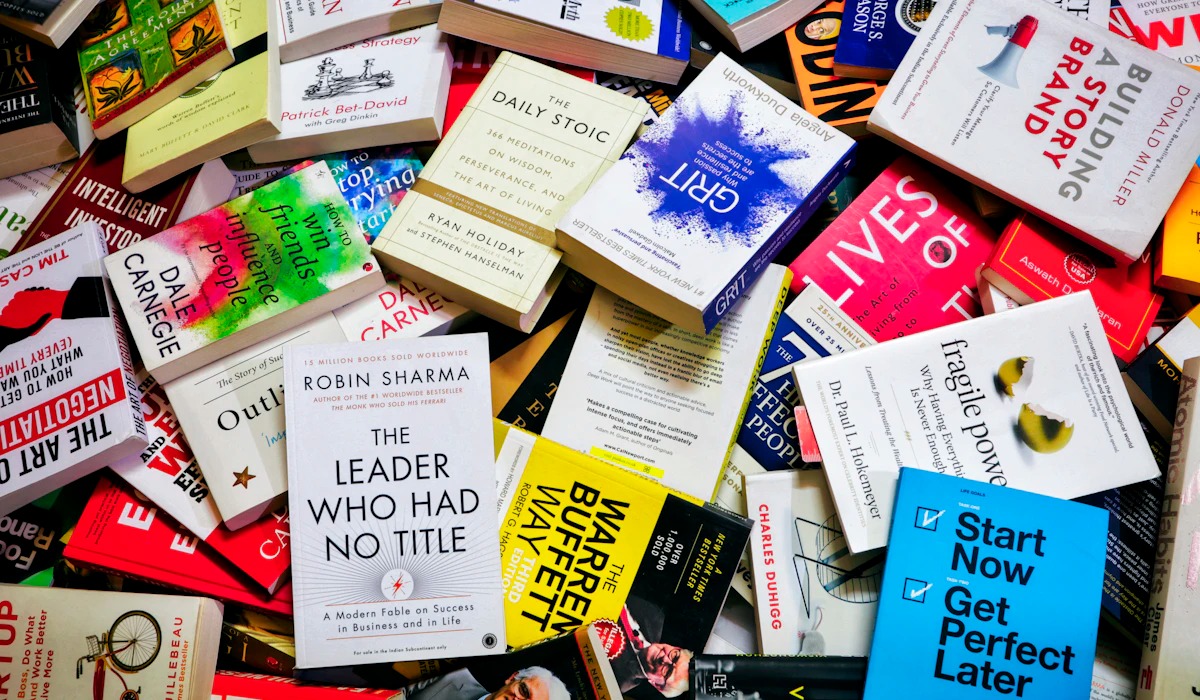
Scholastic launched its book clubs in 1948, and the printed order forms arrived in backpacks several times a year. Kids circled titles in pencil, then waited for their orders to arrive at school.
Opening that box felt like a holiday.
The Book Fair
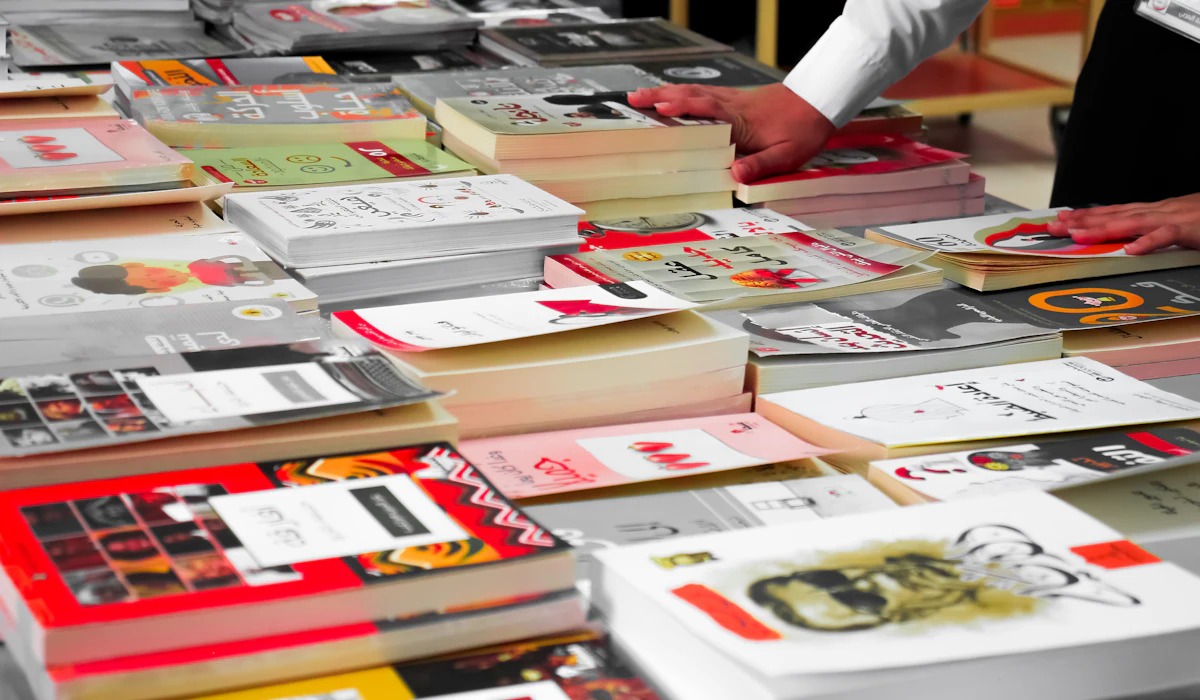
Scholastic Book Fairs began in 1981, turning school libraries into small bookstores for a week. Rolling carts, posters, erasers shaped like animals, and shiny bookmarks sat next to the paperbacks.
Kids came with a few dollars and left with an extremely carefully chosen purchase.
Weekly Reader
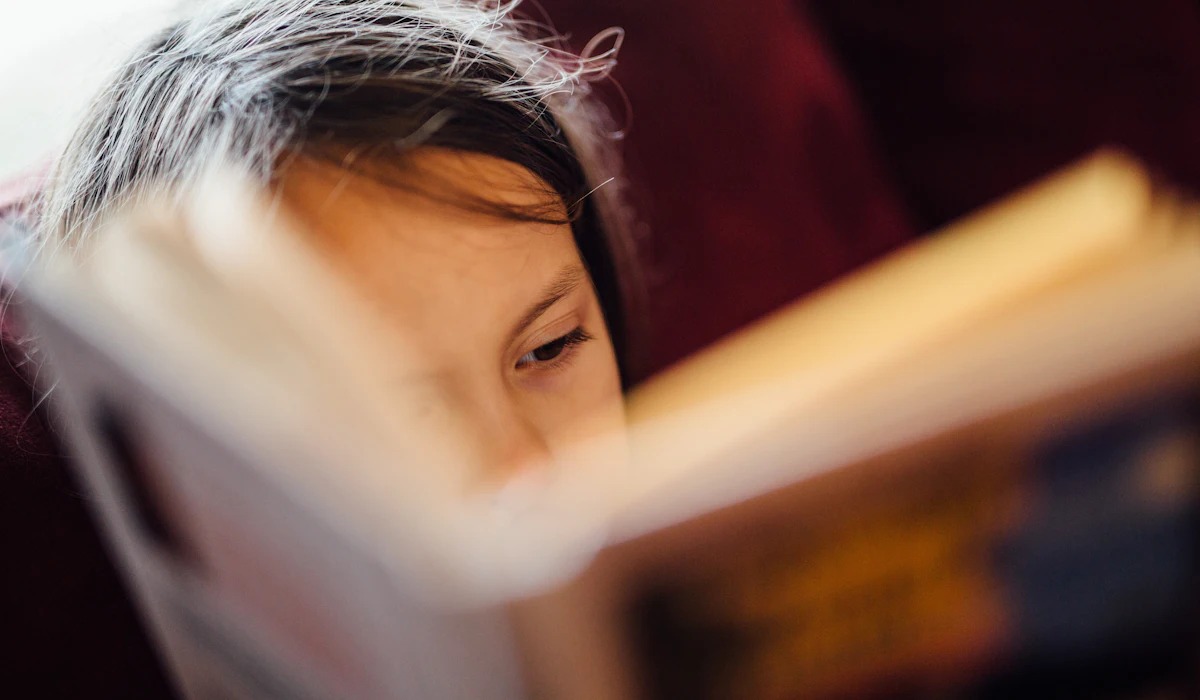
The classroom newspaper Weekly Reader first appeared in 1928, and generations of students learned current events from its colorful pages. Kids read short articles about astronauts, elections, and faraway countries.
For many students, it arrived on Fridays, and the crossword page vanished first.
Columbus Day Parades
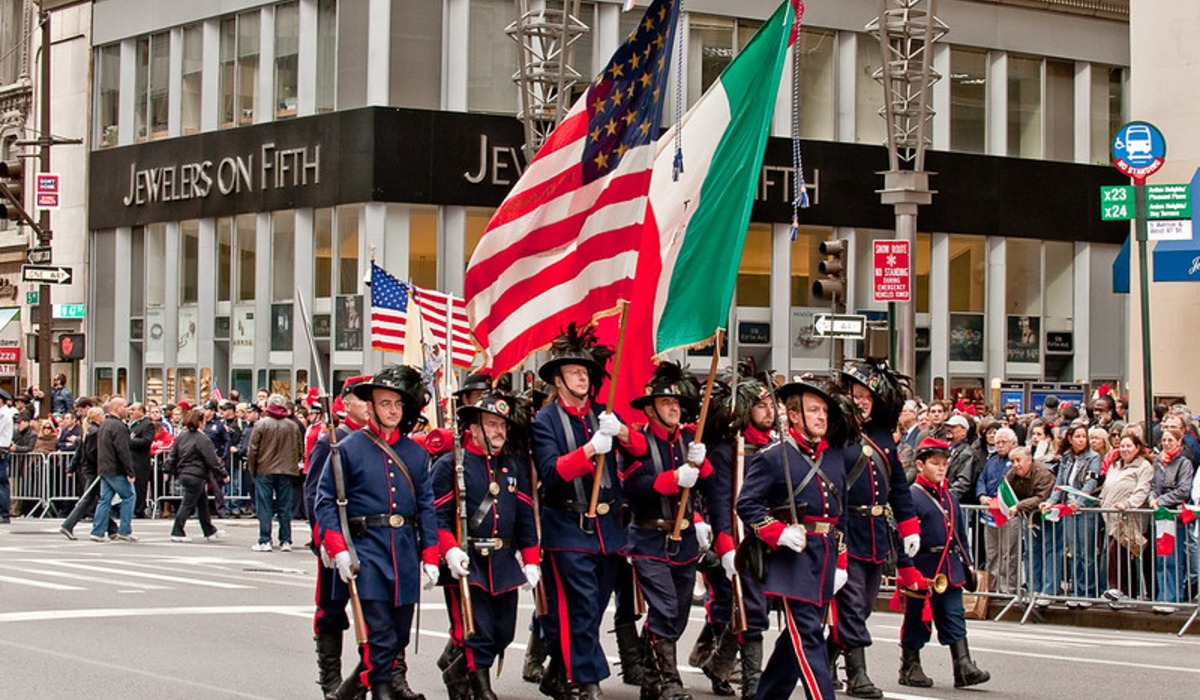
Columbus Day became a federal holiday in 1937, and since 1971, it has been observed on the second Monday in October. Schools held parades, assemblies, and art projects with paper ships.
The holiday has since become a topic of public debate, and some communities now observe Indigenous Peoples’ Day instead or alongside it. For many who remember the school celebrations, the image that remains is of construction-paper sails.
The Homecoming Bonfire
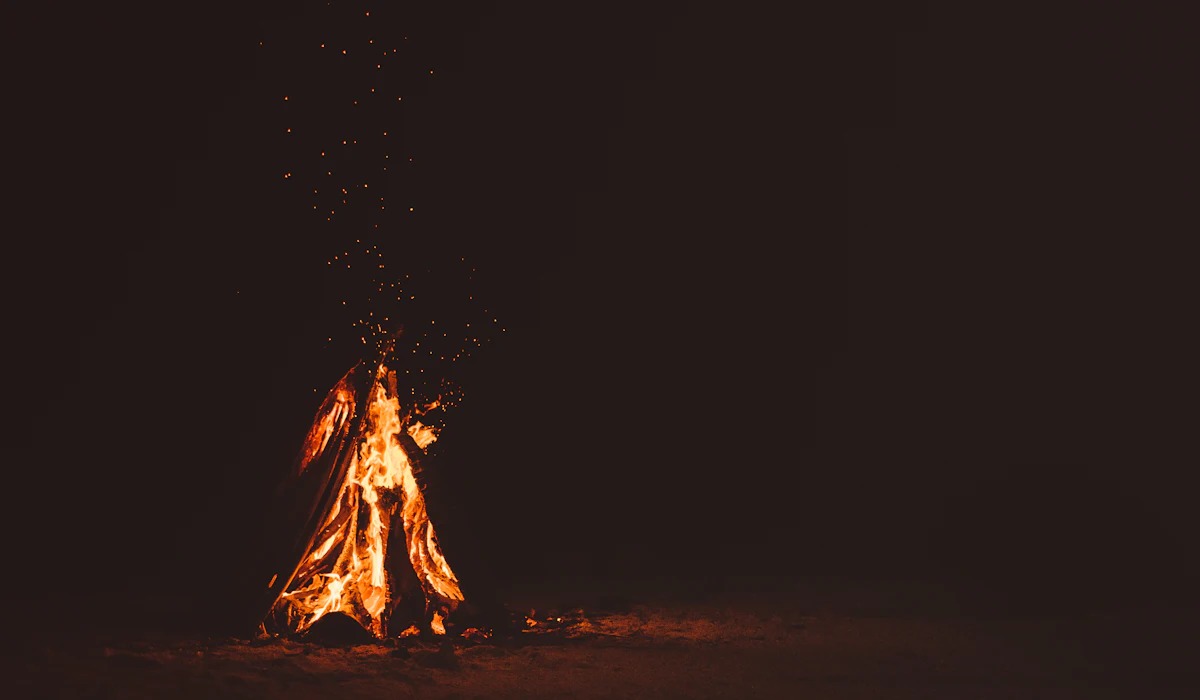
Homecoming week often began with a pep bonfire in a nearby field, with the band, cheerleaders, and a pile of wood or pallets stacked taller than the principal. Students sometimes burned a dummy dressed in the rival school’s colors.
The smell of smoke on a jacket the next morning was a badge of honor.
The Pep Rally
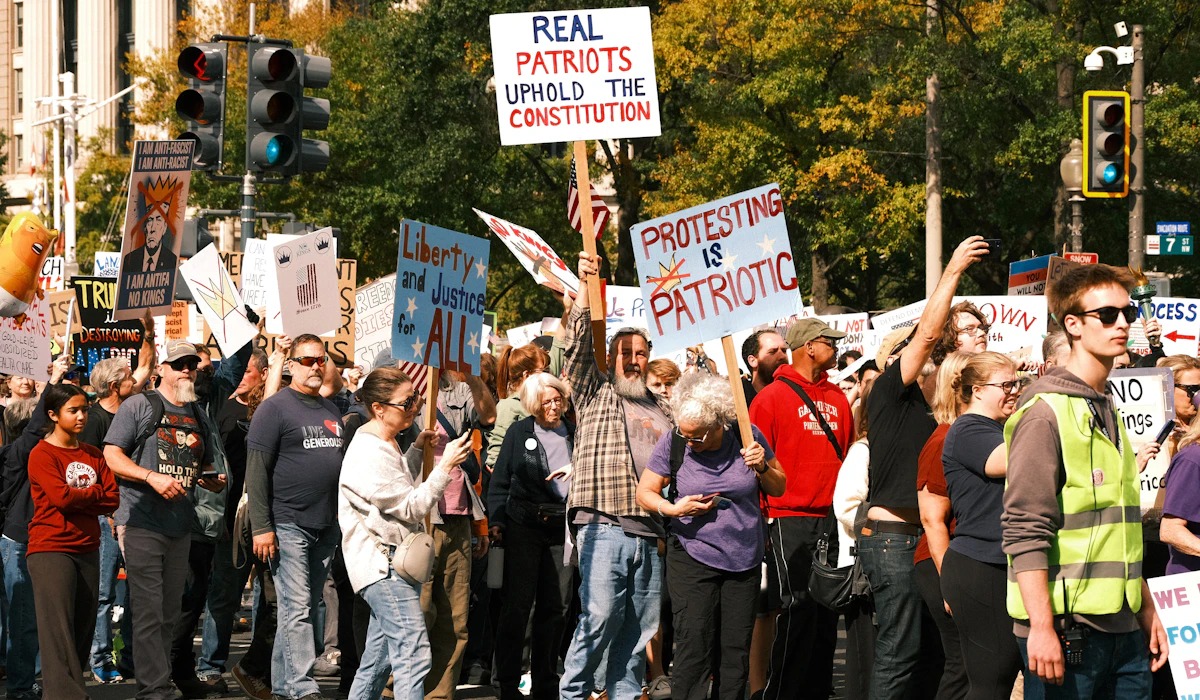
Pep rallies packed the gym with noise as the cheerleaders, the band, and the coach whipped up energy before Friday night. Players ran through a banner, and students roared their loudest cheer.
Even those who skipped the game came to the rally.
The Halloween Classroom Parade
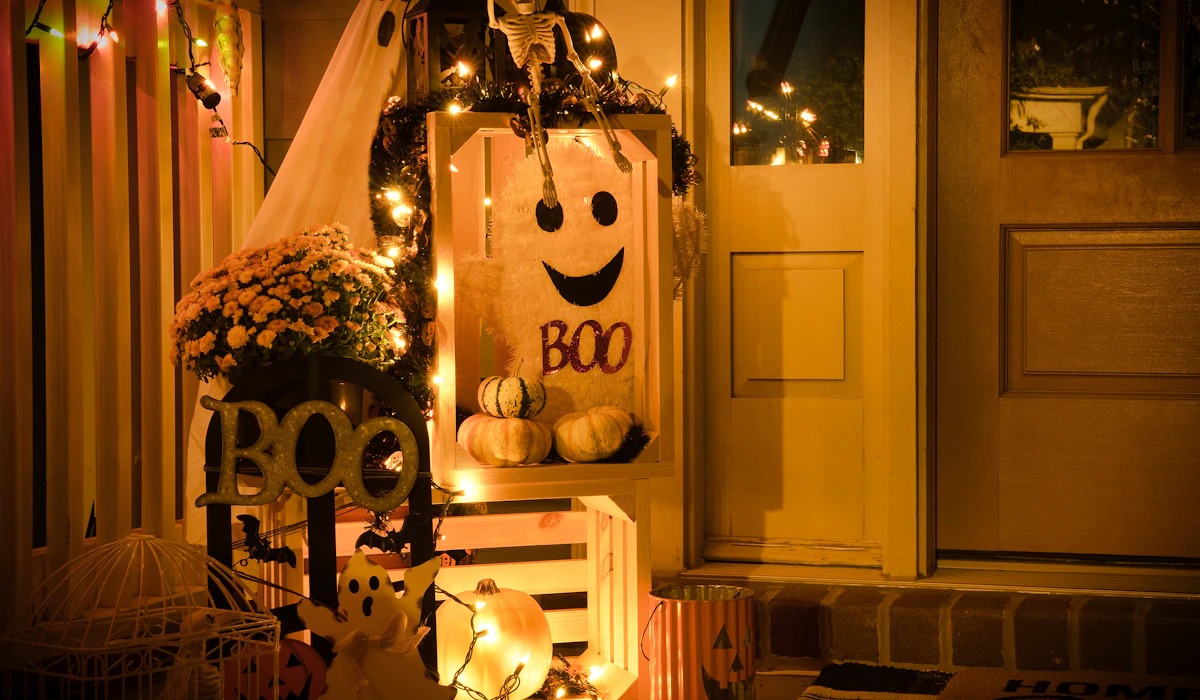
Younger students marched through the school halls or outside in their costumes while parents lined the route with cameras. Witches, pirates, and homemade robots waved at parents and teachers.
The parade sometimes ended with cupcakes and a very sugary afternoon.
The Cakewalk
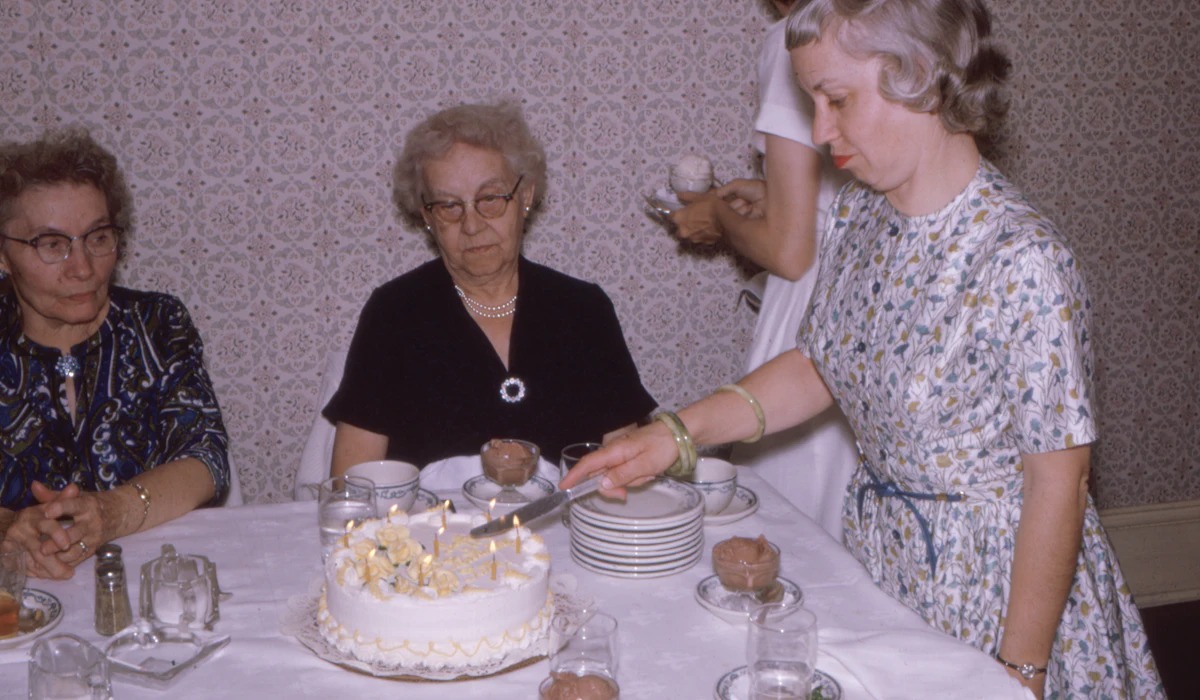
At school carnivals, players walked in a circle on numbered squares while music played, and when the music stopped, a number was drawn. The winner took home a baked cake donated by a family or community member.
The tradition traces back to Black communities in the South and evolved from a dance that included parodies of white social customs. It later became a familiar game at fairs and fundraisers.
The Harvest Festival
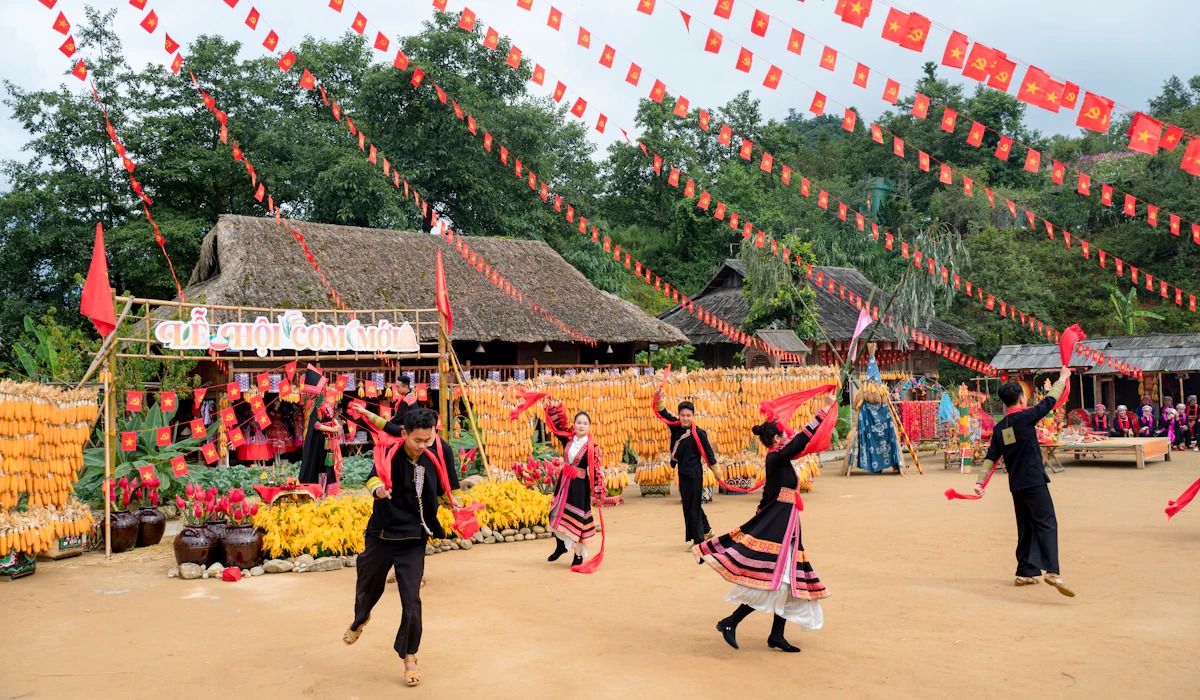
Harvest festivals filled gyms and parking lots with game booths, bake sales, and hay bales. Kids earned tickets for tossing rings and fishing for prizes behind a cloth screen.
For some families, these events offered an alternative to Halloween; for others, they were simply another seasonal celebration.
The Spelling Bee
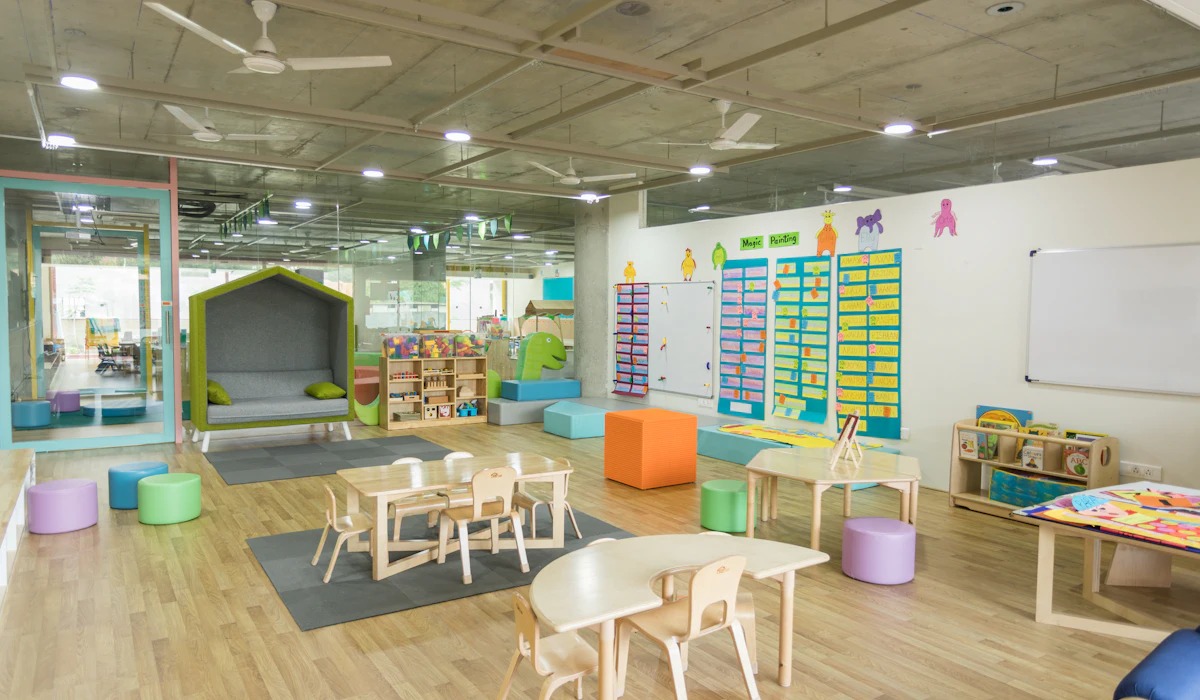
Classroom spelling bees narrowed to a final few contestants standing at the front of the room. A single missed letter meant a walk back to the desk.
The words got longer each round, and silence settled across the room.
The Pumpkin Weight Contest
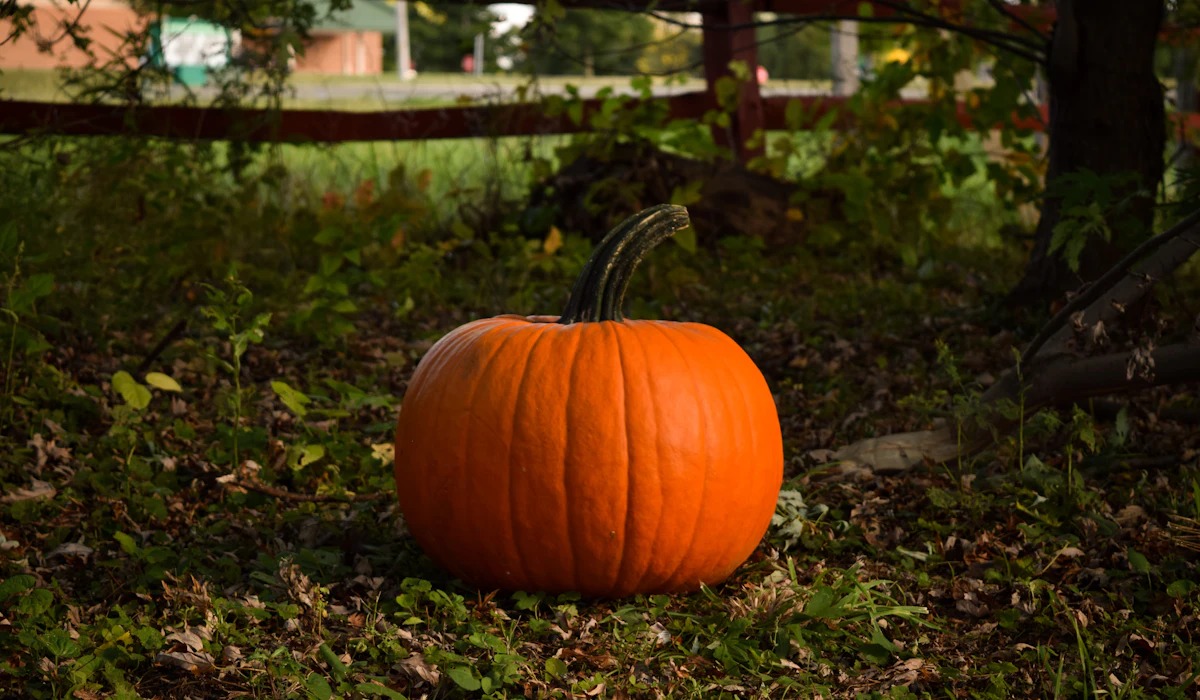
A giant pumpkin sat on a table in the hallway while students wrote guesses on slips of paper. The closest guess won the pumpkin or a prize.
Teachers could use the activity to introduce estimation, and kids pretended not to notice.
The School Carnival Fishing Booth
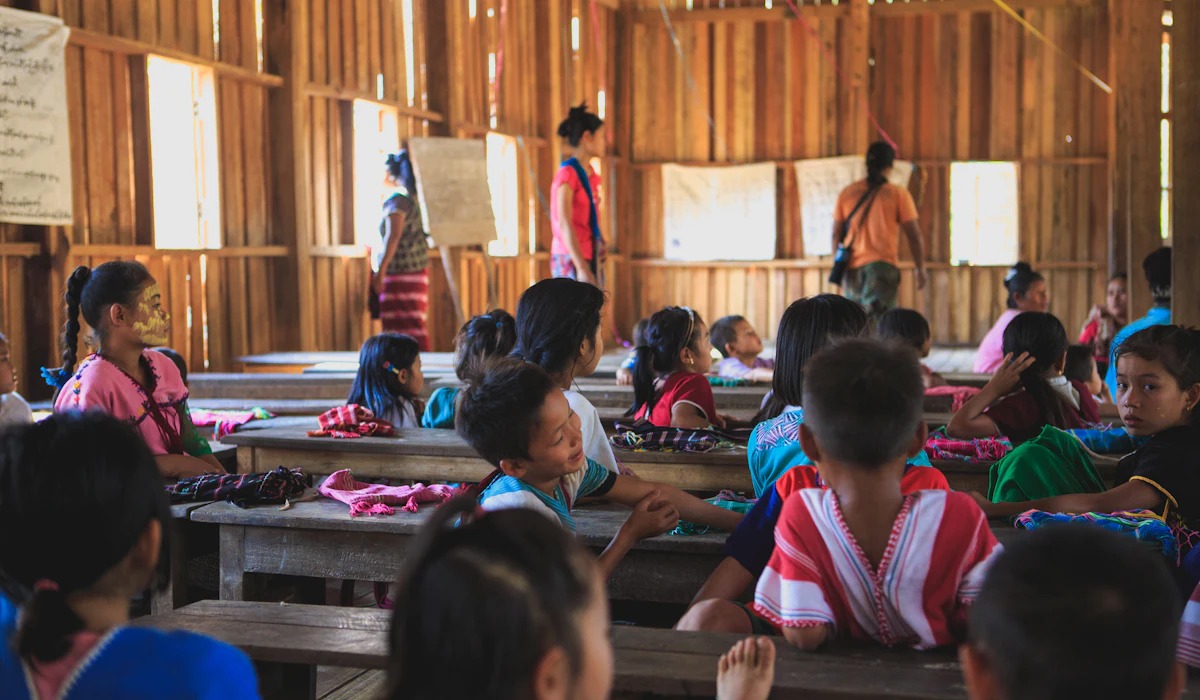
A sheet hung across a corner, and a kid behind it clipped a prize to the end of a fishing line. Players tossed the line over the top and waited for a tug.
Small toys and trinkets were popular prizes, and the booth’s simple setup made it easy to reuse year after year.
The Magazine Drive
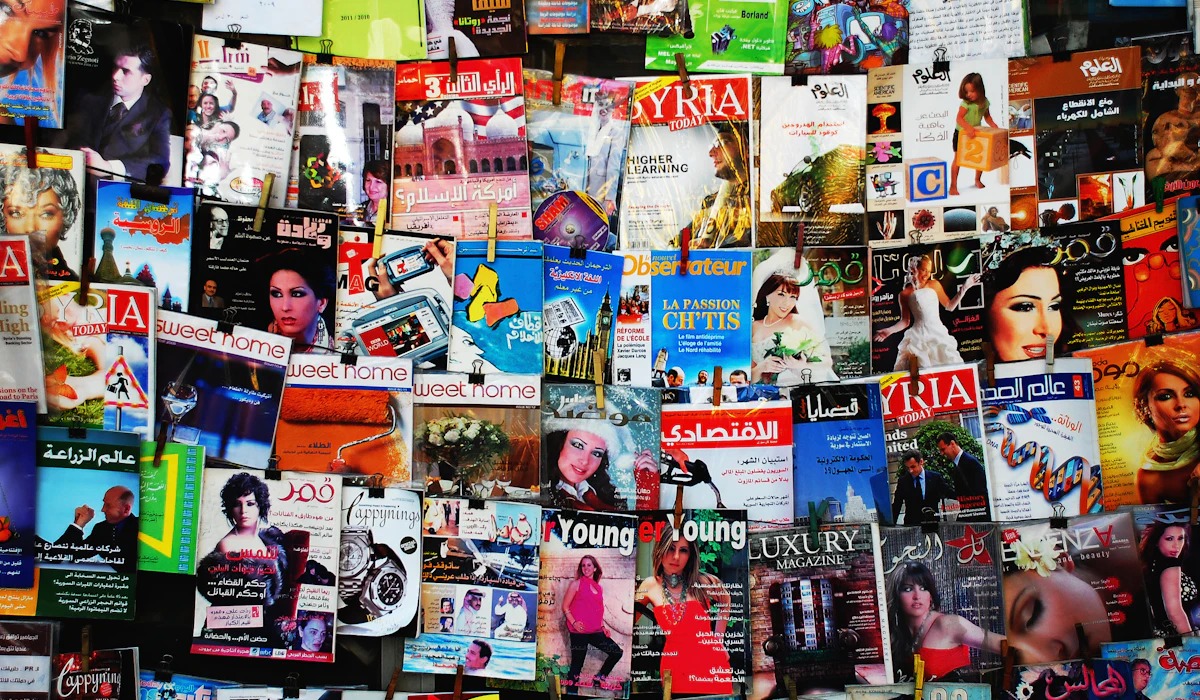
Students sold magazine subscriptions to relatives and neighbors to raise money for the school. Sales forms and prize catalogs promised trinkets for the top sellers.
Students with large extended families or generous networks of neighbors sometimes had an advantage.
Safety Patrol Duty
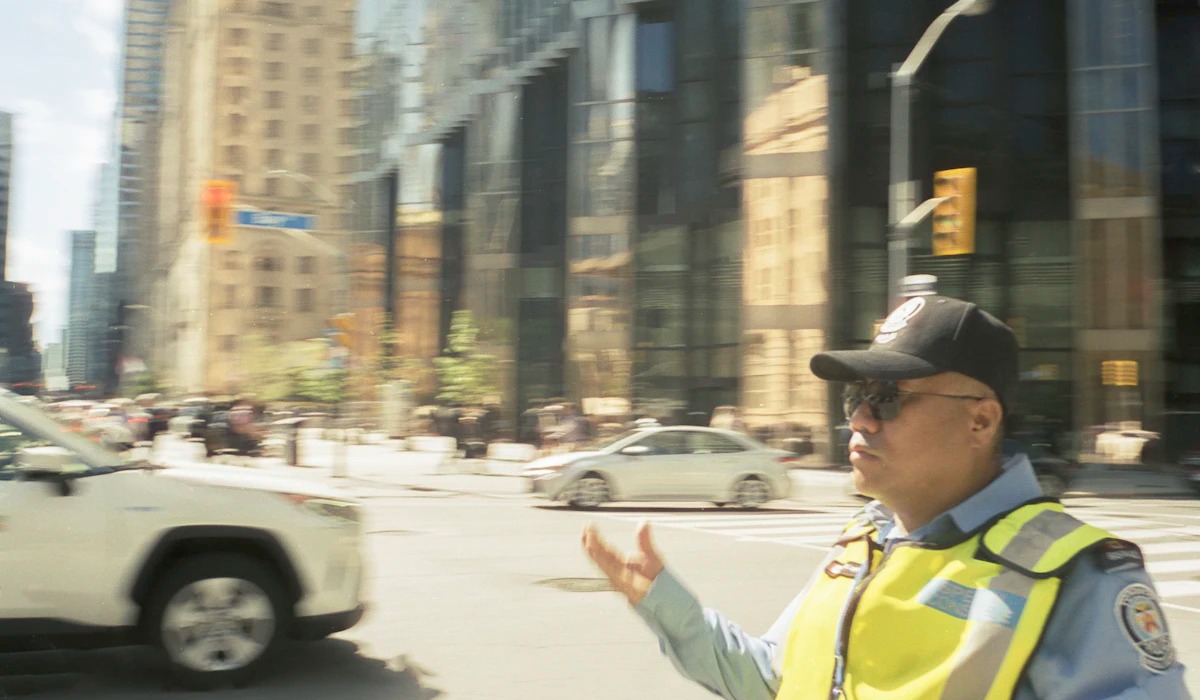
Fifth- and sixth-graders wore bright belts and badges and stood at crosswalks to guide younger students. The job came with a mix of authority and responsibility.
A kid with a safety belt on stood a little taller.
The Smell of the Ditto Sheet
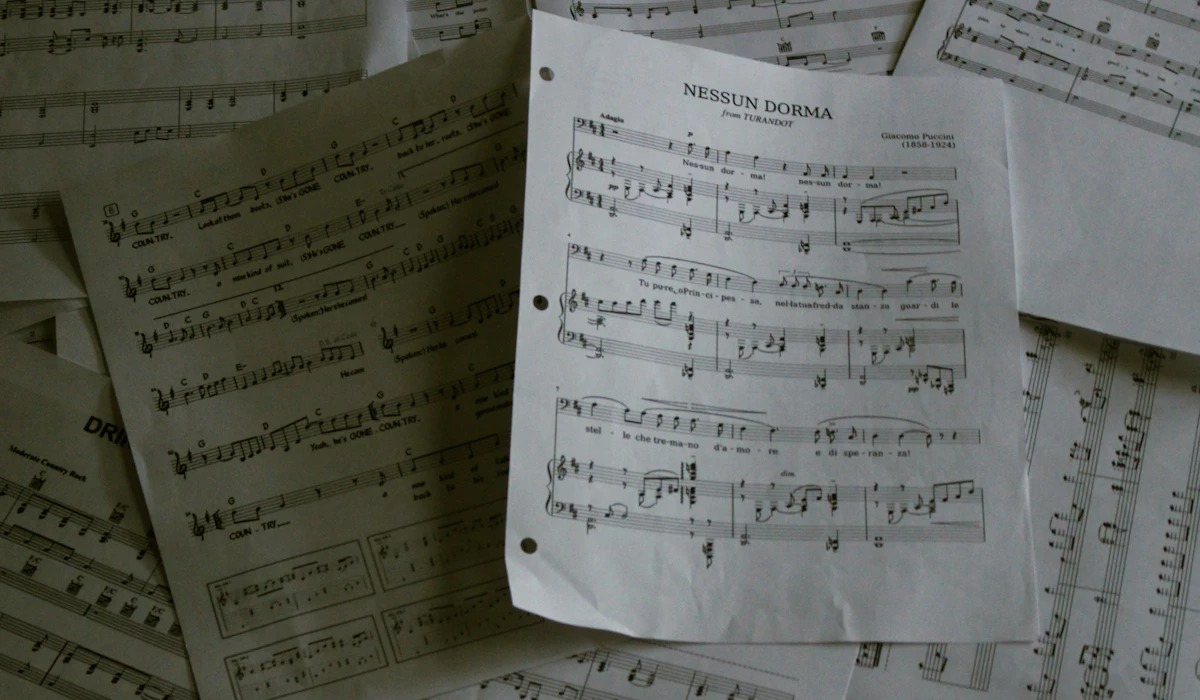
Teachers used spirit duplicators, commonly called Ditto machines, to print worksheets in purple ink. The sheets came out with a distinctive, alcohol-like smell from the duplicating fluid.
Kids held them to their noses before the first question.
Spirit Week
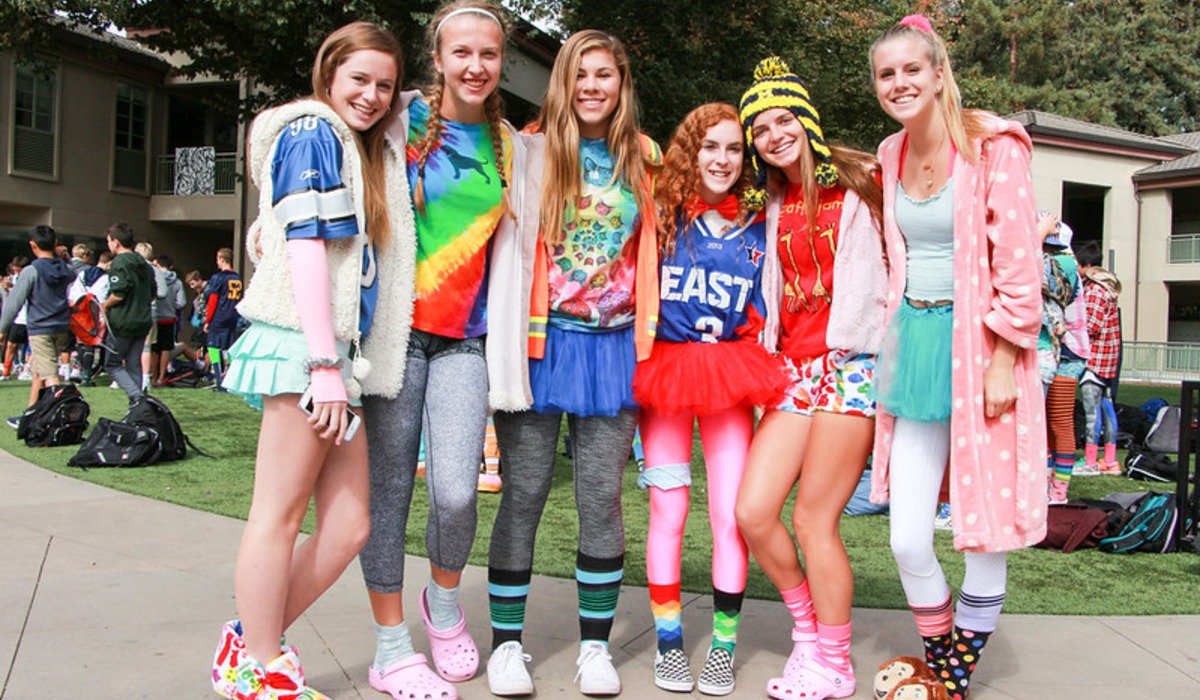
Every day of the week carried a theme: pajama day, twin day, crazy hair day. Students planned outfits in advance and checked in with friends.
The week ended with a game or a dance.
The Crowning
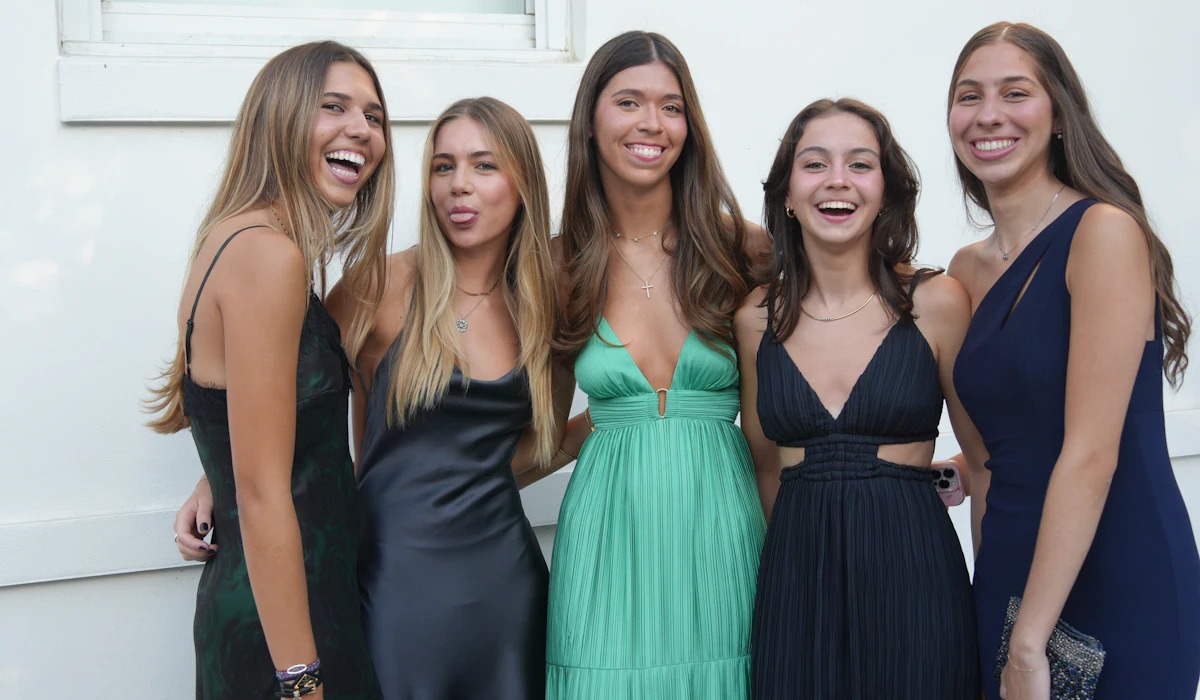
At the homecoming game or dance, a court of students walked onto the field or stage, and the king and queen were announced to cheers. The winners wore crowns and sashes, and the rest of the court waved politely.
Photos from the moment lived on in family albums.
Painted Windows
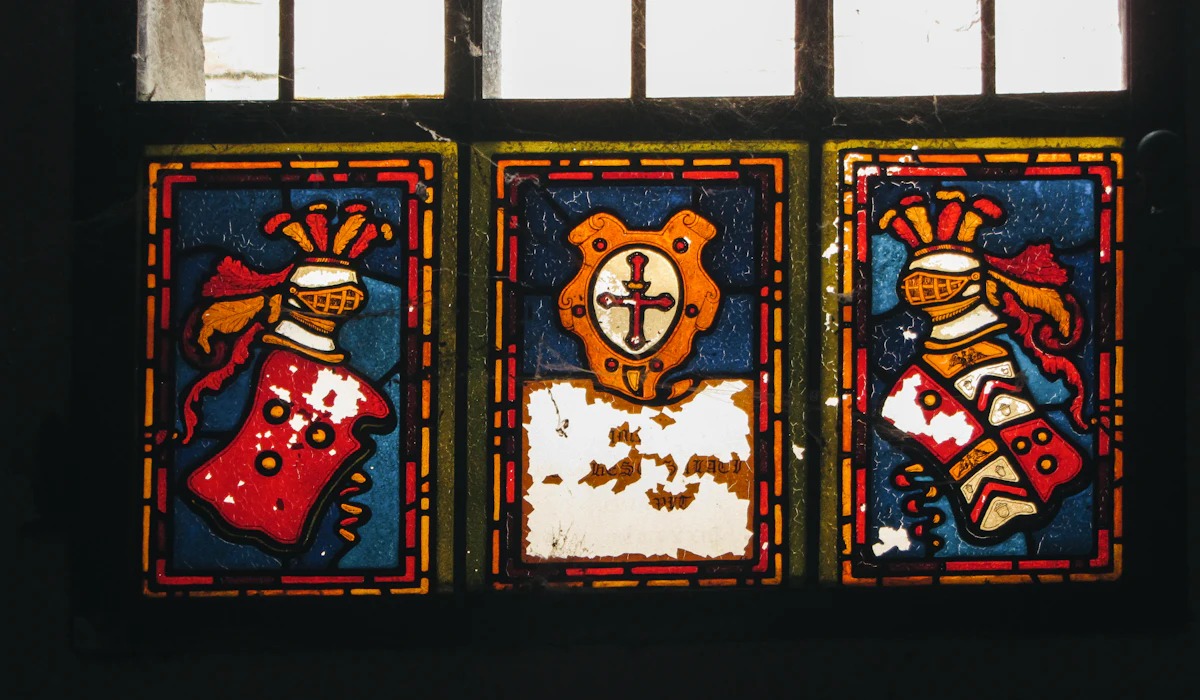
Students used tempera paint to cover storefront windows downtown with team slogans and mascots. Merchants offered the glass as a canvas, and the paint could usually be washed off afterward.
The town turned into a gallery of school spirit for a week.
The Costume Contest
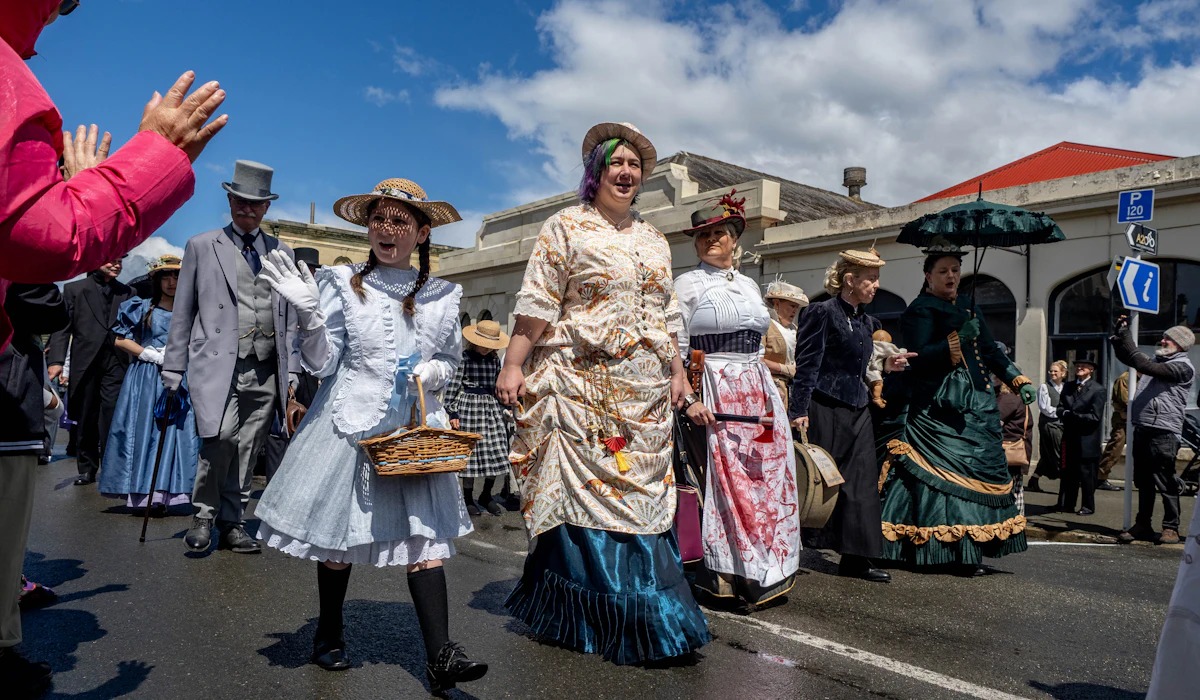
Gym floors became runways as students lined up for judging in categories like funniest, scariest, and most original. Teachers served as judges, and ribbons were tacked to the winners.
Parents sometimes made costumes that were too good to be fair.
Back-to-School Night
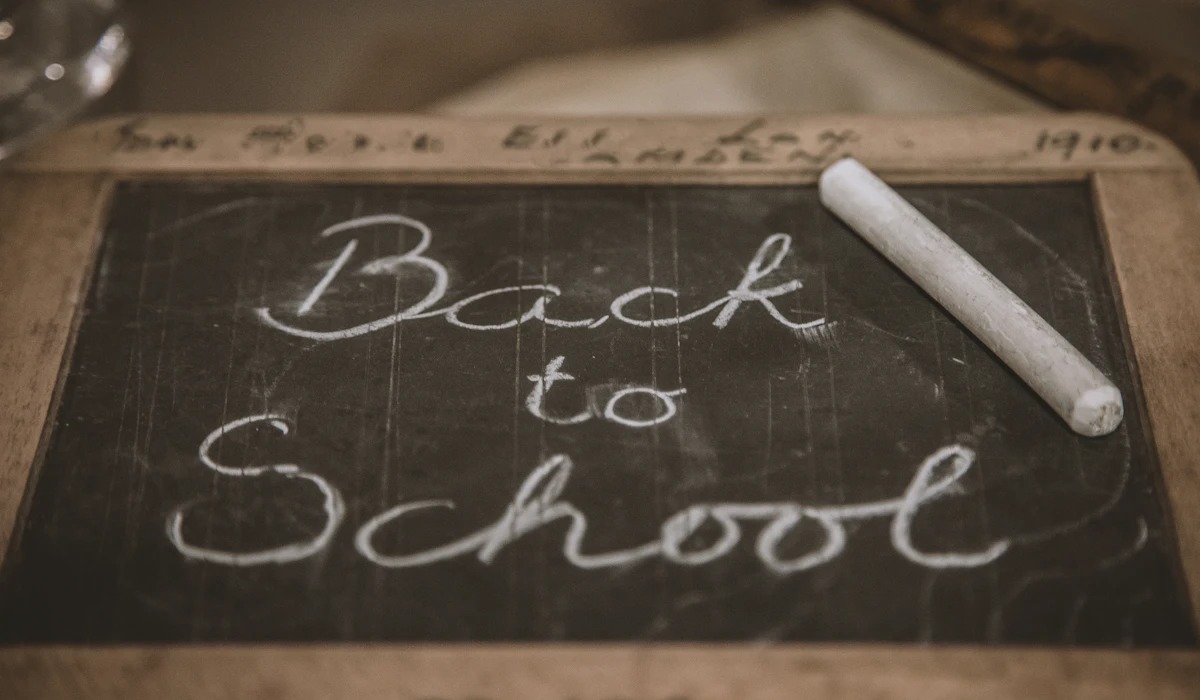
Parents sat in tiny desks while teachers explained the year’s plans. Notes were taken, questions were asked, and the real purpose was to put faces to names.
Kids hovered in the hall, listening for any mention of their names.
An Apple for the Teacher
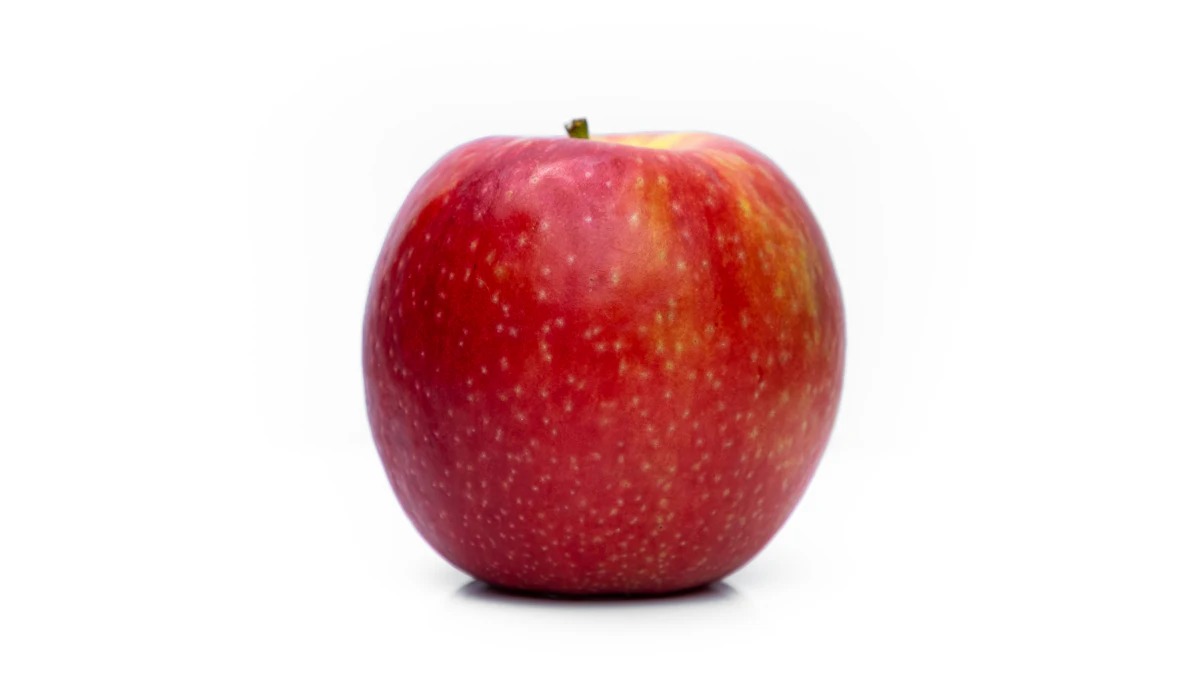
Bringing a shiny apple to the teacher was a gesture long associated with schoolhouse folklore. Kids polished the fruit on a sleeve before placing it on the desk.
The apple often sat there until the end of the day, a symbol more than a snack.
Picture Day
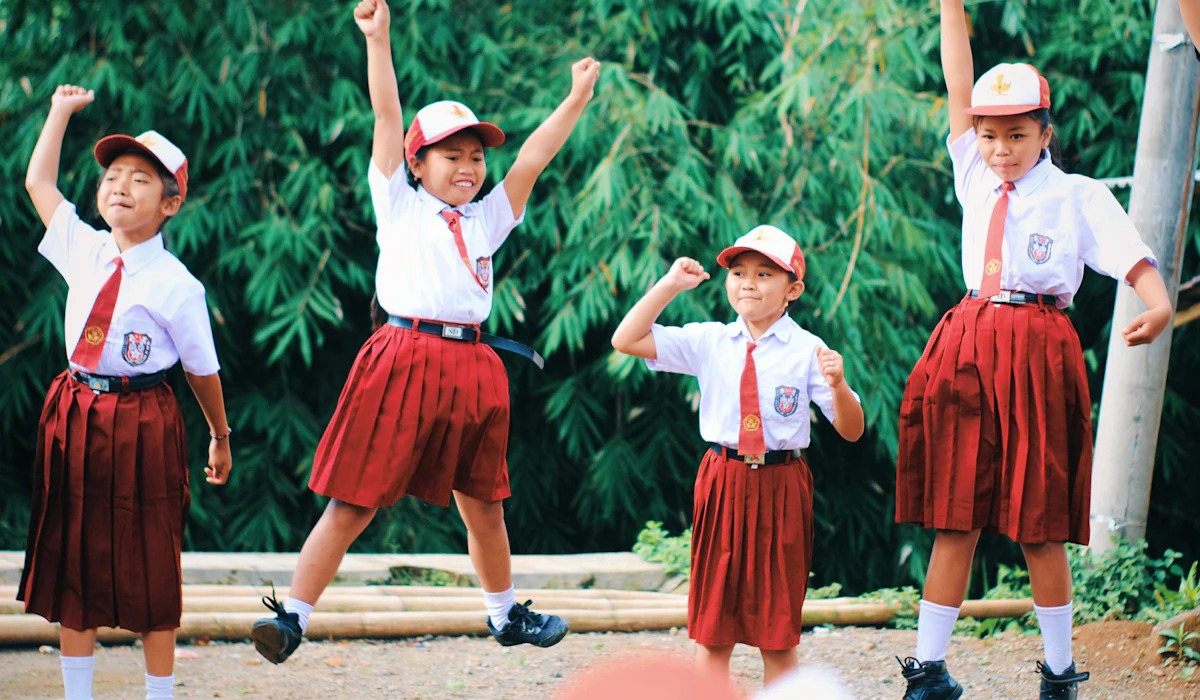
Students sometimes received a small black comb from the school photographer and lined up to smile for the camera. Retake day offered a second chance for those with closed eyes or bad hair.
The photos often arrived weeks later in stiff cardboard frames.
Construction-Paper Bulletin Boards
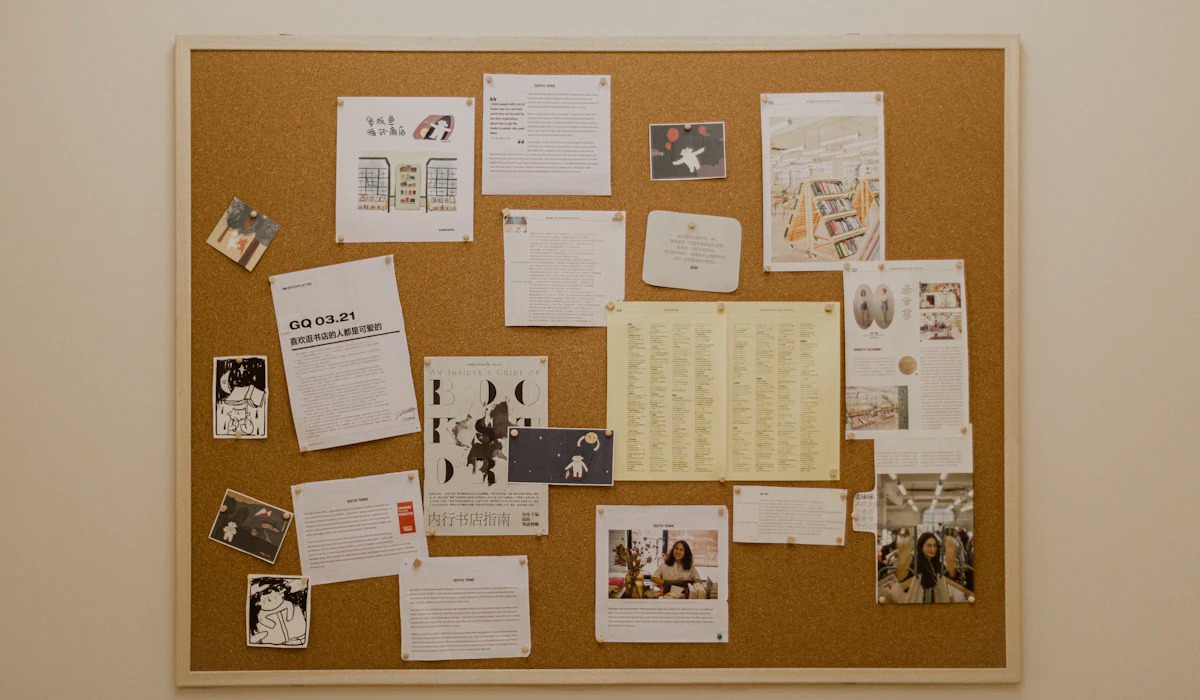
Teachers covered bulletin boards in cut-out leaves, pumpkins, and acorns, often with student names written on each piece. The same templates came out every year.
By November, the edges began to curl.
The Thanksgiving Pageant
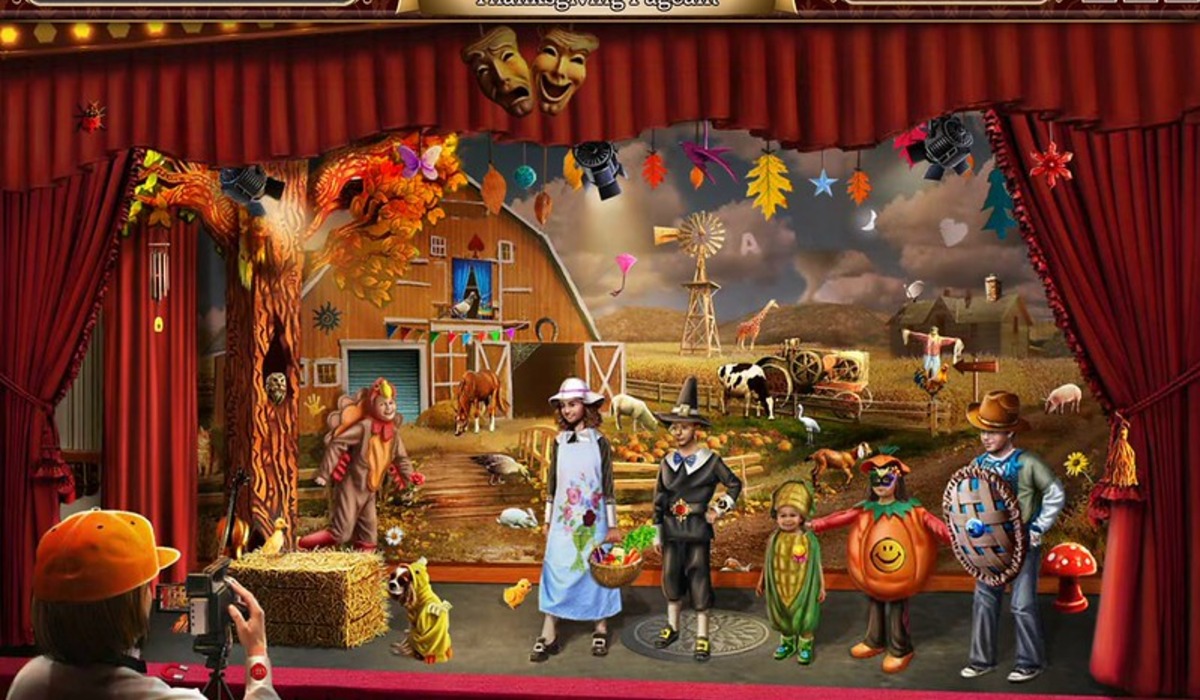
Elementary classes staged plays in costumes made from paper bags and construction paper. Students wore cardboard hats and handmade vests, and parents filled folding chairs.
The pageants were short, loud, and full of forgotten lines.
The Canned Food Drive
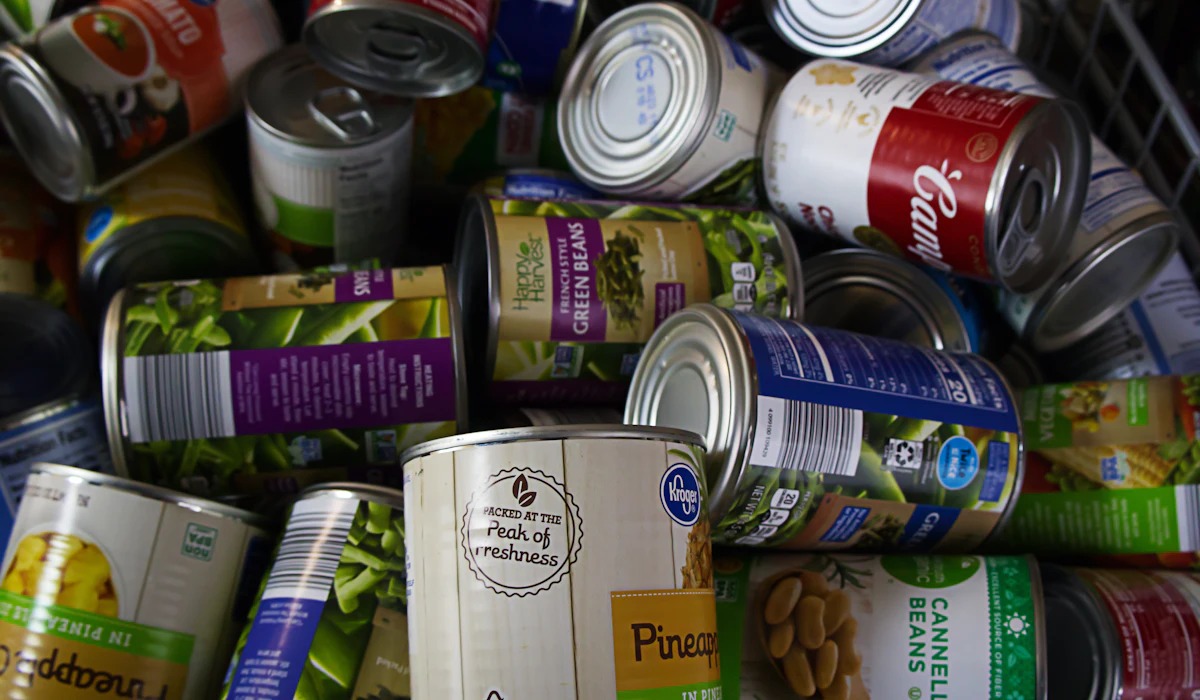
Each class competed to bring in the most cans before Thanksgiving. Boxes stacked in the hallway grew week by week, and a chart on the wall tracked progress.
The cans went to families in the community, which gave the contest real meaning.
The Veterans Day Assembly
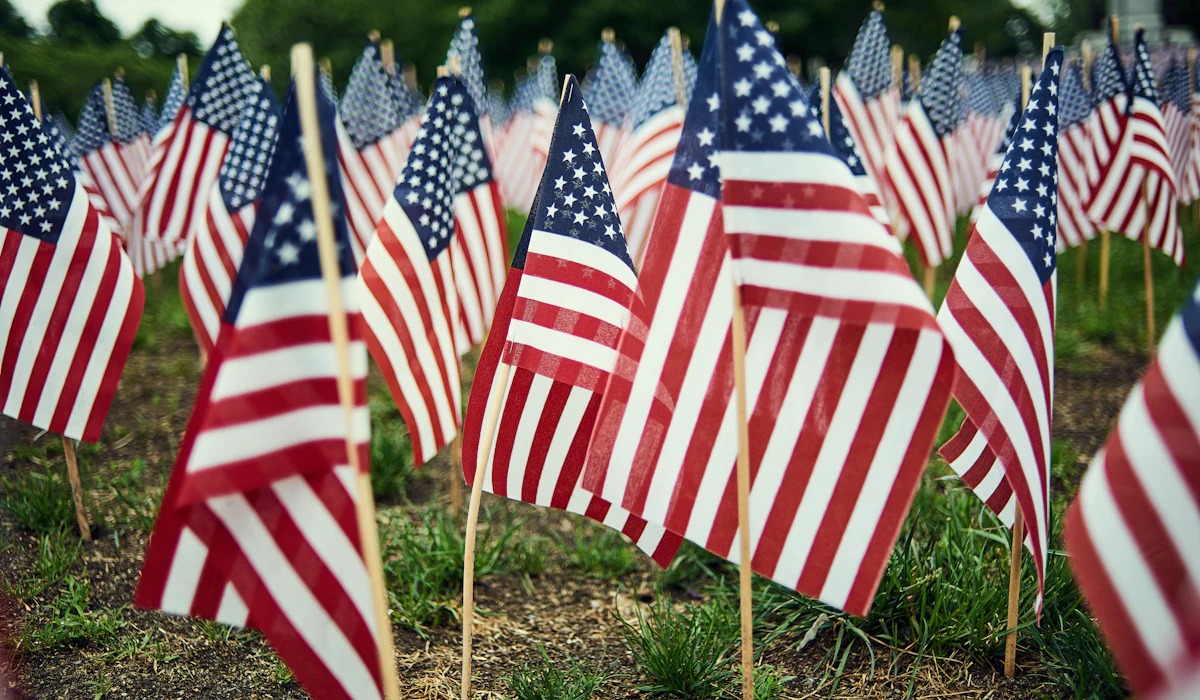
Armistice Day was renamed Veterans Day in 1954, honoring the end of fighting in World War I on November 11, 1918, at 11 a.m. Assemblies featured veterans in uniform, the band, and a moment of silence.
Many students first heard family stories at these ceremonies.
The Mock Election
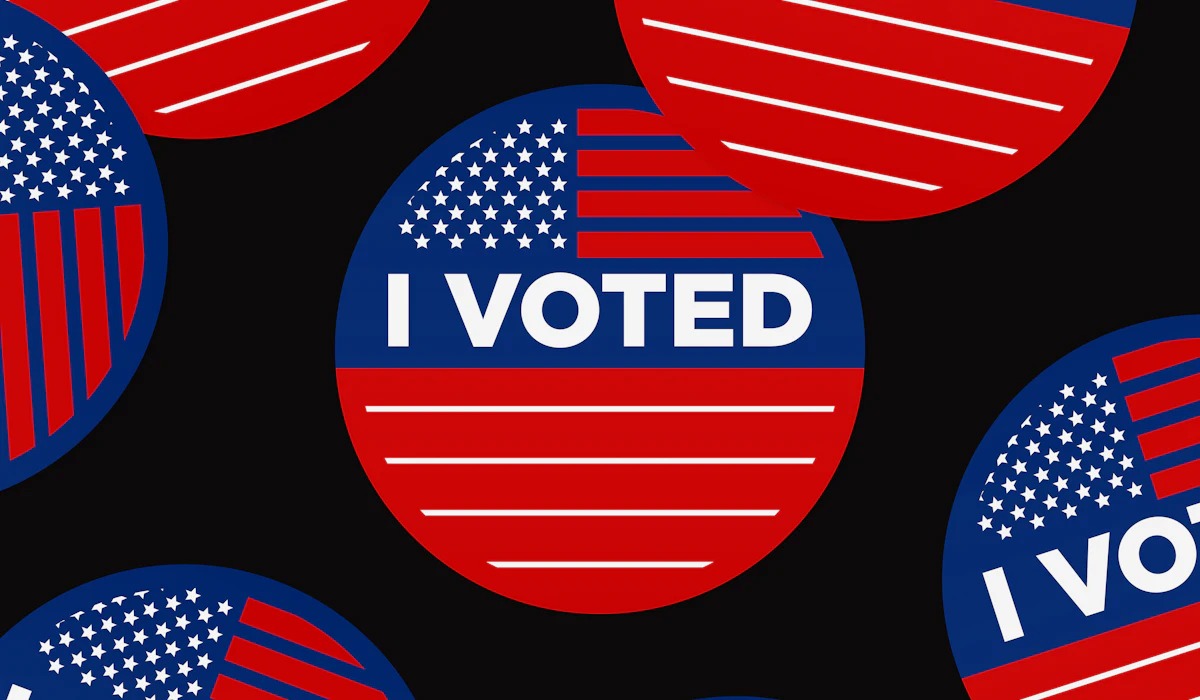
In years with a presidential vote, classrooms held their own elections. Students made posters, gave speeches, and cast paper slips in a cardboard box.
The results rarely matched the real count, but the lesson stuck.
The Sock Hop
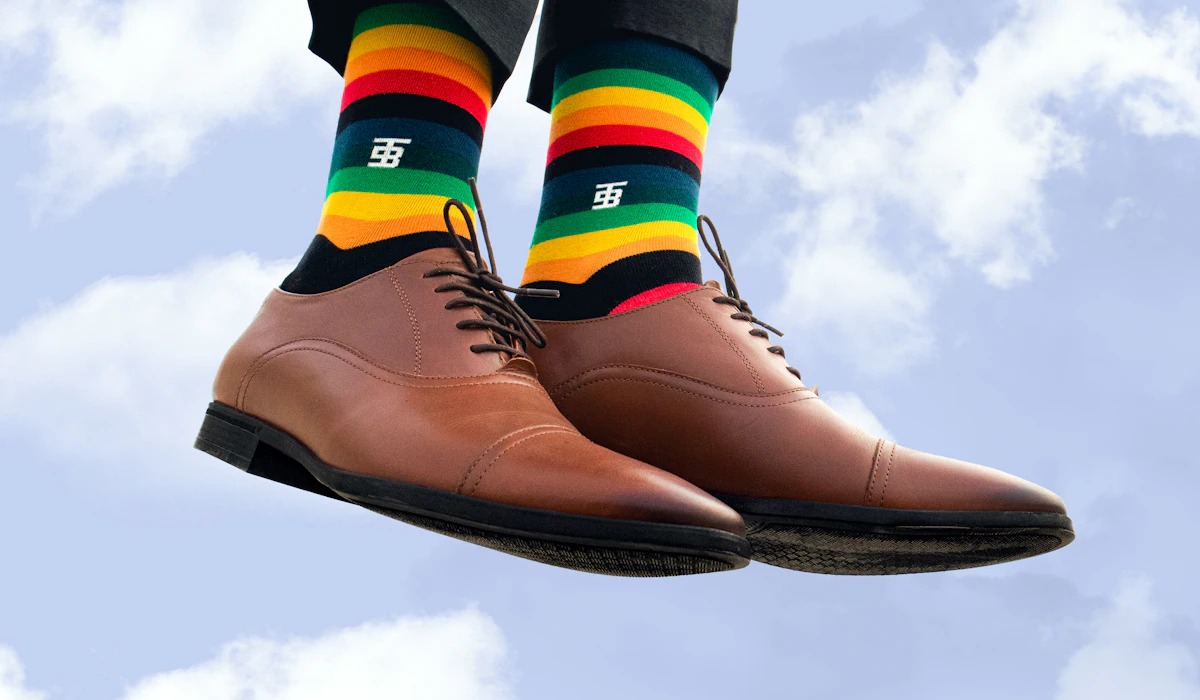
School dances sometimes required students to remove their shoes to protect the gym’s polished floor, giving the event its name. Records played over a loudspeaker while kids danced in their socks.
The tradition became especially associated with the 1950s, although sock hops were held earlier and the name lingered afterward.
The Calendar Kept by the Classroom
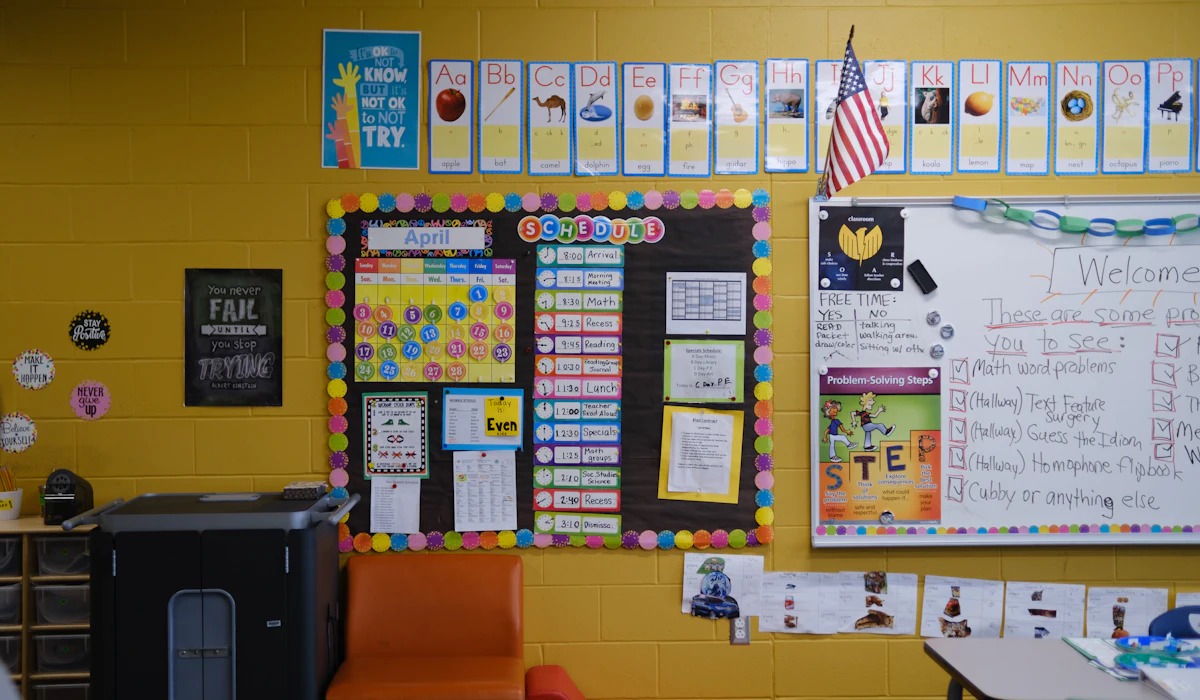
Each of these rituals attached a memory to a date. The school year felt less like a march through lessons and more like a loop of events that families expected.
Teachers, parents, and students all played their parts, and the roles rarely changed.
Today, many of the traditions have been trimmed or replaced, often for good reasons. Even so, people still describe their childhoods by these moments instead of by test scores.
The classroom kept the calendar, and a generation still recalls it by heart.
More from Go2Tutors!

- The Romanov Crown Jewels and Their Tragic Fate
- 13 Historical Mysteries That Science Still Can’t Solve
- Famous Hoaxes That Fooled the World for Years
- 15 Child Stars with Tragic Adult Lives
- 16 Famous Jewelry Pieces in History
Like Go2Tutors’s content? Follow us on MSN.