16 TV Dinners That Made History
The humble TV dinner holds a unique place in American culture—part convenience food, part social phenomenon, and part symbol of how dramatically family life changed in the 20th century. What started as a solution to surplus turkey became a billion-dollar industry that transformed how families ate, when they ate, and where they ate.
These weren’t just meals; they were cultural artifacts that reflected everything from post-war prosperity to changing gender roles to the rise of television itself.Some TV dinners became household names that lasted decades, while others were spectacular failures that disappeared almost as quickly as they arrived.
From the original aluminum trays that launched a revolution to specialized lines targeting everyone from bodybuilders to toddlers, these frozen meals tell the story of American innovation, marketing genius, and our endless quest for convenience. Here is a list of 16 TV dinners that made history, shaping not just what we ate but how we lived.
Swanson TV Dinner
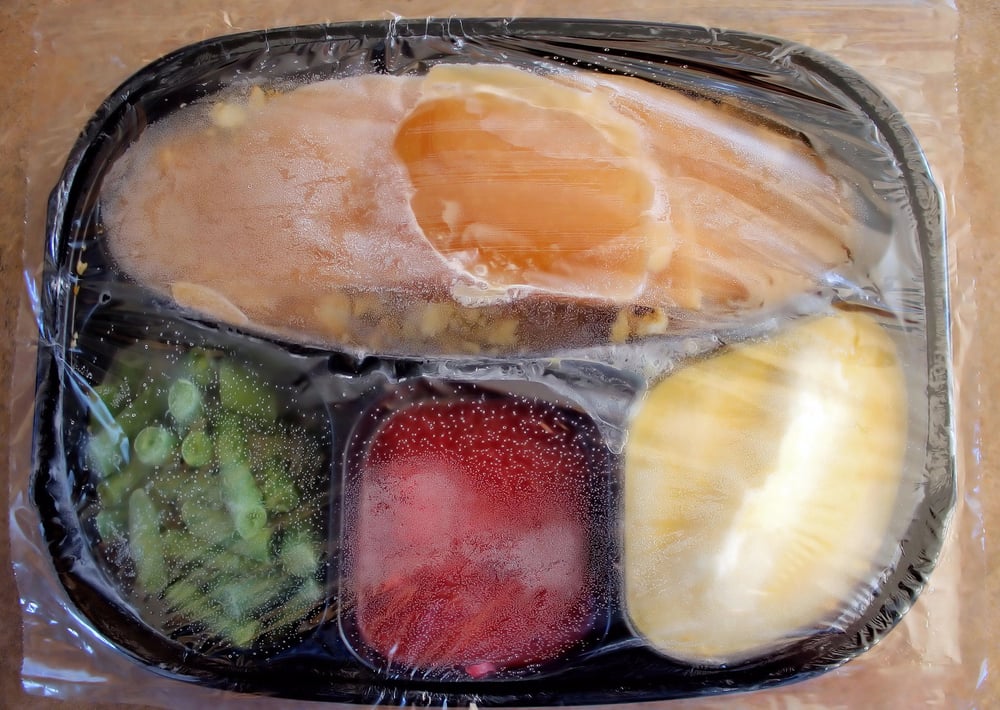
The granddaddy of them all hit shelves on September 10, 1953, and changed American dining forever. Born from desperation when Swanson found itself with 260 tons of surplus turkey after a disappointing Thanksgiving season, this original dinner featured turkey, cornbread stuffing, peas, and sweet potatoes in a three-compartment aluminum tray.
Priced at 98 cents and promising ‘dinner in 25 minutes,’ it sold 10 million units in its first year. The packaging was designed to look like a television set, complete with tuning knobs, perfectly capturing the moment when TV ownership jumped from 9% to 65% of American households.
Maxson Food Systems Strato-Plates
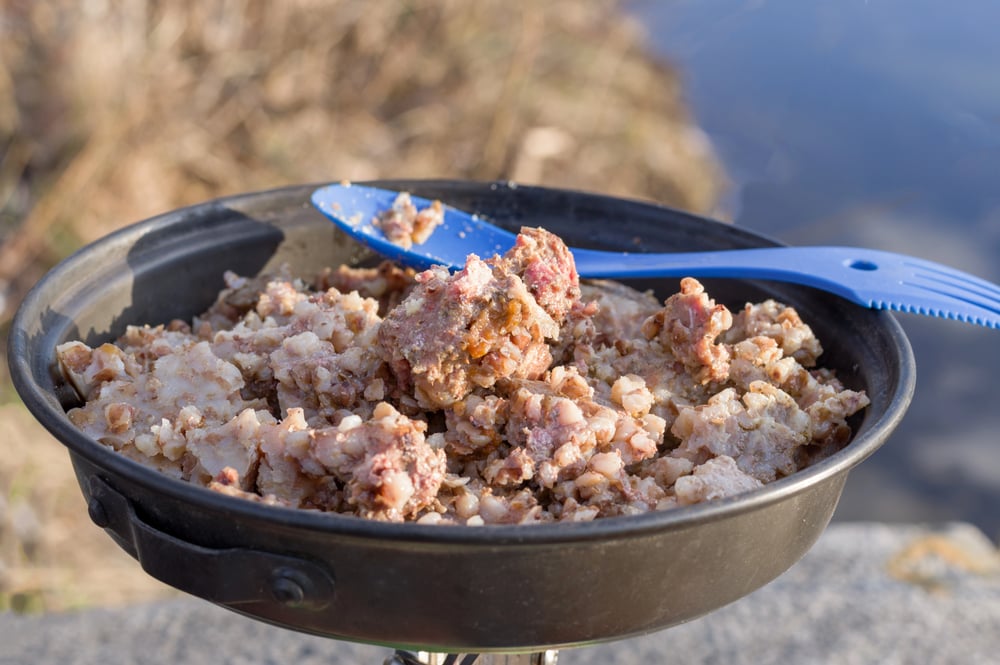
Before Swanson took all the credit, William Maxson actually invented the frozen dinner in 1945. His ‘Strato-Plates’ were created for military personnel on long flights, featuring a three-compartment plastic plate with meat, vegetables, and potatoes that could be reheated on airplanes.
Pan Am was testing them for commercial flights by 1947, and Maxson planned to market ‘Strato-Meals’ to home consumers. Unfortunately, he passed away before this dream became reality, leaving the field wide open for Swanson to swoop in and claim the frozen dinner crown.
One-Eyed Eskimo Dinners
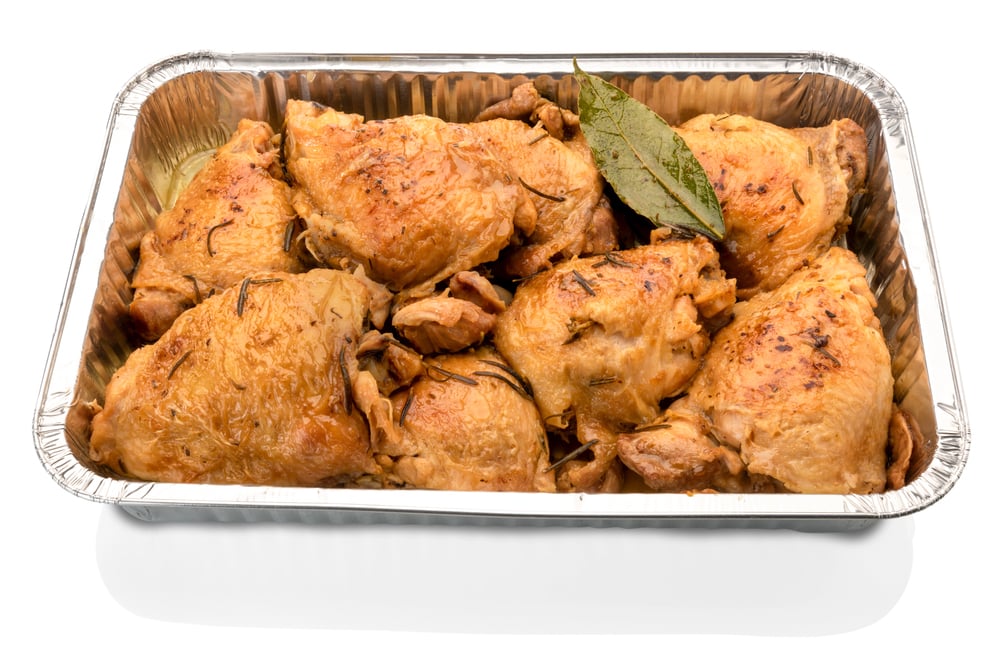
Before the phrase ‘TV dinner’ existed, there were these problematically named frozen meals from Quaker State Foods. Launched in 1952 in the Pittsburgh area, they featured the same three-compartment aluminum tray concept as later TV dinners.
Despite the cringe-worthy branding, they were hugely successful—selling 2 million dinners annually by 1954 and expanding distribution across the eastern United States. The name thankfully didn’t survive, but the concept helped prove there was a massive market for convenient frozen meals.
Banquet TV Dinners
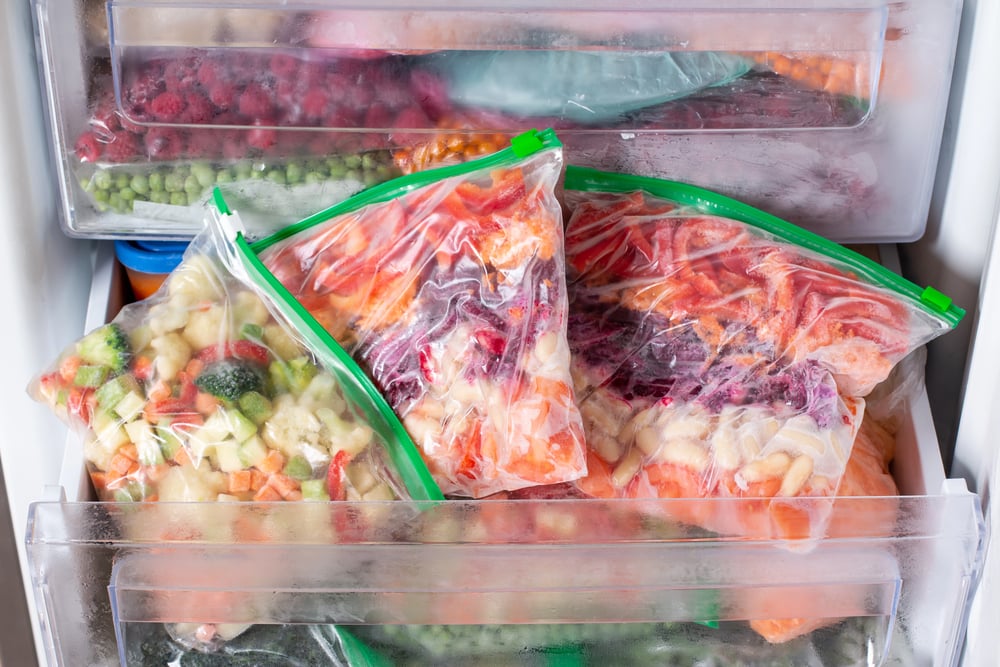
Banquet entered the frozen dinner game in 1955, just two years after Swanson, and quickly became a major competitor. Starting with frozen meat pies in 1953, they expanded into full dinners and became known for their budget-friendly approach.
Their classic offerings like Salisbury steak became staples for families looking for even more affordable options than Swanson. Banquet proved that the TV dinner market was big enough for multiple players and helped drive down prices through competition.
Swanson Hungry-Man
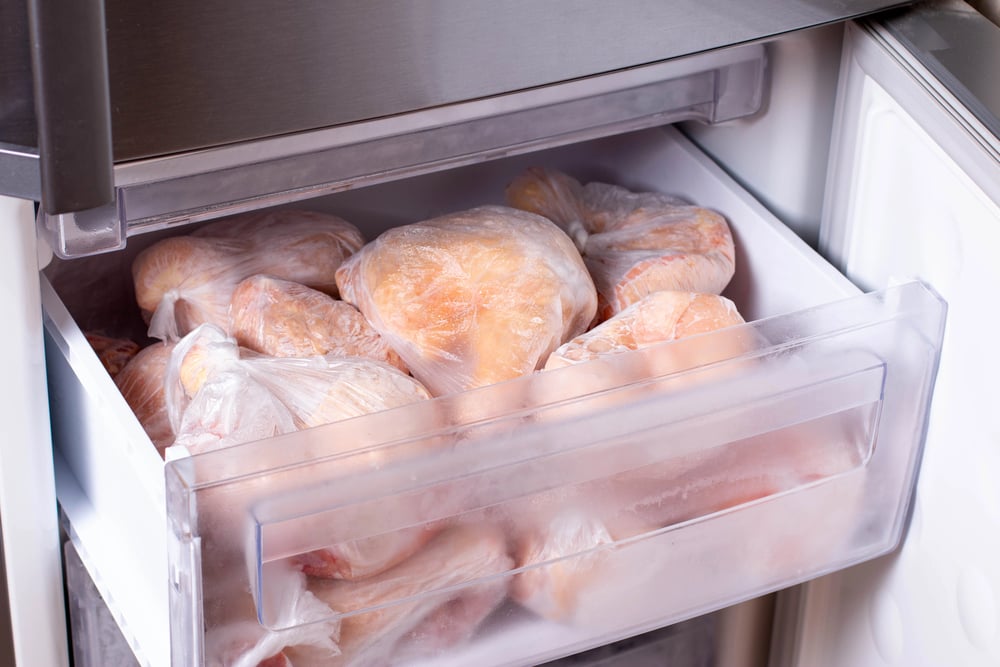
By 1973, Swanson realized that their original portions weren’t satisfying everyone—particularly men who wanted heartier meals. Enter Hungry-Man dinners, featuring double portions and marketed with NFL star ‘Mean’ Joe Greene as spokesman.
These massive meals contained up to 1,500 calories and transformed TV dinners from modest family fare into serious comfort food. The XXL line that followed was so extreme it left only 500 calories from your daily allowance for everything else you might eat or drink.
Stouffer’s Lean Cuisine
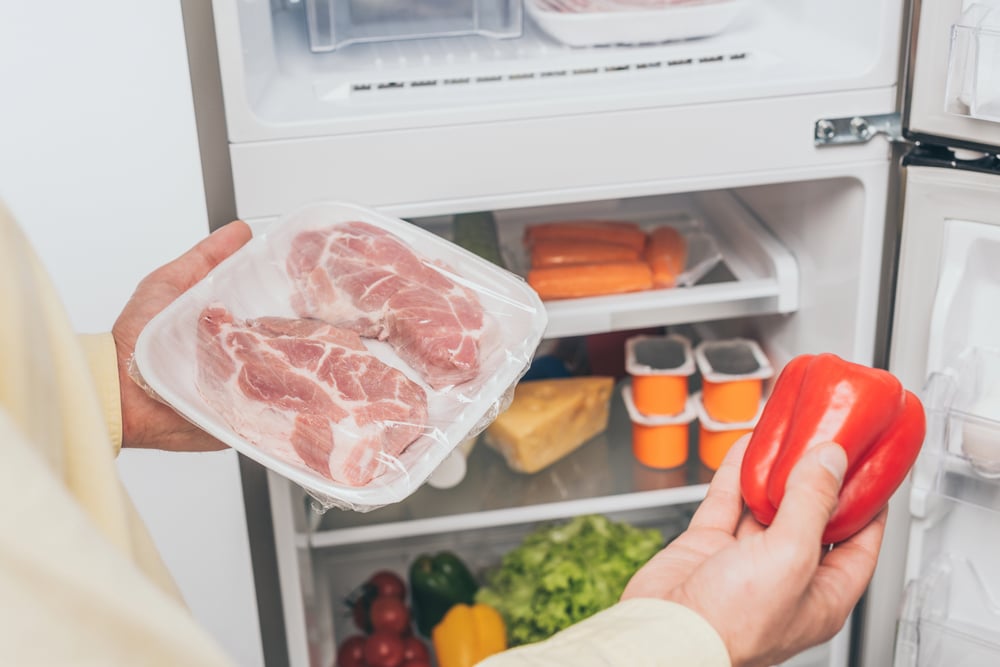
When Stouffer’s launched Lean Cuisine in 1981, it revolutionized the frozen food industry by targeting health-conscious consumers, particularly women, during the height of diet culture. These low-calorie, low-fat versions of popular meals proved there was a huge market for ‘healthier’ convenience food.
The success of Lean Cuisine spawned countless imitators and showed that TV dinners could evolve beyond basic comfort food into lifestyle products that reflected changing American attitudes about health and nutrition.
Kid Cuisine
ConAgra’s 1990 launch of Kid Cuisine was brilliant marketing disguised as a meal. These TV dinners featured whimsical, kid-friendly additions like chicken nuggets shaped like cartoon characters and noodles in fun shapes.
The brand recognized that children had become a powerful influence on family food purchases and created products that made frozen dinners feel like treats rather than convenient substitutes for home cooking. The colorful packaging and playful food shapes made dinner feel like playtime.
Swanson International Dinners
In 1965, Swanson decided to bring the world to American dinner tables with their International Dinners line. These ambitious meals included ‘Mexican Style’ with tamales and enchiladas, ‘Polynesian Style’ with sweet and sour dishes, ‘German Style’ with spaetzle, and ‘English Style’ capitalizing on the fish and chips craze.
While these dinners bore little resemblance to authentic international cuisine, they represented Americans’ growing curiosity about global flavors and Swanson’s willingness to experiment beyond basic meat-and-potatoes fare.
Swanson 3-Course Dinners
Introduced in 1963, these elevated TV dinners attempted to recreate the full restaurant experience at home. Each meal included a portion of Campbell’s soup, an entree with sides, and a dessert—essentially three courses in one convenient package.
This innovation showed Swanson’s ambition to make TV dinners feel more substantial and restaurant-like, rather than just convenient alternatives to home cooking. The concept influenced later premium frozen meal lines that tried to bridge the gap between convenience and quality.
Morton TV Dinners
Morton was another early competitor in the TV dinner space, though they’re better remembered today for their salt than their frozen meals. Their TV dinners competed directly with Swanson and Banquet throughout the 1960s and 1970s before the company eventually transitioned focus to frozen desserts.
Morton’s participation in the TV dinner wars helped establish the competitive market that drove innovation and kept prices reasonable for consumers during the golden age of frozen dinners.
Swanson TV Breakfasts
In 1969, Swanson expanded beyond dinner with TV Breakfasts, recognizing that busy Americans needed convenient morning meals too. The Great Starts line that followed included breakfast sandwiches with egg and Canadian bacon, bringing the TV dinner concept to the most important meal of the day.
This expansion showed how the frozen meal industry was maturing beyond its original dinner-focused concept into an all-day convenience solution.
Le Menu
Swanson’s 1983 launch of Le Menu represented their attempt to go upscale during a period when consumers were becoming more sophisticated about food. These frozen dinners featured more expensive ingredients and were served on undivided plastic microwaveable plates with lids instead of the traditional compartmentalized aluminum trays.
Le Menu was Swanson’s answer to changing American tastes and growing competition from premium brands, though by then they were fighting an uphill battle against established competitors.
Stouffer’s Family Style Dinners
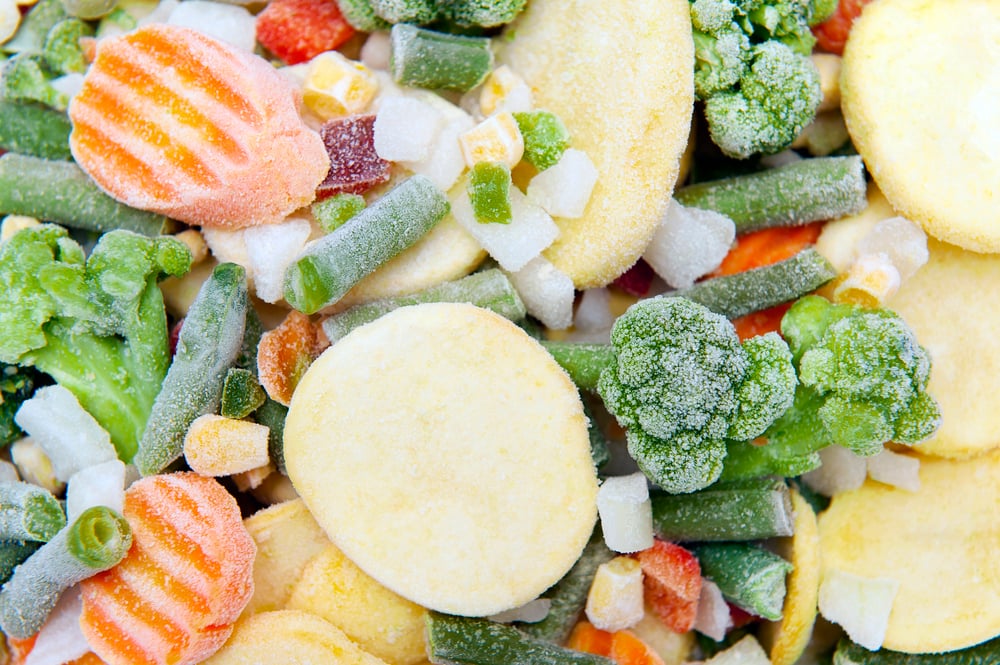
In the 1990s, Stouffer’s revolutionized frozen meals again by creating family-sized portions designed to feed four people. These dinners capitalized on the relatively new microwave technology and appealed to dual-income families who needed quick solutions for feeding the whole family.
The concept proved so successful that other companies quickly followed with their own family-style offerings, showing how the industry continued to evolve to meet changing household needs.
Microwave-Safe TV Dinners
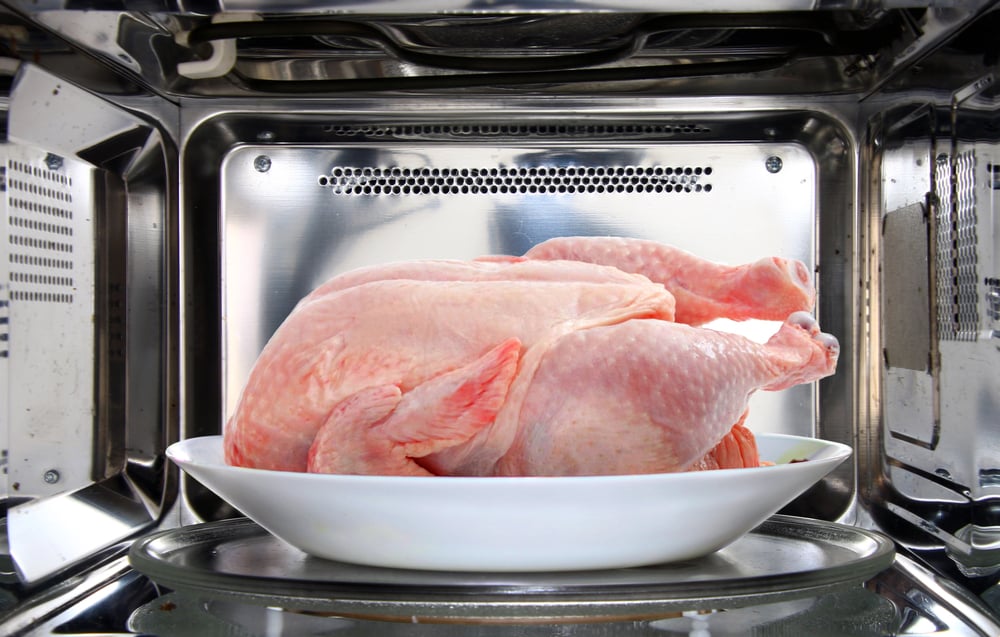
The introduction of microwave-safe packaging in 1986 transformed the entire industry more than any single product. This innovation reduced heating times from 25 minutes in the oven to just a few minutes in the microwave, making frozen dinners truly convenient for the first time.
The switch to plastic containers and new heating technology essentially created the modern frozen meal category and made TV dinners accessible to office workers, college students, and anyone without access to a full oven.
Hot Pockets
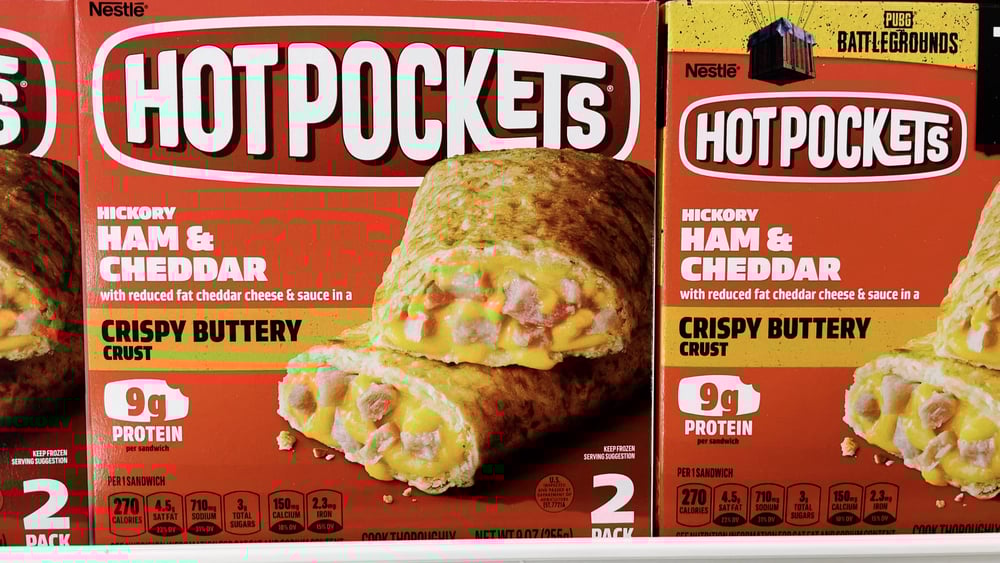
While technically not a TV dinner, Hot Pockets’ 1983 debut changed the frozen convenience food landscape forever. These handheld ‘snacks’ that were really full meals introduced the concept of portable frozen food that could be heated quickly in a microwave.
Despite their reputation for uneven heating—alternating between molten lava and frozen centers—Hot Pockets proved there was a huge market for grab-and-go frozen meals that didn’t require plates or utensils.
Marie Callender’s Frozen Dinners
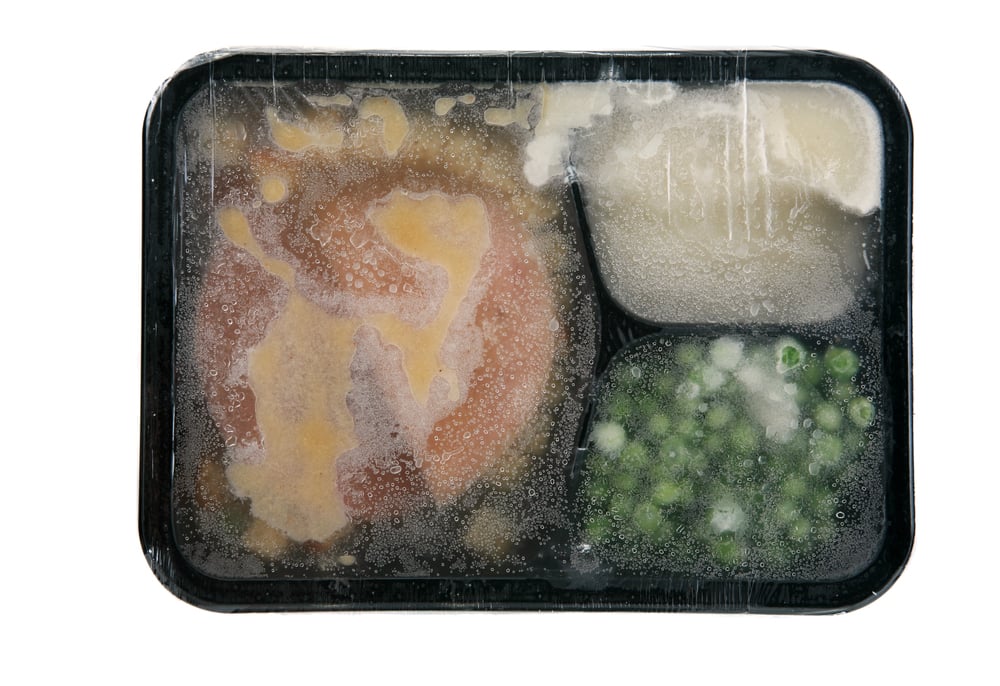
When ConAgra acquired the license to produce Marie Callender’s frozen meals in 1994, they brought a touch of homestyle authenticity to the frozen food aisle. Based on the popular restaurant chain known for its pies and comfort food, these frozen dinners emphasized ‘made-from-scratch taste’ and quality ingredients.
Marie Callender’s represented the industry’s maturation toward premium products that could compete with restaurant meals rather than just providing basic convenience.
From TV Trays to Cultural Revolution
The story of TV dinners is really the story of how American families adapted to a rapidly changing world. What began as a solution to surplus turkey became a symbol of post-war prosperity, changing gender roles, and the rise of television culture.
These frozen meals didn’t just feed families—they changed how families interacted, where they ate, and what they expected from food. While today’s frozen meal options bear little resemblance to those original aluminum trays, they represent the same fundamental promise that made TV dinners revolutionary: that convenience and comfort could coexist, and that dinner could be both effortless and satisfying.
More from Go2Tutors!

- The Romanov Crown Jewels and Their Tragic Fate
- 13 Historical Mysteries That Science Still Can’t Solve
- Famous Hoaxes That Fooled the World for Years
- 15 Child Stars with Tragic Adult Lives
- 16 Famous Jewelry Pieces in History
Like Go2Tutors’s content? Follow us on MSN.



