29 Inventions That Came From NASA
NASA does not sell much to the public, yet its fingerprints are on a surprising share of what ends up in homes, hospitals, and pockets. Engineers solving problems for rockets, capsules, and space stations have a habit of producing ideas that work just as well at ground level.
Some of the items below were invented outright by NASA researchers. Others were advanced, refined, or pushed into the market by NASA research and contracts, which is how the agency’s own Spinoff publication describes many of them. Each one began as a problem that had nothing to do with the consumer.
Memory Foam Born From a Crash Safety Problem
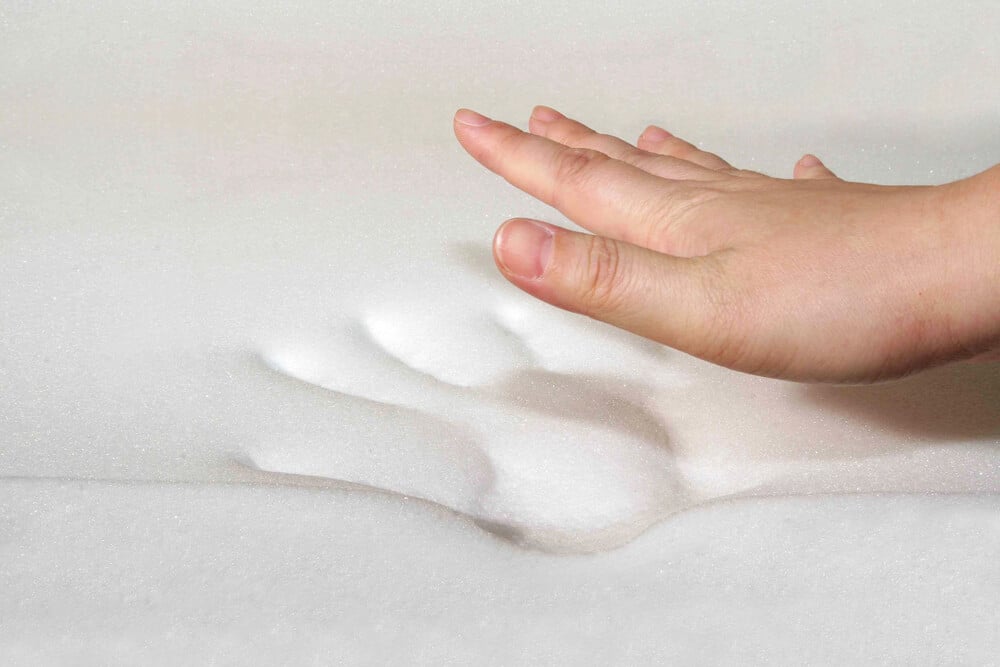
Memory foam began in the 1960s at NASA’s Ames Research Center, where researchers worked on a material that could cushion aircraft seats and protect passengers during a crash. The resulting viscoelastic foam, originally called temper foam, softens under body heat and slowly springs back to its shape.
It was later released for commercial use and went on to appear in mattresses, pillows, medical bedding, and motorcycle seats. The material that now helps people sleep was designed to survive impact.
Cordless Power Tools That Drilled Beneath the Moon
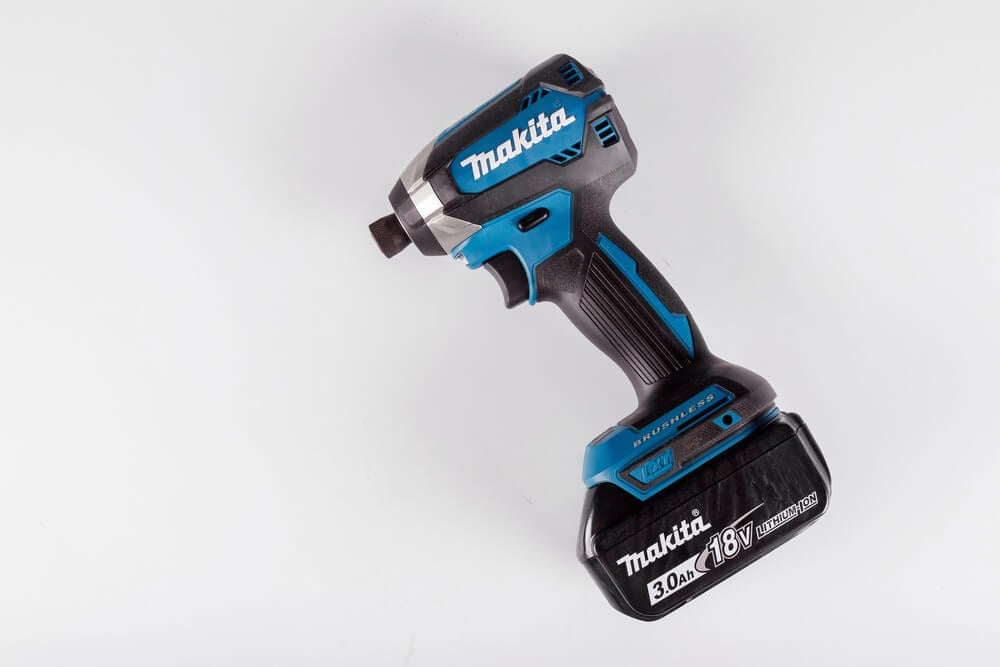
Black & Decker worked with NASA to build a battery-powered drill that astronauts could use to extract core samples from beneath the lunar surface during the Apollo program. The company also developed computer programs to make the drill’s motor use as little power as possible.
That work fed directly into its later cordless tools, including the handheld DustBuster vacuum. The Moon, it turns out, had no outlets.
Scratch-Resistant Lenses From Space Visor Coatings
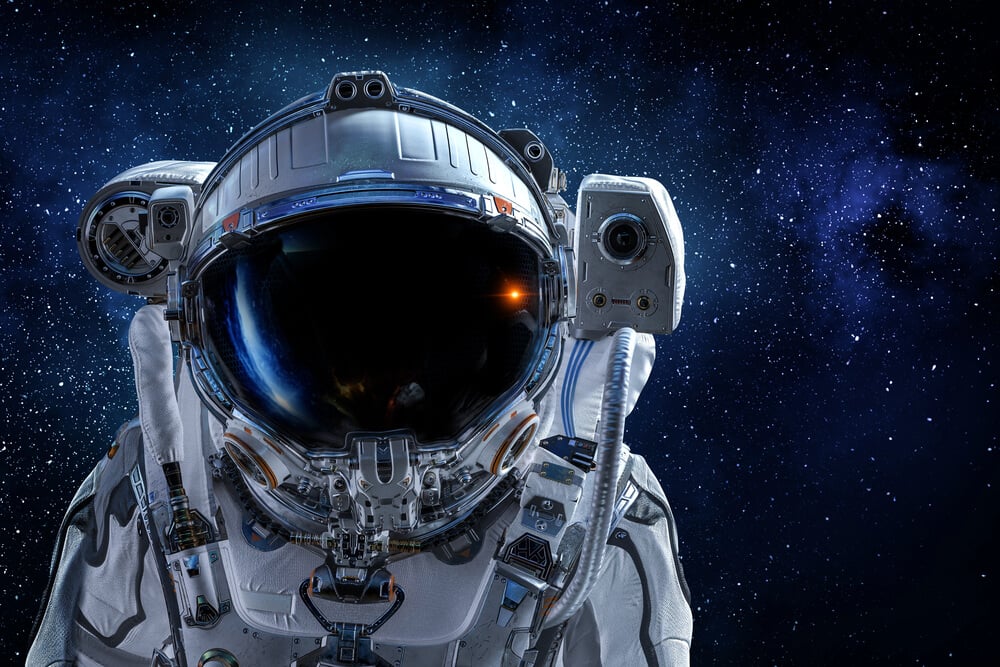
Astronaut helmet visors had to survive dust and abrasion, which pushed NASA’s Ames Research Center to develop an extremely hard, scratch-resistant coating based on diamond-like carbon. Foster Grant licensed the technology, and it became a standard feature in sunglasses and eyeglass lenses.
Anyone who has dropped glasses on a countertop without a mark is benefiting from helmet research.
Invisible Braces From Missile Tracking Ceramics
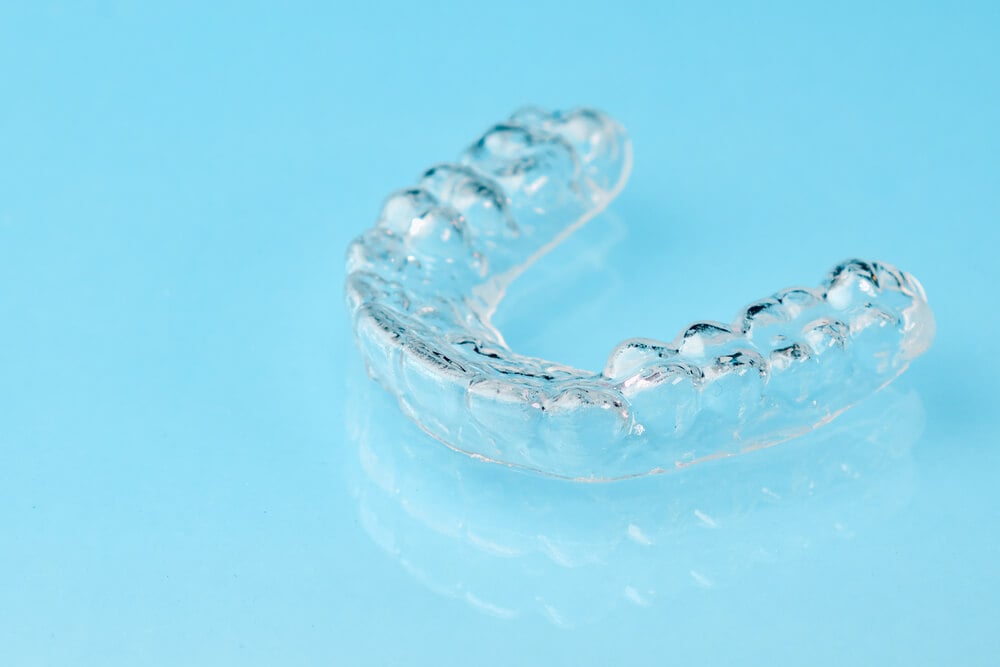
Translucent polycrystalline alumina was originally developed for infrared-transparent housings that protected heat-seeking missile tracking systems. Ceradyne adapted the ceramic for orthodontics, and NASA research support is credited in the lineage of the clear brackets it sold as Transcend.
The brackets are nearly invisible against teeth, but strong enough to handle the force needed to move them. Teenagers who avoided metal braces owe a small thank-you to rocket-era ceramics.
The CMOS Camera Sensor in Nearly Every Phone
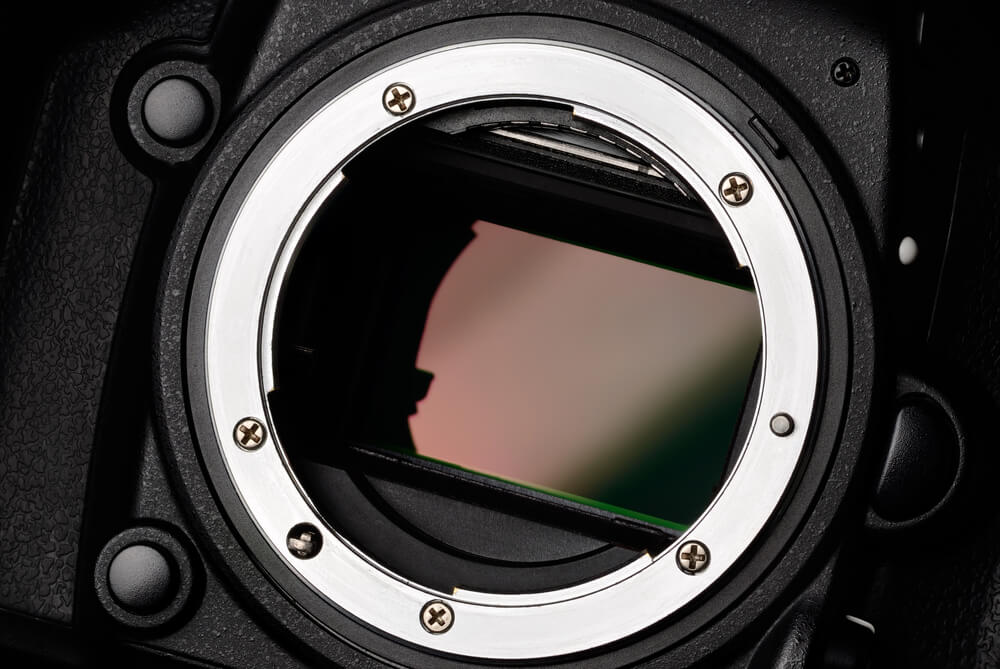
At NASA’s Jet Propulsion Laboratory in the early 1990s, engineer Eric Fossum led work on the CMOS active pixel sensor, a way to put camera electronics on a single small chip using very little power. The goal was to shrink cameras for interplanetary spacecraft.
The technology was commercialized and now sits behind the lenses in countless smartphones, webcams, and medical devices. Fossum was later inducted into the National Inventors Hall of Fame for the work.
The Ear Thermometer Built on Star-Measuring Technology
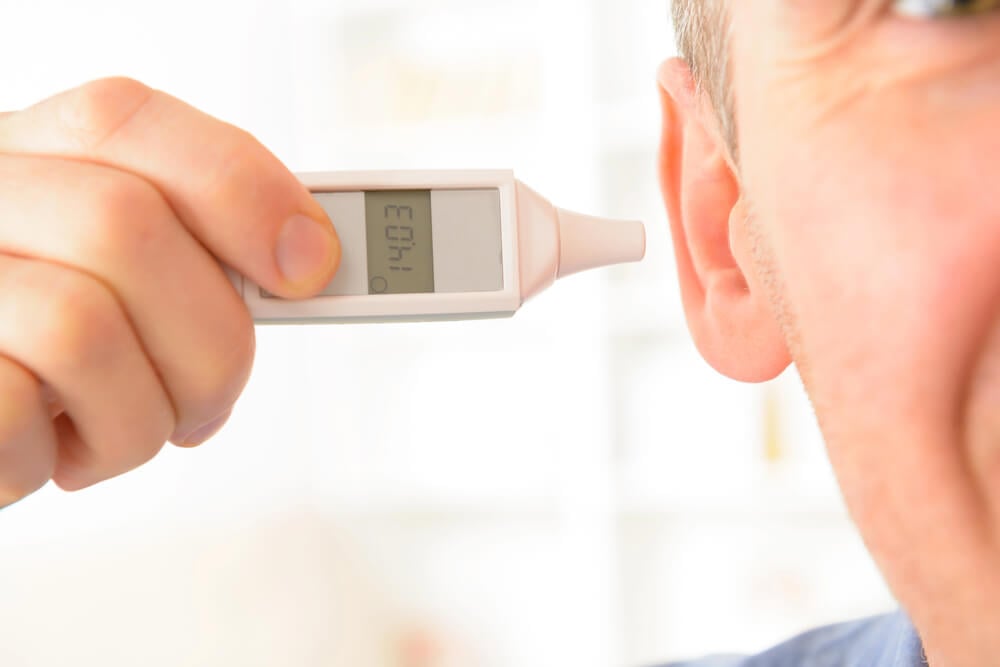
Infrared sensing used to measure the temperature of stars and planets was adapted by Diatek in collaboration with NASA’s Jet Propulsion Laboratory to create the tympanic, or ear, thermometer. The device reads infrared energy from the eardrum and returns a temperature in seconds.
That speed made it a favorite for pediatric exams, where a squirming child can turn a traditional thermometer into a multi-minute negotiation. A technique for measuring distant celestial bodies ended up in a pediatrician’s pocket.
LED Light Therapy That Began With Space Plants

Researchers developing ways to grow plants on the Space Shuttle experimented with light-emitting diodes as a compact, cool-running light source. A company called Quantum Devices took that LED work further and used it for medical light therapy.
The approach was studied for treating painful mouth sores in children undergoing bone marrow transplants and for speeding wound healing. Lettuce lighting turned out to have a medical side.
Algae-Based Nutrients Added to Infant Formula
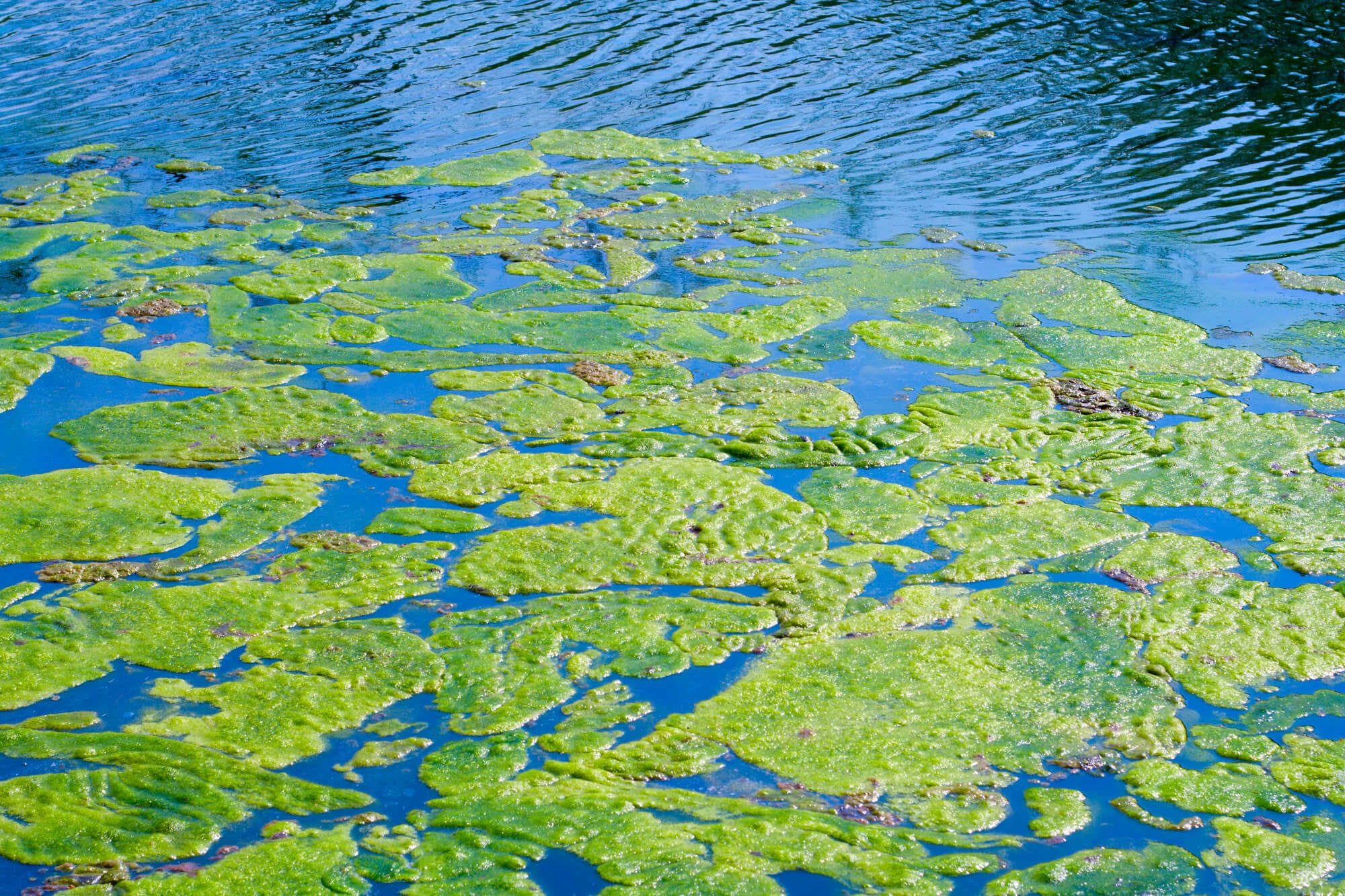
NASA-funded research into algae as a possible food and oxygen source for long-duration missions led Martek Biosciences to develop a nutritional oil derived from microalgae. The oil supplies DHA and ARA, fatty acids found in breast milk, and it became an ingredient in infant formula sold in the United States.
A solution aimed at keeping astronauts fed on a trip to Mars wound up in nursery cupboards.
Winglets That Cut Fuel Burn on Commercial Jets
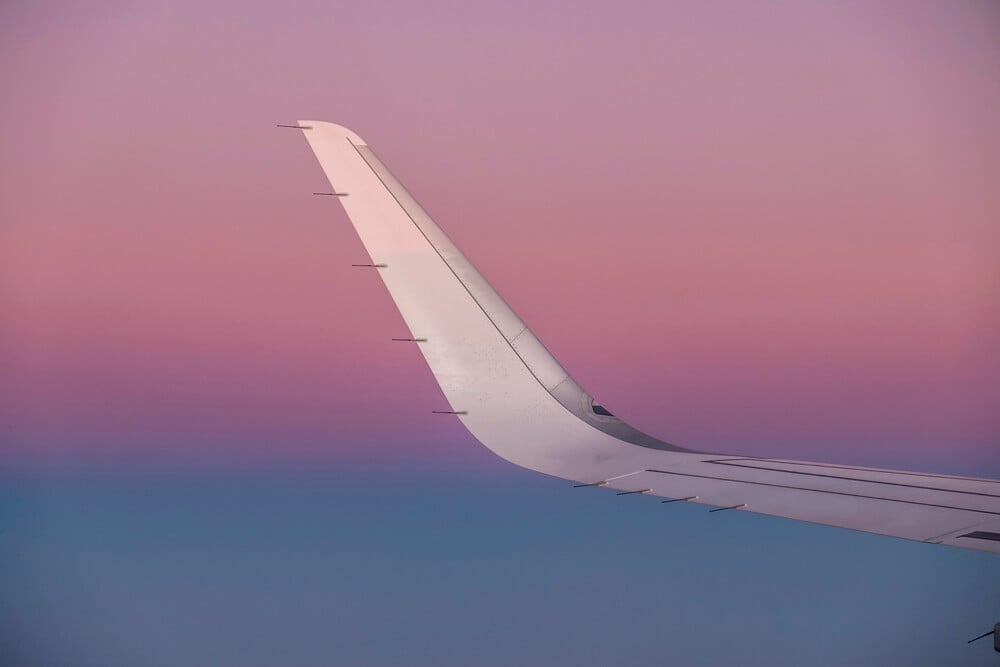
In the 1970s, NASA Langley engineer Richard Whitcomb developed winglets, the upturned tips on aircraft wings, to reduce the drag created by swirling air at the wingtip. The design improved fuel efficiency and range, and it was tested on a NASA research aircraft.
Winglets are now common on commercial airliners and business jets and save enormous amounts of fuel every year. The small vertical fins look like a styling choice, but they are pure aerodynamics.
Runway Grooving That Keeps Wet Surfaces Gripping

NASA’s Langley Research Center studied how to prevent aircraft from hydroplaning on wet runways and found that cutting shallow grooves across the pavement let water escape from beneath the tires. The technique was adopted at runways and then spread to highways, bridges, and curves.
The grooves are narrow, but they dramatically improve traction in rain. Most drivers cross them without knowing a space agency was involved.
A Cochlear Implant Idea From a Kennedy Engineer
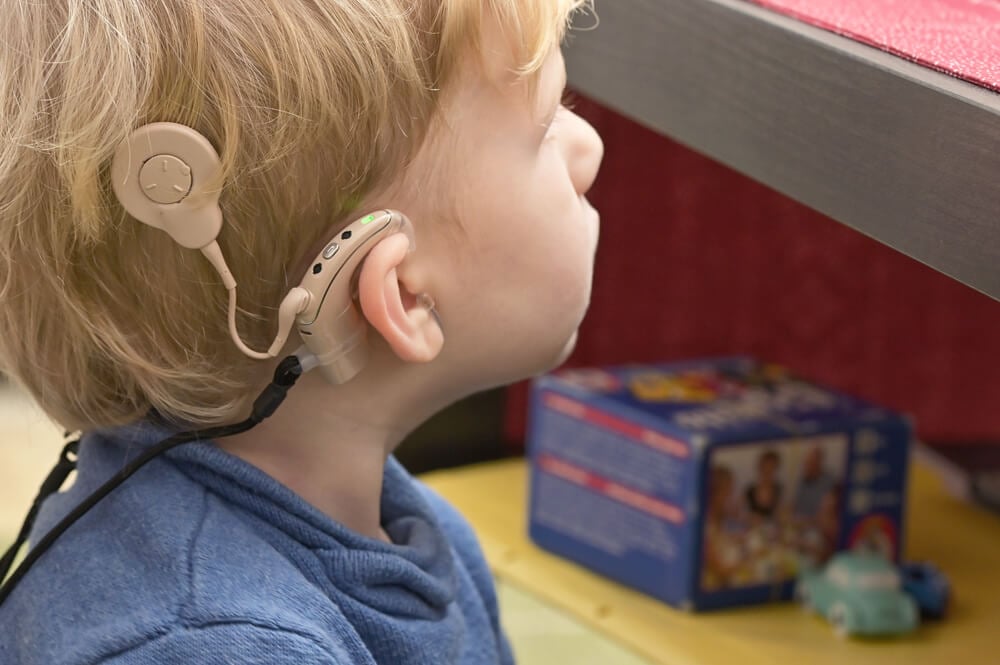
Adam Kissiah, an electronics engineer at NASA’s Kennedy Space Center, drew on his experience in the agency’s instrumentation work to develop a concept for an implant that could help people with profound hearing loss. Cochlear implants convert sound into electrical signals that stimulate the auditory nerve directly, bypassing damaged parts of the inner ear.
Kissiah’s contribution was recognized by NASA decades after he first sketched it.
Rocket Fuel Technology That Clears Landmines
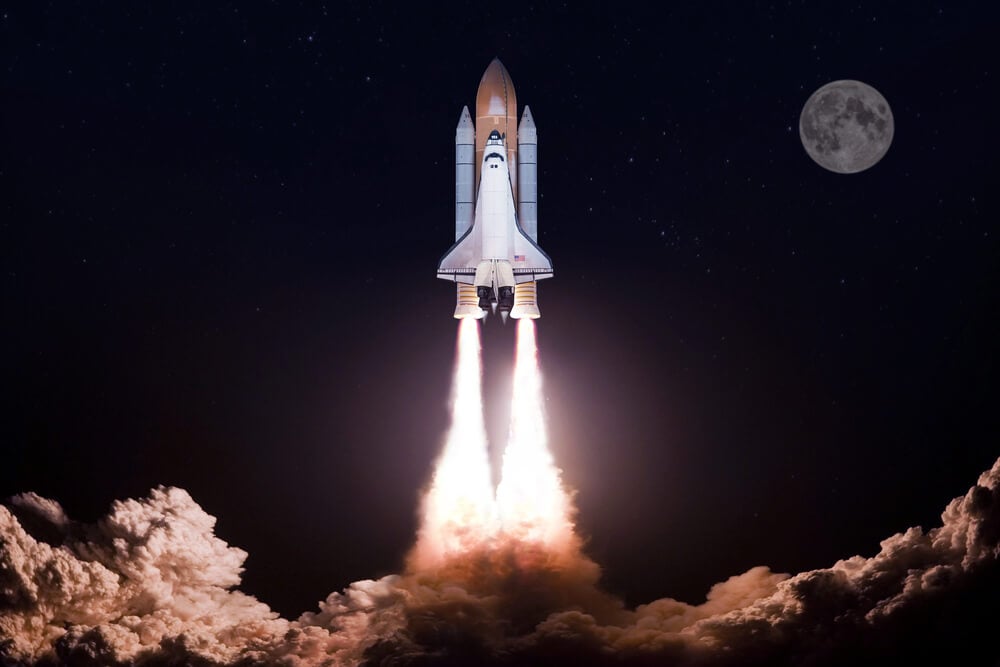
Engineers at NASA’s Marshall Space Flight Center worked with Thiokol, a rocket motor maker, on a device that uses solid rocket propellant to burn through the explosive in landmines without detonating them. The handheld tool burns the explosive away rather than blowing it up, which makes it safer for the operator and gentler on the surrounding land.
It was developed for humanitarian demining, where millions of buried mines still threaten civilians. Propellant meant to launch spacecraft was repurposed to make fields safe again.
The Heart Pump That Borrowed Shuttle Fuel Software
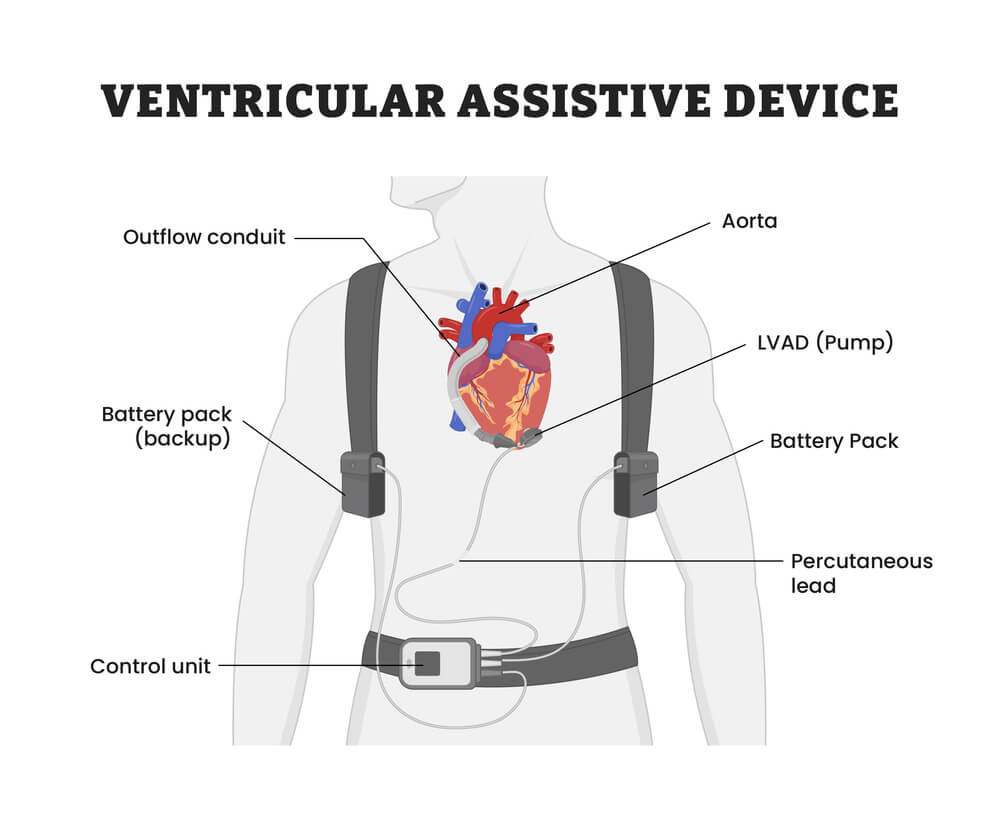
Surgeon Michael DeBakey teamed up with NASA engineers, including Johnson Space Center’s David Saucier, to design a miniature ventricular assist device for people with failing hearts. The team used computational fluid dynamics software developed for the Space Shuttle main engine’s fuel pumps to refine blood flow through the device.
The result was a small pump that could be implanted in the chest and keep blood moving while a patient waited for a transplant. Software built to model rocket fuel turned out to be well suited to modeling blood.
Air Purifiers That Grew Out of Space Plant Research
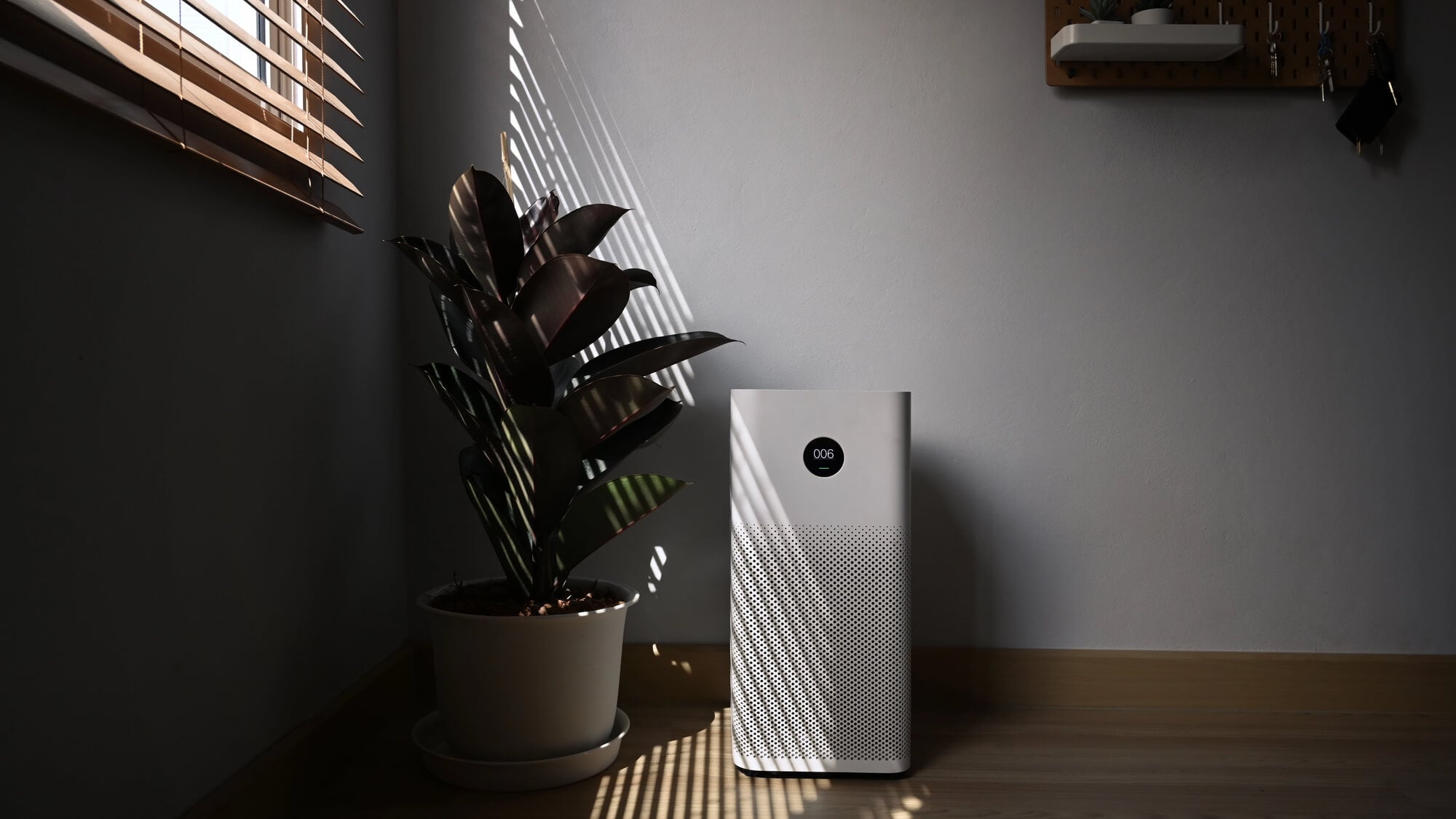
Researchers at the Wisconsin Center for Space Automation and Robotics, a NASA Commercial Space Center, developed a way to remove ethylene gas from plant growth chambers, where it caused produce to ripen and spoil faster. The method used a photocatalytic reaction powered by ultraviolet light.
It was later licensed and adapted into air purifiers that also destroy airborne bacteria, viruses, and mold. A device designed to keep space-grown plants fresh ended up cleaning the air in hospitals and homes.
Lightweight Air Tanks for Firefighters
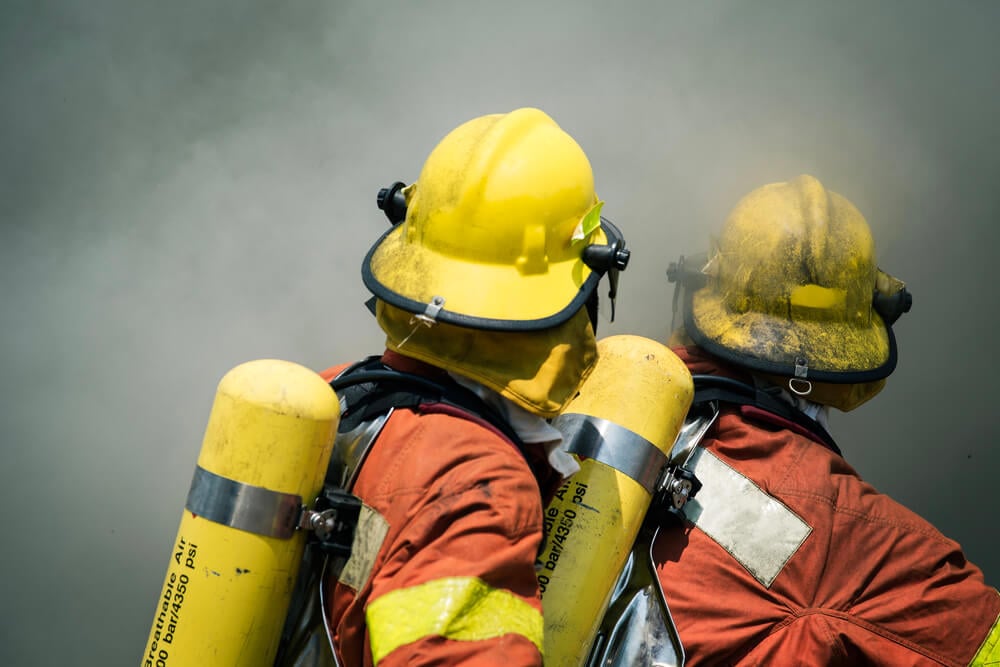
NASA’s Johnson Space Center applied its life support expertise to firefighting, helping develop lighter breathing systems for use in burning buildings. Composite air cylinders and improved face masks reduced the weight firefighters carry into burning buildings.
A firefighter with a lighter load can move faster, and speed matters in a blaze.
Fire-Resistant Fabrics Born From the Apollo 1 Tragedy
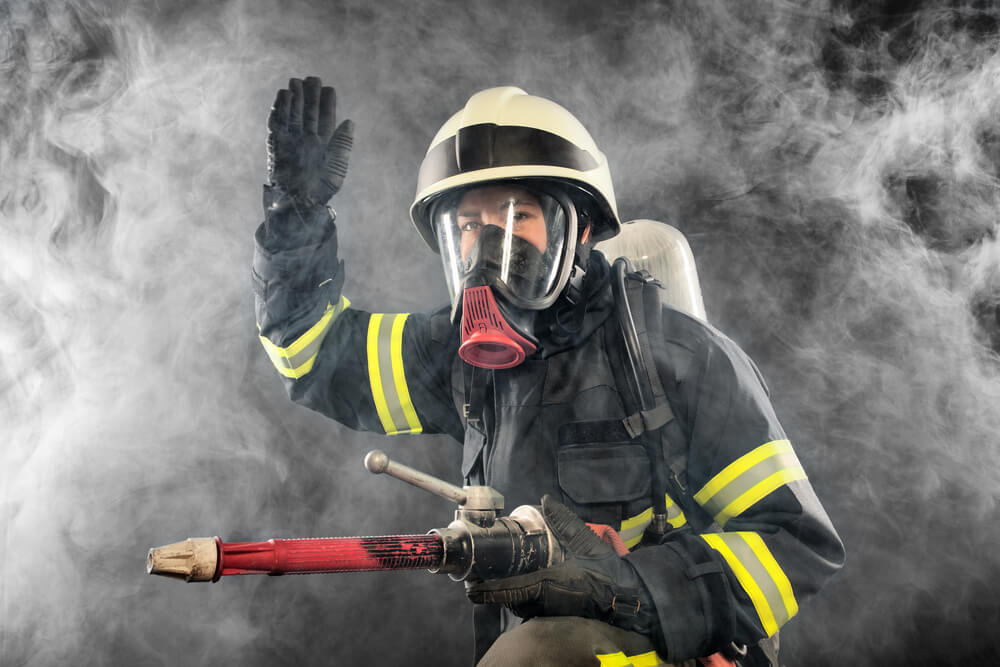
After the 1967 Apollo 1 fire killed three astronauts, NASA pushed to develop fabrics and materials that would not burn in the pure oxygen environment of a spacecraft. One of the advanced materials, polybenzimidazole fiber, went on to be used in firefighter turnout gear and racing suits.
The fibers resist flames and keep their strength at high temperatures. A tragedy on the launch pad produced protection for people who run into fires for a living.
Space Blankets Spun Out of Spacecraft Insulation
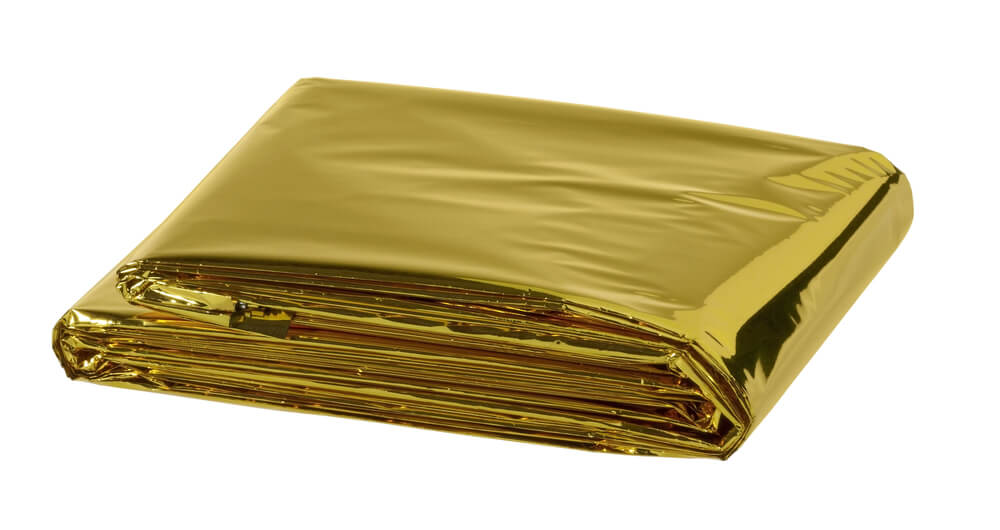
The thin, reflective metallized film known as a space blanket was developed by NASA in the 1960s to protect satellites and spacecraft from extreme heat and cold. The material reflects radiated heat back toward the body, which is why it is now handed to marathon finishers and packed into survival kits.
It weighs almost nothing and folds small. A material built to shield spacecraft from the cold of orbit now wraps cold, exhausted runners.
Digital Image Processing That Sharpened Medical Scans
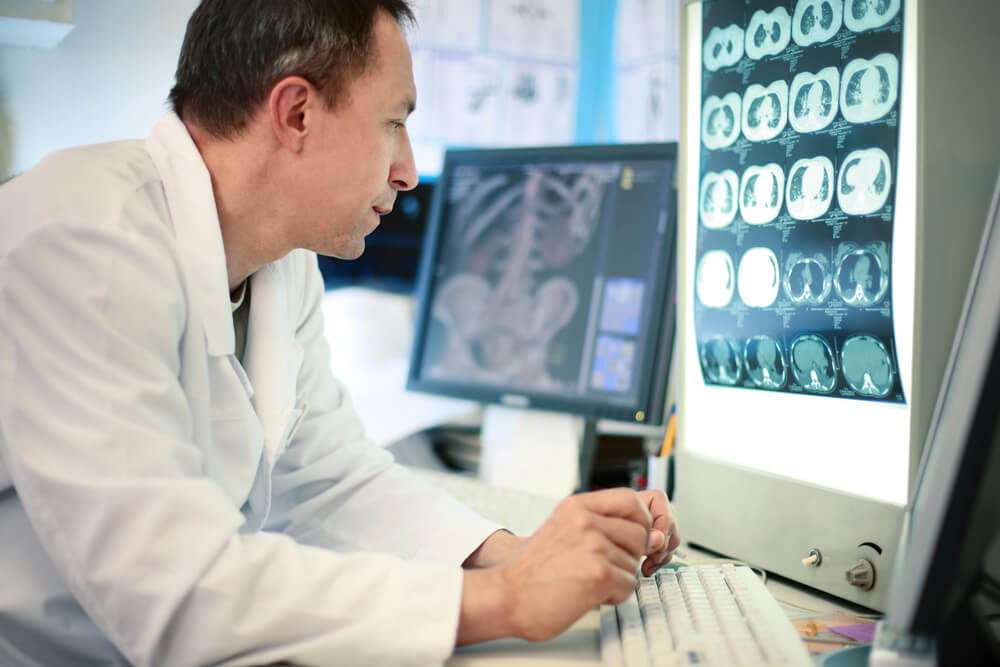
NASA’s Jet Propulsion Laboratory developed digital image processing techniques in the 1960s to clean up and enhance pictures sent back from lunar probes such as the Ranger missions. The same mathematical methods were later applied to medical imaging, including computerized axial tomography, commonly called CAT scans.
The processing turns raw data into clearer pictures of the inside of the body. Pictures of the Moon taught computers how to look inside people.
Hubble Sensor Technology for Breast Biopsy
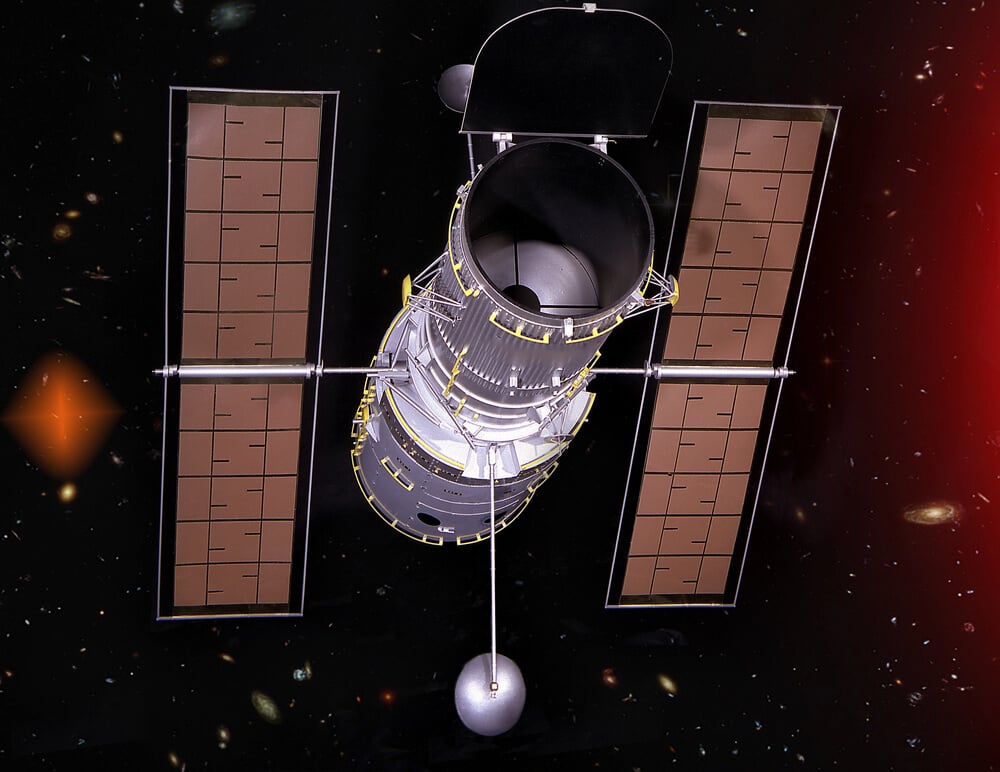
Digital imaging technology developed for the Hubble Space Telescope, including advanced charge-coupled device sensors, was adapted for a stereotactic breast biopsy system. The system uses digital images to guide a needle to a suspicious spot, which reduces the need for open surgery.
Technology built to find faint galaxies ended up locating small lumps.
Silver Ion Water Purification From the Apollo Spacecraft
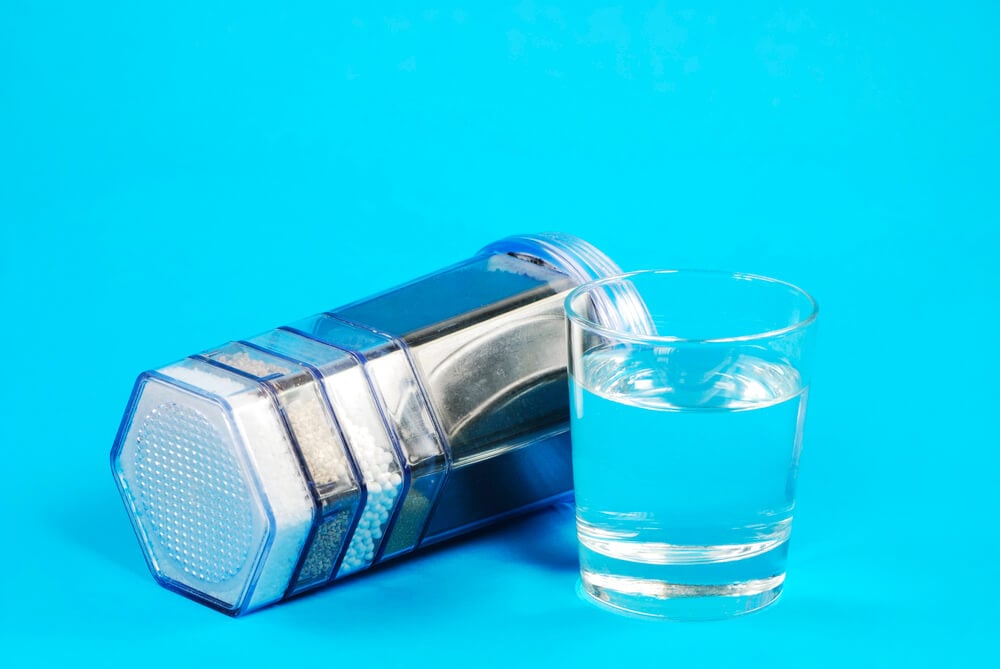
The Apollo spacecraft needed a way to keep drinking water free of bacteria during long missions, and NASA developed an electrolytic system that released silver ions into the water supply. The approach later inspired commercial water purification for swimming pools, where it helps keep the water clean.
NASA also advanced iodine-based water treatment for the Space Shuttle. Anyone swimming in a pool treated with silver ions is using a method that traces back to a lunar capsule.
Aerogel Insulation Refined for Space Missions
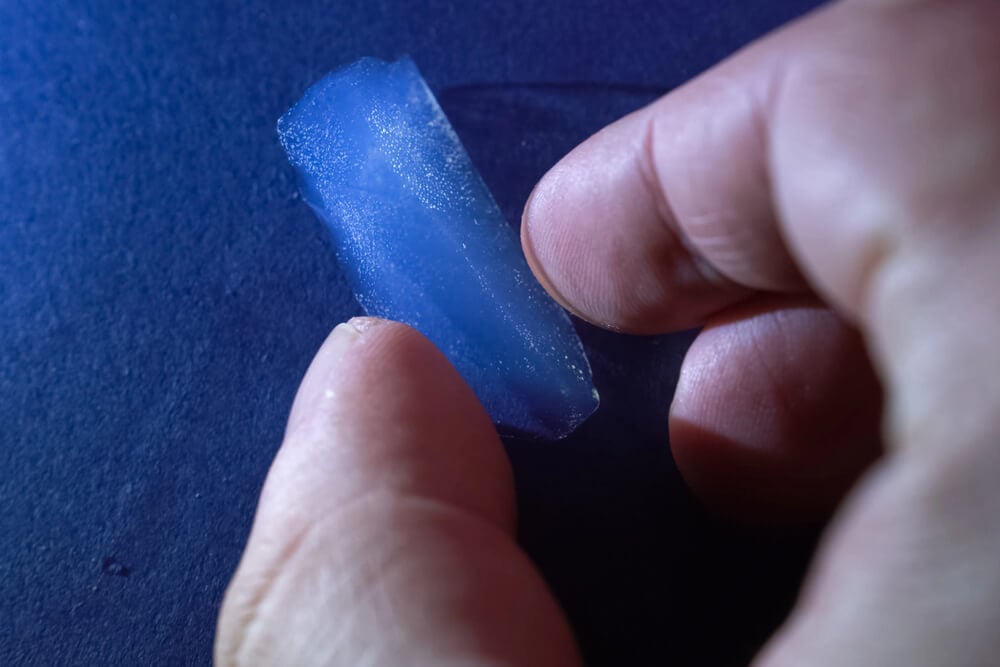
Aerogel, a lightweight solid made mostly of air, was first created decades before the space age, but NASA research helped advance it. The material was used in missions such as Stardust, which collected comet dust in aerogel blocks.
It was later commercialized as insulation by companies that received NASA research funding, including Aspen Aerogels. Despite feeling like a wisp of smoke, it is among the best thermal insulators known.
The VITAL Ventilator Designed in 37 Days
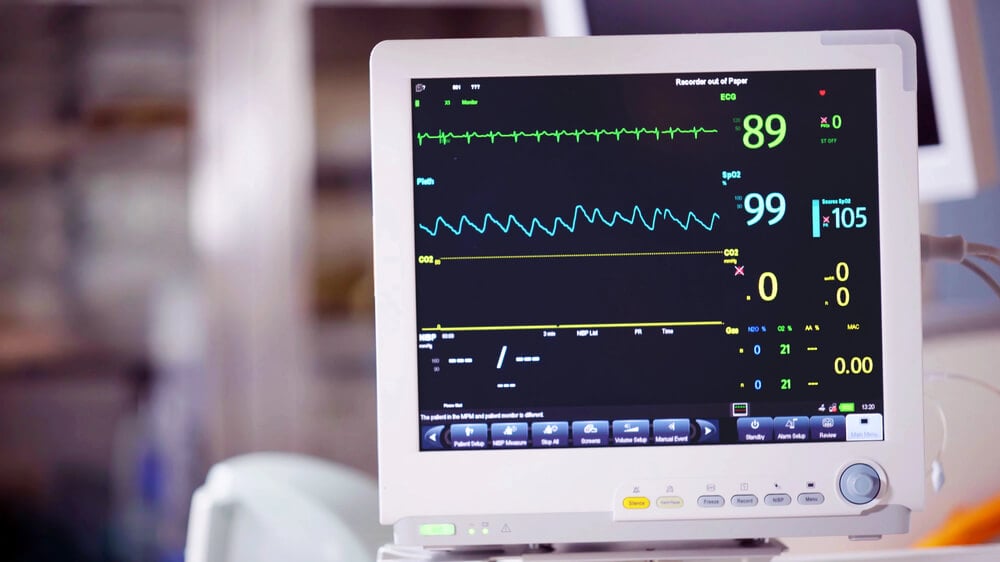
When the COVID-19 pandemic strained hospital supplies in 2020, engineers at NASA’s Jet Propulsion Laboratory designed a ventilator called VITAL in just 37 days. It was built with far fewer parts than conventional ventilators, which made it easier to produce quickly.
The Food and Drug Administration granted it emergency use authorization in 2020, and the design was licensed to manufacturers around the world. A team used to building Mars rovers proved it could build a medical device on a short deadline.
Smoke Detectors Refined for Skylab
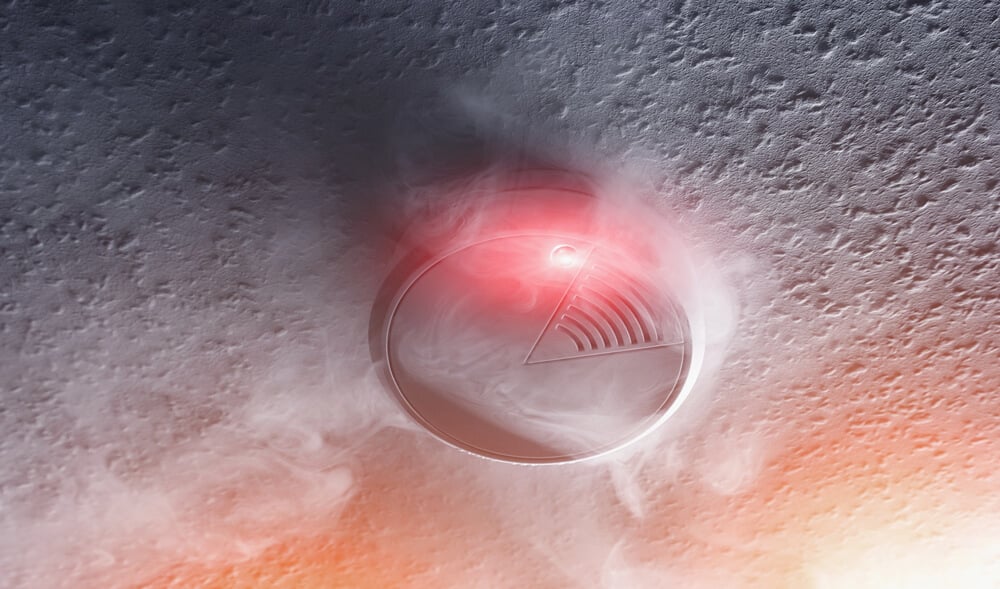
When NASA prepared the Skylab space station, it needed a smoke detector that could be adjusted to avoid false alarms from normal activity while still sensing a real threat. Honeywell developed a detector with adjustable sensitivity for the station.
That approach influenced the household smoke detectors that followed. A space station with no way to open a window needed a very reliable alarm.
Liquid Cooling Garments From the Moon Suits
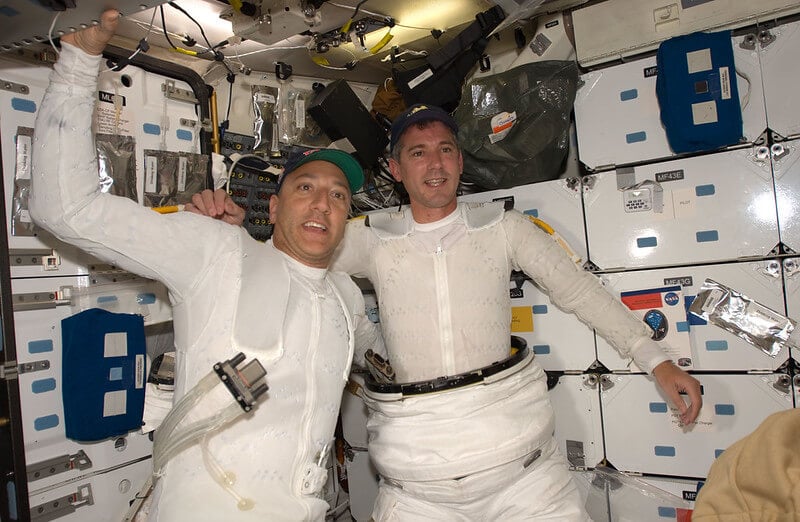
Apollo astronauts wore undergarments laced with thin tubes of circulating water to keep them cool while working in their bulky spacesuits on the lunar surface. The technology was adapted into cooling garments for people with multiple sclerosis, whose symptoms can worsen when body temperature rises.
It has also been used by race car drivers and workers in extremely hot environments. A suit designed for the Moon’s heat now keeps people comfortable on Earth.
Phase-Change Fabrics That Regulate Temperature
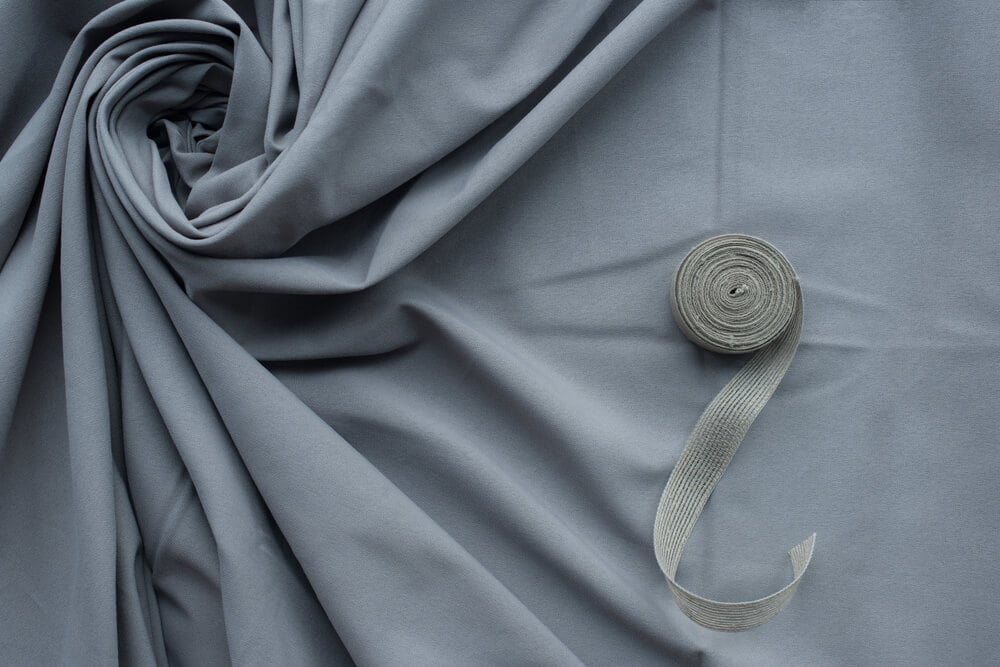
Triangle Research and Development, working with NASA funding, developed microscopic capsules filled with phase-change materials that absorb heat when it is warm and release it when it cools. The idea was to protect astronauts’ gloves from extreme temperature swings.
The technology was licensed for use in outdoor clothing, bedding, and other textiles under the Outlast name. The fabric essentially acts like a thermostat woven into the clothing.
Fireproofing Coatings From the Apollo Heat Shield
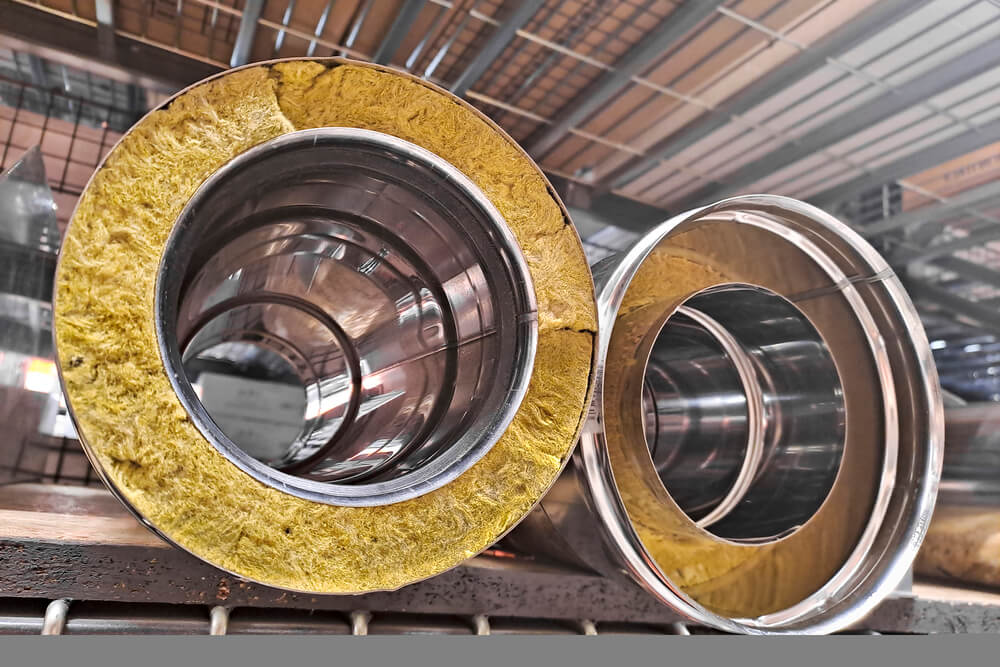
Avco’s ablative coating developed for the Apollo spacecraft heat shield, a material that chars and erodes to carry heat away, inspired Chartek, a thick fireproofing coating. The coating is used to protect steel structures on offshore oil platforms and in industrial facilities, where it swells into an insulating layer when fire hits it.
A shield designed for reentry from the Moon now protects structures that sit in the open sea.
Radiant Barriers Borrowed From Spacecraft Insulation
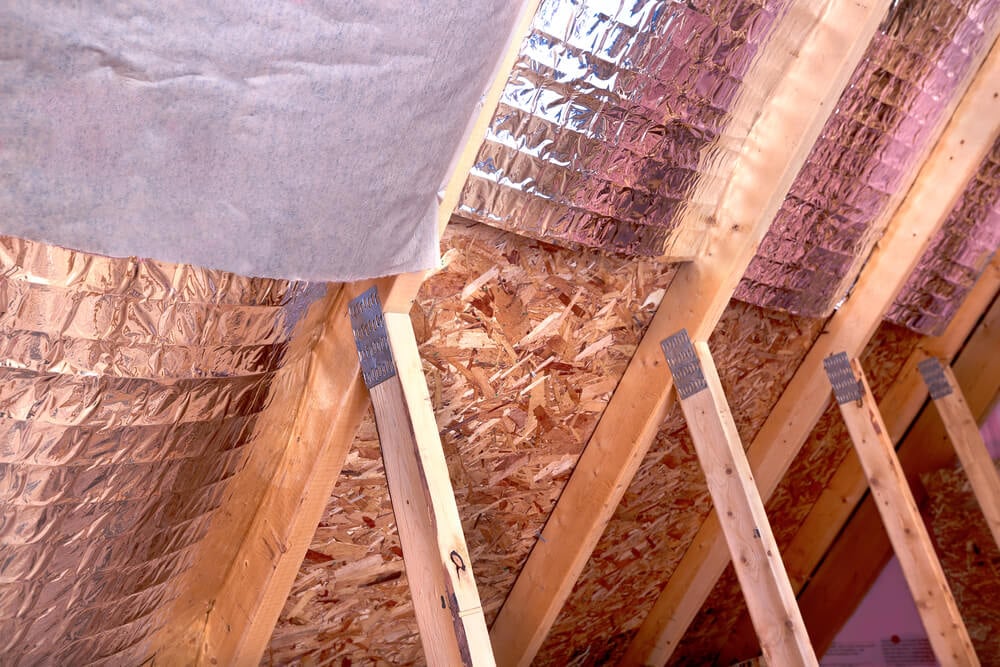
Reflective aluminized films used in spacecraft to block radiant heat were adapted for buildings as radiant barriers, which are installed in attics to reduce summer cooling costs. NASA research on reflective insulation helped bring the technology to the construction industry.
The barrier reflects heat instead of absorbing it, so less warmth enters the living space below. The same principle that keeps spacecraft from overheating can keep a house cooler.
Real-Time GPS Corrections From JPL
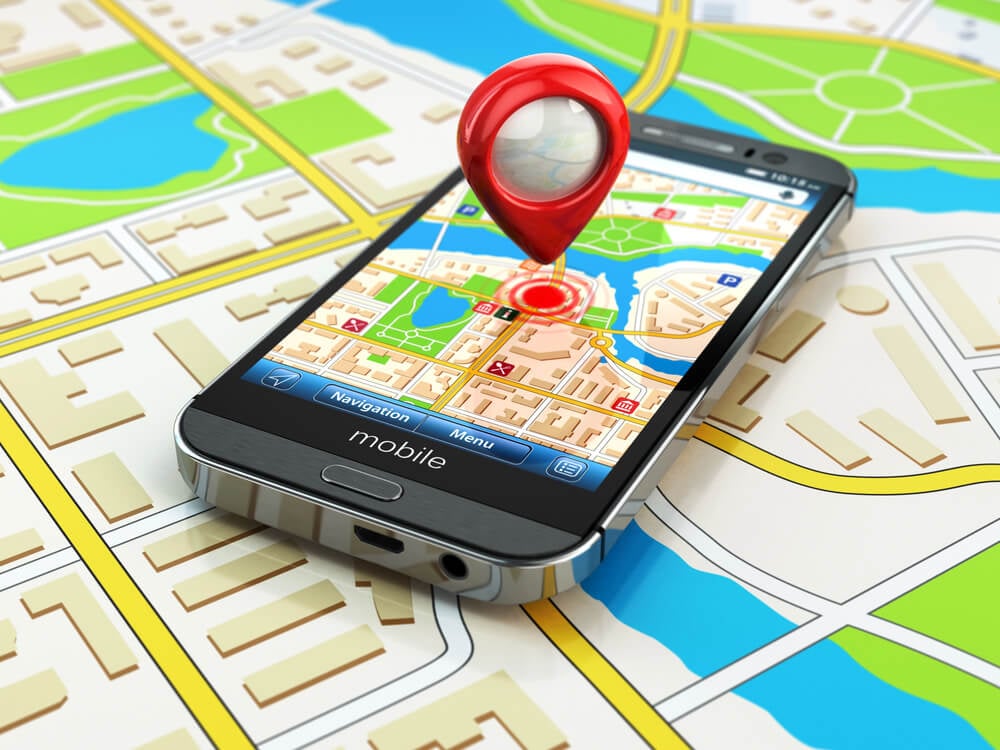
The Jet Propulsion Laboratory developed the Global Differential GPS system, which uses a worldwide network of reference stations to correct errors in satellite navigation signals in real time. The corrections sharpen accuracy well beyond what a standard receiver delivers.
The system supports applications from aviation to surveying to monitoring movements of the Earth’s crust. The blue dot on a phone map is only the beginning of what satellite navigation can do.
Food Safety Rules Invented for Astronaut Meals

In the 1960s, the Pillsbury Company worked with NASA to guarantee that astronaut food would be free of contamination, because a case of food poisoning in orbit could not be treated. The result was the Hazard Analysis and Critical Control Points system, known as HACCP, which identifies where contamination could occur and monitors those points.
The approach was later adopted by federal regulators for much of the food supply. The safety system that protects what Americans eat began with a menu for astronauts.
Why Space Keeps Handing Problems Back to Earth
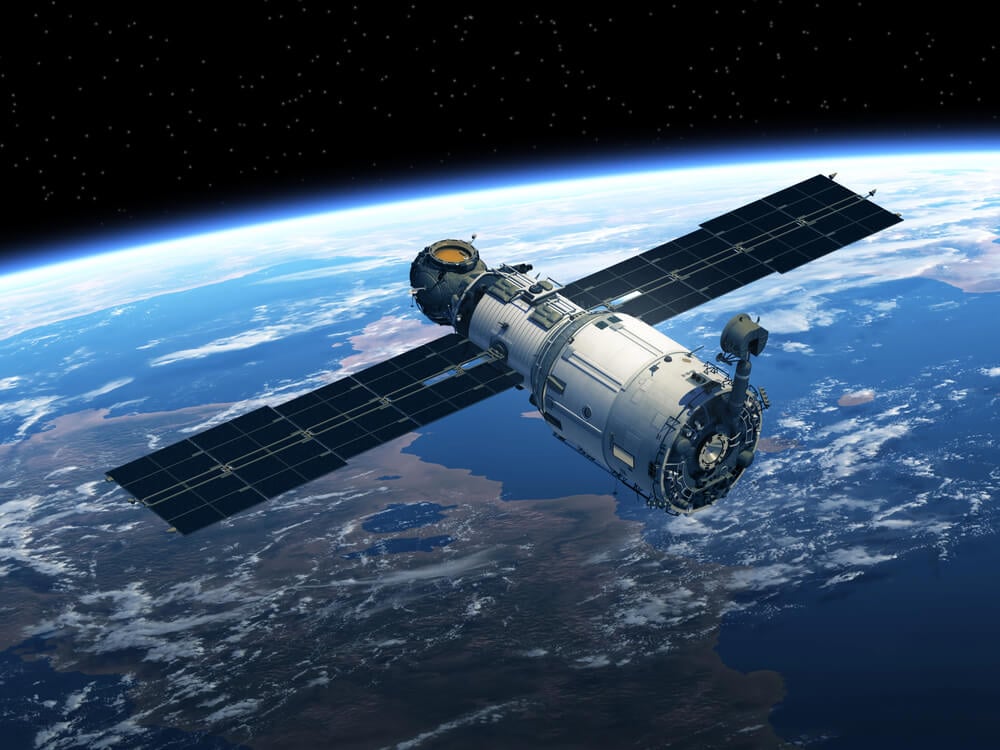
The pattern across these entries is not magic so much as constraint. Spacecraft have strict limits on weight, power, heat, and reliability, so engineers are forced to find solutions that are small, light, efficient, and dependable.
Those same qualities are exactly what hospitals, builders, and consumers want, which is why technologies move so easily from the launch pad to the living room.
It also helps that NASA publishes its work and licenses technologies to private companies, which can turn a research result into a product. Not every well-known space story is true, since many familiar claims about NASA inventions are myths.
But the real list is long enough to make the point that research done for a distant goal rarely stays distant.
More from Go2Tutors!

- The Romanov Crown Jewels and Their Tragic Fate
- 13 Historical Mysteries That Science Still Can’t Solve
- Famous Hoaxes That Fooled the World for Years
- 15 Child Stars with Tragic Adult Lives
- 16 Famous Jewelry Pieces in History
Like Go2Tutors’s content? Follow us on MSN.