28 Kitchen Staples Moms Always Had In The ’70s
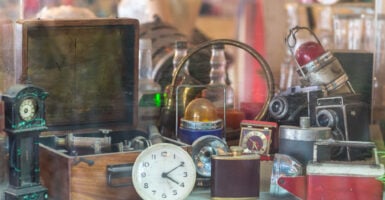
Open a kitchen cabinet in 1975 and a very particular inventory looked back. Boxes promised dinner in twenty minutes, cans promised it in five, and the cookware came in colors that matched the refrigerator.
Most of it was engineered by food scientists who had never met the women buying it, yet it ended up defining what a weeknight meal tasted like for an entire generation.
Some of these products are still on shelves, some have vanished, and a few have become collectibles in their own right. Together they tell the story of a decade when convenience was the point, and nobody apologized for it.
Hamburger Helper and the Box That Stretched a Pound of Beef
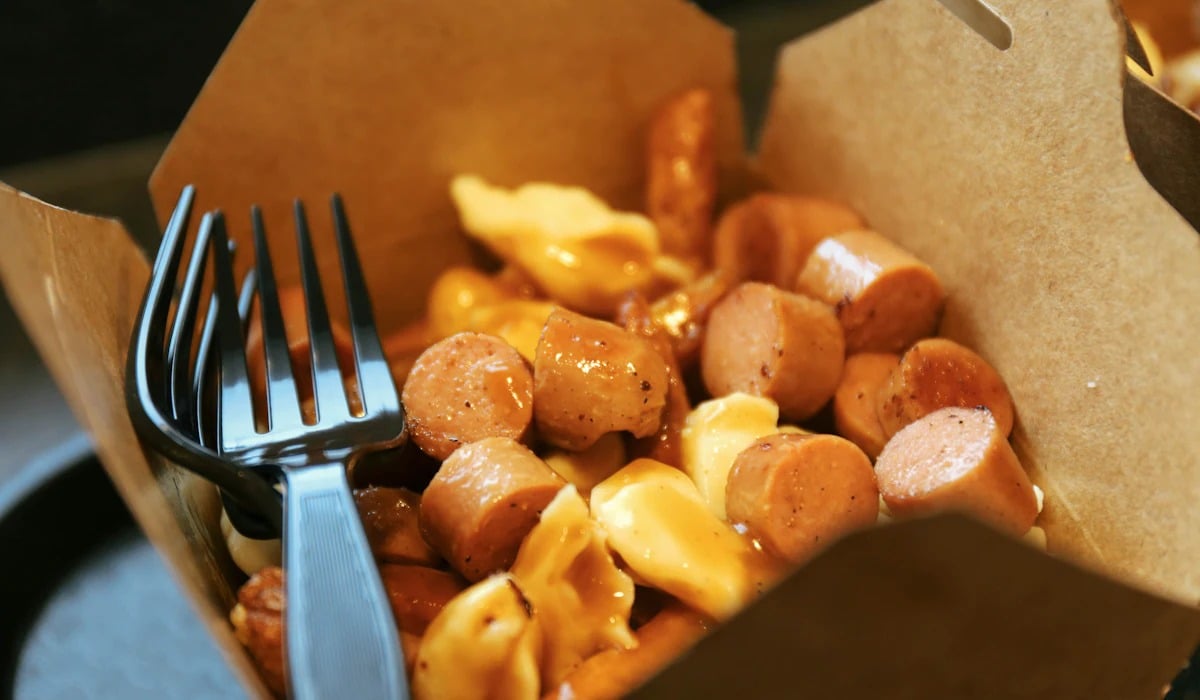
General Mills launched Hamburger Helper in 1971 under its Betty Crocker label, and the timing was no accident, since beef prices were climbing and households wanted to feed more people with less meat. The original lineup had five flavors, each a box of dried pasta and a seasoning packet that turned one pound of ground beef into dinner for a family in a single skillet.
The brand’s cheerful four-fingered glove mascot, Lefty, did not arrive until 1977, so the earliest boxes feel oddly plain next to the ones most people remember. By the end of the decade, the product was so common that “Helper” had become shorthand for any skillet dinner.
Jell-O in Every Shade of the Rainbow
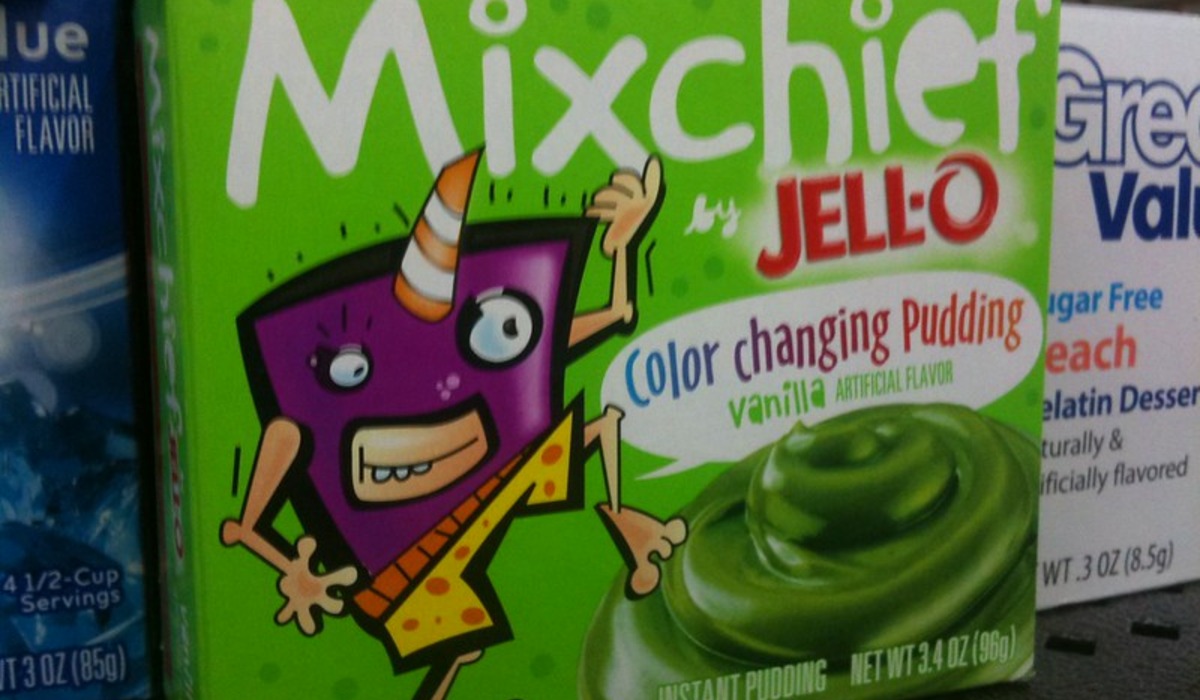
Jell-O was already old by the ’70s, with the brand name dating to 1897 in LeRoy, New York, but the decade was its peak as a dinner-party centerpiece. Molded salads suspended shredded carrots, canned pineapple, or cottage cheese in lime or orange gelatin, and the copper and aluminum molds hung on kitchen walls as decoration between uses.
General Foods introduced Jell-O 1-2-3 in 1969, a single mix that separated into three layers as it set, and it became a lunchbox staple through the ’70s. The company also pushed Jell-O as a diet food, which helps explain why so many ’70s recipes paired it with Cool Whip and called the result a salad.
Crisco in the Blue Can

Procter & Gamble introduced Crisco in 1911 as the first all-vegetable shortening, and by the ’70s the squat blue can sat next to the stove in a huge share of American kitchens. The name is a compression of “crystallized cottonseed oil,” which was the original raw material before soybean oil took over.
Moms used it for pie crusts, fried chicken, and greasing cake pans, and the can itself did double duty as a scoop for flour. Recipes printed on the label and in Crisco’s own cookbooks assumed a cook would go through a can every few weeks, which many households did.
Tang and the Astronaut Connection
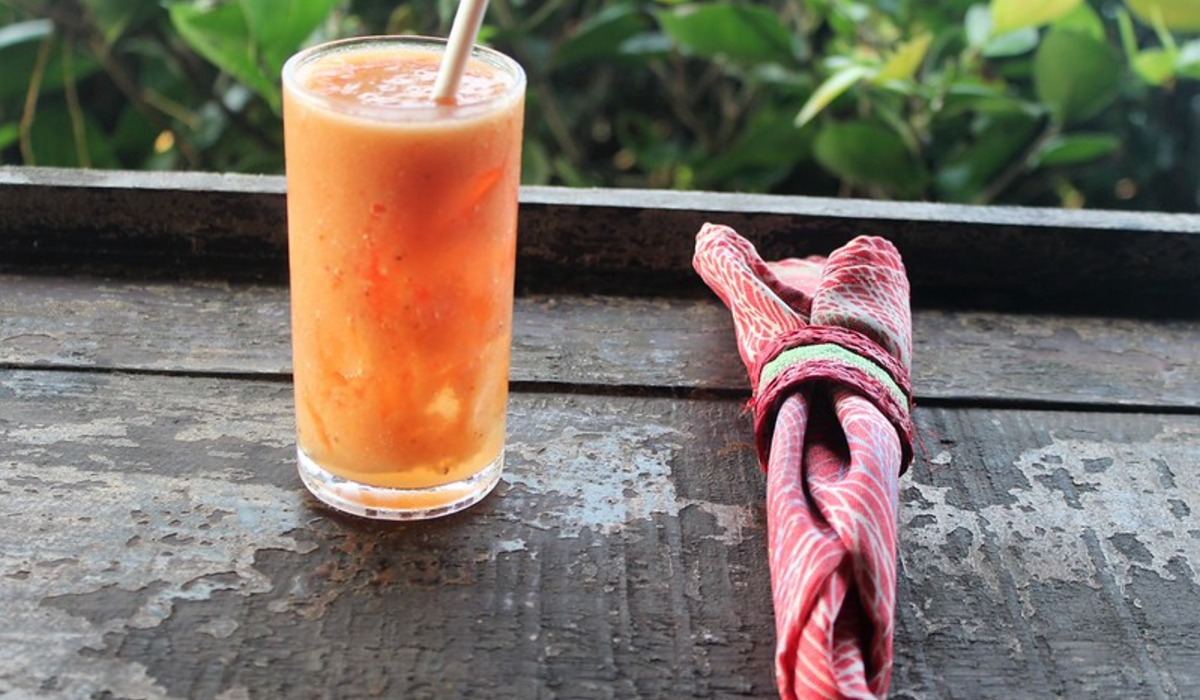
Tang was developed by General Foods chemist William A. Mitchell and reached grocery shelves in 1959, where it sold poorly until NASA packed it aboard John Glenn’s Friendship 7 flight in 1962.
The company leaned hard on the space program through the Gemini and Apollo years, and by the ’70s the orange powder was a breakfast fixture that parents considered healthy because the label mentioned vitamin C. The jar’s screw-top lid and the orange dust it left on the counter are details anyone who grew up with it remembers.
Tang was never invented for astronauts, despite the persistent myth, but the marketing worked so well that the connection has outlived the moon landings.
Shake ‘n Bake and the Kids Who Helped
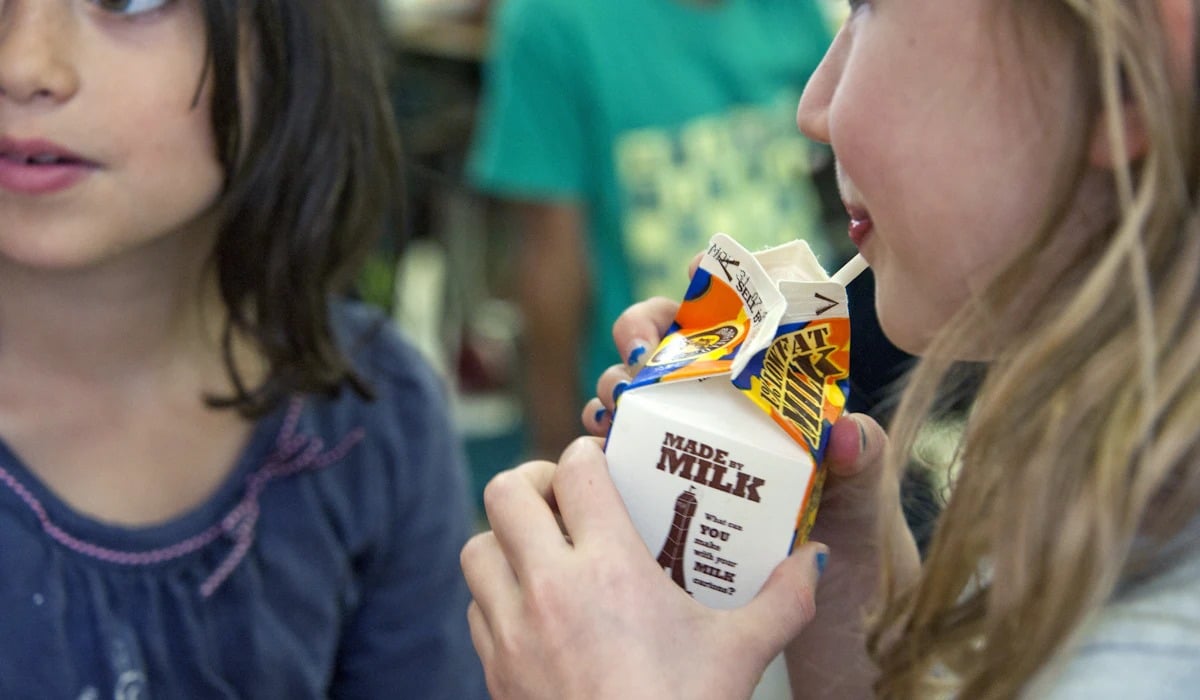
General Foods introduced Shake ‘n Bake in 1965, and its real genius was the plastic bag included in the box, which let a child coat chicken pieces by shaking them in seasoned crumbs. The commercials of the late ’60s and ’70s built an entire campaign around that moment, with a small girl announcing that she had helped.
Baking the coated pieces instead of frying them was pitched as both cleaner and lighter, which appealed to mothers already tired of standing over a skillet. The product is still sold, but the oven-baked chicken that defined so many ’70s dinners owes almost everything to that bag.
Tupperware and the Burping Seal
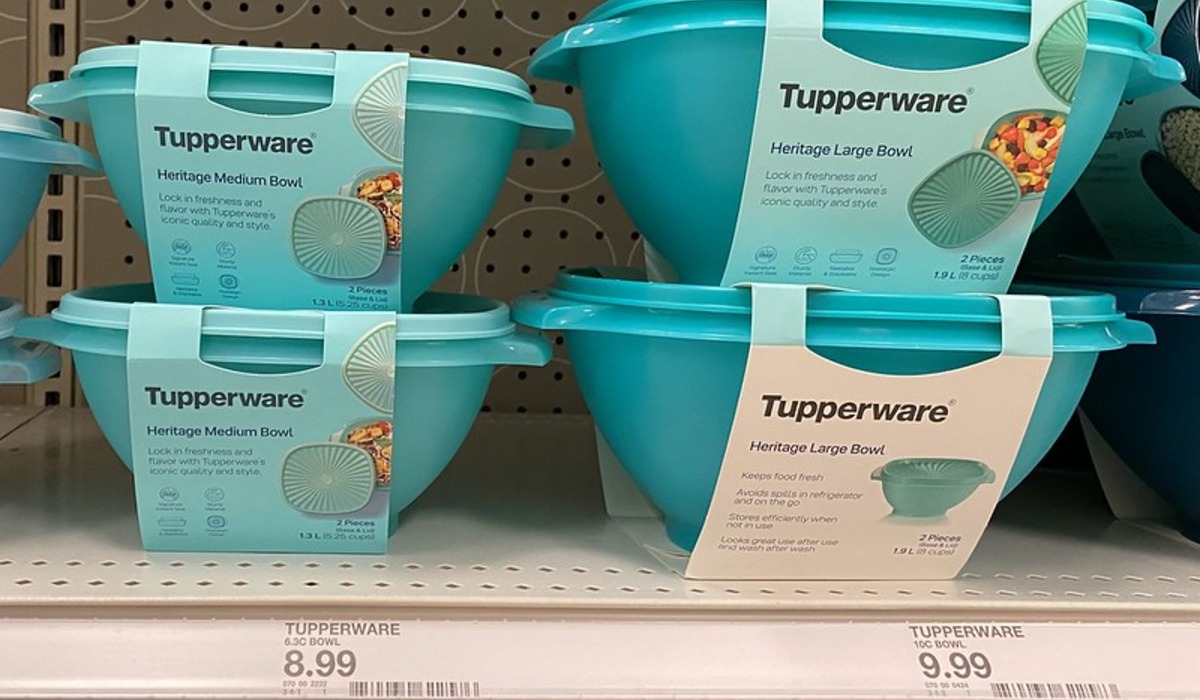
Earl Tupper molded his first polyethylene containers in the late ’40s, but the product only took off after Brownie Wise built the home-party sales system that made Tupperware a living-room event. By the ’70s, the containers came in harvest gold, avocado green, and burnt orange, and the airtight lid with its signature burp was demonstrated at parties across the country.
Pieces like the Wonderlier bowl and the pastel Servalier set were handed down and swapped between neighbors, and many are still in use. Tupperware was pulled from stores in the early ’50s so that it could be sold only through parties, a decision that made the brand a social institution rather than just a container.
Corelle Plates That Would Not Break
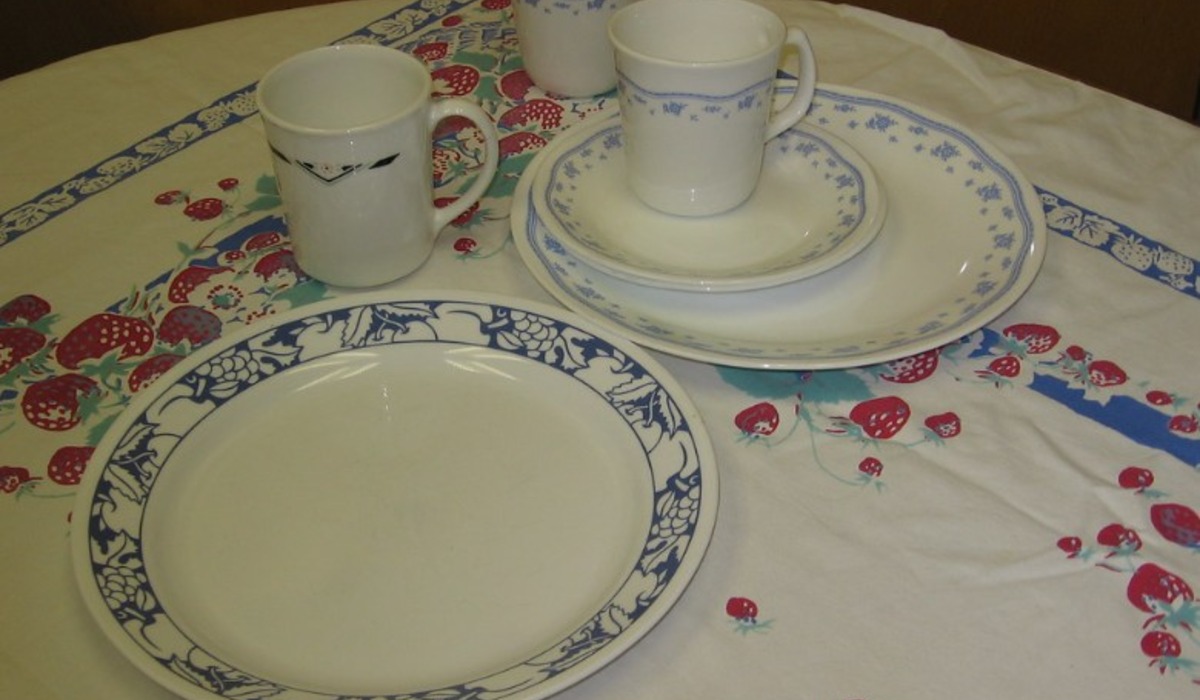
Corning introduced Corelle dinnerware in 1970, and the timing meant an entire decade of families ate off its thin, nearly unbreakable plates. The material, called Vitrelle, is a three-layer laminated glass that could survive being dropped on linoleum in a way that stoneware simply could not.
Patterns like Butterfly Gold and Spring Blossom Green, with its stylized daisies, became so common that they now read as instant shorthand for a ’70s kitchen. Vintage sets in those patterns still change hands among collectors, with value depending heavily on condition, chips, and whether the set is complete.
CorningWare with the Blue Cornflower
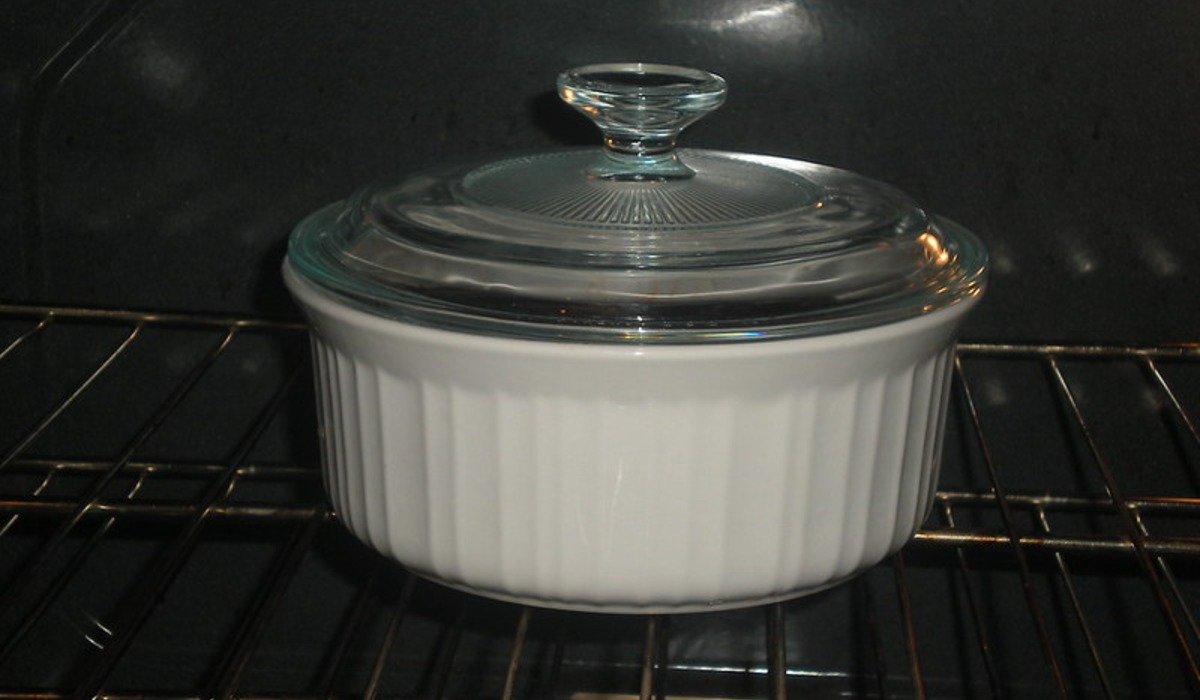
CorningWare debuted in 1958, built from Pyroceram, a glass-ceramic developed by Corning scientist S. Donald Stookey that was originally investigated for missile nose cones.
The white casserole dish with the Blue Cornflower pattern could go from freezer to oven to table, which made it the default vessel for every ’70s casserole, scalloped potato bake, and reheated leftover. The detachable handle let a single dish serve as a saucepan, baking dish, and serving piece, which suited kitchens with limited cabinet space.
Original Pyroceram pieces are prized today precisely because later versions switched to a different material, and prices vary widely by condition and pattern.
The Crock-Pot That Cooked While Mom Worked
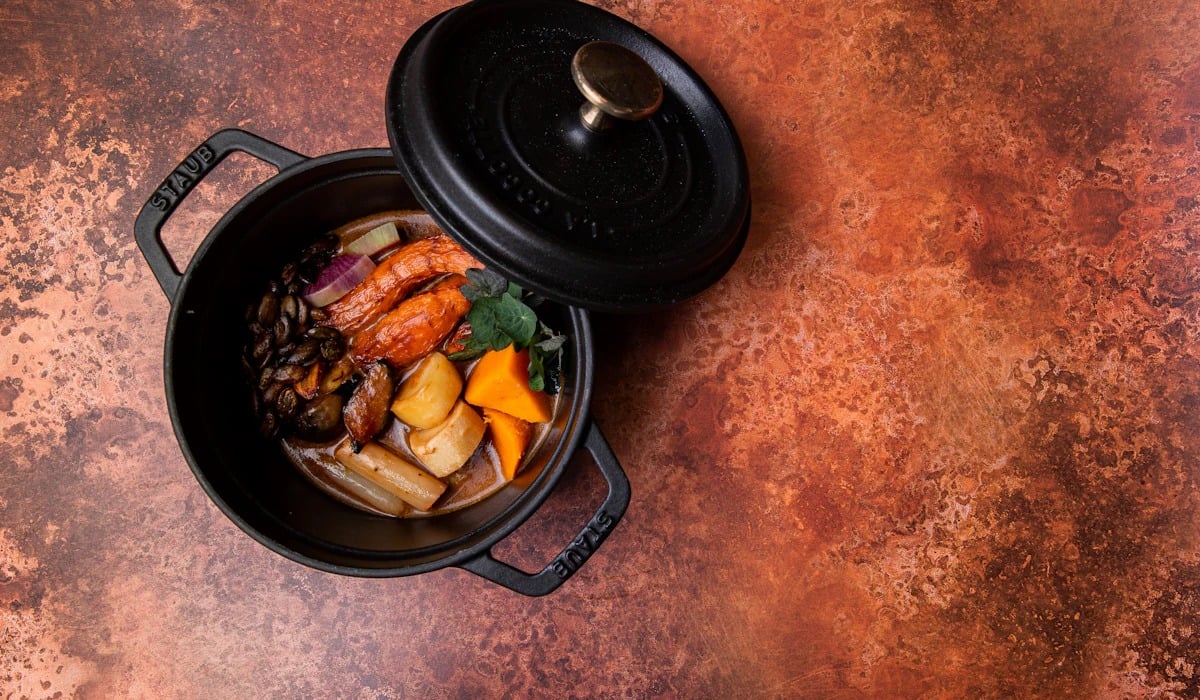
Rival acquired a small Chicago company called Naxon in 1970, took its Beanery bean cooker, redesigned it, and launched the Crock-Pot in 1971. The pitch was aimed squarely at women entering the workforce in larger numbers, with the slogan promising that it cooked all day while the cook was away.
Sales climbed into the millions within a few years, and the stoneware liner in avocado green or harvest gold became a wedding-gift cliché. Pot roast, chili, and beef stew bubbling away since seven in the morning was, for a lot of families, what dinner smelled like when the front door opened.
Harvest Gold and Avocado Appliances
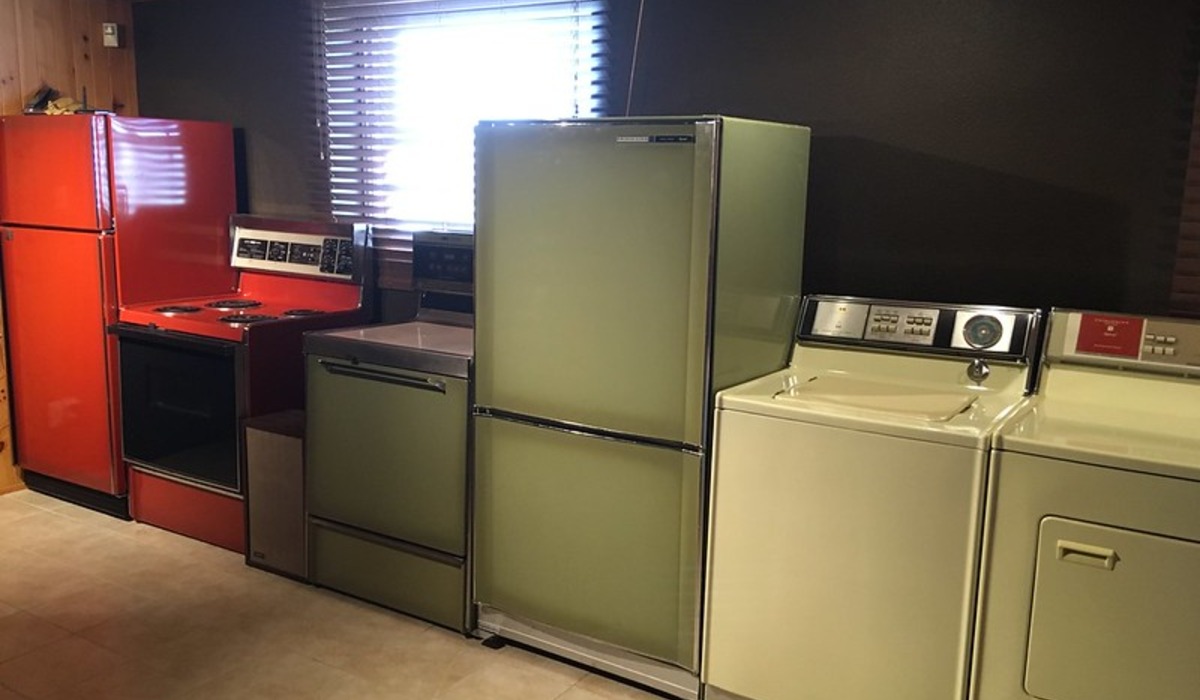
The colors of a ’70s kitchen were not an accident of taste but a deliberate manufacturer push, with harvest gold, avocado green, and coppertone brown offered on refrigerators, ranges, and dishwashers by nearly every major brand. The palette was meant to feel earthy and warm after the pastel pinks and turquoises of the ’50s, and it coordinated with the orange and brown countertops and wallpaper of the period.
A matched set in avocado was a point of pride and a significant expense, which is why so many of those appliances survived well into the ’90s. Retro renovation enthusiasts now hunt for working examples, and the colors have periodically returned in modern appliance lines.
Tab in the Pink Can
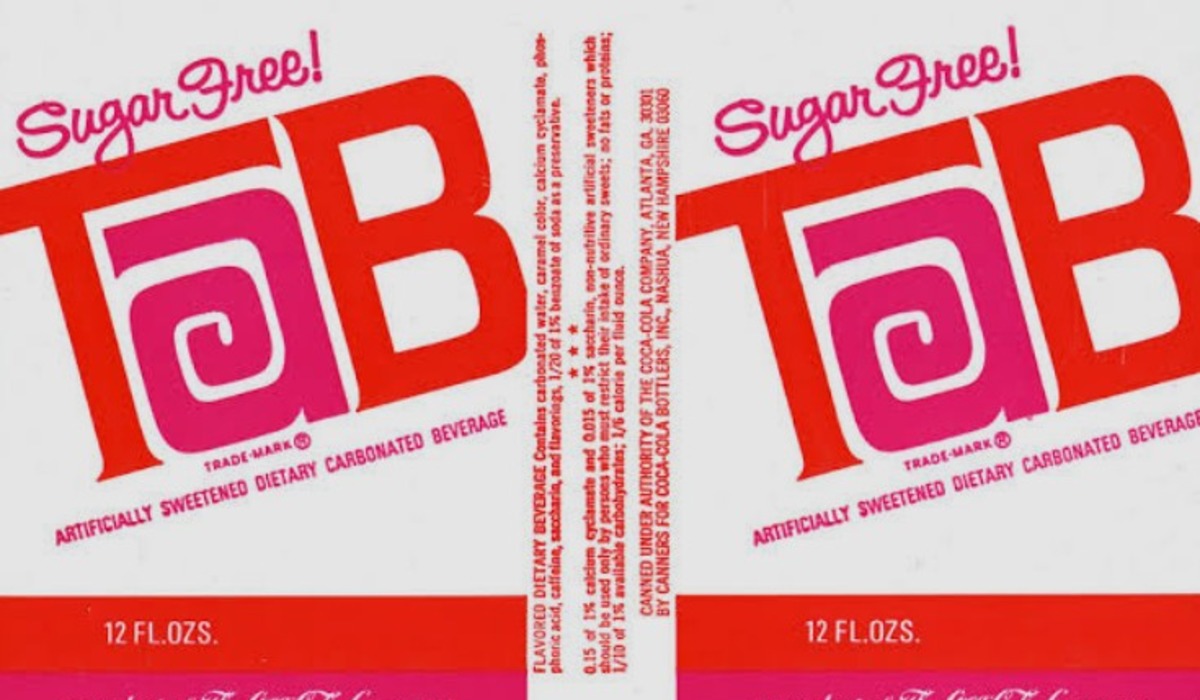
Coca-Cola introduced Tab in 1963 as its first diet soda, sweetened with saccharin and sold in a pink can that stood out in a refrigerator full of brown and red. By the ’70s, it was the drink of choice for diet-conscious mothers, and the brand’s slogan about keeping a beautiful figure made no attempt at subtlety.
A 1977 federal proposal to ban saccharin led to warning labels on the can, which did nothing to slow its loyal following. Coca-Cola finally discontinued Tab in 2020, and the devoted fans who had kept buying it for decades treated the news as a genuine loss.
Carnation Instant Breakfast in the Paper Packet
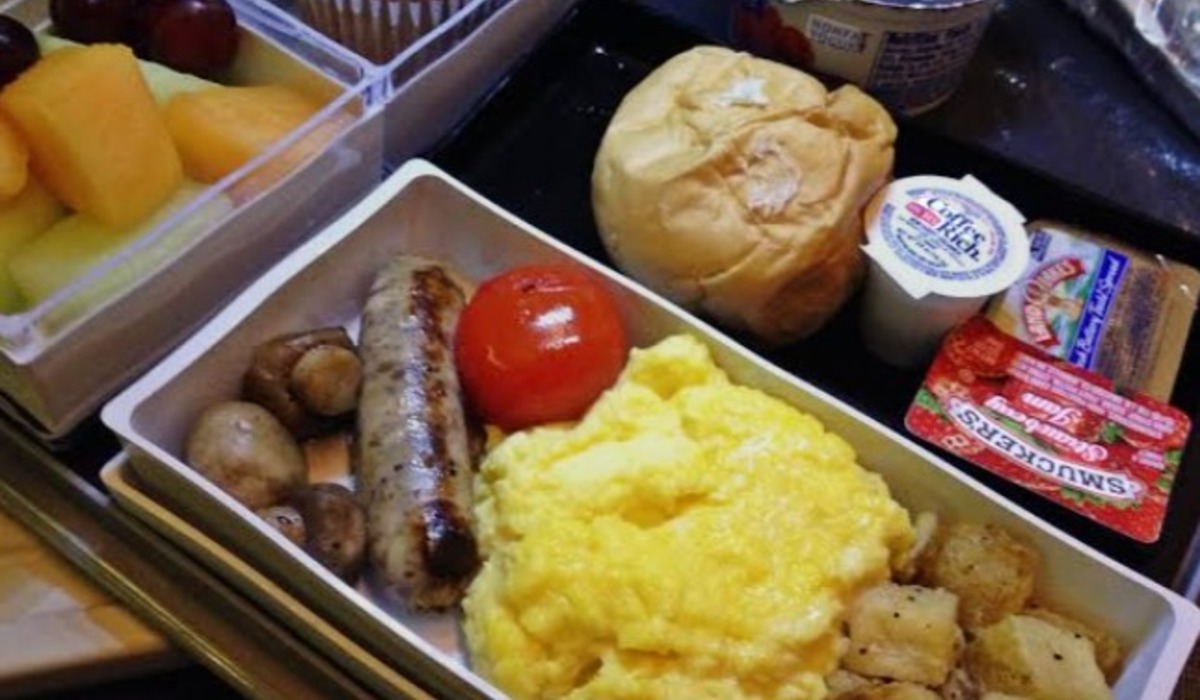
Carnation launched Instant Breakfast in 1964, a powder meant to be stirred into a glass of milk and consumed in place of a meal that nobody had time to cook. The chocolate flavor dominated, and the packets lined up in a box on the counter were as much a part of a school morning as the bus schedule.
The product was marketed as containing the nutrition of a full breakfast, which gave parents permission to hand over a glass and move on. It survives today under the name Carnation Breakfast Essentials, but the ’70s packaging, with its tidy row of foil packets, is what most people picture.
Spam Fried in a Cast-Iron Skillet
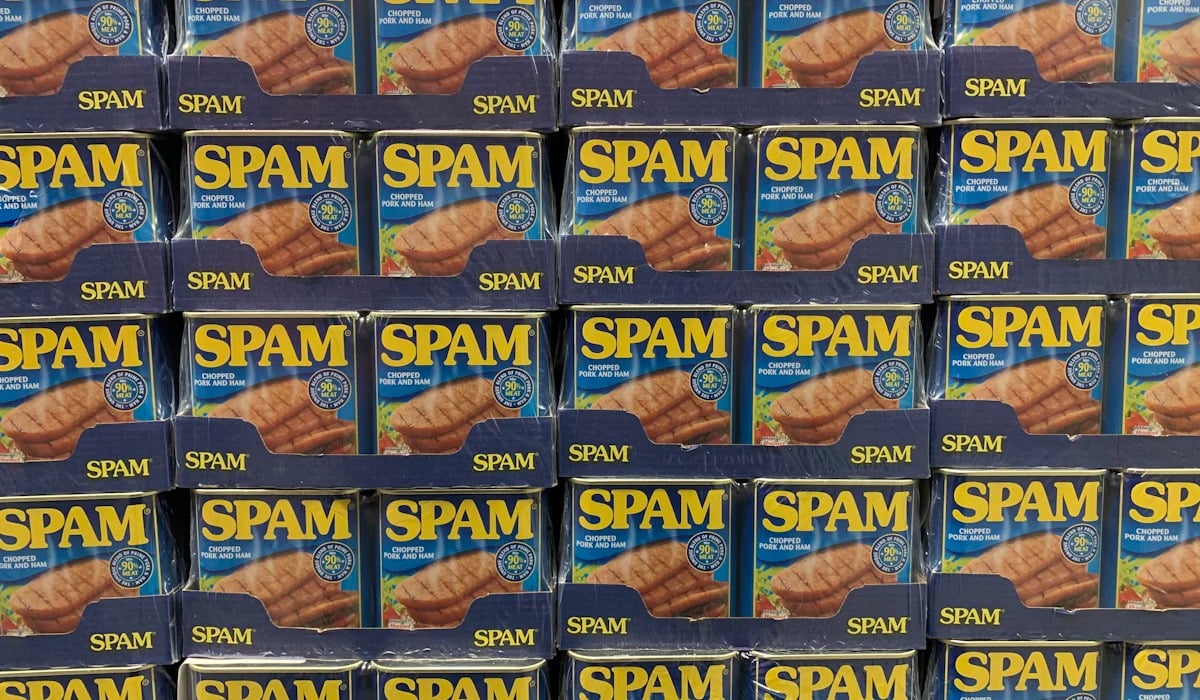
Hormel introduced Spam in 1937 in Austin, Minnesota, and the name came from a contest entry submitted by an actor named Ken Daigneau, whose brother was a Hormel executive. By the ’70s the blue can with its distinctive key opener was a pantry constant, fried in slices for breakfast or cubed into casseroles and macaroni.
The product’s popularity in Hawaii, where it was introduced during wartime rationing, remains so strong that it appears on fast-food menus there. The key that peeled back the lid was discontinued in later years, which is one reason an unopened vintage can looks subtly different from a current one.
Velveeta and the Perfect Melt
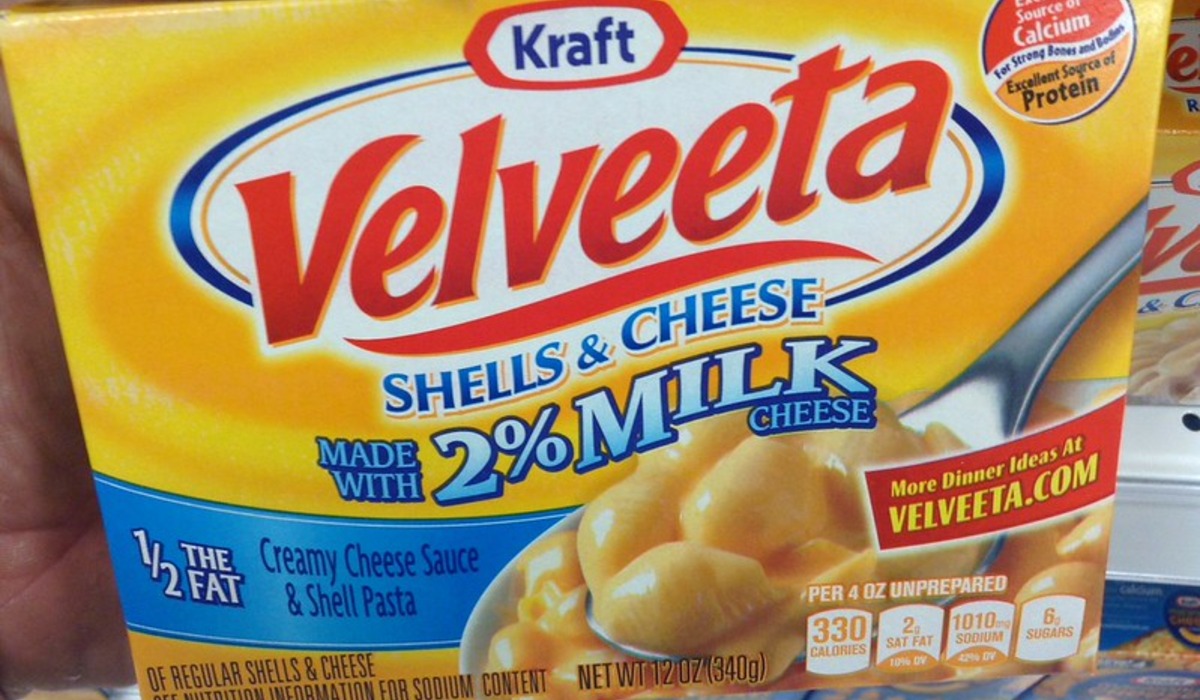
Velveeta was created in 1918 by Emil Frey in Monroe, New York, as a way to use broken cheese wheels, and Kraft bought the brand in 1927. The foil-wrapped loaf in its cardboard sleeve lived in the refrigerator door of countless ’70s kitchens, ready to be cubed into macaroni, melted over broccoli, or stirred with a can of chili for dip.
Its claim to fame is that it melts without separating, a property that real cheddar cannot match, which is why so many casserole recipes of the era called for it by name. The product is legally labeled a pasteurized process cheese product rather than cheese, a distinction that bothered nobody in 1974.
Cool Whip in the Reusable Tub
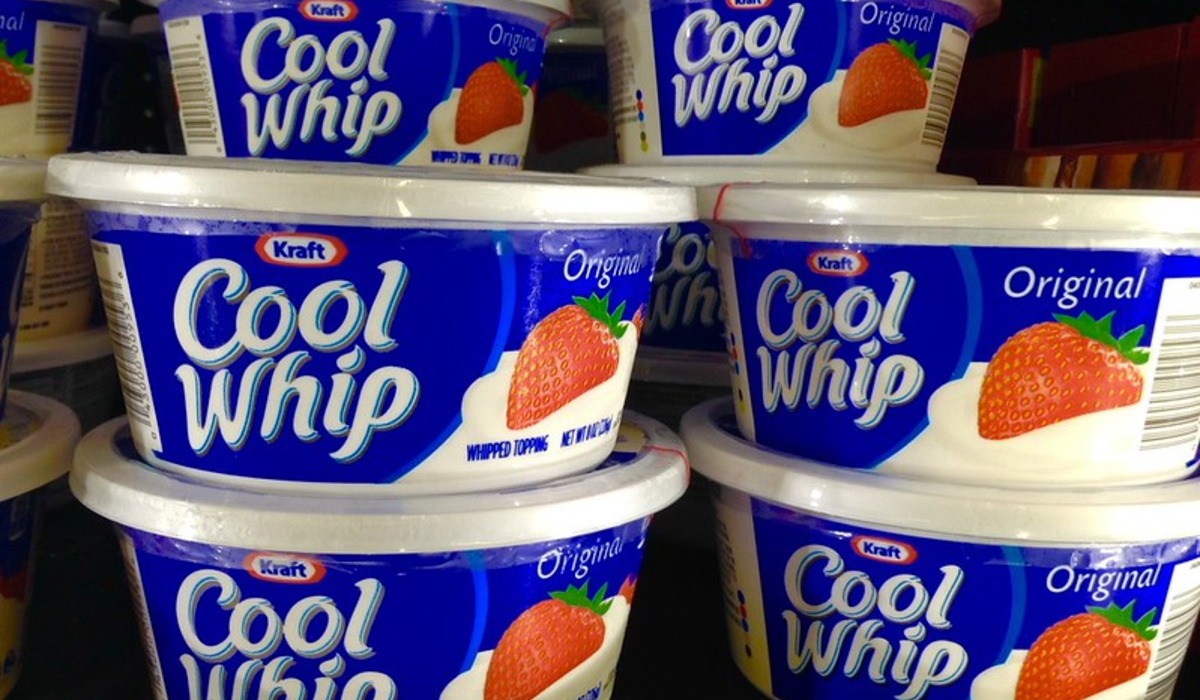
General Foods introduced Cool Whip in 1966, the work of the same chemist, William A. Mitchell, who developed Tang.
It was sold frozen, thawed in the refrigerator, and dolloped onto pumpkin pie, Jell-O salads, and pudding desserts without the effort of whipping cream. The plastic tub was arguably as important as the contents, since once emptied it became the universal leftover container of the decade, and any ’70s refrigerator held at least two filled with something other than Cool Whip.
Opening one and finding spaghetti sauce instead of whipped topping was a small, recurring disappointment of childhood.
Canned Fruit Cocktail with the Single Cherry
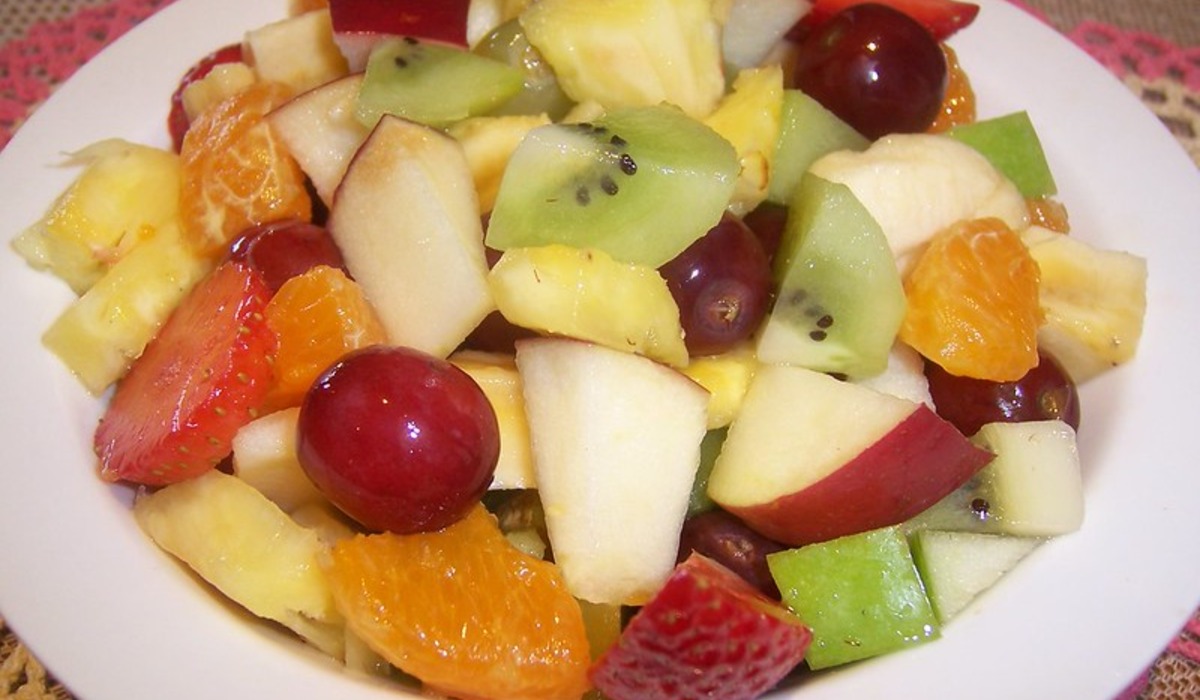
Fruit cocktail came in a can from Del Monte, Libby’s, or a store brand, and the federal standard of identity sets the proportions of peaches, pears, pineapple, grapes, and cherry halves. The cherries were always outnumbered, and the competition over who got one at the table was a real household drama.
It was served in little glass dishes as dessert, folded into Jell-O, or spooned over cottage cheese for a diet lunch. Heavy syrup was the standard in the ’70s, with light syrup and juice-packed versions arriving later as sugar concerns grew.
Bisquick and the Train Car Discovery
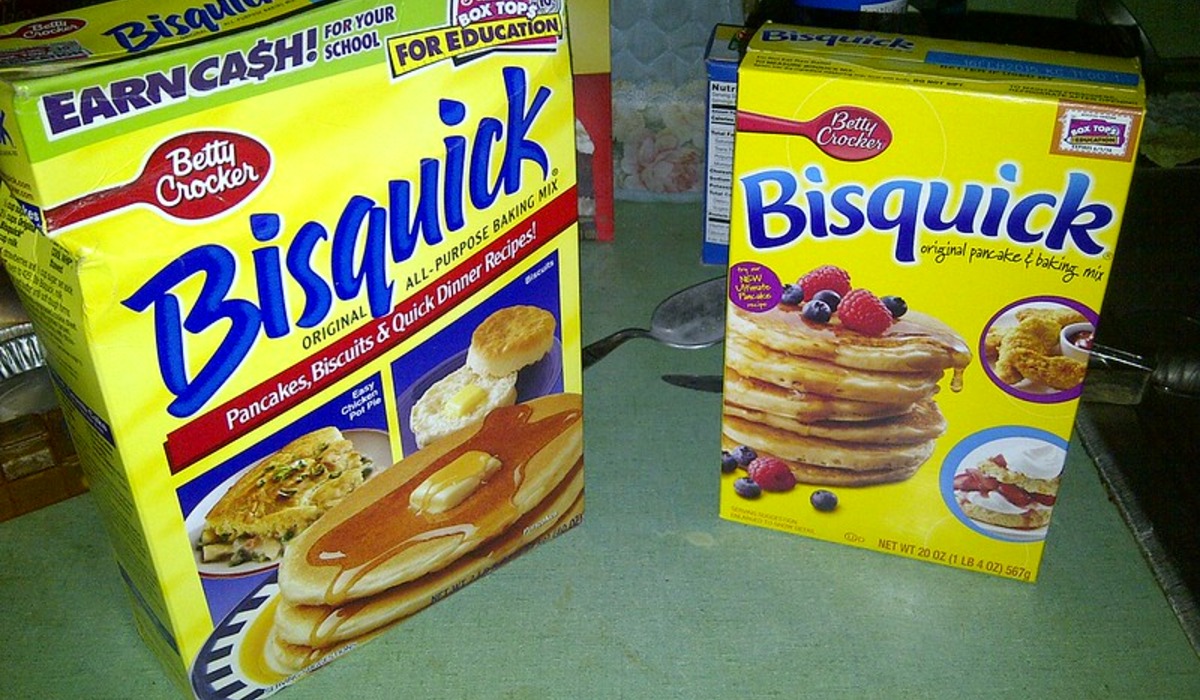
Bisquick dates to 1931 and began, according to General Mills, when a sales executive named Carl Smith was served fresh biscuits on a train and learned the dining car chef had pre-mixed lard, flour, baking powder, and salt and kept it on ice. The yellow box sat in ’70s pantries as the base for pancakes, biscuits, dumplings, and the impossible pies of the era, in which the mix sank during baking to form its own crust.
Recipes on the box and in Bisquick booklets covered everything from coffee cake to pizza dough. For a generation of mothers, it was the shortcut that still counted as baking.
Lipton Onion Soup Mix and California Dip
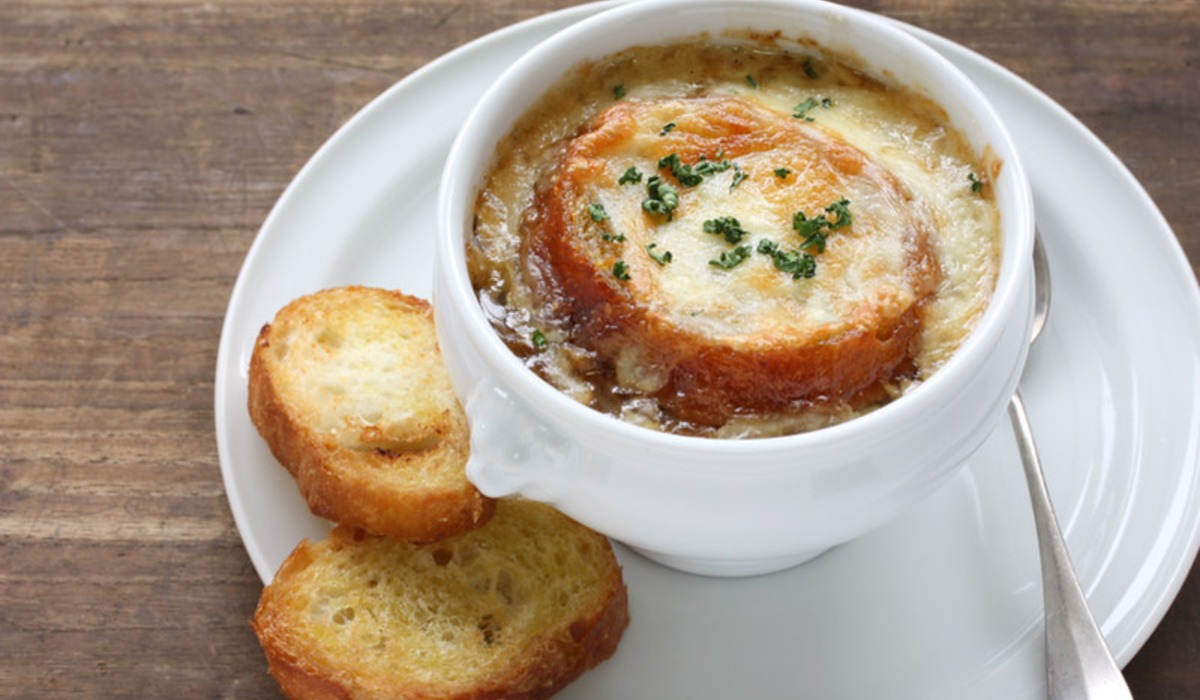
Lipton’s dehydrated onion soup mix became famous not as soup but as the key ingredient in California Dip, a mixture of the mix and sour cream that appeared in Los Angeles around 1954. Lipton printed the recipe on the box in 1958, and by the ’70s it was the default party dip, served with ruffled potato chips at every gathering.
The same packet went into meatloaf, pot roast, and roasted potatoes, which made it one of the most versatile items in the cabinet. A single envelope could season a meal for six, and the box of two or four envelopes was rarely allowed to run empty.
Jiffy Pop Shaking Over the Burner
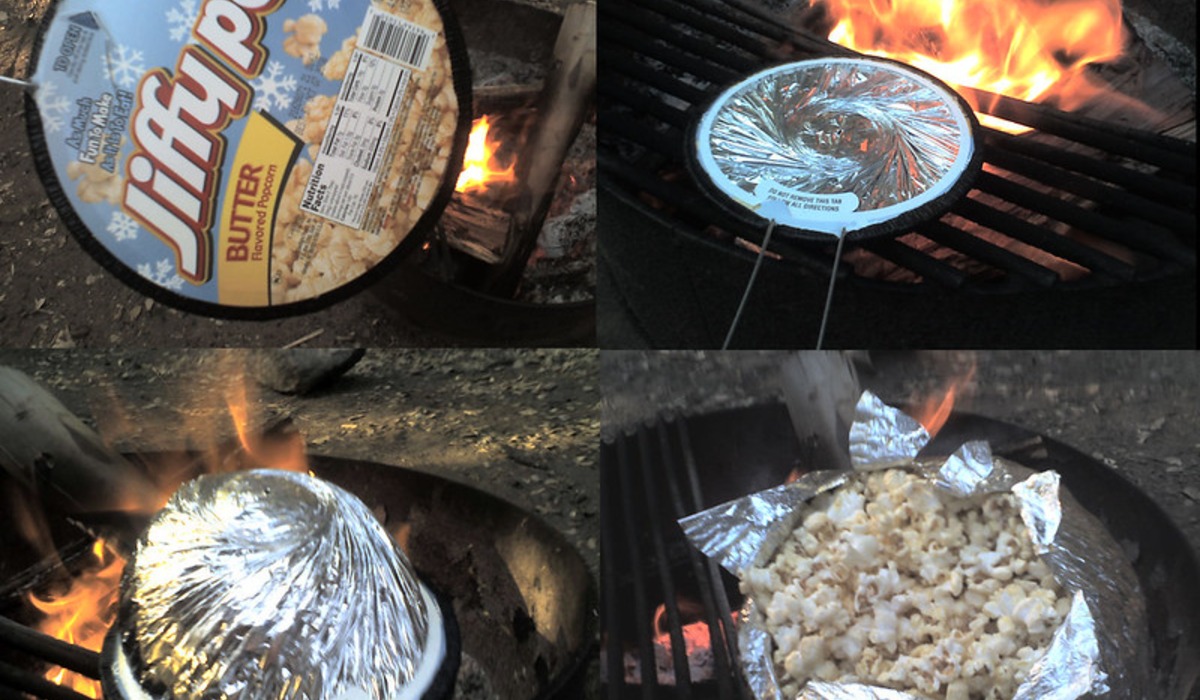
Jiffy Pop was invented in 1958 by Frederick Mennen of LaPorte, Indiana, and consisted of a foil pan of popcorn and oil with a folded foil cover that expanded into a dome as the kernels popped. Making it required constant shaking over a stove burner, and the moment the foil began to rise was a reliable thrill for kids waiting for a movie on television.
The slogan said it was as much fun to make as it was to eat, which was accurate enough. Microwave popcorn made it nearly obsolete in the ’80s, but the product is still manufactured for campers and the nostalgic.
Rice-A-Roni and the San Francisco Jingle
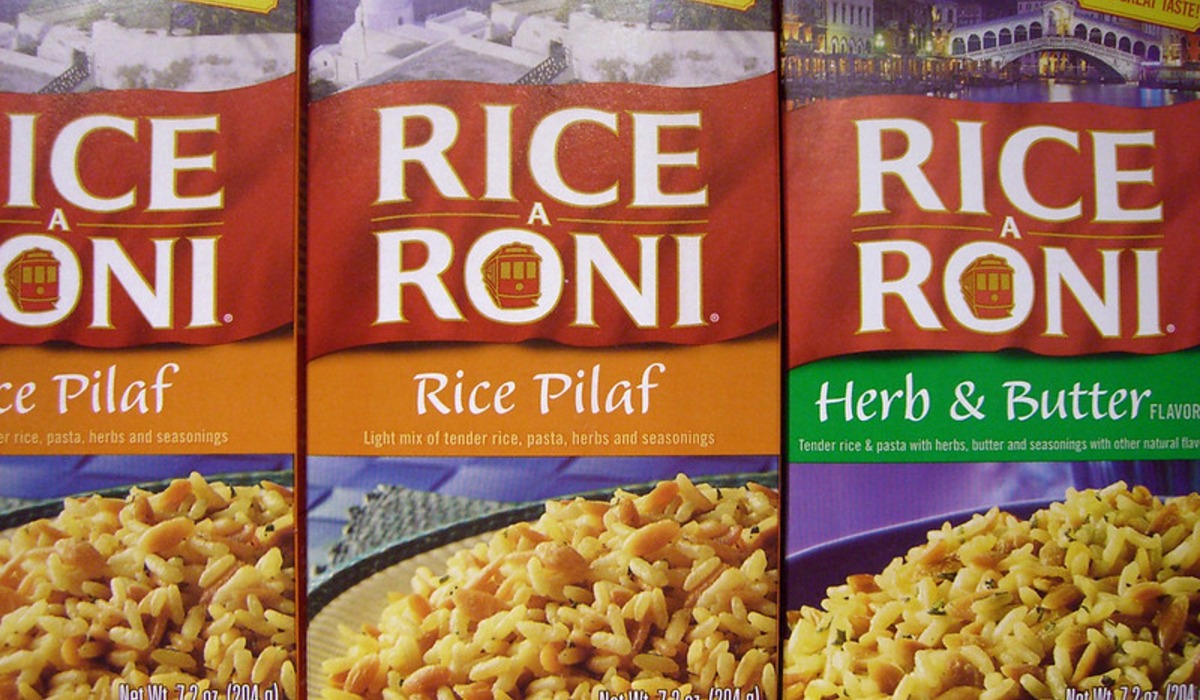
Rice-A-Roni was introduced in 1958 by the DeDomenico family’s Golden Grain company in San Francisco, and the recipe came from an Armenian neighbor’s rice pilaf that combined rice with browned vermicelli. The box’s jingle, with its cable-car bell and the claim of being the San Francisco treat, was among the most recognizable advertisements of the ’60s and ’70s.
Mothers served it beside pork chops and baked chicken because it required only butter, water, and the seasoning packet. Vincent DeDomenico, who developed the product, later restored the Napa Valley Wine Train, a second act few boxed-rice founders can claim.
Wonder Bread in the Polka-Dot Wrapper
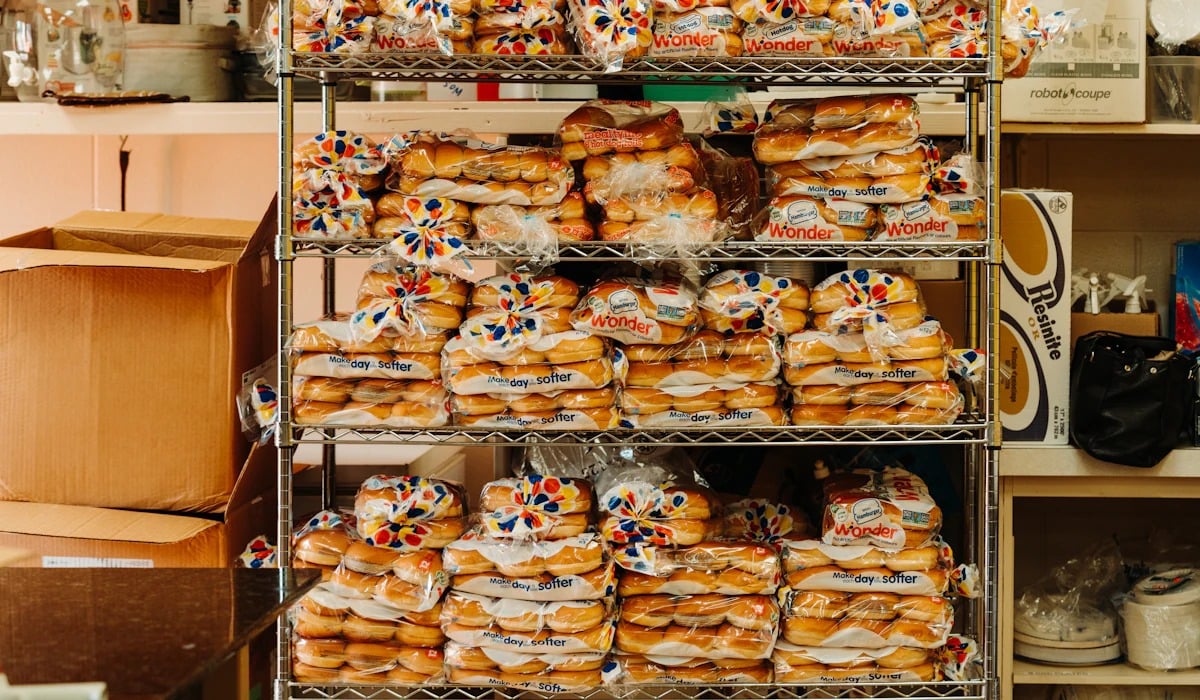
Wonder Bread was introduced in 1921 by the Taggart Baking Company of Indianapolis, and it became one of the first national brands to sell pre-sliced bread in 1930. The wrapper covered in red, yellow, and blue dots was a fixture of ’70s kitchens, and the slogan about building strong bodies twelve ways appeared in advertisements aimed directly at mothers.
The bread was soft enough to be rolled into dense little pellets, a trick every schoolchild knew. Bologna sandwiches, grilled cheese, and peanut butter and jelly all depended on its uniform white slices.
Margarine in the Plastic Tub
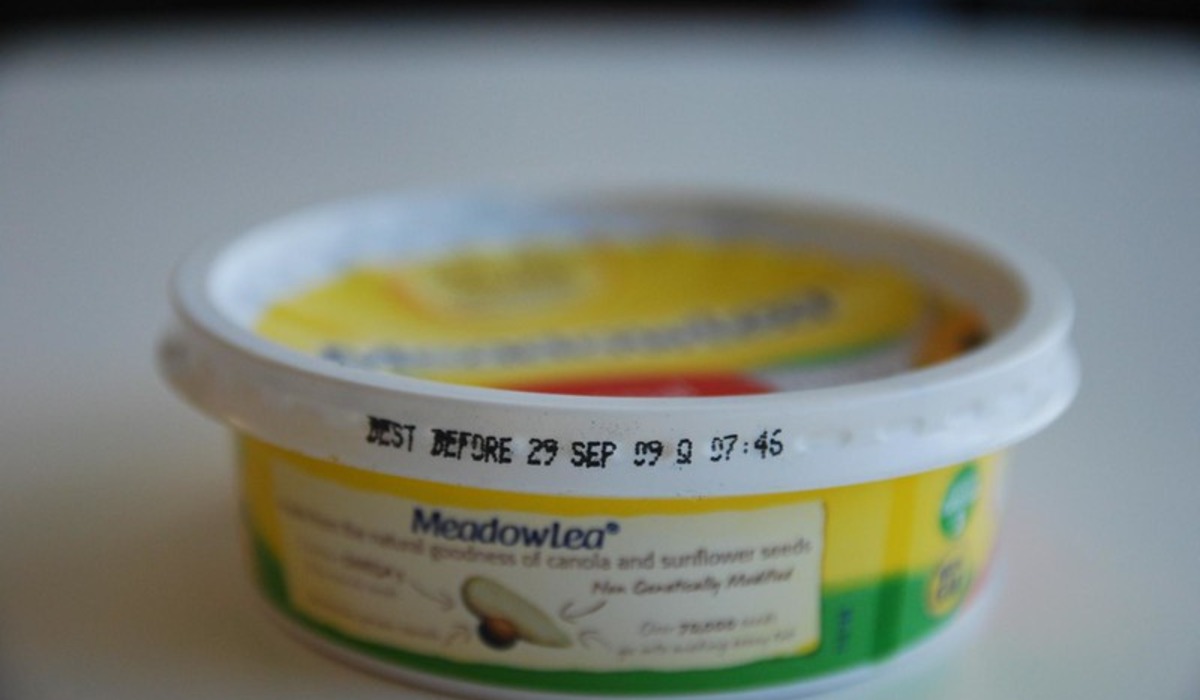
Margarine overtook butter in American households during the ’70s, driven by lower prices and health campaigns against saturated fat, and the soft tub replaced the stick as the common form. Parkay’s talking-tub commercials, in which the container insisted it was butter, ran throughout the decade, and Imperial’s crown that appeared on the head of anyone who tasted it was equally familiar.
Empty tubs, like Cool Whip containers, were washed and reused for leftovers until the lids cracked. The spread also went into cookies and cakes in place of butter, which is why many ’70s recipes list it by name.
Kool-Aid and the Pitcher That Crashed Through Walls
Edwin Perkins invented Kool-Aid in 1927 in Hastings, Nebraska, by reducing a liquid concentrate called Fruit Smack to a powder that could be shipped cheaply in paper packets. By the ’70s, a packet, a cup of sugar, and a plastic pitcher were the summer standard, and the smiling pitcher mascot, the Kool-Aid Man, debuted in 1975 with his habit of bursting through walls.
Hastings still holds an annual Kool-Aid Days festival, and Nebraska named Kool-Aid its official soft drink in 1998. The sugary red stain on a child’s upper lip was a universal summer accessory.
Hi-C in the Big Steel Can
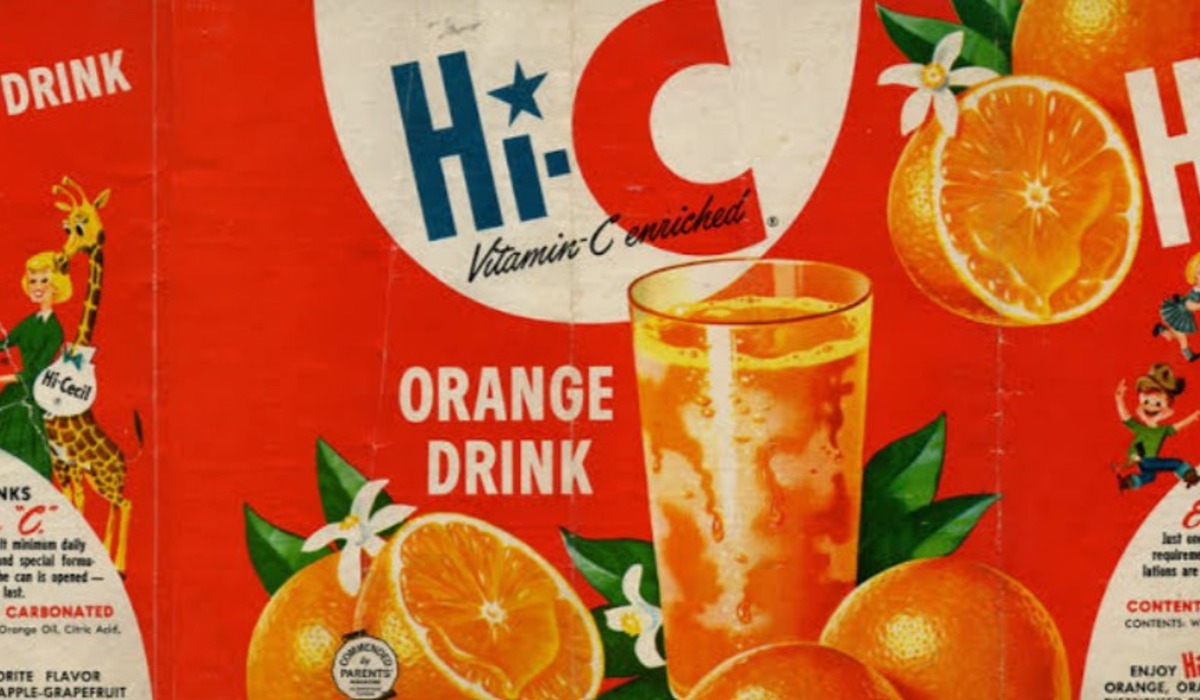
Hi-C was created in 1946 by Niles Foster, who wanted a shelf-stable orange drink fortified with vitamin C, and the name advertised that vitamin content directly. In the ’70s, it came in a large steel can that had to be punched open with a church-key opener, leaving two triangular openings, one to pour and one to let in air.
Flavors like orange, grape, and fruit punch filled lunch thermoses and refrigerator shelves, and the drink was handed out at every birthday party. The juice-box version arrived later, so the ’70s version was pure can and pitcher.
Ritz Crackers and the Mock Apple Pie
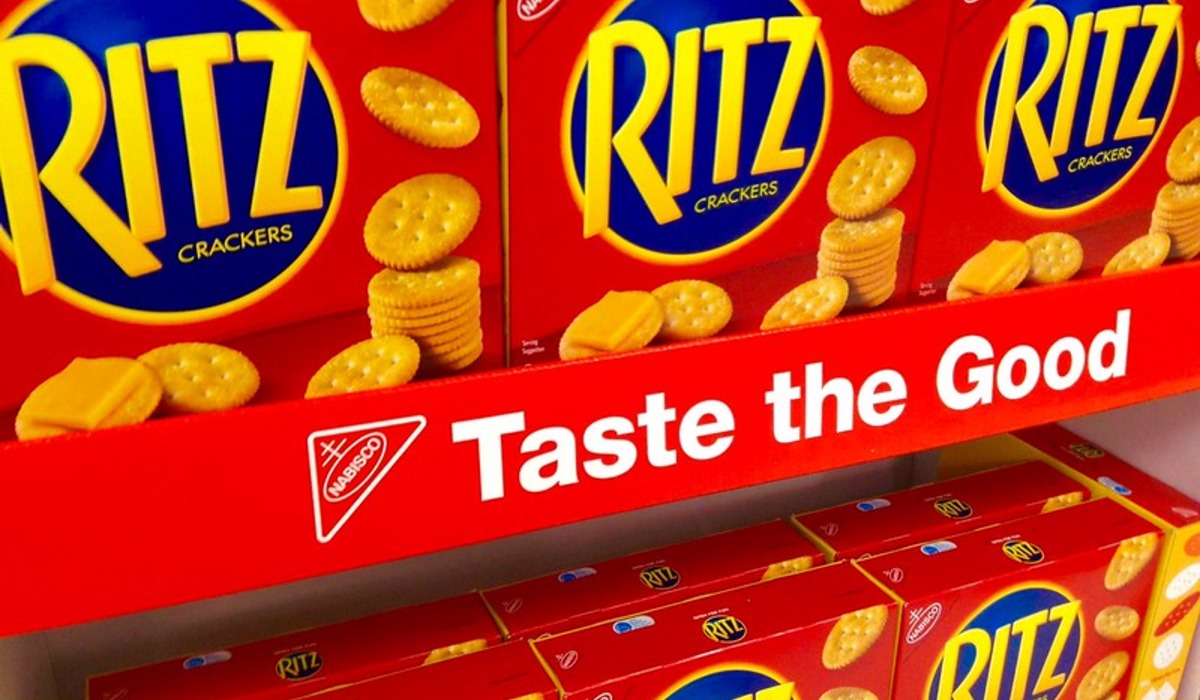
Nabisco introduced Ritz in 1934, pricing the buttery round cracker to feel like a small luxury during the Depression, and the red box with the blue circle was a pantry constant for decades afterward. The box carried a recipe for mock apple pie, in which crushed crackers, sugar, lemon juice, and cinnamon baked into a filling that fooled a surprising number of people.
In the ’70s Ritz were topped with cheese spread, peanut butter, or a slice of Velveeta and served as an after-school snack or party appetizer. The crackers’ scalloped edges and salted tops have barely changed in ninety years.
Campbell’s Cream of Mushroom in Every Casserole
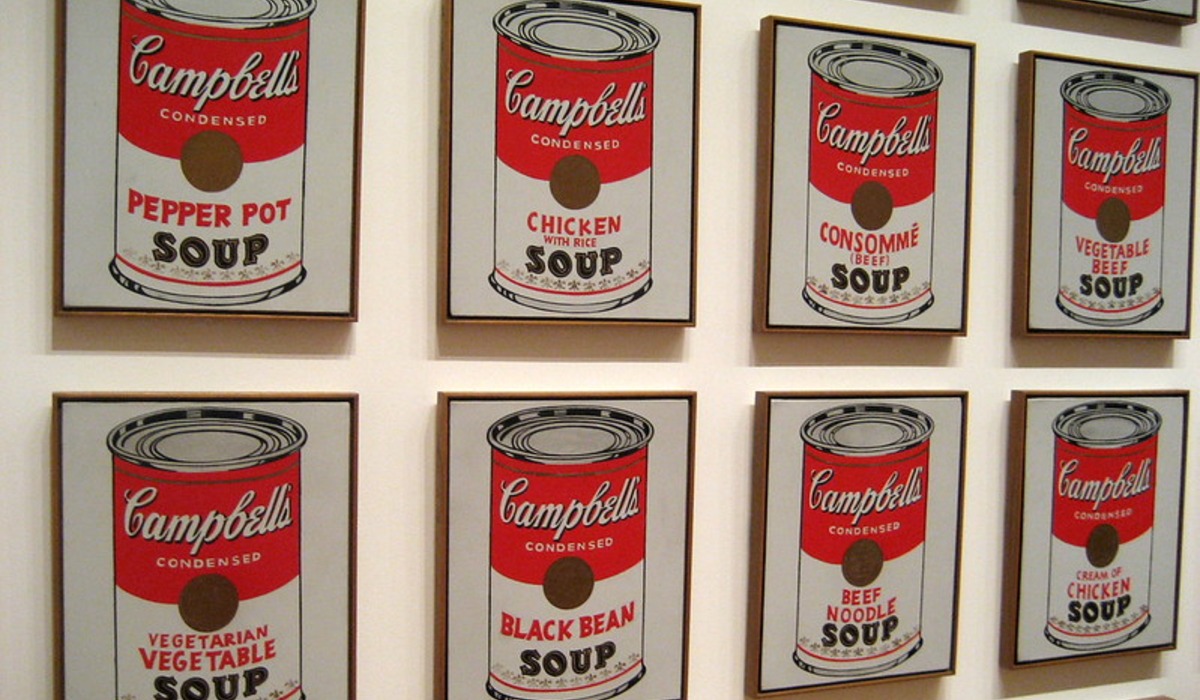
Campbell’s introduced cream of mushroom soup in 1934, and in 1955 a company home economist named Dorcas Reilly used it to create the green bean casserole that remains on Thanksgiving tables today. By the ’70s, the can was less a soup than a sauce base, stirred into tuna noodle casserole, pork chop bakes, and chicken and rice dishes that fed a family from one dish.
Campbell’s own recipe pamphlets and the backs of cans supplied an endless rotation of these meals. Reilly’s original recipe card is held by the National Inventors Hall of Fame, which says something about how central the soup became to American cooking.
Chef Boyardee Ravioli from the Can
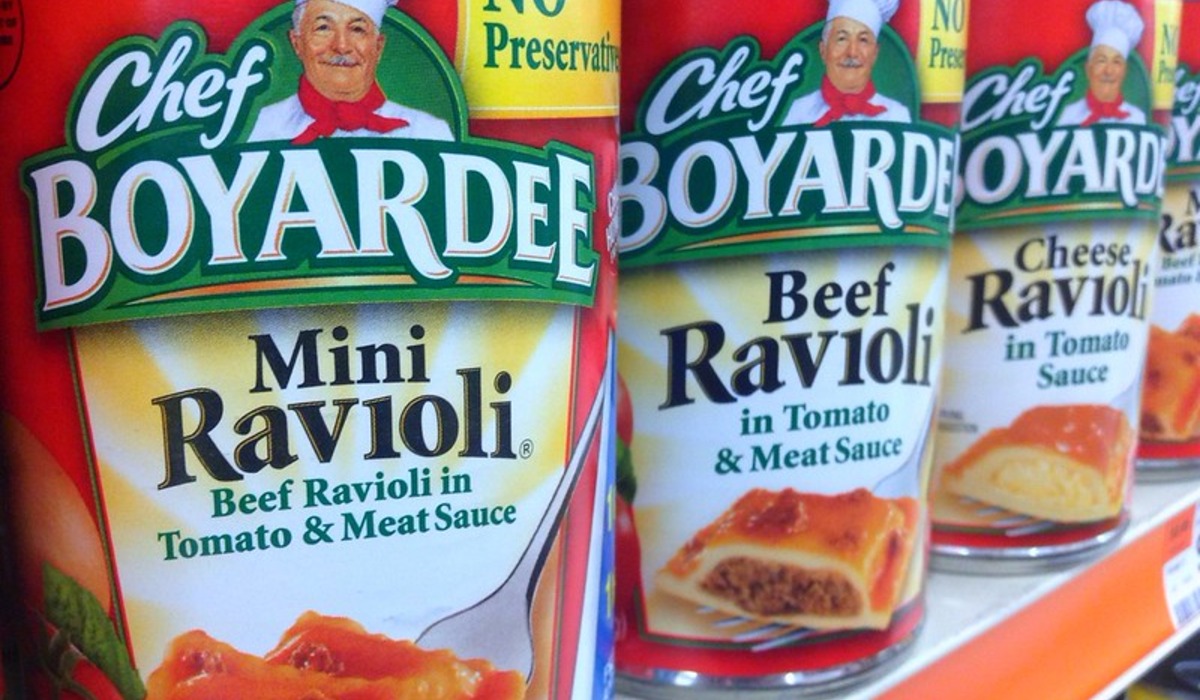
Chef Boyardee was a real person, Ettore Boiardi, an Italian immigrant who ran a restaurant in Cleveland and began packaging his sauce for customers in the late ’20s, spelling his name phonetically so Americans could pronounce it. By the ’70s the cans of beef ravioli, spaghetti and meat sauce, and Beefaroni were the go-to lunch for kids whose mothers needed five minutes of peace.
The smiling chef on the label, with his white hat and mustache, was based on Boiardi himself. The company had supplied rations during World War II, which is partly how a Cleveland restaurant sauce became a national pantry item.
Sanka in the Orange Jar
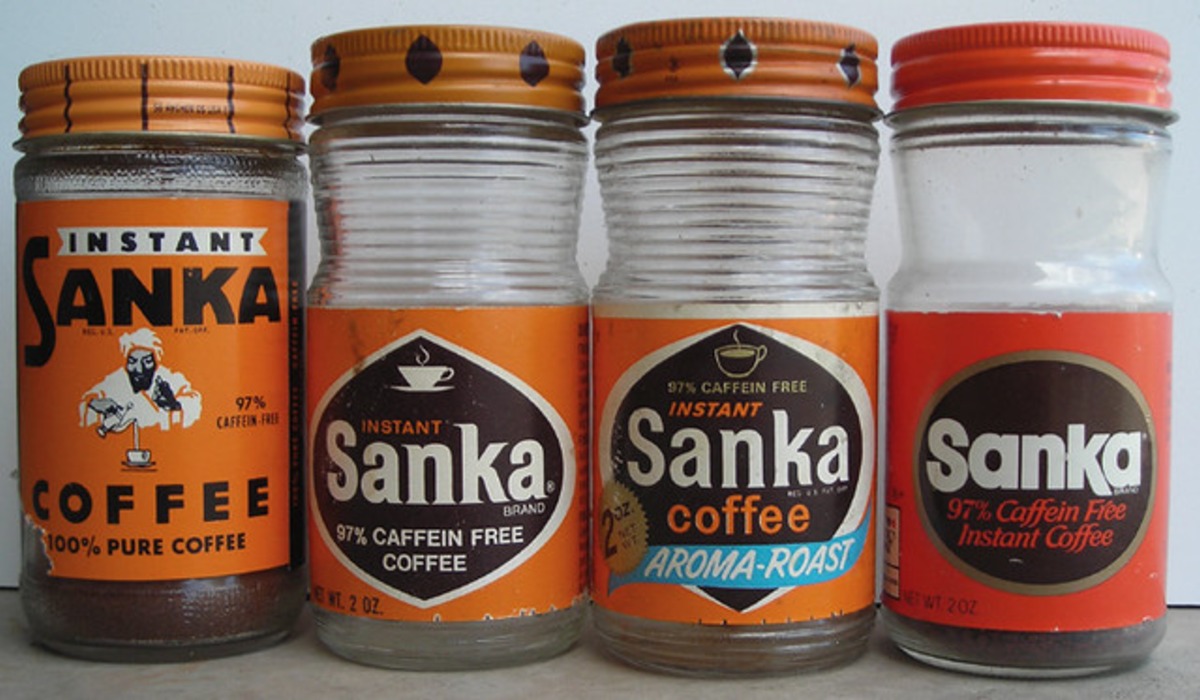
Sanka, the first widely sold decaffeinated coffee in the United States, arrived in 1923, and its name comes from the French phrase sans cafeine. The orange label became so identified with decaf that restaurants began using orange-handled pots for decaffeinated coffee, a convention still visible in diners today.
In the ’70s, the brand’s commercials featured actor Robert Young, best known as television’s Marcus Welby, calmly recommending Sanka to anxious, over-caffeinated friends. The jar of instant granules sat beside the regular coffee can for the one person at the table who could not sleep after dinner.
When Convenience Became Culture
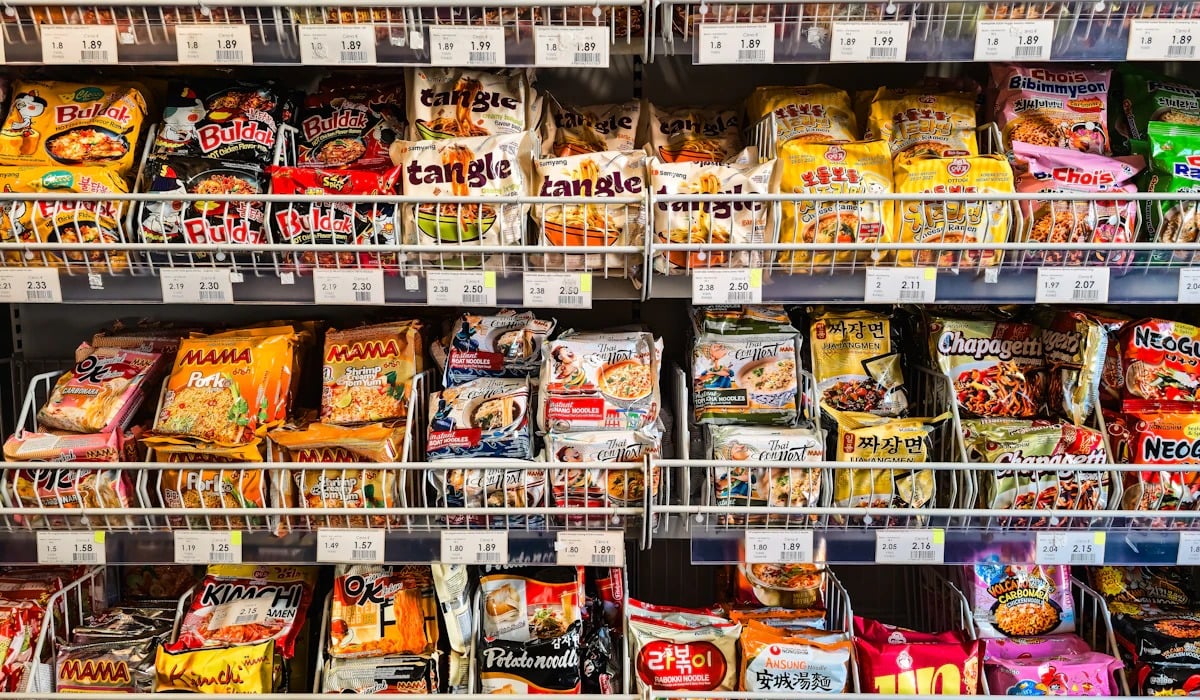
The common thread through all of these products is a deliberate bargain. Food companies promised to save a mother twenty minutes, and in exchange they shaped what her children would consider normal food for the rest of their lives.
The casseroles, the gelatin salads, and the boxed dinners were not improvisations but the direct result of recipes printed on cans and boxes by corporate test kitchens. Dinner in 1975 tasted the way it did because General Foods, General Mills, Campbell’s, and Kraft had decided it would.
What is striking is how much affection survives. People who grew up with these kitchens often cook from scratch now, yet they still keep a can of cream of mushroom soup for emergencies and feel a flicker of recognition at a Blue Cornflower dish in a thrift store.
The products were never gourmet and never pretended to be. They were reliable, which in a busy household counted for more than anyone admitted at the time.
More from Go2Tutors!

- The Romanov Crown Jewels and Their Tragic Fate
- 13 Historical Mysteries That Science Still Can’t Solve
- Famous Hoaxes That Fooled the World for Years
- 15 Child Stars with Tragic Adult Lives
- 16 Famous Jewelry Pieces in History
Like Go2Tutors’s content? Follow us on MSN.