Best 80s NBA Point Guards of All Time
The 1980s changed basketball forever. The point guard position became the most exciting spot on the court, with players who could score, pass, and control the entire game.
These athletes weren’t just running plays; they were putting on shows that filled arenas and made people fall in love with the sport all over again. Let’s look at the point guards who made the 80s such an unforgettable decade for basketball.
Magic Johnson

The Los Angeles Lakers became the most entertaining team in sports thanks to Magic Johnson, who stood 6’9″ and played point guard, which at the time seemed impossible. Magic could see passes that no one else even considered, throwing no-look assists that left defenders completely perplexed.
His smile was as famous as his basketball skills. Magic won five championships during the decade and convinced everyone that basketball could be beautiful to watch.
The Lakers’ Showtime era occurred because Magic controlled the pace and improved his teammates every single night.
Isiah Thomas
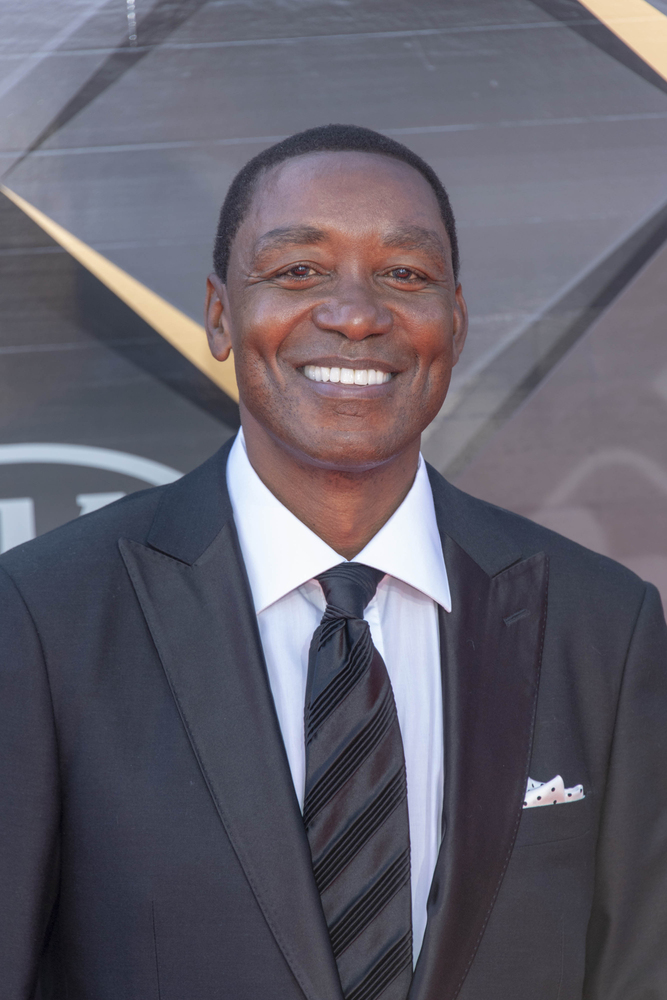
Isiah Thomas played with a chip on his shoulder that never went away. Standing just 6’1″, he proved that heart and skill mattered more than height in the NBA.
Thomas could score 25 points and then dish out 15 assists in the same game, switching between attack mode and setup man whenever his team needed it. The Detroit Pistons won back-to-back championships at the end of the decade because Thomas refused to lose.
He played through injuries that would have stopped most players, and his toughness became legendary around the league.
John Stockton
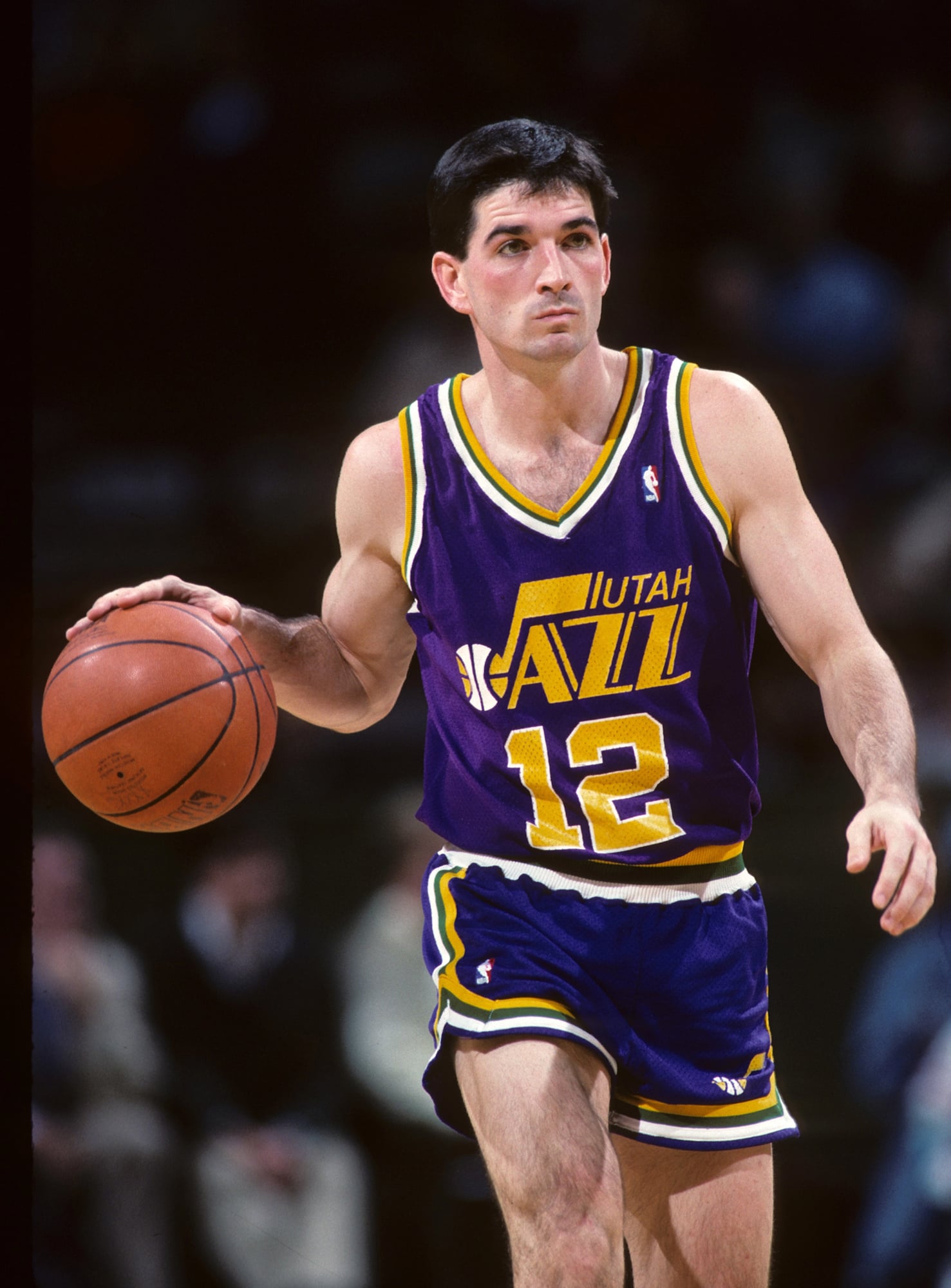
John Stockton looked like a regular guy who wandered onto the court by accident. His short shorts and plain appearance fooled opponents into thinking he wasn’t dangerous, which was their first mistake.
Stockton could pick your pocket without you even noticing, and his connection with Karl Malone created the most reliable pick-and-roll in basketball history. He recorded over 1,000 assists in multiple seasons during the 80s, which sounds like a made-up number.
Stockton’s fundamentals were so perfect that coaches still use his game film to teach young players how to run an offense.
Maurice Cheeks
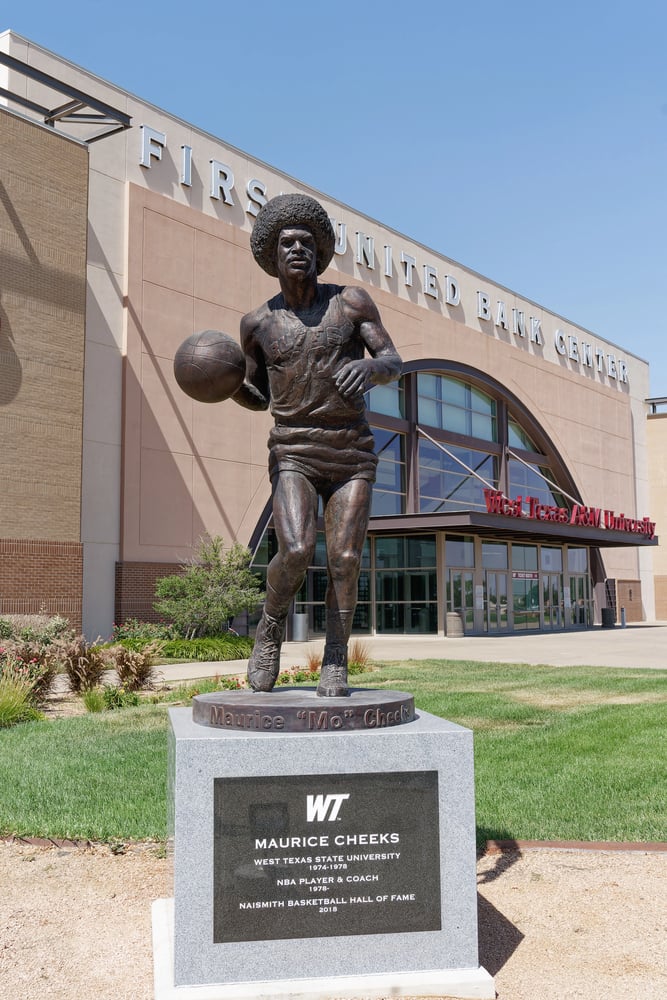
Maurice Cheeks never wanted the spotlight, but he controlled games like a chess master. His defense was suffocating, and he could steal the orb from opponents at the worst possible moments for them.
Cheeks helped the Philadelphia 76ers win the 1983 championship by making sure Julius Erving and Moses Malone got the orb exactly where they needed it. He averaged over two steals per game for most of the decade, which meant opposing point guards had nightmares about facing him.
Cheeks proved that quiet leaders could be just as effective as loud ones.
Dennis Johnson

Dennis Johnson brought championship experience from his time in Seattle to the Boston Celtics. His defense made life miserable for opposing guards, and Larry Bird trusted him more than anyone else on the court.
Johnson hit big shots when the Celtics needed them most, including crucial baskets in multiple playoff runs. He won two championships in Boston during the 80s after already winning one in Seattle at the end of the 70s.
Johnson’s basketball IQ was off the charts, and he knew how to win even when his stats didn’t jump off the page.
Kevin Johnson

Kevin Johnson exploded onto the scene in the late 80s with speed that left defenders in the dust. His quickness to the basket was unmatched, and he could finish through contact that would have knocked down smaller players.
Johnson turned the Phoenix Suns into a dangerous team almost overnight after arriving in a trade from Cleveland. His vertical leap was incredible for a point guard, and he threw down dunks that big men would have been proud of.
The late 80s buzz around Johnson showed that a new generation of point guards was ready to take over.
Mark Jackson

Mark Jackson talked more trash than almost anyone in the league, but he could back it up with his passing. His rookie season in 1988 set the tone for a long career built on court vision and confidence.
Jackson’s style was slower and more methodical than the flashy guards of his era, but it worked perfectly for the New York Knicks. He loved to post up smaller guards and then find open teammates when the defense collapsed.
Jackson’s personality made him a fan favorite in Madison Square Garden right away.
Lafayette Lever

Lafayette Lever could do everything on a basketball court. He scored, rebounded, passed, and defended at an elite level throughout the mid-80s.
Lever came close to recording a quadruple-double multiple times, which shows just how complete his game was. The Denver Nuggets built their entire offense around his ability to push the pace and make plays.
His athleticism allowed him to guard multiple positions, making him one of the most versatile point guards of the decade.
Rolando Blackman

Rolando Blackman played shooting guard for most of his career, but his handling and decision-making were pure point guard quality. He scored with such smooth efficiency that defenders never knew when he was about to attack.
Blackman’s mid-range game was automatic, and he could create his own shot whenever the Dallas Mavericks needed a bucket. His four All-Star appearances in the 80s proved that consistency and skill mattered more than flashiness.
Blackman’s professionalism set the standard for the Mavericks franchise.
Nate McMillan

Nate McMillan arrived in Seattle during the mid-80s and immediately changed the SuperSonics’ identity. His defensive instincts were razor-sharp, and he could guard the best wings and guards in the league.
McMillan’s passing ability made everyone around him better, even though he never looked to score much himself. He led the league in steals during the 1994 season, but his defensive foundation was built during his 80s development.
Seattle’s culture of tough, smart basketball started with McMillan’s approach to the game.
Derek Harper

The Dallas Mavericks had stability at point guard thanks to Derek Harper, who was with them for the whole 1980s. He was a dual threat who could score or set up teammates as his outside shooting got better every year.
When the pressure mounted during playoff games, Harper’s competitiveness was most evident. In the middle of the 1980s, he and Rolando Blackman formed one of the top backcourts in the Western Conference.
Harper’s lengthy career demonstrated that natural talent could be matched by diligence and consistent progress.
Fat Lever
When he was younger, Fat Lever earned his moniker, but his game was anything but slow. He consistently pushed the pace for the Denver Nuggets and maintained a high level of energy throughout entire games.
In the late 1980s, Denver’s high-scoring, run-and-gun style was a perfect fit for Lever’s relentless motor. He routinely pulled down seven or eight rebounds per game, which was ridiculous for a 6’3″ guard.
Sleepy Floyd

Sleepy Floyd had one of the greatest playoff performances in NBA history during the 1987 playoffs. He scored 29 points in one quarter against the Lakers, which remains a playoff record.
Floyd’s scoring ability made him dangerous any time he touched the orb in the fourth quarter. The Golden State Warriors relied on his shot creation throughout the mid-80s.
His nickname came from his droopy eyes, but there was nothing sleepy about his game when it mattered most.
Norm Nixon

Norm Nixon played alongside Magic Johnson in the early 80s, which meant he had to sacrifice his own numbers for team success. His speed in transition and ability to score off the dribble made him a perfect complement to Magic’s playmaking.
Nixon averaged over 17 points per game during his time with the Lakers before being traded to San Diego. He helped the Lakers win two championships before the trade, proving he could excel in a reduced role.
Nixon’s unselfishness allowed Showtime to function at its peak level.
Reggie Theus

Reggie Theus combined style and substance in a way that made him stand out even in the flashy 80s. His scoring ability kept the Chicago Bulls and later the Sacramento Kings competitive throughout the decade.
Theus could get to the free throw line at will, using his strength and savvy to draw fouls. He made two All-Star teams during the 80s while playing for struggling franchises.
Theus’s smooth game and colorful personality made him one of the more entertaining guards to watch.
Rickey Green

Despite standing short—especially for a floor general—Rickey Green’s dribble burst caught opponents off guard. He was able to score close to the basket or zip the orb to teammates wide open thanks to his speed, which allowed him to cut through defenses.
He flourished pushing tempo during his time with Utah in the 1985s. Cleaner feeds resulted from fewer errors; he didn’t make dangerous throws for show.
He demonstrated how height restrictions in the major leagues are surpassed by raw speed combined with accurate reading.
The Legacy Lives On

These floor generals changed the way this role works now. With sharp shooting, smart assists, or strong guidance, today’s playmakers copy their model.
Back then, the ’80s proved leaders at this spot could drive title squads – far beyond mere handlers moving fast downfloor. Seeing them battle nightly let supporters know – they witnessed rare greatness unlikely to return.
More from Go2Tutors!

- The Romanov Crown Jewels and Their Tragic Fate
- 13 Historical Mysteries That Science Still Can’t Solve
- Famous Hoaxes That Fooled the World for Years
- 15 Child Stars with Tragic Adult Lives
- 16 Famous Jewelry Pieces in History
Like Go2Tutors’s content? Follow us on MSN.



